News related to
Emirates

Data released by the Statistical Centre for the Cooperation Council for the Arab Countries of the Gulf reveals a notable decline in the Gulf Cooperation Council’s national income for 2023. The value of gross national income for the GCC region stood at US$2.143 trillion, down 2.7% from the previous year’s figure of US$2.202 trillion. This reduction marks a significant shift in the economic landscape of the Gulf nations.

In 2023, the disposable national income, which measures the income available for consumption and savings after taxes and transfers, also saw a downturn, reaching US$1.989 trillion, compared to US$2.515 trillion in 2022. This represents a 3% decrease in the financial resources available for the region’s residents and businesses.

The GCC’s national income data reflects broader economic trends and shifts in the region’s economic structure, with particular attention given to the changes in the oil and non-oil sectors. While the non-oil sector has grown in importance, the oil sector remains a substantial contributor to the region’s total income. By the close of 2023, the non-oil sector’s value added to the economy amounted to US$513 billion, while the oil sector still held a dominant position with a contribution of US$603.5 billion. Despite the oil sector’s continued strength, the overall decline in GNI suggests that broader economic challenges are at play.

The sharp contrast in performance between the oil and non-oil sectors could be attributed to various factors, including fluctuations in global oil prices and shifting demand for the region’s primary energy exports. While the oil industry continues to be a critical economic driver, the Gulf countries have increasingly turned to diversification efforts, investing heavily in areas such as finance, technology, and tourism to reduce reliance on oil.

The results also reflect global economic pressures, particularly the ongoing impacts of inflation, geopolitical instability, and supply chain disruptions. These external factors have influenced both domestic consumption patterns and investment flows within the region. The 2023 decline in disposable national income indicates that households and businesses in the GCC are experiencing reduced financial flexibility, possibly affecting consumption and investment decisions moving forward.

Despite these challenges, the GCC economies have shown resilience in their attempts to navigate shifting global economic conditions. Several countries within the group, notably Saudi Arabia and the United Arab Emirates, have implemented ambitious plans for economic diversification under initiatives like Vision 2030. These efforts aim to transform their economies by reducing dependency on oil, focusing instead on sectors such as renewable energy, digital innovation, and high-tech industries.

The non-oil sector’s performance is a critical metric of success for these diversification strategies. In 2023, the growth of this sector, while still overshadowed by oil, highlights the ongoing transformation of the region’s economic framework. The expansion of industries such as construction, manufacturing, and services contributes to this shift, providing the region with a more balanced economic profile, though the full impact of these changes will take time to fully materialise.


The United Arab Emirates’s cloud-seeding programme continues to play a pivotal role in enhancing water resources, generating between 168 million and 838 million cubic metres of extra rainfall annually, of which 84 million to 419 million cubic metres is usable water—significant volumes in a country where the total annual rainfall stands at approximately 6.7 billion cubic metres.

Efforts are particularly intensive in 2025, with 185 cloud-seeding missions already carried out to date, including 39 operations in July alone. These missions, executed using advanced tools such as hygroscopic flares, nanomaterials and electric-charge emitters, aim to raise rainfall by 10 to 25 per cent under favourable conditions.

The programme is backed by a technologically advanced infrastructure. The UAE employs a fleet of four dedicated aircraft, 12 trained pilots, and utilises more than 60 weather stations, an integrated radar network, and the Emirates Weather Enhancement Factory, which produces high-quality seeding flares. With over 900 flight hours each year, the initiative represents a significant operational commitment.

New investments have further enhanced the programme’s precision and effectiveness. The integration of artificial intelligence and machine-learning tools enables real-time analysis of meteorological data, optimising cloud-seeding timing and target areas. Additionally, nano-enhanced flares, with superior rain-inducing capabilities, are being developed and deployed.

Scientific assessment supports the programme’s efficacy. A statistical study comparing historical rainfall data found that cloud seeding has contributed to a 22.8 per cent average increase in annual surface rainfall over seeded zones between 2010 and 2019. Other estimates suggest enhancements of up to 30–35 per cent in clear atmospheres and 10–15 per cent in more humid environments.

On the cost front, cloud seeding remains economical. Harvestable water produced through cloud seeding costs just $0.01 to $0.04 per cubic metre, compared with approximately $0.31 per cubic metre from advanced desalination plants. This makes rain enhancement a compelling supplementary strategy in the face of rising demand and declining groundwater levels.

While cloud seeding bolsters water availability, it does not function in isolation. Broad concerns remain regarding drainage infrastructure, which has demonstrated limitations during extreme rainfall events. For instance, heavy storms in April 2024 overwhelmed urban systems—while some speculated about cloud-seeding’s role, authorities and experts concluded that infrastructure constraints and climate-change-driven weather intensity were the primary causes.

Nevertheless, those involved in the research highlight the programme’s strategic importance. Alya Al Mazroui, Director of the UAEREP, emphasises its growing global recognition and potential applicability in other water-scarce regions. The programme—which is administered under the Ministry of Presidential Affairs and backed by the National Centre of Meteorology—continues to drive innovation in rain enhancement science.

Dubai’s Burj Khalifa illuminated the night sky on Friday, August 15, 2025, with the vibrant hues of the Indian flag—saffron, white, and green—to commemorate India’s 79th Independence Day. The world’s tallest building became a beacon of unity and cultural pride, drawing large crowds of Indian expatriates and residents who gathered to witness the spectacular light show.

The Indian Consulate in Dubai confirmed that the display commenced at 7:50 PM local time, marking the occasion with a visual tribute that resonated deeply with the Indian community in the UAE. The illumination was accompanied by the instrumental rendition of India’s national anthem, “Jana Gana Mana,” amplifying the emotional significance of the moment.

Spectators, many of whom were capturing the event on their smartphones, expressed their pride and joy through cheers and applause. The display not only celebrated India’s independence but also underscored the strong and enduring ties between India and the United Arab Emirates. Social media platforms were abuzz with videos and messages, with many sharing the experience and extending their Independence Day wishes.

The Burj Khalifa’s annual tribute to India’s Independence Day has become a cherished tradition, symbolising the deep-rooted friendship between the two nations. This gesture is part of a broader initiative where the UAE’s landmarks light up in the colours of various countries’ flags to honour their national days, reflecting the UAE’s commitment to fostering international camaraderie and cultural appreciation.

In addition to the Burj Khalifa’s illumination, the Indian missions in the UAE organised flag-hoisting ceremonies and cultural events to mark the day. The Indian Consulate in Dubai held its flag-hoisting ceremony at 6:30 AM, while the Indian Embassy in Abu Dhabi conducted theirs at 7:15 AM, accommodating the early morning hours to avoid the intense summer heat. These ceremonies were attended by members of the Indian community, dignitaries, and friends of India, all coming together to celebrate the nation’s journey towards independence and its achievements over the years.

The celebrations were further enriched by cultural performances showcasing India’s diverse heritage, including traditional dances, music, and art exhibitions. These events provided an opportunity for attendees to connect with their cultural roots and share in the collective pride of India’s progress and unity.

Greenlogue/AP The United Arab Emirates and Senegal have formalised a significant partnership aimed at addressing Africa’s escalating water and sanitation challenges. This collaboration, announced during the 2025 UN Ocean Conference, underscores a shared commitment to sustainable water management and climate resilience across the continent. At the heart of this initiative is the establishment of an integrated water-ocean management framework, designed to harmonise freshwater and marine ecosystems. This […]

Gold’s upward trajectory in the UAE is reshaping consumer behaviour, with rising prices shifting the market’s balance away from traditional jewellery purchases toward more affordable and strategic alternatives. Demand for ornamental gold continues to wane even as the metal remains highly prized for investment. Gold jewellery sales across the UAE plunged to their lowest in over two years during April to June 2025, at 7.7 tonnes—down 16 […]

Greenlogue/AP Emirates Water & Electricity Company has formally invited bids for a new combined-cycle gas turbine power plant—dubbed Taweelah C—designed to be carbon-capture ready. The facility, to be located within the Al Taweelah Power and Desalination Complex around 50 kilometres north-east of Abu Dhabi, is slated to deliver up to 2.5 gigawatts of electricity and is expected to commence commercial operations in the third quarter of 2028. […]

du has initiated live deployment of 5G-Advanced technology on its network, becoming the first operator in the region—and marking the United Arab Emirates as the first country—to roll out this next-generation capability in cooperation with Huawei. This accomplishment underscores du’s ambition to pioneer telecommunications innovation and strengthen the nation’s digital infrastructure.

The rollout centres on the Dual Band Active Antenna Unit, operating simultaneously in the 3.7 GHz and 2.6 GHz bands. Conceived by du and realised in collaboration with Huawei, this advanced solution merges hardware consolidation with enhanced spectrum efficiency, delivers superior network performance, and significantly trims energy consumption and carbon footprint.

According to du’s chief technology officer, the deployment represents “a monumental leap forward” for both the operator and the telecom sector in the UAE. He stressed that the milestone reflects du’s dedication to offering world-class connectivity and aligns with national objectives to position the country as a global technology leader—in parallel emphasising the importance of building sustainable, future-ready networks.

From Huawei’s perspective, Felix Liu, head of its Carrier Business for the UAE, noted that the company is honoured to support this frontier in 5G-Advanced infrastructure. He described the 5G Dual Band AAU as a flagship solution delivering outstanding network performance and user experience while resonating with the UAE’s sustainability goals.

This achievement builds on du’s history in the region’s 5G evolution. In 2024, du and Huawei introduced the Middle East’s first indoor 5G-Advanced network using three-carrier aggregation alongside Huawei’s LampSite X solution, achieving peak speeds of 5.1 Gb/s in spaces such as malls, hotels, airports, and residential buildings. Prior to that, the two companies had collaborated on a “5G-Advanced Country” initiative and unveiled a 5G-A-enabled demonstration villa featuring 10 Gbps Fixed Wireless Access and XR capabilities.

Technical advances in this live deployment include more efficient use of spectrum and reduced dependence on extensive hardware—a strategic move given the growing demand for capacity and coverage. Dual-band AAUs are expected to support dense urban environments while reducing operational energy use.

This development assumes added significance against the backdrop of the UAE’s broader digital transformation objectives. The Telecommunications and Digital Government Regulatory Authority has championed advanced 5G trials, including initiatives to unlock 10 Gbps speeds with 6 GHz spectrum, in collaboration with service providers such as du.

The industry now closely watches how the live 5G-Advanced network, powered by dual-band AAUs, will impact key user segments—whether in high-density urban zones, enterprise campuses, or immersive content scenarios. Future use cases could span ultra-high-definition streaming, real-time XR, holographic conferencing, and enhanced industrial IoT applications. du and Huawei’s previous commitment, through a memorandum of understanding, to establish a joint innovation centre to drive 5G-A adoption and incubate next-generation services indicates a clear roadmap for expanding from infrastructure to ecosystem development.

Advertisements

Greenlogue/AP Emerge, a joint venture between Masdar and the EDF Group, has entered into a strategic partnership with Emirates Development Bank to explore collaborative opportunities in the development and financing of distributed solar projects across the UAE. This partnership comes at a critical time when the UAE is accelerating its commitment to renewable energy and sustainability as part of its broader goals for economic diversification and industrial […]

Gold’s steadfast position as a safe haven for investors in the UAE has withstood the test of rising prices, continuing to attract attention amid a global economic landscape marked by inflationary pressures and market volatility. Despite record-high valuations, the precious metal remains a symbol of financial security for those seeking stability in uncertain times. The price of gold has been climbing steadily, driven by a combination of […]

Information technology expenditure across the Middle East and North Africa region is poised to climb to $169 billion by 2026, reflecting a notable 8.9 percent growth from 2025, according to projections from Gartner. The surge in IT spending underscores a region-wide shift towards digital transformation, fuelled by the increasing reliance on artificial intelligence, intelligent automation, and AI-optimised infrastructure enhancements. This rise in spending is taking place against […]

The Sheikh Zayed Grand Mosque in Abu Dhabi has earned a prominent spot in TripAdvisor’s 2025 Top Attractions rankings, rising two places to claim 8th position globally. This prestigious accolade places it among the world’s top 25 landmarks, based on reviews from more than eight million users across the globe. SZGM, a symbol of Islamic architecture and cultural significance, also continues to lead the Middle East, maintaining […]

Arabian Post Staff -Dubai Barco Developers, a prominent real estate and investment firm known for its successful ventures across Europe and North America, is making its debut in the UAE market. The company is set to introduce an ambitious residential pipeline spanning two million square feet, marking a significant step in its global expansion strategy. With a proven track record in the development of large-scale residential, commercial, […]

Emirates Leisure Retail, the hospitality arm of the Emirates Group, has confirmed a strategic partnership with Saddle Group to bring the first Saddle Café to Dubai International Airport. Set to open in the Arrivals area of Terminal 3 before year-end, this expansion marks a significant milestone for both companies. Saddle Café, a well-established homegrown brand, has garnered attention for its blend of contemporary coffee culture with a […]

Emirates Global Aluminium, the largest aluminium producer in the UAE, is moving forward with plans to launch an initial public offering after years of speculation surrounding the potential listing. The company has begun engaging with banks to gather proposals for the offering, which could raise billions of dollars, according to industry sources. Rothschild & Co. has been selected to advise on the deal, although the listing venue […]

Loan growth among the largest banks in the Gulf Cooperation Council region surged in the second quarter of 2025, driven by a combination of lowered interest rates and an optimistic economic outlook. Saudi Arabia’s Al Rajhi Banking & Investment Corp. posted the most significant growth, outpacing its competitors with a 19.31 per cent year-on-year rise, compared to 7.37 per cent in the previous year. This marked acceleration […]

Kuehne+Nagel UAE has obtained certification from the Emirates Drug Establishment to store and manage raw pharmaceutical materials at its Dubai South facility. This accreditation positions the company to expand its capabilities in the UAE’s pharmaceutical logistics sector, adding to its existing permissions to store medical products. The new certification signifies an important milestone in the company’s efforts to cater to the evolving needs of the healthcare supply chain in the region.

The newly certified facility allows Kuehne+Nagel to handle raw materials essential for pharmaceutical production, further bolstering its role as a key player in healthcare logistics. It will enable the company to supply critical materials to local and international pharmaceutical companies, ensuring that storage complies with stringent regulatory and safety standards set by UAE authorities. This move aligns with broader efforts in the region to enhance pharmaceutical infrastructure and improve the efficiency of medical supply chains.

Dubai South, known for its advanced infrastructure and strategic location, will play a pivotal role in supporting Kuehne+Nagel’s expanded operations. The facility meets the rigorous storage conditions required for raw materials, including temperature-controlled environments necessary for certain products. The company’s ability to offer these services is expected to help it maintain its competitive edge in an industry where compliance and precision are paramount.

Kuehne+Nagel has long been known for its expertise in logistics solutions, particularly for the healthcare sector. Its global network, combined with an emphasis on regulatory compliance, has made it a trusted partner in the transportation and storage of pharmaceutical products. By acquiring EDE certification, the company solidifies its position in the Middle East, where demand for pharmaceutical products is growing steadily due to population expansion, technological advancements, and a greater emphasis on healthcare reform.

The UAE has become an important hub for pharmaceutical trade and logistics, serving as a gateway to the wider Middle East and Africa. As the global demand for pharmaceutical products continues to rise, the UAE has implemented stringent regulations to ensure that products are handled safely and stored properly. Kuehne+Nagel’s certification underscores the importance of meeting these regulations, particularly in a market where the integrity of medical materials is critical.

This move also highlights the growing trend within the logistics industry towards increasing investment in specialised facilities. Companies are increasingly focusing on providing tailored services that meet the unique needs of the healthcare sector, particularly when it comes to temperature-sensitive products. With its new EDE certification, Kuehne+Nagel is well-positioned to meet these evolving requirements, ensuring that raw materials are stored and handled in compliance with the highest standards.

The UAE government has also placed significant emphasis on aligning with international standards in the pharmaceutical sector. This is part of a broader strategy to bolster the nation’s healthcare infrastructure and make it a leader in pharmaceutical logistics in the region. As such, the EDE certification is not only a reflection of Kuehne+Nagel’s commitment to quality but also a reflection of the UAE’s broader objectives to maintain high standards across all sectors.

A major economic migration is shaping the global landscape, with the UAE emerging as a primary destination for millionaires seeking new opportunities. In 2025, projections indicate that over 140,000 affluent individuals will relocate across borders, and the UAE is set to capture a substantial portion of this wealth migration. Among the largest share of the 142,000 millionaires relocating worldwide, the UAE is expected to see 9,800 of […]

Dubai’s tourism sector has shown impressive growth, with 9.88 million international visitors recorded in the first half of 2025, a significant achievement that underscores the city’s growing prominence on the global tourism map. Crown Prince Sheikh Hamdan bin Mohammed highlighted this milestone, attributing the success to the leadership and vision of Vice President and Ruler of Dubai, Sheikh Mohammed bin Rashid.

This surge in visitor numbers aligns with the ambitions outlined in the Dubai Economic Agenda D33, a strategic plan aiming to position the emirate among the world’s top three tourism destinations. Under this agenda, Dubai seeks to expand its appeal, diversify its tourism offerings, and enhance its global standing, with a clear goal of fostering sustained growth in the sector. The half-year figures reflect strong international interest and robust demand for Dubai’s varied tourism attractions, spanning luxury shopping, iconic architecture, and cultural experiences.

The Dubai government’s commitment to the tourism sector has been evident in a series of high-profile initiatives and investments designed to enhance the city’s appeal. From the development of world-class infrastructure to hosting global events such as Expo 2020 and numerous international conferences, Dubai has positioned itself as a key player in the competitive global tourism market. The city’s tourism recovery, which began after the pandemic, has been swift, drawing millions from across the globe, particularly from Asia, Europe, and the Middle East.

A significant driver of Dubai’s tourism growth is its extensive air connectivity, facilitated by Dubai International Airport, one of the busiest airports in the world. DXB has consistently served as a global hub for international travel, with Emirates airline offering seamless connections to key markets. The airport’s strategic location and connectivity have been instrumental in attracting a steady flow of travellers, particularly from Europe and Asia, who increasingly view Dubai as a prime destination for both business and leisure.

Dubai’s luxury sector, including five-star hotels and upscale shopping malls, has continued to thrive, attracting affluent tourists seeking high-end experiences. The city’s offerings have evolved, with a growing emphasis on experiential travel, which includes culinary tourism, wellness retreats, and adventure tourism. The government’s continued investment in cultural infrastructure, including the Louvre Abu Dhabi and Museum of the Future, enhances Dubai’s appeal to cultural tourists, complementing its already robust retail and entertainment scenes.

Dubai’s rise in the global tourism ranks is not merely the result of external factors, but the active cultivation of a highly attractive destination. The city is known for its safety, cleanliness, and well-organised tourism offerings, with services ranging from luxury experiences to budget-friendly options catering to diverse traveller needs. As tourism numbers continue to rise, Dubai is expected to further strengthen its position as a hub for international events, exhibitions, and conferences.

In line with its long-term goals, Dubai has introduced several initiatives aimed at increasing tourism numbers, such as the Dubai Tourism Strategy 2025, which includes a broader approach to tourism marketing. The strategy focuses on creating innovative marketing campaigns, expanding the city’s digital presence, and engaging with emerging travel trends such as eco-tourism and sustainable travel.

The city’s strategic location, combining Eastern and Western influences, has further cemented Dubai’s appeal as a cultural melting pot, drawing people from all corners of the world. Notable growth has been observed from markets in Asia, particularly China and India, with Dubai becoming an increasingly important destination for affluent travellers looking for luxury, leisure, and business opportunities in a safe and accessible environment.

Dubai’s status as a global financial and business centre has also contributed to the rise in international visits, particularly among business executives and entrepreneurs attending conferences and exhibitions. The emirate’s commitment to enhancing its business tourism infrastructure, including the expansion of its conference venues and the hosting of high-profile business events, is expected to contribute further to the sector’s growth.

e& has reported an impressive net profit of AED 3.5 billion for the second quarter of 2025, up 9.7 per cent year‑on‑year, driven by a substantial rise in its global subscriber base. The company’s performance outstripped the average analyst forecast of AED 2.84 billion, underlining robust execution in a competitive market. Consolidated revenue for Q2 rose 28.1 per cent to AED 18.0 billion, while earnings before interest, tax, depreciation and amortisation increased by approximately 22.2 per […]

The UAE India Business Council has reaffirmed its collaboration with Expand North Star, marking a significant milestone in fostering cross-border innovation and entrepreneurship. This renewed partnership, now in its second consecutive year, highlights the UAE’s ongoing commitment to positioning itself as a global leader in the startup ecosystem.

Expand North Star, the world’s largest event dedicated to startups and investors, serves as a critical platform for innovation, providing entrepreneurs and investors with opportunities to forge strategic partnerships and explore new ventures. The event, which has grown significantly since its inception, attracts top-tier startups, venture capitalists, and industry leaders from around the globe. Through this renewed alliance, the UIBC-UC aims to amplify the UAE’s role as a hub for high-growth startups, particularly those looking to expand into the MENA region.

The UIBC-UC, a prominent organisation that promotes business ties between the UAE and India, has become instrumental in strengthening the bilateral relations between the two countries, especially in the realm of entrepreneurship and innovation. By partnering with Expand North Star, the council seeks to enhance access to resources, networks, and investment opportunities for startups and entrepreneurs from both nations.

The UAE has been at the forefront of creating a conducive environment for startups, with government-backed initiatives and policies designed to support innovation. Initiatives such as the Dubai Future Foundation, the Mohammed bin Rashid Innovation Fund, and various free zones dedicated to tech startups have positioned the Emirates as an attractive destination for entrepreneurs. The country’s emphasis on digital transformation, coupled with its strategic location between Europe, Africa, and Asia, provides an ideal platform for businesses to scale internationally.

For India, which boasts one of the world’s largest startup ecosystems, the partnership with Expand North Star offers immense potential for collaboration. Indian entrepreneurs, especially those in tech and fintech, have been increasingly looking towards international markets, and the UAE presents a strong opportunity due to its thriving business climate and connectivity. The renewal of this partnership with Expand North Star will undoubtedly encourage more Indian startups to engage with the UAE market and beyond.

The annual event itself is a significant gathering of key players from the global startup and venture capital scenes. This year’s edition is expected to feature prominent speakers, thought leaders, and investors, all aiming to inspire innovation and growth. Attendees will have the chance to network, share ideas, and discuss investment opportunities in sectors such as fintech, healthtech, and green energy – industries that have been gaining momentum in both the UAE and India.

For the UAE, the collaboration with Expand North Star is also part of its broader economic diversification strategy, which seeks to reduce dependence on traditional industries such as oil and gas. By fostering a dynamic and diverse entrepreneurial landscape, the UAE aims to build a sustainable economy driven by innovation. The UAE has seen substantial growth in its startup ecosystem, with a surge in venture capital investments and the launch of several unicorns in recent years. The nation’s commitment to fostering a vibrant startup environment has been instrumental in attracting foreign investors and top-tier talent from around the world.

At the same time, India’s startups are increasingly gaining recognition on the global stage, with many successful exits, IPOs, and growing international footprints. The country’s growing focus on entrepreneurship, combined with a large and diverse consumer base, makes it an ideal partner for the UAE in terms of business and innovation. The collaboration between the UAE and India, therefore, holds significant promise for further enhancing their economic ties and enabling knowledge exchange between the two nations.

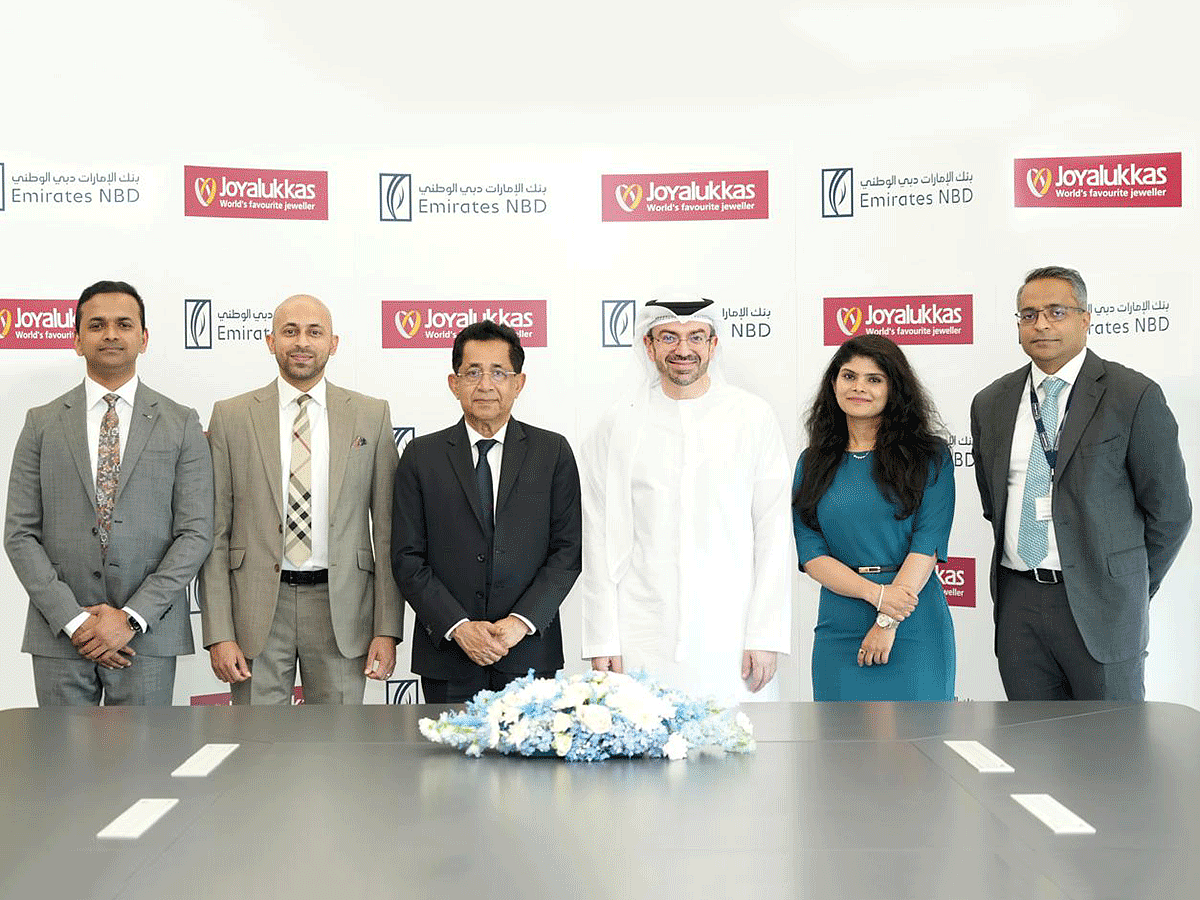
Gold retailer Joyalukkas has secured a significant financing deal with Emirates NBD, confirming a revolving credit facility of 500 million UAE dirhams. The facility will aid Joyalukkas in accelerating its expansion strategy across key international markets, which include the GCC, UK, US, Canada, and Australia. The partnership between Joyalukkas and Emirates NBD is designed to support the retailer’s ambitions by ensuring smooth operational liquidity, particularly during high-demand […]

The Central Bank of the UAE has taken decisive action by suspending the motor insurance operations of a foreign insurer’s local branch. This decision, made under Articles and of Federal Decree Law No. of 2023, is aimed at enforcing compliance with regulatory standards in the UAE’s insurance sector.

The suspension stems from the insurer’s failure to meet the solvency and guarantee requirements stipulated by the UAE’s regulations, a breach that has significant implications for the company’s operations within the country. The CBUAE confirmed that while the insurer’s ability to conduct new business has been halted, it remains liable for all existing insurance contracts and their associated rights and obligations.

The UAE’s regulatory framework for insurance companies, introduced under Federal Decree Law No., is designed to ensure financial stability, consumer protection, and sector transparency. By enforcing stringent solvency and guarantee conditions, the CBUAE aims to maintain the integrity of the local insurance market and safeguard the broader financial ecosystem.

The suspended insurer, a foreign entity operating within the UAE, has been under scrutiny for some time due to concerns about its financial solvency. This regulatory action highlights the central bank’s commitment to enforcing the highest standards of compliance in line with national financial stability goals.

The UAE insurance market, which is one of the most developed in the Gulf region, has seen increased oversight from the CBUAE as part of a broader effort to ensure that insurers adhere to strict regulatory standards. This includes robust checks on financial reserves, consumer protection protocols, and transparent business practices. The CBUAE’s regulatory framework is designed to protect both policyholders and the financial system by ensuring that insurance companies have the necessary capital and guarantees to meet their obligations.

While the suspension affects the foreign insurer’s ability to offer new motor insurance policies, the regulator’s actions ensure that the firm will continue to uphold its responsibilities to policyholders who have existing contracts. This decision underscores the CBUAE’s commitment to protecting the rights of consumers and ensuring the financial health of the insurance sector.

The UAE’s insurance industry has been growing steadily over the past decade, with both domestic and international players seeking to capitalise on the expanding market. As a result, the CBUAE has increasingly focused on ensuring that insurers maintain financial solvency and provide adequate coverage to their customers. The central bank’s intervention in this case is part of a broader regulatory strategy to reinforce these standards across the sector.

The foreign insurer affected by this suspension has not made any public statement regarding the situation, and it is unclear how the suspension will impact its broader operations in the UAE. However, analysts suggest that the company may face significant challenges in regaining its ability to operate in the motor insurance market, given the stringent solvency and guarantee requirements that led to the suspension.

The suspension also highlights the growing regulatory scrutiny within the UAE’s financial sectors, where the central bank is increasingly taking proactive measures to ensure that companies adhere to the highest standards. The UAE government has placed a high priority on maintaining a stable financial ecosystem, with regulations designed to support transparency, consumer protection, and overall market stability.

Looking ahead, it is likely that the CBUAE will continue to monitor the financial health of all insurers operating in the country, ensuring that they meet the required solvency standards and operate in line with the national financial framework. The central bank has indicated that it will not hesitate to take similar actions if other companies fail to comply with the law.

Emirates NBD has entered into a landmark partnership with global jewellery retailer Joyalukkas, providing a substantial AED 500 million working capital facility. This agreement marks a crucial step in the expansion of Joyalukkas’ operations across the UAE, as well as its key international markets, including the UK, USA, Canada, and Australia.

The deal, announced today, highlights the growing collaboration between the two entities, cementing Emirates NBD’s role as a key financial partner in Joyalukkas’ global growth strategy. The working capital facility will allow Joyalukkas to bolster its operations, meet the increasing demand for luxury jewellery, and enhance its retail presence in multiple regions.

Joyalukkas, a household name in the jewellery industry with a vast network of outlets worldwide, is known for its exquisite designs and premium products. Founded in 1987, the retailer has rapidly expanded its footprint, particularly in the GCC region, India, and other high-potential international markets. This new facility from Emirates NBD enables Joyalukkas to navigate challenges associated with working capital and supply chain management while facilitating its growth in a highly competitive market.

The strategic decision to offer this significant financial support underscores Emirates NBD’s commitment to supporting leading UAE-based businesses with ambitious expansion plans. The partnership will also contribute to the local economy, enabling job creation and boosting the retail sector. With an extensive portfolio of services tailored for high-growth industries, Emirates NBD is positioning itself as a critical player in the UAE’s business ecosystem.

For Joyalukkas, the agreement reflects its robust financial health and operational readiness for a broader international reach. As luxury consumption in markets such as the UK, USA, and Australia continues to rise, the retailer is well-placed to capitalise on this growing demand. Furthermore, the working capital facility will enhance its ability to manage large-scale projects and optimise its inventory across regions.

With an extensive network of over 160 showrooms worldwide, Joyalukkas is keen to capitalise on its established reputation while strengthening its presence in key markets. The financial backing from Emirates NBD offers the flexibility required to support large-scale retail operations and secure further growth.

Analysts see this collaboration as a strong endorsement of Joyalukkas’ expansion strategy, particularly its targeted approach towards diversifying into high-potential international markets. As global luxury retail trends shift towards online platforms and omnichannel experiences, Joyalukkas has already begun adapting to these changes, with plans to enhance its digital presence alongside its physical stores.

Emirates NBD, one of the leading banks in the region, has long been known for its strategic partnerships with key players in the retail and manufacturing sectors. By offering tailored financial solutions, the bank has proven to be a crucial enabler of growth for businesses with global aspirations. This latest deal with Joyalukkas adds to the bank’s already impressive portfolio of financial support for companies looking to expand their market reach.

As both organisations look ahead, the partnership represents a shared vision for long-term growth, with Joyalukkas planning to increase its retail footprint in the coming years. The bank’s backing will facilitate Joyalukkas’ ability to expand both in terms of physical retail locations and in the digital domain, where it is likely to see increasing competition.

The deal is also a testament to the UAE’s growing position as a global hub for business and finance, with local institutions playing a pivotal role in helping regional businesses scale internationally. Emirates NBD’s deep involvement with international brands and retailers reflects the increasingly interconnected nature of global trade and commerce.

While the facility’s exact terms remain undisclosed, industry experts suggest that this could be one of many similar deals to follow, as both local banks and international businesses continue to seek mutually beneficial partnerships. The growing demand for high-end jewellery and the increasing prominence of luxury markets globally position this partnership as a key milestone in both organisations’ development.

Abu Dhabi National Oil Company faces significant challenges in its $17.2 billion bid for German chemicals company Covestro after the European Union’s competition watchdog launched a full investigation into the acquisition. The deal, struck last October, was poised to be ADNOC’s largest ever, as well as one of the most substantial foreign takeovers of a European Union-based company by a Gulf state. However, European regulators are concerned that the acquisition may distort the EU internal market due to potential subsidies granted by the United Arab Emirates to ADNOC, which could provide the state-owned oil giant with an unfair advantage.

The European Commission’s investigation, which was triggered earlier this week, specifically focuses on the possibility of foreign subsidies that could influence the competitive landscape within the EU. The Commission, which is tasked with safeguarding market competition within the EU, has expressed concerns that ADNOC’s acquisition of Covestro could be significantly affected by the financial support ADNOC is receiving from the UAE.

Among the subsidies under scrutiny are an unlimited guarantee provided by the UAE government and a capital injection into Covestro. The latter involves ADNOC committing substantial funding into the German company, which would significantly increase its capital base and, potentially, its market power. The Commission’s investigation could ultimately delay or alter the terms of the deal depending on its findings.

ADNOC, which has been aggressively expanding its portfolio and seeking new global opportunities, sees Covestro as an attractive addition to its investments, particularly as the German company holds a strong position in the global chemicals market. The chemicals sector is seen as a crucial area for growth, especially in industries like plastics and polyurethane, which have applications across numerous sectors, including automotive, construction, and electronics. By acquiring Covestro, ADNOC would be able to diversify its business beyond oil and gas, thus making it a more integrated player in the global economy.

The issue of foreign subsidies in cross-border mergers and acquisitions has gained increasing attention in recent years, particularly with the growing influence of state-backed companies from non-EU countries. In 2020, the European Commission introduced new tools to assess foreign subsidies in mergers and acquisitions, with the aim of protecting the EU’s internal market from potential distortions. The ADNOC-Covestro deal is the latest in a series of transactions under this scrutiny.

The Commission’s probe is particularly significant as it reflects broader concerns within the EU over the impact of state-backed companies from non-EU nations acquiring strategic European assets. Such concerns have been heightened by geopolitical tensions and the growing influence of countries like China, Russia, and the UAE, all of which have state-owned or state-supported companies engaging in high-profile international mergers and acquisitions.

While ADNOC has yet to comment on the investigation, the company’s bid to acquire Covestro highlights its ambitions to expand beyond the energy sector. ADNOC’s foray into chemicals and materials is seen as part of its strategy to hedge against the global shift towards renewable energy and decarbonisation. The company is looking to solidify its place in the post-oil world by investing in value-added industries, thereby ensuring a diversified revenue stream.

On the other hand, the European Commission’s actions reflect its determination to maintain a level playing field in the market, ensuring that EU companies are not at a disadvantage when competing with state-backed enterprises from outside the bloc. The EU’s foreign subsidies regulation, which came into force in 2020, provides the Commission with the authority to intervene in such cases, even when the potential subsidies do not directly involve EU-based companies.

As the investigation unfolds, it remains unclear whether the Commission will clear the deal or impose conditions on it. If the deal goes ahead, it could set a significant precedent for future cross-border mergers involving foreign state-backed companies. Conversely, if the deal is blocked or altered significantly, it may send a strong message about the EU’s stance on foreign subsidies and the influence of non-EU governments on its internal market.

VISHNU RAJA
RYO YAMADA
HITORI GOTOH
IKUYO KITA