News related to
Emirates

The United Arab Emirates has long established itself as a vibrant meeting point of cultures, ideas, and innovation — a country where talent from every corner of the world is celebrated. Among the creative figures making their mark on the UAE’s cultural landscape is Zia Ur Rehman Shaikh, a dynamic filmmaker, storyteller, and cultural ambassador whose work continues to inspire and connect communities through the power of […]

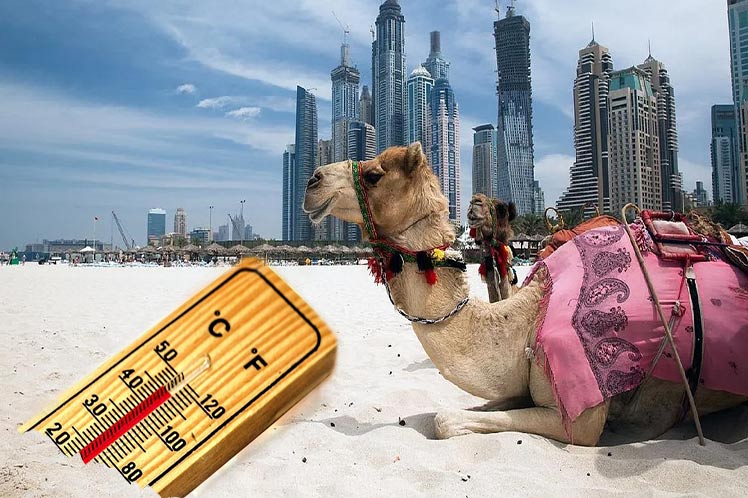
The United Arab Emirates endured an unprecedented surge in temperatures throughout May, with daily highs consistently exceeding 40ºC and several locations surpassing the 50ºC threshold. The National Centre of Meteorology confirmed this month as the hottest May in the country’s recorded history, marking a significant intensification of the region’s ongoing climate challenges.

Several emirates, including Abu Dhabi, Dubai, and Sharjah, experienced prolonged heatwaves that pushed the limits of historic temperature records. The peak temperatures, which exceeded 50ºC in some desert areas, have drawn attention from climatologists and environmental experts, highlighting the accelerated warming trend affecting the Arabian Peninsula. Such extreme heat has severe implications for public health, energy consumption, and urban infrastructure in a region already grappling with water scarcity and rapid urbanisation.

Experts indicate that the exceptional heat is linked to a combination of global climate change and localized meteorological patterns. The Arabian Peninsula’s unique geography, characterised by vast desert expanses, amplifies temperature extremes. Scientists note that climate models have long predicted a rise in heatwaves for this region, but the speed and intensity of these recent temperature spikes are causing concern among environmental analysts.

The impact on daily life has been multifaceted. Health authorities have issued warnings to vulnerable populations, particularly the elderly, children, and outdoor workers, to take precautions against heat-related illnesses. Hospitals have reported an increase in cases of heat exhaustion and dehydration, putting added pressure on healthcare services during the traditionally hot summer months. Municipalities across the UAE have accelerated measures to provide shaded areas and cooling centres to mitigate risks posed by the extreme heat.

Economic sectors dependent on outdoor labour, such as construction and agriculture, have faced operational challenges due to the intense temperatures. Labour laws have been adjusted to ensure safer working hours, often restricting outdoor activities during peak heat periods. The government’s proactive approach to safeguarding workers aligns with international labour standards, but the economic cost of these adjustments remains under evaluation.

Energy demand in the UAE has surged sharply as residents and businesses increase air conditioning usage to cope with the oppressive heat. This spike in electricity consumption raises concerns about grid stability and the environmental impact of increased fossil fuel reliance, despite the country’s ongoing investments in renewable energy. The UAE’s ambitious clean energy goals, including the development of solar power plants and nuclear energy facilities, aim to offset the environmental footprint associated with higher cooling demands.

The National Centre of Meteorology continues to monitor the evolving weather patterns closely, providing regular updates and forecasts to assist government agencies and the public in preparing for ongoing heat conditions. Advanced satellite technology and climate modelling tools are being utilised to enhance prediction accuracy and early warning systems, essential for managing risks related to extreme weather events.

Regional cooperation is becoming increasingly important as neighbouring Gulf countries face similar climatic stresses. Collaborative efforts focus on sharing data, research, and best practices for adapting to higher temperatures and mitigating environmental impacts. Multilateral discussions have emphasised the need for coordinated climate action, recognising that the Arabian Peninsula’s vulnerability to heat extremes transcends national borders.

Urban planners and architects in the UAE are responding by integrating climate-resilient designs into new developments. Innovative cooling technologies, green spaces, and heat-reflective materials are being employed to reduce the urban heat island effect, which exacerbates temperature rises in city centres. These measures are critical as the UAE’s population continues to grow, with urban expansion increasing the demand for sustainable infrastructure solutions.

Environmental groups have stressed the urgency of addressing the underlying causes of climate change, calling for stronger policies on carbon emissions and investment in sustainable technologies. While the UAE has made progress through initiatives such as the UAE Energy Strategy 2050, activists argue that more aggressive actions are required to curb the escalating frequency and severity of heatwaves.

Academic research from regional universities supports these concerns, with studies showing a marked upward trend in temperature averages and heatwave duration over the last two decades. These findings are consistent with broader global warming trends but underscore the disproportionate effects experienced in desert environments.

Public awareness campaigns have played a crucial role in educating residents about heat safety and energy conservation. Government agencies, non-profits, and community organisations collaborate to distribute information on hydration, recognising symptoms of heat stress, and reducing energy use during peak hours. These initiatives aim to enhance community resilience and promote sustainable living practices in the face of climatic shifts.


EDGE, the United Arab Emirates’ premier defence technology conglomerate, has secured a landmark AED 9 billion contract with the Kuwait Ministry of Defence for the supply of eight FALAJ-3 class missile boats. This agreement represents the largest naval shipbuilding export in the Middle East and ranks among the highest-value naval export deals globally.

Under the terms of the contract, EDGE will serve as the prime contractor, overseeing the design, construction, trials, and delivery of the 62-metre vessels. The agreement also encompasses integrated logistics support and in-service support, with EDGE providing ammunition for the ships. Abu Dhabi Ship Building , EDGE’s naval subsidiary, has been designated as the build subcontractor for the programme.

Hamad Al Marar, Managing Director and CEO of EDGE, described the deal as a significant milestone that deepens long-term defence ties between the UAE and Kuwait. He emphasised that the agreement brings a proven class of advanced vessels into regional service and reinforces EDGE’s position as a trusted international partner. Al Marar highlighted the rapid industrial and engineering progress achieved by EDGE, noting the company’s ability to design, build, and deliver complex naval platforms at scale.

The FALAJ-3 class missile boats are designed for high performance and advanced combat capabilities, tailored to meet Kuwait’s operational requirements. These vessels are equipped for littoral defence operations, featuring advanced combat systems and enhanced capabilities to safeguard Kuwait’s maritime interests.

The Kuwaiti Ministry of Defence stated that the acquisition of these vessels will contribute to raising the level of combat readiness, enhancing maritime security, and protecting the vital and strategic maritime interests of the State of Kuwait. The ministry highlighted that the contract aligns with Kuwait’s strategic objectives to bolster its naval capabilities and ensure the security of its territorial waters.

The FALAJ-3 class has also been adopted by the UAE Navy, with the first vessel, ALTAF, commissioned into service in February 2025. This operational deployment underscores the vessel’s proven capability and performance in regional waters.

The signing ceremony was attended by Sheikh Dr. Abdullah Meshal Mubarak Al Sabah, Undersecretary of the Kuwait Ministry of Defence; Dr. Matar Al Neyadi, UAE Ambassador to Kuwait; Hamad Al Marar, Managing Director and CEO of EDGE; and Omar Al Zaabi, President of Trading and Mission Support at EDGE.

This contract is not the first collaboration between EDGE and Kuwait. Previously, EDGE subsidiary ADSB delivered eight landing craft to Kuwait and provided maintenance, repair, and overhaul services to the Kuwaiti Coast Guard. The current agreement further solidifies the defence partnership between the two nations and demonstrates EDGE’s commitment to delivering comprehensive defence solutions.

The FALAJ-3 class vessels are based on the Fearless-class ships originally designed by Singapore’s ST Engineering for the Republic of Singapore Navy. EDGE has adapted and enhanced these designs to meet the specific needs of regional clients, offering a versatile platform capable of operating in both littoral and blue waters. The vessels can be equipped with a range of weapons, including missiles, rockets, and medium-calibre guns, providing robust defensive capabilities against various threats.

Added new locations in Japan, China, the UAE and Saudi Arabia, including the brand’s first resort La Clef Bangkok by The Crest Collection is set to open soon, bringing the brand’s number of operating properties in Southeast Asia to four Launches The Crest Chronicles, the inaugural brand programme celebrating the unique heritage stories that define each property and enrich guest experiences SINGAPORE – Media OutReach Newswire – […]

As top Gulf leaders vied to commit trillions of dollars in investment pledges during President Donald Trump’s Middle East tour, a significant shift emerged among financiers and business circles. Saudi Arabia’s appeal as the region’s primary investment hub is being overshadowed by the United Arab Emirates and Qatar, whose growing economic clout and more flexible policies are attracting greater international interest. Saudi Arabia’s challenges stem from structural […]

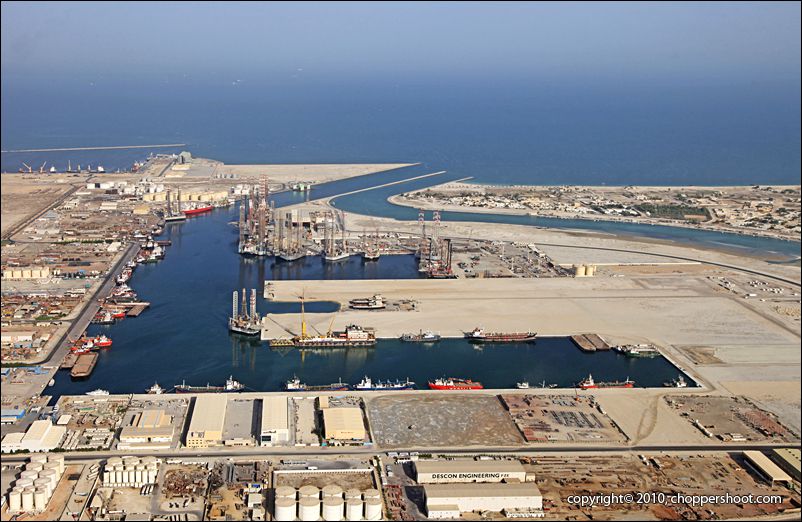
A large fire that erupted at the Al Hamriyah Port in Sharjah posed a significant threat before authorities managed to bring it under control. The blaze ignited in an area where highly flammable materials were stored, escalating the intensity and risk of the incident. Emergency responders acted swiftly to contain the flames and prevent further damage to the industrial site and surrounding facilities.

The fire broke out within one of the storage zones at the port, a critical hub for regional trade and industrial activity. Witnesses described thick plumes of black smoke billowing over the port, visible from several kilometres away. The presence of combustible materials accelerated the fire’s spread, creating a challenging environment for firefighting teams.

Sharjah Civil Defence mobilised a substantial response involving multiple fire engines, specialised foam units, and rescue personnel. The teams prioritised protecting adjacent warehouses and port infrastructure, which include goods vital to supply chains across the Gulf region. Coordinated efforts to establish firebreaks and deploy foam suppression techniques helped contain the blaze.

Industrial storage sites, particularly those housing chemicals, fuels, or other hazardous materials, require stringent safety protocols due to their vulnerability to fires. Officials confirmed that the site contained flammable substances, although exact details about the materials involved remain under review as investigations continue. No casualties were reported, highlighting the effectiveness of emergency evacuations and rapid intervention.

Al Hamriyah Port operates as a crucial gateway for maritime logistics in the United Arab Emirates, serving diverse industries from manufacturing to shipping. The port’s infrastructure includes dedicated zones for various types of cargo, with strict regulations governing storage and handling. The fire raised concerns about the adequacy of safety measures for hazardous materials at such industrial hubs, prompting calls for renewed safety audits.

Emergency services emphasised the importance of routine risk assessments and preparedness in industrial environments, especially where flammable and volatile substances are stored. Training, equipment readiness, and swift communication channels proved vital in managing the incident effectively. The fire’s containment prevented a wider catastrophe that could have disrupted port operations and caused economic losses.

Environmental experts are monitoring potential impacts on air quality due to the smoke and emissions generated by the fire. Initial air sampling indicated elevated levels of pollutants near the port perimeter, necessitating caution for nearby communities and workers. Authorities advised residents to avoid the area and remain indoors until conditions stabilised.

This incident underlines the challenges of managing industrial safety in complex logistics centres where multiple risk factors intersect. Ports like Al Hamriyah play an indispensable role in regional trade but require ongoing investment in infrastructure resilience and emergency response capabilities. Stakeholders are expected to review procedures and infrastructure to mitigate future risks.

The event also highlighted the coordination between various agencies, including civil defence, environmental authorities, and port management. Such collaboration is critical in ensuring a swift and effective response to emergencies. Lessons drawn from this fire will likely influence policies governing industrial storage and fire safety in the UAE and beyond.

Port operations resumed gradually after clearance was given by safety officials, with inspections conducted to assess structural integrity and contamination. Business continuity plans activated by port authorities facilitated minimal disruption to shipping schedules, reflecting the strategic importance of the facility.

PureHealth, the Middle East’s largest healthcare group, has announced that its total investment in locally sourced goods and services has reached AED 2.25 billion, reinforcing its commitment to the UAE’s National In-Country Value Programme. This milestone was highlighted during the 2025 edition of the “Make it in the Emirates” initiative, underscoring the group’s dedication to enhancing the nation’s industrial and healthcare sectors.

In 2024 alone, PureHealth channelled AED 1 billion into the national economy, marking a 38% increase compared to the previous year. This significant uptick aligns with the UAE’s strategic objectives to localise supply chains, promote national enterprises, and accelerate economic diversification.

Since joining the Ministry of Industry and Advanced Technology’s ICV Programme in 2022, PureHealth has set an ambitious target to allocate AED 13 billion towards local procurement by 2032. The group’s efforts are in tandem with the UAE’s broader industrial strategy, which aims to elevate the industrial sector’s GDP contribution to AED 300 billion by 2031.

Shaista Asif, Group Chief Executive Officer of PureHealth, emphasised the long-term vision behind this investment, stating, “By advancing our In-Country Value goals, we are localising critical supply chains, supporting homegrown innovation, and enabling the development of advanced healthcare manufacturing capabilities. This is not just about meeting today’s needs, but building a sustainable, self-sufficient healthcare system that serves UAE communities for generations to come while supporting the nation’s economic and industrial ambitions.”

The group’s commitment is evident in the strong ICV performance across its subsidiaries. Abu Dhabi Health Services Company holds the highest ICV score in the UAE healthcare sector at 81.13%, while Daman, the leading health insurer, ranks second in the UAE insurance sector with a score of 71.86%. Additionally, PureLab and The Medical Office have secured their ICV certifications, and Sheikh Shakhbout Medical City is expected to receive its certification later this year, moving the group closer to full compliance.

Leya Al Damani, Chief Sustainability Officer at PureHealth, highlighted the synergy between sustainability and localisation, noting, “Through partnerships with UAE-based suppliers that share our environmental and quality standards, we are creating long-term value that benefits both our healthcare system and the national economy. The National In-Country Value Programme gives us a powerful framework to scale this impact measurably and responsibly, while also fostering a supportive environment for the growth of small and medium-sized enterprises across the country.”

Advertisements

Dubai’s Roads and Transport Authority has initiated a comprehensive upgrade of Umm Suqeim Street, aiming to significantly enhance traffic flow and urban connectivity across the city. The project, stretching from the intersection with Jumeirah Street to Al Khail Road, is a pivotal component of a broader strategy to modernise the city’s infrastructure and accommodate its rapid urban expansion.

The upgrade is designed to increase the road’s capacity to 16,000 vehicles per hour in both directions, effectively reducing travel time between Jumeirah Street and Al Khail Road from 20 minutes to just six. This enhancement is expected to alleviate congestion and improve accessibility for key residential and commercial areas, including Jumeirah, Umm Suqeim, Al Manara, Al Sufouh, Umm Al Sheif, Al Barsha, and Al Quoz.

Integral to the project are the redevelopment of six major intersections along Umm Suqeim Street. These include the construction of four bridges and three tunnels, collectively spanning 4.1 kilometres. Notably, a two-lane tunnel in each direction will be constructed at the intersection with Jumeirah Street, complemented by a signalised surface-level junction. Another two-lane tunnel is planned at the intersection with Al Wasl Street to facilitate traffic flow from Sheikh Zayed Road towards Jumeirah Street, while maintaining uninterrupted surface traffic in the direction of Sheikh Zayed Road.

At the intersection with Sheikh Zayed Road, two bridges will be constructed to eliminate traffic overlap and enhance movement efficiency. Additionally, a tunnel will be developed at the intersection with First Al Khail Street to accommodate traffic from Al Barsha towards Sheikh Zayed Road, along with associated surface-level improvements. The stretch between First Al Khail Street and Al Asayel Street will be widened by adding one lane in each direction, increasing capacity to four lanes per direction. At Al Khail Road, the works involve the construction and widening of two flyovers—one connecting Al Khail Road with Al Quoz Industrial Area, and the other facilitating traffic from Umm Suqeim Street to Al Khail Road heading towards Deira.

Beyond vehicular traffic improvements, the project places a strong emphasis on enhancing pedestrian and cyclist infrastructure. Upgrades include the development of pedestrian walkways, dedicated cycling tracks, landscaped boulevards, and vibrant public spaces designed to foster community interaction and promote sustainable urban living. A direct link will also be established between the Mall of the Emirates Metro Station and nearby residential communities, enhancing last-mile connectivity and encouraging the use of public transportation.

This initiative is part of RTA’s master plan to overhaul the surrounding road network, which includes planned upgrades to Jumeirah Street, Al Wasl Street, and Al Safa Street. The overarching goal is to enable uninterrupted traffic flow from Jumeirah to Al Qudra Road over a distance of 20 kilometres, thereby improving connectivity across four major transport corridors: Sheikh Zayed Road, Al Khail Road, Sheikh Mohammed bin Zayed Road, and Emirates Road.

Mattar Al Tayer, Director General and Chairman of the Board of Executive Directors at RTA, stated that the upgraded corridor will directly serve vital residential and development areas with a combined population exceeding two million. He emphasised that the project is designed to accommodate Dubai’s rapid population growth and urban expansion while improving the overall quality of life for residents and visitors.

Construction is already 70% complete on a 4.6-kilometre segment of Umm Suqeim Street from Al Khail Road to Sheikh Mohammed bin Zayed Road. This phase includes an 800-metre tunnel near Kings’ School in Al Barsha South and a surface-level junction, scheduled to open in the third quarter of the year. The completion of this segment is expected to reduce travel time between Sheikh Mohammed bin Zayed Road and Al Khail Road by 61%, from 9.7 minutes to just 3.8 minutes.

The RTA is also leveraging advanced technologies to monitor and manage the project’s progress. Drones are being utilised to capture and analyse project data, while artificial intelligence is employed to track construction milestones and performance indicators. This integrated approach has enhanced operational efficiency on-site, accelerated decision-making processes, and enabled the provision of real-time, high-precision data. The adoption of these technologies has resulted in a 100% increase in field presence and a 60% reduction in the time required for site surveys. Time-lapse imaging systems are also being used to continuously monitor construction activities, contributing to a 40% improvement in overall project monitoring efficiency.

Emirates has confirmed plans to operate its fleet of Airbus A380 double-decker aircraft until the close of the 2030s, signalling a strategic decision to extend the service life of the very planes that propelled the airline to global prominence. The Dubai-based carrier intends to introduce one final upgrade to the A380’s first-class cabins as part of its commitment to maintaining the aircraft’s appeal and competitive edge on […]

First Abu Dhabi Bank , the largest lender in the United Arab Emirates by assets, is set to raise approximately $480 million through a secondary share offering. The transaction involves the sale of around 113 million shares at a fixed price of 15.5 dirhams per share, representing a 3.7% discount to the bank’s closing price of 16.1 dirhams on the Abu Dhabi Securities Exchange. Citi, acting as the bookrunner, confirmed that the offering was fully subscribed, with demand surpassing the number of shares available.

The identity of the selling shareholder remains undisclosed. FAB’s largest stakeholder is Mubadala Investment Company, Abu Dhabi’s sovereign wealth fund, which manages assets exceeding $330 billion. As of the end of March, FAB reported total assets of 1.31 trillion dirhams, underscoring its dominant position in the region’s banking sector.

The oversubscription of the share sale indicates robust investor confidence in FAB’s financial health and strategic direction. The bank has been actively pursuing growth opportunities beyond the Gulf region. Two years ago, FAB explored a potential acquisition of London-listed Standard Chartered, signaling its ambition to expand its international footprint.

Under the leadership of Group CEO Hana Al Rostamani since 2021, FAB has undergone significant restructuring to enhance operational efficiency and shareholder returns. The bank reorganized its operations into four new divisions and appointed Linos Lekkas, a veteran from Citi, as the head of its investment banking division. This strategic realignment aims to strengthen FAB’s position in the Gulf and support its expansion plans.

FAB’s strong financial performance further bolsters investor sentiment. In the first quarter, the bank reported a 23% increase in net profit, driven by growth in non-interest income from fees and commissions. This performance exceeded analysts’ expectations and reflects the bank’s diversified revenue streams and effective cost management.

Greenlogue/AP Abu Dhabi’s sovereign investor Mubadala and the Abu Dhabi National Energy Company have finalised the acquisition of an 875-megawatt combined-cycle gas-fired power plant at the Talimarjan Power Complex in Uzbekistan, marking a significant step in the ongoing privatisation of the Central Asian country’s energy sector. Each entity now holds a 40 per cent stake in the TPP1 gas-fired plant through a newly created project company, Talimarjan […]

Gridora, a new infrastructure platform supported by ADQ, the Investment Holding Company , and Modon Holding, has formalised its first major collaboration by signing a memorandum of understanding with the Abu Dhabi Projects and Infrastructure Centre . This partnership aims to streamline the planning and execution of key transport infrastructure projects within the emirate. The MoU sets a strategic framework for cooperation, enabling Gridora and ADPIC to […]

OPEC and its allies, collectively known as OPEC+, have reaffirmed their existing oil production targets through 2026, opting to maintain current supply restraints despite ongoing market volatility and internal disagreements over future quotas.

During a virtual ministerial meeting on Wednesday, the 22-member alliance confirmed that the group-wide production cuts, initially set in 2022, will remain in place. These cuts include a 2 million barrels per day reduction agreed upon in November 2022, along with additional voluntary cuts totaling 3.85 million bpd by eight key producers—Saudi Arabia, Russia, the United Arab Emirates, Kuwait, Iraq, Algeria, Oman, and Kazakhstan. The voluntary cuts are structured in two layers: a 1.65 million bpd reduction extended through the end of 2026 and a 2.2 million bpd cut scheduled to expire in March 2025.

The alliance’s decision to uphold these targets comes amid a backdrop of fluctuating oil prices and concerns over global demand. Brent crude futures have hovered around $65 per barrel, a significant drop from earlier highs, influenced by factors such as increased production from non-OPEC countries and economic uncertainties stemming from global trade tensions.

A more contentious discussion is set to take place on Saturday, when the eight core OPEC+ members implementing voluntary cuts will convene to decide on July production levels. These countries have been gradually unwinding the 2.2 million bpd cut since April, with increases of 411,000 bpd implemented in both May and June. The group is expected to consider a similar hike for July, potentially accelerating the rollback of cuts and impacting global oil supply dynamics.

Dubai is gearing up for its largest shopping event of the year, as the Three-Day Super Sale returns from May 30 to June 1, offering discounts of up to 90% across more than 2,500 outlets and over 500 brands citywide. The event, strategically timed ahead of Eid Al Adha, is expected to draw significant footfall from both residents and tourists seeking value-driven purchases. Organised by the Dubai […]

Over 6,000 delegates from 81 countries convened in Abidjan on Monday as the African Development Bank commenced its 2025 Annual Meetings, focusing on strategies to harness Africa’s capital for sustainable development. The five-day event, held at the Sofitel Abidjan Hotel Ivoire, is set to culminate in the election of a new president to succeed Dr. Akinwumi Adesina, whose decade-long tenure concludes in September. The summit’s theme, “Making […]

The African Development Bank is convening in Abidjan, Côte d’Ivoire, this week to elect a new president, as the institution confronts significant financial pressures following proposed reductions in U.S. contributions. The U.S. government’s plan to decrease its support to the AfDB and its African Development Fund by $555 million presents a substantial challenge for the incoming president. The successor to President Akinwumi Adesina, who concludes his tenure […]

A new summer campaign launched by Mercato Shopping Mall and Town Centre Jumeirah is offering diners a chance to win a luxury holiday for two to the Maldives, in partnership with Emirates Holidays. The promotion, titled “Dine, Scan & Win,” encourages customers to spend AED 200 or more at participating outlets. Upon scanning their PrivilegePLUS app ID, shoppers are entered into a draw for a three-night stay […]

Arabian Post Staff For expatriates settling into the United Arab Emirates, understanding the country’s unique postal system is essential. Unlike many nations that utilize traditional postal codes, the UAE primarily relies on a Post Office Box system for mail distribution. This approach reflects the country’s infrastructural evolution and its emphasis on centralized mail collection points. In the UAE, individuals and businesses typically rent P.O. Boxes from Emirates […]

Dubai Holding has successfully raised AED 2.14 billion through the initial public offering of its Dubai Residential REIT, marking the largest real estate investment trust listing in the Gulf Cooperation Council to date. The offering, priced at AED 1.10 per unit, attracted substantial investor interest, with total demand exceeding AED 56 billion, leading to an oversubscription rate of 26 times. Originally set to offer 12.5% of the […]

Dubai has initiated a pilot programme to tokenise property ownership, marking a significant advancement in its property sector. The Dubai Land Department , in collaboration with Prypco, has launched the ‘Prypco Mint’ platform, enabling fractional property investments through blockchain technology. This initiative positions Dubai as the first city in the Middle East and North Africa region to implement a licensed platform for real estate tokenisation. The project […]

Dubai has introduced the Middle East and North Africa’s first tokenised real estate investment platform, Prypco Mint, enabling individuals to invest in fractional shares of ready-to-own properties starting from AED 2,000. This initiative, spearheaded by the Dubai Land Department in collaboration with Prypco and Ctrl Alt Solutions, aims to democratise access to the emirate’s property market.

Currently, the platform is accessible exclusively to holders of UAE Emirates IDs, with plans for global expansion in subsequent phases. Transactions are conducted solely in UAE Dirhams, and cryptocurrencies are not utilised during the pilot stage. Investors can access comprehensive property details, including pricing, risk factors, and technical specifications, ensuring transparency and informed decision-making.

The project aligns with the Dubai Real Estate Sector Strategy 2033 and the Dubai Economic Agenda D33, which seek to position Dubai as a hub for smart real estate investment. Projections estimate that tokenised assets could account for up to 7% of Dubai’s real estate market by 2033, equivalent to AED 60 billion .

Regulatory oversight is provided by the DLD for physical real estate and the Virtual Assets Regulatory Authority for digital assets, ensuring an integrated and transparent approach. The Central Bank of the United Arab Emirates plays a pivotal role in overseeing the opening of corporate accounts linked to real estate tokenisation through the Client Money Account system, safeguarding investor funds until the purchase process is fully completed.

Industry stakeholders have welcomed the initiative, viewing it as a significant step towards enhancing liquidity and accessibility in the property market. By enabling fractional ownership, the platform opens up investment opportunities to a broader base of investors, particularly those seeking smaller-scale investments.

Ukraine and Russia have carried out the largest prisoner exchange since the onset of the war in 2022, with each side releasing 307 individuals. This significant development follows earlier phases of a broader agreement initiated during peace talks in Istanbul, aiming to exchange 1,000 prisoners from each side. Ukrainian President Volodymyr Zelensky confirmed the return of 307 Ukrainian military personnel, while the Russian Defence Ministry reported a […]

HONG KONG SAR – Media OutReach Newswire – 24 May 2025 – Chief Executive of the Hong Kong Special Administrative Region (HKSAR), John Lee, hailed as a “success” his recent visit to the Middle East (May 10-15), where he led a delegation of more than 50 business leaders and entrepreneurs from Hong Kong and Mainland China on a visit to Qatar and Kuwait. “This Middle East visit […]

Dense fog blanketed parts of the United Arab Emirates on Saturday morning, significantly reducing visibility and prompting the National Center of Meteorology to issue yellow alerts for several coastal and internal regions. The advisory, effective until 9am, particularly affected areas in the western part of the country, including Ghiyathi and Bada Dafas in the Al Dhafra region.

Motorists were urged to exercise extreme caution, as horizontal visibility dropped sharply in affected areas. Abu Dhabi Police also issued warnings to drivers, emphasizing the importance of adhering to speed limits and maintaining safe distances between vehicles.

The fog coincided with soaring temperatures, with inland areas expected to reach between 44°C and 48°C. Coastal regions and islands were forecasted to experience highs ranging from 40°C to 45°C, while mountainous areas could see temperatures between 35°C and 40°C. Sweihan, Al Quaa, and Gasyoura were among the locations anticipated to record the highest temperatures, potentially reaching up to 49°C.

Despite the morning fog, the overall weather was expected to be fair, with partly cloudy conditions in eastern parts of the country. Winds were predicted to be light to moderate, shifting from southeast to northwest at speeds of 10 to 20 km/h, with gusts up to 30 km/h. Sea conditions were expected to remain slight in both the Arabian Gulf and the Oman Sea.

VISHNU RAJA
RYO YAMADA
HITORI GOTOH
IKUYO KITA