News related to
Emirates

Executives in the Middle East are increasingly viewing climate change as a top priority, as highlighted by a comprehensive study examining corporate attitudes towards environmental sustainability. This shift is driven by the recognition that climate change poses significant risks to both the economy and the overall well-being of the region’s populations. The study indicates that an overwhelming majority of executives believe that addressing climate issues is not […]

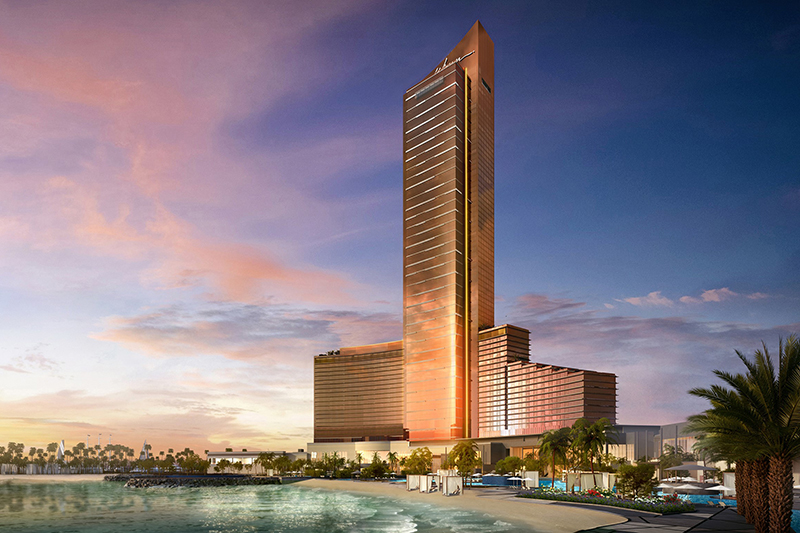
Wynn Resorts has announced the size of its highly anticipated gaming area in Ras Al Khaimah, marking a significant development in the UAE’s burgeoning gaming and entertainment landscape. The new facility is set to span approximately 75,000 square feet, showcasing a range of gaming options, including table games and slot machines, that cater to both international tourists and local patrons. This venture signals a strategic move by the company to establish a foothold in the Middle East, tapping into the region’s growing appetite for luxury entertainment experiences.

The announcement comes as part of a broader initiative to enhance the tourism sector in Ras Al Khaimah, a popular destination known for its scenic landscapes and rich cultural heritage. The gaming area is expected to be a key component of the Wynn property’s larger resort complex, which will include hotels, restaurants, and entertainment venues. This integrated approach aims to attract a diverse range of visitors, boosting both the local economy and the UAE’s position as a premier tourism hub.

The Ras Al Khaimah project is particularly notable in the context of the UAE’s evolving regulatory environment concerning gaming. The UAE government has been progressively liberalizing its policies to attract foreign investment and diversify its economy away from oil dependence. The introduction of casinos and gaming facilities represents a significant shift in the region’s tourism strategy, aligning with global trends where gaming is increasingly integrated into resort experiences. The local government anticipates that this new attraction will draw in millions of tourists, enhancing the emirate’s status as a destination for luxury travel.

Wynn’s investment in Ras Al Khaimah is also reflective of a broader trend among international gaming operators seeking opportunities in emerging markets. With a rising number of affluent travelers looking for unique experiences, the potential for significant returns on investment is compelling. Wynn Resorts, known for its opulent properties in Las Vegas and Macau, aims to replicate its success by offering a similar level of luxury and service in Ras Al Khaimah.

Industry analysts view this development as part of a competitive push among various emirates in the UAE, each striving to carve out a niche in the lucrative tourism sector. Dubai has long been a leader in attracting global tourists, but Ras Al Khaimah’s unique offerings, combined with the Wynn property, could shift some focus towards the northern emirate. The region’s emphasis on family-friendly attractions, adventure tourism, and natural beauty positions it well to attract a diverse array of visitors.

The Wynn project’s ambitious scale is also indicative of the company’s confidence in the UAE’s economic resilience and long-term growth potential. Despite global economic uncertainties, the UAE continues to demonstrate robust growth, particularly in the tourism and hospitality sectors. The government’s proactive measures to stimulate economic activity and enhance visitor experiences have been instrumental in maintaining investor confidence.

Key stakeholders in the gaming and hospitality sectors are closely monitoring Wynn’s progress in Ras Al Khaimah. Local businesses anticipate a positive ripple effect from the casino’s opening, predicting increased foot traffic and customer spending in surrounding areas. The addition of a major gaming destination is expected to create jobs and boost the hospitality sector, further solidifying Ras Al Khaimah’s reputation as a multifaceted travel destination.

Wynn’s expansion into the UAE comes at a time when the global gaming industry is experiencing transformative changes. With technological advancements and shifting consumer preferences, operators are rethinking traditional gaming models. The focus is increasingly on creating immersive experiences that blend gaming with entertainment, dining, and leisure activities. Wynn’s plans in Ras Al Khaimah appear to align with this trend, as the resort is designed to offer a holistic experience rather than merely a gaming-focused environment.

Wynn’s foray into the UAE aligns with the growing trend of luxury tourism, where high-end travelers seek exclusive experiences that go beyond conventional offerings. This strategy may position Wynn as a leader in the luxury gaming sector within the region, appealing to both international tourists and residents alike. The emphasis on creating a world-class resort experience may also influence other operators to enhance their offerings, leading to a broader transformation within the regional gaming landscape.

The Pentagon has announced the deployment of the Terminal High Altitude Area Defense (THAAD) missile defense system to Israel, reinforcing the nation’s defense capabilities against potential missile threats, particularly from Iran. This strategic move includes sending US military personnel to operate the system and comes amid escalating tensions in the region, notably due to Iran’s ongoing missile development and regional activities.

The deployment of the THAAD system, which is designed to intercept short- to intermediate-range ballistic missiles, marks a significant step in US-Israel defense cooperation. The system will enhance Israel’s already robust missile defense architecture, which includes the Iron Dome and David’s Sling systems. US Secretary of Defense Lloyd Austin emphasized the importance of this deployment, stating that it demonstrates the United States’ unwavering commitment to Israel’s security. He reiterated that the United States will continue to work closely with its allies to address shared security challenges.

Analysts suggest that this deployment is not merely a precautionary measure; it serves as a signal to both allies and adversaries that the US stands firmly with Israel in the face of rising threats. Iran’s missile program has expanded rapidly in recent years, with officials claiming capabilities to strike targets across the Middle East. Reports indicate that Iran is developing long-range missiles capable of reaching Europe and beyond, raising alarms not only in Israel but also among European nations and the Gulf states.

The THAAD system, operational since 2008, has been deployed in several locations worldwide, including South Korea and the United Arab Emirates, highlighting its role in US military strategy. This particular deployment is part of a broader framework of military support provided by the United States to Israel, which receives approximately $3.8 billion annually in military aid, as outlined in a 10-year memorandum of understanding signed in 2016.

Tensions have intensified in the region due to a range of factors, including Iran’s nuclear program and its support for militant groups like Hezbollah and Hamas. The Biden administration’s approach to Iran, characterized by attempts to re-engage diplomatically while maintaining a stance of deterrence, reflects the complexities of regional geopolitics. In the wake of stalled negotiations over the Iran nuclear deal, the deployment of THAAD serves as a tangible measure of deterrence.

Experts also note that Israel has been strengthening its own military capabilities, including advancements in aerial defense systems and cyber warfare. The Israeli military has been conducting various exercises to prepare for potential confrontations, ensuring that its forces are ready to respond to threats on multiple fronts. The addition of THAAD will complement these efforts, particularly in countering long-range missile threats.

The timing of this deployment coincides with heightened tensions between Israel and Palestinian factions in Gaza. Following a series of rocket attacks from Gaza, the Israeli military has intensified airstrikes, prompting fears of an escalation into broader conflict. The THAAD system is expected to provide an additional layer of defense against potential retaliatory missile strikes that could emerge from such clashes.

US officials have reiterated that the deployment does not signify an intention to escalate military involvement in the region but rather aims to bolster Israel’s defensive posture. This move reflects a strategic shift toward enhancing missile defense capabilities in an era marked by technological advancements in missile systems worldwide.

As the situation unfolds, the implications of this deployment will likely resonate beyond Israel, influencing the broader dynamics of Middle Eastern security. Regional actors, including Iran, will be closely monitoring the developments, assessing the implications for their own defense strategies and military posturing.

International reactions to the THAAD deployment have been mixed. While Israeli officials have welcomed the additional security assurances, some regional nations view the move with skepticism. There are concerns that increased US military presence could exacerbate existing tensions in an already volatile region.

As the Pentagon mobilizes resources to support Israel, the focus will also shift to diplomatic efforts aimed at addressing the underlying issues driving regional instability. Engaging Iran in constructive dialogue remains a challenge, with trust deficits complicating the prospects for meaningful negotiations.

Dubai’s reputation as a global hub for blockchain innovation solidified further as industry leaders from across the globe gathered for the Future Blockchain Summit 2024. The summit, which runs from October 13 to 16 at Dubai Harbour, features cutting-edge discussions and presentations from experts in blockchain, crypto, NFTs, Web 3.0, and more, signaling a key moment in the advancement of the digital economy.

The Future Blockchain Summit, now in its sixth edition, has evolved into a premier platform for fostering collaborations between governments, enterprises, and startups. It continues to align with Dubai’s ambitious blockchain and digital transformation goals. The event promises to showcase transformative technologies that could redefine financial services, supply chains, healthcare, and governance.

Key highlights of the 2024 edition include insights from a diverse array of speakers, including thought leaders from both the public and private sectors. Major players in the blockchain space, such as Ethereum co-founder Vitalik Buterin and representatives from global blockchain firms, are expected to provide critical analysis on the evolution of decentralized systems, and the road ahead for mainstream blockchain adoption.

Dubai’s focus on blockchain technology is part of a broader strategic vision that began with the Dubai Blockchain Strategy and the Emirates Blockchain Strategy. This framework aims to digitize key government services using blockchain by 2025. The event’s organizers have highlighted the importance of this convergence, noting how governments and enterprises worldwide are increasingly exploring the potential of blockchain to drive efficiency, transparency, and trust in digital transactions.

This year’s summit emphasizes the practical applications of blockchain and its ability to disrupt industries beyond cryptocurrency. With the integration of NFTs, the Metaverse, and Web 3.0 technologies into the mainstream, blockchain is being recognized for its broader implications. During the summit, new solutions and case studies will be shared, shedding light on how blockchain can facilitate digital ownership, secure identity management, and more transparent business operations.

Beyond the focus on blockchain applications, the summit is expected to stimulate dialogue on regulation and sustainability. Policymakers and regulators are anticipated to discuss the creation of balanced frameworks that encourage innovation while ensuring the safety of participants in the digital space. Dubai, in particular, has been a key player in fostering a progressive regulatory environment that has attracted blockchain firms from around the globe.

Among the prominent names attending the event are representatives from DMCC (Dubai Multi Commodities Centre), a key participant in the event. DMCC has been instrumental in supporting blockchain enterprises through its crypto center and blockchain-related initiatives, further solidifying Dubai’s status as a hub for blockchain businesses. DMCC’s representatives will present their insights at the summit, discussing how the organization supports blockchain development within its award-winning free zone community.

The summit also offers opportunities for startups, with several exhibitions and networking events designed to connect emerging firms with potential investors. Several blockchain startups are expected to showcase their innovations, with a particular focus on solving industry-specific challenges through decentralized technologies.

This year, Dubai aims to further its vision as a “Smart City” by emphasizing the integration of blockchain into smart infrastructure projects. These initiatives aim to streamline everything from real estate transactions to cross-border payments. The event underscores how blockchain can enhance operational efficiency, promote transparency in government processes, and provide secure, tamper-proof records.

Notable discussions on the agenda include the future of decentralized finance (DeFi), which is gaining traction as a legitimate alternative to traditional banking. DeFi uses blockchain to eliminate intermediaries in financial transactions, potentially lowering costs and improving access to banking services in underserved markets. Additionally, the summit will explore the impact of blockchain on sustainable practices, particularly in the energy sector.

Dubai’s strategic importance in the global blockchain community is reflected in its hosting of this key event. As the blockchain industry continues to expand, the city is positioning itself as a leader in shaping the future of digital assets and decentralized technologies. The Future Blockchain Summit 2024 is expected to serve as a catalyst for further growth and collaboration within the blockchain ecosystem, helping to propel the technology toward mainstream adoption across industries.


A new co-working space aimed at promoting sustainable building practices has been launched by the Emirates Green Building Council (EmiratesGBC). The Sustainability Lounge, which is designed specifically for members, was inaugurated by Cristina Gamboa, CEO of the World Green Building Council, alongside Khaled Bushnaq, Chairman of EmiratesGBC. This initiative reflects a commitment to fostering collaboration among industry professionals dedicated to sustainability in the built environment. Located within […]

The UAE Cabinet, led by His Highness Sheikh Mohammed bin Rashid Al Maktoum, has approved a forward-looking stance on artificial intelligence (AI) policy, positioning the nation as a central player in shaping global AI governance. This decision is part of the country’s broader strategy to navigate the challenges and opportunities presented by AI on the international stage. The AI policy, developed collaboratively by the Ministry of State […]

Adani Group, led by billionaire Gautam Adani, is reportedly engaged in discussions with a Middle Eastern sovereign wealth fund to secure a significant investment in its airport business. The move is seen as part of the conglomerate’s broader strategy to raise up to $1 billion to fund its airports division. These talks come at a critical juncture as Adani seeks to solidify its position in India’s infrastructure and aviation sector while addressing concerns over its debt levels.

Adani Airports, a subsidiary of the Adani Group, currently operates several major airports across India. It has been aggressively expanding its footprint in the country’s aviation industry, holding stakes in seven airports, including those in Mumbai, Ahmedabad, and Lucknow. This push into the airport sector is part of the group’s broader goal to diversify its operations and strengthen its presence in infrastructure, energy, and transportation. Airports have become a key focus area for Adani in recent years, reflecting the company’s long-term bet on India’s growing demand for air travel and infrastructure development.

Reports suggest that the potential deal with the Middle Eastern sovereign wealth fund could result in a capital injection that would help Adani Airports scale up its operations, reduce its debt burden, and maintain financial stability. While the identity of the sovereign wealth fund has not been publicly disclosed, sources familiar with the matter indicate that the discussions are at an advanced stage. The potential investment is expected to bolster Adani’s ability to meet its expansion goals and improve its financial health, particularly after facing scrutiny over its leverage levels following a short-seller report earlier this year.

The interest from the sovereign wealth fund also signals the growing appetite among Gulf-based investors to participate in India’s infrastructure growth. The Middle East, particularly countries like the United Arab Emirates and Saudi Arabia, has increasingly turned its attention to the Indian market, recognizing the long-term potential in sectors such as energy, logistics, and aviation. Adani’s airport business, with its strategic portfolio of assets, is an attractive proposition for investors seeking exposure to India’s booming aviation industry and infrastructure projects.

For the Adani Group, securing this investment would mark a significant milestone. The company has been under pressure to demonstrate its ability to navigate financial challenges while continuing its rapid expansion across key sectors. Earlier in 2023, Adani’s financial dealings came under intense global scrutiny after a report by the U.S.-based short seller Hindenburg Research accused the group of stock manipulation and accounting fraud. The allegations triggered a sharp decline in Adani’s share prices and forced the group to undertake damage control efforts, including scaling back its capital expenditure plans and repaying debt to allay investor concerns.

Despite these challenges, the group has maintained its aggressive growth trajectory, particularly in sectors like airports, ports, power generation, and renewable energy. Adani Airports, in particular, has been a core element of the company’s infrastructure portfolio, with the group committing substantial resources to transform its airport assets into world-class aviation hubs. The airport business is seen as a long-term growth driver for Adani, especially as India continues to witness strong growth in air passenger traffic. Pre-pandemic projections had anticipated India to become the world’s third-largest aviation market by 2025, and the post-pandemic recovery has further fueled optimism about the sector’s prospects.

Adani’s push for fresh capital comes as the Indian government intensifies its focus on modernizing and expanding the country’s airport infrastructure to meet growing demand. The government has introduced several policy reforms aimed at attracting private investment in the aviation sector, including public-private partnerships and airport privatization initiatives. Adani’s airports division has been a major beneficiary of these reforms, having won competitive bids to operate several airports under long-term concession agreements.

This potential $1 billion capital raise aligns with the company’s broader strategy of attracting foreign investments to support its infrastructure ambitions. In recent years, the Adani Group has successfully secured investments from global players, including a $6 billion investment from TotalEnergies for its renewable energy business. By bringing in a strategic partner for its airport business, Adani aims to replicate this success in aviation, further boosting its ability to scale up operations and enhance the efficiency of its airport assets.

The timing of these negotiations also coincides with increasing interest from international investors in India’s growing aviation market. India is expected to witness a rapid increase in air traffic over the next decade, driven by rising middle-class incomes, urbanization, and increased business travel. With this backdrop, Adani’s airport business is poised to capture a significant share of this growth, particularly as the company continues to expand its airport operations and invest in modernizing its existing assets.

While the final terms of the deal are yet to be finalized, industry analysts believe that the investment from the Middle Eastern sovereign wealth fund could serve as a crucial catalyst for Adani’s airport ambitions. The deal would provide much-needed liquidity to the group and enhance its ability to fund future airport projects, including terminal expansions, new runway constructions, and modernization efforts at its airports.

Advertisements

Emirates has officially launched its first retail outlet in Europe, the ‘Emirates World’ Travel Store, located on Cromwell Road in London’s South Kensington. This significant opening is part of the airline’s strategy to enhance customer engagement and expand its presence through a series of retail stores worldwide. The store aims to blend advanced technology with personalized service, reflecting a growing trend among airlines to create immersive customer experiences beyond traditional ticket sales.

The design of the new store highlights Emirates’ commitment to innovation and customer service. With interactive kiosks and knowledgeable staff, the store is intended to offer personalized travel consultations and an array of services, including flight bookings, travel packages, and exclusive merchandise. This move aligns with the broader shift in the travel industry, where airlines are increasingly investing in direct customer interaction points to provide tailored travel solutions.

Located in a bustling area known for its luxury shopping and proximity to cultural landmarks, the Emirates World Travel Store is expected to attract both local residents and tourists. The strategic choice of location underscores Emirates’ intention to engage with customers in a high-traffic area, enhancing visibility and accessibility. This first European store sets the stage for a planned rollout of 40 similar outlets globally, aiming to strengthen the airline’s brand presence in key markets.

Emirates has established itself as a leader in the airline industry, not just through its extensive flight network but also by prioritizing customer experience. The new store will offer various features, including a digital booking platform that allows customers to explore travel options and make reservations in a streamlined manner. The incorporation of smart technology is a response to the increasing demand for digital solutions in travel planning, allowing customers to engage with the brand in a modern and efficient way.

The launch of this store comes at a time when the airline industry is rebounding from the effects of the pandemic. Airlines worldwide are exploring innovative ways to adapt to shifting consumer behaviors and preferences, with a focus on enhancing customer experience. Emirates’ entry into retail is a strategic pivot, positioning the airline to better serve its customers while promoting its extensive travel offerings.

Experts in the travel and hospitality sector emphasize that this shift towards creating physical retail spaces is a significant trend in the industry. As airlines face heightened competition and evolving consumer expectations, establishing a tangible presence can foster brand loyalty and deepen customer relationships. The travel store concept allows Emirates to create a brand experience that engages customers in a personal manner, offering face-to-face interaction that is increasingly valued in a digital age.

The new Emirates World Travel Store is designed not just as a transactional space but as an immersive brand experience. It is expected to host events and workshops focused on travel advice, cultural experiences, and destination highlights, further engaging the community and enhancing brand affinity. Such initiatives are likely to attract a diverse customer base, from travel enthusiasts to families planning their vacations, positioning the airline as a holistic travel partner rather than merely a service provider.

As part of its global expansion strategy, Emirates has indicated that more stores will follow in key locations across various regions. This approach not only allows Emirates to extend its brand but also opens up new revenue streams, which is crucial in a post-pandemic landscape. The airline’s investment in physical retail outlets signifies a commitment to enhancing customer service and embracing the evolving dynamics of consumer engagement in the travel sector.

While the airline industry adapts to new challenges, including fluctuating travel demand and economic uncertainties, Emirates’ strategy to diversify its service offerings may provide a competitive advantage. By investing in customer engagement through innovative retail experiences, the airline can enhance customer loyalty and drive bookings, critical factors in sustaining growth in an increasingly competitive environment.

SHANGHAI, CHINA – Media OutReach Newswire – 11 October 2024 – The 11th edition of the China Shanghai International Children’s Book Fair (CCBF) will take place from November 15-17, 2024 in Shanghai. As the leading event in the Asia Pacific region dedicated to children’s books and content, the 2024 CCBF is expected to host 480 exhibitors from over 30 countries and regions, with an anticipated attendance of […]

Donald Trump has pledged to eliminate income taxes for Americans residing overseas, a significant proposal aimed at attracting expatriates as he intensifies his campaign for the 2024 presidential election. This announcement aligns with a broader set of tax reforms Trump has advocated, positioning him as a candidate focused on reducing financial burdens for citizens living abroad. The proposal suggests that Americans who have established residency outside the […]

Jonathan Keyes has been appointed as the Head of Sustainable Finance for the Middle East by ING, the Dutch multinational banking and financial services corporation. This strategic move aligns with ING’s commitment to promoting sustainability and supporting clients in their transitions toward more sustainable business practices. Keyes, who previously held the position of Global Head of Sustainable Finance at the bank’s headquarters in Amsterdam, brings a wealth […]

Bond sales across the Middle East are expected to achieve unprecedented levels in 2024, driven by favorable market conditions, a surge in infrastructure spending, and robust economic recovery initiatives. This trend reflects a growing confidence among investors in the region’s economic resilience and long-term potential. Financial analysts project that bond issuances could surpass previous records as governments and corporations capitalize on favorable borrowing conditions and the need […]

Interest in real estate investment trusts (REITs) within the Gulf Cooperation Council (GCC) is increasing, fueled by favorable economic conditions, including lower interest rates and supportive government initiatives. These factors are positioning REITs as a viable investment avenue, particularly in the United Arab Emirates, where significant moves by key players signal a burgeoning market.

This week, reports emerged that Dubai Holding, a prominent state-backed conglomerate, is contemplating the establishment of a REIT, which underscores a growing trend among major firms in the region to explore this investment vehicle. The potential of a Dubai Holding REIT reflects the larger movement towards diversifying investment portfolios, a strategy encouraged by the UAE government as part of its broader economic goals.

Concurrently, the Dubai-based developer BinGhatti has expressed interest in launching a REIT, having previously issued a $200 million bond in a bid to bolster its financial footing. The firm’s initiative comes on the heels of increasing investor appetite for diversified real estate assets, particularly as traditional investment avenues face uncertainty.

Market analysts note that the current low interest rates create an attractive environment for real estate investment. With borrowing costs remaining subdued, developers and investors find it more feasible to finance property purchases and projects. This trend could potentially amplify returns on investments, particularly through REITs, which offer shareholders dividends from income generated by real estate investments.

The tax exemptions provided to REITs in the UAE further enhance their appeal. These exemptions, coupled with the government’s encouragement for diversified investments, aim to attract both domestic and foreign investors, positioning the UAE as a competitive market for REITs. By alleviating some financial burdens associated with real estate investments, the government hopes to stimulate growth in this sector, ultimately leading to more sustainable economic development.

Experts assert that the burgeoning interest in REITs also aligns with global investment trends. Investors worldwide are increasingly turning to REITs as a method of accessing real estate markets without the need for direct ownership. This trend is particularly appealing in regions experiencing rapid urbanization and population growth, such as the GCC. By investing in a REIT, individuals can gain exposure to a diversified portfolio of income-generating properties, which can be more stable compared to traditional equities.

The diversification of the investment landscape in the GCC is not limited to REITs. The broader trend toward alternative investments is gaining traction, with private equity and venture capital also drawing attention. Investors are exploring ways to balance risk and reward, seeking opportunities that traditional investment vehicles may not offer. As the GCC nations strive to diversify their economies away from oil dependency, the growth of alternative investments is expected to play a pivotal role in shaping the region’s financial landscape.

Dubai’s real estate market has demonstrated resilience, with property prices showing signs of recovery following previous downturns. This renewed confidence in the real estate sector, coupled with low interest rates, positions REITs as an attractive option for both local and international investors looking to tap into the UAE’s dynamic property market. The potential for stable income through dividends from REITs aligns with the growing demand for income-generating assets, particularly among retirees and long-term investors.

The development of the REIT sector in the GCC is still in its infancy, but the commitment from major firms like Dubai Holding and BinGhatti suggests a significant shift towards embracing this investment model. As these companies move forward with their plans, their success will likely pave the way for more firms to enter the market, fostering a competitive environment that could lead to further innovations in real estate investment.

The establishment of regulatory frameworks supporting REITs is essential for their growth. The UAE has made strides in creating a conducive environment for REITs, with guidelines that facilitate their operation while ensuring investor protection. Ongoing collaboration between the government, regulatory bodies, and the private sector will be crucial in driving the success of REITs in the region.

The global economy’s current landscape, characterized by uncertainty and volatility, emphasizes the importance of diversifying investment portfolios. As investors increasingly seek stable and resilient options, the GCC’s REITs present a promising alternative. The region’s economic diversification initiatives and the ongoing development of its real estate market contribute to a favorable outlook for REITs.

Abu Dhabi’s Modon Properties has announced a strategic joint venture with Candy Capital to develop a luxury real estate portfolio aimed at affluent buyers. This collaboration reflects the growing demand for high-end living spaces in the United Arab Emirates, particularly as the market rebounds from the impacts of the global pandemic. Modon, a leading developer in Abu Dhabi, has established a strong reputation for creating master-planned communities […]

A transformative budget for 2025 has been approved by the UAE Cabinet, reflecting a strategic vision to enhance the nation’s economic growth, development, and social welfare. The budget, amounting to an unprecedented AED 72.8 billion (approximately USD 19.8 billion), is designed to bolster critical sectors, improve infrastructure, and drive innovation.

Key allocations in the budget underscore a commitment to education, healthcare, and economic diversification. The Ministry of Education will receive AED 16.2 billion, marking a significant increase aimed at advancing educational facilities and enhancing the quality of teaching. This initiative aligns with the broader objective of cultivating a skilled workforce equipped to meet the demands of a rapidly evolving job market.

Healthcare also sees substantial investment, with AED 10 billion earmarked to improve public health services and infrastructure. This funding is expected to expand healthcare access and enhance service delivery across various emirates, particularly in remote areas. The focus on healthcare is part of a long-term strategy to prioritize citizens’ health and well-being, especially in light of the challenges posed by global health crises.

Infrastructure development continues to be a priority, with a notable AED 14 billion allocated for projects aimed at modernizing transport and logistics systems. This investment is poised to facilitate greater connectivity within the UAE and enhance the nation’s position as a global trade hub. It underscores the commitment to maintaining a competitive edge in the region’s logistics and supply chain sectors.

The budget also emphasizes environmental sustainability and energy efficiency. Initiatives aimed at promoting renewable energy and reducing carbon emissions are integral to the government’s long-term vision. Funding for green projects and sustainable practices reflects a commitment to diversifying the energy portfolio and reducing dependency on fossil fuels. This aligns with the UAE’s ambitious sustainability goals, which aim to establish the country as a leader in clean energy solutions.

The Cabinet’s decision to prioritize economic diversification is evident in the allocation of AED 9 billion to support small and medium-sized enterprises (SMEs). Recognizing the pivotal role that SMEs play in driving economic growth and job creation, the government aims to provide these businesses with the necessary resources and support to thrive in a competitive market. This initiative is expected to stimulate innovation and entrepreneurship across various sectors.

Digital transformation is another focal point of the budget, with AED 6.4 billion directed towards enhancing digital infrastructure and cybersecurity measures. As the UAE continues to position itself as a tech-savvy nation, investments in digitalization are crucial for driving efficiency and improving service delivery in both public and private sectors. This funding aims to foster a digital ecosystem that encourages technological advancements and enhances the overall quality of life for residents.

The Cabinet’s approval of the budget reflects a comprehensive approach to governance, prioritizing both immediate needs and long-term goals. The strategic allocations signal a robust framework for navigating challenges while harnessing opportunities for growth. The budget aims to position the UAE as a resilient economy capable of adapting to global shifts and uncertainties.

In addition to focusing on domestic priorities, the budget also highlights the UAE’s commitment to international partnerships. Allocations for foreign aid and developmental assistance demonstrate the nation’s dedication to fostering relationships with other countries and contributing to global efforts in areas such as education, health, and infrastructure development. This commitment enhances the UAE’s reputation as a proactive player on the international stage, reinforcing its position as a leading contributor to global development.

The government has expressed optimism that the 2025 budget will stimulate economic activity and support job creation across various sectors. Officials anticipate that strategic investments will yield positive returns, enhancing overall economic resilience. The budget serves as a roadmap for growth, providing a foundation for initiatives aimed at increasing productivity and fostering a culture of innovation.

A significant refinancing deal has been finalized for Fairmont The Palm, a prominent luxury hotel located in Dubai. IFA Hotels & Resorts announced it has secured a $163 million refinancing package from Emirates NBD. This move is aimed at strengthening the hotel’s financial position and facilitating continued investment in its operations and services.

Fairmont The Palm is situated on the iconic Palm Jumeirah, a man-made island renowned for its luxurious residences and attractions. The hotel boasts 391 rooms, multiple dining options, and extensive leisure facilities, including a private beach, swimming pools, and wellness services. Given Dubai’s status as a premier tourist destination, the hotel’s location and amenities contribute to its strong appeal.

The refinancing package represents an important step in IFA Hotels’ strategy to optimize its capital structure and support the ongoing recovery of the hospitality sector in Dubai. The funds are expected to be utilized for various enhancements within the hotel, ensuring that it remains competitive in a rapidly evolving market.

Dubai’s hospitality industry has shown resilience and adaptability in the face of challenges brought on by the COVID-19 pandemic. As travel restrictions ease and international tourism rebounds, hotels across the emirate are focusing on improving guest experiences and expanding their offerings. Fairmont The Palm, with its established reputation and high occupancy rates, stands well-positioned to benefit from this recovery.

The financing from Emirates NBD not only underscores the bank’s confidence in the hospitality sector but also aligns with its commitment to supporting strategic developments in Dubai’s tourism landscape. Emirates NBD has played an active role in financing significant projects across various sectors, reflecting its dedication to facilitating growth in the region’s economy.

Investment in hospitality has become a priority for Dubai, particularly as the emirate aims to attract 25 million visitors annually by 2025. Initiatives to enhance tourism infrastructure, such as the recent launch of new entertainment venues and improved transportation links, are part of a broader strategy to diversify the economy and reduce reliance on oil revenues.

Fairmont The Palm’s refinancing is indicative of broader trends within the hospitality sector, as hotels and resorts seek financial solutions that enable them to adapt to changing market dynamics. Many establishments are re-evaluating their business models to focus on sustainability, digital transformation, and personalized guest experiences.

Industry analysts point to the increasing importance of wellness and sustainability in hospitality. As guests become more conscious of their impact on the environment, hotels that invest in sustainable practices are likely to gain a competitive edge. Fairmont The Palm has been recognized for its commitment to sustainability, implementing eco-friendly initiatives such as waste reduction programs and energy-efficient technologies.

Looking ahead, Fairmont The Palm plans to capitalize on emerging trends in the hospitality industry. The hotel is exploring new culinary concepts, partnerships with local artists for cultural programming, and technology-driven enhancements that improve guest interactions. These initiatives aim to create memorable experiences that resonate with both leisure and business travelers.

The refinancing deal is not only beneficial for Fairmont The Palm but also reflects the overall health of Dubai’s hospitality market. With the UAE government’s efforts to boost tourism and investments in infrastructure, hotels are witnessing a surge in both domestic and international bookings. As events and exhibitions resume, the demand for accommodations is expected to increase further, providing opportunities for hotels to maximize their revenue streams.

Several key players in the hospitality sector are closely monitoring the developments surrounding Fairmont The Palm and other major hotels in Dubai. The success of such refinancing deals could pave the way for additional investments and partnerships in the region, particularly as the emirate strives to maintain its position as a leading global tourist destination.

As the global hospitality industry continues to recover from the pandemic, the focus on financial resilience and adaptability will be paramount. Fairmont The Palm’s successful refinancing indicates a positive outlook for the sector, positioning the hotel to thrive amidst the evolving landscape.

The United Arab Emirates has implemented a significant tax relief for cryptocurrency-related businesses and investment firms, providing them with a value-added tax (VAT) exemption that aims to bolster the country’s position as a global hub for digital assets and investment services. This move, which comes as part of the UAE’s broader economic reforms, reflects its ongoing efforts to attract fintech innovators, financial institutions, and investors seeking a […]

Collaborative investment efforts are accelerating the development of Ras El Hekma on Egypt’s north coast, with the United Arab Emirates emerging as a key player in this transformative project. This coastal area is being positioned as a prime tourist destination, highlighting a strategic partnership aimed at bolstering economic growth in Egypt.

The UAE’s involvement stems from a broader initiative to enhance bilateral ties between the two nations, with a focus on infrastructure and tourism development. In a landmark agreement signed earlier this year, the UAE’s significant investment is expected to amount to billions of dollars, signaling confidence in Egypt’s potential for growth and development in the tourism sector. This collaboration aligns with Egypt’s Vision 2030, which seeks to diversify the economy and increase foreign investment.

Ras El Hekma, located approximately 80 kilometers west of Alexandria, is notable for its picturesque coastline and proximity to the Mediterranean Sea. The region has long been earmarked for development due to its favorable geographical location, which provides access to major transportation routes. Recent government initiatives have spotlighted Ras El Hekma as a vital component of Egypt’s tourism strategy, targeting both domestic and international visitors.

The development plans for Ras El Hekma include upscale resorts, luxury hotels, and residential units designed to attract both tourists and expatriates. A key aspect of this project is sustainability, with investments aimed at creating eco-friendly infrastructures that preserve the natural landscape while accommodating tourism. Authorities are keen to balance the influx of visitors with environmental stewardship, ensuring that Ras El Hekma retains its natural beauty.

Local authorities have reported that the first phase of the development is already underway, with groundwork being laid for the construction of high-end hotels and entertainment facilities. Partnerships with leading hospitality brands are being established to enhance the attractiveness of the region. This initial phase is expected to create thousands of jobs, contributing positively to the local economy.

Key players in the real estate sector are also engaging in this project. Prominent UAE-based real estate developers are exploring opportunities to invest in Ras El Hekma. Their expertise in luxury developments will play a crucial role in transforming the area into a sought-after destination for both international tourists and affluent residents. This influx of investment from UAE developers highlights a growing trend of Middle Eastern investment in North African markets, particularly in sectors like real estate and tourism.

The Egyptian government is committed to supporting these efforts through favorable policies and infrastructure improvements. Plans for enhancing transportation networks to Ras El Hekma include the expansion of roadways and the development of nearby airports to facilitate easier access for tourists. This strategic infrastructure development is critical to ensuring the success of the tourism initiative.

The UAE’s involvement in Ras El Hekma is part of a larger economic strategy that extends beyond tourism. Investments in sectors such as renewable energy, agriculture, and technology are also being explored, reflecting the UAE’s vision for a diversified portfolio in Egypt. The strong economic ties between the two countries are underscored by numerous high-level visits and trade agreements aimed at fostering collaboration.

Challenges remain as the project progresses. Economic stability and regional security are crucial factors that could influence investor confidence. The Egyptian economy has faced significant hurdles in recent years, including inflation and currency fluctuations, which may impact the overall viability of large-scale investments. Nevertheless, the UAE’s commitment to investing in Ras El Hekma is indicative of its belief in the potential of the Egyptian market.

The United Arab Emirates has amended its Value Added Tax (VAT) legislation to exempt fund management firms and specific virtual asset services, marking a significant shift in its tax framework aimed at enhancing the region’s appeal to international investors. This change aligns with the UAE’s broader strategy to establish itself as a global financial hub and a favorable environment for innovative financial services.

As part of these amendments, the UAE’s Federal Tax Authority (FTA) has clarified the conditions under which fund management services can operate free from VAT. The exemption applies primarily to fund managers operating within the scope of financial services, allowing them to attract more investments without the burden of additional taxation. This initiative is expected to facilitate growth in the asset management sector, further attracting foreign direct investments.

The decision is a strategic move reflecting the UAE’s commitment to maintaining a competitive edge in the finance sector. It comes amid increasing competition from other global financial centers, which have been offering favorable tax regimes to attract fund managers and investors. By removing VAT on fund management services, the UAE aims to streamline operations for these firms and enhance their profitability, ultimately encouraging greater investment flows into the region.

In addition to the VAT exemption for fund management firms, the legislation also introduces provisions specifically tailored for certain virtual asset services. This includes companies engaged in activities related to digital currencies and other blockchain technologies. The VAT exemption is seen as a vital step in fostering innovation in the fintech space, as it reduces the cost of compliance and operational expenses for these businesses.

Key players in the finance and technology sectors have welcomed the amendments, viewing them as a vital step toward bolstering the UAE’s status as a leader in financial technology. The exemptions are expected to attract not only local firms but also international players looking to establish a presence in the UAE, thus enriching the local economy and creating job opportunities.

These legislative changes come as the UAE continues to develop its regulatory framework for virtual assets, including cryptocurrencies and blockchain technologies. The government has been proactive in engaging with industry stakeholders to ensure that the legal and regulatory environment is conducive to innovation while ensuring compliance with international standards.

The move aligns with global trends where countries are increasingly recognizing the significance of virtual assets and the potential economic benefits they can bring. With more nations introducing regulations to harness the growth of cryptocurrencies, the UAE’s latest amendments position it favorably within this dynamic landscape.

Economic analysts suggest that the VAT exemptions could significantly boost the asset management industry in the UAE, allowing firms to enhance their operational efficiency and competitiveness. As the region continues to evolve as a financial hub, the introduction of such measures is anticipated to attract a diverse array of investment products, including private equity, hedge funds, and real estate investment trusts.

The UAE’s financial sector has shown resilience and adaptability in the face of global economic challenges. With this latest reform, the nation reiterates its commitment to providing a robust framework for financial services, fostering a business-friendly environment that encourages investment and innovation.

Stakeholders are optimistic about the potential long-term impacts of these changes. By reducing the tax burden on fund management and virtual asset services, the UAE not only enhances its attractiveness to international investors but also stimulates local entrepreneurship in the financial technology space. This is expected to lead to a vibrant ecosystem that can drive further advancements and innovation.

The amendments to the VAT law are expected to be a game-changer for fund management firms, enabling them to operate with greater flexibility and reduced costs. As the financial landscape evolves, these firms can focus more on delivering value to their clients and exploring new investment opportunities.

While the immediate effects of the changes are still unfolding, industry experts are already observing heightened interest from foreign investors seeking to capitalize on the UAE’s favorable business climate. The tax exemption is likely to facilitate new partnerships and collaborations between local and international firms, thereby enriching the region’s financial services landscape.

Saudi Arabia’s Public Investment Fund (PIF) is evaluating the possibility of increasing its stake in Nintendo, a move that reflects the kingdom’s strategic interest in the global gaming industry. This potential investment comes amid an ongoing trend of Middle Eastern investment in major gaming companies, which has seen significant financial outlays in recent years. PIF’s foray into the gaming sector aligns with Saudi Arabia’s broader economic diversification efforts, as outlined in its Vision 2030 initiative aimed at reducing reliance on oil revenues.

The PIF currently holds approximately 8% of Nintendo, a position acquired through a series of investments totaling around $1 billion. This stake has proven to be lucrative, especially as Nintendo’s stock has surged in response to the success of its Switch console and various blockbuster game releases. By contemplating a larger stake, the PIF aims to bolster its portfolio further and capitalize on the gaming sector’s growth trajectory.

The global gaming industry has shown remarkable resilience and growth, with market analysts projecting it to surpass $200 billion by 2023. Major players in the sector, including Microsoft and Sony, have been investing heavily in game development studios and new technologies, indicating a competitive environment that encourages investment and innovation. Nintendo, with its legacy of popular franchises like Mario, Zelda, and Pokémon, remains a pivotal figure within this landscape, making it an attractive target for investors.

Saudi Arabia’s ambition to become a hub for entertainment and digital gaming has prompted local authorities to pursue partnerships with international gaming firms. The kingdom has already hosted numerous esports events and launched initiatives aimed at fostering a domestic gaming industry, reflecting its commitment to being at the forefront of this rapidly evolving sector. The interest from the PIF not only signifies confidence in Nintendo’s future but also highlights the strategic importance of gaming as a component of Saudi Arabia’s economic diversification.

The interest from the PIF aligns with other notable investments in the gaming space, including the acquisition of a significant share in Activision Blizzard and partnerships with other gaming companies. The PIF’s strategy appears to be part of a larger pattern of sovereign wealth funds increasingly looking towards technology and entertainment sectors for growth opportunities. This trend has implications for the global gaming market as it encourages consolidation and new capital influx, potentially leading to innovative developments in gaming technology and experiences.

The potential expansion of the PIF’s investment in Nintendo could signal more profound collaborations in game development, marketing, and distribution strategies. Analysts speculate that increased financial backing could empower Nintendo to explore new technologies such as augmented reality (AR) and virtual reality (VR), which are becoming pivotal in enhancing user experiences in gaming. As the industry pivots towards more immersive gaming experiences, the involvement of entities like the PIF could drive significant advancements.

The broader implications of this investment strategy are evident in the way it could influence Nintendo’s operational decisions. Historically, Nintendo has maintained a conservative approach to partnerships, preferring to develop its titles in-house. However, increased capital from a strategic partner like the PIF may enable the company to consider joint ventures or collaborations that could lead to innovative gaming experiences while retaining its unique brand identity.

The engagement of sovereign wealth funds such as the PIF in the gaming industry could pave the way for a more competitive landscape, where financial resources are directed towards emerging gaming trends and technologies. This influx of capital can catalyze growth in areas such as mobile gaming, cloud gaming, and subscription-based models, which are gaining traction in the industry.

As the PIF deliberates on increasing its stake in Nintendo, it reflects broader ambitions within Saudi Arabia to shape its economic future. By investing in established firms with strong intellectual property, the PIF seeks not only to grow its financial holdings but also to position the kingdom as a prominent player in the global entertainment arena. The potential collaboration between the PIF and Nintendo could herald a new era of gaming innovation and economic growth, showcasing the evolving landscape of international investment in the gaming sector.

This engagement comes as other Middle Eastern nations also ramp up their efforts to invest in entertainment and technology, with the United Arab Emirates and Qatar also making substantial investments in gaming and esports. The race to establish a foothold in the burgeoning gaming industry may see a heightened pace of mergers, acquisitions, and partnerships as countries compete for dominance in this lucrative sector.

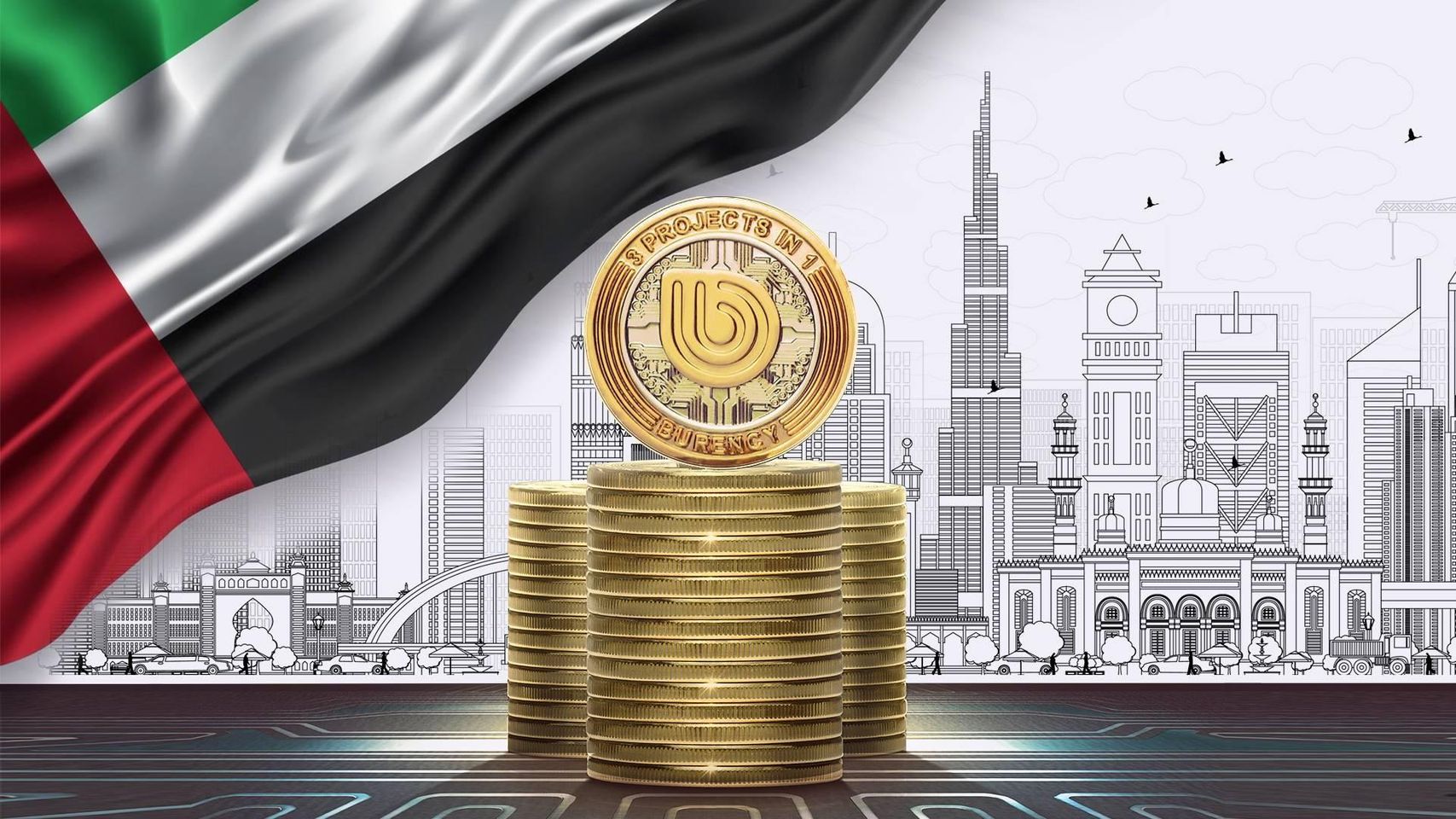
The United Arab Emirates has introduced a significant tax reform, exempting value-added tax (VAT) on the transfer and conversion of cryptocurrencies. This decision, effective from January 1, 2018, aims to bolster the growth of the crypto market in the UAE, aligning the country with global trends favoring digital asset investments. Alongside these exemptions, the new regulations extend to additional services related to managing investment funds and virtual assets.

This reform marks a pivotal shift in the UAE’s approach to digital currencies, reflecting an effort to enhance the nation’s position as a hub for financial innovation and technology. As the global crypto landscape evolves, the UAE aims to attract businesses and investors by minimizing tax burdens, which could potentially stimulate economic activity within the sector.

The announcement includes provisions that exempt investment fund management services from VAT, addressing a significant gap in the taxation framework that previously imposed VAT on these services. Fund managers will now have a clearer regulatory environment as they operate, and this change could lead to a surge in the establishment of crypto-related investment funds in the region .

Experts predict that the VAT exemption will encourage more companies to engage with cryptocurrencies, enhancing liquidity in the market and fostering innovation. Firms previously deterred by tax implications may find the UAE a more attractive jurisdiction for crypto trading and investment. However, businesses involved in these transactions are advised to review their VAT accounting practices retrospectively to ensure compliance since the original implementation date.

The retroactive application of the exemption emphasizes the UAE’s commitment to not only facilitating current operations but also correcting any previous tax burdens faced by businesses in the cryptocurrency sector. Stakeholders will need to reassess their tax strategies, especially regarding the potential recovery of input VAT on expenses incurred from January 2018 onwards.

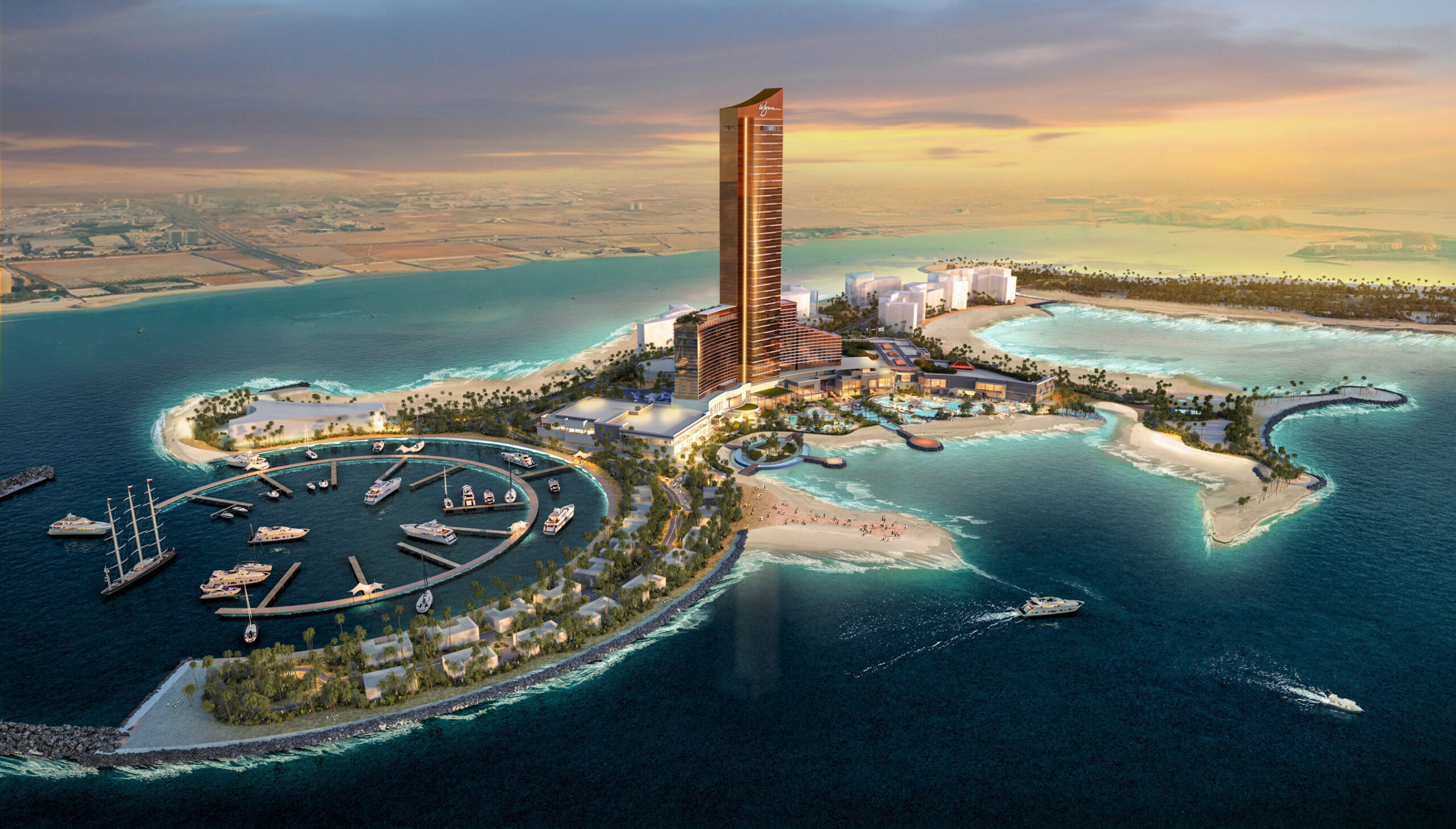
Wynn Resorts has officially received the first gaming license ever granted in the United Arab Emirates (UAE), marking a pivotal moment in the nation’s evolving stance towards regulated gambling. This approval paves the way for the company’s new multibillion-dollar integrated resort, which is currently under construction in Ras Al Khaimah and slated to open by 2027.

This significant development follows months of anticipation regarding the UAE’s potential move toward legalizing gambling, with Wynn Resorts at the center of the speculation. The project, titled Wynn Al Marjan Island, will include a luxury hotel, entertainment venues, and the nation’s first licensed casino, offering a highly curated experience that mirrors the glamour of Wynn’s Las Vegas operations. Wynn Resorts has expressed confidence in its ability to navigate the cultural and regulatory landscape in the region, highlighting that the gaming element will be incorporated sensitively to align with local expectations.

Ras Al Khaimah’s Tourism Development Authority has been instrumental in enabling this venture, introducing a new regulatory framework specifically to manage gaming activities. The Emirate’s regulations, crafted to uphold international standards of compliance, ensure responsible gaming practices are adhered to, with a focus on safeguarding social and economic interests. Ras Al Khaimah’s move appears strategic, aiming to bolster its tourism industry and compete with regional hubs, such as Dubai and Abu Dhabi, that have traditionally attracted tourists for non-gaming entertainment and luxury experiences.

For Wynn Resorts, this project marks its first foray into the Middle Eastern market, a bold step that positions the company as a trailblazer in the region’s nascent gaming sector. While Las Vegas Sands and MGM Resorts have also shown interest in expanding into Middle Eastern markets, Wynn’s success in securing the first license puts it ahead of its competitors.

As discussions about regulated gambling gain momentum across the UAE, it remains unclear whether this approval will set a precedent for future gaming licenses or whether Ras Al Khaimah will maintain its unique status. The UAE has long maintained strict regulations prohibiting gambling, making this decision a watershed moment for the country’s economic and social policies.

The investment is anticipated to bring significant economic benefits, with the resort set to create thousands of jobs and drive tourism to Ras Al Khaimah. Industry experts expect that the integrated resort could attract high-net-worth individuals from across the Gulf region, Europe, and Asia, helping to diversify the Emirate’s economy. This new focus on gaming as part of a broader tourism strategy represents a notable shift in Ras Al Khaimah’s ambitions to compete on a global scale.

Wynn Resorts, which operates successful properties in Las Vegas, Macau, and Boston, has stated that it aims to replicate the high standards of luxury and entertainment that it is known for worldwide. The company remains tight-lipped about the specifics of the gaming offerings, although it has been suggested that the casino will cater primarily to international tourists rather than local residents.

Dubai has maintained its position as the world’s top destination for greenfield foreign direct investment (FDI) projects in the first half of 2024, solidifying its leadership in global markets. The city attracted a high volume of investments, surpassing all other major financial hubs globally. These investments, particularly in greenfield projects, continue to play a significant role in driving the city’s economic diversification and positioning it as a […]

Dubai’s position as a global hub for innovation has drawn considerable attention to the city’s expanding cryptocurrency market. The United Arab Emirates (UAE), with its pro-technology policies and investment in blockchain infrastructure, has emerged as a strategic hotspot for crypto exchanges. With a clear focus on security, liquidity, and competitive fees, Dubai-based crypto platforms are capturing the attention of both retail and institutional investors alike. As the industry evolves, some exchanges stand out for their user-friendly approach, strong compliance with local regulations, and diverse product offerings.

The cryptocurrency landscape in Dubai is buoyed by the government’s proactive stance, including the adoption of blockchain technology in public services. The introduction of Emcash, the UAE’s first official cryptocurrency, underscores the country’s ambition to lead in the digital asset space. Given the booming interest in cryptocurrency trading, finding the best platform in Dubai is critical for investors keen to participate in this dynamic market. Several exchanges distinguish themselves by catering to different needs, from high liquidity to low transaction fees, ensuring that both new traders and seasoned professionals can find a suitable platform.

Among the leading platforms, Binance stands out due to its global reach, immense liquidity, and strong security features. Binance’s popularity in Dubai can be attributed to its diverse offering of digital currencies, its top-tier security measures such as multi-factor authentication, and its ability to process high transaction volumes efficiently. The exchange also boasts advanced trading features, including futures contracts, margin trading, and staking options, making it a go-to for both day traders and long-term investors.

Bybit, another prominent player in the Dubai market, has carved a niche for itself with its focus on derivatives trading and copy trading features. For those new to cryptocurrency, Bybit’s copy trading option allows users to mimic the trades of successful investors, reducing the risks typically associated with beginner errors. The platform’s clean interface and educational tools make it an appealing choice for new traders while offering robust charting tools and high-leverage options for more experienced users. Additionally, Bybit’s emphasis on compliance with UAE regulations has made it a trusted platform for local traders.

For investors looking to diversify beyond crypto assets, eToro provides an ideal solution. The platform is known for its multi-asset capabilities, allowing users to trade both cryptocurrencies and traditional forex markets. The added flexibility of managing diverse portfolios from a single platform enhances its appeal among traders in Dubai. eToro’s social trading feature, where users can follow and replicate trades from more experienced investors, adds another layer of accessibility, especially for those less familiar with the nuances of cryptocurrency markets. Its compliance with local regulatory frameworks further strengthens its credibility in the region.

BitOasis, one of the UAE’s homegrown exchanges, is widely recognized for its user-centric approach. Established in Dubai, the platform provides an easy entry point for new investors by simplifying the process of buying and selling popular cryptocurrencies like Bitcoin and Ethereum. What distinguishes BitOasis is its deep integration with local banking systems, which allows for smooth fiat-to-crypto conversions. This local focus has also enabled it to build a reputation for reliability and transparency, making it a preferred choice for users keen to avoid international transfer fees or delays.

On the other end of the spectrum, Rain has become a popular platform due to its low trading fees and ease of use, particularly appealing to budget-conscious investors. Originally based in Bahrain but with a strong presence in Dubai, Rain caters specifically to the Middle Eastern market by offering support for local currencies and adhering to regional regulations. The platform also offers a mobile-first design, ensuring that users can manage their portfolios and execute trades on the go. Its emphasis on low transaction fees makes it one of the most affordable options for traders in Dubai, helping Rain carve out a space in the competitive crypto exchange market.

While all these exchanges have different strengths, it is important to note the regulatory landscape of the UAE. In Dubai, the Virtual Assets Regulatory Authority (VARA) plays a crucial role in overseeing the cryptocurrency sector, ensuring that platforms operate within legal frameworks and adhere to stringent anti-money laundering (AML) and know-your-customer (KYC) requirements. This ensures that Dubai remains a secure environment for cryptocurrency activities, providing peace of mind for investors concerned with compliance and security.

The integration of blockchain technology within Dubai’s economy continues to grow, spurred on by these exchanges and the government’s broader vision for the future of digital assets. Dubai’s government has been at the forefront of blockchain adoption, aiming to become a global leader in the digital economy. Through initiatives like the Dubai Blockchain Strategy, the city has laid the groundwork for a more efficient, transparent, and secure financial ecosystem, with cryptocurrencies playing a pivotal role in this transformation.

VISHNU RAJA
RYO YAMADA
HITORI GOTOH
IKUYO KITA