HONG KONG SAR – Media OutReach Newswire – 10 July 2026 – Cushman & Wakefield, a leading global real estate services firm, has won the Silver Prize in the Integrated Marketing category at the 12th Phoenix Tree Digital Marketing Summit 2026 and Awards Ceremony for its Vision & Value thought leadership campaign. The firm also won the Silver Prize in the ESG Marketing category for its “Earth Day Every Day” Earth Day campaign, plus the Bronze Prize for the Cushman & Wakefield Client Interview video series in the Video Marketing category.
Vision & Value Thought Leadership Campaign – In 2025, Cushman & Wakefield launched the Vision & Valuethought leadership campaign in Greater China. By conducting a range of marketing activities through multiple channels, including online social platforms and offline events, this initiative deepened Cushman & Wakefield’s ties and value proposition with clients and communities, significantly enhancing brand impact and demonstrating the firm’s market-leading position.
Earth Day Every Day ESG Marketing Campaign – To celebrate the 56th Earth Day, Cushman & Wakefield launched the Earth Day Every Day 21-Day Low-Carbon Challenge campaign, running from April 22 to May 13, in conjunction with Bottloop, a pioneer in recycling and environmental conservation. Centered on carbon-reduction check-ins via the WeChat mini-program, the campaign paired with promotion on social media channels including WeChat, Weibo, Zhihu and LinkedIn. It recorded 300+ check-ins, with reduced carbon emissions of 366.5 kg, and achieved more than 43,900 views across social media, reflecting an innovative initiative in ESG marketing.
Cushman & Wakefield Client Interview Video Series – The Cushman & Wakefield Client Interviewvideo series is a refined interview program launched via the Cushman & Wakefield WeChat Channel. With a format that blends expert dialogue with insights into real estate industry insights, the series targets key players in commercial real estate, property investment, urban renewal and associated fields. The series delivers a “talk show” for Cushman & Wakefield colleagues and clients, sharing industry trends through engaging conversation. The video series has reached more than 370,000 views, generating significant buzz in the industry and reinforcing our strong corporate branding.
KK Chiu, Chief Executive, Greater China, Cushman & Wakefield, said, “We are honored to receive such high recognition for our performance at the 12th Phoenix Tree Marketing Awards. This achievement reflects trust and respect from our clients, media, and the real estate community, and marks an important milestone in the growth of our marketing capabilities across Greater China. We will continue to deliver innovative and integrated marketing initiatives to strengthen our brand positioning and elevate our industry presence. Because at Cushman & Wakefield, better never settles.”
Founded in 2015 at the inaugural WMMS Global Mobile Marketing Summit, the Phoenix Tree Awards form part of the industry’s premier recognition for mobile marketing excellence. Judged by an independent panel of senior experts, the awards evaluate criteria including innovation, strategy, execution and impact, celebrating companies that set new standards in brand marketing. Over the years, they have evolved into a symbol of professionalism and prestige, renowned for honoring high-quality case studies that drive industry advancement.
Hashtag: #Cushman&Wakefield
The issuer is solely responsible for the content of this announcement.
About Cushman & Wakefield
Cushman & Wakefield (NYSE: CWK) is a leading global commercial real estate services firm for property owners and occupiers with approximately 53,000 employees in nearly 350 offices and 60 countries. In Greater China, a network of 23 offices serves local markets across the region. In 2025, the firm reported revenue of $10.3 billion across its core services of Valuation, Consulting, Project & Development Services, Capital Markets, Project & Occupier Services, Industrial & Logistics, Retail, and others. Built around the belief that Better never settles, the firm receives numerous industry and business accolades for its award-winning culture. For additional information, visit www.cushmanwakefield.com.hk or follow us on LinkedIn (https://www.linkedin.com/company/cushman-&-wakefield-greater-china).
Arabian Post Staff -Dubai Oil prices edged lower on Friday but remained on course for strong weekly gains as renewed fighting between the United States and Iran kept the risk of Middle East supply disruption firmly embedded in the market. Brent crude futures slipped 6 cents, or 0.08%, to $76.24 a barrel by 0125 GMT. US West Texas Intermediate crude fell 4 cents, or 0.06%, to $72.04. […]
Belgium became the European Union’s third-largest air freight market in 2025 as cargo volumes at its airports climbed by almost 13%, strengthening the country’s role as a gateway for e-commerce, pharmaceuticals, express parcels and time-sensitive industrial shipments. More than two million tonnes of freight and mail passed through Belgian airports during the year, placing the country behind only Germany and France among the EU’s 27 member states. […]
COLOMBO, SRI LANKA- Media OutReach Newswire – 9 July 2026 – On July 4, 2026, the cultural exchange event Encounter & Insight: Dialogue Between Ningbo, China and Colombo, Sri Lanka took place in Colombo.
On July 4, 2026, the cultural exchange event Encounter & Insight: Dialogue Between Ningbo, China and Colombo, Sri Lanka took place in Colombo.
Separated by thousands of miles, the two millennia-old port cities reconnected, leveraging their ports as a bond and cultural exchanges as a cohesive force to hold in-depth talks on integrated port-city development and bilateral economic and trade connectivity.
This cross-Indian Ocean dialogue echoes the ancient Maritime Silk Road while charting a brand-new outbound development path. As a pivotal starting port of the ancient Maritime Silk Road, Ningbo is building a new global trade landscape powered by smart manufacturing.
A thousand years ago, merchant vessels from Mingzhou Port set sail southward loaded with Yue Kiln celadon porcelain, passing through Ceylon to deliver Oriental crafts across the Indian Ocean coasts. Precious gemstones and spices traveled the same sea route back to regions south of the Yangtze River, laying the groundwork for the earliest cultural exchange between the two ports through trade. Today, the cargo carried by giant cargo ships has undergone a dramatic transformation. Beyond traditional daily necessities, intelligent equipment, digital home appliances and industrial robots now dominate shipments.
Official statistics show that Ningbo’s exports of intelligent equipment, including mechanical arms and industrial robots, hit 440 million yuan in 2025, surging more than 40% year-on-year. From January to May this year, Ningbo’s exports of mechanical and electrical products maintained steady growth, reaching 247 billion yuan, a 4.1% year-on-year increase and accounting for 58.0% of the city’s total export volume. The new energy foreign trade sector saw explosive growth, with exports of new energy vehicles, lithium batteries, and photovoltaic products jumping 138.4% year-on-year, with electric vehicle exports skyrocketing 215.9%. Smart manufactured goods are continuously expanding the scope of Ningbo’s foreign trade.
Complementing the Colombo forum, an exhibition highlights Ningbo’s outstanding going-global enterprises and their products, vividly illustrating the profound shift in Ningbo’s trade structure.
Alongside time-honored Maritime Silk Road staples such as celadon porcelain and silk, Ningbo’s smart manufactured products—including AI translation glasses, intelligent outdoor gear and digital small home appliances—occupy prominent display spaces across the venue. In Sri Lanka, Ningbo smart water meters are widely adopted nationwide, while handheld cooling fans and intelligent kitchen appliances have entered ordinary households.
Leveraging Colombo Port’s transshipment advantages, massive volumes of Ningbo smart manufactured goods are distributed onward to Europe, the Middle East and beyond. What Ningbo exports today is no longer mere commodities, but a complete outbound solution integrating technology, brand value and after-sales services.
Faced with mounting challenges including homogeneous global market competition and rising trade barriers, Ningbo’s manufacturing sector has abandoned the old model of low-cost OEM production, relying on intelligent transformation to consolidate its competitive edge in overseas markets.
Over more than a decade of digital transformation efforts, Ningbo has achieved full digital upgrading of all industrial enterprises above designated size. A large number of local factories have built unmanned black-light workshops and flexible production lines, escaping vicious price competition through continuous technological iteration. Represented by five specialized, sophisticated, distinctive and innovative enterprises dubbed Ningbo’s “Five Little Tigers”—famous for their core proprietary technologies, including highly sophisticated visual inspection equipment, heat-resistant materials, sun-proof coatings, puncture-proof materials and self-drilling fasteners—these niche manufacturers have developed differentiated technical routes and full-spectrum production capacity, cementing irreplaceable competitiveness for Ningbo smart manufacturing on global markets.
Beyond trade expansion, Ningbo has built a supporting cultural communication system to ensure “products go global, accompanied by local culture”.
The launch of Sri Lanka’s first “One-Meter Cultural Space” cultural station during the Colombo event marks a tangible milestone of Ningbo’s go-global initiative. Built on enterprises’ overseas outlets, these miniature cultural exhibition halls integrate intangible cultural heritage crafts, urban stories and smart products, enabling overseas clients to experience cutting-edge manufacturing while gaining insight into Ningbo’s profound cultural heritage.
During the twin-city story-sharing session, Ningbo entrepreneurs based in Sri Lanka and local designers blending Chinese and Sri Lankan aesthetics shared stories of bilateral exchanges. Economic and trade ties have evolved into a bond for people-to-people communication, bridging divides in cross-cultural trade.
From Tang-dynasty celadon porcelain sailing across the Indian Ocean to intelligent equipment shipping to every corner of the globe, Ningbo, the ancient Maritime Silk Road port, has preserved its enduring gene of openness. Where exchanges once relied purely on commodity trade, today smart manufacturing underpins a stable, diversified and high-value-added global trade network.
The Ningbo-Colombo dialogue stands as a vivid microcosm of this transformation: the port still links lands and seas, yet the core of its trade has undergone a full intelligent upgrade.
Rooted in its historical legacy as a key Maritime Silk Road hub, Ningbo has consolidated its industrial foundation through a decade of digital development, expanded global market reach via worldwide port networks, and softened trade cooperation through cultural exchanges. This brand-new outbound shipping route forged by smart manufacturing has not only reshaped the city’s foreign trade landscape, but also delivered a replicable port-city development model for Chinese manufacturing to go global.
Exclusive Co-Development: The partnership covers the exclusive supply and co-engineering of the IVECO URANIA and IVECO TUTELA ranges – the only fluids officially recommended by IVECO
Network Support: PLI will strengthen support for IVECO’s European dealer network, driving customer value, reliability, and total cost-of-ownership (TCO) optimisation
TURIN, ITALY – Media OutReach Newswire – 9 July 2026 – IVECO, one of Europe’s leading commercial vehicle manufacturers, and PETRONAS Lubricants International (PLI) have officially renewed their long-standing strategic partnership for an additional five years. The agreement extends the partnership through 2032, reinforcing a collaboration that has driven innovation, performance, and sustainability in the commercial transport sector for more than 50 years.
PETRONAS Lubricants International and IVECO renew their strategic partnership through 2032, marking over 50 years of collaboration
The renewal ensures the continued supply and joint engineering of a comprehensive range of lubricants designed for commercial vehicles. From advanced engine oils to transmission fluids, brake fluids and coolants, PLI and IVECO will continue to formulate solutions specifically engineered to meet the demanding operational requirements of IVECO’s commercial vehicle portfolio across Europe.
A Legacy of Technical Excellence
This milestone reflects the sustained success of the co-branded IVECO URANIA engine oils and IVECO TUTELA technical fluids, developed through decades of joint R&D and a shared commitment to delivering high-performance, energy-efficient solutions that maximise vehicle uptime and extend component life. The ranges are also the only fluids recommended by IVECO.
The partnership’s rapid pace of innovation was recently highlighted by the launch of Urania Next 0W-16. This breakthrough –the first SAE 0W-16 engine oil developed specifically for heavy-duty applications – delivers exceptional fuel efficiency, reduced CO₂ emissions, and extended oil drain intervals. Furthermore, the formulation is Euro 7 ready, supporting improved efficiency and emissions performance for IVECO’s latest generation of engines.
Domenico Nucera, Chief Quality & Operations Officer, Iveco Group, commented, “The renewal of the agreement with PETRONAS Lubricants International confirms the strength of a long-standing collaboration built on shared technical expertise and a common ambition to continuously improve performance, efficiency, and sustainability across our vehicle and powertrain portfolio. Through the co-engineering of our IVECO URANIA and IVECO TUTELA ranges, we are able to deliver solutions that maximise vehicle uptime, optimise total cost of ownership, and support our customers and dealer network with the highest standards of quality and reliability.”
Driving Dealer and Customer Value
The renewed agreement also places a strategic focus on the IVECO dealer network. Beyond providing cutting-edge products, PLI will implement targeted initiatives aimed at strengthening dealer engagement and reinforcing customer awareness of IVECO’s officially approved lubricants. These initiatives are expected to support dealer business growth across European markets, while helping customers benefit from enhanced vehicle reliability and optimised total cost-of-ownership.
Domenico Ciaglia, Group Chief Strategy & Transformation Officer of PETRONAS Lubricants International (PLI), said: “This partnership renewal demonstrates what can be achieved through a long-term forward-thinking collaboration, with consistency, and a shared commitment to excellence. Through continuous product innovation, we have been able to co-develop market-leading solutions such as the Urania Next 0W-16 engine oil formulation, seamlessly integrated into IVECO’s ecosystem. This collaboration enables us to deliver greater value to the industry by combining our expertise and driving innovation together.
Looking ahead, PETRONAS Lubricants International remains fully committed to supporting the IVECO Group with forward integrated reliable, high-performance products and solutions that create lasting value for its network and customers.
This renewed collaboration further reinforces the foundation of PLI’s broader strategic roadmap, demonstrating how technical excellence and trusted partnerships can drive sustainable, long-term value internationally.” Hashtag: #PETRONASLubricantsInternational #PLI #IVECO #industrial #lubricants #technology
The issuer is solely responsible for the content of this announcement.
PETRONAS Lubricants International (PLI)
PETRONAS Lubricants International (PLI) is the global lubricants manufacturing and marketing arm of PETRONAS, Malaysia’s dynamic global energy group. Established in 2008, PLI manufactures and markets a full range of high-quality automotive and industrial lubricant products in over 100 markets internationally. Headquartered in Kuala Lumpur, PLI also has offices around the world including Turin, Belo Horizonte, Beijing, and Chicago. PLI is the technical resource behind PETRONAS’ partnership with the Mercedes-AMG PETRONAS Formula One Team, responsible for the design, development and delivery of the Fluid Technology Solutions™, which includes customised lubricants, fuels and transmission fluids to power the Silver Arrows.
We are a progressive energy and solutions partner, enriching lives for a sustainable future. Our commitment remains to conduct and grow our business in ways that contribute positively to society and the environment.
PLI is driving an aggressive business growth agenda as one of the leading global lubricants companies at the forefront of the industry, providing custom-made solutions for every need. For more information, please visit www.pli-petronas.com.
Finding the right legal representation often starts with understanding which firms have established a reputation for professionalism, client service, and dependable legal guidance. Indiana, Pennsylvania, is home to several respected law firms serving individuals, families, and businesses across a variety of legal matters. While every client’s needs differ, selecting a firm with experience in the relevant practice area can make a meaningful difference. This editorial review evaluated […]
President Trump’s declaration on Wednesday that the ceasefire with Iran is over immediately pushed oil prices higher, lifted Treasury yields and revived concerns about the security of the Strait of Hormuz. Markets responded in familiar fashion, with traders reassessing energy supplies, inflation expectations and monetary policy. Another consequence deserves equal attention. Higher oil prices strengthen the fiscal position of the Gulf’s major energy exporters. Over time, stronger […]
Samsung Group and SK hynix have laid out investment plans worth about $174 billion for South Korea’s Chungcheong region, expanding the country’s drive to secure a stronger position in artificial intelligence chips, advanced packaging, displays and next-generation battery materials.
The commitments, unveiled at a government-backed industrial development event in Asan, place Chungcheong at the centre of a broader strategy to spread high-technology manufacturing beyond the Seoul metropolitan area and existing semiconductor clusters. President Lee Jae Myung praised the companies’ “bold decision” and called for faster execution of major industrial projects, warning that global competition in semiconductors and artificial intelligence will reward countries that move with speed on permits, power, water and land.
Samsung plans to invest 140 trillion won, or about $90 billion, across the central region. The programme covers display panels, high-bandwidth memory-related capacity, semiconductor packaging substrates, batteries and other core materials. The group’s plan is expected to reinforce manufacturing links between Samsung Electronics, Samsung Display, Samsung SDI and Samsung Electro-Mechanics, whose operations span chips, OLED screens, batteries and electronic components.
SK hynix said it would invest 100 trillion won, or about $64 billion to $72 billion depending on exchange-rate calculations, in Cheongju, North Chungcheong Province. The plan includes the M17 NAND flash memory fabrication plant and P&T7, an advanced packaging and test facility. M17 is scheduled to break ground in 2026 and begin operations in the first half of 2029, while P&T7 is targeted for completion by the end of 2027.
The Cheongju expansion is intended to strengthen SK hynix’s NAND business and add back-end capacity at a time when artificial intelligence systems are raising demand for both high-performance memory and storage. While high-bandwidth memory has received the strongest investor attention because of its role in AI accelerators, large-scale data centres also require more NAND-based storage as models, user data and enterprise workloads expand.
The Chungcheong plan follows a wider national push in which Samsung Electronics and SK hynix are expected to invest hundreds of billions of dollars in new chipmaking hubs over the next decade. The government has framed the initiative as a “triple axis” strategy built around semiconductors, physical AI and data centres, with the aim of building industrial strength outside the traditional capital-area manufacturing corridor.
For Samsung, the Chungcheong investment gives the group a regional base for several linked supply chains. OLED production in Asan and surrounding areas can support premium smartphones, tablets, monitors and automotive displays. Battery investment strengthens Samsung SDI’s role in electric mobility and energy storage, while semiconductor materials and packaging substrates address one of the key bottlenecks in AI hardware production.
For SK hynix, Cheongju already has semiconductor infrastructure, making it a faster route for expansion than a greenfield project. The company has been one of the largest beneficiaries of the AI memory boom, helped by demand for high-bandwidth memory used with Nvidia graphics processors. Its latest investment signals that the company is also preparing for broader memory demand, including NAND and advanced packaging.
The scale of the commitments underlines the strategic importance of memory chips to South Korea’s economy. Samsung Electronics and SK hynix are the world’s two largest memory chipmakers, with dominant positions in DRAM and a major presence in NAND. Their investment decisions affect global supply, pricing expectations and the pace at which cloud companies can build AI infrastructure.
The programme also carries risks. Semiconductor investment cycles have often produced periods of oversupply after large capacity expansions. Investors have shown caution over whether the current AI-driven boom can absorb the output planned by the industry, especially if data-centre spending slows or if memory pricing weakens before new factories reach full capacity.
Infrastructure remains another challenge. Advanced chip plants require stable electricity, ultra-pure water, skilled engineers and rapid permitting. Lee’s comments on execution reflect concern that delays could undermine the industrial strategy. Local governments are expected to face pressure to accelerate utility connections, transport links and land-use approvals while managing environmental and community concerns.
Regional development is a central political theme of the initiative. By placing more advanced manufacturing in Chungcheong and other areas outside Seoul’s orbit, the administration is seeking to reduce economic concentration and create high-value jobs in provincial cities. That ambition will depend on whether new factories attract suppliers, research teams and service industries rather than functioning as isolated production sites.
Greenlogue/AP Lhyfe has expanded one of Europe’s largest bulk green hydrogen logistics fleets, adding 10 new Hexagon Purus containers as it seeks to strengthen production, transport and storage capacity across a market still constrained by cost, infrastructure gaps and uneven demand. The Nantes-based producer now operates 84 Type IV tube trailers dedicated to hydrogen transport, a fleet serving its production sites, partner locations, storage facilities and transport […]
Twenty Saudi university students are undergoing artificial intelligence training at Huawei’s headquarters in Shenzhen under a Mawhiba-Huawei programme designed to build specialist digital skills among high-performing young talent.
The training, announced on July 6, brings together the King Abdulaziz and His Companions Foundation for Giftedness and Creativity, known as Mawhiba, and Huawei as Saudi Arabia expands its pipeline of students capable of working across artificial intelligence, cloud computing, big data and telecommunications. The initiative forms part of a wider partnership that aims to train 500 beneficiaries in advanced technology fields.
Participants are being exposed to a mix of theoretical instruction and practical exercises, with the programme structured around real-world AI applications, global technology practices and workplace-based learning. The Shenzhen placement gives students direct access to one of Huawei’s main innovation centres, where they are expected to study how artificial intelligence tools are developed, deployed and integrated into digital infrastructure.
The programme covers core areas including AI fundamentals, machine learning, deep learning, foundation models and AI development tools. Its practical component is intended to help students move beyond classroom-level understanding into applied problem-solving, particularly in fields where AI systems are increasingly tied to business operations, public services and industrial automation.
Mawhiba’s role reflects its long-standing mandate to identify and support gifted students, while Huawei’s participation gives the programme an international industry dimension. The partnership is aimed at matching academic talent with technologies that are shaping labour-market demand, especially as Saudi Arabia increases investment in data centres, digital government, smart cities and automation.
The Shenzhen cohort follows the launch of the first joint Mawhiba-Huawei training track for Saudi university students in China. The programme is being presented as both a skills initiative and an international exposure opportunity, giving participants familiarity with advanced technology ecosystems outside the Kingdom.
Saudi Arabia has placed AI capacity-building at the centre of its digital transformation agenda. The Saudi Data and Artificial Intelligence Authority has been expanding training schemes for students, professionals and government leaders as part of efforts to create a national workforce capable of supporting data-driven economic diversification.
A separate programme at the authority’s headquarters in Riyadh began with 215 male and female students from 28 universities, giving participants training in data, artificial intelligence and advanced technologies. That initiative was designed to connect academic knowledge with practical experience in computer science, data science and AI, while aligning university outcomes with labour-market needs.
The scale of national AI training has grown sharply. More than 779,000 citizens have been trained through data and AI initiatives, including 9,775 specialists and 260 scientists and experts. More than 80 government leaders have also received training focused on the design and implementation of data and AI strategies.
The Mawhiba-Huawei programme adds a private-sector and cross-border layer to that domestic training push. For students, the China placement offers exposure to applied AI in a corporate setting. For policymakers, it supports an effort to create a wider base of young specialists who can work with global platforms while contributing to local technology goals.
Saudi Arabia’s AI strategy has increasingly focused on building human capital alongside infrastructure. The country has moved to strengthen data governance, support Arabic AI models, expand cloud capacity and encourage the adoption of emerging technologies across education, healthcare, finance, energy and government services.
The emphasis on training also reflects a growing recognition that AI adoption depends on more than hardware and software. Surveys and academic studies on generative AI use in Saudi Arabia show strong public engagement with AI tools, but also uneven technical understanding and concerns over privacy, misinformation, trust and responsible use. Structured training is therefore being treated as a way to improve both competence and confidence.
For universities, the programme underlines the pressure to update curricula as AI changes entry-level skill expectations. Employers in technology, finance, logistics and energy are increasingly looking for graduates who understand data handling, model behaviour, automation workflows and ethical safeguards. Programmes that combine classroom instruction with industry exposure are seen as a route to narrowing that gap.
Dutch prosecutors have summoned Tata Steel IJmuiden B. V. to face criminal proceedings over alleged unlawful pollution from its vast steelworks on the North Sea coast, escalating a long-running dispute over emissions, public health and industrial regulation in the IJmond region.
The Public Prosecution Service suspects the company of multiple criminal offences, including deliberately and unlawfully releasing harmful substances into the air with possible adverse consequences for public health. The case also covers alleged breaches of the company’s duty of care, insufficient maintenance, operating without the required permits and failure to report several incidents involving raw coke, a by-product linked to the steelmaking process.
A first procedural hearing has been scheduled for 20 November 2026 at the Amsterdam District Court, where prosecutors are expected to set out the precise charges. The investigation began after a criminal complaint filed on behalf of more than 800 residents and campaigners, who have for years linked emissions from the IJmuiden complex to health risks, nuisance and damage to quality of life.
The steelworks, located west of Amsterdam in Velsen, is among the Netherlands’ biggest industrial sites and one of its largest greenhouse gas emitters. Its blast furnaces, coke ovens and associated facilities have made it a strategic employer and export asset, but also a central target for environmental enforcement. Local concern intensified after pollution incidents, odour complaints and measurements showing deposits of metals and polycyclic aromatic hydrocarbons in nearby communities.
Prosecutors say the criminal investigation examined the steel production process and the operation of Tata Steel’s coke gas factories. The inquiry was carried out with input from environmental inspection and police units, including the investigative arm of the Human Environment and Transport Inspectorate and regional environmental enforcement agencies.
The company has rejected the accusations, saying it disagrees with the decision to prosecute and has already made major improvements to reduce emissions. Tata Steel Nederland has described the case as unnecessary, arguing that it relates to a limited number of incidents where corrective action had already been taken. The company maintains that its emissions comply with legal limits and that planned investments will cut pollution further.
The prosecution has not ruled out possible action against individuals. A separate part of the investigation is examining whether people in management roles could be held personally criminally liable. Prosecutors said that part of the inquiry may take more time, while the company summons has been issued now to keep the criminal case moving.
The summons comes against a broader legal and regulatory backdrop. Residents living near the plant and environmental groups have pursued civil and criminal routes to force faster reductions in pollution. A collective claim filed in the Netherlands seeks about €1.4 billion in compensation from Tata Steel’s Dutch subsidiaries, alleging health damage, stress, loss of enjoyment of life and property-related losses across the region. Tata Steel has dismissed those claims as speculative and unsupported.
Regulatory pressure has also mounted over the coke ovens, one of the most contentious parts of the IJmuiden operation. Authorities have previously warned that permits could be at risk if breaches continue, and financial penalties have been imposed over emissions violations. The coke-making process is crucial to conventional blast-furnace steel production, but it is also associated with pollutants that have drawn sustained scrutiny from residents and health experts.
Public health studies commissioned by Dutch authorities have strengthened demands for action. Research has identified the Tata Steel site as a significant source of metals and polycyclic aromatic hydrocarbons in the IJmond area, while health assessments have pointed to higher exposure risks for communities around the plant. Campaigners argue that enforcement has been too slow, given the scale of the plant and the duration of residents’ complaints.
Tata Steel is attempting to balance the legal fight with negotiations over a cleaner production model. The company, the Dutch government and the province of North Holland signed a non-binding framework in 2025 aimed at cutting carbon emissions and improving the living environment around IJmuiden. The plan includes a shift towards lower-carbon steelmaking, with public support of up to €2 billion under discussion and additional funding sought from European programmes.
China has offered fresh channels for easing trade tensions with the European Union after Foreign Minister Wang Yi completed a four-country Nordic tour aimed at rebuilding confidence with some of Europe’s most security-conscious governments.
Wang’s 2-8 July visit to Denmark, Sweden, Finland and Norway came as Brussels and Beijing try to prevent a deepening dispute over industrial subsidies, electric vehicles, market access, export controls and critical minerals from turning into a broader trade confrontation. The trip placed trade, green technology, shipping, healthcare, tourism and scientific innovation at the centre of talks, while allowing Beijing to test whether northern Europe could support a less confrontational EU approach.
The diplomatic push followed high-level trade discussions in Brussels, where both sides agreed to establish a ministerial-level mechanism that would meet once or twice a year. Four negotiation tracks are expected to cover export controls, trade and investment balancing, market access, and supply-chain transparency, with October emerging as a key deadline for measurable progress.
The EU’s trade deficit with China stood at about €360 billion last year, driven by imports of electric vehicles, batteries, solar equipment, machinery and consumer goods. European officials have warned that subsidised Chinese production could put pressure on strategic industries, while Beijing argues that EU restrictions on technology exports and investment screening have politicised commerce.
Wang used the Nordic leg to frame China and Europe as partners rather than rivals. In Copenhagen, he urged Denmark to play a constructive role in stabilising EU-China relations and highlighted cooperation in green shipping, life sciences and tourism. Denmark holds political weight in Brussels through its support for open trade, but it has also backed a firmer European line on economic security and resilience.
The tour carried symbolic value. It was the first visit by a Chinese foreign minister to Denmark in 15 years and to Sweden in 22 years. Sweden is China’s largest trading partner in the Nordic region, but relations have faced strain over human rights, security policy and Europe’s concerns over dependence on Chinese technology. Wang met Prime Minister Ulf Kristersson and Foreign Minister Maria Malmer Stenergard in Stockholm, where the talks covered bilateral ties and the wider EU agenda.
Finland added a sharper security dimension to the visit. President Alexander Stubb and Foreign Minister Elina Valtonen have supported a more cautious European posture towards Beijing, particularly since Russia’s war in Ukraine reshaped the security debate across northern Europe. Finland’s accession to NATO has also altered the regional balance, placing Helsinki firmly inside the transatlantic security framework. Trade dialogue with Beijing therefore sits alongside hard questions over Russia, technology transfer and strategic infrastructure.
Norway, the final stop, offered Beijing a more pragmatic opening. Oslo is outside the EU but closely tied to the single market through the European Economic Area. Its energy, maritime and seafood industries give it economic links with China, while Norway’s diplomatic tradition allows space for dialogue even during periods of political tension. Wang’s meeting with Foreign Minister Espen Barth Eide was expected to focus on trade, green transition and international security.
Beijing’s message is that the EU should expand trade rather than restrict it. China has signalled willingness to increase imports from Europe and improve communication over trade frictions. It has also pressed Brussels to ease restrictions on high-tech exports and avoid measures that it views as protectionist. European negotiators, however, want more than general assurances. They are seeking concrete steps to narrow the trade gap, improve access for European firms, and curb state-backed overcapacity in sectors where Chinese exports have surged.
The most sensitive issue remains electric vehicles. The EU imposed duties on battery-powered cars made in China after concluding that state support had distorted competition. Chinese manufacturers have responded by looking more seriously at European production sites, including plants in Hungary and other markets, to maintain access to consumers while reducing tariff exposure. The dispute has become a test case for whether Brussels can defend industry without triggering retaliation that would hit exporters, luxury brands, agriculture and aviation.
Rare earths and critical inputs have become another pressure point. China dominates several stages of processing for materials used in clean energy, defence and advanced manufacturing. European officials are trying to reduce exposure without severing commercial links. Beijing retains leverage through licensing and supply-chain controls, while the EU is developing tools to diversify sourcing, screen investment and support domestic production.
A Ukrainian drone attack set off a fire at Russia’s Saratov oil refinery overnight, extending Kyiv’s campaign against fuel assets that support Moscow’s military operations and domestic supply network. Footage circulating from the Volga region showed flames and smoke rising from the refinery area after explosions were reported around 3am local time. Saratov regional governor Roman Busargin acknowledged a drone threat and said warning systems could be […]
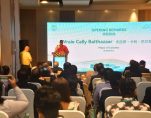
CHANG ZHOU, CHINA – Media OutReach Newswire – 7 July 2026 – The global new energy vehicle market has seen rapid growth in recent years. With continued strong expectations for new energy vehicle exports, the global electric vehicle (EV) charging market is entering a new stage of rapid expansion. Recently, StarCharge, the global leading brand of EV Charging equipment and smart energy systems, held a major industry seminar in Hong Kong and released two new white papers at the event, exploring two major transformative trends in the industry that are worth paying attention to.
Charging stations are becoming a key connection of smart energy systems
According to the ‘Technical White Paper’ by StarCharge, for years, EV charging infrastructure has mainly been seen as support for vehicle sales expansion: building more chargers, expanding coverage, and speeding up charging.
However, this role is starting to change.
As electrification scales up, charging networks are becoming a part of the energy system itself. They are no longer just places for vehicles to top up; they are evolving into smart energy nodes connecting vehicles, the grid, distributed energy, storage, and digital management.
This shift from charging infrastructure to charging network systems shows that the industry is moving from basic access to integrated value: from charging services to energy services, from standalone stations to PV-storage-charging systems, from equipment deployment to scenario-based infrastructure.
StarCharge believes that the future charging network ecosystem will go through four major turning points.
Four Key Points Reshaping the Ecosystem
1. Charging Networks Are Becoming Energy Infrastructure
Charging infrastructure is going beyond its original role as just a support for EVs. As EV adoption grows, charging networks are becoming strategic energy infrastructure: they connect mobility demand with the grid, distributed energy, storage, digital platforms, and future energy services.
2. Defining the Scenarios for the Network
The future charging network won’t be shaped by hardware alone. Policies determine whether infrastructure should be built, technology determines the speed of construction, but real-world scenarios determine what the charging network actually needs to look like.
Urban commuting, highway trips, ride-hailing, logistics fleets, county and rural coverage, holiday peak demand, heavy trucks, mining areas, ports, airports, and autonomous driving all create different charging needs. Therefore, a mature charging network can’t be ‘one-size-fits-all’; it has to be designed around different vehicle types, operating hours, power requirements, reliability needs, and grid conditions.
3. Digital platforms turn charging networks into operable assets
A large charging network only truly has value when it can be scaled, optimized, and managed. This is exactly the core role of cloud platforms. They turn millions of charging points, users, stations, transactions, and energy flows into a measurable, controllable, and continuously optimized operating system.
StarCharge’s platform capabilities cover site selection, pricing, marketing, station operations, smart maintenance, charging safety, station robots, AI-based smart charging, fleet management, energy optimization, and ESG reporting. In other words, digital platforms are the key to transforming charging infrastructure from a heavy-asset network into smart, operable, and scalable assets.
4. Charging stations are becoming grid-friendly energy resources
The next-generation charging infrastructure won’t be defined by any single technology. It will be built on a complete tech stack, combining high-power charging, liquid cooling, integrated PV-storage-charging, DC bus architecture, V2G, automated charging, and AI-driven operations. In other words, future charging stations shouldn’t just be passive electricity consumers that add stress to the grid. Through energy storage, renewable energy integration, V2G, smart scheduling, and AI-based energy optimization, charging stations can become grid-friendly energy resources.
This means that aside from charging vehicles, a charging station can absorb renewable energy, buffer peak loads, respond to demand-side signals, support peak shaving and valley filling, regulate frequency, and provide carbon-neutral ESG data for fleet operators. Its business model will also go beyond charging fees, creating new value through energy services, data services, carbon-related benefits, and grid interaction capabilities.
Microgrids Have Emerged at the Right Time
At the same time, with the continuous development of distributed energy and photovoltaic energy, microgrids have emerged at the right time. They are not just a product, but a local energy system built around real-world scenarios.
In the latest “White Paper” on scenario-based microgrid technology, StarCharge points out that microgrids are moving from customized engineering projects toward scalable, replicable energy systems.
A microgrid is a scenario-based local energy system
According to StarCharge, a microgrid is not a single device, nor is it just an energy storage product. It’s a local energy system designed around the needs of a specific scenario, coordinating local generation, loads, storage, control, and operational strategies within a defined electrical boundary.
Moreover, depending on the scenario—such as data centers, individual charging stations, zero-carbon industrial parks, or green mines—the energy challenges are completely different. The right microgrid is defined by the scenario it serves.
The white paper also highlights four high-value paths: electricity-computing synergy, independent power supply, zero-carbon parks, and green mines. In areas with weak grids or limited grid access, microgrids ensure the operation of critical loads. In emerging load scenarios like data centers and industrial parks, microgrids support renewable energy integration, energy resilience, and cost optimization. In high-tech-demand scenarios like mines, microgrids become the foundation for ensuring production continuity, energy transition, and ESG competitiveness.
The three-stage evolution of microgrids
As power sources and loads become increasingly DC, microgrid architectures are evolving from AC-dominated systems to AC-DC hybrid systems, and eventually toward microgrids with a higher proportion of DC.
Microgrid 1.0 — dominated by AC architecture. It integrates renewable energy into the existing AC grid framework, but its control heavily relies on grid-following management and support from the external grid.
Microgrid 2.0 — the AC-DC hybrid stage. AC and DC buses coexist, allowing PV, storage, and DC loads to connect more directly. Bidirectional power hubs, solid-state transformers (SST), and energy routers become important bridges between AC and DC systems. This stage balances strong AC compatibility with higher DC efficiency and is expected to remain mainstream in the next 10-15 years.
Microgrid 3.0—it’s the era of DC microgrids. As solar PV, wind power, battery storage, data centers, LED lighting, and EV charging increasingly move toward DC, DC microgrids can reduce repeated AC-DC conversion losses, simplify control, and support millisecond-level responses.
This evolution is closely linked to the mission of microgrids: breaking through energy access bottlenecks, enabling sustainable development, connecting technology, industry, policy, market, and community needs, and unlocking the integrated value of local energy systems.
In the future, StarCharge will steadily expand into the growing global markets for new EVs and renewable energy, building on its smart energy systems that have been widely validated in the Chinese market.
Hashtag: #StarCharge
The issuer is solely responsible for the content of this announcement.
By Satyaki Chakraborty Amidst Trump-Modi bonhomie and the continuation of India-US trade talks, former Indian intelligence chief Vikram Sood said on Sunday in an interview to a British network that the present U.S. deputy secretary of state Christopher Landau told Indian officials during his visit to India in March 2026 that Washington would use tariffs, […]
Formula E Season 12 accelerates global expansion and sustainability milestones as DHL delivers precision logistics behind one of the world’s most complex sporting championships
Battery logistics takes center stage off track as electrification drives new supply chain demands
SHANGHAI, CHINA – Media OutReach Newswire – 7 July 2026 – As the ABB FIA Formula E World Championship returns to Shanghai for the 2025/2026 Season, the world’s premier all-electric racing Championship accelerates into its most ambitious chapter yet with a record 17 races across 11 global cities, including new circuits in Madrid and Miami.
ABB FIA Formula E World Championship returns to Shanghai for the 2025/2026 Season
Underscoring its commitment to sustainability and transparency, Formula E has also recently become the first global sport to achieve B Corp Certification, a globally recognised designation awarded to companies that meet high standards of social and environmental performance, accountability, and transparency. “Achieving B Corp Certification is a defining milestone for Formula E and reinforces our mission to drive sustainable innovation both on and off the track,” said Barry Mortimer, Paddock and Logistics Director, Formula E. “It reflects our commitment to operating responsibly as we continue to push the boundaries of electric mobility and sustainable sport on a global stage.” DHL Powers the Global Movement of Formula E
Behind the high-speed action lies a complex global logistics operation. DHL, the Official Founding and Official Logistics Partner of the ABB FIA Formula E World Championship since 2013, plays a critical role in moving the Championship seamlessly across continents, ensuring that every race is delivered with precision, efficiency and sustainability.
Each race in this season requires the transport of approximately 400 metric tons of freight, including 21 electric race cars, charging infrastructure, broadcast equipment, and critical power systems, all orchestrated through tightly coordinated multimodal solutions spanning air, ocean, rail and road.
In the lead-up to the 2026 Shanghai E-Prix, DHL executed a three-day multimodal journey from Sanya, combining ferry and road transport. This required extensive planning and documentation to ensure full compliance across multiple transport regulations, highlighting the precision and intricate choreography required to meet unmovable race-day deadlines.
Battery Logistics at the Heart of Electrified Racing
Beyond motorsport, this partnership shines a spotlight on one of the fastest-growing and most complex areas of global trade: battery logistics. As electrification accelerates worldwide, the safe and compliant transport of lithium-ion batteries has become mission-critical and increasingly challenging.
Formula E offers a vivid real-world example. Each race involves transporting approximately 31 high-performance batteries, each weighing around 400kg—far exceeding typical consumer battery thresholds and classified as regulated dangerous goods. Their transport requires strict adherence to international regulations, including IATA and ICAO standards, covering specialized packaging, state-of-charge restrictions, certified handling procedures, and multiple layers of regulatory approvals from airlines and authorities.
The complexity is further amplified by varying customs requirements of different countries and cities, and stringent transport conditions across different modes. From certified aluminum containment units and non-stackable packaging to detailed documentation and risk classification requirements, every step demands precision and deep expertise.
“Every Formula E race may look seamless on track, but behind the scenes it is a highly complex logistics operation—especially when it comes to transporting lithium-ion batteries safely across borders,” said Federico Cavani, Head of Motorsports Italy, DHL Global Forwarding. “These are regulated dangerous goods that require meticulous planning, strict compliance with global standards, and specialized handling at every stage. Our partnership with Formula E showcases how advanced battery logistics can be executed safely at scale, and reflects the same challenges DHL customers face as electrification accelerates globally.” China: The Engine Driving Global Battery Supply Chains
China has emerged as the undisputed hub of the global battery ecosystem, underpinning the rapid growth of electrification worldwide. In 2025, global electric vehicle battery deployment reached 1.2 terawatt-hours (TWh), with China accounting for around 60% of the total, reinforcing its position as the largest and most dynamic market. Beyond demand, China also leads across the manufacturing value chain. The country produces over 70% of the world’s lithium-ion batteries, with some estimates placing its share at more than three-quarters of global output in 2025.
The ability to move batteries safely, compliantly, and efficiently—both within China and across international markets—has thus become a critical differentiator.
“DHL Global Forwarding China partners with several of the world’s leading battery manufacturers, providing end-to-end battery transportation solutions across the entire logistics value chain. The company also supports the rapidly growing energy storage logistics sector, helping customers better manage and optimize their energy storage supply chains. Each year, we handle more than 10,000 TEUs of batteries and battery-related materials exported from China, with shipments destined for major markets such as the United States and Europe,” said Stephen Zhang, Vice President, Ocean Freight, Greater China, DHL Global Forwarding.
As global supply chains evolve alongside the energy transition, DHL’s role extends far beyond the racetrack. From supporting EV and battery ecosystems to enabling resilient, compliant and sustainable logistics solutions, the company continues to power the shift toward a low-carbon future—one race, and one shipment at a time.
DHL Group has made significant investments in its New Energy capabilities under its Strategy 2030: Accelerating Sustainable Growth. Through DHL New Energy Logistics, a sector brand driving electrification and the energy transition, the company delivers end-to-end solutions across the full value chain, spanning wind, solar, EVs and batteries, BESS, charging, grid infrastructure, alternative fuels, and hydrogen. Leveraging a global network covering more than 220 countries and territories and supported by over 20 DHL EV Centers of Excellence and a dedicated team of trained dangerous goods specialists, DHL ensures high-sensitivity cargo moves safely, compliantly, and on time. Hashtag: #DHL
The issuer is solely responsible for the content of this announcement.
DHL – The logistics company for the world
DHL is the leading global brand in the logistics industry. Our DHL divisions offer an unrivalled portfolio of logistics services ranging from national and international parcel delivery, e-commerce shipping and fulfillment solutions, international express, road, air and ocean transport to industrial supply chain management. With approximately 389,000 employees in more than 220 countries and territories worldwide, DHL connects people and businesses securely and reliably, enabling global sustainable trade flows. With specialized solutions for growth markets and industries including technology, life sciences and healthcare, engineering, manufacturing & energy, auto-mobility and retail, DHL is decisively positioned as “The logistics company for the world”.
DHL is part of DHL Group. The Group generated revenues of approximately 82.9 billion euros in 2025. With sustainable business practices and a commitment to society and the environment, the Group makes a positive contribution to the world. DHL Group aims to achieve net-zero emissions logistics by 2050.
A UAE-based company has moved to bring Korean manufacturing into Abu Dhabi through a proposed industrial zone that could host more than 25 factories in its first phase and attract investments exceeding $1 billion.
AG Company signed a strategic partnership with Akbar Investment Company of the Republic of Korea to study the establishment of a zone dedicated to Korean industries, with Al Ain identified as the proposed location. The initiative comes as the UAE and Korea deepen economic ties under a bilateral trade framework that entered into force on May 1, 2026, after being signed in Seoul on May 29, 2024.
The announcement coincided with the visit of a high-level Korean delegation to Abu Dhabi, led by Jung Min Kim, a member of the National Assembly of the Republic of Korea and member of its Committee on Trade, Industry, Energy, SMEs and Startups. The delegation included representatives from government and semi-government entities, investors and industrial companies.
The agreement was accompanied by the signing of 15 memoranda of understanding with Korean companies and manufacturers across industrial sectors. The proposed zone is expected to focus on advanced manufacturing, technology-led production, artificial intelligence applications, healthcare technologies and related industries, although the final sector mix will depend on feasibility studies, regulatory approvals and investor commitments.
The project aligns with Abu Dhabi’s wider industrial strategy, which seeks to more than double the emirate’s manufacturing sector to AED172 billion by 2031, expand non-oil exports and create thousands of skilled jobs. Abu Dhabi has been positioning industrial growth as a pillar of diversification, combining ports, free zones, logistics networks and investment incentives to attract manufacturers serving the Middle East, Africa and South Asia.
During the visit, the Korean delegation held meetings with the Abu Dhabi Investment Office and Khalifa Economic Zones Abu Dhabi to review the emirate’s investment environment, infrastructure and industrial services. The delegation also met business leaders and investors and carried out field visits to assess operational readiness, logistics capacity and production facilities.
Jung Min Kim said the UAE, and Abu Dhabi in particular, had established itself as one of the world’s most attractive and trusted investment destinations due to its economic vision, legislative environment and infrastructure. He said those advantages, along with stability and the capacity to attract quality investment, made the country an appropriate partner for expanding the presence of Korean industries across the region.
Dr Ahmed Abdullah, chief executive of AG Company, said the project reflected the UAE’s direction towards a more diversified and competitive economy based on knowledge, innovation and autonomous artificial intelligence capable of self-operation and execution. He said attracting Korean industries represented not only an economic investment but also an opportunity to transfer expertise, develop national competencies and strengthen the UAE’s position as a hub for industry and innovation.
The UAE–Korea trade agreement is expected to eliminate or reduce duties on more than 90 per cent of tariff lines over a period of up to 10 years. It also covers trade in goods and services, investment, customs procedures, digital trade, intellectual property, government procurement and cooperation in sectors including energy, healthcare and advanced industries.
The industrial zone proposal gives private-sector form to those commitments. Korean companies have strong global positions in electronics, automotive components, batteries, robotics, shipbuilding, healthcare equipment and advanced materials. Abu Dhabi offers access to capital, energy, transport infrastructure and regional markets, while Korean manufacturers bring production systems, export networks and technology capabilities.
The location of Al Ain carries added significance. The city has been seeking a larger role in Abu Dhabi’s economic diversification beyond its established strengths in agriculture, education, culture and tourism. A manufacturing cluster there could broaden industrial activity outside the coastal logistics corridor, although investors will assess connectivity, labour requirements, utilities, supply chains and access to ports before committing to factory sites.
Safwan Bals, board adviser at AG Company, said nominating Al Ain reflected a vision of expanding economic development and diversifying production hubs. He said the project could support the city’s economic and social development by attracting investments and creating direct and indirect employment opportunities.
The UAE’s first Etihad Rail passenger service has begun carrying travellers between Fujairah and Abu Dhabi, opening a new phase in the country’s transport infrastructure and giving residents a rail alternative to long inter-emirate road journeys. The inaugural service left Fujairah’s Al Hilal City station at 5.34am on June 30 and arrived at Mohamed bin Zayed City station in Abu Dhabi at 7am, ahead of its scheduled […]
Arabian Post Staff -Dubai The UAE has emerged as the GCC’s busiest confirmed construction market, with 700 execution-ready projects valued at $138 billion, underscoring the country’s shift from post-boom recovery to a broader phase of active development across real estate, energy, infrastructure and specialised industrial assets. Saudi Arabia ranks close behind by project count, with 628 confirmed schemes, though its pipeline is larger in value terms at […]
Arabian Post Staff -Dubai OPEC+ has approved another increase in oil output targets for August, adding 188,000 barrels per day to planned supply as Gulf exports move back through the Strait of Hormuz and crude prices ease from wartime highs. The decision, taken at a virtual meeting on Sunday, extends a sequence of monthly quota increases that began in April and continued through June and July. Saudi […]
Arabian Post Staff -Dubai Oil prices have slipped back as a burst of supply, softer demand signals and easing disruption fears revive concern that the global market may be heading towards another glut. Brent crude has traded close to $72 a barrel, while US benchmark West Texas Intermediate has hovered below $70, pulling prices towards levels seen before the latest Middle East supply scare. The shift has […]
New Delhi and Bamako have opened a structured export forum aimed at expanding bilateral trade, drawing investment into priority sectors and giving businesses from both countries a clearer route into West African and South Asian markets.
The inaugural India–Mali Forum for the Promotion of Exports was held in Bamako under the theme “Reinforcing Trade and Strategic Partnerships”, bringing together senior officials, export agencies and about 30 business leaders from India. The two-day initiative marks an attempt to move commercial engagement beyond commodity flows and towards sector-specific projects in cotton, mining, energy, pharmaceuticals, agro-processing, health and education.
The forum was jointly organised by Mali’s Ministry of Industry and Trade, the Embassy of India in Bamako and the Malian Agency for the Promotion of Exports. It was presided over by Mali’s Transition Government Prime Minister, Major General Abdoulaye Maïga, with the delegation from India led by Amit Kumar, Joint Secretary for FT-Africa in the Department of Commerce. Dr N. Nandakumar, Ambassador of India to Mali, represented the mission through the proceedings.
Bilateral trade crossed $326.61 million in 2025–26, a 55 per cent increase over the previous financial year. Mali’s exports to India include raw cotton, finished leather, cashew, lead, gum arabic and sesame. India’s exports to Mali include pharmaceuticals, cotton fabrics, two-wheelers, three-wheelers and bicycles. Officials see the current trade base as narrow but expandable, particularly because Mali’s global exports stand at about $4 billion and its untapped export potential in the market of India is estimated at nearly $3.96 billion.
The Duty-Free Tariff Preference Scheme has been a central driver of trade growth, offering least developed countries preferential access to the market of India. For Mali, the scheme provides a policy opening at a time when Bamako is seeking to diversify export destinations and reduce dependence on raw commodity shipments. For New Delhi, the forum fits a wider push to deepen commercial links with Africa through trade facilitation, capacity building and private-sector participation.
Business-to-business, business-to-government and government-to-government meetings formed the operational core of the forum. Exhibition stands featured products from both countries, including tractors and vehicles manufactured by Sonalika, Mahindra and Tata Motors. The format was designed to connect firms with regulators, identify bankable projects and address procedural bottlenecks that often slow trade between developing markets.
Mali presented ready-made business plans to potential investors and placed emphasis on agro-industry, shea processing, mining-linked services, renewable energy and social infrastructure. The country is seeking more value addition in cotton and agricultural commodities rather than relying mainly on exports of raw or semi-processed products. Cotton remains a significant sector for Mali, while shea, sesame, cashew and gum arabic offer scope for processing, branding and direct export partnerships.
Pharmaceuticals emerged as another key area. Mali sought quicker registration of approved products from India, a move that could expand access to affordable medicines and medical supplies. Health and education infrastructure were also discussed as areas where companies and institutions could provide services, equipment and training support.
The mining dimension is more complex. Mali is one of Africa’s leading gold producers and is working to tighten oversight of its precious metals trade after identifying large gaps between declared exports and import data reported by partner countries. A new state entity has been created to centralise and regulate precious-substances flows, reflecting Bamako’s effort to capture more value from gold and reduce informal trade. Industrial mines export about 60 tonnes of gold annually, while artisanal mining employs nearly 2 million people across hundreds of sites.
Security remains a central concern for investors. Mali has faced instability and militant violence, and economic assets have been among the risks flagged by foreign governments and companies. Earlier this year, security concerns stalled participation by government-backed firms from India in a Russian-backed lithium exploration project in Mali. That episode underlined the challenge of matching mineral ambitions with investor confidence.
Adani Enterprises has expanded its qualified institutional placement to ₹150 billion after demand from large investors exceeded the original ₹100 billion target, giving Gautam Adani’s flagship company a sizeable pool of equity capital for its next phase of infrastructure and industrial expansion.
The share sale, opened to institutional investors this week, drew bids of about ₹380 billion, or roughly 3.8 times the base offer. The indicative price was set at ₹2,883 a share, below the regulatory floor price of ₹3,034.68 and at a discount to the stock’s previous close, reflecting the typical pricing structure used to secure large-block institutional participation.
The enlarged issue marks one of Adani Enterprises’ biggest equity-raising exercises since the group was hit by a market rout in 2023 following allegations by US short-seller Hindenburg Research. The conglomerate denied wrongdoing, and group companies have since rebuilt access to capital through a mix of equity, debt, asset recycling and strategic partnerships.
The strong response to the placement signals that institutional investors are again willing to back the group’s growth strategy, even as they continue to price in governance, leverage and execution risks. The investor book included global funds and domestic asset managers, with demand high enough for the company to lift the deal size by 50 per cent.
Adani Enterprises is the incubator of the group’s newer businesses. Its portfolio spans airports, roads, data centres, green hydrogen, mining services, defence, solar manufacturing and other infrastructure-linked ventures. The company has been central to the group’s plan to build large operating platforms before eventually listing or separating mature units.
The latest fundraising comes as the group accelerates capital spending across transport, energy transition and materials. Its airports business operates eight airports and is preparing for the opening of Navi Mumbai International Airport, a project expected to strengthen the group’s presence in aviation infrastructure. Data centres and green hydrogen remain capital-intensive bets that require long gestation funding and steady access to institutional capital.
The timing also follows Adani Enterprises’ rights issue of about ₹250 billion completed in late 2025, which was oversubscribed. That offer was used to support capital expenditure, debt repayment and shareholder loan obligations. The new placement gives the company additional flexibility at a time when infrastructure companies are competing for long-duration capital amid rising demand for logistics, power, digital infrastructure and manufacturing capacity.
The share sale is also significant because it reduces reliance on borrowings for the next leg of expansion. Equity funding can ease pressure on balance sheets and improve investor perception of leverage, particularly for companies pursuing several projects at once. At the same time, the discounted pricing means some dilution for existing shareholders, a common trade-off in large institutional placements.
Market reaction was measured. Adani Enterprises shares initially faced pressure after pricing details emerged but later stabilised, suggesting investors had largely anticipated a discount. The stock has recovered substantially from its 2023 lows, though it remains closely watched because of the group’s debt profile, promoter holdings and regulatory scrutiny around past allegations.
The company’s investment cycle has broadened further with plans linked to a major aluminium project in Odisha in partnership with Abu Dhabi’s International Holding Company. The proposed project, valued at about $11.5 billion, is expected to include bauxite mining, alumina refining, aluminium smelting and downstream capacity. The partnership underscores the group’s continuing effort to deepen industrial manufacturing alongside infrastructure.
IHC has been a notable backer of the group through periods of market volatility. Its involvement provides strategic weight to Adani’s expansion into metals, a sector that requires heavy upfront investment, access to raw materials, power security and strong execution discipline. Aluminium demand is being driven by transport, packaging, power transmission, construction and renewable energy infrastructure.
Adani Enterprises’ fundraising also fits a broader trend across the equity market, where companies have used qualified institutional placements to raise growth capital while valuations remain supportive. QIPs allow listed companies to place shares with large investors without the longer timelines associated with some other public offerings. For issuers, the format is faster; for institutions, it provides access to sizeable allocations in liquid companies.
Abu Dhabi Investment Authority has joined a large group of cornerstone investors in Luxshare Precision Industry’s Hong Kong share sale, giving the Apple supplier stronger institutional backing as it seeks to raise up to $3.1 billion in what could become the city’s biggest listing of 2026. The Shenzhen-listed manufacturer is offering 383.5 million H-shares at a maximum price of HK$63.28 each, with trading expected to begin on […]



 https://www.linkedin.com/company/cushman-&-wakefield-greater-china).




 www.pli-petronas.com