News related to
Industrial

By Nantoo Banerjee The hand-picked 30-share sensitive index (Sensex) of Bombay Stock Exchange, which has long been seen as the country’s overall industry performance barometer, seems to be losing its reliability under profit-booking punters’ whims. The Sensex faced sharp selling pressure last week, closing down at 72,972.56 after plunging over 1,000 points earlier in the […]

The article Corporate Sector Is Growing Well Despite Iran War, Poor Monsoon appeared first on Latest India news, analysis and reports on Newspack by India Press Agency).

Grade A Office Availability Rate Drops Further, High Street Leasing Activities Focus on Kowloon

  • Residential Market: Market sentiment turned more cautious in Q3, with total residential transaction numbers slipping by 40% q-o-q and 21% y-o-y to record around 13,240 cases. Home prices softened by 0.8% between July and August, yet, supported by stronger 1H performance, still recorded a cumulative rise of 7% in the first eight months of 2026.
  • Grade A Office Market: Citywide net absorption reached 412,400 sq ft in Q3, mainly driven by expansion activities by the banking, financial services and insurance (BFSI) sector. Rents in Greater Central continued to pick up, while rental level declines in non-core submarkets narrowed. The overall office market rental level is expected to rise by +5% to +7% in 2026.
  • Retail Market: Overall retail sales growth remained resilient on the back of growing tourist arrivals and stronger economic fundamentals supporting local consumption sentiment. The overall high street vacancy rate remained broadly stable in Q3, with leasing activities concentrated in Mongkok and Tsimshatsui.

HONG KONG SAR – Media OutReach Newswire – 5 October 2026 – Global real estate services firm Cushman & Wakefield today held its Hong Kong Property Markets Q3 2026 Review andOutlook press conference. The Hong Kong residential market entered a consolidation phase in Q3 amid a shift in the U.S. Federal Reserve’s interest rate outlook, increased stock market volatility, and tighter cross-border capital controls in the Chinese mainland. Against this backdrop, residential transaction numbers dropped by 40% q-o-q to record around 13,240 cases in Q3, while home prices declined by 0.8% during July and August. In the Grade A office market, the total new leased area for Q3 reached 1.4 million sq ft, the highest quarterly level since 2019, supported by expansion activities from the BFSI sector. Citywide net absorption reached +412,400 sq ft for the quarter, bringing the overall availability rate to trend further downward, while YTD rental growth recorded +6.1%. In the retail sector, total retail sales remained resilient in Q3. The overall high street vacancy rate remained broadly stable during the quarter, chiefly supported by more active leasing commitments in Mongkok. Leasing activity in Hong Kong Island districts moderated somewhat.

Grade A office leasing market:BSFI expansion demand fuels leasing momentum

The Q3 2026 period marked another active quarter for Hong Kong’s Grade A office market. Total new leased area reached 1.4 million sq ft in Q3, the highest quarterly level since 2019. The banking, financial services, and insurance (BFSI) sector, and consumer products / manufacturing sectors, were the key demand drivers, with BFSI occupiers largely expansion-led. Citywide net absorption reached +412,400 sq ft in the quarter. This performance helped pull down the overall availability rate 0.4 percentage point q-o-q to 19.1%. Core district rents continued to outperform non-core areas. Greater Central rents continued to climb by a further 3.0% q-o-q in Q3, while non-core area rental level declines further narrowed. Rents in Hong Kong East and Hong Kong South edged up slightly in Q3. The overall citywide rental level rose by 1.7% q-o-q in Q3, bringing YTD rental growth to +6.1%.

John Siu, Managing Director, Hong Kong, Cushman & Wakefield,said, “Rents in Greater Central grew by 13% YTD, reflecting strong demand for prime offices. However, mid-priced Grade A offices, particularly those with net effective rents of around HK$45-60 psf, are expected to continue facing headwinds, as abundant existing space and forthcoming supply across multiple submarkets within this price range is likely to sustain intense competition.”

Siu added, “Looking ahead, positive market momentum is likely to partly offset the scheduled 1.2 million sq ft of new supply in Q4, keeping the availability rate broadly stable at 19% to 20% at the year-end. With a decelerating supply pipeline beyond 2026, availability may have passed its cyclical peak in 2025, but non-core areas will continue to face absorption pressure. Full-year rental growth in Greater Central is now projected to grow by +12% to +14%, supporting the citywide Grade A office rental level to rise by +5% to +7% in 2026.”

Retail leasing market: Retail sales growth remains resilient, with Mongkok leading high street leasing activities

Hong Kong retail sales growth remained resilient in Q3, driven by growing tourist arrivals and stronger economic fundamentals supporting local consumption sentiment. The city’s overall retail sales for the January to August 2026 period reached HK$266 billion, up 8.5% y-o-y. Among key retail categories, the Jewellery & Watches sector recorded the strongest performance, recording y-o-y sales growth of 22.6%. Other sectors, such as Medicines & Cosmetics (+5.0%) and Fashion & Accessories (+3.2%), recorded more modest low single-digit growth.

The overall high street vacancy rate remained broadly stable at 5.4% in Q3, chiefly supported by more active leasing commitments in Mongkok, with the district’s vacancy rate dropping to 4.8% from 8.6% in Q2. In Tsimshatsui, although the vacancy rate moved up to 9.5%, notable new transactions were also recorded during the quarter. On Hong Kong Island, vacancy rates in Causeway Bay and Central increased in Q3, rising to 5.1% and 1.4%, respectively, after remaining at 0% for two consecutive quarters. With prime retail spaces in both districts fully occupied in previous quarters, leasing activity moderated in Q3.

High street retail rents in both Causeway Bay and Tsimshatsui remained unchanged in the quarter. In Mongkok, stronger leasing momentum supported a 0.4% q-o-q rise in rental levels. As for Tsimshatsui, a slowdown in the luxury segment combined with relatively high vacancy weighed on the district’s rental performance, resulting in a fall of 1.1% q-o-q. In the F&B sector, rents remained under pressure amid high availability, dropping within a 1% range q-o-q across the four key districts.

John Siu commented, “We have observed stronger leasing demand from Japanese, South Korean and Thai brands in recent months. Looking at the first-stores recorded so far this year, approximately 36% originated from Japan, South Korea and Thailand, similar to the share accounted for by Chinese mainland brands, while exceeding the 29% recorded for 2025 full-year. We expect this trend to continue through the remainder of the year. Looking ahead, the Hong Kong retail market is expected to remain supported by resilient local consumption resulting from stronger economic fundamentals, together with greater tourist spending underpinned by a stronger RMB, and a pipeline of planned mega-events. These factors will bring continued momentum to the city’s retail market. We also expect local and non-local retailers to remain selective, with demand focused on well-located retail spaces in core districts offering attractive rental packages. In turn, the city’s retail market is likely to maintain a gradual recovery trajectory. We forecast high street retail rents in Causeway Bay and Central to pick up by 2% to 3% y-o-y in 2026, with Tsimshatsui and Mongkok recording modest rental growth of 1% to 2% y-o-y.”

Residential Market: Home prices consolidate as transaction numbers cool in Q3, rate hikes remain key

The Hong Kong residential market consolidated somewhat in Q3 following the strong momentum recorded in 1H. After the sustained release of purchasing power over the past year, coupled with the shift of the U.S. Federal Reserve rate direction, increased stock market volatility and heightened uncertainties, some prospective buyers reverted to a wait-and-see stance. This resulted in a noticeable slowdown in transaction activity from July onwards. The monthly transaction number, which averaged more than 7,000 cases in Q2, fell back to around 4,000 deals between July and September. A total of 13,242 residential transactions were recorded in Q3, down 40% q-o-q, bringing cumulative transactions to reach 54,052 cases for the first nine months of the year, representing an 18% increase y-o-y.

Edgar Lai, Senior Director, Valuation and Consultancy Services, Hong Kong, Cushman & Wakefield, commented, “Housing price growth momentum decelerated in Q3 2026. Rating and Valuation Department data suggests that the overall residential price index softened by 0.8% in the two months from July to August, yet still achieved 7.0% growth for the first eight months of 2026. Meanwhile, our Cushman & Wakefield mid-and-small size units price index shows that home prices mildly dropped 0.1% q-o-q, yet still registering a cumulative increase of 7.7% year to date. Our tracking of popular housing estates shows that prices softened in Q3 across different market segments. Prices at City One Shatin, representing the mass market, declined by 5.7% q-o-q, while prices at Taikoo Shing, representing the mid-market, dropped by 0.6% q-o-q. Residence Bel-Air, representing the luxury segment, retreated by 3.8% q-o-q. Following the sustained release of purchasing power over the past year, coupled with tighter cross-border capital controls from the Chinese mainland, and the U.S. Fed rate hike of 0.25% in September, our September Verbal Enquiry Index declined by 35% compared with the peak seen in May.”

Rosanna Tang, Deputy Managing Director, Head of Research, Hong Kong, Cushman & Wakefield, added, “The city’s residential market consolidated in Q3, with monthly transactions retreating to around 4,000 cases. The slowdown reflects a more cautious stance among homebuyers amid shifting interest rate expectations and heightened external uncertainties. Looking ahead, the frequency and pace of rate hikes, together with whether local banks will follow suit, will be the key factors affecting homebuyers’ purchasing decisions and affordability. Given the slower pace of transactions in Q3, we have revised our full-year residential transaction forecast to around 67,000 to 68,000 cases.

“As for pricing, should the U.S. Fed rate further increase in Q4, the residential market is expected to remain in a consolidation phase, with 2026 annual home prices likely to fluctuate in a narrow range near +7%. The rental market, however, will be more resilient underpinned by rental demand brought by the inflow of talent, non-local students, and new entrants to the city. With rental growth of 4.9% recorded in the first eight months of the year, we project a 5% to 7% y-o-y increase for the full year of 2026.”

Hashtag: #CWK

The issuer is solely responsible for the content of this announcement.

About Cushman & Wakefield

Cushman & Wakefield (NYSE: CWK) is a leading global commercial real estate services firm for property owners and occupiers with approximately 53,000 employees in nearly 350 offices and 60 countries. In Greater China, a network of 23 offices serves local markets across the region. In 2025, the firm reported revenue of $10.3 billion across its core services of Valuation, Consulting, Project & Development Services, Capital Markets, Project & Occupier Services, Industrial & Logistics, Retail, and others. Built around the belief that Better never settles, the firm receives numerous industry and business accolades for its award-winning culture. For additional information, visit www.cushmanwakefield.com.hk or follow us on LinkedIn (https://www.linkedin.com/company/cushman-&-wakefield-greater-china).


Arabian Post Staff -Dubai Rasmal Ventures and Türkiye’s Bilişim Vadisi have signed a three-year cooperation agreement aimed at creating a structured route for startups, investors and companies between Türkiye and Gulf markets. The memorandum of understanding, signed in Istanbul, covers joint innovation programmes, investor and business-to-business matchmaking, knowledge exchange, capacity building and the movement of startups, specialists and networks between the two regions. The partnership also involves […]

HONG KONG SAR – Media OutReach Newswire – 5 October 2026 – Amid rising operating costs and accelerating digital transformation, many small and medium-sized enterprises (SMEs) in Hong Kong are facing increasing pressure from equipment investment, limited manpower resources, and the growing complexity of print management across multiple departments. For organizations with multiple teams, office locations, or hybrid work arrangements, maintaining a reliable and efficient printing environment at a reasonable cost has become an important operational challenge.

MPS A4 Banner

Most businesses primarily print A4 documents such as contracts, invoices, reports, and administrative paperwork. When A4 printing is sufficient to meet the majority of daily business requirements, investing in larger and more expensive printing equipment may not be necessary. Brother’s Managed Print Service (MPS) allows businesses to flexibly deploy printing resources according to actual operational needs without incurring substantial upfront capital expenditure. The service also provides comprehensive consumables management, maintenance, and professional technical support, making print management simpler and more efficient.

Comprehensive Print Management That Reduces Administrative and IT Workloads

Traditional printer ownership often involves purchasing equipment, replenishing consumables, arranging repairs, and managing technical support, all of which can increase administrative efforts and hidden operating costs, particularly for SMEs without dedicated IT or administrative teams.

Brother’s Managed Print Service includes printer usage, consumables supply, maintenance services, and technical support. This enables businesses to enjoy a reliable printing experience without spending additional time managing day-to-day printing operations, allowing resources to be redirected toward core business development.

Eliminate Large Capital Expenditure and Improve Cash Flow Management

For growing businesses and startups, major investments in office equipment can significantly impact cash flow planning.

Under the monthly subscription model, businesses pay a fixed monthly fee to access professional-grade Brother printing equipment without making a substantial upfront investment. The service also does not impose a fixed monthly print volume limit, enabling organizations to adjust printing usage and device deployment according to operational needs. This flexibility helps businesses control costs more effectively while minimizing resource underutilization and wastage.

Flexible Multi-Device Deployment for Greater Departmental Productivity

For organizations with multiple departments or work teams, relying on a single shared printer can often result in wait times and reduced document processing efficiency.

Brother’s Managed Print Service solution enables businesses to deploy multiple printers according to actual operational requirements. For example, administrative, human resources, finance, and sales departments can each be equipped with printers tailored to their specific needs. This helps minimize waiting time, reduce cross-department disruptions, improve workflow efficiency, and enhance document confidentiality.

The solution is also well-suited for organizations with multiple offices, retail outlets, or distributed business teams, providing centralized management of multiple devices while ensuring consistent technical support and after-sales service.

Proactive Consumables Replenishment Minimizes Business Disruptions

Many businesses have experienced workflow interruptions caused by depleted toner or consumables, potentially delaying important document production, customer service, and internal operations.

Brother’s Managed Print Service automatically monitors printer performance and consumables usage, proactively arranging replenishment before supplies run low. For industries with high printing demands, such as insurance, financial services, logistics, professional services, and education, this not only reduces administrative workload but also minimizes inventory management and procurement-related tasks.

Designed for Hong Kong Offices and Hybrid Work Environments

As hybrid working becomes increasingly common, businesses require more flexible approaches to printer deployment.

Brother offers a range of compact yet feature-rich printers that are particularly suitable for Hong Kong’s space-constrained office environments, departmental workspaces, and shared offices. With a smaller footprint while still meeting everyday business printing requirements, these devices help organizations make better use of valuable office space.

In addition, Brother provides remote technical support services to assist with device setup, network connectivity, and other technical issues, reducing the day-to-day support burden on IT teams.

Five Key Benefits of Choosing Brother “Managed Print Service”

  • Reduce large upfront procurement costs and adapt flexibly to changing business needs
  • Proactive consumables replenishment to minimize inventory management and purchasing efforts
  • Maintenance and professional technical support to reduce equipment downtime risks
  • Automated usage monitoring to lower administrative and management workload
  • Compact printer design ideal for Hong Kong’s limited office space

Focus on Growing Your Core Business

Through its monthly subscription model, flexible device deployment, automated consumables management, and professional technical support, Brother’s Managed Print Service helps businesses simplify print management, reduce overall operating costs, and improve productivity across departments and locations.

When most printing requirements consist primarily of A4 documents, businesses can select the most suitable device configuration based on their actual operational needs without allocating additional resources to infrequent printing demands. By adopting a more flexible and streamlined print management approach, organizations can focus on growing their business, serving customers, and driving innovation, ultimately strengthening their competitive advantage.

Learn more about Brother “Managed Print Service” and limited-time offers:
Website: https://www.brother.com.hk/en/solutions/mps
WhatsApp Enquiries
Email: [email protected]

Information contained in this release is accurate at the time of publication and is subject to change without prior notice.
Hashtag: #BrotherHK #BrotherMPS #BusinessSolutions #OfficeSolutions #PrintManagement #PrinterRental #OfficeSolutions #Sustainability


The issuer is solely responsible for the content of this announcement.

About Brother International (HK) Limited

Founded in Japan in 1908, Brother has over 110 years of history. It has developed into an international brand with 16 production facilities and 51 sales points worldwide, spanning 44 countries. Brother produces high-quality and innovative products for the printing and imaging, labelling, and sewing markets, maintaining a leading position in the industry. Its main products include a variety of inkjet and laser printers, multifunction printers, fax machines, scanners, label printers, and a range of home sewing machines and commercial embroidery machines.
As a trusted brand, Brother adheres to a “customer-first” philosophy in all aspects of its business, continually meeting diverse customer needs and market challenges with comprehensive and high-quality solutions.
Brother International (Hong Kong) is one of the leading suppliers of home, office, and industrial products in Hong Kong. Established in 1994, it has been serving customers in Hong Kong and Macau for over 30 years. According to IDC’s Global Hardware Peripheral Tracker report, Brother’s A3 multifunction colour inkjet printer has been the number one in shipment volume in the world for 18 consecutive years from 2008 to 2025, reaffirming Brother’s business success in the region.
For more information about Brother Hong Kong, contact our WhatsApp at (852) 3187 0505 or visit the website www.brother.com.hk。
NOTE: All brand and products names are trademarks or registered trademarks of their respective companies.

By Ashok Nilakantan Ayers NEW YORK: As the United States enters the final month before the November 3 midterm elections, both parties are confronting an increasingly fluid political landscape. Republicans hold the White House, the Senate and the House of Representatives, but history has rarely been kind to governing parties in midterm years. Democrats, meanwhile, […]

The article Midterm 2026: An Election Shaped By Uncertainty, Power And Political Headwinds appeared first on Latest India news, analysis and reports on Newspack by India Press Agency).

Houston-based Alpha Energy forms Alpha Energy International to acquire and modernise mature oil fields; Tennor provides $500 million funding facility

HOUSTON, US – Media OutReach Newswire – 2 October 2026 – Alpha Energy, the Houston-based oil and gas upstream company, has formed Alpha Energy International to lead its expansion outside the United States and has sold a 65% stake in the new company to Tennor Global LLC.

Tennor has agreed to arrange Alpha Energy International with a $500 million funding facility, allowing the venture to move quickly on acquisitions in selected countries, including Venezuela. Alpha Energy International will be responsible for all of Alpha Energy’s future activities and investments outside the USA.

The new company will initially target mature producing fields and difficult-to-recover reserves. Alpha’s leadership team will develop the assets and run operations, while Tennor, as majority shareholder, will support the venture through its network of relationships in the target countries.

Lars Windhorst, Founder of Tennor Global, said: “Alpha’s team has a rare track record of turning around mature fields at scale, and we believe that expertise is exactly what many producing countries need today. Tennor’s role is to open doors and provide the capital to move quickly. Together, we intend to build an international oil company focused on getting more from existing fields, working in partnership with host governments and national oil companies.”

Thomas Reed, CEO of Alpha Energy International and founder of Alpha Energy, said: “The combination of Alpha’s technical and operating expertise with Tennor’s financial support and deep knowledge of key international markets provides the basis for a new type of international oil company.

“Our strategy is simple. More oil remains in existing conventional fields than has ever been produced, and since the late 1980s, improvements in technology and engineering have added more recoverable barrels from existing fields than the industry’s total greenfield exploration success. Alpha is on a mission to acquire and modernise these legacy fields. Better recovery of the world’s existing oil and gas resources is Alpha’s fundamental value proposition, and with Tennor we have the reach and resources to act.”

A team built on the Yukos turnaround

Alpha Energy has a thirty-year history of conventional reservoir development and operations across more than sixty fields, primarily on the US Gulf Coast and the shallow-water shelf of the Gulf of America. Its principals have also operated at scale internationally. The company’s COO spent more than a decade in Venezuela, including operatorship of a producing joint venture on Lake Maracaibo at over 100,000 barrels of oil per day.

Mr Reed, who will run Alpha Energy International from Houston, has 35 years of oil and gas experience with Yukos, RusPetro, JKX and Texas Petroleum Investment Company. The COO has 35 years of operations experience with Yukos and Gazprom, among others, most recently with the Venezuelan joint venture. Chris Hopkinson, CTO, has 38 years in the upstream business, including senior positions at Shell, Yukos, BG Group and KazMunayGas.

All three built Alpha’s proprietary Alpha Technical Center on their experience at Yukos, where the same performance engineering techniques added nearly one million barrels per day of production in four years with a net reduction in the total well count. The Technical Center covers subsurface evaluation, reservoir engineering, well design and facilities design.

Alpha Energy International will recover production by optimising asset performance from the wells up, using a value-driven technical limit approach and current technologies. The company works alongside national oil companies, training and handing over to local engineers as it goes.

Hashtag: #AlphaEnergy

The issuer is solely responsible for the content of this announcement.

About Alpha Energy

Alpha Energy is a Houston, Texas based oil and gas upstream company specialising in conventional reservoir development and operations. Over thirty years it has operated in more than sixty fields, primarily on the US Gulf Coast and the shallow-water shelf of the Gulf of America. Alpha Energy International, its majority-owned international arm, is responsible for all of the company’s activities and investments outside the USA.

About Tennor Global

Tennor Global is a holding and private equity company focused on energy, energy technology and artificial intelligence. It takes majority and minority stakes in public and private companies and invests in public and private debt, targeting special situations where its entrepreneurial approach and sector expertise can create value quickly. Its diversified portfolio also spans technology, industrials, natural resources, media, entertainment and sports, retail and real estate.

By Ashis Biswas Nearly a month after the shocking glacial slide in the Himalayas close to the China/Nepal border that killed hundreds of people, angry Nepalis are pressing for immediate ‘climate justice’ in well attended rallies at home and abroad. Sadly international response to one of the worst natural disasters the world has seen has […]

The article Nepal Struggles After Tragedy That Killed Over A Thousand appeared first on Latest India news, analysis and reports on Newspack by India Press Agency).

Advertisements

Arabian Post Staff -Dubai Oman’s manufacturing output rose 16.1 per cent year on year to about RO2.188 billion in the first half of 2026, with chemicals and refined petroleum products driving a broad expansion in industrial activity. Data from the National Centre for Statistics and Information showed basic chemicals manufacturing increased 22.7 per cent to RO659.6 million, while refined petroleum products climbed 40 per cent to RO397.2 […]

HONG KONG SAR – Media OutReach Newswire – 22 September 2026 – Hong Kong’s Chief Executive John Lee announced the First Five-Year Plan for Economic and Social Development of the Hong Kong Special Administrative Region (HKSAR) (2026-2030) and his fifth Policy Address on September 16, rolling out measures to further sharpen Hong Kong’s edge amid global competition, consolidate development of the Guangdong-Hong Kong-Macao Greater Bay Area (GBA) and promote green transformation.

image-1.jpeg

Initiatives aim to support high-quality development of the GBA, align rules and mechanisms within the region, and promote cross-boundary collaboration.

“The HKSAR Government will continue its efforts in fostering synergistic development of the GBA,” said Mr Lee. “We will strengthen co‑operation in technological innovation, promote ‘hard connectivity’ in infrastructure, foster ‘soft connectivity’ by deepening the alignment of rules and mechanisms, and achieve ‘connectivity of hearts’ among residents of the three places.”

The HKSAR Government will continue to actively participate in the development of the various major co-operation platforms, including Qianhai of Shenzhen, Nansha of Guangzhou, Hengqin of Zhuhai and the Hetao Shenzhen-Hong Kong Co-operation Zone, to promote mutual benefits.

In terms of “hard connectivity” the HKSAR Government will support Nansha in its role as a high‑standard gateway for opening up, including encouraging the trade to participate in Nansha’s infrastructure development.

“To promote the co‑ordinated development of rail transit in Guangdong, Hong Kong and Macao, we are pressing ahead with the Northern Link Project and the Hong Kong‑Shenzhen Western Rail Link (Hung Shui Kiu‑Qianhai), with target commissioning in 2034 and 2035 respectively, to fully connect the rail transit networks of Hong Kong and Shenzhen,” Mr Lee said.

Regarding “soft connectivity”, Mr Lee said the HKSAR Government will set up a Task Force to explore ways to advance the alignment of rules and mechanisms within the GBA.

To achieve “Connectivity of Hearts” among residents across the GBA, Hong Kong will strengthen co-operation between its higher education institutions and those in other GBA cities by establishing cross‑disciplinary partnerships, facilitating scientific research, knowledge transfer, and commercialisation, with a view to promoting high‑level research.

Hong Kong’s Secretary for Constitutional and Mainland Affairs, Janice Tse, noted that the First Five-Year Plan clearly states that Hong Kong will participate in the development of the GBA into an international first‑class bay area and a world‑class city cluster with global influence.

“Hong Kong will forge closer alignment and synergy with the nine GBA cities in Guangdong Province and Macao, making full use of our respective advantages to jointly promote the high-quality development of the GBA,” Miss Tse said.

To foster financial development in the GBA, Hong Kong will continue to capitalise on institutional innovation, financial infrastructure upgrading and enhanced regulatory alignment to encourage the orderly flow of financial elements among GBA cities.

The Hong Kong Exchanges and Clearing Limited’s Core Climate, in collaboration with the Guangzhou Power Exchange Centre, is working towards the pilot trading of national renewable‑energy, green electricity certificates in Hong Kong in 2026.

“On connecting the Chinese Mainland and the world, the HKSAR Government will continue to support green technology development through the HK$400 million (aboutUS$51 million) Green Tech Fund, leveraging Hong Kong’s function as a springboard for green technology and assisting national green technologies and products in going global,” said Hong Kong’sSecretary for Environment and Ecology, Tse Chin-wan. “On the development of hydrogen energy, we have participated in drafting national hydrogen energy standards with a view to helping these standards align with international practice.”

To meet the country’s “dual carbon” targets and fulfil Hong Kong’s commitment to achieving carbon neutrality before 2050, the HKSAR Government steered the establishment of a production base for sustainable aviation fuel (SAF) in Dongguan, leveraging the leading position of Hong Kong enterprises in the international SAF industry.

“By combining technology strengths with industrial foundation, Hong Kong and Guangdong will jointly develop a globally influential green industry,” Mr Lee said.

The HKSAR Government will take forward the construction of an SAF blending facility in Hong Kong to build an end‑to‑end SAF value chain and reduce logistics costs to make SAF prices more competitive. The target is to achieve an SAF consumption ratio of 1% to 3% for flights departing from Hong Kong International Airport in 2030.

Hong Kong’s Five-Year Plan promotes the integrated development of culture, sports, and tourism, to develop the GBA into a cultured bay area.

Under the strategic framework of the Agreement on Strengthening of Sports Cooperation and Promotion of Integrated Development, Hong Kong will deepen co-operation, and strive to co‑organise important regional and international single‑sport events. It will also strengthen cultural exchanges, pass on Cantonese opera and the characteristics of Lingnan culture, and promote the sales and cross‑boundary exhibition of Hong Kong publications.


Hashtag: #HongKong #PolicyAddress #First5YearPlan #GBA #Green #Transformation


The issuer is solely responsible for the content of this announcement.

Arabian Post Staff -Dubai Saudi Arabia, Turkey and Pakistan have moved to activate military coordination under their new joint defence pact after Houthi attacks on the kingdom, with Pakistan pledging to defend Saudi Arabia by “whatever means” are required. Pakistan’s Defence Minister Khawaja Muhammad Asif said Islamabad stood unequivocally behind the kingdom under the Makkah Joint Defence Agreement, though he did not say whether Pakistan had joined […]

Arabian Post Staff -Dubai Abu Dhabi sovereign investor L’Imad Holding is positioning AD Ports Group for tighter state control as the emirate strengthens trade routes outside the Strait of Hormuz, with its takeover of the ports operator moving towards settlement after attracting acceptances that will lift its holding above 98.5 per cent. The transaction, conducted through L’Imad’s wholly owned subsidiary ADQ, values AD Ports at Dh31.8 billion. […]

Arabian Post Staff -Dubai Abu Dhabi-based Shorooq and Presight have invested in Maven Robotics as part of the US industrial robotics company’s $100 million Series A financing round. The investment was made through the Presight–Shorooq AI and Bedaya funds managed by Shorooq, the companies said. RoboStrategy, LocalGlobe, Vine Ventures and XTX Ventures also participated in the financing, which Maven announced earlier this month. The individual commitments from […]

SHANGHAI, CHINA – Media OutReach Newswire – 29 September 2026 – From October 12 to 15, 2026, the 2026 International Brew & Beverage Processing Technology and Equipment Exhibition for China (CBB 2026) — the benchmark full-industry-chain exhibition for the liquid food sector in the Asia-Pacific region — will open at the Shanghai New International Expo Centre (SNIEC). With the final countdown underway, this biennial industry event is sending a rallying call to the global liquid food community on an unprecedented scale.

The next decade of the liquid food industry is beginning here — ahead of time.

Guided by the themes of innovation, intelligence, sustainability and high-end development, and committed to “building a new platform for upgrading the entire liquid food industry chain while writing a new chapter of high-quality development,” CBB 2026 will bring together leading enterprises from every segment: baijiu (Chinese spirits), beer, beverages, dairy, condiments and packaging equipment. More than 900 exhibitors from China and abroad will make a joint appearance, and over 60,000 professional visitors from around the world are expected to attend for business discussions, across an exhibition area exceeding 100,000 square meters.

After more than three decades of development, CBB has long been more than a trade fair. It continuously connects the entire chain — from raw materials, brewing and filling to packaging and digital smart manufacturing — creating an integrated industry platform for business matching, technical exchange and innovation. Step into CBB and you will see an exhibition; look closer and you will read the present and the future of an entire industry chain.

01 Leading Enterprises from Every Segment — One Show for the Entire Industry Chain

This year’s exhibitor lineup can truly be described as a full mobilization of the industry chain.

From upstream raw and auxiliary materials, brewing and processing, to midstream filling, packaging equipment and production line integration, and on to downstream labeling and coding, smart warehousing and digital solutions — leading enterprises from every segment, including baijiu, beer, beverages, dairy and condiments, will take the stage together, forming a complete map of the industry.

Whether you are sourcing turnkey production lines or comparing individual machines, whether you focus on a single process or evaluate complete smart-manufacturing solutions, you will find your answer at this show.

02 Four Highlights: Unlocking the 2026 Trends of the Liquid Food Industry

Closely aligned with industry development trends, this edition focuses on four main themes — internationalization, localization, intelligentization and green development — bringing together cutting-edge technologies and innovations from around the world to present a clear picture of where the industry is heading.

Highlight 1 | Global Giants Gather as Frontier Technologies Take the Stage

The international zone boasts a stellar lineup: world-renowned brands including BarthHaas, Fermentis, Krones, HEUFT, CIMC Enric, SACMI, ifm, Endress+Hauser, SEW-Eurodrive, Alfa Laval and Grundfos will all be present, covering core supporting technologies that range from hops, raw and auxiliary materials and pre-treatment processes to filling and packaging equipment and integration, end-of-line packaging and conveying, smart factory solutions and water treatment — spanning the entire liquid food production and packaging chain. A number of brand-new machines and solutions will make their on-site debuts, showcasing the latest achievements in smart manufacturing and green sustainability for the liquid food industry.

Highlight 2 | Chinese Smart Manufacturing Breaks Through as Homegrown Equipment Goes Global

Leading Chinese liquid food equipment manufacturers — Tech-Long, Newamstar, Lehui, Zhongya, Zhongchen, SUNRISE, Hermann and Talos — will exhibit in force, showcasing independently developed core equipment and technologies such as high-speed filling, aseptic packaging, intelligent inspection and integrated smart production, covering the entire production process from raw material pre-treatment, brewing and processing to filling and sealing, labeling and coding, and smart warehousing. These achievements not only help small and medium-sized food producers cut costs, boost efficiency and optimize their production systems, but will also accelerate the expansion of Chinese high-end equipment into global markets.

Highlight 3 | Smart Upgrading Across All Scenarios: Building a New Ecosystem of Digital Production

Digital transformation is one of the defining features of this edition, addressing smart-upgrading needs across the entire liquid food industry chain. From automated and intelligent production scheduling, predictive maintenance and big-data quality control throughout the process, to complete digital-twin factory solutions, every scenario is covered. Core intelligent equipment — including smart sensors, automated control systems and unmanned sorting machines — will be on display, helping the industry move from traditional manual control toward fully digital, intelligent and unmanned production.

Highlight 4 | Green and Low-Carbon Empowerment: Sustainable Production Solutions That Deliver

Aligned with global dual-carbon strategies and the industry’s low-carbon transition, exhibitors will launch a range of low-carbon technologies and equipment, including energy-efficient filling machines, circulating water treatment technologies, equipment for biodegradable packaging, and waste heat recovery systems. While optimizing production costs and efficiency, these solutions comprehensively support energy conservation and emission reduction, offering practical, full-coverage green production solutions for producers of alcoholic drinks, beverages, water, dairy products, condiments and other liquid foods — and helping the industry build a sustainable future.

03 More Than Ten High-Level Forums: Decoding the Trends Shaping the Industry

More than ten high-quality concurrent events will be held during the show, bringing together authoritative industry experts, chief engineers of leading enterprises and industry leaders for in-depth discussions on segment trends, technological innovation and industrial transformation.

04 Why Attend? Three Audiences, Three Answers

  • If you are a business owner or procurement decision-maker: compare leading solutions from across the industry chain in one place, connect with quality suppliers, and identify practical paths to lower costs, higher efficiency and transformation.
  • If you are an engineer or part of a production technology team: experience live demonstrations of cutting-edge equipment, meet manufacturers’ technical experts face to face, and be among the first to grasp the trends in smart manufacturing and green, low-carbon technologies.
  • If you are an industry observer or investor: read the next three to five years of the liquid food industry through the exhibitor lineup, technology directions and forum topics.

05 See You in Shanghai This October

A biennial rendezvous — and a shared point on the calendar for the entire industry.

From October 12 to 15, 2026, CBB 2026 looks forward to welcoming you at the Shanghai New International Expo Centre. For more information, please visit www.chinabrew-beverage.com.

Hashtag: #CBB2026

The issuer is solely responsible for the content of this announcement.

China Securities has established a regional office in the Dubai International Financial Centre, giving the Beijing-headquartered investment bank a regulated base for serving clients, investors and financial institutions across the Middle East.

DIFC confirmed on Monday that the publicly listed securities firm had received a licence from the DIFC Authority and authorisation from the Dubai Financial Services Authority, the independent regulator overseeing financial services conducted in or from the centre.

The office extends China Securities’ international footprint and is intended to support its engagement with regional institutions while improving links between Chinese, UAE and international capital markets. The firm has operations spanning equity and debt capital markets, investment banking, asset management and institutional services.

The move places China Securities among a substantial group of China-based financial institutions operating from Dubai’s financial free zone. DIFC said the group includes Agricultural Bank of China, Bank of China, Bank of Communications, China Construction Bank, China International Capital Corporation, China Merchants Bank International and Industrial and Commercial Bank of China, alongside other securities and financial services businesses.

China’s five largest banks together account for more than 30 per cent of total assets in DIFC’s Banking and Capital Markets sector, underscoring the scale of their existing presence within the centre. China Securities is the latest investment bank from the country to join that cluster.

DIFC said the opening followed sustained engagement with China Securities, during which the financial centre worked with the firm to explain opportunities available through Dubai, develop its understanding of the regional market and support its longer-term international expansion plans.

The Dubai base also gives the investment bank a presence within a financial centre that has been expanding rapidly. DIFC had 10,018 active registered companies at the end of the first half of 2026, crossing the 10,000 threshold for the first time. The total was 30 per cent higher year on year, after 2,318 new active registered companies were added over the preceding 12 months.

The number of regulated financial services firms in DIFC reached 1,134 during the same period, up 16 per cent from a year earlier. Banking and capital markets firms numbered 327, while the centre had 592 wealth and asset management companies and 165 insurance and reinsurance entities.

China Securities’ arrival comes as financial institutions seek to capture increasing business flows between Asia and Gulf markets. For the firm, the DIFC office provides a platform for direct interaction with Middle East clients and investors rather than relying solely on operations elsewhere in its international network.

The regulatory approvals are central to that expansion. A DIFC Authority licence establishes the company’s corporate presence in the financial centre, while DFSA authorisation covers regulated financial services carried out within or from the jurisdiction. The precise category and detailed scope of China Securities’ DFSA permissions were not specified in DIFC’s announcement.

The firm’s regional expansion also adds another securities house to a Chinese financial network in Dubai that already covers commercial banking, investment banking and capital-markets services. China International Capital Corporation and several of China’s largest commercial lenders are among the institutions with an established DIFC presence.

DIFC operates a separate legal and regulatory framework for financial businesses based in the centre, with the DFSA responsible for regulating financial services. That structure has helped attract international banks, investment managers, insurers and other financial institutions seeking a regional operating base.

The centre’s first-half figures show that growth has extended beyond banking. Wealth and asset management companies increased 35 per cent year on year to 592, while insurance and reinsurance entities rose 22 per cent to 165. Banking and capital markets businesses grew 13 per cent over the same period.

For China Securities, the immediate focus of the Dubai operation is engagement with clients, investors and financial institutions across the Middle East. DIFC said the office would also support connections between capital markets in China and the UAE and wider international markets.

Arabian Post Staff -Dubai Unilever Egypt has commissioned a new Sunsilk shampoo production line at its Mashreq Personal Care factory in 6th of October City, raising the plant’s annual production capacity by 20% and directing the additional output entirely to export markets. The line is the 13th at the factory and forms part of the consumer goods group’s expansion of manufacturing in Egypt. The facility currently sends […]

Arabian Post Staff -Dubai Huawei is making its first appearance at the Egypt Mining Forum on Monday, presenting digital-power and clean-energy technologies aimed at improving the reliability, efficiency and sustainability of mining operations. The company is participating in the fifth edition of the two-day forum, which opens on September 28 at the St Regis New Capital in Cairo under the patronage of President Abdel Fattah El-Sisi. Egypt’s […]

DÜSSELDORF, GERMANY – Media OutReach Newswire – 26 September 2026 – QUORRA X5, a micro-mobility robot, has made its global debut at REHACARE International 2026 – International Trade Fair for Rehabilitation and Care, which opened in Düsseldorf, Germany on 23 September and runs until 26 September. As the world’s leading trade fair for rehabilitation, prevention, inclusion and care, REHACARE serves as a key international platform for industry exchange and product showcase.

QUORRA is a global physical AI company focused on Door-to-Door (D2D) mobility scenarios and dedicated to developing micro-mobility robots. Its first mass-produced model, the QUORRA X5, reimagines the form factor of conventional mobility aids. Equipped with five LiDAR sensors and front- and rear-facing cameras, it uses fused LiDAR-vision perception and on-board AI for real-time, 360-degree awareness of its surroundings. On detecting pedestrians, obstacles, steps or uneven ground, it decelerates and brakes within milliseconds, steers around obstacles and passes through narrow passages, and stops safely when the path ahead is impassable. Drop-off protection applies smooth braking on detecting a change in ground level. Smart Cruise, being demonstrated live at the show, holds a set speed while avoiding obstacles without constant joystick input; pulling the joystick back exits the mode.

A 5-inch display shows real-time system status and key operating parameters, with one-tap switching between “Sport” and “Comfort” driving modes. Over-the-air updates enable continuous improvement, while a rear-view camera and reversing collision-avoidance system bring the robot to a smooth, controlled stop. The high-end variant supports autonomous return-to-charge.

Through the iQUORRA app, users can check battery level, online status and real-time location, and operate the robot via Bluetooth remote control within effective range. Caregiver authorization and “Safe Zone” (geofencing) let caregivers define safe activity areas, with instant alerts if the robot leaves preset boundaries.

The QUORRA X5 has won two prestigious international design awards — the Red Dot Award: Design Concept and the International Design Excellence Awards (IDEA®) presented by the Industrial Designers Society of America (IDSA). Retaining a stable four-wheel chassis and joystick control, it adopts a foldable body and wraparound cockpit, shedding the clinical look of traditional mobility aids for consumer-electronics styling.

The QUORRA X5 holds CE marking for the European Union and UKCA marking for the United Kingdom, meeting the safety and technical standards of global markets.

The issuer is solely responsible for the content of this announcement.

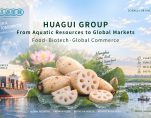
HONGHU, CHINA – Media OutReach Newswire – 25 September 2026 – Honghu lotus root ranks first in antioxidant content among major lotus-root-producing regions, according to industrial report by China Merchants Securities (CMS), highlighting the ingredient’s potential beyond traditional food and into functional food, superfood and biotechnology markets. Building on Honghu’s nutritional profile and industrial scale, Huagui Group is expanding from lotus root and aquatic vegetables into functional ingredients, wellness products and biotechnology, while developing a broader global platform connecting China’s aquatic resources with international food, health and commercial markets.

Huagui Group

As a global player in lotus root and aquatic vegetables, Huagui has established an international commercial network. The Honghu Lotus Root brand was valued at RMB 25.861 billion in 2025, reflecting its market position. Related products reach more than 50 countries and markets and are present in retail and food conglomerates channels including Costco and Yum! Brands, the parent company of KFC and Pizza Hut. Co-headquartered in Beijing and Hubei, Huagui continues to expand sourcing, international distribution, private-label programs and cross-border supply-chain partnerships. The conference brought together the China Vegetables Association, representatives from Europe, the United States and South Korea, and international guests including a representative member from the Saudi royal family.

Alongside its commercial expansion, Huagui is strengthening its position in the biotech and superfood market. Honghu lotus root naturally contains dietary fiber, vitamin C, potassium and polyphenols. According to a report by China Merchants Securities (CMS), Honghu lotus root ranks first among major lotus-root-producing regions in antioxidant content. The report also notes that the output value of Honghu’s lotus root industry is approximately five to six times that of Jiangsu, highlighting its nutritional profile and the scale of its commercial potential across plant-based nutrition, functional foods and health applications. Huagui is also establishing bio-extraction, functional ingredients and wellness products through its biotech business.

“Our strategy is creating a global ecosystem connecting aquatic plants, aquatic animals, food, biotech and longevity,” said Melody Zhao, Executive Vice President of Huagui Group. “From natural resources to R&D, and from brand building to global shelves, Huagui is connecting China’s aquatic industries with global consumers through products, supply chains and international channels.”

Supporting this strategy is a diversified business platform built around four core sectors. Huagui Food anchors food manufacturing and supply, while Huagui Health develops functional foods, wellness products and higher-value ingredients. Huagui’s e-commerce, commodities supply-chain finance and import-export operations connect digital channels, financing, global sourcing, international trade and private-label programs under its “Buy Global, Sell Global” approach. On the aquatic-animal side, Huagui’s Fishery Joint Venture with Hubei Agricultural Development Group, a China Top 500 enterprise group, extends the platform into fisheries and large-scale open-water operations, covering approximately 666.7 million square meters of fishing and aquaculture waters.

From global food channels to superfoods, Huagui is building an integrated platform across aquatic plants and animals, creating opportunities in international food, biotech and commerce.

Hashtag: #HuaguiGroup

The issuer is solely responsible for the content of this announcement.

By Tirthankar Mitra At the sight of the slogan “bhoi out, bhorsa in”, people sat up and took notice, making up their mind to vote for the BJP candidates in 2026 Assembly elections in West Bengal. Little did these men and women who exercised their franchise in favour of the saffron camp nominees know that […]

The article Bhoi (Fear) Yet To Be Out, And Bhorsa (Assurance) Not Yet In appeared first on Latest India news, analysis and reports on Newspack by India Press Agency).

Three-phase roadmap prioritizes photonics, power semiconductors, and sensors to advance the “Made in Thailand” chip initiative, targeting over 230,000 new jobs.

BANGKOK, THAILAND – Media OutReach Newswire – 24 September 2026 – Thailand has approved its first national strategy for the semiconductor and advanced electronics industry, establishing a long-term framework to build an integrated domestic ecosystem spanning chip research and design, front-end manufacturing, conventional and advanced assembly, packaging and testing, and high-value electronics applications.

Thailand Unveils First National Semiconductor Strategy

Approved on Thursday by the National Semiconductor and Advanced Electronics Policy Board, chaired by Deputy Prime Minister and Finance Minister, Mr. Ekniti Nitithanprapas, the strategy targets about $80 billion in cumulative investment and about $150 billion in annual industry revenue by 2050. It also aims to create more than 230,000 new jobs under Thailand’s long-term “Made in Thailand” chip initiative.

“This is Thailand’s first comprehensive national framework for building semiconductor capabilities and moving the country into higher-value activities across the global supply chain,” said Mr. Ekniti. “It gives investors a clear view of our technology priorities, infrastructure commitments and workforce-development plan through 2050.”

The roadmap will be implemented in three phases. By 2030, Thailand will reinforce its established assembly and testing base, scale advanced packaging capabilities and lay the foundations for front-end wafer production. By 2040, it will seek more anchor investors in upstream activities, including chip design, wafer fabrication and advanced-technology manufacturing, to fill gaps in the supply chain. By 2050, Thailand aims to have a complete domestic supply chain. Thai companies are expected to grow into local champions that co-develop innovation and hold key positions in the chain.

The strategy identifies three priority technology platforms aligned with Thailand’s industrial strengths and global demand: photonics for artificial intelligence, data centers and high-speed communications; power semiconductors for electric vehicles, energy-storage systems and power grids; and sensors, building on Thailand’s micro-electro-mechanical systems (MEMS) capabilities, for connected devices, automation, automotive, smart devices and medical applications.

Implementation will be supported through five coordinated mechanisms: tax incentives, grants and low-interest financing; high-skilled workforce development with industry and academic partners; upgraded research and chip-design infrastructure and partnerships between foreign and Thai companies; investment-ready infrastructure, including cluster sites, reliable water and electricity, clean energy and disaster-resilience systems; and regulatory reform and business facilitation for foreign investors and Thai suppliers including a broader market access through FTAs.

The board also approved a workforce program under the national strategy coordinated by the Ministry of Higher Education, Science, Research and Innovation with universities, research institutes, industry and international partners. By 2030, the program aims to develop 86,600 people, including 84,900 highly skilled personnel and approximately 1,700 advanced researchers, through specialized curricula, industry placements, overseas training, and programs for faculty members, researchers and technical instructors.

The strategy builds on strong investment momentum. From 2023 through the first half of 2026, the BOI received investment-promotion applications for 879 semiconductor and advanced electronics projects worth about $27.2 billion (909 billion baht). The projects span chip production at various stages, printed circuit boards (PCBs), hard disk drives, AI servers, networking and power-management equipment, and electronic parts for vehicles and office equipment.

Infineon Technologies, the world’s largest maker of power semiconductors and automotive chips, will open its first Thai factory in Samut Prakan on Oct. 1. The facility will produce and package advanced power modules for electric vehicles, energy storage, clean energy and advanced electronics. Infineon also plans to establish an R&D center, develop joint curricula with Thai educational institutions and employ more than 5,000 people in Thailand at full operation.

Thailand’s expanding ecosystem also includes Foxsemicon Integrated Technology in semiconductor-equipment supply, Analog Devices in analog and mixed-signal chips, Zhen Ding Technology in printed circuit boards, Terahop in optical communications, and Malaysian Pacific Industries (MPI) in semiconductor assembly, packaging and testing.

“The ‘Made in Thailand’ chip initiative will bring together the country’s technology, infrastructure, investment and talent through a strong, coordinated and comprehensive national plan to turn this ambition into reality,” said Mr. Narit Therdsteerasukdi, Secretary General of the Thailand Board of Investment (BOI). “For semiconductor investors, specialized talent is as critical to site selection as infrastructure and incentives. The strategy is also designed to provide a dependable workforce pipeline for faster ramp-up and long-term expansion.”


Note: Investment, revenue and job figures are strategy targets. The U.S. dollar equivalent of 909 billion baht is based on an exchange rate of approximately 33.44 baht per dollar.

Hashtag: #Thailandboardofinvestment #BOI #FDI #Investment

The issuer is solely responsible for the content of this announcement.

Thailand Board of Investment (BOI)

Established in 1966, the Office of the Board of Investment (BOI) has continuously played an essential role for over 60 years in promoting value-adding investment for the country, from both foreign and Thai investors, to enhance national competitiveness and drive towards a new era of sustainable and balanced growth.

Investment Services Center- PR Section, The Office of the Board of Investment (BOI)

555 Vibhavadi-Rangsit Road, Chatuchak Bangkok 10900 Tel. +66 (0) 2553 8111, Fax: +66 (0) 2553 8222

Arabian Post Staff -Dubai Turkish Airlines has finalised an agreement with Boeing for up to 150 737 MAX aircraft, securing 100 firm 737-8 orders and options for 50 more jets in its largest single-aisle purchase from the US manufacturer. The agreement, announced on Wednesday, concludes negotiations that began in 2025 and gives the carrier substitution rights allowing some of the additional aircraft to be converted to the […]

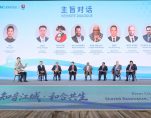
WUHAN, CHINA – Media OutReach Newswire – 23 September 2026 – The Global Mayors Dialogue · Wuhan and the 2026 Wuhan International Friendship Cities Cooperation Conference, held from Sept. 18 to 21, brought together 80 international guests from 24 cities across 22 countries, according to organizers.

The Global Mayors Dialogue and the 2026 Wuhan International Friendship Cities Cooperation Conference kicked off on September 20.(Photo by Chen liang)

At the event, mayors and city representatives from six international sister cities of Wuhan called for closer cooperation in technology, industry, education and culture.

Representatives from Manchester in Britain, Kemi in Finland, Cape Town in South Africa, Yangon in Myanmar, Rzeszów in Poland and Turkistan in Kazakhstan took part in discussions on urban innovation, industrial cooperation and cultural exchange.

Manchester: a new start after 40 years of friendship

This year marks the 40th anniversary of the sister-city relationship between Wuhan and Manchester.

Shaukat Ali, lord mayor of Manchester, said the city was ready to deepen cooperation with Wuhan in education, culture, youth affairs, innovation and industry.

“Manchester is committed to promoting urban transformation through open cooperation, sharing opportunities, and fostering common development with international sister cities like Wuhan,” he said.

Ali said Manchester had developed from a post-industrial city into an innovation-oriented economy, with a focus on advanced manufacturing, artificial intelligence, life sciences and green technologies.

He said the two cities could share experience in urban transformation, innovation districts, university-industry cooperation and low-carbon development, while encouraging links among universities, businesses and research institutions.

He also highlighted existing educational and cultural links, including cooperation between Hubei University and Manchester Metropolitan University and exchanges between the Royal Northern College of Music and Wuhan Conservatory of Music.

Kemi: balancing growth with environmental protection

Mikko Koivulehto, chairman of the City Council of Kemi, said the Finnish city sought to balance economic growth with environmental protection.

“We believe that protecting nature and building a prosperous city can go hand in hand,” he said.

Kemi, a port city in Finnish Lapland, has developed industries based on renewable raw materials, clean energy and the bioeconomy. The city is also seeking to expand tourism and improve livability.

This year marks the 10th anniversary of the friendly exchange relationship between Wuhan and Kemi. The two cities have cooperated in areas including trade, the circular economy, tourism and youth exchanges.

Cape Town: technology and jobs key to urban transformation

Lungelo Mbandazayo, city manager of Cape Town, said technological innovation, talent development, infrastructure and green renewal were key to Wuhan’s transformation.

Cape Town, a UNESCO City of Design, is seeking to expand its technology and digital sectors while promoting green technology and an inclusive economy.

Mbandazayo said youth unemployment remained a major challenge for Cape Town and that technological development needed to create jobs.

After visiting Wuhan companies and technology facilities, he said Cape Town hoped to deepen exchanges with Wuhan in technology and talent.

Yangon: seeking practical cooperation with Wuhan

Yangon Mayor Myo Myint Aung said the city was looking to Wuhan for experience in smart-city development, digital governance, intelligent transport and urban resilience.

Wuhan and Yangon signed a letter of intent on friendly exchanges and cooperation during the event.

Yangon is developing a long-term plan to accommodate population growth and expand its urban, industrial and transport infrastructure.

During a visit to Wuhan on Sept. 19, Myo toured the Optics Valley “Photon” suspended monorail, HGTECH and a Xiaomi smart home appliance factory.

“We came to Wuhan not just to observe, but to learn and cooperate,” he said, adding that Yangon hoped to develop smart manufacturing and strengthen cooperation in information technology.

Rzeszów: opportunities in aerospace and technology

Rzeszów Mayor Konrad Fijołek said the Polish city hoped to cooperate with Wuhan in aerospace, sensor technology, biodiversity and climate action.

Rzeszów is home to the “Aviation Valley,” a major aerospace cluster in Central Europe.

“Exploring cooperation with Wuhan is the reason I came here,” Fijołek said.

After visiting HGTECH and a Xiaomi smart home appliance factory, he said Wuhan’s automated manufacturing and technologies in sensors and satellite systems had impressed him.

He said cities could help connect universities, businesses and research institutions and promote international cooperation.

Turkistan: five areas for cooperation

Turkestan Mayor Azimbek Pazylbekuly said his city hoped to expand cooperation with Wuhan in tourism and culture, education and science, investment and entrepreneurship, digitalization and innovation, and transport and logistics.

Wuhan and Turkistan signed a memorandum of intent on friendly exchanges and cooperation during the event.

Turkistan, an ancient Silk Road city and a UNESCO World Heritage site, has been developing industries including food processing, textiles, furniture and construction materials.

Pazylbekuly said cooperation between governments, businesses, universities and research institutions could help turn the two cities’ exchanges into concrete projects.

The conference also included friendship-city anniversary celebrations and a signing ceremony for 10 cooperation projects. A digital list of cooperation opportunities and an initiative on international friendship-city cooperation were released.

During their stay, the visiting mayors toured Wuhan’s technology, manufacturing and ecological facilities, including the Optics Valley suspended monorail, a Yangtze finless porpoise conservation center, Xiaomi, HGTECH and Dongfeng Motor facilities.

Hashtag: #wuhan

The issuer is solely responsible for the content of this announcement.

By Ashok Nilakantan Ayers NEW YORK: External Affairs Minister S Jaishankar arrived at the 81st UN General Assembly with an unusually broad diplomatic canvas before him. In meetings with European, Ukrainian, Arab, Asian and other counterparts, India was simultaneously talking to countries that sit on opposite sides of some of the world’s sharpest geopolitical divides. […]

The article Jaishankar’s Speech At UNGA: Multilateralism, Not ‘Choosing Camps’ appeared first on Latest India news, analysis and reports on Newspack by India Press Agency).

South African businesses are treating water security as a core continuity risk as unreliable municipal supply, ageing infrastructure increase operational risk across affected municipal networks and major cities. Companies are responding by expanding on-site storage, drilling boreholes where viable, installing treatment systems, recycling wastewater and improving consumption monitoring. The shift resembles the earlier move towards private power resilience, with businesses seeking alternatives to dependence on a single […]

VISHNU RAJA
RYO YAMADA
HITORI GOTOH
IKUYO KITA