A local BJP leader arrested over the theft of more than ₹8 crore from the Kerala Muslim Cultural Centre (KMCC) headquarters in Qatar has told Koyilandy police that he was unaware of the planned robbery when he travelled abroad. Parappil Balakrishnan, a resident of Koyilandy in Kozhikode district, surrendered to police…
Political tensions over the proposed Ecologically Sensitive Area (ESA) in Keralam’s Western Ghats have intensified, with the CPI(M) announcing a shutdown across seven Pathanamthitta villages on October 24 despite government assurances that inhabited areas and farmland will be protected. The confrontation has sharpened…
Ras Al Khaimah’s Ruler, Sheikh Saud bin Saqr Al Qasimi, has inaugurated the emirate’s first business consultancy in China, establishing a permanent commercial presence in Guangzhou, the capital of Guangdong province.
The opening on Wednesday marks a further step in the emirate’s efforts to develop trade and investment links with southern China. The office is intended to connect companies in Guangdong with opportunities in Ras Al Khaimah and provide a continuing point of contact for prospective business partners.
Sheikh Saud, a member of the UAE Supreme Council, inaugurated the facility during a working visit to China scheduled to continue until Friday. The programme includes discussions with provincial officials, meetings with corporate executives and engagements in Guangdong and Fujian.
The consultancy follows a cooperation agreement signed by Ras Al Khaimah and Guangdong in November 2024. That agreement identified the digital economy, technological innovation, advanced manufacturing, smart cities, culture and tourism as areas for collaboration.
The new Guangzhou presence gives the emirate a local platform through which to pursue those priorities beyond individual official visits and business delegations. Its establishment also provides Chinese enterprises with a designated channel for exploring commercial relationships with Ras Al Khaimah.
The opening comes as the emirate seeks to translate institutional agreements into direct contacts between companies and public agencies. Guangdong is a particularly significant partner because of its concentration of manufacturing, technology and export-oriented businesses.
The Ruler’s China itinerary began with his arrival in Shenzhen on October 17, accompanied by senior officials and representatives of Ras Al Khaimah government entities. UAE Ambassador to China Hussain bin Ibrahim Al Hammadi and UAE Consul General in Guangzhou Maryam Al Shamsi were among those who welcomed him.
A principal engagement of the visit was the Ras Al Khaimah–China Business Summit in Shenzhen, where the emirate presented investment opportunities to Chinese business leaders. The meetings form part of a broader effort to identify potential partners and encourage companies to examine the emirate as a base for operations and investment.
Officials have indicated that more than 400 Chinese companies operate in Ras Al Khaimah. The existing corporate presence offers a foundation for further commercial engagement, although the opening of the consultancy does not itself establish new investment commitments or completed transactions.
The emirate’s economic outreach also involves Ras Al Khaimah Economic Zone, which has previously organised business missions to China and pursued cooperation with Chinese enterprises. The economic zone has promoted opportunities for manufacturing and industrial projects, alongside other commercial activities.
During the current visit, Sheikh Saud has also met representatives of Chinese technology businesses. A visit to Guangzhou included an engagement with ARIDGE, a company developing advanced air mobility vehicles, as cooperation on emerging transport technology attracted attention from both sides.
The company presented an aircraft intended for testing within the UAE’s advanced air mobility regulatory environment. Its founder, Zhao Deli, described plans to begin with demonstrations and certification before pursuing potential commercial applications, including emergency services and tourism. Those plans remain subject to testing and regulatory requirements.
The wider commercial initiative is being pursued alongside government-to-government engagement. The distinction matters because cooperation agreements can establish areas of common interest without specifying individual projects, financing or delivery schedules. The consultancy is therefore expected to act as a practical point of contact rather than a substitute for negotiations between investors, regulators and commercial partners. Details of its staffing, operating budget and arrangements for assisting individual businesses have not been publicly specified.
The Guangzhou opening builds on contacts developed during Sheikh Saud’s two visits to China in 2024. The November agreement with Guangdong has subsequently been followed by cooperation involving institutions in education, transport, research, culture and archaeology.
Entities identified in that cooperation include the Ras Al Khaimah Transport Authority, the Sheikh Saud bin Saqr Al Qasimi Foundation for Policy Research, RAK Medical and Health Sciences University and the emirate’s Department of Antiquities and Museums.
Guangdong’s industrial base encompasses electronics, vehicles, pharmaceuticals and other manufacturing activities. Its size and commercial networks make it an important destination for international investment promotion, although specific outcomes from the new consultancy will depend on subsequent business engagement.
Sheikh Saud is also scheduled to visit Fuzhou, the capital of Fujian province, where an agreement establishing friendly relations between Ras Al Khaimah and Fujian is planned. The visit is due to conclude on October 23.
Abu Dhabi emerged as the leading centre of sovereign investment activity in the Middle East during the first nine months of 2026, with state-backed funds accelerating acquisitions, consolidating strategic assets and expanding international investments despite geopolitical uncertainty. New figures from investment research firm Global SWF show that Mubadala Investment Company deployed $26.2 billion between January and September, making it the most active sovereign investor in the Gulf. […]
Arabian Post Staff -Dubai BlackRock has launched a robotics-focused exchange-traded fund, widening its artificial intelligence investment range as investors become more selective about exposure to the technology. The iShares Future Robotics and Related Technologies Active ETF began trading on NYSE Arca on Wednesday, 21 October, under the ticker RBTX. The fund seeks investments across businesses developing, supplying and deploying intelligent machines that automate physical tasks, including operations […]
KUALA LUMPUR, MALAYSIA – Media OutReach Newswire – 21 October 2026 – UEM Edgenta Berhad (“UEM Edgenta” or “the Company”), a leading Asset Management and Infrastructure Solutions company, today announced the launch of its inaugural Young Entrepreneurship Programme (YEP), a new initiative developed to identify, train and mentor young entrepreneurs within the Company’s vendor ecosystem. The inaugural cohort comprises six vendors from UEM Edgenta’s Infrastructure Solutions and Asset Management business ecosystems, marking the start of a structured, multi-phase journey towards operational readiness and long-term business growth.
The six vendors were selected through a rigorous, multi-tiered screening process. Companies were assessed against eligibility criteria centred on youthful leadership and business track record, before undergoing desktop audits, pre-assessments and site visits benchmarked against the Malaysia Business Excellence Framework (MBEF). Vendors demonstrating the required readiness, strategic relevance to UEM Edgenta and potential for sustainable growth were shortlisted for the inaugural cohort.
YEP is designed to build on the success of UEM Edgenta’s existing Vendor Development Programme, with a sharper focus on empowering young business owners. The programme aims to develop industry-ready vendors that meet UEM Edgenta’s operational and compliance standards, while strengthening their long-term business viability. In doing so, YEP supports the aspirations of Rancangan Malaysia Ke-13 (RMK13) to raise the socioeconomic standing of the rakyat, particularly through youth empowerment, digital innovation, financial inclusion, and Technical and Vocational Education and Training (TVET).
To deliver the training component, the Company has forged strategic partnerships with Institut Keusahawanan Negara (INSKEN) and the Construction Industry Development Board (CIDB) Malaysia. INSKEN will lead training on business model development, leadership, and strategic planning, culminating in an INSKEN certification, while CIDB will provide technical training on tender, contract, and financial management as well as management systems, supporting participants’ compliance and competitiveness within the construction and infrastructure industry. These external modules are complemented by internal business training delivered through Edgenta Academy.
Shaiful Subhan, Managing Director/Chief Executive Officer of UEM Edgenta, said the programme reflects the Company’s commitment in nurturing a resilient and future-ready vendor base. “As we look ahead, we want to build a supplier ecosystem that is diverse, competitive and driven by capability and performance. We believe opportunities should be earned through commitment, quality and willingness to grow, not simply by how long a company has been in business. A strong supply chain is not built overnight. It is built by investing in people, developing capabilities and creating long-term partnerships that grow together,” he said.
Beyond its immediate vendor ecosystem, UEM Edgenta views YEP as a platform to contribute to the broader national agenda of socioeconomic mobility, helping young business owners transform innovative ideas into commercially viable ventures that, in time, create new employment opportunities within their own communities. The inaugural cohort has been intentionally kept small to allow for high-quality, intensive mentorship and customised training. The Company will evaluate the outcomes of this inaugural batch to guide future investment and the potential expansion of the programme to a wider pool of young entrepreneurs in subsequent years.
The issuer is solely responsible for the content of this announcement.
About UEM Edgenta
UEM Edgenta Berhad (“UEM Edgenta”), a wholly-owned subsidiary of UEM Group Berhad, is an Asset Management and Infrastructure Solutions company that delivers integrated, end-to-end solutions across the entire asset lifecycle, combining engineering excellence in design, project management and asset consultancy with tech-enabled asset management capabilities to optimise asset performance, efficiency and resilience.
With operations across Malaysia, Singapore, Indonesia, Taiwan, the United Arab Emirates and the Kingdom of Saudi Arabia, UEM Edgenta supports the reliable and sustainable performance of critical assets, including healthcare facilities, transportation networks and industrial infrastructure.
Britain has approved drilling at the Jackdaw gas field in the North Sea, seeking to strengthen domestic energy supplies and reduce dependence on imports despite objections from environmental campaigners. The government announced the decision on Wednesday, clearing a major obstacle to developing the offshore field approximately 150 miles east of Aberdeen. The project, operated by Adura, a joint venture between Shell and Norway’s Equinor, had faced prolonged […]
TONGXIANG, CHINA – Media OutReach Newswire – 20 October 2026 – The 2026 World Internet Conference Wuzhen Summit will open on Nov. 2, bringing technology leaders, researchers and companies to the historic water town as Tongxiang firms expand AI applications from commercial cleaning and autonomous delivery to industrial control and data-center cooling.
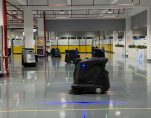
The CenoBot S5 autonomous cleaning robot undergoes real-world testing at a demonstration site in Tongxiang.
For Tongxiang, long associated with the annual internet conference, the summit is also a chance to demonstrate how local companies are commercializing AI technologies for customers at home and abroad.
Ahead of the event, reporters visited seven Tongxiang-based companies working in robotics, intelligent vehicles, synthetic data, industrial automation, logistics and computing infrastructure.
Singapore Changi Airport earlier this year placed a fourth order for commercial cleaning robots from CenoBots, a Tongxiang-based company whose machines are used in airports, supermarkets, hospitals, factories and warehouses.
CenoBots has sold products in more than 40 countries and regions. Its customers include Changi Airport, British retailer Tesco, the University of Minnesota and pharmaceutical company Novo Nordisk. This year, the company supplied about 600 autonomous cleaning robots for Tesco Express stores across the United Kingdom.
“Cleaning robots are appearing in more and more settings,” said Shen Jizhong, CenoBots’ co-founder and vice president. “It is much like electric vehicles becoming a familiar sight on the roads — a trend that is gathering pace.”
The company’s machines are adapted to different settings. Hospital robots must move through busy corridors without disrupting patient care, while those used in supermarkets navigate around shoppers and carts. Factory robots operate near forklifts, and airport models must handle both fine debris in carpeted areas and small obstacles on smooth floors.
CenoBots continues to refine its robots through real-world testing, focusing on reliable operation and consistent cleaning performance across diverse environments. The company has expanded its research, development and production facilities in Tongxiang from approximately 3,000 square meters in its early years to more than 20,000 square meters. Local malls, hospitals and sports venues have also served as long-term testing sites.
While CenoBots focuses on service robots, TEEMO is developing the vehicle platforms that support autonomous mobility. The company makes drive-by-wire skateboard chassis and core components for autonomous vehicles used in last-mile delivery, patrols and logistics.
Its standardized chassis can be equipped with different vehicle bodies and hardware for specific uses. One of TEEMO’s strategic customers, autonomous delivery-vehicle maker Zelos, was selected for all lots in China Post’s centralized procurement program for 7,000 autonomous delivery vehicles.
TEEMO’s customers already span the United States, the Middle East, India and Russia, said Zhang Yongjian, the company’s director of operations.
“In some overseas markets, distances are long, populations are dispersed and last-mile delivery is difficult to staff,” Zhang said. “Autonomous delivery vehicles have strong potential there, and overseas business will become an important growth driver for us.”
Other Tongxiang companies are concentrating on the data and perception systems that allow machines to function in physical environments.
Dayan Technology, founded in Tongxiang in May 2025, provides synthetic-data and toolchain services for autonomous-driving and humanoid-robotics companies. It combines real-world data collection, digital twins and simulated training environments to help developers train robots before they are deployed.
Its wearable devices record human movement and interactions with objects. A haptic glove uses liquid-metal and pressure sensors to capture hand gestures, finger movements and contact force. A multi-camera headset records a user’s visual field, body posture, hand movements and the position of nearby objects.
Dayan said its tactile-perception model can process touch signals in milliseconds. The technology is intended to help robots do more than identify objects visually: They can learn how firmly to grip an item, recognize when it is slipping and apply force without causing damage.
Freetech Intelligent Factory
Freetech is applying related sensing and decision-making capabilities to intelligent driving. The company develops intelligent-driving systems and 4D imaging radar for passenger and commercial vehicles, and said its technology has been selected for hundreds of vehicle programs.
Its ODIN AI platform supports products at different levels of driving automation. The radar is designed to complement cameras in heavy rain, fog, darkness and abrupt changes in light, including when vehicles enter or leave tunnels.
At its intelligent-manufacturing base in Wuzhen, Freetech is also using AI in production. An in-house system reads customer orders and calculates the components and materials needed for each production line before manufacturing begins. The company said the system has increased overall efficiency by more than 20%.
“Transportation combined with a specialized function will be an important direction for the future,” said Dr. Zhang Lin, Freetech’s founder and CEO.
Freetech sees potential applications beyond passenger vehicles, including robots, elder-care vehicles, mining equipment and agricultural machinery.
Beyond mobility, Tongxiang firms are using AI to address the complexity of industrial operations. Founded in 2019, Shuhan Technologies provides on-premises industrial AI for chemical plants, energy facilities and wastewater-treatment systems. Its AI-driven control layer continuously ingests data from central control systems and field sensors, identifies dynamic conditions and autonomously adjusts operating parameters in real time.
“Fundamentally, all industrial process challenges can be framed as control and optimization problems,” said Zhai Zhengjun, Shuhan’s Chief Technology Officer.
At a coal chemical plant with annual capacity of 1.2 million metric tons, Shuhan said its system reduced raw-material consumption by 6%. The company estimated that the deployment generated more than 176 million yuan, or about $26 million, in annualized economic benefits and reduced carbon emissions by more than 500,000 metric tons.
SENAD is targeting bottlenecks in logistics operations, including loading, unloading, sorting and pallet handling. It develops autonomous loading and unloading robots, as well as a multimodal logistics model called Robot Insight, for sectors including beverages, tobacco, consumer goods, pharmaceuticals and logistics.
Tongxiang’s AI sector also includes companies addressing the infrastructure needed to run increasingly powerful computing systems. SynthCool is tackling a basic constraint of the AI boom: heat.
SynthCool develops two-phase liquid-cooling systems to address the heat generated by increasingly powerful processors. Inadequate cooling can trigger thermal throttling, reducing performance and energy efficiency.
“Heat dissipation is infrastructure,” said Zhu Zhijiang, SynthCool’s general manager.
SynthCool’s two-phase cooling technology uses the latent heat of vaporization to remove heat from processors. The cooling fluid absorbs heat and boils into vapor, which is then condensed back into liquid and recirculated.
Depending on ambient conditions and system design, two-phase cooling can also support free cooling and reduce reliance on compressor-based refrigeration. Waste heat may be recovered where temperatures and local demand make reuse practical.
According to SynthCool, its technology supports heat dissipation of more than 3,000 watts per chip and heat flux above 250 watts per square centimeter. Under comparable cooling requirements, the system requires approximately one-third of the flow needed by conventional single-phase water-cooled cold plates, helping reduce piping requirements and pumping demand.
SynthCool’s portfolio includes two-phase direct-to-chip and immersion cooling solutions, along with distribution units and control systems for AI data centers.
Hashtag: #Tongxiang
The issuer is solely responsible for the content of this announcement.
Arabian Post Staff -Dubai Abu Dhabi National Energy Company (TAQA) has launched a dual-tranche US dollar bond offering, targeting international investors as the utility group seeks financing for eligible green projects and other corporate requirements. The transaction, launched on Monday, October 19, comprises a long five-year tranche and a 10-year tranche of senior unsecured notes. Initial pricing discussions placed the shorter maturity at approximately 130 basis points […]
Industry Giants Gather in Ningde to Jointly Accelerate the Layout of the “Tesson Smart Power” Ecosystem
HONG KONG SAR – Media OutReach Newswire – 19 October 2026 – Tesson Holdings Limited (Stock Code: 01201.HK, hereinafter referred to as “Tesson Holdings”), a company listed on the Main Board of The Stock Exchange of Hong Kong Limited, today issued an official announcement stating that its direct wholly-owned subsidiary has entered into an agreement with CCPOM Limited to acquire 100% equity interest in Contemporary Huazhi New Energy Technology Hong Kong Limited (hereinafter referred to as “Contemporary Huazhi (Hong Kong)”) for RMB 98.4 million, with a simultaneous capital injection of RMB 21.6 million (representing a total consideration of RMB 120 million).
On the same day, the “Solar-Storage-Charging-Inspection & Intelligent Zero-Carbon” Innovation Seminar and Strategic Signing Ceremony, co-hosted by Times Huazhi (时代华智) and Tesson Holdings, was grandly held at Fujian Jixin Solar-Storage-Charging-Inspection Technology Co., Ltd. (福建集新光储充检技术有限公司) in Overseas Chinese Building, Ningde, Fujian (福建宁德华侨大厦). At the seminar, Mr. Huang Shilin, Co-founder of Contemporary Amperex Technology Co., Limited (hereinafter referred to as “CATL”) and Chairman of Fujian Jixin Solar-Storage-Charging-Inspection Technology Co., Ltd. (福建集新光储充检技术有限公司) delivered a keynote speech. He conducted an in-depth analysis of the industry trends regarding the integrated development of new energy and intelligent charging/inspection, which drew enthusiastic responses from the attendees.
The signing ceremony brought together many distinguished guests. Under the joint witness of officiating guests including Mr. Huang Shilin, Professor Yu Changyuan from The Hong Kong Polytechnic University, and Mr. Wei Qingwen, representative of the major shareholder of Tesson Holdings, Tesson Holdings and Times Huazhi (时代华智) officially completed the agreement signing. At the same time, Tesson Holdings joined forces with Times Huazhi (时代华智), Inspur Group, EV Power, Wanji International (万吉国际), and several other industry-leading enterprises as well as top research institutions to sign multiple Memoranda of Understanding (MOUs) for strategic cooperation. This marks a breakthrough achievement for Tesson Holdings in platform-based operations of smart power and new energy infrastructure layout since the launch of its new brand “Tesson Smart Power” in August this year.
Dual Strategy of Acquisition and Capital Injection: Anchoring the Innovative Track of “Solar-Storage-Charging-Inspection and Intelligent Zero-Carbon”
According to the announcement, RMB 38.4 million of the total consideration for this transaction will be paid in cash. The remaining acquisition consideration of RMB 60.0 million will be satisfied and completed by issuing consideration shares at HK$2.00 per share, while the simultaneous capital injection of RMB 21.6 million will be paid and completed as consideration for the subscription shares.
As a pioneer enterprise in the field of intelligent zero-carbon park operations for solar-storage-charging-inspection systems, Times Huazhi (时代华智) has successfully deployed multiple solar-storage-charging-inspection and zero-carbon park projects in core cities such as Shanghai and Fuzhou. Upon completion of this acquisition and capital injection, Tesson Holdings will directly incorporate high-quality new energy infrastructure assets, further enhancing the company’s operational capabilities and asset scale in high-power fast charging, energy storage, and zero-carbon microgrids.
Signing of Three Major MOUs: Building a Closed-Loop Chain of “Computing-Power Synergy + Energy-Carbon + Industry-Academia-Research”
At the signing ceremony held on the same day, Tesson Holdings and Times Huazhi (时代华智), together with several industrial partners, reached four deep strategic collaborations:
1. Computing-Power Synergy and Joint Innovation (AIDC): Partnered with Inspur Group and Micro-Gathering Power Sale (微聚售电) to jointly explore the integration model of AI Data Center infrastructure (AIDC) with new power sales and Virtual Power Plants (VPP).
2. Hong Kong Layout and Collaborative Innovation for Solar-Storage-Charging-Inspection: Partnered with EV Power, a leading EV charging operator in Hong Kong, and Wanji International (万吉国际), a green logistics operator, while introducing the 5D Power team from The University of Hong Kong and the HYBAY team from The Hong Kong University of Science and Technology, to jointly create demonstration projects for solar-storage-charging-inspection and green logistics in Hong Kong.
3. Joint Construction of International Innovation Design Center (Hong Kong & Fujian): Partnered with Fuzhou University Design & Research Institute (福州大学设计研究院), Gesuo Technology (格索科技), and Anlaseo (a spin-off enterprise from The Hong Kong Polytechnic University) to promote the engineering applications of achievements such as smart energy replenishment stations for solar-storage-charging-inspection.
Tesson Holdings and Times Huazhi (时代华智) deepened their cooperation by leveraging the advantages of the global industrial chain ecosystem resources of CATL to jointly explore the strategic collaborations implementation and innovative industrial upgrading of securitization for energy-carbon assets in new power track of solar-storage-charging-inspection.
Management of Tesson Holdings stated that the completion of this acquisition and multi-party strategic cooperation marks a crucial step for the company toward becoming an “Innovative Operator in Smart Power and Energy-Carbon”. Looking ahead, Tesson Holdings will rely on its development roadmap of “Battery Manufacturing — Zero-Carbon Microgrid & Energy Storage Operations — AI Power Trading & Energy-Carbon Asset Platform”, and fully utilize the strong support and resource empowerment from strategic shareholder Mr. Huang Shilin, Co-founder of CATL. The company will continue to deepen its green energy network layout in the Greater Bay Area and core cities, creating long-term value for urban low-carbon transformation.
Hashtag: #TessonHoldings
The issuer is solely responsible for the content of this announcement.
About Tesson Holdings Limited (1201.HK)
Tesson Holdings Limited (Stock Code: 01201.HK) is a company listed on the Main Board of The Stock Exchange of Hong Kong Limited, focusing on (among other things) the deep integration of the new energy industry chain. Its strategic positioning includes being an innovative operator in smart power and energy-carbon. Centering on “Smart Power Source + Smart Electricity”, the company comprehensively expands into energy storage, solar-storage-charging-inspection, zero-carbon microgrids, AI energy management, and energy-carbon asset operations, striving to connect global high-quality industrial and capital resources to empower the high-quality development of the new energy ecosystem.
OpenAI chief executive Sam Altman expects the company to demonstrate a humanoid robot in 2027, confirming an expansion into machines that could eventually compete with products developed by robotics businesses it previously supported. Altman outlined the timetable in a September interview, describing an impressive demonstration next year while cautioning that robots operating routinely in public spaces would take several more years. His remarks establish a development target […]
By Nantoo Banerjee The prolonged blockade of the Strait of Hormuz, lately due to the ego tussle between the United States and Iran, have inflicted severe financial, operational, and human costs on India’s merchant marine industry and broader import-export trade. But, thanks to an excellent supply chain management effort, it failed to impact the country’s […]
Bitcoin and US stock futures climbed on Monday after China’s economy expanded faster than expected in the third quarter, while falling oil prices helped improve investor sentiment across global financial markets.
China’s gross domestic product grew 4.5% year on year during July to September, exceeding economists’ forecast of 4.4% and accelerating from 4.3% in the preceding quarter, according to the National Bureau of Statistics.
Bitcoin briefly climbed towards $82,500 as cryptocurrency traders responded to the stronger economic figures and improving conditions in traditional financial markets. Nasdaq futures also advanced, reflecting renewed demand for technology shares following a difficult period for companies associated with artificial intelligence.
The market recovery was uneven, however. South Korea’s Kospi faced selling pressure after an initial improvement, highlighting continuing concerns about technology valuations and the substantial financing requirements of artificial intelligence development.
US Nasdaq futures gained approximately 1% during Asian trading, while contracts tracking the broader S&P 500 advanced around 0.7%. Lower energy prices provided additional support as investors assessed their implications for inflation, corporate earnings and borrowing costs.
China’s economic figures offered a measure of reassurance about activity in the world’s second-largest economy. Quarterly output increased 1.2% from the preceding three months, exceeding expectations for a 1.1% expansion and improving from 0.9% growth during April to June.
The stronger performance was supported by exports and industrial production, although weaknesses in household consumption and property investment continued to complicate the economic outlook.
Official figures showed industrial production increasing 5.5% year on year in September, compared with 5.2% in August. Retail sales grew 1.1%, indicating modest improvement in consumer spending despite persistent pressure on household confidence.
China’s government has established an annual economic growth target of approximately 4.5% to 5%, making the third-quarter performance significant for policymakers considering whether further stimulus measures are necessary.
Growth during the first nine months reached 4.6%, according to official estimates, keeping the economy within reach of the government’s full-year objective.
Financial markets nevertheless remained sensitive to concerns that China’s expansion depends heavily on exports and industrial investment rather than sustained improvements in domestic demand.
The property sector remained a particular concern, with investment continuing to contract despite measures intended to support homebuyers and stabilise developers.
Oil markets supplied another important influence on trading. Brent crude futures declined approximately 1.7% to $107.95 a barrel, while US crude futures slipped 0.8% to $100.62.
The decline followed developments surrounding Washington’s sanctions policy towards Russia. President Donald Trump indicated that restrictions could be eased, potentially allowing additional Russian energy supplies into international markets, although the administration had not finalised its position.
US Secretary of State Marco Rubio indicated that the administration could take up to 60 days to assess the economic consequences of changing sanctions arrangements.
Lower crude prices helped ease immediate concerns about inflation, particularly because energy costs influence transport, manufacturing and household expenditure across major economies.
US government bonds strengthened as yields declined. The benchmark 10-year Treasury yield fell approximately four basis points to 5.0525%, providing some relief to financial markets concerned about elevated borrowing costs.
Expectations surrounding Federal Reserve policy remained important for cryptocurrency investors. Lower inflation could eventually create additional room for monetary easing, although policymakers face competing pressures from energy markets and economic activity.
The Federal Reserve’s benchmark interest rate currently stands between 4.75% and 5%, with financial markets expecting policymakers to leave borrowing costs unchanged at their next meeting.
Across Asian equities, the initial advance reflected bargain hunting following substantial losses in technology stocks. Japan’s Nikkei and South Korea’s Kospi both experienced volatile trading as investors reassessed exposure to semiconductor manufacturers.
Concerns about artificial intelligence spending remained prominent. Goldman Sachs estimates that five major technology companies could increase their combined capital expenditure to approximately $1.2 trillion next year, raising questions about investment returns.
China’s currency strengthened against the dollar, with the yuan reaching approximately 6.6828, its strongest level since July 2022.
Gold traded around $4,181 an ounce, supported by declining bond yields, while the dollar remained under pressure against several currencies.
Elsewhere, European equity futures weakened amid political uncertainty in France, demonstrating the differing regional influences on international investment flows.
Chinese blue-chip shares edged lower after initially benefiting from the economic figures, with investors continuing to assess whether stronger industrial activity would translate into a sustained improvement in domestic consumption.
Arabian Post Staff -Dubai Azizi Developments has begun preliminary work on workforce accommodation projects in Dubai and Sharjah designed to house more than 31,000 people, with phased completion scheduled through late 2027. The developer’s largest planned community, at Al Sajaa in Sharjah, will accommodate more than 20,000 residents across 36 residential buildings. Site preparation is expected to start later this month, while enabling and shoring works are […]
Signing of strategic collaboration agreement deepens collaboration on PCIM Asia Shanghai, opening international opportunities for microelectronics companies
HONG KONG SAR – Media OutReach Newswire – 19 October 2026 – From efficient power supply for artificial intelligence (AI) data centres to precision control in smart robotics, power electronics is enabling the next wave of industrial innovation. Hong Kong Science and Technology Parks Corporation (HKSTP) and PCM Asia Shanghai signed a strategic collaboration agreement at Hong Kong Science Park to strengthen their collaboration on PCIM Asia Shanghai, Asia’s premier exhibition for power electronics exhibition.
Together, the two organisations also co-hosted the “Power Electronics Innovation Across Asia” seminar, bringing together international technology companies, academics from local universities, innovators and investors to explore advances in power electronics and power semiconductors, as well as trends and opportunities shaping Asia’s industrial future.
Deepening Cross-Boundary Collaboration to Expand International Market Access
The partnership aims to extend professional exchange into sustained collaboration across the innovation and technology (I&T) ecosystem. By combining the corporate networks, industry platforms, and regional strengths of HKSTP and PCIM Asia Shanghai, the partnership will foster knowledge exchange and industry collaboration across power electronics, semiconductors, electrification and renewable energy.
Through annual cross-boundary exchange activities, coordination meetings, and showcasing opportunities for start-ups, innovative solutions and ecosystem participants, the two parties plan to raise the international profile of emerging technologies and ventures, and help companies to build vital market connections.
The collaboration will also strengthen Hong Kong’s role as a hub for strategic partnerships and bring together international research institutions, integrated circuit (IC) design houses, technology developers and investors, while providing access to the manufacturing capabilities in the Greater Bay Area (GBA) and the Chinese Mainland, driving technologies from R&D, device design and prototyping, and pilot production to market adoption.
Mr Terry Wong, Chief Executive Officer of HKSTP, said: “We are entering an era where AI is ubiquitous, embedded in vehicles, factories, power grids, communications networks and smart devices. None of these systems can function without efficient power conversion, power control and power management. That is why power electronics is becoming one of the most important enabling technologies of the next industrial era. With Hong Kong’s strengths in design-led electronics and the manufacturing capabilities of the Greater Bay Area, HKSTP provides an end-to-end pathway from research and prototyping to pilot production, manufacturing and market adoption. Through our partnership with Messe Frankfurt on PCIM Asia, we can help innovators raise their international profile, connect with new partners and expand into global markets. Together, we aim to build Hong Kong into a leading centre for research, design and system integration in power semiconductors, and strengthen its role as a regional gateway for global power microelectronics collaboration.”
Mr. Richard Li, Executive Director of Messe Frankfurt (HK) Ltd cum Chairperson of the Board of Management, Guangzhou Guangya Messe Frankfurt Co Ltd, said, ‘With 25 years of history, the PCIM Asia series of events has consistently brought together power electronics companies, engineers, and researchers from Asia and around the world. After having held in Shanghai and Shenzhen, PCIM Asia has built a professional exchange platform focusing on power semiconductors, intelligent motion control, renewable energy, and energy management. Meanwhile, Hong Kong possesses outstanding R&D capabilities and global business network, backed by the robust manufacturing base of the Guangdong-Hong Kong-Macao Greater Bay Area. HKSTP has attracted over 300 micro-e companies and has been equipped with comprehensive infrastructure for R&D, prototyping and pilot production. Leveraging Messe Frankfurt’s global exhibition resources as well as the local industrial ecosystem of HKSTP, this strategic collaboration aims to connect Hong Kong’s research capabilities with the Asian power electronics industry. It will elevate the industry exposure of the city’s innovative technologies, and promote long-term sustainable partnerships among industry partners in the Chinese mainland, Hong Kong, and the world”
Connecting Research with Industry Needs in AI and Advanced Energy Applications
The event attracted representatives from industry, academia and the wider I&T ecosystem. Through keynote presentations, expert discussions, technology demonstrations, company pitches and talent networking session, the event explored opportunities to bring power electronics innovations to market.
Experts from international technology leaders, including Mitsubishi Electric, Infineon Technologies, Bosch, STMicroelectronics, Murata, SMC and Vtech, as well as scholars from four local universities discussed AI data centre power supply, smart robotics and advanced energy applications. Discussions focused on translating power semiconductor and intelligent control technologies into integrated, market-ready solutions.
On-site showcases featured gallium nitride (GaN) motor drives, silicon carbide (SiC) chips and power modules, and advanced packaging solutions for AI data centres, intelligent robots and energy systems. The exhibits highlighted how microelectronics can improve energy efficiency and support emerging industries, while creating opportunities for researchers, technology companies and industry partners to collaborate.
Strengthening the Pathway from Research to Pilot Production
HKSTP is home to more than 300 microelectronics companies. Its facilities—including the Hardware Lab, Sensor Packaging and Integration Lab, Heterogeneous Integration Lab and Pilot-Scale Manufacturing Lab—support companies across design, prototyping, and trial production.
Located at the Microelectronics Centre in Yuen Long InnoPark within the Northern Metropolis, the Hong Kong Microelectronics Research and Development Institute (MRDI) supports semiconductor product development and trial production through its pilot lines, helping accelerate the translation of research into practical applications.
HKSTP is also advancing the Microelectronics Centre expansion project (MECX), which will provide approximately 7,500 square metres of additional floor space to attract and support companies across the semiconductor value chain, fostering industry clustering and collaboration.
Hashtag: #HKSTP #PCM
The issuer is solely responsible for the content of this announcement.
Vietnam has set a target of at least 10% economic growth in 2027, with Prime Minister Le Minh Hung outlining an ambitious development programme aimed at accelerating investment, raising productivity and maintaining macroeconomic stability.
Addressing the National Assembly in Hanoi on Saturday, Hung presented the government’s economic objectives for next year, including inflation of approximately 4.5%, gross domestic product per capita of $6,100 and labour productivity growth of 8.6%.
The proposed targets form part of 45 socioeconomic indicators submitted to lawmakers as the government seeks to sustain rapid expansion while addressing structural weaknesses, administrative bottlenecks and pressures on public finances.
Hung said achieving double-digit growth would require stronger coordination between fiscal and monetary policies, more effective mobilisation of investment resources and substantial improvements in the business environment.
The government intends to make science, technology, innovation and digital transformation central drivers of economic expansion, alongside institutional reforms designed to improve productivity and encourage private investment.
The announcement follows an earlier parliamentary resolution establishing average annual GDP growth of at least 10% as the national objective for 2026-2030. The 2027 proposal translates that broader ambition into specific annual targets and policy priorities.
Vietnam’s economy expanded by an estimated 9.01% during the first nine months of 2026, according to figures cited in a government resolution issued this month. The performance provides a foundation for next year’s target but also underlines the additional acceleration required.
The government has identified infrastructure development, industrial modernisation and improvements in investment procedures as essential to sustaining expansion. Hung emphasised that economic growth must be accompanied by inflation control and stability in the country’s principal financial balances.
Authorities plan to accelerate public investment disbursement, particularly for strategic infrastructure projects, while addressing delays in project approvals and implementation. Greater efficiency in allocating public resources is expected to support the government’s development priorities.
Private enterprise is also expected to assume a larger role. The administration wants to remove regulatory obstacles, improve access to productive resources and create more favourable conditions for businesses operating across different sectors.
The policy programme places considerable emphasis on improving the quality of growth rather than relying exclusively on expanding investment. Productivity gains are expected to become increasingly important as Vietnam pursues higher economic output and stronger competitiveness.
Hung’s presentation identified institutional reform as a central requirement for implementing the government’s objectives. Ministries and provincial administrations will be expected to translate national targets into specific responsibilities, implementation schedules and measurable outcomes.
The government also intends to strengthen coordination across administrative levels, improve public-sector accountability and address persistent obstacles affecting investment and business operations.
Maintaining price stability represents another important element of the programme. The proposed consumer price inflation target of approximately 4.5% reflects the administration’s intention to balance expansionary economic measures against the need to protect purchasing power.
Fiscal policy will consequently face competing demands from infrastructure investment, public services and social welfare commitments. Monetary authorities will also need to support productive activity without undermining financial stability.
The government’s economic programme includes measures to strengthen domestic production, improve supply chains and encourage technological adoption. These priorities are intended to support industrial competitiveness and reduce constraints on productivity.
Digital transformation features prominently in the development strategy, with authorities seeking broader application of technology across public administration and economic activity. The approach links improvements in government efficiency with efforts to modernise businesses.
The prime minister also stressed the importance of mobilising resources more effectively, including investment capital, land and other productive assets. Better allocation of these resources is expected to help overcome barriers to growth.
Social development remains part of the proposed framework. The government aims to reduce the multidimensional poverty rate by between one and 1.5 percentage points during 2027, while improving living standards and maintaining essential public services.
The targets were presented during the opening of the second session of the 16th National Assembly, which is examining the government’s assessment of economic performance in 2026 and its proposed development programme for the following year.
The broader policy framework also covers environmental protection, national security and international economic integration, alongside measures to strengthen the country’s administrative institutions.
A Communist Party Central Committee decision governing the 2027 budget framework calls for state budget revenue to increase by approximately 9.1% compared with the estimated 2026 outcome.
It also provides for savings of 5% from public investment allocations and 10% from specified recurrent expenditure categories, directing additional resources towards priority projects and social welfare programmes.
Dubai Investments Park (DIP) could move closer to a stock market listing next week, with industry sources indicating that a formal announcement on the proposed initial public offering may be imminent. The potential announcement would mark an important step towards a transaction that parent company Dubai Investments PJSC has been preparing throughout 2026. However, the anticipated timetable remains unconfirmed, and the company has not publicly announced a […]
Ras Al Khaimah Ruler Sheikh Saud bin Saqr Al Qasimi held talks with India’s External Affairs Minister Subrahmanyam Jaishankar on Friday, focusing on strengthening economic and trade cooperation between the UAE and India.
The meeting brought together the Supreme Council Member and the visiting minister as both countries seek to expand commercial partnerships, investment opportunities and diplomatic engagement. Discussions also covered bilateral relations and developments affecting the Gulf region.
Jaishankar described the meeting as an opportunity to exchange views on strengthening relations between the two countries and expanding engagement across the region. He acknowledged Sheikh Saud’s perspectives on bilateral cooperation and confirmed that the situation in the Gulf featured in their discussions.
The talks took place during the final day of Jaishankar’s three-day official visit to the UAE, which began on October 14. The visit was intended to review progress under the Comprehensive Strategic Partnership and identify opportunities for further cooperation across economic and diplomatic sectors.
Neither side announced a new investment agreement, trade target or commercial project following Friday’s meeting. The discussions nevertheless provided another channel for engagement between India’s government and the leadership of individual UAE emirates, alongside established federal diplomatic arrangements.
Economic cooperation remains central to relations between the two countries. Their Comprehensive Economic Partnership Agreement, which entered into force in May 2022, provides preferential market access for eligible goods and establishes mechanisms to facilitate trade and investment.
The agreement has supported efforts to diversify commercial exchanges beyond traditional energy transactions, with businesses exploring opportunities in manufacturing, logistics, infrastructure, technology and services. Its implementation also provides a framework for addressing commercial barriers and encouraging greater participation by companies operating in both markets.
Ras Al Khaimah has pursued investment partnerships involving manufacturing, industrial production, construction materials and logistics. Its industrial infrastructure and connections to regional shipping networks provide opportunities for businesses seeking production facilities and access to markets across the Gulf.
The emirate’s commercial engagement with India was also discussed during a July meeting between Sheikh Saud and India’s Ambassador to the UAE, Deepak Mittal, who was accompanied by business representatives.
That meeting examined opportunities for cooperation across several sectors and ways to utilise Ras Al Khaimah’s economic advantages. The discussions reflected continuing engagement between the emirate’s leadership and businesses interested in developing commercial operations within its jurisdiction.
Friday’s meeting followed talks on Wednesday between Jaishankar and UAE Deputy Prime Minister and Foreign Minister Sheikh Abdullah bin Zayed Al Nahyan in Abu Dhabi.
The two ministers reviewed cooperation under the Comprehensive Strategic Partnership and Comprehensive Economic Partnership, with particular attention to trade, investment and economic development. They also exchanged views on international issues and developments affecting regional stability.
Sheikh Abdullah reaffirmed the UAE’s commitment to strengthening bilateral relations and identifying opportunities that support the development priorities of both countries. Their discussions covered existing cooperation and possibilities for expanding engagement in sectors considered important to their respective economies.
The diplomatic exchanges come as governments and businesses assess the implications of uncertainty across the Gulf for investment, shipping and energy supplies. Regional stability remains an important consideration for commercial activity involving the UAE and India, particularly given their extensive trade and transport connections.
Jaishankar also participated in the Raisina Middle East Dialogue in Abu Dhabi on Thursday, joining discussions about international connectivity, strategic partnerships and the changing economic geography of global trade.
Speaking during a session examining continental corridors, he highlighted growing competition, emerging transport constraints and the importance of building reliable partnerships. His remarks addressed the challenges facing countries seeking secure commercial connections amid shifting geopolitical and economic conditions.
The dialogue, held on October 14 and 15, brought together participants to examine regional and international developments, including connectivity initiatives and cooperation between governments.
India’s relationship with the UAE also encompasses energy supplies, defence cooperation and investment, alongside extensive people-to-people connections. These established links provide an additional foundation for discussions involving the federal government and individual emirates.
The Embassy of India in Abu Dhabi estimated that approximately 4.3 million nationals from India were living in the UAE in 2024, representing roughly 35 per cent of the country’s population.
Ras Al Khaimah’s geographical position near the Strait of Hormuz adds a regional dimension to discussions about trade and connectivity. The emirate borders Oman and maintains industrial and maritime facilities serving businesses involved in manufacturing, construction materials and international commerce.
Arabian Post Staff -Dubai Dubai’s Government Media Office has opened discussions with Shenzhen News Group on expanding media cooperation, strengthening institutional links and increasing coverage of the emirate across Chinese news platforms. The meeting took place in Shenzhen during the Dubai Business Forum – China, organised by Dubai Chambers, bringing together representatives of both organisations to examine opportunities for content development, professional exchanges and collaboration in digital […]
32,000+ visitors, RM100,000 in local business revenue and international sporting participation put Sabak Bernam’s unique heritage landscape on the tourism map
SABAK BERNAM, MALAYSIA – Media OutReach Newswire – 16 October 2026 – From a 30-kilometre British-era waterway built to sustain Selangor’s paddy fields to a destination for sport, culture, tourism and community enterprise, Ban Canal is entering a new chapter — and Karnival Ban Canal 2026 is set to take it further.
Returning for its fourth edition from 6 to 8 November 2026 at Ban Canal Parit 14, Simpang Lima, Sabak Bernam, the award-winning Karnival Ban Canal (KBC 2026) is building a distinctive rural tourism platform around the theme Alam * Budaya * Lestari (Nature * Culture * Sustainability).
The festival attracted more than 32,190 visitors in 2025 and generated over RM100,000 in local business revenue. KBC 2026 aims to build on that momentum, attracting visitors from across Malaysia and internationally while creating greater economic opportunities for local communities.
Where heritage meets adventure
KBC 2026 brings together experiences rarely found in a single festival — from the Larian Bendang and fishing competitions to Kanu Slalom featuring international participants from countries including Japan and China, wall climbing and a flying fox spanning the historic Ban Canal.
The festival will also showcase Sabak Bernam’s multicultural heritage through traditional performances, Bual Bicara Malam Jumaat, local food and produce, Platform Selangor (PLATS) entrepreneur showcases, Jualan Eko Tani and nightly entertainment featuring leading Malaysian artists.
The result is more than a weekend festival. It is a platform connecting tourism, local enterprise, culture, sport and community participation, bringing visitors directly into the rural economy.
A growing platform for brands and partners
As visitor numbers and local economic activity grow, KBC 2026 is also emerging as an attractive platform for corporate partners looking to connect with audiences through experiential, community-driven and sustainability-led engagement.
Corporate partners can gain visibility across the festival ecosystem through digital and social media exposure, main-stage LED presence, on-ground branding and opportunities for direct audience engagement.
Sponsorship opportunities are available across Gold, Silver and Bronze partnerships, with scope for brands to develop activations aligned with their marketing, sustainability and community-impact objectives.
For brands looking beyond conventional advertising, KBC offers something different: the opportunity to be part of a growing destination story while putting the brand directly into the experiences of the people who visit it.
From historic waterway to living tourism destination
Ban Canal sits within the transition and buffer zones of the proposed Anjung Utara Selangor Biosphere Reserve (AUSBR) — Selangor’s 297,661-hectare “ridge-to-sea” living-economy nomination under UNESCO.
Originally constructed to channel water to the state’s interior paddy fields, the historic waterway is being reimagined as a platform for eco-tourism, rural enterprise and community development.
Karnival Ban Canal is a tangible expression of that transformation, demonstrating how natural and cultural assets can generate tourism activity, support local businesses and create new economic opportunities while preserving the character of the landscape.
Driven by the Selangor State Government, MBI Selangor, SABDA and the Sabak Bernam District Council (MDSB), KBC 2026 brings together government, communities, businesses, athletes, artists and visitors around a common proposition: that sustainable tourism can be both commercially vibrant and locally meaningful.
As Ban Canal continues its transformation, KBC 2026 offers visitors a reason to discover Sabak Bernam, businesses a platform to engage new audiences, and sponsors an opportunity to become part of a destination with a story that is still being written.
Hashtag: #SABDA
The issuer is solely responsible for the content of this announcement.
SABDA
The Sabak Bernam Development Area (SABDA) is a strategic economic development initiative of the Selangor State Government under Rancangan Selangor Pertama. SABDA seeks to unlock Sabak Bernam’s full economic potential while strengthening Malaysia’s food production, raising local incomes and improving community livelihoods. Its vision is to establish Sabak Bernam as a driver of sustainable economic growth, food security, resilience and environmental stewardship.
Menteri Besar Selangor (Incorporation) (MBI Selangor)
Menteri Besar Selangor (Incorporation) (MBI Selangor) is the strategic investment arm of the State Government of Selangor, mandated to drive sustainable economic growth and long-term value creation for the state.
MBI Selangor plays a central role in catalysing high-impact developments, facilitating strategic partnerships and unlocking the potential of key sectors to strengthen Selangor’s position as a leading economic hub in Malaysia and the region. Its investment focus spans infrastructure, industrial development, energy, digital economy and other priority sectors aligned with the state’s long-term development agenda.
Guided by the aspirations of Rancangan Selangor Pertama (RS-1), MBI Selangor actively supports initiatives that enhance competitiveness, attract quality investments and create meaningful socio-economic opportunities for the people of Selangor.
Through a disciplined and forward-looking investment approach, MBI Selangor is committed to delivering sustainable, inclusive and resilient growth, while strengthening governance, environmental stewardship and stakeholder value across its portfolio.
BANGKOK, THAILAND – Media OutReach Newswire – 16 October 2026 – Access to nutritious food remains a critical part of food security. In Thailand, around one in 10 children under five lives in severe child food poverty, while national data show that 13% of children under five are stunted and 7% are underweight, underscoring that food security is not only about having enough food, but also about ensuring consistent access to safe and nutritious diets.
Against this backdrop, Charoen Pokphand Foods Public Company Limited (CPF), in partnership with the Charoen Pokphand for Rural Lives’ Development Foundation, is expanding the “Eggs for Next Gen” program, a long-running school nutrition initiative, to 1,030 schools across Thailand, with 12 new schools joining this year. The expansion builds on nearly four decades of efforts to help children gain regular access to fresh eggs as a source of quality protein, while enabling schools to establish sustainable food production.
Launched in 1989, the program goes beyond providing food for school lunches. Participating schools receive support including poultry houses, equipment, laying hens and feed, together with technical knowledge in animal health, farm management, sanitation, production planning and egg management. Students and teachers gain practical agricultural skills, while schools can use eggs for meals and manage surplus production to generate revolving income that helps sustain future production cycles.
The initiative had reached 1,030 schools across 74 provinces, benefiting more than 229,502 students, 17,447 academic staff and2,690 communities. More than523 persons with disabilitieshave also participated in the programme, which targets approximately28 million eggs per production cycle.
Eggs for Next Gen reflects CPF’s broader view that food security depends not only on producing enough food, but on making nutritious food consistently available, accessible and sustainable over time. By helping schools produce fresh eggs locally, the programme brings quality protein closer to children, supports healthier diets, and builds practical knowledge and capabilities that allow schools to maintain food production beyond a single cycle. In this way, the initiative moves beyond short-term food support toward stronger food self-reliance at the school and community level.
As a global integrated agro-industrial and food company with operations and investments across 17 countries and products distributed in more than 50 countries, CPF advances its “Kitchen of the World” vision by placing food security at the heart of its sustainability strategy. Its global presence helps expand access to food for consumers worldwide, while its approach goes beyond producing sufficient food to strengthen quality and food safety, nutrition, responsible production and sustainable supply chains. Together, these efforts support a more resilient and sustainable food system capable of serving people over the long term.
Kobboon Srichai, Head of Corporate Affairs and Investor Relations at CPF, said:
“For CPF, food security means ensuring that people can access food that is safe, traceable and affordable today and in the future. To achieve this, we need to strengthen the entire food system, from production to access. By combining technology and automation, strong partnerships, and advances in biotechnology and nutrition, we can improve both the quality and resilience of the food system. Eggs for Next Gen demonstrates how these capabilities can be translated into practical impact, improving children’s access to quality nutrition while helping schools and communities build greater food self-reliance over the long term.”
With the program now expanding to 1,030 schools, CPF continues to translate its food expertise into practical action. Supporting healthier children, stronger communities and a more resilient and sustainable food system.
Japan and the United States have agreed on a semiconductor manufacturing project in New York that could attract up to $21 billion in Japanese investment, with GlobalFoundries selected to operate two new factories.
Japan’s foreign ministry confirmed on Thursday that the initial project would cost approximately $10 billion, with construction scheduled to begin before the end of 2026. Expansion of production facilities could eventually raise the total investment to about $21 billion, although the second factory remains conditional.
The agreement forms part of a $550 billion Japanese investment commitment negotiated with President Donald Trump’s administration in 2025, alongside a reduction in American tariffs on Japanese vehicles and other imports to 15 per cent.
GlobalFoundries said the first manufacturing plant at its existing Malta campus would begin production in 2029. An additional investment of approximately $10 billion would finance a second facility, with a decision on that expansion expected before the end of 2028.
Japan will supply the investment capital, while GlobalFoundries will provide manufacturing technology, technical expertise and operational management. The factories will be jointly owned by American and Japanese interests under an arrangement intended to expand semiconductor output without requiring the company to finance construction itself.
The first plant is expected to produce approximately 900,000 silicon wafers measuring 300 millimetres annually when fully operational. A second plant would add comparable capacity, substantially increasing the company’s manufacturing footprint in upstate New York.
GlobalFoundries estimates that the initiative will support approximately 27,000 construction and associated supply-chain jobs, alongside more than 1,000 skilled manufacturing positions in New York’s Capital Region. Those figures are projections rather than employment already created.
The US Commerce Department will separately receive an equity interest of approximately four per cent in GlobalFoundries. Chief executive Tim Breen said the transaction would raise the government’s overall holding to about seven per cent. The company is majority owned by Abu Dhabi’s Mubadala Investment Company.
GlobalFoundries shares advanced after the announcement, reflecting investor interest in an expansion model that could increase manufacturing capacity while limiting construction expenditure.
The ownership arrangements distinguish the investment from conventional private-sector semiconductor expansion. Japanese financing will underpin the factories, while the American government will gain a larger financial interest in the operator and participate in the broader manufacturing initiative.
GlobalFoundries also agreed with the Commerce Department to revise an existing award under the CHIPS and Science Act, reallocating $955 million towards investments in silicon photonics, silicon-germanium technology and advanced packaging at facilities in Malta and Burlington, Vermont.
These technologies are used in communications systems and data centres, where manufacturers are seeking faster connections and more efficient processing of large volumes of information. The separate funding revision does not represent an additional Japanese commitment to the two factories.
Japan’s foreign ministry described the New York project as the first semiconductor investment under the bilateral Strategic Investment Initiative announced in September 2025. It said the initiative was intended to strengthen supplies of mature-node chips used in automobiles, industrial machinery, smartphones and artificial intelligence data centres.
Although attention has focused heavily on advanced processors for artificial intelligence, mature-node semiconductors remain essential components in vehicles, industrial equipment and connected devices. Their availability is important to manufacturers seeking more geographically diversified supply chains.
The first facility will be built at an established semiconductor manufacturing location, allowing the investment to draw on existing industrial infrastructure and a local workforce. However, the announced timetable does not mean projected production capacity will be available immediately when operations begin.
Breen said GlobalFoundries had been chosen because large fabrication projects required manufacturing expertise and operational capabilities alongside financing. US Commerce Secretary Howard Lutnick welcomed the investment as a contribution to domestic manufacturing and employment.
The Japanese government expects the project to create commercial opportunities for its semiconductor equipment and materials suppliers. Tokyo Electron and SCREEN Holdings have expressed interest in supplying manufacturing equipment, while Tokyo Ohka Kogyo has indicated interest in materials and components.
Renesas Electronics, a major Japanese chipmaker supplying automotive and industrial customers, has expressed interest in purchasing output from the proposed facilities. Its participation could provide an important customer relationship as production plans advance.
Japan’s foreign ministry also identified smaller suppliers, including Fujikin and Kusakawa Seiki, as potential participants in the equipment and materials supply chain. Their involvement remains prospective, rather than a confirmed allocation of orders.
Arabian Post Staff -Dubai Oil prices slipped on Friday as traders assessed possible US sanctions relief for oil tankers against continuing threats to Middle East supplies. Brent crude futures fell 41 cents, or 0.39%, to $105.51 a barrel by 0012 GMT. US West Texas Intermediate futures declined 54 cents, or 0.55%, to $97.43, reversing part of Thursday’s advance. The decline followed a mixed session in which WTI […]
Google has demonstrated a quantum computing technique that reduces errors approximately 40-fold, marking a significant advance towards building powerful, reliable quantum computers capable of performing complex calculations. The breakthrough, announced on Thursday by Google’s Quantum AI research team, involves a technique called magic state cultivation, tested on the company’s Willow quantum processor. Findings published in the scientific journal Science show that the approach achieved 99.99% logical fidelity […]