News related to
Mid Term

The signing of the memorandum between Bpifrance, Sawari Ventures, and Flat6Labs took place within the framework of the FrancoTech exhibition for Francophonie and Innovation at Station F in Paris, alongside the Francophonie Summit CAIRO, EGYPT – EQS Newswire – 10 October 2024 – During the FrancoTech exhibition held on October 3 and 4, 2024, at Station F in Paris, alongside the Francophonie Summit, Bpifrance, Sawari Ventures, and […]

French farmers have reignited their protests, expressing deep frustration over the government’s unfulfilled promises from earlier in the year. Organized mainly by agricultural unions and regional leaders, this wave of protests stems from unresolved issues regarding rising fuel costs, regulatory burdens, and crop damages due to extreme weather events. Despite earlier pledges from Prime Minister Vital to address these concerns, demonstrators claim that little has improved. They continue to demand better support, including diesel tax relief, water reservoir construction, and compensation for climate-induced losses.

The protests, involving road blockages and the dumping of manure in public spaces, echo the intensity of the January demonstrations that saw highways obstructed and large rallies across France. Farmers argue that government concessions made earlier, such as pausing planned tax increases, were insufficient to address the structural issues they face. The failure to deliver concrete solutions has reignited tensions, with farmers stating that their livelihoods are increasingly precarious amid fluctuating commodity prices and soaring input costs.

A significant grievance involves the continued lack of financial compensation for crops damaged by epizootic hemorrhagic disease, which has affected cattle in southern regions. Farmers from Occitania, where this disease has hit hardest, have taken a prominent role in leading the protests, demanding more substantial compensation packages and faster government action. They argue that their efforts to engage with policymakers have been ignored, leaving them with no choice but to return to public demonstrations.

The government’s attempts to de-escalate the situation have so far failed. Agriculture Minister Jean-Paul Durand had urged farmers to be patient, noting that some reforms were in progress, including subsidies for water reservoirs and the reintroduction of emergency funds. However, these assurances have been dismissed by protesters as insufficient and too slow to materialize. As a result, many farmers feel abandoned, leading to escalating tensions as more agricultural workers join the demonstrations.

This resurgence of protests follows broader trends across Europe, where farmers have increasingly taken to the streets over grievances ranging from environmental regulations to market instability. French farmers, in particular, feel squeezed by both domestic policies and European Union directives, which they claim impose unrealistic expectations on agricultural practices while failing to address their economic vulnerabilities. There is mounting pressure on the French government to balance these competing demands while maintaining its commitments to climate action and environmental sustainability.

The movement’s resurgence has also sparked concerns about public disruptions. Authorities have heightened security measures in anticipation of further road blockades and intensified protests. The farmers, however, show no signs of backing down, signaling that the movement may continue until their demands are met. The ongoing struggle highlights the deep discontent within the agricultural sector, which has been exacerbated by what many see as the government’s slow response to their plight.

Although Prime Minister Vital had initially brokered temporary concessions earlier this year, these measures have done little to address the underlying frustrations. Farmers are now calling for longer-term structural reforms that would reduce their vulnerability to both economic fluctuations and environmental impacts. They emphasize that without a comprehensive solution, their protests will continue, potentially disrupting transportation and food supply chains across the country.

As the protests evolve, French officials are facing a critical challenge: how to balance the urgent demands of farmers with broader policy objectives, particularly in relation to environmental goals. The growing tension underscores the difficulty of finding solutions that can satisfy the farming community while also adhering to the government’s climate commitments. This delicate balance remains at the heart of the current standoff.

Vietnam has implemented and strengthened measures to enhance the quality and safety of its agricultural products, reinforcing the nation’s reputation in key markets and building consumer trust. HA NOI, VIETNAM – Media OutReach Newswire – 12 October 2024 – Chinese Premier Li Qiang and a delegation arrived in Hà Nội on October 12, 2024 for an official visit at the invitation of Prime Minister Phạm Minh Chính. […]

A strategic partnership between Abu Dhabi Terminals (ADT) and the French tech company Urbanloop has been established to explore sustainable and innovative urban mobility solutions in the UAE. This collaboration marks a significant step toward addressing the growing need for environmentally friendly transport options in one of the world’s most rapidly urbanizing regions. ADT, known for its leadership in port operations and logistics within Abu Dhabi, is […]

Crown Prince Mohammed bin Salman will not participate in the upcoming BRICS summit scheduled for October 17-19 in Moscow. This decision marks a significant diplomatic moment, as Saudi Arabia engages in a complex geopolitical landscape that includes balancing relationships with both Western nations and emerging economies in the Global South. The absence of the Crown Prince at such a high-profile gathering raises questions about the Kingdom’s strategy […]

LONDON, UNITED KINGDOM – Media OutReach Newswire – 10 October 2024 – ONYX Hospitality Group, Thailand’s premier hospitality management company specialising in the management of hotels, resorts, serviced apartments, and luxury residences, warmly invites guests to celebrate the 2024 holiday season with its Make Your Moments Merry special offers. Guests can enjoy exceptional discounts of up to 30% on unforgettable stays across its four distinctive brands: Amari, […]

Industry’s first AI powered end-to-end decarbonization software solution receives recognition from the United Nations Global Compact Network Singapore SINGAPORE – Media OutReach Newswire – 10 October 2024 – Univers, the global decarbonization software leader headquartered in Singapore, is pleased to showcase the capabilities of EnOS™ Ark (‘Ark’), an all-in-one enterprise decarbonization Software as a Service (SaaS) solution that provides comprehensive, validated data and insights to empower enterprises […]

Advertisements

BlackRock has achieved a milestone with its assets under management (AUM) surpassing $11.5 trillion, reflecting robust growth for the third consecutive quarter in 2024. This impressive increase can be attributed to significant inflows into the company’s exchange-traded funds (ETFs) and strategic acquisitions, notably the $12.5 billion acquisition of Global Infrastructure Partners. The surge in AUM is indicative of a broader trend in the investment management industry, where […]

HONG KONG SAR – Media OutReach Newswire – 10 October 2024 – Today, IX Asia Indexes announced the 2024 3rd quarter review of ixCrypto Index Series and IX Digital Asset Industry Index Series. The constituent changes will be effective on 18th October 2024 (Friday). The results of the constituent review and exchange review are as follows: 1. Constituent Review – ixCrypto Index Series 1.1. ixCrypto Index (“IXCI”) […]

Dow Jones futures dipped early Friday, mirroring a slight pullback in the S&P 500 and Nasdaq futures following a mixed market response to key economic indicators. While the latest inflation data from the Consumer Price Index (CPI) hinted at potential adjustments in Federal Reserve interest rate policies, major tech players like Nvidia continued to demonstrate resilience in the face of market fluctuations. Notably, Tesla’s ambitious unveiling at its robotaxi event, led by CEO Elon Musk, did not meet the heightened anticipations of investors.

During the Thursday evening event, Musk presented two new models: the two-seat Cybercab and a larger Robovan. Both vehicles are designed to capitalize on Tesla’s foray into autonomous ride-hailing services, but the absence of detailed production timelines left many analysts and enthusiasts underwhelmed. Musk reiterated his vision for fully autonomous driving capabilities by next year in select states, including California and Texas. However, his previous predictions regarding self-driving timelines have often fallen short, leading to skepticism among stakeholders.

Tesla’s stock fell approximately 6% in premarket trading following the event, indicating investor disappointment. The company’s plans for an affordable electric vehicle (EV), expected to enter production by mid-2025, were notably absent from the showcase, further contributing to concerns about Tesla’s capacity to maintain market momentum. In contrast, ride-hailing rivals like Uber Technologies experienced a surge in their stock prices, capitalizing on Tesla’s perceived setbacks.

In the banking sector, JPMorgan Chase kickstarted the earnings season with a strong performance, buoyed by increased net interest income. The financial giant’s earnings report surpassed expectations, reflecting a robust investment banking landscape. JPMorgan added $1 billion to its net reserves for credit losses, suggesting a proactive approach to potential economic headwinds. The stock’s positive trajectory came even as concerns about broader market conditions lingered.

Amidst these developments, the stock market as a whole exhibited modest fluctuations, with the Dow Jones Industrial Average dipping 0.1%, and the S&P 500 and Nasdaq slightly lower. Investors are closely monitoring inflation indicators and Federal Reserve signals, particularly after Atlanta Fed President Raphael Bostic suggested a possible “pause” on interest rate cuts, which could impact market dynamics moving forward.

Crude oil prices also played a significant role in the market landscape, experiencing a decline of 1% amid mixed trading sentiments. This adjustment in oil futures reflects the ongoing volatility in energy markets, influenced by geopolitical developments and shifts in consumer demand.

The CPI report indicated hotter inflation than expected, igniting discussions about the potential for the Fed to maintain current interest rates in the near term. Market analysts are evaluating the implications of these economic signals, particularly as they relate to investment strategies and asset allocation.

On the technology front, Nvidia has reaffirmed its status as a market leader, with stocks rising 1.6% amid strong demand for its AI chips. Analysts noted that Nvidia’s production of next-generation Blackwell AI processors is in full swing, with sales reportedly sold out for the next year. This surge underscores the growing reliance on AI technologies across various sectors, positioning Nvidia favorably against competitors.

Advanced Micro Devices (AMD), on the other hand, unveiled its upcoming Blackwell rival at a recent event, but the stock faced a setback, dropping 4% amidst competitive pressures from Nvidia. AMD’s CEO expressed optimism regarding the future of AI accelerators, projecting a market worth $500 billion by 2028. However, immediate investor sentiment appears to favor Nvidia, which has firmly established itself in the AI landscape.

The mixed performance of small-cap stocks also drew attention, with the Russell 2000 index declining 0.55% as investors weigh growth prospects against economic uncertainties. Stocks in the AI and cybersecurity sectors, such as Palo Alto Networks and Fortinet, demonstrated positive movements, reflecting ongoing interest in technology-driven solutions.

Market analysts are advising caution amid the current environment, encouraging investors to stay engaged with their portfolios and to capitalize on incremental buying opportunities. Ongoing evaluations of leading stocks and sectors will be crucial for navigating the complexities of this financial landscape, particularly as inflationary pressures persist.


Sainsbury’s largest shareholder, the Qatar Investment Authority (QIA), has reduced its stake in the UK-based supermarket chain. QIA sold approximately 5% of its shares, equivalent to 109.4 million shares, priced at 280 pence per share. This transaction comes after QIA previously held a 14% stake in Sainsbury’s, now lowering its ownership to around 9%. The sale was confirmed through regulatory filings, marking a significant reduction in QIA’s […]

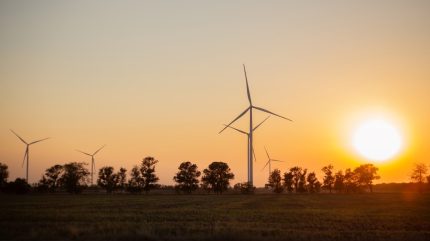
Etihad Rail has taken a bold step toward sustainable operations by initiating a solar-powered freight terminal at Ghuweifat. This project, developed in partnership with Emerge, marks a milestone in the UAE’s commitment to green energy as part of the nation’s broader goal of achieving net-zero emissions by 2050. By integrating solar power into its logistics network, Etihad Rail is redefining freight transport in the UAE with a […]

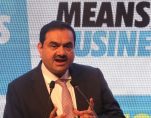
Adani Group, led by billionaire Gautam Adani, is reportedly engaged in discussions with a Middle Eastern sovereign wealth fund to secure a significant investment in its airport business. The move is seen as part of the conglomerate’s broader strategy to raise up to $1 billion to fund its airports division. These talks come at a critical juncture as Adani seeks to solidify its position in India’s infrastructure and aviation sector while addressing concerns over its debt levels.

Adani Airports, a subsidiary of the Adani Group, currently operates several major airports across India. It has been aggressively expanding its footprint in the country’s aviation industry, holding stakes in seven airports, including those in Mumbai, Ahmedabad, and Lucknow. This push into the airport sector is part of the group’s broader goal to diversify its operations and strengthen its presence in infrastructure, energy, and transportation. Airports have become a key focus area for Adani in recent years, reflecting the company’s long-term bet on India’s growing demand for air travel and infrastructure development.

Reports suggest that the potential deal with the Middle Eastern sovereign wealth fund could result in a capital injection that would help Adani Airports scale up its operations, reduce its debt burden, and maintain financial stability. While the identity of the sovereign wealth fund has not been publicly disclosed, sources familiar with the matter indicate that the discussions are at an advanced stage. The potential investment is expected to bolster Adani’s ability to meet its expansion goals and improve its financial health, particularly after facing scrutiny over its leverage levels following a short-seller report earlier this year.

The interest from the sovereign wealth fund also signals the growing appetite among Gulf-based investors to participate in India’s infrastructure growth. The Middle East, particularly countries like the United Arab Emirates and Saudi Arabia, has increasingly turned its attention to the Indian market, recognizing the long-term potential in sectors such as energy, logistics, and aviation. Adani’s airport business, with its strategic portfolio of assets, is an attractive proposition for investors seeking exposure to India’s booming aviation industry and infrastructure projects.

For the Adani Group, securing this investment would mark a significant milestone. The company has been under pressure to demonstrate its ability to navigate financial challenges while continuing its rapid expansion across key sectors. Earlier in 2023, Adani’s financial dealings came under intense global scrutiny after a report by the U.S.-based short seller Hindenburg Research accused the group of stock manipulation and accounting fraud. The allegations triggered a sharp decline in Adani’s share prices and forced the group to undertake damage control efforts, including scaling back its capital expenditure plans and repaying debt to allay investor concerns.

Despite these challenges, the group has maintained its aggressive growth trajectory, particularly in sectors like airports, ports, power generation, and renewable energy. Adani Airports, in particular, has been a core element of the company’s infrastructure portfolio, with the group committing substantial resources to transform its airport assets into world-class aviation hubs. The airport business is seen as a long-term growth driver for Adani, especially as India continues to witness strong growth in air passenger traffic. Pre-pandemic projections had anticipated India to become the world’s third-largest aviation market by 2025, and the post-pandemic recovery has further fueled optimism about the sector’s prospects.

Adani’s push for fresh capital comes as the Indian government intensifies its focus on modernizing and expanding the country’s airport infrastructure to meet growing demand. The government has introduced several policy reforms aimed at attracting private investment in the aviation sector, including public-private partnerships and airport privatization initiatives. Adani’s airports division has been a major beneficiary of these reforms, having won competitive bids to operate several airports under long-term concession agreements.

This potential $1 billion capital raise aligns with the company’s broader strategy of attracting foreign investments to support its infrastructure ambitions. In recent years, the Adani Group has successfully secured investments from global players, including a $6 billion investment from TotalEnergies for its renewable energy business. By bringing in a strategic partner for its airport business, Adani aims to replicate this success in aviation, further boosting its ability to scale up operations and enhance the efficiency of its airport assets.

The timing of these negotiations also coincides with increasing interest from international investors in India’s growing aviation market. India is expected to witness a rapid increase in air traffic over the next decade, driven by rising middle-class incomes, urbanization, and increased business travel. With this backdrop, Adani’s airport business is poised to capture a significant share of this growth, particularly as the company continues to expand its airport operations and invest in modernizing its existing assets.

While the final terms of the deal are yet to be finalized, industry analysts believe that the investment from the Middle Eastern sovereign wealth fund could serve as a crucial catalyst for Adani’s airport ambitions. The deal would provide much-needed liquidity to the group and enhance its ability to fund future airport projects, including terminal expansions, new runway constructions, and modernization efforts at its airports.

Saudi Aramco has officially awarded the principal contract for the engineering, procurement, and construction (EPC) of the third expansion phase of its Jafurah unconventional gas development project. This strategic move marks a significant step towards enhancing the Kingdom’s gas production capabilities and aligning with Saudi Arabia’s long-term energy strategy. The project is expected to bolster the nation’s energy security and support economic diversification efforts.

The Jafurah gas field, located in the eastern province of Saudi Arabia, is recognized as the largest unconventional gas field in the Kingdom. The field is part of a broader plan to increase domestic natural gas production to meet growing demand and reduce dependence on oil. Saudi Arabia aims to produce 2.2 billion standard cubic feet per day (Bscfd) of gas by 2030, significantly contributing to the country’s energy mix.

This latest expansion phase is set to add substantial new production capacity, which will play a crucial role in powering various industries, supporting power generation, and fueling the domestic petrochemical sector. The contract award follows an extensive evaluation of bids from several international contractors, reflecting Aramco’s commitment to fostering collaboration with leading global firms to enhance project execution efficiency.

The engineering and procurement components of the project will be critical in ensuring that the necessary infrastructure is developed to support the anticipated gas output. Industry analysts note that the selected contractor will need to navigate complex logistical challenges inherent in operating within such a vast and demanding environment, given the scale and scope of the Jafurah project.

As part of Saudi Arabia’s Vision 2030, the Jafurah gas development is a pivotal element in diversifying the economy and moving towards a more sustainable energy future. The initiative aims to reduce carbon emissions by utilizing natural gas as a cleaner alternative to oil for energy generation. Additionally, it supports the government’s efforts to develop the downstream sector, with increased availability of natural gas for petrochemical production.

The awarding of the contract is also a reflection of the resilience and adaptability of the Saudi oil and gas sector amid fluctuating global energy prices and evolving market dynamics. Industry stakeholders emphasize the importance of executing such large-scale projects efficiently, particularly in a landscape characterized by increasing demand for cleaner energy solutions.

Saudi Aramco’s commitment to investing in infrastructure and technology to optimize gas production is evident through its investment in advanced technologies. These technologies aim to enhance recovery rates and operational efficiency, ultimately leading to lower production costs and improved profitability for the project. Furthermore, the Jafurah gas development aligns with global trends toward gas as a transitional fuel, positioning Saudi Arabia as a vital player in the international energy market.

The project has garnered attention not only for its potential economic impact but also for its contributions to job creation and skill development within the Kingdom. Local employment opportunities will arise throughout the project’s lifecycle, fostering talent development in engineering, construction, and project management. This aligns with the Kingdom’s broader goals of enhancing local workforce capabilities and reducing reliance on expatriate labor.

The Jafurah gas project is anticipated to generate significant revenues for the Saudi government, supporting public spending and investment in infrastructure projects. As global energy demands evolve, the Kingdom’s efforts to maximize its natural gas resources are poised to play a pivotal role in meeting both domestic and international energy needs. Analysts predict that the development will also enhance Saudi Arabia’s bargaining position in global energy markets, particularly in the context of OPEC+ agreements and fluctuating oil prices.

With the Jafurah gas field set to enter a new phase of development, the importance of maintaining regulatory compliance and environmental standards cannot be overstated. Saudi Aramco has emphasized its commitment to sustainability and environmental stewardship throughout the project. Continuous monitoring and assessment of environmental impacts will be essential to mitigate any adverse effects associated with gas production.

This milestone in the Jafurah project represents a significant advancement in Saudi Arabia’s energy agenda, reflecting its aspirations to transition towards a more sustainable and diversified energy landscape. As global markets increasingly prioritize cleaner energy solutions, the Jafurah gas development is well-positioned to meet emerging demands while enhancing the Kingdom’s energy security.

A leading Chinese hedge fund, with an impressive 800% growth over seven years, has opted to buy the dip in Hong Kong-listed China tech stocks. This decision comes as part of a strategic response to market volatility and reduced valuations, even after a rally earlier this year. The fund’s executives believe that the current dip in stock prices presents an opportune moment to strengthen positions in undervalued […]

Gulf International Services (GIS), one of the largest oil and gas services providers in the region, is gearing up for a major financial move. The company has announced its decision to launch an initial public offering (IPO) for its subsidiary, Al Koot Insurance and Reinsurance Company, on the Qatar Stock Exchange. This development marks a significant step in GIS’s strategy to enhance its financial capabilities and expand its market presence.

Al Koot Insurance, a key player in Qatar’s insurance industry, provides a range of insurance and reinsurance solutions with a particular focus on the energy sector. It has become an essential part of GIS’s portfolio, reflecting the group’s efforts to diversify its business operations beyond its core oil and gas services. The IPO, once finalized, will transform Al Koot into a Qatari Public Shareholding Company, a move designed to improve liquidity and market visibility.

The decision to list Al Koot comes after thorough deliberations within GIS’s Board of Directors. The company aims to align with Qatar’s financial market regulations and the legal framework set by the Qatar Central Bank. The upcoming listing is subject to final approval by regulatory bodies, and GIS has confirmed that it will release further details after the completion of due diligence.

This IPO is anticipated to enhance Al Koot’s capital structure and allow it to tap into broader investment opportunities. It also comes amid a surge of IPO activity in the region, with several companies looking to raise capital through public offerings. Qatar’s stock market has been experiencing an uptrend, benefiting from high investor interest and a stable economic environment.

Gulf International Services’ move is seen as part of a larger trend of diversification in Qatar’s business sector. The country’s vision for economic growth, as outlined in the Qatar National Vision 2030, emphasizes the importance of reducing reliance on hydrocarbons and expanding into other industries. Al Koot’s IPO is expected to play a role in this diversification process, as insurance becomes increasingly vital in supporting various sectors of the economy.

GIS’s current financial standing is strong, with the company consistently posting solid earnings from its oil and gas services. However, diversifying through the financial markets will likely bolster its long-term growth prospects. Al Koot’s transformation into a publicly listed company could provide it with new opportunities to collaborate with international investors and expand its footprint beyond Qatar.

The announcement of the IPO has generated positive reactions from market analysts, who view it as a strategic move to capitalize on the growing demand for insurance services in the region. The insurance market in Qatar, particularly in the energy sector, is set to grow as the country continues to invest in infrastructure projects and prepare for the transition to a more diversified economy.

While the exact timeline for the IPO has yet to be confirmed, the announcement underscores GIS’s commitment to optimizing its business model and adapting to changing market conditions. The public offering will not only provide Al Koot with greater financial flexibility but will also enhance its governance structure, as public companies in Qatar are required to adhere to stringent reporting and transparency standards.

推动全球数字健康生态圈发展 HONG KONG SAR – Media OutReach Newswire – 10 October 2024 – Hong Kong Science and Technology Parks Corporation (HKSTP) today organised a signing ceremony with 12 strategic partners from the digital health and development sectors. This collaboration aims to collectively drive the growth of the international digital health ecosystem. This partnership will unlock the digital potential for R&D purpose, advance the city’s R&D capabilities in […]

Bond sales across the Middle East are expected to achieve unprecedented levels in 2024, driven by favorable market conditions, a surge in infrastructure spending, and robust economic recovery initiatives. This trend reflects a growing confidence among investors in the region’s economic resilience and long-term potential. Financial analysts project that bond issuances could surpass previous records as governments and corporations capitalize on favorable borrowing conditions and the need […]

Interest in real estate investment trusts (REITs) within the Gulf Cooperation Council (GCC) is increasing, fueled by favorable economic conditions, including lower interest rates and supportive government initiatives. These factors are positioning REITs as a viable investment avenue, particularly in the United Arab Emirates, where significant moves by key players signal a burgeoning market.

This week, reports emerged that Dubai Holding, a prominent state-backed conglomerate, is contemplating the establishment of a REIT, which underscores a growing trend among major firms in the region to explore this investment vehicle. The potential of a Dubai Holding REIT reflects the larger movement towards diversifying investment portfolios, a strategy encouraged by the UAE government as part of its broader economic goals.

Concurrently, the Dubai-based developer BinGhatti has expressed interest in launching a REIT, having previously issued a $200 million bond in a bid to bolster its financial footing. The firm’s initiative comes on the heels of increasing investor appetite for diversified real estate assets, particularly as traditional investment avenues face uncertainty.

Market analysts note that the current low interest rates create an attractive environment for real estate investment. With borrowing costs remaining subdued, developers and investors find it more feasible to finance property purchases and projects. This trend could potentially amplify returns on investments, particularly through REITs, which offer shareholders dividends from income generated by real estate investments.

The tax exemptions provided to REITs in the UAE further enhance their appeal. These exemptions, coupled with the government’s encouragement for diversified investments, aim to attract both domestic and foreign investors, positioning the UAE as a competitive market for REITs. By alleviating some financial burdens associated with real estate investments, the government hopes to stimulate growth in this sector, ultimately leading to more sustainable economic development.

Experts assert that the burgeoning interest in REITs also aligns with global investment trends. Investors worldwide are increasingly turning to REITs as a method of accessing real estate markets without the need for direct ownership. This trend is particularly appealing in regions experiencing rapid urbanization and population growth, such as the GCC. By investing in a REIT, individuals can gain exposure to a diversified portfolio of income-generating properties, which can be more stable compared to traditional equities.

The diversification of the investment landscape in the GCC is not limited to REITs. The broader trend toward alternative investments is gaining traction, with private equity and venture capital also drawing attention. Investors are exploring ways to balance risk and reward, seeking opportunities that traditional investment vehicles may not offer. As the GCC nations strive to diversify their economies away from oil dependency, the growth of alternative investments is expected to play a pivotal role in shaping the region’s financial landscape.

Dubai’s real estate market has demonstrated resilience, with property prices showing signs of recovery following previous downturns. This renewed confidence in the real estate sector, coupled with low interest rates, positions REITs as an attractive option for both local and international investors looking to tap into the UAE’s dynamic property market. The potential for stable income through dividends from REITs aligns with the growing demand for income-generating assets, particularly among retirees and long-term investors.

The development of the REIT sector in the GCC is still in its infancy, but the commitment from major firms like Dubai Holding and BinGhatti suggests a significant shift towards embracing this investment model. As these companies move forward with their plans, their success will likely pave the way for more firms to enter the market, fostering a competitive environment that could lead to further innovations in real estate investment.

The establishment of regulatory frameworks supporting REITs is essential for their growth. The UAE has made strides in creating a conducive environment for REITs, with guidelines that facilitate their operation while ensuring investor protection. Ongoing collaboration between the government, regulatory bodies, and the private sector will be crucial in driving the success of REITs in the region.

The global economy’s current landscape, characterized by uncertainty and volatility, emphasizes the importance of diversifying investment portfolios. As investors increasingly seek stable and resilient options, the GCC’s REITs present a promising alternative. The region’s economic diversification initiatives and the ongoing development of its real estate market contribute to a favorable outlook for REITs.

SINGAPORE – Media OutReach Newswire – 10 October 2024 – Twist Media, a leading event company in Singapore, is excited to mark its 10th anniversary, celebrating a decade of delivering top-tier corporate events. Since its inception, Twist Media has built a reputation for crafting unique, memorable experiences for clients across a variety of industries. To celebrate this impressive milestone, Twist Media recently hosted a special event, bringing […]

A showcase of rare, fancy colour diamonds, a 126.92-carat natural rough diamond and High Jewellery Masterpieces will be on public view from 9 – 13 October at LANDMARK HONG KONG SAR – Media OutReach Newswire – 9 October 2024 – De Beers Jewellers, the leading diamond Jewellery House, and LANDMARK, a world-class luxury shopping destination, are proud to announce a one-of-a-kind exhibition titled “Inspired by Nature” in […]

National Industries Group (NI Group), one of Kuwait’s leading conglomerates, is weighing a strategic move to acquire Foulath Holding, a key player in the steel and industrial sectors across the Gulf region. This potential acquisition signals NI Group’s intent to further expand its regional influence, adding to its already diverse portfolio that spans building materials, financial investments, and manufacturing across the Middle East, Europe, and North America.

Foulath Holding, based in Bahrain, specializes in steel production through its subsidiary companies like SULB and Bahrain Steel. These entities play a significant role in supplying critical steel infrastructure, not only to local markets but also to global players. SULB, in particular, has been instrumental in producing structural steel sections, which are essential for various industrial projects throughout the region. Its operations are anchored in Bahrain and Saudi Arabia, with a large production capacity focused on regional demand and export.

This possible acquisition aligns with NI Group’s long-term strategy to enhance its industrial base, particularly in sectors poised for growth. Established in 1960, NI Group has evolved into a significant industrial conglomerate, boasting a robust financial standing and a clear vision of expanding its industrial footprint. With more than 1800 employees, NI Group’s operations are diversified through companies like National Industries Company (NIC), which leads in producing building materials and infrastructure products in Kuwait.

For Foulath Holding, the acquisition could provide a stronger financial backing, leveraging NI Group’s extensive resources and experience in the industrial and financial sectors. Foulath’s role in regional steel production is vital, given the growing demand for infrastructure and construction projects throughout the GCC. This synergy could position both entities to capitalize on large-scale regional initiatives such as Saudi Arabia’s Vision 2030, which demands substantial steel input for infrastructure development.

NI Group’s ambitions are not confined to the Gulf. Through its subsidiaries like Noor Financial Investment Company and Proclad Group, it has already made strides in international markets. Noor, for example, has a diverse portfolio in financial services and real estate investments, while Proclad Group provides critical engineering solutions for the oil, gas, and energy sectors.

The discussions around the acquisition come at a time when the global steel industry faces increasing challenges, including fluctuating raw material prices and rising demand for sustainable production methods. Should NI Group successfully close this deal, it would bolster its capabilities to respond to these challenges while securing a stronger foothold in the steel manufacturing space. Such a move could also provide opportunities for innovation and expansion in environmentally friendly steel production, aligning with global trends toward sustainable development.

Cryptocurrency markets are experiencing notable fluctuations, with Bitcoin holding steady at approximately $62,000 despite significant swings in traditional financial assets like stocks and gold. The dynamics between these markets reveal a complex relationship, influenced by various economic indicators and investor sentiment. While risk assets such as equities have surged, driven by optimistic corporate earnings and robust economic data, precious metals like gold have faced downward pressure. Recent […]

Arabian Post Staff Cathay Pacific has introduced a compelling offer to commemorate its new direct route between Riyadh and Hong Kong, aimed at enticing Saudi travelers with a unique opportunity. The airline, known for its premium service and strong presence in Asia, launched this route as part of its ongoing effort to expand connections in the Middle East and capitalize on the growing demand for air travel […]

VISHNU RAJA
RYO YAMADA
HITORI GOTOH
IKUYO KITA