Just in:
Trump’s Iran War Has A Share Of Contribution To His Midterm Debacle // Meraas showcases five residential zones at Dubai Design Week // Private varsities bill all set to face the axe // Oil advances towards $100 as tanker attacks persist // Technology shares plunge as Nasdaq enters correction // Dubai boat show confirms international shipyard line-up for November // Miss Universe Hong Kong Jen Zhou Departs for Puerto Rico to Compete in the 75th Miss Universe World Final // Kochi police detain two actors over bid to honey trap doctor // Hong Kong mandates crypto transaction disclosures to tax authorities // After Reaching 7 Million Users in the Philippines, Skyro Launches Transparent Cash Loans in Malaysia // Geely’s i-HEV Intelligent Hybrid Technology Offers a New Direction Vision for Gasoline-Powered Vehicles // Emirates Group records AED 4.1 billion half-year profit // The “1st Greater Bay Area Health and Longevity Summit & Awards Ceremony” concludes successfully in Macao // Geely’s i-HEV Intelligent Hybrid Technology Offers a New Direction for Gasoline-Powered Vehicles // APT29-linked campaign exploits outdated Apple and Android software // Oil and chip shares retreat after Democratic victories // Asia Left Behind: Ten international companies have yet to report delivering on their cage-free egg pledges across the region // e-Crime Bureau Signs Cybersecurity Partnership With Smart Africa, Reinforcing Its Global Expansion // Beyond the exhibition floor: How robots, AI and networks are moving into the real world // Dubai details five-year visa benefits for returning visitors //

News related to
Mid Term

Robinhood Markets, Inc. has reported a remarkable increase in its cryptocurrency trading volumes for the third quarter of the fiscal year, reaching $14.4 billion. This figure marks a 112% rise compared to the same period last year, reflecting a growing interest in digital assets among retail investors. However, this uptick follows a significant drop from earlier in the year, with volumes falling sharply from $21.5 billion in the previous quarter and $36 billion in the first quarter.

The third-quarter results underscore a broader trend in the cryptocurrency market, where trading activities have experienced volatility amid shifting market conditions. Investors have been navigating a complex landscape characterized by fluctuating prices and regulatory scrutiny. The increase in trading volume year-over-year highlights Robinhood’s ability to capture a segment of the market, particularly among novice traders who have flocked to the platform for its user-friendly interface and commission-free trading model.

Despite the impressive year-over-year growth, the decline from earlier quarters raises questions about the sustainability of this trend. Analysts attribute the decrease to a combination of factors, including heightened market volatility and a cooling off after the frenzy surrounding cryptocurrencies in 2021. The cryptocurrency market, once marked by soaring prices and speculative investments, has encountered increasing regulatory scrutiny and market corrections that have tempered trading enthusiasm among investors.

A pivotal aspect influencing trading volumes has been the evolving regulatory environment surrounding cryptocurrencies. Governments and regulatory bodies worldwide are implementing stricter guidelines to manage risks associated with digital assets. For instance, the U.S. Securities and Exchange Commission (SEC) has intensified its focus on cryptocurrency exchanges, emphasizing compliance and investor protection. Such regulatory measures have led to increased uncertainty in the market, potentially impacting trading behavior on platforms like Robinhood.

The competitive landscape for trading platforms has evolved, with various fintech companies entering the cryptocurrency space. Established players are enhancing their offerings to attract users, while traditional financial institutions are beginning to embrace digital currencies. This competition could pose challenges for Robinhood as it seeks to maintain its market share in an increasingly crowded field.

User engagement remains a critical factor for Robinhood as it navigates these challenges. The platform has introduced features aimed at enhancing the trading experience, including educational resources and enhanced tools for monitoring cryptocurrency performance. By focusing on user education, Robinhood aims to empower its investors to make informed decisions in a volatile market. This strategy is particularly relevant as retail investors, many of whom are new to trading, may require additional guidance in navigating the complexities of cryptocurrency investments.

Despite the recent fluctuations in trading volumes, Robinhood has remained committed to expanding its cryptocurrency offerings. The company is actively exploring the introduction of new digital assets and trading pairs to cater to a diverse range of investor preferences. This strategy aligns with the broader trend of increasing consumer demand for access to a wider array of cryptocurrencies, as more investors seek to diversify their portfolios.

Looking ahead, analysts anticipate that Robinhood’s ability to adapt to market conditions and regulatory developments will be crucial for sustaining growth in cryptocurrency trading. The platform’s responsiveness to evolving investor needs, combined with its commitment to enhancing the user experience, will likely play a significant role in shaping its future performance. As the cryptocurrency market continues to evolve, Robinhood will need to navigate the delicate balance between user engagement, regulatory compliance, and competitive pressures to remain a leading player in the space.

The sentiment among retail investors is gradually shifting. Many are becoming more cautious after experiencing the volatility that characterized the cryptocurrency markets earlier this year. This shift in sentiment may influence trading behaviors and the overall demand for crypto assets in the short term. Investors may take a more strategic approach, focusing on long-term investments rather than short-term speculative trades.

New digital app allows for a more streamlined nurse sourcing and placement service, enhancing employment flexibility and addressing emergency staffing shortages HONG KONG SAR – Media OutReach Newswire – 30 October 2024 – As Hong Kong’s population continues to age, the shortage of healthcare manpower becomes increasingly pressing. In response, Quality HealthCare Medical Services Limited (QHMS) is pleased to launch the ‘Quality HealthCare Nursing Agency’ Mobile App […]

Dubai International Airport (DXB) has attained a significant milestone in its sustainability efforts by receiving the Airport Carbon Accreditation (ACA) certification at the “Level 3+ Neutrality” stage. This recognition places DXB among a select group of international airports committed to environmental responsibility and carbon neutrality. The certification underscores the airport’s ongoing commitment to reducing its carbon footprint and enhancing sustainable practices in its operations. The Airport Carbon […]

By Kalyani Shankar DALLAS (USA): The U.S. Presidential election on November 5 is of immense significance, as it will determine the next tenant of the White House and shape the future of the United States an also its relationship with the other countries of the world.. Whether USA will get its first woman president or […]

Anchored by key properties in Hong Kong, China, and Malaysia, Shama showcases its strength in prime locations, with ambitions to become a world-class serviced apartment brand. BANGKOK, THAILAND – Media OutReach Newswire – 30 October 2024 – ONYX Hospitality Group, a leading management company for hotels, resorts, serviced apartments, and luxury residences in Southeast Asia, is expanding its Shama serviced apartment brand internationally following positive feedback from […]

ADNOC Drilling, a subsidiary of the Abu Dhabi National Oil Company, has reported a remarkable 30% increase in its net profit for the third quarter of the fiscal year, driven by robust demand for drilling services and a strategic focus on operational efficiency. The company, which is a key player in the region’s oil and gas sector, generated a net profit of approximately $220 million during this […]

Mubadala Investment Company’s subsidiary, Mamoura Diversified Global Holding, has successfully launched an AED 1 billion sukuk, priced at a 4.6% yield. This significant move in the Islamic finance sector aims to bolster Mamoura’s liquidity and finance a variety of growth projects, furthering the company’s expansion strategy. The sukuk, which offers investors a Sharia-compliant alternative to conventional bonds, has drawn considerable attention from a diverse range of institutional […]

Advertisements

Saudi Arabia’s ACWA Power has made a significant leap in the renewable energy sector by securing deals worth over $1.78 billion, aimed at bolstering its portfolio in renewable energy and battery storage projects. These agreements come as part of the company’s strategy to enhance its presence in the sustainable energy market and contribute to the Kingdom’s ambitious Vision 2030 initiative, which seeks to diversify its energy sources […]

DUBAI, UAE – Media OutReach Newswire – 29 October 2024 – During an official visit to the United Arab Emirates (UAE), Vietnamese Prime Minister Pham Minh Chinh witnessed the signing of Memoranda of Understanding (MOUs) between Vingroup, VinFast, and leading partners in the Middle East. These MOUs cover strategic areas, including maritime development and shipyard building capabilities, sustainable coastal land utilization, digital transformation, and collaboration in electric […]

Dubai Aerospace Enterprise (DAE) Ltd. has entered an agreement to acquire ten narrow-body, next-generation aircraft in a deal valued at approximately $500 million. This acquisition forms part of DAE’s ongoing expansion strategy and bolsters its fleet with highly sought-after, fuel-efficient models that cater to current market demand. The newly acquired aircraft are exclusively narrow-body models, a category known for operational efficiency on high-demand, short to medium-haul routes. […]

SINGAPORE – Media OutReach Newswire – 29 October 2024 – Workato, the leading Enterprise Automation platform, announced today that it will partner with Seaco, one of the largest shipping container lessors in the world, to drive agility and market responsiveness across its business. Caption: June Lee (left), SVP and GM Asia Pacific at Workato and Damian Leach (right), Chief Information Officer at Seaco, signed a partnership agreement […]

A remarkable milestone occurred on October 26 when Base achieved a record in stablecoin trading volume, momentarily eclipsing major blockchain platforms such as Solana, Ethereum, and Tron. The platform accounted for an impressive 30.06% of the total stablecoin volume, marking a significant shift in the landscape of digital asset trading.

Base, a layer-2 solution built on the Ethereum blockchain, has gained traction for its scalability and low transaction fees, making it an attractive option for traders and developers alike. The recent surge in stablecoin activity can be attributed to a confluence of factors, including growing interest in decentralized finance (DeFi) and the increasing acceptance of cryptocurrencies by mainstream financial institutions.

Alongside the stablecoin volume milestone, Base also set a new benchmark in daily transactions, recording 5.6 million transactions on the same day. This figure represents a notable 20% increase from the previous month, underscoring the growing engagement of users with the platform. The impressive transaction volume reflects not only heightened trading activity but also a broader trend toward the adoption of blockchain technology.

Several key players have contributed to Base’s success in the stablecoin market. The integration of various decentralized applications (dApps) on its platform has enhanced user experience and attracted a diverse range of users. Developers are increasingly building on Base due to its compatibility with Ethereum, allowing for seamless integration of existing Ethereum-based dApps while benefiting from lower gas fees and faster processing times.

The momentum gained by Base comes in the context of an evolving stablecoin landscape. Traditional stablecoins like Tether (USDT) and USD Coin (USDC) continue to dominate, yet alternative stablecoins and newer entrants are making significant inroads. This shift illustrates the dynamic nature of the cryptocurrency market and highlights Base’s ability to position itself as a formidable player amid these changes.

Partnerships with financial institutions have played a crucial role in Base’s ascent. Collaborations with firms that support crypto transactions have bolstered user confidence and expanded the platform’s reach. As institutional adoption of cryptocurrencies continues to grow, platforms like Base are well-positioned to capitalize on the increased demand for efficient, reliable trading environments.

The surge in daily transactions can also be linked to the rising popularity of yield farming and liquidity provision within the DeFi space. Users are incentivized to engage with platforms that offer competitive yields, prompting a surge in transaction volume as liquidity pools are funded and manipulated to optimize returns. This trend reflects a broader shift toward decentralized financial services, where users can take greater control of their assets without intermediaries.

Market analysts observe that Base’s focus on user experience has been instrumental in its growth. Simplifying the process of trading and providing users with intuitive interfaces has lowered barriers to entry for newcomers to the crypto space. Educational initiatives and community engagement have also played a role in fostering a sense of trust and loyalty among users, which is vital in an industry often marred by volatility and uncertainty.

The competitive landscape for stablecoins and blockchain platforms remains fierce. As Base continues to expand its user base and enhance its offerings, attention must be paid to regulatory developments that could impact the broader market. The regulatory environment for cryptocurrencies and stablecoins is evolving, with various jurisdictions exploring frameworks that could affect operations and user engagement. This regulatory scrutiny emphasizes the importance of compliance and the need for platforms like Base to adapt to changing legal landscapes.

Innovative features are also on the horizon for Base as it looks to maintain its growth trajectory. Enhancements to its infrastructure, including scalability improvements and security measures, are in development to ensure that the platform can handle increasing transaction volumes without compromising performance. Continued investment in technology will be crucial for sustaining user trust and engagement, particularly as competitors vie for market share.

Inflows into digital assets reached $901 million this month, culminating in a remarkable $27 billion year-to-date total, signaling a substantial shift in market sentiment. The surge in inflows is largely attributed to increasing political optimism within the United States, which has invigorated investor confidence in the sector. Notably, the U.S. recorded the largest inflows, totaling $906 million, while Canada, Brazil, and Hong Kong faced slight outflows, highlighting a regional divergence in market dynamics.

Bitcoin emerged as the standout performer this month, drawing an impressive $920 million in inflows, a stark contrast to Ethereum, which witnessed $35 million in outflows. This pronounced divergence indicates a growing preference among investors for Bitcoin, reinforcing its dominance in the digital asset landscape. Solana also attracted attention, garnering $10.8 million in inflows, while blockchain equities gained $12.2 million, reflecting a broader appetite for diversified investments within the crypto ecosystem.

The influx of capital into digital assets aligns with a backdrop of significant political developments in the U.S., including legislative efforts aimed at regulating the cryptocurrency sector. Increased regulatory clarity is seen as a key factor fostering a more secure investment environment, encouraging institutional investors to re-enter the market. This positive sentiment is underscored by discussions surrounding potential regulatory frameworks that could facilitate mainstream adoption of digital currencies.

Analysts highlight the role of political stability in shaping market trends. The Biden administration’s focus on creating a more structured regulatory environment for cryptocurrencies is viewed favorably by investors, contributing to the bullish outlook for digital assets. The prospect of clearer regulations is particularly appealing to institutional investors who have previously been cautious due to the lack of defined guidelines.

As capital flows into digital assets, the implications for traditional financial markets are becoming increasingly pronounced. Financial institutions are taking note of this trend, with several firms beginning to incorporate cryptocurrencies into their portfolios. This shift could signify a broader acceptance of digital assets as a legitimate asset class, potentially reshaping investment strategies across various sectors.

In terms of market performance, Bitcoin’s continued ascent underscores its status as the flagship cryptocurrency. The asset’s ability to attract significant inflows, even amid fluctuating market conditions, reinforces its position as a safe haven for investors seeking refuge from economic uncertainty. Conversely, Ethereum’s outflows may suggest a reassessment of its value proposition, prompting investors to seek alternative avenues within the crypto space.

Emerging trends in the digital asset sector are also evident in the increasing interest in decentralized finance (DeFi) projects. These platforms, which leverage blockchain technology to provide financial services without traditional intermediaries, are gaining traction among investors seeking higher yields and innovative solutions. The continued growth of DeFi is likely to further diversify the landscape of digital assets, attracting a broader range of participants to the market.

The integration of cryptocurrencies into mainstream financial systems is progressing. Major payment processors and financial institutions are exploring ways to facilitate cryptocurrency transactions, enhancing accessibility for everyday consumers. This shift could pave the way for increased adoption, as consumers become more comfortable using digital assets for transactions.

Internationally, the divergence in inflows among different countries illustrates the varying levels of acceptance and regulatory approaches to digital assets. While the U.S. leads in inflows, the outflows in Canada, Brazil, and Hong Kong signal the need for these regions to adapt to changing market conditions. Investors in these areas may be looking for clarity on regulatory measures before committing significant capital to digital assets.

As the market evolves, key players in the digital asset space are adapting their strategies to align with changing investor sentiments. Institutional players, in particular, are refining their approaches to capitalize on the growing demand for cryptocurrencies. The ongoing competition among asset managers to offer crypto-related products reflects a broader trend toward integrating digital assets into traditional investment frameworks.

Looking ahead, the trajectory of digital asset inflows will likely be influenced by ongoing political developments and regulatory updates. As policymakers continue to grapple with the implications of cryptocurrency adoption, the market will respond to both domestic and international regulatory signals. Investors are expected to remain vigilant, monitoring these developments closely as they navigate the evolving landscape of digital assets.

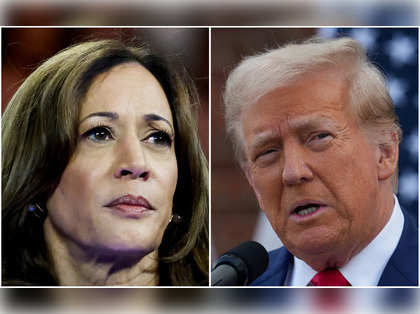
With the upcoming U.S. presidential election casting a shadow over global financial markets, cryptocurrency stands out as an asset class poised for high volatility based on the election’s outcome. As former president Donald Trump reenters the electoral scene against Vice President Kamala Harris, crypto investors are paying close attention to how a Trump win could reshape cryptocurrency regulation and performance, particularly for Bitcoin and other key digital assets.

Historically, presidential election cycles have shown significant influence on cryptocurrency market behavior, especially for Bitcoin. Data from previous elections indicates that Bitcoin prices tend to experience substantial movements post-election, irrespective of the winning candidate. Following the 2020 election, for example, Bitcoin’s value surged, marking an increased interest among investors amid the heightened economic uncertainty tied to COVID-19 relief measures and concerns over inflation. However, as the 2024 election approaches, Trump’s potential return to the presidency introduces a new level of uncertainty that differs markedly from 2020. According to a report by Bitwise Asset Management, Bitcoin’s value could rise by an estimated 10.7% should Trump secure victory. Conversely, a Harris win is forecasted to prompt a similar decline, likely due to her administration’s alignment with current regulatory approaches under President Joe Biden.

Regulatory policies in the U.S. have tightened considerably over the past year, with the SEC leading several enforcement actions aimed at crypto firms, exchanges, and initial coin offerings (ICOs). As such, Trump’s stance on cryptocurrency, which has previously wavered, now appears more lenient compared to Harris. During Trump’s previous administration, oversight was relatively hands-off, providing crypto investors a fertile environment for market growth, albeit without structured guidelines. In contrast, Harris is expected to continue Biden’s approach, emphasizing consumer protection through regulatory frameworks, a trend currently contributing to restrained market enthusiasm among retail investors. Observers suggest that Trump’s promise to relax crypto regulations could rekindle enthusiasm among retail and institutional investors, who view clearer guidelines and reduced scrutiny as conducive to growth in both valuation and adoption rates of cryptocurrencies.

Crypto market responses are also anticipated to align with Bitcoin’s Halving cycle, a built-in scarcity feature that reduces block rewards by half approximately every four years, with the most recent event occurring in April 2024. Historically, Bitcoin rallies have closely followed Halvings, influenced further by investor interest in assets with perceived scarcity. Analysts expect this dynamic to be heightened under a Trump presidency, as reduced regulation coupled with supply restrictions could make Bitcoin a more attractive inflation hedge. Conversely, a continuation of current regulatory trends under a Harris administration might suppress these price escalations, as crypto businesses face heightened scrutiny and potential restrictions on stablecoin and DeFi protocols.

Market watchers note that alongside Bitcoin, certain altcoins such as Dogecoin and Cardano could be notably impacted by the election result. Both coins have shown sensitivity to Trump’s political narratives, especially as Dogecoin, with its origins as a meme asset, often aligns with social and speculative trends. Cardano, known for its environmentally-conscious proof-of-stake model, may also benefit from a shift in sentiment toward alternative digital assets under Trump’s policy approach, which is expected to favor financial deregulation broadly. Meanwhile, Ethereum and other blockchain projects emphasizing regulatory compliance may perform better under Harris’ administration, whose regulatory approach aligns with a systematic scrutiny of decentralized finance ecosystems.

Despite these speculations, experts caution that market sentiment may experience only short-lived spikes based on the election outcome. The long-term impact, they argue, hinges on substantial regulatory actions and the economic policies pursued post-election, especially concerning inflation and recessionary pressures. Crypto market reactions have been muted in the face of uncertainty over potential policy shifts, given that many investors prefer tangible policy enactments over rhetoric.

Economic fundamentals also play a role in investor strategies, with inflation rates, interest rate hikes, and the potential for recession forming a significant backdrop. Analysts at Coinbase Research point to the likelihood of heightened volatility for both traditional and digital assets amid interest rate adjustments and global economic challenges. The Federal Reserve’s monetary policy, particularly regarding interest rate hikes, remains a critical factor, as crypto’s inverse relationship to interest rates often leads to valuation adjustments in line with broader financial markets. Should a Trump administration adopt an expansionary fiscal stance, this may lower interest rates, encouraging borrowing and spending in financial markets, including crypto. A more cautious fiscal policy from Harris could contribute to slower crypto market growth, potentially accelerating a shift toward stablecoins as a hedge against market swings.

A significant decline in oil prices, exceeding 4%, has been observed after Israel conducted airstrikes in Iran, reportedly avoiding energy infrastructure. The unexpected military action has stirred uncertainty in the global oil markets, with analysts weighing the potential implications for future supply dynamics in an already volatile geopolitical landscape.

Crude oil futures, particularly West Texas Intermediate (WTI), fell sharply to around $83 per barrel, while Brent crude dipped below $87. The downward trend comes in the wake of heightened tensions in the Middle East, which had already led to fluctuations in oil prices due to fears of supply disruptions. Analysts had anticipated that military action between Israel and Iran could provoke a response that might impact oil production, but the avoidance of direct hits on energy facilities has seemingly mitigated immediate concerns.

Market sentiment turned bearish as traders reacted to the news. “The focus is on the geopolitical risks that have historically pushed oil prices higher. However, the fact that energy facilities were not targeted means that supply fears are somewhat alleviated, leading to this decline in prices,” commented David Wilson, a senior analyst at a leading energy consultancy. Investors now seem to be reassessing the risk factors that typically influence oil market volatility.

This latest escalation is part of a broader backdrop of ongoing hostilities between Israel and Iran, which have been characterized by intermittent exchanges of fire and military posturing. Iran’s Revolutionary Guard has warned that any attack on its soil will trigger severe retaliation. This historical animosity, coupled with Iran’s significant role as an oil exporter, continues to inject volatility into oil markets. Iran produces approximately 4 million barrels of oil per day, a vital contribution to the global supply.

The broader market reaction also reflects concerns regarding global economic performance, particularly in light of ongoing inflationary pressures and monetary policy tightening in several economies. Experts note that if economic growth slows, demand for oil may diminish, further complicating the price outlook. “Even with geopolitical tensions, the underlying economic indicators suggest a slowdown. If demand continues to weaken, we could see prices stabilize at lower levels,” stated Maria Chan, a commodities strategist.

In the wake of this geopolitical incident, analysts are also scrutinizing other potential threats to oil supply, including disruptions in other oil-producing regions. The Organization of the Petroleum Exporting Countries (OPEC) and its allies, including Russia, are continually adjusting their output strategies to stabilize prices, but such maneuvers become increasingly complicated amid geopolitical instability.

The ongoing conflict in Ukraine remains a significant factor influencing oil prices. Russia’s actions in Ukraine have led to widespread sanctions, disrupting energy supplies and complicating global market dynamics. While the current geopolitical climate suggests heightened risks, some analysts believe that the market has already factored in many of these risks due to the historical precedent of volatility in energy prices.

With the energy market closely monitoring developments in the Middle East, any signs of further escalation could quickly alter price trajectories. “The balance of risk has shifted slightly with this event, but we are still very much in a reactive mode as traders evaluate the ongoing situation,” remarked Samir Gupta, an oil market expert.

On a corporate level, oil companies are assessing how these geopolitical developments could impact their operations and investment strategies. Executives are increasingly focused on the dual challenge of navigating regulatory environments while managing geopolitical risks. “We have to remain agile. The situation can change rapidly, and we must be prepared to adapt our strategies accordingly,” noted Rachel Green, a chief financial officer at a major oil producer.

The situation remains fluid, with various stakeholders keenly observing the geopolitical landscape for further developments. Oil prices are expected to remain sensitive to news from the region, influencing not only immediate market reactions but also long-term strategic planning for oil companies and investors alike.

HONG KONG SAR – Media OutReach Newswire – 24 October 2024 – HKFindLawyer.com has officially launched a new AI legal judgment tool designed to provide citizens with a convenient way to determine whether their actions violate the law. This tool can not only answer specific legal questions but also analyze users’ situations based on current Hong Kong laws to determine whether their actions constitute a crime. The […]

In collaboration with the National University of Laos, ASEAN Foundation and SAP conclude the ASEAN Data Science Explorers 2024 Regional Finals in Vientiane, Lao PDR. VIENTIANE, LAOS – Media OutReach Newswire – 23 October 2024 – The ASEAN Foundation, in collaboration with SAP, successfully concluded the eighth ASEAN Data Science Explorers (ASEAN DSE) 2024 Regional Finals in Vientiane, Lao PDR. Twenty students from secondary and tertiary institutions […]

SINGAPORE – Media OutReach Newswire – 24 October 2024 – Senoko Energy, one of Singapore’s largest energy companies, and Gentari, a clean energy solutions provider, have signed a Memorandum of Understanding (MoU) to embark on a collaborative effort to explore the importation of hydrogen gas from Malaysia to Singapore. Senoko Energy and Gentari Collaborate to Enhance Sustainable Energy Solutions in Singapore with Hydrogen Following the MoU, both […]

MANILA, PHILIPPINES – Media OutReach Newswire – 24 October 2024 – VinFast has officially announced pricing and opened reservations for its five-seater VF 7 electric SUV during the 12th Philippines Electric Vehicle Summit (PEVS), marking the third VinFast vehicle available in the Philippine market after the VF 5 and VF 3 models. This launch also underscores VinFast’s commitment to advancing green transportation in the Philippines and expanding […]

Group also maintains top 5 global employer status in 2024 ranking BASEL, SWITZERLAND – EQS Newswire – 25 October 2024 – Syngenta Group has once again secured its position as one of the world’s top five employers, and the #1 agricultural employer, in the 2024 Science Careers Top Employers Survey. This marks the eighth consecutive year the company has achieved this prestigious recognition, underscoring its unwavering dedication […]

Pioneering AI-Driven Smart Manufacturing, Vision-Based Security, Multi-Modal AI Autonomous Virtual Patrol and City-Scale Digital Twins SINGAPORE – Media OutReach Newswire – 25 October 2024 – VIZZIO Technologies, POLYTRON.AI, and Foxconn Industrial Internet (Fii), have once again joined forces to launch Vietnam’s first World Economic Forum (WEF) Lighthouse Factory. This new facility, located at Fii’s Bắc Giang plant in Vietnam, is a beacon of smart manufacturing, incorporating cutting-edge […]

KUALA LUMPUR, MALAYSIA – Media OutReach Newswire – 25 October 2024 – In trading, as in many other spheres of life, minor incremental changes lead to substantial differences. In many cases, traders don’t have to come up with innovative approaches to improve their financial outcomes. It may suffice for them to apply the everyday life hacks they have used for ages in their trading. Octa, a global […]

Google has unveiled its watermarked technology for detecting AI-generated text, making it available to the public as open source. This initiative responds to the increasing challenges posed by the proliferation of AI-generated content, which has sparked concerns regarding misinformation and the authenticity of written communication. By equipping individuals and organizations with tools to identify AI-generated text, Google aims to bolster the integrity of online discourse and facilitate […]

German luxury carmaker Mercedes-Benz announced a staggering decline of more than 50 percent in its third-quarter profits, attributing this downturn primarily to a significant slowdown in the Chinese market, a vital region for luxury vehicle sales. The company reported a net profit of €1.72 billion for the quarter, down from €3.64 billion in the same period last year, reflecting the challenges posed by weakening demand and broader economic uncertainties.

The company highlighted that while it experienced strong sales growth in the first half of the year, the third quarter revealed a stark contrast. The demand for luxury vehicles in China, which constitutes a substantial share of Mercedes-Benz’s sales, has faced pressures from economic headwinds, including stricter COVID-19 restrictions and a subsequent sluggish recovery. These factors have led to a notable reduction in consumer spending, particularly on high-end goods.

Mercedes-Benz also noted an increase in production costs, further exacerbating profit pressures. The ongoing global supply chain issues have contributed to elevated costs for raw materials and logistics, impacting overall profitability. The company emphasized the challenges of maintaining its profit margins amid these rising expenses and shifting consumer preferences.

In response to the declining profits, Mercedes-Benz outlined its strategic focus on adapting to changing market dynamics. The firm has committed to increasing its electric vehicle (EV) offerings as part of its long-term strategy to capture a larger share of the growing EV market. The company has set ambitious goals to deliver more than 20 new electric models by 2026, aiming to transition its fleet to a more sustainable lineup.

In light of the reduced profits, Mercedes-Benz CEO Ola Källenius expressed optimism about the company’s future trajectory. He highlighted that despite current challenges, the company remains committed to innovation and sustainability, key pillars of its business strategy. Källenius stated that the transition to electric mobility presents significant opportunities for growth, and Mercedes-Benz is strategically positioning itself to meet these challenges head-on.

The luxury automobile market is undergoing a significant transformation as consumer preferences shift towards sustainability and advanced technology. Mercedes-Benz’s investment in electric vehicles is a direct response to this trend, as it aims to enhance its competitiveness in an increasingly crowded market dominated by emerging EV manufacturers.

Analysts have pointed out that the luxury car segment is at a crossroads, influenced by changing consumer behavior and economic factors. The growth of the electric vehicle market, driven by increasing environmental awareness and government incentives, poses both challenges and opportunities for traditional luxury carmakers. Competitors are also ramping up their EV offerings, making it imperative for established brands like Mercedes-Benz to stay ahead in innovation and technology.

Mercedes-Benz’s performance in the Asia-Pacific region has also raised concerns, as the company reported lower sales figures in various markets beyond China. Factors such as geopolitical tensions, inflationary pressures, and fluctuating currency values have influenced consumer confidence and purchasing power, impacting sales across the region.

The luxury car market’s dynamics are also shifting, with younger consumers increasingly prioritizing sustainability over brand loyalty. This generational shift has prompted luxury car manufacturers to rethink their marketing strategies and product offerings to align with the values and preferences of a new wave of buyers.

In the face of these challenges, Mercedes-Benz’s leadership has stressed the importance of agility and adaptability in navigating the evolving landscape. The company’s focus on research and development has been intensified, with significant investments earmarked for advancing autonomous driving technologies and enhancing connectivity features in their vehicles. These innovations aim to appeal to tech-savvy consumers who are seeking modern solutions in their mobility experiences.

The company’s latest financial results have also drawn attention to the importance of maintaining a robust supply chain. Mercedes-Benz has been actively working to mitigate risks associated with supply chain disruptions by diversifying its supplier base and investing in local manufacturing capabilities. This strategy is designed to enhance operational resilience and ensure the timely delivery of vehicles to meet customer demand.

Market experts suggest that while the current quarter’s profit decline is concerning, it may serve as a catalyst for Mercedes-Benz to refine its business strategies and focus on long-term growth initiatives. The ongoing shift towards electric mobility and sustainable practices represents a crucial opportunity for the brand to solidify its position as a leader in the luxury automotive sector.

VISHNU RAJA
RYO YAMADA
HITORI GOTOH
IKUYO KITA
Just in:
The “1st Greater Bay Area Health and Longevity Summit & Awards Ceremony” concludes successfully in Macao // Trump’s Iran War Has A Share Of Contribution To His Midterm Debacle // TVM –Mangaluru Vande Bharat claims top spot // UK air traffic outage inflicted £33m financial losses // Hong Kong mandates crypto transaction disclosures to tax authorities // CR Longdation Aethereal Cybersecurity × Global Cybersecurity Alliance (GCSA) Join Hands to Establish the “AI and Cybersecurity Research Centre” // e-Crime Bureau Signs Cybersecurity Partnership With Smart Africa, Reinforcing Its Global Expansion // Meraas showcases five residential zones at Dubai Design Week // OpenAI introduces GPT-6 Cyber with restricted security access // Miss Universe Hong Kong Jen Zhou Departs for Puerto Rico to Compete in the 75th Miss Universe World Final // After Reaching 7 Million Users in the Philippines, Skyro Launches Transparent Cash Loans in Malaysia // Beyond the exhibition floor: How robots, AI and networks are moving into the real world // Geely’s i-HEV Intelligent Hybrid Technology Offers a New Direction Vision for Gasoline-Powered Vehicles // Cloudflare unveils Zero Wire vulnerability intelligence service // APT29-linked campaign exploits outdated Apple and Android software // Xi Jinping Preparing For A Trilateral Summit With Trump And Putin At APEC Summit On Nov 18-19 // Emaar approves Development buyout ahead of planned delisting // Dubai boat show confirms international shipyard line-up for November // Dubai details five-year visa benefits for returning visitors // Oil and chip shares retreat after Democratic victories //