Just in:
Emaar approves Development buyout ahead of planned delisting // Motorola introduces Signature 27 flagship priced at $1,599 // Ousted top Kochi cop gets IG post // Beyond the exhibition floor: How robots, AI and networks are moving into the real world // Xi Jinping Preparing For A Trilateral Summit With Trump And Putin At APEC Summit On Nov 18-19 // Elephant calf on death line airlifted for treatment in Gujarat // UK air traffic outage inflicted £33m financial losses // The “1st Greater Bay Area Health and Longevity Summit & Awards Ceremony” concludes successfully in Macao // Geely’s i-HEV Intelligent Hybrid Technology Offers a New Direction Vision for Gasoline-Powered Vehicles // Dubai details five-year visa benefits for returning visitors // Technology shares plunge as Nasdaq enters correction // Geely’s i-HEV Intelligent Hybrid Technology Offers a New Direction for Gasoline-Powered Vehicles // TVM –Mangaluru Vande Bharat claims top spot // Trump’s Iran War Has A Share Of Contribution To His Midterm Debacle // Kochi police detain two actors over bid to honey trap doctor // Microfinance case trouble for Vellappally // CR Longdation Aethereal Cybersecurity × Global Cybersecurity Alliance (GCSA) Join Hands to Establish the “AI and Cybersecurity Research Centre” // Miss Universe Hong Kong Jen Zhou Departs for Puerto Rico to Compete in the 75th Miss Universe World Final // Oil advances towards $100 as tanker attacks persist // OpenAI introduces GPT-6 Cyber with restricted security access //

News related to
Mid Term

A strategic pivot is unfolding in Saudi Arabia’s oil policy, as the kingdom plans to move away from its unofficial target of $100 per barrel. This decision comes as the nation gears up to increase its oil production in an effort to regain market share, even if it results in lower prices for crude oil. The new approach signals a significant shift in the dynamics of the global oil market, as Saudi Arabia navigates a complex landscape influenced by geopolitical tensions and fluctuating demand.

The Organization of the Petroleum Exporting Countries (OPEC), under Saudi Arabia’s leadership, has been actively involved in adjusting oil production levels to stabilize prices. Alongside allies, including Russia, the group—collectively referred to as OPEC+—has implemented production cuts to support oil prices amid a volatile market. However, as the world economy continues to recover from the impacts of the COVID-19 pandemic, demand for oil has risen, prompting Saudi Arabia to reconsider its pricing strategy.

Market analysts suggest that Saudi Arabia’s decision to increase output could be driven by a desire to regain dominance in the oil market. The kingdom has faced stiff competition from countries like the United States, which has ramped up shale oil production in recent years. Additionally, OPEC’s recent efforts to control supply have not completely offset the impacts of rising production elsewhere, leading to a complex interplay of market forces that has prompted Saudi leaders to reassess their tactics.

As part of this shift, Saudi Arabia may be looking to reclaim its traditional role as a price setter in the global oil market. By increasing production, the kingdom aims to attract buyers who may have turned to other suppliers during periods of elevated prices. This move could potentially drive prices lower in the short term, but analysts argue that such a strategy might be necessary to secure long-term market share.

The ramifications of this decision extend beyond Saudi Arabia, impacting global oil prices and economies that heavily rely on oil revenues. Lower oil prices could benefit consumers and industries that depend on energy, potentially spurring economic activity. However, for oil-dependent economies, particularly those within the Gulf Cooperation Council (GCC), decreased prices could pose budgetary challenges and necessitate adjustments in fiscal policies.

Experts emphasize that this approach reflects a pragmatic response to shifting market conditions. While Saudi Arabia has historically maintained a price target to ensure stable revenues, the current global landscape necessitates a more flexible strategy. The kingdom’s readiness to accept lower prices signals an acknowledgment of the realities of modern oil markets, where rapid changes in supply and demand dynamics can lead to volatility.

Saudi Arabia’s internal dynamics also play a crucial role in this strategic recalibration. The kingdom has been investing heavily in diversifying its economy away from oil dependence, as outlined in its Vision 2030 plan. This initiative seeks to develop sectors beyond hydrocarbons, such as tourism and technology, aiming to create a more resilient economy. By adjusting its oil production strategy, Saudi Arabia may be positioning itself to better support these broader economic ambitions, ensuring that its energy sector remains robust while diversifying revenue sources.

This shift in Saudi Arabia’s oil policy is likely to influence OPEC’s future meetings and decisions. The organization has historically aimed to balance production to maintain price stability, but this new direction may necessitate a reevaluation of OPEC’s collective strategy. The responses from other member countries will be closely watched, as any discord within the group could have profound implications for global oil markets.

As Saudi Arabia prepares for this transition, market observers will be keenly analyzing its impacts on both regional and global levels. The kingdom’s ability to effectively navigate this shift will be critical in determining its position in the evolving energy landscape. Furthermore, the response from major consumers, including China and the United States, will also shape the trajectory of oil prices and production levels.

Dubai-based Emirates Central Cooling Systems Corporation (Empower), a key player in the district cooling industry, is preparing to pass a board resolution that would allow the refinancing of a significant $749 million loan. The move reflects the company’s continued efforts to bolster its financial position, improve liquidity, and maintain a competitive edge in the region’s rapidly expanding energy sector. This step comes amid growing demand for sustainable energy solutions in the UAE and wider Middle East region.

Empower, known for being one of the largest district cooling providers globally, is strategically focused on enhancing its operational capacity. The proposed refinancing plan aligns with Empower’s broader objectives of reducing costs and restructuring debt to optimize its financial structure. The corporation’s board is expected to convene soon to formalize this critical financial decision. Empower’s decision follows years of steady growth, driven by increasing urbanization, coupled with the region’s heightened focus on energy efficiency and environmental sustainability.

The UAE’s district cooling sector has been growing in prominence, thanks to its energy-saving benefits and environmental sustainability. Empower, being a leading name in this industry, has been instrumental in providing large-scale cooling solutions, particularly to Dubai’s residential and commercial sectors. The upcoming refinancing is expected to streamline Empower’s financial obligations, paving the way for further expansion and operational efficiency.

District cooling systems have gained traction as an effective solution to manage the rising cooling demands in hot climates, especially in large urban centers like Dubai. Empower operates over 1.4 million Refrigeration Tons (RT) of cooling capacity, serving a diverse portfolio of clients, including commercial buildings, hotels, hospitals, and residential towers. The company’s ability to offer cooling solutions while minimizing environmental impact has made it a preferred partner for several mega-development projects in Dubai.

Empower has continuously worked towards improving its financial health, evident in its strong financial performance in recent years. The proposed refinancing of the $749 million loan is part of a broader strategy to take advantage of favorable market conditions, ensuring lower interest rates, extended repayment terms, and better liquidity management. This move is seen as an opportunity for Empower to capitalize on its existing market position while exploring potential opportunities for growth within the region.

Market experts view this refinancing deal as a testament to Empower’s sound financial strategy. By lowering its borrowing costs, the company can channel more resources toward infrastructure investments, technology upgrades, and expanding its market reach. The board resolution is expected to mark a key milestone for the company’s next phase of growth, which may include deeper involvement in public-private partnerships, regional expansion, and further investments in sustainable energy solutions.

As urbanization and infrastructure development continue to rise in the UAE, the demand for district cooling services has surged, placing companies like Empower in a prime position to expand their influence. The company’s cooling systems provide significant energy savings compared to traditional air conditioning systems, offering more efficient and sustainable solutions to cooling large urban areas. This aligns closely with the UAE’s long-term goals to achieve sustainability and reduce carbon emissions, as outlined in its national energy strategies.

Dubai’s government has been an active proponent of district cooling systems, recognizing the long-term benefits of energy efficiency and reduced electricity consumption. Empower, as a result, has secured contracts with several of the city’s most prestigious developments, including Dubai Healthcare City, Jumeirah Beach Residences, Business Bay, and the Dubai International Financial Centre. Its reputation for reliability and efficiency has earned it contracts for cooling systems in various large-scale real estate developments across Dubai.

As part of its refinancing initiative, Empower aims to secure more favorable financing terms from lenders, leveraging its strong credit rating and financial history. The deal is anticipated to extend the maturity of the existing loan and reduce its interest rate burden, allowing the company to optimize its capital allocation strategy and increase profitability. The company is also likely to use the refinanced amount to reinvest in its growing operations, including expanding its cooling infrastructure and investing in new technologies that enhance energy efficiency.

The district cooling market in the Gulf region has been expanding steadily, thanks to rising energy consumption driven by urbanization and high temperatures. Empower’s ability to meet the region’s cooling demands while maintaining operational efficiency has set it apart from competitors. As the market leader, Empower’s influence on shaping the district cooling sector in the UAE is expected to continue growing, and the refinancing deal will likely help position the company for continued success in the future.

Beyond financial restructuring, Empower has also made significant strides in promoting environmentally sustainable practices. The company has introduced several initiatives aimed at reducing its carbon footprint, optimizing water usage, and ensuring that its cooling solutions align with the UAE’s vision for a green economy. The integration of renewable energy sources into its cooling processes is among the company’s next objectives, aligning closely with Dubai’s ambitious goals under its Clean Energy Strategy 2050.

Citi has joined forces with Apollo Global Management and Mubadala Investment Company to establish a $25 billion private credit program aimed at seizing opportunities in the rapidly growing direct lending market. This collaboration underscores the increasing significance of private credit in the current financial landscape, as institutional investors look for alternative ways to deploy capital while banks face stricter regulatory constraints on traditional lending.

The initiative is designed to target mid-to-large scale borrowers, focusing on private equity-backed companies that require non-bank financing solutions. As bank lending becomes more restrictive, particularly for higher-risk borrowers, private credit is becoming a preferred route for companies seeking more flexible funding options. The partners are expected to capitalize on this shifting environment, particularly in sectors such as healthcare, technology, and infrastructure, which are increasingly in need of substantial financial backing.

Apollo Global Management, known for its robust expertise in alternative assets, will manage the program, leveraging its well-established private credit platform. Citi, one of the largest financial institutions globally, will act as a strategic partner, providing financing and other related services. Mubadala, a sovereign wealth fund from Abu Dhabi, brings significant capital and a track record of successful global investments, making it a key player in the collaboration.

The trio’s strategic partnership highlights how private markets are becoming more prominent in financing both large-scale deals and middle-market companies. With Citi and Mubadala’s backing, Apollo expects to drive further growth in its private credit business, which has already gained considerable traction in recent years. This deal also reflects how sovereign wealth funds like Mubadala are increasingly turning toward alternative asset classes, including private debt, to diversify their portfolios and achieve higher returns.

Market experts anticipate that the $25 billion program will play a critical role in the direct lending space, helping fill the void left by banks that have scaled back lending due to tighter regulations and capital requirements. The alliance is likely to pave the way for other large institutional investors to consider similar moves, further expanding the private credit market, which has already grown to over $1.5 trillion globally.

Analysts point out that this development reflects broader trends within the financial industry, where the traditional boundaries between banks and asset managers are becoming blurred. By teaming up with Apollo and Mubadala, Citi is effectively expanding its footprint in the private credit space, positioning itself to serve clients who increasingly prefer direct lending to traditional loans.

For Apollo, this partnership is another milestone in its strategy to build out a comprehensive private credit platform. With a combination of Mubadala’s capital strength and Citi’s global reach, Apollo’s credit arm will be better positioned to capture opportunities across multiple geographies and sectors, offering tailored financing solutions that meet the evolving needs of borrowers.

Mubadala, on the other hand, will benefit from the high returns and relatively lower volatility associated with private credit. By entering into this partnership, Mubadala continues to diversify its portfolio, reinforcing its commitment to long-term investments that deliver stable cash flows.

This program also represents a growing trend where large financial institutions and sovereign wealth funds are teaming up with specialized asset managers to tap into high-growth sectors. While the primary focus is on direct lending, it is likely that this partnership will evolve to encompass other forms of private credit over time, including mezzanine financing and asset-based lending.

By aligning their goals, Citi, Apollo, and Mubadala are setting the stage for a new era in private credit. The size and scope of the program suggest that the three partners are prepared to take on large-scale transactions that could reshape the private credit landscape, attracting more investors to this asset class.

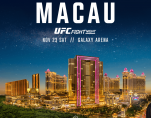
The event will place at Galaxy Arena on November 23, with presale tickets available from October 9. The main event is a pivotal clash between top bantamweight contenders No.3 ranked Petr Yan versus No.5 ranked Deiveson Figueiredo. MACAU SAR – Media OutReach Newswire – 26 September 2024 – Galaxy Macau™ is proud to host the return of UFC®, the world’s premier Mixed Martial Arts (MMA) organization, to […]

LOS ANGELES, US – Media OutReach Newswire – 26 September 2024 – Vingroup has officially signed a memorandum of understanding (MOU) with renowned entertainment industry leaders, Warner Music Group and Indochina Productions. This collaboration paves the way for Vietnam to host world-class music stars, while simultaneously elevating the country’s tourism and cultural image to a global audience of hundreds of millions. These strategic partnerships were formalized within […]

Financial markets are witnessing a surge in volatility, particularly within the cryptocurrency sector, as global monetary policies aim to suppress instability. Arthur Hayes, a prominent figure in the crypto community and co-founder of BitMEX, has highlighted the rising tension in markets fueled by Federal Reserve rate cuts and aggressive monetary easing. These actions are perceived to encourage further money printing, thereby intensifying market fluctuations and posing risks for traditional assets.

The recent decision by the Federal Reserve to cut interest rates is expected to have significant repercussions on the broader financial landscape. Historically, such moves have led to increased liquidity in markets, enabling easy access to capital. This liquidity, however, also raises concerns about inflation and the long-term stability of fiat currencies. In this environment, Bitcoin has emerged as a crucial alternative asset, often regarded as a hedge against inflation and currency devaluation.

As central banks worldwide adopt policies that favor monetary expansion, the crypto community continues to express optimism. Many investors view Bitcoin as a “release valve” that can provide relief from the pressures of traditional finance. The digital asset’s decentralized nature and limited supply make it an appealing option in times of financial uncertainty. Hayes asserts that Bitcoin’s unique characteristics allow it to thrive in an environment marked by excessive money printing and diminishing trust in fiat currencies.

Despite the ongoing volatility, sentiment within the crypto community remains buoyant. Investors are increasingly looking for opportunities amidst the chaos, with many believing that downturns in traditional markets can serve as catalysts for Bitcoin’s adoption and price appreciation. The concept of Bitcoin as “digital gold” underscores its role as a store of value, especially as institutional interest continues to grow. Major financial institutions are now exploring ways to integrate cryptocurrency into their offerings, reflecting a broader acceptance of digital assets.

The interplay between traditional financial systems and cryptocurrency markets has never been more pronounced. With central banks signaling a commitment to maintain accommodative policies, investors are recalibrating their strategies to adapt to these dynamics. The crypto market is characterized by its capacity to respond swiftly to regulatory changes and macroeconomic developments, making it a focal point for those seeking to capitalize on emerging trends.

Institutional involvement in the cryptocurrency space is also a significant factor contributing to the current volatility. Hedge funds, family offices, and publicly traded companies are increasingly allocating a portion of their portfolios to Bitcoin and other digital assets. This trend highlights a growing recognition of the potential benefits that cryptocurrencies can offer, particularly in terms of diversification and risk management.

The ongoing developments in decentralized finance (DeFi) and non-fungible tokens (NFTs) are reshaping the landscape of digital assets. DeFi platforms have gained traction as alternatives to traditional banking services, offering lending, borrowing, and trading functionalities without intermediaries. This innovation attracts both retail and institutional investors, further driving demand for cryptocurrencies.

Regulatory frameworks continue to evolve as governments and regulatory bodies attempt to navigate the complexities of the cryptocurrency ecosystem. While some jurisdictions have embraced digital assets, others remain cautious, leading to a patchwork of regulations. This uncertainty can contribute to market fluctuations, as investors react to news related to regulatory developments.

Amid this backdrop, it is crucial for investors to conduct thorough research and stay informed about the rapidly changing environment. Understanding the implications of monetary policy shifts, as well as the potential risks associated with cryptocurrency investments, is essential for navigating the complexities of the market. The ability to adapt to market conditions will be a key determinant of success for both individual and institutional investors.

Building on their successful collaboration at Dusit Princess Kathmandu hotel, both companies aim to introduce more Dusit brands and businesses in Nepal – and throughout the region. BANGKOK, THAILAND – Media OutReach Newswire – 26 September 2024 – Dusit International, one of Thailand’s leading hotel and property development companies, has signed a strategic partnership agreement with Paljor Global Corp Private Limited, a leading Nepalese investment firm and […]

Advertisements

Abu Dhabi’s wealth fund, ADQ, has successfully raised $2 billion via an international bond issuance, marking a pivotal move for the state-owned holding company as it seeks to enhance its investment footprint across diverse sectors. This bond sale is indicative of ADQ’s strategic financial planning and its role as a significant player in the global financial market. Fully owned by the Abu Dhabi government, ADQ has built a robust portfolio spanning healthcare, utilities, food, and agriculture, among other vital industries.

The bond offering attracted strong interest from global investors, signaling their confidence in the financial stability and investment potential of Abu Dhabi’s sovereign wealth funds. This issuance is particularly noteworthy given the current global economic climate characterized by inflationary pressures and geopolitical uncertainties. Many investors are increasingly inclined toward stable assets, and the bond sale demonstrates ADQ’s capability to meet this demand effectively.

ADQ’s recent financial maneuver follows a series of high-profile investment activities in various sectors, including logistics, technology, and food security. These strategic initiatives align with the broader vision of the Abu Dhabi government to diversify its economy away from oil dependence. Notably, Abu Dhabi controls over 90 percent of the oil reserves in the United Arab Emirates, prompting its sovereign wealth funds to pivot towards non-oil sectors to foster sustainable growth.

The proceeds from this successful bond issuance are expected to bolster ADQ’s liquidity, enabling the fund to pursue further acquisitions and investments in critical industries. This aligns with ADQ’s long-term goals of enhancing the economic landscape of Abu Dhabi while contributing to the UAE’s broader diversification strategy.

The issuance is a clear testament to ADQ’s strategic focus on resilience and adaptability amid global economic challenges. It reflects a calculated approach to raising capital, ensuring that the fund is well-positioned to capitalize on emerging opportunities in a rapidly evolving investment landscape.

The confidence shown by global investors highlights the attractiveness of ADQ as a financial entity, reinforcing the UAE’s position as a key player in international finance. With the growing importance of sovereign wealth funds in the global economy, ADQ’s successful bond sale is a critical step in strengthening its financial stature and expanding its influence.

As the global economy continues to grapple with uncertainties, the bond sale is expected to enhance ADQ’s capacity to make strategic investments that contribute to sustainable economic development. The fund’s commitment to diversifying its portfolio and focusing on sectors that are essential for future growth is set to play a significant role in shaping the economic narrative of Abu Dhabi and the UAE.

ADQ’s diversified investment approach is not only beneficial for its portfolio but also plays a vital role in supporting local economies and enhancing community welfare. By investing in various sectors, including technology and logistics, ADQ is helping to create jobs and stimulate economic activity within the region. This approach not only supports Abu Dhabi’s immediate economic goals but also contributes to the long-term vision of the UAE as a global business hub.

The bond issuance comes at a crucial time for investors, who are increasingly seeking avenues to mitigate risk amid fluctuating market conditions. ADQ’s established reputation and its strategic focus on stability make it an attractive proposition for those looking to invest in the UAE’s economic future.

The bond sale signals ADQ’s readiness to embrace opportunities that arise from changing global market dynamics. As countries navigate the complexities of recovery from economic downturns and geopolitical tensions, funds like ADQ are pivotal in providing the financial backbone needed for growth and resilience.

The success of this bond sale underscores the growing trend of sovereign wealth funds diversifying their portfolios and seeking innovative ways to engage with the global financial markets. As ADQ continues to execute its strategy, its role in shaping not only the economic landscape of Abu Dhabi but also its influence on the broader regional and global financial stages will likely expand.

Investors and analysts will be closely watching how ADQ utilizes the proceeds from this bond issuance. The fund’s ongoing efforts to identify lucrative investment opportunities and expand its portfolio will be critical in determining its success and the overall impact on the UAE’s economy.

Abu Dhabi’s wealth fund ADQ has successfully raised $2 billion through the sale of bonds in an international offering. The issuance marks a significant financial maneuver by the state-owned holding company, as it aims to expand its influence and continue investing across various sectors. ADQ, fully owned by the Abu Dhabi government, is known for its diversified portfolio, including holdings in healthcare, utilities, food, and agriculture, among others. The bond sale is indicative of the fund’s strategic financial planning and its growing role as a key player in the global financial landscape.

The bond issuance saw robust demand from global investors, reflecting confidence in Abu Dhabi’s sovereign wealth funds and their ability to generate returns. ADQ’s bond sale follows a series of high-profile investment activities in sectors like logistics, technology, and food security. The successful sale comes at a time when the global economy faces inflationary pressures and geopolitical uncertainties, with many investors looking for stable assets.

ADQ’s growing influence is also part of a broader strategy by the Abu Dhabi government to diversify its economy away from oil. Abu Dhabi holds over 90 percent of the United Arab Emirates’ oil reserves, but its sovereign wealth funds, including ADQ, have been at the forefront of efforts to invest in non-oil sectors. The proceeds from the bond sale will likely be used to finance these initiatives, providing ADQ with the liquidity to pursue further acquisitions and investments in key industries.

The offering consisted of a dual-tranche structure, with bonds issued in both five-year and ten-year maturities. According to financial analysts, the decision to offer two tranches allowed ADQ to cater to a broader range of investors with varying risk appetites. The five-year tranche was priced with a yield of 4.6 percent, while the ten-year bonds carried a yield of 5.1 percent. Market participants indicated that the pricing was competitive, given the current global market conditions, and highlighted the attractiveness of Abu Dhabi’s credit rating.

ADQ, established in 2018, has rapidly become one of the region’s most important investment vehicles, supporting the UAE’s efforts to become a diversified economic hub. The wealth fund has been expanding its investments both domestically and internationally, particularly in sectors that are viewed as crucial to the country’s long-term economic growth. In the past few years, ADQ has acquired stakes in various food production companies, energy firms, and digital platforms, positioning itself as a forward-thinking entity that aligns with the UAE’s strategic goals.

The bond sale is also notable for its timing, as global financial markets experience volatility due to macroeconomic factors, such as the tightening monetary policies by major central banks. Despite this, ADQ’s successful issuance signals strong investor confidence in Abu Dhabi’s economic fundamentals. Market experts have pointed out that Abu Dhabi’s sovereign wealth funds, including ADQ, are viewed as safe havens by international investors due to their financial stability and strong government backing.

ADQ’s leadership has consistently emphasized the importance of long-term investments that align with the UAE’s Vision 2030 plan, which aims to reduce the country’s dependence on oil revenues and foster growth in sectors like healthcare, education, and renewable energy. With this bond sale, ADQ is well-positioned to continue its investment strategy, supporting key infrastructure projects and the growth of new industries within the UAE and abroad.

The wealth fund has already been involved in several strategic acquisitions and partnerships, including its move to take full control of Al Dahra Holding, a global agribusiness company, and its stake in the Abu Dhabi National Energy Company, also known as TAQA. These acquisitions have not only expanded ADQ’s portfolio but have also contributed to the UAE’s broader goals of ensuring food and energy security, which have become increasingly important in the wake of global supply chain disruptions.

ADQ’s bond issuance fits into a broader trend of Middle Eastern sovereign wealth funds tapping international debt markets to raise capital. The region’s sovereign wealth funds, including ADQ and the Abu Dhabi Investment Authority (ADIA), have become prominent players in the global financial system, frequently issuing bonds to finance both domestic and international projects. This strategy allows them to maintain liquidity while pursuing aggressive growth strategies across multiple sectors.

The UAE’s sovereign wealth funds are among the largest and most diversified in the world, managing hundreds of billions of dollars in assets. ADQ, despite being a relatively new entity compared to some of its peers, has already made significant strides in aligning itself with Abu Dhabi’s long-term economic objectives. The $2 billion raised from this bond sale will enhance the fund’s ability to continue making strategic investments that support the UAE’s vision of a diversified and sustainable economy.

As global economic conditions remain challenging, ADQ’s ability to attract significant interest from international investors underscores the confidence in Abu Dhabi’s long-term economic strategy and financial stability. The bond sale will likely serve as a blueprint for future issuances by other Middle Eastern sovereign wealth funds as they seek to balance growth with fiscal responsibility.

China is preparing a significant capital infusion into its largest state-owned banks, amounting to roughly $142 billion, in response to mounting pressure on its economy. This would be the largest capital injection since the 2008 global financial crisis. The planned move aims to boost the banks’ lending capacity to support economic recovery, particularly as growth slows and debt concerns rise across key sectors. The potential funds are […]

Singaporeans identify mental health as an important facet of holistic wellness and the lack of resources or support for mental wellness in Singapore is a nod to it being a key priority on the government’s national agenda and an opportunity for companies to do more. SINGAPORE – Media OutReach Newswire – 26 September 2024 – AIA Singapore today unveiled findings of the AIA Live Better Study 2024[1] […]

Kenya is reportedly on the verge of securing a $1.5 billion loan from the United Arab Emirates (UAE), a move aimed at bolstering the country’s struggling financial position. This financing deal, which carries an interest rate of 8.2%, comes amid a widening budget deficit and persistent fiscal challenges faced by the Kenyan government. The financing arrangement is part of Kenya’s strategy to diversify its budget support sources […]

Plans are underway for Africa’s wealthiest person, Aliko Dangote, to establish a family office in Dubai, signaling a significant move towards consolidating his extensive business empire and managing his diverse investments. The billionaire, who is renowned for his vast interests in cement, sugar, and oil, aims to leverage Dubai’s strategic position as a global business hub to further expand his financial portfolio. This initiative reflects the increasing […]

Uber has announced a strategic partnership with WeRide, a self-driving technology company based in China, to introduce autonomous vehicles to Abu Dhabi. This collaboration is expected to roll out later this year, marking a significant step forward in autonomous mobility in the region. Under the deal, a fleet of WeRide’s robotaxis will be made available through the Uber app, initially serving specific areas in the UAE capital.

The pilot program will target key locations in Abu Dhabi, such as Yas Island and Saadiyat Island, with expansion plans on the horizon. Passengers will have the option to select a self-driving vehicle for their trips when available, offering a futuristic alternative to traditional rideshare options. Uber’s CEO, Dara Khosrowshahi, emphasized that this initiative aligns with the company’s vision of a future where transportation is electric, shared, and autonomous.

WeRide, founded in 2017 and headquartered in Guangzhou, has been rapidly advancing in the autonomous driving industry. Its technology, known for its reliability and scalability, is already operational in several cities in China, where the company conducts various pilot programs. By partnering with Uber, WeRide aims to gain a foothold in the Middle Eastern market, building on its experience in deploying robotaxis in urban settings.

Gold has surged to historic heights, driven by the latest Federal Reserve decision to cut interest rates by 50 basis points, sparking heightened investor interest in safe-haven assets. The precious metal, which has long been seen as a hedge against inflation and economic uncertainty, reached an unprecedented $2,653 per ounce on September 23, a record in the global market.

The Fed’s move marked a pivotal shift in monetary policy, signaling further potential rate cuts. As interest rates fall, the opportunity cost of holding non-yielding assets like gold decreases, making them more attractive to investors. This shift has ignited a rally in gold prices, with many analysts predicting that the metal’s upward momentum may continue if the Fed maintains its rate-cutting strategy. The substantial increase in gold prices, approximately 30% from the start of the year, underscores growing concerns about the economic outlook.

Economic uncertainty fueled by rising geopolitical tensions, particularly in the Middle East, has also played a crucial role in driving gold to these new highs. Investors tend to flock to gold during times of instability, and the current geopolitical landscape has heightened that trend. In particular, concerns over potential disruptions in oil supplies and escalating conflicts have contributed to a broader risk-off sentiment in the market, with many turning to gold as a safer investment during turbulent times.

Global financial markets have been facing heightened volatility, spurred in part by fluctuating inflation rates and concerns over a possible economic slowdown in key markets such as the United States and Europe. This has led to increased speculation about future interest rate cuts, which further benefits gold. As inflation remains a key concern, particularly in the wake of strong consumer spending data, gold’s allure as a store of value has strengthened significantly.

The Federal Reserve’s latest actions have further entrenched the belief that it will continue to lower rates in an effort to manage inflation and support economic growth. Speculation is rife that further rate cuts could be on the horizon, with several financial analysts forecasting additional cuts by the end of 2024. As a result, gold prices could continue to rise, further bolstered by continued uncertainty in the global economic outlook.

Beyond U.S. monetary policy, a key factor contributing to the gold surge is the weakening of the U.S. dollar, which has dropped against a basket of major currencies. Gold, being dollar-denominated, becomes cheaper for investors holding other currencies when the dollar weakens, further increasing demand. This dynamic is likely to persist as long as the dollar remains under pressure due to softening economic data or expectations of further monetary easing by the Fed.

Central banks around the world have been increasing their gold reserves, driven by the desire to diversify away from dollar holdings amid concerns about long-term economic stability. China and Russia, in particular, have been large buyers of gold in recent years, further tightening supply in the global market and pushing prices upward.

The remarkable performance of gold has also drawn attention from a wide array of institutional investors, who are increasingly viewing it as an essential component of diversified portfolios. Amid concerns over stock market volatility and potential downward pressure on bonds due to interest rate movements, gold has emerged as a resilient option for mitigating risk. The widespread belief that gold will continue to perform well in the current economic environment is fueling additional inflows into gold-backed exchange-traded funds (ETFs) and other investment vehicles tied to the precious metal.

Despite the ongoing bullish sentiment, some analysts caution that gold’s rapid ascent could face headwinds if the Federal Reserve decides to reverse course on its monetary easing policies. A sudden shift toward tightening or a stronger-than-expected economic recovery could diminish gold’s appeal, particularly if the U.S. dollar strengthens in response to better-than-anticipated economic data. Nonetheless, the consensus among market watchers remains that gold is likely to continue benefitting from a combination of lower interest rates, geopolitical uncertainty, and a weaker dollar in the near term.

Gold’s record-breaking surge has been a boon for mining companies and the broader precious metals sector, which have seen their stocks rise in tandem with gold prices. The strong performance of gold miners reflects the market’s confidence that gold will remain a sought-after commodity, at least in the medium term. In particular, companies with low-cost operations are well-positioned to capitalize on the elevated price environment, which has bolstered profit margins across the sector.

OBERKOCHEN, GERMANY – Media OutReach Newswire – 25 September 2024 – The global smartphone market is in a constant state of transformation, driven by rapid advances in technology and evolving consumer preferences. But no matter how much the technology changes, the smartphone’s most important function remains unchanged – it fulfils our human need to connect and communicate. vivo has always aimed to build a bridge between humans […]

A surge in institutional interest is significantly advancing cryptocurrency adoption in the United Arab Emirates, positioning the region as a pivotal player in the global digital assets market. Major financial institutions, including banks and investment firms, are increasingly embracing blockchain technology and digital currencies, which is reshaping the traditional financial landscape. The UAE government has long fostered a progressive regulatory framework aimed at enhancing financial innovation, making […]

OPEC has revised its long-term outlook for global oil demand, emphasizing the significant role of developing countries in driving consumption. This adjustment reflects broader economic trends, demographic shifts, and the continuing reliance on fossil fuels, despite growing concerns about climate change and the push for renewable energy sources. The latest forecast suggests that global oil demand is expected to peak at approximately 109 million barrels per day […]

Etihad Airways has announced an ambitious plan to invest $7 billion by the year 2030, signaling a significant commitment to enhancing its operations and services. The airline’s CEO, Antonoaldo Neves, emphasized that this financial injection will focus on improving customer experience, expanding the fleet, and embracing sustainability initiatives as part of a broader strategy to maintain its competitive edge in the aviation sector. The investment is part […]

Ajeej Capital and Nuwa Capital have announced the launch of a $100 million fund aimed at accelerating the growth of technology companies in the Middle East. This initiative comes amid a rapidly evolving regional tech landscape characterized by innovation and increased investment activity. The fund is designed to provide vital financial support to startups, enabling them to scale their operations and enhance their competitive edge in the global market.

The joint venture between Ajeej Capital, a private equity firm known for its focus on technology and sustainable investments, and Nuwa Capital, a venture capital firm with a robust portfolio in the MENA region, reflects a growing commitment to nurturing the technology ecosystem in the area. The fund will primarily target early-stage and growth-stage tech companies, providing them with the necessary capital, mentorship, and strategic guidance to foster innovation and drive economic development.

Several factors contribute to the burgeoning technology sector in the Middle East. Governments in the region have implemented initiatives aimed at diversifying their economies beyond oil dependency, encouraging entrepreneurship and digital transformation. The United Arab Emirates and Saudi Arabia, in particular, have introduced several policies that create a conducive environment for tech startups, including tax incentives, regulatory support, and infrastructure development. As a result, the region is witnessing a surge in venture capital investments, with more players entering the market and recognizing the potential for growth in technology.

Ajeej Capital and Nuwa Capital’s $100 million fund will not only support individual companies but also strengthen the overall technology ecosystem. The firms aim to leverage their extensive networks and industry expertise to foster collaboration among startups, established businesses, and investors. By creating a synergistic environment, they hope to facilitate knowledge sharing and accelerate innovation across various tech sectors, including fintech, health tech, and artificial intelligence.

Experts believe that this initiative is timely, as the demand for digital solutions continues to grow across the region. The COVID-19 pandemic has further highlighted the importance of technology in various sectors, prompting businesses to adopt digital strategies to remain competitive. As a result, there is an increasing appetite for investment in tech companies that can provide innovative solutions to meet these evolving demands.

The fund is expected to play a pivotal role in identifying promising startups and providing them with the resources they need to thrive. With a focus on sectors that align with the region’s economic priorities, Ajeej Capital and Nuwa Capital are poised to drive significant advancements in technology. Their commitment to supporting businesses that promote sustainability and social impact will also resonate with the values of many investors who are increasingly looking to align their investments with their ethical beliefs.

Ajeej Capital and Nuwa Capital have outlined their investment strategy as one that emphasizes not only financial returns but also the long-term sustainability of the companies they support. They plan to implement a rigorous selection process to identify startups with strong growth potential and innovative business models. Additionally, the fund will provide strategic guidance to help these companies navigate challenges and capitalize on emerging opportunities in the market.

As part of their broader mission, Ajeej Capital and Nuwa Capital are also keen on fostering a culture of innovation within the region. By providing mentorship and support to entrepreneurs, they aim to empower the next generation of leaders in the tech industry. This focus on human capital development is essential for building a robust ecosystem that can sustain growth and drive future advancements.

Investors are closely monitoring this initiative, as the successful deployment of the fund could signal a shift in the investment landscape of the Middle East. With a growing number of venture capital firms and private equity players entering the market, competition for high-potential startups is intensifying. The ability of Ajeej Capital and Nuwa Capital to identify and nurture promising ventures will be crucial in positioning them as key players in the tech investment arena.

The collaboration between Ajeej Capital and Nuwa Capital underscores a trend of partnerships among investment firms, which are increasingly recognizing the value of combining resources and expertise to maximize impact. This cooperative approach is likely to lead to more innovative funding models and investment strategies, benefiting the entire tech ecosystem in the region.

As the Middle East continues to evolve into a technology hub, the launch of this $100 million fund represents a significant step forward in supporting the growth of innovative companies. By addressing the funding gap and providing comprehensive support to startups, Ajeej Capital and Nuwa Capital are contributing to a vibrant tech landscape that has the potential to drive economic diversification and growth.

Investment flows from the Middle East into China have surged to unprecedented levels, reflecting an evolving economic partnership driven by substantial cash reserves and a shared interest in diversification and innovation. As the global economy continues to grapple with geopolitical tensions and supply chain disruptions, companies from the Gulf region are increasingly looking to capitalize on China’s robust market potential.

Several factors have contributed to this notable increase in investment. The post-pandemic recovery in China, coupled with the Belt and Road Initiative, has created fertile ground for collaboration. This initiative aims to enhance global trade routes, and Middle Eastern firms see significant opportunities in infrastructure, technology, and renewable energy sectors. Recent data indicates that investments from Gulf Cooperation Council (GCC) countries reached a record high, with a noticeable increase in transactions related to technology and logistics.

A pivotal player in this investment wave is Saudi Arabia, which has been actively seeking to diversify its economy under the Vision 2030 plan. The Kingdom’s Public Investment Fund (PIF) is increasingly channeling resources into Chinese technology firms, particularly in artificial intelligence and e-commerce. This aligns with the Saudi strategy to leverage advancements in technology to bolster local industries and foster economic growth. The PIF has made substantial investments in Alibaba and other tech giants, marking a significant shift in its investment portfolio.

UAE firms are also playing a critical role in this trend. Abu Dhabi’s Mubadala Investment Company has expanded its footprint in China, investing heavily in sectors such as healthcare, renewable energy, and telecommunications. The strategic focus on technology and innovation mirrors the UAE’s own economic diversification goals, emphasizing a move away from oil dependency. Additionally, Dubai’s position as a global trading hub enables UAE companies to act as a conduit for investments flowing into China, facilitating partnerships and joint ventures.

Emerging sectors are at the forefront of this investment boom, particularly in technology and renewable energy. Middle Eastern firms are increasingly recognizing the importance of digital transformation, leading to significant investments in Chinese tech startups. The push for innovation aligns with global trends in artificial intelligence, fintech, and e-commerce. Companies from the Middle East are particularly interested in leveraging China’s advanced technological infrastructure to enhance their own capabilities.

The renewable energy sector is another focal point for investment. As part of their commitment to sustainability, many GCC countries are investing in clean energy projects. China’s leadership in solar and wind technology presents attractive opportunities for collaboration. Recent joint ventures between Chinese and Middle Eastern firms in solar energy projects highlight a growing trend towards sustainability in their investment strategies. This synergy not only addresses the energy needs of the region but also contributes to global efforts in combating climate change.

China’s growing consumer market also attracts substantial interest from Middle Eastern companies. With a burgeoning middle class, demand for high-quality products and services is on the rise. Companies from sectors such as food and beverage, luxury goods, and health products are looking to tap into this lucrative market. The expanding trade relationship is expected to yield significant benefits for both parties, as Middle Eastern firms introduce their products and services to Chinese consumers.

The geopolitical landscape plays a crucial role in shaping these investment dynamics. As tensions between the U.S. and China escalate, Middle Eastern nations are finding themselves in a unique position to act as intermediaries. The desire for strategic partnerships allows Gulf countries to leverage their relationships with both Western and Eastern powers. This balancing act is critical for maintaining economic stability and fostering trade relationships that benefit all parties involved.

Despite the promising outlook, challenges remain. Regulatory barriers and varying business practices can complicate cross-border investments. However, many companies are finding ways to navigate these obstacles through strategic alliances and local partnerships. Building relationships with Chinese firms is essential for understanding market dynamics and ensuring successful investment outcomes.

As Middle Eastern firms continue to increase their presence in China, the implications for global trade are profound. The growing interdependence between these regions highlights a shift in the traditional investment landscape. Analysts predict that this trend will not only bolster economic ties but also create new avenues for collaboration across various sectors.

Saudi Aramco, the state-owned oil giant of Saudi Arabia, has set the pricing guidance for its upcoming dollar-denominated sukuk bonds. The issuance marks another significant move in the company’s strategy to diversify its funding sources and support its ongoing expansion plans. The term sheet indicates a total anticipated issuance of up to $5 billion, which is expected to be split into multiple tranches with varying maturities. This […]

Global energy giants SUEZ, TAQA, and Siemens have joined forces in a pivotal collaboration aimed at revolutionizing desalination in emerging markets, where water scarcity continues to pose significant challenges. This consortium, blending the expertise of three industrial leaders, is positioning itself as a key player in the next wave of technological advancements in water purification and sustainable resource management. The partnership is primarily focused on addressing water […]

Oman’s strategic efforts to position itself as a key player in the global low-carbon fuel bunkering market are gaining momentum. The collaboration between Asyad Group, OQ Alternative Energy, and Sumitomo Corporation Middle East marks a significant development in this drive, aiming to transform Oman into a pivotal hub for low-carbon fuel. This ambitious initiative aligns with the country’s broader vision of achieving sustainability and economic diversification, positioning […]

VISHNU RAJA
RYO YAMADA
HITORI GOTOH
IKUYO KITA
Just in: