News related to
Mid Term

Located near Kyoto Station in the heart of Japan’s ancient former capital, Dusit’s first luxury hotel in the country has been officially recognised for offering ‘A very special stay.’ BANGKOK, THAILAND – Media OutReach Newswire – 2 August 2024 – Dusit Thani Kyoto, a luxury urban oasis operated by Dusit International, one of Thailand’s leading hotel and property development companies, has been named among the first hotels […]

A humanitarian aid plane dispatched by the United Arab Emirates has arrived in the Philippines to assist with the aftermath of Typhoon Gaemi. This swift response follows instructions from President Sheikh Mohamed bin Zayed Al Nahyan, aiming to provide immediate relief to affected communities grappling with severe landslides and flooding.

Typhoon Gaemi has wreaked havoc across the northern regions of the Philippines, causing significant infrastructure damage and displacing thousands. The UAE’s aid mission includes essential supplies such as food, medical kits, and temporary shelter materials, intended to address the urgent needs of those impacted by the storm.

The UAE’s gesture is part of a broader international response to the disaster. Global organizations and several countries have mobilized resources to support relief efforts. The Philippine government has praised the UAE for its timely assistance, which underscores the importance of global solidarity in times of crisis.

The aid plane’s arrival marks a critical step in the emergency relief operations, as local authorities and aid organizations work tirelessly to assess the full extent of the damage and coordinate recovery efforts. The UAE’s support aligns with its ongoing commitment to humanitarian aid, reinforcing its role as a key player in international relief initiatives.

This collaborative effort highlights the urgent need for comprehensive disaster response strategies, emphasizing the role of international cooperation in managing the impacts of extreme weather events. The UAE’s intervention is expected to provide substantial relief to the hardest-hit areas, contributing to the broader goal of recovery and rebuilding in the wake of Typhoon Gaemi.

SINGAPORE – Media OutReach Newswire – 1 August 2024 – The Institute of Singapore Chartered Accountants (ISCA) has set aside $5 million to organise the inaugural World Accountancy Forum (WAF) in Singapore in 2025, bringing together around 3,000 top business and accountancy leaders worldwide to discuss key issues and trends in business and accountancy. The theme of the World Accountancy Forum is slated to be “Business Transformations […]

OPEC+ has reaffirmed its commitment to existing production limits, maintaining its current output policy amidst ongoing market volatility and fluctuating demand. The decision underscores the group’s strategy of a gradual adjustment in oil supply, aimed at stabilizing the global market amid uncertainties.

The meeting held by the oil-producing coalition, which includes members of the Organization of the Petroleum Exporting Countries (OPEC) and allied producers such as Russia, concluded with a consensus to keep production quotas unchanged. This move reflects the group’s cautious approach in response to the unpredictable nature of global oil markets.

Despite facing economic pressures and shifts in consumer demand, OPEC+ believes that its current strategy aligns with broader market conditions. The group’s adherence to its production limits comes as a response to mixed signals from the global economy. Recent data shows variable demand patterns, influenced by geopolitical tensions and shifting economic forecasts.

Oil prices have experienced considerable volatility in recent months, driven by factors such as inflationary pressures and changing economic policies in major economies. These fluctuations have led to divergent expectations about future demand, adding complexity to market forecasting.

The coalition’s decision is also influenced by the need to balance supply and demand dynamics. By maintaining current production levels, OPEC+ aims to avoid exacerbating price swings that could destabilize the market. The group’s focus remains on achieving a stable and predictable oil market, which is crucial for both producers and consumers.

Key players in the oil market have observed that while OPEC+ has opted for stability, the global energy landscape continues to evolve. Advances in alternative energy sources and shifts in consumer behavior are reshaping demand patterns, compelling oil producers to navigate an increasingly complex market environment.

Economic analysts have noted that OPEC+’s decision may have implications for global oil prices, particularly if demand continues to show significant variability. The group’s policy stance will likely influence short-term price movements, while longer-term trends will be shaped by broader economic developments and technological advancements in energy.

In the broader context of global energy markets, the role of OPEC+ remains pivotal. As a major force in oil production and pricing, the group’s policies have far-reaching effects on energy markets worldwide. Its decisions are closely watched by industry stakeholders, policymakers, and investors, all of whom are keenly attuned to shifts in production strategies and their potential impact on the global economy.

Looking ahead, the ability of OPEC+ to adapt to changing market conditions will be crucial. The coalition’s approach to managing production quotas amidst economic and geopolitical uncertainties highlights the complex interplay between supply, demand, and price stability in the oil market.

The current stance by OPEC+ illustrates its ongoing commitment to managing market stability through controlled production levels, reflecting a strategic response to the multifaceted challenges facing the global oil industry. As market conditions evolve, the group’s ability to navigate these challenges will remain a key factor in determining the future trajectory of oil prices and market stability.

HONG KONG SAR – Media OutReach Newswire – 1 August 2024 – Hong Kong is on a mission to deepen bilateral relations with Cambodia and the wider Association of Southeast Asian Nations (ASEAN) region. John Lee, Chief Executive of the Hong Kong Special Administrative Region, led a high-level business delegation to Cambodia (July 30-31, 2024) to explore new opportunities for closer co-operation. During the visit, Mr Lee […]

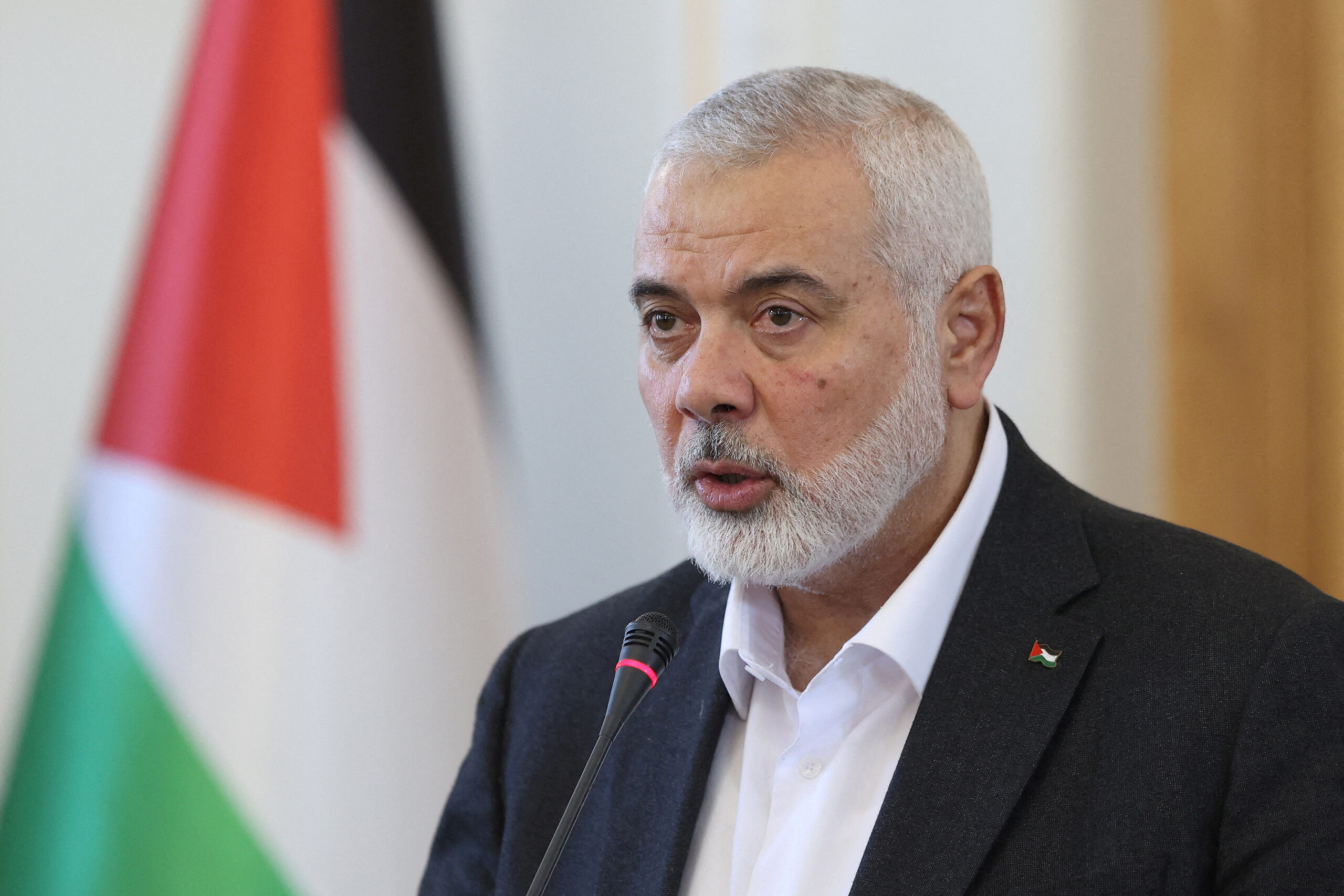
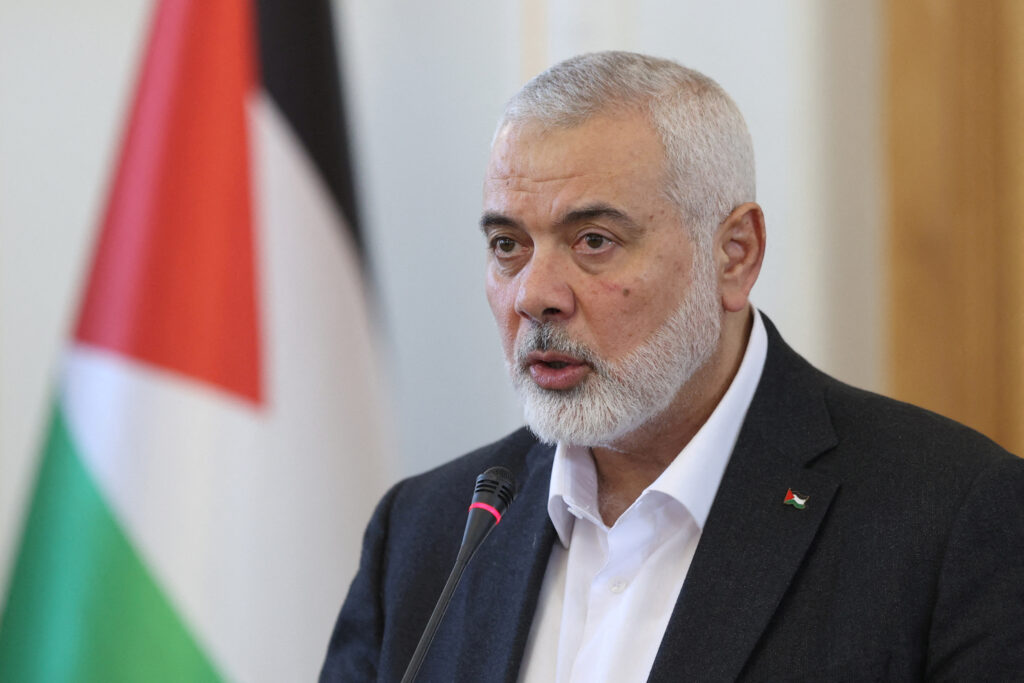
Diplomatic efforts to revive peace talks between Israel and Gaza have intensified following the death of Ismail Haniyeh, a key figure in the Hamas leadership. The US government is actively engaging with regional stakeholders to address the potential implications of Haniyeh’s death on the ongoing conflict and peace negotiations. Ismail Haniyeh, who served as the political leader of Hamas, passed away due to health complications. His death […]

Dubai’s rental market is experiencing a significant slowdown in rent increases as a growing number of tenants opt to renew their leases rather than move. This shift comes as a response to ongoing economic adjustments and changes in tenant preferences.

Recent market data reveals that annual rent hikes in Dubai have diminished considerably compared to previous years. According to industry reports, average rent increases have moderated, reflecting a stabilization in rental pricing across various neighborhoods. The latest figures show that while rental prices had been rising steadily, the pace has now slowed, with many landlords adjusting their expectations amid a more stable market environment.

The trend towards lease renewals is contributing to this deceleration. Real estate experts have observed a marked increase in tenants choosing to extend their current leases rather than exploring new properties. This shift is attributed to several factors, including the high cost of moving and the uncertainty surrounding the real estate market. Tenants are reportedly valuing the stability of their current housing arrangements and are less inclined to engage in the upheaval associated with relocation.

Economic factors also play a crucial role in this trend. Dubai’s real estate sector is navigating through a period of adjustment following a period of rapid growth and subsequent stabilization. The economic impacts of recent global events have led to shifts in housing demand, influencing rental price trends. As the market adjusts, both landlords and tenants are recalibrating their expectations, contributing to a more balanced rental market.

Moreover, property developers and landlords are adapting to the changing dynamics by offering more competitive terms to retain tenants. There is a noticeable increase in incentives and flexible leasing options as landlords strive to maintain occupancy levels. This adaptability is a response to the growing trend of lease renewals and the need to address the evolving preferences of tenants.

The rental market’s current phase reflects a broader trend of stabilization in Dubai’s real estate sector. With many tenants opting to renew their leases, the rapid growth in rental prices appears to be moderating. This stabilization could signal a period of adjustment and recalibration for both the rental market and the broader real estate sector.

As the market continues to evolve, monitoring these trends will be essential for understanding the future direction of Dubai’s rental landscape. The current slowdown in rent hikes and the increase in lease renewals indicate a period of transition, with potential implications for both tenants and landlords in the months ahead.

Advertisements

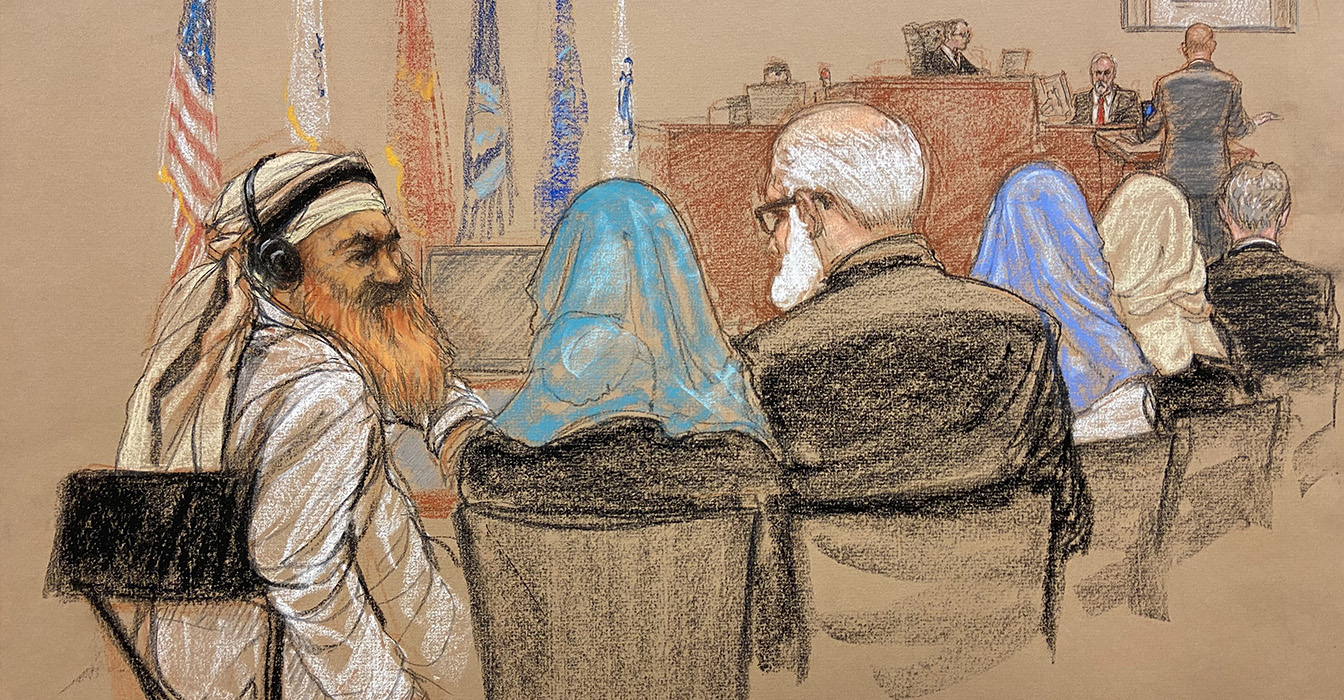
A plea agreement has been reached between the US government and Khalid Shaikh Mohammed, Walid bin Attash, and Mustafa Al Hawsawi, three key defendants in the September 11, 2001, terrorist attacks. This development comes after years of legal proceedings at the Guantanamo Bay detention facility, where the men have been held since their capture. The plea deal is expected to include significant concessions for the defendants, such as removing the death penalty from consideration.

The three men have long been accused of orchestrating and facilitating the attacks that led to the deaths of nearly 3,000 people. Khalid Shaikh Mohammed, often cited as the principal architect of the 9/11 attacks, has been a central figure in the US government’s prosecution of those responsible for the tragedy. The agreement aims to resolve some of the complexities and delays that have plagued the military commission process at Guantanamo Bay.

Family members of the victims have expressed a mix of reactions to the plea deal. Some see it as a necessary step to achieve some form of justice and closure, while others are frustrated by the removal of the death penalty, which they feel is a lenient outcome for those responsible for such an atrocity. Advocates for the families have highlighted the prolonged nature of the legal process and the emotional toll it has taken on those still grieving their losses.

The plea agreement comes amidst broader discussions about the future of Guantanamo Bay and the handling of terrorism suspects. The Biden administration has indicated a desire to close the detention facility, which has been a contentious issue in US politics and a focal point for criticism regarding human rights and due process.

Legal experts suggest that the plea deal could expedite the resolution of these high-profile cases, potentially setting a precedent for how similar cases might be handled in the future. This agreement might also influence the ongoing debate about the use of military commissions versus civilian courts for prosecuting terrorism suspects.

The plea deal’s specifics are still being finalized, but it represents a significant moment in the legal aftermath of the 9/11 attacks. The resolution of these cases could bring a measure of finality to one of the darkest chapters in US history, though it will undoubtedly leave many questions and emotions unresolved for the families affected by the tragedy.

The agreement is also expected to spark discussions on the ethical and legal implications of plea deals in cases involving severe crimes and acts of terrorism, potentially influencing future policies and practices in both national and international contexts.

As the details of the plea deal are made public, and as the defendants potentially face sentencing, the world will be watching closely to see how justice is administered and what it means for the broader fight against terrorism. This development marks a pivotal point in the long and complicated process of seeking accountability for the events of September 11, 2001.

The death of a high-ranking Hamas official has shed light on significant vulnerabilities within Iran’s political and security framework. The figure, a prominent leader in Hamas’s military wing, was killed in an operation that has exposed serious gaps in Iran’s oversight and influence over its allies in the region. Hamas confirmed the death of the leader, which took place in a coordinated attack attributed to rival factions […]

Blackstone, in collaboration with the Abu Dhabi Investment Authority (ADIA), is making a significant push to acquire a $4.8 billion stake in Haldiram’s, one of India’s leading snack and confectionery companies. The consortium’s bid underscores the growing interest of international investors in India’s vibrant consumer goods sector.

Haldiram’s, renowned for its extensive range of traditional Indian snacks, has been a staple in the country’s food industry for decades. Founded in 1937, the company has expanded its presence both domestically and internationally, becoming a prominent name in the global Indian snack market. The potential deal would provide a substantial boost to Haldiram’s expansion efforts and enhance its capabilities in reaching new markets.

The move comes at a time when the Indian consumer goods market is experiencing robust growth, driven by increasing disposable incomes and changing consumer preferences. Foreign investments in India’s food and beverage sector have been on the rise, with global players seeking to tap into the country’s large and diverse consumer base. The bid reflects a broader trend of international funds targeting high-growth sectors within India, which offers significant opportunities for long-term growth.

The Blackstone-ADIA consortium’s interest in Haldiram’s highlights the company’s strong market position and growth potential. Haldiram’s, with its established brand and extensive distribution network, represents a valuable asset for investors looking to capitalize on the expanding food and beverage market in India. The acquisition would also provide Blackstone and ADIA with a foothold in a sector that has shown resilience and adaptability amid global economic uncertainties.

The bidding process for Haldiram’s is competitive, with several other international and domestic entities also vying for a stake. The outcome of this bid could set a precedent for future investments in the Indian consumer goods sector, showcasing the growing confidence of global investors in the country’s economic prospects.

Blackstone, a leading global investment firm, and ADIA, one of the world’s largest sovereign wealth funds, bring substantial financial expertise and strategic vision to the table. Their joint bid signifies a serious commitment to supporting Haldiram’s growth trajectory and expanding its global reach. The involvement of these heavyweight investors could also drive further investment interest in India’s food sector, fostering a more dynamic and competitive market environment.

As the bid unfolds, stakeholders are closely watching how the potential deal might reshape the competitive landscape of the Indian snack industry. The outcome will likely influence future investment strategies in similar high-growth sectors within the country. The strategic partnership between Blackstone and ADIA is poised to play a crucial role in shaping the future of Haldiram’s and the broader Indian consumer goods market.

The collaboration between Blackstone and ADIA in bidding for a significant stake in Haldiram’s underscores the growing international interest in India’s expanding consumer sector. This development highlights the potential for substantial growth and transformation within the Indian food and beverage market, driven by high-profile global investors.

A fragile truce in Iraq faces significant jeopardy following a recent U.S. airstrike targeting a militant base south of Baghdad. The attack has intensified tensions, with the Islamic Resistance in Iraq vowing retaliation. This escalation could unravel ongoing peace efforts and destabilize an already volatile region.

The U.S. strike, conducted late last week, was aimed at a compound reportedly used by Iran-backed militias. According to Pentagon sources, the operation was in response to recent threats against American personnel and facilities in Iraq. This action marks a severe escalation in the U.S. military’s involvement in the region and has drawn sharp condemnation from various factions within Iraq.

The Islamic Resistance in Iraq, a prominent group within the broader network of Iranian-aligned militias, has condemned the strike as a blatant violation of Iraqi sovereignty. The group’s senior official indicated that retaliation is imminent, exacerbating fears of a renewed cycle of violence. This development threatens to undermine the delicate balance that has been maintained through ongoing negotiations and diplomatic efforts.

The truce, which has been in place for several months, was intended to reduce hostilities and facilitate dialogue between conflicting parties. It followed a period of intense conflict marked by frequent skirmishes and escalating tensions between Iraqi militias and U.S. forces. The recent airstrike not only jeopardizes this truce but also risks inflaming regional tensions further, potentially drawing in other actors and destabilizing the broader Middle Eastern landscape.

Observers are concerned that the strike could prompt a series of retaliatory actions, leading to a resurgence of hostilities. This would not only disrupt the fragile peace process but also have significant repercussions for the stability of Iraq and the wider region. The potential for a broader conflict underscores the need for immediate diplomatic interventions to de-escalate the situation.

The Iraqi government has condemned the U.S. action, emphasizing the need for respect of its sovereignty and urging restraint from all parties involved. However, the response from the Islamic Resistance in Iraq suggests that diplomatic appeals may not be sufficient to prevent further escalation. The situation remains fluid, with both sides preparing for potential further conflict.

The international community has called for calm and restraint, stressing the importance of dialogue and peaceful resolution to the crisis. However, the immediate aftermath of the strike indicates that the path to de-escalation will be fraught with challenges. The U.S. and Iraqi governments are under immense pressure to navigate the complex dynamics of this conflict and work towards stabilizing the region.

As the situation continues to unfold, the global community watches closely, hoping for a resolution that will preserve the fragile truce and prevent further violence. The next steps taken by the involved parties will be critical in determining whether the current crisis can be mitigated or if it will lead to a broader and more destructive conflict.

Boeing has appointed Kelly Ortberg as its new CEO, a move aimed at steering the company through challenging financial waters. Ortberg, who previously led Rockwell Collins and boasts extensive experience in aviation, takes the helm at a pivotal time for Boeing. The company has reported a substantial increase in its second-quarter losses, reflecting ongoing difficulties and operational hurdles.

Ortberg’s appointment comes as Boeing grapples with a significant financial downturn. For the second quarter of the fiscal year, Boeing’s losses widened compared to the same period last year. The company’s financial report reveals a steep decline in revenue and ongoing struggles within its commercial and defense sectors. The worsening financial performance underscores the persistent challenges Boeing faces, including supply chain disruptions and delays in aircraft deliveries.

The decision to bring Ortberg on board signals Boeing’s intent to revitalize its leadership and address its financial issues head-on. Ortberg, known for his successful tenure at Rockwell Collins, is expected to leverage his industry expertise to navigate Boeing through its current crisis. His leadership is anticipated to play a crucial role in reshaping Boeing’s strategy and improving operational efficiencies.

Boeing’s financial woes have been compounded by several factors, including reduced demand for new aircraft and increased costs associated with production and regulatory compliance. The company’s recent struggles reflect broader issues within the aerospace industry, where manufacturers are contending with a fluctuating market and evolving technological requirements.

As Boeing seeks to stabilize its financial situation, the appointment of Ortberg is seen as a strategic move to restore confidence among investors and stakeholders. The aviation veteran’s background in leading major aerospace companies provides a foundation for addressing the complex challenges Boeing faces. The company hopes that Ortberg’s leadership will drive a turnaround and position Boeing for long-term success.

The broader aerospace sector is experiencing a period of transformation, with companies adjusting their strategies in response to changing market dynamics and technological advancements. Boeing’s focus on improving its financial performance and operational effectiveness aligns with industry trends, as manufacturers adapt to new demands and evolving customer expectations.

Boeing’s financial outlook will be closely monitored in the coming quarters to assess the impact of Ortberg’s leadership. The company’s ability to address its current challenges and achieve financial stability will be critical in determining its future trajectory. The appointment of a seasoned executive like Ortberg reflects Boeing’s commitment to navigating its difficulties and striving for a more resilient operational model.

With Ortberg now at the helm, Boeing is poised to undertake a strategic reassessment of its operations and financial strategies. The aviation industry’s evolving landscape will present both opportunities and obstacles, and Boeing’s ability to adapt and respond effectively will be key to its future success.

Palestinians in Gaza are grappling with heightened despair following the tragic death of three sons of Hamas leader Ismail Haniyeh in an Israeli airstrike. This attack occurred during the Muslim holiday of Eid al-Fitr, a time typically marked by celebration and communal gathering.

The Israeli airstrike targeted a car carrying Haniyeh’s sons—Hazem, Amir, and Mohammed—along with several of his grandchildren in the Al-Shati refugee camp. Eyewitnesses reported the car being obliterated, resulting in the deaths of all its occupants. This incident has intensified the already dire humanitarian situation in Gaza, where more than 30,000 Palestinians have been killed since the conflict began six months ago.

Ismail Haniyeh condemned the attack as a “horrendous massacre” and reaffirmed his commitment to the Palestinian cause. In a televised statement, he declared that such actions by Israel would not weaken the resolve of the Palestinian people but instead strengthen their determination to resist.

The war in Gaza has led to widespread devastation, with the majority of the population facing severe shortages of food, clean water, and medical supplies. Israel’s military offensive has displaced 85% of Gaza’s population, leaving many without homes and basic necessities. The international community has voiced concern over the humanitarian crisis, with the International Court of Justice urging Israel to take measures to prevent famine in the region.

This event has exacerbated tensions in the Middle East, with Israel’s actions being condemned by various global leaders. Iran’s Supreme Leader, Ayatollah Ali Khamenei, issued a stern warning to Israel, promising repercussions for the airstrike that also killed several Iranian generals in Syria.

As Gaza continues to mourn, the future remains uncertain. The conflict has pushed the region to the brink, with the latest incident only deepening the sense of hopelessness among its residents.

By Nitya Chakraborty The Middle East was thrown into an unprecedented turmoil on Wednesday as the news came of the killing of the Hamas leader Ismail Haniyeh in Teheran in the morning by unidentified gunmen in his residence. Though the Iranian government said that they were investigating the killing and the Israeli government kept officially […]

Merger and acquisition (M&A) activity in the Middle East and North Africa (MENA) experienced a modest 1 percent growth year-over-year during the first half of 2024, totaling $49.2 billion across 321 transactions. This slight uptick, as reported by Ernst & Young, reflects a steady but cautious expansion in the regional M&A landscape. Saudi Arabia and the United Arab Emirates (UAE) emerged as pivotal players in this market, […]

M A Hossain After a recent rocket attack on a soccer field in the Israeli-controlled Golan Heights, the question of whether the Middle East is on the verge of an all-out war has captured global attention. This attack, which resulted in the death of 12 people amid the ongoing Gaza conflict, has escalated tensions to a critical level. In response, Israeli forces carried out a drone strike […]

An Israeli airstrike targeted Hezbollah commander Fouad Shukr in Beirut, marking a significant escalation in tensions between Israel and Hezbollah. Shukr, a senior military figure within the Lebanese group, is known for his close ties to Hezbollah’s leadership and his involvement in strategic operations.

The airstrike occurred late Tuesday, with initial reports indicating that Shukr was among the primary targets. Lebanese media confirmed the attack, noting damage to several buildings in the southern suburbs of Beirut, a Hezbollah stronghold. The area, often referred to as Dahiyeh, has seen similar strikes in the past, but this operation specifically aimed at Shukr signals a more direct confrontation.

Fouad Shukr, also known by his nom de guerre, Al-Hajj Mohsin, has been a prominent figure in Hezbollah for decades. His military career began in the early 1980s, and he has since ascended through the ranks, becoming a key advisor to Hezbollah’s Secretary-General Hassan Nasrallah. Shukr’s expertise in military tactics and his role in coordinating operations in Syria have made him a critical asset to the organization.

Hezbollah’s involvement in the Syrian conflict has been extensive, with Shukr playing a pivotal role. His strategic planning and operational oversight have contributed to the group’s efforts to support the Syrian government, particularly in key battles such as those in Aleppo and Qusayr. These operations have cemented Shukr’s reputation as a skilled military leader within Hezbollah’s ranks.

The Israeli government has long viewed Shukr as a significant threat. His role in planning and executing operations against Israeli targets, both within Lebanon and abroad, has placed him high on Israel’s list of adversaries. Israeli officials have accused Shukr of being involved in the 1983 Beirut barracks bombings, which killed 241 U.S. service members, a claim that Hezbollah has consistently denied.

This targeted strike on Shukr is part of a broader Israeli strategy to disrupt Hezbollah’s military capabilities. Israel has repeatedly stated its intent to prevent Hezbollah from acquiring advanced weaponry and strengthening its position along the Israeli-Lebanese border. Over the years, Israel has conducted numerous airstrikes in Syria and Lebanon aimed at intercepting weapons shipments destined for Hezbollah.

The timing of this strike is particularly noteworthy. It comes amid heightened tensions in the region, with ongoing conflicts in Syria and escalating confrontations between Israel and Iranian-backed militias. Hezbollah’s close alliance with Iran has further complicated the dynamics, as Israel seeks to counter Iranian influence in the Middle East.

Reactions to the strike have been swift. Hezbollah condemned the attack, vowing retaliation and reinforcing its commitment to resist Israeli aggression. The Lebanese government, while acknowledging the attack, has called for restraint to avoid further escalation. International reactions have been mixed, with some countries urging both sides to de-escalate and others expressing concern over the potential for a broader conflict.

Analysts suggest that this strike could have significant implications for the stability of the region. Hezbollah’s response will likely determine the immediate future of Israeli-Lebanese relations. Should Hezbollah choose to retaliate, the possibility of a larger military confrontation cannot be ruled out. However, the group may also opt for a more calculated response, avoiding direct confrontation while continuing to strengthen its military infrastructure.

The situation remains fluid, with the potential for rapid developments. As both Israel and Hezbollah navigate this latest escalation, the international community will be closely monitoring the unfolding events. The strike on Fouad Shukr underscores the persistent volatility in the region and the ongoing struggle for power and influence between Israel and Hezbollah.

Hezbollah’s next moves, coupled with Israel’s strategic objectives, will shape the regional landscape in the coming months. This episode highlights the fragile nature of the current ceasefire and the ever-present risk of conflict in the Middle East.


Closing the ‘B-Gap’ – How CloudMosa and HMD have cracked getting the next billion people online through a new cloud solution delivered on affordable devices CloudMosa unveils new cloud-driven technology that makes internet and modern app experiences accessible on low-cost feature phones, piloting with HMD’s Nokia 110 4G (2023) and 106 4G (2023) devices Opening significant business expansion and spectrum migration opportunities for telecom carriers, manufacturers, and […]

UAE President Sheikh Mohamed bin Zayed Al Nahyan and Vice Presidents Sheikh Mohammed bin Rashid Al Maktoum and Sheikh Mansour bin Zayed Al Nahyan have conveyed their heartfelt condolences to President Droupadi Murmu and Prime Minister Narendra Modi following devastating floods in India that have resulted in significant loss of life and property. The catastrophic floods have affected various states, causing severe damage to infrastructure, displacing thousands, […]

TEHRAN, 30th July, 2024 – H.H. Sheikh Abdullah bin Zayed Al Nahyan, UAE Deputy Prime Minister and Minister of Foreign Affairs, met with Iranian Foreign Minister Hossein Amir-Abdollahian. This high-level meeting follows President Ebrahim Raisi’s nomination of Amir-Abdollahian for approval by the Iranian parliament. The discussions between the two diplomats focused on enhancing bilateral relations and addressing key regional issues. The meeting marks a significant diplomatic moment, […]

France has officially backed Morocco’s proposal for granting autonomy to the Sahara region while maintaining Moroccan sovereignty. This pivotal endorsement comes amid ongoing diplomatic efforts to address one of Africa’s most enduring territorial disputes. French President Emmanuel Macron’s decision marks a significant shift in international stance regarding the Sahara issue, highlighting France’s commitment to supporting Morocco’s territorial integrity.

Macron’s announcement, made during a recent diplomatic engagement, emphasizes France’s support for Morocco’s approach to resolving the conflict through enhanced regional autonomy rather than full independence. This move is seen as a strategic alignment with Morocco’s long-standing position on the Sahara and reflects broader geopolitical considerations.

The Sahara conflict has been a contentious issue for decades, with the region seeking greater autonomy and self-determination. The United Nations has been involved in efforts to mediate a resolution, but the situation remains complex with multiple parties involved. Morocco’s proposal, which includes offering a degree of self-governance to the Sahara under Moroccan sovereignty, is aimed at addressing local aspirations while preserving the country’s territorial unity.

France’s endorsement is expected to influence other international actors and potentially shift the dynamics of the ongoing negotiations. The French government has expressed that its support is based on a belief that Morocco’s autonomy plan represents a viable solution that respects both the regional aspirations and the need for national sovereignty.

This development follows a series of diplomatic engagements between Morocco and France, underscoring the strengthening ties between the two nations. Macron’s support is part of a broader strategy to reinforce France’s role in addressing global conflicts and aligning with key partners in strategic regions.

The international community has varied responses to the Sahara issue, with some nations supporting Morocco’s stance and others advocating for a different approach. France’s position adds to the growing list of endorsements for Morocco’s plan, which aims to provide a framework for the Sahara’s future governance while integrating it within the Moroccan state structure.

The autonomy plan proposed by Morocco outlines a significant degree of self-administration for the Sahara region, including local governance and economic management. This plan is designed to offer a compromise between complete independence and full integration, seeking to balance regional aspirations with national unity.

In addition to diplomatic support, the plan’s success will hinge on the engagement of local stakeholders and the international community’s reception. France’s backing is a notable boost for Morocco’s efforts, and it may prompt further discussions and negotiations involving other key international players.

As the situation evolves, the focus will likely shift to the implementation of the autonomy plan and the practical implications for the Sahara region. Observers will be closely watching how Morocco navigates this process and how the international community, including France, continues to influence the resolution of this long-standing conflict.

Abu Dhabi Investment Authority (ADIA) has announced a significant investment in Akums Drugs and Pharma, a major player in India’s pharmaceutical industry. The transaction, valued at approximately $400 million, marks a strategic move by ADIA to expand its footprint in the burgeoning Indian healthcare sector.

Akums Drugs, based in Haridwar, is renowned for its wide range of generic medications and its substantial manufacturing capacity. The company has been a key supplier for both domestic and international markets, contributing to its steady growth and reputation for quality.

The investment by ADIA is expected to bolster Akums Drugs’ capabilities, enabling it to enhance its production facilities and expand its research and development (R&D) initiatives. This infusion of capital comes at a time when the pharmaceutical sector in India is experiencing a surge in demand, driven by both local needs and international export opportunities.

Analysts view ADIA’s investment as a strategic alignment with its long-term vision of diversifying its portfolio into high-growth markets. The move is also seen as a reflection of growing global interest in India’s pharmaceutical industry, which has been gaining momentum due to its robust regulatory environment and the increasing prevalence of chronic diseases requiring innovative treatment options.

Akums Drugs, founded in 1983, has established itself as a leading manufacturer with a comprehensive product line spanning various therapeutic areas, including cardiovascular, gastrointestinal, and dermatological medications. The company’s focus on quality control and regulatory compliance has positioned it favorably in the competitive landscape of the pharmaceutical industry.

ADIA’s involvement is anticipated to accelerate Akums Drugs’ expansion plans. The investment will support the company’s efforts to enhance its R&D capabilities, which are crucial for developing new drugs and staying ahead in a competitive market. Additionally, the funds will be directed towards upgrading manufacturing technologies and increasing production efficiency.

The partnership between ADIA and Akums Drugs underscores a broader trend of increased foreign investment in India’s healthcare sector. International investors are drawn to India’s growing market potential, driven by a large patient population, an increasing middle class, and government initiatives aimed at boosting healthcare infrastructure.

In the context of global pharmaceutical investments, India’s market offers promising opportunities due to its substantial base of skilled professionals and a well-established regulatory framework. The country’s pharmaceutical industry is poised for further growth, fueled by advancements in drug development and a rising demand for affordable healthcare solutions.

This investment aligns with ADIA’s strategic focus on investing in high-potential sectors across emerging markets. By supporting companies like Akums Drugs, ADIA is positioning itself to capitalize on the expanding opportunities within the Indian pharmaceutical industry.

As the global healthcare landscape evolves, strategic investments such as this are likely to shape the future dynamics of the pharmaceutical sector. ADIA’s commitment to Akums Drugs highlights the ongoing transformation in investment strategies, reflecting a growing confidence in the potential of India’s pharmaceutical industry.

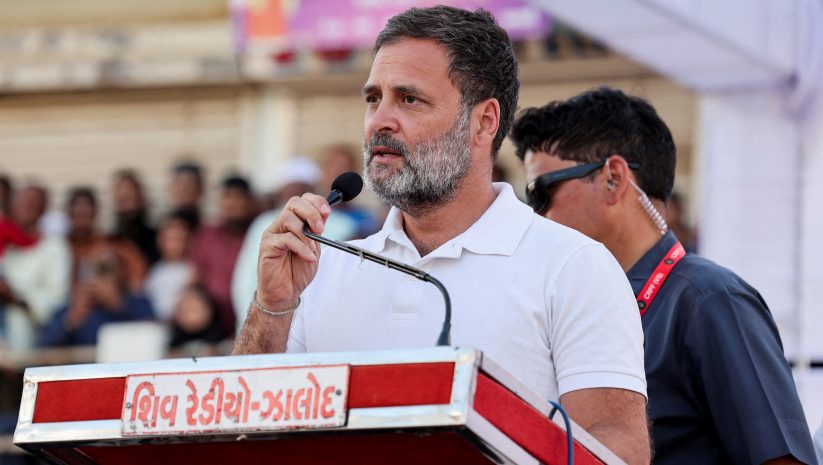
By Dr. Gyan Pathak Rahul Gandhi’s speech in the Lok Sabha on the Union Budget 2024-25 on July 29, was not only an expose of the lotus trap, but also a voice given to the entrapped, the muted, and the people living constantly under fear. Avoiding jargons and the technical terms, he tried to explain […]

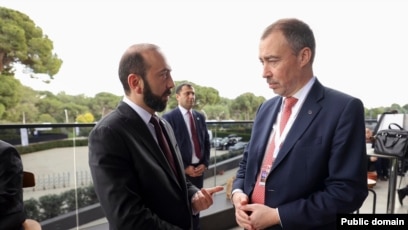
Armenia and Turkey are poised to engage in significant negotiations aimed at normalizing relations, with Armenian representative Ruben Rubinyan and Turkish special envoy Serdar Kilic scheduled to meet at the border. The upcoming talks signify a pivotal moment in the diplomatic efforts between the two nations, reflecting a mutual interest in addressing long-standing issues and advancing cooperation.

The meeting, which will take place at the Armenia-Turkey border, is part of ongoing diplomatic efforts to mend ties that have been historically strained. Both sides have expressed a commitment to addressing contentious issues through dialogue, marking a notable step in efforts to overcome decades of tension. This development follows a series of preliminary discussions and confidence-building measures designed to lay the groundwork for more comprehensive negotiations.

Rubinyan and Kilic, key figures in their respective governments, have been central to the dialogue process. Their engagement represents a significant commitment to addressing bilateral concerns, which include historical grievances and regional security issues. The talks aim to tackle these challenges head-on, fostering an environment conducive to lasting resolution and mutual understanding.

The Armenian-Turkish relationship has been fraught with historical disputes, including disagreements over the recognition of the Armenian Genocide and territorial issues. However, the current diplomatic efforts reflect a willingness on both sides to move beyond past conflicts and explore opportunities for cooperation. This shift in approach highlights the evolving geopolitical landscape and the potential for positive change in regional dynamics.

The normalization talks come amid a broader context of shifting alliances and geopolitical realignments in the region. Both Armenia and Turkey have demonstrated a readiness to engage in dialogue as a means of addressing complex issues and promoting stability. The discussions at the border are expected to cover a range of topics, including economic cooperation, regional security, and cultural exchanges, with the aim of building a foundation for long-term collaboration.

International observers and stakeholders are closely monitoring the talks, recognizing their potential impact on regional stability and relations between the two countries. The successful resolution of outstanding issues could pave the way for enhanced diplomatic and economic ties, contributing to a more stable and cooperative regional environment.

As the meeting approaches, both Armenia and Turkey have expressed optimism about the prospects for productive discussions. The engagement of Rubinyan and Kilic underscores the seriousness with which both nations are approaching the normalization process. The outcome of the talks will likely influence the trajectory of future relations and the broader regional landscape.

The negotiations represent a critical juncture in Armenian-Turkish relations, with the potential to redefine historical narratives and open new avenues for collaboration. The outcome of the talks will be closely watched by international observers and could have far-reaching implications for regional diplomacy and stability.

VISHNU RAJA
RYO YAMADA
HITORI GOTOH
IKUYO KITA
Just in:
Battle Uttar Pradesh Will Be Tougher For Yogi Than Expected // Motorola introduces Signature 27 flagship priced at $1,599 // Excise chief shunted out in bar licence dispute // Dubai Future District Fund and Buimerc formalise cooperation // ADIA subsidiary seeks $7.5 billion private investment financing // Oil advances towards $100 as tanker attacks persist // HKUST President and Chinese Academy of Sciences Academician Prof. Nancy Ip Receives UNESCO Honor for a Second Time // Elephant calf on death line airlifted for treatment in Gujarat // Geely’s i-HEV Intelligent Hybrid Technology Offers a New Direction Vision for Gasoline-Powered Vehicles // Beyond the exhibition floor: How robots, AI and networks are moving into the real world // Ningbo Consensus on Collaborative Development released at 2026 Global Mayors Dialogue · Ningbo // Microfinance case trouble for Vellappally // OpenAI abandons secrecy agreements for future data centres // The “1st Greater Bay Area Health and Longevity Summit & Awards Ceremony” concludes successfully in Macao // Emaar approves Development buyout ahead of planned delisting // India Under Pressure To Join RCEP On The Eve Of ASEAN Summit In Manila On Nov 15-17 // Democrats Gearing Up For 2028 Presidential Elections To Gain Full Power // HKUST President Prof. Nancy IP Receives UNESCO–Equatorial Guinea International Prize for Research in Life Sciences // OpenAI introduces GPT-6 Cyber with restricted security access // Trump’s Iran War Has A Share Of Contribution To His Midterm Debacle //