Just in:
Oil and chip shares retreat after Democratic victories // OpenAI identifies 948 Linux privilege escalation flaws using AI // CR Longdation Aethereal Cybersecurity × Global Cybersecurity Alliance (GCSA) Join Hands to Establish the “AI and Cybersecurity Research Centre” // Cloudflare unveils Zero Wire vulnerability intelligence service // Emaar approves Development buyout ahead of planned delisting // Oil advances towards $100 as tanker attacks persist // Xi Jinping Preparing For A Trilateral Summit With Trump And Putin At APEC Summit On Nov 18-19 // Hong Kong mandates crypto transaction disclosures to tax authorities // Dubai details five-year visa benefits for returning visitors // APT29-linked campaign exploits outdated Apple and Android software // Kochi police detain two actors over bid to honey trap doctor // Ousted top Kochi cop gets IG post // e-Crime Bureau Signs Cybersecurity Partnership With Smart Africa, Reinforcing Its Global Expansion // Geely’s i-HEV Intelligent Hybrid Technology Offers a New Direction for Gasoline-Powered Vehicles // Asia Left Behind: Ten international companies have yet to report delivering on their cage-free egg pledges across the region // TVM –Mangaluru Vande Bharat claims top spot // After Reaching 7 Million Users in the Philippines, Skyro Launches Transparent Cash Loans in Malaysia // Emirates Group records AED 4.1 billion half-year profit // UK air traffic outage inflicted £33m financial losses // Geely’s i-HEV Intelligent Hybrid Technology Offers a New Direction Vision for Gasoline-Powered Vehicles //

News related to
Mid Term

Modon Holding, an Abu Dhabi-based investment firm, has secured a deal to acquire Arena Events Group, a prominent player in the temporary infrastructure and event solutions sector. The acquisition also includes Theta Bidco, the parent company of Arena, marking a significant expansion for Modon in the global events industry.With the acquisition, Modon aims to enhance its portfolio and increase its involvement in the rapidly evolving events sector, […]

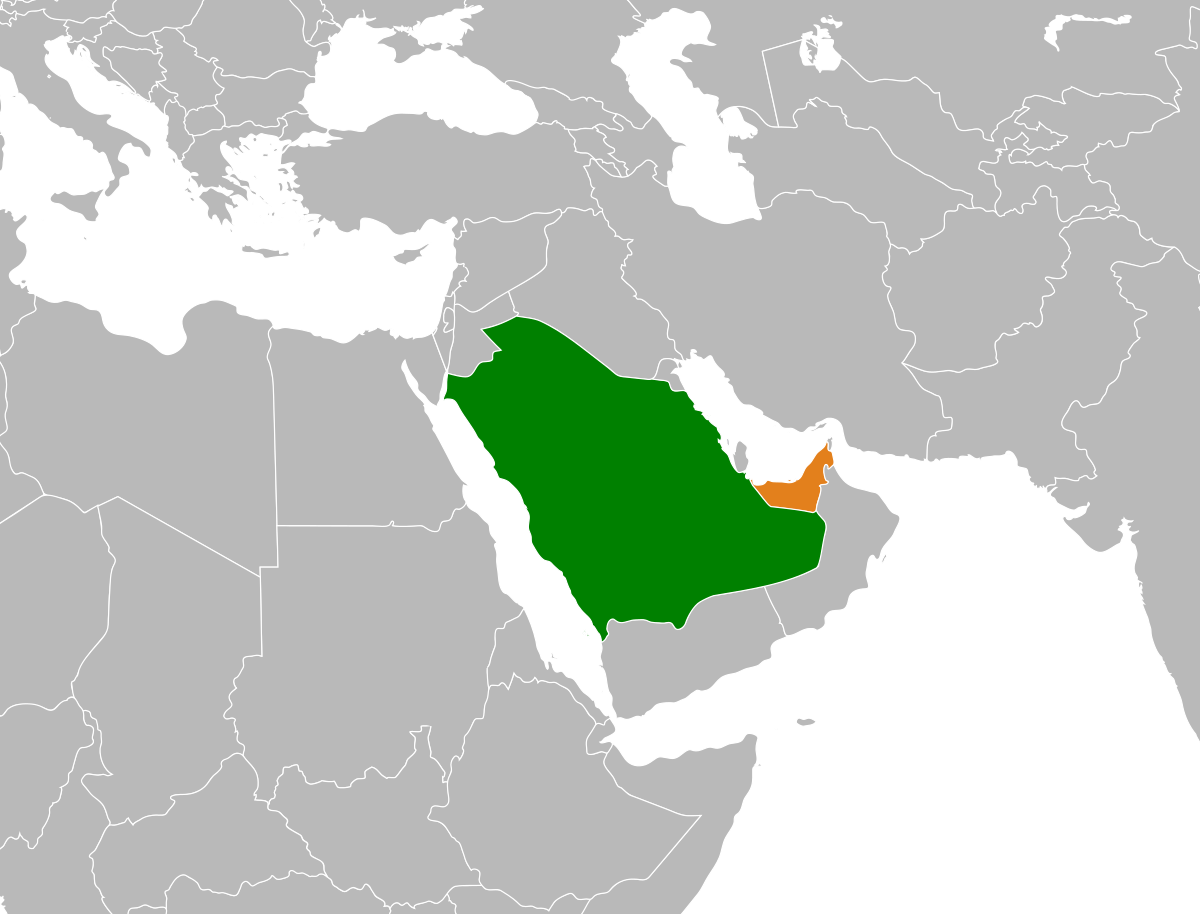
Discussions between Russian and US officials have surfaced regarding a potential summit between President Donald Trump and President Vladimir Putin, with Saudi Arabia and the United Arab Emirates being considered as the possible locations for the high-stakes meeting. According to two Russian sources familiar with the matter, both Middle Eastern nations have emerged as viable venues for the summit, a move that reflects the growing geopolitical engagement of these countries in the Russia-US relations.

Trump, who has long positioned himself as a proponent of international diplomacy, stated his intentions to end the war in Ukraine as swiftly as possible. He reiterated his readiness to engage with Putin, emphasizing the desire to address the ongoing conflict and other shared concerns. In return, President Putin congratulated Trump following his re-election and voiced his own readiness to meet and discuss critical issues, including the war in Ukraine and energy policies, which remain central to the broader global conversation on security and economic stability.

Despite these declarations, Russian officials have firmly denied any direct communications with the United States regarding plans for a phone call or a potential in-person meeting between the two leaders. These officials insist that any forthcoming discussions, if they occur, would be arranged at a later stage, with careful consideration of timing and venue.

The prospect of such a summit, especially in the context of Russia’s recent military actions in Ukraine, has sparked interest on the international stage. The geopolitical ramifications of such a meeting would likely be far-reaching, impacting global energy markets, NATO relations, and the future of the conflict in Eastern Europe. Although some observers view this as an opportunity for peacebuilding, others remain skeptical, given the contentious history of US-Russia relations.

Saudi Arabia and the UAE, with their growing influence on the global diplomatic stage, are being considered due to their neutral stance in the Ukraine conflict and their established relationships with both Russia and the United States. These nations have long been involved in energy markets, which would make them attractive hosts for a meeting focused on energy policies and economic security. Russia’s energy exports, including oil and natural gas, remain a critical factor in shaping international relations, particularly in light of sanctions imposed by the West in response to Russia’s actions in Ukraine.

Trump’s position on Ukraine has been a point of divergence from that of his political opponents, with some criticizing his favorable rhetoric toward Russia. However, his approach has consistently focused on resolving the conflict through direct negotiations, an approach he has applied to other global tensions during his presidency. The idea of a Trump-Putin summit reflects his broader foreign policy philosophy, which emphasizes personal diplomacy over multilateral frameworks.

Despite public statements from both leaders expressing interest in talks, the reality of organizing a summit remains complex. The diplomatic groundwork necessary to bring the two leaders to the same table would require careful coordination, especially with ongoing tensions over Ukraine. Moreover, the absence of direct communication between the US and Russia regarding the summit preparations has raised questions about the seriousness of the plans and the potential obstacles that may arise in the months ahead.

The role of intermediaries, such as Saudi Arabia and the UAE, in facilitating this meeting underscores the shifting dynamics of international diplomacy. Both nations have increasingly positioned themselves as key players in mediating between conflicting global powers. Saudi Arabia’s leadership within OPEC, combined with its strategic partnerships with both Russia and the United States, places it in a unique position to influence global discussions, particularly in the energy sector. Similarly, the UAE, with its expansive diplomatic network and strong ties to both Moscow and Washington, has become a focal point for international peace efforts and negotiations.

The consideration of Saudi Arabia and the UAE as potential hosts for the Trump-Putin summit aligns with their broader strategy of asserting themselves as mediators in global political disputes. The Middle East, long a region of contention, is now emerging as a diplomatic hub where major powers can engage in dialogue, far from the direct theater of conflict. This shift in geopolitical dynamics highlights the region’s growing importance as a neutral ground for major power negotiations, particularly in an era marked by heightened tensions and polarized global politics.

While a Trump-Putin summit would be a significant event on the world stage, it would also require both leaders to overcome a range of diplomatic and political challenges. The ongoing war in Ukraine remains a central issue, and any discussions between Trump and Putin would likely revolve around finding a peaceful resolution to the conflict, while balancing the interests of their respective countries. However, any breakthroughs or agreements arising from such a summit would be closely scrutinized by the international community, particularly given the historical tensions that have defined US-Russia relations.

HONG KONG SAR – Media OutReach Newswire – 4 February 2025 – The Government of the Republic of Botswana (“GRB”) and De Beers Group (“De Beers”) are pleased to announce the successful conclusion of negotiations focused on establishing a new sales agreement for Debswana’s rough diamond production, as well as extending Debswana’s mining licences beyond 2029. This development is in alignment with the Heads of Terms agreed […]

The content delivery network market is on track for remarkable growth, with estimates showing a surge in revenue from $26.8 billion in 2024 to $121.9 billion by 2033. This trajectory represents a compound annual growth rate of 18%, driven by a confluence of technological advancements, including artificial intelligence and the widespread adoption of 5G networks. As businesses worldwide increasingly rely on digital content delivery, the demand for […]

Europe’s technology sector is gearing up for a major shift with the introduction of DeepSeek, a new platform aimed at bridging the gap in artificial intelligence development between European startups and their U.S. counterparts. For years, European companies have struggled to keep pace with the rapid advancements made by Silicon Valley firms, largely due to limited access to venture capital and resources. However, DeepSeek’s innovative approach offers […]

By Nantoo Banerjee It would be wrong to underplay the impact of rising foreign disinvestments from the country’s secondary market on the economy and the very stability of Indian Rupee (INR). Both the domestic economy and INR have been constantly under pressure from large deficit trade balances year after year, external borrowings, loan servicing, very […]

BioWare, the renowned video game developer behind franchises like Mass Effect and Dragon Age, has experienced substantial staff reductions, leaving the studio with fewer than 100 employees. This downsizing follows the termination of approximately two dozen staff members and the reassignment of others to different projects within its parent company, Electronic Arts . These changes are part of a broader strategy to streamline operations and focus on […]

Advertisements

The South Korean won has plunged to its lowest value against the U.S. dollar in 2025, reflecting growing concerns about global economic challenges and domestic market dynamics. As of Monday morning, the won was trading at 1,471.35 per dollar, a drop of 13.3 won from the previous session. This marks the weakest performance for the currency this year, signaling a potential shift in the financial landscape of the region.

Several factors are contributing to the depreciation of the Korean won, primarily the U.S. Federal Reserve’s tightening of monetary policy. With interest rates in the United States remaining high, capital flows are increasingly favoring the dollar, leaving emerging market currencies like the won under pressure. As the U.S. economy maintains its growth trajectory, the dollar’s strength has increased, putting further downward pressure on the won. Analysts predict this trend could continue if the Fed’s policies remain unchanged in the near term.

The fluctuation of the won is closely tied to South Korea’s economic performance, particularly its trade balance. Exports, a critical component of South Korea’s economy, have been struggling due to reduced global demand, particularly from China, one of the country’s largest trading partners. South Korea’s semiconductor exports, once a pillar of its economy, have experienced a significant slowdown, a trend exacerbated by a global semiconductor oversupply and tightening chip export controls from neighboring countries.

While South Korea’s central bank, the Bank of Korea , has attempted to stabilize the won through currency interventions, these efforts have not been enough to reverse the trend. The BOK’s decision to keep interest rates steady for most of last year, alongside its cautious approach to monetary easing, has raised concerns about its ability to support the won in the face of external pressures. This has led to increased speculation about future rate cuts, which could further weaken the won.

Domestic economic concerns also contribute to the currency’s poor performance. Consumer confidence has taken a hit amid rising living costs and a struggling job market. Youth unemployment, in particular, remains a challenge, and inflation, though moderate, has been persistent. These factors have kept domestic demand subdued, affecting the broader economic outlook and fueling fears of stagnation.

The won’s dip also reflects wider regional trends. Many other Asian currencies, including the Japanese yen and the Chinese yuan, have also faced downward pressure as the global economic environment remains volatile. However, the won’s sharp decline is drawing more attention, particularly given the importance of South Korea’s exports to the global technology supply chain. As a major exporter of semiconductors, displays, and other electronic components, the health of the South Korean economy is critical to the global tech sector.

The Korean government is under increasing pressure to address the weakening won. President Yoon Suk-yeol’s administration has faced criticism for not taking decisive action to support the currency. Financial experts have called for more robust measures, including potential interventions in the currency market or revising fiscal policies to stimulate economic growth. However, any intervention risks further destabilizing the economy, particularly in the face of persistent global inflation and supply chain disruptions.

For investors and businesses in South Korea, the weakening of the won presents both risks and opportunities. Importers, particularly those reliant on raw materials priced in U.S. dollars, are likely to see increased costs, further squeezing their margins. On the other hand, exporters may benefit from the weaker won as their products become more competitive in global markets. However, this potential upside for exporters is tempered by the ongoing global economic slowdown and the uncertainty surrounding future demand for South Korean goods.

The decline in the won also raises questions about South Korea’s broader economic strategy. Some experts argue that the government needs to adopt a more flexible monetary policy, potentially focusing on greater fiscal stimulus to support domestic demand and alleviate the burden on businesses. The government could also look at diversifying its trade partners and finding new markets for its exports, particularly in regions less affected by global economic fluctuations.

On the international stage, the won’s depreciation could complicate South Korea’s relationships with key partners, particularly the U.S. and China. A weak currency can make trade more challenging, potentially raising the cost of South Korean exports and creating diplomatic tensions. South Korea’s geopolitical position, as a key player in both the U.S.-led security alliance and its economic relationship with China, makes currency fluctuations a sensitive issue in global diplomacy.

Grayscale, a major player in the cryptocurrency investment space, has debuted its Bitcoin Miners ETF on the New York Stock Exchange Arca on January 30, 2025. The fund targets a niche segment of the market by offering investors a focused approach to Bitcoin mining companies, allowing them to gain exposure to the rapidly growing sector.

The new exchange-traded fund is designed to track the performance of a basket of global Bitcoin miners, including prominent players such as Marathon Holdings, Riot Platforms, and Core Scientific. These companies are central to the Bitcoin mining ecosystem, responsible for securing and validating transactions on the blockchain. By offering a financial product that represents these mining firms, Grayscale aims to provide investors with an alternative way to participate in the cryptocurrency industry without the complexities of directly purchasing and holding Bitcoin itself.

The Grayscale Bitcoin Miners ETF is passively managed, meaning it will replicate the performance of an underlying index, rather than being actively overseen by portfolio managers. This approach allows the fund to provide a straightforward, low-cost means for investors to gain exposure to the performance of mining firms tied to Bitcoin’s value, rather than the cryptocurrency directly. The ETF’s strategy is to offer “targeted, pure-play exposure” to Bitcoin mining operations, making it an attractive investment for those looking to capitalize on the booming demand for Bitcoin while avoiding the volatility associated with directly investing in the digital asset.

Bitcoin mining has become a highly lucrative industry in the past decade, with the increasing demand for the cryptocurrency driving the need for more mining infrastructure. Companies involved in Bitcoin mining operate large-scale data centers, using specialized hardware to perform the computational tasks necessary to add new blocks to the Bitcoin blockchain. As the network becomes more complex and competitive, these firms are under constant pressure to improve efficiency and reduce costs, making them subject to the fluctuations in Bitcoin’s price.

The launch of the Grayscale Bitcoin Miners ETF comes amid a wave of interest in Bitcoin and cryptocurrency-related financial products. Institutional investors have been increasingly looking for ways to gain exposure to the cryptocurrency market, and exchange-traded funds are one of the most popular tools. ETFs offer liquidity, transparency, and ease of trading, making them an appealing choice for those interested in cryptocurrencies but wary of the risks associated with directly holding digital assets.

One of the major benefits of investing in a Bitcoin miners-focused ETF is that it provides diversification. Rather than betting on the volatile price of Bitcoin itself, investors can gain exposure to the performance of the mining companies, which are influenced by a range of factors beyond just Bitcoin’s price. These include operational efficiency, energy costs, and regulatory considerations, which can create opportunities for investors looking to reduce risk while still gaining exposure to the broader cryptocurrency market.

The launch of this ETF also marks a significant milestone for Grayscale, a company known for its prominent digital asset investment products, including the Grayscale Bitcoin Trust . Grayscale has long been a leader in the cryptocurrency investment space, and this latest product further solidifies its position in the growing market for crypto-related financial products.

The introduction of the Bitcoin Miners ETF could also have broader implications for the cryptocurrency market. It may serve as an indicator of increased institutional confidence in the Bitcoin mining sector, which has often been criticized for its environmental impact due to the high energy consumption of mining operations. With the ETF offering a more traditional financial structure, it could help bring Bitcoin mining into the mainstream and open the door for further innovation and investment in this space.

Despite the potential for growth, the Bitcoin mining industry is not without its challenges. The sector faces regulatory scrutiny in several countries, and many governments are considering imposing taxes or other restrictions on mining operations due to concerns over their environmental footprint. Additionally, the price of Bitcoin remains highly volatile, which can have a direct impact on the profitability of mining operations. As a result, the Grayscale Bitcoin Miners ETF will likely see fluctuations in performance as these external factors come into play.

The success of the ETF will largely depend on how well Bitcoin’s price performs over the long term, as mining companies tend to thrive when Bitcoin prices rise. However, even in times of market downturns, these companies can sometimes continue to operate profitably by optimizing their operations and lowering costs.

Bitcoin and Ethereum exchange-traded funds have drawn significant investment inflows, despite a sharp decline in cryptocurrency prices. A notable $318.56 million was poured into Bitcoin ETFs, while Ethereum ETFs saw a more modest but still considerable $27.78 million, signaling investor confidence in these digital assets even amid market uncertainty.

The surge in Bitcoin ETF investments comes at a time when the cryptocurrency has seen substantial volatility. Bitcoin’s value has fluctuated dramatically, yet it remains a central figure in the broader digital asset landscape. Despite this instability, investors have expressed their continued belief in the long-term potential of Bitcoin, driven by increasing institutional interest and Bitcoin’s role as a store of value.

Ethereum, although less volatile than Bitcoin, has also experienced challenges in recent months, but its relatively stable performance in comparison to other altcoins has contributed to its steady inflow of investment into ETFs. Ethereum’s role as the underlying network for decentralized finance applications, alongside its recent network upgrades, has maintained its appeal.

The rise of Bitcoin and Ethereum ETFs is a reflection of a broader trend where institutional investors are beginning to explore digital assets through traditional financial vehicles, providing a sense of legitimacy and accessibility to cryptocurrency markets. These ETFs allow investors to gain exposure to cryptocurrencies without directly holding the underlying assets, providing a safer option for those wary of the risks of self-custody and the volatility in crypto markets.

The appeal of Bitcoin ETFs has been particularly strong in the United States, where regulatory developments have slowly begun to shape the future of cryptocurrency trading. The U.S. Securities and Exchange Commission has been cautious about approving crypto ETFs but has recently signaled increasing openness to their potential. This regulatory stance, while stringent, has created a foundation for the growing number of Bitcoin ETFs, making the asset more accessible to a wider audience. A Bitcoin ETF effectively offers exposure to the digital asset with the benefits of liquidity, security, and the oversight of regulated financial markets.

Ethereum ETFs, though not as numerous, have gained traction as investors look to capitalize on the expanding Ethereum ecosystem. Ethereum’s move to proof-of-stake with the Ethereum 2.0 upgrade has made the network more energy-efficient and scalable, which in turn bolstered its investment prospects. The Ethereum network’s prominence in smart contracts and DeFi projects positions it well for future growth, maintaining investor enthusiasm even when broader market conditions are challenging.

Despite the downturn in the broader crypto market, where other digital currencies have suffered heavy losses, Bitcoin and Ethereum continue to be seen as strong pillars in the space. According to recent reports, Bitcoin’s dominance in the market remains high, and Ethereum’s blockchain continues to be the backbone of many decentralized applications , providing further justification for the influx into their respective ETFs.

The cryptocurrency market’s decline, however, has not been without its consequences. The broader market correction has led to a drop in valuations across the board, impacting altcoins and other tokens. Despite this, Bitcoin and Ethereum remain relatively insulated due to their established networks and larger market caps. As a result, institutional investors are likely to continue favoring these two cryptocurrencies, not only because of their relative stability but also because of the increasing institutional infrastructure that supports their adoption.

Crypto ETFs have also grown in popularity outside the U.S., with Canadian and European markets seeing an influx of Bitcoin and Ethereum-focused ETFs. These markets have been more progressive in embracing crypto-based ETFs, which have now become a significant part of the investment landscape. Europe, in particular, has seen rapid adoption of cryptocurrency ETFs as investors look for more regulated exposure to digital assets.

The correlation between traditional financial markets and cryptocurrency prices has been a focal point for analysts. Many believe that the increase in ETF inflows into Bitcoin and Ethereum may be a sign of institutional investors diversifying their portfolios to hedge against inflation and economic uncertainty. The expansion of ETFs into the crypto space reflects broader trends in the financial markets, where there is growing interest in incorporating alternative assets into investment portfolios.

Dubai is continuing to strengthen its position as a global luxury real estate hub with the introduction of new $100 million mansions aimed at attracting the world’s ultra-wealthy buyers. These high-end properties, designed with a blend of opulence and cutting-edge technology, offer unparalleled luxury and exclusivity, reinforcing the city’s appeal among high-net-worth individuals seeking a lavish lifestyle in one of the most cosmopolitan cities in the world.

The move comes amid Dubai’s ongoing efforts to diversify its economy and reduce dependence on oil. By creating an environment conducive to wealth generation, the city aims to secure its place as a key player in the global luxury real estate market, appealing to billionaires and other affluent individuals from various industries such as finance, technology, and entertainment. The launch of these multimillion-dollar homes aligns with Dubai’s broader strategy to foster growth in its property sector while attracting international investors.

The new mansions are situated in some of the city’s most prestigious neighborhoods, including Palm Jumeirah and Emirates Hills, both of which are synonymous with opulence and sophistication. These locations are well-established as the prime residential areas for Dubai’s elite, boasting spectacular views, private beach access, and proximity to world-class facilities such as five-star hotels, shopping malls, and golf courses. The homes, which range in size from 20,000 to 30,000 square feet, offer unmatched privacy and security, with residents benefiting from state-of-the-art surveillance systems and 24-hour concierge services.

Architecturally, the mansions represent a fusion of traditional Arabian design with modern, minimalist aesthetics. The developers have incorporated advanced technologies such as home automation systems, environmental sustainability features, and even artificial intelligence-driven energy efficiency, ensuring that the properties meet the highest standards of luxury and functionality. Many of these homes also come with private pools, spas, cinemas, and expansive outdoor spaces designed for both relaxation and entertainment.

Another attractive feature is the availability of bespoke services tailored to the needs of each buyer. Personalized interior design, exclusive art collections, and even custom-built furniture are part of the package, allowing wealthy residents to create a space that reflects their individual tastes and lifestyles. The presence of renowned luxury brands like Rolls-Royce and Lamborghini further enhances the appeal, with private showrooms and exclusive car services available to residents.

Dubai’s real estate market has been resilient even in the face of global economic challenges. The city’s stable political environment, tax-free policies, and world-class infrastructure make it an attractive destination for the ultra-wealthy, particularly in light of geopolitical uncertainties elsewhere. The luxury sector has seen steady growth, fueled by a consistent influx of foreign investors seeking safe havens for their wealth. The introduction of these new mansions is expected to build on that momentum, catering to the growing demand for extraordinary homes that offer both lavish living and a secure, high-profile address.

While the $100 million price tag may seem astronomical to many, the value proposition is clear for those looking to buy into Dubai’s elite real estate market. The growing trend of “safe haven” investments, where the ultra-wealthy look to protect their assets in politically stable environments, makes Dubai’s prime properties even more appealing. As the city continues to position itself as a beacon for global wealth, the demand for luxury residences remains high, with Dubai consistently ranking among the world’s most sought-after destinations for property investment.

In addition to the allure of luxury living, these new mansions offer buyers a unique opportunity to be part of Dubai’s thriving cultural and social scene. The city’s reputation as a global business hub, its numerous luxury shopping destinations, and its burgeoning arts and entertainment industries provide an attractive backdrop for those seeking not just a home, but an elevated lifestyle.

Despite the substantial cost, the market for Dubai’s high-end properties is seeing increasing interest from international buyers, especially from regions such as Europe, Russia, and China. These global buyers are attracted not only by the mansions themselves but by the broader appeal of Dubai as a tax-free haven, providing access to a safe, stable environment for both living and investing. The city’s legal framework, which is favorable to foreign investors, also ensures that the luxury real estate market remains competitive and attractive.

Dubai’s government has been proactive in making it easier for foreign buyers to invest in property. Recent reforms, such as offering long-term residency visas to investors and property owners, have further contributed to the growth of the luxury real estate market. The ease of doing business in the city, combined with its strategic location at the crossroads of Europe, Asia, and Africa, ensures that Dubai remains an ideal base for wealthy individuals looking to expand their global portfolios.

Abu Dhabi National Oil Company and Austria’s OMV have confirmed ongoing negotiations to establish a new global leader in the polyolefins sector. The merger, which would combine ADNOC’s Borouge, OMV’s Borealis, and Canada’s Nova Chemicals, is poised to create one of the world’s largest polyolefin groups. The two companies described the discussions as progressing in a “constructive and positive manner.”

Both ADNOC and OMV have been increasing their focus on expanding their footprint in the chemicals and petrochemicals sectors, particularly in polyolefins, which are critical for manufacturing a wide range of products, from packaging materials to automotive components. The merger would not only boost the companies’ market positions but also position the new entity as a major player in the global chemicals market.

The polyolefins industry has seen steady growth in recent years, driven by demand for packaging, consumer goods, and industrial applications. The merger, if completed, would give the combined entity a significant advantage in this competitive market, leveraging the resources and technological expertise of each participant. Experts suggest that the combined scale and enhanced capabilities could make the group a leader in producing polyethylene and polypropylene, two of the most widely used plastics globally.

ADNOC’s Borouge, based in the UAE, has been a key player in the polyolefins market for years, with a focus on high-quality, innovative products. Meanwhile, Borealis, controlled by OMV, is a leading European chemicals company with an established presence in polyolefins and advanced chemicals. Nova Chemicals, a wholly owned subsidiary of Canada’s Mubadala Investment Company, brings further expertise and production capacity to the table.

The merger would allow the three companies to capitalize on each other’s strengths. Borouge, for instance, has extensive experience in the Middle East and Asia, while Borealis has a strong European and North American footprint. Nova Chemicals’ established position in North America would be complemented by the global reach of the other two. Together, the companies would form a formidable force in both developed and emerging markets, ensuring a diversified supply chain and the ability to serve a broader range of industries.

This deal comes at a time when the polyolefins market is facing new challenges and opportunities. As the global demand for sustainable materials rises, the new entity may also benefit from growing interest in recyclable and eco-friendly plastic alternatives. Industry analysts speculate that the merger could help the group meet these demands by accelerating research into more sustainable production methods and product offerings.

The proposed combination would also be a notable shift in ADNOC’s strategy. Historically, the company has been heavily involved in the exploration and production of oil and gas. However, the increasing focus on petrochemical expansion aligns with broader regional goals to diversify the economy and reduce dependence on crude oil exports. By increasing its stake in high-value industries like polyolefins, ADNOC could secure more stable revenue streams in the coming years, particularly as global demand for petrochemicals continues to rise.

For OMV, the deal represents a significant opportunity to consolidate its position in the chemicals sector, aligning with its long-term strategy of enhancing its refining and petrochemical operations. The company has been expanding its portfolio in this space and aims to increase the contribution of chemicals to its overall business, helping to buffer against the volatility of oil and gas prices.

The announcement of the merger talks has raised questions about the potential regulatory hurdles the companies may face, particularly in Europe, where anti-trust laws are stringent. The deal would need to be assessed by competition regulators to ensure that the merger does not significantly reduce competition in the polyolefins market. Both ADNOC and OMV have stated that they are committed to ensuring compliance with all regulatory requirements.

Despite these challenges, analysts remain optimistic about the potential benefits of the deal. A merger of this scale would enable the combined company to drive innovation, improve efficiency, and leverage economies of scale. The global polyolefins market, valued at tens of billions of dollars, could see a new dominant player emerge, with the capacity to set trends and dictate pricing across key regions.

In addition to the market implications, the merger could reshape the supply chain dynamics for polyolefins. By merging production capacities and expanding global reach, the new group would be better positioned to serve large multinational customers who rely on polyolefins for various applications. This could include sectors like automotive, packaging, and construction, all of which are seeing shifts toward higher performance and more sustainable materials.

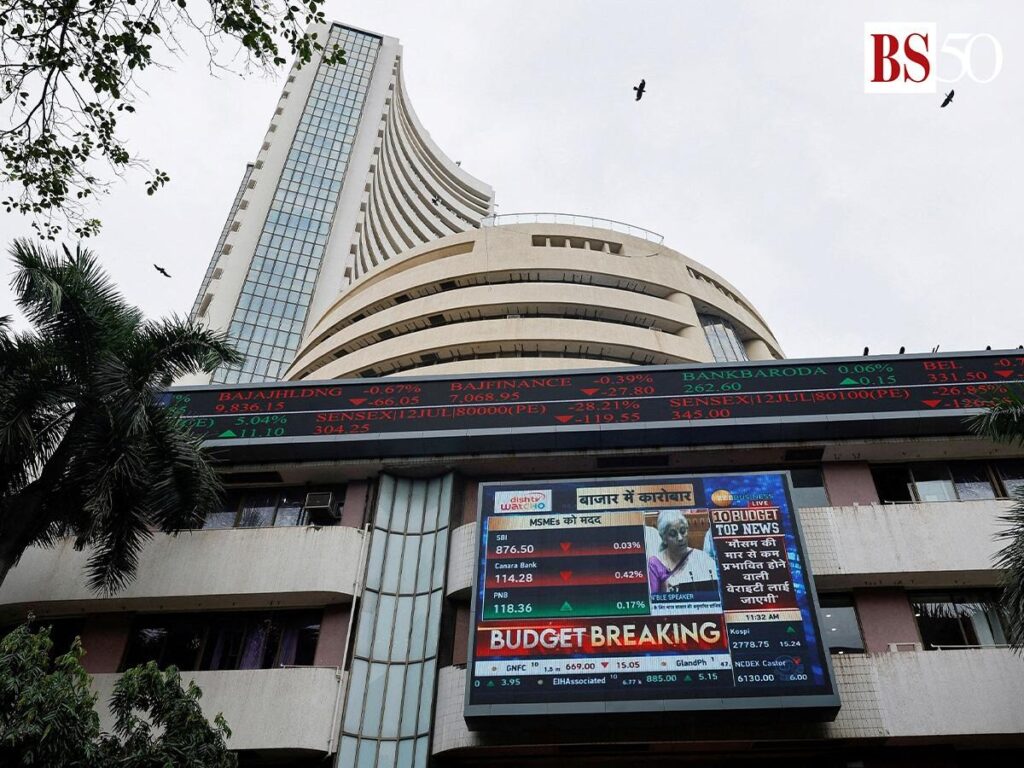
By Anjan Roy The only big idea about the eighth budget of finance minister, Nirmala Sitharaman, is an announcement of an income tax exemption of upto Rs 12 lakhs. It is a big jump no doubt, from the exemption level of Rs 7 lakh earlier. There is a political catch in that though. But in […]

Dubai Financial Market reported a 24% increase in its pre-tax net profit for the fiscal year ending 31 December 2024, amounting to AED 409.3 million, compared to AED 329.6 million in 2023. This surge in profit highlights the market’s strength, underpinned by healthy trading volumes, increased capital inflows, and a surge in investor participation. The results reflect a solid performance driven by both retail and institutional investors. […]

DP World, a prominent global leader in end-to-end supply chain solutions, has made history with the launch of the Middle East and North Africa’s first-ever corporate Blue Bond listing on Nasdaq Dubai. The $100 million bond, which is part of the company’s $10 billion Global Medium-Term Note Programme, signals a significant milestone in the region’s growing commitment to sustainable finance. The issuance, with a coupon rate of […]

KUALA LUMPUR, MALAYSIA – Media OutReach Newswire – 31 January 2025 – Memecoins were on the rise in 2024. Their overall market capitalisation increased from $20 billion last January up to $120 billion in December 2024. Such coins as DOGE, PEPE, or SHIB have thrived, primarily driven by community support and innovative strategies. Some experts have even acknowledged meme coins as a viable crypto trend. TRUMP, a […]

Matein Khalid In a week where Nasdaq’s fabled AI trade was slammed by the emergence of Chinese startup DeepSeek and the vision of a much lower cost efficient and less intensive energy usage performance models, it is ironic that Microsoft (MSFT) shares have traded down to 413 on its Azure stumble even though the world’s preeminent software franchise will be the prime winner from lower cost AI […]

By Dr. Nilanjan Banik The Budget deals with allocating money towards areas where the government thinks it is essential to spend, and finding out ways such as taxes, to finance it. The government primarily requires money to spend on social infrastructure (such as schools, hospitals, water, sanitation, etc.), physical infrastructure (such as railways, roads, airports, […]

Hamas has released three Israeli hostages, including 19-year-old soldier Agam Berger, as part of ongoing ceasefire negotiations. Berger, who was captured during the October 2023 attack, was handed over to the Red Cross in Gaza and is now undergoing medical assessment before reuniting with her family. The other released hostages are Arbel Yehud, 29, and 80-year-old Gadi Moses. Additionally, five Thai nationals were freed in this latest exchange.

The ceasefire agreement, brokered by U.S.-led mediators, aims to facilitate the release of hostages in exchange for Palestinian prisoners. Under the terms, Hamas is expected to release a total of 33 hostages, while Israel will free approximately 1,900 Palestinian prisoners. This truce seeks to halt the intense conflict that has resulted in significant casualties on both sides.

The release of Berger, the last female soldier held in Gaza, was met with celebrations in Tel Aviv. Footage showed her waving to the crowd upon her release, indicating she is alive and well. The emotional return has been a source of relief for her family and supporters.

The ceasefire has also allowed hundreds of thousands of Palestinians to return to northern Gaza, though they face significant devastation upon their return. Negotiations for further exchanges and a permanent end to the war are ongoing, with the next phase focusing on releasing remaining hostages and withdrawing Israeli troops from Gaza. The final phase will involve returning the bodies of deceased hostages and reconstructing Gaza.

The October 7, 2023, attack by Hamas resulted in over 1,200 deaths and 250 kidnappings, sparking the subsequent conflict. The recent releases are part of efforts to de-escalate tensions and work towards a more lasting peace in the region.

As part of the ceasefire deal, Israel has agreed to release 110 Palestinian prisoners. The truce, which paused the conflict earlier this month, is part of a larger deal aiming for a more extended halt in hostilities and the release of more captives. However, negotiations for a deeper, lasting peace remain complex and uncertain.

The release of hostages and prisoners is seen as a significant step towards de-escalation, but the path to a lasting peace remains fraught with challenges. Both sides have expressed a commitment to continuing negotiations, with the hope of achieving a more comprehensive resolution to the conflict.

The international community continues to monitor the situation closely, with many nations expressing support for the ceasefire and the ongoing negotiations. The hope is that these developments will lead to a sustainable peace and stability in the region.

As the situation evolves, the focus remains on the safe return of all hostages and the implementation of measures to prevent further escalation. The coming days and weeks will be critical in determining the future trajectory of the Israeli-Palestinian conflict.

The recent releases have provided a glimmer of hope in an otherwise tumultuous period, highlighting the potential for diplomacy and negotiation to yield positive outcomes even in the most challenging circumstances.

While significant hurdles remain, the progress made thus far underscores the importance of continued dialogue and the pursuit of peaceful solutions to longstanding conflicts.

The international community remains cautiously optimistic, recognizing that while the road ahead is uncertain, the recent developments represent a meaningful step towards a more peaceful and stable future for both Israelis and Palestinians.

The situation remains fluid, and stakeholders on all sides are urged to exercise restraint and continue working towards a comprehensive and lasting resolution to the conflict.

The hope is that through sustained efforts and mutual compromise, a durable peace can be achieved, bringing an end to the cycle of violence and suffering that has plagued the region for decades.

The recent hostage releases serve as a reminder of the human cost of the conflict and the urgent need for a resolution that ensures the safety and well-being of all individuals affected by the ongoing strife.

As negotiations continue, the focus remains on achieving tangible outcomes that pave the way for a peaceful coexistence between Israelis and Palestinians, fostering a future where both communities can thrive in harmony.

The international community stands ready to support these efforts, recognizing that a lasting peace in the Middle East is not only a regional imperative but also a global one, with far-reaching implications for international stability and security.

The path to peace is seldom straightforward, but the recent developments offer a beacon of hope, illustrating that even in the face of deep-seated animosities, progress is possible through dialogue, negotiation, and a shared commitment to a better future.

As the world watches, the actions taken in the coming days will be pivotal in shaping the course of the Israeli-Palestinian conflict and determining whether this moment of hope can be transformed into a lasting reality.

The release of hostages and the ongoing ceasefire negotiations represent a critical juncture, offering an opportunity to break the cycle of violence and lay the groundwork for a sustainable peace that benefits all parties involved.

The international community remains engaged, ready to assist in facilitating dialogue and providing support to ensure that the progress made is not only preserved but also built upon in the pursuit of a just and enduring resolution to the conflict.


Samsung has launched an innovative experiential space at Dubai Festival City, offering customers an exclusive opportunity to explore the capabilities of its latest Galaxy S25 Series. The pop-up space is designed to highlight the enhanced artificial intelligence features integrated into the new devices, which promise to revolutionize user experience with a focus on personalization and smarter interactions. The Galaxy S25 Series, unveiled as part of Samsung’s commitment […]

A new digital token, WallitIQ , has captured the attention of analysts and investors, with predictions suggesting it could achieve a massive 50,000% rally by mid-2025, eclipsing the popular cryptocurrency Dogecoin . The bold projections, which draw parallels between WLTQ and the early success of Dogecoin, have set the stage for what could become one of the most significant DeFi market shifts in the coming years.

WallitIQ, currently priced at approximately $0.0420 per token, has generated a considerable amount of buzz in cryptocurrency communities. Analysts are noting the token’s potential for rapid growth, especially in light of the ongoing boom in decentralized finance projects. Unlike Dogecoin, which initially gained popularity as a meme coin, WallitIQ is positioning itself as a functional asset within the expanding DeFi ecosystem, offering utilities that could drive its value through real-world adoption.

What differentiates WallitIQ from Dogecoin, and why are experts so optimistic? The DeFi sector, which WallitIQ is part of, has been on an upward trajectory, fueled by decentralized exchanges , yield farming, and liquidity pools. DeFi has redefined how digital assets are utilized, allowing for more utility and, by extension, more growth potential for tokens like WallitIQ. In contrast, Dogecoin, though immensely popular, remains limited in terms of real-world use cases outside of speculative trading and social media-driven movements.

The high expectations surrounding WallitIQ stem from its innovative features and its backing by a team of blockchain experts who have managed to secure strong partnerships within the DeFi space. This network of relationships could contribute significantly to the token’s adoption, boosting its value through greater use within decentralized applications and services. These developments are crucial, as cryptocurrencies with tangible applications tend to experience more sustained growth than those reliant solely on speculative interest.

The rise of WallitIQ has coincided with a growing interest in alternative cryptocurrencies to traditional tokens like Bitcoin and Ethereum. As investors look for new opportunities in the ever-evolving crypto space, many are turning their focus to promising altcoins, with WallitIQ being a prominent contender. The token’s relatively low price point also makes it an attractive option for those looking to capitalize on a potential long-term gain, especially given the expected surge in value predicted by leading market analysts.

Industry experts point to several factors that may contribute to WallitIQ’s rapid ascension. One of the most critical factors is the growing focus on token utility and the integration of real-world applications. WallitIQ’s team has reportedly been in talks with various companies across different sectors to integrate their token into products and services, potentially increasing its demand. This type of strategic partnership has been key to the success of other DeFi tokens, setting a strong precedent for WallitIQ’s potential growth.

The broader trend of increasing institutional interest in DeFi projects cannot be ignored. With major financial institutions and venture capital firms showing greater willingness to invest in decentralized finance, the influx of capital into promising projects like WallitIQ could drive its value to new heights. Unlike Dogecoin, which largely relies on community sentiment and social media trends, WallitIQ’s strong backing and institutional interest set it apart in a rapidly maturing market.

Despite the optimism surrounding WallitIQ, experts acknowledge that the cryptocurrency market remains volatile, and predictions of 50,000% returns should be viewed with caution. Historical trends show that while some tokens have achieved significant growth, the crypto market is still highly speculative and unpredictable. Investors are advised to consider the risks involved before diving into projects that promise astronomical returns.

However, the overarching trend of DeFi and the increasing acceptance of blockchain-based financial systems suggest that WallitIQ is well-positioned to capture a larger share of the market. As more individuals and institutions turn to decentralized platforms for their financial needs, WallitIQ’s utility could play a significant role in driving its value beyond even the most optimistic projections.

At the heart of WallitIQ’s anticipated growth is its potential to carve out a niche within the DeFi space that not only challenges Dogecoin’s dominance but offers a more robust, practical alternative for investors seeking tokens with long-term viability. If the predictions hold true, WallitIQ could soon become one of the most talked-about tokens in the cryptocurrency world, outpacing even the established giants of the market.

MANTRA, a blockchain platform for tokenizing real-world assets , has finalized a significant $1 billion agreement with DAMAC Group, a leading investment conglomerate in the UAE. This strategic partnership, announced on January 9, focuses on the tokenization of various assets within the Middle East region, bringing blockchain innovation into a thriving market.

The agreement underscores MANTRA’s commitment to expanding the use of decentralized finance solutions for asset management, leveraging blockchain’s potential to revolutionize traditional industries. DAMAC, known for its prominent presence in the real estate sector, will collaborate with MANTRA to tokenize a range of physical and financial assets, making them accessible through the blockchain.

DAMAC Group, founded by billionaire Hussain Sajwani in the early 2000s, has diversified its investments into several sectors, including real estate, hospitality, and entertainment. The company’s high-profile developments include luxury residential towers and resorts, which have shaped Dubai’s skyline. With a reputation for delivering upscale properties, DAMAC has long been recognized as one of the most influential developers in the region. By embracing blockchain technology, the firm seeks to modernize asset management and broaden the scope of its investment strategies.

MANTRA, on the other hand, has been gaining traction in the blockchain space for its unique approach to tokenizing real-world assets, including properties, commodities, and financial instruments. The platform’s capabilities allow users to invest in traditional assets using blockchain technology, enhancing liquidity and enabling fractional ownership. This process democratizes access to high-value assets, which was previously out of reach for smaller investors.

The partnership’s centerpiece is the tokenization of real estate assets, one of the most significant areas of focus. By converting physical properties into digital tokens, MANTRA and DAMAC aim to make real estate investment more inclusive and accessible. Investors can now trade or hold fractional ownership of properties without the traditional barriers of entry, such as the need for large capital investments or navigating complex ownership structures.

For DAMAC Group, this partnership represents an opportunity to broaden its investor base, reaching not only institutional investors but also individuals seeking exposure to high-end real estate. The ability to tokenize properties provides greater flexibility in managing assets and allows for more efficient transactions, as blockchain technology ensures transparency and reduces the need for intermediaries.

On a broader scale, the partnership aligns with global trends in digital finance, where the tokenization of real-world assets is seen as the next frontier for blockchain technology. While still a relatively new concept, the market for tokenized assets is rapidly growing, driven by increasing demand for alternative investment opportunities and the potential for blockchain to streamline asset trading.

The collaboration is also expected to have a broader economic impact in the UAE. The country has positioned itself as a global hub for technology and innovation, with several initiatives promoting the adoption of blockchain and other emerging technologies. This agreement between MANTRA and DAMAC highlights the UAE’s continued efforts to integrate cutting-edge technologies into traditional industries such as real estate.

Tokenization has the potential to address several challenges in the real estate sector, including illiquidity, high transaction costs, and the complexity of cross-border investments. Blockchain’s decentralized nature provides enhanced security and reduces the risks typically associated with traditional financial systems. Through tokenization, investors can gain access to a much broader array of real estate opportunities, including properties that were once considered inaccessible due to geographic or financial constraints.

The agreement between MANTRA and DAMAC could pave the way for future collaborations with other players in the real estate and investment sectors, both in the UAE and beyond. With the rise of digital assets, there is an increasing need for traditional businesses to adapt to the changing landscape of finance. Blockchain and tokenization offer a solution that meets this need, providing greater transparency, security, and efficiency in asset transactions.

The tokenization of RWAs is not just limited to real estate. Other sectors, including commodities, art, and even intellectual property, are beginning to explore how blockchain can enhance their operations. This trend is expected to accelerate in the coming years, as more businesses realize the potential benefits of tokenizing their assets. In this context, the MANTRA-DAMAC partnership could serve as a model for other companies looking to tap into the growing market for blockchain-based asset management.

As the global economy continues to evolve, so too does the role of blockchain in reshaping traditional industries. The MANTRA-DAMAC collaboration is a clear example of how blockchain technology can be leveraged to unlock new opportunities, reduce friction in asset transactions, and foster a more inclusive financial ecosystem. The success of this partnership will likely have far-reaching implications for the future of asset tokenization, setting the stage for further innovation in the years ahead.

Circle has launched Paymaster, a new on-chain utility designed to simplify the payment of gas fees on Arbitrum and Base networks using USDC. The tool, which allows developers to integrate this service into their applications, aims to streamline the transaction process and reduce friction for users interacting with decentralized applications .

Paymaster offers a significant advantage for developers by allowing them to cover gas fees for their users, making transactions smoother and more cost-effective. This feature removes the typical barrier of needing Ether for transaction fees on Ethereum Layer 2 solutions, opening the door for a wider range of users who may not hold ETH but possess USDC. For users of Arbitrum and Base, this means they can conduct transactions without worrying about Ethereum gas fees.

Although Paymaster charges a 10% fee on each gas transaction, it offers a promotional period where the service is free until June 30, 2025. This strategic move is aimed at encouraging widespread adoption of the tool and attracting developers to integrate it into their applications during the promotional window. By removing the upfront costs associated with using the service, Circle hopes to increase the number of dApps leveraging Paymaster for smoother user experiences and broader accessibility.

The introduction of Paymaster comes as part of a broader trend of developing more user-friendly, accessible tools for the growing decentralized finance ecosystem. One of the ongoing challenges for the DeFi sector has been the complexity and cost associated with transaction fees, particularly on Ethereum-based networks. By introducing Paymaster, Circle is aiming to reduce some of these barriers, helping to bring the benefits of blockchain technology to a larger, more diverse group of users.

This launch also highlights Circle’s continued efforts to play a leading role in the broader blockchain ecosystem, particularly in the realm of stablecoins. USDC, Circle’s stablecoin, is already widely used across multiple networks, and the ability to use it for gas payments on Layer 2 solutions like Arbitrum and Base could increase its utility and solidify its position as a preferred digital dollar for decentralized applications.

By enabling gas fee payments in USDC, Circle is helping to reduce the friction that users and developers face when interacting with blockchain applications. It addresses the need for a more accessible way for users to participate in the growing ecosystem without needing to convert assets into ETH, simplifying the user experience and promoting the broader adoption of blockchain technology.

Developers stand to benefit from Paymaster as well, as it provides a way to ensure users can interact with their applications without worrying about transaction costs. This could make it easier for new users to enter the space, as the upfront costs for interacting with decentralized applications are often seen as a significant barrier to entry.

The promotional period of Paymaster being free until mid-2025 also serves as a clear invitation for developers to experiment with the tool and incorporate it into their applications without the concern of initial fees. By offering this incentive, Circle hopes to build a solid foundation of users and developers before the 10% fee becomes effective, which could lead to more long-term integration of Paymaster into various blockchain ecosystems.

As blockchain and crypto technology continue to evolve, the launch of services like Paymaster reflects the ongoing trend of trying to make the space more user-friendly and less daunting for new participants. With the promise of smoother transaction experiences and reduced costs, this service is expected to have a significant impact on the future development of decentralized applications and blockchain use cases.

HSBC is focusing on enhancing its presence in Asia, leveraging strong growth from its Middle East and North Africa investment banking operations. By capitalizing on the economic momentum in the MENA region, the banking giant seeks to extend its influence in Asia, where it has a long-established footprint. The move is seen as a strategic effort to position HSBC as a leading financial institution in both regions, […]

VISHNU RAJA
RYO YAMADA
HITORI GOTOH
IKUYO KITA