Just in:
APT29-linked campaign exploits outdated Apple and Android software // Geely’s i-HEV Intelligent Hybrid Technology Offers a New Direction Vision for Gasoline-Powered Vehicles // Technology shares plunge as Nasdaq enters correction // Dubai details five-year visa benefits for returning visitors // Kochi police detain two actors over bid to honey trap doctor // TVM –Mangaluru Vande Bharat claims top spot // Oil advances towards $100 as tanker attacks persist // Beyond the exhibition floor: How robots, AI and networks are moving into the real world // OpenAI introduces GPT-6 Cyber with restricted security access // Oil and chip shares retreat after Democratic victories // Miss Universe Hong Kong Jen Zhou Departs for Puerto Rico to Compete in the 75th Miss Universe World Final // The “1st Greater Bay Area Health and Longevity Summit & Awards Ceremony” concludes successfully in Macao // CR Longdation Aethereal Cybersecurity × Global Cybersecurity Alliance (GCSA) Join Hands to Establish the “AI and Cybersecurity Research Centre” // e-Crime Bureau Signs Cybersecurity Partnership With Smart Africa, Reinforcing Its Global Expansion // Ningbo Consensus on Collaborative Development released at 2026 Global Mayors Dialogue · Ningbo // Emirates Group records AED 4.1 billion half-year profit // OpenAI identifies 948 Linux privilege escalation flaws using AI // OpenAI abandons secrecy agreements for future data centres // Meraas showcases five residential zones at Dubai Design Week // Asia Left Behind: Ten international companies have yet to report delivering on their cage-free egg pledges across the region //

News related to
Mid Term

SINGAPORE – Media OutReach Newswire – 13 November 2024 – Ampersand Associates, a leading commercial interior design company, proudly announces its forward-looking service outlook, backed by over 13 years of extensive industry experience. With leadership that includes a Managing Director boasting nearly 30 years in the field and a lead designer with over 20 years of experience, Ampersand is uniquely positioned to address the evolving needs of […]

Abu Dhabi-based renewable energy giant Masdar has announced a significant milestone in its efforts to expand global clean energy projects, with its 1-gigawatt (GW) wind farm in Kazakhstan nearing its final stages of development. This marks a crucial step in the Middle Eastern energy company’s continued push into the renewable sector, aligning with Kazakhstan’s commitment to transition toward more sustainable energy sources. The wind farm, which is […]

HANOI, VIETNAM – Media OutReach Newswire – 12 November 2024 – On 12 November 2024, Vingroup, Vietnam’s largest private conglomerate, and its Chairman, Mr. Pham Nhat Vuong, announced a significant financial commitment to VinFast, the Vietnamese Nasdaq-listed electric vehicle maker. Vingroup plans to lend VinFast up to 35 trillion Vietnamese dong ($1.4 billion) by the end of 2026. Additionally, Mr. Vuong has personally pledged 50 trillion dong […]

On November 11, 2024, Bitcoin experienced a remarkable surge, marking its largest one-day dollar increase in history. The cryptocurrency opened at $80,427.69 and closed the day at $88,770.73, an increase of $8,343.04, a notable milestone for the digital currency that continues to generate attention from investors and analysts alike.

This sharp spike has drawn significant attention, not only for its scale but for the factors that contributed to it. Bitcoin’s volatile nature is not new, but the latest rally stands out due to the broader context of global financial trends and market dynamics. Analysts point to several key drivers that could have influenced this surge, including shifts in global economic conditions, growing institutional interest, and the increasing adoption of cryptocurrency as a mainstream financial tool.

The increase occurred amidst a backdrop of economic uncertainty. With traditional markets showing signs of stagnation, Bitcoin has increasingly been seen by investors as a hedge against inflation and instability. The digital asset’s decentralized nature makes it an attractive alternative during times of heightened geopolitical risk and tightening monetary policies from central banks.

Institutional interest in Bitcoin continues to climb, with large financial institutions and investment funds increasing their exposure to cryptocurrencies. Major firms have been expanding their portfolios to include Bitcoin as a way to diversify their holdings and tap into its potential as a store of value. A notable development this week involved a prominent Wall Street investment firm that announced its plans to integrate Bitcoin into its core investment strategy. This has further fueled optimism in the market, with many seeing it as a sign of broader acceptance of Bitcoin in traditional finance.

Adding to the appeal is Bitcoin’s fixed supply. Unlike traditional fiat currencies, which can be printed at will by central banks, Bitcoin has a cap of 21 million coins, creating a supply-demand dynamic that contributes to its long-term value proposition. As more people and institutions seek to accumulate Bitcoin, its price has been climbing steadily, reflecting the growing belief in its potential as an alternative asset class.

Another factor contributing to Bitcoin’s growth is the increasing acceptance of cryptocurrency in daily transactions. More companies are starting to accept Bitcoin as a form of payment, creating an ecosystem that reinforces the value of the cryptocurrency. From tech startups to established retail giants, many businesses are adopting Bitcoin due to its lower transaction fees compared to traditional banking systems, along with the appeal of being part of the innovative blockchain ecosystem. The result has been a greater level of mainstream adoption, encouraging retail investors to get involved.

The cryptocurrency sector is also seeing technological advancements that improve the functionality and security of Bitcoin transactions. Over the past few months, there have been significant improvements in Bitcoin’s infrastructure, with upgrades to its blockchain technology making it more scalable and efficient. These enhancements not only improve Bitcoin’s usability but also build confidence among investors, who now see Bitcoin as a more stable and secure asset.

However, Bitcoin’s latest surge has also raised questions about the sustainability of its growth. Critics argue that the rapid price increase is driven by speculation rather than underlying economic fundamentals, and that such volatility makes it a risky investment. Some financial experts caution that while Bitcoin’s growth is impressive, the cryptocurrency market remains unpredictable, and the price could experience sharp declines in the future.

Regulatory scrutiny is another concern hanging over Bitcoin’s future. As cryptocurrencies gain traction, governments and regulatory bodies around the world are grappling with how to best regulate digital assets. Some countries, such as China, have taken a hardline stance against cryptocurrencies, citing concerns over financial stability and illicit activities. In contrast, countries like the United States and the European Union have been working to establish clearer frameworks for the regulation of cryptocurrencies. These regulatory decisions will play a crucial role in shaping Bitcoin’s long-term viability and its integration into the global financial system.

Despite these concerns, Bitcoin’s rapid growth is seen by many as a sign of its increasing maturity as an asset class. More financial services are becoming available to Bitcoin investors, including Bitcoin futures, ETFs, and other derivative products that allow institutional and retail investors to gain exposure to the cryptocurrency without directly holding it. This has brought Bitcoin further into the mainstream, making it a legitimate part of the global financial landscape.

Bitcoin’s success is also having a ripple effect on the broader cryptocurrency market. Other digital currencies, such as Ethereum, Ripple, and Litecoin, have seen price increases as well, with some benefitting from Bitcoin’s momentum. Ethereum, for instance, has gained popularity due to its smart contract capabilities, which allow developers to build decentralized applications on its blockchain. As Bitcoin continues to grow, its success is seen as a rising tide that lifts the entire cryptocurrency sector.

The NFT market in 2024 is grappling with a severe downturn, with the vast majority of new drops failing to gain traction and barely a fraction proving profitable. According to industry reports, 98% of NFT collections released this year have failed, while only 0.2% managed to generate significant returns, signaling an oversaturated market where the potential for success is diminishing rapidly.

The surge in NFT interest that dominated the market in 2021 and 2022 has largely faded. At the height of its popularity, high-profile celebrity-backed NFT collections, art auctions, and metaverse projects generated headlines and high transaction volumes. However, the once-booming sector has faced sharp declines in 2023 and continues to struggle through 2024. The flood of new projects has led to overwhelming competition, with collectors and investors growing increasingly discerning, causing many NFT drops to fail despite substantial marketing efforts.

One key factor behind the market’s downturn is the saturation of low-quality projects. In 2021, the NFT market saw explosive growth, with new collections emerging almost daily, promising lucrative returns. The ease of creating and launching NFTs led to a rapid influx of creators, artists, and brands eager to capitalize on the trend. However, many of these projects lacked the originality, utility, or community support necessary to sustain long-term value, which has become evident in the market’s performance.

Experts point to the lack of innovation in the space as a significant driver of the current struggles. NFT collections that are simply rehashed concepts or derivative works often fail to excite collectors, who are now more cautious in their purchasing behavior. The expectation of speculative profits, which fueled much of the market’s initial boom, has largely dissipated, leaving only the most unique and well-executed projects to stand out. As a result, many newer NFT collections are struggling to build a loyal community, which is crucial for the longevity and success of an NFT project.

The economic environment also plays a crucial role in the market’s decline. A downturn in the broader cryptocurrency market has directly impacted NFTs, as both assets are intertwined. Cryptocurrencies such as Bitcoin and Ethereum have experienced significant price fluctuations in recent months, which has reduced the capital available for NFT investments. With crypto market volatility making investors more risk-averse, the NFT sector has seen fewer high-profile buyers willing to commit to large-scale purchases.

NFT traders have become more skeptical about the long-term viability of the market. While some creators continue to make bold promises about the potential of NFTs in gaming, art, and other sectors, many have struggled to deliver on these visions. Trust in the space has been eroded by scams, failed projects, and the lack of regulatory clarity. As a result, investors are wary of participating in the market, resulting in low transaction volumes and limited liquidity.

One of the few bright spots in the 2024 NFT landscape is the emergence of projects that offer tangible utility. Collections tied to real-world assets, such as exclusive access to events, products, or digital services, have managed to garner attention from collectors who are looking for value beyond speculation. Additionally, some projects have innovated by integrating NFTs into gaming, virtual real estate, and metaverse platforms, where they offer in-game assets or experiences that are more difficult to replicate than traditional artwork-based NFTs.

Despite these innovative approaches, the overall sentiment in the NFT market remains cautious. Several high-profile NFT projects that launched in early 2024 have seen their value plummet, leading to significant losses for investors. The low success rate of new drops suggests that the market’s infrastructure is not yet ready for sustained growth and that additional reforms or innovative solutions may be required to reinvigorate the space.

Some analysts suggest that the NFT market is undergoing a period of “natural correction,” where the speculative bubble that drove its growth is slowly deflating. They believe that the future of NFTs lies in projects that offer real-world utility and sustainable growth, rather than relying solely on hype or celebrity endorsements. These analysts emphasize the importance of community engagement and long-term value for the future of NFTs.

The current state of the NFT market is also prompting calls for greater regulation and industry standards. As more collectors and investors become disillusioned with failed projects, there is an increasing demand for transparency and accountability from creators and platforms. Several organizations and industry leaders are working on establishing clearer guidelines for the NFT ecosystem, focusing on issues like intellectual property rights, secondary market sales, and platform fees.

Emaar Properties, one of the largest real estate developers in the UAE, has reported a modest growth in its profits for the first nine months of the year. The company’s net income rose compared to the same period last year, driven primarily by strong performance in its core real estate development and retail segments. The Dubai-based developer, which operates a diverse portfolio of real estate and hospitality […]

The growing financial links between Asia and the Middle East are poised to significantly influence global capital flows, according to new insights from HSBC. The accelerating collaboration between these two regions is already reshaping the landscape of international investments, with both sides benefitting from a convergence of economic goals, financial strategies, and geopolitical interests. With Asia’s expanding markets and the Middle East’s substantial financial resources, the deepening […]

Advertisements

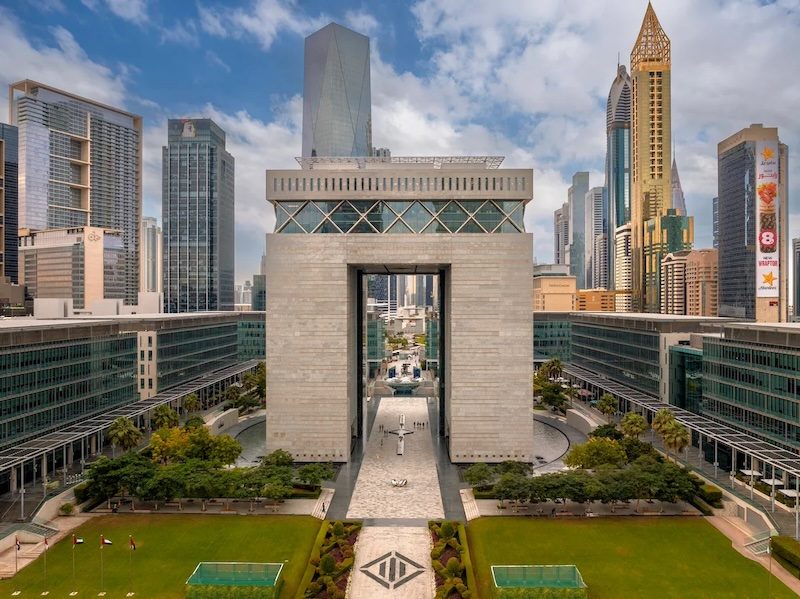
The Dubai International Financial Centre (DIFC) has repaid a $700 million sukuk, a significant milestone in its ongoing development efforts. This bond, originally issued to finance the expansion of the DIFC, helped fund key infrastructure projects, including the growth of its real estate sector and the development of the Gate Avenue retail precinct, which has become a central feature of the financial hub.

The repayment of the sukuk demonstrates the DIFC’s strong financial position, underscoring its ability to service its debt while continuing its mission to evolve as a global financial hub. The sukuk was part of a broader strategy to enhance the DIFC’s infrastructure and attract further investment to the region, reinforcing its status as one of the world’s leading financial centers.

Launched in 2004, the DIFC has seen exponential growth over the past two decades, with its strategic location and favorable business environment making it an attractive destination for international and regional firms. The expansion of DIFC’s real estate and retail offerings, particularly the Gate Avenue precinct, aligns with broader efforts to diversify its revenue streams and cement its position as a global business and lifestyle destination.

The Gate Avenue project, which was central to the sukuk issuance, transformed the DIFC area into a vibrant, mixed-use space combining commercial, retail, and residential offerings. The development has played a critical role in supporting the growth of the financial district, not only as a hub for businesses but also as a dynamic space for leisure and commerce. Gate Avenue features high-end retail outlets, restaurants, art galleries, and a host of premium office spaces, positioning the DIFC as a global destination for business and tourism alike.

The financial success of the sukuk reflects the increasing confidence in the DIFC’s ability to attract investment, maintain a strong credit rating, and manage large-scale projects effectively. The successful completion of the sukuk repayment follows a broader trend of fiscal responsibility within the Dubai government and its key development areas, including the Dubai Economic Agenda and the vision for the city’s continued diversification into non-oil sectors.

Dubai has steadily strengthened its position as a financial center, not just regionally but globally, through strategic investments in infrastructure, fintech, and real estate development. By repaying the sukuk, DIFC reaffirms its reputation as a key pillar of Dubai’s ambitious economic agenda. This action signals to both international investors and local stakeholders that DIFC remains a secure and attractive investment destination.

The sukuk’s issuance and repayment were also a part of the larger trend of Islamic financing mechanisms that have been growing in popularity in the UAE and other parts of the Gulf region. Sukuk, a Sharia-compliant alternative to conventional bonds, are increasingly viewed as an effective tool for raising capital for large-scale infrastructure and development projects. With the growing interest in sustainable finance, sukuk structures are adapting to include green and socially responsible investment components, further broadening their appeal.

The DIFC’s continued investment in its infrastructure is also reflected in its increasing number of financial firms, including major international banks, wealth management firms, and insurance companies, which have made the center their regional base. This is a testament to DIFC’s ability to provide a competitive and secure environment for financial operations, from asset management to fintech innovation.

The development of Gate Avenue, which connects the DIFC’s two main buildings with a series of bridges and corridors, offers not only commercial and office spaces but also cultural experiences that draw visitors and residents alike. This expansion helps differentiate the DIFC from other global financial hubs by offering a comprehensive lifestyle experience beyond the traditional financial operations. Its blend of culture, art, and luxury retail spaces makes it a unique offering in the competitive global financial landscape.

The repayment of the sukuk comes at a time when Dubai is positioning itself as a major player in the global financial and fintech sectors. As part of the Dubai 2040 Urban Master Plan, the city is focused on further expanding its financial infrastructure, which aligns with the UAE’s broader goal of diversifying its economy and attracting foreign investment. Projects like the DIFC’s development and the Gate Avenue precinct are designed to support this long-term vision and are expected to continue to bolster the UAE’s competitive edge.

DIFC’s financial success, evidenced by its ability to meet debt obligations, is closely tied to the broader economic strategies set out by Dubai and the UAE. The city has made substantial investments in becoming a global leader in fintech, with regulatory frameworks designed to foster innovation, while also strengthening its existing financial infrastructure. These efforts are part of a greater strategy to ensure Dubai’s place at the center of international finance, even as global markets face uncertainty.

As the DIFC looks to the future, it will likely continue its focus on sustainable development, leveraging its strategic location to attract global financial institutions and investors. The success of the sukuk repayment highlights the district’s ongoing stability and growth, which in turn strengthens Dubai’s position as a critical financial and business hub in the Middle East and beyond.


Apollo Global Management and Mubadala Investment Company have agreed to extend their high-profile partnership, a move that aims to bolster Apollo’s Capital Solutions business. The extension will allow both entities to expand their reach and enhance their ability to originate investment opportunities across various asset classes, solidifying their long-term collaboration.

The extended partnership, which involves several billion dollars, is a significant development in the investment world. It builds upon the strategic relationship that began several years ago, positioning both Apollo and Mubadala for future growth in a rapidly evolving global market. By pooling their resources, the two firms plan to tap into new investment opportunities, with a focus on large-scale, complex transactions across sectors such as real estate, infrastructure, and private equity.

As part of the agreement, Apollo will leverage Mubadala’s global network and significant financial backing to drive its Capital Solutions platform forward. This platform, which specializes in providing flexible, innovative financing solutions, will be further strengthened through this partnership. Apollo has long been a leader in alternative investment strategies, and the continued support from Mubadala enhances its ability to execute its high-value transactions worldwide.

Mubadala, which is the sovereign wealth fund of Abu Dhabi, has long been a key player in the global investment arena. Its robust portfolio spans multiple industries, including energy, technology, and healthcare. By deepening its ties with Apollo, Mubadala gains access to Apollo’s wide-ranging expertise in alternative investments, which is particularly advantageous given the volatile global economic climate.

The extension of the partnership is also expected to accelerate the deployment of capital into high-impact investments. Apollo’s Capital Solutions business, known for structuring and managing bespoke financing arrangements, will benefit from Mubadala’s substantial capital reserves. The partnership’s focus will be on identifying attractive opportunities in both established markets and emerging sectors. This will allow the firms to be well-positioned to respond to market dynamics and provide value to investors.

In addition to the financial and strategic advantages, the expanded collaboration between Apollo and Mubadala is expected to bring greater innovation to the investment management space. The firms will work together to identify new methods for creating value, from investment structuring to risk management. By combining their expertise, the partners aim to develop differentiated solutions for investors, which could include specialized vehicles, bespoke financing options, and new asset classes.

This partnership extension is particularly significant in the context of growing competition in the global investment sector. With rising interest rates and market volatility, institutional investors are looking for partners with proven track records and the capacity to adapt to changing conditions. Apollo and Mubadala’s collaboration offers just that, with both firms having established reputations for managing complex investments and delivering strong returns for their stakeholders.

As part of the broader strategic goals, the extended partnership also aligns with Mubadala’s long-term investment vision. The sovereign wealth fund is keen to diversify its portfolio and deepen its engagement with global markets. By aligning with Apollo’s expertise, Mubadala strengthens its position in the alternative investments space, which has become an increasingly important segment for institutional investors looking for non-traditional assets that offer higher returns.

Apollo’s experience and track record in the global capital markets are another factor that makes this partnership particularly appealing. With a strong presence in private equity, real estate, and credit, Apollo has consistently demonstrated its ability to generate value for investors in both favorable and challenging market environments. Mubadala, by extending its relationship with such a prominent player, ensures it has access to top-tier investment opportunities across the spectrum of asset classes.

The partnership extension also underscores the growing importance of cross-border collaborations in today’s interconnected financial markets. As global investors seek to broaden their exposure to diverse markets and asset types, relationships like the one between Apollo and Mubadala play a crucial role in facilitating capital flows across regions. This is particularly relevant as both companies continue to pursue their respective strategies in global markets, positioning themselves for future success amid evolving macroeconomic conditions.

Looking forward, the partnership is expected to deepen in the coming years, with both Apollo and Mubadala exploring new opportunities for collaboration. This could include expanding their joint investments into new geographies, further diversifying their asset portfolios, or exploring emerging sectors like technology and clean energy. The firms have already shown an appetite for exploring innovative investment structures and new technologies, which could become key drivers of their future success.

A significant step forward in Azerbaijan’s energy infrastructure modernization came with the announcement of a joint venture deal valued at $480 million, aimed at overhauling the country’s gas distribution network. The deal, which combines the expertise of several industry leaders, is poised to significantly enhance the operational efficiency and safety of gas distribution systems across the country, aligning with Azerbaijan’s broader energy sector goals.

The partnership, formed by Presight, a key player in the energy sector, and local Azerbaijani firms, will target several areas in the gas distribution system, including upgrading pipelines, boosting the capacity of compressor stations, and improving metering systems. This overhaul is expected to deliver improved service reliability, reducing gas losses, and enhancing customer satisfaction.

With Azerbaijan increasingly focused on maintaining its energy security and integrating cleaner technologies, the deal will also help streamline the country’s natural gas operations, making them more sustainable and resilient to market fluctuations. The modernization is seen as a pivotal project in the country’s long-term energy strategy, which aims to position Azerbaijan as a regional leader in energy distribution.

The country has long depended on its oil and natural gas resources for economic stability, but with rising global energy demands and environmental concerns, there’s an urgent need to upgrade and diversify its energy infrastructure. This development reflects Azerbaijan’s commitment to maintaining robust, efficient energy systems while also responding to both domestic needs and international expectations for higher environmental standards.

The joint venture deal is the result of years of meticulous planning, as energy companies have been assessing and identifying weaknesses within Azerbaijan’s existing gas grid. The country’s government has also recognized the necessity of modernizing its energy infrastructure to meet both current demand and the growing aspirations for energy security in a rapidly changing global market. Additionally, the Azeri government has pledged to prioritize sustainable development practices in its energy sector, ensuring that economic growth does not come at the expense of environmental preservation.

For Presight, the deal marks a significant milestone in its global expansion strategy, as the company continues to build on its successes in the Middle East and North Africa. By partnering with local Azerbaijani firms, Presight will leverage local knowledge and expertise to navigate regulatory complexities and tailor its solutions to the specific needs of the region.

The collaboration highlights the growing trend of international energy companies partnering with local enterprises to implement large-scale infrastructure projects in emerging markets. By combining global expertise with a deep understanding of regional needs, these partnerships create opportunities for innovation and more efficient energy solutions.

Local businesses in Azerbaijan stand to benefit substantially from this partnership, as it will bring both capital investment and technical know-how to the region. The deal is expected to create new jobs, with skilled labor being required to implement the various components of the modernization effort. Additionally, local suppliers and contractors will have opportunities to support the project, further strengthening the Azerbaijani economy.

Energy experts view this deal as a critical piece of Azerbaijan’s broader strategy to enhance its energy security. The country’s position as a major transit hub for energy supplies between Europe and Asia underscores the importance of maintaining a reliable and safe energy infrastructure. With its expanding role as a regional energy supplier, the modernization of its gas distribution network will help ensure that the country remains a key player in the global energy market.

Beyond economic factors, environmental sustainability has also been a key consideration in the project’s design. Modernizing the gas network is expected to reduce methane emissions, one of the most potent greenhouse gases, by curbing gas leaks and improving system monitoring. This aligns with global climate commitments and enhances the country’s environmental credentials as it seeks to balance energy demands with climate goals.

Azerbaijan’s natural gas reserves are among the largest in the world, with the country playing a pivotal role in the diversification of Europe’s energy sources. This deal is an example of the strategic importance of Azerbaijan’s energy sector, particularly as global energy security becomes a priority amid geopolitical shifts and fluctuating energy prices. Azerbaijan is positioning itself not just as a supplier of energy, but as a leader in energy innovation and sustainability.

Azerbaijan has long been a central player in the geopolitics of energy, balancing its relationships with Europe, Russia, and neighboring countries. As energy markets evolve, the country’s ability to modernize its infrastructure is seen as an essential part of its efforts to navigate these shifting dynamics. The latest deal with Presight underscores Azerbaijan’s strategy to maintain its place as a reliable and efficient energy exporter.

HONG KONG SAR – Media OutReach Newswire – 11 November 2024 – Gaw Capital Partners ranked third in the PERE’s 2024 Proptech 20 among all fund managers globally, with US$1,293m raised over the past five-year period. Source: PERE The Proptech 20 ranking, compiled annually by PERE, evaluates firms based on the amount of private direct investment capital raised between January 1, 2019, and December 31, 2023. According […]

Frankie Muniz, former star of the popular television series *Malcolm in the Middle*, was involved in a significant crash during the Craftsman Truck Series Championship race on Friday. The actor, who now competes in NASCAR, was seen limping away from the wreck after his vehicle collided with another competitor’s truck. The incident took place during the high-stakes race, drawing attention from fans and sports enthusiasts alike. Muniz, […]

A clash between former president Donald Trump and tech mogul Elon Musk could be imminent, according to experts tracking the dynamics of their relationship. Despite Musk’s enthusiastic support for Trump’s 2024 presidential campaign, some predict that a power struggle may arise, driven by their competing ambitions for dominance in the public sphere. Kara Swisher, a well-known tech journalist and columnist, has voiced concerns that, while Trump has […]

Bitcoin’s price continues to captivate investors, with projections suggesting it could reach the coveted $100,000 mark in the near future. However, experts caution that achieving this milestone will not be a straightforward journey. Volatility, regulatory hurdles, and shifting investor sentiment are just a few of the challenges that Bitcoin must navigate before it can break through this psychological barrier.

As the cryptocurrency market sees renewed interest, Bitcoin’s price has been fluctuating amid a wider crypto rally. Enthusiastic investors are closely watching Bitcoin’s performance, especially after Ethereum’s latest token, WallitlQ (WLTQ), gained significant traction. WallitlQ is expected to see a substantial rally, with some analysts forecasting up to a 300x return, driven by its innovative crypto wallet capabilities. This rising interest in altcoins could have a dual impact on Bitcoin, further intensifying competition and drawing attention away from the market leader.

The potential for Bitcoin to hit $100,000 remains within the realm of possibility, according to multiple cryptocurrency analysts. Historical trends show that Bitcoin’s price has surged by over 1,000% in the past, leading many to speculate that similar growth could unfold once again. But this time, experts stress that Bitcoin faces different macroeconomic factors, regulatory environments, and competition from emerging tokens like WallitlQ.

A key factor influencing Bitcoin’s price trajectory is the ongoing evolution of institutional investment in cryptocurrencies. Companies such as MicroStrategy and Tesla have bolstered their Bitcoin holdings, signaling a shift towards greater mainstream acceptance. These large-scale investments are often seen as a sign of confidence in Bitcoin’s long-term potential. However, Bitcoin’s price remains subject to broader market dynamics, including interest rates and inflation rates, which could hinder its ascent towards the $100,000 target.

Bitcoin’s decentralized nature allows it to bypass traditional financial institutions, but this characteristic also exposes it to heightened regulatory scrutiny. Governments around the world are beginning to take a closer look at cryptocurrency markets, particularly as Bitcoin becomes a more integral part of the global financial system. Proposals for tighter regulations, such as stricter anti-money laundering rules and tax reporting requirements, could exert downward pressure on Bitcoin’s price in the short term.

The competitive landscape for cryptocurrencies is also evolving rapidly. While Bitcoin remains the leader in market capitalization, new tokens are emerging with distinct features aimed at attracting different types of investors. WallitlQ’s unique proposition, for example, lies in its focus on providing a revolutionary crypto wallet that is expected to dramatically simplify transactions and improve user experience. As a result, WallitlQ’s potential 300x rally has sparked significant interest, particularly from investors looking for the next big opportunity in the crypto space.

Despite these competing narratives, Bitcoin’s reputation as a store of value continues to resonate with many investors. With inflation concerns and a growing sense of distrust in traditional financial systems, Bitcoin’s appeal as a hedge against economic instability has grown. Some analysts argue that Bitcoin’s fixed supply of 21 million coins makes it an attractive alternative to fiat currencies, which are susceptible to inflationary pressures. This perceived role as “digital gold” has drawn comparisons to precious metals, positioning Bitcoin as a viable asset class in a diversified portfolio.

Yet, Bitcoin’s volatility remains one of its most defining features. The cryptocurrency market is notorious for rapid price swings, and Bitcoin is no exception. At times, its price movements can be driven by sentiment, speculation, or short-term market events, making it difficult for investors to predict its long-term direction. While some market participants believe that Bitcoin’s price will stabilize as adoption grows, others caution that the cryptocurrency is still in the early stages of its development, and its true value remains uncertain.

Technical indicators, such as moving averages and support-resistance levels, are also being closely monitored by traders and analysts to gauge Bitcoin’s future trajectory. In recent months, Bitcoin has experienced periods of consolidation, which some view as a positive sign of price stability. However, others see it as a precursor to further volatility, with large price swings on the horizon. The next few months will likely be crucial in determining whether Bitcoin can continue to build momentum or face significant setbacks.

The rise of decentralized finance (DeFi) platforms and the increasing integration of blockchain technology into traditional industries are also factors influencing Bitcoin’s future. As more financial products and services are developed on blockchain networks, the demand for cryptocurrencies like Bitcoin could continue to rise. However, this growing interest in blockchain technology could also lead to a diversification of investments, with more capital flowing into altcoins like WallitlQ that offer unique use cases and functionality.

PHNOM PENH, CAMBODIA – Media OutReach Newswire – 7 November 2024 – The way people pay and get paid has changed more in the past five years than in the last 50. Consumers have evolved, adapting to new payment experiences – from the advent of embedded, digital commerce to the rapid growth of different payment methods. Visa is announcing a suite of new products and services that […]

The Iraq Stock Exchange (ISX) witnessed significant growth in October, with the Rabee Securities Iraq Stock Exchange Index (RSISX Index) recording an impressive 17.6% increase. This gain, underscoring renewed investor confidence, comes after months of relatively stable but modest market performance, highlighting a robust interest across Iraq’s leading financial sectors.

Driven by strong showings from major banking stocks and telecom companies, the RSISX Index’s October growth reflects increased market activity as Iraq’s economy continues to recover from pandemic-related challenges. Major players in the banking sector, such as Al-Mansour Bank, the National Bank of Iraq, and the Commercial Bank of Iraq, reported substantial gains, positioning banking stocks as the driving force behind the index’s rise. Telecommunications giant Asiacell also contributed significantly to the index’s success, underscoring the sector’s role as a stabilizing force in Iraq’s economic landscape.

Analysts attribute the market’s growth to increased trading volumes, reflecting greater domestic and foreign interest in Iraqi equities. Notably, total trading volume in September hit USD 41.8 million, with a particular increase in transactions outside cross-border trades, which surged by 24% to reach USD 31.9 million. The banking sector commanded nearly 72% of the trading volume, followed by telecoms, industry, agriculture, and hospitality, sectors which collectively contributed to this upward trend.

September’s positive momentum set the stage for October’s robust gains, as the ISX benefited from several factors boosting investor sentiment. A significant development involved a strategic partnership between the International Finance Corporation (IFC) and Iraq’s Central Bank to bolster sustainable financing and introduce a roadmap for environmental and social risk management. This initiative, combined with the announcement of an extended U.S.-led international mission in Iraq through 2025, has added a layer of economic stability that investors have been quick to capitalize on.

Rabee Securities, a leading financial services firm in Iraq, has remained optimistic about Iraq’s stock market potential, highlighting the improving fundamentals within the country’s corporate sector. Thirty-five companies saw their share prices increase in September, with 29 stocks climbing by over 5%, including standout performers like Iraqi Engineering Works, which rose by a remarkable 171.4%, and veterinary firm AL-Kindi, which posted a 50.6% increase. These gains helped propel the RSISX Index upward and fueled investor confidence in Iraq’s broader economic growth.

Iraq’s continued focus on sustainable finance and governance has further positioned its capital markets for sustainable growth. The IFC’s seven-year Sustainable Finance Roadmap, now in collaboration with Iraq’s Central Bank, is poised to set new standards in environmental, social, and governance (ESG) principles across Iraq’s banking sector, marking a significant step toward attracting long-term institutional investors focused on sustainable growth opportunities.

Qatar Development Bank (QDB) has formalized a strategic partnership with Qatar National Bank (QNB) Group, aimed at enhancing support for Qatari exporters. The agreement, structured as a memorandum of understanding (MoU), marks a significant step toward facilitating international trade for Qatari businesses. Under the terms of the MoU, the two entities will leverage their complementary strengths to provide tailored financial services, market access, and business solutions to exporters in Qatar.

QNB, recognized as the largest financial institution in the Middle East and Africa, brings extensive international reach and financial acumen to the partnership. Its expansive network and experience in delivering innovative financial products are expected to provide Qatari exporters with enhanced access to global markets. This partnership aligns with QDB’s continued efforts to support local businesses and foster economic growth in Qatar, particularly by expanding the reach of Qatari companies on the global stage.

The collaboration will focus on a range of key areas, including financing solutions, trade facilitation, and market expansion. QNB will provide export financing services, helping companies manage the financial aspects of their trade operations. This includes offering competitive rates and flexible terms that make it easier for Qatari businesses to engage in cross-border trade. The partnership also emphasizes access to advanced digital solutions, aimed at streamlining international transactions and improving the overall efficiency of trade processes.

The MoU comes at a time when Qatari businesses are increasingly looking to expand their presence in international markets, supported by the nation’s robust economic policies and strategic position as a key player in global trade. QDB has long been dedicated to fostering export growth and providing local companies with the necessary tools to navigate the complexities of international business. This agreement with QNB is a direct response to the growing need for accessible and efficient financial solutions that can facilitate this expansion.

With QNB’s established presence in over 31 countries, its role in offering cross-border financial services will be crucial in bridging the gap for Qatari exporters looking to enter new markets. The bank’s strong international footprint allows Qatari businesses to benefit from the expertise and infrastructure of a global financial institution. This enables them to mitigate risks and unlock opportunities in diverse markets, particularly in regions where trade relations are vital to Qatari economic interests.

QDB’s focus on supporting exporters is underscored by its strategic initiatives aimed at driving the non-hydrocarbon sectors of the economy, including manufacturing, technology, and services. Through its various financial programs, QDB has long played a key role in empowering Qatari businesses to diversify their export portfolios and enhance their competitive edge globally.

The partnership with QNB also reflects Qatar’s broader efforts to strengthen its position as a regional business hub, fostering an environment conducive to investment and international trade. By aligning with a leading financial institution like QNB, QDB is positioning itself to better serve the evolving needs of Qatari exporters in a rapidly changing global economic landscape.

In addition to financial solutions, the collaboration will also encompass a comprehensive suite of advisory services. QNB’s vast expertise in trade and export markets will provide Qatari exporters with insights into market trends, regulatory frameworks, and strategic business practices that can help them navigate challenges and identify new opportunities. This advisory role is particularly important for smaller and mid-sized businesses seeking to expand beyond local borders but lacking the necessary expertise to do so.

Both QDB and QNB have committed to jointly organizing workshops, training sessions, and seminars for exporters. These educational programs will cover various aspects of international trade, including best practices, digital transformation in trade finance, and sustainable export strategies. The goal is to equip Qatari businesses with the knowledge and resources needed to thrive in competitive global markets.

The MoU also highlights the growing importance of innovation in international trade. As businesses increasingly turn to digital platforms for trade transactions, both QDB and QNB are keen to support the digitalization of Qatar’s export sector. This includes the implementation of blockchain technology, artificial intelligence, and other digital tools that are revolutionizing the global trade landscape.

Through this partnership, QDB and QNB are not only enhancing the global competitiveness of Qatari exporters but also contributing to the broader objectives of Qatar’s National Vision 2030. This ambitious blueprint for the country’s development emphasizes economic diversification, the growth of the private sector, and the fostering of international partnerships to drive sustainable economic progress. By investing in the export sector, the QDB-QNB partnership aligns with these long-term goals, helping Qatar position itself as a leading trade and investment hub in the region.

Both entities have expressed their commitment to continuously evolving the terms of their partnership to meet the dynamic needs of the export sector. This includes adapting to new global trade dynamics, shifts in consumer demand, and the increasingly important role of sustainability in international business practices.

While the immediate benefits of the partnership are focused on providing financial solutions and expertise to exporters, the long-term impact is expected to be even more transformative. The collaboration could set the stage for further international partnerships that extend beyond the financial sector, opening doors for Qatari businesses to explore new markets, form alliances, and participate in global supply chains.

Dubai’s economy saw a notable growth of 3.3% in the second quarter of 2024, reaching a value of Dh116 billion ($31.58 billion), fueled by strong performance in key non-oil sectors like tourism, technology, and trade. This growth reflects the emirate’s continued diversification efforts and its ability to capitalize on emerging global trends.

Tourism has played a significant role in this expansion, with the sector experiencing a remarkable uptick in activity. Dubai’s tourism sector has long been a major contributor to its GDP, and in 2024, it was buoyed by the city’s robust tourism campaigns and major international events. The city hosted several high-profile exhibitions, concerts, and sporting events, which, along with the easing of global travel restrictions, have increased visitor numbers. This has had a direct impact on hospitality, retail, and entertainment industries, driving substantial revenue growth in these areas.

The technology sector also made impressive strides, contributing heavily to Dubai’s overall economic performance. Investment in tech infrastructure and innovation continues to push the boundaries of the city’s capabilities, attracting both regional and global players. Dubai has positioned itself as a hub for digital innovation and a global destination for tech startups. With Dubai’s Smart City initiative and various tech-centric projects, the city is setting a benchmark in AI, fintech, and blockchain adoption. These technological advancements are expected to play an even larger role in sustaining growth as the global digital economy expands.

Real estate, a longstanding pillar of Dubai’s economy, continues to show resilience. Despite global uncertainties, the property market has shown consistent demand, especially in the luxury sector. The city’s ambitious developments, including the Expo City Dubai, have helped maintain investor confidence. In addition, increased construction and infrastructural developments have stimulated job creation and supported economic activity in related sectors.

Trade, another critical non-oil sector, also saw an uptick, benefiting from Dubai’s strategic position as a global trade hub. The emirate has expanded its trade relationships, particularly in Asia and Africa, further cementing its status as a gateway for goods flowing into the Middle East and beyond. Efforts to enhance logistics, including advanced port facilities and a strong air cargo network, have been pivotal in boosting the trade sector.

While non-oil sectors remain the driving force, the overall economy has benefited from Dubai’s proactive stance in securing long-term partnerships and fostering innovation. Dubai has capitalized on global shifts, such as the rise of e-commerce and increased demand for digital services, leveraging its infrastructure and regulatory environment to support these industries.

However, challenges remain, particularly in global economic uncertainties and geopolitical factors that could affect trade and investment. The city’s leadership is aware of the need for sustainable growth, and they continue to promote policies aimed at ensuring resilience in the face of global risks. A strong focus on sustainability and green technologies is expected to be a cornerstone of Dubai’s development in the coming years, as part of efforts to diversify and future-proof the economy.

SINGAPORE – Media OutReach Newswire – 8 November 2024 – The Asia Pacific Enterprise Awards (APEA) 2024 Regional Edition is pleased to honor Ariescope EL Mejor Trading Pte Ltd (Ariescope Trading) as an exemplary business in Asia. Organized by the NGO Enterprise Asia, the APEA is an unparalleled platform for fostering entrepreneurial growth in Asian economies. Ariescope Trading stands at the forefront of the Trading & Wholesaling […]

HO CHI MINH CITY, VIETNAM – Media OutReach Newswire – 8 November 2024 – KBTG Vietnam, the technological arm of KASIKORN Business-Technology Group (KBTG), in partnership with Techsauce, celebrates the successful hosting of Techsauce Global Summit 2024 in Vietnam. The event, held in Ho Chi Minh City, embodies a shared dedication to nurturing a sustainable digital economy throughout ASEAN and Southeast Asia. KBTG Vietnam celebrates the successful […]

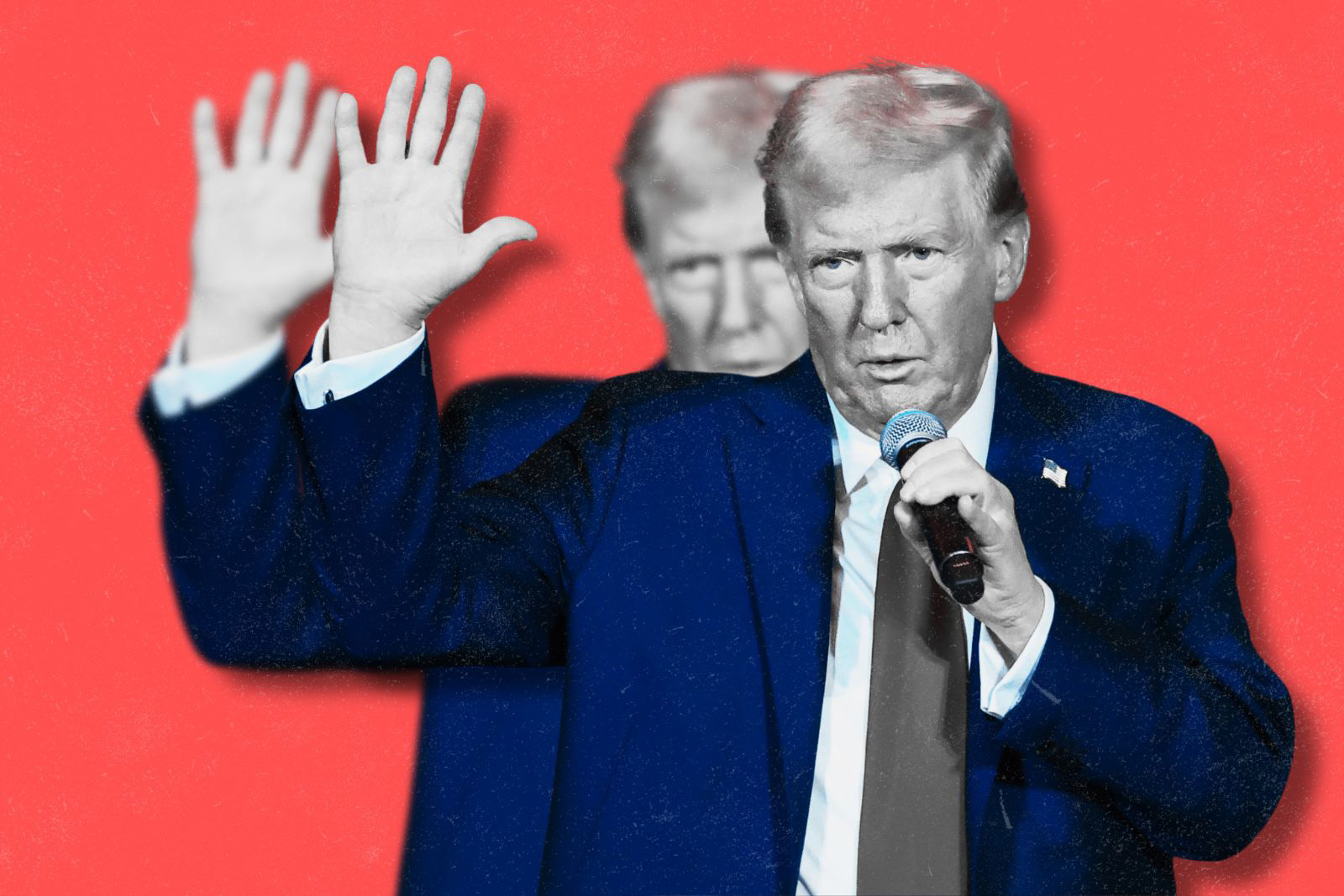
By Asad Mirza Donald Trump’s re-entry in the White House is seen with a bated breath all over the world, especially the Muslim nations across the globe, as the world waits to see in which manner his current presidency will run. Will it be “America First” like the previous one or a rather tolerant one […]


Avaada, a renewable energy firm backed by Brookfield, is making strides toward entering the green hydrogen sector with a major project in the UAE. The company, which has already established a significant footprint in solar energy, has announced plans to invest in green hydrogen production, marking its expansion into an emerging and strategically important industry in the region. The move highlights the UAE’s growing interest in clean […]

Deyaar Development has announced plans to launch a new real estate project in Dubai, with a projected investment value of Dh1.5 billion. This project, set for completion by the end of the year, marks a significant milestone for the company, which is renowned for its high-profile developments across the emirate. The initiative is part of Deyaar’s broader strategy to strengthen its presence in the competitive Dubai property […]

SINGAPORE – Media OutReach Newswire – 8 November 2024 – Singapore is strengthening its position as a global hub for supply chain management (SCM), providing international businesses with a reliable and efficient base to manage their regional and global supply chains. With top-notch infrastructure, a skilled talent pool, and forward-looking policies, Singapore invites businesses worldwide to establish or expand their operations in the city-state. Employees in the […]

VISHNU RAJA
RYO YAMADA
HITORI GOTOH
IKUYO KITA
Just in:
Geely’s i-HEV Intelligent Hybrid Technology Offers a New Direction for Gasoline-Powered Vehicles // Oil and chip shares retreat after Democratic victories // Millions Of Indians May Soon Be Deprived Of Government Assistance // Xi Jinping Preparing For A Trilateral Summit With Trump And Putin At APEC Summit On Nov 18-19 // Technology shares plunge as Nasdaq enters correction // Miss Universe Hong Kong Jen Zhou Departs for Puerto Rico to Compete in the 75th Miss Universe World Final // Hong Kong mandates crypto transaction disclosures to tax authorities // Beyond the exhibition floor: How robots, AI and networks are moving into the real world // Dubai details five-year visa benefits for returning visitors // Emirates Group records AED 4.1 billion half-year profit // Oil advances towards $100 as tanker attacks persist // UK air traffic outage inflicted £33m financial losses // Geely’s i-HEV Intelligent Hybrid Technology Offers a New Direction Vision for Gasoline-Powered Vehicles // CR Longdation Aethereal Cybersecurity × Global Cybersecurity Alliance (GCSA) Join Hands to Establish the “AI and Cybersecurity Research Centre” // Emaar approves Development buyout ahead of planned delisting // Ningbo Consensus on Collaborative Development released at 2026 Global Mayors Dialogue · Ningbo // TVM –Mangaluru Vande Bharat claims top spot // APT29-linked campaign exploits outdated Apple and Android software // Trump’s Iran War Has A Share Of Contribution To His Midterm Debacle // OpenAI abandons secrecy agreements for future data centres //