Just in:
Geely’s i-HEV Intelligent Hybrid Technology Offers a New Direction Vision for Gasoline-Powered Vehicles // Oil and chip shares retreat after Democratic victories // TVM –Mangaluru Vande Bharat claims top spot // Dubai details five-year visa benefits for returning visitors // OpenAI introduces GPT-6 Cyber with restricted security access // Dubai boat show confirms international shipyard line-up for November // Emaar approves Development buyout ahead of planned delisting // Ningbo Consensus on Collaborative Development released at 2026 Global Mayors Dialogue · Ningbo // Miss Universe Hong Kong Jen Zhou Departs for Puerto Rico to Compete in the 75th Miss Universe World Final // Xi Jinping Preparing For A Trilateral Summit With Trump And Putin At APEC Summit On Nov 18-19 // Private varsities bill all set to face the axe // The “1st Greater Bay Area Health and Longevity Summit & Awards Ceremony” concludes successfully in Macao // CR Longdation Aethereal Cybersecurity × Global Cybersecurity Alliance (GCSA) Join Hands to Establish the “AI and Cybersecurity Research Centre” // Beyond the exhibition floor: How robots, AI and networks are moving into the real world // Trump’s Iran War Has A Share Of Contribution To His Midterm Debacle // Asia Left Behind: Ten international companies have yet to report delivering on their cage-free egg pledges across the region // UK air traffic outage inflicted £33m financial losses // e-Crime Bureau Signs Cybersecurity Partnership With Smart Africa, Reinforcing Its Global Expansion // Kochi police detain two actors over bid to honey trap doctor // Oil advances towards $100 as tanker attacks persist //

News related to
Mid Term

World Robotics 2024 Report by International Federation of Robotics released FRANKFURT, GERMANY – Newsaktuell – 24 September 2024 – The new World Robotics report recorded 4,281,585 units operating in factories worldwide – an increase of 10%. Annual installations exceeded half a million units for the third consecutive year. By region, 70% of all newly deployed robots 2023 were installed in Asia, 17% in Europe and 10% in […]

Investors have witnessed a marked shift in market behaviour in recent weeks. The once seemingly invincible Big Tech stocks have faced pressure, no longer reaching new all-time highs, even as the broader S&P500 index posted record highs earlier this week (Monday). Nvidia—the poster child of the recent tech renaissance—has seen its stock price fall 8.5% from its August peak, despite reporting impressive second-quarter earnings on August 28th […]

Hong Kong is advancing its digital currency initiative, with the Hong Kong Monetary Authority (HKMA) announcing the launch of phase two in the e-HKD pilot program. This central bank digital currency (CBDC) initiative is designed to explore the future of financial transactions through tokenization, programmability, and offline payments. Following the completion of the first phase, which focused on evaluating foundational aspects of digital currencies, the second phase […]

Investor apprehension surrounding Bitcoin custody practices has prompted BlackRock to amend its application for a Bitcoin exchange-traded fund (ETF). The updated application stipulates that Coinbase, designated as the ETF’s custodian, must process Bitcoin withdrawal requests within a strict 12-hour timeframe. This adjustment aims to address mounting concerns over Coinbase’s on-chain settlement processes and the potential risk of acquiring “paper BTC,” which may undermine the true market value of Bitcoin.

Market analysts have noted that Bitcoin has faced significant price stagnation over the past few months, despite a notable surge in institutional investment through various ETF products. This disconnect raises questions regarding the reliability of Coinbase’s custody solutions and the implications for the broader cryptocurrency market.

BlackRock’s strategic decision reflects a broader trend among asset managers to enhance transparency and security in the rapidly evolving cryptocurrency landscape. The company, a global leader in investment management, has been actively pursuing Bitcoin ETF approvals, seeking to capitalize on the increasing interest from institutional investors looking to gain exposure to digital assets.

The demand for Bitcoin ETFs has surged as institutional players seek to navigate the complexities of the cryptocurrency market. However, concerns have been raised about the operational integrity of platforms like Coinbase, particularly regarding their ability to handle large volumes of transactions efficiently. With the growing scrutiny from regulatory bodies and investors alike, BlackRock’s move to enforce stringent withdrawal requirements underscores the need for enhanced governance in the cryptocurrency custody space.

Analysts point out that the introduction of stricter withdrawal timelines could alleviate investor fears regarding liquidity and asset safety. By ensuring that Bitcoin can be swiftly withdrawn from Coinbase, BlackRock aims to foster a more secure investment environment. The move comes amid growing criticism of how exchanges manage customer assets, particularly in light of historical incidents involving exchanges that faced insolvency or operational failures.

Investor sentiment surrounding Bitcoin has fluctuated, particularly with its price stagnating below key resistance levels. While institutional investments have surged, many retail investors remain cautious, leading to questions about the underlying market dynamics. The apparent dichotomy between rising institutional interest and stagnant retail enthusiasm presents a challenge for market participants.

Coinbase has previously faced criticism for its operational practices, particularly regarding its on-chain settlement processes. Concerns have emerged that the exchange may be facilitating the issuance of “paper BTC,” a term that refers to representations of Bitcoin that do not correspond to actual holdings on the blockchain. Such practices could create an inflated sense of supply, potentially exerting downward pressure on Bitcoin prices.

The introduction of BlackRock’s stringent withdrawal requirements serves as a proactive measure to address these concerns, emphasizing the importance of a robust custody framework in fostering investor confidence. As institutional players continue to enter the cryptocurrency market, the need for secure and transparent custodial solutions has never been more critical.

The broader context of Bitcoin’s price performance raises questions about the long-term sustainability of its value proposition. Despite the influx of institutional capital, Bitcoin’s inability to break out of its current price range has left many investors skeptical about its potential for future growth. The dynamics of supply and demand, coupled with macroeconomic factors and regulatory developments, will play a significant role in shaping the cryptocurrency’s trajectory.

Market experts suggest that BlackRock’s amendments to its ETF application could set a precedent for other asset managers looking to establish similar products. As the competition for Bitcoin ETF approvals intensifies, the emphasis on operational transparency and investor protection will likely become a key differentiator in the market. The scrutiny surrounding custody practices is expected to influence how other exchanges operate, potentially leading to industry-wide reforms aimed at enhancing investor confidence.

As BlackRock navigates the regulatory landscape and seeks to launch its Bitcoin ETF, the company’s focus on addressing custody concerns may resonate with both institutional and retail investors. By prioritizing the integrity of the custody process, BlackRock aims to position itself as a leader in the evolving cryptocurrency market.

Work on the $2.72 billion Dubai Expo City expansion is expected to begin soon, according to officials familiar with the city’s masterplan. The project, which forms part of a broader initiative to transform the Expo 2020 site into a long-term economic and cultural hub, has drawn attention due to its scale and ambition. Key infrastructure, urban development, and residential components are part of the masterplan, aiming to […]

Brian Cox, known for his formidable roles on screen, has taken on a new persona to address a growing health crisis in modern workplaces. As part of a public service announcement (PSA) for ASICS, Cox portrays “the world’s scariest boss” to highlight the mental health risks associated with prolonged desk-based work. The PSA, timed to coincide with World Mental Health Day, aims to spread awareness about the […]

SINGAPORE – Media OutReach Newswire – 24 September 2024 – Prepare to be enthralled by a mesmerizing symphony of flavours as JFOODO (Japan Food Product Overseas Promotion Center) proudly unveils the eagerly anticipated 5th edition of its renowned “Seafood Loves Sake. 2024” campaign, in collaboration with 20 of Singapore’s most esteemed and celebrated culinary havens. This enchanting culinary journey promises to captivate the senses with an extraordinary […]

Advertisements

Telegram’s CEO Pavel Durov has announced major improvements to the platform’s search functionality, aimed at safeguarding users from illegal content. With over a billion users globally, Telegram has faced criticism for enabling the spread of illicit material through its public channels. In response, Durov revealed that the app’s search feature has been revamped, integrating artificial intelligence (AI) to help identify and remove harmful content more effectively. This […]

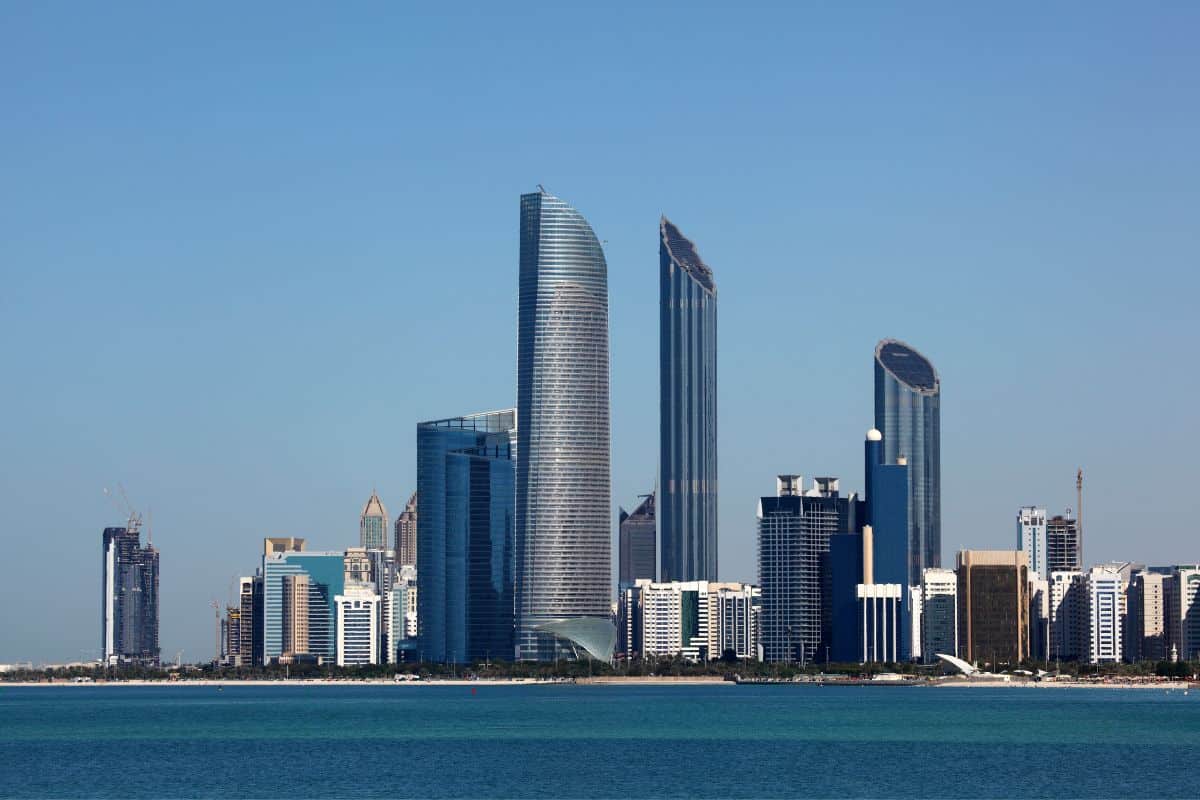
General Atlantic, a leading global growth equity firm, is planning to establish an office in Abu Dhabi by the end of this year as part of its expanding focus on the Middle East. The move highlights the firm’s strategy to deepen its engagement with regional markets, leveraging Abu Dhabi’s status as a growing financial hub. This decision reflects the firm’s increasing interest in capturing investment opportunities within the Middle East and North Africa (MENA) region, which has seen a surge in economic activity across various sectors, including technology, fintech, and healthcare.

Abu Dhabi’s emergence as a key financial center has attracted several global firms, and General Atlantic is the latest to set its sights on the city. This expansion is aligned with the firm’s broader plans to scale its investments in high-growth markets across the globe. Over the years, the Middle East has grown in prominence for international investors, and General Atlantic has been a notable player, investing approximately $400 million in the region since 2015, with prominent investments including Property Finder and Network International.

Samir Assaf, Chairman of MENA at General Atlantic, is spearheading this initiative. His leadership is expected to strengthen the firm’s regional network and assist in identifying further investment opportunities. Assaf, who joined General Atlantic as a Senior Advisor in 2021 and later took on this expanded role, brings decades of experience in the financial sector, including senior roles at HSBC. He is tasked with building relationships with key stakeholders and supporting the firm’s portfolio companies as they grow in the MENA region. His extensive experience in the region is a critical asset to General Atlantic’s ambition to support entrepreneurial ventures and drive growth across the Middle East.

The firm’s decision to establish an office in Abu Dhabi comes at a time when regional governments are prioritizing the diversification of their economies. This diversification, particularly in the UAE, is marked by increased investment in non-oil sectors, which aligns with General Atlantic’s focus on technology-driven businesses and its broader growth equity strategy. The firm has been actively scouting for opportunities in industries that are critical to the region’s economic transformation, including e-commerce, digital infrastructure, and financial services.

The UAE’s regulatory environment and strategic location have positioned it as a favorable base for international firms looking to expand in the Middle East. General Atlantic’s plans for Abu Dhabi are expected to provide the firm with closer access to regional markets, especially as Gulf nations push forward with ambitious economic reforms. The city is also home to sovereign wealth funds such as Mubadala, which are increasingly involved in global investments, and General Atlantic’s presence could lead to closer collaborations with such entities.

While General Atlantic’s interest in the Middle East is not new, its decision to open an office in Abu Dhabi signals a more concerted effort to establish a permanent presence and tap into the region’s growing economic potential. This follows the firm’s long-term investment approach, which focuses on partnering with entrepreneurs and companies in emerging markets. By the end of the year, the firm is expected to make a formal announcement regarding the opening of the office, which will be staffed by regional experts and senior executives from its global offices.

This strategic shift is part of a larger trend of global investment firms establishing a presence in the UAE and wider Gulf region. In the past few years, other equity firms and financial institutions have similarly expanded their operations, drawn by the region’s rapid economic growth and investment potential. For General Atlantic, which manages over $70 billion in assets globally, the move signals its continued confidence in the Middle East as a key area of growth, particularly as the firm looks to invest in innovation-driven sectors.

As the firm increases its footprint in the region, its leadership has expressed optimism about the region’s future, noting the vibrant entrepreneurial ecosystem and supportive regulatory frameworks. General Atlantic’s global expertise and strategic capital deployment model position it well to help regional companies scale and succeed in an increasingly competitive global market.

Secures 28 new signings year-to-date in Southeast Asia, with plans to open 28 properties across the region this year SINGAPORE – Media OutReach Newswire – 23 September 2024 – The Ascott Limited (Ascott), the lodging business unit wholly owned by CapitaLand Investment (CLI), today announced 28 new signings year-to-date in Southeast Asia, adding over 3,400 units across its various brands in key destinations. Accounting for more than […]

Adnoc Gas has suspended its feed-to-engineering, procurement, and construction (EPC) contest for a significant liquefied natural gas (LNG) project in Abu Dhabi, a move that has raised eyebrows in the energy sector. This decision comes amid shifting market dynamics and strategic reassessments within the company. The LNG project, which was anticipated to enhance Adnoc’s capacity and export capabilities, has been on the radar of industry analysts and […]

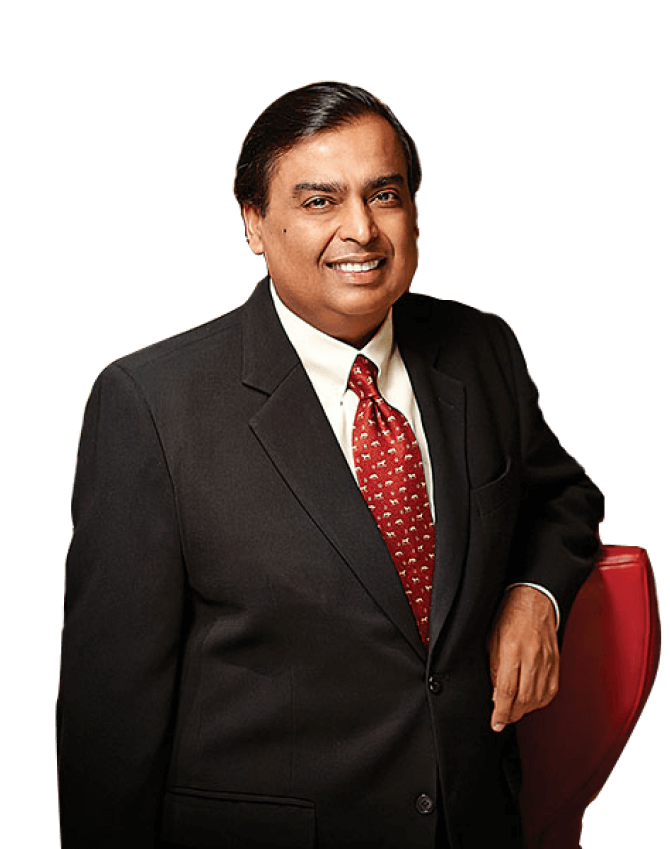
Anil Ambani’s Reliance Group is poised for significant changes, with a crucial board meeting scheduled for September 23. This meeting comes at a critical juncture as the company seeks to rejuvenate its business operations and adapt to an evolving market landscape.

The backdrop to this transformation is a series of challenges that Reliance Group has faced in recent years, including financial setbacks and increased competition across various sectors. Analysts view this meeting as a pivotal moment for Ambani to outline strategic decisions that could reshape the company’s future. There are expectations for announcements that may include restructuring plans, investment strategies, and potential divestitures aimed at streamlining operations.

The financial health of Reliance Group has been under scrutiny, particularly following reports of mounting debt levels and a decline in share prices. As of late, the company has seen its stock fluctuate amidst concerns regarding its ability to maintain profitability across its diverse portfolio, which includes telecommunications, energy, and retail. Addressing these financial concerns is likely to be at the forefront of discussions during the upcoming board meeting.

Market experts believe that the company’s trajectory could benefit from a renewed focus on core competencies while possibly divesting from less profitable segments. This strategic pivot could enable Reliance to consolidate its position in key markets, particularly in technology and consumer services. The telecom arm, Jio, has been a standout performer, yet there is pressure to ensure that growth in this sector is sustainable.

The board is expected to explore potential partnerships and alliances that can enhance Reliance’s competitive edge. Collaborations in technology and sustainability initiatives are particularly pertinent, given the global shift towards eco-friendly practices and digital innovation. Such partnerships may help the company not only to tap into new revenue streams but also to bolster its reputation as a forward-thinking enterprise.

Ambani’s leadership style has historically been characterized by bold moves and a willingness to embrace risk. His approach to this board meeting will likely reflect a blend of innovative thinking and practical solutions to the challenges at hand. This combination could set the stage for a comprehensive overhaul of the group’s operational framework, aligning it more closely with market demands.

In addition to strategic shifts, the upcoming board meeting is likely to address governance and operational efficiencies. Ensuring that Reliance Group remains agile and responsive to market changes will be crucial in maintaining investor confidence. The potential for leadership changes within the company could also be on the agenda, with discussions about empowering a new generation of executives to drive innovation.

Investors and market analysts are keenly observing these developments, as they may indicate Reliance Group’s future direction. There is a shared sense of anticipation surrounding how Ambani will communicate these strategies and whether he will provide specific timelines and actionable steps. A clear vision articulated during the meeting could significantly impact investor sentiment and the company’s stock performance.

The competitive landscape in which Reliance operates is rapidly evolving. With increasing pressures from both domestic and international players, the company must adopt a more aggressive stance to defend its market share. Analysts suggest that this might involve a focus on enhancing digital offerings and improving customer engagement across its platforms.

As Reliance Group prepares for this critical meeting, stakeholders are looking for signs of a proactive strategy that addresses not only immediate concerns but also long-term growth aspirations. Anil Ambani’s ability to pivot and reposition the group will be essential for its survival and success in an increasingly complex business environment.

The significance of this board meeting cannot be understated, as it represents a potential turning point for Reliance Group. The decisions made on September 23 may very well shape the future of one of India’s most influential conglomerates, influencing market dynamics and setting precedents for corporate governance in the region.

Silvergate Bank’s shutdown in March 2023 highlighted the vulnerability of financial institutions catering to the cryptocurrency industry under tightening regulatory oversight. Despite maintaining adequate capital reserves, the bank succumbed to external pressure from U.S. regulatory authorities, making it the first mid-size banking casualty of the year. Silvergate, which had positioned itself as a critical link between traditional finance and the burgeoning crypto sector, had shown signs of […]

A violent episode unfolded late Saturday night in Birmingham, Alabama, resulting in four fatalities and 17 injuries when gunfire erupted in the bustling Five Points South entertainment district. This incident marks one of several high-profile shootings that have recently disturbed the city, prompting urgent calls for action from local leaders and law enforcement. Shortly after 11 p.m., patrons of the vibrant area were caught off guard as […]

The EDGE Group, a prominent defense technology firm based in the UAE, has unveiled a new subsidiary named FADA, dedicated to advancing the nation’s space capabilities. This strategic move positions EDGE as a key player in the burgeoning space sector, which is rapidly gaining traction in the Middle East. The establishment of FADA reflects a growing ambition to not only enhance domestic capabilities but also contribute to global space initiatives.

FADA aims to serve as a comprehensive platform for developing satellite technologies and associated services. This initiative is part of a broader national effort to establish the UAE as a leader in space exploration and satellite manufacturing. By leveraging advanced technologies and expertise, FADA is expected to facilitate significant advancements in both military and civilian space applications.

The UAE has made considerable strides in the space domain over the past decade, highlighted by the successful launch of the Hope Probe to Mars in 2020. This achievement underscored the nation’s commitment to becoming a notable player in international space exploration. With the introduction of FADA, EDGE is poised to build upon these foundations by providing a focused entity that can accelerate the development of sophisticated space solutions tailored to both local and international needs.

The new company will focus on several key areas, including satellite design and manufacturing, space systems integration, and ground control solutions. By centralizing these capabilities under one roof, FADA aims to streamline operations and foster innovation in space technologies. The establishment of this entity not only showcases EDGE’s commitment to diversifying its portfolio but also highlights the UAE’s strategic vision for expanding its footprint in the space sector.

FADA’s operations will align with the UAE’s long-term goals outlined in its National Space Strategy. This strategy emphasizes the importance of developing indigenous capabilities to ensure that the UAE can independently manage and operate sophisticated space systems. FADA will play a crucial role in achieving these objectives by focusing on research and development, as well as collaborating with global partners to enhance technological expertise.

One of the pressing needs in the space sector is the development of small satellite technologies. FADA is set to focus on this area, capitalizing on the global trend towards miniaturization and cost-effective satellite solutions. These small satellites are increasingly being used for a variety of applications, including Earth observation, telecommunications, and scientific research. By investing in these technologies, FADA aims to provide affordable solutions for both government and commercial entities.

FADA’s establishment is likely to attract significant investment into the UAE’s space sector. As the global market for satellite technologies continues to expand, the UAE is strategically positioned to become a hub for research, development, and manufacturing. The presence of FADA can foster partnerships with international firms, thereby enhancing the local industry’s capabilities and promoting knowledge transfer.

The leadership at EDGE has emphasized that the launch of FADA is not just about expanding the company’s business portfolio, but also about contributing to the national interest. By developing local talent and fostering innovation, FADA seeks to empower a new generation of engineers and scientists in the UAE. This aligns with the government’s vision of cultivating a knowledge-based economy, wherein homegrown talent plays a pivotal role in driving technological advancements.

Collaboration with academic institutions and research organizations will be crucial for FADA’s success. The company is expected to engage in partnerships that foster research initiatives, enabling the integration of cutting-edge technologies into its projects. Such collaborations will ensure that FADA remains at the forefront of innovation in the space sector, while also contributing to the educational and professional development of the local workforce.

The global landscape of space exploration is characterized by an increasing number of private-sector participants. FADA’s entry into this domain may inspire similar initiatives within the region, fostering a competitive environment that could spur technological advancements and operational efficiencies. The presence of multiple players can lead to an ecosystem that encourages innovation and rapid development of new space technologies.

MicroStrategy has distinguished itself as a formidable player in the financial landscape, outperforming every company in the S&P 500 since it adopted a Bitcoin-centric investment strategy. This remarkable trajectory has positioned the firm at the forefront of the digital asset revolution, highlighting the potential of cryptocurrencies as a viable asset class. The firm, which specializes in business intelligence software, made headlines in 2020 when it began purchasing […]

A substantial issuance of $6.8 billion in government treasury bonds and Islamic treasury sukuk highlights the UAE’s robust financial strategy amidst evolving economic conditions. This move reflects the country’s commitment to maintaining liquidity and enhancing its fiscal stability. The recent bond sale is aimed at meeting the growing funding requirements while also strengthening investor confidence in the UAE’s economic landscape.

The issuance comprises $4 billion in treasury bonds and $2.8 billion in sukuk, with varying maturities catering to a wide array of institutional and retail investors. The Ministry of Finance announced that the bonds have received a favorable response from both domestic and international markets, indicating strong demand for UAE government securities. The issuance will be used to finance various developmental projects, including infrastructure, healthcare, and education, aligned with the UAE’s long-term strategic vision.

Analysts highlight that this latest move is part of a broader trend where regional governments are increasingly turning to capital markets for financing. This approach allows for greater flexibility and efficiency in raising funds, particularly in a time when global interest rates are fluctuating. By tapping into both conventional bonds and sukuk, the UAE is also catering to a diverse investor base, which is critical for maintaining liquidity in the market.

The demand for the sukuk component of the issuance underscores the growing interest in Sharia-compliant investments. Sukuk, which are Islamic financial certificates similar to bonds, have been gaining traction as more investors seek ethical investment opportunities that align with Islamic finance principles. The success of this issuance may lead to more offerings in the future, further diversifying the UAE’s financial instruments available in the market.

As the UAE navigates through global economic uncertainties, this issuance is a strategic maneuver to bolster its fiscal position. The government has emphasized its commitment to financial prudence, ensuring that public debt remains sustainable and manageable. This careful approach is intended to foster a stable economic environment, which is crucial for attracting foreign investment and stimulating economic growth.

Emerging trends in the global bond market also play a significant role in shaping the UAE’s financial strategies. With the backdrop of rising interest rates in several economies, the UAE’s issuance at competitive yields is likely to appeal to investors looking for relatively stable returns. The bonds are expected to have strong performance, particularly given the UAE’s favorable credit ratings and economic fundamentals.

Key players in the bond market are closely monitoring this issuance as it sets a benchmark for future government and corporate debt offerings in the region. Market participants expect that the success of this sale will encourage other Gulf Cooperation Council (GCC) nations to undertake similar measures, further enhancing the depth and liquidity of the regional bond markets.

The UAE’s proactive approach in issuing bonds and sukuk is indicative of its efforts to adapt to the changing economic landscape. This initiative comes as the nation continues to diversify its economy away from oil dependency, focusing on sectors such as technology, renewable energy, and tourism. By ensuring robust funding mechanisms through bond issuances, the UAE is positioning itself to support these strategic sectors effectively.

The Ministry of Finance has also indicated that proceeds from this issuance will be channeled into sustainability initiatives, aligning with the UAE’s commitment to achieving the United Nations Sustainable Development Goals. This focus on sustainability not only resonates with global investor sentiment but also enhances the UAE’s reputation as a leader in green finance.

Investor sentiment remains positive, bolstered by the UAE’s track record of timely payments and a commitment to fiscal discipline. Analysts believe that the bond issuance will further reinforce the UAE’s status as a regional financial hub, attracting both local and international investors looking for secure investment opportunities.

Germany’s top envoy to Canada has issued a stark warning regarding the future of natural gas demand in Europe, suggesting that the continent’s appetite for Canadian exports is poised to diminish. This statement arrives amid ongoing discussions about energy supply amid Europe’s shifting focus towards renewable energy sources and greater energy independence. The envoy highlighted a significant transformation in Europe’s energy landscape, emphasizing a strategic pivot away […]

OpenAI’s GPT-4, a leading AI language model, has sparked discussions regarding its environmental impact, particularly in terms of water usage. A recent study reveals that the model consumes the equivalent of three water bottles to generate just 100 words of text. This revelation has raised concerns amid growing scrutiny over the resource demands of advanced artificial intelligence systems. The study highlights the intricate relationship between AI development […]

India’s foreign exchange reserves have surged to an unprecedented level of $689.458 billion, marking a crucial milestone for the country’s economic positioning in global markets. The reserves, which reflect the country’s ability to meet external obligations and provide a buffer against financial instability, increased by $223 million in the week ending September 13. This rise has further cemented India’s status as one of the largest holders of foreign currency reserves worldwide, positioning it as a key player in the global financial arena.

Despite this substantial increase in the overall reserves, the composition of these reserves presented a more nuanced picture. Foreign currency assets (FCA), which form the largest component of the reserves, witnessed a reduction of $515 million. These assets, held in different currencies such as the U.S. dollar, euro, pound sterling, and Japanese yen, are a critical indicator of India’s foreign currency holdings and are often affected by currency fluctuations and interest rates in international markets. The decline in FCA was offset by other components of the reserves, particularly the significant increase in gold reserves.

Gold reserves saw a sharp rise of $899 million during the same period, underscoring the metal’s continued relevance as a safe haven asset. This increase suggests that India’s central bank may be looking to diversify its holdings in response to broader global uncertainties. Gold, traditionally regarded as a hedge against inflation and economic instability, has been gaining renewed attention among global central banks. As countries face the challenges of rising geopolitical tensions and economic fluctuations, gold’s role as a stabilizing force has once again come into focus.

While the rise in gold reserves was notable, other components of India’s foreign exchange holdings, such as Special Drawing Rights (SDRs) and the reserve position with the International Monetary Fund (IMF), experienced marginal declines. SDRs, which represent a basket of international currencies and serve as a supplementary reserve asset allocated by the IMF, dropped by $50 million. Similarly, the country’s reserve position in the IMF, which allows access to international liquidity and contributes to global financial stability, recorded a decrease of $111 million.

The overall uptick in reserves comes at a time when India’s economic outlook remains relatively resilient compared to other emerging markets. The reserves serve not only as a tool for defending the rupee in times of volatility but also as an indicator of investor confidence in India’s macroeconomic stability. A stronger reserve position allows India to better manage external shocks, such as oil price fluctuations, trade imbalances, and global financial turbulence.

India’s reserves are now among the highest globally, trailing only China, Japan, and Switzerland. This latest achievement reflects the country’s efforts to build a robust foreign exchange buffer since the economic reforms of the 1990s. Since then, successive governments have prioritized strengthening the reserves to safeguard the country from external vulnerabilities. The rise in reserves has also been fueled by sustained foreign investment inflows and a healthy current account balance in previous quarters, driven in part by a recovery in global demand for goods and services after pandemic-induced disruptions.

Analysts have pointed out that India’s reserve accumulation strategy is likely to be shaped by several factors in the coming months. Global interest rate trends, particularly in the United States, will have a significant impact on foreign currency assets, while commodity prices, especially crude oil, will influence the country’s import bill. Moreover, ongoing geopolitical tensions, trade uncertainties, and inflationary pressures in major economies will also affect the Reserve Bank of India’s (RBI) approach to managing these reserves.

The central bank has maintained a cautious approach toward managing the reserves, intervening in the forex market to curb excessive volatility in the rupee’s value. A stable and sufficient level of reserves allows the RBI greater flexibility in implementing monetary policy and defending the currency against external shocks. With inflationary pressures rising globally and the U.S. Federal Reserve tightening its monetary policy, India’s reserve position will play a critical role in maintaining domestic economic stability.

In the past, India has faced challenges related to its foreign exchange reserves, particularly during the 1991 balance of payments crisis, when reserves had dwindled to just a few weeks’ worth of imports. The crisis marked a turning point in India’s economic policy, leading to structural reforms that opened the economy to greater foreign investment and trade. Since then, India has steadily accumulated reserves, reaching new highs over the years. The importance of a strong forex reserve was highlighted again during the global financial crisis of 2008 and the economic shocks caused by the COVID-19 pandemic, where countries with stronger reserves were better able to weather financial market disruptions.

As of the latest data, India’s forex reserves provide an import cover of approximately 10 months, which is well above the internationally recommended threshold. This gives India a comfortable cushion to meet its external payment obligations and insulate the economy from global shocks. The reserves also provide a buffer to support the rupee, which has faced depreciation pressures amid fluctuating oil prices and changes in global investor sentiment.

Going forward, experts suggest that India’s focus should remain on maintaining a balanced reserve composition. While the accumulation of foreign currency assets is crucial, ensuring diversification through gold and other assets will provide added protection against global market volatility. Moreover, with India being a major importer of crude oil, fluctuations in energy prices will continue to play a significant role in determining the country’s forex reserve levels.


Joint Effort Aims to Accelerate Growth and Expansion of Thai Companies in Singapore SINGAPORE – Media OutReach Newswire – 19 September 2024 – SUNRATE, an intelligent global payment and treasury management platform, announced that it has signed a memorandum of understanding (MOU) with the Singapore-Thai Chamber of Commerce (STCC Thailand) to empower Thai companies seeking to scale and operate in Singapore. As part of the partnership, members […]

The Quad alliance, consisting of the United States, Japan, Australia, and India, solidified its growing significance as Prime Minister Narendra Modi emphasized India’s commitment to hosting the 2025 Quad Summit. Speaking at the Wilmington Summit, Modi underlined the alliance’s role in promoting stability and security in the Indo-Pacific region, while reaffirming that the grouping is not directed against any specific nation. This strategic partnership, formed in response to shared democratic values, continues to gain momentum amid evolving geopolitical tensions.

The Wilmington meeting marked a critical moment in the Quad’s development, furthering dialogue and cooperation between the four member states. Since its revival in 2021, the Quad has played a prominent role in fostering regional security, focusing on areas such as technological collaboration, climate action, and defense cooperation. Modi’s remarks highlighted India’s readiness to lead the next phase of the alliance, with preparations underway to host the 2025 summit.

As global challenges intensify, the Quad has emerged as a cornerstone of multilateral diplomacy in the Indo-Pacific. Modi pointed out the shared commitment to ensuring a free, open, and inclusive Indo-Pacific, with democratic principles at the core of the alliance. “The Quad is here to stay,” Modi stated, emphasizing that the grouping stands as a platform for collaborative solutions rather than a response to any particular nation or bloc. The assertion reflects the Quad’s non-confrontational approach, focusing instead on promoting collective security and economic prosperity across the region.

The Quad’s evolution since 2021 has been rapid, with member nations consistently expanding their areas of cooperation. Strategic experts have noted the alliance’s success in areas such as maritime security, with Quad navies conducting joint exercises aimed at improving interoperability. These exercises have not only bolstered defense capabilities but also demonstrated the alliance’s resolve to protect vital maritime routes, which are critical to global trade. With India poised to take on the next summit, expectations are high that the country will continue to push forward initiatives that reinforce regional security and economic growth.

The Wilmington Summit also underscored the importance of technology sharing and innovation. One of the key areas discussed was the development of resilient supply chains, particularly in the semiconductor industry, which has been under strain due to global shortages. The Quad countries are looking to collaborate on reducing dependency on specific nations for key technological inputs, enhancing supply chain diversification. Modi emphasized that the Indo-Pacific region, as a hub for technological development, could play a pivotal role in global supply chain stabilization. This effort reflects the Quad’s broader strategic aim of reducing vulnerabilities in critical industries while ensuring the equitable growth of emerging technologies.

The Quad’s expanding agenda now includes addressing climate change, a subject of critical importance for the Indo-Pacific, which is home to several vulnerable island nations. The Wilmington Summit reiterated the Quad’s commitment to reducing carbon emissions and promoting clean energy. Modi reinforced India’s role as a key player in the global climate conversation, showcasing the country’s strides in renewable energy development and its leadership in the International Solar Alliance. He noted that climate resilience would remain a core focus at the 2025 summit, as the Quad aims to balance economic growth with sustainable environmental practices.

While defense and economic issues dominated the Quad agenda, the alliance’s role in fostering people-to-people ties has not been overlooked. The Wilmington Summit highlighted educational exchanges and cultural collaborations between member states, reflecting the Quad’s broader ambition to strengthen ties beyond security and economics. By fostering a deeper understanding between citizens, the alliance seeks to build long-term partnerships that transcend geopolitical concerns. Modi’s vision for the 2025 summit includes a renewed focus on such exchanges, positioning India as a cultural and diplomatic bridge between the East and West.

Despite its progress, the Quad continues to face scrutiny, particularly from nations like China, which view the alliance as an attempt to contain their influence in the Indo-Pacific. However, Modi was quick to dispel this notion, stating that the Quad’s goals remain inclusive and transparent. The Quad’s diplomatic language has consistently emphasized collaboration over confrontation, seeking to engage with all nations willing to work toward a stable and prosperous region.

India’s growing role within the Quad has been noted by analysts, particularly in light of the country’s increasing influence in global economic and security forums. As the host of the 2025 summit, India is expected to leverage its diplomatic capabilities to further solidify the Quad’s position as a key player in the Indo-Pacific. Modi’s strategic vision includes strengthening defense ties with Quad members, while also expanding economic cooperation to address shared challenges such as trade imbalances and supply chain vulnerabilities.

The timing of India’s hosting of the 2025 Quad Summit is significant, as the Indo-Pacific continues to be a focal point for international diplomacy. Analysts have pointed out that India’s ability to navigate complex geopolitical dynamics will be crucial in ensuring the Quad’s continued success. With global powers vying for influence in the region, the Quad’s balanced and inclusive approach has positioned it as a diplomatic force for stability.

The Wilmington Summit also saw discussions on strengthening health security, with a focus on pandemic preparedness. The Quad’s efforts in distributing vaccines to Indo-Pacific nations have been well-received, showcasing the alliance’s capability to provide humanitarian assistance in times of crisis. Modi acknowledged the importance of continuing this collaboration, noting that health security would remain a priority in future Quad discussions. The pandemic’s impact on global health infrastructure has reinforced the need for multilateral approaches to address both current and future challenges, and the Quad is expected to play a vital role in these efforts moving forward.

A significant investment has emerged from the Vanguard Group, a leading US-based financial services company, which has acquired shares in seven Indian companies for a total value of Rs 998 crore. This move underscores Vanguard’s growing interest in the Indian market, particularly within sectors that demonstrate promising growth potential.

Among the companies receiving investment are Concord Biotech, a prominent player in the biopharmaceutical sector, and Five-Star Business Finance, known for its innovative approach to financial services. The decision to invest in these firms highlights Vanguard’s strategy of diversifying its portfolio in emerging markets, where it anticipates robust growth driven by expanding consumer bases and technological advancements.

The investment by Vanguard Group is indicative of a broader trend of increasing foreign capital inflow into India. Analysts suggest that this influx is largely driven by the country’s favorable economic conditions, which include a growing middle class, government reforms aimed at enhancing the ease of doing business, and a focus on sustainable development. The Indian government has introduced measures to attract foreign investments, including liberalizing foreign direct investment (FDI) norms across various sectors.

Concord Biotech, in particular, has gained attention for its focus on developing and manufacturing a range of biopharmaceutical products. The company’s strong track record in research and development has positioned it well to benefit from the increasing global demand for high-quality biopharmaceuticals. This sector is poised for significant expansion as healthcare needs evolve and more countries seek innovative treatments.

Similarly, Five-Star Business Finance has carved a niche in providing loans to small and medium enterprises (SMEs), which play a crucial role in India’s economy. The firm has been recognized for its robust risk management practices and a customer-centric approach that has allowed it to thrive despite the competitive landscape. The capital injection from Vanguard Group will enable Five-Star to scale its operations and enhance its offerings to a broader clientele.

The move also aligns with global trends where institutional investors are increasingly seeking opportunities in markets outside their home countries. With the Indian economy projected to continue its growth trajectory, foreign investors are keen to tap into sectors such as technology, finance, and pharmaceuticals.

The rise of digital technology in India has opened up numerous avenues for investment. Companies focusing on digital transformation, fintech solutions, and e-commerce are attracting considerable attention from foreign investors, as they promise to leverage India’s tech-savvy population. This digital boom is expected to accelerate economic growth, making India an attractive destination for foreign investment.

Furthermore, the Indian government’s commitment to enhancing infrastructure through initiatives such as the National Infrastructure Pipeline has also played a vital role in attracting foreign capital. This initiative is expected to bolster various sectors, including transportation, energy, and urban development, providing a conducive environment for business operations.

Vanguard Group’s investment strategy often involves taking significant stakes in companies that demonstrate strong fundamentals and potential for long-term growth. This approach reflects a broader trend among institutional investors, who are increasingly focused on identifying companies that can provide sustained returns in rapidly evolving markets.

As the Indian economy continues to gain momentum, the interest from major global players like Vanguard Group signifies confidence in the country’s economic prospects. The involvement of foreign investors not only brings in capital but also enhances knowledge transfer and best practices, further boosting local industries.

Investments of this magnitude are likely to encourage other foreign institutional investors to explore opportunities in India, potentially leading to a cascading effect that could benefit various sectors. This growing trend of foreign investment is crucial for sustaining India’s economic growth and achieving its development goals.

The Vanguard Group’s focus on sectors such as biotechnology and financial services aligns with global investment patterns, where investors are gravitating towards industries that are resilient and exhibit potential for growth. As the landscape of global finance evolves, such strategic investments will play a pivotal role in shaping the future of the Indian economy.

Looking ahead, the focus will be on how these investments translate into performance for the companies involved and the broader economic impact on the Indian market. The ongoing monitoring of these developments will be essential for understanding the implications for investors, policymakers, and businesses alike.

By Satyaki Chakraborty The junior doctors’ movement in West Bengal partially ended on its 41st day on September 20 Friday. The striking doctors joined their duties on September 21 in emergency services only in the state government run medical colleges and hospitals still keeping the OPD work and surgical operations out of their duty profile. […]

VISHNU RAJA
RYO YAMADA
HITORI GOTOH
IKUYO KITA