Just in:
Technology shares plunge as Nasdaq enters correction // Asia Left Behind: Ten international companies have yet to report delivering on their cage-free egg pledges across the region // Geely’s i-HEV Intelligent Hybrid Technology Offers a New Direction for Gasoline-Powered Vehicles // Beyond the exhibition floor: How robots, AI and networks are moving into the real world // Ningbo Consensus on Collaborative Development released at 2026 Global Mayors Dialogue · Ningbo // Trump’s Iran War Has A Share Of Contribution To His Midterm Debacle // Dubai details five-year visa benefits for returning visitors // Private varsities bill all set to face the axe // OpenAI abandons secrecy agreements for future data centres // UK air traffic outage inflicted £33m financial losses // Hong Kong mandates crypto transaction disclosures to tax authorities // APT29-linked campaign exploits outdated Apple and Android software // e-Crime Bureau Signs Cybersecurity Partnership With Smart Africa, Reinforcing Its Global Expansion // OpenAI introduces GPT-6 Cyber with restricted security access // Meraas showcases five residential zones at Dubai Design Week // Oil and chip shares retreat after Democratic victories // The “1st Greater Bay Area Health and Longevity Summit & Awards Ceremony” concludes successfully in Macao // Emaar approves Development buyout ahead of planned delisting // Kochi police detain two actors over bid to honey trap doctor // Miss Universe Hong Kong Jen Zhou Departs for Puerto Rico to Compete in the 75th Miss Universe World Final //

News related to
Mid Term

MANILA, PHILIPPINES – Media OutReach Newswire – 9 April 2025 – Philippine small and medium-sized businesses (SMEs), particularly those in the retail and food & beverage (F&B) sectors, can now enjoy greater peace of mind when it comes to tax compliance. AutoCount, a leading provider of accounting and business software solutions, has achieved official accreditation from the Bureau of Internal Revenue (BIR) for its Point-of-Sale (POS) software, […]

On average, Malaysian online sellers have adopted AI in only 26% of their business operations, significantly lower than the SEA average of 37%. Indonesia and Vietnam lead average AI adoption in eCommerce in Southeast Asia, followed by Singapore and Thailand. Lazada’s new playbook provides sellers with best practices, actionable insights and resources to help integrate AI into their operations. KUALA LUMPUR, MALAYSIA – Media OutReach Newswire – […]

The United States Department of Justice is undergoing a significant transformation in its approach to cryptocurrency-related crimes. The National Cryptocurrency Enforcement Team , established in 2022 to tackle the illicit use of digital assets, is being integrated into the Computer Crime and Intellectual Property Section of the DOJ’s Criminal Division. This strategic move aims to consolidate expertise and resources, enhancing the department’s capability to address the complex intersection of cybercrime and cryptocurrency offenses.

Nicole Argentieri, Principal Deputy Assistant Attorney General, emphasized that this merger would double the number of attorneys available for cryptocurrency matters, reflecting the growing importance of digital assets in the realm of cybercrime. “It’s become obvious to everyone in the cybercrime field that cryptocurrency work and cyber prosecutions are intertwined, and will become even more so in the future,” Argentieri stated.

The NCET has been instrumental in several high-profile cases, including actions against cryptocurrency exchange Bitzlato and the arrest of Avraham Eisenberg for his exploit of decentralized exchange Mango Markets. The integration into CCIPS is expected to provide the NCET with enhanced resources and a broader platform to pursue complex investigations involving digital currencies.

This organizational shift comes at a time when the DOJ’s approach to cryptocurrency mixers has faced scrutiny. In May 2024, Senators Ron Wyden and Cynthia Lummis expressed concerns over the department’s interpretation of money transmission laws in cases against crypto mixing services like Samourai Wallet and Tornado Cash. They argued that the DOJ’s stance deviated from the Treasury Department’s Financial Crimes Enforcement Network’s previous position, which did not classify non-custodial crypto services as money transmitters.

The legal landscape for cryptocurrency mixers has been further complicated by recent court rulings. In November 2024, the U.S. Court of Appeals for the Fifth Circuit overturned sanctions imposed by the Treasury’s Office of Foreign Assets Control on Tornado Cash. The court determined that the smart contracts associated with Tornado Cash did not constitute “property” under the International Emergency Economic Powers Act , thereby exceeding OFAC’s authority.

SINGAPORE – Media OutReach Newswire – 8 April 2025 – Juspay, a global leader in payment infrastructure for enterprises and banks, has secured $60 million as part of its Series D funding round in a combination of primary and secondary investments. This investment round was led by Kedaara Capital with participation from existing investors Softbank and Accel. Juspay has expanded its global footprint across Asia-Pacific, Latin America, […]

Singapore’s Prime Minister, Lawrence Wong, announced the formation of a dedicated task force to address the nation’s economic vulnerabilities in light of escalating global trade tensions. This initiative aims to safeguard Singapore’s economic interests and mitigate potential adverse effects on its growth trajectory.

The catalyst for this strategic move is the United States’ recent imposition of a universal 10% tariff on imports, a policy that appears non-negotiable regardless of existing trade balances or agreements. Prime Minister Wong expressed deep concern over this development, highlighting that Singapore, with its heavy reliance on global trade, could face significant economic disruptions. He indicated that the nation’s GDP growth projections for 2025, currently set between 1% and 3%, may require downward revision.

Despite the existing free trade agreement and close bilateral ties between Singapore and the U.S., the city-state has not been exempted from these tariffs. Trade Minister Gan Kim Yong voiced disappointment over the U.S. decision, noting that while the agreement permits countermeasures, Singapore has chosen not to retaliate with counter-tariffs to avoid escalating tensions and increasing import costs. Instead, the focus will be on diplomatic engagement to address specific concerns raised by the U.S. administration.

The newly established task force will comprise key government officials, industry leaders, and economic experts. Its mandate includes analyzing the potential impact of global trade policies on Singapore’s economy, formulating strategic responses, and recommending measures to bolster economic resilience. Particular attention will be given to supporting sectors most vulnerable to trade disruptions and exploring opportunities to diversify trade partnerships.

Economists anticipate that the Monetary Authority of Singapore may adjust its monetary policy in response to these challenges. The MAS, which manages policy through the Singapore dollar nominal effective exchange rate , is expected to reduce the slope of the S$NEER band. This adjustment aims to enhance export competitiveness and cushion the economy against external shocks. Analysts, including those from Fitch Solutions and Maybank, have highlighted the potential for U.S. tariffs to significantly impact Singapore’s GDP, underscoring the need for proactive policy measures.

The global economic landscape is further complicated by rising protectionism and geopolitical tensions, particularly between major economies such as the U.S. and China. These dynamics have prompted countries to adopt more assertive trade policies, leading to a fragmented global economy. Prime Minister Wong has previously cautioned that such fragmentation could result in less trade, reduced investments, and hindered economic advancement, emphasizing the importance of maintaining open economic cooperation.

President Donald Trump has announced plans to impose an additional 50% tariff on Chinese goods starting April 9, escalating tensions in the ongoing trade dispute between the United States and China. This move comes in response to Beijing’s recent implementation of a 34% tariff on U.S. imports, which was itself a countermeasure to earlier U.S. tariffs. The administration’s decision has sent shockwaves through global financial markets. The […]

Grade A office rents remained under pressure in Q1, while a tourist inflow recovery is yet to boost retail market confidence Smaller-sized residential units have been more sought-after following the relaxation of the maximum property value chargeable at a HK$100 stamp duty level as announced in the latest government budget speech, supporting first-hand residential sales. The total residential unit transaction number for Q1 climbed 24% y-o-y to […]

Advertisements

Goldman Sachs has increased the probability of a United States recession in the next 12 months to 45%, aligning with a wave of revised risk assessments by major investment banks as escalating trade tensions and tighter financial conditions unsettle global markets. The adjustment from Goldman’s previous estimate of 35% reflects the firm’s assessment that a sharp tightening in financial conditions and heightened policy uncertainty will significantly hinder […]

Oil prices have experienced a significant decline, reaching their lowest levels since April 2021, driven by escalating trade tensions between the United States and China, coupled with strategic decisions by OPEC+ regarding oil production. Brent crude futures dropped by $2.28, settling at $63.30 per barrel, while U.S. West Texas Intermediate crude decreased by $2.20 to $59.79 per barrel. This marks a continuation of a downward trend, with […]

Ondo Finance’s native cryptocurrency, ONDO, is currently trading at $0.8041, reflecting a slight decline of 0.0131% from the previous close. The token’s intraday performance has seen a high of $0.8216 and a low of $0.7952.

The recent downturn in ONDO’s value aligns with escalating global trade tensions, which have introduced volatility across financial markets, including the cryptocurrency sector. Analysts are closely monitoring the $0.786 support level, considering it a critical threshold for ONDO’s short-term price stability. A breach below this point could signal further declines, while maintaining above it may indicate potential for recovery.

Technical indicators present a mixed outlook. The Relative Strength Index for ONDO stands at 41.91, suggesting that the token is neither in overbought nor oversold territory. Additionally, an uptick in trading volume during price dips points to increased selling pressure. Conversely, the proximity to the $0.786 support level offers a possibility for a rebound if buyers re-enter the market.

Ondo Finance has been proactive in bridging traditional finance with decentralized finance . The platform focuses on tokenizing real-world assets, aiming to provide institutional-grade liquidity solutions. Collaborations with prominent financial entities such as BlackRock, Franklin Templeton, and PayPal underscore its commitment to integrating conventional financial instruments with blockchain technology.

Oil markets witnessed a significant downturn as Brent crude, the global benchmark, tumbled over 13% in two days, settling just above $66 per barrel. This sharp decline follows the dual impact of OPEC+ unexpectedly increasing production and the imposition of new tariffs by President Donald Trump.

On April 4, 2025, Saudi Arabia led an initiative within OPEC+ to substantially boost oil output by 411,000 barrels per day starting in May. This move aims to penalize member countries like Kazakhstan and Iraq for consistently exceeding production quotas. The decision contributed to an 8% drop in oil prices, with Brent crude falling below $65 per barrel for the first time since 2021.

Concurrently, President Trump intensified trade tensions by imposing tariffs on imports from Canada, China, and Mexico. China responded with a retaliatory 34% tariff on U.S. imports, escalating fears of a global economic slowdown and further pressuring oil prices.

Goldman Sachs revised its 2025 oil price forecasts downward, cutting Brent crude to $69 and West Texas Intermediate to $66 per barrel. JPMorgan raised its global recession probability to 60%, up from 40%, reflecting growing concerns over economic stability.

The surge in supply and escalating trade disputes have led to significant losses in energy stocks. Major oil companies, including Chevron, APA, Occidental Petroleum, and Diamondback Energy, experienced notable declines. The Energy Select Sector SPDR ETF fell nearly 7% on the day and almost 13% for the week.

Analysts suggest that until production is significantly reduced, oil prices may continue to fall. The geopolitical backdrop includes U.S. relations with Saudi Arabia, key to both energy policy and diplomatic efforts related to Russia, Iran, and broader Middle East tensions.

In contrast, natural gas stocks have shown resilience, supported by rising LNG exports and less exposure to OPEC’s dynamics. Companies like EQT, Expand Energy , and Coterra Energy are highlighted as attractive investments due to geographic advantages and favorable valuations.

The current downward trend in oil prices is primarily driven by OPEC+’s decision to increase output and the introduction of U.S. tariffs. Analysts expect the tariffs to curb economic activity and demand for energy, weighing on oil prices. The bank also said higher-than-expected crude supply and a demand squeeze from softer U.S. economic activity and tariff escalation posed downside risks to oil price forecasts.

The Organization of the Petroleum Exporting Countries and its allies, known as OPEC+, decided on Monday to increase output for the first time since 2022, further pressuring crude prices. The group will make a small increase of 138,000 barrels per day from April, the first step in planned monthly increases to unwind its nearly 6 million bpd of cuts, equal to almost 6% of global demand.

The larger-than-expected decline in crude stocks supported the downward trend in oil prices, pointing to weakening demand in the U.S. The U.S. Energy Information Administration is expected to announce the official inventory data during the day.

The risks to oil prices remain tilted to the downside with new supply from OPEC+ and non-OPEC producers expected to push the market well into an oversupply. Brent prices on Wednesday fell to their lowest since December 2021 after U.S. crude inventories rose and in the wake of the decision by OPEC+ to increase their output quotas.

Oil prices had already been trading lower in the last few weeks, partly because of expectations that U.S. president Donald Trump could swiftly end Russia’s war in Ukraine. This, in turn, is likely to increase Russian oil output thanks to sanctions relief.

The benchmark previously dropped to $66.77 a barrel, the lowest since November. “The current downward trend in oil prices is primarily driven by OPEC+’s decision to increase output and the introduction of U.S. tariffs,” said Darren Lim, commodities strategist at Phillip Nova. He said another factor was President Donald Trump’s decision to pause all U.S. military aid to Ukraine after his Oval Office clash with President Volodymyr Zelenskiy last week.

Those politics are likely connected with the wheeling and dealing of Donald Trump, referring to the U.S. president’s calls for lower oil prices. U.S. tariffs of 25% on imports from Canada and Mexico took effect at 12:01 a.m. EST on Tuesday, with 10% tariffs on Canadian energy, while tariffs on imports of Chinese goods were increased to 20% from 10%. Analysts expect the tariffs to curb economic activity and demand for energy, weighing on oil prices.

The bank also said higher-than-expected crude supply and a demand squeeze from softer U.S. economic activity and tariff escalation posed downside risks to oil price forecasts. Chinese demand is also down, with a period of refinery maintenance looming, said Josh Callaghan, head of crude derivatives at Arrow Energy Markets.

Oil prices declined for a third day on Wednesday, as investors worried about OPEC+ plans to proceed with output increases in April, and U.S. President Donald Trump’s tariffs on Canada, China, and Mexico escalated trade tensions. Brent futures fell $1.02, or 1.44%, to $70.02 a barrel by 1149 GMT. U.S. West Texas Intermediate crude declined $1.33, or 1.95%, to $66.93 a barrel.


The Nasdaq Composite Index entered bear market territory on Friday, April 4, 2025, closing over 20% below its December peak. This significant downturn was precipitated by President Donald Trump’s imposition of a 10% tariff on all imports to the United States, with additional substantial levies targeting technology-centric nations such as China, Taiwan, and Vietnam. China’s swift retaliation, announcing a 34% tariff on all U.S. imports, intensified fears of a global recession and inflationary pressures.

Major U.S. stock indices experienced sharp declines. The S&P 500 fell approximately 2.5%, while the Dow Jones Industrial Average dropped nearly 2.45%, shedding 994.46 points to close at 39,551.47. Technology stocks bore the brunt of the sell-off, with Apple Inc. shares declining over 4%, following a nearly 10% drop the previous day. Nvidia and Broadcom each lost more than 7%, and Tesla shares plummeted almost 10%.

The newly announced tariffs, dubbed “Liberation Day” tariffs by the administration, include a universal 10% tariff on all imports and higher targeted tariffs for numerous countries. Economists warn that these measures could disrupt global supply chains, particularly impacting the technology sector, which relies heavily on components from China and Taiwan. The Semiconductor Industry Association expressed concern that the tariffs could stymie growth and innovation within the industry.

International responses were swift. The European Union signaled readiness to implement countermeasures, while the International Monetary Fund cautioned that escalating trade tensions pose significant risks to global economic stability. In the U.S., political figures across the spectrum voiced apprehension. Senate Majority Leader Mitch McConnell and Senator Ted Cruz criticized the tariffs, warning of potential harm to American workers and farmers.

Despite a robust March jobs report indicating the addition of 228,000 new jobs and a slight uptick in unemployment to 4.2%, market sentiment remained negative. Investors are now looking to Federal Reserve Chair Jerome Powell’s upcoming speech for insights into potential monetary policy adjustments in response to the escalating trade conflict.

The CBOE Volatility Index, a measure of market anxiety, surged to levels not seen since August 2024, reflecting heightened investor concern. Oil prices also declined significantly due to fears of reduced global demand amid the escalating trade tensions.

President Trump defended the tariff strategy, asserting that the measures are necessary to address longstanding trade imbalances and would ultimately benefit the U.S. economy. He urged investors to view the market downturn as a wealth opportunity.

MIAMI, USA – Media OutReach Newswire – 4 April 2025 – Bigo Live’s Harmony Showdown talent competition will come to a thrilling conclusion on April 9, 2025, at BIGO Fest: Miami Live. Organized by global social livestreaming platform Bigo Live, Harmony Showdown is a head-to-head talent competition featuring musical acts and performers coached by celebrities with rigorous eliminations determined by fan voting. From an initial pool of […]

Beijing has announced the imposition of a 34% tariff on all imports from the United States, effective April 10, 2025, in direct response to the sweeping tariffs introduced by U.S. President Donald Trump. The Chinese Ministry of Finance stated that this measure aims to counteract what it perceives as unjust and protectionist policies from Washington.

This development follows President Trump’s declaration of “Liberation Day” on April 2, during which he unveiled a universal 10% tariff on all foreign imports, with higher rates for specific countries. China was notably targeted with an additional 34% tariff, bringing the total levy on Chinese goods to 54%. The U.S. administration justified these tariffs as necessary to rectify longstanding trade imbalances and to protect domestic industries.

In a statement, China’s Ministry of Finance condemned the U.S. actions, urging Washington to immediately withdraw the imposed tariffs to prevent further escalation. The ministry emphasized that China’s countermeasures are a legitimate response to safeguard its national interests and the multilateral trading system.

The U.S. tariffs have been met with criticism from various quarters. Economists have expressed concerns over the methodology used to calculate these tariffs, arguing that the approach is overly simplistic and could lead to unintended economic consequences. They warn that such measures might not effectively address trade deficits and could harm consumers through increased prices.

The business community is also bracing for the impact of these tariffs. In New York City, retailers are encouraging consumers to make purchases before the new tariffs lead to price increases. Products such as electronics, appliances, and automobiles are expected to see significant price hikes, prompting a surge in sales ahead of the tariff implementation.

China’s retaliatory tariffs are anticipated to affect a wide range of U.S. exports, including agricultural products, automobiles, and technology goods. This move is expected to have significant implications for American farmers and manufacturers who rely heavily on the Chinese market. Analysts predict that the escalating trade war could disrupt global supply chains and dampen economic growth in both countries.

Market maker Wintermute has come under scrutiny following significant price fluctuations in several altcoins, notably ACT, which experienced a sharp decline of approximately 53% on April 1, 2025. This downturn has raised questions about Wintermute’s trading strategies and their impact on the cryptocurrency market.

On April 1, ACT’s value plummeted by nearly 53%, triggering discussions about potential market manipulation. Observers noted that Wintermute executed substantial sell-offs of ACT and other meme coins, leading to rapid price declines. In response, Wintermute’s CEO, Evgeny Gaevoy, denied intentional market manipulation, stating that their actions were reactive and aimed at arbitraging Automated Market Maker pools.

Further analysis revealed that out of 27 tokens launched on Binance in 2025, only three were profitable, with an average loss of 44% across the board. This trend has intensified scrutiny of the exchange’s listing practices and the role of market makers like Wintermute in influencing token performance.

In another development, the stablecoin FDUSD briefly depegged to $0.8726 following unfounded bankruptcy rumors. Capitalizing on this, Wintermute reportedly acquired 31 million FDUSD at the reduced price and later redeemed them at par value, resulting in an estimated profit exceeding $3 million.

President Donald Trump’s administration has announced sweeping tariffs, including a baseline 10% levy on all imports into the United States, with higher rates for specific countries. This development has prompted companies across the Middle East to evaluate potential repercussions and strategize accordingly. The Gulf Cooperation Council nations—comprising Saudi Arabia, the United Arab Emirates , Qatar, Kuwait, Oman, and Bahrain—are subject to the 10% tariff. Given that many […]

The Organization of the Petroleum Exporting Countries and its allies, collectively known as OPEC+, have announced a significant policy shift by accelerating oil production increases. This decision, made during a virtual meeting on Thursday, involves eight member countries—Saudi Arabia, Russia, Iraq, the United Arab Emirates, Kuwait, Kazakhstan, Algeria, and Oman—agreeing to boost output by 411,000 barrels per day starting in May. This adjustment consolidates three months’ worth of planned increases into a single month, surpassing the initially scheduled 135,000 bpd increment.

This move aims to discipline member nations that have been exceeding their production quotas and to address concerns over market stability. The coalition emphasized that these adjustments could be paused or reversed depending on evolving market conditions, underscoring their commitment to maintaining equilibrium in the global oil market.

The announcement had an immediate impact on oil prices. Brent crude futures dropped by 7.1%, settling at $69.63 per barrel, while West Texas Intermediate declined by 7.8% to $66.15 per barrel. These declines represent the steepest single-day percentage drops since mid-2022, reflecting market apprehension about potential oversupply amid existing economic uncertainties.

Compounding these market jitters are newly announced tariffs by U.S. President Donald Trump. The administration has imposed a baseline tariff of 10% on imports from several global economies, raising fears of an escalating trade war that could dampen global economic growth and, consequently, reduce energy demand. Analysts have noted that these tariffs could lead to increased inflation and slower economic expansion, particularly affecting emerging markets in Asia, which are pivotal centers for oil demand growth.

The timing of OPEC+’s decision aligns with these geopolitical developments. By increasing supply, the alliance appears to be responding to external pressures, including calls from major consumers for more affordable energy prices. However, this strategy carries risks, as it may exacerbate price volatility and strain relations within the group, especially with members that have been advocating for more conservative production increases.

Market analysts are closely monitoring the situation, noting that the combination of heightened supply and potential demand contraction due to trade tensions could lead to a surplus in the oil market. This scenario may prompt OPEC+ to reassess its strategy in the coming months to prevent a prolonged downturn in prices.

SINGAPORE – Media OutReach Newswire – 4 April 2025 – MyRepublic, one of Asia-Pacific’s leading digital-first telcos, announced the launch of Pocket Rocket Adventures, an industry-first initiative that introduces unique gamification mechanics into the customer experience journey for their broadband and mobile subscribers. The game, accessible via the MyRepublic mobile app available from April, marks a significant step in the company’s broader strategy to drive engagement, loyalty, […]

Potential disposal reflects the Group’s strategic realignment to recycle capital to its other business segments Enterprise value for the Group’s two subsidiaries ranges between S$45 million and S$55 million SINGAPORE – Media OutReach Newswire – 03 April 2025 – Enviro-Hub Holdings Ltd (SGX: L23) (“Enviro-Hub” or the “Company“, and together with its subsidiaries, the “Group“) today announced that it has entered into a non-binding letter of intent […]

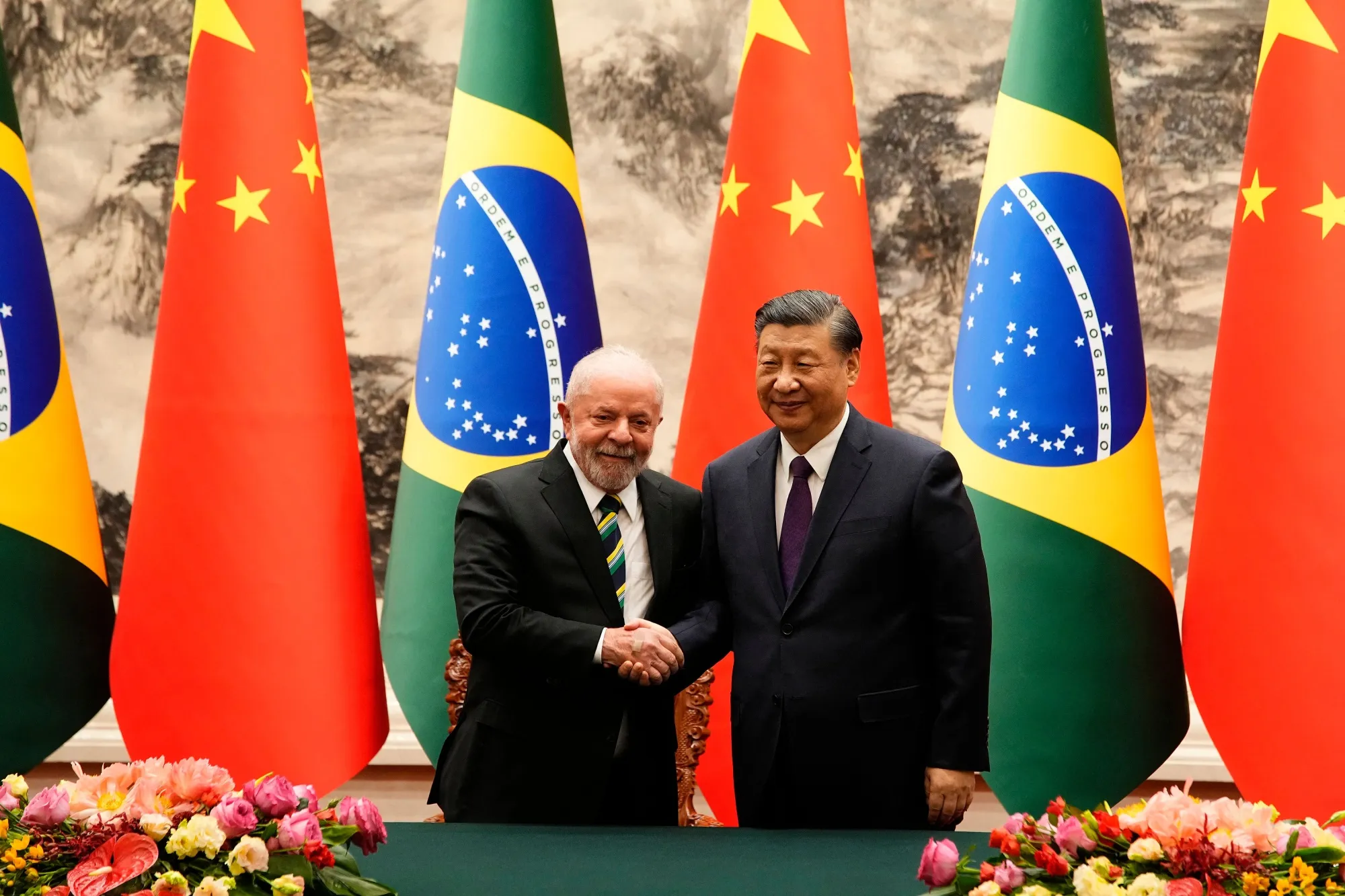
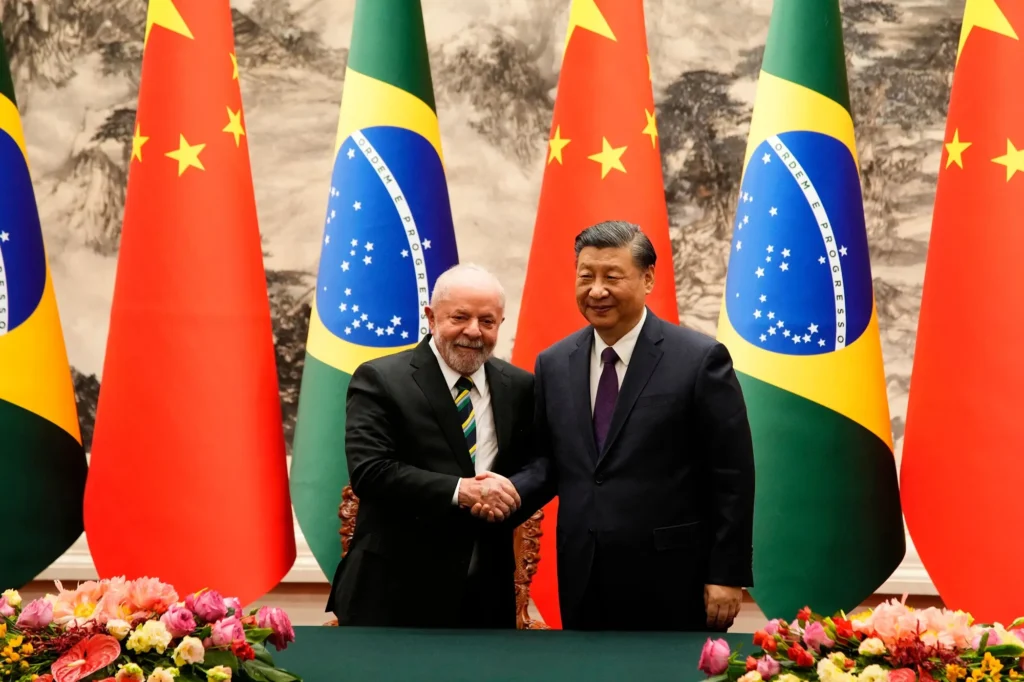
By Nitya Chakraborty Brazil’s President Luiz Inacio Lula da Silva, better known globally as Lula has launched a major initiative to meet the U.S. President Donald Trump’s unilateral tariff offensive by joining hands with Chinese President Xi Jinping and the Russian President Vladimir Putin, apart from taking assistance from South Africa and a few other […]


KUALA LUMPUR, MALAYSIA – Media OutReach Newswire – 3 April 2025 – Understanding the rhythm of financial markets can give traders a significant edge. Seasonalities—lasting trends that repeat themselves during some periods of the year—tend to influence the value of assets and the overall market state. Identifying these cycles allows traders to adapt their strategies better and make more informed decisions. In this material, experts at global […]

Dubai-based Edgnex Data Centers, a subsidiary of the Damac Group, has acquired Finnish data center company Hyperco, marking a significant expansion into the Nordic region. The financial terms of the deal have not been disclosed. Hyperco operates data centers in Finland and Sweden, leveraging the region’s sustainable energy resources, mature digital ecosystems, and high connectivity. The company’s three co-founders and existing team will continue to lead operations […]

Checkout.com has partnered with Tabby to integrate Buy Now, Pay Later solutions into its platform, enabling merchants in the United Arab Emirates and Saudi Arabia to offer consumers flexible payment options at checkout. This collaboration aims to enhance the shopping experience, foster consumer loyalty, and drive business growth by providing greater flexibility at the point of purchase. The BNPL market in the Middle East has witnessed significant […]

American Bitcoin, a US-based Bitcoin mining company, is poised to make a significant move in the market by exploring options for a public listing or introducing private equity to fuel its expansion. The company, jointly founded by Hut 8 and American Data Centers, has garnered attention due to its ambitious plans to scale its operations and leverage the ongoing surge in cryptocurrency demand. This move is being closely watched by industry experts, investors, and stakeholders as the company aims to position itself as a key player in the rapidly evolving world of cryptocurrency mining.

With the support of the Trump family, American Bitcoin’s market ambitions have taken a prominent position in the crypto sector. The backing from a high-profile family brings additional visibility and credibility to the company’s potential to disrupt the Bitcoin mining space. This strategic partnership is expected to provide American Bitcoin with not only financial resources but also valuable connections and a broader network within both the tech and investment communities.

The cryptocurrency market has experienced a marked increase in interest and investment over the past few years, particularly in Bitcoin mining. As the flagship cryptocurrency continues to dominate market discussions, mining operations that can scale efficiently are being highly sought after by both institutional investors and private equity firms. American Bitcoin’s strategy includes utilising state-of-the-art mining technology and securing access to renewable energy sources to ensure long-term sustainability and cost efficiency in its operations.

As of now, American Bitcoin is weighing whether to pursue an initial public offering or opt for private equity funding. An IPO would provide the company with the potential to raise capital from a wide array of investors, offering shares to the public and solidifying its position in the mainstream market. On the other hand, private equity could provide more flexibility in terms of growth strategy and operational control, as it would involve raising funds from select private investors.

The decision between the two paths is a critical one, as the company must balance the need for substantial capital with its desire to maintain a certain level of autonomy. Industry experts believe that both options could provide valuable opportunities for American Bitcoin to fuel its growth and meet the increasing demand for Bitcoin mining operations. However, the success of either approach will depend heavily on the company’s ability to convince investors of its long-term profitability and strategic vision.

The timing of this potential move also comes at a crucial moment for the cryptocurrency industry. Bitcoin’s market performance, while volatile, continues to demonstrate its resilience as an asset class. Furthermore, the broader acceptance of cryptocurrencies as a legitimate financial instrument by both governments and private institutions has created a favourable environment for companies like American Bitcoin to thrive.

Looking ahead, American Bitcoin’s plans to scale its operations are set against the backdrop of increasing competition in the cryptocurrency mining sector. The company will need to differentiate itself by offering innovative solutions, optimising its operations, and tapping into new market opportunities. The role of its backers, including the Trump family, could prove pivotal in shaping the company’s ability to secure its place in a crowded market.

The Bitcoin mining industry, known for its capital-intensive nature, requires substantial investments in hardware, energy, and infrastructure. As a result, companies within the sector are constantly exploring ways to improve efficiency and reduce costs while maintaining profitability. American Bitcoin’s strategic focus on renewable energy sources and cutting-edge mining technology positions it as a forward-thinking company in an industry that is often criticised for its environmental impact.

The company’s leadership is also keenly aware of the need to build a strong brand identity and attract investors who are aligned with its long-term vision. By positioning itself as an environmentally conscious and technologically advanced company, American Bitcoin hopes to set itself apart from competitors that may not be as focused on sustainability or innovation.

Beyond the financial considerations, American Bitcoin’s public offering or private equity introduction will have broader implications for the cryptocurrency mining industry. If successful, it could signal a new wave of institutional involvement in the sector, attracting both investors and talent eager to capitalise on the growing demand for Bitcoin and other cryptocurrencies. This, in turn, could lead to further advancements in mining technology and operational strategies, ultimately shaping the future of the industry.

The involvement of the Trump family in American Bitcoin’s journey adds a layer of intrigue to the company’s potential growth. With a history of significant influence in both business and political circles, their participation brings an element of prestige and recognition that could help the company navigate the complex regulatory landscape surrounding cryptocurrency mining.

VISHNU RAJA
RYO YAMADA
HITORI GOTOH
IKUYO KITA
Just in:
OpenAI introduces GPT-6 Cyber with restricted security access // e-Crime Bureau Signs Cybersecurity Partnership With Smart Africa, Reinforcing Its Global Expansion // Xi Jinping Preparing For A Trilateral Summit With Trump And Putin At APEC Summit On Nov 18-19 // The “1st Greater Bay Area Health and Longevity Summit & Awards Ceremony” concludes successfully in Macao // Millions Of Indians May Soon Be Deprived Of Government Assistance // Beyond the exhibition floor: How robots, AI and networks are moving into the real world // Oil advances towards $100 as tanker attacks persist // UK air traffic outage inflicted £33m financial losses // CR Longdation Aethereal Cybersecurity × Global Cybersecurity Alliance (GCSA) Join Hands to Establish the “AI and Cybersecurity Research Centre” // Meraas showcases five residential zones at Dubai Design Week // Geely’s i-HEV Intelligent Hybrid Technology Offers a New Direction for Gasoline-Powered Vehicles // Asia Left Behind: Ten international companies have yet to report delivering on their cage-free egg pledges across the region // Ousted top Kochi cop gets IG post // TVM –Mangaluru Vande Bharat claims top spot // Ningbo Consensus on Collaborative Development released at 2026 Global Mayors Dialogue · Ningbo // Technology shares plunge as Nasdaq enters correction // Hong Kong mandates crypto transaction disclosures to tax authorities // Kochi police detain two actors over bid to honey trap doctor // Private varsities bill all set to face the axe // Motorola introduces Signature 27 flagship priced at $1,599 //