Just in:
Emaar approves Development buyout ahead of planned delisting // Trump’s Iran War Has A Share Of Contribution To His Midterm Debacle // Miss Universe Hong Kong Jen Zhou Departs for Puerto Rico to Compete in the 75th Miss Universe World Final // TVM –Mangaluru Vande Bharat claims top spot // Oil and chip shares retreat after Democratic victories // Millions Of Indians May Soon Be Deprived Of Government Assistance // APT29-linked campaign exploits outdated Apple and Android software // Elephant calf on death line airlifted for treatment in Gujarat // Dubai details five-year visa benefits for returning visitors // CR Longdation Aethereal Cybersecurity × Global Cybersecurity Alliance (GCSA) Join Hands to Establish the “AI and Cybersecurity Research Centre” // e-Crime Bureau Signs Cybersecurity Partnership With Smart Africa, Reinforcing Its Global Expansion // Beyond the exhibition floor: How robots, AI and networks are moving into the real world // Oil advances towards $100 as tanker attacks persist // Geely’s i-HEV Intelligent Hybrid Technology Offers a New Direction for Gasoline-Powered Vehicles // The “1st Greater Bay Area Health and Longevity Summit & Awards Ceremony” concludes successfully in Macao // Ningbo Consensus on Collaborative Development released at 2026 Global Mayors Dialogue · Ningbo // Excise chief shunted out in bar licence dispute // Motorola introduces Signature 27 flagship priced at $1,599 // Microfinance case trouble for Vellappally // Kochi police detain two actors over bid to honey trap doctor //

News related to
Mid Term

Saudi Arabia’s push towards sustainability and a clean energy future will take center stage at the EV Auto Show 2024, one of the most significant gatherings for the electric vehicle (EV) industry in the Middle East. From September 17th to 19th, the Riyadh International Convention and Exhibition Centre will host automakers, industry experts, and technology innovators from around the world. As the nation seeks to reduce its dependence on fossil fuels, this event marks a key moment in advancing electric mobility in the region.

The EV Auto Show 2024 is expected to attract some of the biggest names in electric vehicle manufacturing, as well as developers of charging infrastructure and related technologies. These participants will be instrumental in Saudi Arabia’s ambitious goals to become a global leader in sustainable energy. The event is more than a showcase of cutting-edge EV models; it represents a broader initiative aligned with the Kingdom’s Vision 2030 plan to diversify its economy and promote environmental responsibility.

Among the most anticipated exhibits are electric cars, commercial trucks, buses, and motorcycles that promise to reshape Saudi Arabia’s automotive landscape. Automakers from across Europe, the US, and Asia will be presenting their latest EV models, reflecting the global momentum in the shift towards electric transportation. Some companies are expected to unveil new vehicles tailored specifically to the needs of the Gulf region, focusing on extreme climate durability, high-performance batteries, and long-range capabilities that meet the challenges posed by the vast Saudi landscape.

Saudi Arabia’s commitment to electric vehicles has been clear over the past few years, as the Kingdom invests heavily in building EV infrastructure. Recent partnerships between the Saudi government and international EV manufacturers have already set the stage for increased local production and assembly of electric vehicles. The show is poised to bring these efforts into sharper focus, with an emphasis on collaborative innovation.

Several regional and international brands will showcase their EV charging solutions at the event. Saudi-based energy firms and multinational companies will demonstrate cutting-edge charging technologies and battery solutions, focusing on both residential and commercial applications. These technologies are pivotal for the growth of the EV market, as reliable and widespread charging infrastructure remains a key challenge in Saudi Arabia’s transition to electric vehicles. The event will feature panels on overcoming these hurdles, with industry leaders and government officials expected to discuss strategies for expanding the country’s EV charging network.

Energy and technology companies are increasingly looking at ways to integrate EVs with renewable energy sources such as solar power. Saudi Arabia’s abundant sunlight presents a significant opportunity to harness clean energy for EVs, reducing both emissions and energy costs in the long term. At the show, experts will discuss how solar-powered EV charging stations can support the country’s sustainability goals, especially as the Kingdom ramps up investment in its burgeoning solar industry.

Key figures in Saudi Arabia’s automotive and energy sectors have noted that the transition to electric vehicles is no longer a distant goal but an immediate priority. The EV Auto Show is expected to catalyze both consumer interest and industry momentum, with stakeholders eager to capitalize on the growing demand for sustainable transportation options. With gasoline prices fluctuating and global environmental policies tightening, EV adoption is not just a matter of preference but a strategic imperative for the Kingdom.

Public interest in electric vehicles has surged across Saudi Arabia, particularly among younger consumers who are increasingly aware of the environmental impacts of traditional gasoline-powered cars. To meet this rising demand, several local companies are making strides in EV development and marketing. In particular, Saudi Arabia’s own Public Investment Fund (PIF) has invested billions in Lucid Motors, a leading American EV manufacturer. Lucid has already established a production facility in King Abdullah Economic City (KAEC), marking a major milestone in local EV manufacturing. The partnership is seen as a crucial step in positioning the Kingdom as a future hub for electric vehicle production in the region.

Beyond private investment, government support for EVs in Saudi Arabia has been robust. In line with Vision 2030, the Saudi government has implemented policies designed to encourage both manufacturers and consumers to embrace electric mobility. Incentives such as tax breaks for EV buyers, subsidies for local manufacturers, and government contracts for EV fleets are just some of the measures aimed at fostering a supportive environment for the industry’s growth. These policies, coupled with investments in renewable energy, are part of a broader strategy to position the Kingdom as a leader in the clean energy transition.

The environmental impact of EV adoption is also a significant consideration for Saudi Arabia. While the country is one of the largest producers of oil globally, its leaders are keen to diversify its energy sources to ensure long-term sustainability. Reducing emissions from transportation is a key component of this strategy, as the sector accounts for a considerable portion of the country’s carbon footprint. With electric vehicles seen as a crucial solution to lowering emissions, the EV Auto Show serves as a platform to demonstrate the feasibility and necessity of electric mobility in achieving Saudi Arabia’s environmental goals.

M A Hossain Russian President Vladimir Putin’s recent two-day state visit to Mongolia was not only a significant moment in the bilateral relations between Moscow and Ulaanbaatar, but also an event that resonated on the international stage. Mongolia, a nation that ratified the Rome Statute of the International Criminal Court (ICC), became the subject of global attention due to its refusal to comply with the ICC’s warrant […]

OPEC+ has opted to prolong its production restraint by two months to prevent a looming oil surplus this year. This decision comes as economic indicators show slowing growth in China and increasing supply from the United States, driving crude oil prices to their lowest level in 14 months. The coalition, spearheaded by Saudi Arabia and Russia, announced the extension on Thursday after assessing the current global market […]

Vietnam’s economic landscape is undergoing a remarkable transformation, led by ambitious Vietnamese brands ready to take on the world. Vingroup, a trailblazing conglomerate, exemplifies this trend, inspiring a new generation of entrepreneurs to “think big.” HANOI, VIETNAM – Media OutReach Newswire – 6 September 2024 – Visitors to Vietnam in recent decades will likely notice the ubiquity of Vingroup’s “Vin” brands. From real estate (Vinhome) to hospitality […]

SINGAPORE – Media OutReach Newswire – 6 September 2024 – ST Telemedia Global Data Centres (STT GDC), one of the world’s fastest-growing data centre colocation services provider headquartered in Singapore, today announced a significant investment of US$3.2 billion (INR 26,000 crores) to expand its data centre capacity in India by a substantial 550MW, nearly tripling the company’s IT load capacity to meet the demands of India’s thriving […]

HANOI, VIETNAM – Media OutReach Newswire – 6 September 2024 – Hanoi, Vietnam Amidst a geopolitical and economic landscape fraught with uncertainty, VinFast, the Vietnamese electric vehicle manufacturer, is positioning itself for success with a diversified strategy. By offering a range of products and targeting multiple markets, the company is creating a unique advantage in the rapidly evolving automotive industry. As geopolitical tensions cast a long shadow […]

HONG KONG SAR – Media OutReach Newswire – 6 September 2024 – In celebration of Hello Kitty’s 50th anniversary, Alifish, a copyright trading and innovation platform under Alibaba Pictures, joined forces with Sanrio and Tmall to launch the inaugural Sanrio Tmall Super Brand Day event under the theme “Besties should stay together like Hello Kitty & Friends”. This event saw the participation of over 30 licensees, showcased […]

Advertisements

China is preparing to form its largest brokerage firm by merging two major state-owned securities companies, Guotai Junan Securities and Haitong Securities. The merger is estimated to create a financial giant worth approximately $230 billion, positioning it to compete more effectively on the global stage, particularly against established Wall Street institutions. The plan, which has been in development for some time, is part of Beijing’s broader efforts […]

Etihad Airways is scrutinizing its fleet of Airbus A350 aircraft due to concerns over engine performance. The airline has grounded several planes for inspection following reports of engine anomalies. This proactive measure aims to ensure the safety and reliability of its operations. The decision comes amid growing scrutiny of the A350’s engine performance globally. Several airlines have reported similar issues with the Rolls-Royce Trent XWB engines, which […]

Saudi Arabia is urged by the International Monetary Fund (IMF) to persist with its economic reforms despite fluctuations in global oil prices. The IMF’s recent analysis underscores the importance of maintaining structural changes to ensure long-term economic stability and diversification.

The IMF’s call comes at a pivotal moment for Saudi Arabia, which is navigating a volatile oil market while striving to reduce its economic dependence on petroleum revenues. As oil prices exhibit considerable volatility due to global economic uncertainties and shifting energy policies, the IMF emphasizes that the Kingdom’s reform efforts are crucial for sustained economic growth and resilience.

In its latest report, the IMF highlights that Saudi Arabia’s Vision 2030 program, which seeks to diversify the economy away from oil, remains a critical strategy. This ambitious reform agenda includes investments in non-oil sectors, enhancement of the business environment, and initiatives to boost private sector participation. Despite the current challenges posed by fluctuating oil prices, the IMF argues that these reforms should continue unabated to foster a more robust and adaptable economy.

The IMF’s recommendation is grounded in the belief that economic diversification is essential for mitigating the risks associated with oil price volatility. Historically, Saudi Arabia’s economy has been highly susceptible to the ups and downs of global oil markets, which has often led to significant economic fluctuations. By advancing reforms and investing in sectors beyond oil, Saudi Arabia aims to build a more stable and resilient economic foundation.

Key components of the Vision 2030 reform agenda include the development of the tourism sector, expansion of the digital economy, and enhancement of the Kingdom’s investment environment. The Saudi government has been actively pursuing these goals, with notable progress in areas such as infrastructure development and regulatory improvements. For instance, the establishment of the Saudi Public Investment Fund (PIF) has been a cornerstone of the Kingdom’s strategy to drive investments in diverse sectors, ranging from technology to entertainment.

The IMF’s recommendation also reflects a broader trend among international financial institutions that advocate for structural reforms in oil-dependent economies. Such reforms are seen as essential for ensuring sustainable economic growth and reducing vulnerability to external shocks. The IMF’s stance aligns with previous assessments that underscore the need for comprehensive economic strategies to manage the transition from a resource-dependent economy to a more diversified and knowledge-based economy.

Saudi Arabia’s commitment to reform has been demonstrated through various high-profile initiatives, including the privatization of state-owned enterprises and the introduction of new business regulations aimed at fostering entrepreneurship. Additionally, the Kingdom has made strides in enhancing its social and economic infrastructure, with initiatives such as the Saudi National Industrial Development and Logistics Program (NIDLP) aimed at strengthening industrial capabilities and logistics networks.

Despite these efforts, the challenges posed by fluctuating oil prices continue to impact the Saudi economy. Recent data indicates that the Kingdom has experienced fluctuations in its fiscal balance and external trade due to variations in oil revenue. These fluctuations underscore the importance of the IMF’s recommendation to sustain reform efforts as a means of stabilizing the economy and ensuring long-term prosperity.

As Saudi Arabia navigates these challenges, the IMF’s guidance provides a strategic framework for policymakers to follow. The emphasis on maintaining reform momentum is intended to help the Kingdom achieve its economic goals and enhance its position in the global economy. By addressing structural vulnerabilities and advancing diversification, Saudi Arabia aims to create a more resilient and dynamic economic landscape.

By P. Sudhir The situation in Assam has steadily deteriorated due to growing tensions between communities and certain incidents being used to divide people on communal and chauvinistic lines. The chief minister, Himanta Biswa Sarma, and the BJP-led government are solely responsible for the current state of affairs. Himanta Biswa Sarma has crossed all limits […]

The ongoing initiative to bolster Houbara bustard populations has seen a significant development with the release of half a million birds into their natural habitats. This ambitious project aims to address the declining numbers of this critically endangered species and restore ecological balance. The Houbara bustard, a bird native to the arid regions of North Africa and the Middle East, has faced severe population declines due to […]

The United Arab Emirates (UAE) has marked a significant advancement in the Arab world’s energy sector by commissioning its first nuclear power plant. This achievement positions the UAE as a trailblazer in nuclear energy within the region, aligning with its strategic vision of diversifying its energy sources and reducing dependency on fossil fuels. The Barakah Nuclear Energy Plant, located in the Al Dhafra region of Abu Dhabi, […]

Agility Global, a leading logistics and supply chain company listed on the Abu Dhabi Securities Exchange, is contemplating a strategic divestment of its stake in Tristar Group, a prominent fuel logistics firm. The potential sale highlights a significant shift in Agility’s focus as it seeks to optimize its portfolio and enhance its strategic positioning in the market. Agility Global’s decision to explore the sale of its shares […]

An investment fund backed by the Abu Dhabi Investment Authority (ADIA) is seeking to raise $4 billion to expand its infrastructure portfolio in India. This move underscores the growing appeal of Indian infrastructure as a strategic investment opportunity amid an evolving economic landscape.

The fund, operating under the name of its supporting entity, ADIA, aims to tap into India’s burgeoning infrastructure sector, which has seen increased interest from global investors. The initiative reflects ADIA’s strategy to capitalize on high-growth opportunities in emerging markets, leveraging its significant financial resources to drive infrastructure development in India.

India’s infrastructure sector has become a focal point for foreign investments due to the country’s ambitious growth targets and substantial need for infrastructure development. The Indian government has rolled out several initiatives to bolster infrastructure, including road construction, urban development, and renewable energy projects. These initiatives are intended to support the nation’s rapid urbanization and economic growth, presenting a lucrative opportunity for investors.

ADIA’s decision to invest further in Indian infrastructure aligns with broader trends in global investment strategies, where there is a noticeable shift towards infrastructure assets in high-growth regions. The focus on India is particularly significant due to the country’s ongoing economic reforms and its strategic importance in the global economy.

The fund’s investment strategy involves identifying and financing key infrastructure projects that can provide long-term value and stability. This includes investments in sectors such as transportation, energy, and urban development. By targeting these areas, the fund aims to contribute to India’s economic growth while securing attractive returns for its investors.

India’s infrastructure needs are vast and varied, with the government estimating a requirement of several trillion dollars over the next decade to support its development goals. The country’s infrastructure deficit has been a critical barrier to sustained economic growth, and substantial investments are required to address this gap. The influx of capital from ADIA’s backed fund is expected to play a significant role in meeting these needs.

The Indian government has been proactive in creating an investor-friendly environment to attract foreign capital. This includes policy reforms aimed at improving the ease of doing business, enhancing regulatory frameworks, and offering incentives for infrastructure investments. These measures have contributed to increased confidence among global investors and have been instrumental in driving foreign direct investment (FDI) into the infrastructure sector.

As the fund gears up for its fundraising campaign, it is also expected to face competition from other global investors looking to tap into India’s infrastructure market. Several international players have shown keen interest in Indian infrastructure projects, driven by the country’s robust economic growth prospects and its large-scale infrastructure requirements.

The impact of this fund’s investment will likely be far-reaching, contributing to the development of critical infrastructure projects that are essential for India’s continued economic advancement. It will also highlight the attractiveness of Indian infrastructure assets to other global investors, potentially leading to additional capital inflows into the sector.

The ADIA-backed fund’s effort is part of a broader trend where sovereign wealth funds and large institutional investors are increasingly looking towards emerging markets for growth opportunities. With India being one of the fastest-growing major economies, it stands out as a key destination for such investments.

Nvidia’s market value plunged dramatically by $360 billion in a single trading day, as investors reacted to the latest developments surrounding the company’s legal troubles. This steep decline, however, was slightly mitigated, with the loss settling at approximately $280 billion by the end of the day. The volatility was spurred by a clarification from Nvidia regarding its interaction with the U.S. Department of Justice (DOJ), which became […]

The Singapore dollar has reached its strongest level against the US dollar in over ten years, reshaping economic dynamics and influencing various sectors from tourism to trade. This notable appreciation of the Singapore dollar, driven by a mix of global economic factors and local financial policies, has brought both opportunities and challenges to different stakeholders.

The current strength of the Singapore dollar, surpassing 1.35 against the US dollar, marks a significant shift in the currency’s performance. This upsurge is attributed to Singapore’s robust economic fundamentals, strategic monetary policies by the Monetary Authority of Singapore (MAS), and a relatively stable political environment compared to other global economies. Investors and analysts have observed that this strength reflects broader trends of a resilient Singaporean economy amidst global uncertainties.

For tourists, this stronger Singapore dollar translates to enhanced purchasing power. Visitors from countries with weaker currencies find their travel budgets stretching further, resulting in increased spending on luxury goods, dining, and entertainment. This shift has been beneficial for Singapore’s retail and hospitality sectors, with luxury boutiques and high-end restaurants reporting a boost in sales from foreign tourists. The tourism sector, a significant contributor to Singapore’s economy, is experiencing a revival as a result of this currency trend.

On the flip side, Singapore’s strong dollar poses challenges for local exporters. Companies exporting goods and services may face reduced competitiveness in international markets due to the higher cost of Singaporean products. This could impact profit margins and market share, particularly in sectors where price sensitivity is crucial. Exporters, especially those dealing with bulk commodities and price-competitive goods, are likely to experience squeezed margins unless they can offset the higher costs through operational efficiencies or increased value addition.

Importers, however, benefit from a stronger Singapore dollar. Lower costs for imported goods can lead to reduced expenses for businesses reliant on foreign products and raw materials. This could translate to lower prices for consumers, especially for imported electronics, vehicles, and other high-value items. The increased purchasing power of the dollar enables businesses to negotiate better terms with international suppliers and capitalize on favorable exchange rates.

The appreciation of the Singapore dollar has also influenced financial markets, with increased capital inflows observed as investors seek stable and profitable opportunities in Singapore. The local stock market has witnessed heightened activity, with foreign investors showing greater interest in Singaporean equities. This influx of investment is bolstering market liquidity and providing additional capital for domestic companies.

Moreover, the currency strength has implications for Singapore’s monetary policy. The MAS, which has a mandate to ensure price stability and economic growth, is closely monitoring the impact of the currency’s appreciation on inflation and economic activity. While a stronger dollar can help in containing import-driven inflation, it also requires careful management to ensure that the broader economic growth is not adversely affected.

The currency’s rise is also intertwined with global financial trends. Investors are increasingly turning to safe-haven assets and stable currencies amid economic uncertainties and geopolitical tensions. The Singapore dollar, often seen as a stable and secure currency, has attracted significant interest from global investors looking to hedge against risks. This trend is reflective of a broader shift towards currencies and assets perceived as safe havens in volatile times.

SINGAPORE – Media OutReach Newswire – 5 September 2024 – ST Telemedia Global Data Centres (STT GDC), one of the world’s fastest-growing data centre colocation services provider headquartered in Singapore, is pleased to announce the release of its enhanced Sustainability-Linked Financing Framework (SLFF). This update builds on STT GDC’s ongoing commitment to achieving carbon-neutral data centre operations by 2030, with more rigorous targets that align its financing […]

UAE bonds are experiencing their most extended rally in three years, as investors flock to high-quality assets amid global economic uncertainties. This upward trend in bond prices highlights a significant shift towards safer investments in a volatile financial landscape.

The UAE bond market’s recent performance is a stark contrast to the broader global bond market, which has been characterized by fluctuations due to inflationary pressures and shifting central bank policies. Bonds issued by the UAE, including those from government entities and state-owned corporations, have seen substantial demand, driving yields down and prices up.

A confluence of factors has contributed to this surge. The UAE’s stable economic outlook, bolstered by its robust fiscal policies and economic diversification efforts, has played a crucial role. Additionally, the country’s strategic economic reforms and its position as a financial hub in the Middle East have enhanced investor confidence.

The rally is particularly notable given the current global economic environment, where many investors are seeking refuge from market volatility and geopolitical tensions. As inflationary concerns and interest rate hikes dominate global financial news, UAE bonds have emerged as a beacon of stability.

Investor sentiment towards UAE bonds has been further strengthened by recent economic data, which indicates resilience in the UAE’s economic growth. For instance, the non-oil sector has continued to show robust performance, supporting the overall stability of the financial system. This economic resilience has made UAE bonds an attractive option for both local and international investors looking for quality assets.

The UAE government’s efforts to maintain a balanced fiscal policy and its commitment to infrastructure development have also bolstered the attractiveness of its bonds. The government’s strategic investments in various sectors, including renewable energy and technology, are expected to drive long-term economic growth, further enhancing the appeal of UAE bonds.

Moreover, the UAE’s strong credit ratings, supported by sound economic fundamentals and prudent fiscal management, have contributed to the bond market’s positive trajectory. These high credit ratings have reassured investors about the safety and reliability of UAE bonds, encouraging increased investment.

In the context of global bond markets, which are facing headwinds from tightening monetary policies and concerns about economic slowdowns, UAE bonds offer a relatively stable investment option. The appeal of these bonds is heightened by the UAE’s political stability and its role as a key economic player in the region.

Abu Dhabi National Oil Company (ADNOC) has announced the initial price thoughts (IPTs) for its latest dollar-denominated unsecured benchmark bond issuance, which will span three tranches with varying maturities. The offerings include five-year, 10-year, and 30-year bonds, reflecting ADNOC’s strategy to attract diverse investor interest while aligning with its long-term funding requirements. The five-year notes are being marketed at approximately 105 basis points (bps) over US Treasuries, […]

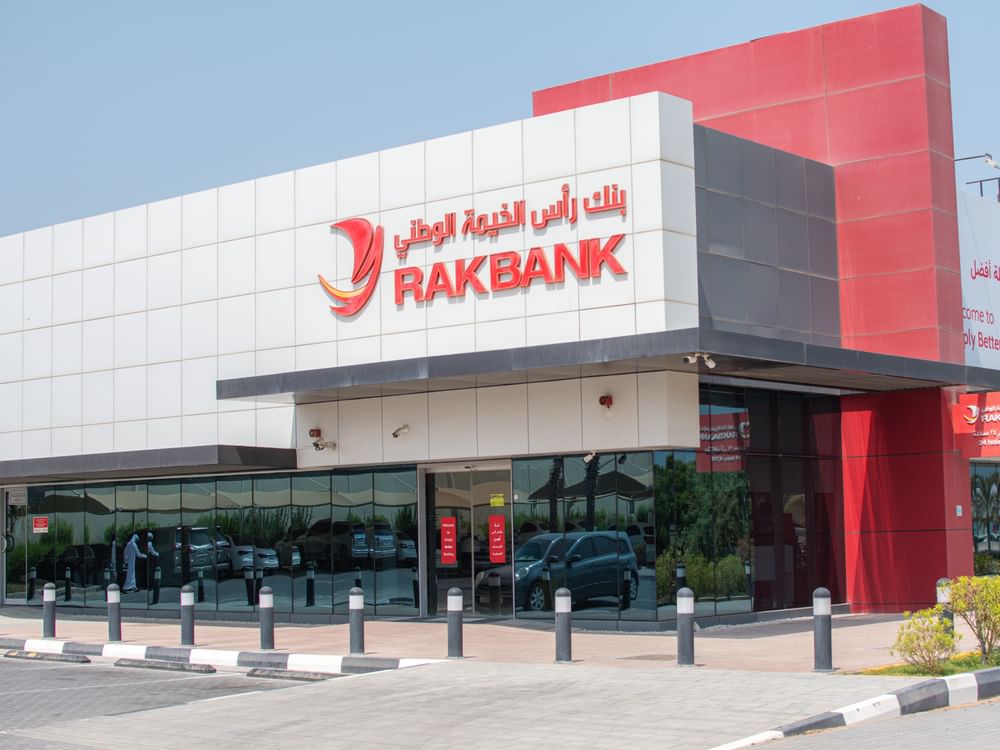
RAKBANK, the National Bank of Ras Al Khaimah, has successfully concluded its inaugural issuance of Tier 2 bonds, raising $250 million. This marks a significant milestone for the bank as it diversifies its funding sources and strengthens its capital base.

The bond issuance, conducted on September 4, 2024, was well-received by investors, reflecting strong confidence in the bank’s financial stability and growth prospects. The Tier 2 bonds are designed to enhance RAKBANK’s regulatory capital, providing a buffer against potential financial uncertainties and supporting its expansion strategies.

The bonds, with a 10-year maturity, were issued at an annual fixed rate of 5.25%, demonstrating the bank’s ability to secure favorable terms in the current capital markets. The issuance process attracted a diverse group of investors, including institutional and private investors, both regionally and internationally.

RAKBANK’s decision to issue Tier 2 bonds aligns with its ongoing efforts to strengthen its financial position and comply with the evolving regulatory requirements. Tier 2 capital, which forms part of a bank’s regulatory capital base, is crucial for maintaining the bank’s stability and supporting its growth initiatives. The successful issuance of these bonds is expected to bolster RAKBANK’s capital adequacy ratio, enhancing its ability to absorb potential losses and support future lending.

The bank’s strategy to tap into the Tier 2 bond market reflects a broader trend among financial institutions in the Middle East, where banks are increasingly turning to the capital markets to meet regulatory capital requirements and support their expansion plans. The issuance also underscores RAKBANK’s commitment to maintaining a robust capital structure, which is essential for navigating the challenges of the evolving financial landscape.

The completion of this bond issuance comes at a time when the global financial markets are experiencing a period of heightened volatility, driven by various economic and geopolitical factors. Despite these uncertainties, RAKBANK’s ability to secure significant investor interest highlights the bank’s strong market position and investor confidence in its long-term prospects.

Industry experts view RAKBANK’s Tier 2 bond issuance as a strategic move that positions the bank well for future growth. By securing additional capital, the bank is better equipped to support its lending activities, invest in new projects, and enhance its competitive position in the market. This capital injection will also enable RAKBANK to continue offering innovative financial products and services to its customers.

The successful completion of the Tier 2 bond issuance is expected to enhance RAKBANK’s credit profile, potentially leading to improved ratings from international credit rating agencies. This, in turn, could lower the bank’s borrowing costs and support its efforts to expand its footprint in both domestic and international markets.

RAKBANK’s Tier 2 bond issuance is part of a broader trend among banks in the region seeking to bolster their capital bases amid evolving regulatory requirements and economic uncertainties. Financial institutions across the Middle East are increasingly leveraging capital markets to meet their capital needs and support growth initiatives. This trend reflects a shift towards more sophisticated funding strategies as banks navigate the complexities of the modern financial landscape.

Economic sentiment across the Gulf Cooperation Council (GCC) remains largely positive despite facing significant challenges. Leaders from the region’s six member states—Saudi Arabia, the United Arab Emirates, Qatar, Kuwait, Oman, and Bahrain—are projecting continued economic growth driven by strategic diversification and investment in key sectors.

Saudi Arabia’s Vision 2030 continues to shape its economic landscape. The Kingdom is expanding its non-oil industries, particularly focusing on tourism, technology, and entertainment. Major projects like NEOM, a futuristic city planned to be powered entirely by renewable energy, are set to bolster economic diversification efforts. Despite fluctuations in oil prices and global economic uncertainties, Saudi Arabia’s economic policies aim to position the country as a global hub for innovation and investment.

The United Arab Emirates is also charting a course of strategic growth. Dubai, in particular, is enhancing its status as a global business and tourism center. The emirate’s emphasis on sustainable development, with initiatives such as the Dubai Clean Energy Strategy 2050, underscores its commitment to a diversified economy. Additionally, Abu Dhabi’s investments in renewable energy and technology sectors are expected to drive future economic stability.

Qatar’s economy is benefiting from its robust infrastructure projects and strategic investments. The country has been preparing for the 2022 FIFA World Cup, which is anticipated to provide a substantial boost to the hospitality and tourism sectors. Additionally, Qatar is focusing on strengthening its natural gas sector, positioning itself as a leading global exporter. This economic strategy aims to maintain Qatar’s high growth trajectory despite regional geopolitical tensions.

Kuwait is working towards economic diversification through its Vision 2035 plan, which seeks to reduce dependency on oil revenues by investing in sectors such as finance, technology, and healthcare. Despite facing budget deficits and economic pressures, Kuwait’s government is committed to implementing reforms and enhancing the investment climate to attract foreign capital.

Oman’s economic policies are geared towards improving its economic resilience through diversification. The Sultanate is investing in industries such as mining, tourism, and manufacturing. Oman’s efforts to enhance its business environment, coupled with regional trade agreements, are designed to foster economic growth. The government is also focusing on developing its infrastructure to support economic activities.

Bahrain is making strides in transforming its economy through investments in banking, finance, and technology. The Kingdom’s focus on becoming a fintech hub reflects its strategy to attract international businesses and foster innovation. Additionally, Bahrain’s efforts to enhance its human capital and improve its regulatory framework are expected to contribute to its long-term economic stability.

Kazuo Ueda, the Governor of the Bank of Japan (BOJ), has recently reiterated the central bank’s readiness to raise interest rates if the Japanese economy and inflation align with forecasts. This stance has significantly impacted currency markets, contributing to the yen’s strengthened position against the U.S. dollar. As the BOJ navigates its monetary policy, the broader implications for risk assets and global financial stability are becoming increasingly […]

Zain, a prominent telecommunications provider in Kuwait, has been honored with the ‘Best Corporate Governance Award 2024 for Kuwait’ by World Finance for the fourth consecutive year. This accolade underscores Zain’s continued excellence in adhering to high standards of corporate governance and transparency.

World Finance, a prestigious London-based magazine renowned for its comprehensive coverage of the financial sector, international business, and global economic trends, bestows this award to companies demonstrating exceptional governance practices. Zain’s achievement reflects its steadfast commitment to ethical business operations and robust governance frameworks.

The award, which Zain has received annually since 2021, recognizes companies that excel in transparency, accountability, and stakeholder engagement. Zain’s successful track record highlights its effective implementation of governance principles, including comprehensive risk management strategies, strong board oversight, and rigorous internal controls.

This accolade comes at a time when corporate governance has become increasingly significant for investors and stakeholders. With the evolving regulatory landscape and heightened scrutiny on corporate practices, Zain’s consistent performance in this domain positions it as a leader in maintaining high standards of corporate ethics and governance in the Middle East.

Zain’s governance model incorporates various elements that contribute to its reputation. The company’s board of directors, which comprises a diverse group of experienced professionals, plays a crucial role in overseeing strategic decisions and ensuring compliance with industry regulations. Additionally, Zain has established robust policies for financial reporting, internal audits, and risk management, which are regularly reviewed and updated to align with best practices.

The company’s commitment to corporate governance is also evident in its proactive approach to stakeholder engagement. Zain maintains transparent communication channels with its investors, employees, and customers, fostering trust and accountability. This approach is integral to Zain’s strategy, as it ensures that the company’s operations and decisions are aligned with the expectations and interests of its stakeholders.

Zain’s focus on ethical business practices is further demonstrated through its comprehensive code of conduct and ethics policies. These policies provide clear guidelines for employees and management, ensuring that all business activities are conducted with integrity and in compliance with legal and regulatory requirements. The company’s adherence to these standards has been a key factor in its ability to secure the Best Corporate Governance Award for multiple years.

The award from World Finance also reflects Zain’s broader efforts to promote corporate social responsibility (CSR). The company has implemented various initiatives aimed at supporting community development, environmental sustainability, and social causes. These efforts are part of Zain’s commitment to creating a positive impact beyond its core business operations.

Zain’s continued success in receiving this prestigious award highlights the effectiveness of its governance practices and its dedication to maintaining high standards in the industry. As corporate governance remains a critical focus for investors and regulators, Zain’s exemplary performance serves as a benchmark for other companies in the region.

In the context of the broader telecommunications industry, Zain’s achievement underscores the growing importance of governance and ethical practices. Companies across the sector are increasingly recognizing the value of strong governance frameworks in building investor confidence and ensuring long-term sustainability.

Zain’s success also aligns with global trends towards enhanced corporate governance. As businesses worldwide face increasing pressure to demonstrate transparency and accountability, Zain’s practices offer valuable insights into effective governance strategies. The company’s ability to maintain its position as a leader in corporate governance reflects its resilience and adaptability in a dynamic business environment.

VISHNU RAJA
RYO YAMADA
HITORI GOTOH
IKUYO KITA