Just in:
Ousted top Kochi cop gets IG post // Kochi police detain two actors over bid to honey trap doctor // Ningbo Consensus on Collaborative Development released at 2026 Global Mayors Dialogue · Ningbo // e-Crime Bureau Signs Cybersecurity Partnership With Smart Africa, Reinforcing Its Global Expansion // Oil advances towards $100 as tanker attacks persist // Beyond the exhibition floor: How robots, AI and networks are moving into the real world // Dubai details five-year visa benefits for returning visitors // Technology shares plunge as Nasdaq enters correction // The “1st Greater Bay Area Health and Longevity Summit & Awards Ceremony” concludes successfully in Macao // Dubai boat show confirms international shipyard line-up for November // Asia Left Behind: Ten international companies have yet to report delivering on their cage-free egg pledges across the region // Xi Jinping Preparing For A Trilateral Summit With Trump And Putin At APEC Summit On Nov 18-19 // Emaar approves Development buyout ahead of planned delisting // Trump’s Iran War Has A Share Of Contribution To His Midterm Debacle // OpenAI abandons secrecy agreements for future data centres // Hong Kong mandates crypto transaction disclosures to tax authorities // OpenAI introduces GPT-6 Cyber with restricted security access // APT29-linked campaign exploits outdated Apple and Android software // Millions Of Indians May Soon Be Deprived Of Government Assistance // Meraas showcases five residential zones at Dubai Design Week //

News related to
Mid Term

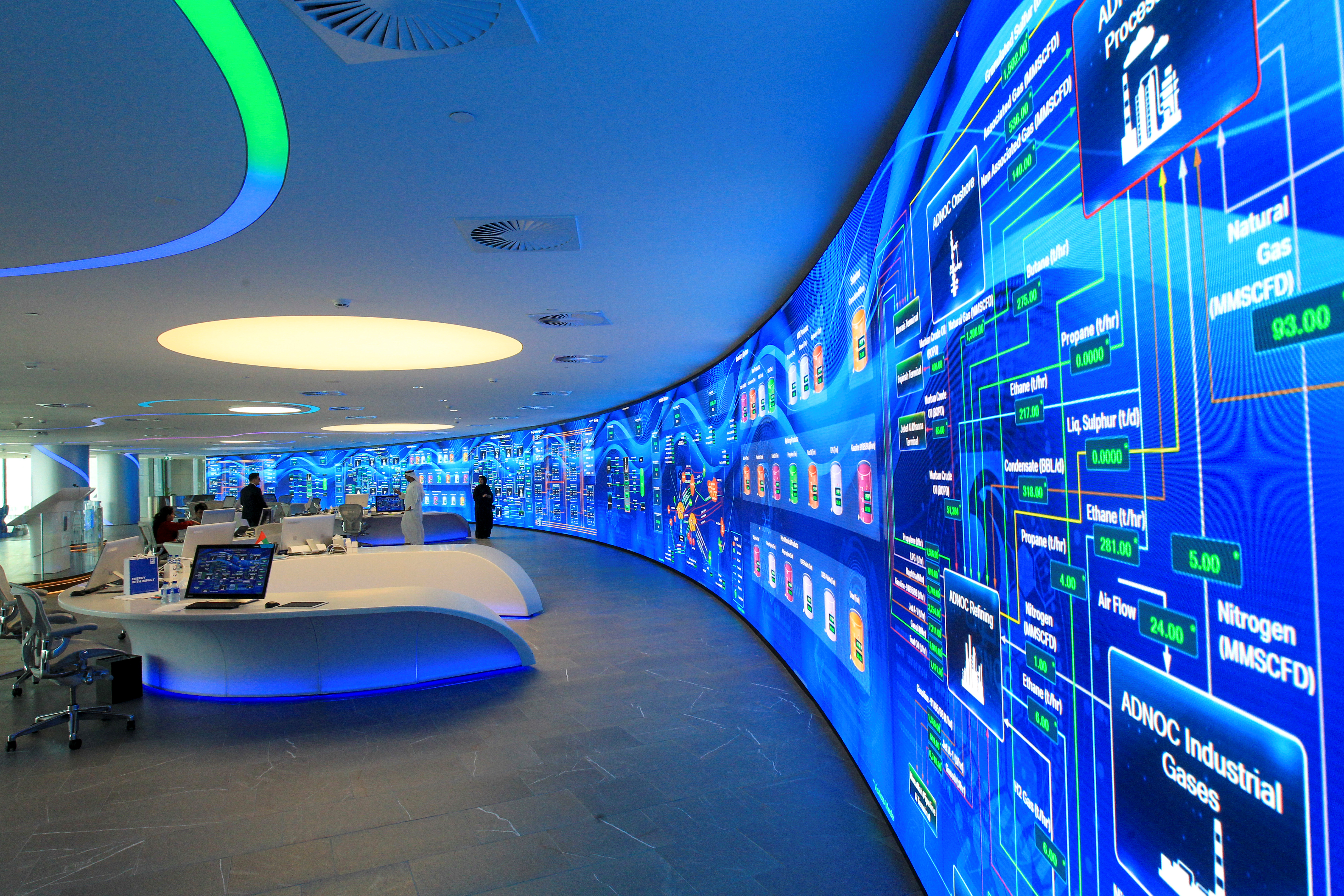
Abu Dhabi National Oil Company (ADNOC) is poised to submit a $16 billion acquisition offer for Covestro, a leading German chemical manufacturer. This move marks ADNOC’s foray into the global chemicals market, a significant shift from its core oil and gas operations. The bid underscores ADNOC’s strategy to diversify its investment portfolio and capitalize on the growing demand for advanced materials in various industrial sectors.

Sultan Al Jaber, CEO of ADNOC, led the negotiations in Germany during August, working closely with Covestro’s executives to finalize the terms of the acquisition. This potential deal highlights ADNOC’s broader vision of expanding beyond traditional energy sectors and positioning itself as a major player in the global chemicals industry. Covestro, known for its production of high-performance polymers and coatings, presents a strategic fit for ADNOC’s diversification efforts.

The proposed acquisition comes amid a surge in mergers and acquisitions within the global chemicals sector. Companies are increasingly seeking to enhance their technological capabilities and market reach through strategic partnerships and acquisitions. For ADNOC, acquiring Covestro would not only bolster its presence in Europe but also provide access to Covestro’s cutting-edge technologies and innovation-driven business model.

ADNOC’s move into the chemicals sector aligns with its broader strategy of investment diversification. The company has been actively exploring opportunities in various sectors, including renewable energy and advanced materials, as part of its long-term growth strategy. By integrating Covestro into its portfolio, ADNOC aims to leverage the company’s expertise in polymer chemistry and expand its footprint in the global market.

Covestro, headquartered in Leverkusen, Germany, has been a significant player in the chemicals industry for decades. The company’s product portfolio includes a range of high-performance materials used in automotive, construction, and electronics industries. Covestro’s commitment to sustainability and innovation makes it an attractive acquisition target for ADNOC, which is seeking to enhance its capabilities in high-value industries.

The potential acquisition of Covestro represents a strategic shift for ADNOC, moving away from its traditional focus on oil and gas and towards more diversified investment opportunities. The deal could have significant implications for both companies, as ADNOC seeks to establish itself as a global leader in the chemicals sector, while Covestro aims to benefit from ADNOC’s financial strength and international reach.

Analysts have been closely monitoring the developments surrounding the ADNOC-Covestro deal, noting that the transaction could reshape the competitive landscape of the global chemicals industry. The acquisition would likely enhance ADNOC’s ability to compete with other major players in the sector, including BASF and Dow Chemical, by providing access to new technologies and market opportunities.

The proposed deal also highlights the growing trend of oil and gas companies diversifying their portfolios to include higher-value industries. As the energy sector faces increasing pressures to transition towards more sustainable practices, companies like ADNOC are exploring new avenues for growth and profitability. The acquisition of Covestro aligns with ADNOC’s strategy of investing in industries that are expected to experience significant growth in the coming years.

Industry experts suggest that the successful acquisition of Covestro could pave the way for further consolidation in the chemicals sector. As companies seek to enhance their technological capabilities and expand their market presence, mergers and acquisitions are expected to play a key role in shaping the industry’s future. ADNOC’s potential acquisition of Covestro could be a catalyst for further strategic moves within the sector, as other players look to position themselves for future growth.

The finalization of the deal is contingent upon regulatory approvals and due diligence processes. ADNOC and Covestro will need to navigate various regulatory requirements and ensure compliance with antitrust laws in multiple jurisdictions. However, the companies are optimistic about the prospects of the transaction and are working diligently to address any potential challenges.


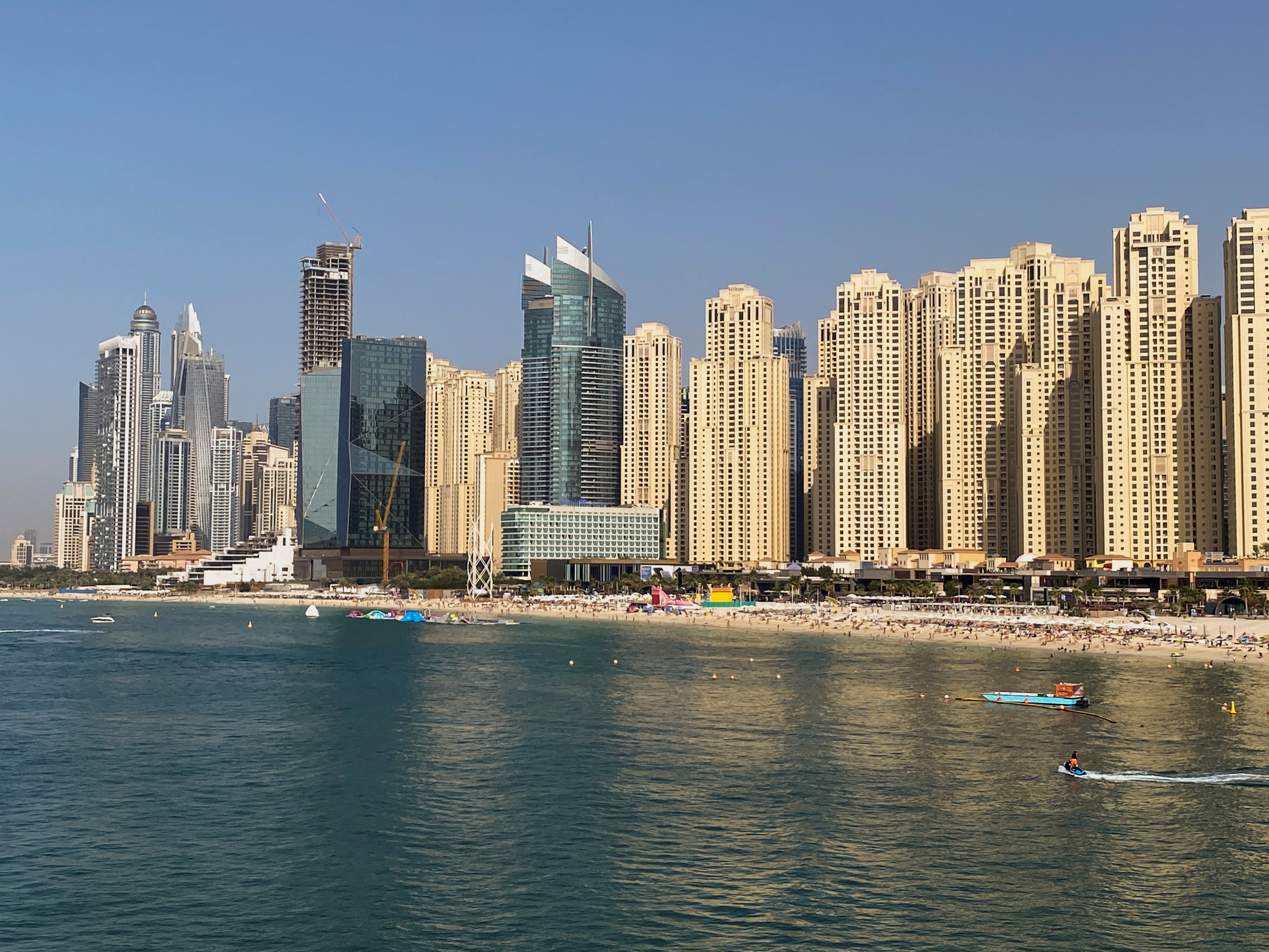
The Dubai Integrated Economic Zones Authority (DIEZ) has reported substantial growth in the first half of 2024, showcasing strong performance across all its business sectors. Marked by rising occupancy rates and improved key strategic indicators, the authority has bolstered its position as a key player in the region’s economic landscape. This growth mirrors Dubai’s ongoing efforts to strengthen its position as a global business hub and attract more investments in line with its long-term strategic goals.

The DIEZ, which oversees several major business districts in Dubai, including Dubai Airport Freezone (DAFZ), Dubai Silicon Oasis (DSO), and Dubai CommerCity, highlighted increased demand for commercial space, enhanced business activities, and the continuous expansion of its service offerings. These factors have collectively contributed to the robust financial performance recorded during the first half of 2024, further reinforcing Dubai’s image as a leading destination for global businesses.

As of mid-2024, DIEZ’s combined occupancy rates have surged, particularly in key sectors such as logistics, technology, and e-commerce. The consistent demand for warehousing and office space, coupled with the influx of businesses across these sectors, has significantly contributed to DIEZ’s outstanding performance. The growth in these sectors has been driven by the global trend of digital transformation, which has accelerated since 2020, alongside increasing demand for efficient logistics and e-commerce solutions in the region.

Dubai’s strategic location, its favorable regulatory environment, and the advanced infrastructure provided by DIEZ continue to be instrumental in attracting foreign direct investment (FDI). This aligns with the Emirate’s broader economic vision to diversify its economy beyond oil and solidify its standing as a leading center for business, trade, and innovation. The growth DIEZ has witnessed is reflective of the larger economic trajectory of Dubai, which has been experiencing sustained economic recovery and growth following the global pandemic.

DIEZ’s leadership has pointed to the authority’s ongoing efforts to provide innovative and future-ready solutions as a critical factor in its success. The organization’s strategic initiatives to offer tailored support for businesses, including customized packages for start-ups and small and medium-sized enterprises (SMEs), have played a vital role in attracting both local and international companies to establish operations within its zones. These efforts have been supported by Dubai’s strategic focus on creating a business-friendly environment with competitive incentives.

One of the primary areas of growth has been Dubai Silicon Oasis, which has emerged as a critical hub for technology-driven companies. The technology park has seen an influx of businesses involved in sectors ranging from software development to artificial intelligence and advanced robotics. The availability of cutting-edge infrastructure and high-tech facilities at DSO has helped the zone capture the interest of both established global players and emerging tech firms. This surge in business activity at DSO mirrors the broader global demand for tech-driven solutions across industries.

Dubai Airport Freezone (DAFZ), which primarily caters to logistics, aviation, and trade companies, has similarly benefited from the ongoing recovery of global trade. The rebound in the aviation sector, coupled with the rise in demand for logistics services, has helped DAFZ maintain high occupancy rates throughout the first half of 2024. The zone’s proximity to Dubai International Airport has also been a major advantage, enabling companies to benefit from streamlined import-export operations, which have played a critical role in supporting the supply chain needs of businesses operating within the free zone.

Another key contributor to DIEZ’s strong performance has been Dubai CommerCity, which has positioned itself as a specialized e-commerce hub within the region. As e-commerce continues to flourish, with both regional and international companies expanding their operations, the zone has seen significant demand for its tailored e-commerce solutions, including logistics support, technology infrastructure, and marketing services. The strong performance of Dubai CommerCity highlights the growing importance of the e-commerce sector, which has seen tremendous growth globally and regionally, fueled by changing consumer behaviors and the increasing prevalence of online shopping.

DIEZ has also taken significant steps toward sustainability and innovation, which have contributed to its growing appeal to businesses focused on environmental, social, and governance (ESG) goals. The organization has implemented several initiatives aimed at reducing carbon emissions, enhancing energy efficiency, and promoting green technologies within its economic zones. These initiatives align with Dubai’s broader goals of becoming a leader in sustainable development and reducing its carbon footprint in line with the UAE’s national agenda for sustainability.

As a result of these various factors, DIEZ has managed to attract a wide range of businesses from different industries, all of which are contributing to the economic vitality of the Emirate. The growth seen across DIEZ’s portfolio reflects the broader diversification of Dubai’s economy and its continued transition towards becoming a global leader in technology, logistics, and trade. The authority has outlined plans to further expand its offerings and infrastructure, signaling continued growth for the remainder of 2024 and beyond.

Tesla does not require any form of licensing from Elon Musk’s artificial intelligence company, xAI, according to a statement from Musk himself. Responding to a report by *The Wall Street Journal* that suggested the two entities were in discussions over a potential revenue-sharing agreement, Musk clarified the situation through his social media platform, X. He emphasized that while Tesla has gained valuable insights from its discussions with […]

Hong Kong-based conglomerate CK Hutchison Holdings is poised to raise up to $1.5 billion through a two-tranche dollar bond issuance. The move, intended to solidify the company’s financial base, comes amid strategic planning by the group to capitalize on favorable market conditions. The bond structure is expected to span five and ten years, with several global banks acting as intermediaries. CK Hutchison, with its diversified portfolio in […]

British advertising mogul Martin Sorrell’s investment company, S4 Capital, is relocating its headquarters for its Middle Eastern operations from Dubai to Riyadh, Saudi Arabia. The move signifies a strategic pivot as the company aims to tap into Saudi Arabia’s burgeoning market and align with the kingdom’s ambitious Vision 2030 plan, which seeks to diversify its economy away from oil dependency. The decision to shift the headquarters comes […]

Arabian Post Staff -Dubai Oil prices are expected to hover between $60 and $70 per barrel as major global commodity traders Gunvor and Trafigura project a continued pressure on the market. This forecast, announced during a conference, reflects persistent concerns over sluggish demand from China and an ongoing global oversupply. Despite previous expectations that summer would bolster oil prices, the market has faced significant challenges. Oil prices […]

Oman is set to make waves in the Gulf region’s financial markets with the largest initial public offering (IPO) in the country’s history. Oman’s state energy company OQ SAOC has announced plans to raise approximately $2 billion by selling a 25% stake in its exploration and production unit, OQ Exploration & Production SAOG (OQEP). The valuation of the entire OQEP business could reach around $8 billion, based […]

Advertisements

The United Arab Emirates has completed its first-ever successful test flights of High-Altitude Pseudo-Satellites (HAPS), marking a significant milestone in the country’s efforts to become a global leader in advanced aerospace technologies. The HAPS flights, carried out in the UAE’s desert regions, offer groundbreaking potential for long-duration aerial monitoring, communication, and surveillance operations at high altitudes, a capability that could revolutionize industries ranging from agriculture to national […]

Abu Dhabi National Oil Company (Adnoc) has entered into a significant 15-year agreement with Indian Oil Corporation (IOC), aimed at supplying 1 million tonnes per year of liquefied natural gas (LNG) to India. This long-term deal highlights the strengthening energy ties between the United Arab Emirates (UAE) and India, reflecting a broader strategic partnership across various sectors.

The agreement, unveiled this week, underscores the UAE’s commitment to bolstering its role in the global energy market while addressing India’s growing energy demands. For Adnoc, the deal represents a key milestone in its international expansion strategy, reinforcing its position as a leading LNG supplier. Indian Oil, India’s largest commercial enterprise, will benefit from a stable and substantial supply of LNG, crucial for meeting the country’s increasing energy needs and supporting its transition to cleaner fuels.

This collaboration emerges amidst a backdrop of heightened energy cooperation between the UAE and India. Both nations have been working to deepen their engagement in the energy sector, aiming to enhance energy security and drive sustainable development. The deal is expected to facilitate greater stability in energy supplies for India, which is seeking to diversify its sources of energy amidst a global shift towards more sustainable practices.

Adnoc’s decision to supply LNG to India aligns with its broader strategy to secure long-term contracts and expand its footprint in key global markets. The UAE has been actively pursuing agreements with various countries to ensure a steady demand for its hydrocarbon resources, reflecting a calculated approach to navigating the evolving dynamics of global energy markets.

Indian Oil, on the other hand, is focusing on expanding its portfolio of energy sources to support India’s ambitious goals of transitioning to a greener energy mix. As the country ramps up its efforts to reduce carbon emissions and increase the use of natural gas, the partnership with Adnoc will play a pivotal role in securing a reliable supply of LNG, which is seen as a cleaner alternative to coal and oil.

The deal also reflects the strategic importance of LNG in the current global energy landscape. LNG is becoming an increasingly vital component in the global energy mix, offering a flexible and cleaner energy solution compared to traditional fossil fuels. As countries around the world seek to balance their energy needs with environmental considerations, LNG is emerging as a key player in the energy transition.

For both Adnoc and Indian Oil, this agreement represents a significant step towards achieving their long-term strategic objectives. Adnoc’s commitment to supplying LNG aligns with its vision of becoming a leading global energy player, while Indian Oil’s focus on securing reliable energy sources supports its efforts to drive sustainable growth and energy security for India.

The agreement also highlights the growing trend of energy cooperation between nations, driven by mutual interests in ensuring energy security and promoting sustainable development. As countries navigate the complexities of the global energy market, strategic partnerships like the one between Adnoc and Indian Oil are becoming increasingly important.

In addition to its strategic significance, the deal is expected to have a positive impact on the economies of both nations. For the UAE, it represents a substantial export opportunity and a means of leveraging its abundant natural resources. For India, it provides a crucial supply of LNG that will support its economic growth and energy transition goals.

Dubai has revealed plans to establish a new university, the National University of Dubai, with an ambitious budget of AED4.5 billion ($1.23 billion), in a move that aims to transform the emirate into a global education hub. His Highness Sheikh Mohammed bin Rashid Al Maktoum, Vice President and Prime Minister of the UAE and Ruler of Dubai, shared the news during a public address, outlining the long-term […]

Carrefour, the French multinational retail giant, has partnered with Dubai’s Apparel Group in a strategic move to enter the Indian market. This collaboration will focus on establishing a foothold in the northern region of the country, marking a significant step for both companies as they seek to tap into one of the world’s largest consumer markets. The venture will be guided by a phased strategy that includes […]

Emirates REIT has announced the appointment of a new Chief Financial Officer, Ali Kazim, a former banker with Abu Dhabi Islamic Bank (ADIB), as the company prepares for a critical sukuk maturity. This move comes amid heightened scrutiny over the real estate investment trust’s financial health as it faces a significant payment deadline.

Kazim’s selection is seen as part of the REIT’s strategy to strengthen its financial leadership and navigate a complex financial landscape. With the sukuk set to mature in December, Emirates REIT is under pressure to outline a clear plan for repayment or refinancing. Investors and analysts are closely watching how the Dubai-based company will handle the $400 million Islamic bond, which has been a central focus in its financial operations.

Emirates REIT, a sharia-compliant investment trust that manages a diverse portfolio of commercial and residential properties, has been in a challenging position over the past few years. Declining property values in the region, exacerbated by the global economic downturn and shifting investor sentiment, have contributed to its difficulties. The appointment of Kazim is seen as a key step in bolstering investor confidence as the sukuk repayment date approaches.

The company’s debt, which includes this substantial sukuk, has been a focal point for market watchers. Emirates REIT has attempted to alleviate concerns through various strategic decisions, including asset sales and cost-cutting measures. However, questions about its ability to meet the upcoming obligations remain. Kazim’s role will be pivotal in addressing these concerns, as he brings extensive experience in Islamic finance from his time at ADIB, a leading player in the Gulf’s financial sector.

Ali Kazim’s background includes over two decades of experience in banking and finance, particularly in Islamic finance. During his tenure at ADIB, he played a critical role in managing sukuk issuances, capital raising, and restructuring debt for major corporates. His appointment signals Emirates REIT’s commitment to leveraging expertise in Islamic banking to navigate the complexities of sukuk finance and ensure compliance with sharia principles while securing favorable terms for investors.

Market analysts view this appointment as a positive move but remain cautious about the broader financial outlook for Emirates REIT. The Dubai property market has seen volatility over the past decade, and while there has been some stabilization, risks remain. Property values, rental yields, and occupancy rates have all fluctuated, influencing the REIT’s performance. The upcoming sukuk repayment adds to the uncertainty, and how the new CFO manages this situation will be critical.

Kazim’s immediate focus will likely be on negotiating with bondholders and exploring refinancing options. With the sukuk’s maturity date drawing near, Emirates REIT must either arrange for the repayment of the bond or renegotiate terms with investors. There has been speculation in financial circles about the possibility of extending the maturity or restructuring the debt, although no official announcement has been made on this front.

The broader economic environment, particularly in the Gulf, will also play a significant role in shaping Emirates REIT’s strategy. The UAE’s real estate sector has been undergoing a period of transformation, with developers and investment trusts alike adjusting to shifting demand patterns, especially in the commercial property segment. Increased interest in flexible workspaces, changes in retail real estate, and new government regulations have all impacted market dynamics. Emirates REIT’s property portfolio spans both commercial and residential assets, and the performance of these sectors will directly influence its ability to meet financial commitments.

The sukuk, which was originally issued in 2017, has been a defining financial instrument for Emirates REIT. Sukuk, as an Islamic financial certificate, differs from conventional bonds by adhering to sharia principles, including the prohibition of interest. This makes managing and refinancing such instruments more complex, as sharia compliance must be maintained throughout the process. Kazim’s deep understanding of these intricacies will be essential as he steps into his new role.

Despite the challenges, Emirates REIT’s management has expressed optimism about the future. The company has undertaken several measures to strengthen its balance sheet, including divesting non-core assets and reducing operational costs. These efforts have been aimed at improving liquidity and preparing for the sukuk’s maturity. However, the market remains skeptical, and all eyes are on Kazim and the steps he will take in the coming months.

This leadership change also comes at a time when corporate governance and transparency are under increased scrutiny across the Gulf’s financial sector. The region has seen several high-profile corporate restructurings and defaults, and investors are paying closer attention to how companies manage debt obligations. Emirates REIT, which is one of the few real estate investment trusts in the region, must now demonstrate that it can navigate these challenges effectively while adhering to Islamic financial principles.

Kazim’s appointment is expected to bring a more disciplined approach to financial management at Emirates REIT. His track record at ADIB includes successful debt restructurings and managing complex financial transactions, which will be invaluable as the company works through the sukuk repayment process. Market participants are hopeful that his leadership will provide the clarity and direction needed to steer the company through this critical period.

Dubai International Financial Centre (DIFC) is spearheading a series of new initiatives aimed at positioning itself as a global hub for wealth management and asset management firms. As Dubai continues to solidify its reputation as a key financial center, the strategic move by the DIFC underscores the increasing interest from international firms looking to establish a presence in the region.

With the region’s financial landscape rapidly evolving, the DIFC’s efforts target the growing influx of high-net-worth individuals and institutional investors. A range of programs designed to enhance operational efficiencies for firms, alongside regulatory advancements and incentives, has been rolled out to attract global firms seeking to expand their wealth and asset management portfolios.

This development comes as the Middle East has emerged as a significant player in global wealth management. With a booming ultra-high-net-worth population and growing institutional investments, Dubai is making strides to become a central hub for wealth and asset management activities. The DIFC, long regarded as the financial heartbeat of Dubai, is now doubling down on its efforts to ensure that the city remains competitive on the global stage.

Key among the new initiatives are specialized regulatory frameworks tailored to the asset management sector. These frameworks have been designed to simplify the process for international firms looking to set up operations in Dubai. The objective is to provide a clear and efficient regulatory environment, reducing administrative burdens and encouraging more firms to base their operations in the DIFC.

As part of these efforts, the DIFC has also introduced a range of incentives for firms to expand their footprint in the region. These include tax exemptions, streamlined licensing processes, and enhanced access to a global network of clients and investors. By offering a competitive regulatory and business environment, Dubai aims to draw in more firms, contributing to the city’s long-term financial growth.

Dubai’s wealth management sector has seen significant expansion over the past few years. A growing number of family offices, private equity firms, and institutional investors have established themselves in the DIFC. The trend reflects the region’s increasing importance in the global financial ecosystem, driven in part by the region’s geographic location and its robust infrastructure.

The DIFC’s strategic location at the crossroads of Asia, Europe, and Africa has long made it an attractive destination for financial services. The center is now leveraging this advantage to deepen its focus on wealth and asset management. With growing geopolitical shifts and economic trends driving more capital to the Middle East, Dubai is well-positioned to capture a significant share of this market.

Global asset management firms have already begun to capitalize on the opportunities presented by the DIFC. Several prominent international firms have recently established their regional headquarters in Dubai, underscoring the city’s appeal as a base for financial operations. This growing influx of firms is expected to boost the region’s financial services sector, creating new jobs and driving further investment.

Moreover, the DIFC’s reputation as a secure, transparent, and well-regulated environment has played a critical role in attracting global investors. The center’s robust legal framework, which is based on international standards, provides firms and investors with the confidence needed to operate in the region. This legal certainty is particularly attractive to firms navigating complex international markets.

Another significant factor driving the DIFC’s initiatives is the growth of Islamic finance. As the demand for Sharia-compliant financial products continues to rise globally, Dubai is positioning itself as a leading hub for Islamic asset management. The DIFC has introduced several initiatives aimed at facilitating the growth of Islamic finance, including the establishment of dedicated frameworks for Sharia-compliant investments. These initiatives have positioned the DIFC as a key player in the global Islamic finance market, attracting firms from across the globe.

Dubai’s economic diversification strategy is another driving force behind the DIFC’s latest efforts. As the city looks to reduce its reliance on oil revenues, financial services have emerged as a critical pillar of Dubai’s economy. By fostering a competitive and dynamic financial sector, the DIFC is playing a central role in Dubai’s economic transformation.

The DIFC’s latest initiatives also align with Dubai’s broader strategy to become a global leader in innovation and technology. The center has placed a significant focus on fintech, with several programs aimed at fostering innovation within the financial services sector. The growing importance of digital transformation in financial services is further positioning Dubai as a key destination for firms seeking to innovate in asset management and wealth management.

The dominance of the US stock market in recent years, led by tech giants like Apple, Microsoft, and Nvidia, has been undeniable. These Magnificent Seven companies have driven much of the growth in US equities, with the S&P 500 reaping the rewards of their strong earnings performance. However, as we sit in September 2024, global investors should seriously reconsider their portfolios. Relying heavily on US stocks, especially […]

HONG KONG SAR – Media OutReach Newswire – 9 September 2024 – The Hong Kong Jockey Club Charities Trust convened its fourth Philanthropy for Better Cities (PBC) Forum 2024 at West Kowloon Cultural District today (9 September). It ushered in Hong Kong Philanthropy Week, in keeping with the HKSAR Government’s mission to promote the city as an international philanthropy hub. HKSAR Government Chief Secretary for Administration Chan […]

Group Positions ‘Shama Serviced Apartments’ as Flagship to Address Long-Term Accommodation Market Demand BANGKOK, THAILAND – Media OutReach Newswire – 9 September 2024 – ONYX Hospitality Group, a leading management company renowned for its portfolio of luxury hotels, resorts, serviced apartments, and residences across Southeast Asia, has proudly announced its success in solidifying its position as the regional market leader. Shama Hub Qiantang Hangzhou Entrance Day In […]

Activity on the Cardano and Quant networks has significantly increased despite ongoing price declines for these cryptocurrencies. This uptick in network activity, coupled with a broader altcoin market at low levels, points to a potentially favorable shift in the crypto landscape.

Cardano (ADA) and Quant (QNT) have seen heightened network activity, suggesting robust engagement and development within their ecosystems. Cardano, known for its focus on scalability and sustainability, has been ramping up its smart contract functionalities and decentralized applications. Recent data reveals a surge in transaction volumes and an increase in smart contract interactions. This uptick in activity often correlates with future price adjustments, as heightened use can lead to increased value perception.

Quant, a blockchain interoperability platform, is also witnessing a rise in network engagement. The Quant network’s focus on bridging various blockchain systems is attracting significant attention, with a notable increase in transactions and interactions within its ecosystem. This growth in activity underscores the platform’s expanding role in facilitating cross-chain compatibility, which is becoming increasingly crucial in the decentralized finance (DeFi) space.

Amid this landscape, Cardano and Quant are navigating through a period of price reduction. ADA and QNT have both experienced declines in market value over recent months. However, the growing network activity might signal an underlying potential for future price recovery. Historically, periods of increased network engagement have often preceded upward price movements as projects transition from development phases to broader adoption.

The broader cryptocurrency market remains in a state of low volatility, with many altcoins trading at reduced levels. This calm period, characterized by subdued price action, is often a precursor to significant market shifts. Traders and investors are closely watching for signs of an impending altcoin season, which could be triggered by any sudden or substantial market movements.

Cardano’s recent developments are particularly noteworthy. The network has been focusing on enhancing its smart contract capabilities and expanding its DeFi ecosystem. These advancements are likely contributing to the increased network activity, as developers and users alike engage with the platform’s evolving features. The introduction of new functionalities and partnerships could further drive engagement and potentially impact ADA’s market performance in the long term.

Quant’s growing network activity aligns with its mission to address blockchain interoperability challenges. The platform’s ability to connect disparate blockchain systems positions it as a critical player in the evolving DeFi sector. As more projects and enterprises seek to leverage cross-chain solutions, Quant’s role is expected to become increasingly pivotal, driving further network interaction and engagement.

By Nantoo Banerjee The oil price decontrol — at first, the retail prices of petrol by the Manmohan Singh-led government in 2010 and, thereafter, diesel prices by the Narendra Modi-led government in 2015 – to link the local retail market prices with global price trends seems to be meant more to mislead the general public […]

Merge Games has announced the closure of its Chelford office, marking a significant move in its consolidation strategy. The decision also involves layoffs, although the exact number of affected employees has not been disclosed. The closure is part of a broader restructuring initiative aimed at streamlining operations and integrating Merge Games’ portfolio into Maximum Entertainment. Maximum Entertainment, the parent company of Merge Games, initiated this consolidation strategy […]

Intel Markets (INTL), a burgeoning ERC-20 cryptocurrency, is on track to potentially outshine leading cryptocurrencies such as Binance Coin (BNB) and Solana (SOL), according to a prominent figure in the crypto sector. This forecast has fueled growing interest in INTL, highlighting its emerging potential amid the shifting dynamics of the digital currency market. INTL’s recent performance has caught the eye of investors and analysts alike, given its […]

Sheikh Mohammed bin Rashid Al Maktoum, Vice President and Prime Minister of the UAE, and Ruler of Dubai, has announced a new educational initiative aimed at establishing a prestigious national university in Dubai. This project is set to be a significant milestone in the country’s drive to enhance its educational infrastructure, with a strong focus on fostering Emirati identity. The planned university will aim to provide world-class education while contributing to the UAE’s broader goals of becoming a global knowledge hub.

Sheikh Mohammed emphasized that the university will serve as a beacon for innovation and research in the region, empowering future generations and reinforcing Dubai’s commitment to education as a central pillar of development. He further highlighted that the university will reflect the nation’s values and aspirations, helping to shape the future of education in the UAE while staying aligned with international standards. This ambitious initiative is part of a broader strategy to position Dubai as a leader in the global education sector, reflecting the city’s evolving role as a destination for both higher education and research excellence.

The university’s launch comes amid growing efforts by Dubai to bolster its educational infrastructure, catering to both local and international students. The institution will aim to develop top-tier academic programs across a variety of disciplines, attracting leading scholars and educators from around the world. The ultimate goal is to produce graduates equipped with the skills and knowledge to drive the UAE’s economic and social development, contributing to the nation’s long-term vision of fostering a diversified, innovation-led economy.

This new institution is also expected to collaborate with leading global universities, fostering international partnerships to ensure the highest standards of education. The curriculum will integrate advanced technologies and research methodologies, with the aim of preparing students to address the complex challenges of the modern world. As part of the larger UAE Vision 2030, this university will align with the country’s goals of achieving sustainable development through education and human capital development.

The strategic vision behind this project mirrors Sheikh Mohammed’s longstanding efforts to enhance the UAE’s global competitiveness in key sectors such as education and research. Over the years, Dubai has made significant strides in building its reputation as a center for academic excellence, with numerous international institutions already operating in the city. The establishment of a national university will further strengthen this status, while also creating more opportunities for Emirati students to access high-quality education within their own country.

Education has long been at the heart of the UAE’s development agenda. The country has invested heavily in building a world-class education system, focusing on developing human capital to meet the demands of a rapidly evolving global economy. The creation of a national university in Dubai will provide a unique opportunity to deepen these efforts, enhancing the quality of education available to both Emiratis and expatriates.

In addition to its academic mission, the national university will also prioritize research and innovation, particularly in areas critical to the UAE’s future. It is anticipated that the institution will play a pivotal role in advancing knowledge in fields such as artificial intelligence, renewable energy, and healthcare, areas in which the UAE has been actively investing. By fostering a culture of innovation and research, the university will contribute to the UAE’s broader goals of economic diversification and sustainable growth.

Moreover, the national university is expected to provide a platform for addressing some of the key challenges faced by the UAE, such as climate change, food security, and technological transformation. It will also aim to nurture a generation of leaders capable of shaping the future of the UAE and contributing to global progress in these critical areas.

Sheikh Mohammed’s vision for the university underscores the broader ambition to place the UAE at the forefront of educational innovation on the world stage. The institution will serve as a model for other countries in the region, demonstrating the potential of higher education as a driver of national development. The university is expected to have a significant impact not only within the UAE but also across the wider region, positioning Dubai as a leader in academic excellence and innovation.

As Dubai continues to evolve as a global city, the new national university will be a cornerstone of its development strategy. The institution is set to offer a diverse range of programs, catering to the growing demand for higher education in the region. It will also serve as a bridge between East and West, attracting students and academics from around the world, and fostering cross-cultural dialogue and collaboration.

SocialFi platforms like Farcaster, Lens, and Friend.Tech, which once promised to revolutionize social interactions through decentralization, have experienced a significant decline in user engagement in the latter half of 2024. The platforms, heralded as the next frontier in digital communication, now face a stark reality as their user bases shrink and activity dwindles.

Farcaster, launched with high hopes for a decentralized social experience, aimed to offer a more user-controlled environment compared to traditional social media giants. However, recent metrics reveal a steep drop in active users and engagement. According to internal data and blockchain analytics, Farcaster’s daily active users have plummeted by over 60% since mid-2024. Despite efforts to re-engage users through updates and feature enhancements, the platform’s growth trajectory has reversed sharply.

Lens, another major player in the SocialFi space, envisioned itself as a decentralized alternative to mainstream social networks, with an emphasis on content ownership and monetization. The platform initially attracted attention for its innovative approach to user data and content control. Nevertheless, Lens has struggled with declining user interaction, attributed to a combination of technical issues, limited mainstream appeal, and competition from more established social platforms. Analytics suggest that Lens’s user engagement has decreased by approximately 50% over the past few months.

Friend.Tech, which aimed to integrate social interactions with cryptocurrency incentives, has also witnessed a significant downturn. The platform’s unique selling proposition was to blend social networking with financial benefits through its native token. Despite early enthusiasm and initial investment, Friend.Tech’s user activity has suffered due to a combination of fluctuating token values, regulatory uncertainty, and a lack of sustained interest from the broader community. Current data shows that the platform’s active user base has contracted by nearly 70% since the peak of its popularity.

The decline of these SocialFi platforms can be attributed to several factors. Initially, the promise of decentralization and control over personal data attracted a substantial user base. However, as the novelty wore off, many users returned to established social media networks that offer greater functionality, familiarity, and convenience. The challenges inherent in building a robust decentralized social network, including user experience issues, scalability, and regulatory hurdles, have further contributed to the platforms’ struggles.

Moreover, the broader market sentiment towards decentralized technologies has shifted. The rapid evolution of blockchain and cryptocurrency technologies has led to a saturation of projects and platforms, making it difficult for any single initiative to stand out. The SocialFi sector, in particular, has faced scrutiny over the sustainability of its business models and the long-term viability of its decentralized approach.

The Lamborghini Revuelto Hybrid, priced at $604,000, stands as a pinnacle of high-performance automotive engineering. This hybrid supercar, combining cutting-edge technology with extraordinary power, is reshaping the landscape of luxury sports vehicles.

The Revuelto Hybrid is powered by a 6.5-liter V12 engine paired with a hybrid system, delivering a combined output of 1,001 horsepower. This formidable engine setup allows the Revuelto to accelerate from 0 to 60 mph in just 2.5 seconds, making it one of the fastest cars on the market. The hybrid powertrain not only enhances performance but also improves efficiency compared to traditional supercars, demonstrating Lamborghini’s commitment to blending speed with sustainability.

In terms of design, the Revuelto Hybrid embodies Lamborghini’s signature aggressive styling with modern updates. Its aerodynamic shape, highlighted by sharp lines and an imposing front grille, is not only visually striking but also functional, contributing to its impressive downforce and stability at high speeds. The car’s lightweight carbon fiber body further enhances its agility and responsiveness, ensuring an exhilarating driving experience.

Inside, the Revuelto Hybrid offers a blend of luxury and technology. The cockpit features a minimalist yet sophisticated design, with a high-resolution digital dashboard that provides real-time data on performance metrics. The driving experience is further refined by advanced driver assistance systems, which include adaptive cruise control, lane-keeping assist, and a state-of-the-art infotainment system. These technologies not only enhance safety but also ensure that the driving experience remains both thrilling and comfortable.

One of the key innovations in the Revuelto Hybrid is its regenerative braking system, which recovers energy during braking and feeds it back into the battery. This system not only improves overall efficiency but also contributes to a more dynamic driving experience, allowing for sharper acceleration and braking responses. The integration of this technology highlights Lamborghini’s efforts to push the boundaries of hybrid performance.

The driving dynamics of the Revuelto Hybrid are further enhanced by its sophisticated suspension system, which features adaptive dampers that adjust to road conditions in real-time. This system ensures optimal handling and ride comfort, regardless of driving conditions. Additionally, the car’s advanced traction control and all-wheel-drive system provide exceptional grip and stability, allowing drivers to confidently navigate even the most challenging roads.

The Revuelto Hybrid’s performance is complemented by its extensive customization options, allowing buyers to tailor the car to their personal preferences. From a range of exterior colors and finishes to bespoke interior materials and trims, Lamborghini offers a high level of personalization to ensure that each Revuelto is as unique as its owner. This attention to detail underscores Lamborghini’s dedication to providing a truly exclusive driving experience.

The impact of the Revuelto Hybrid extends beyond its performance and design. As a hybrid supercar, it represents a significant step forward in the automotive industry’s shift towards more sustainable technologies. By integrating hybrid technology into a high-performance vehicle, Lamborghini is setting a new standard for the intersection of speed and efficiency. This move aligns with broader industry trends towards reducing carbon emissions and improving fuel economy without compromising on performance.

The Revuelto Hybrid’s launch comes at a time when the automotive industry is increasingly focusing on hybrid and electric technologies. With major manufacturers investing heavily in electric vehicle development, Lamborghini’s entry into the hybrid market demonstrates its commitment to staying at the forefront of automotive innovation. This shift reflects a growing consumer demand for high-performance vehicles that also offer improved environmental performance.

In the broader context of the luxury sports car market, the Revuelto Hybrid competes with other high-end hybrids and electric vehicles, such as the Ferrari SF90 Stradale and the Porsche Taycan Turbo S. While each of these models brings its own unique features and capabilities to the table, the Revuelto Hybrid distinguishes itself with its combination of extreme power, advanced hybrid technology, and bespoke luxury. This positions it as a leading contender in the high-performance hybrid segment.

Boeing and the International Association of Machinists and Aerospace Workers (IAM), the union representing 33,000 employees, have reached a tentative agreement to avoid a looming strike that was set to begin this week. The deal, which was reached after intense negotiations, will be put to a vote by union members over the coming days. This agreement marks a crucial step in resolving a potential labor dispute that could have disrupted Boeing’s operations on the West Coast, particularly at its facilities in Washington, Oregon, and California.

The impending strike was driven by the union’s demand for better wages, benefits, and job security for its members. The original labor contract between Boeing and IAM had expired, leaving thousands of workers with the prospect of walking off the job. Boeing, already grappling with supply chain challenges and increased production demands, sought to prevent a work stoppage that could severely impact its aircraft production schedules.

The tentative deal includes a framework that addresses some of the union’s key concerns. According to union officials, the agreement offers enhanced wage increases, improved health benefits, and stronger job protections. The union’s leadership expressed cautious optimism about the terms, noting that while the deal may not meet all expectations, it represents significant progress compared to the company’s earlier proposals. Both sides had been under mounting pressure to avoid a strike, given Boeing’s critical role in global aerospace production and the potential ripple effects on the broader supply chain.

Boeing, one of the largest aerospace companies in the world, has been working to ramp up production of its 737 MAX and 787 Dreamliner models amid rising demand for commercial aircraft. A strike at this stage would have disrupted operations and exacerbated the challenges Boeing faces as it seeks to recover from the dual impacts of the pandemic and the 737 MAX grounding. Additionally, Boeing is under pressure from its airline customers to meet delivery deadlines, which have already been delayed by various logistical and technical issues.

Union members had been preparing for a strike after rejecting Boeing’s previous offers, which they deemed insufficient in addressing concerns over inflation and rising healthcare costs. The union had argued that the workers, many of whom are highly skilled machinists, deserve a greater share of Boeing’s profits, especially as the company has resumed strong financial performance following years of setbacks. Boeing had initially pushed back, citing its need to maintain cost controls to stay competitive in the global aerospace market.

The negotiations have been watched closely by other unions and industries, as the outcome could set a precedent for labor relations in sectors that rely on skilled manufacturing workers. Labor experts note that the broader economic context, marked by inflation and a tight labor market, has strengthened the bargaining position of unions across the U.S. Workforce shortages in critical industries, including aerospace, have further complicated negotiations, as companies are increasingly concerned about retaining experienced workers while managing operational costs.

Boeing’s leadership expressed relief that a tentative deal had been reached, but emphasized that it is only a step toward securing labor peace. “We are committed to providing competitive compensation packages for our employees while ensuring the long-term success of our company,” a Boeing spokesperson said in a statement. “This agreement reflects our shared commitment to meeting the needs of our workforce and delivering on our commitments to customers.”

For union members, the next few days will be pivotal as they review the details of the agreement and prepare to vote on whether to accept the terms. Union leaders have acknowledged that there may be some hesitation among members, particularly those who had hoped for more substantial gains in areas such as pensions and job security. However, they have urged workers to consider the broader context and the improvements that have been achieved compared to earlier proposals.

The possibility of a strike had sent ripples through the aerospace industry, with analysts warning that any disruption to Boeing’s production lines could have far-reaching consequences for both domestic and international markets. Airlines, already facing delays in aircraft deliveries, had expressed concerns that a strike could lead to further setbacks, complicating fleet expansion plans and route scheduling. Suppliers, too, were bracing for potential disruptions, as Boeing’s manufacturing operations rely on a complex network of parts and materials sourced from around the world.

The tentative agreement provides a temporary reprieve, but labor relations at Boeing remain a delicate issue. The company has faced criticism from workers and union representatives in the past for not doing enough to address job security concerns amid shifting industry dynamics. Boeing’s strategic decisions, including outsourcing some manufacturing operations and increasing automation in its factories, have sparked tensions with labor groups who fear these moves could lead to job losses or reductions in wages.

VISHNU RAJA
RYO YAMADA
HITORI GOTOH
IKUYO KITA
Just in:
Dubai details five-year visa benefits for returning visitors // OpenAI abandons secrecy agreements for future data centres // Geely’s i-HEV Intelligent Hybrid Technology Offers a New Direction for Gasoline-Powered Vehicles // CR Longdation Aethereal Cybersecurity × Global Cybersecurity Alliance (GCSA) Join Hands to Establish the “AI and Cybersecurity Research Centre” // APT29-linked campaign exploits outdated Apple and Android software // Xi Jinping Preparing For A Trilateral Summit With Trump And Putin At APEC Summit On Nov 18-19 // TVM –Mangaluru Vande Bharat claims top spot // OpenAI identifies 948 Linux privilege escalation flaws using AI // UK air traffic outage inflicted £33m financial losses // Miss Universe Hong Kong Jen Zhou Departs for Puerto Rico to Compete in the 75th Miss Universe World Final // Millions Of Indians May Soon Be Deprived Of Government Assistance // Kochi police detain two actors over bid to honey trap doctor // Trump’s Iran War Has A Share Of Contribution To His Midterm Debacle // Oil advances towards $100 as tanker attacks persist // Emirates Group records AED 4.1 billion half-year profit // Beyond the exhibition floor: How robots, AI and networks are moving into the real world // OpenAI introduces GPT-6 Cyber with restricted security access // Oil and chip shares retreat after Democratic victories // Technology shares plunge as Nasdaq enters correction // The “1st Greater Bay Area Health and Longevity Summit & Awards Ceremony” concludes successfully in Macao //