News related to
Mid Term

The IPO market in the Gulf Cooperation Council (GCC) region is forecasted to maintain its growth trajectory into 2024, as demand for public offerings remains strong across sectors. Despite a quieter third quarter, characterized by fewer listings and a modest decline in proceeds, PwC’s latest report suggests that the GCC’s financial climate and ongoing economic reforms continue to drive interest in initial public offerings. The Middle East is anticipated to sustain a high level of activity, with the broader economic diversification strategies across the Gulf states playing a significant role.

PwC’s analysis indicates a downturn in Q3 2024 IPO activity across the GCC, with total proceeds for the quarter at approximately $900 million, a decline from the earlier quarters that marked a robust first half of the year. While the number of IPOs decreased, companies in sectors including financial services, healthcare, and utilities exhibited strong investor interest. The UAE and Saudi Arabia led the region’s IPO landscape in terms of total proceeds, with companies in both countries achieving record valuations.

In Saudi Arabia, regulatory support from Tadawul, the Kingdom’s stock exchange, coupled with favorable market conditions, has bolstered the appeal of public listings. Saudi firms raised over $4.2 billion in the first nine months of the year, predominantly through listings on Tadawul’s main market and the Nomu parallel market, which caters to small and medium enterprises (SMEs). The Kingdom’s Vision 2030 agenda aims to diversify revenue sources beyond oil, incentivizing companies to go public as part of its economic development blueprint. The Saudi government’s ongoing privatization drive is expected to increase the number of IPOs in key sectors, particularly energy and finance, over the next year.

Similarly, in the UAE, the public markets are being buoyed by ambitious government-led economic plans, with key initiatives from the Abu Dhabi Securities Exchange (ADX) and the Dubai Financial Market (DFM) that attract local and international investments. Notably, ADX has introduced programs to enhance liquidity and broaden access to various asset classes, while Dubai has prioritized IPO listings as part of its 2024 economic strategy. This is aimed at solidifying its status as a leading financial hub in the region, with both private and semi-private entities expressing interest in going public. Among the year’s notable listings was Abu Dhabi’s AD Ports Group, which raised significant funds on the ADX, signaling strong investor demand in sectors tied to infrastructure and logistics.

PwC also highlighted the role of government-backed entities, which accounted for a substantial portion of 2024’s IPOs. These listings typically attract significant investor attention due to their perceived stability and backing by national economic policies. Moreover, as global financial markets face headwinds from inflationary pressures and higher interest rates, the relative stability of GCC economies has enhanced the appeal of the region’s IPOs among both regional and international investors. Analysts predict that GCC markets will continue to draw substantial foreign investment, with the Middle East emerging as a unique IPO hotspot compared to other global regions where IPO activity has stagnated.

Investment experts note that while Q3 may have shown slower activity, it reflects a common cyclical slowdown rather than a downturn in interest. The anticipation for the fourth quarter is high, with several large-scale IPOs scheduled for listing across GCC exchanges, particularly in sectors aligned with government diversification priorities such as renewable energy, technology, and digital services. This aligns with the broader trend of market expansion in the GCC, where digital transformation, energy transition, and healthcare modernization are generating sustained investor interest.

In Oman and Kuwait, where public offerings have traditionally been more limited, regulators are introducing measures to improve market access. Oman’s Capital Market Authority (CMA) has been streamlining processes to support more listings, particularly for companies in growth-oriented sectors. In Kuwait, reforms aimed at increasing foreign ownership and easing regulatory requirements are seen as steps to boost investor confidence. Bahrain, while smaller in market size, has also benefited from the uptick in GCC investor interest, as it targets niche sectors with high growth potential.

KUALA LUMPUR, MALAYSIA – Media OutReach Newswire – 5 November 2024 – E-brokerage is a rapidly expanding sector globally, raising questions about its societal impact through social initiatives. Traders’ attitudes towards socially beneficial projects, including those led by Forex brokers, play a crucial role in this space. Octa, a global broker operating since 2011, conducted research to analyze traders’ involvement in and opinions on various charitable initiatives. […]

Strategic alliance poised to create new growth avenues in Thailand, Japan, and beyond. BANGKOK, THAILAND – Media OutReach Newswire – 5 November 2024 – Dusit Foods, a subsidiary of Dusit International, one of Thailand’s leading hotel and property development companies, has signed a strategic partnership agreement with Green House Co., Ltd, a prominent player in Japan’s food industry, to accelerate the growth of Epicure Catering Co., Ltd., […]

Enjoy up to 10% rebate and chance to win business class round trip to Tokyo on Citibank Global Wallet forex spending with Citibank debit card HONG KONG SAR – Media OutReach Newswire – 5 November 2024 – From now until December 31, 2024, selected Citibank customers* are entitled to Citibank Debit Mastercard® Triple Rewards[1] upon successful registration. Customers can earn up to a 10% cash rebate and […]

Up to 18% First Year Premium Discount Complimentary Health Services including Health Check-up, Chinese Medicine Services or Vaccination Services HONG KONG SAR – Media OutReach Newswire – 4 November 2024 – As global life expectancy prolongs and the costs of living continue to rise, it is not easy to properly plan for the future of oneself and his beloved ones. Hong Kong Life understands the needs of […]

Unity Technologies, the well-known platform for creating and operating interactive, real-time 3D content, has appointed Alex Blum as its new Chief Operating Officer. This strategic move aims to bolster Unity’s operational capabilities and enhance its leadership in the competitive landscape of gaming and augmented reality development. Blum joins Unity following a successful tenure as the Chief Financial Officer at DigitalOcean, where he was instrumental in guiding the […]

Baker Hughes has inaugurated its latest state-of-the-art facility dedicated to surface pressure control (SPC) solutions in Abu Dhabi. This new headquarters and manufacturing center is poised to serve as a pivotal hub for the company, enhancing its operational capabilities within the region and beyond.

Covering an expansive area of 46,000 square meters, the Abu Dhabi SPC facility will specialize in providing a comprehensive range of wellhead and subsea tree equipment and services. This strategic investment underscores Baker Hughes’ commitment to meeting the growing demand for energy solutions in the Middle East, a region increasingly recognized for its vital role in the global energy landscape.

The new center will not only cater to local markets but will also support international clients seeking advanced SPC technology. It is designed to facilitate enhanced production and operational efficiency, aligning with the industry’s shift towards digitalization and sustainable practices. With a focus on innovation, the facility will leverage cutting-edge technology to develop and deliver robust solutions tailored to the unique challenges of the energy sector.

In a statement during the inauguration, the company’s executives emphasized that this investment is a testament to Baker Hughes’ long-term strategy to strengthen its presence in key markets. The facility will incorporate advanced manufacturing techniques and is equipped with high-tech machinery to enhance productivity and streamline operations. This move aligns with broader industry trends where companies are increasingly prioritizing automation and efficiency to remain competitive.

Baker Hughes has established itself as a leader in energy technology, serving a diverse clientele that includes oil and gas operators, renewable energy firms, and industrial companies. The new Abu Dhabi center will be pivotal in extending its service offerings across various energy sectors, reflecting the company’s dedication to providing comprehensive support for its customers’ evolving needs.

The location of the facility in Abu Dhabi is strategically significant, given the emirate’s position as a major hub for energy production and innovation in the Middle East. Abu Dhabi continues to attract substantial foreign investment in the energy sector, making it an ideal site for Baker Hughes to amplify its operations. The company aims to enhance its collaboration with local stakeholders and contribute to the emirate’s vision of sustainable development in energy.

In addition to meeting regional demands, the Abu Dhabi SPC solutions unit is set to play a vital role in the company’s global supply chain. The facility is expected to streamline the production of critical components, reduce lead times, and improve service delivery. By localizing manufacturing capabilities, Baker Hughes can respond more swiftly to the needs of its clients, ensuring that they receive high-quality equipment and services without unnecessary delays.

Baker Hughes has also expressed a strong commitment to sustainability. The new facility is designed with environmental considerations in mind, incorporating energy-efficient technologies and processes to minimize its carbon footprint. As the global energy landscape shifts toward greener alternatives, the company’s efforts to integrate sustainability into its operations are expected to resonate well with stakeholders who prioritize environmentally responsible practices.

The inauguration ceremony highlighted Baker Hughes’ role in advancing the energy transition. Executives noted the importance of investing in new technologies and solutions that can help the industry meet its decarbonization goals. This aligns with the broader agenda of governments and organizations around the world to pursue cleaner energy sources and reduce greenhouse gas emissions.

The facility is anticipated to create numerous job opportunities for local talent, supporting the development of skills in advanced manufacturing and energy technologies. Baker Hughes is committed to fostering a diverse and inclusive workforce that reflects the communities it serves. By investing in local talent, the company not only enhances its operational capabilities but also contributes to the socioeconomic development of the region.

Industry analysts view this expansion as a strategic move that positions Baker Hughes favorably amid an evolving energy market characterized by increasing demand for innovative solutions. As the company continues to invest in technology and infrastructure, it reinforces its commitment to providing exceptional service and maintaining a competitive edge in the energy sector.

Advertisements

Establishing itself as a premier destination for cybersecurity innovation, the UAE has become a thriving hub for startups focused on securing digital assets. This surge in activity is fueled by the government’s commitment to enhancing national cybersecurity and supporting entrepreneurial ventures within this critical sector. The UAE Cybersecurity Council is pivotal in fostering this ecosystem, launching programs such as CyberE71, aimed at incubating promising cybersecurity startups. This […]

OPEC+ has announced a delay in the anticipated resumption of oil supply cuts, reflecting the ongoing challenges within the global crude market as prices continue to struggle. This decision follows a meeting of the coalition’s Joint Ministerial Monitoring Committee, where key players voiced concerns over persistent low oil prices and their impact on market stability.

In its recent deliberations, OPEC+ leaders emphasized the need for a strategic approach to support oil prices, which have seen significant fluctuations in the past year. Current benchmarks for crude oil have hovered around $80 per barrel, well below the levels needed for many member countries to balance their budgets. The ongoing geopolitical tensions and the potential economic fallout from inflationary pressures have further complicated the landscape, prompting OPEC+ to reconsider its production strategy.

The decision to delay the resumption of supply cuts is particularly notable given that earlier predictions had pointed towards an increase in production levels by the end of the year. Several member states, particularly those reliant on oil revenue, had anticipated a gradual easing of the cuts implemented to stabilize the market amid the COVID-19 pandemic. Instead, the coalition now appears to be adopting a more cautious stance, prioritizing price recovery over volume increase.

Saudi Arabia, the de facto leader of OPEC, has been vocal in advocating for measures to sustain oil prices. The Kingdom’s Energy Minister, Prince Abdulaziz bin Salman, reiterated the importance of market stability, emphasizing that the organization must remain vigilant in its assessment of global demand and supply dynamics. His remarks highlight the broader sentiment among OPEC+ members regarding the delicate balance required to navigate current market conditions.

Market analysts have pointed to several factors contributing to the ongoing volatility in oil prices. Demand forecasts have been revised downward, largely influenced by slowing economic growth in major economies such as China and Europe. Additionally, concerns regarding a potential resurgence of COVID-19 variants and their impact on global mobility have added to the uncertainty. As a result, some analysts project that oil demand may not rebound to pre-pandemic levels for some time.

Iran’s position within OPEC+ has also added complexity to the group’s dynamics. With ongoing negotiations surrounding the Joint Comprehensive Plan of Action, there is speculation about Iran’s potential return to the market. Should sanctions be lifted, the influx of Iranian oil could further exacerbate supply challenges, undermining efforts to stabilize prices. The coalition remains divided over how to handle Iran’s situation, as some members fear that increased production from Iran could lead to an oversupply, thereby pushing prices lower.

U.S. shale production continues to be a significant player in the global oil market. The American shale industry has proven to be remarkably resilient, adapting quickly to changing price environments. As crude prices struggle, shale producers have ramped up production, providing a counterbalance to OPEC+’s efforts to restrict supply. This dynamic has led to a tug-of-war in the market, with OPEC+ trying to manage its output while the U.S. shale industry responds to price signals by increasing production.

As OPEC+ deliberates its next steps, the energy market is also keeping a close eye on the potential impacts of environmental policies and the transition towards renewable energy sources. The global shift towards sustainability and decarbonization is expected to influence long-term oil demand. Many analysts predict that the transition could accelerate, particularly as countries commit to more aggressive climate goals. This has raised questions about the future role of oil in the global energy mix and how OPEC+ will adapt to these changes.

Looking ahead, OPEC+ faces the challenge of balancing its traditional role as a stabilizer in the oil market with the evolving landscape of energy consumption and production. The coalition’s next meeting, scheduled for December, will be crucial in shaping its strategy. Participants will likely focus on assessing both the short-term market outlook and the long-term implications of the ongoing transition towards alternative energy sources.

Price fluctuations for Bitcoin have surged, reaching levels not seen in three months as the U.S. presidential election approaches. This spike in volatility reflects the heightened uncertainty and speculation among investors in both cryptocurrency and traditional financial markets. As the electoral landscape becomes more complex, analysts suggest that market participants are increasingly turning their attention to the potential impacts of the upcoming election on economic policies and financial regulations.

Bitcoin’s price, a benchmark for the broader cryptocurrency market, recently showed significant swings, underscoring the tendency of digital assets to react strongly to political developments. Analysts note that this uptick in volatility is closely linked to investor sentiment regarding regulatory frameworks that could emerge post-election. With candidates from both major political parties holding contrasting views on cryptocurrency regulation, the stakes for Bitcoin and other digital currencies have escalated.

Investors are particularly attentive to signals from leading candidates, such as the incumbent President and potential challengers. Their positions on digital currency policies and broader economic strategies are being closely monitored, as they could influence the legislative environment surrounding cryptocurrencies. The outcome of the election could determine the trajectory of regulatory measures impacting the sector, which many see as critical for the long-term viability of digital assets.

Market observers emphasize that the correlation between political events and Bitcoin price movements is becoming increasingly pronounced. The volatility jump is viewed as a precursor to more significant price adjustments that could follow the election. Historically, political events have played a crucial role in shaping investor behavior in financial markets, and cryptocurrencies are no exception.

In addition to regulatory concerns, macroeconomic factors such as inflation rates and monetary policy are also contributing to Bitcoin’s volatility. The Federal Reserve’s stance on interest rates and inflationary pressures are vital considerations for investors. A potential change in the administration could result in shifts in fiscal policy that directly affect financial markets, leading to speculative trading behavior.

With analysts predicting increased trading volumes in the lead-up to the election, the interplay between market sentiment and political developments is likely to intensify. Investors in Bitcoin are now more focused on potential outcomes and their implications for the digital currency space, which could lead to rapid price changes. The market’s response to the election will also be influenced by key economic indicators released in the weeks leading up to voting day, such as job reports and inflation data.

The heightened volatility comes amid a broader trend of increasing institutional interest in Bitcoin. Major financial institutions are beginning to incorporate cryptocurrencies into their portfolios, signaling a shift in acceptance and potential mainstream integration of digital assets. This institutional involvement adds another layer of complexity to market dynamics, as larger players with substantial capital can amplify price movements in response to political news.

As traders navigate these turbulent waters, the focus remains on strategies to mitigate risks associated with price swings. Many are employing advanced trading techniques, including options and futures contracts, to hedge against potential losses. This trend reflects a growing sophistication in the cryptocurrency market, as participants become more adept at managing volatility.

The decentralized nature of Bitcoin and its underlying technology, blockchain, continues to attract attention as a revolutionary force in finance. As debates around digital currency regulations unfold, advocates for cryptocurrency assert that the technology can provide financial inclusion and transparency, regardless of the election outcome. However, concerns regarding security, fraud, and consumer protection remain central to discussions on regulation.

In the context of international markets, Bitcoin’s performance is also being viewed against the backdrop of global economic conditions. Investors are keenly aware of how changes in U.S. policy could ripple through global markets, influencing everything from trade relationships to investment flows. The interconnectedness of financial systems means that developments in the U.S. can have significant implications for the broader cryptocurrency ecosystem.

As election day approaches, investors and analysts alike are keeping a close eye on sentiment shifts and potential surprises in the political landscape. The ability of Bitcoin to weather these fluctuations will likely depend on the clarity and stability of regulatory frameworks established post-election. Market participants are poised for action, recognizing that the outcomes of political contests often reverberate far beyond the ballot box, impacting investment strategies and market valuations.

Venture capital funding in the Americas took a significant lead in Q3 2024, according to KPMG’s Q3 Venture Pulse Report, reflecting both the strength of U.S. technology sectors and ongoing international interest in AI, defense technology, and clean energy. Despite an overall decline in global funding volume, the Americas have continued to dominate, with North American firms capturing the lion’s share of investments, led by growth in generative AI, defense tech, and other high-stakes innovations, even as other regions recorded slower capital inflows.

The third quarter saw roughly $38 billion raised by VC-backed companies globally, with over half of this funding directed to American companies. AI alone accounted for an impressive 33% of all U.S. venture capital funding, showing the sector’s resilience even as some high-profile names, such as Anthropic and OpenAI, completed multimillion-dollar funding rounds this year. Notably, VC funding in Europe, the Middle East, and Asia has contracted compared to previous quarters. In Europe, market watchers note that funding has slowed down, especially in fintech and climate tech, previously fast-growing sectors. In Asia, investments have shown mixed results; China’s subdued economic environment impacted overall venture capital inflows, although China saw continued investment in artificial intelligence, robotics, and advanced manufacturing.

A shift in defense technology investments has emerged in 2024, with the U.S. and allied nations emphasizing strategic technologies that support national security. This has resulted in significant funding growth for American defense-tech firms, which benefited from increased federal spending and private sector collaboration. Noteworthy deals included significant rounds raised by emerging defense-tech firms that are leveraging AI to enhance surveillance, reconnaissance, and cybersecurity operations. The U.S. government’s increased focus on countering security risks from AI-related technologies has spurred both private and public investment in dual-use tech—civilian technologies with potential military applications, which are becoming increasingly prioritized.

Generative AI has maintained its role as a primary driver of VC funding. According to data from Accel, AI-related startups received nearly two-thirds of all generative AI funding across the U.S., Europe, and Israel. This trend was most visible in large-scale investments in foundational AI infrastructure, including cloud services, model training, and neural network development. Market research indicates that U.S. firms like OpenAI continue to set records, raising approximately $18.9 billion since early 2023, with Anthropic following closely with $7.8 billion. Notably, new players such as Elon Musk’s xAI have also seen significant investments, reflecting the strategic importance and market enthusiasm for AI innovation.

In Europe, artificial intelligence continues to attract capital, albeit at a slower pace. Notable AI recipients included Wayve, a UK-based autonomous driving startup, and Mistral, a French AI firm focusing on natural language processing. While European investment levels have softened overall, AI and defense-related sectors show continued resilience, aligning with national priorities and security considerations.

Globally, clean energy investments also attracted substantial VC interest, especially in areas related to hydrogen and battery technologies. Despite the sector’s promise, climate tech funding was one of the hardest-hit areas globally, affected by economic uncertainties and fluctuating energy prices. This has led to a more conservative approach from investors, although breakthroughs in energy storage, carbon capture, and hydrogen fuel cells remain attractive for long-term investors looking at green energy’s potential within sustainability mandates and decarbonization policies.

M A Hossain As the United States approaches its 2025 presidential inauguration, the potential impact on US foreign policy is under close examination, particularly concerning the Global South. The countries in these regions—spanning across Latin America, Africa, and parts of Asia—face unique challenges and opportunities based on whether the next US president will be Donald Trump or Kamala Harris. The candidates’ distinct approaches to international relations, trade, […]

Saudi Arabia, as host of the 16th United Nations Convention to Combat Desertification (UNCCD) Conference of the Parties (COP16), is intensifying its call for comprehensive global efforts to address the escalating crises of land degradation, desertification, and drought. With a staggering 40% of the world’s land already classified as degraded, impacting around 3.2 billion people, Saudi officials have underscored the pivotal role COP16 could play in reshaping […]

Covestro AG, the German polymer giant, appears set to endorse a takeover bid from Abu Dhabi National Oil Company (ADNOC) following an extensive review of ADNOC’s offer terms. This potential endorsement arrives as Covestro revises its profit outlook, a decision influenced by operational pressures across global markets. ADNOC, a major energy player based in the UAE, proposed acquiring Covestro at a valuation that positions the German firm’s […]

Mubadala Investment Company, a prominent state-owned investment arm based in Abu Dhabi, has acquired a 49% stake in the Spanish industrial firm Tubacex’s subsidiary, Tubacex Group, for approximately $200 million. This strategic investment aims to bolster Mubadala’s presence in the European industrial sector, particularly in the field of manufacturing specialized steel products used in energy, oil, and gas applications. The acquisition signifies a continued trend of Middle […]

A growing bipartisan consensus among key political leaders in the United States is emerging regarding the establishment of a sovereign wealth fund aimed at enhancing national economic stability. This initiative is gaining traction as both Republican and Democratic lawmakers express optimism about its potential benefits. However, this enthusiasm is met with skepticism from various economic experts and stakeholders who question the fund’s practical implications and operational challenges. […]

City Developments, GuocoLand, SingHaiyi Group and UOL Group emerged as major winners with more than 9 awards each Lentor Mansion, Tembusu Grand and TMW Maxwell clinched 4 Excellence awards in their respective categories Space Efficiency was the key theme this year Commercial and Industrial developments given their inaugural recognition at the Awards SINGAPORE – Media OutReach Newswire – 1 November 2024 – EdgeProp Singapore has announced the […]

By K Raveendran The tenure of Justice Sanjiv Khanna, who is set to succeed Justice D Y Chandrachud as the new Chief Justice of India, is too short to become a pivotal phase and as such promises more continuity than breaking new ground. At the same time, his nuanced perspectives and unwavering commitment to justice, […]

HONG KONG SAR – Media OutReach Newswire – 1 November 2024 – On 26 September, Lee Kum Kee rejoiced as the recipient of the esteemed ‘Grand Award’, ‘The Most Devoted Award’ and ‘The Most Innovative Award’ at the Federation of Hong Kong Industries’ (FHKI) Industry Cares Recognition Scheme 2024 Presentation Ceremony. The accolades recognise Lee Kum Kee’s innovative spirit and outstanding performance in fulfilling corporate social responsibilities. […]

Authorities in the United Arab Emirates have extended the visa amnesty period for individuals overstaying their residency permits, providing a critical opportunity for many to regularize their status. Originally set to expire, this extension allows overstayers to benefit from a streamlined process aimed at reducing the number of illegal residents while supporting their reintegration into society. The extension is part of the UAE’s broader strategy to enhance […]

Hassana Investment Company, the investment arm of the Saudi Public Pension Agency, is set to invest $2 billion in Brookfield Asset Management’s new Middle East-focused fund. This partnership is part of a broader strategy to enhance investment opportunities in the region, signaling significant confidence in Brookfield’s capabilities to generate returns through diversified investments. The fund aims to capitalize on growing infrastructure and real estate needs within the […]

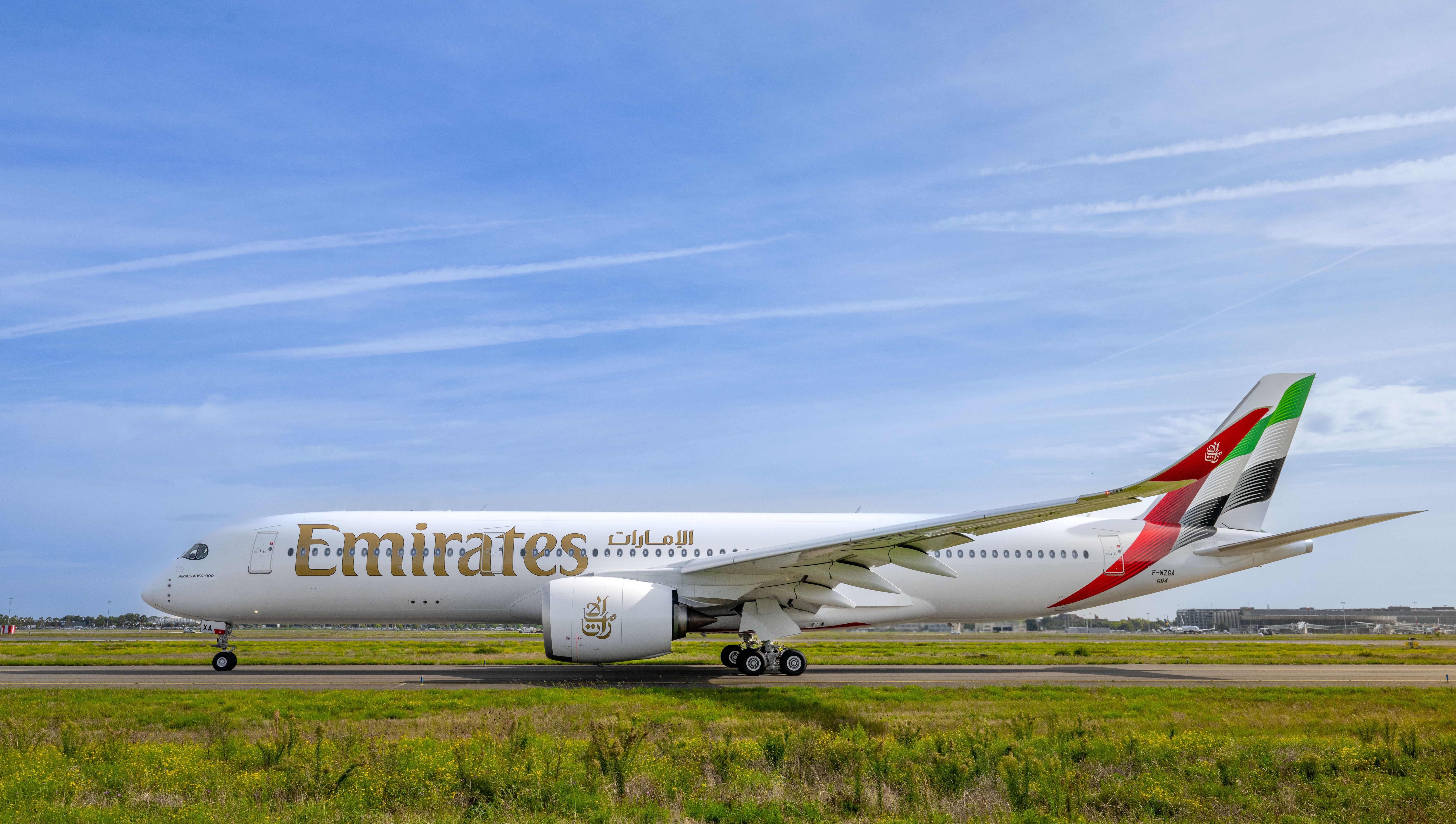
The delivery of Emirates’ first Airbus A350 has been postponed until early December, marking yet another setback in the airline’s fleet expansion plans. Originally scheduled for delivery in mid-2023, this delay is attributed to ongoing supply chain challenges that have impacted the aviation industry globally.

Emirates has been at the forefront of modernizing its fleet, committing to acquiring 50 Airbus A350-900 aircraft, a move aimed at enhancing operational efficiency and passenger comfort. The A350 is known for its fuel efficiency and long-range capabilities, making it a strategic choice for Emirates as it navigates a recovering post-pandemic travel market. However, the postponement reflects broader trends affecting major airlines, which are grappling with supply chain disruptions exacerbated by global events, including the lingering effects of the COVID-19 pandemic and geopolitical tensions.

Airbus has acknowledged the challenges it faces in meeting delivery schedules, largely stemming from shortages in parts and components critical for aircraft assembly. Despite these hurdles, the manufacturer is actively working to resolve the issues, with plans to ramp up production in the coming months. The delay in Emirates’ delivery reflects a cautious optimism within the industry, as airlines anticipate a rebound in demand for air travel, particularly in regions with high passenger traffic.

Industry experts suggest that this setback may lead Emirates to adjust its operational strategies temporarily. The airline has been known for its ability to adapt to market changes rapidly, and this delay may prompt a re-evaluation of its short-term capacity plans. With the holiday season approaching, there is increased pressure on airlines to meet passenger demand, and any fleet expansion delays could impact their service offerings.

Emirates’ commitment to the A350 program remains strong, as the aircraft is designed with advanced technology, including a quieter cabin and improved aerodynamics. The A350’s introduction is expected to bolster Emirates’ already extensive fleet of modern aircraft, which includes Boeing 777s and Airbus A380s. The A350 will also complement Emirates’ sustainability goals, contributing to reduced carbon emissions through its advanced fuel-efficient engines.

Airlines across the globe are facing similar challenges. Other major carriers have reported delays in aircraft deliveries, including Boeing and regional players, highlighting a systemic issue within the aerospace supply chain. The demand for aircraft has surged as travel restrictions ease and passenger numbers rebound, prompting manufacturers to strive for higher production rates while grappling with the complexities of sourcing components.

Emirates’ leadership remains optimistic about the long-term benefits of its investment in the A350, believing that once the aircraft enters service, it will provide a significant competitive advantage in the market. The airline’s management has emphasized its commitment to fleet modernization as a key driver of its strategy to enhance customer experience and operational efficiency.

As the airline prepares for the eventual delivery of the A350, it continues to explore other opportunities to expand its network and services. Emirates has been actively engaging in partnerships with various airlines, aiming to enhance connectivity and improve service offerings across its routes. This strategy includes forging codeshare agreements that allow for greater flexibility and options for travelers.

Despite the delays, Emirates has managed to maintain a strong market position, aided by its extensive route network and premium service offerings. The airline has invested heavily in marketing and customer engagement initiatives, ensuring that it remains a top choice for international travelers. This proactive approach, coupled with its strong brand recognition, positions Emirates well to navigate the challenges presented by fleet delays and supply chain disruptions.

The upcoming delivery of the Airbus A350 is critical not only for Emirates but also for Airbus, as it signals a milestone in the manufacturer’s recovery from the disruptions that have plagued the aviation sector. Successful deliveries are essential for restoring confidence among airlines and signaling a return to normalcy within the industry.

Saudi Arabia’s Public Investment Fund (PIF) has formalized its strategic collaboration with a leading Japanese financial institution through a series of memoranda of understanding (MoUs) potentially valued at up to $51 billion. This initiative aims to bolster investment opportunities and foster economic ties between the two nations, aligning with Saudi Arabia’s Vision 2030 agenda focused on economic diversification and sustainability.

The agreements underscore a growing trend of international partnerships that enhance the PIF’s global footprint. The MoUs cover a wide range of sectors, including technology, renewable energy, infrastructure, and entertainment. This move marks a significant step in PIF’s ongoing strategy to attract foreign investment while enabling Japanese companies to tap into Saudi Arabia’s burgeoning market.

The Japanese bank involved in the MoUs, a prominent player in the global financial landscape, has expressed commitment to collaborating on various projects that support Saudi Arabia’s long-term development goals. By leveraging Japan’s advanced technological expertise and experience in sustainable practices, the partnership aims to introduce innovative solutions to address pressing challenges in the Kingdom, particularly in areas such as clean energy and urban development.

Recent developments in the energy sector highlight a growing emphasis on sustainability. The PIF has been increasingly focused on renewable energy initiatives, with significant investments in solar and wind projects. This new partnership with the Japanese bank is expected to further accelerate these efforts, allowing for the exchange of knowledge and technology that can enhance the Kingdom’s energy landscape.

The PIF’s collaboration with Japanese entities is seen as a response to global shifts towards sustainability. As countries strive to meet their climate commitments, Saudi Arabia’s ability to innovate in green technology and invest in clean energy becomes paramount. The partnership aims to support Saudi Arabia’s ambitious goals of generating 50% of its power from renewable sources by 2030.

The PIF’s strategy aligns with the global trend of sovereign wealth funds diversifying their portfolios and seeking international partnerships to mitigate risks. This initiative illustrates the PIF’s commitment to building a resilient investment ecosystem that can withstand market fluctuations while promoting sustainable growth. By partnering with established international financial institutions, the PIF can leverage their expertise to enhance its investment strategies.

The collaboration is also a testament to Japan’s keen interest in participating in the Saudi market. Japanese companies have been increasingly exploring opportunities in the Kingdom, particularly in sectors like infrastructure and technology. The MoUs are expected to facilitate the entry of more Japanese firms into Saudi Arabia, potentially leading to the creation of jobs and the transfer of skills and technology.

Analysts view this partnership as a positive step for both nations. For Saudi Arabia, it presents an opportunity to diversify its economy and reduce dependence on oil revenues. For Japan, the collaboration allows access to one of the fastest-growing markets in the Middle East. The partnership aligns with Japan’s broader strategy of engaging with the Gulf Cooperation Council (GCC) nations to enhance trade relations and secure energy supplies.

As the world grapples with the impacts of climate change, the focus on renewable energy is becoming increasingly critical. The PIF’s proactive approach in collaborating with Japanese entities reflects its recognition of the importance of sustainable development. By investing in green technologies, Saudi Arabia positions itself as a leader in the global energy transition, attracting further investment and interest from international markets.

The partnership is expected to yield significant economic benefits for both countries. The infusion of Japanese capital and expertise into Saudi Arabia’s projects could lead to improved infrastructure, enhanced technological capabilities, and increased job creation. This, in turn, could stimulate economic growth and elevate the standard of living for many Saudis.

The PIF’s collaboration with the Japanese bank comes at a time when Saudi Arabia is actively seeking to enhance its global investment strategy. The PIF has set ambitious targets to grow its assets under management to over $2 trillion by 2030, focusing on sectors that align with the Kingdom’s long-term vision. The partnership with Japan is a strategic move in this direction, providing the PIF with the necessary tools and expertise to navigate the complexities of global markets.

By K Raveendran With clear indications that Israel is sparing Iranian oil facilities from attack, the downward pressure on oil has further increased and there is renewed talk of oil settling down around the level of $50 to the barrel. Crude has already fallen to early 70s and the demand-supply equations have not been particularly […]

VISHNU RAJA
RYO YAMADA
HITORI GOTOH
IKUYO KITA
Just in:
Geely’s i-HEV Intelligent Hybrid Technology Offers a New Direction for Gasoline-Powered Vehicles // Kochi police detain two actors over bid to honey trap doctor // HKUST President Prof. Nancy IP Receives UNESCO–Equatorial Guinea International Prize for Research in Life Sciences // Geely’s i-HEV Intelligent Hybrid Technology Offers a New Direction Vision for Gasoline-Powered Vehicles // Motorola introduces Signature 27 flagship priced at $1,599 // The “1st Greater Bay Area Health and Longevity Summit & Awards Ceremony” concludes successfully in Macao // Private varsities bill all set to face the axe // HKUST President and Chinese Academy of Sciences Academician Prof. Nancy Ip Receives UNESCO Honor for a Second Time // TVM –Mangaluru Vande Bharat claims top spot // Excise chief shunted out in bar licence dispute // Democrats Gearing Up For 2028 Presidential Elections To Gain Full Power // Beyond the exhibition floor: How robots, AI and networks are moving into the real world // Ousted top Kochi cop gets IG post // ADNOC secures decade-long LNG supply pact with Gujarat Energy // India Under Pressure To Join RCEP On The Eve Of ASEAN Summit In Manila On Nov 15-17 // OpenAI introduces GPT-6 Cyber with restricted security access // OpenAI abandons secrecy agreements for future data centres // Elephant calf on death line airlifted for treatment in Gujarat // Oil advances towards $100 as tanker attacks persist // Miss Universe Hong Kong Jen Zhou Departs for Puerto Rico to Compete in the 75th Miss Universe World Final //