Just in:
Geely’s i-HEV Intelligent Hybrid Technology Offers a New Direction Vision for Gasoline-Powered Vehicles // APT29-linked campaign exploits outdated Apple and Android software // Oil advances towards $100 as tanker attacks persist // Emirates Group records AED 4.1 billion half-year profit // Oil and chip shares retreat after Democratic victories // Asia Left Behind: Ten international companies have yet to report delivering on their cage-free egg pledges across the region // Ningbo Consensus on Collaborative Development released at 2026 Global Mayors Dialogue · Ningbo // UK air traffic outage inflicted £33m financial losses // Trump’s Iran War Has A Share Of Contribution To His Midterm Debacle // The “1st Greater Bay Area Health and Longevity Summit & Awards Ceremony” concludes successfully in Macao // Dubai boat show confirms international shipyard line-up for November // Private varsities bill all set to face the axe // Dubai details five-year visa benefits for returning visitors // Miss Universe Hong Kong Jen Zhou Departs for Puerto Rico to Compete in the 75th Miss Universe World Final // Emaar approves Development buyout ahead of planned delisting // TVM –Mangaluru Vande Bharat claims top spot // Geely’s i-HEV Intelligent Hybrid Technology Offers a New Direction for Gasoline-Powered Vehicles // Kochi police detain two actors over bid to honey trap doctor // Meraas showcases five residential zones at Dubai Design Week // Beyond the exhibition floor: How robots, AI and networks are moving into the real world //

News related to
Mid Term

Dubai Electricity and Water Authority (DEWA) has forged a strategic partnership with the Electric Power Research Institute (EPRI), aiming to accelerate the shift towards renewable energy. This collaboration aligns with DEWA’s long-term goal to enhance energy sustainability and address the evolving global energy challenges. By joining forces, both organizations seek to leverage cutting-edge technologies and drive forward Dubai’s ambitious clean energy agenda.

The agreement between DEWA and EPRI will focus on various aspects of the energy transition, including grid modernization, renewable energy adoption, and advanced energy storage solutions. With EPRI’s extensive research capabilities and DEWA’s robust infrastructure, the two entities plan to create a framework for knowledge exchange, joint projects, and innovation. The partnership is poised to play a pivotal role in the development and implementation of modern energy technologies, helping to shape the future of energy in Dubai and beyond.

As part of the collaboration, the two organizations will engage in training and development programs aimed at equipping professionals with the skills needed to navigate the challenges of the energy sector. These training initiatives will cover a range of topics, including energy efficiency, clean power generation, and grid resilience. This aspect of the partnership underscores the importance of developing human capital to support the energy transformation process.

DEWA has made significant strides in transitioning towards a more sustainable energy mix, with projects such as the Mohammed bin Rashid Al Maktoum Solar Park serving as flagship examples. The solar park, which is one of the largest in the world, has been a critical part of Dubai’s strategy to reduce carbon emissions and meet its renewable energy targets. By expanding its renewable energy portfolio and collaborating with global leaders like EPRI, DEWA is reinforcing its position as a leader in the Middle East’s energy sector.

EPRI, a US-based non-profit organization, brings decades of expertise in power systems, energy generation, and environmental sustainability. The institute works with utilities, governments, and other stakeholders worldwide to research and develop solutions for the energy industry. EPRI’s contribution to the collaboration with DEWA will be instrumental in driving innovations in smart grid technologies, energy storage systems, and the integration of renewable energy sources into the existing power infrastructure.

The collaboration is timely, as global energy systems are undergoing profound changes. Governments and organizations worldwide are facing the dual challenge of increasing energy demand while reducing environmental impact. In Dubai, DEWA’s leadership in renewable energy is essential for meeting the emirate’s energy goals, which include generating 50% of its power from clean sources by 2050. To achieve these targets, the emirate is focusing on solar, wind, and other renewable technologies, alongside improvements in energy efficiency and grid management.

Energy storage is one area that will benefit from the DEWA-EPRI collaboration. As renewable energy sources like solar and wind are intermittent, energy storage solutions are crucial for ensuring a stable and reliable power supply. The partnership will explore innovative energy storage technologies to better manage fluctuations in energy generation, enabling DEWA to enhance grid stability and reduce reliance on fossil fuels.

The focus on grid modernization will be vital as Dubai looks to incorporate a larger share of renewable energy into its power mix. Modernizing the grid involves upgrading infrastructure to handle decentralized and variable energy sources. This is particularly important as more renewable energy is generated locally through distributed systems, such as solar panels on buildings. Advanced grid technologies, such as smart meters and automation, will help integrate renewable energy more effectively while maintaining reliability and minimizing energy losses.

DEWA’s collaboration with EPRI also underscores the growing importance of international partnerships in addressing global energy challenges. As nations worldwide aim to meet climate goals set under international agreements such as the Paris Agreement, sharing knowledge and expertise becomes crucial. By working with EPRI, DEWA taps into a global network of energy innovators, ensuring that its energy transition strategies are informed by the latest research and best practices.

Dubai’s clean energy push is part of a broader trend across the region, where energy producers are increasingly embracing sustainable practices. The UAE has made significant investments in renewable energy projects, such as the Barakah nuclear power plant and the Noor Abu Dhabi solar plant. These efforts are not only aimed at reducing the country’s carbon footprint but also at diversifying its energy sources and enhancing energy security.

The DEWA-EPRI partnership also highlights the critical role of technological innovation in the energy sector. The growing adoption of digital tools and advanced analytics is transforming how utilities manage energy systems. Artificial intelligence, big data, and machine learning are becoming essential in optimizing grid performance and predicting energy demand patterns. These technologies will play a central role in the collaboration, helping to improve the efficiency and flexibility of Dubai’s energy infrastructure.

Another key area of focus for DEWA is enhancing energy efficiency across various sectors, including transportation and buildings. The collaboration with EPRI will explore how advanced technologies can be applied to optimize energy use in these areas, helping to reduce consumption and lower costs. Additionally, the partnership aims to promote the integration of electric vehicles (EVs) into Dubai’s transport network, providing a sustainable alternative to traditional fuel-powered vehicles.

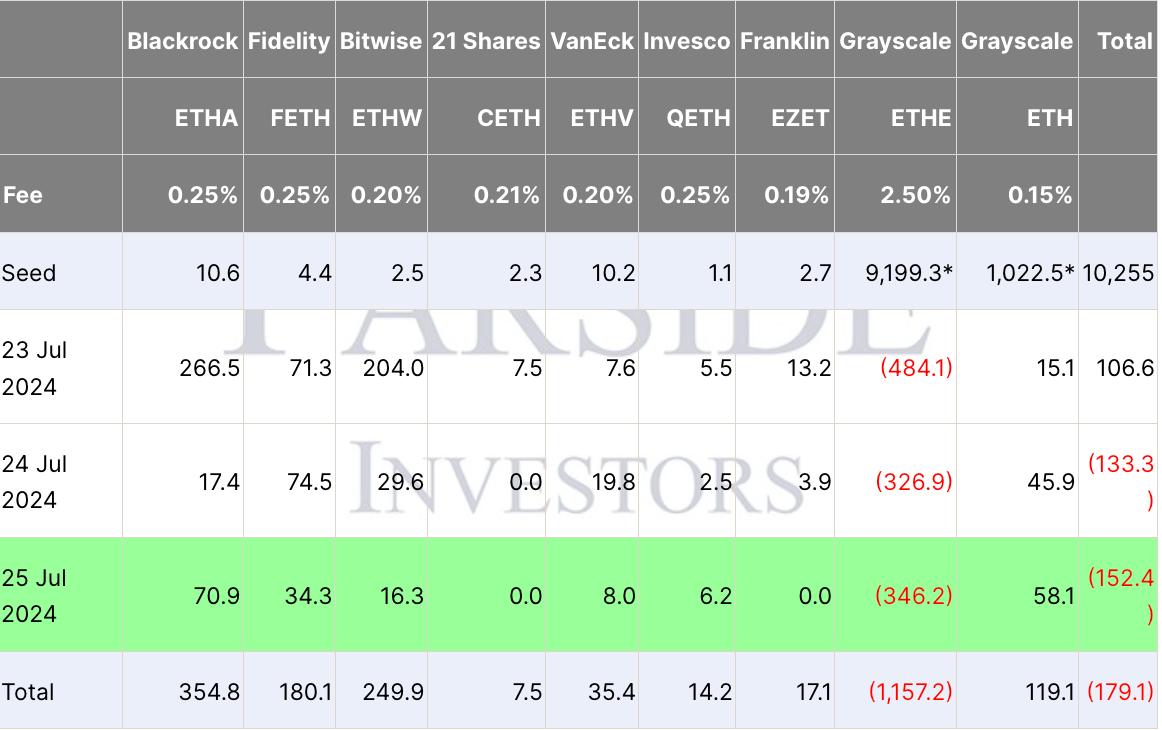
Tether (USDT) has seen a significant shift in its distribution across blockchain networks, with Ethereum surpassing TRON in terms of USDT supply. Over the past month, the amount of USDT on Ethereum has surged by approximately $20 billion, pushing its dominance in the stablecoin market. As of the latest reports, Ethereum now accounts for the majority of the USDT supply, with more than $12 billion of the total circulating USDT on the Ethereum network.

This notable growth is a result of increasing demand for Ethereum-based DeFi applications and the network’s broader adoption. USDT, a leading stablecoin in the cryptocurrency sector, has traditionally been spread across various blockchains, including Bitcoin’s Omni layer, TRON, and others like EOS and Liquid. However, Ethereum has long been the primary platform for stablecoins, and its share has now expanded significantly, reflecting Ethereum’s renewed appeal amid the growing DeFi ecosystem.

Ethereum’s dominance has been bolstered by its Ethereum 2.0 upgrade, improving scalability and transaction costs, which has made it a more attractive option for decentralized finance platforms and crypto traders. The increase in USDT supply on Ethereum is not just a byproduct of market demand but also a strategic move to enhance Ethereum’s role in decentralized applications (dApps) and smart contract solutions.

Meanwhile, TRON, which once held a more substantial share of USDT, has seen its role diminish in the face of Ethereum’s rising prominence. While TRON continues to be a player in the stablecoin ecosystem, its share of the total USDT supply has decreased notably in recent months. This shift is indicative of broader trends in the stablecoin market, where networks like Ethereum are increasingly seen as the go-to platforms for issuing and transferring stablecoins due to their robust infrastructure and widespread use.

Base, a layer-2 blockchain solution built atop Ethereum, has garnered significant attention due to its robust growth in 2024, securing $2.7 billion in net inflows year-to-date. The surge marks a pivotal moment for the project, reflecting strong investor confidence and the growing appeal of scaling solutions within the crypto ecosystem. In stark contrast, Ethereum itself, despite its dominance in the space, experienced a record $7.4 billion in net outflows over the same period, signaling a shift in investor sentiment away from the original Ethereum blockchain toward alternative platforms like Base.

The disparity in inflows and outflows has drawn attention from market analysts, particularly because both assets are intrinsically linked. Base’s success hinges on the Ethereum blockchain for security, but its tailored scalability and lower transaction costs have attracted considerable investment. Ethereum’s outflows are largely attributed to concerns over its scalability issues, particularly its high transaction fees and network congestion that have persisted despite ongoing updates.

The ongoing battle between layer-1 and layer-2 solutions illustrates a broader trend in blockchain development. Layer-2 solutions like Base aim to alleviate the scalability challenges faced by Ethereum by processing transactions off-chain while leveraging Ethereum’s security. This model has proven to be appealing to decentralized application developers and users who seek lower fees and faster transactions. Investors are increasingly recognizing these advantages, which has driven the substantial inflows into Base.

One of the key factors driving Base’s success has been its integration with Optimism, a layer-2 network that employs Optimistic Rollups. This technology allows transactions to be processed in batches, enhancing speed and efficiency while reducing costs. Optimism’s established track record, combined with the robust infrastructure of Base, has resulted in a growing number of decentralized finance (DeFi) protocols migrating to this ecosystem. These protocols are increasingly shifting their focus to Base, buoyed by its ability to scale and manage higher transaction volumes more effectively than Ethereum.

Ethereum’s struggle to retain investor confidence, on the other hand, can be traced to its long-standing scalability limitations. The Ethereum network, often hailed as the backbone of decentralized finance, has been plagued by network congestion, especially during periods of high transaction demand. While Ethereum’s transition to Ethereum 2.0, which aims to implement a Proof of Stake consensus mechanism, is intended to address some of these issues, many investors remain skeptical of its long-term viability in its current form. High transaction fees continue to plague the network, pushing investors and developers to seek alternatives that offer better scalability.

Despite Ethereum’s ongoing development efforts, including the introduction of sharding and other upgrades to enhance throughput, the market sentiment has leaned toward blockchain solutions that can offer immediate relief. Layer-2 solutions like Base, Arbitrum, and Polygon have benefitted from this shift, offering near-instant transaction finality and negligible fees. These benefits have not only attracted developers but also institutional investors who are looking to capitalize on the emerging layer-2 ecosystem, further driving the inflow into these platforms.

The contrast between Ethereum’s challenges and Base’s growth is particularly notable given the overlap in their underlying technologies. While Base runs on Ethereum’s base layer for security and consensus, its innovative scaling model has managed to sidestep many of the bottlenecks that continue to hinder Ethereum itself. This dynamic has led to the rapid rise of Base in the market, with many speculating that this trend could continue as more applications and investors shift their focus to layer-2 solutions.

A key consideration in the ongoing evolution of blockchain technology is the role of decentralization. Ethereum has long been the poster child for decentralization, emphasizing the importance of a trustless and distributed network. However, as scalability and efficiency have become more pressing issues, layer-2 solutions like Base are offering a middle ground—leveraging Ethereum’s security without burdening its mainnet with excessive transactions. This hybrid approach is increasingly gaining favor among users who value both decentralization and efficiency.

The entry of institutional investors into the blockchain space has played a critical role in shaping the landscape. Many institutional players have expressed interest in blockchain technologies that provide high throughput and minimal latency, qualities that are often found in layer-2 solutions. The inflows into Base reflect this shift, as institutions seek to diversify their portfolios in the rapidly evolving digital asset space. The growing adoption of decentralized finance, non-fungible tokens (NFTs), and other blockchain-based innovations has further cemented Base’s position as a platform that can support these applications with lower costs and faster speeds.

The contrasting trends in Ethereum’s outflows and Base’s inflows have sparked debate about the future of Ethereum’s role in the broader blockchain ecosystem. While Ethereum remains the dominant layer-1 blockchain, its scalability issues have led to increased competition from a range of layer-2 solutions. These developments highlight the evolving dynamics within the blockchain space, where scalability, speed, and cost-efficiency are becoming the key determinants of success.

The United Arab Emirates has finalized a comprehensive agreement aimed at boosting economic and trade relations with the Eurasian Economic Union (EAEU), marking a significant step in its efforts to diversify trade partnerships and expand its geopolitical influence. The deal, signed by top officials in both regions, is expected to enhance cooperation in sectors such as energy, technology, and logistics, and increase bilateral trade, which has already shown promising growth.

The EAEU, a political and economic union comprising Armenia, Belarus, Kazakhstan, Kyrgyzstan, and Russia, represents a growing market with over 180 million consumers. The agreement with the UAE promises to deepen economic integration between these countries and one of the Middle East’s most dynamic economies. This strategic alignment highlights the UAE’s broader ambition to strengthen its role as a global trading hub, positioning itself as a bridge between East and West.

Trade relations between the UAE and the EAEU have been steadily evolving, with the UAE emerging as a key partner for EAEU nations in recent years. This new pact, formalized after several rounds of negotiation, is designed to capitalize on existing commercial synergies, offering a platform for increased investment flows, joint ventures, and the expansion of supply chains. The agreement sets the stage for a substantial increase in trade volumes, as both parties have agreed to reduce trade barriers and streamline customs procedures, making it easier for goods and services to flow across borders.

In addition to the trade component, the agreement includes provisions for cooperation in technology and innovation. The UAE, already a leader in the tech sector in the Middle East, is looking to export its expertise in fields such as artificial intelligence (AI), renewable energy, and smart infrastructure. EAEU nations, particularly Russia and Kazakhstan, are keen to integrate more advanced technologies into their industries, and the UAE sees this as a prime opportunity to tap into these growing markets. The deal is expected to open up new avenues for collaboration in space technology, fintech, and cybersecurity, sectors in which the UAE has made substantial strides.

Energy remains one of the cornerstone industries in the relationship. The UAE, a member of the Organization of the Petroleum Exporting Countries (OPEC), and Russia, one of the world’s largest oil producers, have long had a robust partnership in the energy sector. This agreement formalizes their commitment to enhancing energy cooperation, particularly in the field of renewable energy. With both nations investing heavily in solar, wind, and nuclear power, the UAE’s clean energy expertise could play a pivotal role in helping EAEU countries achieve their energy transition goals.

The partnership holds significant strategic value for the UAE, which is seeking to diversify its international partnerships and reduce its reliance on traditional Western markets. As geopolitical dynamics shift, particularly with increasing tensions between the West and Russia, the UAE sees the EAEU as an important alternative to expand its global influence. The UAE’s government has been active in seeking closer relations with non-Western powers, building ties with China, India, and Russia in various sectors, including defense, technology, and trade.

For the EAEU, the agreement provides a new dimension to its outward economic orientation, as the bloc looks to reduce its dependence on Europe and enhance its engagement with the Middle East. This new avenue for collaboration is seen as critical for the EAEU’s long-term economic strategy, which aims to bolster ties with countries in Asia and the Arab world. The UAE’s rapidly growing economy and its strategic location between Asia, Africa, and Europe offer a unique gateway for EAEU countries to increase their exports, access global markets, and attract investments.

This agreement is part of a broader trend of the UAE pursuing economic diversification and expanding its trade footprint beyond its traditional partners. The UAE has been actively seeking new trade agreements with nations across the globe, and this deal with the EAEU complements similar initiatives with countries such as India, China, and various African nations. Through these agreements, the UAE is enhancing its position as a regional and global trade powerhouse, and the EAEU pact is a significant component of that vision.

The deal’s signing follows years of diplomatic and economic negotiations, with both sides recognizing the growing potential for collaboration across multiple sectors. The UAE has long prioritized the development of strong, diversified economic relationships, and this agreement with the EAEU is expected to deliver tangible benefits for both regions in the coming years.

While the agreement sets the stage for increased trade and investment, both sides are aware of the challenges involved in implementing such a broad partnership. Differences in regulatory environments, market structures, and political dynamics could present hurdles that need to be navigated carefully. However, the determination on both sides to push forward with these initiatives reflects the shared commitment to strengthening economic ties.

Carlyle Group’s AlpInvest Partners has entered into a strategic partnership with Mubadala Investment Company, marking a significant development in the private equity and alternative investment landscape. The two entities are set to pool their expertise to create a new financing initiative, which is expected to reshape investment strategies in the coming years.

AlpInvest Partners, a leading global private equity firm, and Mubadala, a sovereign wealth fund based in Abu Dhabi, have long been prominent players in the investment world. Together, they are now focusing on expanding their reach across sectors such as technology, healthcare, and energy. The collaboration aims to tap into emerging investment opportunities, leveraging the expertise of both firms to provide flexible financing solutions to companies in need of capital.

The new partnership is expected to create a platform that offers both direct investments and secondary market opportunities, targeting firms across the growth and buyout spectrum. Experts highlight the synergies between Mubadala’s long-term investment approach and AlpInvest’s deep knowledge of the private equity landscape, which could prove to be a winning combination for identifying and nurturing high-growth ventures.

This initiative comes at a time when the global investment market is undergoing significant shifts. The private equity space, especially, has been growing at a rapid pace as more institutional investors look to diversify their portfolios. Analysts point out that this collaboration allows both firms to capitalize on a range of opportunities, from early-stage funding to large-scale buyouts, with a particular emphasis on sectors that are poised for transformative growth.

Mubadala’s significant capital base, bolstered by its vast portfolio of assets, gives the partnership a solid foundation to pursue deals that may otherwise be out of reach for smaller players. The sovereign wealth fund’s diverse holdings in global markets, particularly in sectors such as aerospace, technology, and healthcare, will complement AlpInvest’s extensive network of private equity investments. Together, they aim to target both established companies and innovative startups with high potential for growth.

One key aspect of the partnership is its potential impact on the Middle East and North Africa (MENA) region, where both Mubadala and AlpInvest have been steadily increasing their footprint. The region has seen a surge in private equity activity in recent years, driven by economic diversification initiatives and the growth of regional industries. Experts believe that the collaboration could further strengthen the MENA region’s position as a leading hub for private equity investments, drawing attention from both local and international investors.

The partnership’s approach to financing is seen as a significant shift in how private equity deals are structured. Unlike traditional private equity funds that typically focus on buyouts or growth equity, this collaboration is expected to provide more flexible financing solutions, including debt, equity, and hybrid structures. This flexibility could be a game-changer for companies looking for capital but unwilling to give up full control or ownership stakes.

For AlpInvest, this partnership adds to its growing portfolio of alliances with other institutional investors and private equity firms around the world. As part of the Carlyle Group, AlpInvest has access to a global platform that enables it to tap into high-value deals across North America, Europe, and Asia. This new venture with Mubadala allows AlpInvest to further solidify its position as a key player in the global alternative investments space.

Mubadala’s involvement in the partnership underscores its ongoing strategy to diversify its investments globally. As part of its broader investment strategy, Mubadala has been focusing on both growth and impact, directing funds towards industries that promise long-term value and societal benefits. The new financing venture with AlpInvest is expected to align with these goals, particularly in the fields of sustainable energy and technology, which are central to the UAE’s Vision 2030 and Mubadala’s broader strategic objectives.

The financial terms of the partnership have not been disclosed, but market analysts anticipate that the new venture will unlock a wave of new opportunities for investors and businesses alike. As the demand for alternative financing models continues to rise, the Carlyle-AlpInvest and Mubadala collaboration is poised to take advantage of the growing need for capital across a variety of industries, with a special emphasis on innovation-driven sectors.

The Game Developers Association of India (GDAI), a pivotal new entity, has been established to drive forward the video game industry in India. This body is poised to foster a more structured and collaborative ecosystem for developers, empowering the sector to reach new heights. The GDAI marks a significant milestone in India’s gaming journey, aiming to connect developers, share resources, and advocate for the industry’s growth on both national and international stages.

GDAI’s formation is linked to the evolution of the India Game Developers Conference (IGDC), which has grown in importance since its inception in 2008. Over the years, IGDC has not only provided a platform for networking but has also showcased Indian talent globally. As India’s gaming industry matures, GDAI intends to provide consistent support to developers, create better policy frameworks, and ensure that India stands as a competitive force in the international gaming landscape.

A key aspect of GDAI’s strategy is to enhance the industry’s visibility and address challenges developers face. One of the primary concerns is the lack of regulatory clarity and financial support for game development, both of which the GDAI plans to tackle. With its strong network and advocacy efforts, GDAI is expected to drive positive policy changes that could facilitate greater access to funding and resources for gaming ventures across the country.

India’s gaming market has grown significantly, driven by a burgeoning middle class, affordable mobile phones, and internet penetration. Despite this, it still lags behind some other regions in terms of production quality and global recognition. GDAI’s efforts are aimed at bridging this gap, helping Indian developers navigate international markets and create games that can compete globally.

The GDAI’s role is pivotal in uniting different facets of the gaming sector, from indie developers to large studios. The body’s upcoming plans include organizing events, workshops, and seminars that will connect developers with investors, publishers, and other key players in the industry. The goal is to facilitate collaborations that will lead to innovative gaming solutions, thus boosting India’s presence in the international gaming community.

The IGDC continues to be one of the largest annual gatherings for game developers in India, with attendance growing steadily over the years. The event serves as a crucial meeting point for both established players and emerging talents, enabling them to share insights and explore new opportunities. At the heart of IGDC is the effort to cultivate a more inclusive and diverse gaming ecosystem that encourages creativity and innovation.

In recent years, India has seen a surge in mobile game development, with several homegrown titles gaining popularity both domestically and abroad. Games like “Ludo King,” “PUBG Mobile,” and “Free Fire” have amassed millions of users in India, creating a robust gaming culture. The success of these games reflects the potential of Indian developers, and GDAI aims to amplify this success by helping them scale and reach global markets.

Alongside mobile games, GDAI is also looking to promote the growth of PC and console gaming in India, an area that has historically been underdeveloped compared to other parts of the world. The association aims to help Indian game developers overcome the technical and logistical challenges involved in producing high-quality console games. It is also working towards creating opportunities for game developers to collaborate with global game publishers and distributors.

The GDAI’s strategic initiatives include promoting the creation of game development hubs across major cities in India. These hubs would offer developers access to shared resources, industry expertise, and potential funding opportunities. By cultivating a collaborative environment, GDAI hopes to encourage the development of more high-quality games that reflect India’s diverse cultural heritage and appeal to global audiences.

HANOI, VIETNAM – Media OutReach Newswire – 11 December 2024 – V-GREEN and Prime Group, a diversified conglomerate, through its UAE subsidiary, have signed a Memorandum of Understanding (MoU) to develop a network of charging stations for VinFast electric vehicles in Indonesia. This MoU does not only signify a major step forward for V-GREEN in its global mission to expand the VinFast EV charging infrastructure, but also […]

Advertisements

Abu Dhabi has set its sights on securing $123 billion in private sector investments to fund a variety of infrastructure projects as part of an ambitious expansion plan. The UAE capital’s strategy revolves around public-private partnerships (PPPs) aimed at meeting the growing demand for key infrastructure and supporting long-term economic growth. The initiative is in line with the broader trend across the Gulf region, where countries like […]

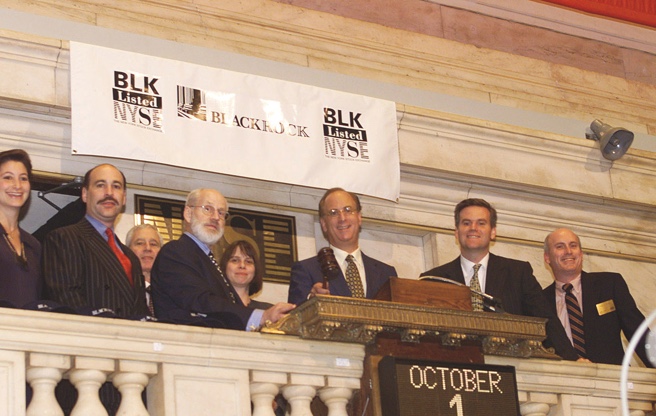
BlackRock, one of the world’s largest asset management firms, has expressed a strong interest in taking cornerstone investment roles in upcoming initial public offerings (IPOs) across the Middle East. The company’s move signals growing confidence in the region’s capital markets and a deepening commitment to its investment strategies in emerging markets.

Over the past few years, the Middle East has seen a substantial uptick in IPO activity, particularly in Saudi Arabia and the United Arab Emirates. Following the historic listing of Saudi Aramco in 2019, which set a new benchmark for the global IPO market, more companies in the region are exploring public offerings. With the backing of major sovereign wealth funds and private investors, these IPOs are seen as an attractive investment opportunity for global firms like BlackRock. The asset manager has previously been involved in such offerings, but now seeks a more pronounced stake by becoming cornerstone investors—those who commit to buying a significant portion of shares before the IPO is publicly launched.

A cornerstone investment carries considerable weight. It not only provides financial support to the issuing company but also bolsters the IPO’s credibility, often leading to greater investor confidence and successful market debuts. This dynamic is particularly critical in the Middle East, where many companies are looking to leverage their IPOs as a way to fund expansion and diversification. BlackRock’s potential involvement signals the growing maturity of the regional market, which has shifted from a reliance on local and regional investors to attracting global players.

The Middle East, particularly the Gulf Cooperation Council (GCC) countries, has become a major hub for investment in infrastructure, technology, and finance. Countries like Saudi Arabia, the UAE, and Qatar have been at the forefront of this transformation. Saudi Arabia’s Vision 2030 plan, which aims to diversify the kingdom’s economy away from oil dependency, has created an environment ripe for privatizations and IPOs in industries ranging from entertainment to healthcare and technology. Similarly, the UAE continues to open up its financial markets with initiatives like the Dubai Financial Market’s efforts to attract more international listings.

In parallel, BlackRock’s increased interest aligns with its broader strategic focus on emerging markets. The firm, which manages trillions of dollars in assets globally, has been expanding its footprint in the Middle East as part of its efforts to tap into the region’s growing wealth and investment opportunities. As the region’s financial ecosystem matures, global investors are keen to get a slice of what could be the next big opportunity.

For BlackRock, entering the IPO scene in the Middle East is not just about expanding its market share but also diversifying its portfolio with high-growth potential investments. The firm has made substantial efforts to ensure its involvement in emerging markets, viewing the Middle East as a key component of its global strategy. The region’s infrastructure development, economic reforms, and push towards diversification make it an attractive place for long-term investments. A cornerstone investment in an IPO could thus offer BlackRock the dual benefit of aligning with local growth ambitions while also capitalizing on new investment opportunities.

Saudi Arabia’s recent IPOs of major companies like the National Energy Services Company and Saudi Telecom have been highly anticipated. Both offerings demonstrated the kingdom’s ability to attract international investors, despite fluctuating oil prices and global economic uncertainty. BlackRock’s potential involvement in such high-profile deals would likely bring credibility to the process, further positioning the country as a growing investment hub. Moreover, it could drive further interest from other institutional investors looking to enter the Middle Eastern market.

The UAE’s stock exchange, the Dubai Financial Market (DFM), and the Abu Dhabi Securities Exchange (ADX) are also key players in the region. As the country looks to increase privatizations and diversify its economy, large-scale IPOs are expected in sectors such as real estate, energy, and technology. BlackRock’s interest in taking up cornerstone stakes reflects its belief in the resilience and expansion potential of the UAE’s market, particularly as it strengthens its status as a regional financial center.

The involvement of global asset managers in Middle Eastern IPOs not only signals the growing internationalization of the region’s capital markets but also highlights the increasing confidence in its long-term economic stability. While geopolitical risks and the ongoing volatility of global oil prices remain factors that could impact these markets, the resilience shown by the Middle East in navigating past crises and diversifying its economy makes it an attractive destination for investors.

Investors from the West have been particularly drawn to the region’s rapidly expanding consumer market and digital transformation initiatives. BlackRock’s strategy of anchoring cornerstone investments in this landscape reflects its commitment to these evolving markets. As companies continue to seek funds through public offerings, the expertise and financial muscle of major players like BlackRock are likely to influence the direction of the region’s IPOs.

As the cryptocurrency market sees new highs, two distinct sectors are catching the attention of investors seeking the next big 100x opportunity: Telegram gaming and Solana meme coins. While meme coins like BONK and dogwifhat have garnered significant attention, a rising contender—Dogizen—stands out in the Telegram gaming space, presenting its unique offering.

Dogizen, currently in the midst of its presale, has already raised over $1.4 million, sparking intense speculation about its potential to become the next breakout cryptocurrency. This project leverages the massively popular Telegram platform to create an immersive gaming experience, combining the growing GameFi sector with the expansive reach of Telegram’s global user base. By integrating cryptocurrency directly into games hosted within Telegram, Dogizen capitalizes on the addictive nature of gaming while offering players a chance to earn real-time rewards.

One of the most promising aspects of Dogizen’s model is its focus on long-term sustainability and ecosystem growth. Unlike its competitors—such as Hamster Kombat and Catizen, which have suffered from price declines due to token dumps—Dogizen is focusing on building a strong community by offering an initial coin offering (ICO) rather than relying on airdrops. The platform’s creation of the Dogizen Universe, a Telegram gaming arcade where developers can launch games for its expanding community, positions it as a potential leader in the growing Telegram gaming niche.

Despite the popularity of Solana-based meme coins, Dogizen’s strategy offers a more stable, long-term growth outlook. While meme coins like BONK have benefited from hype and viral trends, their price volatility remains a major concern for investors looking for more consistent returns. Dogizen, in contrast, is crafting its value proposition through a robust gaming ecosystem and its positioning as the first Telegram ICO project—an opportunity that could bring millions of crypto users into its fold.

The Telegram gaming sector, although still emerging, shows substantial promise. As of late 2024, this market has already surpassed a $1 billion market cap, and platforms like Dogizen are leading the charge by combining gaming and crypto in ways that are appealing to both crypto enthusiasts and traditional gamers. With experts forecasting an impressive growth trajectory for GameFi and Telegram-based projects, many are looking to Dogizen as the future leader in this space.

While both sectors—Solana meme coins and Telegram gaming—offer opportunities for investors, they come with differing risk profiles. Meme coins tend to ride on trends, and their value can fluctuate drastically with market sentiment. Telegram gaming, however, provides a unique blend of entertainment and financial opportunity, offering a more resilient model driven by community engagement and platform development.

The increasing interest in Telegram gaming is also being fueled by the broader adoption of blockchain technology. With more developers integrating crypto into gaming platforms, the appeal of earning tokens through play is hard to ignore. As platforms like Dogizen build out their ecosystems, they offer not only potential for returns but also a chance to participate in a rapidly expanding sector that blends entertainment with real-world utility.

The blockchain landscape is on the cusp of a transformative shift as new contenders challenge the dominance of established platforms like Ethereum and Solana. While Ethereum and Solana have carved out prominent positions with their focus on scalability, smart contracts, and decentralized applications, emerging blockchain networks are beginning to capture the attention of investors, developers, and enthusiasts alike.

Ethereum, long regarded as the king of smart contracts, has faced challenges in scaling its network to handle growing demand. Solana, with its high-speed transactions and low fees, quickly gained popularity but has encountered its own set of technical issues. In response to these pain points, several new blockchain projects are positioning themselves as solutions that could disrupt the current hierarchy and change the way blockchain technology is used.

At the forefront of this potential revolution is the development of layer-2 solutions, next-generation consensus mechanisms, and other blockchain innovations designed to address the scalability issues that have hindered Ethereum’s progress and Solana’s network stability. These new technologies promise to enhance transaction speed, reduce fees, and improve overall network performance.

The race is on to build a blockchain that not only scales efficiently but also remains decentralized and secure. New protocols are leveraging cutting-edge cryptographic techniques and modular designs to allow for greater flexibility in handling various types of blockchain applications, from decentralized finance (DeFi) to non-fungible tokens (NFTs). These protocols promise to deliver faster transaction times without sacrificing the security and decentralization that blockchain users expect.

One of the most talked-about developments in this space is the rise of *modular blockchains*. These blockchains, in contrast to the monolithic models used by Ethereum and Solana, separate the execution layer from the consensus layer, creating a more flexible, scalable architecture. This modular approach allows for tailored solutions that can better accommodate specific use cases, whether it be for enterprise adoption, decentralized finance, or other blockchain-based innovations. Projects like Celestia and Polkadot are leading the charge in this area, drawing significant interest from both developers and investors.

Modular blockchains allow for enhanced interoperability between different blockchains, a crucial factor in ensuring that the blockchain ecosystem remains open and accessible. Unlike the more isolated ecosystems of Ethereum or Solana, modular solutions enable smoother communication and asset transfers between multiple blockchain networks. This approach has the potential to address some of the interoperability issues that have plagued the space, making cross-chain transactions more seamless and efficient.

In addition to modular blockchains, the rise of *zero-knowledge proofs* (ZKPs) is also gaining momentum. ZKPs are cryptographic tools that allow one party to prove to another that a statement is true without revealing any underlying information. These proofs can be used to significantly improve privacy and scalability in blockchain systems. ZKPs are already being integrated into several promising blockchain platforms, with zk-SNARKs (a specific type of zero-knowledge proof) playing a pivotal role in projects like zkSync and StarkNet.

As these technological advancements continue to take shape, the conversation around blockchain’s future has become even more nuanced. Traditional giants like Ethereum and Solana are not standing still in response to these challenges. Ethereum is moving towards Ethereum 2.0, a major upgrade designed to improve scalability, security, and sustainability through a shift from proof-of-work (PoW) to proof-of-stake (PoS). While this transition has been slow, it is expected to significantly reduce Ethereum’s energy consumption and increase its overall capacity.

Solana, too, is doubling down on its efforts to solidify its position as a leading blockchain for decentralized applications. Despite its technical setbacks, the network’s lightning-fast transaction speeds and low fees continue to attract developers, especially those building decentralized finance (DeFi) applications and non-fungible tokens (NFTs). However, Solana’s ability to maintain network stability amid high transaction volumes will be crucial to its long-term success in the space.

The evolving blockchain ecosystem has brought with it the rise of decentralized autonomous organizations (DAOs), community-driven governance models that give token holders a voice in decision-making. These decentralized governance models, in which users have a say in protocol updates and network upgrades, are becoming more popular as users seek more control over the platforms they use. As DAOs continue to gain traction, the shift towards decentralized governance is poised to challenge traditional models of centralized control in blockchain development.

Riot Platforms has significantly expanded its cryptocurrency holdings with the acquisition of 705 Bitcoin (BTC) tokens, valued at approximately $68.45 million. This move underscores the company’s ongoing strategy to strengthen its position in the cryptocurrency market, particularly amidst volatile market conditions. The purchase, made during the early hours of the Asian market on December 9, comes in the wake of an announcement regarding Riot’s plans for a private offering of convertible senior notes worth around $500 million.

The recent acquisition aligns with Riot’s broader strategy to boost its Bitcoin holdings as part of its corporate goals. In a statement released shortly after the purchase, Riot outlined that the funds raised from the senior notes offering would be primarily directed toward acquiring additional Bitcoin and supporting general corporate activities. The company has been steadily increasing its Bitcoin inventory, furthering its commitment to becoming a major player in the crypto space.

Riot’s decision to acquire the additional 705 BTC at this time may reflect the company’s confidence in Bitcoin’s long-term growth prospects, despite the ongoing fluctuations in its value. Bitcoin’s price has been prone to volatility, but major players like Riot continue to view the asset as a strategic reserve. By purchasing at this stage, Riot positions itself to capitalize on any potential upswing in Bitcoin prices while adding to its balance sheet.

The company’s foray into the cryptocurrency market began with a focus on Bitcoin mining but has increasingly encompassed broader crypto-related ventures. Riot Platforms, formerly known as Riot Blockchain, has made headlines for its ambitious investments in the Bitcoin ecosystem, including the development of mining facilities and the acquisition of digital assets. With this latest acquisition, Riot now holds over 10,000 Bitcoin, reinforcing its status as one of the largest publicly traded Bitcoin holders in the U.S.

Riot’s focus on Bitcoin is not unique within the industry, as other major firms also look to bolster their holdings of the cryptocurrency. Companies such as MicroStrategy and Tesla have similarly accumulated large Bitcoin reserves, viewing the asset not just as a store of value, but as a hedge against inflation and economic uncertainty. The competition for Bitcoin among institutional investors has intensified, with several firms eyeing the potential for significant long-term gains, even as the price of Bitcoin continues to experience short-term volatility.

Despite its optimism surrounding Bitcoin, Riot has also been preparing for potential risks. The company has diversified its operations, and the senior notes offering is designed to ensure financial flexibility. This move provides Riot with the ability to raise capital without diluting its shareholders through equity offerings. The issuance of convertible senior notes also offers investors the potential to convert their debt into equity under favorable conditions, making it an attractive proposition for both the company and investors.

Riot’s growth strategy appears to be driven by a mix of organic expansion and strategic acquisitions. The company has consistently reinvested its earnings into scaling its operations, including purchasing more mining equipment and enhancing its infrastructure. Riot’s growth trajectory is closely tied to the price of Bitcoin, which has seen significant fluctuations over the past year. As such, the company’s financial outlook depends in part on the broader trends in the cryptocurrency market.

The private offering of the senior notes is part of Riot’s broader plan to maintain flexibility in its financial structure. With an eye on further acquisitions, the company is positioning itself for future growth in the cryptocurrency space. As more institutional players enter the market, the demand for Bitcoin and other digital assets is expected to rise, and Riot’s strategic investments could pay off in the coming years.

In the context of the current market landscape, Riot’s purchase also serves as a signal to other investors about the company’s confidence in Bitcoin’s future potential. While many traditional financial institutions have been cautious about entering the cryptocurrency space, firms like Riot are leading the way by integrating digital assets into their core business models. This represents a shift in how mainstream corporations view Bitcoin—not as a speculative asset, but as a key component of their investment strategies.

Riot’s expansion into Bitcoin holdings is part of a broader trend in which companies are increasingly incorporating digital currencies into their balance sheets. As the regulatory environment for cryptocurrencies continues to evolve, Riot and other players in the market will likely face new challenges, particularly concerning the classification and taxation of digital assets. However, with the company’s recent moves, Riot is positioning itself at the forefront of a rapidly changing industry.

Riot’s actions are also reflective of the broader evolution of the cryptocurrency mining industry. As competition increases, mining operations are becoming more sophisticated, and companies like Riot are investing heavily in both hardware and digital assets. Riot’s expansion is an example of how miners are diversifying their business models, not just by mining Bitcoin but also by acquiring large quantities of the asset itself.

SINGAPORE – Media OutReach Newswire – 11 December 2024 – JForce Employment Service, an employment agency in Singapore, continues to set the standard in providing well-trained domestic helpers by operating its own dedicated maid training centre in Indonesia. This overseas facility is central to JForce’s mission as a maid agency, supplying highly skilled domestic helpers, particularly in the area of elderly care maid training, ensuring maids are […]

Dubai-based fintech platform Stake has officially launched its operations in Saudi Arabia, marking a significant step in its expansion strategy across the Middle East. This move is set to bolster the company’s position in the region’s growing digital financial landscape, which has seen rapid growth amid Saudi Arabia’s push to diversify its economy under the Vision 2030 framework. Stake, which has established itself as a leading player […]

Cryptocurrency, particularly Bitcoin, is increasingly seen as a disruptive force across global financial systems, with a potential to reshape even the most traditional sectors. In the Middle East and North Africa (MENA) region, where Islamic finance principles govern a large portion of financial activities, Bitcoin could signal a fundamental shift. Islamic finance, based on Sharia law, prohibits earning income from interest or investments in businesses that conflict […]

Abu Dhabi-based CYVN has finalized an agreement to acquire McLaren’s automotive division, marking a significant shift for the renowned British car manufacturer. The deal, valued at an estimated £1.2 billion, aims to secure McLaren’s future in the high-performance sports car sector, while ensuring its long-term growth and innovation. This agreement also signals the latest chapter in McLaren’s ongoing restructuring efforts, which have been crucial in navigating the challenges of global economic uncertainty and the shifting dynamics of the automotive market.

CYVN, a prominent investment group from the UAE with interests in luxury and high-tech industries, has been actively seeking strategic acquisitions to expand its portfolio in the automotive sector. The buyout of McLaren’s automotive business, which produces some of the world’s most coveted hypercars, aligns with CYVN’s goal to further solidify its presence in the global luxury market. McLaren’s automotive arm, known for its innovative designs and engineering prowess, will now be under the strategic guidance of CYVN’s management, which is expected to inject fresh capital and technological expertise.

The deal comes after a period of financial restructuring for McLaren, which has faced mounting debt and a need for investment to sustain its position in a competitive market. Over the past few years, McLaren has been exploring various avenues to maintain its financial health while continuing to produce high-performance cars that blend cutting-edge technology with luxury. The acquisition deal is expected to provide McLaren with the necessary funds to stabilize its operations and drive forward its plans for innovation, particularly in electric vehicle development and other eco-friendly technologies.

The automotive industry is undergoing a major transformation, with manufacturers pivoting towards sustainability, electrification, and advanced technologies. This shift has been a focal point for McLaren in recent years, with the brand aiming to integrate hybrid and electric powertrains into its lineup. The acquisition by CYVN is seen as an opportunity to accelerate these ambitions, as the investment group has already expressed interest in expanding McLaren’s electric vehicle capabilities.

For CYVN, the purchase represents a strategic move to gain a foothold in the ultra-luxury car market, which has shown resilience despite global economic fluctuations. The growing demand for high-end, bespoke vehicles, particularly among the wealthy elite in emerging markets, has created a favorable environment for investment in this sector. McLaren, with its strong brand heritage and established presence in key markets, presents an ideal acquisition target for CYVN to further enhance its standing in the global luxury goods and automotive industries.

This acquisition also positions McLaren to tap into new markets, particularly in Asia and the Middle East, where demand for luxury cars has been increasing. The UAE, a key hub for high-end automobiles, is expected to play a central role in McLaren’s continued expansion. The deal could potentially lead to new manufacturing facilities or partnerships within these regions, further strengthening McLaren’s market presence.

The automotive sector, particularly the luxury segment, has witnessed a surge in consolidation and strategic partnerships in recent years. Industry experts suggest that the combination of CYVN’s financial backing and McLaren’s engineering expertise could create a powerful synergy capable of rivaling the industry’s largest players. As competition intensifies, especially with the push towards sustainable technologies, automakers must remain agile, investing in innovation while maintaining profitability. McLaren, with its deep engineering heritage and now bolstered by CYVN’s resources, is positioned to play a significant role in the next generation of high-performance vehicles.

Although the deal was welcomed by many industry observers, it also raises questions about McLaren’s future identity. The brand, once fully independent, now faces the challenge of aligning its operations and vision with the broader strategic goals of its new owner. The transition may involve shifts in McLaren’s production processes, management structure, and product offerings. However, the emphasis on maintaining McLaren’s engineering excellence and brand prestige is expected to remain a top priority for CYVN.

McLaren’s existing leadership, including CEO Michael Fleischmann, is expected to retain their positions, although the influence of CYVN’s management will likely be felt across key areas of the business. The company has reiterated its commitment to preserving the iconic status of its automotive division, ensuring that future models will continue to offer the exceptional performance and design that McLaren fans have come to expect.

Partnership launched to transition Nguyen Gia Livestock Production Cooperative’s 50,000 hens to 100% certified cage-free production systems, providing solutions for Vietnamese companies to meet their cage-free commitments. HANOI, VIETNAM – Media OutReach Newswire – 10 December 2024 – Global Food Partners (GFP) has partnered with Nguyen Gia Livestock Production Cooperative, led by Mr. Nguyen Huu Tue, one of North Vietnam’s largest egg producers, to spearhead the country’s […]

BANGKOK, THAILAND – Media OutReach Newswire – 10 December 2024 – Jeffrey C. Lim, President of SM Prime Holdings, Inc., has been instrumental in transforming SM Prime into a leading property conglomerate, a journey now recognized with the Eminent Leaders in Asia Award at the Asia Corporate Excellence & Sustainability (ACES) 2024 Awards. An exceptional moment of recognition: Jeffrey Lim, President of SM Prime Holdings, Inc. (left […]

HANOI, VIETNAM – Media OutReach Newswire – 9 December 2024 – By electrifying its taxi fleet, Jakarta could significantly reduce emissions and improve air quality, as shown by the success of electric taxis in cities around the world. One standout example is Xanh SM in Vietnam, which has also reshaped public attitudes toward electric vehicles (EVs). Xanh SM fleet in Vietnam. Photo: GSM Jakarta is no stranger […]

Khaldoon Al Mubarak’s leadership of Mubadala Investment Company has positioned the UAE-based sovereign wealth fund as a key global player in transforming the way sovereign funds engage with markets and investments. Al Mubarak, who is not a member of the ruling royal family, stands out in the Gulf as an influential figure overseeing one of the world’s largest and most diversified wealth funds. Under Al Mubarak’s guidance, […]

New supply to weigh on office sector rental levels, while core retail high street rents continue to recover Grade A office year-to-date (YTD) net absorption as at mid-November recorded 1 million sq ft, with overall rents down by 5.9% in the same period. Rents are forecast to experience further downwards pressure in the 7%–9% range in 2025. Prime retail high street store leasing momentum slightly picked up […]

Polen Capital, a prominent global asset management firm, has announced its plans to open an office in Abu Dhabi, marking a significant step in its strategy to expand its operations in the Middle East. The firm, which has a strong track record in managing equity and fixed-income portfolios, aims to tap into the growing wealth and investment opportunities in the region. This move underscores the increasing importance […]

Oil prices have seen a notable uptick in recent weeks as escalating political tensions and shifting alliances in Syria continue to have a significant impact on the region’s oil production and global energy markets. As the influence of Bashar al-Assad’s regime wanes in the wake of Syria’s civil conflict, key players in the Middle East are positioning themselves to capitalize on the country’s vast energy resources, contributing to global price fluctuations.

Syria, once a minor oil producer in the Middle East, has become a focal point of geopolitical struggles. Despite being marred by years of civil war and under heavy international sanctions, the country still holds a considerable amount of oil, mostly concentrated in its northeastern region. For years, the Assad regime has relied on these oil fields for revenue, yet the ongoing conflict has severely hampered production and distribution capabilities.

One of the main factors contributing to the current rise in oil prices is the shifting control over Syria’s oil fields. While the Assad regime’s hold over these assets has weakened, both Kurdish forces and various regional actors have taken advantage of this power vacuum. The Kurdish-led Syrian Democratic Forces (SDF), with support from U.S. military forces, have been managing oil extraction in the northeast. However, their trade has been fraught with complications, as they have continued to sell crude to both Iraq’s Kurdistan Regional Government (KRG) and indirectly to the Assad regime, albeit under clandestine circumstances.

This complex trade network has drawn attention from global powers, with Washington’s policy fluctuating between trying to limit Assad’s access to these resources while also preventing the rise of other regional powers, including Russia, from exploiting the vacuum. U.S. efforts to maintain influence over the oil-rich regions have been complicated by the increasing involvement of Russian companies, such as Gulfsands Petroleum, which is now positioning itself to gain access to Syria’s energy assets. This has raised concerns that a shift toward Russian control could stabilize Assad’s regime financially and politically, but at the cost of U.S. objectives in the region.

As these power struggles unfold, oil prices have responded to market uncertainty. The Kurdish-controlled Syrian oil fields, despite being heavily damaged by the conflict, continue to produce, although at lower volumes compared to pre-war levels. However, the trade of oil at below-market prices has become more common, especially with the involvement of entities like Delta Crescent Energy. The U.S. company, which was initially granted a license to help the Kurdish-controlled Autonomous Administration of North and East Syria (AANES) boost its oil exports, faced significant challenges, including a lack of progress in securing long-term contracts. The Biden administration’s decision to revoke Delta Crescent’s license earlier this year has left the situation even more uncertain, and it remains to be seen whether the U.S. will allow new energy companies to enter the market.

Simultaneously, global oil prices have been influenced by shifts in Syria’s energy landscape. The ongoing conflict, the role of U.S. sanctions, and the intervention of Russia in the region’s oil trade have all contributed to price increases, as the Middle East remains a volatile hub for energy production. Additionally, international sanctions against Syrian oil exports have inadvertently created opportunities for black-market trading, often circumventing established sanctions regimes. As a result, global oil markets are left grappling with the complex realities of these geopolitical maneuvers.

Saudi Arabia’s Savola Group, one of the country’s largest diversified holding companies, has announced plans to repurchase sukuk worth $229 million. This move is part of the company’s ongoing efforts to manage its financing costs effectively while optimizing its capital structure.

The company stated that the buyback would provide substantial benefits by lowering its debt-related expenses. Sukuk, which are Sharia-compliant bonds, have gained significant popularity in the Middle East due to their adherence to Islamic financial principles. Savola’s decision to repurchase a significant portion of its sukuk is seen as a strategic move to reduce outstanding liabilities and enhance financial flexibility.

This development comes at a time when many companies in the Gulf region are focused on optimizing their balance sheets amid fluctuating global economic conditions. The sukuk buyback also signals a positive outlook for Savola’s financial health, reinforcing investor confidence. The company has been actively exploring ways to streamline its operations and improve profitability, with an emphasis on reducing costs and ensuring long-term stability.

The repurchase offer follows a series of initiatives by Savola to restructure its financing arrangements. By buying back sukuk, the company aims to manage its debt more efficiently and take advantage of favorable market conditions. Analysts have pointed out that this move could help Savola unlock value for shareholders while reducing its overall exposure to interest rate fluctuations.

Savola Group has been a key player in the Saudi Arabian and broader Gulf economies, with a presence in sectors ranging from food production to retail. The company has continuously adapted to changing market dynamics, making strategic decisions to sustain its growth trajectory. The buyback announcement is a reflection of Savola’s commitment to maintaining a strong financial position while also providing attractive returns to investors.

The company’s efforts to reduce financing costs have been welcomed by market observers, who view this move as a prudent financial strategy. By lowering the cost of capital, Savola will be better positioned to execute its growth plans and capitalize on emerging opportunities in the region. Moreover, the buyback reflects a broader trend among companies in the Middle East, particularly those with large sukuk issuances, to manage their debt more efficiently.

Sukuk markets in the Gulf have seen an uptick in activity in recent years, with companies looking to raise funds through these Islamic financial instruments. The buyback is likely to further solidify Savola’s reputation as a responsible corporate entity that values financial discipline and shareholder value. Investors in the sukuk market have been closely monitoring developments in the region, and this move could serve as a model for other companies seeking to optimize their debt structures.

Savola’s strategic initiatives go beyond financial maneuvers, as the company is also focused on expanding its business footprint. The group has been diversifying its portfolio, expanding into new markets and reinforcing its leadership in the food and beverage industry. Despite the challenges posed by economic uncertainties, Savola remains optimistic about its future prospects.

The success of Savola’s buyback initiative will depend on a number of factors, including market conditions and the company’s ability to execute its plans effectively. However, the early signals point to a well-calculated move aimed at positioning the company for long-term success. By repurchasing sukuk, Savola is not only lowering its financing costs but also signaling its commitment to enhancing shareholder value and ensuring a resilient financial future.

VISHNU RAJA
RYO YAMADA
HITORI GOTOH
IKUYO KITA
Just in:
OpenAI introduces GPT-6 Cyber with restricted security access // TVM –Mangaluru Vande Bharat claims top spot // e-Crime Bureau Signs Cybersecurity Partnership With Smart Africa, Reinforcing Its Global Expansion // Ningbo Consensus on Collaborative Development released at 2026 Global Mayors Dialogue · Ningbo // Miss Universe Hong Kong Jen Zhou Departs for Puerto Rico to Compete in the 75th Miss Universe World Final // Emaar approves Development buyout ahead of planned delisting // Oil advances towards $100 as tanker attacks persist // Beyond the exhibition floor: How robots, AI and networks are moving into the real world // Xi Jinping Preparing For A Trilateral Summit With Trump And Putin At APEC Summit On Nov 18-19 // UK air traffic outage inflicted £33m financial losses // Asia Left Behind: Ten international companies have yet to report delivering on their cage-free egg pledges across the region // Ousted top Kochi cop gets IG post // Geely’s i-HEV Intelligent Hybrid Technology Offers a New Direction Vision for Gasoline-Powered Vehicles // The “1st Greater Bay Area Health and Longevity Summit & Awards Ceremony” concludes successfully in Macao // Dubai boat show confirms international shipyard line-up for November // Emirates Group records AED 4.1 billion half-year profit // Kochi police detain two actors over bid to honey trap doctor // Private varsities bill all set to face the axe // APT29-linked campaign exploits outdated Apple and Android software // Motorola introduces Signature 27 flagship priced at $1,599 //