News related to
Mid Term

Oil prices have held their ground after a slight dip as the focus shifts to OPEC+’s upcoming decision regarding production cuts. Market participants are awaiting critical guidance on future supply restrictions from the cartel, a move that could significantly impact both global energy prices and economic stability. With mounting pressures from both geopolitical factors and fluctuating demand, the outcome of this decision is poised to influence the […]

SPIMACO, one of Saudi Arabia’s prominent pharmaceutical companies, has decided to cancel its agreement to acquire a majority stake in the pharmaceutical manufacturer Osmopharm. The move comes after a series of strategic shifts in both companies’ corporate plans, signaling a pause in the anticipated merger that was initially expected to expand SPIMACO’s footprint in the healthcare sector.

The agreement, which was first announced earlier this year, outlined SPIMACO’s purchase of a 68% stake in Osmopharm, an acquisition that was set to position SPIMACO as a more dominant player in the region’s pharmaceutical market. The deal had been under negotiation for several months and represented a significant step for SPIMACO to strengthen its portfolio in a market that is becoming increasingly competitive.

Sources familiar with the decision revealed that the cancelation stems from a combination of factors, including shifting market conditions and adjustments to corporate strategies. These reasons were not immediately disclosed, but industry experts note that SPIMACO may have reconsidered its investment in Osmopharm amidst changing regulatory landscapes and economic uncertainty in the region.

The Saudi pharmaceutical industry has been undergoing significant transformations, with both local and international companies seeking to capitalize on the region’s expanding healthcare needs. Saudi Arabia’s Vision 2030, which includes an emphasis on privatization and healthcare sector reform, has made the pharmaceutical industry a focal point of investment. However, the cancellation of the SPIMACO-Osmopharm deal highlights the volatility and risks that even established firms face in navigating these shifts.

Osmopharm, which has a growing presence in the manufacturing of a variety of medical products, was expected to benefit from the infusion of capital and resources that SPIMACO would have provided. The company’s expansion plans are now uncertain as it seeks alternative avenues for growth. Both companies had previously expressed their enthusiasm for the merger, with Osmopharm eager to take advantage of SPIMACO’s strong distribution network across the Middle East.

The deal had garnered attention due to its potential to create one of the largest pharmaceutical entities in the region. SPIMACO’s acquisition of a majority stake in Osmopharm would have placed it in a position to compete more aggressively with global players operating in the Saudi market. However, with the cancellation, both companies must now recalibrate their future strategies in order to sustain growth in a market that continues to evolve at a rapid pace.

The decision has raised questions among investors and analysts who were closely monitoring the deal, particularly those who saw the merger as a key factor in SPIMACO’s long-term growth trajectory. In response to the change, SPIMACO’s board has reassured stakeholders that the company remains committed to expanding its footprint in the regional pharmaceutical industry through other avenues, including organic growth and potential future acquisitions that align with its revised strategic goals.

The uncertainty surrounding the deal has also had a ripple effect in the market, with stock analysts revisiting their forecasts for both companies. While SPIMACO’s decision to pull back from the acquisition has led to a temporary dip in investor confidence, market observers suggest that the company’s solid financial base and ongoing projects will allow it to weather the short-term impact.

Meanwhile, Osmopharm’s future remains uncertain as it navigates this setback. The company has yet to comment publicly on the scrapped deal, but sources close to the firm suggest it will explore new opportunities for collaboration or acquisition. The pharmaceutical sector, which is expected to continue growing in the coming years, will likely see other players attempting similar mergers and acquisitions as they strive to expand their reach and capitalize on the region’s burgeoning healthcare needs.

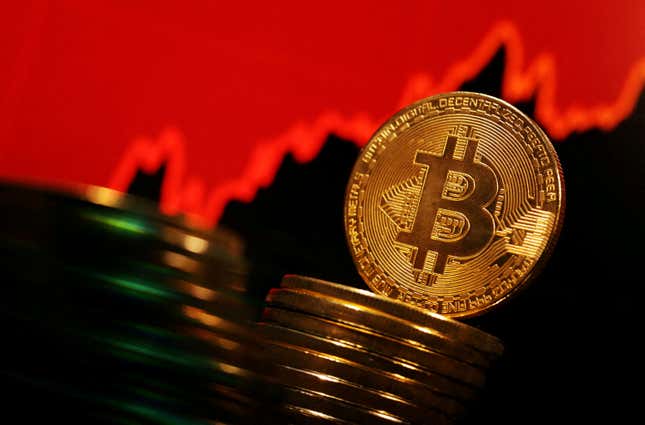
Bitcoin has surged past the $100,000 mark, a dramatic milestone that has spurred renewed optimism within the cryptocurrency market. Investors are turning to Bitcoin and other cryptocurrencies as hedge assets, fueled in part by increased political volatility and speculation surrounding Donald Trump’s potential return to the U.S. presidency. As global economic uncertainty continues, Bitcoin’s rise reflects a growing belief among some market participants that digital currencies can offer a secure alternative to traditional financial systems.

The latest rally in Bitcoin’s price comes after months of oscillating values and investor hesitation. Experts suggest that the rally is being driven by a confluence of factors, not least of which is the renewed interest in political events and their possible impact on global markets. As the 2024 U.S. presidential election looms, some analysts believe that the uncertainty surrounding Trump’s political comeback has heightened demand for decentralized assets like Bitcoin. Crypto enthusiasts view Bitcoin not only as a store of value but as a refuge from potential economic instability that could result from geopolitical shifts or policy changes under a Trump administration.

The speculative fever surrounding Bitcoin’s price surge is palpable, with many traders turning to the asset in anticipation of further gains. This surge is also reflective of broader trends in the cryptocurrency market, which has seen an influx of new investors. While the increase in Bitcoin’s price is drawing attention, the market remains highly volatile, with prices fluctuating rapidly in response to news events and investor sentiment.

Despite its rise, Bitcoin’s journey to $100,000 is far from straightforward. In recent months, Bitcoin has faced challenges ranging from regulatory scrutiny to competition from newer digital currencies. Governments around the world, particularly in the U.S., have been examining ways to regulate cryptocurrencies more effectively, a move that could dampen the enthusiasm surrounding digital currencies. In fact, some analysts argue that Bitcoin’s success is intrinsically tied to the regulatory environment, which remains a source of uncertainty for investors. Even so, many investors are betting that Bitcoin will continue to outperform other financial assets as the world faces growing uncertainty in traditional markets.

As the cryptocurrency market gains traction, investors are keenly aware of the potential for further volatility. While Bitcoin’s rise has caught the attention of traditional finance institutions, it remains a speculative asset that offers both high rewards and significant risks. Analysts suggest that Bitcoin’s price is subject to sudden swings, driven by factors ranging from changes in market sentiment to global economic developments. In the case of the current rally, some traders are capitalizing on the geopolitical risks associated with a possible Trump presidency, betting that such an event could lead to higher demand for Bitcoin and other cryptocurrencies.

The role of institutional investors has also become a point of interest as Bitcoin’s price climbs. Traditionally, cryptocurrencies like Bitcoin were seen as the domain of retail investors, but recent years have seen an increasing number of institutional players entering the market. Hedge funds, pension funds, and even central banks are exploring ways to incorporate Bitcoin and other cryptocurrencies into their portfolios. This shift in institutional behavior has provided further legitimacy to the digital currency market, with some analysts predicting that Bitcoin could become an integral part of the global financial system.

Alongside Bitcoin, other cryptocurrencies have also seen increased activity. Ethereum, for instance, has benefitted from technological advancements and growing use cases in decentralized finance and non-fungible tokens (NFTs). However, Bitcoin remains the dominant player in the cryptocurrency space, and its price movements continue to drive sentiment across the sector. The strong correlation between Bitcoin’s price and broader market trends suggests that the cryptocurrency market is closely tied to investor psychology, with Bitcoin often serving as a bellwether for the wider market.

Another factor contributing to Bitcoin’s price surge is the increasing acceptance of the cryptocurrency by businesses and consumers alike. Several high-profile companies have begun accepting Bitcoin as payment, while others are exploring ways to integrate cryptocurrency into their operations. This growing adoption has helped fuel optimism about Bitcoin’s long-term prospects, despite its volatility in the short term. At the same time, Bitcoin’s reputation as a hedge against inflation and economic instability has resonated with many investors, particularly as inflationary pressures persist in major economies worldwide.

However, Bitcoin’s future is far from certain. Its price is highly susceptible to shifts in market sentiment, and some analysts caution that the asset remains speculative at best. While the cryptocurrency market has expanded rapidly over the last few years, it is still in its early stages, and many of the regulatory and technological challenges facing the industry have yet to be fully addressed. Moreover, competition from central bank digital currencies (CBDCs) and other forms of state-backed money could pose a threat to Bitcoin’s dominance in the digital asset space.

Balancing Global Dynamics HONG KONG SAR – Media OutReach Newswire – 4 December 2024 – Today, KGI has released its 2025 Market Outlook, covering regions including Mainland China, Hong Kong, Taiwan, the U.S., Singapore, and Indonesia. (From left) Cusson Leung, Chief Investment Officer at KGI; James Chu, Chairman at KGI Securities Investment Advisory; James Wey, Head of International Wealth Management at KGI; Kenny Wen, Head of Investment […]

Dubai’s real estate market is poised for sustained growth, with property prices projected to climb by 8% in 2025. Analysts attribute this anticipated surge to a persistent imbalance between demand and supply. While the emirate has experienced rapid residential and commercial development, the limited availability of new properties is intensifying competition, driving prices higher. The luxury segment of Dubai’s property market continues to dominate global attention. Areas […]

Abu Dhabi’s National Marine Dredging Company (NMDC) has expanded its reach into new sectors with the establishment of a dedicated logistics unit. This strategic move aims to enhance the company’s service offerings and leverage its operational expertise to capitalize on the growing demand for integrated logistics services. The new division will focus on providing logistics solutions for a wide range of industries, marking a significant shift in NMDC’s business trajectory.

The expansion comes at a time when the global logistics market is experiencing rapid growth, driven by advancements in technology and an increase in trade activities. NMDC’s decision to establish a logistics unit underscores its ambitions to diversify beyond its traditional dredging and marine operations. The move also positions the company to tap into a sector that is becoming increasingly vital to the supply chain, particularly in the Middle East, where infrastructure development continues to surge.

The logistics unit will provide end-to-end services, including transportation, storage, and distribution, aimed at industries such as construction, oil and gas, and infrastructure development. By venturing into this space, NMDC is poised to offer a broader suite of solutions to its existing client base while also attracting new customers from sectors that require sophisticated logistical support. The company’s extensive experience in project management and large-scale operations positions it well to integrate these new services into its existing portfolio.

According to industry experts, NMDC’s entry into the logistics market is a timely response to the increasing need for efficient supply chain solutions. The UAE, and particularly Abu Dhabi, is seeing a rise in demand for specialized logistics services driven by its growing infrastructure and energy sectors. With a well-established reputation for executing large-scale maritime and dredging projects, NMDC’s expansion into logistics is seen as a natural progression.

The establishment of the logistics division is expected to improve operational efficiency by streamlining the movement of goods, materials, and equipment across different sectors. Furthermore, the move aligns with broader economic trends in the UAE, where non-oil sectors are becoming a focal point of the country’s long-term economic diversification strategy. The UAE government has made significant investments in infrastructure, including airports, seaports, and transport systems, which have spurred demand for robust logistics capabilities.

One of the key advantages of NMDC’s new unit is its potential to integrate its marine expertise with logistics operations. Given the company’s vast experience in marine dredging, port construction, and offshore services, it is well-positioned to offer seamless transportation solutions for industries dependent on sea-based logistics. This expertise could offer a significant competitive edge, particularly in the context of the UAE’s strategic location as a hub for global trade. The integration of marine logistics with land-based services is expected to create a more efficient supply chain, allowing NMDC to offer cost-effective and timely solutions.

NMDC’s logistics expansion also reflects broader trends within the UAE’s corporate sector, where companies are diversifying to stay competitive amid evolving market conditions. The logistics sector, in particular, has attracted substantial investments from both public and private entities due to its role in supporting economic growth. As a result, many firms are increasingly seeking ways to enhance their capabilities to meet the demands of industries such as e-commerce, retail, and manufacturing.

The logistics unit will also have a significant impact on job creation within the region. As the company scales up its operations, it is expected to generate a range of employment opportunities, particularly for skilled workers in fields like supply chain management, transportation, and warehousing. The initiative also aligns with the UAE’s ongoing efforts to cultivate a competitive workforce and reduce dependency on foreign labor by providing more opportunities for local talent.

NMDC’s growth strategy involves not only expanding its reach in logistics but also enhancing its overall service capabilities to support the UAE’s broader economic objectives. The logistics division is expected to bolster the company’s presence in key regional markets, particularly as demand for efficient transportation services increases across the GCC and North Africa. By extending its services, NMDC aims to position itself as a leading player in the logistics sector, much like it has in the marine and dredging industries.

The logistics market in the UAE has witnessed significant growth in recent years, with an increasing number of companies entering the field to cater to the rising demand for transport, warehousing, and distribution services. NMDC’s move to enter this competitive market, however, comes with its own set of challenges. The logistics sector is highly competitive, with established players already commanding significant market share. However, industry analysts believe that NMDC’s reputation for successful large-scale project execution and its ability to integrate advanced technology into operations could give it a competitive advantage in the long term.

Technological innovation is expected to be a key focus for the logistics unit, with NMDC likely to implement smart logistics systems and automation to streamline processes. Technologies such as artificial intelligence, Internet of Things (IoT), and blockchain are increasingly becoming integral to the logistics sector, enabling companies to improve efficiency and transparency. By integrating such technologies, NMDC can not only optimize its logistics operations but also offer value-added services to customers who are increasingly seeking more digitized and automated solutions.

Solana has surged past Ethereum in decentralized exchange (DEX) trading volume, achieving nearly double Ethereum’s total in November 2024. This significant leap is attributed to an explosion in memecoin trading and a broader rally in Solana’s token value, positioning it firmly at the forefront of the decentralized finance (DeFi) landscape. Ethereum, long the leader in blockchain-based transactions, now faces competition from a variety of emerging chains, including Solana and Base, which have strengthened their positions as prominent players in the DeFi ecosystem.

Data from November 2024 shows Solana reached a trading volume of $129 billion, nearly doubling Ethereum’s $70.6 billion. This shift comes amid a broader growth in decentralized trading, driven by a variety of factors including the rise of meme tokens and investor speculation. The performance of Solana is not an isolated event but part of a trend in the DeFi space, where new and established platforms alike are seeking to tap into the booming interest in cryptocurrency trading.

Ethereum’s established dominance has been questioned in recent months, with new blockchain platforms emerging as strong competitors. Base, for instance, has reinforced its position in the DeFi market, securing third place in trading volume at $45.7 billion in November. Despite Ethereum’s strong brand and infrastructure, its slow transaction speeds and higher costs have driven users and developers to explore alternatives, particularly those offering lower fees and faster transaction times.

Solana’s remarkable rise is largely attributed to the growing popularity of memecoins, a category of cryptocurrency tokens that has gained substantial attention in the market. These coins, often based on internet memes or viral trends, have flooded decentralized exchanges, leading to a sharp increase in activity on the Solana blockchain. The platform’s high-speed transaction capabilities and relatively low transaction costs have made it an attractive venue for traders seeking to capitalize on the memecoin frenzy.

Solana’s blockchain operates with a unique consensus mechanism known as Proof of History (PoH), which allows it to process thousands of transactions per second (TPS), significantly outperforming Ethereum in terms of scalability. This has made Solana an attractive platform for decentralized applications (dApps) and exchanges, positioning it as a key competitor to Ethereum in the DeFi space.

The memecoin boom has provided a strong catalyst for Solana’s growth, as many memecoins are traded on its network. These tokens are often subject to rapid fluctuations in value and tend to attract retail investors looking for high-risk, high-reward opportunities. As such, Solana’s ability to facilitate fast and inexpensive transactions has drawn significant interest from users looking to capitalize on these volatile markets.

Base, a layer-2 blockchain solution, has also seen impressive growth. Developed by Coinbase, Base integrates seamlessly with Ethereum, offering lower transaction costs and faster processing times. Base’s trading volume in November was $45.7 billion, a solid performance that demonstrates the increasing demand for alternative platforms that improve upon Ethereum’s limitations. While still trailing behind Solana and Ethereum in terms of overall volume, Base’s growth signals a shifting preference among developers and traders towards networks that prioritize scalability and lower fees.

Other blockchain platforms such as BNB Chain, Arbitrum, and Polygon are also significant players in the DEX space, with their respective trading volumes reaching $35.3 billion, $33.6 billion, and $8.8 billion in November. These platforms are all vying for a share of the growing DeFi market, each offering unique features that cater to different types of users and applications. BNB Chain, for instance, has benefited from its association with Binance, the world’s largest cryptocurrency exchange, which has led to strong liquidity and high trading volumes.

Arbitrum, built on Ethereum’s architecture, focuses on scalability by utilizing Optimistic Rollups, a layer-2 solution designed to reduce transaction costs and increase throughput. Polygon, known for its focus on Ethereum compatibility and scalability, also attracts a large number of decentralized applications, thanks to its low fees and fast transaction speeds. As the DeFi space continues to evolve, these platforms are gaining traction, though none have yet reached the scale of Solana or Ethereum.

At the same time, newer projects such as Avalanche, Sui, and Optimism are beginning to make their presence felt, each with their own value propositions for decentralized finance. Avalanche, which reached $7.9 billion in DEX trading volume, has carved out a niche by offering high-speed transactions and low fees. Sui, a blockchain designed for high-performance applications, saw $7.8 billion in volume, while Optimism, with its focus on Ethereum scaling solutions, contributed $5 billion in trading activity.

Despite their increasing market presence, these platforms are still dwarfed by the volume of transactions on Solana and Ethereum. However, the diversity of platforms now available to users highlights the growing fragmentation of the DeFi market, with different chains catering to different use cases, transaction speeds, and cost structures.


Advertisements

BANGKOK, THAILAND – Media OutReach Newswire – 4 December 2024 – Henderson Land Development Company Limited has been named one of Asia’s Top Green Companies at the Asia Corporate Excellence & Sustainability (ACES) Awards 2024. This recognition underscores Henderson Land’s leadership in sustainable property development, environmental stewardship, and community well-being. Johnny Yu, Head of Sustainability and Advisor to the Chairman, Henderson Land Development Company Limited (Centre), proudly […]

KPay strengthens its position as the leading regional platform for merchants to simplify financial management and streamline business operations. The investment by Apis Growth Markets Fund III and Apis Global Growth Fund III will accelerate KPay’s trajectory to support one million merchants across Asia in the next five years HONG KONG/SINGAPORE – Media OutReach Newswire – 3 December 2024 – KPay Group (KPay), a one-stop financial management […]

Cryptocurrency trading in South Korea has faced a turbulent period marked by sharp declines in the value of digital assets paired with the Korean won. Bitcoin prices dropped dramatically to $79,167, while XRP fell to $1.89 during a temporary halt in trading activities. This disruption is closely tied to the implementation of martial law by the country’s leadership, which resulted in the complete shutdown of cryptocurrency exchanges and a pause in trading activity.

The declaration of martial law was reportedly aimed at ensuring political stability and security amid escalating tensions. However, it inadvertently led to market panic, affecting both institutional and retail cryptocurrency investors. Exchange operators were forced offline, rendering digital wallets and trading services inaccessible. This scenario disrupted the South Korean cryptocurrency market, one of the most active globally, renowned for its high trading volumes and significant local investor participation.

After the initial shock, trading volumes and prices have shown signs of recovery as exchanges gradually resume operations under stringent monitoring. The impact of these events has shed light on the vulnerabilities of digital asset trading platforms, especially in regions with heightened political risks. Market analysts suggest that the sharp price drops also highlighted the dependence of cryptocurrencies on broader socio-political factors, challenging the perception of these assets as insulated from traditional market influences.

The Korean won has been a key currency in global cryptocurrency markets, with South Korea’s exchanges acting as critical liquidity providers. This is partly due to regulatory clarity and strong local demand for cryptocurrencies. Despite this robust environment, the martial law declaration revealed gaps in crisis management and operational resilience among exchange operators. Stakeholders, including the government and financial regulators, are now exploring policy frameworks to ensure business continuity during unforeseen disruptions.

Bitcoin and XRP, alongside other major cryptocurrencies, saw varying degrees of recovery as investor confidence began to return. Bitcoin’s recovery reflects its status as a benchmark cryptocurrency, while XRP’s performance underlines the impact of regional trading dynamics. Observers have noted increased activity among professional traders leveraging the temporary volatility for speculative gains.

Cryptocurrency regulation in South Korea has been a topic of considerable debate, with authorities historically adopting a proactive stance to safeguard investors while fostering innovation. This latest incident may accelerate efforts to establish a more robust regulatory infrastructure, emphasizing risk mitigation strategies. Potential measures under discussion include mandatory contingency planning for exchanges, stricter capital requirements, and enhanced cybersecurity protocols.

The martial law’s implications extend beyond market disruptions, potentially reshaping global perceptions of South Korea as a hub for cryptocurrency activity. While the immediate focus remains on restoring normalcy in trading, long-term considerations include the balance between ensuring national security and maintaining the country’s competitive edge in blockchain and cryptocurrency innovation. The rapid rebound in trading volumes suggests resilience within the market, although questions linger regarding the sector’s preparedness for similar challenges in the future.

India has seen a substantial increase in patent applications during the fiscal year 2024, with nearly 92,000 submissions recorded. This marks a significant jump, highlighting the country’s growing focus on innovation and its expanding role in global technology. The surge is seen as a reflection of both the efforts within India’s industrial sectors and the evolving landscape of intellectual property (IP) regulation in the country.

The Controller General of Patents, Designs, and Trademarks (CGPDTM) has noted the rise in applications as a sign of confidence in India’s innovation ecosystem. The CGPDTM is also in the midst of revamping intellectual property (IP) guidelines to further streamline processes and improve the effectiveness of patent protection, which could lead to even greater activity in the coming years. The latest figures underscore the increasing importance of intellectual property in India’s economic and technological landscape, with the government actively fostering a more robust IP environment.

This surge in patent filings is part of a broader shift in India’s innovation landscape, propelled by both private sector advancements and public policy initiatives. A number of technology companies, research institutions, and startups have been behind this momentum, driven by a growing emphasis on R&D and patenting as a key component of their business models. India’s thriving tech sector, including its burgeoning software, biotechnology, and renewable energy industries, has been a significant contributor to the increased filing of patents, as companies seek to protect their innovations in a highly competitive global market.

The increased patent filings also reflect the changing nature of India’s role in global intellectual property. Traditionally, India was seen more as a consumer of technology, but this shift in patent activity signals the country’s growing stature as a producer of cutting-edge innovations. This evolution is aligned with India’s ambition to establish itself as a global leader in research, development, and technological breakthroughs. As India continues to enhance its manufacturing and technology sectors, the need to safeguard intellectual property becomes ever more critical to its economic and strategic objectives.

The government has played a crucial role in this transformation. In the last few years, significant reforms have been introduced to improve the efficiency of patent processing, increase transparency, and make the system more accessible to innovators. The Patents (Amendment) Rules introduced by the government, along with efforts to digitize the patent application process, have made it easier and faster for applicants to file for protection. Additionally, the strengthening of IP-related infrastructure, including the establishment of regional offices and improvements in patent examination procedures, has further facilitated this growth.

The government’s initiatives to boost innovation in the country are also reflected in its support for startups. Various programs aimed at enhancing the startup ecosystem have encouraged young entrepreneurs to file for patents and protect their intellectual property. India’s innovation hubs, particularly in cities like Bengaluru, Hyderabad, and Pune, are seeing a notable increase in patent activity, especially in sectors such as information technology, electronics, and pharmaceuticals.

The surge in patent filings is also linked to India’s international trade and investment strategy. As the country seeks to enhance its global trade relations and attract foreign investment, strengthening intellectual property rights has become an essential part of the broader agenda. Ensuring that inventions are protected under a sound IP system provides confidence to investors, making India an attractive destination for global companies seeking to leverage the country’s resources for technological development. Moreover, the increase in patent filings may also indicate that India is becoming a more prominent player in international patent databases, further solidifying its role as a key global innovator.

India’s patent system has also seen improvements in terms of reducing the backlog of applications. In the past, the lengthy processing time for patent filings was often a point of concern for many innovators, but the government’s ongoing efforts to streamline the process have led to faster turnaround times. This has helped make India a more efficient location for filing patents, further encouraging growth in the sector. According to the CGPDTM, the average processing time for patent applications has been significantly reduced, and efforts are underway to further accelerate this process.

The growing patent activity in India is also indicative of the country’s enhanced focus on research and development (R&D). India’s private sector has been heavily investing in R&D, with multinational corporations and domestic firms alike looking to build and protect their intellectual assets. The rise in patent filings is not only a reflection of private sector growth but also a result of governmental incentives aimed at increasing the overall R&D output. Public research institutions have played a role in this, collaborating with industry leaders to develop new technologies and innovations that are patent-worthy.

While the increase in patent filings is a positive development for the country’s innovation landscape, experts suggest that India must continue to focus on improving its patent enforcement mechanisms. Ensuring that patent holders can effectively defend their intellectual property rights against infringement is vital for maintaining the integrity of the system. The government has taken steps in this direction by introducing new measures to improve the adjudication of patent disputes and to strengthen enforcement mechanisms. These efforts are expected to provide further support for the growing IP ecosystem in India.

The European data center market is experiencing an unprecedented boom, with artificial intelligence (AI), cloud computing, and the rapid evolution of digital infrastructure fueling the expansion. According to the latest findings in JLL’s EMEA Data Centre Report Q2 2024, demand for data storage and processing capacity has reached new heights, reflecting broader shifts in the global tech landscape. AI has emerged as a dominant driver behind the […]

By Nitya Chakraborty Less than two months are left for the presentation of the second budget of the third term Narendra Modi government in Parliament in February next year relating to the financial year 2025-26. The budget exercises are on in the finance ministry and the focus is on mobilizing additional resources for meeting the […]
Germany’s financial regulatory authority, BaFin, has granted approval for 21X, a Frankfurt-based exchange, to begin trading tokenized securities. This milestone positions 21X as a key player in the European financial market, particularly in the burgeoning sector of blockchain-based trading platforms.

21X’s platform will allow the trading of tokenized assets including equity and debt securities, investment funds, real estate, and artworks. By tokenizing these traditional assets, 21X aims to simplify transactions, reduce costs, and bring greater liquidity to markets traditionally hindered by inefficiencies. The exchange plans to launch in the first quarter of 2025, offering investors the ability to trade these assets in fractionalized, digitized forms.

The approval from BaFin is a significant step forward for the tokenization of financial assets in Europe. It also marks a victory for the broader blockchain and cryptocurrency industries, which have faced regulatory challenges in various jurisdictions worldwide. BaFin’s endorsement suggests that Germany is adopting a more favorable approach to the integration of blockchain technology into the financial system.

The approval comes amid a growing interest in digital assets within global financial markets. Tokenization, the process of converting ownership of an asset into a digital token on a blockchain, has gained traction in recent years as a way to democratize access to investments and improve liquidity. Through this process, assets such as real estate and artworks, which were traditionally illiquid and costly to trade, can now be fractionalized, allowing investors to buy and sell portions of these assets with ease.

21X’s move to tokenize securities will likely have a ripple effect on traditional financial markets. By offering tokenized equities and bonds, the platform could revolutionize how these instruments are bought, sold, and traded. The use of blockchain technology ensures transparency, security, and faster settlement times compared to traditional methods. The decentralization of the platform also eliminates the need for intermediaries, which typically increase transaction costs and time delays.

The platform’s ability to tokenize real estate and artworks is particularly notable. These markets have been notoriously difficult to access for smaller investors due to high entry costs. Tokenizing these assets allows for fractional ownership, where a single asset is divided into multiple smaller tokens, each representing a share in the overall value of the asset. This opens up these markets to a much wider pool of investors, particularly those who would not have been able to afford a full property or artwork investment.

The approval by BaFin is also seen as a sign that European regulators are becoming more open to innovative financial technologies. In the past, blockchain and cryptocurrency ventures have faced scrutiny, with some countries opting for restrictive regulations. However, Germany’s progressive stance on digital assets reflects a growing recognition of the potential benefits that blockchain technology can bring to the financial sector.

Experts believe that BaFin’s decision will spur further developments in the blockchain space within Germany and beyond. As the financial landscape continues to evolve, tokenization could play a pivotal role in shaping the future of investments, particularly in Europe’s financial hub, Frankfurt.

21X’s entry into the market aligns with a broader trend toward decentralized finance (DeFi), where blockchain-based systems allow for peer-to-peer transactions without traditional banking intermediaries. The integration of tokenized securities into the DeFi ecosystem could significantly change how financial markets operate globally, further bridging the gap between traditional finance and digital currencies.

However, while the move is celebrated within the blockchain community, challenges remain. Regulatory compliance and investor protection are ongoing concerns. For instance, ensuring that tokenized assets adhere to existing financial laws and standards will require careful oversight and continuous collaboration between regulatory bodies and blockchain companies. The legal framework surrounding digital assets is still developing, and the integration of tokenized securities into mainstream financial markets may necessitate further legislative adjustments.

Market adoption could be slow, as institutional investors may hesitate to embrace new technologies that significantly differ from traditional trading platforms. Overcoming this inertia will require robust education and clear benefits to attract both institutional and retail investors.

QatarEnergy and Shell have finalized a major deal to supply liquefied natural gas (LNG) to China, further bolstering the energy ties between the two global powerhouses. The long-term sale and purchase agreement (SPA), which will see the delivery of three million tons per annum (MTPA) of LNG, is set to commence in January 2025. This deal, marking a significant step in energy cooperation, reflects the growing demand for natural gas in China and underscores the ongoing shift in the global energy landscape.

The agreement between QatarEnergy, the state-owned energy giant of Qatar, and Shell, one of the largest oil and gas companies worldwide, is expected to contribute to China’s energy security as it continues to diversify its sources of natural gas. China’s reliance on natural gas as a cleaner alternative to coal has steadily increased, positioning the country as one of the world’s top LNG importers. This new deal enhances Qatar’s position as a major global LNG supplier, reinforcing its role in the international energy market.

Qatar’s strategic focus on LNG exports aligns with its long-term vision to solidify its energy footprint globally, with significant emphasis on Asia-Pacific markets. China, as a critical player in global energy demand, is an essential partner for QatarEnergy, which has rapidly expanded its LNG production capacity over the past few years. The agreement between the two companies marks a crucial milestone in Qatar’s energy diplomacy, as it seeks to solidify its market share in the Asian region.

The SPA is not only a testament to the strong commercial partnership between QatarEnergy and Shell but also signals the growing importance of collaboration between national oil and gas companies and major international energy firms. While the details of the contract terms have not been fully disclosed, industry insiders speculate that the agreement includes flexible pricing mechanisms and long-term stability clauses, designed to provide both parties with predictable revenue streams and mitigate price volatility in the global LNG market.

This deal also highlights Shell’s ongoing commitment to expanding its footprint in the global LNG market, a sector that has gained momentum in light of rising energy demand and geopolitical uncertainty. Shell has been actively increasing its LNG trading capacity and has made substantial investments in LNG infrastructure globally, including terminals and shipping. The partnership with QatarEnergy further complements Shell’s strategy to position itself as a key player in LNG, alongside its broader focus on renewable energy and transition to cleaner energy solutions.

For China, the deal is particularly timely as it continues to pivot towards natural gas to fuel its rapid urbanization and industrial expansion. Despite a focus on renewable energy, the country’s growing energy demands have made natural gas an essential component of its energy mix, particularly in regions where access to alternative energy sources remains limited. By securing a steady and reliable supply of LNG from Qatar, China aims to stabilize its energy imports and reduce its dependence on coal, which has long been a significant contributor to the country’s high carbon emissions.

The partnership also plays into broader geopolitical dynamics in the LNG market. Over the last decade, China has increasingly relied on LNG imports from a variety of suppliers, including the United States, Australia, and Russia. However, by expanding its relationship with Qatar, a country with extensive gas reserves, China is also diversifying its sources to ensure greater energy security amid potential future supply disruptions. The strategic alliance with Qatar, therefore, not only meets China’s energy needs but also strengthens its energy ties with the Middle East, an important region in the global geopolitical arena.

As LNG demand continues to rise, particularly in Asia, the supply and demand dynamics of the global LNG market are expected to shift. Asia, as the largest importer of LNG, has seen an uptick in contracts between suppliers and buyers, with long-term agreements becoming more common. This trend, underscored by the QatarEnergy-Shell deal, suggests that market players are seeking greater stability in the face of volatile energy prices, exacerbated by geopolitical tensions and supply chain uncertainties.

The deal further underscores the role of LNG as a critical energy source in the global transition towards cleaner energy alternatives. LNG has gained favor as a relatively cleaner fossil fuel compared to coal and oil, thanks to its lower carbon footprint. As countries like China ramp up their efforts to curb emissions and reduce reliance on more polluting energy sources, natural gas has been positioned as a vital bridge in the energy transition, at least in the near to medium term.

In the broader context of Qatar’s energy strategy, the new deal also aligns with the country’s growing ambitions to dominate the global LNG market. With vast reserves of natural gas, Qatar has invested heavily in expanding its LNG production and infrastructure over the past few years. The country’s North Field Expansion Project, which is expected to increase its LNG production capacity by over 40%, will further cement Qatar’s role as a top supplier of natural gas worldwide. The partnership with Shell, one of the world’s largest LNG marketers, is an essential part of Qatar’s strategy to ensure access to key markets in Asia, Europe, and beyond.

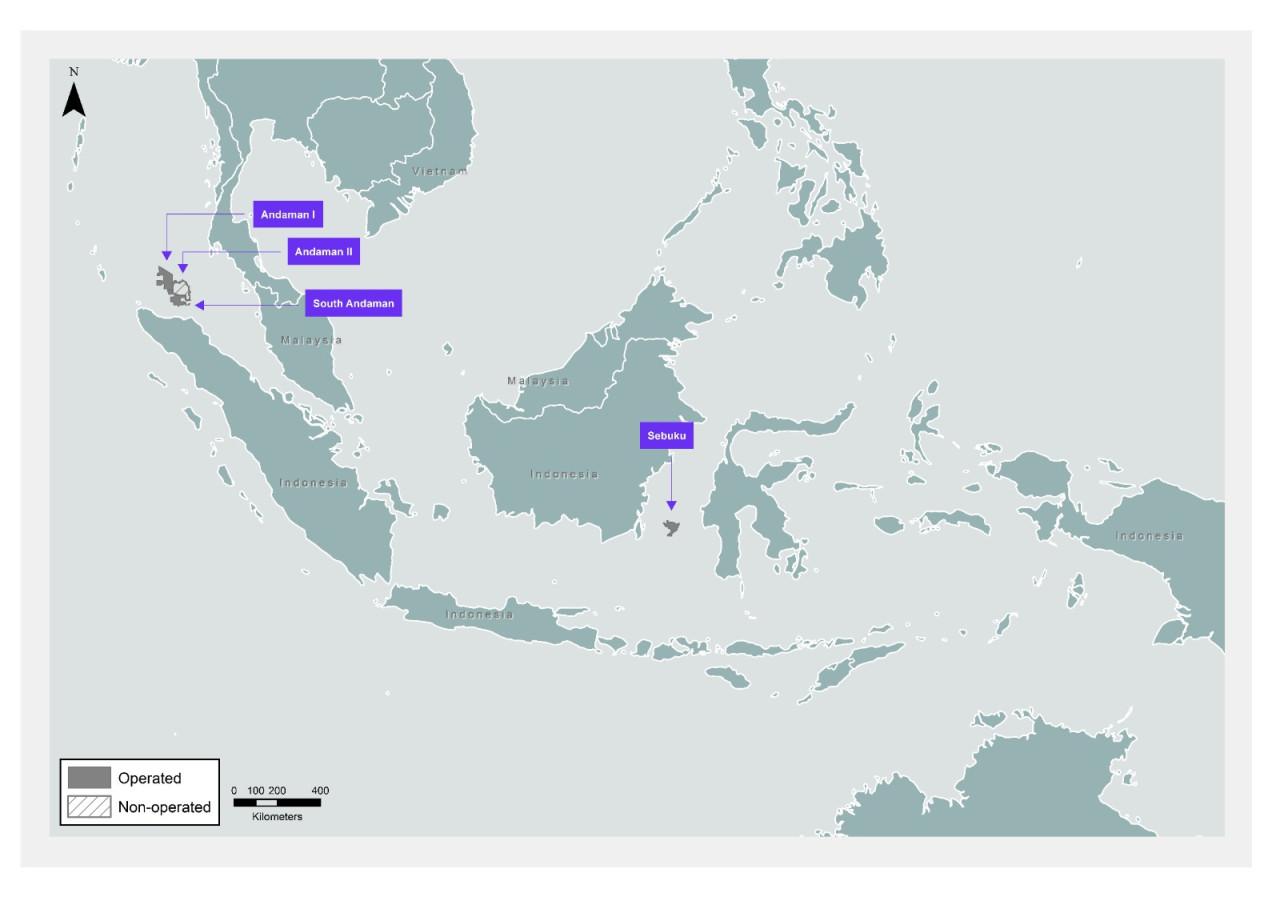
Indonesia has taken a significant step forward in its energy exploration sector by signing a contract with Harbour Energy and Abu Dhabi’s Mubadala Petroleum for the development of the Central Andaman block. The agreement is poised to unlock new prospects in the nation’s oil and gas sector, a move that is expected to enhance energy production and boost foreign investment in Indonesia’s energy resources.

The deal, which was finalized amid growing interest in Southeast Asia’s oil and gas reserves, marks a key milestone in Indonesia’s long-term strategy to increase its energy output and strengthen partnerships with international energy giants. Harbour Energy, a leading UK-based oil and gas company, alongside Mubadala Petroleum, an investment arm of the UAE’s Mubadala Investment Company, will collaborate on exploring and developing the Central Andaman block, located in the western part of Indonesia’s maritime zone. This area is rich in hydrocarbon potential, a crucial factor in meeting both domestic demand and export needs for Indonesia’s energy consumption.

This partnership is seen as a testament to Indonesia’s appeal as a prime investment destination in the energy sector. The agreement follows the country’s efforts to secure more investments in upstream oil and gas projects as part of its broader initiative to meet its energy targets. Indonesia has been working to reverse declining oil production and ensure that the nation’s oil and gas reserves continue to meet growing demand. The Central Andaman block, with its significant untapped reserves, is expected to contribute substantially to these goals.

The signing of the contract also aligns with the Indonesian government’s broader policy of attracting foreign capital into its energy sector. Harbour Energy’s track record in global exploration and Mubadala’s financial strength position both entities as highly strategic partners for the state-owned energy company, PT Pertamina. Pertamina, which will retain a stake in the project, is tasked with overseeing the development and ensuring the sustainability of operations across the block.

The Central Andaman block is located within an area known for its favorable geologic conditions, potentially offering both deepwater oil fields and gas reserves that have remained underexplored until now. The consortium’s exploration activities are expected to employ advanced technologies and methodologies to assess the block’s full potential, including seismic surveys and drilling operations in areas that have previously been difficult to access.

One of the key outcomes expected from this partnership is the improvement of Indonesia’s energy security. By developing its own oil and gas resources, Indonesia aims to reduce its dependence on energy imports, which have long been a vulnerability in its economic framework. Moreover, the exploration of new oil fields can provide an economic boost through job creation, the generation of local revenue, and the attraction of further investment into related sectors such as infrastructure and technology.

In addition to bolstering energy security, the deal also reflects growing geopolitical shifts in the global energy landscape. Southeast Asia has increasingly become a focal point for energy investments as global oil companies look for new frontiers amidst declining oil reserves in traditional oil-producing regions. The Central Andaman block’s untapped reserves add to Indonesia’s strategic importance, not only as an energy producer but also as a key player in the Indo-Pacific energy equation.

However, the path forward is not without challenges. The complex environmental and regulatory landscape of Indonesia’s offshore oil fields poses potential hurdles, including the need to adhere to stringent environmental standards while developing the block’s resources. Harbour Energy and Mubadala’s experience in managing large-scale offshore projects will likely be tested as they navigate these challenges, balancing sustainable practices with the need for efficient resource extraction.

The Indonesian government has indicated that it will continue to prioritize energy projects that contribute to the nation’s long-term economic growth while ensuring environmental sustainability. The Central Andaman block deal is expected to be closely monitored by both domestic and international stakeholders, who view the partnership as a litmus test for Indonesia’s ability to maintain its position as a leading oil and gas producer in Asia.

Crypto casinos are already popular for players seeking anonymous, fast, and secure experiences. Unlike traditional casinos, they provide unique benefits by enabling players to use cryptocurrencies for deposits and withdrawals. However, cashing out from a cryptocurrency casino might be challenging if you’re unaware of the procedure or withdrawal options. But this article helps you with just that! Here are the best withdrawal techniques, and advice on handling […]

DUBLIN, IRELAND – Media OutReach Newswire – 3 December 2024 – Aon plc (NYSE: AON), a leading global professional services firm, today announces the appointment of Anne Corona as CEO of Enterprise Clients and global chief commercial officer, effective 1 January 2025. This appointment is part of the firm’s strategy to advance its commercial capabilities by deepening commercial alignment, integration of data and analytics and service excellence […]

HONG KONG SAR – Media OutReach Newswire – 2 December 2024 – The 18th MIPIM Asia Summit returns this year to address key themes reshaping the real estate landscape in Asia and globally. Bringing together prominent international investors and speakers, the MIPIM Asia Summit 2024 will feature the prestigious MIPIM Asia Awards Ceremony and take place on December 3rd and 4th at the Grand Hyatt in Hong […]

From wars in Eastern Europe and the Middle East to rising tensions in the Taiwan Strait, geopolitical instability has become the defining characteristic of our time. There are now more active armed conflicts than at any point since World War II. Simultaneously, the digital realm has become a battleground, with cyberattacks escalating in frequency and sophistication, targeting both national infrastructures and private enterprises. While these developments are […]

Ripple is poised to make a significant move into the U.S. stablecoin market with its new RLUSD stablecoin, which is expected to receive approval from New York’s Department of Financial Services (NYDFS). The approval paves the way for the coin’s anticipated launch on December 4, positioning Ripple to directly compete with established U.S. stablecoin issuers, including Circle and Tether. Ripple’s decision to introduce a stablecoin marks a strategic expansion beyond its core offering of XRP, aiming to tap into the burgeoning stablecoin sector, which has seen rapid growth due to its role in reducing volatility in the cryptocurrency market and facilitating easier cross-border transactions.

The RLUSD stablecoin will be backed 1:1 by the U.S. dollar, offering a more stable and predictable alternative to XRP, which has faced significant volatility in the past. Ripple’s stablecoin will be a key player in the growing demand for stablecoins, which have become integral to decentralized finance (DeFi) and are increasingly being used for remittances, trading, and cross-border payments. The NYDFS approval is critical for Ripple as it will allow the company to offer RLUSD in the highly regulated U.S. market, enhancing its legitimacy and fostering confidence among investors and users.

As Ripple prepares for its entry into the stablecoin market, it is positioning itself against leading stablecoin issuers like Tether’s USDT and Circle’s USDC, which dominate the U.S. stablecoin market with billions in circulation. However, Ripple’s edge lies in its established infrastructure for cross-border payments and its existing partnerships with financial institutions, which could provide RLUSD with a strong foundation for adoption. Additionally, by leveraging its existing RippleNet network, Ripple aims to deliver a smoother and more efficient transaction process compared to its competitors.

Unlike XRP, which is often seen as a speculative asset, RLUSD is designed to serve as a stable digital currency pegged to the U.S. dollar. This makes RLUSD a preferred option for users seeking a low-volatility solution for everyday transactions or for businesses that require a stable digital currency for operations. Ripple’s entry into the stablecoin market could provide users with an attractive alternative for conducting international transactions, where stability and efficiency are critical. Ripple’s extensive network of financial institutions already using RippleNet could facilitate the adoption of RLUSD among these organizations, making it a highly competitive option in the space.

Ripple’s expansion into the stablecoin space also reflects broader trends in the cryptocurrency industry, where the demand for stablecoins has surged as they provide a bridge between traditional fiat currencies and the digital economy. According to data from the Center for Alternative Finance, stablecoins accounted for over $130 billion in market capitalization by mid-2024. This growth is driven by the increasing use of digital currencies in global trade, remittances, and as an on-ramp to decentralized finance platforms.

The stablecoin market has attracted attention from regulators due to its potential to disrupt traditional finance. New York has been at the forefront of regulating cryptocurrency, with the NYDFS providing a rigorous licensing process for digital assets operating in the state. Ripple’s ability to secure approval for RLUSD under these stringent conditions speaks to the company’s commitment to complying with regulatory standards, which may help it differentiate itself from other cryptocurrency projects that have faced regulatory hurdles. In addition to regulatory compliance, Ripple’s track record in the cryptocurrency space, particularly with its XRP token, positions it as a trusted entity in the eyes of many investors and stakeholders.

However, Ripple’s entry into the stablecoin market does not come without challenges. The stablecoin market is becoming increasingly crowded, with numerous players vying for dominance. USDC and USDT remain the dominant stablecoins by market share, and both have established themselves as reliable and trusted assets in the digital currency space. Additionally, these coins have already formed partnerships with major financial institutions and exchanges, making it difficult for new entrants to compete. Ripple will need to differentiate RLUSD not only through its regulatory approval and backing by the U.S. dollar but also through its ability to offer faster, cheaper, and more secure cross-border payment solutions.

While Ripple’s RLUSD aims to provide a less volatile alternative to XRP, it could also offer significant advantages in terms of liquidity and scalability. Stablecoins like USDC and USDT are already widely accepted across various platforms, and Ripple’s partnerships with financial institutions could accelerate the adoption of RLUSD. Furthermore, as more businesses and financial institutions explore the benefits of using digital currencies for cross-border payments, Ripple’s established network could enable RLUSD to scale quickly and gain traction.

Koc Holding, one of Turkey’s leading conglomerates, has firmly denied reports suggesting it is in discussions regarding the sale of its stake in Yapi Kredi Bank to Qatar National Bank (QNB). The Turkish holding company, which controls a significant share of Yapi Kredi, clarified that no such negotiations have taken place, responding to growing speculation about a potential deal with the Qatari financial institution.

The rumors surfaced amid QNB’s broader strategy of expanding its presence in Turkey, a key market for the Middle Eastern bank. QNB has been actively pursuing acquisitions in Turkey in recent years, strengthening its position within the country’s financial sector. However, despite these ambitions, Koc Holding has stated unequivocally that there are no ongoing talks regarding the sale of its shares in Yapi Kredi to QNB, dispelling widespread assumptions about an impending transaction.

This development comes at a time when Turkey’s banking sector is navigating a complex economic environment. High inflation, currency volatility, and shifting geopolitical dynamics have placed considerable strain on the country’s financial markets, which may have prompted some analysts to speculate about possible mergers or acquisitions in the banking industry. Additionally, QNB’s interest in Turkish assets has been well-documented, with the bank seeking to capitalize on Turkey’s sizable market and relatively high returns in the financial sector.

While Koc Holding’s denial temporarily quells the rumors surrounding a potential Yapi Kredi transaction, it is clear that the Turkish banking landscape remains a focal point for foreign investors, especially those from the Gulf region. Qatar-based QNB, which has been expanding its footprint in Turkey, already holds a stake in other Turkish financial institutions. The bank’s ambitions to consolidate its holdings in the country align with broader regional strategies by Gulf-based investors to diversify their portfolios beyond the Gulf Cooperation Council (GCC) region.

For Koc Holding, Yapi Kredi remains a valuable asset in its diversified portfolio, and its involvement in the banking sector is integral to its broader business strategy. The holding company has been a major player in Turkey’s financial industry for decades, with its involvement in banking extending back to the late 1980s when it first acquired a stake in Yapi Kredi. The bank has since grown to become one of Turkey’s largest and most influential financial institutions.

While Koc Holding has dispelled the claims of a sale to QNB, analysts continue to watch the Turkish financial sector closely for signs of potential mergers and acquisitions. The region’s banks have been under pressure as they navigate the economic challenges posed by inflation and the depreciation of the Turkish lira. Despite these hurdles, Turkish financial institutions remain attractive to foreign investors due to their relatively high returns and the significant untapped potential of the Turkish market.

QNB, as one of the largest banks in the Middle East and North Africa (MENA) region, has made strategic acquisitions across the region over the years. With operations in 31 countries, including a significant presence in the GCC and North Africa, the bank has been keen to expand its holdings in Turkey, a nation that has become an increasingly vital market for financial services. The speculation around Yapi Kredi was fueled by reports that QNB had expressed interest in increasing its stake in the Turkish banking sector, but Koc Holding’s statement puts those rumors to rest—at least for the time being.

Although the QNB and Yapi Kredi discussions appear to be off the table, the dynamic between foreign banks and Turkish financial institutions will continue to evolve. The relationship between Qatar and Turkey has grown stronger in recent years, with both nations bolstering their economic ties. These diplomatic and financial linkages have facilitated greater cross-border investments, including in the Turkish banking sector, where Gulf investors are particularly active.

Turkey’s financial market is viewed by many as being ripe for consolidation and foreign investment. With inflation levels above 50% and the currency’s depreciation impacting many domestic financial institutions, the market offers substantial growth opportunities for foreign banks with the capacity to weather short-term volatility. International investors like QNB have been increasingly involved in Turkey’s economic recovery, using strategic acquisitions as a way to capitalize on the long-term prospects of the country’s banking system.

Despite the challenges posed by the country’s economic instability, Turkish banks are showing resilience. Several of the country’s largest banks, including Yapi Kredi, have managed to maintain strong balance sheets, thanks in part to their robust risk management strategies. This stability, combined with the potential for future growth, continues to attract interest from regional players looking to expand their presence in one of the largest emerging markets in Europe and Asia.

Abu Dhabi Investment Group is set to deploy a significant $100 billion in Brazil’s economy, marking a major step in the strengthening of bilateral economic ties between the UAE and Latin America’s largest economy. The announcement, made in late November 2024, highlights the UAE’s growing investment interests in Brazil, underscoring the nation’s desire to diversify its portfolio globally. The planned investments span a range of sectors, with […]

Fuel prices in the UAE experienced a notable rise in November, with the price of Super 98, Special 95, and E-Plus 91 all increasing by 9 fils per liter compared to October. The increase has raised concerns among consumers, particularly in light of ongoing discussions about the global energy market and its impact on local economies.

The National Petroleum Marketing Company, which oversees fuel pricing in the UAE, implemented this price change after monitoring shifts in global oil prices. The new prices reflect a global trend in energy markets where oil prices have steadily climbed in the past months due to rising demand and geopolitical uncertainties. Industry analysts suggest that such fluctuations are becoming increasingly common as global supply and demand dynamics evolve.

The change has been felt by consumers across the country, with many noting the impact on household budgets. The price for Super 98, the premium fuel grade, is now set at 3.03 AED per liter, up from 2.94 AED in October. Special 95, which is widely used by the general public, now costs 2.92 AED per liter, while E-Plus 91 has seen its price rise to 2.83 AED per liter. These increases, although seemingly modest, have a direct impact on daily life in the UAE, where gasoline-powered vehicles remain the primary mode of transport for the majority of residents.

The fuel price hike is part of a broader trend of fluctuating oil prices that began in mid-2023, driven by OPEC+ decisions, changes in U.S. production levels, and shifting demand patterns across key global markets. In particular, recent supply cuts by major oil-producing nations have tightened global crude oil supplies, contributing to the increase in fuel costs. The UAE, being a significant player in the global energy market, is not insulated from these trends, as the country relies heavily on oil exports for revenue.

The fuel price increases also come amidst discussions about the UAE’s efforts to diversify its economy away from oil dependence. Although the country has made significant strides in renewable energy development, including solar power and nuclear energy, oil remains a dominant economic driver. This creates a delicate balance for policymakers who must manage rising fuel prices while attempting to transition to more sustainable energy sources in the long term.

Consumer sentiment regarding the fuel price hike has been mixed. While some accept the increase as an inevitable result of global market trends, others express frustration with the recurring adjustments. Public transport, although available in major cities like Dubai and Abu Dhabi, remains underdeveloped in many parts of the country, making private car ownership essential for most people. This reliance on cars amplifies the impact of rising fuel prices on everyday expenses, leading to concerns about the affordability of transportation.

Economists have also weighed in on the potential long-term effects of fuel price hikes in the region. Some suggest that continued increases could put pressure on the cost of living, particularly in industries reliant on fuel-intensive activities such as transportation and construction. Businesses may face higher operating costs, which could eventually be passed on to consumers in the form of higher prices for goods and services.

On the other hand, analysts point out that the UAE government has taken steps to mitigate the impact on the most vulnerable sectors of the economy. Some subsidies remain in place for specific fuel products, particularly for those used in commercial and industrial sectors. These measures are designed to help cushion the effects of price increases and ensure that critical sectors do not experience undue strain.

The UAE’s fuel pricing system, which is reviewed monthly, has led to a degree of predictability in the market. Although prices are subject to fluctuations, the transparency of the system allows consumers to plan their expenses accordingly. This regular review process has earned praise from certain segments of the population, who appreciate the consistency in pricing, despite the periodic hikes.

Global energy market conditions remain a crucial factor in determining fuel prices. International oil price fluctuations have an immediate impact on the cost of fuel, and the UAE is particularly sensitive to these changes due to its role as a major oil exporter. With oil prices expected to remain volatile, fuel price adjustments are likely to continue being a regular feature of the economic landscape in the UAE. These changes, while impacting consumers, also serve as a reminder of the intricate connection between local economies and global energy markets.

VISHNU RAJA
RYO YAMADA
HITORI GOTOH
IKUYO KITA
Just in:
The “1st Greater Bay Area Health and Longevity Summit & Awards Ceremony” concludes successfully in Macao // APT29-linked campaign exploits outdated Apple and Android software // Oil advances towards $100 as tanker attacks persist // Hong Kong mandates crypto transaction disclosures to tax authorities // Ousted top Kochi cop gets IG post // Private varsities bill all set to face the axe // Technology shares plunge as Nasdaq enters correction // CR Longdation Aethereal Cybersecurity × Global Cybersecurity Alliance (GCSA) Join Hands to Establish the “AI and Cybersecurity Research Centre” // Meraas showcases five residential zones at Dubai Design Week // Asia Left Behind: Ten international companies have yet to report delivering on their cage-free egg pledges across the region // Beyond the exhibition floor: How robots, AI and networks are moving into the real world // OpenAI introduces GPT-6 Cyber with restricted security access // Trump’s Iran War Has A Share Of Contribution To His Midterm Debacle // Emaar approves Development buyout ahead of planned delisting // UK air traffic outage inflicted £33m financial losses // OpenAI abandons secrecy agreements for future data centres // Motorola introduces Signature 27 flagship priced at $1,599 // Ningbo Consensus on Collaborative Development released at 2026 Global Mayors Dialogue · Ningbo // Emirates Group records AED 4.1 billion half-year profit // e-Crime Bureau Signs Cybersecurity Partnership With Smart Africa, Reinforcing Its Global Expansion //