Just in:
Dubai boat show confirms international shipyard line-up for November // Meraas showcases five residential zones at Dubai Design Week // Geely’s i-HEV Intelligent Hybrid Technology Offers a New Direction Vision for Gasoline-Powered Vehicles // Oil advances towards $100 as tanker attacks persist // Trump’s Iran War Has A Share Of Contribution To His Midterm Debacle // Asia Left Behind: Ten international companies have yet to report delivering on their cage-free egg pledges across the region // Miss Universe Hong Kong Jen Zhou Departs for Puerto Rico to Compete in the 75th Miss Universe World Final // Millions Of Indians May Soon Be Deprived Of Government Assistance // The “1st Greater Bay Area Health and Longevity Summit & Awards Ceremony” concludes successfully in Macao // Emirates Group records AED 4.1 billion half-year profit // e-Crime Bureau Signs Cybersecurity Partnership With Smart Africa, Reinforcing Its Global Expansion // Kochi police detain two actors over bid to honey trap doctor // Hong Kong mandates crypto transaction disclosures to tax authorities // OpenAI abandons secrecy agreements for future data centres // Oil and chip shares retreat after Democratic victories // Motorola introduces Signature 27 flagship priced at $1,599 // Technology shares plunge as Nasdaq enters correction // TVM –Mangaluru Vande Bharat claims top spot // Beyond the exhibition floor: How robots, AI and networks are moving into the real world // CR Longdation Aethereal Cybersecurity × Global Cybersecurity Alliance (GCSA) Join Hands to Establish the “AI and Cybersecurity Research Centre” //

News related to
Mid Term

By Dr. Gyan Pathak Government of India led by the Prime Minister Narendra Modi is observing June 25, 2025, as the first Savmidhan Hatya Diwas (the Day of Killing the Constitution of India), to remember the day of proclamation of emergency at midnight of June 25, 1975 in the country by the then prime minister […]

Trellix’s Advanced Research Center has documented a red team exercise named OneClik, simulated Advanced Persistent Threat tactics against entities within the energy, oil, and gas sectors. The red team employs sophisticated phishing lures and exploit Microsoft ClickOnce, a.NET deployment tool, to execute malware under the guise of trusted applications. This campaign exhibits hallmarks consistent with Chinese-affiliated threat actors, according to the researchers. Phishing emails played a central […]

Matein Khalid The past decade dramatically illustrates the peril of trusting paper money as a store of value in a political system designed to pivot recklessly towards deficit financing and deliberate debasement of the world’s reserve currency. The US national debt is now $37 trillion and the annual budget deficit is now $2 trillion or 125% of GDP. Add political gridlock in Washington, violent migrant riots in […]

Jasper County authorities in Texas executed a search warrant to physically open a Bitcoin ATM on June 16, retrieving approximately $32,000 in cash—$25,000 of which a local family had deposited after falling prey to a scammer posing as a government official. Sheriff Chuck Havard authorised the operation after tracing funds to an ATM operated by Bitcoin Depot.

Law enforcement agents secured the warrant following a police report that fraudulent calls threatened the family with fines unless they paid via the kiosk. Deputies pulled cash from the machine using a power‑cutting tool, recovering a surplus in addition to the family’s deposit.

The sheriff defended his actions: “When thieves, low‑lifes and scammers attempt to take advantage of the citizens of Jasper County, we will work swiftly and utilise every resource at our disposal to protect our citizens and their property at all costs”. He also warned that cryptocurrency‑based fraud cases are notoriously complex and that the perpetrator remains unidentified.

The incident has sparked debate across digital‑currency communities. Some critics argue that damaging ATM infrastructure and seizing funds from an operator may undermine property rights, asserting that the ATM itself—provided by a third party—was collateral damage in the scam. One Redditor remarked:

“Sounds like maybe government employees destroyed an innocent third party’s property and stole his money.”

This episode highlights a concerning rise in crypto‑ATM scams. The FBI logged nearly 11,000 complaints totaling over $246 million in losses tied to such ATMs in 2024—a 31 percent increase from the previous year—with many victims aged over 60. Citing the surge in fraud, Spokane, Washington, enacted a ban on crypto‑ATMs on June 18, and Australia imposed tighter transaction caps earlier this month.

Bitcoin Depot, the ATM’s operator, confirmed it works closely with law‑enforcement agencies under AML and KYC protocols, but typically does not supervise cash retrieval directly from kiosks. The nature of cryptocurrency—its decentralisation and pseudonymity—adds obstacles to tracking illicit transfers and returning funds to victims.

Although the seized amount exceeds the family’s loss, victims must navigate legal processes to claim reimbursement, and success often depends on tracing crypto to identifiable exchanges. Past efforts, such as the U.S. Department of Justice recovering $2.3 million from the Colonial Pipeline ransomware attack, show that fund recovery is complex and rare.

Industry observers say the operation may set a legal precedent for law enforcement intervention in crypto‑ATM fraud. However, critics caution against the public destruction of third‑party property without clear evidence of complicity, warning it could erode trust in digital‑currency infrastructure.

Amid growing consumer vulnerabilities, experts call for enhanced public education, robust regulation, and strengthened compliance from ATM operators. Proposed measures include mandatory transaction limits, stricter licensing, real‑time fraud monitoring, and clearer cooperation channels with enforcement agencies.

Federal and state authorities are also considering new legislation targeting crypto‑ATM fraud. The Crypto ATM Fraud Prevention Act, if passed, would require improved operator oversight and clearer protocols for law‑enforcement response. Meanwhile, states like North Dakota and Nebraska have already introduced licensing and transaction‑cap laws.

As this case advances, Jasper County officials and Bitcoin Depot are expected to coordinate further to identify the scammer and determine rightful ownership of the recovered assets. The outcome of this operation may shape future legal and regulatory standards governing crypto‑ATM responses to fraud.

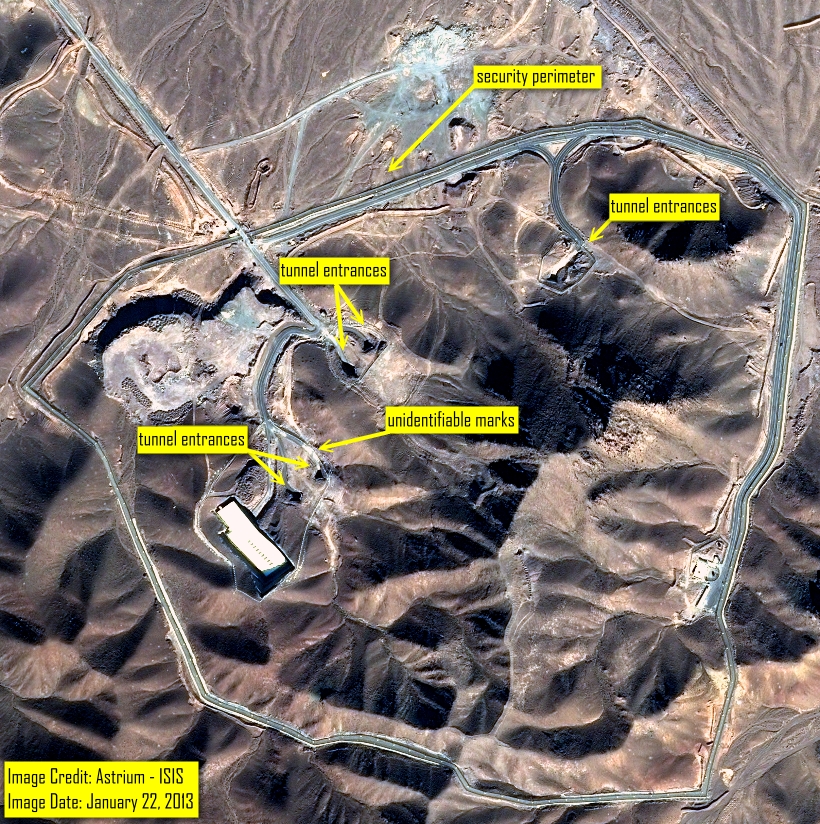
A U.S. intelligence assessment indicates that the air strikes on Iran’s nuclear facilities, including Fordow, Natanz and Isfahan, have damaged above-ground structures and access points but left underground enrichment infrastructure and uranium stockpiles largely undisturbed. The report by the Defence Intelligence Agency projects only a temporary setback—measured in months—to Iran’s nuclear programme, challenging assertions by the White House that the sites were “totally obliterated”.

Satellite imagery released after the strikes on 22 June shows craters and blocked entrances at Fordow, where bunker-busting Massive Ordnance Penetrators reportedly hit ventilation shafts, yet analysts emphasise that the subterranean halls housing centrifuges lie too deep to evaluate via overhead visuals. WMD experts note that centrifuges are “extremely vibration-sensitive”, suggesting potential internal damage, but absent on-site inspection, the extent remains uncertain.

The United Nations nuclear watchdog, the International Atomic Energy Agency, has urged renewed inspections at the sites. Director-General Rafael Grossi told an emergency Board of Governors session that significant underground damage was plausible, yet only rigorous inspections can confirm impact and assess stockpiles of enriched uranium, including the 400 kg of material enriched to 60 percent purity.

The DIA report also confirms that Iranian authorities pre-positioned crucial nuclear materials and equipment prior to the air campaign. High-resolution satellite images captured extensive vehicle activity—bulldozers, trucks and sealed tunnel exits—on 19–21 June, indicating a deliberate evacuation of enriched uranium and centrifuges. Analysts speculate this operation undercut the campaign’s intended impact, preserving Iran’s capacity to resume enrichment and reconstitution of its nuclear programme with comparative ease.

The White House disputes the DIA’s findings. Press Secretary Karoline Leavitt described the intelligence leak as “flat‑out wrong”, citing the precision of the bombing campaign and reiterating President Trump’s declaration of a “perfectly executed mission” and “total obliteration” of Iran’s nuclear infrastructure. Similarly, the Pentagon backs the President, contending that USAF and Navy strikes, featuring B‑2 stealth bombers flying 37‑hour missions deploying MOPs, decisively hit their targets.

Despite official optimism, several non-proliferation experts question whether the attacks achieved strategic success. David Albright, president of the Institute for Science and International Security, asserted that while imagery suggests severe impact at Fordow, conclusive assessment requires internal access. Jeffrey Lewis and other analysts emphasise that intact uranium stockpiles, even if held at other sites, provide Iran with a largely intact nuclear baseline.

The conflict has escalated beyond the nuclear dimension. Intermittent Iranian missile and drone fire has targeted U.S. and allied bases in the wider Middle East, prompting a U.S.-brokered ceasefire between Iran and Israel, while global oil prices fluctuated amid tensions.

IAEA technical teams have not yet been able to return to the sites. Grossi reminded parties that uninterrupted oversight is essential for both verifying the damage and ensuring no material has been diverted for weapons purposes. Iran has not formally objected to future inspections, although parliamentary figures have suggested curbs on IAEA activity if international hostility continues.

Assessment of long‑term outcomes remains contested. Pro‑strike voices argue that disrupting operations, even temporarily, imposes significant costs on Iran’s programme architecture. Critics warn that such tactics could drive Tehran’s nuclear scientific talent further underground or accelerate development of redundant facilities.

Meanwhile, intelligence officials and non‑proliferation authorities emphasise that blunts, quarterly backtracking cannot substitute for diplomacy. Restoring negotiations with Iran, potentially via intermediaries including the IAEA, remains the keystone for ensuring non‑weaponisation and preventing recurrence.

The DIA characterises damage as limited to “core components and stockpiles”—an interpretation not aligned with politically driven portrayals of mission success. As conflict fatigue weighs on global observers, the effectiveness of military action in halting nuclear proliferation faces renewed scrutiny.

Polymarket, the world’s largest blockchain-based prediction market platform, is on the verge of completing a funding round exceeding $200 million that would value the company at over $1 billion. The strategic investment reflects growing investor confidence in forecasting platforms as tools for real-time insights and market intelligence.

The company, founded in 2020 by Shayne Coplan and headquartered in New York, has previously secured $70 million across Series A and B rounds led by General Catalyst, Founders Fund, alongside participation from Ethereum co-founder Vitalik Buterin. That capital helped Polymarket scale its operations offshore, particularly following regulatory setbacks in the United States, where it withdrew services under pressure from the Commodity Futures Trading Commission.

Sources indicate the new investment round will build on these foundations, raising upwards of $200 million and propelling Polymarket into unicorn status with a valuation north of $1 billion. Those close to the transaction describe a diverse syndicate of venture capital firms, strategic investors and high-profile figures from the crypto and financial sectors, though official names are yet to be disclosed.

Polymarket’s appeal lies in its novel combination of decentralised finance, crowd-sourced wisdom and smart contract automation. The platform allows participants to trade on real-world events—ranging from elections and policy outcomes to entertainment and economic indicators—by buying and selling shares reflective of outcome probabilities. Transactions occur using USDC on Polygon, ensuring on-chain settlement and transparency.

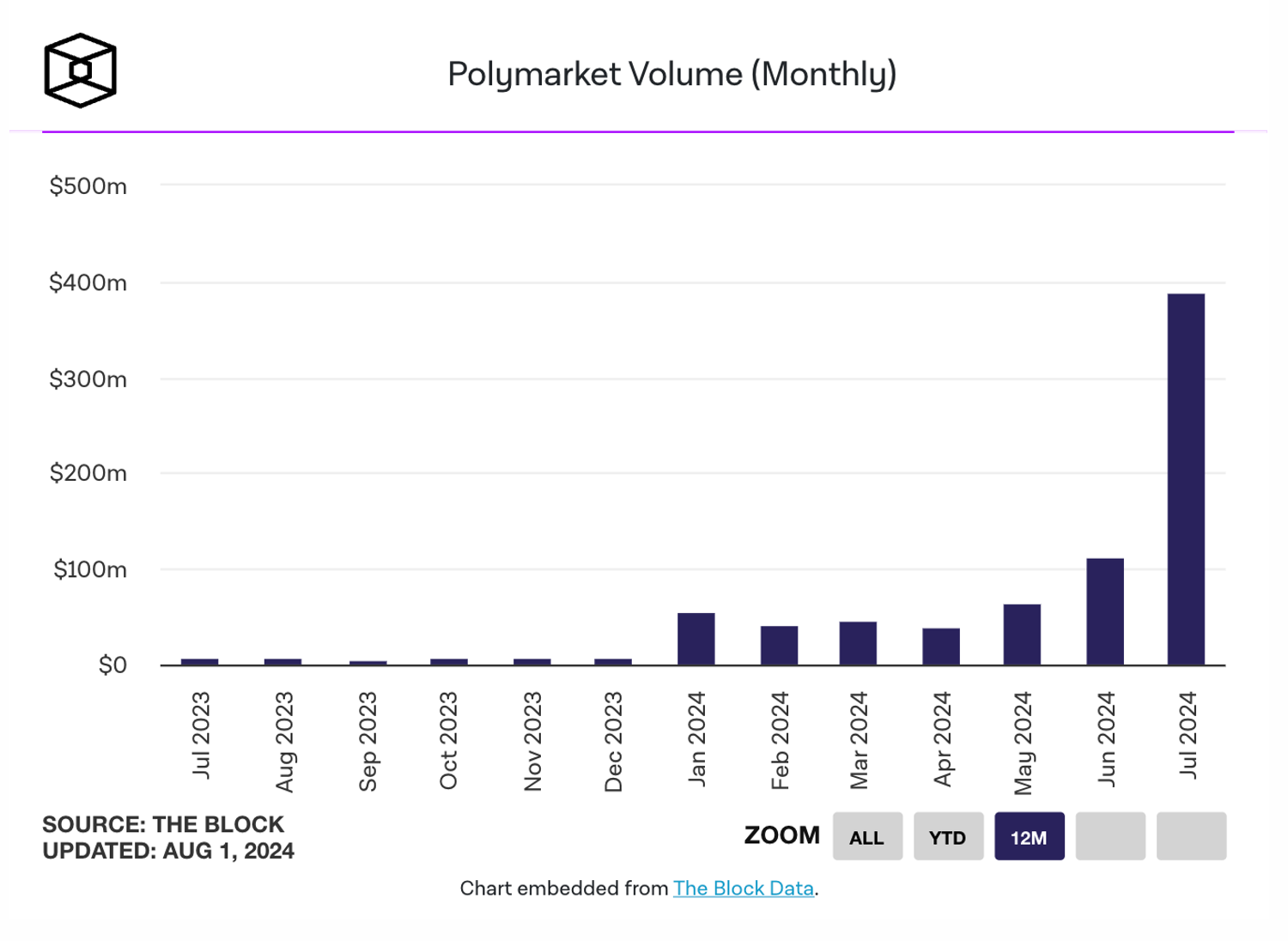
Trading volumes attest to the platform’s influence. In August 2024 alone, Polymarket processed approximately $472 million in trades, with political markets—especially those related to the US presidential election—accounting for nearly $1 billion in wagers by November 2024. Peter Thiel’s Founders Fund highlighted its trust in Polymarket’s market intelligence: “checking Polymarket when breaking news happens has become a habit”.

That compelling performance comes amid regulatory headwinds. Polymarket has barred US users since reaching a settlement with the CFTC in early 2022, which included a US$1.4 million fine and the appointment of former CFTC chairman J. Christopher Giancarlo to its advisory board. These changes aimed to address compliance concerns as the platform expanded internationally. More recently, the FBI reportedly raided Coplan’s home in autumn 2024 as part of an investigation into whether US-based activity violated these agreements.

Despite these challenges, Polymarket has continued to deepen its appeal. Ethereum co-founder Vitalik Buterin has publicly supported the broader application of prediction markets, terming them pioneers in “Info Finance,” an area he believes can enhance journalism, governance and scientific transparency. Polymarket’s data is now cited within Bloomberg’s Terminal services, offering institutional investors fresh analytical layers based on global betting dynamics.

The potential $200 million funding round is expected to include an allocation of token warrants enabling investors to participate in a future token issuance by Polymarket. Earlier reporting by CoinDesk and The Defiant in late 2024 highlighted a $50 million interim funding plan tied to a utility token offering, intended to integrate with or supplant the UMA oracle dispute-resolution system. That mechanism would allow users—or token holders—to validate market outcomes, an evolution that could expand Polymarket’s governance and on-chain autonomy.

Market observers view this token strategy as a logical advancement. Rising volumes and user engagement on election forecasts have revealed limitations in relying solely on external oracles; introducing a native token could decentralise verification and cement Polymarket’s position in the governance of its own markets.

Emerging trends suggest Polymarket is transitioning from an insurgent, crypto-native prediction exchange to a mainstream information infrastructure. Its user base now spans political analysts, financial professionals and retail traders. The recent partnership with X integrates Polymarket’s probabilistic feeds into social media dynamics, allowing users to access market sentiment in real-time alongside breaking news.

Yet questions over regulatory alignment remain. The CFTC is reportedly examining off-shore platforms that permit US bettor access, and lawmakers are considering broader prohibitions on event-based derivatives. The fallout from the 2024 FBI inquiry adds a layer of legal uncertainty, even as Polymarket navigates regulatory environments in Europe and Asia, where its platform has faced access restrictions from gambling regulators in Belgium, Poland, Singapore and France.

As Polymarket nears completion of its landmark funding round, it stands at a crossroads defined by opportunity and scrutiny. A valuation exceeding $1 billion would underscore investor conviction in its model, but unlocking the full potential of prediction markets may depend as much on regulatory clarity as on capital infusion.


SINGAPORE – Media OutReach Newswire – 24 June 2025 – Cat Paradise Singapore has launched a new cat sitting service, now available to the general public. This service provides in-home care by trained professional cat sitters in Singapore, expanding the centre’s support for cat owners who require assistance while away from home. This development is part of Cat Paradise’s ongoing efforts to provide comprehensive feline care. The […]

Advertisements

Markets surged as President Donald Trump announced a ceasefire agreement between Israel and Iran on Monday, calming fears of a broader Middle Eastern conflict and triggering a sharp drop in oil prices. With Brent crude falling nearly 5% in Asian trading and U.S. West Texas Intermediate declining by around 3%, investors responded swiftly to the prospect of restored supply and reduced geopolitical risk. At the same time, […]

Donald Trump proclaimed a full ceasefire between Israel and Iran on Monday, marking what he described as the end of a “12‑day war” that forced millions from Tehran and sparked grave fears of escalation. He posted on Truth Social that Iran would halt its operations at midnight ET, followed by Israel twelve hours later, culminating in a 24‑hour cessation of hostilities.

Trump touted the move as a diplomatic breakthrough, congratulating “both Countries, Israel and Iran, on having the Stamina, Courage, and Intelligence to end” the conflict. He asserted that the agreement was brokered in discussions with Prime Minister Netanyahu and through U.S. envoys in dialogue with Tehran, with Qatar playing a key intermediary role.

Iran’s foreign minister, Abbas Araghchi, echoed that Tehran’s forces stood down at 4 a.m. Tehran time if Israel ceased its attacks by then, though he clarified that a final decision on halting military operations was pending. Israel’s military has yet to formally acknowledge the ceasefire, and missile alerts and strikes were still reported over Tel Aviv, Beersheba and the Golan Heights in the hours following the announcement.

The conflict began on 13 June when Israel launched airstrikes on Iran’s nuclear and military infrastructure, including sites near Natanz, Isfahan and Tehran. That response, which Israeli authorities described as necessary to counter an alleged Iranian march towards nuclear weapons capability, included the destruction of centrifuge material and the deaths of senior Iranian military figures and nuclear scientists. Iran retaliated with waves of missiles and drones aimed at Israeli territory; Israel intercepted many of them, but civilian casualties were reported in Beersheba and Tel Aviv.

The conflict widened when the United States joined with bunker‑buster strikes on Iranian underground nuclear facilities over the weekend, prompting Iran to retaliate by targeting the U.S. air base at Al Udeid in Qatar. The attack caused no casualties, and Trump later thanked Iran for the “early notice,” calling it a “very weak response”.

Though Trump dismissed European diplomatic efforts as ineffective, he warned that U.S. involvement remained a distinct possibility if Iran escalated further, positioning American strikes solely against nuclear targets. Internal Israeli pressure also rose; Prime Minister Netanyahu reportedly instructed ministers to refrain from public commentary as military activity approached a pause.

Humanitarian fallout during this period has been acute. Over 650 Iranians have died, according to Iranian health data, including civilians, and over 200 Israeli military and civilian fatalities have been reported. Tehran saw large-scale evacuations as power and internet access faltered.

International bodies raised alarms over the bombardment of nuclear facilities. The International Atomic Energy Agency cautioned against striking enrichment sites due to risks of radiological contamination. Legal experts also voiced concerns that the strikes on civilian infrastructure—including hospitals and residential neighborhoods—could constitute violations under international humanitarian law.

Despite the ceasefire declaration, uncertainty remains. Iran’s foreign minister warned that if Israeli attacks persisted past 4 a.m. Tehran time, hostilities could resume. Similarly, Israeli officials reported continued launcher of missiles from Iran, demonstrating that the ceasefire may be fragile.

Regional and global reactions have been varied. Qatar’s prime minister was credited with facilitating Iran’s acceptance of the U.S.-proposed ceasefire. European negotiators, meanwhile, expressed frustration that efforts in Geneva had produced little movement before hostilities intensified. Both Russia and China urged restraint and urged full de‑escalation.

Markets responded positively to the ceasefire announcement, reflecting investor hopes for regional stability, yet the humanitarian toll and legal implications—the destruction of nuclear infrastructure, civilian casualties, and potential violations of international law—leave an ambiguous legacy for a war that surged in intensity over just under two weeks. The path ahead now hinges on whether both nations uphold the phased withdrawal and open room for diplomatic resolution amid deep mistrust.

By Saifur Rahman The International Monetary Fund (IMF) has approved the allocation of US$1.33 billion to Bangladesh to support the country’s economy that witnessed slowdown since the change of government in August 2024. The allocation is part of the US$4.7 billion combined support package authorised by the IMF in January 2023 under the US$3.3 billion Extended Credit Facility (ECF) and Extended Fund Facility (EFF) and US$1.4 billion […]

Online casino platforms have witnessed exponential growth as mobile accessibility and virtual payment systems continue to evolve. Amid this expansion, behavioural scientists and gambling regulators are sounding the alarm over growing risks linked to unrestrained digital gameplay. With the global online gambling market projected to surpass $150 billion by 2030, calls for adopting mindful inhibitions during play are becoming increasingly urgent. Industry data points to a steep […]

Startup founders drained by endless pitch decks, venture capital ghostings, or hallucinating LLMs may still be better off than those feeling stuck in joyless desk jobs. According to a wave of AI entrepreneurs and mental health observers, the strange cocktail of risk, creativity, and irrational optimism that drives many toward launching doomed startups could actually be a viable—if unconventional—antidote to existential malaise. Rather than seeing the creation […]

A team from the Directorate General of Civil Aviation will conduct a comprehensive annual audit of Air India from 24 to 26 June, intensifying focus on the carrier’s operations and compliance following the June 12 crash of Flight AI171 in Ahmedabad, which claimed nearly 280 lives. Though scheduled independently of the crash, the audit arrives as inspectors scrutinise the airline’s operational documents, cabin safety protocols, and historical audit responses.

Leading the review will be Deputy Chief Flight Operations Inspector Adhiraj Yadav and a team of ten officials, including two cabin safety experts. The inspection will span documents on airworthiness, crew training and flight duty records, and previous non-compliance action plans. The DGCA has emphasised mandatory presence of key Air India executives during the audit.

The audit takes place against a backdrop of mounting regulatory intervention. In late May, a DGCA inspection found that three Airbus jets in Air India’s fleet flew without timely safety checks on their emergency slides—one A320 had a check more than one month overdue, and one A319 was delayed by over three months. The regulator issued formal warnings and described the delayed compliance as evidence of “weak procedural control and oversight”.

Further compounding matters, the DGCA last Saturday issued a stern warning for repeated and serious pilot duty scheduling violations, instructing the removal of three crew-scheduling executives. Air India has indicated it has acted on the directive.

These developments follow intensified inspections of all 33 Boeing 787s in Air India’s fleet. While initial findings revealed no major safety defects, 24 aircraft had already undergone enhanced inspections by mid-June, with the remainder scheduled to complete the checks shortly. The comprehensive checks contributed to delays and cancellations across wide-body operations, with a downturn in route availability pegged at around 15 percent through mid‑July.

Experts suggest that this layer of oversight reflects a strategic shift by the DGCA toward “360-degree” evaluations, broadening beyond routine audits to include airlines, airports, maintenance organisations, training institutes and ground services. Officials describe this as a coordinated effort to fortify the aviation ecosystem after safety deficiencies surfaced in recent months.

In response, Air India has emphasised that it is accelerating its internal compliance efforts, including extensive verification of maintenance records and ensuring escape-slide checks are up to date. The airline maintains that its aircraft—particularly the ill-fated Boeing 787-8—were “well maintained” and crews were suitably experienced.

The crash of Flight AI171 involved a Boeing 787-8 Dreamliner registered VT‑ANB, which lost thrust after take-off and impacted a hostel block at B.J. Medical College shortly after clearing the runway. Only one passenger survived, while at least 39 people were killed on the ground. Both UK and US authorities are supporting the investigation, which is examining technical and procedural factors such as engine performance, hydraulic systems, flap configuration and crew training.

Tata Group, which assumed ownership of Air India in 2022, has urged staff to treat the disaster as a “turning point” in rebuilding a safety-first culture. Its strategic investments have included more than US $70 billion in new aircraft orders, infrastructure upgrades and a full-scale rebranding effort. Analysts caution, however, that restoring public trust hinges on tangible improvements in operational discipline and compliance.

The DGCA audit will therefore not only evaluate existing compliance but also test if Air India’s corrective processes are thorough and permanent. Given recent warnings and the complexity of the current probe, expectations are high that the audit’s findings could shape a longer-term regulatory approach to aviation safety in India.

Factories are increasingly adopting a Unified Namespace architecture—an event‑driven, centralised framework that unites data from diverse systems under a single, real‑time source of truth. By standardising naming conventions and utilising protocols like MQTT, this model dismantles data silos, enhances scalability, and accelerates decision‑making across engineering, operations, and management teams. UNS addresses the critical issue of fragmented automation ecosystems, where legacy PLCs, SCADA, MES, ERP and new IIoT […]

Strategy, the publicly traded firm led by Michael Saylor, increased its Bitcoin reserve, purchasing 245 BTC for US $26 million during the week ending 22 June, at an average price of US $105,856 per coin. This augments the company’s holdings to 592,345 BTC, acquired at a cumulative cost of approximately US $41.87 billion and an average cost of US $70,681 per coin. Year‑to‑date, the firm has realised a yield of 19.2% on its Bitcoin portfolio.

Buying at the tail end of a dip—from highs near US $108,900 down to lows just below US $99,000—Strategy appeared undeterred by broader macroeconomic anxieties weighing on crypto markets. The timing underscores a deep conviction in Bitcoin’s long‑term trajectory, reinforced by Saylor’s forecast that the asset could reach US $21 million within 21 years, presented on 21 June.

This additional acquisition keeps Strategy on track with its 2025 target of a 25% annual yield, recently raised from an earlier goal of 15%. As of this purchase, the return-on-holding stands at 19.2%, offering a clear path toward the revised objective.

Despite a broad sentiment shift toward caution in the crypto space—manifest in an estimated US $5.5 billion inflow into institutional products in the three weeks through early May—the decision by Strategy to double down highlights a contrasting stance. Institutional inflows have been largely concentrated in Bitcoin, accounting for US $1.8 billion of the total amid a surge in interest.

Crypto analysts suggest that volatility triggered by geopolitical risks and shifting macroeconomic dynamics, including trade tensions and Federal Reserve policy, is creating opportunities for long‑term players. AInvest noted a “volatility window” in mid‑2025 that may set the stage for a fresh bull run towards US $200,000, drawing in investors anticipating US foreign‑trade and rate‑cut shifts.

Blockchain data firm Glassnode reports that on‑chain accumulation continues steadily, with long‑term holders increasing their reserves despite price swings. This suggests ongoing confidence among institutional and retail actors alike.

Strategy’s accumulation strategy exemplifies a bet on mean reversion and broader adoption of Bitcoin as a hedge against currency debasement and inflation. Saylor has consistently argued that Bitcoin is “hard money” with inherent scarcity, likening it to digital gold—an argument echoed in institutional flows and strategic investor behavior.

HANOI, VIETNAM – Media OutReach Newswire – 23 June 2025 – With the invention of solar cells using Passivated Emitter and Rear Contact (PERC) technology, Prof. Martin Andrew Green from the University of New South Wales (Australia) and his team made a groundbreaking contribution to green energy production. Two years after receiving the 2023 VinFuture Grand Prize, he continues to push the boundaries of solar innovation, working […]

A novel method from Rice University scientists means electrochemical CO₂ conversion devices can now run more than 50 times longer thanks to a simple yet effective switch in their humidification process. By bubbling carbon dioxide through a gentle acid—such as hydrochloric, formic or acetic—the team has prevented blockages that previously cut runtimes to mere hundreds of hours. Electrochemical CO₂ reduction systems traditionally suffer from salt buildup. Potassium […]

Dubai’s Roads and Transport Authority, partnering with Emaar Properties, is expanding the Burj Khalifa/Dubai Mall Metro Station to meet mounting passenger demand. The extension enlarges the station from 6,700 m² to 8,500 m², boosting its hourly throughput from 7,250 to 12,320 passengers—an uplift of 65 per cent. When complete, it is expected to accommodate up to 220,000 passengers per day. The move comes as metro use continues to rise sharply at this […]

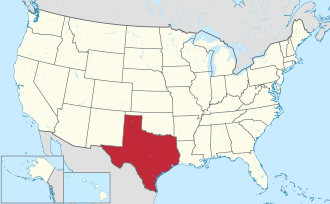
Texas Governor Greg Abbott has enacted Senate Bill 21, empowering the creation of the Texas Strategic Bitcoin Reserve, making it the third US state to legislate a formal Bitcoin reserve following Arizona and New Hampshire. For the first time among its peers, Texas will finance this dedicated fund with public money, distinguishing it from Arizona’s and New Hampshire’s models.

Under the terms of SB 21, the reserve will operate independently of Texas’s treasury and be managed by the Texas Comptroller of Public Accounts, guided by an advisory committee of crypto investment professionals. Only assets with an average market capitalisation exceeding US $500 billion over two years qualify for inclusion—Bitcoin currently stands alone in meeting that benchmark. The fund’s flexibility extends to growth through forks, airdrops, investment returns and public donations, with biennial public disclosures required.

Companion legislation, House Bill 4488, shields the reserve from routine transfer into the general revenue fund and ensures its legal continuity regardless of whether it holds Bitcoin by summer 2025. The Senate passed SB 21 by 25 votes to 5, and the House by 9 to 4; the law will take effect on 1 September 2025.

Proponents frame the reserve as a strategic hedge against inflation and economic volatility, aligning with Texas’s broader approach to diversify its assets. Senator Charles Schwertner, the bill’s author, observed that if the state can invest in gold or land, it should also have the option to invest in Bitcoin—“the best-performing asset of the last 10 years”.

Governor Abbott has been a vocal supporter of cryptocurrency integration, remarking last year that Texas was already home to crypto mining and “should become the crypto capital”. The inclusion of a state fund aligns with his pro-crypto stance and the passage of HB 4488, which he signed shortly after, enhances the law’s stability.

Texas’s approach diverges notably from Arizona and New Hampshire. Arizona’s law permits establishment of a reserve but prohibits spending public funds on asset purchases, whereas New Hampshire enables investment through the treasury—but neither allocates separate, publicly funded funds. By committing public funds and creating a segregated structure, Texas establishes a more robust and intentional framework.

Financial analysts and policymakers have reacted with a mixture of cautious interest and concern. While some view the move as a progressive diversification strategy, sceptics warn of Bitcoin’s price volatility and uncertain long-term value. Reports from the European Central Bank and ECB president have criticised similar shifts by US governments, saying they could undermine monetary sovereignty and disrupt digital euro initiatives. Meanwhile, a February 2025 University of Chicago economist survey found no consensus that borrowing to fund a crypto reserve would be beneficial.

Globally, the action has prompted varied governmental responses. Belarus has emphasised crypto mining; South Korea and Switzerland have explicitly rejected adding Bitcoin to central reserves, citing volatility; India has announced it is reassessing its crypto stance in light of global shifts.

The legislative milestone occurs amid mounting institutional interest in Bitcoin. Public companies such as MicroStrategy, Marathon Digital and Tesla continue to invest heavily, contributing to a surge in corporate holdings—more than 819,000 BTC held across 223 firms, representing nearly 3.9 per cent of total supply. Notable large-scale investments have included Paris-listed The Blockchain Group’s purchase of 182 BTC for US $19.6 million, and Nakamoto Holdings securing US $51.5 million via PIPE funding for further Bitcoin acquisitions.

Patients Demonstrate Significant Knowledge Gaps in Treatment Options, Leading to Lost Hope and Treatment Discontinuation Over 70% of Vitiligo Patients Desire Skin Repigmentation; New Topical Therapy Introduced in Hong Kong Shows Encouraging Results HONG KONG SAR – Media OutReach Newswire – 22 June 2025 – In observance of World Vitiligo Day (June 25), Hong Kong Vitiligo Support Group has released findings from its latest “Hong Kong Vitiligo […]

Oil markets swung sharply following the US Air Force’s striking of Iran’s Fordow, Natanz and Esfahan nuclear facilities on 21 June, triggering a fresh wave of geopolitical risk. Brent crude futures jumped over 11 per cent earlier this week after Israeli attacks, and traders are now preparing for further price volatility once global trading resumes.

President Trump described the operation as a “spectacular military success” and warned that more targets await if Iran does not seek peace. The US employed six B‑2 bombers laden with GBU‑57 “bunker‑buster” bombs—ordnance only capable of penetrating Fordow‘s deep underground vaults. Natanz and Esfahan were also hit, reportedly using Tomahawks from submarines.

Market analysts warn that disruption to Iran’s 2.5 million barrels per day export capacity, plus the threat of a shutdown of the Strait of Hormuz, would lift risk premiums sharply. Oxford Economics estimates oil could reach $130 a barrel if Iran decides to close the Strait, sending inflation soaring.

Investors are preparing for turbulence in equities and a rush towards safe-haven assets like the US dollar and gold. Potomac River Capital’s CIO, Mark Spindel, warned of markets being “initially alarmed” with heightened volatility continuing until the extent of the damage is confirmed.

Global markets have seen mixed signals: while crude prices surged up to 18 per cent since Israel’s June 13 raids, equities such as the S&P 500 have remained relatively steady. Predicting a deeper sell-off may depend on whether Iran follows through with threats — including disrupting the Strait, leveraging regional proxies, or escalating cyber campaigns.

Iran’s official response has been defiant rather than conciliatory. Tehran’s Atomic Energy Organisation assures no radiation has been released, and lawmakers claim the damage is superficial and repairable. Iran’s foreign ministry has labelled the strikes “outrageous” and cautioned that the consequences will be “everlasting”.

Global leaders have voiced alarm. New Zealand’s foreign minister urged all parties to “de-escalate and return to diplomacy”, while Australia and Mexico emphasised restraint and dialogue. Venezuela and Cuba condemned the strikes as violations of international law, calling for immediate halt to military action.

Oil market specialist Saul Kavonic warns Brent could move towards $100 a barrel “depending on Iran’s retaliation”. While Saudi output increases may buffer short-term shortages, traders recognise that any direct counterstrike on Gulf tanker routes or infrastructure would compound risk.

The destruction of key nuclear enrichment sites may set back Iran’s nuclear programme temporarily. Yet experts caution that the regime’s scientific expertise cannot be fully neutralised and the damage might harden Tehran’s resolve to pursue a bomb. This may also hinder diplomatic engagement, as Iran could withdraw from the Nuclear Non‑Proliferation Treaty and cease cooperation with the IAEA.

In financial hubs and oil centres from London to Shanghai, traders are reviewing risk models, stress-testing portfolios and hedging energy exposure. Asian markets, heavily reliant on Gulf crude, could face inflationary pressure if shipping routes are disrupted.

A key question now is whether the United States and its allies will pursue further strikes or shift to diplomatic pressure. Trump’s administration insists that Iran now has a binary choice: embrace peace or face further “precision” strikes. Critics warn that without congressional authorisation, deeper military involvement risks entangling the US in a long-term Middle East conflict.

China is confronting significant disruption to its Iranian crude oil supply, risking both its energy security and geopolitical ambitions in the Middle East. With over 90 per cent of Iran’s oil exports directed to China via Kpler, the contraction of that flow places Beijing’s $400 billion 2021 cooperation deal in jeopardy. Major Chinese independent refiners, the so‑called “teapots” in Shandong province, are enduring mounting losses as deepening discounts on Iranian […]

Gulf economies—led by the UAE and Saudi Arabia—are forecast to sustain stronger growth, underpinned by higher oil output and robust non-oil activity, even as tensions between Israel and Iran add volatility to the region’s economic outlook. Capital Economics estimates the UAE economy will expand by approximately 5.8 percent this year, propelled by elevated oil production and expansion in tourism, finance and construction sectors. The non-oil sector continues to account […]

WhatsApp is rolling out a trio of monetisation tools within its Updates tab, signalling a significant shift in strategy while keeping its core service intact. Businesses and creator‑led Channels can now access new advertising options, subscribers can unlock exclusive content, and adverts will begin appearing in status updates – all isolated from personal chats. Approximately 1.5 billion users engage with the Updates feed daily, where ephemeral Status posts […]

VISHNU RAJA
RYO YAMADA
HITORI GOTOH
IKUYO KITA
Just in:
Oil and chip shares retreat after Democratic victories // Geely’s i-HEV Intelligent Hybrid Technology Offers a New Direction Vision for Gasoline-Powered Vehicles // Xi Jinping Preparing For A Trilateral Summit With Trump And Putin At APEC Summit On Nov 18-19 // Miss Universe Hong Kong Jen Zhou Departs for Puerto Rico to Compete in the 75th Miss Universe World Final // Oil advances towards $100 as tanker attacks persist // Kochi police detain two actors over bid to honey trap doctor // The “1st Greater Bay Area Health and Longevity Summit & Awards Ceremony” concludes successfully in Macao // Millions Of Indians May Soon Be Deprived Of Government Assistance // Motorola introduces Signature 27 flagship priced at $1,599 // CR Longdation Aethereal Cybersecurity × Global Cybersecurity Alliance (GCSA) Join Hands to Establish the “AI and Cybersecurity Research Centre” // Emaar approves Development buyout ahead of planned delisting // Meraas showcases five residential zones at Dubai Design Week // TVM –Mangaluru Vande Bharat claims top spot // e-Crime Bureau Signs Cybersecurity Partnership With Smart Africa, Reinforcing Its Global Expansion // Dubai details five-year visa benefits for returning visitors // Private varsities bill all set to face the axe // Beyond the exhibition floor: How robots, AI and networks are moving into the real world // Ousted top Kochi cop gets IG post // Hong Kong mandates crypto transaction disclosures to tax authorities // Trump’s Iran War Has A Share Of Contribution To His Midterm Debacle //