Just in:
APT29-linked campaign exploits outdated Apple and Android software // Emirates Group records AED 4.1 billion half-year profit // Asia Left Behind: Ten international companies have yet to report delivering on their cage-free egg pledges across the region // e-Crime Bureau Signs Cybersecurity Partnership With Smart Africa, Reinforcing Its Global Expansion // Geely’s i-HEV Intelligent Hybrid Technology Offers a New Direction for Gasoline-Powered Vehicles // Oil and chip shares retreat after Democratic victories // After Reaching 7 Million Users in the Philippines, Skyro Launches Transparent Cash Loans in Malaysia // Kochi police detain two actors over bid to honey trap doctor // Geely’s i-HEV Intelligent Hybrid Technology Offers a New Direction Vision for Gasoline-Powered Vehicles // Oil advances towards $100 as tanker attacks persist // OpenAI identifies 948 Linux privilege escalation flaws using AI // Cloudflare unveils Zero Wire vulnerability intelligence service // CR Longdation Aethereal Cybersecurity × Global Cybersecurity Alliance (GCSA) Join Hands to Establish the “AI and Cybersecurity Research Centre” // Emaar approves Development buyout ahead of planned delisting // UK air traffic outage inflicted £33m financial losses // Ousted top Kochi cop gets IG post // OpenAI introduces GPT-6 Cyber with restricted security access // Beyond the exhibition floor: How robots, AI and networks are moving into the real world // Dubai details five-year visa benefits for returning visitors // Millions Of Indians May Soon Be Deprived Of Government Assistance //

News related to
Mid Term

By Nitya Chakraborty from Hanoi Vietnam, the Communist nation with nearly 10 crore population is presently the focus of the big investors of the world including the USA as the nation’s leadership has made a miracle in building a highly skilled youth brigade along with the creation of an investment climate which can compete with […]

BAODING, CHINA – Media OutReach Newswire – 3 January 2025 – 28th December, 2024, at the prestigious LIWA Hero Festival in the Middle East, GWM’s TANK 500 Hi4 Z edition lead the charge and made a bold and unforgettable entrance, capturing the attention of off-road enthusiasts and global fans alike. Through an exciting series of events, numbers of renowned KOLs and influencers as they embark on a […]

Crude oil prices are projected to remain within the $70 per barrel range, influenced by multiple factors, including potential oversupply conditions and shifts in geopolitical dynamics. Experts suggest that while the market might stabilize around this figure, uncertainty from global demand and political maneuvers will continue to shape its trajectory in the coming months.

The crude market has entered a phase where supply and demand fundamentals are being tested against evolving global economic conditions. Several key developments, particularly around oil-producing nations, have created a delicate balance that keeps prices in a relatively stable range, yet susceptible to fluctuations driven by external factors.

For months, the oil market has been closely watching the decisions of the Organization of the Petroleum Exporting Countries (OPEC) and its partners, such as Russia, who collectively manage production quotas to balance supply. OPEC’s recent moves to curb production have been aimed at propping up prices, but an increase in U.S. oil output has led to speculation that there may be an oversupply in the market. The United States has reached record production levels, largely driven by shale oil, which could overshadow OPEC’s production cuts.

Geopolitical tensions in major oil-producing regions, such as the Middle East, remain a persistent risk to price stability. However, analysts have indicated that, at least for now, the global oil market is able to absorb disruptions without a significant impact on prices. The advent of more diverse energy sources, including natural gas and renewable energy, has also lessened oil’s price volatility compared to previous decades.

One of the most notable contributors to the ongoing price forecast is former U.S. President Donald Trump’s impact on energy policies. His administration’s push for energy independence and deregulation policies have led to a surge in domestic oil production. While Biden’s administration has implemented more stringent climate and energy policies, the effects of Trump’s legacy are still visible, with shale producers continuing to drive the U.S. oil production boom.

Despite this, global oil consumption, especially in China, has shown signs of slower growth, a factor that could weigh on oil prices. Experts note that while China remains a major driver of global energy demand, its economic slowdown could dampen the demand for crude, putting downward pressure on prices. Additionally, OPEC’s attempts to control prices by adjusting production could be more difficult to execute as non-OPEC countries, particularly the U.S., maintain higher levels of output.

Environmental pressures are also playing a role in shaping oil demand. Many nations are intensifying their efforts to transition to cleaner energy sources, potentially limiting the demand for fossil fuels in the long term. Governments worldwide are setting more ambitious renewable energy targets and offering incentives for green technologies, which could lead to a future reduction in oil dependency.

Despite these long-term trends, the immediate outlook for crude remains cautiously optimistic. The global recovery from the pandemic, especially in developed economies, is expected to continue driving demand for oil, particularly for transportation and manufacturing. Yet, the resurgence of COVID-19 in certain regions and the ongoing supply chain disruptions may have a complex impact on global economic growth, which will, in turn, influence oil demand.

In the U.S., gas prices remain a central topic as consumers face fluctuating fuel costs. While gas prices in the country have seen recent increases due to tighter refinery margins and seasonal demand spikes, there is no consensus on how long this trend will persist. Analysts believe that domestic production levels, combined with seasonal factors, could prevent prices from surging uncontrollably.

In Europe, the situation is more nuanced. Energy prices, including natural gas and oil, have been a driving force behind inflation. The war in Ukraine, ongoing for several years now, has further complicated Europe’s energy dynamics, pushing countries to reconsider their energy strategies. Despite Europe’s focus on alternative energy, oil continues to play a significant role in meeting energy demand, particularly in transportation and industry. With the cost of living rising and energy prices still high, consumers in Europe are facing additional financial strain.

At a global level, the shift toward more sustainable energy production and consumption is growing, but it is clear that oil remains a cornerstone of the global energy mix for the time being. Countries that rely heavily on oil exports, like Saudi Arabia and Russia, continue to exert influence on the market, pushing for price stabilization measures. However, the dynamics of global energy consumption are changing, and the transition to greener alternatives remains a key factor to monitor.

Dubai’s property market has experienced a remarkable surge in demand, with the fourth quarter of 2024 marking the highest-ever quarterly sales, signaling a bullish outlook for 2025. The city’s real estate sector continues to attract investors and homebuyers, bolstered by favorable economic conditions and government initiatives aimed at supporting growth. The trend suggests that Dubai’s property market will likely maintain its momentum, making it one of the most attractive destinations for real estate investment globally.

The Dubai Land Department (DLD) reported that in Q4 2024, the total value of real estate transactions soared to new heights, breaking previous records. In addition to an increase in the volume of sales, the average property prices have seen upward movements, driven by high demand in both residential and commercial segments. This strong performance is attributed to a combination of factors, including the city’s resilient economic recovery, strong investor confidence, and a growing population that is increasingly seeking quality housing and investment opportunities.

Leading this growth is the luxury real estate segment, which has experienced a particularly sharp uptick. High-net-worth individuals and international investors have shown a preference for prime residential properties, with villas, penthouses, and beachfront developments seeing the most significant price increases. As international travel restrictions ease and global investors return to the market, Dubai’s luxury offerings continue to be seen as attractive, safe havens for capital preservation.

In addition to the luxury sector, there is increasing interest in mid-market housing. The city’s developers have been responding to this demand by focusing on affordable housing projects, catering to the growing middle class. Several large-scale developments, particularly in emerging areas such as Dubai South, Dubai Creek Harbour, and Mohammed bin Rashid City, are underway to address this need.

The government’s proactive role in shaping the property landscape cannot be overstated. Initiatives such as long-term visas, tax breaks, and investor-friendly policies continue to provide a favorable business environment for property owners. Furthermore, the Expo 2020 Dubai, despite its delayed launch, has had a lasting impact on the city’s infrastructure, attracting additional global attention and investment. The city’s diverse and dynamic economy, with sectors like tourism, technology, and finance growing at a rapid pace, further strengthens the property market’s growth potential.

Dubai’s location as a global financial hub and a gateway between East and West remains a crucial factor for foreign buyers. The city’s diversification efforts, which focus on sectors such as fintech, renewable energy, and logistics, make it an attractive option for investors seeking growth and stability. As a result, Dubai’s real estate market remains a strong performer compared to other global cities.

The UAE’s ambitious Vision 2025 plans, which include expanding tourism, enhancing urban infrastructure, and fostering a knowledge-based economy, will likely boost demand for both residential and commercial properties in the long term. These national efforts support the city’s appeal as a thriving center for business and leisure, encouraging both local and foreign investments.

As Dubai’s economy continues to diversify and evolve, real estate will remain a key pillar. Developments in the infrastructure sector, such as the expansion of the Dubai Metro and road networks, are expected to play a significant role in sustaining the growth of property markets in both established and developing areas. Additionally, a growing focus on sustainability and green developments has led to an increase in eco-friendly properties, which appeal to environmentally conscious buyers and investors.

The residential market, while currently the star of the show, is not the only segment benefitting from this upswing. Dubai’s commercial real estate market has also seen robust demand, particularly in office spaces and retail developments. As more businesses, particularly tech and financial firms, establish a foothold in the city, the demand for high-quality office spaces in prime locations has risen. Moreover, the hospitality industry has also enjoyed a boost, with new luxury hotels and resorts attracting both international and regional visitors, supporting the broader tourism sector.

Looking ahead to 2025, experts predict that Dubai’s property market will continue to attract investment, particularly from buyers and developers seeking stability amid global economic uncertainties. Analysts are particularly optimistic about the long-term prospects of the market, with the growing demand for both luxury and affordable housing creating a balanced real estate ecosystem. The projected growth of the city’s economy, combined with its increasing role as a global business hub, positions Dubai to maintain its upward trajectory.

Despite the optimistic outlook, challenges remain, particularly in terms of rising construction costs and the potential for market saturation in some areas. However, developers are adapting to these challenges by focusing on innovative design and sustainable construction practices. The launch of new projects is expected to continue at a strong pace, with an emphasis on meeting the needs of an increasingly diverse population. Whether through green building initiatives, mixed-use developments, or community-focused design, Dubai’s real estate sector is evolving to meet the demands of modern buyers and investors.


Saudi Arabia has secured a significant financial agreement, arranging a $666 million Shariah-compliant revolving credit facility. This deal represents the country’s continuing efforts to bolster its economy while maintaining adherence to Islamic financial principles. The facility was structured in alignment with Shariah law, which prohibits earning or paying interest, marking an important step for the nation’s economic and fiscal policies.

The loan is set to bolster Saudi Arabia’s financial resources, enabling it to support its economic diversification programs under Vision 2030. This initiative, launched by Crown Prince Mohammed bin Salman, aims to reduce the kingdom’s reliance on oil revenues by expanding investments in sectors like technology, tourism, and entertainment. As part of this strategy, Saudi Arabia has been working to establish itself as a leading hub for global finance, with a strong focus on Islamic finance.

Key international and local banks participated in the deal, underscoring the growing confidence in Saudi Arabia’s financial and economic reforms. The country’s ability to attract investment in this manner signals a positive outlook for its economic future, as it navigates the transition towards a more diverse and sustainable economic model.

The revolving credit facility is structured to provide flexibility in financing, offering Saudi Arabia the ability to draw and repay funds as needed. This arrangement reflects a growing trend among global sovereigns seeking to tap into Shariah-compliant financial instruments. The use of such instruments is becoming increasingly popular, especially in the Middle East, where Islamic finance is a long-standing practice.

Saudi Arabia’s commitment to maintaining a robust and diversified economy is evident in its proactive approach to financing. The revolving credit facility aligns with the broader objectives of Vision 2030, aiming not only to reduce the kingdom’s dependence on oil exports but also to position it as a key player in the global financial landscape.

The financial facility is also a testament to the continued strength of the Saudi banking sector. Despite challenges posed by global economic fluctuations, Saudi banks have demonstrated resilience, supported by sound regulatory frameworks and a relatively stable domestic economy. This deal further underscores the country’s ability to secure favorable financing terms in the global market.

For global investors, this deal represents a favorable opportunity, as Saudi Arabia’s creditworthiness remains strong, bolstered by its strategic economic initiatives. With international markets increasingly receptive to Shariah-compliant investments, Saudi Arabia is well-positioned to capitalize on these trends, fostering further growth and stability.

The arrangement also reflects the broader international appetite for Islamic finance products. Global financial institutions are increasingly keen on structuring deals in compliance with Islamic finance principles, attracted by the stability and ethical foundations of these financial models. This aligns with global financial trends that emphasize sustainability, ethical investing, and financial inclusion.

Saudi Arabia’s ability to attract such significant financing indicates a growing trust in the kingdom’s economic reforms. With continued investments in infrastructure and development projects, the deal contributes to the country’s long-term economic objectives. This marks another milestone in the ongoing evolution of Saudi Arabia’s financial landscape, which aims to integrate more Islamic finance mechanisms and create a sustainable, diversified economy.

The success of the deal highlights the growing sophistication of the Saudi financial market. As more international institutions embrace Shariah-compliant products, the kingdom is establishing itself as a financial powerhouse in the region. This further positions Saudi Arabia as a leader in Islamic finance, not only attracting regional but also global investors seeking ethically aligned opportunities.

The $666 million deal is part of a broader set of financial moves that align with the kingdom’s Vision 2030 goals. With a clear focus on reducing its dependency on oil and diversifying into other sectors, Saudi Arabia is positioning itself as a destination for international investment. This revolving credit facility represents a key component of these efforts, reinforcing Saudi Arabia’s fiscal stability and commitment to a robust, sustainable future.

By P. Sudhir The year 2024, which has ended, has been a tumultuous one both nationally and internationally. In India, the year began with the State-sponsored installation of the idol at the newly-built but incomplete Ram temple at Ayodhya, a signal from the BJP rulers that the era of Hindutva raj has begun. This was […]

Emaar The Economic City (EEC), the master developer behind Saudi Arabia’s King Abdullah Economic City (KAEC), has secured shareholder approval for a substantial capital reduction aimed at extinguishing accumulated losses. During the Extraordinary General Meeting (EGM) held on December 31, 2024, shareholders endorsed the board’s proposal to decrease the company’s capital by 53.83%, reducing it from SAR 11.33 billion to SAR 5.23 billion. This decision involves canceling […]

Advertisements

Oil prices maintained stability as trading resumed in 2025, with attention shifting towards US stockpiles amid market volatility. Despite fluctuations throughout the early part of the year, oil traders are closely monitoring the latest figures from the American Petroleum Institute (API) and the Energy Information Administration (EIA), which will provide critical insights into supply-demand dynamics. As concerns over global oil supply chain disruptions wane, the US oil inventory data will likely dictate near-term market direction.

Brent crude futures remained above $85 per barrel, while West Texas Intermediate (WTI) futures hovered around $80. The two benchmarks are managing to stay resilient as markets balance competing influences, such as slowing economic growth in major markets and tighter OPEC+ production cuts. The price levels indicate that traders are cautiously optimistic about the future despite challenges.

The main point of focus for market participants is the state of US crude stockpiles. The most recent data from the EIA and API have highlighted a noticeable reduction in stock levels, which is prompting questions about how sustainable the supply will be in the coming months. The drop in reserves has led some analysts to suggest that future price pressures could be on the rise if the supply situation worsens.

In addition, OPEC+’s actions remain a significant driver for global oil prices. Throughout 2024, the oil cartel, led by Saudi Arabia and Russia, has implemented coordinated production cuts, which have helped to keep prices relatively firm despite macroeconomic pressures. This decision to limit production, particularly in the context of a potential economic slowdown, has acted as a counterbalance to potential downturns in the global oil market.

Another major consideration for analysts is the ongoing developments in the US oil industry. Despite the challenges posed by fluctuating crude prices, US shale producers have demonstrated remarkable resilience. The continued ability of shale operators to cut costs and increase efficiency has allowed the US to maintain a competitive edge in global markets. However, concerns over the long-term sustainability of shale output, particularly in the face of regulatory changes and capital constraints, continue to weigh on investors’ minds.

For now, traders are wary of potential shocks to the oil market. Geopolitical tensions, particularly in the Middle East, have the potential to disrupt supply lines, and this possibility keeps the oil markets on edge. Despite the efforts by OPEC+ to stabilize prices, uncertainty surrounding global economic recovery and energy demand adds an element of volatility that traders are unwilling to ignore.

The US, as the world’s largest producer of oil, has become a critical factor in the stability of oil prices. The actions of the Federal Reserve and its stance on interest rates are expected to have a ripple effect on global energy markets. A stronger US dollar could potentially dampen demand for oil in international markets, while changes in US monetary policy could either stimulate or slow down global growth, influencing oil consumption patterns.

In this environment of caution, oil traders are also keeping an eye on upcoming policy shifts in major economies. While the US continues to prioritize energy independence, the global push towards cleaner energy alternatives remains a challenge to traditional oil demand. Countries such as China, which have been transitioning towards renewable energy, continue to create uncertainty in long-term projections for oil consumption.

Despite this, the global energy market has been adjusting to the new reality of higher oil prices, particularly in response to tighter production controls. The shift in pricing power towards OPEC+ and other oil-exporting nations underscores the changing dynamics of the global energy landscape, where once-dominant oil-consuming countries may find themselves on the back foot in the coming years.

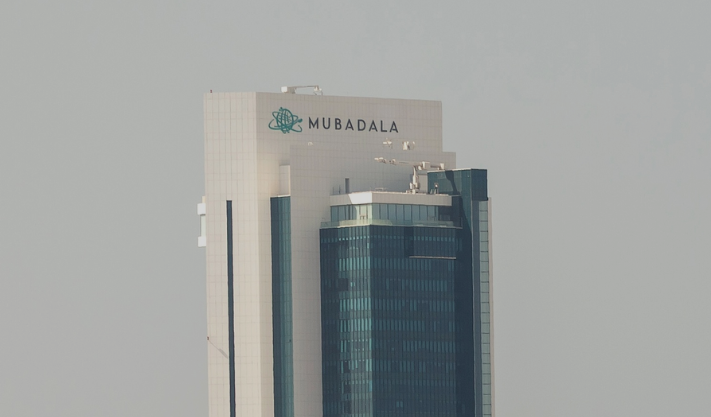
Abu Dhabi’s sovereign wealth fund Mubadala has taken the lead in global investment deals, outshining Saudi Arabia’s Public Investment Fund (PIF) with a remarkable $29 billion in recent transactions. The massive deals, which span various sectors from energy to technology, signal Mubadala’s growing influence in international markets and its strategic approach to diversifying assets. This shift also highlights the evolving power dynamics between the Gulf’s financial titans, with each country intensifying efforts to bolster its economic position amid fluctuating oil prices and geopolitical shifts.

Mubadala’s landmark investments come at a time when Saudi Arabia has aggressively expanded the reach of its PIF, particularly through high-profile acquisitions and a focus on sectors such as entertainment, tourism, and green energy. However, Mubadala’s swift maneuvers in the market have positioned it to not only compete with the PIF but potentially reshape the future of the investment landscape in the Middle East. The fund’s most notable deals include a series of investments in technology companies, as well as strategic moves in the renewable energy sector, aimed at securing long-term returns in an increasingly volatile global economy.

Experts suggest that Mubadala’s success is tied to its methodical approach to diversification. Unlike the PIF, which has been bold in pursuing large-scale, high-risk investments, Mubadala has focused on stabilizing its portfolio with balanced investments across a wide range of industries. This includes a heightened focus on cutting-edge industries such as artificial intelligence, clean energy, and biotechnology. As a result, Mubadala has emerged as a significant player in these high-growth areas, while also maintaining a strong foothold in more traditional sectors like real estate and infrastructure.

The timing of Mubadala’s recent success also speaks volumes about its ability to adapt to changing market conditions. Amid rising inflation and shifting investor sentiments, the fund has strategically pivoted towards companies with promising growth prospects, even as market conditions become more unpredictable. The diversification strategy has not only paid off but has also placed Mubadala in a position to capitalize on opportunities in the rapidly changing global economy.

Saudi Arabia, meanwhile, is determined to maintain the prominence of the PIF as the engine driving the kingdom’s economic transformation under its Vision 2030 plan. The PIF has ramped up its investments in global companies, most notably in the entertainment and sports sectors, including stakes in firms like Lucid Motors and endeavors such as the development of the $500 billion smart city, Neom. But despite the PIF’s ambitious projects and high-profile investments, critics argue that its heavy reliance on the oil sector makes it vulnerable to market fluctuations, a concern that Mubadala’s diversified approach may be better positioned to mitigate.

Saudi officials have defended the PIF’s strategy, stating that it plays a critical role in advancing the country’s non-oil economy. The PIF’s investments, particularly in the entertainment and sports sectors, are expected to bring long-term returns and aid in the creation of new jobs, especially for Saudi youth. Yet, this aggressive pursuit of diversification has raised questions about the risk of spreading its resources too thin. Mubadala, on the other hand, has positioned itself to weather global downturns by maintaining a more balanced portfolio, one that includes significant investments in both emerging technologies and established industries.

SYDNEY, AUSTRALIA – Media OutReach Newswire – 1 January 2025 – With the rapid development of the Web3 ecosystem, 2024 undoubtedly marks a pivotal moment in the blockchain industry. This year, Memecoins have transformed from speculative assets into a mainstream cultural phenomenon, becoming a key driver of widespread consensus and wealth transfer. As new issuance models and evolving asset types continue to emerge, the substantial investment opportunities […]

Abu Dhabi National Oil Company (ADNOC) has made significant strides in its efforts to bolster the UAE economy, with its In-Country Value (ICV) program channeling Dhs55 billion into the local economy in 2024 alone. This reinvestment has played a pivotal role in creating thousands of private-sector jobs, contributing to the growth of both the oil and gas sector and broader industries across the nation. The ICV program, […]

SINGAPORE – Media OutReach Newswire – 31 December 2024 – APRIL Group recently won the 2024 Upakarti Award through its operating arm Riau Andalan Pulp and Paper (RAPP). The award recognises the company’s contribution to empowering local small and medium enterprises (SMEs) around its operations in Pangkalan Kerinci, Riau. The award was handed to RAPP’s President Director Sihol Aritonang by Industry Minister Agus Gumiwang in Jakarta. “We’d […]

German President Frank-Walter Steinmeier has dissolved the Bundestag, setting new federal elections for February 23, 2025. This decisive action follows the collapse of Chancellor Olaf Scholz’s coalition government and his subsequent loss in a vote of confidence. The political crisis intensified on November 6, 2024, when Chancellor Scholz dismissed Finance Minister Christian Lindner, leading to the disintegration of the three-party coalition comprising the Social Democrats (SPD), Free […]

Matein Khalid I am still puzzled by the frenzied selling in the bond market after the FOMC cut its dot-plot projections from 4 to 2 for 2025 at its Dec 18 conclave. Why? Mr. Market had already priced in two rate cuts in 2025 after he was spooked by the uptick in core PCE/CPI data. Inflation risk in Trumpnomics is exaggerated but with the President elect now […]

By Manish Rai While on my recent visit to Iraqi Kurdistan, I visited several frontline positions of the Peshmerga forces, where they are facing the Iraqi Army and active ISIS cells. Firstly, I visited Brigade 14 headquarters near Dibak, approximately 60 km from the Kurdistan capital, Erbil. There, I met with Brigadier General Almi Mzuri; he is a seasoned soldier who worked in the Iraqi Army for […]

Geopolitical tensions in the Middle East are intensifying, raising alarms about the stability of global oil supplies. Recent Israeli airstrikes targeting Yemen’s Houthi rebels have exacerbated fears of disruptions in the region’s critical oil flow. These developments have led to a surge in oil prices, with Brent crude reaching $75.98 per barrel and U.S. West Texas Intermediate climbing to $72.30.

The Middle East remains a pivotal hub for global oil production and exportation. Conflicts involving key players such as Israel, Iran, and Yemen have historically had significant implications for oil markets. The latest Israeli military actions against Houthi positions in Yemen have intensified concerns about the security of oil shipments through the Red Sea, a vital artery for global energy supplies.

Market analysts are closely monitoring these geopolitical developments. Bart Melek, a market strategist, emphasized the potential risks to oil shipments, noting that any escalation could lead to substantial disruptions in supply chains. Such disruptions can have cascading effects on global markets, influencing everything from fuel prices to broader economic indicators.

In response to the potential shortfall in oil supplies, particularly from Russia, Indian state refiners are exploring alternative sources. Companies like Indian Oil Corp, Bharat Petroleum Corp, and Hindustan Petroleum are considering purchasing spot crude from Middle Eastern suppliers to compensate for the deficit. This strategic move underscores the interconnectedness of global oil markets and how regional conflicts can prompt shifts in trade patterns.

The geopolitical landscape’s volatility has also prompted energy consultancies to reassess risk assessments. Rapidan Energy Group, for instance, has highlighted the increasing concerns that fresh tensions in the Middle East threaten to curtail vital energy resources. Such analyses are crucial for stakeholders aiming to navigate the complexities of the current energy market.

BANGKOK, THAILAND – Media OutReach Newswire – 27 December 2024 – The Ministry of Higher Education, Science, Research, and Innovation (MHESI), through the National Innovation Agency (Public Organization) or NIA, is forging ahead to support high-potential Thai startups and SMEs in the medical and health innovation sectors, granting them access to Germany, one of Europe’s largest and most significant MedTech markets. As part of the ‘Digital Innovation […]

By Dr. Gyan Pathak The Indian National Congress has postponed the grand convention – Jai Gandhi, Jai Bhim, Jai Samvidhan – on the second day of the Extended Congress Working Committee Meet at Belagavi in Karnataka. Instead, a condolence meeting was held to mourn the sad demise of the former Prime Minister Manmohan Singh. But […]

HANOI, VIETNAM – Media OutReach Newswire – 27 December 2024 – The VinFast VF 8 is produced at one of Southeast Asia’s most advanced manufacturing facilities, reflecting the Nasdaq-listed company’s focus on efficiency and innovation to meet the evolving needs of global consumers while contributing to a greener automotive future. The VF 8 offers one of the most competitive lease deals in the U.S., easing the transition […]

Bitwise Asset Management has filed with the U.S. Securities and Exchange Commission (SEC) to introduce the “Bitcoin Standard Corporations ETF,” aiming to provide investors with exposure to publicly traded companies that hold substantial Bitcoin reserves.

According to the SEC filing, the ETF will focus on firms that maintain a minimum of 1,000 BTC in their corporate treasuries. Eligible companies must also meet specific financial criteria, including a market capitalization of at least $100 million, average daily trading liquidity of $1 million or more, and a public free float of less than 10%. The fund plans to invest at least 80% of its net assets in these corporations, utilizing a full replication approach to mirror the performance of the underlying index.

The index, managed by Bitwise Index Services, LLC, will be rebalanced and reconstituted quarterly, relying on quarterly and annual corporate reports to identify eligible companies. Each company’s weight in the index will be determined by the market value of its Bitcoin holdings, with a single constituent’s weight capped at 25% to ensure diversification.

This initiative reflects a growing trend among asset managers to offer investment products that provide indirect exposure to Bitcoin through equities of companies with significant cryptocurrency holdings. Notably, firms like MicroStrategy lead this space, holding substantial Bitcoin reserves.

The move comes amid increasing institutional interest in Bitcoin and related investment vehicles. Earlier this year, several hedge funds and asset managers, including Millennium Management and the Wisconsin Retirement System, acquired stakes in U.S. exchange-traded funds tied to Bitcoin, signaling a broader acceptance of cryptocurrency assets in traditional finance.

Syria’s newly established government forces intensified their security operations across the coastal region on Thursday following an attack that killed 14 policemen the day before. State media reported that the authorities vowed to root out the remnants of the former Bashar al-Assad government, holding them responsible for the deadly assault. The crackdown marks a significant shift in Syria’s internal power dynamics, as the new regime seeks to […]

HANOI, VIETNAM – Media OutReach Newswire – 27 December 2024 – Driven by the vision of widespread electrification, VinFast is dedicated to making electric vehicles accessible to everyone. To achieve this, the company is actively building a robust green ecosystem across Asia while simultaneously enhancing its sustainable manufacturing processes to meet the surging and undeniable demand for electric mobility. Asia’s booming industries and growing population have made […]

Derayah Financial, a prominent Saudi-based investment firm, has secured approval from the Kingdom’s Capital Market Authority (CMA) to launch an Initial Public Offering (IPO), marking a significant milestone in the firm’s growth trajectory. This development comes as part of Saudi Arabia’s broader strategy to bolster its financial sector and increase the number of publicly traded companies on its stock exchange, Tadawul. The approval positions Derayah Financial as one of the key players in the Kingdom’s evolving financial landscape.

The company, which provides a range of services including asset management and investment advisory, has been preparing for its public offering for several months. The move to go public is seen as part of its long-term strategy to expand its client base, raise capital, and further diversify its business operations. By listing on Tadawul, Derayah aims to increase its financial stability and strengthen its competitive position within the regional financial market.

Derayah Financial’s IPO is part of a broader trend in Saudi Arabia, where the government has actively encouraged private companies to list on the stock exchange. This initiative aligns with the Kingdom’s Vision 2030, which seeks to transform the economy and reduce its dependency on oil exports by promoting the private sector and diversifying economic activities. The government’s push to increase the number of publicly listed companies is a key element of this vision, aiming to unlock new sources of capital and create more investment opportunities for both local and international investors.

Analysts have been closely watching Derayah Financial’s progress, noting that its IPO could pave the way for other firms in the asset management and financial services sectors to follow suit. With Saudi Arabia’s financial market continuing to mature, firms in the sector are increasingly recognizing the benefits of public listings. By tapping into the public equity market, companies can access a larger pool of capital and potentially gain broader investor exposure, which is crucial for long-term growth.

The CMA’s approval of Derayah’s IPO is also a testament to the continued regulatory enhancements in Saudi Arabia’s capital markets. Over the past few years, the CMA has implemented a series of reforms to improve market transparency, ensure investor protection, and enhance the overall investment climate in the Kingdom. These reforms have been pivotal in attracting both local and foreign investors to the Saudi stock market, making it one of the most active in the Middle East.

Market observers expect strong demand for Derayah Financial’s shares when the IPO is officially launched. As a well-established name in the Saudi financial sector, the company’s strong track record in asset management and investment advisory services has generated substantial interest among potential investors. The firm’s focus on digital transformation, coupled with its efforts to expand its service offerings, has positioned it as a forward-thinking company with promising prospects in the financial industry.

Derayah’s IPO is expected to provide a significant boost to the Saudi stock market, further solidifying Tadawul’s role as a leading regional exchange. Over the past few years, the Saudi bourse has seen a series of successful IPOs, many of which have attracted considerable attention from both domestic and international investors. The success of these offerings has bolstered investor confidence in the Kingdom’s financial market, and Derayah’s listing is likely to follow a similar pattern, contributing to the market’s continued expansion.

As part of the IPO process, Derayah Financial will disclose key financial information and offer shares to the public, providing insight into its business model, financial health, and growth potential. Investors will be able to gauge the company’s performance and outlook, which will play a critical role in determining the success of the offering. The IPO will also provide a valuable benchmark for other companies in the sector considering a similar move.

Beyond its immediate business objectives, Derayah’s IPO is likely to have broader implications for the Saudi economy. By providing a new avenue for capital raising and increasing the number of publicly traded firms, the offering is expected to enhance market liquidity and create new investment opportunities. Furthermore, it aligns with the Saudi government’s efforts to attract foreign investment and promote the Kingdom as a regional financial hub.

Despite the positive outlook, analysts caution that the success of Derayah’s IPO will depend on various factors, including broader market conditions, investor sentiment, and the performance of the financial sector in the coming months. While the company’s prospects appear strong, the market remains subject to fluctuations that could impact investor confidence. However, given the continued growth of Saudi Arabia’s financial services industry and the government’s support for the IPO process, many expect the offering to be a success.

The United Arab Emirates (UAE) has enacted legislation requiring companies emitting 500,000 metric tons or more of carbon dioxide annually to monitor and report their greenhouse gas emissions. This initiative, effective December 28, 2024, positions the UAE as the first Middle Eastern nation to mandate such comprehensive emissions tracking, underscoring its commitment to achieving climate neutrality by 2050. The new regulation applies to both direct emissions (Scope […]

VISHNU RAJA
RYO YAMADA
HITORI GOTOH
IKUYO KITA
Just in:
Oil advances towards $100 as tanker attacks persist // Xi Jinping Preparing For A Trilateral Summit With Trump And Putin At APEC Summit On Nov 18-19 // OpenAI identifies 948 Linux privilege escalation flaws using AI // Cloudflare unveils Zero Wire vulnerability intelligence service // Kochi police detain two actors over bid to honey trap doctor // Trump’s Iran War Has A Share Of Contribution To His Midterm Debacle // Ousted top Kochi cop gets IG post // e-Crime Bureau Signs Cybersecurity Partnership With Smart Africa, Reinforcing Its Global Expansion // The “1st Greater Bay Area Health and Longevity Summit & Awards Ceremony” concludes successfully in Macao // Emaar approves Development buyout ahead of planned delisting // CR Longdation Aethereal Cybersecurity × Global Cybersecurity Alliance (GCSA) Join Hands to Establish the “AI and Cybersecurity Research Centre” // Private varsities bill all set to face the axe // Hong Kong mandates crypto transaction disclosures to tax authorities // Emirates Group records AED 4.1 billion half-year profit // Geely’s i-HEV Intelligent Hybrid Technology Offers a New Direction Vision for Gasoline-Powered Vehicles // Meraas showcases five residential zones at Dubai Design Week // Asia Left Behind: Ten international companies have yet to report delivering on their cage-free egg pledges across the region // Oil and chip shares retreat after Democratic victories // Geely’s i-HEV Intelligent Hybrid Technology Offers a New Direction for Gasoline-Powered Vehicles // Dubai boat show confirms international shipyard line-up for November //