News related to
Mid Term

The World Bank has adjusted its economic growth forecasts for the Middle East and North Africa (MENA) region, citing heightened uncertainties stemming from the ongoing Gaza conflict. This revised outlook reflects the significant impact of geopolitical tensions on the economic stability of nations within the region.

In its latest report, the World Bank projected that MENA’s economy would grow by 2.4% in 2024, a decrease from its previous estimate of 3.1%. This downgrade highlights the fragile state of the region’s recovery amid escalating conflicts and rising inflation. The report emphasizes that the disruption caused by the Gaza war could have ripple effects across the region, particularly affecting trade, investment, and tourism.

Countries in the Gulf Cooperation Council (GCC) are expected to demonstrate more resilience, with projected growth rates of around 4.1%. However, the report notes that even these nations may not be immune to the broader economic downturn. With a notable dependency on global oil prices, any fluctuations could hinder growth potential. The World Bank attributes the GCC’s relative strength to high oil revenues, which are supporting government spending and infrastructure development.

The impact of the Gaza conflict is significant for several reasons. The humanitarian crisis in Gaza has raised concerns about stability in neighboring countries, which could lead to an influx of refugees and strain public services. Additionally, the ongoing conflict has prompted discussions about energy security in the region, particularly given Europe’s efforts to reduce its reliance on Russian gas.

Analysts also point to the potential for increased military spending in response to the conflict, which could divert resources from social and economic development initiatives. Such shifts in government spending could hinder long-term growth prospects for nations striving to diversify their economies away from oil dependency.

Tourism, a critical sector for many MENA economies, particularly in the Levant and North Africa, is facing headwinds as well. The Gaza conflict has raised travel advisories from various countries, impacting visitor numbers and spending. Countries such as Egypt and Jordan, which rely heavily on tourism, are expected to see a decline in revenues. The report indicates that the tourism sector’s recovery may lag behind other industries, affecting job creation and economic stability in these nations.

The region faces persistent challenges related to inflation and food security. Rising global commodity prices, exacerbated by supply chain disruptions from the Ukraine conflict, are contributing to higher living costs. Many MENA countries are grappling with food inflation, which has emerged as a significant issue for households, particularly in countries with already high poverty rates.

The report identifies key players who are likely to shape the region’s economic landscape. Saudi Arabia, with its Vision 2030 initiative, continues to drive efforts to diversify its economy and attract foreign investment. The United Arab Emirates is also making strides in positioning itself as a global business hub, focusing on technology and innovation. However, the volatility created by geopolitical tensions could impede these efforts and delay the realization of ambitious economic goals.

Lebanon, meanwhile, remains in a precarious economic situation. The ongoing political instability and the fallout from the 2020 port explosion continue to affect economic recovery efforts. Inflation has skyrocketed, and essential services have deteriorated, leading to widespread discontent among the population. International support remains critical for Lebanon as it navigates this challenging landscape.

As the World Bank’s report underscores, addressing these challenges will require coordinated efforts among MENA nations. Investment in renewable energy, improvements in infrastructure, and enhancements in governance and institutional frameworks are essential for fostering sustainable growth. The current geopolitical landscape presents both risks and opportunities for the region, highlighting the need for adaptive policies that can respond to emerging threats.


HONG KONG SAR – Media OutReach Newswire – 16 October 2024 – John Lee, Chief Executive of the Hong Kong Special Administrative Region today (October 16) announced his third Policy Address entitled “Reform for Enhancing Development and Building Our Future Together”, setting out a range of initiatives to create new impetus for economic development, improve people’s livelihood and enhance their quality of life. Mr Lee said, “In […]

World Liberty Financial has launched its WLFI token sale to the public, attracting significant attention from investors. Approximately 655 million tokens were sold at a price of $0.015 each, generating around $9.825 million in sales. Despite over 100,000 individuals signing up for the whitelist, the company has encountered hurdles, with a staggering 19.345 billion tokens still remaining available for purchase.

The WLFI token sale is part of World Liberty Financial’s strategy to raise $300 million by offering 20% of its total token supply, which is valued at $1.5 billion. However, the initial response to the token sale has highlighted challenges in reaching its ambitious financial goals. The sale’s low performance relative to its target has raised questions about investor confidence and market demand for the WLFI tokens.

Technical difficulties have also plagued the token sale. Many potential investors reported intermittent downtimes on the official sale website, which hindered access during critical moments of the launch. This limited availability could have impacted the ability of interested buyers to participate in the sale, potentially affecting the total amount raised.

World Liberty Financial, linked to former President Donald Trump, aims to position itself in the burgeoning cryptocurrency market, which has been experiencing both volatility and growth. The launch of the WLFI token is seen as a pivotal moment for the company as it attempts to carve out a space in an increasingly competitive landscape.

The WLFI token is designed to facilitate various transactions within the World Liberty Financial ecosystem, which aims to provide innovative financial solutions. The token’s intended utility includes enabling faster and cheaper transactions while offering a platform for various financial services. However, the initial market reception and the remaining token supply may pose significant challenges in achieving these objectives.

Market analysts are closely monitoring the developments surrounding the WLFI token sale, noting that the cryptocurrency market is experiencing a period of adjustment. The fluctuating prices of cryptocurrencies and the ongoing regulatory scrutiny in various jurisdictions have created an environment of uncertainty for investors. Consequently, the initial uptake of the WLFI token may reflect broader market sentiments regarding new cryptocurrency offerings.

Investor sentiment is also influenced by the broader implications of former President Trump’s involvement in the cryptocurrency space. While some investors may view this connection as a potential advantage, others may harbor skepticism based on past controversies associated with Trump’s business ventures. This complex dynamic could play a significant role in shaping the token’s perceived value and overall market performance.

The launch of the WLFI token sale comes at a time when the cryptocurrency market is witnessing a surge in initial coin offerings (ICOs) and token sales. Many projects are vying for investor attention, making it essential for new entrants like World Liberty Financial to differentiate themselves effectively. The current landscape requires not only innovative technology and robust business models but also transparent communication and trust-building with potential investors.

As the WLFI token sale progresses, the company’s ability to adapt to market challenges will be critical. Addressing technical issues, improving accessibility for investors, and fostering confidence in the WLFI token’s value will be paramount. Analysts suggest that a proactive approach in engaging with the investor community and enhancing the overall user experience on the sale platform could mitigate some of the initial setbacks.

The performance of the WLFI token in the coming weeks will likely provide crucial insights into its long-term viability and the company’s potential to achieve its financial goals. Market watchers will be keen to see whether World Liberty Financial can capitalize on the initial interest in its token and translate it into sustained investor support.

Concerns over increasing precious metal exports from the United Arab Emirates to India have sparked discussions between officials from both nations. As the UAE has emerged as a crucial hub for gold trading, India’s government is seeking measures to regulate the flow of these metals, which have seen a substantial rise in volume and value. The issue gained traction following the report that India had imposed a […]

Tawaref, a prominent Saudi technology firm, has announced the acquisition of Amaana, an emerging player in the artificial intelligence solutions sector. This strategic move aims to bolster Tawaref’s capabilities in delivering innovative AI-driven services to its clients across various industries, particularly in logistics, e-commerce, and healthcare. The acquisition is seen as a critical step in enhancing Tawaref’s service offerings and positioning it as a leader in the […]

The Middle East saw an impressive surge in sustainable bond issuances, reaching a total of $16.7 billion in the first three quarters of 2024, according to S&P Global Ratings. This figure reflects the growing commitment of governments and corporations in the region to finance green initiatives and projects aimed at addressing climate change and promoting sustainability. Notably, the surge in issuances is driven by increased awareness of […]

SINGAPORE – Media OutReach Newswire – 16 October 2024 – Homegrown air conditioning specialists, Newway SG, demonstrates a strong commitment to managing the impacts of indoor air quality (IAQ) on health and productivity, with the launch of a new environmental research and testing facility under the brand “Newway Laboratories”. Newway SG New Indoor Environmental Quality (IEQ) Laboratory Addressing Critical Air Quality Concerns The initiative aims to provide […]

Advertisements

KUALA LUMPUR, MALAYSIA – Media OutReach Newswire – 16 October 2024 – The U.S. dollar holds significant sway over global markets, particularly for traders in India and Southeast Asia. This release highlights the critical importance of monitoring the dollar’s value and explores how its fluctuations affect currency pairs, commodity prices, and market strategies in the region. The U.S. dollar’s dominance in global trade and finance is unparalleled. […]

The International Monetary Fund (IMF) has projected that global public debt will exceed $100 trillion by the close of 2024, underscoring the growing fiscal challenges faced by both developed and developing economies. This daunting figure reflects the accumulation of government borrowing that has escalated in the wake of various economic crises, including the pandemic and the geopolitical tensions that have rattled markets in recent years. According to the IMF, the surge in debt levels poses significant risks to global financial stability, particularly as countries grapple with inflationary pressures and rising interest rates.

At the heart of this mounting debt crisis lies the legacy of the COVID-19 pandemic, which prompted unprecedented fiscal responses from governments worldwide. In an effort to cushion their economies from the devastating effects of lockdowns and health crises, many nations significantly expanded their borrowing. The IMF noted that while the stimulus measures were necessary at the time, they left many economies vulnerable to the long-term consequences of unsustainable debt levels.

Advanced economies, in particular, contributed heavily to the rise in global debt. The IMF’s report points to countries such as the United States, Japan, and members of the European Union, which implemented expansive fiscal policies during the pandemic to stabilize their economies. These nations are now facing the challenge of managing ballooning public debt while trying to rein in inflation and stabilize financial markets. The US, for instance, has seen its national debt soar to record levels, driven by pandemic-related spending and ongoing fiscal stimulus efforts. Similarly, Japan, which already had one of the world’s highest debt-to-GDP ratios, saw its debt levels climb further as the government introduced new stimulus packages.

Emerging markets and developing economies are also experiencing rising debt burdens, albeit under different circumstances. Many of these countries took on significant loans to finance pandemic recovery efforts, but they are now struggling to repay them as global interest rates rise. The IMF’s projections suggest that without substantial economic reforms or debt restructuring, many of these nations could face a debt crisis in the near future. This is particularly concerning for countries that rely heavily on external borrowing, as rising interest rates in advanced economies increase the cost of servicing their debt.

The IMF also highlighted the role of inflation in exacerbating the global debt challenge. Central banks across the world have raised interest rates in response to persistently high inflation, making it more expensive for governments to borrow and service existing debts. This has created a precarious situation where many countries are caught between the need to curb inflation and the necessity of financing their debt obligations. The IMF’s report warns that higher interest rates could lead to a sharp rise in debt servicing costs, further straining national budgets and potentially leading to cuts in public services or social programs.

The IMF’s latest projections come amid growing concerns about the global economy’s ability to sustain high levels of public debt. While debt accumulation was seen as a necessary response to the pandemic, there is now increasing pressure on governments to find ways to reduce their fiscal deficits and bring debt levels under control. For many countries, this will require difficult policy decisions, including potential cuts to public spending, tax increases, or reforms to entitlement programs.

Despite the challenges, the IMF has called for a balanced approach to managing public debt. The organization has urged governments to prioritize structural reforms that can boost economic growth, improve fiscal management, and ensure that debt levels remain sustainable over the long term. For advanced economies, this may involve scaling back pandemic-era stimulus measures and focusing on policies that enhance productivity and competitiveness. In contrast, emerging markets and developing economies may need to seek debt restructuring or relief from international creditors to avoid default.

The IMF’s report also emphasizes the importance of multilateral cooperation in addressing the global debt crisis. With debt levels rising across the board, the organization has stressed the need for coordinated efforts among governments, international financial institutions, and private sector lenders to find sustainable solutions. This could involve a combination of debt relief, restructuring, and financial assistance to help countries manage their debt burdens and avoid a broader economic crisis.

KUALA LUMPUR, MALAYSIA – Media OutReach Newswire – 15 October 2024 – While gold and silver often move in tandem, their relationship can sometimes be complicated. Despite sharing similar characteristics and applications, differences in underlying demand and supply dynamics can lead to occasional divergences. Octa broker discovers the nuances behind the gold-silver correlation and explores potential trading opportunities with the gold-silver ratio. The positive correlation between gold […]

Kelix Bio, a Mubadala-backed pharmaceutical company, is moving to acquire four major assets from Yas Holding’s GlobalOne Healthcare Holding (GHH) in a strategic deal that could reshape the regional healthcare landscape. The acquisition, targeting prominent pharmaceutical firms in the Middle East and Africa, is part of Kelix Bio’s broader expansion strategy aimed at strengthening its presence in emerging markets. The transaction underscores the growing interest of regional […]

Executives in the Middle East are increasingly viewing climate change as a top priority, as highlighted by a comprehensive study examining corporate attitudes towards environmental sustainability. This shift is driven by the recognition that climate change poses significant risks to both the economy and the overall well-being of the region’s populations. The study indicates that an overwhelming majority of executives believe that addressing climate issues is not […]

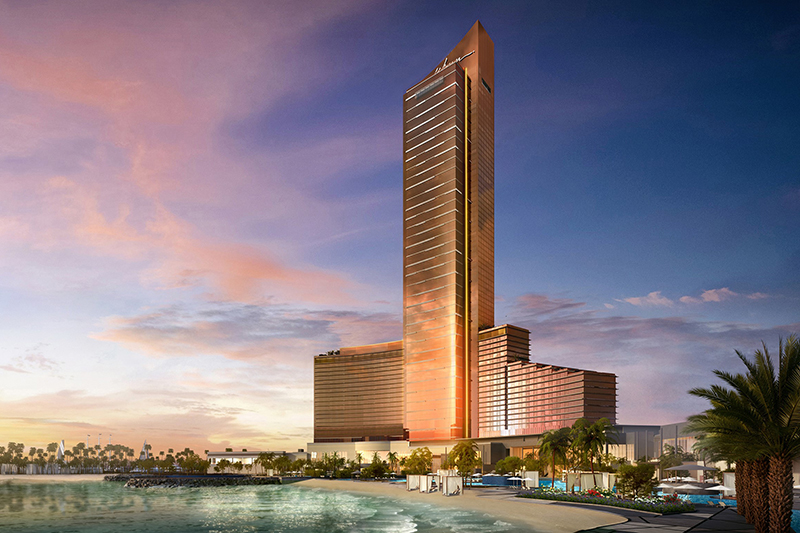
Wynn Resorts has announced the size of its highly anticipated gaming area in Ras Al Khaimah, marking a significant development in the UAE’s burgeoning gaming and entertainment landscape. The new facility is set to span approximately 75,000 square feet, showcasing a range of gaming options, including table games and slot machines, that cater to both international tourists and local patrons. This venture signals a strategic move by the company to establish a foothold in the Middle East, tapping into the region’s growing appetite for luxury entertainment experiences.

The announcement comes as part of a broader initiative to enhance the tourism sector in Ras Al Khaimah, a popular destination known for its scenic landscapes and rich cultural heritage. The gaming area is expected to be a key component of the Wynn property’s larger resort complex, which will include hotels, restaurants, and entertainment venues. This integrated approach aims to attract a diverse range of visitors, boosting both the local economy and the UAE’s position as a premier tourism hub.

The Ras Al Khaimah project is particularly notable in the context of the UAE’s evolving regulatory environment concerning gaming. The UAE government has been progressively liberalizing its policies to attract foreign investment and diversify its economy away from oil dependence. The introduction of casinos and gaming facilities represents a significant shift in the region’s tourism strategy, aligning with global trends where gaming is increasingly integrated into resort experiences. The local government anticipates that this new attraction will draw in millions of tourists, enhancing the emirate’s status as a destination for luxury travel.

Wynn’s investment in Ras Al Khaimah is also reflective of a broader trend among international gaming operators seeking opportunities in emerging markets. With a rising number of affluent travelers looking for unique experiences, the potential for significant returns on investment is compelling. Wynn Resorts, known for its opulent properties in Las Vegas and Macau, aims to replicate its success by offering a similar level of luxury and service in Ras Al Khaimah.

Industry analysts view this development as part of a competitive push among various emirates in the UAE, each striving to carve out a niche in the lucrative tourism sector. Dubai has long been a leader in attracting global tourists, but Ras Al Khaimah’s unique offerings, combined with the Wynn property, could shift some focus towards the northern emirate. The region’s emphasis on family-friendly attractions, adventure tourism, and natural beauty positions it well to attract a diverse array of visitors.

The Wynn project’s ambitious scale is also indicative of the company’s confidence in the UAE’s economic resilience and long-term growth potential. Despite global economic uncertainties, the UAE continues to demonstrate robust growth, particularly in the tourism and hospitality sectors. The government’s proactive measures to stimulate economic activity and enhance visitor experiences have been instrumental in maintaining investor confidence.

Key stakeholders in the gaming and hospitality sectors are closely monitoring Wynn’s progress in Ras Al Khaimah. Local businesses anticipate a positive ripple effect from the casino’s opening, predicting increased foot traffic and customer spending in surrounding areas. The addition of a major gaming destination is expected to create jobs and boost the hospitality sector, further solidifying Ras Al Khaimah’s reputation as a multifaceted travel destination.

Wynn’s expansion into the UAE comes at a time when the global gaming industry is experiencing transformative changes. With technological advancements and shifting consumer preferences, operators are rethinking traditional gaming models. The focus is increasingly on creating immersive experiences that blend gaming with entertainment, dining, and leisure activities. Wynn’s plans in Ras Al Khaimah appear to align with this trend, as the resort is designed to offer a holistic experience rather than merely a gaming-focused environment.

Wynn’s foray into the UAE aligns with the growing trend of luxury tourism, where high-end travelers seek exclusive experiences that go beyond conventional offerings. This strategy may position Wynn as a leader in the luxury gaming sector within the region, appealing to both international tourists and residents alike. The emphasis on creating a world-class resort experience may also influence other operators to enhance their offerings, leading to a broader transformation within the regional gaming landscape.

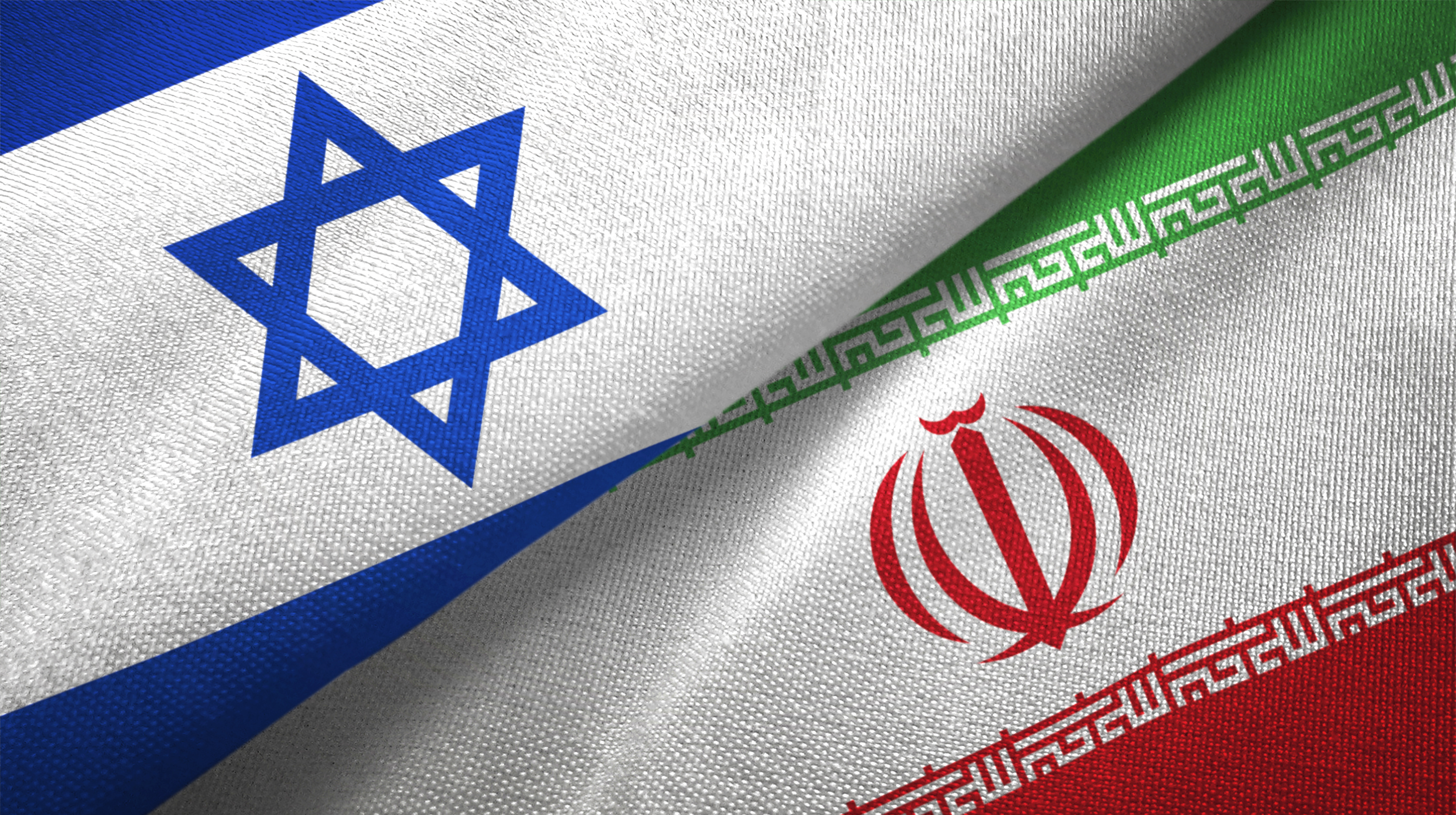
A significant shift in global oil prices has occurred, triggered by reports that Israel will not target Iranian energy facilities during its ongoing military operations. The announcement has contributed to a notable decrease in crude oil prices, with Brent crude futures falling to approximately $83.50 per barrel, a drop of nearly 5%. West Texas Intermediate (WTI) also experienced a decline, trading around $78.50 per barrel. The news of a potential de-escalation of tensions has sparked optimism among traders and analysts, prompting discussions about the implications for oil supply and regional stability.

This development follows heightened concerns about the geopolitical landscape in the Middle East, particularly since the onset of hostilities involving Israel and Hamas. Market observers had speculated that any escalation involving Iran could disrupt oil supply chains, especially given Iran’s substantial role in the global oil market. The country, a member of the Organization of the Petroleum Exporting Countries (OPEC), has consistently been a significant player in oil production, with its output averaging around 3 million barrels per day prior to the imposition of sanctions.

Analysts have noted that the decision to refrain from targeting Iranian facilities could stabilize oil prices in the short term. Such stability is crucial, as fluctuations in oil prices often reflect broader economic sentiments and can influence inflation rates worldwide. The International Energy Agency (IEA) had previously warned that any conflict in the region could lead to a supply shock, resulting in further price surges. However, the latest assurances have alleviated some of these fears, allowing for a moment of respite in oil markets.

The interplay between Israel and Iran extends beyond military engagements, encompassing significant economic implications as well. Iran’s oil exports have faced restrictions due to sanctions imposed by Western nations, limiting its ability to engage in international trade. Despite these challenges, Iran has sought to bolster its oil exports through partnerships with countries such as China, which has emerged as a primary importer of Iranian crude.

This latest news has prompted reactions from various stakeholders in the oil market. Major oil companies are closely monitoring the situation, as any potential escalation could alter their operational strategies and long-term investment plans in the region. Executives from companies like BP and Shell have expressed cautious optimism, reiterating their commitment to maintaining stable supply chains while navigating geopolitical uncertainties.

While the immediate outlook appears more favorable for oil prices, analysts caution that the situation remains fluid. The potential for conflict in the Middle East has not dissipated, and other geopolitical factors could still influence market dynamics. For instance, the ongoing conflict in Ukraine and its ramifications for global energy supply also weigh heavily on market sentiment. European countries continue to seek alternatives to Russian gas, further complicating the energy landscape and contributing to price volatility.

Market analysts are keeping a close eye on OPEC’s strategies in response to shifting demand dynamics. The organization has historically played a critical role in managing oil supply to influence prices. The group is likely to convene in the coming weeks to assess the current situation and consider adjustments to their production quotas. OPEC’s decisions are crucial for maintaining market equilibrium, especially during times of uncertainty.

In the context of these developments, there has been a renewed focus on the importance of diversifying energy sources and enhancing energy security. Nations worldwide are increasingly exploring renewable energy options as part of their long-term strategies to reduce dependence on fossil fuels. This transition has been accelerated by rising global temperatures and the urgent need to address climate change, prompting many governments to invest in sustainable energy infrastructure.

As tensions escalate between Israel and Iran, the world is watching with bated breath, and financial markets are bracing for a potential economic shock. The deployment of additional US troops and advanced anti-missile systems to Israel highlights how serious the situation has become. Recent unprecedented attacks from Iran and Israel’s potential countermeasures, particularly targeting Iran’s vital oil or nuclear facilities, could set the stage for a global […]

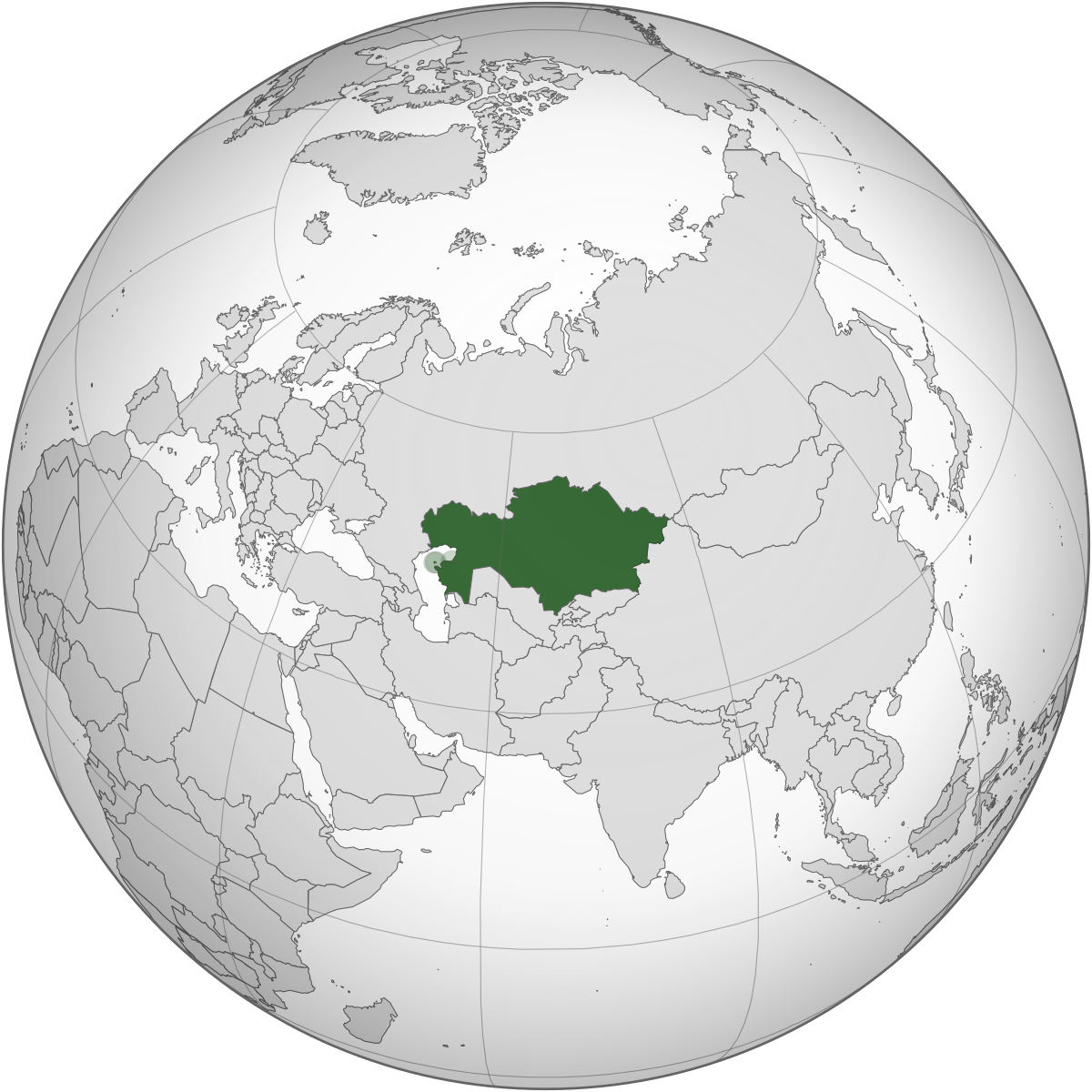
Telegram has announced plans to establish an office in Kazakhstan as part of efforts to comply with the country’s regulatory framework. The decision comes following an agreement between the Kazakh government and the messaging app to streamline content regulation and address the challenges posed by illegal and unauthorized channels. This move marks a significant step in the platform’s attempt to align itself with local laws while maintaining its global presence.

Kazakhstan, like many other nations, has been tightening control over digital platforms, pushing for increased cooperation with technology firms to regulate the spread of harmful content. Authorities in Kazakhstan have raised concerns over the use of messaging platforms like Telegram for illegal activities, including the distribution of extremist materials, drug trafficking, and unauthorized protests. In response, Telegram has agreed to assist the government in swiftly removing such content and blocking unauthorized channels that violate local laws.

As part of this effort, Telegram will establish a physical presence in the country, a development welcomed by the Kazakh government, which seeks to increase oversight of online activities within its borders. By working closely with the government, Telegram aims to ensure that it adheres to Kazakhstan’s regulatory requirements while providing a secure platform for its users.

Kazakh officials view this partnership as a critical tool for maintaining public safety and curbing the misuse of digital platforms for illegal activities. Digital transformation is a key focus for Kazakhstan, and controlling harmful content is essential to ensuring that technological advances benefit society without compromising national security. Telegram’s willingness to engage with the government is seen as a positive step towards building a safer online environment.

The Kazakh government has previously faced challenges in managing online content, particularly on platforms like Telegram that prioritize privacy and encryption. While these features are vital for safeguarding personal communications, they have also made it difficult for authorities to monitor illegal activities. By establishing a local office, Telegram is expected to enhance its response to the government’s concerns and provide a more effective mechanism for dealing with illegal content.

Telegram has a reputation for maintaining a strong commitment to user privacy and freedom of speech, which has often led to tensions with governments attempting to impose stricter regulations. However, the company has demonstrated flexibility in adapting to local laws in various countries where it operates. Its decision to open an office in Kazakhstan follows similar moves in other regions where governments have demanded more accountability from tech firms.

In Kazakhstan, the focus will likely remain on curbing extremist content and illegal activities while balancing the need for user privacy. Telegram’s encryption services have attracted millions of users worldwide, and any measures introduced in Kazakhstan will need to respect the platform’s core principles of secure communication.

The Kazakh government’s collaboration with Telegram comes amid broader efforts to modernize its digital landscape. As part of its digitalization strategy, the country has been promoting the development of online services and communication platforms, aiming to boost economic growth through technological innovation. Ensuring that these platforms operate within a clear regulatory framework is seen as crucial for the success of this strategy.

Telegram’s willingness to cooperate with Kazakhstan’s regulatory bodies is likely influenced by its desire to maintain access to the growing user base in the country. Central Asia has become an important market for tech companies, and securing compliance with local regulations is essential for maintaining long-term growth in the region. As part of this process, the Kazakh government has signaled that it will continue to engage with global tech firms, encouraging them to contribute to the country’s digital transformation while adhering to local laws.

The partnership between Telegram and the Kazakh government may also serve as a model for other nations in the region, where concerns over online safety and content regulation are rising. Governments across Central Asia have been exploring ways to manage the impact of social media and messaging platforms, which have increasingly become central to public discourse. By working with Telegram, Kazakhstan may set a precedent for regulatory cooperation that other countries could follow.

At the same time, Telegram’s decision to open an office in Kazakhstan could raise questions about how the company balances regulatory compliance with its commitment to user privacy and free expression. Critics of increased government regulation often argue that such measures could infringe on civil liberties and limit open communication. As Telegram navigates these challenges, it will need to carefully manage its relationship with the government while continuing to protect the privacy of its users.

Telegram founder Pavel Durov has long emphasized the importance of privacy and security in digital communications, and the platform’s encryption services remain a key feature. However, as the company expands its global operations, it is also facing increasing pressure to cooperate with governments to prevent misuse of the platform. Kazakhstan’s regulatory demands reflect broader global trends, where governments are seeking more control over online content while balancing the need for secure communication tools.

The cryptocurrency market has seen a surge in the meme coin sector as Bitcoin edges closer to the $65,000 mark. This bullish sentiment has reverberated through the market, driving significant interest in meme tokens. Among the key players, MOG and Cat in a Dogs World (MEW) have caught the eye of investors with their sharp price increases and growing market caps. As the meme coin market pushes toward a $53 billion valuation, the potential for these tokens to hit all-time highs has become a hot topic of debate.

Meme coins, once considered a niche within the broader cryptocurrency landscape, have matured into a formidable asset class. Dogecoin and Shiba Inu set the precedent for meme coins, creating widespread adoption and community engagement. MOG, a new entrant into this space, has already made waves with a significant 10x price increase since its launch. Similarly, MEW has capitalized on the current market momentum, drawing attention due to its unique approach and steady price growth.

MOG, which markets itself as a token for the meme-obsessed generation, has leveraged social media virality to attract new users. Its developers have implemented innovative tokenomics, including staking rewards and burning mechanisms that contribute to its deflationary supply model. This has resonated with investors looking for high-risk, high-reward opportunities in the volatile cryptocurrency sector. MOG’s sudden price surge is also driven by speculative buying, with rumors circulating about potential listings on major exchanges.

Meanwhile, MEW, a relatively new meme coin with a doge-based theme, has captured the imagination of its growing community. Built with a focus on decentralized finance (DeFi) applications, MEW offers its holders the opportunity to earn rewards through various staking programs. The project’s roadmap outlines ambitious plans for expanding its ecosystem, including collaborations with other DeFi projects and the introduction of non-fungible tokens (NFTs). With its current growth trajectory, MEW appears well-positioned to capitalize on the meme coin mania, potentially reaching new all-time highs in the coming weeks.

As Bitcoin continues to rally, the correlation between its price movements and meme coin performance has become evident. Historically, when Bitcoin experiences a significant price surge, meme coins tend to follow, driven by retail investors looking for more affordable alternatives to the blue-chip cryptocurrencies. This trend is evident in the current market as MOG and MEW show signs of breaking through their resistance levels. However, the speculative nature of meme coins also means that they are prone to sudden and dramatic price swings.

The broader meme coin market has seen several tokens enter the limelight. Coins like Shiba Shootout and Sponge V2 have also posted impressive gains, highlighting the widespread appeal of these humorous yet often lucrative digital assets. Shiba Shootout, for example, has embraced gamification by offering its holders the ability to participate in Wild West-themed battles, staking tokens to earn rewards. Sponge V2, on the other hand, has focused on play-to-earn (P2E) mechanics, allowing users to earn tokens by participating in a racing game, which has helped boost its popularity.

As the market continues to evolve, meme coins are no longer just jokes or speculative assets; they are becoming integral parts of the broader cryptocurrency ecosystem. The increasing integration of DeFi, NFTs, and play-to-earn mechanics into meme coins has given them additional utility beyond mere speculation. For example, MOG’s ability to offer staking rewards through a decentralized platform has made it more appealing to long-term investors, rather than just day traders. MEW’s upcoming NFT marketplace launch could also drive further adoption as NFTs remain a hot trend in the crypto space.

While the future of meme coins is uncertain, their impact on the market cannot be ignored. The question now is whether MOG and MEW, alongside other trending tokens, can sustain their growth and reach new all-time highs. Analysts are divided on this issue, with some pointing to the inherent volatility of meme coins as a red flag. However, others believe that the combination of community engagement, innovative use cases, and market conditions could propel these tokens to unprecedented levels.

Mubadala’s healthcare arm, KELIX Bio, has made a decisive step in boosting its presence in the life sciences sector by acquiring four pharmaceutical assets from GlobalOne Healthcare Holding. This move is part of Mubadala’s broader ambition to transform the UAE into a global hub for life sciences innovation and advanced healthcare solutions. The acquisition reflects the growing influence of the UAE’s healthcare industry as it aligns with the nation’s goals to enhance its capabilities in pharmaceuticals and biotechnology.

The deal involves four strategic pharmaceutical companies, which are expected to add substantial value to Mubadala’s existing healthcare portfolio. It also demonstrates the commitment of KELIX Bio, a key player in Mubadala’s ecosystem, to expanding its footprint across the Middle East and Africa. This acquisition is seen as an essential step toward addressing rising healthcare demands in the UAE and further establishing the nation as a leader in advanced healthcare solutions.

The UAE has been focused on expanding its healthcare infrastructure and capabilities, especially in the fields of pharmaceuticals and biotechnology. The government’s initiatives, such as the National Strategy for Wellbeing 2031, are aimed at enhancing the overall health sector in the country. Mubadala’s acquisition aligns with these initiatives, helping to create an ecosystem that fosters innovation, sustainability, and long-term economic growth.

KELIX Bio is positioned as a leader in the manufacturing and distribution of essential medicines across emerging markets, focusing on addressing the critical need for quality and affordable treatments. The latest acquisitions from GlobalOne Healthcare Holding provide KELIX Bio with advanced pharmaceutical production capabilities and access to new markets. These assets are integral to producing generic and specialized medications that will serve both the UAE’s population and neighboring regions.

Mubadala’s strategy is not limited to expanding its pharmaceutical footprint within the UAE. The acquisitions signal a broader focus on making the country a life sciences powerhouse that can influence markets across the Middle East, Africa, and beyond. By enhancing local production capabilities, KELIX Bio aims to reduce dependency on imported medicines and foster a sustainable supply chain for critical medications.

The importance of these acquisitions is further highlighted by the fact that KELIX Bio has been aggressively pursuing growth in various healthcare sectors. Prior to this deal, the company made notable investments in manufacturing facilities in Egypt and Morocco, positioning itself as a dominant force in the region’s pharmaceutical market. The addition of GlobalOne’s assets will enhance KELIX Bio’s portfolio, enabling it to meet the growing demand for medical treatments across emerging markets.

Industry experts believe that this acquisition could significantly impact the life sciences industry in the UAE. The healthcare sector in the UAE has been undergoing rapid growth, driven by government initiatives, private investments, and a strong emphasis on medical research and development. The addition of new pharmaceutical assets is expected to catalyze innovation in drug production and distribution, supporting the country’s long-term vision for a sustainable and advanced healthcare system.

Mubadala’s focus on healthcare is not new. The sovereign wealth fund has long prioritized investments in sectors that align with the UAE’s economic diversification goals. Over the years, Mubadala has played a key role in developing critical industries such as healthcare, aerospace, and renewable energy, contributing to the nation’s vision of building a knowledge-based economy. Through KELIX Bio, Mubadala is now advancing its efforts to create a self-reliant healthcare system that is less dependent on international supply chains.

The life sciences industry in the UAE is also benefiting from an influx of global talent and expertise, driven by both government policies and Mubadala’s investments. The country has established itself as an attractive destination for life sciences companies and professionals, thanks to its strategic location, favorable business environment, and robust infrastructure. The acquisition of GlobalOne Healthcare Holding’s assets further strengthens the UAE’s position as a growing center for pharmaceutical and healthcare innovation.

The UAE government’s long-term vision for the healthcare sector has laid the groundwork for a thriving life sciences ecosystem. By fostering public-private partnerships and encouraging investment in cutting-edge healthcare technologies, the country aims to become a global leader in this field. Mubadala’s acquisition is expected to contribute significantly to this vision, as it brings in new technologies, expertise, and opportunities for collaboration in the global healthcare market.

The acquired assets will help boost the production of life-saving medicines and therapies, with a particular focus on emerging markets. The deal comes at a time when the global demand for affordable and effective healthcare solutions is on the rise. By focusing on expanding its presence in pharmaceuticals, Mubadala is addressing both regional and international healthcare needs, providing essential treatments to underserved populations.

Mubadala’s acquisition is expected to spur growth in the UAE’s pharmaceutical manufacturing sector, creating new jobs and contributing to the country’s economic development. The move aligns with the UAE’s broader healthcare goals of improving access to high-quality medical treatments and fostering innovation within the industry. KELIX Bio’s acquisition strategy will likely continue as the company looks for more opportunities to strengthen its position in the Middle East and Africa.

The Pentagon has announced the deployment of the Terminal High Altitude Area Defense (THAAD) missile defense system to Israel, reinforcing the nation’s defense capabilities against potential missile threats, particularly from Iran. This strategic move includes sending US military personnel to operate the system and comes amid escalating tensions in the region, notably due to Iran’s ongoing missile development and regional activities.

The deployment of the THAAD system, which is designed to intercept short- to intermediate-range ballistic missiles, marks a significant step in US-Israel defense cooperation. The system will enhance Israel’s already robust missile defense architecture, which includes the Iron Dome and David’s Sling systems. US Secretary of Defense Lloyd Austin emphasized the importance of this deployment, stating that it demonstrates the United States’ unwavering commitment to Israel’s security. He reiterated that the United States will continue to work closely with its allies to address shared security challenges.

Analysts suggest that this deployment is not merely a precautionary measure; it serves as a signal to both allies and adversaries that the US stands firmly with Israel in the face of rising threats. Iran’s missile program has expanded rapidly in recent years, with officials claiming capabilities to strike targets across the Middle East. Reports indicate that Iran is developing long-range missiles capable of reaching Europe and beyond, raising alarms not only in Israel but also among European nations and the Gulf states.

The THAAD system, operational since 2008, has been deployed in several locations worldwide, including South Korea and the United Arab Emirates, highlighting its role in US military strategy. This particular deployment is part of a broader framework of military support provided by the United States to Israel, which receives approximately $3.8 billion annually in military aid, as outlined in a 10-year memorandum of understanding signed in 2016.

Tensions have intensified in the region due to a range of factors, including Iran’s nuclear program and its support for militant groups like Hezbollah and Hamas. The Biden administration’s approach to Iran, characterized by attempts to re-engage diplomatically while maintaining a stance of deterrence, reflects the complexities of regional geopolitics. In the wake of stalled negotiations over the Iran nuclear deal, the deployment of THAAD serves as a tangible measure of deterrence.

Experts also note that Israel has been strengthening its own military capabilities, including advancements in aerial defense systems and cyber warfare. The Israeli military has been conducting various exercises to prepare for potential confrontations, ensuring that its forces are ready to respond to threats on multiple fronts. The addition of THAAD will complement these efforts, particularly in countering long-range missile threats.

The timing of this deployment coincides with heightened tensions between Israel and Palestinian factions in Gaza. Following a series of rocket attacks from Gaza, the Israeli military has intensified airstrikes, prompting fears of an escalation into broader conflict. The THAAD system is expected to provide an additional layer of defense against potential retaliatory missile strikes that could emerge from such clashes.

US officials have reiterated that the deployment does not signify an intention to escalate military involvement in the region but rather aims to bolster Israel’s defensive posture. This move reflects a strategic shift toward enhancing missile defense capabilities in an era marked by technological advancements in missile systems worldwide.

As the situation unfolds, the implications of this deployment will likely resonate beyond Israel, influencing the broader dynamics of Middle Eastern security. Regional actors, including Iran, will be closely monitoring the developments, assessing the implications for their own defense strategies and military posturing.

International reactions to the THAAD deployment have been mixed. While Israeli officials have welcomed the additional security assurances, some regional nations view the move with skepticism. There are concerns that increased US military presence could exacerbate existing tensions in an already volatile region.

As the Pentagon mobilizes resources to support Israel, the focus will also shift to diplomatic efforts aimed at addressing the underlying issues driving regional instability. Engaging Iran in constructive dialogue remains a challenge, with trust deficits complicating the prospects for meaningful negotiations.

Minister of Investment Khalid Al-Falih revealed plans for the management of four Saudi airports by the private sector starting in 2025. Speaking at the inaugural Global Logistics Forum held at the King Abdullah Financial Center in Riyadh, Al-Falih emphasized the initiative’s potential to enhance operational efficiency and boost the nation’s logistics and transport sectors. This announcement is part of a broader strategy aimed at transforming Saudi Arabia […]

Goldman Sachs has revised its projection for China’s 2024 economic growth, raising the country’s GDP forecast to 4.9%, signaling renewed confidence in Beijing’s economic recovery efforts. The investment bank’s upward revision stems from several factors, including stronger-than-expected data on industrial output and increased consumer spending, coupled with the effects of more targeted policy support. These adjustments suggest that Chinese authorities are focusing on stabilizing the economy through both fiscal measures and monetary easing.

China’s economic performance in 2023 faced significant hurdles, particularly due to sluggish consumer demand following the lifting of strict pandemic-related restrictions, and a property sector in turmoil. However, signs of stabilization have emerged, leading global financial institutions, including Goldman Sachs, to reassess their outlook on the world’s second-largest economy.

The Chinese government’s approach to managing the country’s growth has evolved, reflecting a shift from aggressive pandemic-era fiscal policies toward more measured economic interventions. Goldman Sachs noted that China’s leadership has implemented strategies aimed at striking a balance between economic stimulus and long-term sustainability. This shift has helped calm investor concerns about structural issues, particularly in real estate, while stimulating sectors such as manufacturing and technology.

The revised forecast aligns with other optimistic assessments, suggesting that China is poised to achieve moderate yet sustainable growth in 2024. Goldman Sachs’ economists highlighted that China’s renewed focus on infrastructure spending, along with a gradual recovery in the property market, are likely to support the nation’s GDP growth trajectory. Additionally, the bank predicts that consumer confidence will continue to rebound, boosted by government initiatives aimed at alleviating unemployment and expanding credit availability.

Analysts also emphasize the role of China’s exports, which have benefitted from the relative strength of global demand, particularly in sectors such as electronics and machinery. While geopolitical tensions, including trade relations with the U.S., remain a potential risk, the bank noted that China’s diverse manufacturing base and strategic partnerships with emerging markets will continue to bolster its economic resilience.

However, challenges persist, particularly within the property sector. Although authorities have taken steps to stabilize the real estate market, the sector remains fragile due to high levels of debt among property developers and continued concerns about housing affordability. Goldman Sachs pointed out that resolving these issues will be critical to maintaining the momentum of China’s broader economic recovery.

Miniverse by Energea emphasizes ultimate portability and functionality for today’s charging needs. SINGAPORE – Media OutReach Newswire – 14 October 2024 – Energea, a Singapore-based company specializing in innovative power solutions and lifestyle tech products, proudly announces its Innovative Tech Kit: Miniverse. This compact and versatile mini kit is designed to meet the needs of digital natives on the go, offering practical and stylish options for charging […]

DUBAI, UAE – Media OutReach Newswire – 10 October 2024 – JustMarkets, a global leader in trading, has successfully completed its participation in Forex Expo Dubai 2024, one of the largest and most prestigious events in the online trading industry. The event was held during 7-8th October and attracted more than 20,000 visitors, more than 200 exhibitors and 5,000 Forex companies. JustMarkets had its own stand at […]

The signing of the memorandum between Bpifrance, Sawari Ventures, and Flat6Labs took place within the framework of the FrancoTech exhibition for Francophonie and Innovation at Station F in Paris, alongside the Francophonie Summit CAIRO, EGYPT – EQS Newswire – 10 October 2024 – During the FrancoTech exhibition held on October 3 and 4, 2024, at Station F in Paris, alongside the Francophonie Summit, Bpifrance, Sawari Ventures, and […]

VISHNU RAJA
RYO YAMADA
HITORI GOTOH
IKUYO KITA
Just in:
Trump’s Iran War Has A Share Of Contribution To His Midterm Debacle // Meraas showcases five residential zones at Dubai Design Week // OpenAI abandons secrecy agreements for future data centres // Motorola introduces Signature 27 flagship priced at $1,599 // Ningbo Consensus on Collaborative Development released at 2026 Global Mayors Dialogue · Ningbo // Asia Left Behind: Ten international companies have yet to report delivering on their cage-free egg pledges across the region // Dubai details five-year visa benefits for returning visitors // Dubai boat show confirms international shipyard line-up for November // Millions Of Indians May Soon Be Deprived Of Government Assistance // Geely’s i-HEV Intelligent Hybrid Technology Offers a New Direction Vision for Gasoline-Powered Vehicles // Ousted top Kochi cop gets IG post // Xi Jinping Preparing For A Trilateral Summit With Trump And Putin At APEC Summit On Nov 18-19 // CR Longdation Aethereal Cybersecurity × Global Cybersecurity Alliance (GCSA) Join Hands to Establish the “AI and Cybersecurity Research Centre” // Oil and chip shares retreat after Democratic victories // Emirates Group records AED 4.1 billion half-year profit // APT29-linked campaign exploits outdated Apple and Android software // e-Crime Bureau Signs Cybersecurity Partnership With Smart Africa, Reinforcing Its Global Expansion // The “1st Greater Bay Area Health and Longevity Summit & Awards Ceremony” concludes successfully in Macao // Oil advances towards $100 as tanker attacks persist // Technology shares plunge as Nasdaq enters correction //