Just in:
Private varsities bill all set to face the axe // Oil and chip shares retreat after Democratic victories // Miss Universe Hong Kong Jen Zhou Departs for Puerto Rico to Compete in the 75th Miss Universe World Final // Beyond the exhibition floor: How robots, AI and networks are moving into the real world // UK air traffic outage inflicted £33m financial losses // APT29-linked campaign exploits outdated Apple and Android software // Millions Of Indians May Soon Be Deprived Of Government Assistance // Technology shares plunge as Nasdaq enters correction // TVM –Mangaluru Vande Bharat claims top spot // Cloudflare unveils Zero Wire vulnerability intelligence service // Emaar approves Development buyout ahead of planned delisting // Asia Left Behind: Ten international companies have yet to report delivering on their cage-free egg pledges across the region // Oil advances towards $100 as tanker attacks persist // After Reaching 7 Million Users in the Philippines, Skyro Launches Transparent Cash Loans in Malaysia // Geely’s i-HEV Intelligent Hybrid Technology Offers a New Direction Vision for Gasoline-Powered Vehicles // Emirates Group records AED 4.1 billion half-year profit // OpenAI introduces GPT-6 Cyber with restricted security access // CR Longdation Aethereal Cybersecurity × Global Cybersecurity Alliance (GCSA) Join Hands to Establish the “AI and Cybersecurity Research Centre” // Xi Jinping Preparing For A Trilateral Summit With Trump And Putin At APEC Summit On Nov 18-19 // Geely’s i-HEV Intelligent Hybrid Technology Offers a New Direction for Gasoline-Powered Vehicles //

News related to
Mid Term

Preparations for the 29th Conference of the Parties (COP29) to the United Nations Framework Convention on Climate Change are gathering pace, with significant emphasis on collaborative strategies to implement the UAE Consensus. Scheduled to be held in Abu Dhabi from November 30 to December 12, 2024, the conference aims to build on previous discussions, particularly those from COP28, and catalyze actionable commitments in climate governance. The UAE, […]

Saudi Arabia’s Bawan Company has experienced a delay in its acquisition of UAE-based Petronash, a manufacturer specializing in oil and gas equipment. Initially announced as a strategic move to enhance Bawan’s operational capabilities and market presence, the transaction has encountered unforeseen challenges that have raised concerns among industry analysts and stakeholders. Bawan, known for its diverse portfolio in the manufacturing sector, aimed to leverage Petronash’s expertise and […]

The United States government has enacted a new regulatory framework aimed at enhancing the export of artificial intelligence (AI) chips, particularly to nations in the Middle East. This development arrives amid increasing global demand for AI technologies and reflects a broader strategic intent to foster technological cooperation with regional allies. The updated policies are expected to significantly impact the semiconductor industry, as key players adapt to the […]

Abu Dhabi National Oil Company (Adnoc) has successfully concluded a significant acquisition, purchasing Covestro, the prominent German chemicals manufacturer, for an estimated €12 billion. This landmark deal marks a critical strategic move for Adnoc, bolstering its position in the global chemicals market while also enhancing its diversification efforts beyond oil and gas.

Adnoc’s acquisition of Covestro is seen as a vital component of its long-term strategy to expand its portfolio into high-value chemicals, driven by the increasing demand for sustainable and innovative products. The deal not only aligns with the UAE’s broader economic diversification goals but also underscores Adnoc’s commitment to investing in advanced technologies and sustainable practices within the chemical sector.

Covestro, recognized for its production of polycarbonate and other high-performance materials, has a robust market presence across various industries, including automotive, electronics, and construction. The acquisition is anticipated to provide Adnoc with enhanced access to advanced materials and innovative chemical solutions, positioning the company to meet the evolving demands of global markets. Furthermore, it is expected to facilitate significant synergies and operational efficiencies, capitalizing on Adnoc’s existing capabilities and Covestro’s innovative technologies.

Analysts have noted that the deal reflects a broader trend among oil and gas companies seeking to pivot towards chemical production as a means of revenue diversification. This shift is driven by the global transition to a low-carbon economy, prompting traditional energy firms to explore opportunities in more sustainable sectors. By investing in Covestro, Adnoc is not only expanding its product offerings but is also positioning itself to lead in the production of environmentally friendly materials.

The transaction is poised to enhance Covestro’s growth trajectory, allowing it to leverage Adnoc’s extensive resources and market expertise. It is expected to strengthen Covestro’s operational framework, particularly in research and development, facilitating the innovation of new products tailored to meet the needs of a changing marketplace.

Industry experts have expressed optimism regarding the deal’s potential impact on the chemical sector in the Middle East. Adnoc’s acquisition of Covestro is likely to attract further investments into the region, stimulating growth and encouraging collaboration between traditional energy companies and chemical manufacturers. The integration of Covestro’s advanced technologies with Adnoc’s operational excellence could lead to groundbreaking developments in sustainable chemical production.

The acquisition process has garnered attention not only for its financial magnitude but also for its implications on the geopolitical landscape of the energy sector. As companies like Adnoc expand their chemical production capabilities, it signifies a shift in focus from crude oil dependence towards the production of value-added products. This strategic pivot aligns with the UAE’s ambitions to emerge as a leader in sustainable development and innovation.

Following the announcement of the deal, both companies have reiterated their commitment to maintaining high operational standards and ensuring that the transition is seamless for employees and stakeholders. Adnoc has pledged to uphold Covestro’s legacy of innovation and sustainability, ensuring that the integration aligns with its own values and objectives.

Market reactions to the acquisition have been largely positive, reflecting investor confidence in Adnoc’s strategic direction. The company’s decision to invest heavily in chemicals has been viewed as a proactive approach to securing its future in an industry facing significant transformation. Analysts anticipate that this acquisition will not only enhance Adnoc’s profitability but also solidify its reputation as a forward-thinking leader in the energy sector.

The deal also highlights the growing significance of partnerships in the global chemical market. By acquiring Covestro, Adnoc is tapping into a wealth of expertise and established market relationships that could further its reach into new markets. This collaborative approach is indicative of the evolving dynamics within the chemical industry, where innovation and sustainability are becoming paramount.

As the global demand for sustainable materials continues to rise, Adnoc’s investment in Covestro positions it strategically to capitalize on this trend. The transition towards environmentally friendly alternatives is reshaping the chemical landscape, and companies that adapt to these changes are likely to thrive in the coming years.

Crude oil prices have experienced a significant downturn, dropping approximately 17% in the third quarter of this year. This decline, marked by market volatility and geopolitical tensions, highlights a complex interplay between Middle Eastern conflicts and diminishing global demand.

As of late September, West Texas Intermediate (WTI) crude settled at around $89 per barrel, down from its highs earlier in the quarter. Brent crude, the global benchmark, followed suit, trading at roughly $92 per barrel. The reduction in prices comes after a series of events that initially fueled price increases due to fears of supply disruptions in the Middle East. However, weakening demand signals from major economies have overshadowed these concerns.

Ongoing hostilities in the Middle East, particularly the conflict in Gaza, have raised alarms about potential disruptions to oil supplies. Israel’s military actions have been met with retaliatory strikes from Hamas, leading to fears that regional tensions could escalate and affect oil-producing nations. However, despite these fears, oil production in the region has remained largely unaffected, allowing for a gradual decline in prices as the immediate risks did not materialize as significantly as anticipated.

Simultaneously, global economic indicators have pointed to a slowdown in demand for oil. The International Energy Agency (IEA) recently projected a weaker demand growth outlook for 2024, influenced by slower economic growth in key markets such as China and Europe. China’s oil demand growth has been particularly disappointing, with recent data indicating a sharp decline in refinery throughput amid struggling manufacturing and economic challenges. This downturn has led to concerns that the world’s largest oil importer may not recover as quickly as previously hoped.

The economic landscape has also been affected by rising interest rates, particularly in the United States, where the Federal Reserve’s aggressive monetary policy has contributed to slowing growth. High borrowing costs have prompted businesses and consumers to cut back on spending, leading to reduced fuel consumption. This trend is reflected in decreasing gasoline prices, which have fallen by approximately 20% since their peak earlier in the year.

Analysts are now closely monitoring the impact of the U.S. Federal Reserve’s interest rate policies on the energy market. As inflation remains a concern, higher rates are expected to temper economic activity further, which could result in continued softness in oil demand. Meanwhile, the market is also reacting to potential supply adjustments from the Organization of the Petroleum Exporting Countries (OPEC) and its allies, collectively known as OPEC+. The group has faced pressure to cut production to stabilize prices but has been hesitant to take drastic measures amid the ongoing global economic uncertainties.

OPEC’s recent meeting has been characterized by discussions surrounding production levels and output targets. While some member countries advocate for cuts to prevent a further slump in prices, others, particularly those reliant on oil revenues, express reluctance to decrease output. This tension reflects broader geopolitical dynamics, as different countries prioritize their economic needs amidst fluctuating global demand.

In addition to OPEC’s considerations, there are also rising concerns about the impact of new renewable energy projects on long-term oil demand. Governments worldwide are increasingly committing to net-zero emissions targets, and investment in clean energy sources continues to grow. This shift poses a long-term challenge to the oil industry as electric vehicle adoption rises and cleaner energy alternatives become more mainstream.

Market participants are also keeping a close eye on potential developments in the Ukraine conflict, which has significantly affected European energy markets. While the ongoing war has prompted Europe to diversify its energy sources away from Russian oil and gas, disruptions in supply chains can reverberate across global markets, leading to unexpected fluctuations in oil prices.

Analysts emphasize that while current prices reflect immediate market dynamics, underlying structural changes in energy consumption and production will play a crucial role in shaping the future of the oil market. As countries adjust their energy strategies and seek more sustainable options, traditional oil producers may need to adapt to a changing landscape characterized by increasing competition from alternative energy sources.

Climate policies and international agreements aimed at reducing carbon emissions will likely further pressure the oil sector. Countries that rely heavily on fossil fuel exports may face economic repercussions as the world shifts toward cleaner energy, necessitating a reevaluation of their long-term economic strategies.

Israeli Defense Forces (IDF) have initiated a ground offensive into southern Lebanon, focusing on military targets associated with Hezbollah. This operation, named “Northern Arrows,” aims to dismantle the militant group’s capabilities along the border and follows two weeks of airstrikes against Hezbollah positions. The escalation is a direct response to perceived threats to Israeli civilians, particularly following a series of rocket attacks that have heightened tensions in […]

A high-profile role-playing game (RPG) that was anticipated as a Nintendo Switch 2 exclusive has been unexpectedly canceled, leaving fans of both Square Enix and the upcoming console disappointed. This title, which was positioned as one of the key attractions for the next-generation Nintendo device, marks a significant loss for Square Enix’s portfolio, especially given the recent reshuffling within the company. The RPG in question was reportedly […]

Advertisements

Consortium achievements illustrate the capability of industrial metaverse in 3 industry whitepapers SEOUL, SOUTH KOREA – Media OutReach Newswire – 1 October 2024 – Technology is evolving to support modernization and enable innovation in industry. South Korea’s National IT Industry Promotion Agency (NIPA) is supporting local technology development, eventually promoting the efforts and success to an international audience. Though often conflated with gaming and social networking, metaverse […]

TUNIS, TUNISIA & LOS ANGELES, UNITED STATES – Newsaktuell – 30 September 2024 – DNA – Tunisia’s political landscape is undergoing a perilous shift. Once celebrated as the Arab Spring’s democratic success story, the country now faces the grim possibility of sliding back into authoritarianism, a new study warns. Backing for the President: Supporters of Tunisian President Kais Saied hold his image during a rally in Tunis, […]

Tenth anniversary of the KPMG CEO Outlook shows that despite CEO confidence in the growth prospects of the economy declining since 2015, 72 percent of CEOs remain confident. Ninety-two percent of CEOs are looking to increase the overall headcount of their workforce – the highest since 2020. AI remains the top investment priority for most CEOs (64 percent), with a significant majority (76 percent) believing that it […]

Stellantis NV has revised its profit margin forecasts for 2024, attributing the changes to increased costs associated with revitalizing its Jeep and Dodge brands in the United States, as well as a notable slowdown in the global automotive sector. This strategic move highlights the challenges faced by one of the world’s leading automakers as it navigates a complex market landscape marked by economic uncertainty and shifting consumer preferences.

The automotive industry has encountered various headwinds in recent months, including inflationary pressures, fluctuating raw material prices, and evolving regulatory standards aimed at reducing emissions. Stellantis, formed from the merger of Fiat Chrysler and PSA Group, is experiencing heightened scrutiny as it attempts to balance profitability with investment in sustainable technologies and electric vehicle (EV) production. The company’s leadership has expressed concerns over the competitive landscape, particularly in the context of emerging electric vehicle manufacturers and traditional competitors ramping up their EV offerings.

In a recent statement, Stellantis reported that it now expects its adjusted operating profit margin to fall between 10% and 11% for the upcoming year, down from a prior estimate of 11% to 12%. This adjustment signals the company’s recognition of the difficult conditions affecting its operational costs and overall performance. The revised forecast reflects the growing expenses tied to revitalizing key brands that have struggled to maintain market share in a rapidly changing industry.

Stellantis has faced significant challenges with its Jeep and Dodge divisions. Both brands have historically been central to the company’s identity and profitability. However, they have recently grappled with declining sales and an outdated product lineup. The Jeep brand, which has traditionally thrived on its off-road capabilities and rugged image, has seen waning interest from consumers who are increasingly favoring SUVs and electric vehicles. Similarly, Dodge, known for its muscle cars, is contending with shifts in consumer preferences as the market leans towards more fuel-efficient and eco-friendly vehicles.

To address these challenges, Stellantis is investing heavily in product innovation and marketing initiatives aimed at rejuvenating the Jeep and Dodge brands. The company plans to launch a series of new models that emphasize electric and hybrid technology, aligning with the broader industry trend toward sustainability. These investments are crucial as Stellantis aims to enhance its competitive edge and capture a greater share of the evolving automotive market.

Economic factors are also influencing Stellantis’s outlook. The global automotive industry is currently facing a slowdown, driven by a combination of higher interest rates, reduced consumer spending, and ongoing supply chain disruptions. Many consumers are delaying new vehicle purchases, opting instead to hold onto their current cars amid rising costs of living. As a result, automakers, including Stellantis, are experiencing decreased demand for new vehicles, further complicating their financial projections.

The company’s response to these market dynamics includes a focus on operational efficiency and cost management. Stellantis is undertaking measures to streamline its production processes and reduce overhead expenses, enabling it to navigate the financial pressures more effectively. However, these efforts may take time to translate into improved margins, as the company balances the need for immediate cost reductions with the long-term goal of fostering brand loyalty and consumer engagement.

Stellantis’s revised profit margin forecast has raised concerns among investors, leading to fluctuations in the company’s stock price. Analysts are closely monitoring the situation, with many emphasizing the importance of the upcoming model launches and the company’s strategic pivot toward electric vehicles. As Stellantis works to navigate this period of uncertainty, its ability to execute a successful turnaround for the Jeep and Dodge brands will be crucial in determining its long-term success.

The automaker is not alone in facing these challenges; the entire industry is undergoing a significant transformation. Rivals such as Ford and General Motors are also adjusting their strategies in response to the shifting market dynamics. With the rise of electric vehicles and new entrants to the market, traditional automakers must adapt quickly to stay competitive. Stellantis’s commitment to electrification and sustainability positions it among the leaders in this evolving landscape, but the path forward remains fraught with obstacles.

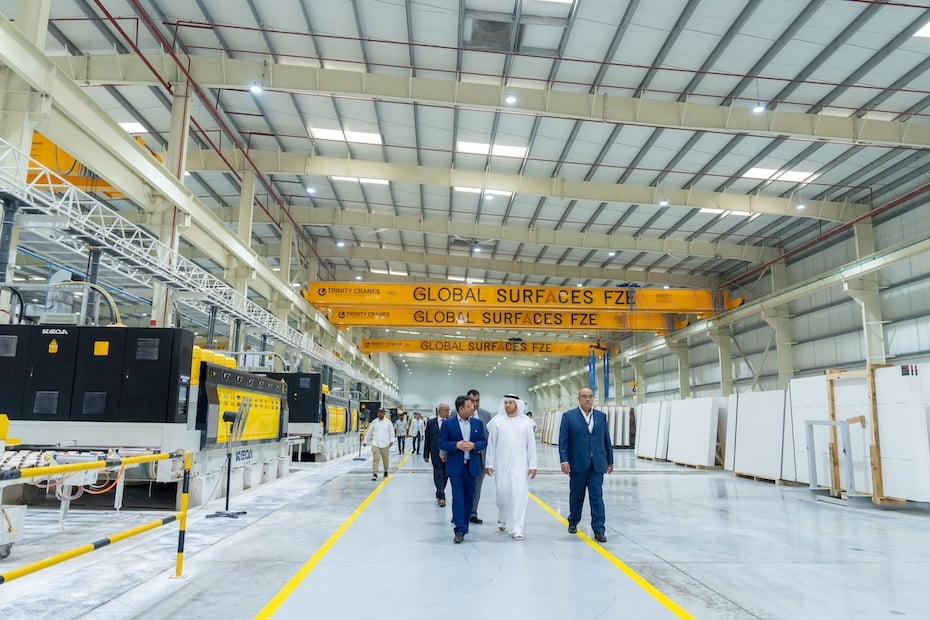
Global Surfaces, a key player in the artificial quartz market, has inaugurated a manufacturing facility in the Jebel Ali Free Zone (Jafza), marking a significant step in the region’s industrial expansion. The state-of-the-art facility, with a price tag of Dhs100 million, is poised to become the largest of its kind in the Middle East, focusing on advanced production processes to meet the surging demand for engineered quartz across the Gulf region and beyond.

The new facility is expected to drastically enhance the company’s production capacity and solidify its market leadership in the region. The plant has been equipped with the latest technology to manufacture artificial quartz and other surface materials, positioning Global Surfaces to capitalize on the growing trend of sustainable and resilient building materials in real estate and construction projects.

Global Surfaces’ decision to base its manufacturing hub in Jafza aligns with Dubai’s strategy to position itself as a global manufacturing and logistics center. This strategic location will allow the company to serve both regional and international markets with greater efficiency. Dubai’s well-established infrastructure, combined with its connectivity through Jafza and proximity to the Jebel Ali Port, was a critical factor in Global Surfaces’ choice of location. The facility will not only boost the company’s operational capabilities but will also create new employment opportunities, contributing to the local economy.

Jafza, part of DP World’s expansive logistics network, is home to over 7,500 businesses from around 135 countries. It has long been a magnet for global manufacturing and trading enterprises due to its integrated infrastructure and streamlined processes for global trade. The free zone’s strategic location offers easy access to key markets across the Middle East, Asia, and Europe, making it an ideal base for companies like Global Surfaces, which aims to scale its production and distribution networks across multiple continents.

Artificial quartz, a popular alternative to natural stone, is increasingly in demand for both commercial and residential projects due to its durability, low maintenance, and eco-friendly properties. The market for quartz surfaces has seen steady growth as developers and architects prefer engineered materials for high-traffic areas such as kitchens and bathrooms. Additionally, advancements in manufacturing technologies have made artificial quartz more customizable, offering a wider range of aesthetic options compared to traditional materials like marble or granite.

The global market for artificial quartz is projected to grow significantly in the coming years, with demand fueled by a resurgence in construction activity, urbanization trends, and the shift towards sustainable building materials. The Middle East, particularly the UAE, has been at the forefront of adopting these innovations, driven by ambitious infrastructure and real estate projects. Global Surfaces’ new facility in Jafza is positioned to tap into this rising demand, enabling faster production cycles and reduced lead times for clients.

While artificial quartz is a key focus of the new plant, the facility will also produce a variety of surface materials to cater to diverse industry needs. With the advanced capabilities of this plant, Global Surfaces will be able to cater to custom specifications, offering clients a broad spectrum of colors, textures, and finishes.

As Global Surfaces scales its production output, the company is expected to strengthen its ties with key developers and contractors in the region. By ensuring a steady supply of high-quality artificial quartz surfaces, the firm is likely to play a vital role in some of the region’s most prestigious construction projects, particularly in the UAE and Saudi Arabia, where demand for cutting-edge building materials remains robust.

The company’s commitment to sustainability is another significant aspect of this expansion. The new facility in Jafza is designed to minimize environmental impact through energy-efficient processes and the use of sustainable raw materials. Global Surfaces has pledged to reduce its carbon footprint by incorporating green technologies into its production line, aligning with the broader industry shift towards environmentally responsible manufacturing practices.

Global Surfaces has also hinted at potential future expansions, both in terms of product offerings and geographical reach. The Jafza facility is seen as a cornerstone of the company’s long-term growth strategy, enabling it to serve not only the Middle East but also other global markets, including Europe and North America.

This latest development from Global Surfaces highlights the company’s ambition to become a leading name in the global artificial quartz industry. The Jafza facility, with its advanced technological capabilities and strategic location, will be instrumental in achieving this goal. The company’s leadership expressed optimism about the future, emphasizing that the new plant would enable them to better meet the needs of their clients while supporting the UAE’s industrial and economic growth.


KUALA LUMPUR, MALAYSIA – Media OutReach Newswire – 30 September 2024 – The market has reacted live as Vice-President Kamala Harris and former President Donald Trump clashed in their first—and possibly last—debate before the November election. With financial markets already reacting to the debate’s fallout, the candidates’ performance and policies could reshape trading strategies. Below is an outline of what it means for traders’ long-term investment portfolios […]

MACAO SAR – Media OutReach Newswire – 26 September 2024 – The Hotel Central Macau has been celebrated with multiple accolades at the 13th CHA China Hotel Awards ceremony, hosted by “Lifestyle Magazine” in Beijing. The hotel distinguished itself among numerous participants, securing the prestigious titles of “Best Hotel of the Year” and “Best Design Hotel of the Year.” Additionally, Mr. Sio Chong Meng, Founder and Chairman […]

SINGAPORE – Media OutReach Newswire – 27 September 2024 – Samsung Electronics Singapore announced the launch of the Galaxy S24 FE, Galaxy Tab S10 Series and Galaxy Fit3 in Singapore. The Galaxy S24 FE is now available for pre-order in Singapore, bringing Samsung’s premium mobile experiences and Galaxy AI to more users. Meanwhile, the Galaxy Tab S10 Series and Galaxy Fit3 will be available in Singapore from […]

Abu Dhabi-based clean energy giant Masdar is expanding its footprint in the renewable energy sector with a major acquisition in the Iberian Peninsula. The company announced a $1.4 billion deal to acquire Saeta Yield, a renewables firm with significant wind and solar energy assets in Spain and Portugal. This strategic move is part of Masdar’s ambitious goal of reaching 100 GW of renewable energy capacity by 2030, […]

Tariq Khan, the former CEO of Shuaa Capital, has taken a significant step by investing in Quintas, an Irish investment firm. This move marks his first major foray into European financial markets, signaling a shift in focus from the Middle East to new territories. Quintas, known for its expertise in wealth management and corporate finance, stands to benefit from Khan’s extensive experience in the finance industry. With […]

Arabian Post Staff The President of the United Arab Emirates held a meeting with former U.S. President Donald Trump during his official visit to the United States, signaling ongoing ties between key figures in global politics. The discussions, described as cordial and wide-ranging, took place amidst broader diplomatic efforts aimed at strengthening economic and political cooperation between the two nations. The meeting, which took place in New […]

The UAE is pushing forward its ambitious agenda to transform its infrastructure and lead in climate action, leveraging public-private partnerships and significant capital mobilization efforts. The country’s leadership has emphasized that mobilizing private capital for green infrastructure projects is essential for advancing sustainable development, particularly as global climate challenges intensify. As part of its commitment to address climate change, the UAE, in collaboration with the Asian Infrastructure […]

A new typeface named “I AM SAUDI” has been launched, embodying the rich cultural diversity and historical heritage of Saudi Arabia. This initiative, aimed at unifying the nation’s unique identity, highlights contributions from various regions, weaving a narrative of togetherness and pride. The font emerges at a time when the Kingdom is seeking to enhance its cultural exports and reinforce its image on the global stage.

“I AM SAUDI” is designed in the simplified Kufic style, a geometric-display font that beautifully fuses traditional aesthetics with modern design sensibilities. The result is a bold and elegant visual representation of the Saudi identity, crafted to resonate with both locals and international audiences. Each letter in this typeface showcases contrasting shapes and designs, reflecting the artistic legacies of different regions across the Kingdom, from the coastal cities of Jeddah to the desert landscapes of Riyadh and beyond.

This initiative not only serves a practical purpose in terms of typography but also acts as a cultural ambassador for Saudi Arabia. As the Kingdom endeavors to diversify its economy and promote its cultural heritage, “I AM SAUDI” stands as a testament to the blending of tradition with contemporary aspirations. It encapsulates a narrative that extends beyond mere letters; it tells the story of a nation that values its past while looking confidently towards its future.

The launch of this typeface comes amid Saudi Arabia’s broader Vision 2030 initiative, which aims to reshape the nation’s economic landscape by fostering innovation, tourism, and cultural engagement. By promoting the use of this new font, the Kingdom seeks to instill a sense of national pride and identity in its citizens, encouraging them to embrace and share their unique heritage. The availability of “I AM SAUDI” for public download further emphasizes this goal, making it accessible for use in various applications ranging from marketing materials to educational resources.

The typeface has been well-received, with early feedback indicating that it resonates deeply with both Saudi citizens and expatriates living in the Kingdom. Graphic designers and branding experts have highlighted its versatility, noting that it can be utilized effectively across digital and print media, enhancing the visibility of Saudi brands while enriching the visual landscape of the nation. As businesses and organizations begin to adopt this font, it is expected to play a significant role in creating a cohesive visual identity for the Kingdom.

Cultural commentators have pointed out that “I AM SAUDI” aligns perfectly with the Kingdom’s efforts to promote its cultural heritage through various platforms, including art, music, and literature. The font serves as a medium through which Saudi stories can be told and shared, inviting both locals and visitors to engage more deeply with the rich tapestry of Saudi history and culture.

The introduction of this typeface reflects a growing trend among nations to leverage design as a means of soft power. By crafting a unique visual identity that encapsulates its essence, Saudi Arabia aims to enhance its cultural footprint globally, inviting the world to engage with its rich history and vibrant future.

With its clear lines and geometric precision, “I AM SAUDI” has the potential to become a recognizable symbol of Saudi Arabia’s brand. As more entities embrace this typeface, it will likely foster a sense of unity among Saudis, promoting a shared cultural narrative that resonates across different demographics and regions. The font stands as a reminder of the shared values and aspirations that bind the Kingdom’s diverse population.

In addition to its cultural implications, the launch of “I AM SAUDI” reflects a strategic move to invest in local design talent and innovation. By showcasing the work of Saudi designers and emphasizing the importance of homegrown creativity, this initiative underscores a commitment to nurturing the Kingdom’s artistic community. It encourages young Saudis to explore their creative potential while reinforcing the significance of cultural expression in a rapidly changing global landscape.

As the typeface gains traction, its adoption in various sectors—including advertising, education, and government communications—will play a pivotal role in establishing a cohesive national identity. The use of “I AM SAUDI” in official documents and promotional materials will signify a new era for Saudi Arabia, where design and culture converge to tell a compelling story of a nation in transformation.

Bitcoin has surged to trade above $65,000, fueled by a significant influx of capital into U.S. spot bitcoin exchange-traded funds (ETFs) and China’s ongoing economic stimulus measures. The cryptocurrency market is witnessing a notable rebound as investors respond to macroeconomic indicators that hint at a revitalized financial landscape. The substantial investment of $365 million in bitcoin ETFs represents one of the highest daily inflows seen this year, […]

Dar Global, the luxury property developer listed on the London Stock Exchange (LSE), has reported a net loss for the first half of 2024. The company, which specializes in high-end residential projects across key markets, highlighted market shifts and fluctuating costs as key factors contributing to the loss. Dar Global, a spinoff from Dubai-based Dar Al Arkan, had made waves in the real estate sector, aiming to […]

Abu Dhabi Developmental Holding Company (ADQ) successfully completed its second bond issuance of 2024, raising a significant $2 billion. This strategic financial move aims to bolster its investment initiatives and enhance the capital structure as it navigates diverse market conditions. The issuance comprises various tranches, reflecting ADQ’s commitment to maintaining a robust financial position while capitalizing on favorable market dynamics. ADQ, which has emerged as a pivotal […]

A strategic pivot is unfolding in Saudi Arabia’s oil policy, as the kingdom plans to move away from its unofficial target of $100 per barrel. This decision comes as the nation gears up to increase its oil production in an effort to regain market share, even if it results in lower prices for crude oil. The new approach signals a significant shift in the dynamics of the global oil market, as Saudi Arabia navigates a complex landscape influenced by geopolitical tensions and fluctuating demand.

The Organization of the Petroleum Exporting Countries (OPEC), under Saudi Arabia’s leadership, has been actively involved in adjusting oil production levels to stabilize prices. Alongside allies, including Russia, the group—collectively referred to as OPEC+—has implemented production cuts to support oil prices amid a volatile market. However, as the world economy continues to recover from the impacts of the COVID-19 pandemic, demand for oil has risen, prompting Saudi Arabia to reconsider its pricing strategy.

Market analysts suggest that Saudi Arabia’s decision to increase output could be driven by a desire to regain dominance in the oil market. The kingdom has faced stiff competition from countries like the United States, which has ramped up shale oil production in recent years. Additionally, OPEC’s recent efforts to control supply have not completely offset the impacts of rising production elsewhere, leading to a complex interplay of market forces that has prompted Saudi leaders to reassess their tactics.

As part of this shift, Saudi Arabia may be looking to reclaim its traditional role as a price setter in the global oil market. By increasing production, the kingdom aims to attract buyers who may have turned to other suppliers during periods of elevated prices. This move could potentially drive prices lower in the short term, but analysts argue that such a strategy might be necessary to secure long-term market share.

The ramifications of this decision extend beyond Saudi Arabia, impacting global oil prices and economies that heavily rely on oil revenues. Lower oil prices could benefit consumers and industries that depend on energy, potentially spurring economic activity. However, for oil-dependent economies, particularly those within the Gulf Cooperation Council (GCC), decreased prices could pose budgetary challenges and necessitate adjustments in fiscal policies.

Experts emphasize that this approach reflects a pragmatic response to shifting market conditions. While Saudi Arabia has historically maintained a price target to ensure stable revenues, the current global landscape necessitates a more flexible strategy. The kingdom’s readiness to accept lower prices signals an acknowledgment of the realities of modern oil markets, where rapid changes in supply and demand dynamics can lead to volatility.

Saudi Arabia’s internal dynamics also play a crucial role in this strategic recalibration. The kingdom has been investing heavily in diversifying its economy away from oil dependence, as outlined in its Vision 2030 plan. This initiative seeks to develop sectors beyond hydrocarbons, such as tourism and technology, aiming to create a more resilient economy. By adjusting its oil production strategy, Saudi Arabia may be positioning itself to better support these broader economic ambitions, ensuring that its energy sector remains robust while diversifying revenue sources.

This shift in Saudi Arabia’s oil policy is likely to influence OPEC’s future meetings and decisions. The organization has historically aimed to balance production to maintain price stability, but this new direction may necessitate a reevaluation of OPEC’s collective strategy. The responses from other member countries will be closely watched, as any discord within the group could have profound implications for global oil markets.

As Saudi Arabia prepares for this transition, market observers will be keenly analyzing its impacts on both regional and global levels. The kingdom’s ability to effectively navigate this shift will be critical in determining its position in the evolving energy landscape. Furthermore, the response from major consumers, including China and the United States, will also shape the trajectory of oil prices and production levels.

VISHNU RAJA
RYO YAMADA
HITORI GOTOH
IKUYO KITA
Just in:
Beyond the exhibition floor: How robots, AI and networks are moving into the real world // APT29-linked campaign exploits outdated Apple and Android software // CR Longdation Aethereal Cybersecurity × Global Cybersecurity Alliance (GCSA) Join Hands to Establish the “AI and Cybersecurity Research Centre” // The “1st Greater Bay Area Health and Longevity Summit & Awards Ceremony” concludes successfully in Macao // After Reaching 7 Million Users in the Philippines, Skyro Launches Transparent Cash Loans in Malaysia // Kochi police detain two actors over bid to honey trap doctor // Private varsities bill all set to face the axe // Emaar approves Development buyout ahead of planned delisting // Xi Jinping Preparing For A Trilateral Summit With Trump And Putin At APEC Summit On Nov 18-19 // OpenAI introduces GPT-6 Cyber with restricted security access // e-Crime Bureau Signs Cybersecurity Partnership With Smart Africa, Reinforcing Its Global Expansion // Cloudflare unveils Zero Wire vulnerability intelligence service // TVM –Mangaluru Vande Bharat claims top spot // Miss Universe Hong Kong Jen Zhou Departs for Puerto Rico to Compete in the 75th Miss Universe World Final // Trump’s Iran War Has A Share Of Contribution To His Midterm Debacle // Asia Left Behind: Ten international companies have yet to report delivering on their cage-free egg pledges across the region // Oil and chip shares retreat after Democratic victories // Dubai details five-year visa benefits for returning visitors // UK air traffic outage inflicted £33m financial losses // Millions Of Indians May Soon Be Deprived Of Government Assistance //