News related to
Operations

Belgium has become the latest nation to fall prey to a series of mysterious drone incursions that have unsettled Europe’s security landscape. This wave of drone activity, which has increasingly targeted critical sites across the continent, has prompted fears about potential espionage, sabotage, and escalating tensions in the region. For weeks, drones have been spotted hovering near strategic locations in various European countries, including military bases, nuclear […]

China is intensifying its efforts to import liquefied natural gas from Russia, despite the ongoing sanctions imposed by the United States and the European Union. As part of these efforts, China has begun developing a fleet of ships designed to transport the super-cooled fuel, with the aim of circumventing international sanctions that prevent direct shipments of Russian LNG to Western markets.

The growing need for energy security and a steady supply of LNG has driven China to explore alternative ways to obtain natural gas, as it faces increasing pressure from energy demand and geopolitical challenges. With European nations largely cutting ties with Russia due to the conflict in Ukraine, China sees an opportunity to secure more of Russia’s vast natural gas reserves. However, the US and EU sanctions, which prohibit companies from providing services and equipment that facilitate the transportation of Russian LNG, have posed significant barriers to the direct importation of Russian gas.

To sidestep these restrictions, China is reportedly building a “shadow fleet” of vessels—tanker ships capable of transporting LNG without being registered under the jurisdictions of Western countries. These ships are often equipped with modified technologies and reflagged to nations that do not enforce the same sanctions as Western powers. Experts suggest this new fleet could potentially enable China to bypass regulatory hurdles and enhance its access to Russia’s energy exports.

This development comes amidst growing concerns about energy supply in both Russia and China. For Russia, the loss of its traditional European export markets has accelerated the search for new buyers in Asia. China, with its vast and growing energy demands, has become the ideal partner for Russia, with both nations keen to deepen their trade relations in the energy sector.

In recent months, reports from various trade bodies and maritime sources have indicated that Chinese shipping companies have begun to work closely with Russian counterparts to facilitate these energy exchanges. According to analysts, these operations are being conducted with the support of intermediaries who play a critical role in enabling the shipment of Russian gas to China. These intermediary companies typically operate under the radar, helping to shield the true origins of the LNG shipments from scrutiny.

The expansion of this fleet raises important questions about the international regulatory landscape and the extent to which sanctions can be effectively enforced in an increasingly interconnected global economy. While Western powers have imposed sanctions on Russia’s energy exports, many analysts argue that their impact has been diluted by countries like China and India, who have continued to purchase Russian energy despite the restrictions.

The move to build a shadow fleet also highlights the growing divide in global energy politics. As Western nations look to reduce their dependency on Russian energy, China has emerged as a key player in filling the gap. With this increasing trade of Russian LNG to China, there are indications that both countries are fortifying their positions in the global energy market, positioning themselves as key energy suppliers to the global south.

China’s energy imports from Russia are also seen as a key component of the broader geopolitical shifts that have been underway in recent years. By continuing to build its energy relationship with Russia, China is further diversifying its sources of energy, ensuring that it has a reliable and growing supply of natural gas that is less susceptible to the fluctuations of the global market. This is especially important as China seeks to meet its ambitious energy and industrial goals in the coming decades.

The logistical complexities of importing LNG are considerable, and China’s efforts to expand its shadow fleet reflect the nation’s determination to secure a more consistent energy supply. These vessels, which are currently being constructed and modified, will be able to bypass many of the traditional channels through which Western powers exert control over Russian energy exports. This represents a significant shift in the global LNG market, with China positioning itself as a key recipient of Russian energy.

HONG KONG SAR – Media OutReach Newswire – 12 November 2025 – Swiss-Belhotel International, the global hospitality management group, has signed a Memorandum of Understanding (MOU) with Malaysia’s leading property developer, Sheng Tai International, to explore collaborations in hotel development and management. The agreement marks the beginning of a strategic partnership aimed at developing, branding, and managing future hospitality projects under Swiss-Belhotel International’s recognized portfolio. The collaboration […]

AgriFi, an innovative platform harnessing blockchain technology, is aiming to transform the agriculture sector by offering more accessible financing solutions to farmers through real-world staking and profit-sharing mechanisms. This groundbreaking model seeks to revolutionise agricultural investment by enabling both small-scale farmers and institutional investors to participate in the wealth generation of the farming industry, while providing transparency, security, and increased efficiency through blockchain’s decentralised system. The platform’s […]

Ahead of the 2025 Morocco Showcase Summit, industry leaders assess the kingdom’s readiness for 2030, analyzing investment and strategies to match demand CASABLANCA, MOROCCO – EQS Newswire – 11 November 2025 – As hospitality and investment leaders prepare to gather at the Marriott Hotel in Casablanca for the Morocco Showcase Summit on November 19-20, 2025, a critical question takes center stage: Is Morocco’s hospitality supply growth keeping […]

BYLINE ARTICLE FOR COP30 11 NOVEMBER 2025 BELEM, BRAZIL – Media OutReach Newswire – 11 November 2025 – Malaysia is not simply setting goals; it is actively translating its ambition into reality. Following the introduction of the Malaysia Pavilion theme, ‘Climate Action Now: Net Zero Pathways Unlocked,’ at the recent International Greentech & Eco Products Exhibition and Conference Malaysia (IGEM 2025), we have cemented our commitment in […]

SRV, a leading global player in its field, has made a significant move by opening a new office in Dubai, marking a pivotal moment in the company’s growth strategy. This new location is not merely an addition to its network but a strategic step towards building stronger international partnerships, fostering collaboration, and setting a new benchmark for excellence in the industry.

Dubai has long been a hub for innovation and commerce in the Middle East, making it an ideal location for SRV to enhance its reach and capabilities. The opening of the office signals SRV’s commitment to strengthening its presence in the region, as well as its desire to expand its impact on a global scale. Dubai’s strategic position at the crossroads of Europe, Asia, and Africa presents an opportunity for SRV to connect with clients, partners, and markets across multiple continents.

The Dubai office is set to serve as a key hub for SRV’s operations in the Middle East, offering a range of services that align with the company’s core values of innovation, agility, and excellence. With this expansion, SRV aims to meet the growing demand for its services while continuing to deliver high-quality solutions that exceed client expectations. The company’s decision to establish itself in Dubai highlights its dedication to delivering value and fostering long-term relationships with its partners.

The company’s leaders emphasized the importance of Dubai as a strategic gateway to new business opportunities, as well as its potential to drive collaborative efforts that span different industries. With its state-of-the-art infrastructure, world-class business environment, and dynamic workforce, Dubai offers a fertile ground for SRV to enhance its technological offerings and scale its operations to meet the needs of a rapidly evolving global market.

This move also aligns with SRV’s broader vision of becoming a global leader in its sector by fostering a culture of collaboration across borders. By tapping into the diverse and highly skilled talent pool available in Dubai, SRV is poised to bring fresh perspectives and innovative solutions to its clients. The company’s approach to talent acquisition and retention will play a crucial role in driving its success in the region, ensuring that it continues to set new standards for performance and excellence.

The Dubai office is expected to serve as a vital point of contact for clients in the region, offering both strategic and operational support. As the business landscape in the Middle East continues to evolve, SRV’s presence in Dubai will allow the company to remain at the forefront of industry trends, driving advancements in technology and service delivery that align with the needs of the local market.

As part of its ongoing commitment to innovation and growth, SRV is also focused on building partnerships with local businesses and stakeholders to ensure that its services are not only cutting-edge but also relevant to the specific needs of the region. The company aims to create a collaborative environment where local and global teams can work together seamlessly to develop solutions that drive meaningful change.

Advertisements

Crescent Enterprises, a prominent UAE-based conglomerate, has announced a bold investment plan amounting to AED 1 billion in the Gulf Cooperation Council, India, and Southeast Asia over the next three years. The initiative, spearheaded through the company’s strategic platform, CE-Invests, is aimed at acquiring minority stakes in mid-market businesses across various high-growth sectors, such as consumer goods, healthcare, manufacturing, and financial services. The company’s move is rooted […]

Receives industry accolades for claims management and digital transformation Achieves top customer NPS ranking and strong business growth of 24% HONG KONG SAR – Media OutReach Newswire – 11 November 2025 – Blue Cross (Asia-Pacific) Insurance Limited (“Blue Cross”) upholds its customer-centric philosophy by actively introducing innovative technologies to enhance operational efficiency and service quality. The company continuously optimises the customer journey across four key stages of […]

A new wave of malware attacks has been discovered targeting Android users in South Korea, with the attackers concealing harmful software in applications promoting stress relief and relaxation. This sophisticated attack takes advantage of Google’s asset-tracking service, Find Hub, to remotely erase sensitive user data, raising concerns about state-sponsored cyber threats. These attacks are disguised as psychological counselling tools or programs supporting North Korean human rights, allowing […]

HONG KONG SAR – Media OutReach Newswire – 10 November 2025 – The Hong Kong Productivity Council (HKPC) today officially opened the “GBA International Artificial Intelligence and Robotics Summit 2025,” themed “Empowering Resilient Industries through Embodied AI,” bringing together top experts from the Chinese Mainland, Switzerland, Germany, Italy, Japan, Korea and Hong Kong to explore the industrialisation of artificial intelligence (AI) and robotics. Professor Dong SUN, JP, […]

The logistics solutions provider strengthens its setup in Southeast Asia as trade flows shift towards the region Investment into a network of strategic gateways in Southeast Asia ensures that Rhenus is better positioned to support global customers across all logistics solutions SINGAPORE – Media OutReach Newswire – 10 November 2025 – Leading global logistics provider Rhenus Group is steadily increasing its investments in Southeast Asia, as part […]

The Bank of England has announced a new policy restricting the amount of stablecoins that individuals and businesses can hold in the country, setting a cap of £20,000. The move comes as part of broader efforts to regulate the rapidly evolving digital currency market, ensuring financial stability while fostering innovation in the fintech sector.

The Bank’s decision follows months of discussions and consultations with financial experts and market participants. It aims to address the increasing popularity of stablecoins, digital currencies pegged to traditional assets such as the British pound or US dollar. While stablecoins are generally considered less volatile than other cryptocurrencies, their rapid growth has raised concerns over potential risks to the broader financial system.

This new regulation is expected to apply to both domestic and international users of stablecoins operating within the UK. It will limit the amount of stablecoins that can be held or transacted by any single entity or individual to £20,000, a figure designed to reduce the systemic risks posed by large, unregulated digital assets in the UK economy.

Stablecoins, which have been touted as a bridge between traditional finance and the world of digital currencies, have gained traction in recent years. However, central banks have been cautious about their potential to destabilise financial markets. The Bank of England’s intervention reflects a growing global trend towards regulating the digital asset space, with governments and central banks around the world striving to balance innovation with risk management.

For many, the £20,000 limit is seen as a precautionary measure rather than a significant hurdle. Advocates for digital currencies argue that such regulations may stifle innovation, particularly for businesses looking to integrate blockchain technology into their operations. However, the Bank of England has insisted that the measure is necessary to safeguard financial integrity and protect consumers from potential losses in a volatile market.

The UK government has also made strides in providing clearer guidelines for the treatment of cryptocurrencies and other digital assets. In recent months, the government has introduced draft legislation aimed at improving the transparency of crypto markets and creating a regulatory framework for their use. The UK’s proactive stance towards regulating stablecoins and other digital assets is part of a broader ambition to become a global leader in financial technology, or “fintech.”

While the Bank of England’s move is a step toward ensuring the stability of the financial sector, it is unlikely to be the last word on digital currency regulation. As the stablecoin market continues to grow and evolve, further policy adjustments may be necessary to address emerging risks and opportunities. The international nature of digital assets also presents a challenge for regulators, who must work together to ensure that these digital currencies do not undermine the stability of the global financial system.

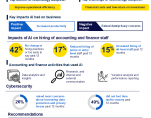
HONG KONG SAR – Media OutReach Newswire – 10 November 2025 – CPA Australia’s regional survey about business technology adoption shows that most companies in Hong Kong have used artificial intelligence (AI) tools at different levels. Though the increasing AI application helps to improve productivity, it also transforms the hiring trends in the accounting and finance industry, and increases concerns on data protection and governance, according to […]

Oil prices rose as investors reacted to the prospect of a resolution to the US government shutdown, bolstered by optimism that a deal could bring an end to the ongoing stalemate. The increase in oil prices follows two consecutive weeks of declines, as market participants await key data that could provide more clarity on global supply and demand dynamics. Brent crude surpassed $64 per barrel, while West […]

HONG KONG SAR – Media OutReach Newswire – 10 November 2025 – DL Holdings Group Limited (Stock Code: 1709.HK) today issued a positive profit alert, announcing that based on a preliminary review of the Group’s unaudited management accounts for the six months ended September 30, 2025. It is expected to record a profit of approximately HK$180 million to HK$220 million, compared with a net profit of about […]

International Holding Company, a prominent Abu Dhabi-based conglomerate, has posted significant financial results for the first nine months of 2025, driven by operational efficiency and a diversified investment portfolio. The company reported a 32.3 per cent increase in revenue, which reached Dhs84.6 billion, compared to the same period last year. The impressive growth in revenue was accompanied by an 8.3 per cent rise in net profit, which […]

A powerful tornado has caused widespread destruction across southern Brazil, with Parana state bearing the brunt of the damage. The violent storm, which struck unexpectedly, left thousands of residents in peril, forcing local authorities to declare a state of emergency as recovery efforts began. The tornado touched down in multiple regions of Parana, particularly affecting towns and rural communities. High winds, reaching speeds of up to 180 […]

The ongoing government shutdown has forced airlines to cancel hundreds of flights, deepening travel chaos across the United States. Major airports in New York City, along with others nationwide, have been hit with severe delays and cancellations, as air traffic controllers and federal aviation staff are affected by the furloughs. The Federal Aviation Administration has significantly reduced staffing levels in several air traffic control centres, leading to […]

Visa and Mastercard are reportedly nearing a resolution in a two-decade-long legal dispute with a group of merchants over the fees associated with their payment systems. Sources familiar with the ongoing negotiations indicate that both companies, along with the merchants involved, are working towards an agreement that could put an end to the protracted legal battle, which has caused significant tension in the payments industry.

The legal issue dates back to the early 2000s when merchants accused the payment giants of anti-competitive practices, specifically their practice of setting high interchange fees for card transactions. These fees, paid by merchants to card issuers, have been a point of contention for years, with many arguing that the pricing structures imposed by Visa and Mastercard were unfairly high and limited competition within the payments market.

This dispute first gained public attention when large retailers and other business associations banded together, alleging that the card networks were using their market dominance to maintain inflated fees. Over time, the case expanded to include a wide range of merchants, from small businesses to multinational corporations, who collectively argued that the financial burden of interchange fees was ultimately passed on to consumers in the form of higher prices.

Throughout the years, both Visa and Mastercard have faced legal challenges, and a series of class-action lawsuits have been filed. These lawsuits have not only focused on the fees themselves but also on the lack of transparency in how they were determined and enforced. Merchants claimed that the payment networks’ practices amounted to price-fixing, a violation of antitrust laws. The legal battle escalated over time, with both sides digging in their heels.

The talks have reportedly intensified in recent months, with both Visa and Mastercard keen to resolve the matter without further litigation. According to the sources, the settlement under discussion would likely result in a significant financial payout to merchants, though the exact amount remains undisclosed. The agreement could also include changes to the way interchange fees are structured, potentially leading to lower costs for businesses that accept card payments.

For Visa and Mastercard, the prospect of a settlement would bring an end to a costly and divisive legal fight. Both companies have defended their practices throughout the proceedings, maintaining that the fees they charge are justified by the value they provide in terms of security, convenience, and innovation in the payments ecosystem. However, they also face growing pressure from lawmakers, regulators, and consumers to address the issue of interchange fees, which have been a sticking point in the broader debate on financial services.

For merchants, the settlement represents a significant potential win. Many business owners, particularly in sectors like retail and hospitality, have long argued that interchange fees represent a hidden tax on their operations, undermining their ability to compete. Lowering these fees could provide financial relief, particularly for smaller businesses that often face the highest costs in the payment system.

If the settlement is reached, it could have a ripple effect across the payments industry, influencing how other payment processors and financial institutions structure their fees. Moreover, it could pave the way for further regulatory scrutiny of the broader payments ecosystem, with calls for greater transparency and fairness in the way card networks operate.

In addition to the financial terms, the settlement is also expected to address broader issues within the payments sector. Changes to the way interchange fees are communicated to merchants, improvements in fee structures, and possible new regulations could be part of any final agreement. These changes could not only benefit merchants but also lead to a more competitive environment in the payment processing industry.


The central processing unit has long stood as the cornerstone of computing, from powering individual computers to driving large-scale data centres that underpin the digital world. However, as artificial intelligence has surged in importance, there is a significant shift occurring in the hardware landscape. The increasing complexity and computational demands of AI tasks, such as machine learning, deep learning, and data analytics, have pushed companies to develop […]

Abu Dhabi National Oil Company is poised to significantly ramp up its global trading operations, with plans to increase the volume it handles by two-thirds over the next few years. This expansion is part of a broader strategy to strengthen ADNOC’s position on the global stage and tap into new revenue streams. The move signals the growing ambition of the UAE’s state-owned oil giant to enhance its commercial footprint beyond traditional oil and gas production.

Since the establishment of its trading arm in 2018, ADNOC has been gradually building its global network, positioning itself as a major player in international energy markets. The company has already set up trading offices in key financial hubs such as Singapore and Geneva, with the United States next on its list. This expansion is seen as a strategic initiative aimed at consolidating ADNOC’s presence in both the fuel trading and energy markets, where it competes with some of the world’s largest oil companies.

Ahmed Bin Thalith, CEO of ADNOC Global Trading, outlined the company’s goals during a recent interview. He explained that ADNOC’s trading operations are central to its broader strategy of extracting greater value from the fuel produced not only in the UAE but from global markets. Thalith emphasized that the expansion of the trading unit is integral to ADNOC’s vision of becoming a more diversified energy enterprise, moving beyond its traditional role as a major oil producer.

The UAE, known for its vast reserves of oil and natural gas, is under pressure to diversify its economy, which is heavily dependent on hydrocarbons. By expanding its trading operations, ADNOC seeks to secure additional revenue streams from the global sale of fuel products, a vital step as the world moves towards a more sustainable energy future. The move aligns with the UAE’s broader vision of positioning itself as a global energy hub, diversifying into renewable energy and other industries, such as technology and manufacturing.

ADNOC’s global trading expansion follows a series of similar moves by other Gulf oil companies seeking to broaden their operations beyond the traditional export of crude oil. Companies like Saudi Aramco have been pursuing similar strategies to increase their influence in the global energy trading market. However, ADNOC’s strategy to build a robust trading platform since 2018 gives it a more established presence in the field. The company is now looking to leverage its growing infrastructure to manage an even greater volume of trades, both within the Middle East and globally.

In addition to expanding its physical presence in strategic locations, ADNOC Global Trading is also exploring new technologies to improve its operations. This includes the use of data analytics and advanced digital tools to monitor and predict market trends, a crucial aspect for maintaining competitiveness in the volatile global energy market. By integrating cutting-edge technology into its trading practices, ADNOC aims to stay ahead of the curve and better position itself in a market where agility and adaptability are paramount.

The decision to enter the U. S. market is one of the more ambitious elements of ADNOC’s expansion plans. The company aims to tap into the largest energy market in the world, which has seen significant changes in recent years due to the shale revolution and growing interest in alternative energy sources. By establishing a presence in the U. S., ADNOC hopes to gain access to new trading opportunities, as well as foster relationships with key players in the global energy sector.

The expansion also reflects ADNOC’s long-term vision of becoming a more diversified energy company that is not solely reliant on crude oil exports. The UAE has been increasingly investing in renewable energy, and ADNOC’s trading division is seen as a key pillar in achieving this transition. As part of its sustainability strategy, ADNOC has set ambitious targets for reducing its carbon footprint and increasing its investment in cleaner energy technologies, including solar power and hydrogen.

Ente, a popular cybersecurity tool, has successfully completed a rigorous audit sponsored by CERN, the European Organization for Nuclear Research. The audit, carried out by five experts from the German cybersecurity firm Cure53, took place over the span of two weeks and focused on evaluating the platform’s security framework and vulnerability to cyber threats. CERN, one of the largest and most advanced scientific research organisations in the […]

Kenya’s leading telecommunications provider, Safaricom, has announced a significant 55 per cent increase in its half-year profits for 2025, driven by robust growth in data services and mobile transactions. The company, which holds a dominant position in East Africa’s telecom market, has seen a notable recovery in its performance following challenges in its Ethiopian venture. The surge in profits comes as Safaricom has navigated through the hurdles […]

VISHNU RAJA
RYO YAMADA
HITORI GOTOH
IKUYO KITA