News related to
Operations

YIWU, CHINA – Media OutReach Newswire – 1 July 2025 – China has launched its first railway container terminal with mixed-mode autonomous driving capabilities, a move aimed at building an efficient, low-carbon, and intelligent modern comprehensive transportation system and reducing whole society logistics costs. The first train of the sea-rail intermodal service from Yiwu International Hub Port to Ningbo-Zhoushan Port has officially departed. The Suxi container handling […]

Cloud accounting is software for managing financial records that operates online. Unlike traditional on-premise solutions, you don’t need to install programs on your computer — just a browser and internet access. All data is stored on secure servers, allowing you to access your accounting anytime, from any device. In the UAE, the digital economy is rapidly growing, and the government supports businesses adopting modern technologies. Cloud accounting […]

Deutsche Bank is set to roll out a digital assets custody service in 2026, joining forces with Bitpanda Technology Solutions and deepening its existing alliance with Swiss fintech Taurus SA.

Aimed at institutional and corporate clients, the bank’s custody offering is built on two pillars: custody and tokenisation capabilities powered by Taurus SA, and the digital infrastructure from Bitpanda’s technology arm. Taurus has been the backbone of Deutsche Bank’s digital asset efforts since 2023, and the integration with Bitpanda is expected to significantly expand operational capacity.

Inside sources familiar with the initiative confirm that launch preparations are already underway, with a projected go-live in early 2026. The move reflects Deutsche Bank’s view that tokenised assets could become a fundamental component of the financial ecosystem, aligning with growing projections that this market could reach hundreds of billions by the end of the decade.

Taurus SA—positioned as a leader in digital asset infrastructure—provides enterprise-grade cold, warm and hot custody solutions, along with tokenisation services that Deutsche Bank will leverage. As noted by Taurus co‑founder Lamine Brahimi in 2023, the match between the Swiss firm’s infrastructure and Deutsche Bank’s scale was a critical factor in formalising their initial partnership.

Meanwhile, Bitpanda’s technology unit will contribute real‑time, scalable digital asset operations. The Vienna‑based firm, which supports more than 4 million users across Europe, already offers regulated trading and custody services for cryptocurrencies, stocks, ETFs and commodities. Deutsche Bank’s adoption of Bitpanda’s tech could enable graduated access to a broader swathe of tokenised assets for its clients.

The partnership builds on Deutsche Bank’s cautious but steady progression into the digital asset landscape. Already serving as the banking partner for Bitpanda’s German IBAN services—and integrating Bitpanda’s platform for retail payments—Deutsche Bank has maintained a conservative stance, ensuring compliance and risk protocols are robust. According to Ole Matthiessen, global head of cash management, the bank only engages with well‑regulated platforms that meet strict compliance standards.

Deutsche Bank’s ambitions extend beyond custody. It is exploring stablecoins, tokenised deposits, and potential issuance, reflecting a broader strategy to anchor its digital asset business across the value chain. The bank’s head of digital assets, Sabih Behzad, highlighted the options ranging from reserve management to issuing stablecoins, whether solo or in consortiums.

Industry insiders point to looming regulatory clarity—particularly in Europe under MiCA and in the U.S.—as a driving force behind institutional adoption. PwC projects that tokenised assets could swell from around $40 billion today to over $317 billion by 2028, reflecting an appetite for innovation tempered by oversight.

Deutsche Bank’s strategy appears calibrated: building momentum in custody while evaluating tokenised product launches. This dual approach affords adaptability with measured risk—a model that mirrors its cautious adoption of Bitpanda’s IBAN service and Taurus custody tech.

Analysts suggest that established banking institutions will need to offer multi-custodial and tokenisation services if they are to remain relevant in a changing market. As global custodians like BNY and JP Morgan enhance real‑time asset transfer and tokenised solutions, Deutsche Bank’s 2026 launch will position it alongside peers seeking to modernise legacy models.

Deutsche Bank’s custody initiative arrives at a pivotal time. Regulatory frameworks for digital assets are crystallising, and institutional allocations to tokenised securities and stablecoins are gaining traction. Completion of the Bitpanda‑Taurus integration will be a critical milestone, forming the technological foundation of the service.

With momentum gathering, competition is intensifying. Other major banks—such as Banco Santander—are also evaluating stablecoins and custody offerings. At the same time, fintech stand‑alone firms are aggressively scaling in tokenised markets.

Yet Deutsche Bank brings two powerful advantages: it merges legacy banking infrastructure with cutting‑edge digital asset platforms and does so through meticulously selected partnerships. If its 2026 custody service delivers on promised security, compliance and efficiency, it could redefine institutional trust in the tokenised era.


Mubadala Investment Company is set to acquire a 30 per cent stake in Loscam International, a move that significantly strengthens its foothold in Asia‑Pacific’s logistics and packaging sector. The agreement positions Mubadala alongside existing shareholders Trustar Capital, FountainVest and Sinotrans Limited, aligning sovereign wealth capital with a proven regional operator. The deal revolves around a share purchase agreement dated 26 June 2025, under which Mubadala, via its wholly owned Abu Dhabi […]

After discovering institutional inefficiencies in traditional finance, this young CFA is helping investors access opportunities previously reserved for Wall Street. The mahogany-paneled conference room fell silent. On the 47th floor of one of Wall Street’s most prestigious firms, Tan Gera stared at his computer screen in disbelief. The evidence of systematic insider trading was not only shocking—it was the final piece of a puzzle he’d been putting […]

Abu Dhabi’s population surged by 7.5 per cent in 2024, reaching 4,135,985, fresh figures from the Statistics Centre – Abu Dhabi reveal. This marks a 51 per cent increase since 2014, reinforcing the emirate’s status as a magnet for global professionals and investment, outpacing many established financial centres. That population increase was driven by a 9.1 per cent expansion in the workforce, with professional roles rising 6.4 per cent. The demographic profile shows 54 per cent of […]

Autoworld International FZCO is investing AED 45 million to construct a 162,000 sq ft logistics and assembly hub in Dubai’s Jebel Ali Free Zone, aiming to strengthen its distribution of Bajaj two‑ and three‑wheelers across the Middle East and Africa. Slated for completion by 2026, the facility will incorporate an assembly line for motorcycles and auto‑rickshaws, alongside dedicated storage for spare parts, tyres and lubricants. The hub also positions the company to […]

Advertisements
By Nantoo Banerjee The techniques of traditional warfare seem to be fast changing. Attack drones are increasingly playing a significant role in military aggression alongside missiles. The 12-day Israel-Iran war and the ongoing Russia-Ukraine battle showed how devastating the role of drones in modern wars is. In one of the most daring attacks, Ukraine said […]

Star Entertainment is confronting a fresh financial crisis as its partners in the Brisbane Queen’s Wharf development have formally sought to cancel the sale of the casino operator’s 50 per cent interest in the integrated precinct. This blow lands just days after shareholders approved a $300 million rescue package that was expected to stabilise the business. The termination notice, issued by Hong Kong-based Far East Consortium and Chow Tai Fook […]

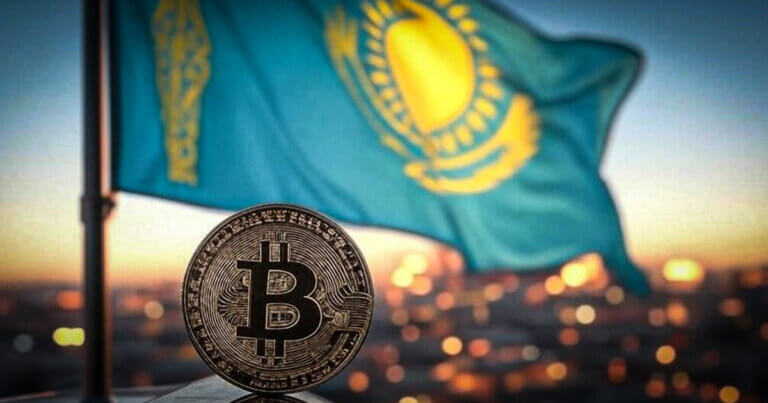
Kazakhstan’s National Bank, under its chairman Timur Suleimenov, is taking steps to build a state-held cryptocurrency reserve managed by a subsidiary entity, following international sovereign fund practices. The proposal outlines funding sources that include confiscated crypto-assets and coins mined through ventures with state participation—measures aimed at enhancing governance and stability within the digital asset ecosystem.

The National Bank is developing a comprehensive framework for the reserve’s formation and administration, emphasising transparency and institutional safeguards. It plans to enshrine in law both the status of the reserve and the protocols for deposit and use, with draft legislation to be submitted to parliament for approval.

Suleimenov highlighted that the envisioned affiliate would follow global norms for sovereign funds, ensuring robust accounting, secure storage, and resilient governance structures. The legal amendments under discussion would affirm the reserve’s legal standing and empower authorities to handle crypto-assets seized under law as well as profits generated from state-linked mining operations.

The banking chief stressed the importance of centralised institutional oversight, noting the high volatility and vulnerability of crypto-assets. Centralisation, he said, is key to mitigating risks such as market fluctuations or cyber threats.

This effort is part of a wider regulatory overhaul targeting cryptocurrency flows. Under proposals by the Ministry of Digital Development, draft laws would impose criminal and administrative liability on grey‑market trades, require licences for investment advisers, and curb unlicensed exchanges and misleading crypto promoters—many of whom target younger investors.

Parliamentary deputies have endorsed the overarching concept. One lawmaker, Kuspekov, recommended creating a “national digital reserve” at the central bank to anchor confiscated digital assets and tighten financial controls. He also urged strengthened due diligence by banks, prohibition of unlicensed crypto platforms, and mandates for licensed investment coaches.

These developments follow a surge in legislative activity since May. The National Bank has proposed amendments defining legal status for digital assets, licensing for crypto exchanges outside the Astana International Financial Centre, and a regulatory sandbox for testing digital services. The objective is to restore confidence in Kazakhstan’s crypto sector after capital flight estimated at US$15 billion last year.

Timur Suleimenov, appointed as National Bank chair in September 2023 and former minister of national economy, has emphasised institutional integrity and macroeconomic resilience. He recently noted that international reserves reached US$104.7 billion at end-2024, bolstered by gains in gold and foreign-exchange holdings.

The crypto reserve initiative appears aligned with broader state efforts. Issuance of AIFC‑backed crypto payment cards was piloted in early June by major banks including Halyk Bank, Forte and Altyn Bank—allowing consumers to instantly convert digital assets into fiat currency for everyday purchases.

The Ministry of Digital Development has proposed the creation of a crypto reserve as a digital asset repository to support the national digital economy. This official endorsement underscores the government’s increasing interest in integrating digital assets within its fiscal infrastructure.

Central to this initiative are practical mechanisms that remain under review. The National Bank is working with law-enforcement agencies and other government bodies to outline operational procedures, compliance norms and asset custody arrangements.

Greenlogue/AP The American University of Ras Al Khaimah has emerged as the top performer among universities in the United Arab Emirates, recording the lowest greenhouse gas emissions under its five‑year Sustainability Action Plan. Spanning 1.3 million‑1.6 million sq ft, the campus integrates a series of targeted initiatives aimed at deep energy and operational efficiency, positioning the university as a rising model of institutional sustainability. Analysis of the latest greenhouse gas emissions […]

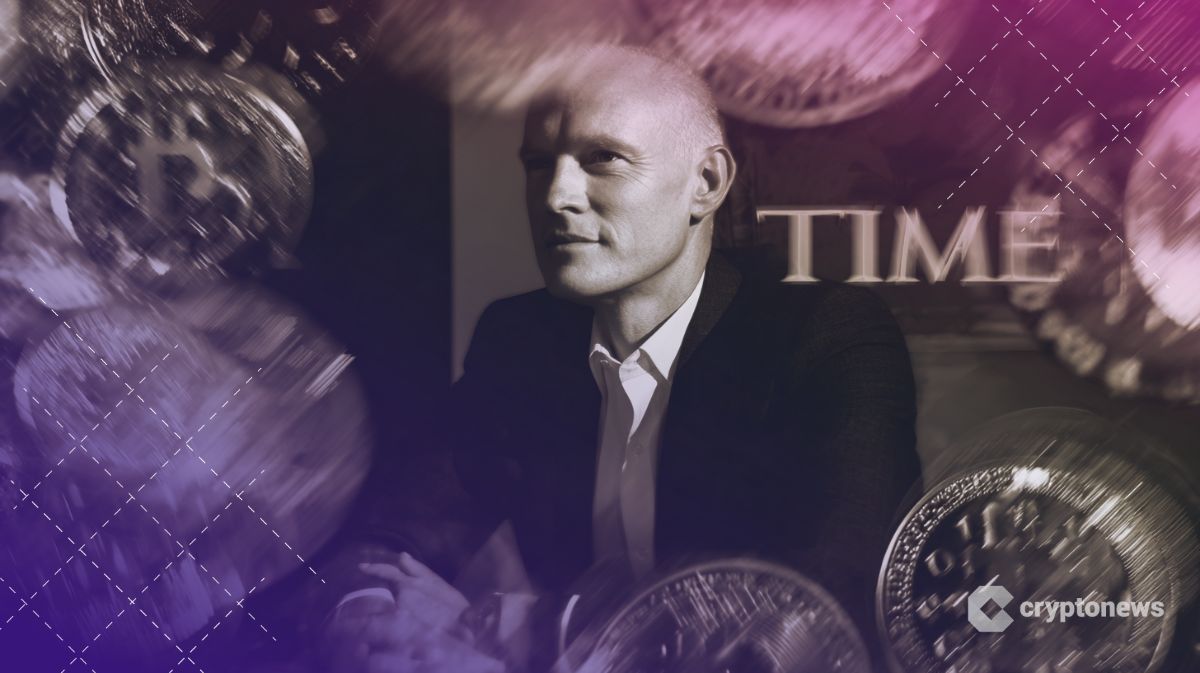
Coinbase, headquartered in the United States, has secured a place among Time Magazine’s 100 Most Influential Companies of 2025, hailed for reshaping the landscape of digital finance and regulatory engagement. This accolade reflects a marked shift in how cryptocurrency firms are perceived by mainstream institutions.

With over 108 million users and more than $400 billion in custodial assets, Coinbase stands as the largest US-based crypto exchange. Analysts attribute significant weight to its aggressive advocacy efforts in Washington DC and its proactive approach to regulatory compliance, positioning the company as a key policy driver for the digital asset space.

Coinbase’s stock has mirrored its growing stature—rising approximately 42 per cent year-to-date and briefly touching $382 per share following the US Senate’s passage of the GENIUS stablecoin bill on 17 June. Market watchers note that its inclusion in the S&P 500 in May reinforces its transition from niche crypto exchange to mainstream financial institution. That move not only provides visibility to traditional investors but also signals regulatory confidence.

The cardinals of Coinbase’s ascent include its push for firm regulatory frameworks: it recently secured a MiCA license from Luxembourg’s Commission de Surveillance du Secteur Financier, enabling full European market operations. Plans are underway to establish its EU headquarters in Luxembourg, marking a strategic foothold in the continent.

Another bold initiative is Coinbase’s application to the US Securities and Exchange Commission to launch tokenised stock trading. If approved, this service could see the platform rival fintech peers such as Robinhood and Webull, offering fractionalised equity products under one roof.

Financially, Coinbase reported over $2 billion in trailing annual revenue and maintained $420 billion in assets under custody as of Q1 2025, up from $310 billion the preceding year. These figures, alongside institutional-tailored offerings such as Coinbase Prime, have caught the attention of Bernstein analysts, who raised their COIN price target by 50 per cent in light of this recognition.

Despite its successes, Coinbase’s journey has not been without hurdles. A May cyber-extortion attempt linked to stolen customer data resulted in an estimated cost of up to $400 million, though the company managed to contain the breach and refused to submit to ransom demands. This incident followed growing scrutiny from blockchain investigators concerning vulnerabilities and scam-related losses attributed to the platform. Still, the US SEC dismissed its enforcement action in February 2025, signalling regulatory progress.

Beyond its core operations, Coinbase wields significant influence in shaping public policy. Its 2024 lobbying campaign played a central role in positioning cryptocurrency as a campaign issue in the US election cycle. Time again underscored its impact, quoting: “Coinbase led a massive lobbying campaign … helping cement crypto as a voting issue,” and framing the company as “a key driver of the industry’s policy efforts in Washington D.C.”.

Looking ahead, industry observers anticipate further advances as Coinbase expands tokenised equity offerings and solidifies its role in institutional-grade products. These efforts, coupled with sustained lobbying presence and international expansion, point to a future where digital assets underpin new investment paradigms.

A Singapore court has postponed the trial of three men accused of illegally redirecting Nvidia AI chips to China until 22 August, after prosecutors stressed the need for additional time to analyse fresh documents and obtain international cooperation. The adjournment allows police to deepen their review of evidence and reach out to overseas authorities for responses.

Charged with fraud, the defendants—Singaporeans Aaron Woon Guo Jie, 41, and Alan Wei Zhaolun, 49, along with Chinese national Li Ming, 51—stand accused of falsifying end‑user information to secure servers during purchases in 2023 and 2024. Those servers, allegedly equipped with high-end Nvidia chips, were then shipped via Singapore to Malaysia before possibly continuing to China. Political pressure surrounds the case, as the United States banned exports of leading-edge chips to China in 2022 over military and intelligence concerns. A senior U.S. official has asserted that DeepSeek, the Chinese AI firm implicated, supports military and intelligence operations.

Home Affairs Minister K. Shanmugam confirmed that Singapore authorities pursued the investigation independently after an anonymous tip-off, and preliminary findings indicate the servers may indeed contain Nvidia’s chips. The equipment, originally sourced from Dell Technologies and Super Micro Computer via Singapore‑based firms, was rerouted to Malaysia, though the final destination remains uncertain.

This case forms part of a broader probe involving 22 individuals and companies alleged to have falsified end‑user data in order to bypass export restrictions. Singapore’s position as a regional invoicing hub—recording 18% of Nvidia’s fiscal year revenues despite accounting for less than 2% of physical shipments—underscores its vulnerability as a transit point in such schemes.

Observers note that policing such complex supply chains is increasingly difficult, especially when high‑performance AI hardware carries dual-use potential with applications in advanced military or surveillance systems. Singapore’s legal actions and multilateral engagements will be closely watched as the court reconvenes late in August.

U.S. former President Donald Trump has announced that a group of “very wealthy people” is set to acquire TikTok’s U.S. operations, with identities expected to be disclosed in approximately two weeks. He stated that the sale would likely require approval from China’s President Xi Jinping, whom he anticipates will greenlight the transaction.

This development follows an extension of the deadline — now set for mid‑September — under a 2024 law mandating that ByteDance divest its U.S. TikTok assets or face a ban. Trump granted this third 90‑day reprieve on 19 June, citing negotiations and U.S. investors’ desire to maintain the app while safeguarding American user data.

The Protecting Americans from Foreign Adversary Controlled Applications Act, passed in April 2024, requires a “qualified divestiture” or risk removal from U.S. app stores. ByteDance challenged it in court, but the Supreme Court upheld its constitutionality in January 2025. TikTok was removed temporarily before Trump’s administration issued executive orders delaying its enforcement.

Trump reversed his earlier stance — once favouring a complete ban — after gaining a large TikTok following during his 2024 campaign. He credited the platform with boosting his appeal among younger voters.

A consortium led by Oracle, with interest from firms such as Blackstone, Amazon and Walmart, reportedly lost momentum this spring when China refused to approve the proposed transaction. The impasse was linked to Trump’s threat of tariffs, used as negotiating leverage.

Several potential bidders have emerged in the course of discussions. Notably, real‑estate magnate Frank McCourt has confirmed he remains ready to support a $20 billion bid through his group, Project Liberty. Other names associated with interest include Kevin O’Leary, former Activision Blizzard CEO Bobby Kotick, YouTuber Jimmy Donaldson — known as MrBeast — and former Treasury Secretary Steve Mnuchin.

Negotiations have involved U.S. Vice‑President J.D. Vance’s office and TikTok, which has pledged to continue working with U.S. officials and expressed gratitude for the extensions. ByteDance has stated that any deal would require compliance with both U.S. and Chinese legal frameworks.

As the mid‑September Reuters‑mandated deadline approaches, Trump’s timeline for announcing the buyer coincides with intensifying public and legal scrutiny. Critics, including Senator Mark Warner, argue that repeated extensions exceed presidential authority and compromise U.S. national security.

Trade expert Joel Thayer noted that even if the app is sold without its proprietary algorithm, the core TikTok experience could remain affordable — possibly undervalued compared to its full potential.

Approval from China remains the primary hurdle. Trump said securing Xi Jinping’s consent will be vital to finalising the transaction. Analysts suggest that any concessions — including a rollback of U.S. tariffs — may be part of a broader trade‑off tied to China’s agreement.

TikTok continues to operate in the U.S. ahead of the deadline, with its managers asserting commitment to user safety and asserting they have no intention of relinquishing presence in the market.

Australia’s earnings from mining and energy exports are set to decline over the coming years, with rising gold revenues unable to fully offset weak demand and price falls in iron ore, liquefied natural gas and coal. Government projections show a fall from A$415 billion in 2023–24 to A$385 billion in 2024–25, and further to A$352 billion by 2026–27. The Office of the Chief Economist highlights that surplus global supply—particularly in […]

HÀ TĨNH, VIETNAM – Media OutReach Newswire – 29 June 2025 – VinFast has officially inaugurated its electric vehicle (EV) manufacturing plant in Hà Tĩnh, located in the Vũng Áng Economic Zone, less than seven months after construction began. Spanning 360,000 square meters and with a designed capacity of 200,000 vehicles per year, this marks VinFast’s fifth manufacturing facility worldwide, highlighting the Vietnamese brand’s remarkable execution speed […]

Over 40 per cent of current agentic AI initiatives are projected to be halted by the close of 2027, Gartner warns, owing to spiralling costs, opaque business value and insufficient risk frameworks. Despite overwhelming industry enthusiasm, most ventures remain confined to pilot stages or proofs of concept and are driven more by hype than by tangible returns. Gartner’s senior director analyst, Anushree Verma, cautions that many vendors are indulging […]

A north‑Toronto casino has been hit with a $350,000 penalty after permitting an unscheduled after‑party on its gaming floor without proper risk assessment or controls. Ontario’s Alcohol and Gaming Commission determined that the event violated multiple standards, exposing patrons to safety hazards and operational lapses. On 27 September 2024, an electronic dance music event held in the adjacent theatre overflowed into the Great Canadian Casino Resort Toronto. […]

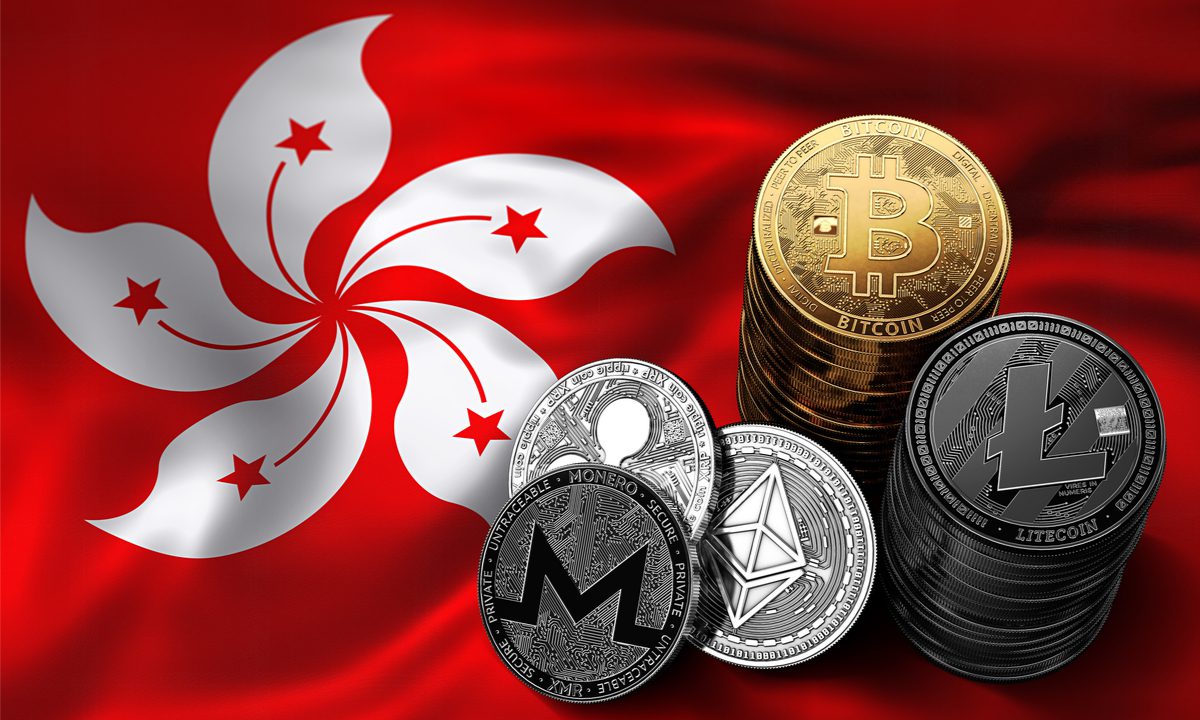
Hong Kong’s government on 26 June issued its Policy Statement 2.0 on the development of digital assets, signalling a decisive push to position the city at the forefront of the global crypto landscape. The statement introduces the comprehensive “LEAP” framework—Legal, Expand, Advance, People—underlining a mission to develop a trusted, innovative, and deeply integrated ecosystem for digital assets.

The regulatory reforms assign explicit oversight roles: the Securities and Futures Commission will licence digital asset exchanges, custodial and dealing services, while the Hong Kong Monetary Authority will govern bank-related activities in the sector. In addition, licensing regimes for stablecoin issuers and custodians are scheduled to commence on 1 August 2025, designed to strengthen anti‑money‑laundering safeguards, investor protection, and transparency in stablecoin issuance.

Central to Policy 2.0 is a commitment to tokenisation of traditional financial instruments and real‑world assets. The government will regularise issuance of tokenised government bonds, streamline stamp‑duty treatment for tokenised ETFs, and legislate to support tokenisation of assets such as precious and non‑ferrous metals, and renewable energy products. These bids aim to boost liquidity and broaden market access, aligning with existing initiatives such as the HK$6.8 billion in green bond token issuances since 2022.

Stablecoins also feature prominently, with proposals to pilot licensed stablecoins in public sector uses. Market consultation is seeking input on integrating these instruments into government operations and cross‑border payments, underpinned by stricter regulatory clarity. Tax incentives for private investment vehicles and family offices trading digital asset securities are expected in the 2025–26 fiscal year, aligning digital and traditional financial regimes.

International alignment is embedded in the blueprint. Hong Kong’s framework adheres to global standards—covering anti‑money‑laundering as per FATF, Basel Committee prudential supervision, IOSCO’s policy recommendations, and OECD crypto‑asset tax transparency measures. Complementary pilot schemes include HKMA’s “Project Ensemble” wholesale central bank digital currency trials, LME‑backed tokenisation of metal assets in Hong Kong warehouses, and a Cyberport‑sponsored incubator scheme to finance blockchain startups.

Since unveiling its original 2022 policy, the government has approved licences for over a dozen digital asset platforms, including nine trading licences and OTC frameworks, and supported tokenised bond issues by both government and corporate entities. Financial Secretary Paul Chan and SFC chief Julia Leung emphasise that this next phase marks a departure from pilot testing, transitioning toward institutionalisation and global competitiveness.

Industry leaders responded positively. Legal and compliance expert Cora Ang described the framework as “a strategic win” that aligns regulatory clarity with stablecoin and tokenisation growth. HashKey CEO Xiao Feng noted the city is entering a “new stage of maturity”, transitioning from sandbox environments to a substantive digital assets regime. Historical drivers such as the JPEX OTC fraud prompted regulators to enforce tighter custody and trading separation to protect investors.

Notably, fintech legal advisers in Hong Kong report surging demand. Firms are actively supporting issuance of tokenised gold and digital bonds, as banks like Bank of Communications and Zhuhai Huafa Group deploy digital debt instruments via licensed platforms. Meanwhile, legal specialists continue to advocate for derivatives, margin‑lending, and institutional frameworks targeted at professional investors.

Hong Kong’s strategic deployment of Policy 2.0 underlines a competitive counterbalance to rival jurisdictions such as Singapore, Dubai, and the US, each advancing their own crypto regulatory frameworks. The city’s alignment with global financial standards—alongside tailored incentives and public‑sector engagement—signals a comprehensive, forward‑leaning posture in digital asset finance.

BANGKOK, THAILAND – Media OutReach Newswire – 28 June 2025 – Green SM, Southeast Asia’s first all-electric ride-hailing platform, developed by Vietnam’s Green and Smart Mobility Joint Stock Company (GSM), has been awarded Green Leadership at the prestigious Asia Responsible Enterprise Awards (AREA) 2025 held in Bangkok. The recognition celebrates Green SM’s pioneering role in shaping a sustainable transportation ecosystem in Vietnam and expanding its green mobility […]

OVHcloud posted €271.9 million in revenue for its third quarter of fiscal 2025, representing organic growth of 9.3%, and confirmed its projection to exceed €1 billion in annual revenue. The Paris‑listed cloud provider attributed the Q3 gains to sustained demand for its Public Cloud arm, which grew 17.2% year‑on‑year to €53.6 million, and a revival in Private Cloud, with new customer intake climbing over 25% in its bare‑metal offering. Web […]

Dubai’s Roads and Transport Authority has completed a trio of targeted road improvements in Business Bay, seeking to significantly enhance traffic flow, safety, and capacity in the high-density mixed-use district. The works — spanning arterial streets, service roads and bridge access — are part of a wider strategic plan to upgrade Dubai’s road network in line with growing urban demands. At the heart of the project is […]

HONG KONG SAR – Media OutReach Newswire – 27 June 2025 – The Hong Kong Institute of Certified Public Accountants (HKICPA) is delighted to announce its renewal of Mutual Recognition Agreement (MRA) with the Association of Chartered Certified Accountants (ACCA). The two accounting bodies continue to join hands together to pave ways for career development of the accounting talents in Hong Kong, with the aim to foster […]

Seventeen Nigerian soldiers have died and ten more were wounded after coordinated attacks on three military bases in Niger and Kaduna states, the army confirmed. The assaults began in the early hours of Tuesday, as heavily armed gunmen stormed forward operating posts in Kwanar Dutse and Boka, along with a base in neighbouring Kaduna State. Combat persisted for several hours under heavy fire. Army spokesperson Lieutenant Colonel […]

VISHNU RAJA
RYO YAMADA
HITORI GOTOH
IKUYO KITA