News related to
Operations

Gaining Unparalleled Industry Insights to Shape the Future of Wealth Management HONG KONG SAR – Media OutReach Newswire – 26 August 2025 – Citi Hong Kong recently partnered with the FinTech Association of Hong Kong (FTAHK) and Shenzhen FinTech Association (SZFTA) to organize a specialized field trip to Shenzhen for its talented Wealth Summer Interns, providing participants with exposure to the dynamic and rapidly evolving fintech landscape […]

Snowflake, the leading cloud data platform, has inaugurated a new office at The Square, Vittal Mallya Road in Bengaluru, further solidifying its presence in one of India’s largest technology hubs. The move follows the company’s expansion into Mumbai earlier, reflecting its commitment to establishing a robust footprint in the country.

The new Bengaluru office aims to be a hub for innovation, with a focus on data and artificial intelligence. Snowflake intends to foster collaboration between local and global teams to leverage the rapidly growing talent pool in the region. The company is not only seeking to tap into India’s burgeoning tech ecosystem but also to cultivate a work environment where data professionals and engineers can develop solutions that drive both local and global customer impact.

Bengaluru, known as India’s Silicon Valley, is home to a vast number of technology firms, startups, and innovation centres. As one of the leading tech cities globally, it offers an abundance of skilled professionals and a vibrant startup ecosystem. Snowflake’s decision to expand in Bengaluru underscores its confidence in the Indian market and the country’s crucial role in its global growth strategy.

The new office will serve as a centre of excellence, enabling Snowflake to provide tailored data solutions to clients across various sectors, including finance, retail, healthcare, and technology. It will also act as a research and development hub, working closely with Snowflake’s global teams to accelerate the delivery of cutting-edge products and services. This move aligns with Snowflake’s broader strategy of capitalising on AI, machine learning, and advanced data analytics to deliver transformative results for businesses around the world.

Snowflake’s expansion is a part of a broader trend where global tech giants are increasingly looking towards India as a critical location for their growth and innovation. India’s talent pool, particularly in software development, data science, and AI, continues to be one of the main driving forces for international firms seeking to innovate and build scalable solutions. The Bengaluru office will further enhance Snowflake’s ability to tap into this wealth of expertise and cater to the growing demand for advanced data solutions in the region.

The company’s expansion is also expected to create significant job opportunities, not just in data engineering and analytics but across various domains, from sales and marketing to customer support. By strengthening its local presence, Snowflake plans to build stronger relationships with its clients and partners in the region, which will be essential as it looks to further integrate itself into the local tech ecosystem.

In addition to providing innovative solutions for businesses, Snowflake’s new office will serve as a training ground for local talent. With a strong focus on learning and development, the company intends to upskill its employees and equip them with the necessary skills to tackle emerging data challenges. The office will also act as a key centre for Snowflake’s efforts in advancing data security and privacy, two areas that are increasingly top-of-mind for organisations operating in the cloud.

The US government has secured a 10% stake in Intel, a move that has sparked significant debate within the business and investment community. This unprecedented acquisition, part of the Biden administration’s push to strengthen domestic semiconductor manufacturing, could reshape the company’s relationship with investors and international stakeholders. Intel executives have raised concerns, warning that this direct involvement by the government might lead to complications in global markets, […]

The UAE is set to observe a long weekend in the coming days, providing an extended break for many of its residents and workers. This announcement has created widespread excitement, as the extended holiday is expected to offer much-needed respite and a chance to travel or spend time with family. The upcoming holiday is linked to the occasion of a key national event, adding to the festive […]

The United States government is considering reallocating up to $2 billion originally designated for semiconductor manufacturing under the CHIPS Act to fund initiatives related to mineral production. This potential move reflects a growing focus on securing critical minerals, particularly rare earth elements, that are vital to numerous industries, including technology and defence. The proposal has been met with mixed reactions from industry experts and lawmakers. On one […]

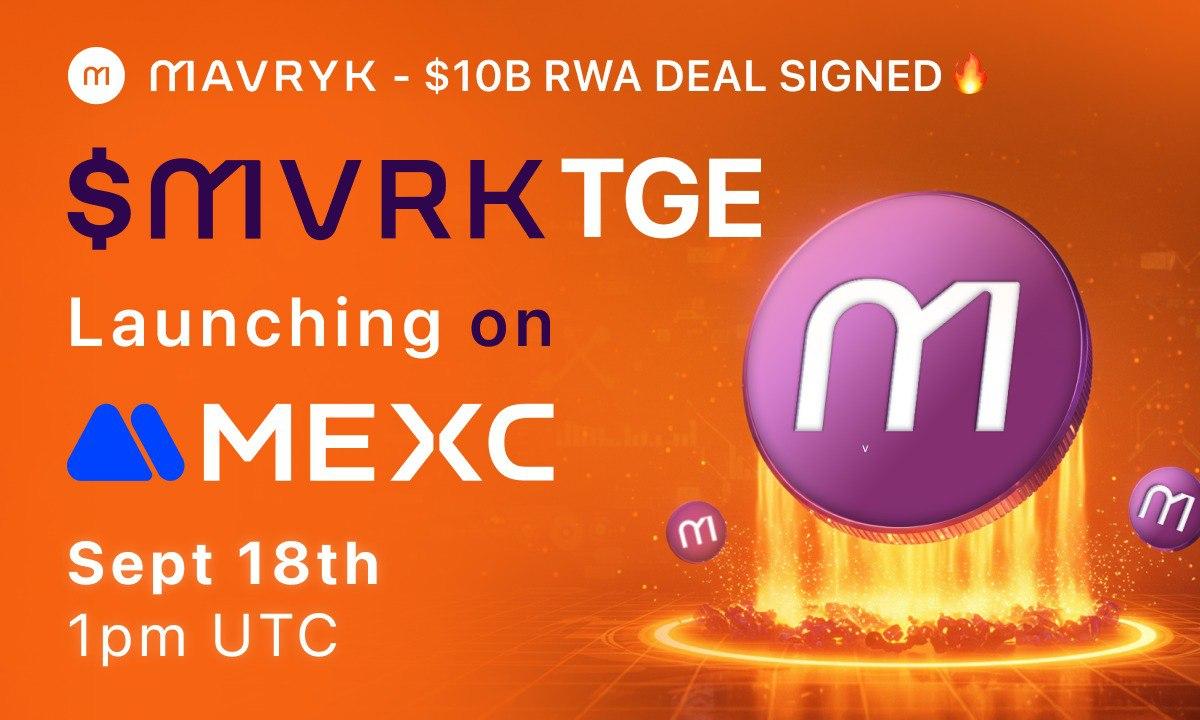
Mavryk Network, a layer-1 blockchain platform that has been pivotal in the tokenization of over $10 billion in real-world assets, is gearing up for the official launch of its mainnet token. The project’s native token, $MVRK, will soon be available for trading on MEXC, a leading global cryptocurrency exchange. This launch marks a significant milestone for the network, which aims to revolutionise the way assets are digitised and managed in the decentralized finance space.

The $MVRK token is integral to the Mavryk ecosystem, designed to support various on-chain operations, including transactions, staking, and governance. This launch will provide liquidity to the token, offering users an opportunity to engage with the network’s growing ecosystem, which has steadily gained traction in the blockchain space. By listing on MEXC, Mavryk will expand its reach, tapping into a wider pool of potential investors and developers.

The Mavryk Network focuses on creating a robust framework for tokenizing RWAs, enabling the seamless integration of assets such as real estate, commodities, and other traditional financial instruments into the blockchain. This approach aims to provide users with the ability to access a broader array of investments, offering a new avenue for both institutional and retail participants.

A key feature of Mavryk’s blockchain is its scalability and efficiency. With the ability to process high transaction volumes at a low cost, the platform addresses a significant pain point in the blockchain industry – transaction speed and cost-efficiency. The network’s architecture is designed to facilitate the fast and secure transfer of assets, making it an appealing option for businesses and individuals seeking to leverage blockchain technology for asset management.

Industry experts have expressed optimism about the potential of Mavryk, particularly in light of the increasing interest in RWAs. Tokenizing these assets could unlock liquidity in traditionally illiquid markets, such as real estate and commodities, providing more flexibility for investors. The growing trend of tokenisation is seen as a critical development in the broader blockchain space, with numerous projects exploring the possibilities of converting physical assets into digital tokens.

Mavryk’s focus on RWAs is not the only aspect drawing attention. The platform has also made significant strides in establishing partnerships and collaborations across different sectors. By building strategic alliances with major financial institutions, developers, and technology providers, Mavryk is positioning itself to become a key player in the rapidly evolving blockchain ecosystem. These partnerships are expected to enhance the adoption of the platform, further solidifying its standing in the DeFi space.

The upcoming launch on MEXC will be closely watched by investors and blockchain enthusiasts alike. MEXC’s reputation as a trusted exchange, combined with its extensive user base, could drive considerable interest in the $MVRK token. As one of the top exchanges by trading volume, MEXC provides a platform with significant exposure, which could lead to an influx of liquidity for Mavryk’s ecosystem.

Looking ahead, Mavryk is also exploring the integration of more advanced features to enhance user experience and platform functionality. Among the features in development are enhanced staking mechanisms, cross-chain interoperability, and increased decentralization. These features are expected to complement the core mission of enabling seamless, efficient, and secure blockchain-based asset management.

TAIPEI, TAIWAN – Media OutReach Newswire – 26 August 2025 – CyCraft Technology, a leading AI-driven solution provider based in Taiwan, announces its partnership with Serbia-based DARSOC, marking its first Endpoint MSSP collaboration in Eastern Europe. DARSOC adopted CyCraft’s XCockpit Endpoint (Endpoint Security Posture Management) to protect its clients, marking a key milestone for CyCraft in the region. (Left) Miroslav Vajda, CEO of DARSOC, is eager to […]

Advertisements

A shift is taking place within the UAE’s restaurant industry, as owners increasingly turn to artificial intelligence to optimise their operations and improve profitability. According to a recent survey by SevenRooms, 87 per cent of restaurant owners in the UAE have already integrated AI into their business strategies. The rise of AI-powered solutions is transforming the food and beverage industry, enabling operators to harness the full potential […]

Greenlogue/AP Abu Dhabi National Energy Company has secured a deal to acquire GS Inima, a major player in water treatment and desalination services, from GS Engineering & Construction. The agreement, valued at US$1.2 billion, will grant TAQA full ownership of GS Inima and propel the company’s international water growth ambitions. Headquartered in Madrid, GS Inima has long been a key figure in the global water industry, with […]

Santos Ltd. has extended the exclusivity period for its proposed $18.7 billion acquisition by an Abu Dhabi-led consortium until September 19. The move marks the second extension for the deal, which is being led by the Abu Dhabi National Oil Company subsidiary, XRG, along with the Abu Dhabi Development Holding Company.

The extension, announced in a regulatory filing on Monday, follows a series of negotiations between the Australian oil and gas giant and the Abu Dhabi-based investors. Santos, Australia’s second-largest oil and gas producer, initially entered into exclusive talks with the consortium earlier this year. The deal is seen as one of the most significant energy sector transactions in the region, reflecting growing interest in Australia’s energy assets.

The consortium, led by ADNOC, has been vying to secure a controlling stake in Santos as part of its broader strategy to expand its oil and gas footprint internationally. While the negotiations have faced delays, the extended exclusivity period is intended to allow both sides to finalise terms and address regulatory requirements.

The decision to extend the exclusivity period underscores the complexity of the deal, which involves multiple stakeholders with differing interests. Industry experts have noted that the timeframe is critical for both ADNOC and Santos to iron out key details related to financing, regulatory approvals, and future operational integration.

Santos, for its part, has stated that the extension will allow for continued discussions regarding the offer’s terms. The company has also reiterated that the proposed acquisition remains subject to the successful completion of due diligence and other customary closing conditions.

While the deal’s original timeline was set to expire in mid-August, the extension provides additional time to navigate hurdles such as securing clearance from Australian competition authorities and finalising financing arrangements. The Australian government’s scrutiny of foreign acquisitions in the country’s critical infrastructure sector has been a key point of discussion.

The potential takeover has already attracted attention from various industry analysts, with many viewing it as part of a wider trend of increased mergers and acquisitions within the energy sector. Experts argue that the deal could reshape the Australian energy landscape by consolidating assets under a state-backed entity like ADNOC, which has a track record of making strategic investments in key oil and gas markets.

Santos’ strategic positioning in the market and its substantial reserves of gas have made it an attractive target for investors seeking to capitalise on the rising demand for energy. The company has significant operations in Queensland, Western Australia, and Papua New Guinea, all of which have been integral to ADNOC’s interests in securing a foothold in the Pacific region.

The proposal is expected to significantly impact the Australian energy sector, not only in terms of market share but also in the broader geopolitical context. As part of ADNOC’s strategy to diversify its global energy portfolio, the acquisition could also have implications for Australia’s relationship with key energy partners, particularly in the Asia-Pacific region.

The consortium’s interest in Santos is also aligned with ADNOC’s broader goals of expanding its footprint in the global natural gas market. With natural gas demand projected to grow in the coming decades, ADNOC sees the acquisition as a means to secure long-term assets that can ensure the UAE’s energy dominance on the global stage.

The deal’s implications, however, are still unfolding, as both parties continue to navigate regulatory processes and market conditions. The extension of the exclusivity period provides both sides the necessary time to address any outstanding issues before a final agreement is reached.

Telegram founder Pavel Durov has called his arrest in France a “mistake,” after an investigation concluded there was no wrongdoing on his part or within the messaging platform itself. A year on from the incident, Durov took to social media to address the events, reaffirming that Telegram’s moderation practices align with industry standards and that the company has consistently responded to all legally binding requests from the French authorities.

The arrest, which occurred during a high-profile legal dispute regarding Telegram’s content moderation policies, stirred considerable media attention. At the time, French authorities had raised concerns over the platform’s role in hosting extremist content and other illicit activities. Telegram, a widely-used encrypted messaging app, had previously faced scrutiny for its leniency in moderating user-generated content, especially groups promoting violence and illegal activities.

While Durov’s arrest was seen by many as a response to these concerns, the investigation into the matter has since cleared the company of any legal breaches. Durov’s statement, made through his personal social media channels, stressed that Telegram had fully complied with all applicable laws, asserting that the company had always acted in accordance with France’s legal requirements, responding promptly to government requests.

He pointed out that Telegram’s practices have been aligned with broader industry trends, especially in regard to user privacy and data protection. Telegram has consistently maintained its position as a platform committed to ensuring user security, while still balancing its legal obligations. Durov’s remarks come amid ongoing discussions about the role of social media platforms in regulating content and ensuring that they are not used to spread harmful or illegal material.

The French investigation, launched after several incidents related to extremist content being circulated via Telegram, examined whether the app’s developers were complicit in enabling such activities. The decision to clear Durov and the platform was reached following an in-depth review of Telegram’s operations and its cooperation with French authorities.

Telegram, which has gained popularity for its end-to-end encryption and resistance to governmental surveillance, continues to face a delicate balancing act in meeting demands from various governments while safeguarding user privacy. The platform has been under similar scrutiny in several countries, including the United States and Russia, where its stance on privacy and content moderation has led to clashes with regulators.

Durov’s statement serves as a reinforcement of Telegram’s commitment to compliance with local regulations while advocating for a privacy-first approach to communication. His decision to publicly address the matter also reflects the growing pressure on tech companies to openly communicate their stance on such issues in an era of heightened scrutiny over digital privacy and online content.

TAQA, the Abu Dhabi National Energy Company, has announced a significant acquisition aimed at expanding its global water platform. The company is set to acquire a 100% stake in GS Inima, a Spanish water infrastructure firm, for $1.2 billion. This strategic move will bolster TAQA’s existing water operations and position it as a leading player in the global water sector, reflecting the company’s ambition to diversify its portfolio and contribute to addressing the world’s growing water demands.

The acquisition will also align with TAQA’s sustainability goals, reinforcing its commitment to providing essential services in the water and energy sectors. With water scarcity becoming an increasingly urgent global issue, TAQA’s foray into water management is expected to play a pivotal role in meeting the needs of populations in water-stressed regions.

TAQA’s investment is seen as a response to the growing demand for sustainable water solutions, especially in the Middle East and North Africa, where the water scarcity issue is particularly pressing. The acquisition of GS Inima gives TAQA access to a portfolio of water treatment facilities, including desalination plants, water treatment plants, and wastewater management projects. These assets will allow TAQA to extend its reach in providing integrated solutions for water supply and wastewater treatment, addressing both operational and environmental challenges.

GS Inima, which has a proven track record in the management and operation of water infrastructure projects, will bring valuable expertise to TAQA. The Spanish company operates in various international markets, including Latin America, the Middle East, and Europe. Its portfolio includes some of the largest and most advanced desalination plants globally, complementing TAQA’s existing energy and water projects in the UAE and other regions.

For TAQA, the acquisition represents a strategic diversification into a critical infrastructure segment. The company has been shifting focus toward renewable energy and sustainable projects, reflecting broader trends in the energy sector. In line with the UAE’s commitment to sustainability, TAQA aims to contribute to global water security while also expanding its renewable energy footprint.

TAQA’s expansion into the water sector also serves as a response to market trends that indicate increasing investments in water infrastructure. According to industry experts, water scarcity is becoming a more pronounced challenge, particularly in urbanising and industrialising regions. The integration of water assets into TAQA’s broader portfolio enhances its ability to deliver sustainable solutions across both the energy and water sectors, offering customers integrated service offerings.

This acquisition also signals a shift in the regional market dynamics, where energy companies are increasingly seeking to tap into water management solutions. With over 50% of the world’s population living in water-scarce regions, the water market is expected to see continued growth. The UAE, known for its ambitious water desalination projects, stands to benefit from TAQA’s increased investment in water infrastructure, ensuring a more sustainable future for its rapidly growing population.

The integration of GS Inima into TAQA’s operations will also provide the company with a solid platform for further expansion. TAQA has been involved in several large-scale water and energy projects in the UAE, such as the development of renewable energy initiatives and large desalination plants. By merging with GS Inima, TAQA can leverage its experience to improve water management solutions worldwide and position itself as a leader in sustainable water resource management.

VSING Central Flagship Store Officially Opens in Central HONG KONG SAR – Media OutReach Newswire – 25 August 2025 – Worldgate Global Logistics Ltd (“Worldgate” or the “Company”, together with its subsidiaries, the “Group”; HKEx: 8292) proposes to change the name of the Company to “VSING Limited”, in order to establish a new corporate image and identity, as well as to better reflect the business focus and […]

SINGAPORE – Media OutReach Newswire – 25 August 2025 – Agile Labs, a leading software innovation company, has announced the launch of Southeast Asia’s first AI Risk Matrix Assessment tailored for enterprise software projects. This cutting-edge tool is designed to help businesses identify, quantify, and mitigate potential risks before any code is written—tackling a critical challenge in the tech industry where 60–70% of enterprise software projects fail […]

Google has made a significant move in the public sector AI landscape by offering its suite of artificial intelligence tools to US government agencies at a remarkably low price of $0.47 per user per year. This initiative, part of Google’s broader strategy to integrate AI into government operations, is poised to make advanced technology more accessible to public sector organisations and accelerate the adoption of AI within […]

HSBC Holdings Plc’s Swiss private banking division is severing ties with numerous high-net-worth individuals from the Middle East, a move aimed at reducing exposure to high-risk clients. This decision, which impacts more than 1,000 clients from countries including Saudi Arabia, Lebanon, Qatar, and Egypt, comes as part of the bank’s strategy to streamline its wealth management business and comply with evolving global financial regulations.

The clients affected are those with substantial assets, some exceeding $100 million, who will no longer be able to maintain accounts with HSBC’s Swiss arm. The bank’s decision reflects growing scrutiny over financial institutions’ relationships with clients deemed risky due to their geopolitical associations, business dealings, or regulatory concerns.

HSBC’s Swiss private banking unit, once a lucrative segment for the bank, has been subject to increasing pressure, particularly after several international regulatory challenges over the years. The Swiss division had long been a hub for wealth management services, catering to high-net-worth individuals seeking to safeguard and grow their assets. However, with stricter global regulations targeting the private banking sector, particularly surrounding anti-money laundering practices and financial transparency, HSBC has been forced to reassess its client base.

The bank’s decision to end these relationships comes as part of a broader push by financial institutions to reduce their exposure to high-risk clients. Over the past several years, there has been an uptick in global regulatory pressure aimed at preventing money laundering and promoting transparency, especially for private banks handling large sums of money. This has led some banks to adopt more stringent vetting procedures for clients, scrutinising not only their financial standing but also their backgrounds and business affiliations.

HSBC’s move aligns with the ongoing trend within the banking sector to de-risk their portfolios and distance themselves from controversial clients. Wealthy individuals from certain regions, particularly those in the Middle East, have increasingly come under the microscope due to political and legal concerns. For instance, clients who are heavily tied to governments or businesses with unclear or controversial financial practices have raised alarms for regulatory bodies.

In the case of HSBC, the bank is reportedly working to ensure that the wealth management division in Switzerland only maintains relationships with clients who meet its revised risk criteria. The bank’s decision, while part of an ongoing strategy to refine its client list, has caused concern among those impacted, who now face limited options for managing their wealth within Switzerland’s historically secure banking environment.

For many of the clients affected, the closure of their accounts represents a significant shift, as Swiss private banking has long been considered a safe haven for those seeking discretion, financial stability, and robust wealth management services. Some clients have expressed frustration over the decision, noting that their wealth and business activities have been fully transparent and compliant with international laws.

The Swiss banking landscape, however, is changing. With growing demands for increased transparency and a crackdown on illegal financial activities, institutions such as HSBC are recalibrating their approach to international wealth management. As financial regulations continue to tighten globally, private banks are expected to adopt more stringent policies regarding the kinds of clients they choose to serve.

HSBC’s move could set a precedent for other global financial institutions to follow. The bank’s focus on reducing its exposure to high-risk individuals in the Middle East highlights the changing nature of international banking. Other banks with significant wealth management operations, particularly in regions with unstable political environments or controversial business practices, may follow suit in an effort to mitigate risks and align with global financial regulations.


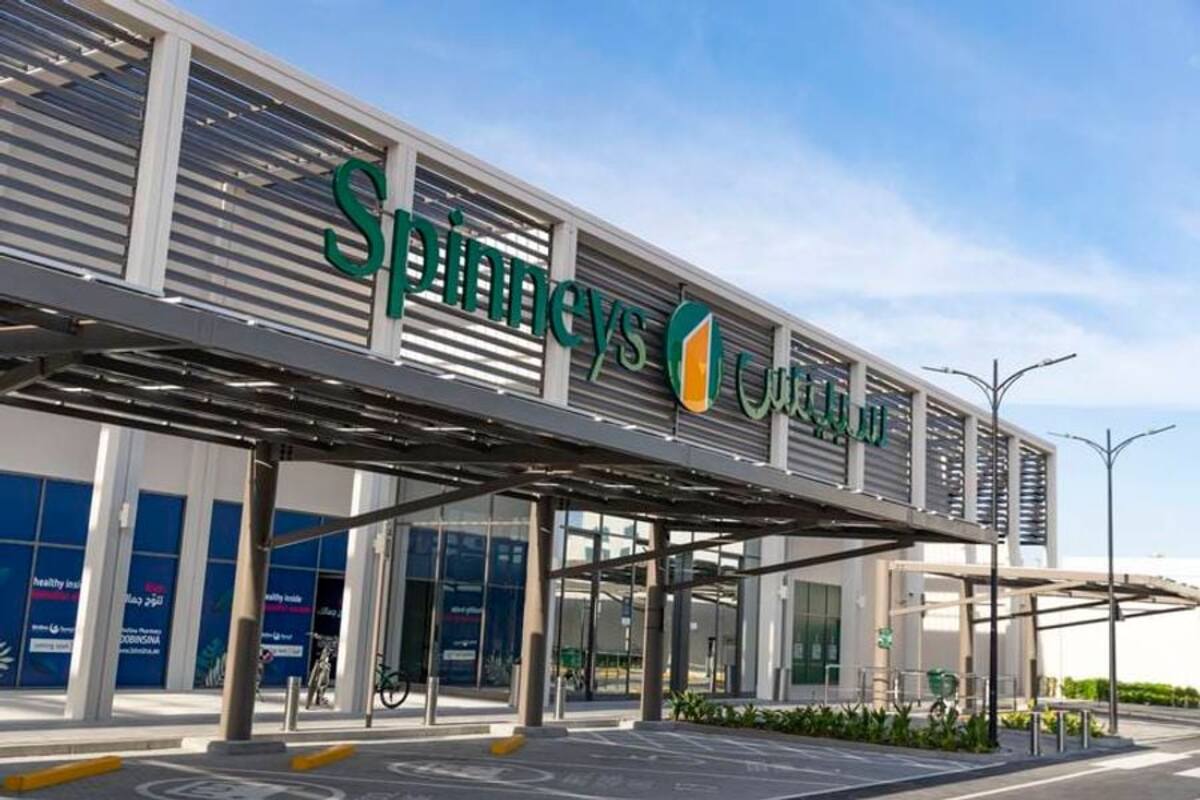
Supermarket operator Spinneys has confirmed its expansion into Kuwait through a strategic joint venture with retail powerhouse Alshaya Group. Under the agreement, Spinneys will retain a 51 per cent controlling stake and will take responsibility for running and managing all planned outlets. The rollout includes ten stores, with the first store slated to open in 2026—marking the brand’s arrival in its fourth Gulf Cooperation Council market after UAE, Saudi Arabia and Oman.

Spinneys has accelerated its regional expansion over the last 16 months, opening twelve new stores in the UAE and two in Saudi Arabia between April 2024 and August 2025. The move into Kuwait aligns with the company’s ambition to position itself as the region’s leading premium fresh-food grocer, with Alshaya’s extensive regional experience providing vital strategic support.

Sunil Kumar, chief executive of Spinneys, described Kuwait as “a high potential market” offering robust growth prospects, and emphasised that the partnership with Alshaya offers a “solid foundation for a successful entry and long-term scale”. John Hadden, chief executive of Alshaya Group, highlighted Kuwait’s dynamic consumer landscape and the local appetite for premium offerings. He said Spinneys’ brand and operational strengths are expected to resonate strongly with Kuwaiti consumers.

Kuwait stands as the GCC’s fourth-largest economy, with some of the region’s highest per-capita disposable incomes. Its affluent and discerning consumer base presents considerable opportunities for high-quality retail formats. This expansion is seen as the natural next phase in Spinneys’ growth strategy.

On the financial markets, Spinneys’ share price saw an immediate boost following the announcement, climbing approximately 3.1 per cent. The company, which went public via a Dubai listing in May 2024, currently operates 86 stores across three GCC countries, including those under its own brands and Waitrose and Al Fair franchises.

Alshaya Group, established in 1890 in Kuwait, is a leading retail franchise operator across the Middle East, North Africa, Türkiye and Europe. It manages nearly seventy international consumer brands and has diversified operations across sectors including fashion, food, health and beauty, pharmacy, home furnishings and leisure.

The joint venture allows Spinneys to capitalise on Alshaya’s deep-rooted regional network and operational expertise while delivering its premium fresh-food proposition to Kuwaiti customers. At the same time, Alshaya adds a trusted high-end grocery brand to its extensive retail portfolio, enabling both firms to strengthen their regional positioning.

Asia-Pacific public cloud expenditure is set to more than double, expanding from approximately $53 billion in 2024 to reach an estimated $131 billion by 2029. That projection reflects a compound annual growth rate of about 19.8 per cent from 2025 to 2029, driven by surging demand for IaaS, PaaS and SaaS across key sectors such as finance, retail and telecommunications.

Cloud adoption is gaining speed as organisations across the region prioritise digital modernisation. Financial services, retailing and telecoms industries are leading investments, while government, e-commerce and public service sectors follow closely behind. E-governance programmes and the need for operational efficiency are central to this surge.

Artificial intelligence integration is playing a significant role in this expansion. Organisations are increasingly embedding AI and machine learning capabilities into cloud platforms, intensifying demand for managed and industry-specific cloud services.

Nevertheless, the transition is not without its obstacles. Legacy infrastructure and a shortage of skilled cloud professionals remain persistent hurdles. As a result, hybrid and multi-cloud approaches are becoming more common, enabling flexibility, improved interoperability and alignment with sovereign data regulations in markets like India, Singapore and Australia.

Global hyperscale providers are doubling down on infrastructure growth across the region. Amazon Web Services has unveiled multi-billion-dollar expansions in Australia and Taiwan, supplementing earlier investments in Singapore, Malaysia and Japan. AWS projects Asia-Pacific cloud spending at about $250 billion in 2025, largely fuelled by AI uptake and infrastructure renewal.

Microsoft Azure and Google Cloud continue their expansion as major contenders. Alibaba Cloud maintains leadership in China and across Asia-Pacific, operating terrain-wide with numerous regions and availability zones. Alibaba is forging ahead with new data centre investments in Malaysia, the Philippines and plans in Vietnam.

Regional cloud players such as Tencent Cloud and Huawei Cloud are also making notable strides. Tencent is reinforcing operations in Indonesia, Malaysia, Singapore and Thailand, investing heavily in AI-enabled services like digital IDs and secure payment systems— notably a $500 million commitment in Indonesia alongside GoTo and Alibaba. Huawei Cloud is growing its presence in Singapore, Bangkok and Jakarta. Local integrators and managed service providers— including Singtel’s services and Singapore’s ST Telemedia—are strengthening adoption by offering hybrid and tailored industry solutions.

Amazon has approached the Commerce Ministry with a proposal to modify foreign direct investment rules by creating a carve-out for export transactions. The company is requesting permission to purchase goods directly from Indian sellers for overseas sales, a departure from the longstanding policy that restricts foreign e-commerce firms to pure marketplace operations.

The policy currently prohibits platforms like Amazon and Walmart-owned Flipkart from holding inventory or selling directly to consumers, aiming to protect small retailers by ensuring a level playing field. Amazon’s pitch emphasises that an export exemption would benefit small Indian sellers by streamlining customs procedures and improving access to international markets. The company adds that it has facilitated US$13 billion in cumulative exporter earnings since 2015 and targets US$80 billion by 2030.

From the Commerce Ministry’s internal documents, it is clear that no decision has been made yet. Any policy adjustment must strictly safeguard the domestic retail market by clearly delineating goods intended solely for export from those that could be sold locally.

The move faces strong resistance. Three industry groups, representing small retailers, voiced concerns during the meeting that Amazon—and Flipkart, which also attended—would gain unfair advantages through preferential arrangements and heavy discounting, further marginalising small businesses.

Amazon and Flipkart did not offer comment at the time, and the Commerce Ministry has not yet responded publicly to media queries.

This development takes place against the backdrop of India’s rapidly expanding e-commerce space, valued at approximately US$125 billion in 2024 and projected to swell to US$345 billion by 2030. Meanwhile, foreign e-commerce operators, particularly U. S.-based Amazon and Flipkart, have long contended that the inventory-based model they use globally is impeded in India by FDI restrictions—restrictions designed to prevent foreign platforms from influencing pricing or favouring affiliated sellers.

Amazon’s request interlinks with broader efforts in the export ecosystem. Earlier this month, the Federation of Indian Export Organisations agreed to sign an MoU with Amazon to support exporters via cross-border e-commerce, including training, compliance assistance and market access support.

The issue also ties into wider trade dynamics. U. S.–India trade tensions remain unresolved, and Amazon’s proposal adds complexity to ongoing discussions. Modifying FDI norms for the export segment could influence negotiations and set precedents for how e-commerce platforms operate within the country.

As exporters grapple with global headwinds, including rising tariffs in key sectors, the government is evaluating how regulatory changes could facilitate global access without dismantling protections for domestic retail.

Leveraging B2C and B2B Synergies to Capitalize on the Global K-Beauty Boom Results Highlights Revenue rose by 49.3% to US$243.93 million. Operating profit increased by 31.9% to US$18.68 million. Net profit grew by 26.7% to US$14.08 million. Business-to-Customer (B2C) YesStyle Platforms recorded revenue of US$164.86 million, up 31.7%, contributing 67.6% of the Group’s total revenue. Revenue of Business-to-Business (B2B) platform AsianBeautyWholesale surged by 110.9% to US$77.94 million, […]

Las Vegas casino operators are witnessing a shift in dining habits, as rising costs and shifting labour dynamics impact the hospitality and entertainment sectors. The city’s once-thriving tourism scene, which heavily relied on its entertainment offerings, is facing challenges as tourism numbers decline. Amid this backdrop, casino CEOs and union leaders are addressing how these trends are reshaping the dining landscape in the entertainment capital of the […]

A newly identified cyberattack technique, HTTP request smuggling, has raised alarms in the cybersecurity community for its ability to circumvent traditional security mechanisms. The attack exploits discrepancies between how front-end proxy servers and back-end application servers handle HTTP requests, enabling hackers to inject malicious requests into web applications. This sophisticated method is considered a significant leap in HTTP smuggling tactics, a technique that has evolved from simpler […]

Abu Dhabi National Energy Company has secured a significant financial boost in the form of an AED 8.5 billion term loan aimed at enhancing liquidity and supporting its growth strategies. This loan agreement marks a strategic move by the company as it seeks to continue its expansion and strengthen its financial position. The loan facility, which has a two-year term, is denominated in UAE dirhams and comes […]

Greenlogue/AP Abu Dhabi Future Energy Company is poised to receive continued backing from the local government to fuel its expansion in the energy sector. As part of an ongoing commitment to achieve its ambitious target of 100 gigawatts in renewable energy capacity, the Abu Dhabi government will provide regular equity injections for brownfield projects. This financial support underscores the government’s confidence in Masdar’s role as a key […]

VISHNU RAJA
RYO YAMADA
HITORI GOTOH
IKUYO KITA