News related to
Operations

Google’s array of AI‑powered services—Search, Ads, Play, Maps, YouTube and Gemini—delivered a Dhs21.8 billion uplift to the UAE’s economy in 2024, fueling digital transformation, consumer value and job creation.

Search and Ads alone generated Dhs20.2 billion by enabling thousands of local companies to reach new customers and expand operations. Gemini, Google’s AI assistant, has seen 63 per cent of UAE adults using it, with nine in ten users reporting gains in productivity and 71 per cent praising its Arabic‑language ease of use. Other tools, including Maps, Waze and mobile wallets, further enhanced daily routines.

The Google Maharat Min Google skilling initiative has equipped more than 430,000 people in the UAE with digital and AI competencies since 2018. Meanwhile, the Android and Google Play ecosystem supported around 30,000 jobs and generated approximately Dhs455 million in revenue for UAE‑based app developers in 2024.

Survey data from March 2025, with responses from over 1,100 consumers and nearly 400 business leaders, indicates that Google’s services offer an estimated average monthly benefit of Dhs683 per user. Half of adults describe Search as essential to their routine, 89 per cent rely on Maps or Waze for navigation, and 90 per cent use mobile payment platforms like GPay or GWallet to streamline transactions.

Adoption of AI tools among UAE businesses is nearing ubiquity, with 91 per cent reporting use of at least one AI product in workflows, while 97 per cent of public‑sector respondents confirm boosted productivity from Google’s AI solutions. Consumer engagement is likewise robust: 94 per cent use Search monthly to compare prices, 86 per cent check reviews before visiting venues, 80 per cent use mapping apps to locate businesses, and 73 per cent of 18–24‑year‑olds browse or shop via Search weekly.

Google’s platforms have also strengthened the creative and developer landscape: over 600 UAE‑based YouTube channels surpassed one million subscribers—a 15 per cent annual rise—and the Google News Initiative has trained more than 20,000 journalists and journalism students across the MENA region, including the UAE.

Anthony Nakache, Google’s Managing Director for the Middle East and North Africa, emphasised that the firm’s “investment in accelerating the country’s ambitious journey towards a diversified, AI‑powered economy” is reflected in the findings. He highlighted how local partnerships, AI‑driven tools and continuous skilling programmes contribute to “substantial economic value” and empower individuals, enterprises and communities within the UAE.

Public First’s Economic Impact Report, published mid‑June, is based on econometric modelling, consumer and business polling, case studies and secondary data. Survey responses were weighted to reflect the UAE’s national demographics.

Acquisition strengthens Chemin’s capabilities in complex AI data services amid global demand surge SINGAPORE – Media OutReach Newswire – 20 June 2025 – TDCX Group, a leading provider of digital customer experience (CX) and growth services for global enterprises, today announced the acquisition of SUPA, a cutting-edge data labeling and annotation platform known for its agile, gig-powered delivery model. SUPA will be integrated into Chemin, TDCX Group’s […]

Tata Consultancy Services confirmed its systems and user infrastructure remain uncompromised following the cyberattack that struck the retailer Marks & Spencer. At its annual shareholder meeting on 19 June, independent director Keki Mistry emphasised, “As no TCS systems or users were compromised, none of our other customers are impacted,” noting the ongoing M&S investigation does not extend to TCS systems.

M&S, which disclosed the cyber incident in April, continues to navigate significant disruption. The attack, attributed to the “highly sophisticated and targeted” Scattered Spider hacking group, reportedly utilised stolen help‑desk credentials from a TCS contractor. This led to the theft of personal data and forced the retailer to suspend online clothing sales for weeks—their online operations remain impaired, with recovery expected to extend into July.

Financial impact estimates remain stark. M&S anticipates a £300 million loss in operating profit, with weekly losses highlighted at approximately £40 million spanning clothing and food services. The retailer has drawn on its robust financial footing—boasting over £400 million in net funds before the incident—to support recovery measures. Insurance claims and cost containment strategies aim to offset roughly half of the losses.

The attack’s disruption extended to in‑store services, including payment systems and “meal‑deal” availability at stations, where stocks dwindled and meal‑deal offers were suspended. M&S CEO Stuart Machin described the incident as triggered by human error, stating that attackers duped a contractor’s help‑desk staff via social engineering tactics. Although M&S has not disclosed ransom payment details, hackers reportedly issued a ransom demand to Machin directly, claiming ransomware deployment across the retailer’s servers.

TCS had been internally probing whether its systems served as the breach gateway, an inquiry reportedly scheduled for completion by the end of May. With Mistry’s public assurance, TCS now distances itself from fault, while confirming its services to other clients—including the UK Co‑op—remained unaffected.

Beyond TCS, UK retailers Co‑op and Harrods have suffered similar breaches in recent weeks, prompting government authorities to call cybercrime “serious organised crime” and urge businesses to elevate cybersecurity priorities. The National Cyber Security Centre is rolling out new software security guidance for the sector.

M&S leadership has kick‑started accelerated IT modernisation, fast‑tracking system upgrades they had planned over two years into the next six months to strengthen defences. CEO Machin reaffirmed the retailer’s resilience, underlining transparency in communication and ongoing support to customers during the disruption.

While TCS’s reassurance quells immediate concerns among its client base, reputational challenges linger. Cybersecurity analysts warn that such high‑profile breaches erode trust in outsourcing vendors. Mumbai‑based brokerage Nirmal Bang commented that linkage to the attack would be “quite embarrassing” for TCS.

TCS’s absence of any formal probe initiation by regulators signals regulatory leniency. However, this episode spotlights the vulnerabilities inherent in third‑party access chains. As M&S works to restore its online footprint and TCS reaffirms its integrity, both firms face ongoing scrutiny over their cybersecurity governance.

Security researchers have uncovered an enormous password cache comprising 16 billion unique login credentials spanning major platforms such as Apple, Facebook, Google, Telegram, GitHub, VPN services and even government portals—making it the largest credential leak known to date. These credentials were harvested via at least 30 substantial datasets, some containing up to 3.5 billion records, indicating multiple infostealer malware operations operating at a large scale during 2025. Researchers found […]

Hackers claiming affiliation with Predatory Sparrow, possibly linked to Israel, have executed a cyber‑strike against Nobitex, Iran’s leading cryptocurrency exchange, erasing approximately $90 million worth of digital assets. The assault began in the early hours of 18 June 2025, when the group transferred diverse cryptocurrencies—including Bitcoin, Ethereum and Dogecoin—into vanishing crypto‑wallets designed without private keys, effectively “burning” the funds to send a deliberate political message.

Blockchain analytics firms, including Elliptic and TRM Labs, analysed the transactions and found the emptied addresses bore anti‑IRGC messages, confirming the operation was ideologically motivated rather than financially driven. Elliptic noted that the assets were moved into vanity addresses with embedded slogans denouncing the IRGC, and that the group leaking the funds would not retain the keys, ensuring permanent loss.

Noble objective remains politically charged

The group, using its Farsi‑named moniker Gonjeshke Darande—or “Predatory Sparrow”—publicly accused Nobitex of facilitating Iran’s sanctions evasion and funding militant groups, claiming the platform had enabled transactions for IRGC‑linked factions such as Hamas and Yemen’s Houthis. Elliptic has traced past ties between Nobitex and IRGC‑affiliated actors, including sanctioned individuals like Amir Hossein Niakeen Ravari and Ahmad Khatibi Aghada.

The hack comes amid heightened Israel‑Iran tensions. Reports indicate that Predatory Sparrow also targeted Iran’s state‑owned Bank Sepah on 17 June, triggering widespread service disruption, including to ATMs and fuel stations. Analysts interpret these cyber‑operations as extensions of conventional military retaliations between the two nations.

Nobitex disruptions raise alarm

Nobitex admitted to unauthorised access affecting both its app and website, temporarily shutting services while conducting assessments. Public updates from the exchange have been sparse, and customer inquiries have reportedly gone unanswered. Plans to recover or rebuild lost assets remain unclear, raising concerns among its claimed user base of over 7 million.

Despite accusations, Israel has not officially claimed responsibility. Media speculation within the country suggests government backing, but no formal confirmation has been issued. Predatory Sparrow, noted for previous impactful operations—from collapsing gas station networks in 2021 to prompting major fires at a steel mill in 2022—added this attack to its growing list of cyber engagements against Iranian infrastructure.

Impact and implications for crypto ecosystem

Cyber‑security analysts have labelled the hack “particularly significant given the comparatively modest size of Iran’s cryptocurrency market,” with Chainalysis intelligence chief Andrew Fierman underscoring the political overtones. The operation exemplifies how digital currencies and blockchain platforms are becoming tactical assets and vulnerabilities within geopolitical conflicts.

U.S. legislators, including Senators Elizabeth Warren and Angus King, previously raised concerns over Nobitex’s facilitation of sanctions avoidance, highlighting its role in enabling Iran’s IRGC and related proxies to move financial resources. This attack may intensify scrutiny on crypto exchanges suspected of abetting questionable transactions in sanctioned jurisdictions.

Decline of Iran’s crypto defences

Crypto adoption in Iran has long served as a hedge against economic instability, with citizens and state‑linked groups alike using digital currencies to escape inflationary pressures and circumvent banking restrictions. Nobitex, in particular, developed significant traction, drawing millions of users seeking alternative financial tools.

However, analysts warn this sabotage could erode investor trust, disrupt public confidence in digital assets, and invite heightened regulatory oversight. Exchanges in politically sensitive regions may now face new security standards and sanctions compliance demands.

A new frontier in cyber‑warfare

This development underlines a shift where cyber‑warfare transcends state boundaries, now targeting third‑party financial networks with tangible consequences. By obliterating rather than stealing funds, Predatory Sparrow signalled that its operation aimed to disrupt Iran’s crypto‑financing rather than profit from it.

Officials tracking these patterns warn that similar tactics may emerge as cyber‑tools of statecraft evolve, affecting financial systems across volatile regions. Experts suggest exchanges handling high‑risk jurisdictions should shore up defences and improve transparency around asset provenance and network resilience.

As Nobitex works to restore functionality, regulators, crypto stakeholders and intelligence services will closely examine the incident. The breach draws attention to the critical role of exchanges in global geopolitics, raising complex questions about neutrality, compliance and cybersecurity in an increasingly fraught digital economy.

A dramatic explosion ripped through SpaceX’s Starbase test site near Brownsville, Texas, at approximately 11 p.m. Central Time on Wednesday, June 18, when the Starship prototype designated Ship 36 detonated during a routine static‑fire test ahead of its anticipated tenth flight. The stainless‑steel vehicle was engulfed in flames following a “major anomaly” while being fuel‑led for a multiple‑engine ignition sequence, according to SpaceX. All personnel remained outside the secured […]

Bitcoin Solaris is gaining rapid momentum, positioning itself as a potential outperformer of Polkadot’s early expansion. Analysts and on‑chain metrics highlight growth indicators that not only replicate Polkadot’s debut phase but in several cases significantly surpass it. Market observers attribute this shift to Solaris’s mobile‑first mining approach, hybrid consensus architecture, and aggressive presale execution.

Polkadot established its reputation through multi‑chain interoperability and shared security via parachains—a design emphasising developer adoption over mainstream user engagement. In contrast, Bitcoin Solaris is scaling through mass inclusivity. Its Solaris Nova app enables users to mine with everyday smartphones or PCs, eliminating the need for costly ASICs or complex infrastructure—barriers that still restrict Polkadot validator participation. This strategy has sparked an influx of retail interest, including among existing Polkadot investors turning to BTC‑S presale phases in search of higher short‑term returns.

Solaris’s roadmap reflects an ambition to execute where Polkadot encountered slowdowns. From launching testnet and mobile wallet in early 2026 to a full mainnet and exchange listings by late 2026, the timeline is concrete and time‑bound. In contrast, Polkadot’s parachain roll‑out, while pioneering, has been criticised for complexity and slower-than-expected mainstream uptake.

Technically, Solaris combines foundational Proof‑of‑Work for security with Delegated Proof‑of‑Stake for instant transactions and smart contracts. Its target throughput—10,000 to 100,000 TPS with finality in as little as two seconds—edges ahead of both Polkadot and competing layer‑1 networks. Validators rotate daily to enhance decentralisation, and its Helios security layer brings protocol-level safeguards comparable with Bitcoin’s scarcity model and Solana’s performance.

Energy consumption is also a focal point. Solaris claims 99%+ savings in power usage compared with legacy mining operations. With escalating scrutiny of crypto’s environmental impact, that low‑energy design resonates with both regulators and eco‑conscious investors.

The presale narrative underscores urgency. Currently in mid‑phases, token pricing has ranged from US $2–8, with anticipated exchange‑launch pricing plateauing near US $20. This structure has already attracted over US $4–5 million in capital, and presale bonuses approach 12–14% per phase.

Comparisons to Bitcoin’s early growth phase are emerging. Financial analysts argue that Bitcoin Solaris’s fixed supply, mobile mining model, and early‑stage presale echo crypto’s 2013 dynamics. Even modest investments—US $1,000 today—are being framed as having potential to outperform multi‑thousand‑dollar Bitcoin buys over a similar timeframe.

However, such enthusiasm is not without admonitions. As a relatively new protocol, Solaris remains in development, with adoption hinging upon mainstream acceptance of the Nova app, audit outcomes, smart contract integrity, and exchange listings. Polkadot’s longevity and proven ecosystem via robust parachain deployment stand as a counterpoint—Solaris must demonstrate resilience under live load.

The academic and developer communities have taken note of Polkadot’s strengths—shared security via NPoS consensus, governance frameworks, and scholarly analysis of its sharding mechanisms. Yet critiques surrounding complexity, validator cost thresholds, and centralisation risks persist. By contrast, Solaris is proactively targeting those criticisms with user‑centric design, streamlined entry, and full audit transparency.

Early data from presale participants suggests substantial uptake. West African and Southeast Asian communities—traditionally underrepresented in high‑end mining—are increasingly engaging through mobile mining accessibility. While precise regional figures are opaque, anecdotal evidence and community growth metrics from Solaris’s Telegram and X channels point to significant global traction.

Institutional interest remains unsubstantiated. Vertex Ventures and other blockchain‑focused funds have yet to announce allocations. Solaris’s validation remains retail‑driven, though its governance plan includes institutional play in later roadmap phases. By contrast, Polkadot has cultivated grants via Web3 Foundation and tapped institutional bonds for parachain funding.

As of now, the crypto community stands at a divergence point. One path reflects Polkadot’s methodical but slower‑burn strategy, centred on developer utilisation and cross‑chain infrastructure. The other is a sprint toward inclusion, speed, and mobile participation via Bitcoin Solaris.

Advertisements

Dubai’s Roads and Transport Authority has now enabled free, high‑speed Wi‑Fi access at all 43 public bus and marine transport stations, marking a significant upgrade in its bid to enhance commuter convenience. The deployment, completed on 17 June 2025, is part of a strategic collaboration with telecom provider e&. Commuters across the city can access the service using smartphones, tablets, or laptops while awaiting their bus or […]

Saudi Arabia’s budget carrier Flynas debuted on the Tadawul at SAR 80, raising SAR 4.1 billion, but shares closed at SAR 77.30—down over 3 %—despite an opening high of SAR 84.10 and a low of SAR 69.90. Investors responded nervously to heightened regional instability following military activity between Iran and Israel. Across Gulf markets, risk aversion sharply impacted airline stocks: Flynas dropped roughly 3.4 % on debut, ACWA Power slipped 3.3 %, and […]

Saudi Arabia’s Capital Market Authority has greenlit three initial public offerings on the Tadawul Parallel Market, signalling sustained investor interest and broadening of the kingdom’s capital markets. The regulator authorised offerings for Zahr Al Khuzama Aluminium Company, Quality Education Company and Sahat Almajd Company Trading on 18 June 2025. The combined volume of shares to be sold stands at approximately 6.175 million, constituting stakes ranging from 11 […]

JD.com is preparing to deploy a regulated stablecoin through its Hong Kong arm as part of a significant expansion into digital payments. Its subsidiary, Jingdong Coinlink Technology Hong Kong, entered the Hong Kong Monetary Authority’s stablecoin sandbox in July 2024. The project is testing tokens pegged to the Hong Kong dollar and other major currencies, aiming for a wider rollout in the fourth quarter of 2025.

Tests performed by JD Coinlink have covered cross-border payment mechanisms, retail use cases—initially in JD Global’s Hong Kong and Macau markets—and investment applications on a public blockchain, ensuring transparency and regulatory compliance. JD is targeting integration across its extensive e-commerce ecosystem, including fast‑settling transactions for global trade, M&A deals, B2B settlements and consumer checkouts.

Richard Liu, JD’s founder and chairman, highlighted the company’s aim to secure stablecoin licences across major currency jurisdictions, citing the potential to cut cross‑border payment costs by up to 90 per cent and reduce settlement times to approximately 10 seconds. Liu underlined that once B2B applications prove viable, JD intends to broaden the stablecoin’s use to everyday consumer purchases within its platform.

The HKMA granted licences only to firms demonstrating robust risk controls and consumer protections. Under the Stablecoins Ordinance, which passed on 21 May 2025, issuers using or referencing the Hong Kong dollar must obtain formal approval and meet stringent obligations including reserve backing, redemption rights, transparent governance and segregation of client assets.

Jingdong Coinlink is complemented by parallel efforts to issue an offshore yuan stablecoin, though its launch hinges on regulatory authorisation from mainland authorities. This aligns with wider interest in the stablecoin market: Ant Group is also pursuing Hong Kong licences, and Western giants including JPMorgan, PayPal and Standard Chartered are racing to launch stablecoins.

Hong Kong’s regulatory clarity gives JD.com and its peers a regional advantage. The sandbox initiative, begun in March 2024, enabled live testing under HKMA supervision prior to licence application. With the Ordinance’s full force due on 1 August 2025, JD appears well aligned to capitalise on a rapidly evolving framework.

JD’s stablecoin will be issued on a public blockchain, enabling open verification of issuance volume and reserve data. CEO Liu Peng confirmed that the second phase of testing concluded in May, focusing on cross-border, retail and investment use cases. Assuming regulatory approval, licensing and integration plans are on track for Q4 2025.

These efforts form part of JD’s broader strategy to become a fintech powerhouse. The company recently expanded in food delivery and consumer finance, acknowledging a “lost” five‑year stretch of innovation. Its current push builds on JD’s in‑house blockchain infrastructure—Zhizhen Chain—which already facilitates roughly US $7 billion annually in supply‑chain finance.

Industry analysts observe that JD’s combination of logistics, e‑commerce reach and blockchain technology positions it uniquely among digital‑asset issuers. With nearly 600 million active users and operations spanning over 20 countries, the company could accelerate stablecoin adoption by integrating token payments into its merchant network.

As global stablecoin activity accelerates—fuelled by regulatory developments like the U.S. GENIUS Act and Hong Kong’s licensing framework—JD.com may emerge as one of Asia’s first large-scale retail-facing stablecoin providers.

Depending on its licensing trajectory, JD plans to list its stablecoin on regulated exchanges and deploy it on a public blockchain in Q4 2025. Beyond the HKD coin, the company is developing offshore yuan functionality, pending mainland approval.

By K Raveendran With the likelihood of a diplomatic solution appearing increasingly distant, West Asia is now clearly veering toward a longer and more intense confrontation, one that may significantly reshape economic, geopolitical, and energy dynamics not only in the Middle East but globally. What was initially perceived as a retaliatory exchange following months of […]


UAE authorities have deployed emergency measures across major airports to manage widespread disruptions after several Middle Eastern nations, including Iran, Iraq, Jordan, Syria and Israel, shut their airspace due to escalating geopolitical tensions. The Federal Authority for Identity, Citizenship, Customs and Ports Security activated its emergency business‑continuity protocol to maintain essential operations with minimal interruption.

Field teams operating round‑the‑clock at Dubai International, Dubai World Central, Abu Dhabi’s Zayed International and Sharjah International airports have been reinforcing frontline support, immigration coordination and airline rescheduling. Real‑time information desks, logistical assistance and temporary accommodation arrangements have been offered to travellers affected by cancellations or delayed connections.

ICP emphasises its swift response was made necessary by the abrupt airspace closures prompted by the intensifying Iran–Israel conflict. Comprehensive coordination among operational stakeholders and deployment of advanced technologies aim to secure passenger safety, uphold service quality and maintain passenger flow amidst turbulent circumstances.

International carriers—including Emirates, Etihad, Qatar Airways, British Airways, Lufthansa and Air India—have been rerouting flights via Central Asia and the Mediterranean to avoid restricted zones. Estimated additional travel durations and increased fuel requirements are among the logistical adjustments implemented by airlines. Eurocontrol reports that roughly 1,400 daily flights across Europe–Asia–Gulf corridors were affected, spotlighting the magnitude of the disruption.

UAE’s aviation stakeholders have issued traveller advisories urging early check‑in, constant monitoring of flight status updates and openness to alternate routing. Visa‑holding visitors are also being advised to renew stay permits promptly to avoid fines due to unexpected delays in departure schedules.

Analysts warn that ongoing geopolitical volatility may prolong airspace closures, potentially escalating operational costs for airlines and straining global travel chains. The UAE’s crisis‑management protocol is being watched closely by global aviation regulators as a case study in maintaining continuity under pressure.

Passengers at UAE airports have, according to the ICP, cooperated with staff amidst what they describe as “exceptional regional circumstances.” This collaboration has been cited as instrumental in allowing swift rescheduling and maintaining operational flow. ICP reiterates its commitment to ensuring passenger security without compromising service standards.

BEIJING, CHINA – Media OutReach Newswire – 18 June 2025 – The livestreaming-commerce model has taken the world by storm in recent years. In China, numerous enterprises are actively venturing into livestreaming e-commerce, including several airlines. In 2024, Hainan Airlines established HNA Preferred Business Co., Ltd., specializing in Internet livestreaming and sales. Notably, as early as 2020, the airline began piloting livestream sales on platforms like Ctrip, […]

China’s central bank governor, Pan Gongsheng, announced at the Lujiazui Forum on 18 June that a dedicated international operations centre for the e‑CNY will be established in Shanghai. The move signals Beijing’s renewed push to extend the digital yuan’s reach in global transactions and shift the balance of currency power. Pan described stablecoins and central bank digital currencies as “reshaping cross‑border payments”, emphasising that global financial infrastructure needs […]

Lawmakers in Ohio’s House Technology and Innovation Committee have approved House Bill 116 — dubbed the “Bitcoin Rights” measure — with a unanimous 13‑0 vote. The legislation safeguards personal control over encrypted digital assets, explicitly legalises individual and corporate mining and node operation, and provides a state income‑tax break of up to US $200 per transaction in capital gains from digital assets.

The bill, formally titled the Ohio Blockchain Basics Act, moves to the full House for a vote as part of an initiative to position the state as a hub for blockchain and cryptocurrency operations.

At the heart of the measure is the protection of self‑custody rights, allowing citizens to keep their crypto in hardware or self‑hosted wallets without interference from state or local authorities. It also shields miners and node operators from regulatory burdens. Individuals may mine at home, in residential zones, and businesses may operate industrial‑scale mining farms where zoning rules permit. Additionally, digital‑asset activities such as mining, staking, token swaps and node‑running would not trigger money‑transmitter or investment licensing requirements.

Another key component is the $200 per transaction exclusion from Ohio state income tax on capital gains from digital assets used as payment. That threshold is set to rise annually with inflation, offering relief to small‑scale users and encouraging routine use of cryptocurrency in commerce. Local governments, including municipalities and charter counties, would also be barred from imposing their own taxes or fees on such transactions.

The legislative analysis explains that the bill prevents state or locality from prohibiting acceptance of crypto as payment or from confiscating hardware or wallets. In industrial zones, mining operations enjoy protections from discriminatory rezoning, though noise and zoning regulations still apply.

Proponents, including the bill’s primary sponsor, Representative Steve Demetriou, have framed the bill as a foundational move to foster technology innovation, champion financial autonomy and attract blockchain businesses to Ohio. The bipartisan, unanimous committee vote reflects broad political willingness to embed crypto‑friendly measures at state level.

Supporters argue Ohio will benefit economically by drawing in infrastructure investment and fostering public familiarity with digital assets — especially with enhanced legal certainty and tax incentives in place.

However, critics caution that the bill may leave regulatory gaps, presenting consumer‑protection and environmental challenges. Concerns have been raised over potential disregard for energy‑intensive mining’s impact on local power grids and carbon emissions. Others warn that dubbing activities like mining and staking as outside the scope of money‑transmitter laws could allow for unmonitored financial operations.

Industry experts and legal analysts note that the bill’s nuanced definitions — covering digital assets, hardware wallets, self‑hosted wallets, nodes and mining operations — constitute one of the more comprehensive legal frameworks for crypto in the US. Its allowance for pension funds to study digital‑asset ETF investment is also seen as a significant institutional development.

Under the bill, each state retirement system must submit a report within a year assessing the viability, advantages and risks of investing in digital‑asset ETFs, and offer recommendations to reduce exposure in case of such investments.

Should the full House and Senate pass the bill and the governor sign it, Ohio will rank among the most crypto‑welcoming states. Observers suggest that its balanced approach — mixing legal clarity, tax relief and targeted environmental zoning controls — may serve as a model for other jurisdictions exploring blockchain policy frameworks.

With the committee stage complete, attention now turns to the legislature’s upper chamber, where further amendments or debates may arise. Policy‑wonks will be watching for potential changes on environmental stipulations and consumer protections, as well as alterations to the tax‑exemption levels.

Dubai-listed Deyaar Development has announced ambitions to achieve sales of nearly AED 2 billion from its Downtown Residences project in Business Bay, CEO Saeed Mohammed Al Qatami confirmed to CNBC Arabia. The mammoth twin‑tower, rising over 110 storeys and reaching 445 metres in height, is slated to commence construction in the fourth quarter of 2025. Completion is targeted for the end of 2030, with the project offering 522 residences, including one‑ to […]

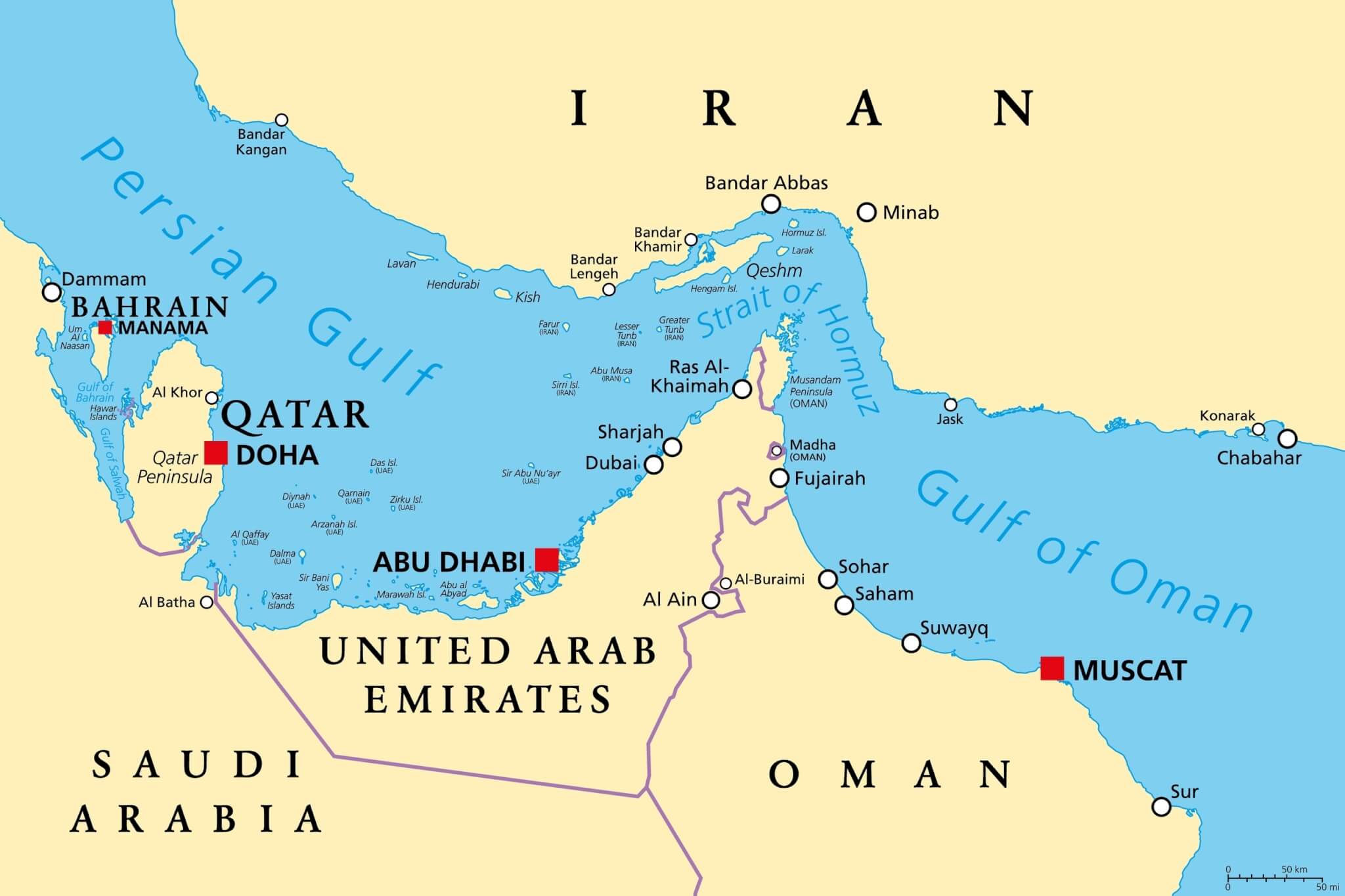
Qatar has instructed LNG carriers to remain outside the Strait of Hormuz until one day prior to loading operations as regional security risks heighten, with officials emphasising that this measure is precautionary and unlikely to disrupt overall supply volumes.

The directive from QatarEnergy affects vessels bound for the Ras Laffan terminal, one of the world’s largest liquefied natural gas export facilities. Around a dozen carriers are idling in ballast outside the terminal, awaiting final instructions before undertaking brief, tightly scheduled transits through the strait.

Market indicators reacted swiftly: European gas prices surged as much as 4.8%, while Asian benchmarks inched upward amid growing concern over potential delivery delays. Despite this, analysts and industry insiders maintain that the streamlined entry process—coupled with Qatar’s steady production—should keep cargo volumes within normal parameters.

This move aligns with contingency efforts by the world’s third-largest LNG exporter. Industry sources confirm that the carriers will execute “quick entry and speedy exits” across the Hormuz passage, necessitating precise scheduling and coordination with maritime authorities.

Analysts acknowledge that about 20–25% of global LNG traffic transits the Strait, underscoring its significance as a logistical chokepoint. Instructing vessels to loiter offshore aims to reduce their vulnerable exposure time in the strait.

Strategic analysts warn that escalating tensions—particularly after recent military exchanges involving Israel and Iran—increase risks for all Gulf shipping. Tehran has threatened to seal off the strait, which could strain Qatar’s export pipelines and ripple through global energy markets.

Despite geopolitical headwinds, Qatar’s production at the South Pars/North Field complex remains steady. The foreign ministry emphasised that LNG output and shipments continue to follow their usual course, even as the country takes enhanced security measures.

Operational insights from shipping analysts describe a familiar summer idling pattern, but note slight increases in loitering time and cautious routing. Vessels such as the tanker HLAITAN are reportedly waiting outside the strait in anticipation of load orders.

Market response has been modest. European gas hubs such as TTF recorded price rises of around 4–5%, while the Asia‑Pacific’s JKM benchmark reached nearly $14 per mmBtu, marking a $1.20 uptick since mid‑June. CNBC‑style commentary points out that the precautionary shift is “unlikely to cause major disruption,” although insurers are adjusting premiums to reflect the heightened transit risks.

For global exporters and importers, Qatar’s stance underscores a renewed emphasis on maritime risk management. Shipping firms are increasingly factoring geopolitical volatility into their routing and scheduling protocols. International insurers have begun revising coverage for LNG carriers traversing the Gulf, citing increased premiums tied to potential missile or drone threats in the region.

Qatar’s approach enables more controlled maritime planning: by delaying vessel entry until close to the loading window, the country limits their exposure to strategic bottlenecks and regional flare‑ups. This calculated move underscores Doha’s dual priorities of maintaining export reliability and protecting vital shipping assets.

A minor yet persistent air leak inside the Zvezda service module of the International Space Station has led NASA to indefinitely postpone Axiom Mission 4, highlighting widening concerns over the station’s ageing infrastructure and safety. Though currently stable, pressure readings in the affected segment continue to require close monitoring by NASA and Roscosmos, reinforcing questions over the ISS’s longevity and future viability. The anomaly was detected in […]

South Korea’s Seoul Southern District Court on 17 June acquitted Haru Invest CEO Lee Hyung‑soo of fraud charges linked to the collapse of withdrawal services that triggered investor losses of approximately $650 million. The court determined there was no deliberate intention to mislead the 6,000-plus affected depositors, citing legitimate business activity that merely suffered collapse from contagion stemming from the FTX collapse.

Prosecutors had alleged Lee orchestrated a $650 million fraud scheme by misleading investors and misappropriating user funds. They argued that the firm, owned by parent company Blockcrafters, presented itself as secure and sustainable before halting withdrawals in mid‑2023, inflicting financial hardship on users. Nonetheless, the court concluded that while Haru Invest’s model carried high risk, it was not inherently deceptive.

The court’s ruling also cleared the company’s co‑CEOs at Blockcrafters, who faced similar allegations. In contrast, Haru’s chief operating officer, Kang, received a two‑year prison sentence after being found guilty of embezzlement. The court determined Kang had transferred client funds to his personal accounts, a charge distinct from the fraud accusations directed at Lee and other executives.

Judges noted connections between Haru’s difficulties and the broader collapse of the cryptocurrency ecosystem following the FTX failure. They observed that Haru deployed a legitimate yield‑earning model using third‑party counterparties, including B&S Holdings, but that the sudden disruption in liquidity markets amplified losses. There was no evidence, the ruling held, that Lee intentionally misrepresented Haru’s operations or risk profile to investors.

Concurrently, prosecution testimonials during closing arguments revealed that Haru marketed its platform as capable of delivering annual interest rates exceeding 10 per cent on deposits of Bitcoin, Ethereum and USDT. Investor expectations were inflated, yet those losses, believed to be exacerbated by exposure to over‑leveraged counterparty relationships, were judged to result from systemic failure rather than criminal intent.

Throughout the proceedings the defence emphasised Lee’s commitment to asset return. Lee personally told the court that investors retained ownership of their crypto assets and that Haru operated legally under custody arrangements. He insisted that financial setbacks resulted from Bernard Bang’s mismanagement at B&S, a company entrusted with executing Haru’s yield‑earning strategy. The defence maintained that Haru’s abrupt withdrawal suspension in June 2023 was a reactive measure to liquidity pressure, not an attempt to defraud.

Meanwhile, the court confirmed that Kang, the COO, diverted funds into accounts unrelated to Haru’s operations, violating fiduciary responsibility, and meriting his conviction. His sentence reflected the separation in responsibility between him and senior management, who genuinely believed in and operated under a legitimate model.

The financial aftermath continues: Haru has appointed an insolvency administrator and launched a creditor claims process affecting thousands of both domestic and overseas investors. According to user‑submitted civil filings, the firm is pursuing recovery of assets tied to the FTX bankruptcy estate, including staking returns and counterparties’ restitution. Victims are filing asset‑recognition claims under Korean bankruptcy law, arguing that deposited tokens belong to them and should be returned outside Haru’s bankrupt estate.

In parallel, appellate proceedings are expected for Kang, whose sentence may be modified as his embezzlement involved funds beyond his legal authority. Lee and his co‑CEOs are also preparing appeals, emphasising that Haru’s structure and disclosures conformed with regulations at the time of operation.

By Nitya Chakraborty Israeli missile strikes against Teheran and Iran’s counter offensive entered its fifth day on June 17 Tuesday with U.S. President Donald Trump dramatically cutting short his stay in Canada for G-7 meeting for Washington indicating that he would be busy in peace moves in the next few hours for organizing a ceasefire […]

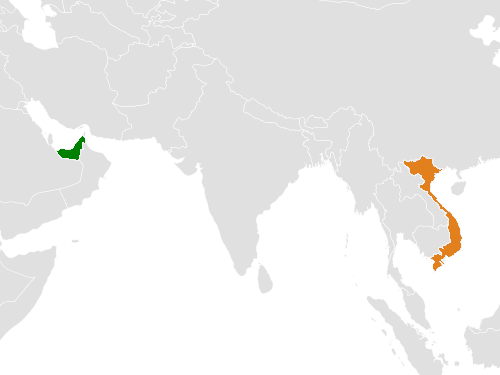
Vietnam’s Techsmart Telecom, the Institute of Information Technology and CyberSecurity, UAE’s Venom Foundation and Abu Dhabi’s GS Fund have signed a memorandum of understanding to advance a sovereign digital finance framework. The scheme centres on a national Data Centre, supervised stablecoin issuance, cross-border settlement infrastructure, cybersecurity protocols and fintech training—a landmark convergence of telecom, blockchain, finance and security sectors.

The agreement mandates Venom Foundation’s sovereign-grade Layer‑0 blockchain be deployed in Vietnam. The foundation, already liaising with central banks across Southeast Asia—including Singapore, Malaysia, the Philippines and Vietnam—will integrate ISO 20022 messaging, on‑chain KYC/AML, real-time settlements and asset tokenisation capabilities into the system. GS Fund will spearhead the data centre’s construction under a stable legal and economic regime, while IITCS tackles regulatory framework, compliance and talent development, and Techsmart manages connectivity and integration.

Work in the initial phase, set for the next 12 months, will prioritise the technical architecture, legal foundations and national infrastructure planning. Vietnam’s demographic profile—a young, technologically literate population—and its expanding cross-border fintech activities are seen as key enablers for asset tokenisation, according to Venom Foundation. Dr Hoang Phuoc Thuan of IITCS highlighted Resolution 57’s role in connecting sovereign data ambitions with e‑government and AI development.

This public–private partnership reflects Vietnam’s Digital Infrastructure Strategy, which targets universal fibre, extensive 5G coverage and advanced data centre roll-out by 2030. Venom’s Layer‑0 blockchain—already piloted in the Philippines with the Bangko Sentral ng Pilipinas—cements institutional-grade readiness for programmable finance and asset digitisation.

Regulatory progress has been underway since March’s Prime Ministerial directive, with the Ministry of Finance and State Bank of Vietnam tasked to propose a Digital Technology Infrastructure law, introduce regulated sandboxes and pilot a crypto framework by May 2025. Amid this, Vietnam’s digital asset market has grown substantially—around 17 million citizens currently hold crypto assets valued at over US $100 billion—placing the country in the top five worldwide for individual interest and top three in trading volume.

Issues remain unresolved: incomplete guidelines on exchange licensing, asset categorisation and customer protection have placed Vietnam on the Financial Action Task Force’s grey list. Integrating blockchain with conventional banking operations—spanning accounting, risk management and cybersecurity—also poses significant implementation hurdles.

Further reinforcing policy alignment, the Vietnam Blockchain Association and One Mount Group—members of the VBA—have pledged between US $200 million and US $500 million to establish a sovereign Layer‑1 blockchain, complying with Prime Ministerial Directive 05/CT‑TTg.

The final vision foresees multi-year rollout phases extending beyond initial legal and technical milestones to encompass digital payments, reduced reliance on physical cash, strengthened cybersecurity via distributed ledgers, and expanded fintech education for government and private sectors under IITCS guidance.

Chad is confronting a cascading humanitarian disaster in its eastern regions, where acute food shortages coincide with a rising risk of cholera, UN officials have warned. At a UN briefing in Geneva on 13 June, François Batalingaya, the UN Resident and Humanitarian Coordinator in Chad, urged the global community to act decisively as millions face worsening hunger and potential disease outbreak. The country is enduring its sixth successive […]

Thousands of visitors were left outside the Louvre under its iconic glass pyramid on 16 June 2025 after staff launched a spontaneous strike over overcrowding, chronic understaffing and deteriorating infrastructure at the world’s most‑visited museum. The closure, initiated during a routine internal meeting, involved gallery attendants, ticket office personnel and security staff who refused to work, describing current conditions as “untenable”. The unexpected walkout ignited fresh scrutiny […]

VISHNU RAJA
RYO YAMADA
HITORI GOTOH
IKUYO KITA