News related to
Space

Why Free Online Games Are Popular in the UAE  Free online games have become a daily habit for many people in the United Arab Emirates. Short sessions fit between school, work, or family time, so players can relax without needing long set-up or downloads.  Because many titles run in a browser or mobile app, it is easy to switch between puzzles, racing games, and strategy challenges in a […]

Arabian Post Staff -Dubai During a private audience at the Vatican, Pope Francis offered high praise for the United Arab Emirates, describing the country as a “global model” for promoting the values of coexistence and human fraternity. He underlined the readiness of the Holy See to deepen cooperation with the Higher Committee of Human Fraternity, an initiative rooted in the landmark February 2019 document on human fraternity. […]

A collaboration between the Technology Innovation Institute and Space42 will deliver the first space-to-ground quantum-communication network in the United Arab Emirates, signalling a significant step in national cyber-security strategy. The partnership, unveiled at the Dubai Airshow, brings together TII’s advanced research into Quantum Key Distribution and Space42’s satellite infrastructure to form a sovereign system capable of ultra-secure data transfer between orbiting platforms and terrestrial stations. TII and […]

Many homeowners dream of turning a patio, garden, or balcony into a cozy open-air retreat. Yet in reality, these spaces often go underused. In fact, a 2024 survey by the International Casual Furnishings Association found that only 18% of people utilize their outdoor living areas as much as they’d like, but 94% said they would spend more time outside after updating their furniture and décor. This shows how quality, comfortable furnishings can transform a patio or deck […]

Valetax marked a major milestone with a powerful presence at Jeddah Fintech Week 2025, held on 16 and 17 November at the Jeddah Hilton Hotel. As the Official Sponsor, the company delivered an impactful showcase that strengthened its relationships with traders, partners, and fintech professionals while reaffirming its long-term commitment to innovation, transparency, and partnership-driven growth across the MENA region.   This year’s edition of Jeddah Fintech […]

Uniting heritage, craftsmanship, and advanced technology to elevate the GCC’s luxury design standards Charl Broummana, the chief executive officer of Siom Marble, is leading the firm towards a futuristic approach where old-fashioned stonework is not only kept alive but also modern methods and international standards are completely accepted. The company is innovating, becoming more efficient, and increasingly focused on design under his guidance. Having started in 1990 […]

Starting a business in Dubai is one of the most exciting ventures you can undertake in 2026. The city’s dynamic economy, global connectivity, and investor-friendly policies make it an ideal destination for entrepreneurs and corporations alike. However, navigating government approvals, visa processing, and licensing can be time-consuming if you go it alone. That’s where PRO services in Dubai comes into the picture. These professional support services simplify […]

Advertisements

HONG KONG SAR – Media OutReach Newswire – 19 November 2025 – The 2025 Hong Kong & Shenzhen Bi-City Biennale of Urbanism Architecture (UABBHK 2025) launched its curatorial direction under the theme TECHFORMANCE: Architecture as Performance in the Age of AI. Organised by The Hong Kong Institute of Architects Biennale Foundation, this year’s UABBHK is co-organised by The Hong Kong Institute of Architects, The Hong Kong Institute […]

Abu Dhabi-based aerospace engineering firm Sanad Aerotech has reported a substantial increase in its order backlog and rapid expansion into new engine platforms as airlines face global supply-chain constraints in engine manufacturing. The company disclosed that its backlog rose by 5 billion UAE dirhams to more than 38 billion dirhams as of end-June, driven by heightened demand from carriers struggling to secure engine availability. Sanad, backed by […]

Dubai – GE Aerospace has secured two high-value engine agreements with Dubai-based carriers Emirates Airline and Group and flydubai at the 2025 Dubai Airshow 2025, underscoring the resilience and expansion of the UAE’s aviation sector. Emirates has committed to 130 additional GE9X engines to power 65 new Boeing 777-9 aircraft, bringing its total order for that engine type to more than 540 units. The contract includes spares and long-term service provisions. At the same time, flydubai has agreed to acquire 60 GEnx-1B engines with full support services for its first wide-body fleet of 30 Boeing 787-9 aircraft.

Emirates’ deal with GE not only affirms its status as the largest global customer for the GE9X engine, but also reinforces its long-standing partnership with Boeing Commercial Airplanes. Emirates’ chairman and chief executive, Sheikh Ahmed bin Saeed Al Maktoum, described the transaction — valued at US$38 billion at list prices — as “a long-term commitment and testament to our partnership with Boeing and GE”. This investment aligns with Dubai’s wider ambition to develop into a major aerospace hub.

On the flydubai front, the selection of the GEnx-1B engine marks a strategic shift for the carrier, which has historically operated a 737-only fleet. The agreement is structured to support the airline’s entry into long-haul operations and buttresses its network expansion into new markets. flydubai’s chief executive, Ghaith Al Ghaith, noted that engine performance, durability and services will play a critical role as the airline moves into wide-body territory amid intensifying competition and growing demand for air travel through Dubai’s gateway.

The significance of these deals extends beyond fleet numbers. For GE Aerospace the twin contracts cement its dominance in the high-thrust engine market, particularly in a region with challenging operating conditions and high growth potential. The GE9X engine — developed exclusively for the Boeing 777X family — boasts a 10 per cent improvement in specific fuel consumption compared with its predecessor, the GE90-115B, and has been certified to run on approved sustainable aviation fuel blends. The GEnx-1B, likewise, powers a majority of the Boeing 787 fleet and is already deployed widely in long-haul service.

For Emirates, the 65 additional 777-9 airframes raise its total 777X orderbook to 270 units, making it Boeing’s largest customer for that aircraft family. With this deal, the airline has options to convert some of the order to the future 777-10 or 777-8 variants, signalling confidence in the production programme despite earlier certification and delivery delays. The carrier expects deliveries of the initial 777-9 aircraft to begin from the second quarter of 2027. Emirates’ fleet strategy centres on operating a young, modern wide-body fleet aligned with Dubai’s infrastructure expansion.

Flydubai’s expansion into wide-body aircraft, powered by GEnx engines, places the carrier at a pivotal juncture in its evolution. Having grown rapidly in point-to-point markets, reserving its primarily single-aisle fleet for short to medium-haul routes, the move to wide-body aircraft reflects a transition towards intercontinental services. The engine order includes spares and a long-term services agreement, highlighting the importance of lifecycle support and operational reliability in emerging growth trajectories.

The UAE’s positioning as a major aviation hub is reinforced by these developments. The engine orders strengthen the supply-chain footprint in the region, benefit maintenance-, repair-and-overhaul infrastructure, and support the country’s ambition to attract high-value aerospace manufacturing and engineering activities. GE Aerospace announced a US$50 million investment in a new “On Wing Support” facility in Dubai South alongside the shows, underscoring its commitment to local presence.

From an industry-perspective the deals reflect broader trends: airlines placing large long-haul orders amid intense competition for slots and access, engine manufacturers capturing value through integrated services and support, and the Middle East remaining a key battleground for aerospace OEMs seeking growth beyond legacy domestic markets. For Emirates and flydubai, the agreements mark purposeful steps in fleet renewal and network expansion, though execution risks remain — notably aircraft delivery timelines, engine certification, and global economic headwinds.

Analysts caution that while the headline order values are striking, actual transaction prices typically fall beneath list values, and aircraft-programme delays can erode carrier scheduling and capacity planning. For Emirates the 777-9 programme has been subject to repeated postponements, while for flydubai the challenge lies in transitioning from narrow-body operations to wide-body logistics, route infrastructure and long-haul network economics.


In the 35th edition of Cushman & Wakefield’s Main Streets Across The World report, Hong Kong’s Tsim Sha Tsui maintains its global ranking position as the world’s 4th most expensive retail street; whilst the area continued to top the APAC ranking as region’s the most expensive retail destination Rents on New Bond Street ($2,231 per square foot per year) have leapfrogged Milan’s Via Montenapoleone and New York’s […]

Nairobi-based electric mobility firm Roam Electric Ltd has begun talks to monetise carbon-offset credits generated by its motorcycles while launching a global crowdfunding campaign to raise working capital. Each machine sold by Roam is designed to offset around three tonnes of CO₂ annually; with about 4,000 units currently in circulation, the company estimates roughly 12,000 tonnes of emissions reduction per year—equivalent to the output of some 2,600 […]

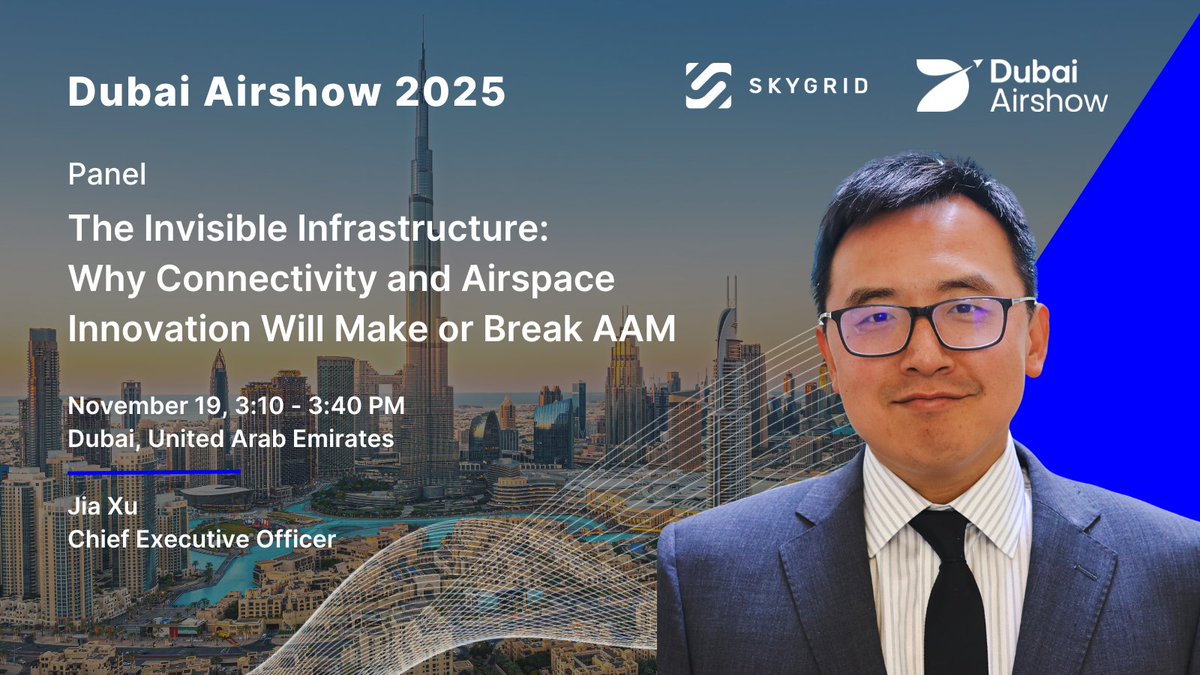
A pact between SkyGrid and High Lander has been signed at the Dubai Airshow 2025 to construct a framework for advanced air-mobility operations in the United Arab Emirates, focusing on integrating crewed and uncrewed aerial vehicles. The memorandum of understanding calls for development of airspace management ecosystems, digital operations for electric vertical take-off and landing aircraft and cargo drones, vertiport planning and cybersecurity protocols. SkyGrid, headquartered in Austin, Texas, acts as a third-party service provider for advanced air mobility operations, while High Lander offers unmanned traffic-management and drone-fleet-management solutions. The deal is part of the UAE’s ambition to position Abu Dhabi as a hub for next-generation aviation services.

Under the agreement the firms will jointly assess “Advanced Air Mobility Supporting Operational Environments” to develop technology road-maps and regulatory frameworks that facilitate scalable AAM operations. The collaboration targets areas including airspace integration, enabling vertiport infrastructure, securing digital operations and ensuring safe coexistence of crewed and uncrewed aircraft. SkyGrid chief executive Jia Xu said the alliance “represents a significant milestone in shaping the digital foundation of Advanced Air Mobility in the UAE and across the Middle East”. High Lander’s chief executive Alon Abelson commented that the environment in the UAE, supported by major aerospace players, constitutes “the perfect environment to demonstrate how automation, data-driven management and cross-industry collaboration can transform the future of air mobility”.

Analysis of this partnership places it amid a broader global push for uncrewed traffic-management systems and urban or regional air-mobility networks. Industry research shows that UTM ecosystems are considered vital for the safe scaling of commercial beyond-visual-line-of-sight drone operations. A 2024 readiness index issued by the Global UTM Association named both companies among participants in task forces shaping digital airspace adoption worldwide. That makes this UAE-based partnership a concrete step from theoretical planning to operational readiness.

The UAE’s Economic Vision 2030 describes diversification into technology, aerospace and transport as key pillars. The SkyGrid–High Lander partnership explicitly links with these goals, signalling industry-scale intentions rather than pilot programmes alone. By creating a unified operational blueprint, regulators and operators in the Gulf region may be asked to adapt their air-space classification, licensing and infrastructure regimes. Implementation will still depend on national aviation regulator approvals, air-traffic-management integrations, and standards alignment with international frameworks.

Despite the ambition, challenges remain. Data-sharing protocols across crewed and uncrewed systems must meet stringent safety and cybersecurity standards. Vertiport infrastructure—dedicated landing and take-off sites for eVTOL vehicles—is still nascent globally and will require investment and spatial planning, especially in congested urban zones. Moreover, global certification regimes for eVTOLs and unmanned systems are evolving; regulatory uncertainty may slow deployment. Analysts caution that while the Gulf region offers less airspace congestion than some metropolitan centres, integration of new aircraft types must still ensure separation from traditional air-traffic flows.

With over 50 years of global innovation and 34 years of local experience, Somfy is a trusted partner for outdoor screens that can handle Singapore’s unpredictable weather. SINGAPORE – Media OutReach Newswire – 19 November 2025 – Singapore’s tropical climate presents significant challenges to outdoor comfort. Sudden rain, high winds, and humidity can impact the performance and safety of conventional shading systems. Somfy, a global leader in […]

Ukraine’s drone-manufacturer SkyFall unveiled its latest unmanned aerial system, the P1-SUN interceptor, on the opening day of the Dubai Airshow. The P1-SUN marks the company’s first public display outside Ukraine and is designed specifically to neutralise enemy drones such as the Iranian-designed Shahed, a frequent threat in the conflict with Russia. A company representative said production runs into the thousands of units per month.

SkyFall has built a reputation with systems such as the Shrike FPV strike drone and the Vampire rotary-wing model, both widely used by Ukraine’s armed forces. The P1-SUN uses a modular architecture and a 3D-printed airframe, enabling rapid manufacturing and deployment. According to the representative, the ‘plug-and-play’ design allows for quick reconfiguration to meet evolving threats.

The broader context of this launch lies in Ukraine’s intensified efforts to counter drone swarms and asymmetric aerial threats. Ukrainian defence-sector officials estimate that Russian forces have been deploying Shahed-type loitering munitions in high numbers across multiple fronts. Earlier assessments placed the cost of Ukrainian-built interceptor drones at as low as US $300 to US $500 per unit, compared with US $35,000 for some adversary systems. SkyFall’s move thus signals a shift from purely offensive drone designs to dedicated counter-drone capabilities.

At the airshow, SkyFall’s exhibit drew attention from international defence-industry attendees. One senior visitor commented that modular interceptors like the P1-SUN could fill a gap between point-defence systems and networked air-defence layers. Ukraine’s defence-industry consortium has been actively seeking partnerships with foreign firms, and meetings held on the sidelines of the show reportedly included discussions with major aerospace and defence contractors.

While SkyFall did not disclose customers or specific contracts at the event, analysts believe that the demo aims to position Ukraine as a supplier of cost-effective UAV and counter-UAV systems. The company’s advertising emphasises “combat-proven” status in the Ukrainian conflict, enhancing its export appeal. Kiev-based industry sources note that local firms are now transitioning from ad-hoc war-time manufacturing to serial production with export-orientation in mind.

However, challenges remain. Experts caution that scaling production of complex interceptor drones demands robust supply chains, quality assurance and integration into broader air-defence networks. SkyFall’s claim of thousands-per-month output will likely be tested by logistical realities such as 3D-printing capacity, component sourcing in a war-economy and export-licensing hurdles. Additionally, while cost-effective interceptors are attractive, they must be supported by detection and command-and-control systems—which are more costly and slower to deploy.

On the defensive front, Ukraine is not relying solely on lightweight interceptors. Systems such as the Rheinmetall Skyranger 35, a self-propelled anti-aircraft gun system mounted on a Leopard 1 tank chassis, are being delivered to bolster protection across multiple fronts. The combination of high-end systems and low-cost interceptors indicates a layered approach is under development.

Google has introduced Gemini 3 Pro, its next-generation multimodal artificial-intelligence model, marking a significant escalation in the company’s ambitions for large-language models. The new system, which expands multimodal integration across text, image and audio inputs, is being rolled out initially to enterprise and developer channels before wider availability. The model appears underpinned by a “1 million-token” context window—according to leak reports—enabling it to process extensive documents and […]

A substantial shift in sentiment around Alphabet Inc. has taken shape following the firm’s elevation to ‘Buy’ from ‘Hold’ by Loop Capital, with the brokerage raising its price target to $320 from $260. The upgrade underscores a decisive move by Wall Street away from doubts about Alphabet’s core search business toward bullish conviction in its AI-driven future. Loop Capital’s managing director, Rob Sanderson, observed that earlier concerns […]

BEIJING, CHINA – Media OutReach Newswire – 18 November 2025 – On November 12, 2025, the thematic investment promotion event “Synergy Between Beijing and Hong Kong, Connecting the World – Towards a Brighter Future with Chaoyang” was successfully held at the Hong Kong Convention and Exhibition Centre. Jointly hosted by the Chaoyang District People’s Government and the Beijing Investment Promotion Service Center, and organized by the Chaoyang […]

The cryptocurrency futures market experienced a significant wave of forced liquidations, amounting to $1.03 billion over the past 24 hours. A considerable portion of the liquidations occurred in long positions, totaling $725 million, while $305 million worth of short positions were also closed.

The dramatic liquidations were triggered by volatile market movements, which saw sharp price fluctuations across multiple digital assets. These price swings were exacerbated by shifts in market sentiment, which contributed to the rapid unwinding of leveraged positions. The forced liquidations come amid a broader backdrop of market uncertainty, as traders adjust their positions in response to global economic factors and the ongoing regulatory scrutiny of the cryptocurrency sector.

A notable driver of the sell-off was the high level of leverage employed by market participants. Crypto futures markets, particularly those offering derivatives with high leverage, often see sharp price corrections as a result of large liquidation events. When asset prices move against traders’ positions, forced liquidations can amplify the price movements, resulting in cascading effects that further destabilize the market.

This liquidations event reflects the high-risk nature of trading in the cryptocurrency space, especially with the volatile price action witnessed in major tokens such as Bitcoin, Ethereum, and other altcoins. Market analysts note that a significant portion of these liquidations occurred as Bitcoin’s price struggled to maintain momentum, dipping below key support levels. Other altcoins, including Ethereum and Solana, also saw substantial price corrections, which intensified the market’s turmoil.

While the forced liquidations have had a short-term destabilising effect, many market observers suggest that they may serve to recalibrate market positions, potentially clearing out overleveraged traders. However, the long-term implications for the market remain unclear. Crypto futures markets are known for their volatility, which can often result in sudden price movements, leaving traders vulnerable to unexpected liquidations during sharp corrections.

The level of forced liquidations seen in this event underscores the risks associated with high-leverage trading, particularly in a market as volatile as cryptocurrencies. As more traders flock to these markets, seeking greater profits from leveraged positions, such liquidations will likely become a recurring feature in the digital asset landscape.

Despite these liquidations, some analysts argue that the broader trend in the crypto market remains positive, with institutional adoption and growing interest from mainstream investors continuing to support long-term bullish prospects. They point to the increasing recognition of cryptocurrencies as a viable asset class, with traditional financial institutions exploring ways to integrate blockchain technology and crypto assets into their services.

On the other hand, the market faces significant regulatory challenges, particularly in key jurisdictions such as the United States and Europe. Governmental authorities have expressed concerns over the potential for market manipulation, fraud, and the lack of investor protection in the largely unregulated crypto space. These regulatory uncertainties add another layer of complexity to the market, as traders weigh the risks of entering a space with evolving rules and regulations.

At the same time, some proponents of cryptocurrency markets argue that forced liquidations and market volatility are simply part of the growing pains of a maturing market. They note that as liquidity improves and market participants become more sophisticated, the frequency and intensity of these liquidation events may diminish over time.

GE Aerospace has reached significant milestones at the Dubai Airshow 2025, signing major engine agreements with two of the UAE’s most prominent carriers—Emirates and flydubai. The deals highlight the ongoing growth and resilience of the UAE’s aviation sector, which continues to see robust demand for both commercial aircraft and high-performance engines, despite the global challenges facing the industry.

The first of these landmark agreements was signed with Emirates, the world-renowned airline based in Dubai. Under the terms of the agreement, GE Aerospace will supply advanced engines for a number of Emirates’ new aircraft, including both narrowbody and widebody models. The deal underscores the airline’s commitment to expanding its fleet with cutting-edge technology to enhance fuel efficiency, performance, and sustainability.

For flydubai, the agreement is equally important as it continues its rapid growth trajectory. Flydubai, known for its extensive network across the Middle East, Africa, and Asia, will also integrate GE engines into its fleet expansion plans. The airline’s strategic focus on upgrading its fleet with advanced engine technology aims to improve operational efficiency while reducing carbon emissions—an essential move in line with global environmental goals.

GE Aerospace’s role in both of these agreements solidifies its position as a leader in the global aviation industry, especially in the Middle East, a region that has become a critical hub for air travel. These deals are seen as a testament to GE’s cutting-edge engineering capabilities, which align perfectly with the UAE’s ambitious aviation growth plans. The country’s major airlines, particularly Emirates, have long been at the forefront of technological advancements in the aviation industry, pushing the envelope on fuel efficiency and operational performance.

The Dubai Airshow itself has served as a vital platform for aerospace companies to showcase new technologies and forge strategic partnerships. The agreements with Emirates and flydubai are a clear indication of the UAE’s ongoing investments in its aviation infrastructure, which is poised to continue its rapid expansion over the coming years. Aviation experts suggest that these deals are also part of a broader trend in the region, where carriers are increasingly prioritising the integration of more fuel-efficient and environmentally sustainable technologies into their fleets.

In addition to fleet expansion, both Emirates and flydubai are working to increase their market share, not only within the Gulf region but also globally. With air travel demand rebounding in many parts of the world, the strategic importance of the UAE’s aviation sector cannot be overstated. Emirates, with its vast global reach, remains a key player in international air travel, while flydubai has emerged as a critical part of the UAE’s broader air transport network, offering affordable travel options to key regional destinations.

GE Aerospace’s engine technology plays a crucial role in supporting both airlines’ efforts to stay competitive and sustainable in the evolving air travel market. The next-generation engines provided by GE offer improved fuel economy and significantly lower emissions, aligning with international targets for reducing aviation’s environmental footprint. In addition to offering operational benefits, these engines will provide long-term economic advantages, ensuring that both Emirates and flydubai remain agile in a highly competitive market.

Greenlogue/AP Noatum Maritime, a subsidiary of AD Ports Group, has entered into a strategic partnership with Siemens Energy and Green Parrot Tech FZE, aimed at exploring innovative solutions for the offshore energy sector. This collaboration seeks to leverage the combined expertise of the three companies in a bid to drive advancements in the green energy transition, particularly in offshore wind and sustainable maritime solutions. The agreement was […]

Arada, a UAE-based property developer, has secured an 80% stake in the Thameside West project, located in the Royal Docks area of London. This ambitious waterfront development, with an estimated value of 12 billion dirhams, is set to create a substantial transformation in East London’s housing market.

The project promises to deliver a significant number of new homes, with at least 5,000 residential units planned for construction. In a move designed to prioritise sustainability and quality of life, the development will also allocate half of its site to green spaces, providing a kilometre of active waterfront along the River Thames. This initiative is part of a broader effort to create a modern, eco-conscious urban environment that aligns with London’s sustainability goals.

This acquisition marks Arada’s second major investment in the London residential sector. The company, which has made a name for itself through large-scale projects across the Middle East, made headlines in September with its purchase of Regal, a local developer. Following this acquisition, Arada’s London pipeline has expanded significantly, with the company now managing plans for around 15,000 homes. However, the firm is not stopping there; it has ambitious goals to grow this number to 30,000 units within the next three years.

Arada’s expansion into London reflects broader trends in global real estate, where international investors are increasingly turning to established, high-demand markets like the UK capital. London’s real estate sector continues to attract foreign investment due to its status as a global financial and cultural hub, coupled with its resilient property market. The Thameside West project, in particular, stands out due to its proximity to key transport links and growing commercial sectors around the Royal Docks area.

The development also taps into the trend of mixed-use, community-oriented designs that integrate residential, leisure, and green spaces. The focus on active waterfronts and ample green space addresses the growing demand for sustainable living solutions in urban centres. As cities around the world look to improve quality of life for residents, projects like Thameside West are seen as a forward-thinking model of urban regeneration.

Arada’s entry into the UK market comes at a time when London’s residential sector is undergoing significant changes. As the city continues to recover from the challenges posed by the global pandemic, there is renewed demand for high-quality residential developments, particularly in emerging areas like the Royal Docks. With its large-scale investments, Arada is positioning itself as a key player in reshaping the city’s housing landscape.

The Royal Docks area, where Thameside West is situated, is undergoing a major revitalisation effort, with several high-profile projects aimed at transforming the formerly industrial district into a thriving residential and business hub. The location’s appeal is strengthened by its proximity to London City Airport and the forthcoming Crossrail station at Custom House, which will provide enhanced transport links to Central London and beyond.

Arada’s move to expand its portfolio in London follows a broader trend of Middle Eastern developers seeking high-profile projects in key global cities. The firm’s recent activities indicate a strategic push to diversify its holdings, particularly in international markets where it sees growth potential. In addition to its focus on London, Arada has a number of active developments in the UAE and broader GCC region.

Despite the challenges posed by global economic uncertainties, the demand for high-quality residential units in London remains strong. The city continues to be an attractive proposition for investors, with its longstanding appeal to both domestic and international buyers. This is especially true in East London, where regeneration projects like Thameside West are breathing new life into historically underdeveloped areas.

Aave, a leading decentralised finance protocol, has announced the launch of its new retail-focused crypto yield app on Apple’s App Store. The application aims to give users a simple way to earn interest on their digital assets, with Aave promising annual yields of over 5% on deposits. This rate surpasses the returns typically offered by traditional money market funds, a move that highlights Aave’s ambition to bridge the gap between DeFi and mainstream financial services.

The Aave app, available to users globally, allows retail investors to participate in DeFi in a straightforward manner, eliminating the need for complex processes typically associated with decentralised finance platforms. By leveraging the Aave protocol, users can deposit a range of crypto assets, including stablecoins, and earn interest that fluctuates with the market conditions. The app provides users with an easy-to-use interface, making the once-complex world of DeFi more accessible to the average consumer.

Aave’s new venture represents a significant step in the adoption of decentralised finance by mainstream retail investors, particularly in the wake of rising interest in cryptocurrencies and blockchain-based financial services. Traditional financial institutions are beginning to notice the growing appeal of digital assets, which offer innovative ways for consumers to engage with their money. In particular, the idea of earning a passive income from crypto deposits is proving increasingly attractive as inflation concerns and low yields in traditional finance continue to persist.

For Aave, this marks a new chapter in its journey, extending its pioneering work in DeFi beyond the domain of institutional users and sophisticated investors. As a protocol, Aave has consistently pushed the boundaries of decentralised finance, providing a platform that allows users to lend, borrow, and earn yield on their crypto assets without intermediaries. The protocol has accumulated billions in total value locked and is regarded as one of the most significant players in the DeFi space.

The app will offer more than just basic yield-generation functionality. Aave has integrated an automated risk management system, designed to help protect users’ funds by evaluating various market factors and adjusting interest rates accordingly. This feature aims to enhance user confidence in the app, particularly for those who may be unfamiliar with the intricacies of DeFi protocols.

With the app’s launch, Aave is positioning itself as a key player in the next wave of crypto adoption, focusing on ease of use and trust for the average investor. While many crypto apps on the market focus on trading or speculation, Aave’s app prioritises stability and long-term yield generation. The company believes this will resonate with a wider audience, including those seeking alternatives to low-yield savings accounts in traditional banking systems.

However, as with all crypto-based financial services, there are risks involved. The volatility of the cryptocurrency market can lead to significant fluctuations in the yield offered to users, and there are regulatory concerns that still loom over the broader DeFi space. Despite these challenges, Aave’s strategic move onto the Apple App Store provides a pathway for mainstream users to access decentralised finance solutions with minimal complexity.

The retail-focused app is expected to serve as a gateway for millions of users who have yet to experience the benefits of decentralised finance but are seeking more lucrative alternatives to traditional financial products. With the added appeal of potentially higher returns, it is likely to attract those disillusioned by low-interest bank savings accounts and money market funds.

Bitcoin, the world’s leading cryptocurrency, has seen a significant drop, dipping below the $91,000 mark, a level that had previously seemed unreachable for the digital asset. This latest decline marks a pivotal moment for the market, as Bitcoin continues to face heightened volatility amidst shifting investor sentiments and global economic factors.

The recent price adjustment follows a series of fluctuations that have seen the value of Bitcoin soar to new heights, only to experience sharp corrections in the last few weeks. The drop has left market analysts questioning whether this signals a broader trend of market uncertainty or whether it’s merely a temporary setback for Bitcoin’s long-term upward trajectory.

Several factors are believed to be contributing to the current dip. One of the most prominent drivers of market volatility is the ongoing regulatory concerns surrounding digital assets. Governments across the globe have ramped up efforts to introduce stricter regulations on cryptocurrencies, with particular focus on anti-money laundering and tax policies. These actions have raised doubts among investors, triggering a sell-off in major cryptocurrencies, including Bitcoin.

The tightening of monetary policies by central banks, particularly the U. S. Federal Reserve, is also playing a significant role in the digital asset market’s instability. With the Fed’s recent interest rate hikes and other inflation-control measures, traditional investment avenues like bonds and equities have become more attractive, pulling attention away from high-risk assets like cryptocurrencies.

Bitcoin’s price drop comes despite strong institutional support and increasing mainstream adoption of blockchain technology. Corporate giants and investment firms continue to pour billions into Bitcoin, seeing it as both a store of value and a hedge against inflation. However, the cryptocurrency market’s volatility has remained a key concern for investors, with many choosing to adopt a more cautious approach as the market grapples with uncertainty.

The recent success of Ethereum’s upgrade to Ethereum 2.0, which promises to lower energy consumption and improve transaction speeds, has sparked renewed interest in altcoins, drawing capital away from Bitcoin and diversifying the cryptocurrency market. This shift in focus has contributed to Bitcoin’s loss of market dominance, as investors explore alternatives that promise long-term growth and more sustainable blockchain solutions.

Despite the current downturn, experts remain divided on Bitcoin’s long-term potential. Some continue to see the asset as a digital gold, offering a hedge against traditional economic risks and inflationary pressures. Others argue that its speculative nature, coupled with its limited regulation, will make Bitcoin highly susceptible to sharp price swings in the future.

Technological advancements in the blockchain sector, including innovations in decentralized finance and non-fungible tokens, are also playing a crucial role in shaping the future of digital assets. These developments have the potential to further disrupt traditional financial systems, drawing more attention to the blockchain space and potentially providing new avenues for Bitcoin to recover.

The broader financial landscape is also influencing Bitcoin’s price trajectory. With traditional markets facing their own uncertainties, including geopolitical tensions and economic slowdowns in key regions like Europe and China, Bitcoin’s performance is closely tied to global economic trends. As investors continue to grapple with these uncertainties, Bitcoin’s volatility is expected to persist, with many viewing it as a barometer for the health of the cryptocurrency sector as a whole.

VISHNU RAJA
RYO YAMADA
HITORI GOTOH
IKUYO KITA