News related to
Strategy

The United Arab Emirates continues to solidify its position as a leader in global competitiveness, securing impressive rankings across various international indices in 2024. This success is attributed to the country’s strategic vision, progressive leadership, and investment in key sectors such as technology, infrastructure, and education.

According to the latest reports, the UAE ranks highly in multiple key performance indicators, reflecting its robust economy, forward-thinking policies, and well-developed infrastructure. The country’s emphasis on innovation, digital transformation, and sustainability has propelled it to the forefront of global competitiveness rankings. The World Economic Forum (WEF) Global Competitiveness Index, along with reports from the International Institute for Management Development (IMD), have highlighted the UAE’s growth trajectory in areas like business environment, digital readiness, and ease of doing business.

A key element in this achievement is the UAE’s continued push towards diversifying its economy. Efforts to reduce dependency on oil and expand non-oil sectors, particularly in finance, real estate, tourism, and renewable energy, have paid off. The country’s leadership has consistently invested in cutting-edge infrastructure and created an attractive business environment for international investors. This foresight has made the UAE an appealing destination for both foreign companies and skilled talent from around the world.

The UAE government’s leadership in prioritizing digitalization and innovation has also played a pivotal role in improving its competitive position. Initiatives such as the UAE Vision 2021 and the more recent National Innovation Strategy have facilitated the development of smart cities, e-governance platforms, and a thriving tech sector. Dubai, in particular, has become a global hub for technology startups and financial services, bolstering the UAE’s reputation as a competitive global player.

Another contributing factor is the UAE’s leadership in sustainability efforts. As the country shifts toward a greener economy, it has gained recognition for its strides in renewable energy, with projects like the Mohammed bin Rashid Al Maktoum Solar Park, one of the largest solar power projects in the world. Additionally, the UAE’s commitment to the UN’s Sustainable Development Goals (SDGs) has further cemented its standing as a global leader in sustainable growth.

While the UAE continues to excel, it also faces challenges that could impact its future competitiveness. The global economic climate, geopolitical factors, and shifts in energy markets are areas of concern. However, the UAE’s adaptability and strong governance systems have shown the country’s resilience in navigating these obstacles.

The UAE’s emphasis on education and skills development has proven essential in driving long-term competitiveness. By investing heavily in world-class educational institutions, both public and private, the country has cultivated a skilled workforce capable of meeting the demands of a rapidly evolving global economy. Programs such as the Mohammed bin Rashid Al Maktoum Foundation’s scholarship initiative and various partnerships with renowned international universities have supported the nation’s transition to a knowledge-based economy.

Despite the country’s success, there are ongoing efforts to ensure that the competitive edge is maintained. These efforts include advancing the national innovation ecosystem, enhancing digital infrastructure, and improving regulations to keep pace with global best practices. The UAE’s focus on ensuring economic resilience and sustainability positions it as a regional leader with the potential to further improve its global standing in the years to come.

Looking ahead, the UAE aims to strengthen its competitiveness by focusing on sectors such as artificial intelligence, biotechnology, and space exploration. Investments in these future-forward industries not only align with global trends but also position the country at the forefront of new technologies. The UAE’s space ambitions, embodied by initiatives such as the Hope Probe and Mars mission, highlight its determination to lead in cutting-edge research and development.


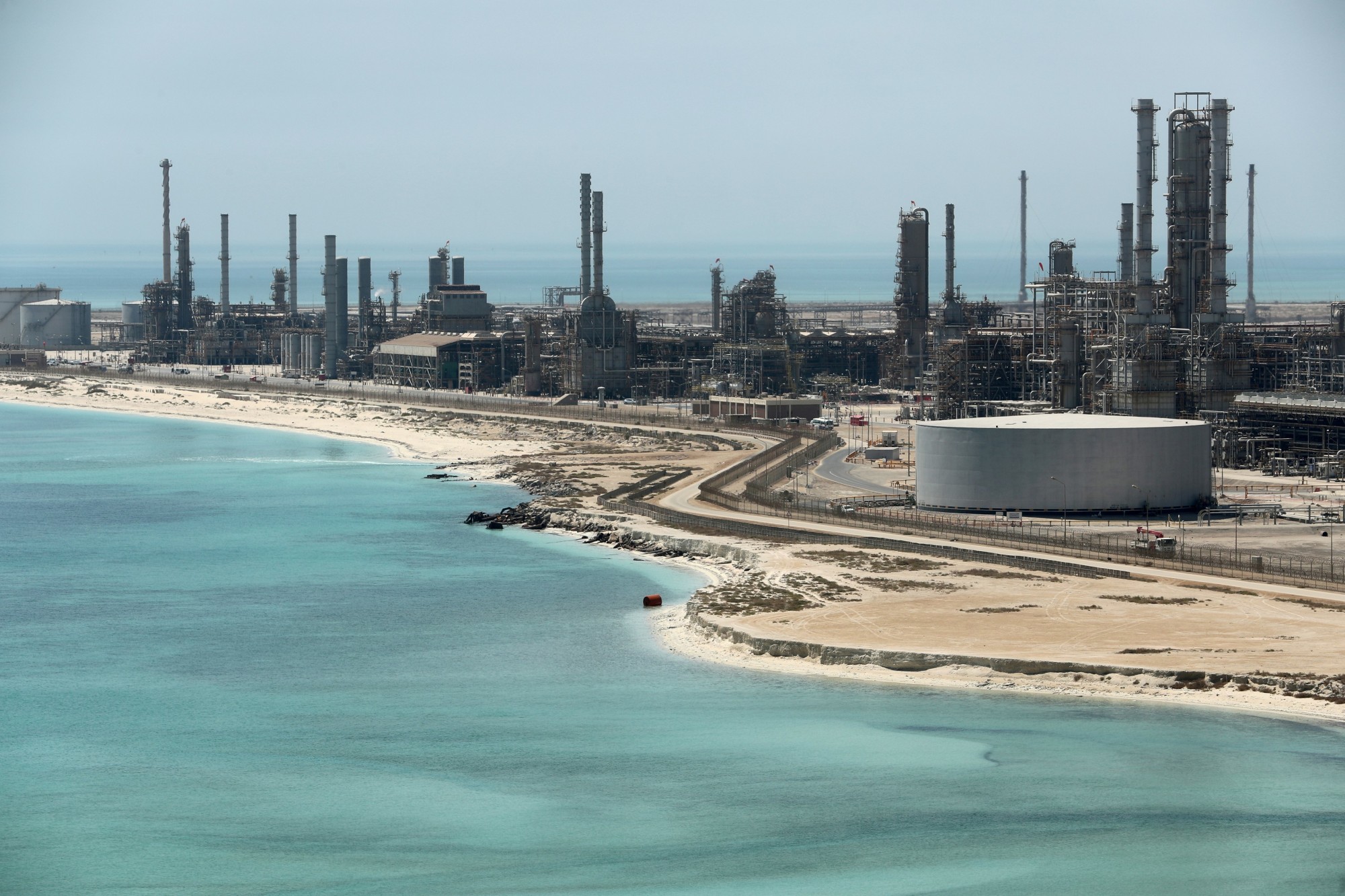
Crude oil markets across the Middle East have become increasingly constrained as the United Arab Emirates (UAE) takes steps to limit its oil exports, while international sanctions continue to affect flows from Iran. These combined actions have contributed to a tightening of global oil supplies, pushing prices higher for key Middle Eastern grades.

The UAE, one of the world’s top oil producers, has recently implemented measures to limit its output, joining other OPEC+ members in their efforts to stabilize oil markets amid fluctuating demand and economic uncertainty. This move is part of a broader strategy by the UAE to control production levels more closely, ensuring that the global supply remains in balance with the demand.

Meanwhile, the ongoing sanctions on Iran have added another layer of complexity to the Middle Eastern oil landscape. Despite some efforts to revive the nuclear deal, Tehran continues to face restrictions that prevent it from fully participating in the global oil trade. As a result, Iran’s oil exports have been significantly curtailed, with the country struggling to bypass restrictions designed to limit its oil revenues. This has further squeezed the market and contributed to higher prices for several crude grades.

The tightening of the market has had a noticeable impact on prices. For example, the price of Dubai crude, a key benchmark for Middle Eastern oil, has seen a substantial increase, reflecting the reduced availability of supply. The price uptick is particularly significant for countries in Asia, where Middle Eastern crude is a primary source of oil. The sharp rise in prices has prompted concerns among buyers about the sustainability of the situation, especially as global energy demand continues to grow.

Oil prices in the Middle East have also been influenced by broader geopolitical and economic trends. As countries like China and India recover from the pandemic and resume higher levels of industrial activity, their demand for crude oil has surged. This demand has been further amplified by supply restrictions in other regions, notably from Russia and Venezuela, where political and economic challenges have hampered production. These dynamics have intensified the pressure on Middle Eastern producers to ensure they can meet the global demand while managing the ongoing challenges posed by sanctions and production cuts.

The UAE’s decision to limit its oil exports aligns with broader efforts within the Organization of the Petroleum Exporting Countries (OPEC+) to curb production in response to shifting market conditions. OPEC+ has long been at the forefront of managing global oil output to prevent significant price fluctuations that could destabilize the market. However, the ongoing cuts, which have been in place for much of 2024, are a delicate balancing act. If production levels are reduced too much, they risk pushing prices too high, which could spark inflationary pressures around the world.

This delicate balance is evident in the price movements of several key crude grades. Brent crude, the global benchmark, has risen steadily, driven by supply concerns from key oil-producing regions, including the Middle East. Similarly, West Texas Intermediate (WTI) has seen price increases, partly due to concerns about the tight supply from OPEC+ nations.

Sanctions on Iran continue to play a significant role in these price shifts. Despite some efforts by Tehran to circumvent sanctions by selling oil on the black market, international restrictions remain in place, making it difficult for the country to regain its former market share. Iran’s oil exports, which once accounted for a substantial portion of global supply, have dropped significantly since the US re-imposed sanctions after exiting the nuclear deal. While there have been sporadic efforts to negotiate a return to the deal, these have so far yielded little in terms of significant policy changes or sanctions relief.

For the oil markets, these combined challenges—UAE production cuts and Iranian sanctions—represent a dual pressure point that is expected to persist throughout 2024. Experts warn that the global oil market will continue to face volatility as geopolitical uncertainties, economic growth trajectories, and supply disruptions intertwine.

While the UAE’s actions are likely to continue to drive the market dynamics in the short term, the long-term outlook for the region’s oil supply remains uncertain. The UAE, along with other key players like Saudi Arabia, will need to carefully navigate the challenges of balancing global demand with domestic energy strategies. In particular, the UAE’s push to manage its oil output more closely may have significant implications for global oil prices, especially if other members of OPEC+ follow suit.

SINGAPORE – Media OutReach Newswire – 18 December 2024 – Money20/20, the world’s leading fintech show, and the place where money does business has together with Acrew Capital launched “ALL IN ON AI: Financial Services Adoption Index 2024 showcasing that 167 out of 221 top financial services companies globally have initiated AI initiatives since January 2023. Source: Money 20/20 Money20/20 and Acrew Capital’s analysis of publicly announced […]

Telegram has taken a significant step into the world of non-fungible tokens (NFTs) by launching a new feature that allows users to trade digital stickers. The messaging platform’s latest initiative, in collaboration with the TON blockchain, introduces the “Sticker Shop” mini-app. This shop will enable Telegram users to purchase exclusive, limited edition NFT stickers using Telegram Stars, a virtual currency tied to Toncoin (TON).

The Sticker Shop allows creators to upload their own digital sticker packs and monetize their artwork by selling them as NFTs. Users can browse the store, buy, and trade these stickers with ease, making this a novel way for creators to gain recognition and profit from their digital creations. Telegram has built this feature around Toncoin, leveraging the TON blockchain to provide a secure and decentralized method for transactions.

The new mini-app aims to merge the growing NFT market with Telegram’s massive user base, which exceeds 700 million monthly active users. Telegram has been steadily expanding its platform with additional features, including payments and bots, and this new offering represents a significant push into the world of blockchain and digital art. The Sticker Shop not only enhances user engagement but also offers a new revenue stream for both Telegram and creators.

Toncoin, a cryptocurrency originally developed by Telegram’s parent company, has been central to the platform’s ambitions in the decentralized finance space. By integrating TON into the Sticker Shop, Telegram seeks to promote the adoption of its blockchain. Toncoin’s role in the system is pivotal, as it underpins all transactions within the Sticker Shop, including the purchase of the NFT stickers.

Telegram’s expansion into NFTs follows broader trends in social media and digital platforms, where companies are increasingly exploring ways to incorporate blockchain technology to offer new features. Major platforms like Twitter and Instagram have already integrated NFTs into their systems, capitalizing on the growing demand for digital assets. However, Telegram’s move is particularly significant given the platform’s focus on privacy and decentralization. This approach aligns with the ethos of blockchain technology, offering a unique blend of both features.

For users, the Sticker Shop promises to be a fun and interactive way to engage with digital art, adding value to stickers that have long been a central part of the Telegram experience. The platform has become known for its vibrant and creative communities, with stickers playing a key role in personalizing conversations. With this new feature, Telegram is tapping into the trend of digital ownership, where users can not only use these stickers in chats but also potentially sell or trade them, further enhancing the sense of ownership.

As Telegram continues to build its ecosystem, the inclusion of NFT capabilities creates a seamless integration with its existing infrastructure. Telegram Stars, the virtual currency within the platform, will allow users to make quick transactions without needing to rely on external crypto wallets or exchanges. This seamless integration lowers the barrier to entry for users who might be unfamiliar with cryptocurrency, thus broadening the appeal of NFTs beyond the crypto-savvy audience.

The focus on limited edition NFT stickers adds an element of rarity and exclusivity to the stickers, similar to how NFTs in other markets have gained value due to their scarcity. By allowing only a limited number of stickers to be sold, creators can cultivate a sense of urgency among buyers, driving demand and increasing the potential for higher prices on the secondary market. This mirrors trends seen in other NFT-based platforms, where the rarity of digital items drives up their perceived value.

The move is not just about providing a platform for creators but also positioning Telegram as a key player in the growing NFT market. The digital sticker economy has already proven to be lucrative for creators, with some stickers fetching high prices due to their uniqueness and the communities that develop around them. By offering a dedicated space for NFTs, Telegram gives these creators the tools to directly monetize their work while reaching a large, engaged audience.

Telegram’s decision to build its Sticker Shop using the TON blockchain also offers a glimpse into the broader strategy of the company. Telegram has consistently pushed for decentralization in its services, and by supporting blockchain technology, the company reinforces its commitment to privacy and data security. Unlike many other tech giants, Telegram has avoided traditional monetization strategies, such as data mining, and instead focuses on offering value-added services like the Sticker Shop to generate revenue. This commitment to a decentralized and user-centric model sets Telegram apart from other social media platforms, many of which have been criticized for exploiting user data.

Despite Telegram’s massive user base, it will face competition from other platforms already capitalizing on the NFT boom. While Telegram’s integration with Toncoin provides a unique selling point, platforms like Twitter and Instagram have already made substantial strides in the NFT space. However, Telegram’s established position as a communications tool could give it an edge in attracting a broader audience to the NFT market. By combining social interaction with digital ownership, Telegram offers a distinct value proposition for both users and creators.

Recent advancements in artificial intelligence have demonstrated that smaller language models can outperform their larger counterparts in mathematical reasoning tasks. This development challenges the prevailing notion that increasing model size is the primary path to enhanced performance. Researchers at Hugging Face introduced a novel approach where small models, such as Llama-3.2-1B and Llama-3.2-3B, outperformed significantly larger models like Llama-3.1-8B and Llama-3.1-70B in solving mathematical problems. This achievement […]

The Trump Organization is set to expand its presence in the Gulf with the development of Trump Towers in both Abu Dhabi and Dubai. These luxury projects, slated for construction in partnership with Dar Global, are expected to bring unparalleled opulence to the region, with one of the towers located in Downtown Dubai. According to Eric Trump, son of the US president-elect, the Abu Dhabi development is […]

A European Member of Parliament has called for the establishment of a “Strategic Bitcoin Reserve” within the European Union, aiming to position the region as a leader in the global cryptocurrency market. The proposal, made during a speech in the European Parliament, advocates for the EU to take a more active role in the adoption and regulation of Bitcoin, highlighting the potential economic and geopolitical benefits.

The lawmaker’s speech focused on the role of Bitcoin as a reserve asset, similar to gold, with the potential to safeguard Europe’s financial stability amid global economic uncertainty. By creating a reserve, the European Union could enhance its financial sovereignty and reduce reliance on traditional financial systems, particularly in the face of growing interest in digital currencies worldwide. The proposal is seen as a direct challenge to conventional financial policies and aligns with the growing push for central bank digital currencies (CBDCs) across the globe.

Bitcoin, often referred to as “digital gold,” has garnered increasing attention from institutional investors and governments alike, with countries such as El Salvador adopting it as legal tender. The European MP emphasized that Bitcoin’s decentralized nature makes it an ideal asset for hedging against inflation and economic volatility, particularly given the global financial system’s reliance on central banks and fiat currencies. He suggested that the EU, with its strong economic foundation, should embrace Bitcoin as a way to secure its future financial interests.

The call for a Strategic Bitcoin Reserve also touches on broader geopolitical implications. As the United States and China continue to assert dominance in the global economic landscape, the MP pointed out that Europe risks losing its competitive edge by failing to integrate digital assets like Bitcoin into its strategic financial planning. By creating a reserve, the EU could not only protect its financial interests but also position itself as a global leader in the blockchain and cryptocurrency industries.

However, the proposal is not without its critics. Some members of the European Parliament have expressed concerns about the volatility of Bitcoin, which could pose significant risks if the EU were to invest heavily in the cryptocurrency. Bitcoin’s price fluctuations have been well-documented, with the asset experiencing dramatic rises and falls over the years. Critics argue that placing too much faith in Bitcoin could expose the EU to unnecessary financial instability, particularly given the unpredictable nature of the cryptocurrency market.

The EU’s regulatory stance on Bitcoin and cryptocurrencies remains a subject of debate. While some countries, such as Germany, have embraced the use of Bitcoin and other digital assets, others remain wary, with concerns about security, money laundering, and financial crime. The European Central Bank (ECB) has consistently warned about the risks associated with cryptocurrencies, particularly in relation to their use as an alternative to traditional financial systems.

Despite these concerns, the growing interest in Bitcoin as a hedge against inflation has spurred a wave of interest among policymakers. Several EU member states are exploring ways to integrate blockchain technology and cryptocurrencies into their financial systems. For example, France has launched its own regulatory framework for cryptocurrency exchanges, and Estonia has been a pioneer in blockchain adoption for government services. The MP’s proposal for a Strategic Bitcoin Reserve is likely to ignite further debate on how the EU should position itself in the evolving digital economy.

Another important aspect of the proposal is the potential for the EU to influence the global regulatory landscape for cryptocurrencies. As one of the world’s largest economic blocs, the EU has the power to shape global financial regulations. By taking a proactive approach to Bitcoin, the EU could set standards for the cryptocurrency industry, ensuring greater stability and transparency in the market. This could provide a model for other countries and regions to follow, creating a more structured environment for digital asset adoption.

The concept of a Strategic Bitcoin Reserve also ties into the EU’s broader goals of enhancing its digital infrastructure and fostering innovation. The European Commission has been actively promoting the development of digital technologies, including blockchain, as part of its Digital Strategy for 2030. By integrating Bitcoin into its long-term financial strategy, the EU could further its ambitions of becoming a global hub for digital innovation.

Despite the controversy surrounding Bitcoin’s volatility, advocates for the Strategic Bitcoin Reserve argue that it represents a forward-thinking approach to financial stability. By diversifying its reserves and incorporating digital assets into its portfolio, the EU could mitigate the risks associated with relying solely on traditional currencies and assets like gold. This approach could offer a more resilient foundation for the EU’s economy in an increasingly uncertain global financial environment.

Advertisements

Tata Steel has launched an all-women shift at its Noamundi iron ore mine in Jharkhand, marking a groundbreaking initiative in India’s mining industry. This step underscores the company’s commitment to fostering gender equality and inclusivity in a traditionally male-dominated sector. The shift, which commenced in late 2024, is expected to pave the way for more women to actively participate in the mining workforce.

The decision to implement this all-women shift follows Tata Steel’s broader strategy to integrate diversity into its operations. The company has been at the forefront of promoting gender inclusivity, not just in leadership roles but across all levels of its workforce. By introducing an all-women shift, Tata Steel aims to challenge stereotypes that women are not suited for roles in industries such as mining, which have long been considered predominantly male environments.

The Noamundi mine, one of Tata Steel’s key iron ore production facilities, is known for its high-grade ore and plays a significant role in the company’s operations. The move to introduce the all-women shift is seen as a symbolic and strategic step toward normalizing the presence of women in mining operations, a sector where they have been underrepresented. According to industry experts, this shift has the potential to change the dynamics of the workforce in mines across the country.

Tata Steel’s decision was met with a positive response from both within the company and the larger industrial community. The company’s leadership, in particular, has emphasized that the initiative is part of a broader effort to provide equal opportunities for women in all spheres of business. The all-women shift is not only a step toward ensuring gender parity but also aligns with Tata Steel’s corporate social responsibility goals, which include fostering diversity and enhancing women’s participation in industrial operations.

The Noamundi mine is located in the mineral-rich region of Jharkhand, which is home to several large iron ore deposits. Tata Steel has a longstanding presence in the state, and its operations are crucial to the region’s economic growth. By introducing women into its workforce at the Noamundi mine, Tata Steel is setting an example for other mining companies to follow. The success of this initiative could lead to its expansion in other facilities operated by the company.

The women who have joined the all-women shift come from diverse backgrounds, and many are from the surrounding rural areas. Tata Steel has provided specialized training to ensure these women are equipped with the necessary skills to operate machinery, conduct safety checks, and manage other operational tasks within the mine. This training is part of the company’s broader commitment to skill development and empowerment for women in the region. By ensuring that these women have the right technical expertise, Tata Steel is fostering an environment where gender does not limit career advancement.

This initiative aligns with broader national and global trends aimed at increasing female participation in STEM (Science, Technology, Engineering, and Mathematics) fields and other traditionally male-dominated industries. The mining sector, in particular, has been under scrutiny for its lack of gender diversity. Across the world, efforts are being made to ensure women are given equal opportunities to succeed in industries like mining, which have historically sidelined them. By introducing an all-women shift, Tata Steel is actively contributing to this global movement.

The broader implications of this move are significant, not only for the mining industry but for corporate India at large. In an era where corporate social responsibility and diversity are increasingly becoming important metrics for success, Tata Steel’s initiative could set a precedent for other large companies, particularly in sectors like manufacturing, heavy industry, and construction, where gender diversity remains a challenge. The company’s initiative could be a catalyst for similar programs at other facilities across India, helping to shape the future of gender equality in the workforce.

Tata Steel has a longstanding history of championing diversity and inclusion. The company has previously been recognized for its efforts in empowering women, particularly in leadership roles. Over the years, Tata Steel has taken steps to break barriers for women in various parts of its operations. The introduction of the all-women shift at the Noamundi mine is a logical extension of this commitment, demonstrating the company’s ongoing efforts to ensure that women have a seat at the table in all aspects of its operations.

The shift also brings attention to the potential challenges women face in the mining sector, such as safety concerns, lack of infrastructure, and societal biases. Addressing these challenges requires significant investment in infrastructure, cultural change within the workplace, and ongoing training programs. Tata Steel has taken measures to ensure that the working conditions at the mine are conducive to a gender-inclusive environment, with the necessary facilities and safety standards in place.

With this new initiative, Tata Steel is not only reinforcing its leadership role in the mining sector but also setting a new standard for other companies in India. As the first company to operationalize an all-women shift in the country’s mining sector, Tata Steel is setting a benchmark that could inspire other industries to rethink their approach to gender diversity and inclusion. The Noamundi mine, which has long been an important part of Tata Steel’s operations, will now serve as a beacon of progress for gender equality within India’s industrial landscape.

The United Arab Emirates has unveiled a comprehensive health insurance initiative targeting private sector employees and domestic workers lacking coverage. Set to commence on January 1, 2025, this program aims to ensure universal health insurance across all emirates, extending mandatory coverage beyond Abu Dhabi and Dubai to include Sharjah, Ajman, Umm Al Quwain, Ras Al Khaimah, and Fujairah.

The Ministry of Human Resources and Emiratisation (MoHRE), in collaboration with the Federal Authority for Identity, Citizenship, Customs, and Port Security, and the Ministry of Health and Prevention, spearheads this initiative. Employers are now obligated to secure the new health insurance policy as a prerequisite for issuing or renewing residency permits. Notably, this mandate excludes employees with work permits issued before January 1, 2024, until their residency permits are due for renewal.

His Excellency Khalil Al Khoori, Undersecretary of Labour Market and Emiratisation Operations at MoHRE, emphasized the program’s significance, stating it reflects the UAE’s commitment to extending comprehensive protection to all workers, ensuring access to high-quality healthcare services.

The basic health insurance package is competitively priced at AED 320 per year, covering individuals aged 1 to 64. It offers both inpatient and outpatient treatments with minimal co-payments, thereby reducing the financial burden on employers compared to potential treatment expenses for uninsured workers.

This initiative is part of a broader strategy to enhance the UAE’s labor market competitiveness by improving quality of life, protecting rights, and ensuring social and healthcare security. It complements existing programs such as the Worker Protection Programme, Unemployment Insurance Scheme, and the voluntary alternative end-of-service benefits system known as the ‘Savings Scheme’.

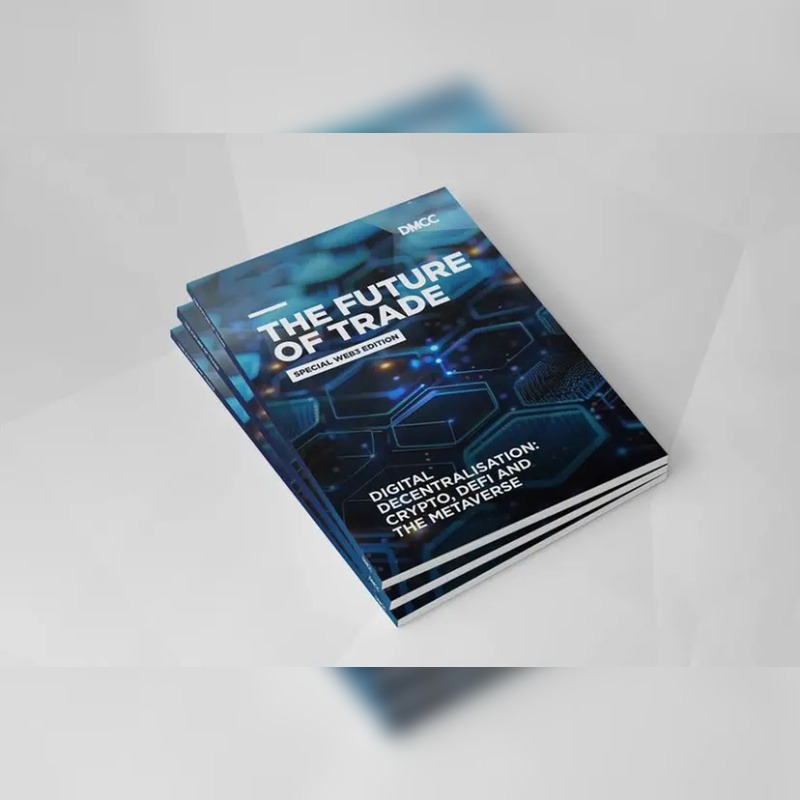
The Dubai Multi Commodities Centre (DMCC) has launched the DMCC Crypto Centre Metaverse, a digital twin of its physical Crypto Centre, developed in collaboration with Infinite Reality, a leader in immersive technologies. This initiative aims to enhance engagement within Dubai’s burgeoning Web3 ecosystem.

The metaverse platform offers users an interactive digital experience, featuring gamified zones and a trading game designed to educate participants about cryptocurrency markets. Belal Jassoma, Director of Ecosystems for DMCC, highlighted the significance of this development, noting that the global metaverse market is projected to exceed USD 3.1 trillion by 2030. He stated, “In launching the DMCC Crypto Centre Metaverse, we are not only providing a cutting-edge digital experience for our ecosystem members but also demonstrating a real pragmatic use case of next-gen technology at the intersection of blockchain and AI.”

This launch aligns with the UAE government’s Dubai Metaverse Strategy, which seeks to position the Emirate among the top 10 metaverse economies globally and establish Dubai as a leading hub for immersive technologies. The strategy underscores the government’s commitment to fostering innovation and integrating advanced technologies into various sectors.

The DMCC Crypto Centre, located in the Uptown Tower, serves as a hub for over 600 crypto firms, providing infrastructure and services to support the growth of startups and established companies in the crypto and blockchain sectors. The introduction of its metaverse counterpart is expected to further enhance collaboration and innovation within the community.

Dubai’s commitment to becoming a global leader in Web3 and blockchain technologies is evident through various initiatives. In October 2024, Sui, a prominent blockchain platform, launched ‘SuiHub Dubai,’ its first global hub aimed at driving Web3 innovation. SuiHub Dubai provides Web3 startup founders with access to workshops, technical support, community-driven events, resources, funding, and technical expertise, ensuring they have the support needed to launch and scale their projects using Sui’s blockchain infrastructure.

The Dubai International Financial Centre (DIFC) has been instrumental in fostering innovation within the financial sector. In January 2023, DIFC launched a metaverse platform as part of the Dubai Metaverse Strategy, providing startups with training, workshops, and networking opportunities. The platform focuses on policy development, legal frameworks, and digital identity, contributing to the broader adoption of metaverse technologies.

The UAE’s proactive approach to embracing advanced technologies has attracted global attention. The implementation of an Innovation Testing License provides a regulatory sandbox that allows companies to test new technologies and business models in a controlled environment. This initiative encourages innovation and enables regulatory bodies to better understand the risks associated with digital assets and new financial technologies.

The Dubai AI Campus, a dedicated ecosystem for AI and Web3 innovation, offers state-of-the-art physical and digital infrastructure to support the growth of these technologies. Located in the heart of Dubai, the campus provides an environment conducive to research, development, and collaboration among industry players.

The DMCC’s latest initiative is expected to play a pivotal role in attracting more businesses and talent to Dubai’s crypto and blockchain sectors. By providing a virtual environment that mirrors its physical counterpart, the DMCC Crypto Centre Metaverse offers companies the opportunity to engage with the ecosystem remotely, facilitating global collaboration and innovation.

ADNOC Drilling Company has finalized the establishment of Turnwell Industries LLC OPC, a joint venture with SLB and Patterson-UTI TW Holdings LLC, aiming to develop Abu Dhabi’s unconventional oil and gas resources.

In this partnership, ADNOC Drilling holds a 55% stake, SLB 30%, and Patterson-UTI 15%.

Abu Dhabi’s unconventional reserves are substantial, with estimates of 220 billion barrels of oil and 460 trillion cubic feet of gas.

Turnwell’s initial project involves drilling and completing 144 unconventional wells by the end of 2025.

The venture has already achieved a milestone by delivering its first wells in under 20 days, setting a new benchmark in well delivery times.

Turnwell will utilize advanced technologies, including AI-driven smart drilling design, enhanced drill bit designs, and next-generation rotary steerable systems, to improve efficiency and reduce costs.

This initiative is part of ADNOC’s broader strategy to responsibly develop the UAE’s unconventional energy resources, contributing to global energy security.

The collaboration with SLB and Patterson-UTI brings together expertise in drilling, completions, and project management, positioning Turnwell to set new industry standards in unconventional resource development.

Turnwell also benefits from a direct relationship with Enersol, ADNOC Drilling’s joint venture with Alpha Dhabi, which invests in innovative energy services technology companies to enhance operational efficiency.

The successful delivery of the initial wells and the acceleration of the 144-well program underscore Turnwell’s commitment to unlocking Abu Dhabi’s unconventional energy potential.

As global demand for energy continues to rise, Turnwell’s efforts are expected to play a crucial role in meeting this demand by tapping into previously underutilized resources.

The joint venture’s focus on leveraging cutting-edge technologies and innovative solutions reflects a commitment to efficiency and sustainability in energy production.

The UAE’s payment industry is on track for significant growth, projected to reach a value of $27.3 billion by 2028. This surge reflects the country’s increasing digital transformation, with innovative payment technologies gaining traction across multiple sectors. The shift toward a cashless economy and the growing demand for online and mobile payment solutions are key drivers behind this expansion. The shift to digital payments has been accelerated […]

Abu Dhabi-based energy group XRG has entered into a strategic partnership with BP to establish a joint venture aimed at developing a state-of-the-art natural gas platform. The move marks a significant step in the region’s ongoing efforts to expand its energy infrastructure while aligning with global trends towards cleaner energy solutions. This collaboration highlights both companies’ shared commitment to innovating within the natural gas sector, one of […]

Saudi Global Ports Co., a state-backed entity, has engaged Goldman Sachs Group Inc. and HSBC Holdings Plc to assist in arranging a potential initial public offering (IPO) that could raise up to $1 billion. The IPO is anticipated to take place as early as next year, according to sources familiar with the matter.

The company, owned by Saudi Arabia’s sovereign wealth fund and Singapore’s PSA International Pte, is considering listing on the Riyadh stock exchange. This move aligns with Saudi Arabia’s broader strategy to diversify its economy and attract international investment.

Saudi Global Ports Co. operates several key ports in the kingdom, including the King Abdulaziz Port in Dammam and the King Fahad Industrial Port in Yanbu. These ports are vital to the nation’s trade infrastructure, handling a significant portion of Saudi Arabia’s imports and exports.

The potential IPO is part of a series of privatizations and public offerings initiated by the Saudi government to reduce its reliance on oil revenues and stimulate the non-oil economy. The Public Investment Fund (PIF), which owns Saudi Global Ports Co., has been instrumental in these efforts, investing in various sectors such as technology, entertainment, and infrastructure.

The selection of Goldman Sachs and HSBC underscores the importance of the IPO and the government’s commitment to ensuring its success. Both banks have extensive experience in managing large-scale IPOs and have been involved in several high-profile offerings in the region.

The planned IPO is expected to attract significant interest from both domestic and international investors, given the strategic importance of the ports and the government’s push for economic diversification. The funds raised from the offering are intended to support the expansion and modernization of port facilities, enhancing Saudi Arabia’s position as a global logistics hub.

While the exact timing and valuation of the IPO are yet to be determined, the involvement of leading financial institutions indicates a well-prepared approach to the offering. The success of this IPO could set a precedent for future privatizations and public offerings in Saudi Arabia, potentially influencing the broader Middle East and North Africa (MENA) region’s capital markets.

Former President Donald Trump recently addressed the Blockchain Association’s Annual Policy Summit, where he expressed strong support for the growth of the blockchain industry in the United States. During the dinner event, Trump emphasized the importance of blockchain technology as a key driver for maintaining economic strength and preventing American businesses from moving overseas to countries like China. His remarks at the summit highlighted the need for clear regulatory frameworks that encourage innovation while safeguarding national interests.

Trump’s engagement with blockchain technology comes as part of a broader push to modernize the U.S. economy and ensure that cutting-edge technologies remain within the country’s borders. The former president has previously voiced concerns over the global shift of technology and business hubs toward nations with more favorable regulatory environments, particularly China, which has become a major player in sectors like cryptocurrency mining and blockchain-based services.

Speaking to the gathered policy experts, business leaders, and lawmakers, Trump urged for a balanced approach to regulation that allows for growth and innovation in the blockchain sector. “The U.S. must stay ahead in this field,” he said, warning that without action, American companies may seek more favorable environments abroad. His comments reflect his long-standing view on the need to maintain U.S. competitiveness, particularly in sectors that are expected to define the global economy in the coming decades.

The former president’s endorsement of blockchain technology is seen as an attempt to position the U.S. as a global leader in the emerging digital economy. Blockchain, which underpins cryptocurrencies like Bitcoin and Ethereum, has a broad range of applications, including in finance, supply chain management, and even healthcare. As industries around the world explore its potential, the U.S. government faces pressure to implement regulations that both foster innovation and protect investors and consumers.

Trump’s position on blockchain aligns with a growing consensus in Washington about the need to establish clearer guidelines for the technology. Several lawmakers have recently introduced bills aimed at improving the regulatory environment for blockchain and cryptocurrencies. These efforts aim to address the challenges of crypto-related fraud, money laundering, and tax evasion, while also encouraging the growth of legitimate businesses in the space.

The Blockchain Association, which represents a wide array of blockchain companies, has been at the forefront of advocating for such regulations. Their policy priorities include ensuring that the U.S. remains a favorable jurisdiction for blockchain entrepreneurs, particularly when compared to jurisdictions like China, where regulatory crackdowns have stifled domestic innovation. For Trump, promoting blockchain development is part of his broader economic vision that focuses on retaining technological leadership within U.S. borders.

Trump’s dinner remarks were met with mixed reactions. Supporters lauded his call for stronger blockchain policies, viewing it as a necessary step to ensure that the U.S. remains a technological powerhouse. However, critics cautioned that any regulatory push must balance innovation with security and consumer protection. They highlighted concerns that overly restrictive regulations could stifle growth in a sector that is still in its early stages.

The blockchain industry has been grappling with regulatory uncertainty for years. While blockchain technology itself is decentralized and largely unregulated, the use of cryptocurrencies and blockchain-based applications in finance has drawn significant attention from government agencies. The U.S. Securities and Exchange Commission (SEC) and other regulatory bodies have been working to develop frameworks that protect investors and ensure that the industry does not become a haven for illegal activities.

For the blockchain sector, Trump’s comments highlight the urgency of developing a regulatory structure that allows businesses to thrive while maintaining a clear legal framework. Blockchain companies have expressed concerns over the patchwork of regulations at the state and federal levels, which can create confusion and limit their ability to scale operations.

As global competition heats up, blockchain is increasingly seen as a critical area for investment. Countries around the world are making moves to attract blockchain startups and developers by offering tax incentives, regulatory clarity, and business-friendly environments. Trump’s statements signal that the U.S. government may need to do more to support the sector to remain competitive.

The future of blockchain technology in the U.S. may hinge on the development of a coherent regulatory strategy. Proponents argue that clear and consistent guidelines are essential for encouraging investment and innovation, while detractors warn that too much regulation could stifle the sector’s potential. Trump’s position reflects the growing recognition that the U.S. must act quickly to ensure it remains a global leader in blockchain, cryptocurrency, and other emerging technologies.

Argentina is set to become the first country in South America to install a cryptocurrency ATM, with plans to launch in 2025. The announcement comes at a time when the country is exploring new ways to enhance its digital economy, underscored by a recent partnership with El Salvador, a leader in digital currency adoption. The collaboration between Argentina and El Salvador aims to boost cryptocurrency use and financial innovation in the region.

BitBase, a Spanish cryptocurrency company, will be responsible for the installation of the ATM. The move marks a significant milestone in Argentina’s push towards embracing cryptocurrencies as a legitimate financial instrument, especially amid the country’s ongoing economic challenges. As inflation soars and the national currency struggles, Argentinians have increasingly turned to digital currencies for financial security. BitBase’s ATM will allow users to buy and sell cryptocurrencies like Bitcoin, facilitating easier access to digital assets in a country that has seen rapid growth in crypto adoption.

Argentina’s decision to integrate a crypto ATM into its financial infrastructure is also seen as a response to the evolving global economic landscape. As inflation rates continue to climb, Argentinians have turned to Bitcoin and other cryptocurrencies as a hedge against their volatile local currency. The country has already witnessed a surge in cryptocurrency transactions, and the introduction of the crypto ATM is expected to further fuel this trend, making it more convenient for citizens to access digital currencies.

The partnership with El Salvador is also a critical aspect of this shift towards digital currency adoption. El Salvador, the first country to make Bitcoin legal tender, has experienced a variety of successes and challenges in its efforts to integrate cryptocurrency into its financial system. Argentina’s collaboration with El Salvador aims to leverage their collective experiences, enabling Argentina to accelerate its own adoption of digital currencies while mitigating potential challenges.

The Argentinian government has remained cautious but open to the idea of integrating cryptocurrency into its financial system. While there is no official endorsement of cryptocurrency as a national currency, the government has acknowledged the potential of blockchain technology and digital assets to improve financial inclusion. As part of its economic strategy, Argentina is actively exploring the use of technology to combat financial instability, and cryptocurrency has become an increasingly prominent part of that conversation.

In a nation where access to traditional banking services is limited for many, cryptocurrencies offer an alternative financial system that is not reliant on centralized institutions. The ability to engage with a decentralized financial ecosystem presents an opportunity for the underbanked and those with limited access to traditional financial services. The installation of the crypto ATM is expected to bridge the gap for many Argentinians, providing them with a more direct route to engage with the digital economy.

BitBase’s decision to target Argentina for its first crypto ATM installation outside of Europe demonstrates the growing interest in Latin America as a hub for cryptocurrency adoption. Argentina, with its large population and economic struggles, offers an ideal environment for such initiatives. The region has become a key battleground for cryptocurrency firms, with countries like Brazil, Mexico, and Colombia also taking steps toward increasing cryptocurrency adoption.

While the introduction of crypto ATMs presents opportunities, it also raises concerns about the regulatory environment. Argentina’s government has yet to fully regulate cryptocurrency transactions, and the potential for future legislation remains a point of uncertainty. The Argentine Central Bank has issued warnings about the risks associated with cryptocurrencies, including their volatility and the potential for money laundering and other illicit activities. Despite these concerns, the growing public interest in cryptocurrencies is pushing the government to adopt a more pragmatic approach.

The installation of the crypto ATM in Argentina is expected to open the door for further advancements in the digital economy. This initiative aligns with the broader trend in Latin America, where countries are increasingly seeking to integrate blockchain technology and digital currencies into their financial systems. Argentina’s move is a significant step toward positioning itself as a leader in digital finance in the region.

As for the collaboration with El Salvador, both nations are working to develop a framework that ensures the safe and effective use of cryptocurrencies. The experience of El Salvador, which is currently navigating the complexities of cryptocurrency adoption, will provide Argentina with valuable insights. By learning from the successes and challenges faced by El Salvador, Argentina hopes to build a more robust infrastructure for digital currencies that can serve as a model for other countries in Latin America.

Continuous investments have bolstered DHL’s aviation network and ground facilities in the past year, enabling it to support new trade demands and the traditional peak season spike The company saw 6% more international shipments move between Asia Pacific and other continents through its network, comparing the first nine months of 2023 and 2024 SINGAPORE – Media OutReach Newswire – 17 December 2024 – DHL Express, has bolstered […]

Abu Dhabi National Oil Company (ADNOC) has secured a pivotal 15-year Sales and Purchase Agreement (SPA) with Germany’s EnBW Energie Baden-Württemberg AG for the delivery of Liquefied Natural Gas (LNG) from the Ruwais project. This agreement, valued at over 15 years, marks the transformation of a previous Heads of Agreement (HoA) between both companies into a formal, legally binding contract.

The contract will see the supply of 0.6 million tons of LNG annually, signaling a significant step for both ADNOC and EnBW as they work together on the development and growth of the lower-carbon Ruwais LNG project. This long-term agreement further underscores the UAE’s growing commitment to diversifying energy exports and providing cleaner energy alternatives to global markets.

The Ruwais LNG project, positioned as an essential piece of ADNOC’s energy strategy, seeks to tap into the global LNG market by providing environmentally friendlier solutions. The project’s focus on carbon reduction is aligned with ADNOC’s broader sustainability goals and its drive to balance its role in global energy markets with commitments to lower carbon emissions.

As one of the first major deals to materialize under ADNOC’s expanded LNG export strategy, this SPA positions ADNOC as a crucial player in the global LNG market. The deal also underscores the UAE’s robust energy diplomacy, aligning closely with the country’s energy diversification objectives.

EnBW, a key German utility company, has seen its investment in the Ruwais LNG project as a vital step toward enhancing energy security in Europe while also meeting the increasing demand for cleaner energy sources. EnBW has long been an advocate of low-carbon energy solutions and sees this partnership as an essential addition to its LNG procurement strategy, marking a significant alignment between European energy needs and Middle Eastern resources.

The agreement comes amid heightened global interest in securing clean energy sources, with Europe especially focused on reducing dependence on traditional, carbon-intensive fuels. With this deal, EnBW solidifies its place in the strategic LNG supply chain and boosts its reputation as a responsible energy provider. Meanwhile, ADNOC continues to leverage its vast energy resources to foster long-term partnerships with key international players.

This milestone deal follows a series of strategic efforts by ADNOC to capitalize on its extensive infrastructure and supply capabilities in order to meet global energy demands while maintaining an eye on sustainability. The Ruwais LNG project, designed to produce lower-carbon LNG, is part of ADNOC’s broader vision to reduce carbon emissions from its natural gas and liquefied natural gas sectors. The project aligns with the company’s goal of contributing positively to the global transition towards cleaner energy, making ADNOC a more attractive partner for global investors looking to reduce the environmental impact of their energy consumption.

For ADNOC, the deal is part of a broader push to enhance its portfolio and expand its presence in global energy markets. The UAE has long been a key energy exporter, and this deal represents another step in ADNOC’s strategic expansion plans. The company continues to focus on providing low-carbon energy solutions, driven by both market demands and a global push for environmental responsibility.

The terms of the deal also underscore ADNOC’s ability to meet growing demand for LNG while ensuring a steady supply of energy to European markets, particularly during times of supply uncertainty. The UAE’s strategic location and its robust infrastructure make it an ideal hub for such critical energy partnerships. The deal also reflects the UAE’s ongoing efforts to strengthen its ties with global markets, enhancing energy security and fostering more sustainable energy practices worldwide.

Meanwhile, for EnBW, this deal with ADNOC is an important part of its strategic push to secure long-term, stable LNG supplies. Europe’s energy market is facing substantial challenges in the wake of the global energy crisis, and EnBW is taking proactive steps to secure the necessary energy resources to meet future demand. The partnership with ADNOC is expected to bolster EnBW’s energy mix, ensuring that the utility company can maintain a balance of secure and sustainable energy sources for its customers.

With an increasing emphasis on lowering carbon footprints across industries, both ADNOC and EnBW are positioning themselves as leaders in the shift toward cleaner energy. The move comes at a time when many global companies are seeking more environmentally responsible energy sources to comply with stringent emission reduction targets set by governments and international organizations. The deal represents a significant contribution to the global LNG market, and as the project progresses, both companies are expected to explore further opportunities for collaboration in areas related to renewable energy and emission reduction technologies.

The Body Shop, a pioneer in ethical beauty founded in 1976 by Anita Roddick, has embarked on a transformative journey under the stewardship of Auréa Group, led by co-founder and Executive Chairman Mike Jatania. This development follows a period of financial instability that culminated in the company’s administration earlier this year.

In September 2024, Auréa Group finalized the acquisition of The Body Shop, aiming to rejuvenate the brand’s market presence and reaffirm its commitment to ethical consumerism. Jatania, with over three decades in the beauty industry, expressed enthusiasm for revitalizing a brand that resonates with consumers across more than 70 countries. He emphasized plans to invest in product innovation and enhance customer experiences while honoring the brand’s activist heritage.

The Body Shop’s financial challenges became evident when it entered administration in February 2024, leading to the closure of approximately half of its 198 UK stores and significant job losses. The company’s struggles were attributed to increased competition and shifts in consumer preferences.

Under Auréa’s leadership, The Body Shop is poised for a strategic transformation. CEO Charles Denton, who brings a wealth of experience from his tenure at Molton Brown, underscored the necessity for bold actions and a consumer-centric approach to restore the brand’s unique, values-driven spirit.

A key component of the revival strategy involves a renewed focus on product innovation, particularly in skincare and fragrance, to meet the evolving demands of a diverse consumer base. Jatania highlighted the importance of agility in responding to market trends while maintaining the brand’s ethical standards.

The Middle East has been identified as a pivotal region for The Body Shop’s growth. With an existing presence in nine markets, including the UAE and Saudi Arabia, the brand aims to cater to a young, conscientious consumer base that values sustainability and ethical products. Plans are underway to adapt product offerings to local preferences, particularly in fragrance and skincare, to strengthen the brand’s foothold in the region.

The acquisition by Auréa Group has also ensured the continuation of The Body Shop’s operations in the UK, North America, and Australia. The new ownership has committed to keeping the remaining UK stores open, safeguarding approximately 1,500 jobs, and stabilizing the company’s presence in key markets.

flydubai has officially inaugurated its new Business Class Lounge at Terminal 2 of Dubai International Airport (DXB), a move aimed at enhancing the travel experience for its premium passengers. This opening aligns with the airline’s ongoing efforts to offer top-tier services and improve convenience for its growing number of high-end travelers.

The launch event was attended by key figures from the airline and local government, including Hamad Obaidalla, Chief Commercial Officer at flydubai, and H.E. Major-General Obaid Muhair bin Suroor, Deputy Director-General of the General Directorate of Residence and Foreigners Affairs in Dubai. Both emphasized the strategic importance of the new lounge in fostering customer satisfaction and reinforcing Dubai’s position as a global hub for air travel.

flydubai’s new Business Class Lounge is designed to offer a comfortable, spacious environment with state-of-the-art amenities, ensuring that passengers can relax or work in a serene setting before their flights. The lounge features a variety of seating options, private workstations, high-speed Wi-Fi, and an extensive selection of food and beverages, tailored to meet the needs of both business and leisure travelers.

The move marks a significant upgrade to the airline’s offerings, as it continues to expand its route network and improve its services. This new lounge, located in the busy Terminal 2, is also a step towards aligning the airline’s infrastructure with the high standards expected of modern international airports. Terminal 2 handles millions of passengers annually, with a significant portion of those traveling in premium classes, further underscoring the demand for such facilities.

The opening of the lounge comes at a time when global air travel is recovering from the pandemic, with airlines increasingly focusing on improving customer experience and loyalty. This lounge is part of flydubai’s broader strategy to distinguish itself in a highly competitive market by offering tailored services for its business class passengers. The airline has made significant strides over the years, with a focus on modernizing its fleet, expanding routes, and improving in-flight services. The introduction of premium lounges at key airports is another step in its long-term vision to provide a seamless travel experience that meets the expectations of today’s discerning passengers.

The flydubai Business Class Lounge is not only a reflection of the airline’s commitment to customer care but also a response to the growing trend among travelers seeking high-end, comfortable experiences at airports. According to aviation industry experts, premium passengers are increasingly looking for more than just luxury in-flight services; they want a complete experience, starting from the moment they step into the airport. This is particularly true in Dubai, where the airport is a critical hub for international connections, and many passengers spend hours waiting for their connecting flights.

The lounge’s design emphasizes a blend of functionality and luxury. The space is divided into different zones, offering everything from quiet areas for relaxation to more active zones for business meetings. The introduction of private workstations caters to business travelers who need a quiet place to prepare for meetings or make calls. For those looking to unwind, the lounge offers a variety of entertainment options, including television screens and comfortable lounge seating. The food and beverage offerings are diverse, with an emphasis on fresh and healthy options, as well as a selection of regional and international delicacies.

Hamad Obaidalla, speaking at the event, noted that the lounge was not only a response to growing demand but also a reflection of the airline’s dedication to innovation in customer service. “As we continue to expand our operations, we are committed to enhancing the travel experience for our passengers,” he said. “The new lounge is an example of how we are investing in facilities that provide our customers with comfort and convenience at every step of their journey.”

The inauguration of this lounge highlights Dubai’s continuous efforts to upgrade its aviation infrastructure. Dubai International Airport has long been a leading global airport, serving millions of passengers each year, and it continues to evolve to meet the needs of the growing air travel market. With new developments, such as the flydubai Business Class Lounge, the airport reaffirms its role as a key player in the global aviation industry.

The move also aligns with broader trends in the aviation sector, where airlines are increasingly focusing on customer experience to stay competitive. In recent years, airlines worldwide have been ramping up their investments in premium services, including dedicated lounges, personalized travel experiences, and enhanced in-flight offerings. As competition in the Middle East’s aviation market heats up, carriers like flydubai are striving to set themselves apart by offering not only affordable fares but also world-class services.

This new facility also reflects the airline’s increasing focus on the business and corporate travel market. Dubai’s status as a global business hub is well-established, and flydubai’s new lounge is designed to cater to the needs of travelers who prioritize efficiency and comfort. Business travelers often have tight schedules and expect high levels of service both on the ground and in the air. With this new lounge, flydubai hopes to make the airport experience as seamless and stress-free as possible.

MicroStrategy has further cemented its position as one of the largest corporate holders of Bitcoin, completing the acquisition of an additional 15,350 BTC for $1.5 billion, translating to an average price of approximately $100,386 per Bitcoin. This latest purchase marks a significant move for the company, reinforcing its bullish stance on the cryptocurrency as part of its long-term strategy.

The firm, led by Michael Saylor, now holds a total of 439,000 BTC, valued at around $27.1 billion. This represents a major commitment to the digital asset class, with an average purchase price of $61,725 per Bitcoin. The recent acquisition comes amid a highly volatile period for Bitcoin, reflecting MicroStrategy’s ongoing belief in the asset’s potential to appreciate over time despite fluctuations in market prices.

This move is part of MicroStrategy’s broader strategy, which has seen it steadily accumulate Bitcoin over several years. The company began its Bitcoin acquisition spree in August 2020, making waves with its decision to adopt Bitcoin as its primary treasury reserve asset. At the time, it was one of the first major publicly traded companies to make such a bold commitment. Since then, MicroStrategy has continued to expand its holdings, with the total now approaching half a million BTC.

The firm’s investment strategy has been both aggressive and disciplined. The recent purchase of 15,350 BTC is one of the largest single acquisitions the company has made, a testament to its confidence in Bitcoin’s future. With a BTC yield of 46.4% quarter-to-date and 72.4% year-to-date, the performance of its holdings has demonstrated significant growth, providing strong returns on investment amid the digital currency’s price movements. Despite the volatility of Bitcoin’s market, these figures underline MicroStrategy’s strategy of holding long-term, seeing fluctuations as temporary rather than risks to the investment.

MicroStrategy’s focus on Bitcoin has not been without its critics, especially given the volatility that the cryptocurrency market can exhibit. Yet, the company’s commitment to holding its Bitcoin rather than liquidating it has helped the firm weather some of the market’s downturns. For instance, when Bitcoin’s value dropped significantly in mid-2022, many investors reassessed their positions, yet MicroStrategy maintained its stance, reaffirming its strategy.

The recent surge in Bitcoin’s price in the latter part of 2023 and into 2024 has only bolstered MicroStrategy’s position. While Bitcoin’s market value has fluctuated over time, with sharp dips followed by recoveries, the price stability seen recently suggests that its adoption as a store of value is gaining broader acceptance. The digital currency has seen increasing interest from institutional investors, signaling a shift in market sentiment towards Bitcoin as a long-term asset rather than a speculative instrument.

MicroStrategy’s massive Bitcoin position has also had implications for the company’s financial health. The firm has financed many of its Bitcoin purchases through a combination of cash reserves and debt offerings, including a significant issuance of convertible senior notes. This strategy has allowed MicroStrategy to leverage its position in the cryptocurrency without diluting its equity.

As Bitcoin adoption continues to grow among institutional investors and corporations, the role of companies like MicroStrategy in shaping market trends becomes more apparent. Their buying patterns not only influence Bitcoin’s price movements but also signal to other investors the viability of cryptocurrency as part of a diversified investment portfolio.

The corporate adoption of Bitcoin, exemplified by MicroStrategy’s approach, has also sparked broader discussions about the future of digital currencies and their integration into the global financial system. While many countries are still grappling with the regulatory implications of cryptocurrencies, the rising influence of institutional players points to an inevitable shift towards digital assets in the broader financial ecosystem.

Despite the challenges of regulatory uncertainty and market volatility, MicroStrategy’s bet on Bitcoin has proven to be a long-term strategy rather than a short-term speculation. The firm’s actions illustrate a deep belief in Bitcoin as a foundational asset for the future, even as the broader market adjusts to its unpredictable nature.

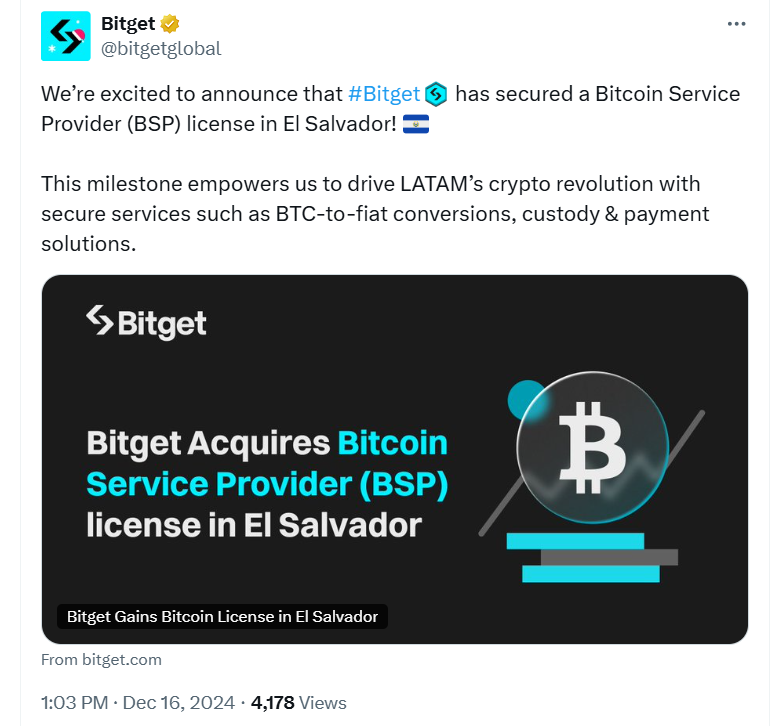
Bitget has received the coveted Bitcoin Service Provider (BSP) license from El Salvador’s Central Reserve Bank, marking a significant step in its global expansion strategy. This authorization allows the platform to offer a range of Bitcoin-related services, including exchanges, payments, and custody solutions, in the Central American nation known for its embrace of cryptocurrency.

The license represents a notable achievement for Bitget, signaling its commitment to adhering to regulatory frameworks in its pursuit of a stronger foothold in Latin America. El Salvador, which made Bitcoin legal tender in 2021, has positioned itself as a hub for crypto innovation, drawing interest from international players eager to tap into its growing digital economy.

Bitget’s decision to prioritize regulatory compliance aligns with its broader mission to establish trust and credibility in the global crypto space. By securing this license, the platform gains access to a burgeoning market while demonstrating its capability to meet the rigorous standards set by El Salvador’s financial authorities. This development underscores the firm’s ambition to build a robust presence in the region, leveraging the country’s pro-Bitcoin stance as a springboard for further growth.

El Salvador’s adoption of Bitcoin as legal tender has attracted significant attention, both for its groundbreaking approach and the challenges associated with integrating digital assets into a traditional economy. The move has created opportunities for companies like Bitget to introduce innovative solutions tailored to the unique needs of the Salvadoran market. By offering services such as secure custodial options and seamless payment integrations, Bitget aims to contribute to the local crypto ecosystem’s development while addressing concerns around security and accessibility.

Bitget’s license acquisition comes at a time when Latin America is experiencing an uptick in cryptocurrency adoption, driven by economic instability, high inflation rates, and limited access to traditional banking services. In this context, Bitcoin and other digital assets are increasingly seen as viable alternatives for financial inclusion. The platform’s expansion into El Salvador is expected to capitalize on these trends, providing users with reliable and regulated avenues for engaging with digital currencies.

Beyond its operations in El Salvador, Bitget has indicated plans to deepen its engagement with the wider Latin American region. Countries such as Brazil, Argentina, and Colombia have shown growing interest in blockchain technology, creating a fertile ground for companies looking to expand their footprint. By obtaining regulatory approvals and investing in localized solutions, Bitget aims to position itself as a leader in the regional crypto market.

El Salvador’s proactive stance on Bitcoin regulation has set it apart from many other nations, where digital assets remain subject to varying degrees of scrutiny and uncertainty. The BSP license issued to Bitget highlights the government’s willingness to work with private sector entities in fostering a dynamic and well-regulated crypto environment. This approach not only enhances the appeal of the Salvadoran market but also sets a precedent for other countries seeking to balance innovation with regulatory oversight.

As part of its expansion strategy, Bitget plans to introduce educational initiatives aimed at increasing awareness and understanding of cryptocurrencies among Salvadorans. These efforts are expected to complement the government’s existing programs and facilitate broader adoption of digital assets across diverse demographics. The company’s emphasis on education reflects its recognition of the need to address skepticism and build confidence among users new to the crypto space.

Bitget’s move also reflects broader industry trends, as major crypto firms increasingly seek to align with regulatory frameworks to ensure long-term sustainability. The BSP license not only enhances Bitget’s credibility but also serves as a testament to its operational rigor and strategic vision. By adhering to the highest standards of compliance, the platform positions itself to attract a diverse user base while mitigating risks associated with the volatile nature of the cryptocurrency market.

KUALA LUMPUR, MALAYSIA – Media OutReach Newswire – 16 December 2024 – In December, China’s leading premium modern tea drink brand, NAIXUE, officially opened its first store at The Exchange TRX mall in Kuala Lumpur, Malaysia. Situated in a prime location on the concourse level of the mall, NAIXUE features a bright and cozy interior. During the opening, NAIXUE’s freshly-made tea drinks attracted a large crowd, with […]

The continued partnership between the United Arab Emirates (UAE) and Bahrain is playing a pivotal role in shaping sustainable development across the Gulf region. This collaboration, notably exemplified by the Abu Dhabi Fund for Development (ADFD), remains central to both countries’ economic growth strategies and their shared goals of environmental responsibility and innovation. Over the years, the UAE’s support has significantly contributed to Bahrain’s infrastructure, economic diversification, […]

VISHNU RAJA
RYO YAMADA
HITORI GOTOH
IKUYO KITA