News related to
Strategy

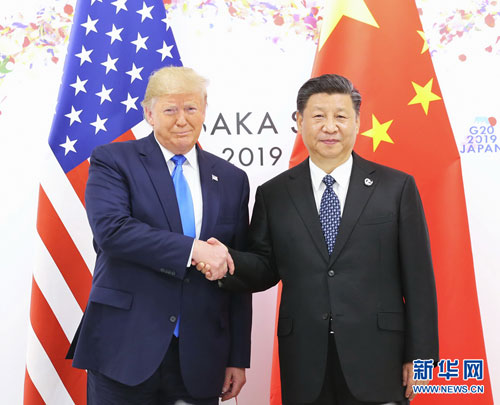
By Nitya Chakraborty Is the U.S. President Donald Trump looking for a big deal with the Chinese President Xi Jinping in his second term to reshape the global order favouring two super powers and marginalizing both Western Europe and Russia? The question gets all the relevance if one analyses the policy announcements by the second […]

Elite, Regular, and Foundation Programs Available – Top Tutors Help Students Reach Their Full Potential HONG KONG SAR – Media OutReach Newswire – 22 January 2025 – The Learn Smart Education (LSE) team, which came together during the pandemic in 2021, started with only a handful of teachers but has persevered through challenges to achieve remarkable success. By 2024, the team has nurtured numerous students who have […]

Recognized for Advancing Growth Strategy & Technological Innovation TOKYO, JAPAN – Media OutReach Newswire – 21 January 2025 – Azbil Corporation (Tokyo Stock Exchange Code: 6845) announced that it has won Frost & Sullivan’s 2024 Best Practices Company of the Year Award in the Southeast Asia smart building solutions industry, marking its third consecutive year of recognition. Frost & Sullivan’s Company of the Year Award, its top […]

Dubai-based developer Sobha Realty is set to unveil a range of new projects in the UAE this year, capitalizing on the nation’s property boom. The company’s founder recently confirmed plans to introduce eight to 10 new ventures, collectively valued in the multibillion-dirham range. These upcoming developments come at a time when the UAE’s real estate market has shown significant signs of resilience and growth, despite global economic […]

Dubai Islamic Bank (DIB), the United Arab Emirates’ largest Shariah-compliant lender by assets, has increased its shareholding in Türkiye’s T.O.M. Group from 20% to 25%. This strategic move underscores DIB’s commitment to expanding its presence in Türkiye’s burgeoning digital banking and financial technology sectors. The initial acquisition occurred in October 2023, marking DIB’s entry into Türkiye’s digital financial services market. The T.O.M. Group, established by Aydın Group, […]

Etihad Rail has launched the region’s first “CO2 Emission Avoidance and Reduction Certificates,” enabling businesses to quantify and validate the carbon savings achieved by choosing rail over alternative transport modes. This initiative aligns with the UAE’s Net Zero by 2050 Strategy and supports the nation’s climate change agenda. The certificates, powered by EcoTransIT, a globally recognized tool for assessing the environmental impact of transport, calculate CO2 Equivalents […]

Abu Dhabi Investment Authority (ADIA), one of the world’s largest sovereign wealth funds, has acquired a significant stake in Innocap, a Canadian alternative investment management firm. This investment highlights the growing interest of Middle Eastern investors in North American financial markets, with ADIA’s move signaling its confidence in the potential of emerging asset management models.

Innocap, which specializes in providing customized investment solutions for institutional clients, has gained traction in the financial sector due to its innovative approach in combining quantitative and discretionary strategies. The firm is known for its expertise in alternative investments, including hedge funds and private equity, offering tailored solutions for clients looking to diversify portfolios and optimize returns.

This acquisition marks a key step in ADIA’s ongoing strategy to enhance its portfolio with high-growth opportunities across global markets. ADIA has historically focused on securing long-term returns by investing in a wide array of asset classes, including equities, fixed income, real estate, and private equity. The decision to invest in Innocap reflects ADIA’s intent to tap into the expanding alternative investment space, particularly in regions where the demand for such strategies is on the rise.

Innocap’s management has expressed excitement over the partnership, which they believe will allow them to scale operations and enhance their product offerings. The firm’s deep experience in quantitative strategies and its robust network of institutional investors aligns well with ADIA’s strategic goals of identifying high-performing, sustainable investments in evolving markets.

ADIA’s acquisition strategy has been increasingly focused on technology-driven firms, as it seeks to benefit from the growth of tech-driven financial services. The investment in Innocap is part of a broader trend of sovereign wealth funds expanding their reach into specialized financial services. This move also mirrors the growing trend of institutional investors diversifying their portfolios into non-traditional assets, including those managed by firms like Innocap that specialize in leveraging advanced technology and financial engineering.

The deal is expected to enhance Innocap’s ability to develop cutting-edge investment strategies, further positioning the firm as a leader in the alternative investment space. Experts have noted that ADIA’s involvement will likely bring significant benefits to Innocap’s clients, including greater access to global capital markets and an expanded range of investment solutions. The partnership is seen as mutually beneficial, with ADIA gaining access to Innocap’s advanced strategies and innovative approaches, while Innocap benefits from the strategic backing and resources of one of the world’s largest investment funds.

For ADIA, the deal reflects a strategic shift towards investing in firms that specialize in niche, high-return asset classes. As the demand for alternative investments grows globally, particularly in regions like North America, the acquisition of Innocap positions ADIA to take advantage of new opportunities in asset management. The move is also in line with the fund’s goal of diversifying its holdings in a range of high-growth, high-potential sectors.

Innocap’s leadership sees this partnership as a way to solidify its position in a competitive industry, where differentiation through technology and innovation is key to sustained growth. The firm’s ability to deliver bespoke investment strategies will be enhanced with the added resources and international presence that ADIA brings to the table. Industry analysts expect the firm to leverage this new relationship to accelerate its growth trajectory, particularly as more institutional investors seek out alternative investment solutions that are both sophisticated and flexible.

The acquisition is also expected to pave the way for new collaborations between the two organizations, including potential expansions into emerging markets. ADIA’s global network and resources will likely provide Innocap with the tools needed to expand its footprint beyond North America, tapping into growth markets across Asia and the Middle East.

In the context of broader investment trends, the deal represents a convergence of traditional and alternative asset management strategies. ADIA’s move into the alternative investment space further reflects the growing appetite among institutional investors for higher-yielding, diversified portfolios. With Innocap’s expertise in managing complex, multi-strategy portfolios, the firm is well-positioned to meet this demand while benefiting from the backing of one of the world’s most influential sovereign wealth funds.

As the deal progresses, the focus will likely be on how both parties can integrate their strategies to enhance overall portfolio performance. For ADIA, this investment offers an opportunity to expand its footprint in an increasingly complex financial landscape, where the line between traditional and alternative investments is becoming more fluid.

Advertisements

The Dubai Land Department (DLD) has announced that private property owners along Sheikh Zayed Road—from the Trade Centre Roundabout to the Water Canal—and in the Al Jaddaf area are now eligible to convert their properties to freehold ownership. This policy change is applicable to all nationalities, encompassing a total of 457 plots: 128 on Sheikh Zayed Road and 329 in Al Jaddaf.

To initiate the conversion process, property owners should first verify their eligibility through the “Dubai REST” application. The procedure requires submitting an application to the DLD for property evaluation and valuation. Following this, common area fees and service charges will be determined in line with the Real Estate Regulatory Authority’s guidelines. A conversion fee amounting to 30% of the property’s valuation, based on its Gross Floor Area, will be applicable. Upon payment, a new map and freehold ownership title deed will be issued to the owner.

This initiative is anticipated to enhance the market value of properties in these areas, particularly for those opting for freehold conversion. It is also expected to bolster the economic appeal of these locations, paving the way for real estate developments tailored to freehold investors and attracting new investment to Sheikh Zayed Road and Al Jaddaf.

Eng. Marwan Ahmed bin Ghalita, Director General of DLD, stated that enabling private property owners in the designated areas to convert their properties to freehold ownership will drive significant growth in Dubai’s real estate sector. This move aligns with Dubai’s Real Estate Strategy 2033, reinforcing the city’s position as a global economic hub and a leading destination for real estate investment.

The distinction between leasehold and freehold ownership is significant. Leasehold grants property rights for a fixed term, up to 99 years, without ownership of the land. In contrast, freehold ownership provides absolute ownership of both the property and the land it occupies, allowing owners to sell, lease, or occupy at their discretion. While the initial cost of purchasing a leasehold property may be lower, there are limitations on modifications, which often require approval from the freehold owner.

Experts explore new economic opportunities presented by New Productive Forces, with a focus on comprehensive support for businesses ​​HONG KONG SAR – Media OutReach Newswire – 16 January 2025 – ​As 2025 unfolds, the global economic landscape is being reshaped, with innovative technologies redefining industrial development. This marks a crucial period for Hong Kong, poised to spearhead future economic growth through innovation-driven productivity. Hong Kong Productivity Council […]

HONG KONG SAR – Media OutReach Newswire – 17 January 2025 – On January 16, 2025, the 1st APAC Intelligent Finance Forum, hosted by the Global Corporate Scale Management Association and co-organized by Jin Xing Hui and HK Strategy King, was successfully held at the Nina Hotel Tsuen Wan, Hong Kong. The event brought together 520 attendees from eight countries and regions, including China, South Korea, Japan, […]

The Trump administration is preparing a comprehensive plan to implement stricter oil sanctions against Russia and impose additional economic pressure on Iran. This move comes as part of a broader strategy to curb both nations’ geopolitical influence, especially in global oil markets and energy security. Senior U.S. officials have outlined a series of measures aimed at restricting Russia’s ability to profit from its oil exports and penalizing […]

Masdar, the UAE-based renewable energy powerhouse, has announced a monumental venture in the Philippines, committing $15 billion towards the development of clean energy projects. This move marks a pivotal expansion for Masdar, aiming to bolster its growing footprint in Southeast Asia while contributing to the Philippines’ ambitious climate goals. The decision to enter the Philippine market comes as the country intensifies its efforts to transition to renewable […]

Wizz Air Abu Dhabi is evaluating the potential to introduce flights to Syria, aiming to broaden its network and offer more travel options to passengers. This consideration aligns with the airline’s strategy to expand its presence in the Middle East and connect underserved destinations.

The airline has experienced significant growth, carrying over 3.5 million passengers in 2024, a 20% increase from the previous year. This expansion has been accompanied by the introduction of innovative travel products, such as the Wizz MultiPass and All You Can Fly memberships, which sold out within 48 hours of their launch. These initiatives cater to travelers seeking affordable and flexible options for exploring multiple destinations throughout the year.

In addition to exploring new routes, Wizz Air Abu Dhabi is increasing the number of flights between Abu Dhabi and Tel Aviv following the recent ceasefire agreement between Israel and Hamas. The airline had previously scaled back its Tel Aviv-Abu Dhabi service due to the conflict but is now working to restore services to meet growing demand.

The United Arab Emirates’ state-owned energy firm, Masdar, has entered the Philippine renewable energy market by signing a $15 billion agreement to develop solar, wind, and battery energy storage systems. This initiative aims to deliver up to 1 gigawatt (GW) of clean power by 2030, with plans to scale up to 10 GW by 2035. Philippine Energy Secretary Raphael Lotilla described the partnership as a transformative step […]

ADNOC Gas is exploring innovative technologies aimed at transforming methane into graphene and hydrogen, positioning itself at the forefront of energy sector innovation. This breakthrough approach could redefine the future of energy production, reduce carbon emissions, and open new possibilities for the use of natural gas. The new technology being investigated by ADNOC Gas, part of the state-owned Abu Dhabi National Oil Company (ADNOC), represents a significant […]

Salik, the Dubai-based road toll operator, is set to introduce a dynamic toll pricing system by the end of January. This move is part of the company’s broader strategy to adjust its toll fees based on traffic flow and demand. However, as the company prepares to launch this pricing model, there are growing concerns over the valuation of its stock, which has been a standout performer on […]

Chinese solar giant Trinasolar is seeking a strategic partner in the United Arab Emirates (UAE) for a major solar power initiative valued at $5 billion. This ambitious project is designed to further the company’s foothold in the Middle East’s rapidly expanding renewable energy sector. The program aims to leverage Trinasolar’s advanced technologies and the UAE’s increasingly aggressive push towards sustainability, a combination that could mark a significant […]

Kenya has found a new partner for its ambitious railway expansion project, turning to the United Arab Emirates after China scaled back its financial commitment to the initiative. The move comes at a time when Kenya is striving to complete its multi-billion-dollar railway infrastructure plans aimed at connecting key cities and boosting economic activity. The shift in Kenya’s funding strategy emerged following a reduction in the financing […]

AD Ports Group, a leading player in the global ports and logistics sector, has announced a major investment of $30 million in the construction of a greenfield grain terminal in Kazakhstan. The total investment for the project is expected to exceed $50 million, with the remaining funding being sourced from local partners and stakeholders. The grain terminal, to be developed in two phases, is strategically located in […]

A groundbreaking project is set to revolutionize energy transmission as the UAE, Italy, and Albania unite to build a $1 billion undersea cable that will connect the three nations. This ambitious infrastructure initiative, touted as one of the most significant energy projects in the region, aims to enhance energy security, boost renewable energy integration, and strengthen ties between Europe and the Middle East.

The proposed undersea cable will span the Mediterranean, linking Albania’s grid to Italy’s energy system, with an additional link to the UAE. Once completed, the cable is expected to facilitate the efficient transfer of electricity, particularly renewable energy generated from solar and wind sources in the UAE and Albania. The project is a bold step toward reducing carbon emissions and advancing the global energy transition.

This collaborative effort is backed by significant political and economic support, with each country bringing unique advantages to the table. The UAE’s vast solar energy resources and its commitment to sustainable energy development are pivotal in this venture. Italy, with its advanced energy infrastructure and strategic location in the Mediterranean, serves as a critical hub for energy distribution in Europe. Albania, although not traditionally known for its energy exports, is set to play a crucial role in the renewable energy supply chain, utilizing its untapped potential for hydropower and wind energy generation.

The undersea cable will have the capacity to carry up to 1,000 megawatts of electricity, marking a significant milestone in renewable energy integration. The project aims to address the growing demand for clean energy in Europe while providing the UAE with a reliable market for its abundant solar power. Additionally, the cable will serve as a crucial link in the Mediterranean’s evolving energy landscape, enabling cross-border electricity exchange and fostering greater energy cooperation between nations.

The strategic importance of this initiative cannot be overstated. For the UAE, it represents an opportunity to diversify its energy export markets and reduce its reliance on traditional fossil fuel exports. The undersea cable will allow the UAE to leverage its renewable energy potential, particularly solar power, which has seen substantial growth in recent years. This will also help the country meet its sustainability goals and contribute to global efforts to combat climate change.

Italy, on the other hand, stands to benefit from enhanced energy security and the opportunity to access cleaner energy sources. With the European Union’s ambitious climate targets in mind, the undersea cable provides Italy with a reliable avenue to meet its renewable energy quotas while reducing carbon emissions. The cable also complements Italy’s existing efforts to integrate renewable energy into its grid and reduce dependence on fossil fuels.

Albania, while facing challenges in modernizing its energy infrastructure, offers considerable potential as a renewable energy producer. The country boasts a diverse range of renewable energy resources, including hydropower, solar, and wind energy, which can be harnessed for export to neighboring nations. By joining this project, Albania stands to benefit from increased investments in its energy sector, as well as improved grid connectivity that can stimulate economic growth and job creation.

The undersea cable project is expected to be completed by 2028, with construction set to begin in the coming years. The cable will be laid along the Mediterranean seabed, with specialized vessels and teams working to ensure the project’s success. The engineering challenges associated with such an ambitious undertaking are significant, requiring advanced technology and meticulous planning. However, the potential benefits of the project are enormous, with experts predicting a transformative impact on regional energy markets.

The alliance between the UAE, Italy, and Albania reflects a broader trend of increasing cooperation on global energy challenges. With a shared commitment to reducing carbon emissions and promoting sustainable energy solutions, the countries are setting an example for future international collaborations. By combining their unique strengths, they are forging a path toward a greener and more interconnected energy future.

The project holds significant implications for the broader geopolitical landscape. As energy interconnections grow in importance, countries are increasingly looking to build robust, sustainable, and resilient energy networks that can withstand the challenges posed by climate change and geopolitical tensions. The undersea cable is a testament to the growing recognition that collaboration is key to addressing the world’s energy needs, as no single nation can solve these challenges alone.

This project is also part of a broader strategy to diversify the energy mix in Europe and the Middle East, regions that have traditionally relied heavily on fossil fuels. By connecting these regions through advanced infrastructure like the undersea cable, the project will help to diversify energy sources and increase resilience to energy supply disruptions.


With alcohol sales in both the U.S. and China experiencing a decline, global spirits giants Diageo and Pernod Ricard are shifting their focus to the South Asian market, specifically targeting a new generation of drinkers. Both companies, recognized for their premium brands such as Johnnie Walker, Guinness, and Chivas Regal, have identified India and neighboring countries as pivotal in their plans for growth. This region, with its expanding middle class and evolving consumer behavior, presents an untapped opportunity to offset the challenges they face in more established markets.

In the U.S., consumption of alcohol has been on a downward trajectory for years, as changing social attitudes and concerns about health have altered traditional drinking habits. A similar trend is observed in China, where alcohol consumption has slowed amid an economic downturn and increasing government pressure against excessive drinking. The shift in consumer preferences in these regions has led Diageo and Pernod Ricard to recalibrate their strategies and focus more heavily on markets with burgeoning potential.

India, in particular, stands out as a key market for these companies, with its large, young population and rising disposable income. A growing number of millennials and Generation Z consumers are becoming more interested in Western-style alcoholic beverages, which has spurred the development of tailored marketing campaigns. Diageo and Pernod Ricard are not only aiming to introduce their premium brands but also creating a cultural shift toward drinking in social settings and a higher acceptance of international alcoholic beverages.

While the alcohol market in India is still highly regulated, with state-level restrictions and varying taxes across regions, the demand for spirits, especially whisky, is substantial. Whisky remains the preferred alcoholic drink in the country, and international brands have found a niche within this preference. Both Diageo and Pernod Ricard have been ramping up their investments in the subcontinent, focusing on establishing a foothold in India’s rapidly growing urban centers.

Pernod Ricard, for example, has introduced a wide range of products tailored to local tastes while maintaining the global appeal of its brands. The company’s strategy has been to offer products at different price points, allowing them to target both the premium and mass markets. Similarly, Diageo’s Johnnie Walker has launched region-specific campaigns that cater to India’s burgeoning demand for luxury spirits while also targeting younger drinkers through social media platforms.

One of the biggest advantages for both companies is the growing number of young consumers who are eager to experiment with new tastes and experiences. This demographic is highly active on digital platforms, where global trends in fashion, food, and drink have a quicker impact. Social media marketing has proven effective in India, with influencers and brand ambassadors reaching millions of consumers daily. Diageo and Pernod Ricard have capitalized on this trend, using digital media to promote their products and tap into the aspirational mindset of Indian youth.

In addition to traditional retail outlets, the rise of e-commerce in India has provided another channel for alcohol sales. Platforms such as Amazon and local players like BigBasket now offer alcohol delivery in select regions, expanding the accessibility of international spirits. The availability of premium alcohol through these channels aligns with a shift in consumption patterns, where convenience is as important as quality. With more consumers preferring to shop online, Diageo and Pernod Ricard are ensuring their products are visible and accessible in the digital marketplace.

While the potential in India is significant, it comes with its challenges. Cultural norms around drinking vary widely across the country, and alcohol consumption is still taboo in some communities. Moreover, navigating the labyrinth of state-imposed regulations presents an ongoing hurdle for both Diageo and Pernod Ricard. The two companies have had to collaborate with local distributors and build relationships with regional governments to ensure that their products meet regulatory standards and can be sold across the diverse Indian market.

Beyond India, the broader South Asian market, which includes countries like Pakistan, Bangladesh, and Sri Lanka, also holds promise for growth. However, these nations present their own unique set of challenges. In Pakistan, for instance, where alcohol is heavily restricted, the market for foreign spirits is limited to the non-Muslim population and expatriates. Nevertheless, these markets are still considered important in the long-term strategy of Diageo and Pernod Ricard as they seek to diversify their consumer base.

To further boost their presence, both companies are also exploring opportunities in the craft beverage sector. Craft spirits have been gaining traction in urban areas in India and other parts of South Asia, where consumers are looking for unique and locally inspired flavors. Diageo’s push into craft gin and local distillery partnerships is part of a broader strategy to cater to the growing interest in premium and artisanal drinks. Pernod Ricard has followed suit by promoting craft options and expanding its portfolio to include Indian-made liquors, creating products that blend traditional flavors with modern drinking preferences.

Abu Dhabi’s Emirates Nuclear Energy Corporation (ENEC) is strategically expanding its footprint in the global nuclear power industry, aiming to become a significant player in energy markets beyond the UAE. The initiative comes at a time when the world is focusing on achieving carbon-neutral goals and ensuring sustainable energy solutions. ENEC’s pursuit of global growth underscores the UAE’s ambition to diversify its energy sources and establish itself as a leader in clean energy technologies.

ENEC, founded in 2009, has made considerable strides in the UAE’s nuclear power sector, with the Barakah Nuclear Energy Plant being the centerpiece of its operations. The plant, located in the Al Dhafra region, is the first nuclear power plant in the Arab world, with four reactors now operational. The successful implementation of Barakah has positioned ENEC as a model for nuclear energy projects in the Middle East and has given it the confidence to pursue expansion into international markets.

One of the key drivers behind ENEC’s global ambitions is its desire to capitalize on growing global demand for low-carbon energy solutions. As countries strive to meet their climate goals, there is an increasing emphasis on nuclear energy as a reliable and scalable option for reducing greenhouse gas emissions. The International Atomic Energy Agency (IAEA) has reported a steady rise in interest in nuclear power projects worldwide, especially in Asia and Europe, where governments are pushing for clean energy investments.

The UAE’s commitment to carbon neutrality by 2050 has propelled ENEC’s expansion plans. Nuclear energy, which is free from carbon emissions during its generation phase, aligns with the country’s goal of reducing reliance on fossil fuels. By expanding its nuclear operations globally, ENEC is not only seeking to help other nations achieve their climate objectives but also to strengthen the UAE’s geopolitical standing as a leader in energy innovation.

ENEC’s global ambitions are supported by the robust technological expertise it has developed over the years. The company has already partnered with international firms and organizations to develop state-of-the-art nuclear power technologies. One of the most notable partnerships is with Korea Electric Power Corporation (KEPCO), which has provided engineering and design expertise for the Barakah plant. This collaboration has enhanced ENEC’s capacity to build and operate nuclear power plants efficiently, making the company well-positioned to expand its presence abroad.

ENEC’s strategy to pursue international nuclear energy ventures is multifaceted. The company is looking at countries with high energy demands and those committed to reducing their carbon footprints. In particular, ENEC is eyeing markets in Asia, Europe, and parts of Africa, where energy infrastructure is rapidly developing, and nuclear power is seen as a critical part of the energy mix.

In Asia, where the demand for electricity continues to grow, nuclear power is gaining traction as a solution to meet the surging energy needs while curbing emissions. Countries like India, China, and South Korea are already investing heavily in nuclear energy projects, and ENEC’s experience and expertise make it an attractive partner for these nations. Additionally, ENEC has expressed interest in the potential of expanding its influence in Eastern Europe, where countries such as Ukraine and Poland are looking to diversify their energy sources in the face of rising energy security concerns.

ENEC’s drive for global expansion is not limited to providing nuclear plants; the company is also looking to position itself as a comprehensive energy services provider. This includes offering nuclear safety consultancy, training services for operating nuclear plants, and contributing to the development of nuclear infrastructure in emerging economies. ENEC’s efforts to enhance its global standing go hand in hand with its long-term commitment to developing nuclear energy that adheres to the highest international safety standards.

While ENEC’s expansion plans are ambitious, they come with challenges. Nuclear energy, while growing in demand, still faces significant scrutiny due to concerns about safety, waste management, and the long-term environmental impact. Despite the rigorous safety standards that ENEC follows, including compliance with the highest regulatory protocols from the UAE’s nuclear authorities, the company will need to work proactively to address public concerns about nuclear energy’s potential risks. Furthermore, the costs associated with nuclear power plants, including construction, decommissioning, and waste disposal, remain high, which could be a deterrent for some countries exploring nuclear options.

Nevertheless, ENEC’s management believes that the long-term benefits of nuclear power far outweigh these concerns. By promoting nuclear energy as a key component of a diversified energy strategy, ENEC hopes to help countries reduce their reliance on fossil fuels, stabilize energy prices, and enhance energy security. Nuclear power, with its capacity for reliable, large-scale energy generation, can complement renewable sources like wind and solar, ensuring a balanced energy grid that is capable of meeting the needs of an evolving global market.

LOS ANGELES, US – Media OutReach Newswire – 15 January 2025 – Bigo Live, one of the world’s fastest-growing livestreaming social communities, pledges its commitment to developing and supporting creators and artists, in efforts to contribute to the sustained strong growth of the creator economy. The platform, which has over 500 million users in 150 countries, has built a positive, inclusive and diverse social ecosystem through its […]

Abu Dhabi is set to become the site of the world’s largest 24/7 solar photovoltaic (PV) and battery storage facility, a groundbreaking project that aims to deliver 1 gigawatt (GW) of uninterrupted renewable energy daily. This initiative marks a significant advancement in the United Arab Emirates’ (UAE) commitment to sustainable energy and positions the nation as a global leader in renewable energy innovation. The project, a collaboration […]

VISHNU RAJA
RYO YAMADA
HITORI GOTOH
IKUYO KITA