News related to
Strategy

Dubai Taxi Company PJSC (DTC), a leading mobility solutions provider in Dubai, has unveiled an ambitious corporate strategy for 2025–2029, aiming to maintain its leadership in the taxi market while expanding into new sectors such as limousine services and delivery. The company also plans to explore untapped markets across the UAE and the broader region. The strategy targets double-digit growth across DTC’s portfolio, coupled with a high […]

The United Arab Emirates (UAE) has made significant strides in its infrastructure sector throughout 2024, launching a series of transformative projects aimed at bolstering economic growth and fostering development across various industries. A cornerstone of these advancements is the Barakah Nuclear Energy Plant, which has achieved full operational status with the commencement of commercial operations for Unit 4. This milestone enables the plant to generate 40 terawatt-hours (TWh) of electricity annually, supplying up to 25% of the nation’s electricity needs with clean, carbon-free energy.

The Barakah Plant’s full operational capacity represents the largest decarbonization effort in the UAE and the region, positioning the country ahead of its 2030 climate commitments. The 22.4 million tonnes of annual carbon emissions prevented by the plant are equivalent to removing 4.6 million cars from the roads each year, contributing significantly to the nation’s environmental goals.

In addition to advancements in nuclear energy, the UAE has embarked on several ambitious infrastructure projects set to transform its urban landscape and enhance its global standing. One such project is the expansion of Al Maktoum International Airport in Dubai. Approved in April 2024, the expansion includes the construction of a new passenger terminal, with plans to make it the largest airport in the world, capable of handling up to 260 million passengers upon completion. This development underscores Dubai’s commitment to becoming a leading global hub for travel and commerce.

Another transformative initiative is “The Spine,” a 40-mile-long futuristic motorway in Dubai designed to incorporate robo-trams, shopping malls, and one million trees to support sustainable transportation. This project aims to replace the busy Sheikh Mohammed Bin Zayed Road, fostering smoother commutes and greener energy use as part of Dubai’s 2040 Urban Master Plan.

The UAE’s commitment to enhancing its infrastructure is further evidenced by the approval of significant investments in various sectors. Abu Dhabi, for instance, has approved infrastructure projects worth $18 billion in the first quarter of 2024, focusing on housing, education, and tourism. These investments are crucial for supporting the UAE’s long-term economic strategy and enhancing public services.

In the realm of transportation, the Dubai Roads and Transport Authority (RTA) has awarded a contract worth 20.5 billion dirhams ($5.6 billion) for the construction of the Dubai Metro Blue Line. This project includes a metro line extending 30 kilometers with 14 stations, further enhancing the city’s public transportation network and reducing traffic congestion.

The UAE’s construction industry is poised for substantial growth, with forecasts indicating a 5.6% expansion in real terms in 2024. This growth is supported by improving economic conditions and public and private sector investments in major projects across transportation, energy, and housing sectors. The commercial construction sector is expected to expand by 6.6% in real terms, driven by a recovery in tourism activities and investments in the hospitality sector.

These infrastructure developments are complemented by the UAE’s focus on sustainability and environmental conservation. Projects such as the Jebel Ali Beach development in Dubai, set to become the longest public open beach in the country, emphasize environmental conservation and recreational facilities, including turtle rehabilitation centers and mangrove ecosystems.

Abu Dhabi has announced plans to build the world’s second Sphere entertainment complex, modeled after the first Sphere in Las Vegas. This project aims to enhance Abu Dhabi’s distinction as a tourist destination, contributing to the diversification of the UAE’s economy.

100% Volunteer Participation Demonstrates Corporate Commitment HONG KONG SAR – Media OutReach Newswire – 30 December 2024 – Generali Hong Kong continues to make meaningful impact in the community by supporting more than 500 underprivileged families and young children through The Human Safety Net, a global initiative powered by the Generali Group. Recently, Generali Hong Kong organized a Family Hiking Day for families living in Sham Shui […]

BANGKOK, THAILAND – Media OutReach Newswire – 27 December 2024 – PTT Oil and Retail Business Public Company Limited (OR) is driving international growth and sustainable innovation, leveraging its diverse portfolio to navigate volatile global markets. Amid geopolitical uncertainties and fluctuating oil prices, OR has posted robust financial results and unveiled a strategic roadmap aimed at transforming its business for a sustainable and inclusive future. For the […]

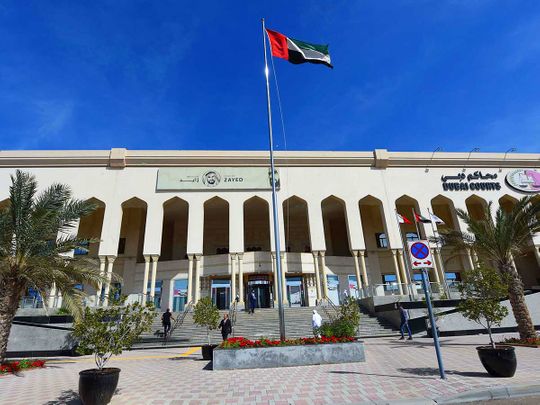
Dubai’s law enforcement agencies have dismantled two international money-laundering operations involving the illicit transfer of funds and cryptocurrencies, leading to multiple arrests, according to official statements.

The first operation targeted a syndicate responsible for laundering approximately Dh400 million through a complex network of front companies and digital currency exchanges. Investigators revealed that the group utilized unlicensed platforms to convert illicit funds into cryptocurrencies, facilitating anonymous cross-border transfers. This method allowed the perpetrators to obscure the origins of the money, complicating detection efforts.

In the second operation, authorities intercepted a scheme involving the laundering of Dh240 million. This network employed traditional banking channels alongside shell corporations to move funds across multiple jurisdictions. The conspirators exploited regulatory gaps in international financial systems to evade scrutiny, making the trail difficult to trace.

Dubai’s Financial Intelligence Unit (FIU) played a pivotal role in these investigations, analyzing suspicious transaction reports and coordinating with international counterparts. The FIU’s enhanced monitoring capabilities have been instrumental in identifying and disrupting sophisticated money-laundering activities.

The arrested individuals, whose identities have not been disclosed pending further investigation, face charges under the UAE’s stringent anti-money laundering (AML) laws. Convictions could result in substantial fines and lengthy prison sentences, reflecting the country’s commitment to combating financial crimes.

These operations underscore Dubai’s ongoing efforts to strengthen its financial regulatory framework. In 2023, the UAE seized assets worth $639 million linked to money-laundering violations, demonstrating a robust stance against financial misconduct.

The UAE has also intensified scrutiny of high-risk sectors, including real estate and precious metals, which are often exploited for money-laundering purposes. Recent enforcement actions have targeted non-compliant entities within these industries, resulting in fines and operational suspensions.

International collaboration remains a cornerstone of the UAE’s AML strategy. The country has entered into multiple mutual legal assistance treaties to facilitate cross-border cooperation in financial crime investigations. These agreements enable the exchange of information and joint operations, enhancing the effectiveness of enforcement actions.

Experts note that while significant progress has been made, challenges persist due to the evolving nature of financial crimes. The increasing use of digital currencies and complex corporate structures necessitates continuous adaptation of regulatory and enforcement mechanisms.

The UAE’s commitment to combating money laundering is further evidenced by its efforts to align with international standards set by organizations such as the Financial Action Task Force (FATF). Ongoing legislative reforms aim to address identified vulnerabilities and enhance the transparency of financial transactions.

Bitwise Asset Management has filed with the U.S. Securities and Exchange Commission (SEC) to introduce the “Bitcoin Standard Corporations ETF,” aiming to provide investors with exposure to publicly traded companies that hold substantial Bitcoin reserves.

According to the SEC filing, the ETF will focus on firms that maintain a minimum of 1,000 BTC in their corporate treasuries. Eligible companies must also meet specific financial criteria, including a market capitalization of at least $100 million, average daily trading liquidity of $1 million or more, and a public free float of less than 10%. The fund plans to invest at least 80% of its net assets in these corporations, utilizing a full replication approach to mirror the performance of the underlying index.

The index, managed by Bitwise Index Services, LLC, will be rebalanced and reconstituted quarterly, relying on quarterly and annual corporate reports to identify eligible companies. Each company’s weight in the index will be determined by the market value of its Bitcoin holdings, with a single constituent’s weight capped at 25% to ensure diversification.

This initiative reflects a growing trend among asset managers to offer investment products that provide indirect exposure to Bitcoin through equities of companies with significant cryptocurrency holdings. Notably, firms like MicroStrategy lead this space, holding substantial Bitcoin reserves.

The move comes amid increasing institutional interest in Bitcoin and related investment vehicles. Earlier this year, several hedge funds and asset managers, including Millennium Management and the Wisconsin Retirement System, acquired stakes in U.S. exchange-traded funds tied to Bitcoin, signaling a broader acceptance of cryptocurrency assets in traditional finance.

HANOI, VIETNAM – Media OutReach Newswire – 27 December 2024 – Driven by the vision of widespread electrification, VinFast is dedicated to making electric vehicles accessible to everyone. To achieve this, the company is actively building a robust green ecosystem across Asia while simultaneously enhancing its sustainable manufacturing processes to meet the surging and undeniable demand for electric mobility. Asia’s booming industries and growing population have made […]

Advertisements

Sheikh Mohammed bin Rashid Al Maktoum, Vice President and Prime Minister of the UAE and Ruler of Dubai, recently conducted a comprehensive review of the progress of multiple development initiatives in Hatta, a picturesque enclave situated in the UAE’s Hajar Mountains. These initiatives, part of a broader $980 million revitalization program, aim to transform the region into a prime tourism and economic hub, enhancing the quality of […]

Derayah Financial, a prominent Saudi-based investment firm, has secured approval from the Kingdom’s Capital Market Authority (CMA) to launch an Initial Public Offering (IPO), marking a significant milestone in the firm’s growth trajectory. This development comes as part of Saudi Arabia’s broader strategy to bolster its financial sector and increase the number of publicly traded companies on its stock exchange, Tadawul. The approval positions Derayah Financial as one of the key players in the Kingdom’s evolving financial landscape.

The company, which provides a range of services including asset management and investment advisory, has been preparing for its public offering for several months. The move to go public is seen as part of its long-term strategy to expand its client base, raise capital, and further diversify its business operations. By listing on Tadawul, Derayah aims to increase its financial stability and strengthen its competitive position within the regional financial market.

Derayah Financial’s IPO is part of a broader trend in Saudi Arabia, where the government has actively encouraged private companies to list on the stock exchange. This initiative aligns with the Kingdom’s Vision 2030, which seeks to transform the economy and reduce its dependency on oil exports by promoting the private sector and diversifying economic activities. The government’s push to increase the number of publicly listed companies is a key element of this vision, aiming to unlock new sources of capital and create more investment opportunities for both local and international investors.

Analysts have been closely watching Derayah Financial’s progress, noting that its IPO could pave the way for other firms in the asset management and financial services sectors to follow suit. With Saudi Arabia’s financial market continuing to mature, firms in the sector are increasingly recognizing the benefits of public listings. By tapping into the public equity market, companies can access a larger pool of capital and potentially gain broader investor exposure, which is crucial for long-term growth.

The CMA’s approval of Derayah’s IPO is also a testament to the continued regulatory enhancements in Saudi Arabia’s capital markets. Over the past few years, the CMA has implemented a series of reforms to improve market transparency, ensure investor protection, and enhance the overall investment climate in the Kingdom. These reforms have been pivotal in attracting both local and foreign investors to the Saudi stock market, making it one of the most active in the Middle East.

Market observers expect strong demand for Derayah Financial’s shares when the IPO is officially launched. As a well-established name in the Saudi financial sector, the company’s strong track record in asset management and investment advisory services has generated substantial interest among potential investors. The firm’s focus on digital transformation, coupled with its efforts to expand its service offerings, has positioned it as a forward-thinking company with promising prospects in the financial industry.

Derayah’s IPO is expected to provide a significant boost to the Saudi stock market, further solidifying Tadawul’s role as a leading regional exchange. Over the past few years, the Saudi bourse has seen a series of successful IPOs, many of which have attracted considerable attention from both domestic and international investors. The success of these offerings has bolstered investor confidence in the Kingdom’s financial market, and Derayah’s listing is likely to follow a similar pattern, contributing to the market’s continued expansion.

As part of the IPO process, Derayah Financial will disclose key financial information and offer shares to the public, providing insight into its business model, financial health, and growth potential. Investors will be able to gauge the company’s performance and outlook, which will play a critical role in determining the success of the offering. The IPO will also provide a valuable benchmark for other companies in the sector considering a similar move.

Beyond its immediate business objectives, Derayah’s IPO is likely to have broader implications for the Saudi economy. By providing a new avenue for capital raising and increasing the number of publicly traded firms, the offering is expected to enhance market liquidity and create new investment opportunities. Furthermore, it aligns with the Saudi government’s efforts to attract foreign investment and promote the Kingdom as a regional financial hub.

Despite the positive outlook, analysts caution that the success of Derayah’s IPO will depend on various factors, including broader market conditions, investor sentiment, and the performance of the financial sector in the coming months. While the company’s prospects appear strong, the market remains subject to fluctuations that could impact investor confidence. However, given the continued growth of Saudi Arabia’s financial services industry and the government’s support for the IPO process, many expect the offering to be a success.

Emirates NBD has formally joined the National Incubator Network through a newly signed memorandum of understanding (MoU) with Sandooq Al Watan, a strategic step aimed at enhancing the country’s startup ecosystem. The collaboration is expected to unlock new opportunities for entrepreneurs and further drive the UAE’s vision of fostering a dynamic, innovation-driven economy.

The MoU, signed by Yasser Al Gergawi, Director-General of Sandooq Al Watan, and representatives from Emirates NBD, marks a significant development in the UAE’s efforts to provide enhanced support for emerging businesses. This partnership will integrate Emirates NBD’s business incubator into the National Incubator Network, aligning the bank’s existing resources and expertise with a national strategy to empower local startups and entrepreneurs.

The move is seen as a direct response to the growing demand for incubators and accelerators that can help navigate the challenges faced by startups, particularly in competitive sectors such as technology, fintech, and healthcare. As the UAE continues to position itself as a hub for innovation, initiatives like this are crucial in ensuring that new businesses have the tools and networks needed to scale and succeed.

Emirates NBD’s business incubator brings a wealth of resources to the table, including access to funding, strategic mentorship, and operational support. These elements are designed to help startups refine their business models, gain market traction, and ultimately reach their potential in an increasingly complex marketplace. Through this collaboration, entrepreneurs will have the opportunity to tap into a wide range of resources from both the bank and other key players in the National Incubator Network.

Sandooq Al Watan’s involvement adds another layer of support, providing access to its vast network of investors, thought leaders, and other stakeholders crucial for business development. With its mission to drive sustainable economic growth through innovation and knowledge sharing, Sandooq Al Watan plays a pivotal role in connecting the dots between entrepreneurs and potential sources of funding and expertise. This collaboration will not only boost the prospects of individual startups but will also contribute to the broader objective of diversifying the UAE’s economy away from its traditional reliance on oil and gas.

The National Incubator Network, a key initiative under the UAE government’s broader innovation agenda, has seen growing momentum since its inception. The network’s focus on collaboration, knowledge exchange, and resource-sharing is expected to create a more robust and interconnected ecosystem for entrepreneurs. By joining this network, Emirates NBD and Sandooq Al Watan are signaling their commitment to nurturing homegrown talent and supporting the growth of startups that can drive forward the UAE’s long-term economic vision.

This initiative also aligns with the UAE’s broader vision for the future, where innovation is a cornerstone of national development. With a growing focus on sustainable industries, the UAE has been keen to promote the development of technology-driven startups that can address key challenges such as climate change, urbanization, and healthcare.

The partnership between Emirates NBD and Sandooq Al Watan is not only a win for entrepreneurs but also an indication of the increasing role that private sector institutions are playing in the UAE’s broader economic transformation. Banks and financial institutions, traditionally viewed as gatekeepers to capital, are now becoming key players in the startup ecosystem, offering more than just financial support. The collaboration between the two organizations exemplifies this shift, providing entrepreneurs with a comprehensive package of services and opportunities designed to accelerate their business growth.

One of the notable aspects of this collaboration is the focus on knowledge sharing. Both Emirates NBD and Sandooq Al Watan are well-positioned to leverage their extensive networks to connect startups with mentors, industry leaders, and investors who can provide invaluable advice and insights. This exchange of knowledge is critical in helping young companies navigate the challenges of scaling operations, managing growth, and positioning themselves for long-term success.

As the UAE moves forward with its innovation agenda, it is clear that partnerships like the one between Emirates NBD and Sandooq Al Watan will play an integral role in shaping the future of the country’s startup ecosystem. By connecting entrepreneurs with the right resources, expertise, and networks, this collaboration is set to drive forward a new wave of growth and innovation in the UAE’s economy.

The United Arab Emirates (UAE) has enacted legislation requiring companies emitting 500,000 metric tons or more of carbon dioxide annually to monitor and report their greenhouse gas emissions. This initiative, effective December 28, 2024, positions the UAE as the first Middle Eastern nation to mandate such comprehensive emissions tracking, underscoring its commitment to achieving climate neutrality by 2050. The new regulation applies to both direct emissions (Scope […]

HANOI, VIETNAM – Media OutReach Newswire – 26 December 2024 – While the EV industry is entering a period of sustainable but somewhat slower growth, VinFast’s long-term commitment to pure electric vehicles and the support of its parent company, Vingroup, give it a unique advantage. With a long-term vision for green mobility, VinFast has leveraged the industry slowdown to strategically expand its presence and build strong growth […]

Singaporeans are invited to nominate their “Real Ones” to celebrate those who embody responsibility who make moderation their mantra SINGAPORE – Media OutReach Newswire – 26 December 2024 – With the festive season in full swing, Asia Pacific Breweries Singapore (APBS) is turning the spotlight on embracing authenticity and championing moderate drinking with the launch of its latest campaign, ‘Keep It Real, Keep It Moderate’. Aimed at […]

Emirates Global Aluminium (EGA) has finalized a green loan agreement to finance its acquisition of a U.S. aluminum plant, marking a significant move in the company’s international expansion strategy. The loan, a green financing deal, aligns with EGA’s commitment to sustainable operations, combining environmental responsibility with strategic growth in North America. The green loan, valued at $500 million, will support the acquisition of the U.S.-based aluminum facility […]

MOSCOW, RUSSIA – Media OutReach Newswire – 26 December 2024 –The rating agency China Chengxin Green Finance Technology (Beijing) Ltd. (CCXGF) has assigned SIBUR an ESG rating of A-, making SIBUR the only Russian company to receive a rating in CCXGF’s highest category. SIBUR also ranks among the top 10 in CCXGF’s ESG rating of global chemical companies. Regarding the criteria assessed by the rating, SIBUR’s performance […]

The cryptocurrency landscape in 2024 is undergoing significant shifts, with meme coins such as Shiba Inu (SHIB) and Dogecoin (DOGE) continuing to lead the charge. Both of these tokens, fueled by viral trends and strong community backing, have positioned themselves as key players in the market. As the cryptocurrency industry moves toward 2025, however, new competitors are emerging, challenging the dominance of these meme giants. This shift presents critical questions about the future of meme coins and the strategies that will define the market.

Dogecoin, often referred to as the original meme coin, has long been associated with a strong, vocal community and celebrity endorsements. Its rise began in 2013 as a joke, based on the popular Shiba Inu dog meme. Despite its humble beginnings, Dogecoin has gained significant traction over the years. 2024 has seen a continuation of its influence, with prominent figures like Elon Musk often boosting its profile through social media. Dogecoin’s community, known for its lighthearted and inclusive ethos, has solidified its position as one of the most well-known digital assets in the crypto world.

Shiba Inu, on the other hand, has taken a more strategic approach to solidifying its place in the meme coin sector. Launched in 2020, SHIB has quickly evolved beyond a mere joke coin. Its ecosystem now includes decentralized exchanges, staking protocols, and plans for future metaverse integration. With a highly engaged user base and a decentralized community-driven approach, SHIB has proven to be more than just a meme coin, garnering support from both retail and institutional investors. Its strategy of expansion into various sectors of decentralized finance (DeFi) gives it an edge in attracting a more diversified audience.

Despite the strong presence of both SHIB and DOGE, the landscape is rapidly changing. The year 2024 has seen the emergence of new meme coins and innovative blockchain projects that are beginning to challenge the established order. These newer entrants often benefit from the lessons learned by earlier tokens, creating more robust, scalable ecosystems to better serve the DeFi community. The result is a more competitive market where no coin can rest on its laurels, no matter how well-established it may be.

As Shiba Inu and Dogecoin maintain their popularity, there is growing interest in the next big meme coin. Tokens like Floki Inu, Kishu Inu, and even smaller, community-based projects are vying for attention and investor dollars. Each of these coins is looking to replicate the viral success of their predecessors but with unique twists. Floki Inu, for example, has sought to distinguish itself by focusing on its education and charity initiatives, creating a sense of purpose beyond the typical meme coin narrative. Meanwhile, Kishu Inu has leaned into decentralized applications (dApps) and partnerships with major platforms, aiming to provide more utility for its holders.

One of the critical factors in determining the leading meme coin in 2025 will be innovation. While Shiba Inu and Dogecoin have been successful due to their strong communities, new meme coins are beginning to integrate cutting-edge technology that could give them a competitive edge. These include improved transaction speeds, enhanced security features, and better integration with DeFi protocols. The evolving nature of meme coins means that their success will no longer solely depend on community enthusiasm but also on the technical and financial value they provide.

Another significant trend is the increasing focus on regulatory compliance. As meme coins grow in prominence, they are beginning to attract the attention of regulators around the world. Countries like the United States, the European Union, and parts of Asia are exploring how to regulate digital currencies, particularly those with large and active communities. This regulatory scrutiny could have a substantial impact on the future of meme coins, forcing projects to adapt in order to comply with evolving laws. Meme coin developers will need to strike a balance between maintaining their community-driven ethos and addressing the concerns of regulators and lawmakers.

Community involvement will remain crucial for meme coin success, but as the space matures, the competition is expected to get fiercer. Dogecoin’s strong association with Musk and the internet’s viral nature has certainly helped it maintain its status, but its growth may be limited by the risk of over-reliance on a few key figures. Shiba Inu, on the other hand, has worked hard to diversify its ecosystem, offering a more sustainable model that goes beyond just hype and viral moments. This diversification will likely play a crucial role in SHIB’s continued relevance, especially as meme coins shift from being a pure speculative investment to a part of a broader digital economy.

The future of meme coins in 2025 may also be influenced by the growing trend of DeFi and the rise of decentralized autonomous organizations (DAOs). Both SHIB and DOGE have seen their communities embrace decentralized governance, where decisions about the direction of the project are made collectively by token holders. This shift toward decentralized governance could fundamentally change the way meme coins are developed and sustained. A more decentralized approach could lead to new ways of incorporating meme coins into decentralized applications, staking protocols, and other blockchain-based services.

AD Ports Group, a leading enabler of global trade and logistics, has completed the integration of Noatum Group’s assets, marking the largest restructuring in its history. This strategic move aims to enhance the company’s global footprint and operational efficiency in the maritime and logistics sectors. The restructuring process has led to significant organizational changes within AD Ports Group. Noatum Ports will now oversee the company’s existing and […]

BANGKOK, THAILAND – Media OutReach Newswire – 26 December 2024 – PTT Global Chemical Public Company Limited (GC) has been ranked No. 1 in the chemicals business category of the Dow Jones Sustainability Indices (DJSI) World Index for the sixth consecutive year by S&P Global. This recognition reflects GC’s adherence to global standards in sustainable business operations, focusing on Environmental, Social, Governance, and economic (ESG) principles. GC […]

HONG KONG SAR – Media OutReach Newswire – 26 December 2024 – ALCO HOLDINGS (00328) , a leading company in the audiovisual and information technology sectors, today announced the official launch of four strategic mechanisms aimed at further optimizing internal management and fostering a positive corporate culture. These initiatives are designed to promote harmonious relationships among employees and enhance overall team cohesion. The four mechanisms include a […]

Dubai Electricity and Water Authority (DEWA) has unveiled plans to invest AED 7 billion ($1.9 billion) in a comprehensive smart grid project, aiming for completion by 2035. This initiative is designed to enhance the efficiency, reliability, and sustainability of Dubai’s electricity and water services. The smart grid will integrate advanced technologies from the Fourth Industrial Revolution, including artificial intelligence (AI) and the Internet of Things (IoT). These […]

Agility Global, a leading logistics and supply chain services provider, has secured a $1.4 billion credit facility to support its ongoing operations and future growth initiatives. The financing comprises €1 billion and $370 million, with maturities of three and five years, respectively. This strategic move aims to enhance the company’s financial flexibility and fund its expansion plans across various markets. The credit facility was arranged with a […]

Abu Dhabi’s tourism industry is experiencing significant growth, marked by a substantial increase in visitor numbers and a corresponding expansion of its workforce. From January to October 2024, the emirate welcomed 4.8 million hotel guests, surpassing pre-pandemic figures and achieving a 26 percent increase in international arrivals compared to 2023.

This surge in tourism has been accompanied by a notable rise in employment within the sector. The World Travel & Tourism Council (WTTC) forecasts that by the end of 2024, the UAE’s travel and tourism sector will employ nearly 833,000 individuals, reflecting an increase of more than 23,500 jobs from the previous year.

Abu Dhabi’s ambitious Tourism Strategy 2030 aims to further elevate the sector’s contribution to the economy. The strategy sets a target of attracting 40 million visitors and generating 178,000 new jobs by 2030, which would bring the total employment in the tourism sector to approximately 366,000.

The emirate’s hotel industry has mirrored this upward trend. In the first five months of 2024, Abu Dhabi hotels received over 2.4 million guests, generating revenues totaling AED 3.18 billion. The distribution of hotel guests during this period was as follows: 498,700 in January, 507,400 in February, 433,700 in March, 500,080 in April, and 471,800 in May.

The UAE’s broader tourism sector has also demonstrated robust performance. In the first half of 2024, hotel establishment revenues across the seven emirates increased by 7 percent to reach AED 24.6 billion. The number of hotel guests during this period reached approximately 15.3 million, reflecting a 13 percent growth compared to the same period in 2023.

Abu Dhabi’s commitment to enhancing its tourism offerings is evident in its strategic initiatives and investments. The Department of Culture and Tourism – Abu Dhabi (DCT Abu Dhabi) has been instrumental in promoting the emirate as a premier global destination, focusing on cultural tourism, heritage preservation, and the development of world-class attractions. Notably, more than 3.9 million visitors have engaged with Abu Dhabi’s cultural sites, museums, and landmarks, underscoring the increasing importance of cultural tourism as part of the city’s diverse offerings.

The private sector has also played a pivotal role in this growth trajectory. Etihad Airways, the state-owned Abu Dhabi carrier, reported a 66 percent increase in net profit for the first nine months of 2024, earning AED 1.4 billion compared to AED 814 million in the same period the previous year. This financial upturn is attributed to a 35 percent increase in passenger traffic, with the airline transporting 13.6 million passengers over the year.

The expansion of the tourism sector has had a positive ripple effect on employment. The WTTC forecasts that by 2034, the sector will contribute more than AED 275 billion to the UAE economy, accounting for almost 11 percent of the GDP, and is projected to employ over 928,000 people across the country, with one in nine residents working in the sector.

Abu Dhabi’s strategic vision for tourism is not only focused on increasing visitor numbers but also on enhancing the quality of experiences offered. The emirate is investing in infrastructure development, regulatory improvements, and the advancement of digital transformation in civil aviation to support the ongoing travel recovery and ensure seamless and secure cross-border mobility.

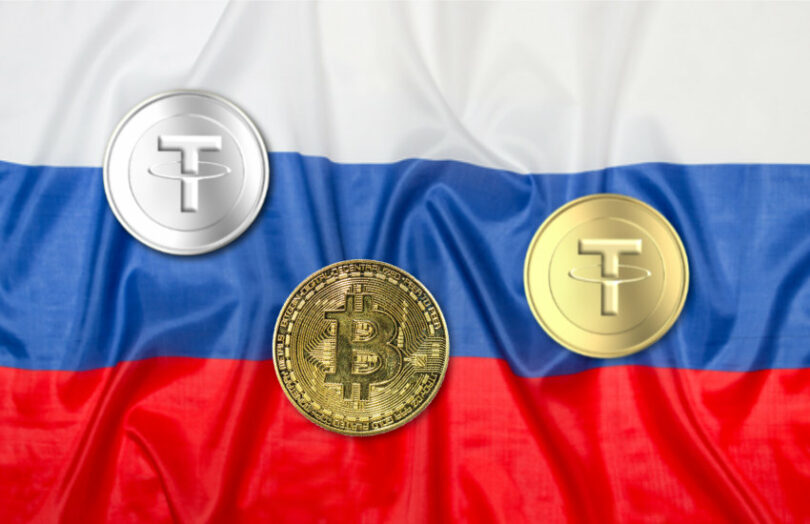
Russia has decided to suspend cryptocurrency mining operations in 10 regions, including Dagestan, Chechnya, and the Kherson regions, starting January 1, 2025. This ban will remain in effect until 2031. The move is part of the government’s broader strategy to address energy consumption issues across the country, particularly during peak usage times. Furthermore, new restrictions on mining will also be imposed in areas like Irkutsk, Buryatia, and the Trans-Baikal Territory during high energy demand periods.

This decision comes as part of a concerted effort by the Russian authorities to reduce energy consumption and manage national power grids more effectively. The increase in energy use from mining activities has been a concern for years, with crypto mining operations consuming significant amounts of electricity in some regions. By imposing the ban, the government aims to ensure that the national grid can accommodate the growing demand for energy, especially during the winter months when heating needs are at their peak.

In some areas, the restrictions will specifically target high-demand periods, such as evenings or cold spells, when power consumption spikes. The Irkutsk region, Buryatia, and Trans-Baikal Territory, which have historically been major hubs for cryptocurrency mining due to their relatively low electricity prices, will see these localized restrictions as part of an ongoing effort to stabilize the energy supply.

The ban also underscores the growing tension between the Russian government and the cryptocurrency industry. While Russia has been one of the world’s largest markets for crypto mining, it has also faced increasing criticism from environmental groups due to the high energy consumption required for mining operations. This new measure is likely to spark further debates about the environmental impact of cryptocurrencies, particularly Bitcoin, which is notorious for its energy-intensive mining process.

The Russian government has made no secret of its desire to regulate the cryptocurrency sector more strictly. A range of legislative actions, including stricter anti-money laundering measures and limitations on the use of crypto for payments, have been introduced in the past few years. By implementing these mining restrictions, the government is taking another step toward curbing the influence of the industry while reinforcing its control over the economy.

The decision to impose the mining ban for such an extended period is a significant development. It is expected to have a lasting impact on the mining sector in the country, especially in areas where cryptocurrency operations have become a substantial part of the local economy. Dagestan and Chechnya, for example, have seen a rise in mining activities due to the availability of cheap electricity. The halt in these regions could lead to significant economic disruptions for miners who rely on these locations for their operations.

Local authorities in the affected regions have expressed mixed reactions to the government’s plan. Some local leaders have welcomed the move, citing concerns about energy shortages and environmental degradation. Others, particularly those with financial interests in the mining industry, have voiced their opposition, arguing that the ban could result in job losses and economic hardship for those dependent on mining operations.

The Russian authorities have yet to provide specific details about enforcement mechanisms or the penalties for violating the ban. However, it is clear that the government intends to take a firm stance on this issue. Given the scale of the crypto mining operations in Russia, the impact of these restrictions is expected to be far-reaching, affecting thousands of miners and businesses involved in the industry.

The Russian crypto mining landscape has been shifting in recent years. As global regulatory pressures on cryptocurrencies have increased, many miners have moved operations to more crypto-friendly jurisdictions. In response, Russian authorities have taken steps to discourage mining activities within the country, seeking to ensure that the nation does not become a haven for unregulated crypto operations. The latest move to ban mining in key regions is part of a broader strategy to curb the growth of the industry, align with international regulatory trends, and preserve national energy resources.

While the ban will significantly impact mining operations in the affected regions, it is unclear whether it will lead to a broader shift in Russia’s stance on cryptocurrency regulation. Crypto miners are likely to explore alternative locations within Russia or abroad, where regulations may be less restrictive. This could result in a shift in global mining patterns, with other countries becoming more attractive destinations for mining operations.

At the same time, the Russian government’s actions could accelerate the development of other sectors related to blockchain and cryptocurrency technologies. These include blockchain-based financial services, which the government has shown an interest in fostering. However, the suspension of mining activities in key regions could undermine the overall growth of the industry within Russia.


JAKARTA, INDONESIA – Media OutReach Newswire – 23 December 2024 – V-GREEN and PT Xanh SM Green and Smart Mobility Indonesia (Xanh SM Indonesia) today announced the signing of a Memorandum of Understanding (MoU) with Lippo Karawaci, a prominent Indonesian real estate development company. This strategic partnership aims to leverage Lippo Karawaci’s established reputation and extensive real estate network to develop a green ecosystem that integrate seamlessly […]

VISHNU RAJA
RYO YAMADA
HITORI GOTOH
IKUYO KITA