News related to
Strategy

Expected to open in late 2026, ASAI Cebu Oslob will introduce ASAI Hotels’ signature blend of modern design, local experiences, and vibrant communal spaces to one of the Philippines’ most scenic coastal destinations. BANGKOK, THAILAND – Media OutReach Newswire – 11 February 2025 – Dusit International, one of Thailand’s leading hotel and property development companies, and Grand Land Inc., a subsidiary of the Gaisano Grand Group of […]

India is poised to enhance its naval capabilities through a significant acquisition of 26 Rafale Marine jets from France. The French government has submitted its final price proposal to New Delhi, marking a pivotal step in the procurement process. This development coincides with National Security Advisor Ajit Doval’s scheduled visit to Paris, where the deal is expected to feature prominently in strategic discussions.

The Rafale Marine jets are intended for deployment on the INS Vikrant, India’s indigenous aircraft carrier, as well as at various naval bases. The inclusion of these advanced fighters is anticipated to significantly bolster the Indian Navy’s maritime strike capabilities. Defence sources indicate that the French side has offered a substantial price reduction following rigorous negotiations, underscoring the deepening defence collaboration between the two nations.

A French delegation recently visited New Delhi to finalise the terms of the agreement. The deal’s progression is expected to be a focal point during the India-France Strategic Dialogue, where NSA Doval will engage with his French counterparts. This dialogue aims to further solidify bilateral ties and address mutual security concerns.

India has approved specific modifications in the letter of request for the Rafale Marine jets, including the integration of the indigenous Uttam radar system. While this integration is projected to take approximately eight years and entails additional costs, it represents a significant step towards self-reliance in defence technology. Furthermore, India has requested the incorporation of homegrown weaponry, such as the Astra beyond-visual-range missiles and Rudram anti-radiation missiles, into the aircraft’s arsenal.

The pricing structure of the deal is informed by previous agreements, notably the procurement of 36 Rafale fighter jets for the Indian Air Force. Considerations include factors like inflation rates and the inclusion of specific requirements from the Indian Air Force, such as the provision of approximately 40 drop tanks and a limited number of workstations for the aircraft.

In addition to the Rafale Marine jets, India and France are finalising a deal for three additional Scorpene-class submarines. These submarines are slated to be constructed with French collaboration, further enhancing India’s underwater warfare capabilities. Both deals, collectively valued at nearly Rs 1 lakh crore, are anticipated to be concluded by the end of the current fiscal year, reflecting the robust and growing defence partnership between the two nations.

The acquisition of the Rafale Marine jets and Scorpene submarines aligns with India’s broader strategy to modernise its military assets and strengthen its defence posture in the Indo-Pacific region. As geopolitical dynamics evolve, such strategic partnerships and procurements are crucial for maintaining regional stability and safeguarding national interests.

The Rafale Marine, a naval variant of the Dassault Rafale, is renowned for its versatility and advanced combat capabilities. Equipped with state-of-the-art avionics and weapon systems, it is capable of carrying out a wide range of missions, including air superiority, ground attack, and reconnaissance. Its integration into the Indian Navy is expected to significantly enhance operational readiness and combat effectiveness.

The Scorpene-class submarines, developed by France’s Naval Group, are diesel-electric attack submarines known for their stealth and advanced sonar capabilities. The addition of three more Scorpene submarines will augment the Indian Navy’s underwater warfare strength, providing a strategic advantage in maritime operations.

Abu Dhabi-based Ittihad International Investment LLC has secured a $450 million sustainability-linked revolving credit facility with a consortium of local banks. The facility was arranged by Emirates NBD, Commercial Bank of Dubai, and First Abu Dhabi Bank, serving as mandated lead arrangers and bookrunners, as well as sustainability joint coordinators. Additionally, Abu Dhabi Commercial Bank, Abu Dhabi Islamic Bank, and Emirates Islamic acted as joint arrangers. The […]

The United Arab Emirates is intensifying its commitment to sustainable transportation by planning to install 500 electric vehicle charging stations nationwide by the end of 2025. This initiative aims to support the growing adoption of EVs and reduce carbon emissions, aligning with the country’s broader environmental objectives. Sharif Al Olama, Under-Secretary for Energy and Petroleum Affairs at the Ministry of Energy and Infrastructure, announced that over 100 […]

Abu Dhabi-based PureHealth Holding PJSC has ceased discussions to acquire hospital operator NMC Healthcare, according to individuals familiar with the matter. The decision marks a significant shift in the UAE’s healthcare sector, where consolidation efforts have been prominent. PureHealth, controlled by Abu Dhabi’s sovereign wealth fund ADQ, had been evaluating a potential bid for NMC Healthcare, which operates approximately 85 medical facilities across the UAE. These facilities […]

The Gulf Cooperation Council is on track to see its debt capital market exceed $1 trillion in outstanding issuances by the end of 2025, driven by government initiatives aimed at market development, economic diversification, and the need to fund fiscal deficits and upcoming debt maturities. Fitch Ratings reports that the DCM in the GCC reached $940 billion by the close of the first quarter of 2024, marking a 7% year-on-year increase.

Saudi Arabia and the United Arab Emirates lead the region’s DCM, holding 43% and 30% of the market share, respectively. Approximately 40% of the GCC’s outstanding debt comprises sukuk, with the remainder in conventional bonds. Fitch Ratings, which assesses over 70% of the GCC’s US dollar-denominated sukuk, notes that 81% of these are investment-grade, with no defaults reported.

The anticipated growth in debt issuances is attributed to several factors, including projected declines in oil prices to $65–$70 per barrel in 2025 and 2026, which may prompt increased sovereign borrowing to cover budgetary shortfalls. Additionally, government-led initiatives to enhance debt capital markets and diversify funding sources are expected to play a significant role. Bashar Al Natoor, Global Head of Islamic Finance at Fitch Ratings, emphasizes that “most GCC countries have come a long way in developing their DCMs, with the bloc now accounting for almost a third of total emerging-market dollar issuance, excluding China.”

Despite these advancements, the GCC’s debt capital markets remain less mature compared to more developed regions and exhibit varying stages of development across member states. Saudi Arabia and the UAE possess the most advanced markets, while Qatar and Oman have seen contractions due to debt repayments. Kuwait’s absence of a debt law limits its funding options, and Bahrain continues to rely heavily on DCM access and support from other GCC nations amid persistent deficits.

In the banking sector, GCC banks are projected to issue over $30 billion in US dollar-denominated debt in 2025, a decrease from the record $42 billion issued in 2024. This decline is partly due to the maturation of approximately $23 billion in existing debt, with Qatari banks accounting for about a third of these maturities, and UAE and Saudi banks each representing around a quarter. Fitch Ratings anticipates that most additional Tier 1 instruments with first call dates in 2025 and 2026 will be called, given favorable financing conditions.

The US Federal Reserve is expected to reduce interest rates by 100 basis points in 2025, potentially leading to more favorable financing conditions for GCC banks. Strong credit growth, particularly in Saudi Arabia and the UAE, is also anticipated to support further issuances. In 2024, GCC banks’ US dollar debt issuance reached an unprecedented level, driven by high credit growth in Saudi Arabia, efforts to diversify funding bases, and substantial debt maturities.

Canada’s ambassador to France, Stéphane Dion, has denounced U.S. President Donald Trump’s recent statements regarding potential territorial expansions, asserting that such threats contravene international law. Dion emphasized that “in order to respect international law, you don’t threaten your neighbours by invasion.” President Trump has indicated he would not dismiss the use of military force to acquire Greenland, an autonomous territory of Denmark. Additionally, he has proposed the […]

Advertisements

Lior Div, the Chief Executive Officer of cybersecurity firm Cybereason Inc., has filed a lawsuit against former U.S. Treasury Secretary Steven Mnuchin and the SoftBank Vision Fund, alleging that their financial maneuvers have jeopardized the company’s financial stability. The legal action centers on claims that the investment strategies employed by Mnuchin’s Liberty Strategic Capital and the SoftBank Vision Fund have placed Cybereason at risk of insolvency.

In 2021, Cybereason secured a $275 million investment led by Liberty Strategic Capital, Mnuchin’s private equity firm. This funding round was intended to bolster the company’s position in the cybersecurity market, with plans to expand its workforce and pursue acquisitions in the Extended Detection and Response and cloud security sectors. The investment was seen as a strategic move to enhance Cybereason’s capabilities in combating sophisticated cyber threats.

However, the lawsuit contends that the terms of the investment and subsequent financial decisions have adversely affected Cybereason’s financial health. Specific details of the alleged detrimental actions have not been disclosed publicly, but the legal filing suggests that the strategies implemented by Mnuchin and the SoftBank Vision Fund have led to significant financial strain on the company.

Cybereason, founded in 2012 by Lior Div, Yonatan Striem-Amit, and Yossi Naar, has been recognized for its innovative approach to cybersecurity, particularly in delivering proactive threat detection and response solutions. The company has previously attracted substantial investments, including a $59 million Series C funding round led by SoftBank in 2015, which facilitated its expansion into the Japanese market.

The involvement of high-profile investors such as Mnuchin and the SoftBank Vision Fund was initially perceived as a vote of confidence in Cybereason’s technology and market potential. Mnuchin, upon leading the 2021 investment, expressed enthusiasm about partnering with Cybereason to defend critical information networks against the growing danger of cyberattacks.

The current legal dispute raises questions about the dynamics between startup companies and their investors, particularly concerning the influence of investment terms on a company’s operational autonomy and financial well-being. The outcome of this lawsuit could have broader implications for the venture capital landscape, especially in the technology sector, where substantial investments are often accompanied by strategic control exerted by investors.

Financial educator and author Robert Kiyosaki has issued a stark warning about an impending market downturn, advising investors to consider assets like Bitcoin, gold, and silver as safeguards. Kiyosaki, renowned for his book *Rich Dad Poor Dad*, has a history of cautioning against economic vulnerabilities and promoting alternative investments.

In a recent communication, Kiyosaki emphasized that the anticipated market crash is now unfolding, affecting various sectors including stocks, bonds, real estate, and commodities such as gold, silver, and Bitcoin. He described the situation as a “brutal crash” and suggested that this period presents an opportunity for investors, as high-quality assets become more affordable. He stated, “The best assets in the world are going on sale.”

Kiyosaki has consistently expressed concerns about escalating global debt levels and the potential for widespread economic instability. He has been a vocal proponent of Bitcoin, viewing it as a hedge against traditional financial system risks. He has previously predicted that a significant market crash would lead to a surge in Bitcoin’s value, urging investors to “Get out of fake and into crypto, as well as gold and silver.”

The financial expert has also criticized traditional education systems for not adequately preparing individuals for financial independence. He argues that schools often train students to become employees rather than investors or entrepreneurs, leaving them ill-equipped to manage their finances during economic downturns. He stresses the importance of financial education, stating that those without it are likely to suffer the most in the event of a market collapse.

Kiyosaki’s investment strategy focuses on assets that he believes can withstand economic turbulence. He advocates for a diversified approach, including investments in physical gold and silver, as well as Bitcoin. He views these assets as protection against currency devaluation and market instability, advising investors to consider them as part of their portfolios.

While Kiyosaki’s predictions have been met with both support and skepticism, his warnings come at a time when global markets are experiencing significant volatility. Recent policy decisions, such as the introduction of new trade tariffs by the U.S. government on countries including Canada, Mexico, and China, have contributed to market instability. These developments have led to substantial losses in various asset classes, prompting investors to seek safer alternatives.

Dubai Electricity and Water Authority has announced a significant change in its water consumption measurement, transitioning from the imperial gallon to the cubic metre starting with the March 2025 billing cycle. This move aligns with Cabinet Resolution No. of 2023 and Ministerial Resolution No. of 2024, issued by the Ministry of Industry and Advanced Technology, which mandate the discontinuation of the imperial gallon unit in water meters across the UAE.

Saeed Mohammed Al Tayer, MD & CEO of DEWA, emphasized the importance of this transition, stating that adopting the cubic metre as a uniform and globally recognized measurement unit is a significant step towards enhancing alignment with international best practices. He noted that this change would facilitate benchmarking across sectors and support DEWA’s efforts to provide world-class services, ultimately benefiting customers and stakeholders.

To ensure a smooth transition, DEWA has confirmed that the current smart meters installed for customers are already compatible with the cubic metre measurement system, eliminating the need for any changes to customers’ meters. During the preparatory phase, DEWA will include both units in water bills and on the customer dashboard. The final adoption of the new unit will take effect with the March 2025 billing cycle. Customers will be informed of the change through official communication channels.

This initiative reflects DEWA’s commitment to adhering to local and international regulations to ensure services meet the highest standards of quality, efficiency, reliability, and availability. By aligning with international best practices, DEWA aims to enhance its leadership in innovation and sustainability.

The adoption of the cubic metre as the standard unit for measuring water consumption is expected to provide customers with a clearer understanding of their water usage, promoting more efficient consumption patterns. This change also aligns DEWA with other utilities in the UAE, fostering a unified approach to resource management across the nation.

In the lead-up to the March 2025 implementation, DEWA plans to engage in extensive customer outreach to ensure that all users are well-informed about the upcoming changes. This will include detailed explanations of the new billing units and guidance on interpreting water consumption data in cubic metres.

The shift from the imperial gallon to the cubic metre is part of a broader strategy to modernize utility services in Dubai. By standardizing measurement units, DEWA aims to improve transparency in billing and enhance customer satisfaction.

Shiba Inu and Dogecoin , prominent meme-based cryptocurrencies, are experiencing significant downturns in their market performance. SHIB has declined by over 35% from its December high, currently trading at approximately $0.00002150. Similarly, DOGE is teetering near $0.0251, with forecasts suggesting a potential drop below $0.007.

Analysts attribute SHIB’s decline to a substantial decrease in its burn rate. Recent data indicates that only 8.73 million SHIB tokens were burned in the last 24 hours, marking a 71% drop from the previous day. This reduction in token burns could negatively impact SHIB’s value, as burning tokens is a strategy used to decrease supply and potentially increase demand.

The Shibarium ecosystem’s performance also plays a crucial role in SHIB’s valuation. The number of active accounts on Shibarium has fallen to just 1,250, and the average transaction fee has declined to 0.00023 BONE, down from December’s peak of 0.00045. This decrease in activity and fees may further contribute to SHIB’s price decline.

In the case of DOGE, the cryptocurrency is facing similar challenges. Currently trading at approximately $0.257777, DOGE has seen an intraday high of $0.259452 and a low of $0.247624. Market analysts predict that if the downward trend continues, DOGE could fall below the $0.007 threshold, raising concerns among investors.

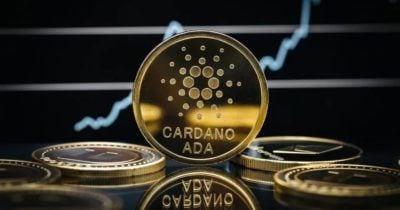
Grayscale Investments has filed an application with the U.S. Securities and Exchange Commission to list a Cardano exchange-traded fund on the New York Stock Exchange . This initiative marks Grayscale’s inaugural standalone ADA investment product, aiming to provide investors with regulated exposure to the Cardano blockchain’s native cryptocurrency.

The proposed ETF, designated to trade under the ticker symbol “GADA,” is structured to offer investors direct exposure to ADA without the need to hold the cryptocurrency directly. Each share of the trust would represent a proportional ownership of ADA, with pricing based on the CoinDesk Cardano Price Index . BNY Mellon Asset Servicing is slated to serve as the administrator, while Coinbase Custody Trust Company would act as the custodian for the assets.

Grayscale’s filing is part of a broader strategy to expand its cryptocurrency ETF offerings. In recent weeks, the firm has submitted applications for ETFs linked to other digital assets, including XRP, Solana , and Litecoin . These moves reflect a growing interest among asset managers to provide regulated investment vehicles that offer exposure to various cryptocurrencies.

The SEC’s stance on cryptocurrency ETFs has evolved, particularly under the current administration. The regulatory body’s recent openness to such products has encouraged firms like Grayscale to pursue ETF listings for a wider range of digital assets. However, it’s important to note that the SEC has previously classified certain cryptocurrencies, including ADA, as securities in past legal actions. This classification could present regulatory challenges for the approval of the proposed Cardano ETF.

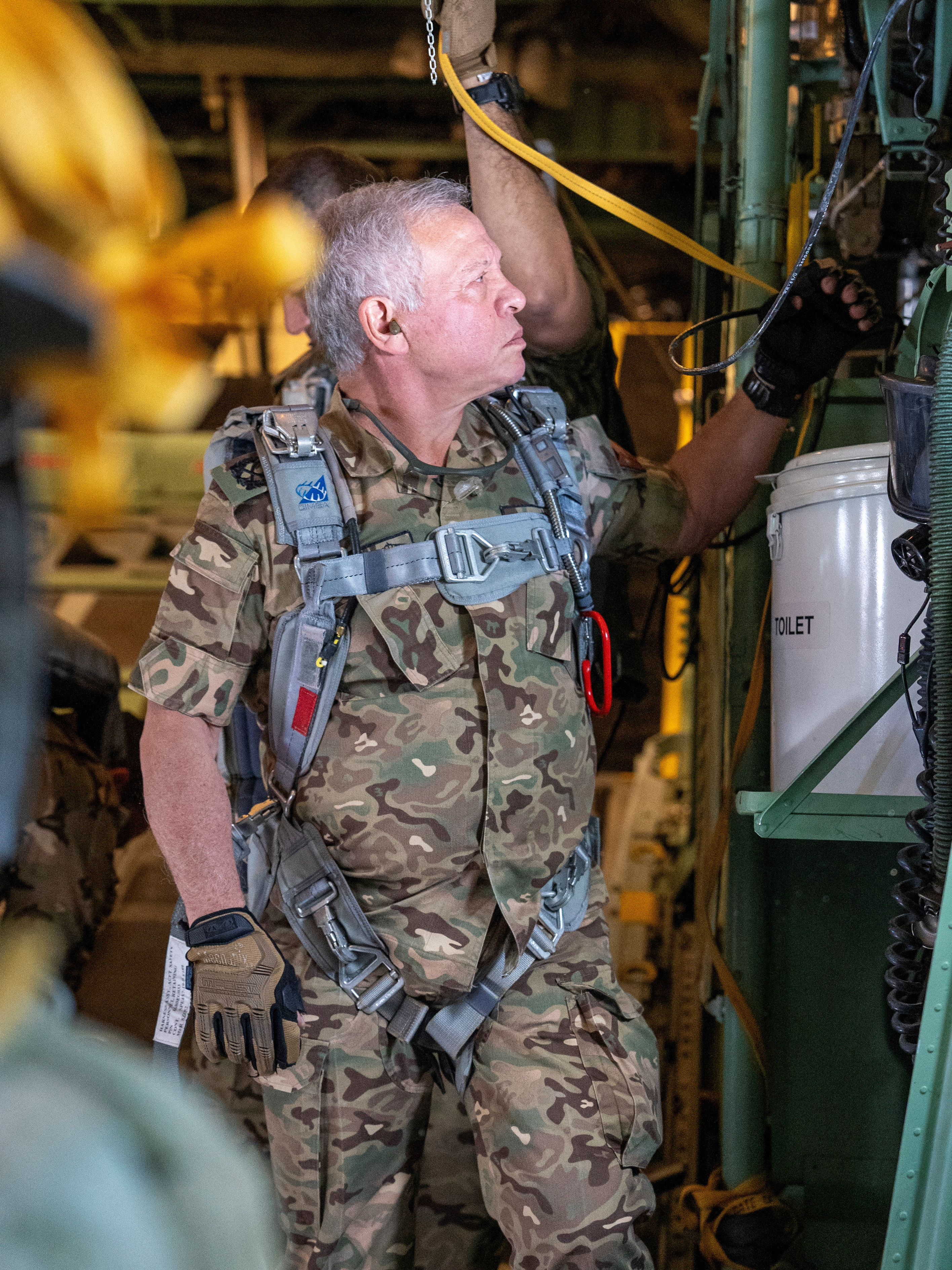
President Donald Trump is set to meet Jordan’s King Abdullah II at the White House today to deliberate on the U.S. administration’s contentious plan concerning the Gaza Strip. The proposal involves relocating Gaza’s Palestinian population to neighboring countries and redeveloping the territory under U.S. oversight—a strategy that has ignited widespread criticism across the Middle East.

Trump has advocated for the evacuation of Gaza’s 2.2 million residents, suggesting their resettlement in nations such as Jordan and Egypt. He envisions transforming the war-torn enclave into a prosperous area, referring to it as the potential “Riviera of the Middle East.” In a recent interview, Trump stated that Palestinians would not have the right to return to Gaza, proposing instead to provide them with better housing in neighboring countries.

This proposal has been met with firm opposition from key regional players. King Abdullah has unequivocally rejected the idea, emphasizing that Jordan will not accept any forced displacement of Palestinians from their homeland. He has labeled such proposals as a “red line,” underscoring the potential threat they pose to regional stability.

Egypt has also dismissed the plan, with officials reiterating their refusal to compromise on the Palestinian right to self-determination and return. The Egyptian government has emphasized that any attempts to annex land and displace Palestinians are unacceptable.

The Palestinian Authority and Hamas have condemned the proposal, viewing it as an attempt at ethnic cleansing. Hamas spokespersons have asserted that Gaza is not for sale and remains an integral part of Palestinian land.

Within the U.S., the plan has encountered skepticism from several Republican lawmakers. Critics argue that forcibly relocating an entire population could lead to further instability in the Middle East and damage America’s standing in the region.

Despite the backlash, Trump has indicated that he may leverage U.S. aid to encourage compliance with his plan. He has suggested the possibility of withholding financial assistance from countries that refuse to accept Palestinian refugees, a move that could significantly impact nations like Jordan and Egypt, which are among the largest recipients of U.S. aid in the region.

The meeting between Trump and King Abdullah comes at a critical juncture, as a fragile ceasefire between Israel and Hamas hangs in the balance. Trump has issued an ultimatum to Hamas, demanding the release of all hostages by midday Saturday, threatening to propose the cancellation of the ceasefire if his demands are not met. He has warned that failure to comply would result in severe consequences, stating that “all hell is going to break out” if the hostages are not freed.

Analysts suggest that King Abdullah’s visit to Washington is pivotal. As the first Arab leader to meet with Trump since his return to office, Abdullah is expected to present practical Arab perspectives on the Gaza situation. He aims to balance Jordan’s national security interests and domestic concerns while maintaining its crucial relationship with the United States.

Singapore has committed to reducing its greenhouse gas emissions to between 45 and 50 million tonnes of carbon dioxide equivalent by 2035, a notable decrease from the projected 60 MtCO₂e in 2030. This pledge, submitted to the United Nations Framework Convention on Climate Change on 10 February 2025, aligns with the nation’s broader strategy to achieve net-zero emissions by 2050.

Achieving these ambitious targets will necessitate the development and deployment of advanced technologies. The Energy Market Authority has announced plans to co-fund feasibility studies on carbon capture and storage for power generation. These studies will explore both post-combustion carbon capture for combined-cycle gas turbines and pre-combustion carbon capture to produce hydrogen. Such initiatives are crucial for mitigating emissions from natural gas, which currently accounts for over 95% of Singapore’s electricity generation.

In addition to CCS, Singapore is investing in low-carbon energy imports. The nation aims to import up to 6 gigawatts of low-carbon electricity by 2035, potentially supplying around 30% of its energy needs. Conditional approvals have been granted for projects in Australia, Cambodia, Indonesia, and Vietnam. To support these ventures, Singapore is prepared to offer 30-year import licences, providing companies with the long-term security needed to justify substantial investments in infrastructure.

The government is also focusing on enhancing energy efficiency across various sectors. Initiatives include the Genco Energy Efficiency Grant Call, which encourages power generation companies to adopt energy-efficient technologies by co-funding up to 50% of their projects. In the transportation sector, efforts are underway to transition to cleaner energy sources. All new public bus purchases are now cleaner energy buses, including electric or hybrid models, with a target to replace all existing diesel buses by 2040. Additionally, the cycling path network is set to expand to 1,300 km island-wide by 2030, promoting sustainable urban mobility.

However, the path to these goals is fraught with challenges. The success of these initiatives hinges on the successful development and implementation of new technologies, as well as sustained global cooperation. The high upfront costs associated with infrastructure development, such as large-scale solar farms, battery storage systems, and extensive power cables for energy imports, present significant financial hurdles. The government acknowledges these challenges and is taking steps to mitigate them, including offering long-term import licences and co-funding feasibility studies.

Breaking free from the shackles of addiction requires more than willpower; it necessitates a holistic approach that addresses the underlying causes, physical dependencies, and psychological aspects of substance abuse. Recovery is a transformative journey that can lead to a renewal of health, hope, and a sense of purpose. Whether you’re struggling with addiction or seeking to support a loved one on their path to sobriety, understanding the […]

Private equity firm Turn/River Capital has announced an agreement to acquire SolarWinds, a leading provider of IT management and observability software, in an all-cash transaction valued at $4.4 billion. The deal prices SolarWinds shares at $18.50 each, representing a 35% premium over the company’s average closing price over the past 90 days. The acquisition has received unanimous approval from SolarWinds’ board of directors and is anticipated to close in the second quarter of 2025, pending regulatory approvals and customary closing conditions. Upon completion, SolarWinds will transition to a privately held company, with its stock delisted from the New York Stock Exchange.

Sudhakar Ramakrishna, SolarWinds’ president and CEO, expressed optimism about the partnership, stating, “We have built a great track record of helping customers accelerate business transformations through simple, powerful, secure solutions designed for hybrid and multi-cloud environments. We now look forward to partnering with Turn/River to deliver operational resilience solutions for our customers on our SolarWinds Platform.” He emphasized that the transaction reflects the dedication of SolarWinds’ employees to customer success and expressed confidence that Turn/River’s expertise will drive further innovation and value for customers and stakeholders.

Dominic Ang, founder and managing partner of Turn/River Capital, highlighted SolarWinds’ position in the industry, noting, “SolarWinds is a global leader in software that helps businesses securely manage and optimize their IT systems, networks, and infrastructure. Their commitment to customer success and their proven track record of innovation have made them an ideal partner for us. We are excited to leverage our team’s expertise in software operations and growth to accelerate SolarWinds’ development and further its mission.”

This acquisition comes as SolarWinds continues to expand its portfolio of observability, monitoring, and service desk solutions. The company has been focusing on delivering simple, powerful, and secure solutions tailored for hybrid and multi-cloud environments, aiming to assist customers in accelerating their business transformations.

In 2020, SolarWinds faced a significant challenge when its Orion network monitoring platform was compromised in a targeted supply chain attack. Malicious code was injected into Orion between March and June 2020, allowing hackers, believed to be associated with Russian intelligence agency APT29, to breach systems at several U.S. government departments, including Defense, State, Treasury, Homeland Security, and Commerce, as well as private sector organizations. In response, the U.S. Cybersecurity and Infrastructure Security Agency directed all federal civilian agencies to shut down SolarWinds Orion products until all compromised accounts and identified persistent threats were eliminated.

Despite this setback, SolarWinds has worked to rebuild its reputation and strengthen its security measures. The partnership with Turn/River Capital is expected to provide the company with the resources and support needed to continue its growth trajectory and enhance its offerings in the IT management and observability space.

Turn/River Capital, based in San Francisco, specializes in software investments and has a history of partnering with technology companies to drive growth and operational efficiency. The firm focuses on providing flexible capital and operational expertise to help software companies scale and achieve their strategic objectives.

The acquisition of SolarWinds aligns with Turn/River’s strategy of investing in established software companies with strong market positions and potential for accelerated growth. By leveraging its operational expertise and resources, Turn/River aims to support SolarWinds in delivering enhanced solutions to its global customer base.


If you thought currency markets were unpredictable before, welcome to the Trump era—a world where tariffs, policy tweets, and America First economics make for a wild ride. Forget the usual playbook. Trading currencies in this environment requires sharp instincts, a stomach for volatility, and a ruthless ability to read between the lines of Trump’s economic agenda through seeking financial advice. Tariffs are back in a big way, […]

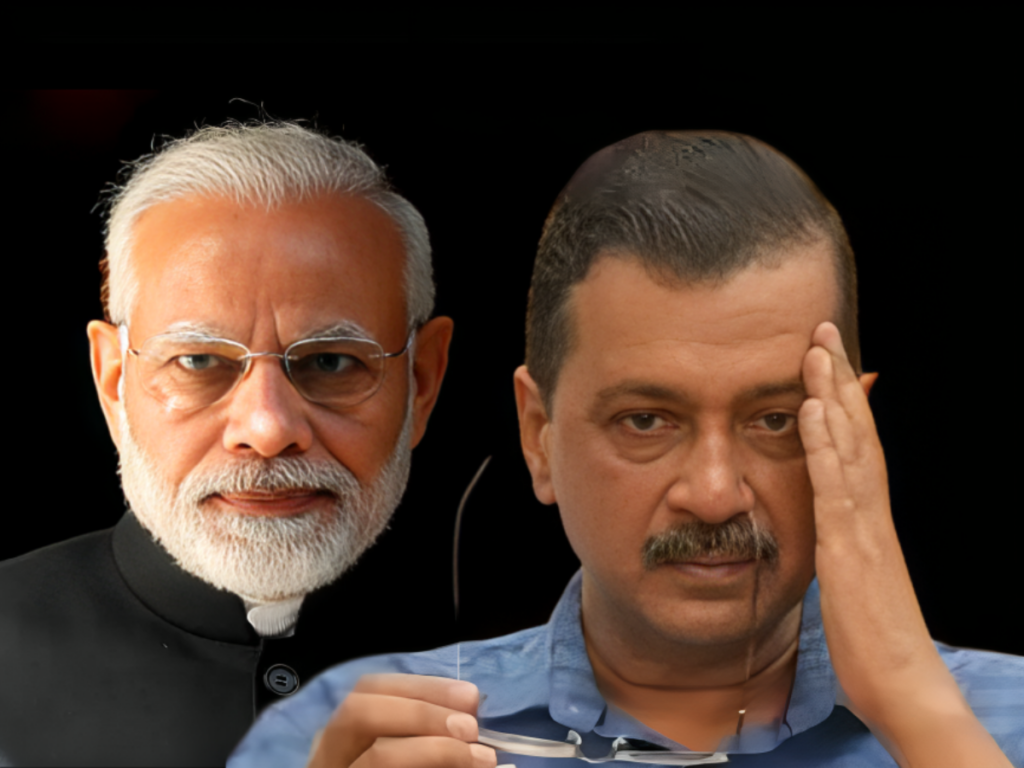
By Nitya Chakraborty The victory of the BJP in the Delhi assembly elections defeating the ruling Aam Aadmi Party (AAP) convincingly is certainly a jolt to the opposition INDIA bloc, but it does not mean the end of AAP, or the final tolls for the INDIA bloc, as some commentators in the national media and […]

Emirates has entered into an agreement with Airbus to implement the Skywise Fleet Performance+ solution, aiming to enhance its fleet management through advanced predictive maintenance and health monitoring. This move underscores the airline’s dedication to operational excellence and safety. The S.FP+ system is designed to detect potential faults before they trigger alerts, utilizing extensive in-flight sensor data integrated with maintenance information. By adopting this technology, Emirates seeks […]

Bitcoin has experienced a significant surge, approaching the $100,000 mark. As of February 10, 2025, Bitcoin is trading at $97,605, reflecting an increase of $636, or approximately 0.66%, from the previous close. The day’s trading range saw a high of $97,937 and a low of $94,747.

Ethereum, the second-largest cryptocurrency by market capitalization, is currently priced at $2,645.11, marking a slight decrease of $12.46, or 0.47%, from its prior close. Throughout the day, Ethereum’s price fluctuated between a high of $2,668.35 and a low of $2,541.34.

Solana has demonstrated notable growth, with its price reaching $204.14, an uptick of $2.40, or 1.19%. The day’s trading for Solana recorded a peak at $205.63 and a trough at $194.02.

XRP is currently valued at $2.43, experiencing a decline of $0.04, or 1.62%, from the previous close. The cryptocurrency’s intraday high was $2.47, with a low of $2.32.

The cryptocurrency market has been experiencing heightened volatility, influenced by various factors including geopolitical tensions and regulatory developments. Notably, recent policy decisions, such as the imposition of new tariffs by the U.S. on imports from Canada, Mexico, and China, have led to significant market reactions. These tariffs resulted in a substantial liquidation in the crypto market, amounting to $2 billion, with Bitcoin experiencing a 7.5% decline to $91,969, and Ethereum dropping by 20.1% to $2,510.

Despite these fluctuations, institutional interest in cryptocurrencies remains strong. Strategy Inc., formerly known as MicroStrategy, has raised an additional $584 million through the sale of preferred stock to further its $42 billion cryptocurrency acquisition plan. The company has acquired a total of 218,887 bitcoins between October 31 and January 26, underscoring the growing institutional adoption of digital assets.

SHANGHAI, CHINA – Media OutReach Newswire – 10 February 2025 – Artyzen Hospitality Group (AHG), a wholly owned subsidiary of Shun Tak Holdings Limited (HKSE: 242) today announced a management agreement with Xi’an Yang’s Real Estate Development Co., Ltd. (Xi’an Yang’s Real Estate) to open its first Artyzen Hotels and Resorts luxury lifestyle hotel in Xi’an, China. This marks AHG’s debut in China’s ancient capital and the […]

Multiple Institutions Give AIM a “Buy” Rating HONG KONG SAR – Media OutReach Newswire – 5 February 2025 – AIM Vaccine Co., Ltd. (06660.HK), a leading PRC vaccine company, announced today that its independently developed mRNA RSV (respiratory syncytial virus) vaccine has recently been submitted for clinical trials to the U.S. Food and Drug Administration (FDA). The vaccine has demonstrated significantly higher humoral and cellular immunity compared […]

Dubai is advancing its sustainability agenda with the introduction of the Super Block initiative, aiming to establish car-free zones in key residential areas. This move seeks to enhance environmental quality and promote healthier urban living. The Super Block concept involves designating clusters of nine city blocks where non-essential vehicles are restricted, transforming streets into pedestrian-friendly spaces. Essential services and residents’ vehicles will have limited access, with speed […]

AFC has consistently broadened its funding portfolio with innovative transactions that open new capital markets to attract global investors to African infrastructure DUBAI, UNITED ARAB EMIRATES – EQS Newswire – 7 February 2025 – Africa Finance Corporation (AFC) (www.AfricaFC.org), the continent’s leading infrastructure solutions provider, has successfully closed a US$400 million Shariah-compliant Commodity Murabaha facility, marking its strategic return to the Islamic finance market for the first […]

VISHNU RAJA
RYO YAMADA
HITORI GOTOH
IKUYO KITA