News related to
demand

Oil prices have experienced a significant decline, reaching their lowest levels since April 2021, driven by escalating trade tensions between the United States and China, coupled with strategic decisions by OPEC+ regarding oil production. Brent crude futures dropped by $2.28, settling at $63.30 per barrel, while U.S. West Texas Intermediate crude decreased by $2.20 to $59.79 per barrel. This marks a continuation of a downward trend, with […]

Chinese social media platforms are abuzz with users expressing strong opposition to suggestions that Beijing should acquiesce to U.S. trade demands following President Donald Trump’s recent tariff escalations. The online discourse reflects a nationalistic sentiment, with many netizens urging the Chinese government to stand firm against what they perceive as economic intimidation.

President Trump announced a 10% baseline tariff on all imports, with significantly higher duties targeting specific countries, including a 54% tariff on Chinese goods. This move has intensified trade tensions between the world’s two largest economies. In retaliation, China imposed a 34% tariff on various American products, signaling its resolve to counter U.S. measures.

The Chinese Foreign Ministry’s spokesperson, Guo Jiakun, highlighted the global market’s adverse reaction to the U.S. tariffs, stating, “The market has spoken.” This remark underscores Beijing’s position that the U.S. actions are disruptive to international trade stability.

State-run media outlets have also weighed in, criticizing the U.S. administration’s approach. The Global Times labeled the tariff threats as “ridiculous” and indicative of “deep arrogance,” while China Daily warned that such actions could lead to a “mutually destructive tariff war.”

On platforms like Weibo and WeChat, Chinese citizens are vociferously rejecting any notion of capitulation. Users are calling for unity and resilience, emphasizing the importance of safeguarding national interests and economic sovereignty. This collective online sentiment reflects a broader public consensus supporting the government’s stance in the escalating trade dispute.

Indian metal companies are significantly expanding their operations, driven by robust domestic demand, even as they navigate complex global trade dynamics. Industry leaders such as Vedanta and JSW Steel are at the forefront of this growth, unveiling ambitious plans to scale up production capacities across various segments.

Vedanta, a prominent conglomerate, has announced a $20 billion expansion strategy encompassing sectors like zinc, aluminium, copper, iron, steel, oil, gas, and power. This initiative includes seeking global partnerships to bolster its ventures. The company is also in the process of restructuring into four distinct entities: Vedanta Aluminium, Oil and Gas, Power, and Iron and Steel. Notable investments involve allocating $2 billion to $2.5 billion for enhancing Hindustan Zinc’s production and $5 billion aimed at increasing oil output through Cairn India. Additionally, Vedanta plans to double its power portfolio and explore opportunities in nuclear energy, targeting 5 GW of nuclear power for internal consumption within India.

JSW Steel, another major player, is pursuing an aggressive expansion trajectory. The company aims to elevate its production capacity from the current 27.5 million tonnes per annum to 38.5 mtpa by the fiscal year 2024-25. This growth strategy includes commissioning iron ore and coal mines in Karnataka, Odisha, and Goa, which is expected to reduce operational costs. JSW Steel is also investing in renewable energy projects to further decrease production expenses. The company has set a target to reach a 50 mtpa capacity before 2030, reflecting confidence in sustained domestic demand growth.

Tata Steel is also contributing to the industry’s expansion by adding 5 million tonnes to its existing 21 mtpa capacity. Similarly, Jindal Steel and Power plans to increase its capacity by 6 million tonnes, building upon its current 9.6 mtpa. Collectively, these initiatives represent a substantial investment aimed at capitalizing on India’s burgeoning steel consumption, which is projected to grow between 8% to 10% in the fiscal year 2024-25.

The Indian government’s policy measures are playing a crucial role in supporting domestic manufacturers. The “Domestically Manufactured Iron and Steel Products Policy 2025,” effective from April 1, mandates that all government ministries and agencies prioritize locally produced steel products. This policy aims to protect the domestic steel industry from the influx of cheaper imports, particularly from countries like China, South Korea, and Japan. It also restricts the use of foreign certifications or stringent technical specifications that could disadvantage local suppliers and bars foreign entities from participating in Indian tenders if their home countries impose procurement restrictions on Indian mills.

Despite these protective measures, Indian steelmakers face challenges from international trade policies. The United States has imposed a flat 26% reciprocal tariff on all Indian exports, citing high Indian tariffs on U.S. goods. This move is expected to impact key Indian export sectors, including electronics, gems and jewellery, and certain aluminium and auto parts. However, pharmaceuticals and energy products are exempt from these tariffs. In response, India is engaging in negotiations with the U.S. for a new trade deal and has expressed willingness to reduce tariffs on $23 billion worth of U.S. imports. Additionally, India is exploring opportunities to expand exports in sectors like textiles, apparel, footwear, and steel, particularly as higher tariffs are levied on Chinese goods.

Expanding Regional Expertise and Localized Solutions to Meet the Growing Demands of Asia-Pacific Healthcare. CRANSTON, RHODE ISLAND US – Media OutReach Newswire – 7 April 2025 – Nelipak® Corporation (“Nelipak®“), a leading global manufacturer of packaging solutions for medical device, diagnostic, pharmaceutical drug delivery, and other demanding applications, announced it is enhancing its commitment to service customers in the Asia-Pacific region on a direct basis, and through […]

Voltage Park, a provider of scalable GPU-as-a-service solutions, has acquired TensorDock, a prominent GPU cloud marketplace. This strategic move aims to enhance Voltage Park’s artificial intelligence infrastructure offerings and broaden its market reach. The acquisition aligns with Voltage Park’s mission to democratize access to machine learning infrastructure. By integrating TensorDock’s marketplace platform, Voltage Park intends to offer a more comprehensive suite of services to enterprises, research institutions, […]

California has achieved a significant milestone in its transition towards sustainable transportation. The state now boasts 178,549 public and shared private electric vehicle chargers, surpassing the approximately 120,000 gasoline nozzles by 48%. This development underscores California’s commitment to expanding its EV infrastructure, facilitating the adoption of zero-emission vehicles. Governor Gavin Newsom highlighted this achievement, emphasizing the state’s dedication to providing consumers with more charging options. He noted […]

Oil markets witnessed a significant downturn as Brent crude, the global benchmark, tumbled over 13% in two days, settling just above $66 per barrel. This sharp decline follows the dual impact of OPEC+ unexpectedly increasing production and the imposition of new tariffs by President Donald Trump.

On April 4, 2025, Saudi Arabia led an initiative within OPEC+ to substantially boost oil output by 411,000 barrels per day starting in May. This move aims to penalize member countries like Kazakhstan and Iraq for consistently exceeding production quotas. The decision contributed to an 8% drop in oil prices, with Brent crude falling below $65 per barrel for the first time since 2021.

Concurrently, President Trump intensified trade tensions by imposing tariffs on imports from Canada, China, and Mexico. China responded with a retaliatory 34% tariff on U.S. imports, escalating fears of a global economic slowdown and further pressuring oil prices.

Goldman Sachs revised its 2025 oil price forecasts downward, cutting Brent crude to $69 and West Texas Intermediate to $66 per barrel. JPMorgan raised its global recession probability to 60%, up from 40%, reflecting growing concerns over economic stability.

The surge in supply and escalating trade disputes have led to significant losses in energy stocks. Major oil companies, including Chevron, APA, Occidental Petroleum, and Diamondback Energy, experienced notable declines. The Energy Select Sector SPDR ETF fell nearly 7% on the day and almost 13% for the week.

Analysts suggest that until production is significantly reduced, oil prices may continue to fall. The geopolitical backdrop includes U.S. relations with Saudi Arabia, key to both energy policy and diplomatic efforts related to Russia, Iran, and broader Middle East tensions.

In contrast, natural gas stocks have shown resilience, supported by rising LNG exports and less exposure to OPEC’s dynamics. Companies like EQT, Expand Energy , and Coterra Energy are highlighted as attractive investments due to geographic advantages and favorable valuations.

The current downward trend in oil prices is primarily driven by OPEC+’s decision to increase output and the introduction of U.S. tariffs. Analysts expect the tariffs to curb economic activity and demand for energy, weighing on oil prices. The bank also said higher-than-expected crude supply and a demand squeeze from softer U.S. economic activity and tariff escalation posed downside risks to oil price forecasts.

The Organization of the Petroleum Exporting Countries and its allies, known as OPEC+, decided on Monday to increase output for the first time since 2022, further pressuring crude prices. The group will make a small increase of 138,000 barrels per day from April, the first step in planned monthly increases to unwind its nearly 6 million bpd of cuts, equal to almost 6% of global demand.

The larger-than-expected decline in crude stocks supported the downward trend in oil prices, pointing to weakening demand in the U.S. The U.S. Energy Information Administration is expected to announce the official inventory data during the day.

The risks to oil prices remain tilted to the downside with new supply from OPEC+ and non-OPEC producers expected to push the market well into an oversupply. Brent prices on Wednesday fell to their lowest since December 2021 after U.S. crude inventories rose and in the wake of the decision by OPEC+ to increase their output quotas.

Oil prices had already been trading lower in the last few weeks, partly because of expectations that U.S. president Donald Trump could swiftly end Russia’s war in Ukraine. This, in turn, is likely to increase Russian oil output thanks to sanctions relief.

The benchmark previously dropped to $66.77 a barrel, the lowest since November. “The current downward trend in oil prices is primarily driven by OPEC+’s decision to increase output and the introduction of U.S. tariffs,” said Darren Lim, commodities strategist at Phillip Nova. He said another factor was President Donald Trump’s decision to pause all U.S. military aid to Ukraine after his Oval Office clash with President Volodymyr Zelenskiy last week.

Those politics are likely connected with the wheeling and dealing of Donald Trump, referring to the U.S. president’s calls for lower oil prices. U.S. tariffs of 25% on imports from Canada and Mexico took effect at 12:01 a.m. EST on Tuesday, with 10% tariffs on Canadian energy, while tariffs on imports of Chinese goods were increased to 20% from 10%. Analysts expect the tariffs to curb economic activity and demand for energy, weighing on oil prices.

The bank also said higher-than-expected crude supply and a demand squeeze from softer U.S. economic activity and tariff escalation posed downside risks to oil price forecasts. Chinese demand is also down, with a period of refinery maintenance looming, said Josh Callaghan, head of crude derivatives at Arrow Energy Markets.

Oil prices declined for a third day on Wednesday, as investors worried about OPEC+ plans to proceed with output increases in April, and U.S. President Donald Trump’s tariffs on Canada, China, and Mexico escalated trade tensions. Brent futures fell $1.02, or 1.44%, to $70.02 a barrel by 1149 GMT. U.S. West Texas Intermediate crude declined $1.33, or 1.95%, to $66.93 a barrel.


Advertisements

The semiconductor industry experienced a remarkable surge in 2024, with annual revenues climbing approximately 25% to reach $683 billion. This growth was predominantly fueled by escalating demand for artificial intelligence applications, particularly high-bandwidth memory used in AI graphics processing units . The memory segment, buoyed by HBM, saw a 74% year-over-year increase, significantly contributing to the industry’s overall rebound from a challenging 2023. SK hynix reported record-breaking […]

The escalating trade conflict between the United States and China has introduced significant shifts in global trade dynamics, presenting both opportunities and challenges for Indian exporters. The U.S. administration’s imposition of substantial tariffs on Chinese imports has prompted China to retaliate with its own set of tariffs, affecting a broad spectrum of goods. This tit-for-tat exchange has disrupted established supply chains, leading American importers to seek alternative sources for various products.

Indian exporters are poised to benefit from this realignment, particularly in sectors where India has a competitive edge. Industries such as agriculture, engineering, textiles, chemicals, and leather are witnessing increased interest from U.S. buyers aiming to diversify their supply chains away from China. Ajay Sahai, Director General of the Federation of Indian Export Organisations , noted that U.S. buyers are approaching Indian companies with manufacturing operations in China, requesting them to supply from their Indian facilities due to the prevailing uncertainties.

The agricultural sector stands to gain notably, with products like soybeans and seafood emerging as viable alternatives to Chinese exports. Similarly, the engineering and machine tools industries are experiencing heightened demand, as American companies look to mitigate the impact of increased tariffs on Chinese machinery. The textiles and garments sector is also seeing a surge in orders, capitalizing on India’s established reputation in these markets.

However, this shift is not without its challenges. The increased tariffs on Chinese goods have led to concerns about the potential for these products to be redirected to other markets, including India, at lower prices. This scenario raises the specter of dumping, which could adversely affect domestic manufacturers. Crisil, a global analytics company, has highlighted that as the U.S. imposes higher tariffs on Chinese imports, there is a heightened possibility of these surplus goods being diverted to countries like India, potentially disrupting local industries.

In response to these developments, the Indian government is actively engaging with exporters to assess the evolving landscape and identify strategies to capitalize on emerging opportunities. Efforts are underway to enhance manufacturing capabilities, streamline regulatory processes, and improve infrastructure to better position Indian products in the global market. The government’s proactive stance aims to not only seize the openings created by the U.S.-China trade tensions but also to safeguard domestic industries from potential negative spillovers.

The Nasdaq Composite Index entered bear market territory on Friday, April 4, 2025, closing over 20% below its December peak. This significant downturn was precipitated by President Donald Trump’s imposition of a 10% tariff on all imports to the United States, with additional substantial levies targeting technology-centric nations such as China, Taiwan, and Vietnam. China’s swift retaliation, announcing a 34% tariff on all U.S. imports, intensified fears of a global recession and inflationary pressures.

Major U.S. stock indices experienced sharp declines. The S&P 500 fell approximately 2.5%, while the Dow Jones Industrial Average dropped nearly 2.45%, shedding 994.46 points to close at 39,551.47. Technology stocks bore the brunt of the sell-off, with Apple Inc. shares declining over 4%, following a nearly 10% drop the previous day. Nvidia and Broadcom each lost more than 7%, and Tesla shares plummeted almost 10%.

The newly announced tariffs, dubbed “Liberation Day” tariffs by the administration, include a universal 10% tariff on all imports and higher targeted tariffs for numerous countries. Economists warn that these measures could disrupt global supply chains, particularly impacting the technology sector, which relies heavily on components from China and Taiwan. The Semiconductor Industry Association expressed concern that the tariffs could stymie growth and innovation within the industry.

International responses were swift. The European Union signaled readiness to implement countermeasures, while the International Monetary Fund cautioned that escalating trade tensions pose significant risks to global economic stability. In the U.S., political figures across the spectrum voiced apprehension. Senate Majority Leader Mitch McConnell and Senator Ted Cruz criticized the tariffs, warning of potential harm to American workers and farmers.

Despite a robust March jobs report indicating the addition of 228,000 new jobs and a slight uptick in unemployment to 4.2%, market sentiment remained negative. Investors are now looking to Federal Reserve Chair Jerome Powell’s upcoming speech for insights into potential monetary policy adjustments in response to the escalating trade conflict.

The CBOE Volatility Index, a measure of market anxiety, surged to levels not seen since August 2024, reflecting heightened investor concern. Oil prices also declined significantly due to fears of reduced global demand amid the escalating trade tensions.

President Trump defended the tariff strategy, asserting that the measures are necessary to address longstanding trade imbalances and would ultimately benefit the U.S. economy. He urged investors to view the market downturn as a wealth opportunity.

The Tim Hortons retail coffee lineup includes Original Blend whole bean coffee and fine grind coffee available in five signature varieties: Original Blend, French Vanilla, Colombian, Maple and Decaf. The first Tim Hortons restaurant in South Korea opened in the Seoul Metropolitan Area in 2023 and the brand rapidly expanded to 16 restaurants driven by popular demand for its freshly brewed coffee, baked goods and exceptional guest […]

President Donald Trump’s declaration of “Liberation Day” introduced sweeping tariffs on imports, triggering significant upheaval in global energy markets. The administration announced a baseline tariff of 10% on all imported goods, with elevated rates for specific countries accused of nonreciprocal or discriminatory trading practices. These measures have prompted widespread market volatility and raised concerns about potential economic slowdowns. Oil prices experienced a sharp decline following the tariff […]

The Organization of the Petroleum Exporting Countries and its allies, collectively known as OPEC+, have announced a significant policy shift by accelerating oil production increases. This decision, made during a virtual meeting on Thursday, involves eight member countries—Saudi Arabia, Russia, Iraq, the United Arab Emirates, Kuwait, Kazakhstan, Algeria, and Oman—agreeing to boost output by 411,000 barrels per day starting in May. This adjustment consolidates three months’ worth of planned increases into a single month, surpassing the initially scheduled 135,000 bpd increment.

This move aims to discipline member nations that have been exceeding their production quotas and to address concerns over market stability. The coalition emphasized that these adjustments could be paused or reversed depending on evolving market conditions, underscoring their commitment to maintaining equilibrium in the global oil market.

The announcement had an immediate impact on oil prices. Brent crude futures dropped by 7.1%, settling at $69.63 per barrel, while West Texas Intermediate declined by 7.8% to $66.15 per barrel. These declines represent the steepest single-day percentage drops since mid-2022, reflecting market apprehension about potential oversupply amid existing economic uncertainties.

Compounding these market jitters are newly announced tariffs by U.S. President Donald Trump. The administration has imposed a baseline tariff of 10% on imports from several global economies, raising fears of an escalating trade war that could dampen global economic growth and, consequently, reduce energy demand. Analysts have noted that these tariffs could lead to increased inflation and slower economic expansion, particularly affecting emerging markets in Asia, which are pivotal centers for oil demand growth.

The timing of OPEC+’s decision aligns with these geopolitical developments. By increasing supply, the alliance appears to be responding to external pressures, including calls from major consumers for more affordable energy prices. However, this strategy carries risks, as it may exacerbate price volatility and strain relations within the group, especially with members that have been advocating for more conservative production increases.

Market analysts are closely monitoring the situation, noting that the combination of heightened supply and potential demand contraction due to trade tensions could lead to a surplus in the oil market. This scenario may prompt OPEC+ to reassess its strategy in the coming months to prevent a prolonged downturn in prices.

The United Arab Emirates’ non-oil private sector experienced a deceleration in growth during March, as indicated by the latest S&P Global Purchasing Managers’ Index . The index declined to 54.0 from February’s 55.0, marking the lowest point since September. Despite this dip, the PMI remains above the 50.0 threshold, signifying continued expansion in the sector.

The moderation in growth is primarily attributed to a slowdown in new order inflows, which have decreased for the third consecutive month. The new orders index fell to 56.3 in March from 57.3 in February, reaching its weakest level since October. This trend suggests a tapering in demand momentum within the UAE’s diversified economy.

In response to mounting backlogs, companies have accelerated their input purchases at the fastest rate since July 2019. This proactive approach aims to address operational pressures and maintain service levels. However, employment growth has softened, registering its slowest pace in nearly three years, as firms encounter challenges in recruitment and workforce expansion.

Input prices have seen a moderate rise, with some businesses facing increased material costs, while others benefit from reduced transportation expenses. This nuanced cost landscape reflects the complex dynamics influencing the sector’s operational environment.

Dubai’s non-oil private sector also mirrored this slowdown, with its PMI dropping to a five-month low of 53.2 from 54.3 in February. The emirate experienced a rare reduction in employment levels, despite a continued, albeit slower, increase in new orders.

Nevertheless, businesses across the UAE maintain a positive outlook regarding future growth prospects. This optimism is underpinned by robust project pipelines and ongoing national infrastructure developments, which are expected to bolster the non-oil sector’s performance in the coming months.

Corporate events have long gone beyond simple team building activities. They address a wide range of tasks today: helping to accelerate onboarding, improving internal communications, increasing employee engagement and strengthening corporate culture. This is especially important for employees of remote teams who risk losing contact with each other and the company due to remote working formats. In recent years, online tools have made communication easier and virtual […]

KUALA LUMPUR, MALAYSIA – Media OutReach Newswire – 3 April 2025 – Understanding the rhythm of financial markets can give traders a significant edge. Seasonalities—lasting trends that repeat themselves during some periods of the year—tend to influence the value of assets and the overall market state. Identifying these cycles allows traders to adapt their strategies better and make more informed decisions. In this material, experts at global […]

Dubai-based Edgnex Data Centers, a subsidiary of the Damac Group, has acquired Finnish data center company Hyperco, marking a significant expansion into the Nordic region. The financial terms of the deal have not been disclosed. Hyperco operates data centers in Finland and Sweden, leveraging the region’s sustainable energy resources, mature digital ecosystems, and high connectivity. The company’s three co-founders and existing team will continue to lead operations […]

Checkout.com has partnered with Tabby to integrate Buy Now, Pay Later solutions into its platform, enabling merchants in the United Arab Emirates and Saudi Arabia to offer consumers flexible payment options at checkout. This collaboration aims to enhance the shopping experience, foster consumer loyalty, and drive business growth by providing greater flexibility at the point of purchase. The BNPL market in the Middle East has witnessed significant […]

Dubai’s leading parking management firm, Parkin, has announced a cash dividend of AED 280.9 million for the second half of 2024, slated for distribution in late April 2025. This decision reflects the company’s robust financial performance and aligns with its commitment to delivering consistent shareholder returns.

Concurrently, Parkin is set to implement a Variable Parking Tariff Policy starting 4 April 2025. This initiative, introduced in collaboration with Dubai’s Roads and Transport Authority , aims to optimise parking space utilisation by adjusting fees based on demand during specific timeframes.

Under the new policy, parking charges will vary between peak and off-peak hours. Peak periods are designated from 8:00 AM to 10:00 AM and 4:00 PM to 8:00 PM, during which premium parking zones will incur higher fees. Specifically, parking in these premium areas will cost AED 6 per hour during peak times. Off-peak hours, spanning 10:00 AM to 4:00 PM and 8:00 PM to 10:00 PM, will maintain the existing tariff structure.

The RTA has expanded the classification of premium parking zones to encompass approximately 40% of Parkin’s public parking portfolio, an increase from the previously communicated 35%. These zones are primarily located in high-demand, densely populated areas, including vicinities adjacent to public transport infrastructure. The remaining 60% of spaces will be designated as standard parking.

For multi-storey car parks , Parkin will maintain a fixed rate of AED 5 per hour, applicable 24/7. However, a maximum daily charge of AED 40 will be imposed for stays exceeding eight hours within a 24-hour period. As of the end of 2024, Parkin operated 3,200 parking spaces across six MSCPs.

Approximately 35% of Parkin’s developer parking spaces will now be subject to the Variable Parking Tariff Policy, a significant adjustment from the earlier expectation of 0%. This change is set to take effect simultaneously with the public parking tariff adjustments on 4 April 2025.

Parkin’s financial results for the fiscal year 2024 have surpassed the guidance provided during its March 2024 initial public offering . The company’s average public parking utilisation rate increased by 2.4 percentage points to 28.3%, underscoring a positive trend in demand for parking services.

The implementation of the Variable Parking Tariff Policy is part of Parkin’s broader strategy to enhance the efficiency of parking space usage across Dubai. By aligning parking fees with demand fluctuations, the company aims to improve accessibility and convenience for motorists while supporting the city’s transportation infrastructure.

Motorists are advised to acquaint themselves with the new tariff structures and zone classifications ahead of the changes to ensure compliance and avoid potential fines. Detailed information regarding the updated parking tariffs and zone designations is available on Parkin’s official website and mobile application.

Parkin’s proactive approach in adjusting its dividend payouts and parking tariffs reflects its responsiveness to market dynamics and commitment to delivering value to both shareholders and customers. As Dubai continues to evolve as a global metropolis, such initiatives are pivotal in maintaining the city’s reputation for efficient urban planning and infrastructure management.

The forthcoming changes underscore the importance of adaptive strategies in urban management, particularly in rapidly growing cities like Dubai. By implementing variable pricing models, Parkin aims to balance demand and supply effectively, ensuring that parking resources are utilised optimally.

As the implementation date approaches, stakeholders, including residents, businesses, and visitors, are encouraged to stay informed about the new parking regulations. This awareness will facilitate a smoother transition and help mitigate any potential inconveniences arising from the tariff adjustments.

Parkin’s collaboration with the RTA exemplifies a coordinated effort to enhance urban mobility and address the challenges associated with urbanisation. The Variable Parking Tariff Policy is expected to serve as a model for other cities grappling with similar issues, showcasing Dubai’s leadership in innovative urban management solutions.

In light of these developments, Parkin remains committed to monitoring the impact of the new tariff system and making necessary adjustments to ensure its effectiveness. Continuous feedback from the public will be instrumental in refining the policy to better serve the community’s needs.

The integration of technology in disseminating information about the new tariffs, through platforms like the Parkin mobile app, reflects the company’s dedication to leveraging digital tools for enhanced customer engagement and service delivery.

American Bitcoin, a US-based Bitcoin mining company, is poised to make a significant move in the market by exploring options for a public listing or introducing private equity to fuel its expansion. The company, jointly founded by Hut 8 and American Data Centers, has garnered attention due to its ambitious plans to scale its operations and leverage the ongoing surge in cryptocurrency demand. This move is being closely watched by industry experts, investors, and stakeholders as the company aims to position itself as a key player in the rapidly evolving world of cryptocurrency mining.

With the support of the Trump family, American Bitcoin’s market ambitions have taken a prominent position in the crypto sector. The backing from a high-profile family brings additional visibility and credibility to the company’s potential to disrupt the Bitcoin mining space. This strategic partnership is expected to provide American Bitcoin with not only financial resources but also valuable connections and a broader network within both the tech and investment communities.

The cryptocurrency market has experienced a marked increase in interest and investment over the past few years, particularly in Bitcoin mining. As the flagship cryptocurrency continues to dominate market discussions, mining operations that can scale efficiently are being highly sought after by both institutional investors and private equity firms. American Bitcoin’s strategy includes utilising state-of-the-art mining technology and securing access to renewable energy sources to ensure long-term sustainability and cost efficiency in its operations.

As of now, American Bitcoin is weighing whether to pursue an initial public offering or opt for private equity funding. An IPO would provide the company with the potential to raise capital from a wide array of investors, offering shares to the public and solidifying its position in the mainstream market. On the other hand, private equity could provide more flexibility in terms of growth strategy and operational control, as it would involve raising funds from select private investors.

The decision between the two paths is a critical one, as the company must balance the need for substantial capital with its desire to maintain a certain level of autonomy. Industry experts believe that both options could provide valuable opportunities for American Bitcoin to fuel its growth and meet the increasing demand for Bitcoin mining operations. However, the success of either approach will depend heavily on the company’s ability to convince investors of its long-term profitability and strategic vision.

The timing of this potential move also comes at a crucial moment for the cryptocurrency industry. Bitcoin’s market performance, while volatile, continues to demonstrate its resilience as an asset class. Furthermore, the broader acceptance of cryptocurrencies as a legitimate financial instrument by both governments and private institutions has created a favourable environment for companies like American Bitcoin to thrive.

Looking ahead, American Bitcoin’s plans to scale its operations are set against the backdrop of increasing competition in the cryptocurrency mining sector. The company will need to differentiate itself by offering innovative solutions, optimising its operations, and tapping into new market opportunities. The role of its backers, including the Trump family, could prove pivotal in shaping the company’s ability to secure its place in a crowded market.

The Bitcoin mining industry, known for its capital-intensive nature, requires substantial investments in hardware, energy, and infrastructure. As a result, companies within the sector are constantly exploring ways to improve efficiency and reduce costs while maintaining profitability. American Bitcoin’s strategic focus on renewable energy sources and cutting-edge mining technology positions it as a forward-thinking company in an industry that is often criticised for its environmental impact.

The company’s leadership is also keenly aware of the need to build a strong brand identity and attract investors who are aligned with its long-term vision. By positioning itself as an environmentally conscious and technologically advanced company, American Bitcoin hopes to set itself apart from competitors that may not be as focused on sustainability or innovation.

Beyond the financial considerations, American Bitcoin’s public offering or private equity introduction will have broader implications for the cryptocurrency mining industry. If successful, it could signal a new wave of institutional involvement in the sector, attracting both investors and talent eager to capitalise on the growing demand for Bitcoin and other cryptocurrencies. This, in turn, could lead to further advancements in mining technology and operational strategies, ultimately shaping the future of the industry.

The involvement of the Trump family in American Bitcoin’s journey adds a layer of intrigue to the company’s potential growth. With a history of significant influence in both business and political circles, their participation brings an element of prestige and recognition that could help the company navigate the complex regulatory landscape surrounding cryptocurrency mining.

BlackRock, the world’s largest asset manager overseeing approximately $12 trillion, has obtained registration from the UK’s Financial Conduct Authority to function as a crypto asset firm. This authorisation enables BlackRock to offer cryptocurrency services within the United Kingdom.

The FCA’s decision positions BlackRock as the 51st entity on its crypto asset register, joining notable firms such as Coinbase, PayPal, and Revolut. The FCA maintains rigorous standards for registration, having approved only a fraction of applicants. According to the FCA, many submissions have been rejected due to incomplete or substandard components necessary for a thorough assessment.

This development aligns with BlackRock’s strategic expansion into digital assets. In January 2024, the firm introduced the iShares Bitcoin Trust in the United States, which rapidly attracted substantial investor interest. Building on this momentum, BlackRock launched the iShares Bitcoin Exchange-Traded Product on European exchanges in Paris and Amsterdam. The ETP debuted with a promotional fee waiver, reducing its expense ratio to 0.15% until the end of the year, after which it will revert to 0.25%, aligning with competitors like CoinShares. Manuela Sperandeo, BlackRock’s Head of Europe & Middle East iShares Product, remarked that this initiative reflects a tipping point in the industry, combining established retail investor demand with increasing professional engagement.

Market analysts interpret BlackRock’s FCA registration as a significant endorsement of the cryptocurrency sector, potentially encouraging broader institutional adoption. Given BlackRock’s substantial influence in global finance, its entry into the UK crypto market may signal a shift towards mainstream acceptance of digital assets.

OpenAI’s latest version of ChatGPT has set an unprecedented milestone, reaching 1 million users within just one hour of its release. This rapid adoption is being attributed to a new feature that allows users to generate AI images directly from text prompts. This significant demand for the new feature is being described as “biblical” by OpenAI’s CEO, Sam Altman, who has emphasised how this innovation is reshaping […]

Apple is developing an AI-powered virtual health coach as part of a major revamp of its Health app, aiming to make its products central to personal wellness. The initiative, referred to internally as Project Mulberry, is designed to provide users with personalized health advice through an intelligent, virtual assistant, marking a significant step towards integrating artificial intelligence into everyday health management. The Health app overhaul is poised […]

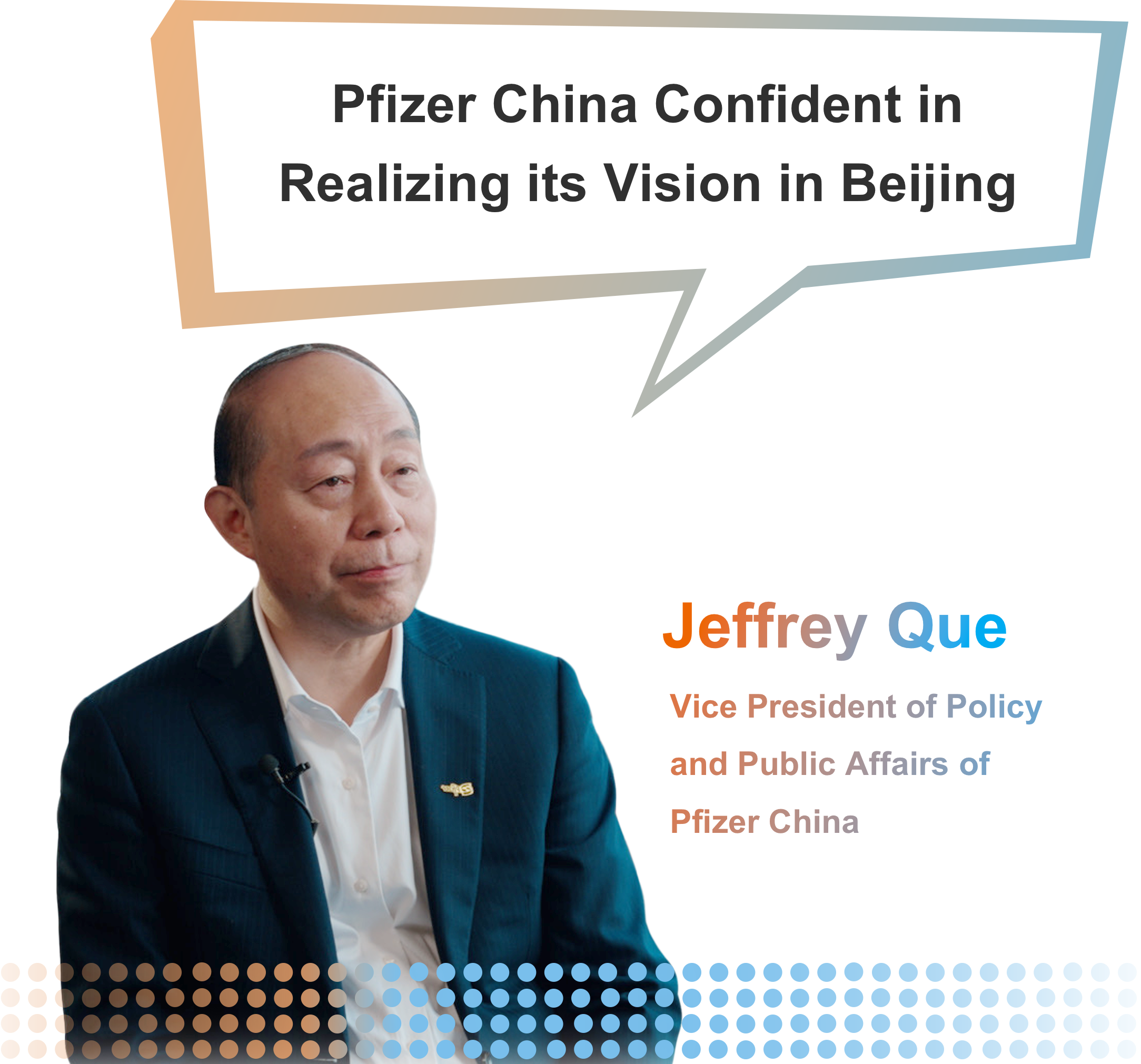
Pfizer has unveiled its new research and development centre in Beijing, marking a significant step in the company’s strategic expansion in China. The facility, located within the BioPark in the Beijing Economic-Technological Development Area , represents the pharmaceutical giant’s ongoing commitment to increasing its presence in the Chinese market. This development comes at a time when global healthcare companies are intensifying their focus on innovation in key Asian markets.

The opening of the R&D centre is expected to bolster Pfizer’s research capabilities, particularly in the development of cutting-edge treatments in areas such as oncology, vaccines, and rare diseases. The new centre will serve as a hub for collaborative efforts between Pfizer and local Chinese researchers, healthcare providers, and academic institutions. This collaboration is viewed as a strategic move to accelerate the discovery and delivery of new therapies tailored to both global and regional healthcare needs.

Pfizer’s decision to open a new R&D centre in Beijing underscores the company’s long-term investment in China’s growing pharmaceutical industry. It is also a response to the Chinese government’s push to modernise its healthcare infrastructure and increase the availability of advanced medical treatments to its population. China’s robust investment in healthcare innovation and its vast population present a significant opportunity for Pfizer to lead in areas of unmet medical need.

The Beijing facility will focus on the integration of new technologies, such as artificial intelligence and data analytics, into drug discovery and clinical development processes. These technologies are expected to streamline Pfizer’s ability to identify promising drug candidates more efficiently, reducing development timelines and improving outcomes for patients worldwide. The centre will also support the company’s efforts to create vaccines and treatments specifically designed for the Chinese market.

Local Chinese health experts have welcomed the initiative, highlighting the positive impact it is likely to have on the region’s pharmaceutical ecosystem. Collaborations between international pharmaceutical companies like Pfizer and domestic research institutions are seen as vital to addressing health challenges in China, including the increasing prevalence of chronic diseases and an ageing population. The government’s support of such ventures is also expected to foster a more innovative and competitive environment in the Chinese pharmaceutical sector.

Pfizer’s expansion into Beijing is not the company’s first move in the region. Over the past decade, the pharmaceutical leader has steadily increased its investments in China, with a particular focus on expanding its clinical trials and vaccine development operations. This new R&D centre further cements the company’s position as a key player in the Chinese healthcare landscape.

One of the critical drivers behind Pfizer’s decision to build the facility in Beijing is the strategic importance of the region’s role in global drug development. The Chinese market, one of the largest in the world, has seen rapid growth in demand for healthcare products, particularly in biotechnology, oncology treatments, and vaccines. With an increasingly affluent population, China’s demand for high-quality medical products has surged, presenting a strong business case for Pfizer to deepen its engagement with the market.

The opening of this facility aligns with Pfizer’s broader global strategy to strengthen its innovation pipeline and maintain its competitive edge in the pharmaceutical industry. The company has consistently emphasised the importance of R&D as a cornerstone of its business model, and this move further emphasises its commitment to discovering new therapies for complex diseases. The Beijing centre is expected to collaborate with Pfizer’s other global R&D hubs, contributing to a more interconnected and agile research network.

Pfizer’s global operations have also faced some challenges in recent years, particularly with the economic uncertainties brought on by the pandemic. However, the company’s strategy of investing in emerging markets like China reflects its resilience and focus on future growth. By establishing a physical presence in one of the world’s most dynamic pharmaceutical markets, Pfizer is positioning itself to tap into both immediate and long-term opportunities in China and beyond.

The Chinese government has been supportive of multinational companies that invest in high-tech industries such as pharmaceuticals and biotechnology. This policy environment has made it increasingly attractive for foreign companies to set up R&D centres and collaborate with Chinese firms. In return, China benefits from the influx of advanced medical technologies and expertise, further propelling its ambitions to become a leader in global healthcare innovation.

Pfizer’s Beijing R&D centre is part of a broader trend of Western pharmaceutical companies making significant investments in China. These companies are increasingly collaborating with local research institutions to foster innovation, improve patient care, and support the country’s healthcare development goals. Such investments are also aligned with China’s ongoing reforms aimed at modernising its healthcare system, ensuring broader access to innovative treatments, and addressing the nation’s rising health challenges.

The opening of the R&D centre also highlights Pfizer’s commitment to ensuring that new therapies developed in Beijing will be available not only to the Chinese market but also to the global community. With the centre poised to focus on therapies for diseases with high unmet needs, including cancer and infectious diseases, the potential for cross-border medical collaboration is immense. Pfizer’s ability to leverage the centre’s local expertise and technological advancements will play a crucial role in meeting both Chinese and global healthcare demands.

VISHNU RAJA
RYO YAMADA
HITORI GOTOH
IKUYO KITA