News related to
demand

European data center operator NorthC Group has officially inaugurated its latest facility in Winterthur, Switzerland, marking the company’s fourth data center in the country. This strategic expansion underscores NorthC’s commitment to providing regional data center services with global connectivity, catering to the escalating demand for secure and sustainable digital infrastructure. The Winterthur data center, strategically situated near the Turm Areal, encompasses approximately 1,100 square meters and boasts […]

The United Arab Emirates property market is witnessing a notable influx of foreign institutional investors, marking a significant shift from its earlier reputation as a speculative arena dominated by individual buyers. This transformation is attributed to a combination of regulatory reforms, economic diversification, and the nation’s robust infrastructure, collectively enhancing the market’s appeal to large-scale investors. Historically, the UAE’s real estate sector was perceived as volatile, with […]

Oil prices have experienced a notable increase, marking the second consecutive weekly gain, as geopolitical developments and strategic decisions by major oil-producing entities influence global supply dynamics. The introduction of new US sanctions targeting Iran’s oil sector, coupled with planned output adjustments by the Organization of the Petroleum Exporting Countries and its allies , have been pivotal in this upward trend. Brent crude futures recently rose by […]

Kuwait is on the brink of a significant financial transformation as it prepares to permit banks to offer mortgages for the first time. This legislative shift, anticipated to be approved soon by the Council of Ministers, is expected to unlock a market valued at approximately $65 billion, potentially expanding lenders’ credit portfolios by 40%. Historically, Kuwait has refrained from allowing or regulating mortgages due to concerns over […]

Abu Dhabi-based renewable energy company Masdar is exploring the acquisition of a stake in TotalEnergies’ renewable energy assets in Portugal, according to sources familiar with the matter. This potential investment underscores Masdar’s strategic expansion into the European renewable energy market as it strives to achieve a global renewable energy capacity of 100 gigawatts by 2030.

The discussions involve Masdar potentially leveraging Saeta Yield, a green energy company it acquired from Brookfield Renewable for $1.4 billion in September 2024, to facilitate the deal. Saeta Yield’s portfolio includes 745 megawatts of operational wind assets and a 1.6 GW development pipeline across Spain and Portugal, positioning it as a significant player in the Iberian renewable energy sector.

TotalEnergies currently operates approximately 600 MW of installed renewable capacity in Portugal, predominantly in wind energy, with additional solar and hydroelectric assets. The valuation of wind assets per megawatt is currently higher than that of solar, making this an attractive investment opportunity for Masdar. TotalEnergies has not commented on the potential stake sale.

Masdar’s interest in TotalEnergies’ assets aligns with its broader strategy to expand its presence in the Iberian Peninsula. In addition to the Saeta Yield acquisition, Masdar secured a minority stake in a 2 GW solar portfolio controlled by Spanish utility Endesa. The company is also in negotiations with Endesa to further expand their partnership, reflecting its commitment to the European renewable energy market.

These strategic moves are part of Masdar’s ambitious plan to scale up its renewable energy capacity globally. The company’s goal of reaching 100 GW by 2030 is supported by investments in various markets, with a significant focus on Europe. The acquisition of stakes in established renewable assets, such as those owned by TotalEnergies and Endesa, provides Masdar with a robust platform to achieve its expansion objectives.

The potential deal with TotalEnergies would not only enhance Masdar’s asset base but also strengthen its operational capabilities in managing wind energy projects. This is particularly pertinent given the higher valuation and demand for wind assets in the current market. By integrating TotalEnergies’ Portuguese assets, Masdar could optimize its portfolio and enhance its competitive position in the European renewable energy sector.

Masdar’s strategic acquisitions and partnerships in the Iberian Peninsula reflect a calculated approach to establishing a strong foothold in a region with abundant renewable energy resources. The company’s investments are aligned with the European Union’s commitment to increasing renewable energy production, offering Masdar opportunities for growth and collaboration within the European market.

As the global energy landscape shifts towards sustainable sources, Masdar’s proactive expansion into established and emerging renewable energy markets positions it as a key player in the transition to clean energy. The company’s strategic investments in Europe, particularly in the Iberian Peninsula, demonstrate its commitment to contributing to global renewable energy targets and addressing climate change challenges.

Coinbase Global Inc., the largest U.S.-based cryptocurrency exchange, is in advanced discussions to acquire Deribit, a leading platform for Bitcoin and Ether options trading. The potential acquisition has been communicated to regulators in Dubai, where Deribit holds a license.

Deribit, founded in 2016 and headquartered in the Netherlands, has established itself as a dominant force in the cryptocurrency options market, particularly for Bitcoin and Ether contracts. In 2024, the exchange’s options notional trading volume surged 99% year-over-year to $743 billion, with total trading volume nearing $1.2 trillion. This growth underscores the increasing adoption of options and futures among institutional traders seeking risk management tools and leverage in crypto markets.

The potential acquisition aligns with Coinbase’s strategic push to expand its institutional offerings and underscores the growing importance of derivatives in the digital asset space. By integrating Deribit’s robust derivatives platform, Coinbase aims to enhance its product suite for institutional clients and strengthen its position in the competitive cryptocurrency exchange landscape.

While Coinbase’s interest has progressed to advanced stages, it is noteworthy that Kraken, another major U.S. cryptocurrency exchange, has also been in talks with Deribit regarding a potential acquisition. Contrary to earlier reports suggesting that Kraken had withdrawn from negotiations, sources indicate that discussions between Kraken and Deribit are ongoing. This simultaneous interest from two prominent exchanges highlights Deribit’s significant value proposition in the crypto derivatives market.

Deribit’s valuation has been a focal point in these discussions. In January, reports estimated the company’s worth to be between $4 billion and $5 billion. However, with the recent surge in crypto market activity and the heightened interest from major exchanges, the valuation could potentially be higher. Despite the advanced nature of the talks, it remains unclear if Coinbase has reached a final agreement with Deribit, and the discussions may not necessarily result in a deal.

The potential acquisition has been communicated to regulators in Dubai, as Deribit holds a license in the city. This license would be transferred to the acquiring entity, in this case, Coinbase. This regulatory aspect adds a layer of complexity to the negotiations, as compliance with international financial regulations is paramount for both entities.

The cryptocurrency industry has witnessed a surge in mergers and acquisitions, reflecting a maturation of the market and a drive towards consolidation. Exchanges are increasingly seeking to diversify their offerings to cater to a broader clientele, particularly institutional investors who demand sophisticated trading instruments like options and futures. By potentially acquiring Deribit, Coinbase would not only expand its product offerings but also solidify its position as a comprehensive platform for various trading strategies.

For Deribit, integration with a major exchange like Coinbase could provide access to a wider user base and additional resources, potentially accelerating its growth and innovation in the derivatives market. However, such an acquisition would also entail significant integration efforts, including aligning technological infrastructures, compliance protocols, and corporate cultures.

Steadfastly Implements High-Quality Development Strategies and Optimize Channel Structures with a Focus on Global Market Expansion HONG KONG SAR – Media OutReach Neswire – 21 March 2025 – ZJLD Group Inc. (“ZJLD” or the “Company”, together with the Company’s subsidiaries, collectively the “Group”) (SEHK stock code: 06979. HK), an outstanding representative in the Chinese baijiu industry and the first baijiu company listed in Hong Kong Stock Exchange, […]

Advertisements
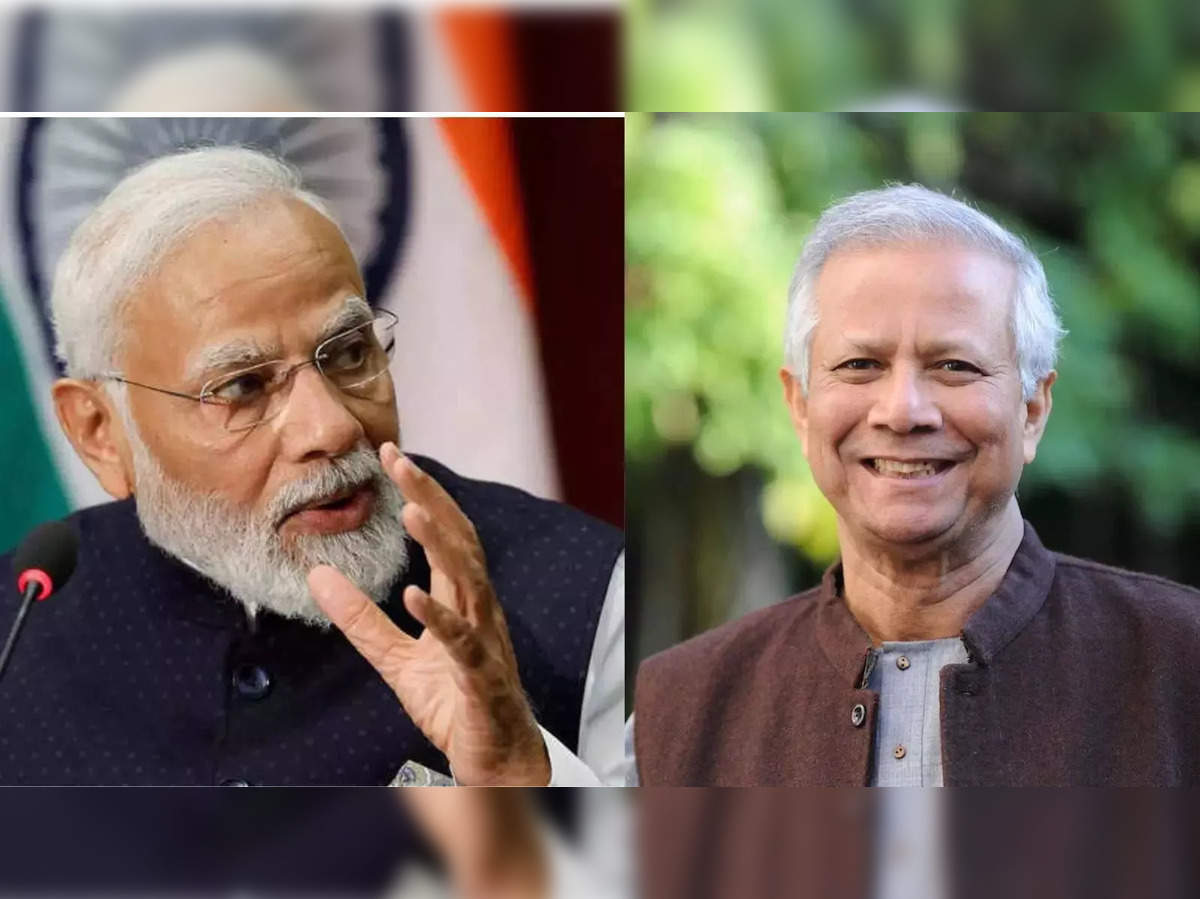
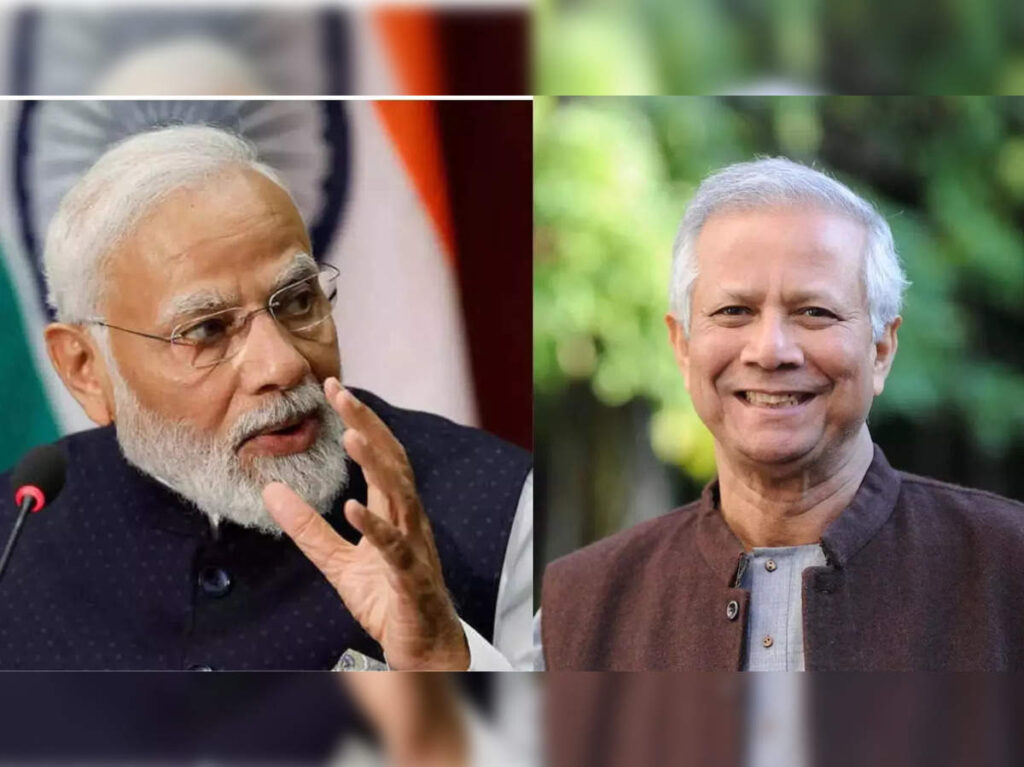
By Nitya Chakraborty Bangladesh has officially sought a meeting between their head of interim government Dr. Mohammad Yunus and the Indian Prime Minister Narendra Modi on the sidelines of the coming BIMSTEC meeting at Bangkok on April 2-4 next. Both countries are members of BIMSTEC. As per present schedule, both have confirmed their presence at […]

President Vladimir Putin has expressed openness to Western companies considering a return to the Russian market, provided they comply with Moscow’s terms. This stance comes amid ongoing geopolitical tensions and economic realignments following the Ukraine conflict.

In a recent address to the Russian Union of Industrialists and Entrepreneurs, Putin acknowledged the interest of foreign businesses in re-entering Russia but emphasized that any return would not entail preferential treatment. He stated that companies which had previously divested their Russian assets at discounted rates should not anticipate reacquiring them under similar conditions. Putin underscored the necessity of establishing a regulatory framework that preserves the competitive edge of domestic enterprises while accommodating foreign entities.

Despite these overtures, Dmitry Medvedev, Deputy Chairman of Russia’s Security Council, indicated that no formal applications from Western companies seeking to resume operations in Russia have been received. He noted that while there have been informal inquiries, official requests remain absent. Medvedev suggested that the absence of formal applications could be attributed to the complexities introduced by domestic businesses filling the void left by departing Western firms.

The exodus of Western companies from Russia, triggered by the onset of the Ukraine war and ensuing sanctions, led to significant shifts in the Russian market landscape. Major corporations such as McDonald’s and Starbucks ceased their operations, prompting local enterprises to step in and occupy the vacated spaces. This transition has fostered the growth of domestic brands, altering consumer dynamics and market shares within the country.

The prospect of Western companies returning to Russia is further complicated by the nation’s current economic conditions. Russia’s wartime economy is grappling with challenges including inflation and political instability, factors that could deter potential investors. Additionally, concerns over corporate nationalization and asset seizures have heightened apprehensions among foreign investors contemplating re-entry into the Russian market.

The broader geopolitical context also plays a pivotal role in shaping the investment climate. Recent developments, such as discussions around the potential return of blocked Russian foreign exchange reserves, have sparked debates within the European Union. Some analysts caution that releasing these reserves could inadvertently bolster Russia’s war efforts, thereby undermining Ukraine’s position and the EU’s strategic leverage. This underscores the intricate balance that policymakers must navigate in addressing the economic dimensions of the conflict.

Internal documents suggest that Russia may be strategizing to prolong the Ukraine conflict, potentially undermining peace negotiations led by international actors. A Kremlin-affiliated think tank report proposes extending the war and making demands that could derail diplomatic efforts. Such maneuvers add layers of uncertainty to the geopolitical landscape, influencing the calculus of foreign businesses considering a return to Russia.

OPEC+ has announced a revised schedule for seven member nations to implement additional oil output cuts, aiming to compensate for previous overproduction. These measures are set to overshadow the planned production increases slated for next month.

The updated plan mandates monthly reductions ranging from 189,000 to 435,000 barrels per day , with the cuts extending until June 2026. This initiative seeks to address the excess output that has occurred despite the group’s ongoing efforts to stabilize the oil market.

Since 2022, OPEC+, which includes members of the Organization of the Petroleum Exporting Countries along with Russia and other allies, has been implementing output cuts totaling 5.85 million bpd, approximately 5.7% of global supply. These cuts were introduced in phases to support market stability amid fluctuating demand and geopolitical tensions.

Despite these efforts, certain member countries have exceeded their production quotas. Kazakhstan, for instance, has seen a significant production surge due to Chevron’s expansion at the Tengiz oilfield, leading to output levels surpassing its OPEC+ quota.

To address this imbalance, the new compensatory cuts will require substantial contributions from Iraq, Kazakhstan, and Russia, with Saudi Arabia also making smaller adjustments. These measures are designed to offset the previous overproduction and align the group’s output with agreed targets.

Concurrently, OPEC+ has decided to proceed with a modest production increase of 138,000 bpd starting in April, citing healthier market conditions. This marks the beginning of a series of monthly hikes intended to gradually restore a total of 2.2 million bpd over the next 18 months, following repeated delays since 2022.

However, the introduction of compensatory cuts raises questions about the net effect on global oil supply. The scheduled reductions are expected to more than offset the planned production hikes, potentially tightening the market further. This development comes amid new U.S. sanctions targeting Chinese entities involved in supplying Iranian oil, which have contributed to a recent uptick in oil prices.

As of Friday, Brent crude futures rose 0.3% to $72.21 per barrel, and U.S. West Texas Intermediate crude futures increased 0.4% to $68.32 per barrel. Both benchmarks were set to rise about 2% for the week, marking the largest weekly gains since early 2025.

The International Energy Agency has noted that increasing global trade tensions and new U.S. tariffs are negatively impacting oil demand and economic growth, creating uncertainty. The IEA revised its oil-demand growth estimates down to 1.03 million bpd from an earlier 1.1 million bpd, while OPEC projects higher growth at 1.45 million bpd.

With OPEC+ set to raise output beyond April and increased production in regions like Kazakhstan, Iran, and Venezuela, the IEA expects global oil supply to exceed demand, foreseeing a surplus of approximately 600,000 bpd. Total supply could average 104.5 million bpd by 2025, driven by non-OPEC+ production growth.

Many factors come into play when choosing a reliable broker to start your trading journey. For someone with limited experience in the markets, this choice can be very confusing, and the priorities are hard to define. However, traders have their own trove of practical knowledge, and tapping into it can shed light on brokers’ red flags. As part of its global research, global broker Octa surveyed hundreds […]

Matein Khalid Starting in 2016, the US has morphed into the world’s largest LNG exporter, eclipsing Australia and Qatar. Trump is determined to achieve global energy dominance as he exploits the geopolitical leverage American LNG exports give him in his relations with Europe, Asia and the GCC. He has pledged to dramatically expand US natural gas production via his “drill baby drill” ethos, rescinded Biden’s environmental pause […]

HONG KONG SAR – Media OutReach Newswire – 20 March 2025 – China Mobile International (“CMI”) hosted the AI+ Era Global Development Forum in Hong Kong on March 19. Distinguished guests included Li Huidi, Executive Vice President of China Mobile; Mu Chenhong, Deputy Director of the Information Center, Liaison Office of the Central People’s Government in the Hong Kong SAR; Wong Chi Kwong, Tony, JP, the Commissioner […]

Pasqal, a French quantum computing startup, has integrated its neutral-atom quantum processors into Microsoft’s Azure Quantum cloud service, marking a significant advancement in cloud-based quantum computing accessibility. This collaboration allows Azure Quantum users to utilize Pasqal’s unique technology to address complex computational challenges without the need for substantial infrastructure investments. Neutral-atom quantum computing represents a notable shift from traditional quantum computing methods. Pasqal’s approach involves manipulating neutral […]

Thailand’s edible insect industry has emerged as a global leader, seamlessly blending tradition with modern sustainability practices. This sector not only offers a rich source of nutrition but also presents environmentally friendly alternatives to conventional protein sources. In Thailand, consuming insects is deeply rooted in cultural traditions, especially in regions like Isan and the north. Markets frequently display an array of fried insects, including grasshoppers, crickets, silkworm […]

The United States Federal Reserve’s monetary policy decisions have a direct impact on the United Arab Emirates’ financial landscape, owing to the dirham’s peg to the U.S. dollar. Consequently, changes in the Fed’s interest rates influence borrowing costs in the UAE, affecting sectors such as real estate and personal finance. However, experts suggest that only substantial rate cuts by the Fed would lead to noticeable reductions in […]

Bekko Variety Also Takes Excellence Award, Headed for Popularity Among India’s Wealthy TOKYO, JAPAN – Media OutReach Newswire – 20 March 2025 – The 55th All Japan Nishikigoi Show was held in Tokyo from January 25 to 26, 2025, where a Niigata-bred koi fish won the overall top prize. A koi dealer who exports to India also took the Excellence Award in the Bekko variety category. Left: […]

Ethereum’s decentralized finance ecosystem has experienced a substantial contraction, with total value locked plummeting by $29 billion over the past 30 days. This decline has raised concerns about Ethereum’s dominance in the DeFi landscape, especially as rival blockchains gain traction.

As of March 19, Ethereum’s TVL stands at $89 billion, down from $118 billion recorded on February 19, marking a 25% reduction in total deposits within its DeFi platforms. This downturn coincides with a surge in the Bitcoin to Ethereum ratio, which has reached an all-time high. Currently, with Bitcoin trading at $83,000 and Ethereum at $1,900, one BTC can now purchase over 44 ETH, reflecting a 30% increase from the 1:33 ratio observed on February 25.

Several factors have contributed to this sharp devaluation. The introduction of new trade tariff policies has unsettled global markets, prompting crypto investors to seek safety in Bitcoin over Ethereum. Additionally, Ethereum’s ongoing network scalability issues and unsuccessful updates have dampened investor confidence. Historical data indicates that Ethereum’s devaluation has accelerated post-Merge, with multiple failed network upgrades pushing ETH supply above pre-Merge levels.

The Ethereum Foundation attempted to regain control by reshuffling leadership in February, but investor sentiment remains bleak following the disappointing Pectra and Hoodi updates. This has led to a massive capital outflow from Ethereum’s DeFi ecosystem, with TVL dropping from $118 billion on February 19 to $89 billion on March 19, marking a $29 billion capital loss within a month—a 25% decline in total deposits across Ethereum DeFi.

The declining on-chain statistics align with lower demand for leveraged longs in ETH futures. The premium of these futures over spot markets has dropped below the 5% neutral level to only 3%—the lowest in over a year—indicating diminished trading confidence.

Ethereum’s decentralized exchange volumes have seen a significant decline, with volumes decreasing approximately 30% over the last week. Specific protocols within the Ethereum network have exhibited notable drops in activity, with the Maverick Protocol experiencing an 85% reduction and Dodo’s volume decreasing by 45%.

Despite these challenges, Ethereum maintains its leadership in total value locked, currently at $47.2 billion. However, a 9% weekly drop has significantly narrowed the gap with competitors. In contrast, BNB Chain’s deposits increased by 6% in the past week, while Ethereum’s key DeFi projects saw major losses, including an 11% drop in Stargate Finance’s TVL, a 9% decline in Maker’s deposits, and a 6% reduction in Spark Finance.

The $29 billion drop in Ethereum’s DeFi TVL, coupled with continued scalability struggles and external economic pressures, heightens bearish risks. As liquidity diminishes in the DeFi ecosystem, ETH coins previously locked in smart contracts are entering the short-term market supply. If capital outflows persist, ETH could face further downward pressure, potentially retesting the $1,500 support zone. Additionally, with Bitcoin’s dominance widening, ETH risks losing more market share in the near term, especially if upcoming economic policies do not meet market expectations.

The declining interest in Ethereum-based exchange-traded funds further exacerbates the situation. Over the past seven days, these digital assets have suffered cumulative outflows of $265.4 million, reflecting diminished institutional interest.

In response to these challenges, Ethereum’s developers are under increasing pressure to address scalability issues and restore investor confidence. The upcoming Hoodi update is anticipated to tackle some of these concerns, but its success remains uncertain. Meanwhile, competitors like Solana and BNB Chain are capitalizing on Ethereum’s setbacks, attracting users and liquidity with their own DeFi offerings.


Arabian Post Staff -Dubai Abu Dhabi’s sovereign wealth fund, ADQ, has entered into a strategic partnership with U.S.-based private equity firm Energy Capital Partners to invest over $25 billion in energy infrastructure projects across the United States. This 50-50 collaboration aims to develop 25 gigawatts of new power generation capacity, primarily to meet the escalating electricity demands of data centers and other energy-intensive industries. The joint venture […]

Binance led global cryptocurrency exchange app downloads in February, achieving 4.83 million installs. OKX followed with 2.47 million downloads, while Bitget secured 1.57 million.

Binance’s dominance reflects its extensive user base and robust infrastructure. The platform offers a wide range of services catering to both novice and experienced traders, featuring a user-friendly interface and comprehensive security measures. This combination has contributed to its global popularity.

OKX has made significant strides, attracting a large number of traders with its advanced trading features and competitive fee structure. The platform’s commitment to providing a seamless trading experience has solidified its strong position in the industry.

Bitget has emerged as a formidable player, gaining traction due to its focus on copy trading and social trading features. These allow users to replicate the trades of successful traders, appealing to those looking to leverage the expertise of others.

The dominance of Binance, OKX, and Bitget in February’s download rankings reflects the growing demand for reliable and user-friendly cryptocurrency exchange platforms. As the cryptocurrency market continues to evolve, these platforms are well-positioned to capitalize on the increasing interest in digital assets. Their ability to adapt to market trends and provide innovative solutions will be crucial in maintaining their leadership positions.

Other notable platforms in the top ten include Coinbase with 1.38 million downloads, Bybit with 1.31 million, Crypto.com with 884,000, KuCoin with 609,000, MEXC with 543,000, Kraken with 343,000, and Gate with 320,000.

These figures highlight the competitive nature of the cryptocurrency exchange market, with platforms continually striving to enhance their offerings to attract and retain users.

In related developments, HTX reported a substantial surge in trading volume in February, accompanied by an 8.15% month-over-month rise in app logins, indicating heightened user engagement. The platform also secured a top-three position in EUR-stablecoin trading volume and was recognized by Forbes as one of the “Top 25 World’s Most Trustworthy Crypto Exchanges of 2025.”

The cryptocurrency exchange landscape is continually evolving, with platforms investing in user experience, security, and innovative features to differentiate themselves in a crowded market. As user preferences shift and new technologies emerge, exchanges that can adapt and meet the changing demands are likely to maintain or improve their standings in future download rankings.

The data underscores the importance of mobile accessibility in the cryptocurrency market, as users increasingly prefer managing their digital assets on-the-go. Exchanges that offer intuitive and secure mobile applications are better positioned to attract a broader user base.

The emphasis on features like copy trading and social trading, as seen with Bitget, indicates a trend towards community engagement and educational resources within trading platforms. These features not only empower novice traders but also foster a sense of community among users.

As regulatory landscapes shift and user expectations evolve, cryptocurrency exchanges face the ongoing challenge of balancing innovation with compliance and security. Platforms that can navigate these complexities while delivering value to their users are likely to see continued growth in both downloads and active user engagement.

MSI, a global leader in high-performance server solutions, has unveiled its latest range of server platforms at CloudFest 2025, held from March 18 to 20 at Europa-Park, Germany. The new lineup includes Open Rack v3 Servers, Data Center Modular Hardware System Servers, and NVIDIA MGX™ AI Servers, each designed to enhance scalability, efficiency, and sustainability in cloud computing environments. The ORv3 Servers focus on modularity and standardisation, […]

Organisations should balance optimisation and workforce expectations HONG KONG SAR – Media OutReach Newswire – 19 March 2025 – KPMG China announced today the release of its ninth annual Hong Kong Employment Outlook survey, providing insights into the latest trends and challenges facing the region’s employment market. The report covers the headcount expectations of Hong Kong professionals, a salary outlook with an analysis of compensation and benefits […]

The consulting industry in the Gulf Cooperation Council is projected to reach a valuation exceeding $8 billion this year, marking a 12% growth compared to the previous year. This expansion, while robust, indicates a slight deceleration from the 13% growth observed in 2024, reflecting a trend of tightening public expenditure across the region. Saudi Arabia, the largest economy within the GCC, has been a significant contributor to […]

Escalating conflict in the Middle East has led to significant upheavals in global financial markets. On March 18, 2025, Israel launched extensive airstrikes across the Gaza Strip, effectively ending a ceasefire that had been in place since January. These strikes resulted in over 400 Palestinian casualties, including many women and children, marking one of the deadliest 24-hour periods in the region since 2023. Israeli Prime Minister Benjamin […]

VISHNU RAJA
RYO YAMADA
HITORI GOTOH
IKUYO KITA