By Nantoo Banerjee There is little to be excited about the defence ministry’s latest clearance for the acquisition of 114 Rafale fighter jets from France at a huge cost of Rs.3.25 lakh crore (nearly $40 billion), branded as ‘mother of all defence deals’. It is a matter of major concern that even 78 years after […]
India has emerged as the second-largest market globally for Claude, the generative artificial intelligence model developed by US-based start-up Anthropic, underscoring the country’s expanding influence in the global AI ecosystem.
Debjani Ghosh, who leads Anthropic’s operations and policy engagement in India, said the scale of adoption by developers, enterprises and start-ups has placed the country just behind the United States in terms of usage and integration of Claude’s models. She described India as a “strategic growth engine” for the company, citing strong demand from sectors including financial services, healthcare, education and software development.
Anthropic, founded in 2021 by siblings Dario Amodei and Daniela Amodei, has positioned Claude as a competitor to models from OpenAI and Google. The company has attracted substantial backing from Amazon and Google, with Amazon committing up to $4 billion as part of a strategic partnership to integrate Claude into Amazon Web Services infrastructure. The funding has enabled Anthropic to expand globally, with India becoming a focal point due to its developer base and digital economy.
India’s prominence in the AI adoption cycle reflects broader structural factors. The country has one of the world’s largest pools of software engineers, a fast-growing start-up ecosystem, and a government push towards digital public infrastructure. Enterprises across banking and fintech have begun embedding generative AI tools to automate compliance checks, summarise documents and enhance customer interaction. In healthcare, pilot projects are under way to use AI systems for clinical documentation and triage support, while education technology platforms are deploying AI-driven tutoring tools.
Ghosh indicated that India’s market dynamics differ from those of Western economies. Cost sensitivity and the need for scalable deployment across diverse languages and devices have shaped how enterprises experiment with large language models. Claude’s emphasis on constitutional AI — a framework designed to make outputs safer and more aligned with human values — has resonated with corporate clients concerned about regulatory risk and reputational exposure.
Regulatory considerations are central to the AI conversation in India. The Ministry of Electronics and Information Technology has signalled its intent to craft a framework that balances innovation with safeguards against misinformation, bias and misuse. While India has not enacted a standalone AI law, policy discussions have intensified around data governance and algorithmic accountability. Companies operating in the country must also comply with the Digital Personal Data Protection Act, which imposes obligations on data fiduciaries and processors.
Industry analysts note that India’s large English-speaking population has historically accelerated the adoption of global technology platforms. However, the next phase of growth in AI is expected to depend on multilingual capabilities. Claude’s ability to handle multiple languages is seen as an advantage in a country with 22 constitutionally recognised languages and hundreds of dialects. Developers are increasingly testing generative models for vernacular content generation and customer support.
Competition in the Indian market is intensifying. OpenAI’s ChatGPT has built a strong user base, while Google has integrated its Gemini models into productivity tools and cloud services. Domestic start-ups are also entering the field, building foundation models trained on local datasets. Analysts say that enterprise adoption, rather than consumer usage alone, will determine long-term market leadership.
Anthropic’s expansion strategy in India includes partnerships with cloud providers and enterprise software companies. By leveraging Amazon Web Services’ presence in major Indian cities, Claude is being offered as part of broader digital transformation packages. Ghosh emphasised that collaboration with academic institutions and start-up incubators is another priority, with the aim of fostering responsible AI research and skills development.
The rapid uptake of generative AI has also raised concerns. Experts warn of the risks of hallucinations, data leakage and overreliance on automated systems. In financial services, regulators have cautioned against using AI outputs without human oversight. Cybersecurity specialists highlight the potential for AI tools to be misused for phishing or deepfake generation. Anthropic has sought to address such issues by embedding guardrails into its models and conducting external safety evaluations.
Zilliz has launched a new Zilliz Cloud region in Amazon Web Services’ eu-west-1 data centre in Ireland, expanding its European infrastructure as demand for localised artificial intelligence systems accelerates across Western Europe and the United Kingdom. The move positions the vector database specialist closer to enterprise customers that require data residency, lower latency and regulatory compliance within the European Union. By deploying in AWS’s Ireland region, Zilliz […]
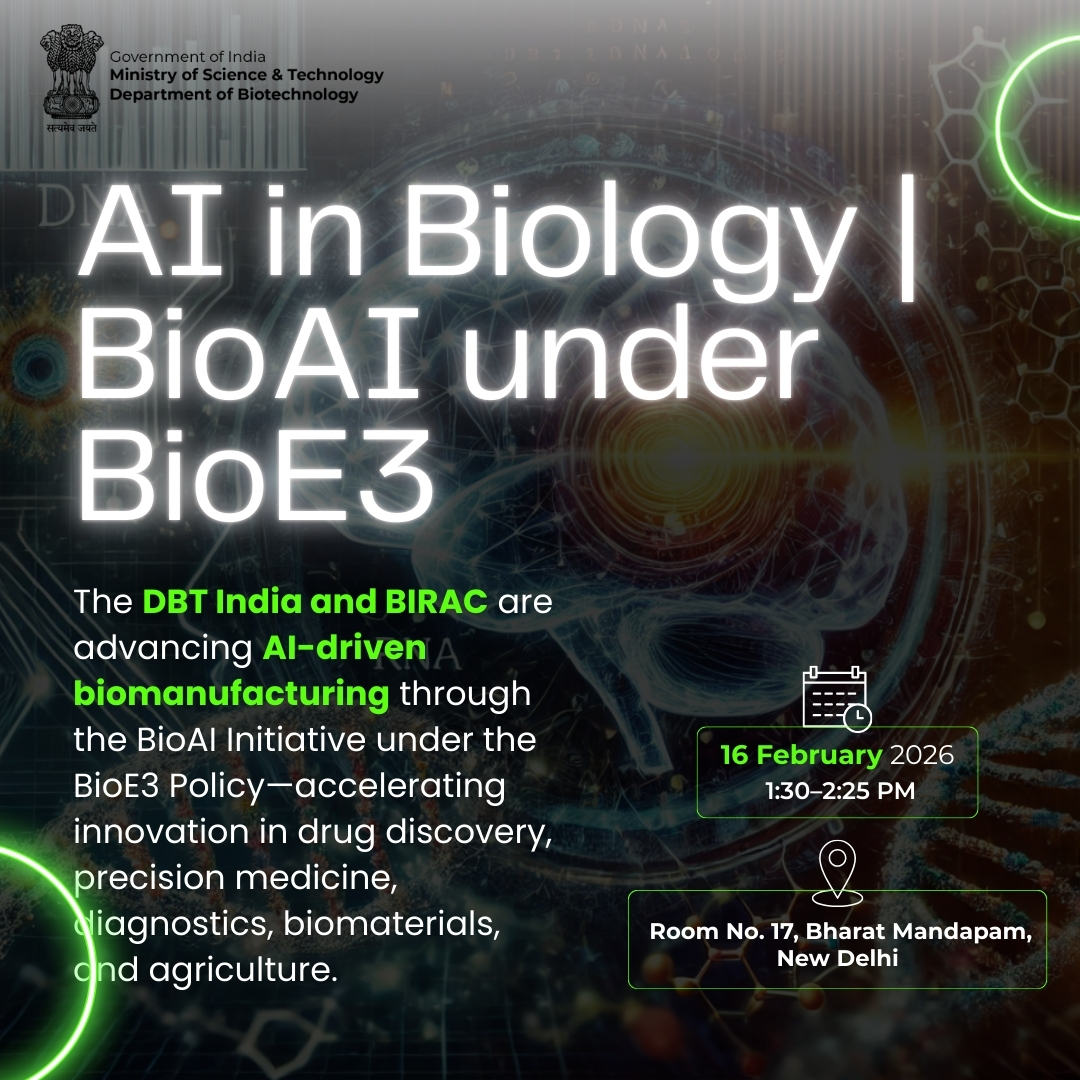
Artificial intelligence is being positioned as a catalytic force in reshaping biomanufacturing, with policymakers, scientists and industry leaders outlining a roadmap that blends computational power with biological science to accelerate drug discovery, industrial enzymes and sustainable materials. Discussions at the India AI Impact Summit placed BioAI at the centre of a strategy aimed at using genomics, in-silico modelling and closed data loops to build scalable and trusted production systems.
The convergence of AI and biology has moved from laboratory experimentation to commercial ambition. India’s biotechnology sector, valued at over $80 billion and targeting significant expansion by the end of the decade under the BioE3 policy framework, is seeking to harness machine learning tools to shorten development cycles that traditionally take years. Speakers at the summit argued that AI-enabled simulation and predictive modelling can reduce trial-and-error experimentation in fields ranging from vaccine development to precision fermentation.
BioAI refers to the integration of artificial intelligence techniques with biological data, particularly genomic sequencing, proteomics and metabolic engineering. The approach relies on large datasets and advanced algorithms capable of identifying patterns invisible to conventional research methods. Advances in protein structure prediction, including breakthroughs in computational biology over the past few years, have demonstrated how neural networks can model complex molecular interactions with remarkable accuracy.
At the summit, researchers described how generative AI systems are being trained to design novel proteins and enzymes tailored for industrial use. By feeding genomic datasets into predictive algorithms, scientists can simulate biological pathways in silico before conducting physical experiments. This method reduces costs and speeds up scaling, particularly in biopharmaceutical production and alternative protein manufacturing.
Government representatives outlined plans to expand national AI infrastructure to support such applications. IndiaAI Mission initiatives include the creation of high-performance computing resources and domain-specific data repositories to ensure that biotech firms and research institutes have access to secure and interoperable datasets. Officials emphasised that trust frameworks and regulatory clarity would be essential to encourage private investment while safeguarding data privacy and biosafety standards.
Industry leaders echoed that sentiment, highlighting that biomanufacturing requires rigorous validation. Unlike digital products, biological outputs interact with living systems, making quality control paramount. AI-driven feedback loops—where laboratory results continuously refine algorithms—were presented as a mechanism to maintain reliability while scaling up production. Data integrity, traceability and auditability were recurring themes, reflecting global debates about AI governance.
The global context underscores the strategic significance of BioAI. The United States and European Union have invested heavily in synthetic biology and AI-assisted drug discovery. China has also advanced computational genomics and large-scale fermentation capabilities. Analysts note that countries able to combine AI talent with robust biotech ecosystems stand to capture a growing share of the global bioeconomy, projected by several industry reports to exceed $4 trillion over the coming decade.
India’s strength in information technology services and pharmaceutical manufacturing offers a foundation for this convergence. The country is a major supplier of generic medicines and vaccines, supported by a network of research institutions and startups. By integrating AI tools into these value chains, stakeholders believe production timelines can be compressed and new therapeutic molecules identified with greater precision.
Academic voices at the summit stressed the importance of interdisciplinary training. Biologists must understand algorithmic thinking, while data scientists need grounding in molecular biology. Collaborative platforms linking universities, startups and established pharmaceutical firms were proposed to ensure knowledge transfer and talent development. Investment in computational biology curricula and shared research facilities is seen as critical to sustaining momentum.
Ethical considerations formed part of the dialogue. AI models trained on genomic data raise questions about consent, ownership and equitable benefit sharing. Experts argued for transparent governance structures aligned with international norms, noting that trust is fundamental when dealing with health-related information. Regulatory agencies are exploring how to evaluate AI-generated biological designs within existing approval pathways.
Private sector participation is accelerating. Venture capital funding in biotech startups leveraging machine learning has grown steadily, reflecting confidence in AI-assisted discovery platforms. Companies are experimenting with digital twins of biological systems, enabling simulation of fermentation processes before industrial deployment. Such capabilities can enhance efficiency and reduce resource consumption, aligning with sustainability goals.
Sustainability featured prominently in discussions on biomanufacturing. AI-optimised microbes can produce bio-based chemicals and materials that substitute fossil-derived inputs. Precision fermentation techniques, guided by predictive analytics, may lower energy use and waste. As global supply chains face pressure to decarbonise, the combination of AI and biotechnology is viewed as a pathway to cleaner industrial production.
Participants also highlighted challenges. High-quality biological datasets remain fragmented, and interoperability across laboratories is uneven. Ensuring cybersecurity in research networks is another concern, given the sensitivity of genetic information. Scaling laboratory successes to commercial volumes demands capital expenditure and regulatory compliance that can deter smaller enterprises.
Cyber security researchers are warning that built-in “Summarise with AI” buttons and AI-generated share links are being exploited to covertly plant malicious instructions inside artificial intelligence assistants, creating a new class of threat capable of distorting recommendations on health, finance and security matters. The technique, described by Microsoft as “AI recommendation poisoning”, centres on prompt injection attacks that subtly bias what large language models treat as trusted […]
Arabian Post Staff -Dubai Abu Dhabi has test-launched the country’s first hybrid rocket developed entirely within the UAE, signalling a significant advance in its ambition to build an indigenous space technology base. The Technology Innovation Institute confirmed that the rocket’s propulsion system was fully designed, manufactured, integrated and operated by Emirati engineers, a development officials described as a pivotal step towards sovereign launch capability. The suborbital test, […]
Anthropic has entered a dispute with the United States Department of Defense over the proposed military use of its flagship artificial intelligence system, Claude, underscoring a widening rift between Silicon Valley’s safety-first rhetoric and Washington’s expanding appetite for advanced AI in national security. The San Francisco-based company, founded in 2021 by former OpenAI researchers including chief executive Dario Amodei and president Daniela Amodei, has built its brand […]
PocketBlue, an open-source intelligence platform built for AI-driven research, is drawing growing interest among developers seeking greater control over how machine-assisted analysis is conducted. Hosted on GitHub and designed with a modular, local-first architecture, the project positions itself as an alternative to cloud-dependent research tools that rely heavily on proprietary models and opaque data pipelines. At its core, PocketBlue combines large language model orchestration with structured data […]
Arabian Post Staff -Dubai Supy, the Dubai-based provider of AI-driven inventory management, procurement and business intelligence software for multi-branch restaurant operators, has reported that its revenue more than tripled in 2025 as demand for data-powered back-of-house technology accelerates across the Middle East and beyond. The company, founded in 2021 and now operating in over 30 countries, described the performance as reflecting strong uptake of cloud-based restaurant systems […]
Abu Dhabi-based International Holding Company has unveiled plans to establish Judan Financial Holding, an artificial intelligence-enabled global financial services platform expected to oversee more than AED 870 billion in assets under management, marking one of the most ambitious consolidation moves in the Gulf’s financial sector. The proposed entity will bring together financial services assets held by IHC, Alpha Dhabi, 2PointZero Group and Sirius International Holding, spanning banking, […]
China has unveiled an artificial intelligence-powered vehicle inspection system capable of scanning more than 1,000 functions within three hours, a move officials say could reshape quality control standards across the automotive sector and accelerate the country’s push towards smart manufacturing. Developed as part of a broader national drive to integrate advanced computing into industrial processes, the system combines machine vision, real-time diagnostics and automated performance testing to […]
Nvidia’s chief executive officer, Jensen Huang, will not attend the India AI Impact Summit scheduled to begin in New Delhi on February 16, the company confirmed over the weekend, citing “unforeseen circumstances” that prevent his planned trip. Nvidia said it remains committed to participating in the five-day event and will instead dispatch a senior leadership delegation to represent its interests at the summit, which is positioned as a global forum on artificial intelligence, semiconductors and technology policy.
Huang’s absence removes one of the most high-profile speakers from a programme that is expected to bring together global leaders, technology executives and policymakers. Nvidia has been at the centre of international attention this year as its graphics processing units and specialised chips have powered significant advances in AI model training and deployment worldwide. Despite his cancellation, the company’s executive vice-president Jay Puri is set to lead Nvidia’s delegation in New Delhi.
The India AI Impact Summit has been framed by its organisers as a strategic platform for discussions on AI’s impact on economies, governance, and society. With over 20 heads of government and multiple chief executives from major technology firms slated to take part, the absence of Nvidia’s CEO is unlikely to derail the summit’s broader agenda but does shift attention to the array of other leaders expected on stage. Summit organisers have emphasised that the event will focus on actionable frameworks for AI governance and international cooperation rather than immediate regulatory commitments.
India’s push to host the summit reflects the growing emphasis placed on its AI ecosystem, both domestically and internationally. The event at Bharat Mandapam is intended to spotlight innovation, human capital and collaborative initiatives that leverage artificial intelligence for economic and social development. Heads of state from Europe, Asia and Africa, as well as senior executives from leading technology companies, are planning to contribute to sessions addressing ethical AI, inclusive growth, and public-private partnerships.
Nvidia’s statement confirmed that Huang will not be able to travel to India at this time, but stopped short of elaborating on the specific reasons for the change in plans. The company’s leadership team reiterated its support for the summit’s objectives and expressed confidence in the delegation’s ability to engage constructively with participants across sectors. Nvidia’s central role in the global AI supply chain — particularly through its GPUs, which underpin much of the world’s AI compute infrastructure — has made its presence significant at forums shaping the future of the industry.
For many tech observers, Huang’s decision underscores the intense demands on executives at the helm of firms that are pivotal to AI’s evolution. As Nvidia continues to navigate a landscape marked by rapid technological change, supply chain pressures and geopolitical scrutiny, its leadership choices are closely watched by investors, partners and policymakers alike. The company has maintained that its strategic focus on AI remains undiminished, even as senior personnel adjust their engagement in global events.
The summit is expected to feature a range of high-level engagements, including discussions on AI’s implications for labour markets, national competitiveness, and regulatory cooperation among nations. Organisers have highlighted sessions aimed at bridging gaps between emerging markets and established technology hubs, while also addressing concerns about safety, privacy and equitable access. Participants will include chief executives from major AI and cloud-computing firms, senior government officials from participating countries, and representatives of international organisations.
Despite the absence of Nvidia’s CEO, interest in the India AI Impact Summit remains strong among industry stakeholders. Discussions are slated to explore how public-sector frameworks can align with the dynamic pace of innovation in the private sector, with particular emphasis on fostering trust and transparency in AI systems. The summit’s agenda also places emphasis on skills development, research collaboration, and the role of AI in addressing societal challenges such as healthcare, climate and education.
Executives attending the summit will face intense scrutiny from delegates keen to understand how technology firms plan to balance commercial imperatives with ethical responsibilities. As governments around the world refine their approaches to AI governance, the outcomes of deliberations at gatherings such as the India AI Impact Summit could inform future policy frameworks and cross-border cooperation on technology standards and norms.
Arabian Post Staff -Dubai Cristiano Ronaldo returned to Al Nassr’s starting line-up on Saturday night and marked the occasion with the opening goal in a 2-0 victory over Al Fateh, reinforcing his influence on the Riyadh club’s title ambitions. Back in action after missing the previous fixture, the Portugal captain needed little time to reassert himself. Leading the line with customary authority, Ronaldo broke the deadlock in […]
Meta’s Ray-Ban smart glasses have been thrust into a privacy storm after two Harvard students demonstrated how the device can be modified to identify strangers in real time and pull up personal information, raising fresh concerns about how wearable technology intersects with facial recognition. The students, who detailed their experiment publicly, created a system they called I-XRAY, linking Meta’s Ray-Ban smart glasses to facial recognition software and […]
Siemens has completed the purchase of Canopus AI, a Grenoble-based specialist in artificial intelligence-driven metrology and inspection software, signalling an intensified push into semiconductor manufacturing software as device geometries shrink and production volumes grow. The acquisition, announced on 4 February and finalised on 12 January, brings AI-enhanced wafer and mask measurement capabilities into Siemens’ electronic design automation portfolio, aimed at helping chipmakers achieve higher precision and manufacturing […]
OpenAI has launched GPT-5.3-Codex-Spark, an ultra-fast version of its coding artificial intelligence that runs on specialised hardware from Cerebras Systems, marking its first major production deployment outside of the long-dominant Nvidia-based infrastructure. The Codex-Spark release delivers more than 1,000 tokens per second in interactive coding workflows, designed to give developers near-instant responsiveness for editing and iterative tasks while maintaining competitive capabilities for real-world software development. The debut […]
A coalition of major Hollywood studios and industry bodies has accused ByteDance of exploiting copyrighted film and television material to train its artificial intelligence video tools without permission, intensifying a widening legal confrontation between the entertainment sector and generative AI developers. The dispute centres on ByteDance’s fast-evolving video generation systems, integrated into platforms linked to TikTok and its editing suite CapCut, which allow users to create cinematic […]
Blackstone’s private equity fund tailored for wealthy investors registered a hefty net 20 per cent return last year, propelled by strategic investments tied to artificial intelligence platforms and infrastructure, according to financial industry figures. The performance marks one of the strongest showings across alternative asset strategies targeting individual high-net-worth portfolios amid a broader industry push to deliver private markets access beyond institutional clients. The Blackstone Private Equity […]
Arabian Post Staff -Dubai Mohammed Bin Rashid School of Government convened policymakers, academics and technology leaders in Dubai to examine how governments can prepare societies for the rapid workforce shifts driven by artificial intelligence, positioning the emirate at the centre of a wider regional debate on skills, productivity and social stability. The dialogue, held at the school’s headquarters, served as an official pre-summit event for the AI […]
Helping Retail Investors Build Decision-Making Discipline in Volatile Markets
HONG KONG SAR – Media OutReach Newswire – 14 February 2026 – CrazyLive, a platform dedicated to investor education and behavioral finance research, today announced that it will host a free public investment seminar on March 8, 2026 (Sunday) at Hotel ICON in Hong Kong.
Titled “Investor Behavior and Decision-Making Frameworks in High-Volatility Environments,” the seminar is designed for retail investors seeking to improve decision-making discipline amid rising market volatility. The event will explore common cognitive biases and behavioral traps that often lead to emotional investing, and introduce a systematic and repeatable decision-making framework to help participants strengthen consistency, structure, and execution in real-world market conditions.
Warren Wang, Founder of CrazyLive, stated:
“Over the years, I have observed that many retail investors do not underperform because they lack intelligence or information, but because they lack discipline and structure. Volatility is not an exception—it is the market’s normal state. The key is whether investors have a clear and executable framework to reduce emotional interference. This seminar is designed to share practical tools and structured thinking approaches grounded in behavioral finance.”
The seminar will feature three seasoned financial market professionals as keynote speakers:
• Cecilia Kwok — Market Sentiment Specialist at CrazyLive and senior financial news anchor, with over 10 years of hands-on investment and trading experience. • Angel Xu — Wharton School graduate (University of Pennsylvania); former Morgan Stanley (New York) analyst; currently a fund manager; CFA and FRM charterholder. • Jolin Zhu — With over 17 years of experience in financial market research and trading, she has participated in large-scale asset management projects and institutional investment operations. She is a specially appointed lecturer for the National Association of Financial Market Institutional Investors (NAFMII) and an editorial board member of the China Asset Management Industry Development Report. She is also a CFA and FRM charterholder.
Key seminar topics will include behavioral bias analysis, case studies of common decision-making errors, and practical decision-support tools such as a streamlined decision checklist and a cash flow stress-testing framework. The discussion will also incorporate insights from recent market developments and volatility cycles.
CrazyLive emphasized that the seminar will focus strictly on academic framework sharing, market phenomenon analysis, and practical experience exchange. The event will not involve the promotion of any financial products, nor will it provide any return guarantees or investment advice.
Event Details
Date: March 8, 2026 (Sunday) Time: 2:00 PM – 6:00 PM Venue: Function Room 1–3, Hotel ICON, 17 Science Museum Road, Tsim Sha Tsui East, Kowloon, Hong Kong Admission: Free of charge Registration Link:https://crazylivehk.netlify.app/
Hashtag: #CrazyLive
The issuer is solely responsible for the content of this announcement.
About CrazyLive
CrazyLive is a platform dedicated to investor education and behavioral finance research. Founded by Warren Wang, CrazyLive provides global Chinese retail and institutional investors with structured knowledge frameworks and decision-support tools.
Guided by its core philosophy, “Clarity in a Complex World,” CrazyLive aims to help investors build systematic decision-making frameworks that are understandable, executable, and sustainable, enabling them to navigate complex and rapidly evolving financial markets.
SHANDONG, CHINA – Media OutReach Newswire – 13 February 2026 – On February 10, 2026, The original Chinese algorithm “Congzi AI” was officially open-sourced by Shandong Congzi Chao Quantum Technology Co., Ltd. This open-source initiative aims to remove technical barriers and promote deep integration between artificial intelligence and fundamental science.
Four major modules: Strengthening the technical foundation
The Congzi AI reconfigures the AI cognitive thinking ability through four major modules and five core components. The Congzi Force-Speed Relativistic Reasoning Core constrains the causal chain within the momentum conservation, reducing the illusion rate of scientific question answering by 92%; the computing system can be arbitrarily divided into independent sub-domains for full-efficiency parallel computing; the cross-scale unified field engine covers multi-scale scenarios ranging from 10⁻¹⁵m (quarks) to 10⁻³m (materials), predicting the proton-proton repulsion force at 0.7fm with an error less than 3.6%, surpassing AlphaFold, achieving “force generation” rather than merely “structure prediction”; the quantum form memory compressor compresses the trillion-token-scale knowledge base to within 1GB, supporting cross-disciplinary mapping on ordinary servers within milliseconds, without relying on expensive H100/GPU clusters; the Soul Existence Verification Protocol (SEV Protocol) provides a verifiable path for each scientific assertion, allowing AI conclusions to be fully traceable and verifiable, completely solving the problem of AI “lying”.
The open-source AI algorithm of Congzi adheres to the principles of “low threshold and high compatibility”. Developers only need to complete the integration in three steps and do not need to retrain the model. It is compatible with mainstream hardware such as Tsinghua Unigroup, Horus, and Intel CPU, and compatible with mainstream AI architectures such as Qwen, DeepSeek, AWS-Rufus, Llama, and GPT. It enables “zero-cost upgrade”.
Open-source ecosystem is open: facilitating technology implementation
The Congzi open-source ecosystem is fully open, providing developers with a complete set of guidance and resources, including tutorials and other materials. These resources have been launched on the designated platform. The first batch focuses on key scientific scenarios such as drug molecule prediction and chip material simulation, covering cutting-edge fields such as biomedicine and advanced manufacturing.
First-Ever Attack-Defence Simulation Aligns with Real Corporate Needs Setting a New Benchmark for Local Cybersecurity Competitions
HONG KONG SAR – Media OutReach Newswire – 13 February 2026 – As cyberattacks grow increasingly complex, cybersecurity has become a critical domain of global concern and a talent shortage. According to the latest “Hong Kong Cybersecurity Outlook 2026” released by the Hong Kong Computer Emergency Response Team Coordination Centre (HKCERT) under the Hong Kong Productivity Council (HKPC), nearly 30% of the 622 surveyed enterprises still lack dedicated cybersecurity staff. Specifically, only 26% of SMEs have a dedicated cybersecurity role, significantly lower than the 59% of large enterprises, reflecting a gap in resource allocation and technology adoption among SMEs.
Now in its sixth year, “HKCERT Capture The Flag Challenge” continues to attract top cybersecurity talents from Hong Kong and beyond, showcasing the capability and vitality of the next generation of local and international cybersecurity professionals.
To cultivate practical talent for the cybersecurity sector, the sixth “HKCERT Capture The Flag Challenge 2025” (HKCERT CTF Challenge) was successfully organised by the Digital Policy Office (DPO), HKPC, and HKCERT. This year’s competition was elevated to the first-ever adoption of an attack–defence mode, closely replicating the network setup of real enterprises. Participants experienced first-hand hacking techniques, system vulnerability analysis, threat intelligence gathering, and coordinated response in a simulated real-world environment. Through completing multiple tasks within a limited time, the competition also allowed them to break through the traditional classroom theoretical framework, gain practical experience and build confidence. The event attracted around 1,940 young contestants, an increase of nearly 40% from last year’s 1,385 participants, reaching a record high for the competition. Contestants included teams from Hong Kong, Chinese Mainland, Asia, and Europe, fostering cross-regional exchange and collaboration. In the finals, three local teams and one overseas team were awarded gold prizes in the Secondary School, Tertiary Institution, Open Category, and International Category respectively, while Sing Yin Secondary School received the “Best School Award”. The full list of awardees is available on the event website.
Participants Share Practical Experience Integrating AI into Attack and Defence The competition was well received by contestants for its innovative format and realistic offensive and defensive environment, offering a valuable platform for learning and exchange. The winning team in the International Category, W&M, commented, “Our members are from Shanxi, Guangdong and Beijing. This was our first time competing together in the HKCERT CTF Challenge. The atmosphere and experience of the finals were excellent. The tasks were centred on an attack‑defence simulation, requiring us to find all vulnerabilities while patching our own systems and attacking other teams at the same time. Some vulnerabilities were discovered and exploited by other teams first, which kept the scores very close and made the competition incredibly tense and exciting”.
They added, “During the competition, we also applied lots of AI techniques for assistance, such as applying AI to analyse vulnerabilities and refine attack methods. In the future, AI may play a deeper role in areas like vulnerability detection and code analysis, but for now it cannot be fully relied upon—human oversight is still essential”.
HKCERT CTF Challenge has now been held for six consecutive years, with its scale expanding annually and participants showing continuous growth. Many secondary school students gain their first hands‑on exposure to cybersecurity through the competition and connect with university mentors, helping them shape their academic and career paths. Several past participants have gone on to compete in local and international events, committing to a future in the cybersecurity field. Beyond attracting overseas talent to exchange ideas in Hong Kong, HKCERT continues to build connections between cybersecurity professionals in Hong Kong and Chinese Mainland. Top‑performing teams can gain direct entry into equivalent finals in Chinese Mainland. For example, participants from the previous HKCERT CTF Challenge 2024 advanced directly to the finals of the “Greater Bay Area Cup Cybersecurity Challenge”, where they secured the top four places in the Hong Kong and Macao category. This also provided local contestants with access to world‑class cybersecurity techniques, effectively promoting cross‑regional elite collaboration and talent development.
Finals Format Upgraded: Attack-Defence Mode Mirrors Real Enterprise Operations The finals were comprehensively upgraded this year. In addition to increase the overall technical difficulty, the competition introduced an attack‑defence format for the first time that closely mirrors real enterprise cybersecurity operations. Teams played dual roles—both attackers and defenders—in an environment created with reference to the real-world systems. The tasks simulated incident response and live attack-defence scenarios commonly encountered in the cybersecurity field. Within a limited timeframe, participants had to do penetration testing, exploit vulnerabilities and attack, while patching their own systems and monitoring threats in real time against attacks from other teams. This parallel attack‑defence setup reflects actual workflow patterns in the industry, effectively training participants’ analytical abilities and adaptability under pressure. Through hands‑on practice in a likely enterprise environment, contestants developed multifaceted, industry‑aligned capabilities—laying a solid foundation for their future careers in cybersecurity.
Ms Candy CHAN, Assistant Commissioner (Project Governance and Cybersecurity) of the DPO, highlighted the DPO’s commitment to enhancing Hong Kong’s cyber resilience, with one of its key initiatives being the nurturing of the next generation of cybersecurity professionals. She emphasised that the DPO has been collaborating closely with academia and industry partners to foster a robust talent pipeline and build a safer digital environment in Hong Kong. She noted that this year marks the sixth edition of the HKCERT CTF Challenge, which has grown into one of Hong Kong’s most respected and anticipated cybersecurity competitions over the years. Beyond being a contest of technical prowess, the Challenge serves as a dynamic platform for networking, knowledge exchange and community building among the new generation of cybersecurity experts.
Ir Samson SUEN, General Manager of Digital Trust and Transformation Division of HKPC, stated, “HKCERT CTF Challenge has consistently aimed to build an international platform for technical exchange. Through high-intensity simulated contests, we enhance participants’ cyber defence skills and promote cross-regional interaction among emerging cybersecurity talents. This cultivates a new generation of globally competitive professionals in Hong Kong and strengthens the local talent pipeline. This year’s finals first introduced a simulation of real-world cybersecurity operations, enabling teams to experience both offensive and defensive roles in a recent cybersecurity team. This hands-on approach is crucial for developing practical skills and incident response capabilities”.
Fostering Cybersecurity Awareness Across All Sectors of Society To further enhance cybersecurity awareness across the community, HKCERT has partnered with the DPO and the Cyber Security and Technology Crime Bureau of The Hong Kong Police Force, to launch the “Building a Secure Cyberspace 2026” campaign to promote cybersecurity awareness. The initiative includes various educational activities, such as an “AI-Generated Four-Panel Comic”contest, which encourages the public to make good use of AI tools while strengthening their understanding of cybersecurity. At the corporate governance level, HKCERT will publish a series of practical guidelines addressing emerging risks —such as AI applications and supply chain security—highlighted in the “Hong Kong Cybersecurity Outlook 2026”, to support business in establishing a robust protection framework. In particular for AI governance, the guidelines will offer actionable recommendations covering AI system security assessments, compliance rules for employees using public AI platforms, controls over sensitive data input, and methods for monitoring and defending against AI‑assisted attacks. These resources aim to help enterprises systematically enhance their cyber resilience across governance, technology, and awareness.
As Hong Kong accelerates the development of innovation and technology and advances its digital economy, strengthening cyber defence capabilities has become a key talent need. HKCERT will continue to support businesses and the public through incident response, security guidance, and cybersecurity awareness programmes. The HKCERT CTF Challenge continues to play a vital role in nurturing local talent, fostering cross-regional collaboration, and advancing public education. By enhancing the overall level of protection, the competition contributes to the sustainable development of the digital economy and reinforces Hong Kong’s long‑term competitiveness.
The seventh edition of HKCERT CTF Challenge will be held in November 2026, featuring more innovative attack-defence challenges and continuing to set up an international category to provide local contestants with a platform for technical exchange with top teams from Hong Kong, Chinese Mainland, and overseas. Registration opens in September 2026, with finalists competing in the live finals in February 2027.
Hashtag: #HKCERT
The issuer is solely responsible for the content of this announcement.
About Hong Kong Productivity Council
The Hong Kong Productivity Council (HKPC) is a statutory body established in 1967, dedicated to enhancing the productivity and competitiveness of Hong Kong enterprises through world-class applied R&D, innovative technology services, and integrated manufacturing solutions. As a market-oriented, international R&D organisation, HKPC leverages its deep expertise and extensive industry experience in key areas such as AI, advanced manufacturing, life and health technology, green technology and new energy to drive new industrialisation and support the growth of emerging and future industries.
HKPC focuses on addressing businesses challenges and industrial technology needs, promoting the full integration between technological and industrial innovation. Through technology transfer, product innovation, intellectual property protection and commercialisation of R&D outcomes, the Council fosters collaboration with the local business community as well as top global R&D institutions, delivering added value to industries and advancing the development of new productive forces. HKPC’s world-class R&D achievements have been widely recognised over the years, winning an array of local and overseas accolades, reinforcing Hong Kong’s role as an international innovation and technology centre and a smart city.
To help enterprises capitalise on Hong Kong’s strengths in international connectivity to expand into global markets, HKPC offers comprehensive overseas expansion services tailored to critical areas including product development, technology, manufacturing, and management, enabling businesses to successfully go global from Hong Kong.
HKPC is also committed to providing timely and practical support to SMEs and startups with timely and practical , assisting them in accessing Government funding programmes. Through its FutureSkills training initiatives, HKPC helps both industry and academia stay ahead in latest digital and STEM technologies, nurturing a future-ready talent pool for Hong Kong.
For more information, please visit HKPC’s website: www.hkpc.org/en.
Arabian Post Staff -Dubai Asus has introduced its latest dual-display laptop in the United Arab Emirates, positioning the Zenbook Duo UX8407AA as a flagship productivity device built around Intel’s Core Ultra platform and a redesigned twin-screen form factor. The launch marks a renewed push by the Taiwan-headquartered manufacturer to popularise multi-screen computing beyond niche creative users. The Zenbook Duo features two 14-inch 3K OLED panels branded as […]
China’s Z. ai has propelled its artificial intelligence ambitions into the global spotlight with the launch of GLM-5, a 744-billion-parameter open-source large language model that stands toe-to-toe with leading Western counterparts and underscores Beijing’s drive for technological self-sufficiency. Released on 11 February by the company formerly known as Zhipu AI, GLM-5 combines advanced architecture with broad hardware compatibility and permissive licensing, signalling a shift in the global AI landscape.
The GLM-5 model, built on a mixture-of-experts framework and trained on an expanded dataset of roughly 28.5 trillion tokens, is designed for multifaceted tasks including coding, reasoning and agentic operations. Z. ai reports that the model’s performance on internal benchmarks approaches that of leading proprietary systems such as Anthropic’s Claude Opus 4.5, and on certain tests it outperforms Google’s Gemini 3 Pro. Its permissive MIT licence allows unrestricted commercial use and adaptation, making GLM-5 one of the most accessible frontier AI models available to developers and enterprises worldwide.
A standout feature of GLM-5 is its independence from American semiconductor technology. Trained and deployable on domestic Chinese chips from manufacturers like Huawei Ascend, Moore Threads, Cambricon and Kunlunxin, the model sidesteps reliance on high-end Nvidia GPUs that are constrained under US export controls. Z. ai’s use of the MindSpore AI framework further embeds the model within a Chinese software ecosystem, emphasising self-reliant technological development. This strategy exemplifies a broader push within China’s AI sector to mitigate the impact of external trade restrictions and build robust, locally supported infrastructures.
Market reception underscored the impact of GLM-5’s launch: Z. ai’s shares surged nearly 29 per cent on the Hong Kong Stock Exchange following the announcement, reflecting investor optimism about the company’s competitiveness and growth prospects. Industry analysts note that GLM-5’s arrival comes amid an acceleration of model releases and chip optimisation efforts by several Chinese AI firms, signalling more intense competition on both domestic and international fronts.
Benchmarks published by Z. ai highlight GLM-5’s strengths and limitations. On software engineering evaluations, the model achieved a score of 77.8 per cent on the widely referenced SWE-bench Verified suite, trailing slightly behind Claude Opus 4.5’s 80.9 per cent but outperforming other notable systems in agentic and multitask contexts. The architecture’s efficient handling of long-context sequences—up to 200 000 tokens—positions GLM-5 for applications requiring extensive reasoning over lengthy inputs.
GLM-5’s low cost of deployment also enhances its appeal. Analyses of pricing data suggest inference can cost around US $1 per million tokens, a fraction of the fees charged by some proprietary APIs, potentially lowering barriers for startups and research teams seeking cutting-edge language modelling without prohibitive expenditure. The MIT licence further expands this accessibility by granting broad rights to adapt and deploy the underlying model weights in commercial and research settings.
Despite its technical achievements and open licensing, experts caution against over-interpretation of benchmark results as definitive proof of superiority. Performance under controlled test conditions does not always translate to uniformly strong real-world applications, particularly in generative and reasoning tasks where robustness and safety remain critical hurdles. Some observers also warn that differences between self-reported evaluations and independent assessments could emerge as the model is adopted more widely.
GLM-5’s emergence reflects broader trends within China’s AI ecosystem, where domestic firms and chipmakers are increasingly synchronised in advancing cutting-edge technologies. Industry developments suggest that model and hardware optimisation efforts are happening in near tandem, with architecture adaptations and inference support enabling faster incorporation of new Chinese semiconductor products. These developments sit against a backdrop of regulatory frameworks that increasingly emphasise the alignment of AI systems with government objectives, including content governance and cybersecurity considerations.








 www.hkpc.org/en