News related to
secure

Nippon Steel Corp.’s ambitious $14.1 billion takeover of United States Steel Corp. appears to be in jeopardy, with the Biden administration signaling its intention to block the deal. The acquisition, seen as a strategic move by the Japanese steel giant to secure a larger foothold in the U.S. market, has run into significant political opposition as the White House prepares to intervene on grounds of national security and competition concerns. The move could derail what was shaping up to be one of the most significant cross-border acquisitions in the steel industry in years.

The takeover bid, which has been in the works for months, aimed to combine two of the world’s leading steel producers in a move that would have created a global steel powerhouse. Nippon Steel, already a major player in the industry, viewed the acquisition as a way to strengthen its presence in the U.S. market, where demand for steel is expected to surge due to infrastructure projects and defense contracts. U.S. Steel, on the other hand, has been grappling with aging infrastructure and rising costs, making it a potential target for foreign buyers seeking growth opportunities.

However, the proposed deal has drawn scrutiny from U.S. lawmakers and regulatory authorities, particularly due to the strategic importance of the steel sector to national defense. The Biden administration, keen on maintaining control over critical industries, is reportedly preparing to invoke regulatory powers to block the acquisition, citing national security concerns. Officials are reportedly worried that the sale of U.S. Steel to a foreign entity, even one as established as Nippon Steel, could pose risks to the country’s defense capabilities, especially with steel being a critical component in military hardware and infrastructure.

Nippon Steel’s interest in acquiring U.S. Steel is part of a broader strategy by the company to expand its global operations and secure a stable supply chain. With steel prices fluctuating and supply chains becoming more fragile in the aftermath of the COVID-19 pandemic, securing production capacity in key markets has become a priority for many manufacturers. The acquisition of U.S. Steel, with its extensive domestic production facilities and established relationships with American contractors, was seen as an ideal fit for Nippon Steel’s long-term plans.

The Biden administration’s opposition to the deal reflects a broader shift in U.S. trade and industrial policy, which has become increasingly protectionist under the current leadership. As part of its strategy to bolster domestic manufacturing and reduce reliance on foreign suppliers, the White House has taken a more aggressive stance on foreign takeovers, particularly in sectors deemed critical to national security. The steel industry, long considered a backbone of the U.S. economy and defense capabilities, has become a focal point of this policy shift.

Political opposition to the deal has been growing steadily. U.S. lawmakers have raised concerns over the potential loss of control over domestic steel production, pointing to the importance of maintaining a strong domestic industry in the face of global uncertainties. The U.S. Congress has also weighed in, with some members advocating for a review of the transaction under the Committee on Foreign Investment in the United States (CFIUS), which has the authority to block deals that pose a threat to national security.

At the same time, industry insiders argue that Nippon Steel’s acquisition of U.S. Steel would bring much-needed investment to the American company, which has struggled to modernize its operations in the face of mounting competition from international players. U.S. Steel, once a symbol of American industrial might, has seen its market share erode in recent years as cheaper imports and rising production costs have taken their toll. Proponents of the deal argue that foreign investment, particularly from a company with the resources and expertise of Nippon Steel, could revitalize U.S. Steel and strengthen the domestic industry in the long run.

The Biden administration’s stance, however, suggests that political considerations will ultimately outweigh economic arguments. With the 2024 elections looming, the White House is under pressure to demonstrate its commitment to protecting American jobs and industries, especially in critical sectors like steel. Blocking the Nippon Steel takeover allows the administration to signal its support for domestic manufacturing while reinforcing its broader trade policy objectives.

For Nippon Steel, the collapse of the deal would represent a significant setback in its efforts to expand its global footprint. The Japanese company has been aggressively pursuing international acquisitions in recent years as part of a strategy to diversify its operations and reduce its reliance on domestic markets. The U.S. market, with its robust demand for steel and favorable economic conditions, was seen as a key target for expansion. Losing out on the U.S. Steel acquisition would force Nippon Steel to reevaluate its options and look for alternative avenues for growth.


By Satyaki Chakraborty Massive global protests in the last four days of September in all the major cities of the world including New York, Washington, London, Paris, Berlin and finally Tel Aviv against Israel Prime Minister Benjamin Netanyahu’s rigid attitude to the ceasefire proposal to end the Gaza war, have led to some positive reaction […]


Škoda Group, a leading Czech rail manufacturer, has secured a significant contract to supply up to 25 electric trains to Bulgaria, valued at 13 billion Czech crowns. This deal is part of Bulgaria’s ambitious plans to modernize its railway network and replace its aging fleet, enhancing the nation’s transportation infrastructure. The agreement centers on the delivery of 20 four-car electric train units, with an option for five […]

Anthropic has introduced Claude Enterprise, a new subscription plan designed for businesses seeking enhanced administrative control and security in AI interactions. This offering aims to directly compete with OpenAI’s ChatGPT Enterprise, which has been in the market for approximately a year. The launch of Claude Enterprise marks a significant move by Anthropic to expand its presence in the enterprise AI sector, reflecting a strategic effort to match […]

The Abu Dhabi National Oil Company (ADNOC) has announced a significant investment in ExxonMobil’s hydrogen production facility in Texas, acquiring a 35% stake in the project. This move marks a notable expansion of ADNOC’s global footprint in the low-carbon energy sector and underscores its commitment to advancing sustainable energy solutions. The facility in question, situated in the heart of Texas, is designed to produce up to 1 […]

ACWA Power, a leading player in global energy and water desalination, is set to develop a new independent water plant in Sharjah, UAE, with an investment totaling $680 million. This major initiative marks a significant expansion of the company’s operations in the Middle East and aims to bolster the region’s water security and infrastructure.

The new facility will be located in the Al Hamriya area of Sharjah and is expected to substantially increase the Emirate’s water production capacity. ACWA Power has secured a 35-year concession for the project, which aligns with its broader strategy to enhance its footprint in the region’s water and energy sectors.

The plant, named the Sharjah Independent Water Plant (SIWP), is slated to have a production capacity of 600,000 cubic meters per day. It will utilize advanced reverse osmosis technology, which is both energy-efficient and environmentally friendly. This technology will help reduce the carbon footprint associated with water desalination, addressing sustainability concerns while meeting growing water demands.

The Sharjah Independent Water Plant is part of the broader UAE Water Security Strategy 2036, which aims to secure sustainable water sources and enhance the efficiency of the water sector. By investing in cutting-edge technology and infrastructure, ACWA Power is contributing to the UAE’s goal of ensuring a reliable and sustainable water supply for its population.

In addition to bolstering water security, the project is expected to create numerous job opportunities and stimulate local economic growth. Construction of the plant will involve a range of activities, from civil engineering to specialized technology installation, providing a boost to local businesses and workforce.

The financing for the project includes a combination of equity and debt, with significant contributions from international and local financial institutions. This financial backing reflects the confidence in the project’s viability and its alignment with regional development goals. The plant’s construction is anticipated to create a substantial number of jobs, both directly and indirectly, benefiting the local community.

The announcement comes as part of a series of strategic moves by ACWA Power to enhance its portfolio and reinforce its position as a leader in the water and energy sectors. The company’s commitment to innovation and sustainability is evident in its choice of technology and its adherence to international standards for environmental protection and operational efficiency.

ACWA Power’s CEO, Paddy Padmanathan, emphasized the strategic importance of the SIWP in meeting the growing demand for water in the UAE and supporting the country’s environmental objectives. He noted that the project represents a significant step forward in advancing the company’s mission to provide reliable and sustainable solutions for critical infrastructure.

This development follows a trend of increased investment in water infrastructure across the Middle East. The region, characterized by its arid climate and growing population, faces ongoing challenges related to water scarcity and the need for efficient resource management. The Sharjah Independent Water Plant is expected to play a key role in addressing these challenges by improving water supply reliability and contributing to the overall resilience of the regional water network.

The plant’s design incorporates state-of-the-art technology to ensure high efficiency and minimal environmental impact. The use of reverse osmosis technology is particularly notable for its lower energy consumption compared to traditional desalination methods. This choice aligns with global trends toward more sustainable and eco-friendly practices in water treatment.

Construction is projected to commence shortly, with completion anticipated within a few years. The timeline reflects the complexity of the project and the commitment to ensuring that the plant meets the highest standards of performance and reliability.

The SIWP will also contribute to the UAE’s broader goals of economic diversification and sustainability. By investing in advanced water infrastructure, ACWA Power supports the country’s efforts to reduce its dependence on traditional water sources and enhance its resilience against potential water shortages.

The UAE Cabinet has formally adopted a new National Strategy for Anti-Money Laundering, Countering the Financing of Terrorism, and Proliferation Financing (AML, CFT, and CPF) for the period 2024-2027. This strategic initiative, which received approval from the Higher Committee overseeing the National Strategy, marks a significant enhancement of the UAE’s efforts to safeguard its financial system from illegal activities.

The updated strategy introduces a multifaceted approach to address money laundering, terrorist financing, and proliferation financing. It aims to strengthen the UAE’s legal and regulatory framework, align with international standards, and improve the effectiveness of its financial oversight mechanisms. The move comes as part of the UAE’s ongoing commitment to maintain a robust financial system and to comply with global best practices in combating financial crime.

Key components of the new strategy include enhanced coordination among national and international bodies, advanced data-sharing practices, and the adoption of cutting-edge technologies for monitoring and enforcement. The strategy emphasizes a risk-based approach, focusing resources and efforts on high-risk areas to maximize the impact of preventive measures.

The UAE has been a prominent player in the global fight against financial crime, regularly updating its frameworks to reflect evolving threats and international standards. The previous strategy, which covered the years 2020-2023, laid the groundwork for significant improvements in the country’s anti-money laundering and counter-terrorism financing efforts. The new strategy builds upon these achievements by addressing identified gaps and incorporating feedback from stakeholders across the financial sector.

The implementation of the 2024-2027 strategy will involve a series of legislative and procedural updates. These include amendments to existing laws, the introduction of new regulations, and enhanced training programs for financial institutions and law enforcement agencies. By fostering a culture of compliance and vigilance, the UAE aims to further secure its financial system and bolster its reputation as a global financial hub.

International cooperation is a cornerstone of the new strategy. The UAE plans to strengthen its partnerships with other countries and international organizations to facilitate the exchange of information and best practices. This collaborative approach is essential for addressing the transnational nature of financial crimes and ensuring that the UAE’s measures are effective in a global context.

The UAE’s commitment to enhancing its anti-money laundering and counter-terrorism financing framework reflects broader global trends towards stricter regulatory environments and greater transparency. As financial crimes become increasingly sophisticated, countries worldwide are revising their strategies to stay ahead of emerging threats. The UAE’s proactive stance underscores its determination to maintain a secure and compliant financial sector.

The adoption of the new strategy also highlights the UAE’s role in supporting international efforts to combat financial crime. The country has been an active participant in global initiatives and organizations dedicated to addressing these issues. By aligning its national strategy with international standards, the UAE contributes to a unified global response to financial crime.

Advertisements

OneDegree, a pioneering force in digital asset insurance across Asia, has forged a strategic partnership with Walaa Cooperative Insurance Company, a prominent player in Saudi Arabia’s insurance and reinsurance sector. This collaboration aims to address the burgeoning needs of digital asset security, merging OneDegree’s innovative approach with Walaa’s established market presence.

The alliance between OneDegree and Walaa Cooperative Insurance Company marks a significant step in the evolution of insurance solutions tailored for digital assets. As digital currencies and blockchain technologies gain traction globally, the necessity for specialized insurance products to safeguard these assets has become increasingly apparent. This partnership leverages OneDegree’s expertise in the digital insurance space with Walaa’s robust infrastructure and regional market insights.

OneDegree has established itself as a leader in providing insurance solutions for digital assets, having received regulatory approval as Asia’s first licensed insurer for such assets. Their offerings cover a range of digital assets, including cryptocurrencies and blockchain-based investments, which are often vulnerable to cybersecurity threats and market volatility. By collaborating with Walaa, OneDegree aims to expand its reach and offer its innovative insurance solutions to a broader audience, particularly in the Middle East.

Walaa Cooperative Insurance Company, known for its comprehensive insurance and reinsurance services across various sectors, brings a wealth of experience to this partnership. The company’s established market presence in Saudi Arabia provides a solid foundation for the integration of digital asset insurance into its existing portfolio. This move is expected to enhance Walaa’s service offerings, addressing the growing demand for secure and reliable insurance solutions for digital assets in the region.

This partnership is timely, given the rapid growth in the adoption of digital assets and the corresponding need for protection against potential risks. The digital asset market has seen substantial growth over the past few years, with increasing interest from both individual and institutional investors. As this market continues to expand, the risks associated with digital assets, such as cyber attacks and regulatory changes, become more pronounced. Insurance products designed to mitigate these risks are crucial for fostering confidence and stability in the digital asset ecosystem.

The collaboration between OneDegree and Walaa Cooperative Insurance Company represents a forward-thinking approach to addressing these emerging risks. By combining OneDegree’s specialized expertise with Walaa’s extensive experience and regional knowledge, the partnership is poised to set a new standard in the insurance industry for digital assets. This integration not only broadens the availability of digital asset insurance but also enhances the overall security and reliability of the market.

As digital assets continue to gain prominence, insurance solutions tailored to this sector will play a pivotal role in mitigating associated risks. The partnership between OneDegree and Walaa Cooperative Insurance Company highlights the increasing recognition of the importance of specialized insurance products in the digital age. With their combined strengths, the two companies are well-positioned to meet the evolving needs of investors and stakeholders in the digital asset space.

By Dr. Gyan Pathak Farmers have been demanding legal guarantee for Minimum Support Price (MSP), but the Centre has announced 7 new big schemes for farm sector worth Rs14,000 crore on September 2. Modi government said that the schemes intended for farmers welfare, but farmers have been saying that their well-being depend on the legally […]
The Singapore dollar has reached its strongest level against the US dollar in over ten years, reshaping economic dynamics and influencing various sectors from tourism to trade. This notable appreciation of the Singapore dollar, driven by a mix of global economic factors and local financial policies, has brought both opportunities and challenges to different stakeholders.

The current strength of the Singapore dollar, surpassing 1.35 against the US dollar, marks a significant shift in the currency’s performance. This upsurge is attributed to Singapore’s robust economic fundamentals, strategic monetary policies by the Monetary Authority of Singapore (MAS), and a relatively stable political environment compared to other global economies. Investors and analysts have observed that this strength reflects broader trends of a resilient Singaporean economy amidst global uncertainties.

For tourists, this stronger Singapore dollar translates to enhanced purchasing power. Visitors from countries with weaker currencies find their travel budgets stretching further, resulting in increased spending on luxury goods, dining, and entertainment. This shift has been beneficial for Singapore’s retail and hospitality sectors, with luxury boutiques and high-end restaurants reporting a boost in sales from foreign tourists. The tourism sector, a significant contributor to Singapore’s economy, is experiencing a revival as a result of this currency trend.

On the flip side, Singapore’s strong dollar poses challenges for local exporters. Companies exporting goods and services may face reduced competitiveness in international markets due to the higher cost of Singaporean products. This could impact profit margins and market share, particularly in sectors where price sensitivity is crucial. Exporters, especially those dealing with bulk commodities and price-competitive goods, are likely to experience squeezed margins unless they can offset the higher costs through operational efficiencies or increased value addition.

Importers, however, benefit from a stronger Singapore dollar. Lower costs for imported goods can lead to reduced expenses for businesses reliant on foreign products and raw materials. This could translate to lower prices for consumers, especially for imported electronics, vehicles, and other high-value items. The increased purchasing power of the dollar enables businesses to negotiate better terms with international suppliers and capitalize on favorable exchange rates.

The appreciation of the Singapore dollar has also influenced financial markets, with increased capital inflows observed as investors seek stable and profitable opportunities in Singapore. The local stock market has witnessed heightened activity, with foreign investors showing greater interest in Singaporean equities. This influx of investment is bolstering market liquidity and providing additional capital for domestic companies.

Moreover, the currency strength has implications for Singapore’s monetary policy. The MAS, which has a mandate to ensure price stability and economic growth, is closely monitoring the impact of the currency’s appreciation on inflation and economic activity. While a stronger dollar can help in containing import-driven inflation, it also requires careful management to ensure that the broader economic growth is not adversely affected.

The currency’s rise is also intertwined with global financial trends. Investors are increasingly turning to safe-haven assets and stable currencies amid economic uncertainties and geopolitical tensions. The Singapore dollar, often seen as a stable and secure currency, has attracted significant interest from global investors looking to hedge against risks. This trend is reflective of a broader shift towards currencies and assets perceived as safe havens in volatile times.

Abu Dhabi National Oil Company (ADNOC) has announced the initial price thoughts (IPTs) for its latest dollar-denominated unsecured benchmark bond issuance, which will span three tranches with varying maturities. The offerings include five-year, 10-year, and 30-year bonds, reflecting ADNOC’s strategy to attract diverse investor interest while aligning with its long-term funding requirements. The five-year notes are being marketed at approximately 105 basis points (bps) over US Treasuries, […]

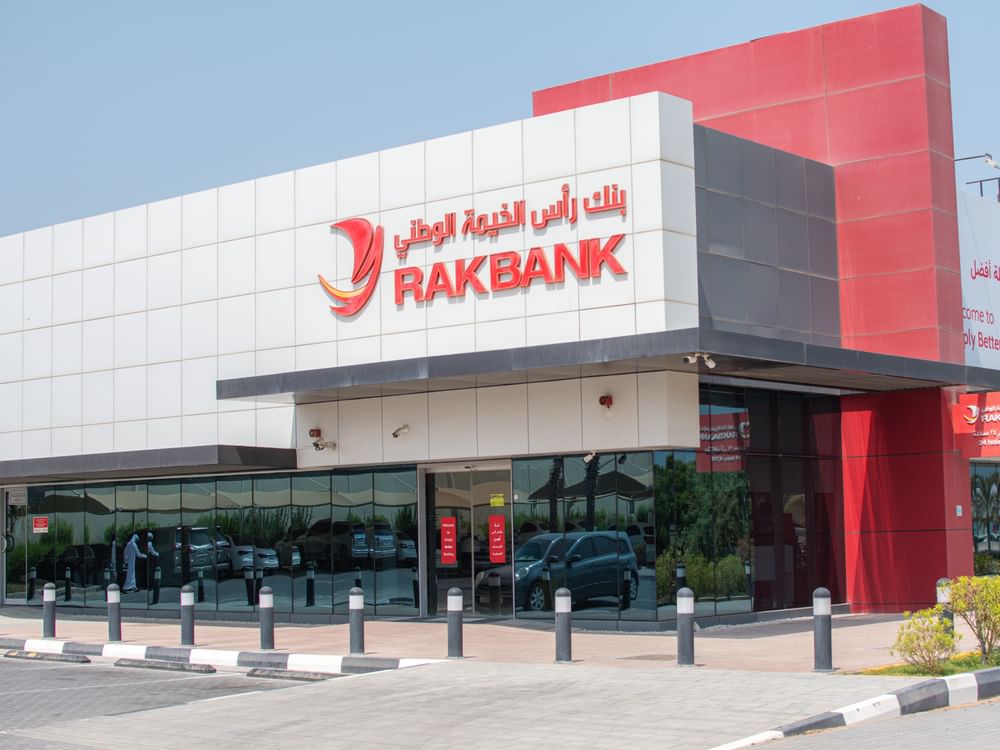
RAKBANK, the National Bank of Ras Al Khaimah, has successfully concluded its inaugural issuance of Tier 2 bonds, raising $250 million. This marks a significant milestone for the bank as it diversifies its funding sources and strengthens its capital base.

The bond issuance, conducted on September 4, 2024, was well-received by investors, reflecting strong confidence in the bank’s financial stability and growth prospects. The Tier 2 bonds are designed to enhance RAKBANK’s regulatory capital, providing a buffer against potential financial uncertainties and supporting its expansion strategies.

The bonds, with a 10-year maturity, were issued at an annual fixed rate of 5.25%, demonstrating the bank’s ability to secure favorable terms in the current capital markets. The issuance process attracted a diverse group of investors, including institutional and private investors, both regionally and internationally.

RAKBANK’s decision to issue Tier 2 bonds aligns with its ongoing efforts to strengthen its financial position and comply with the evolving regulatory requirements. Tier 2 capital, which forms part of a bank’s regulatory capital base, is crucial for maintaining the bank’s stability and supporting its growth initiatives. The successful issuance of these bonds is expected to bolster RAKBANK’s capital adequacy ratio, enhancing its ability to absorb potential losses and support future lending.

The bank’s strategy to tap into the Tier 2 bond market reflects a broader trend among financial institutions in the Middle East, where banks are increasingly turning to the capital markets to meet regulatory capital requirements and support their expansion plans. The issuance also underscores RAKBANK’s commitment to maintaining a robust capital structure, which is essential for navigating the challenges of the evolving financial landscape.

The completion of this bond issuance comes at a time when the global financial markets are experiencing a period of heightened volatility, driven by various economic and geopolitical factors. Despite these uncertainties, RAKBANK’s ability to secure significant investor interest highlights the bank’s strong market position and investor confidence in its long-term prospects.

Industry experts view RAKBANK’s Tier 2 bond issuance as a strategic move that positions the bank well for future growth. By securing additional capital, the bank is better equipped to support its lending activities, invest in new projects, and enhance its competitive position in the market. This capital injection will also enable RAKBANK to continue offering innovative financial products and services to its customers.

The successful completion of the Tier 2 bond issuance is expected to enhance RAKBANK’s credit profile, potentially leading to improved ratings from international credit rating agencies. This, in turn, could lower the bank’s borrowing costs and support its efforts to expand its footprint in both domestic and international markets.

RAKBANK’s Tier 2 bond issuance is part of a broader trend among banks in the region seeking to bolster their capital bases amid evolving regulatory requirements and economic uncertainties. Financial institutions across the Middle East are increasingly leveraging capital markets to meet their capital needs and support growth initiatives. This trend reflects a shift towards more sophisticated funding strategies as banks navigate the complexities of the modern financial landscape.

Mark Karpeles, the former CEO of the infamous Mt. Gox cryptocurrency exchange, is preparing to launch a new digital currency trading platform in Europe, marking a significant comeback after the collapse of his previous venture. The new exchange, reportedly named UNGOX, aims to restore trust in the cryptocurrency market, particularly in a region known for its robust regulatory environment. Mt. Gox, once the world’s largest Bitcoin exchange, […]

BingX, a prominent global cryptocurrency exchange, has unveiled its latest addition to the BingX Launchpool, featuring the Counter Fire (CEC) token. This initiative marks a significant step forward for blockchain-based gaming, as the token promises to introduce a new level of interaction within the gaming ecosystem. From September 3 to September 9, BingX users can stake their USDT or BTC to earn CEC tokens, providing them with […]

Dubai’s skyline is set to be transformed with the unveiling of Burj Azizi, a striking new landmark poised to become the world’s second-tallest tower. Azizi Developments, one of the UAE’s leading private developers, has announced that the tower will soar to an impressive height of 725 meters. This ambitious project underscores Dubai’s enduring commitment to architectural innovation and its role as a global hub for luxury real estate.

Located on Sheikh Zayed Road, Burj Azizi will not only be an architectural marvel but also the only freehold property on this prestigious thoroughfare. This unique aspect of the development is expected to attract significant interest from international investors and residents alike, offering a rare opportunity to own property in one of Dubai’s most sought-after locations.

The tower is designed to be much more than just a residential or commercial space. Azizi Developments has revealed plans for a vertical retail center that will span seven floors, providing a diverse range of shopping and dining experiences. In addition to this, the tower will feature a luxury ballroom and a beach club, catering to the city’s affluent residents and visitors. These amenities are intended to enhance the lifestyle offering of Burj Azizi, making it a destination in its own right.

Burj Azizi’s design is inspired by the rich cultural heritage of the UAE, incorporating elements that reflect the region’s history while also embracing contemporary architectural trends. The tower will be a symbol of Dubai’s forward-thinking vision, blending tradition with modernity to create a structure that is both iconic and functional.

The development is set to have a significant impact on the local real estate market. Analysts predict that the launch of Burj Azizi will drive up property values in the surrounding area, particularly given its status as the only freehold property on Sheikh Zayed Road. The project is also expected to boost Dubai’s tourism sector, attracting visitors from around the world who are eager to experience the city’s latest architectural wonder.

Azizi Developments has a strong track record of delivering high-quality projects, and Burj Azizi is no exception. The company is known for its attention to detail and commitment to excellence, qualities that are reflected in the design and execution of this project. The tower is set to become a benchmark for luxury living in Dubai, offering residents unparalleled views, world-class amenities, and a prime location in the heart of the city.

Construction of Burj Azizi is already underway, with completion expected within the next few years. The project is being developed in collaboration with some of the world’s leading architects and engineers, ensuring that it meets the highest standards of design and construction. Once completed, Burj Azizi will be a testament to Dubai’s ambition and its ability to realize even the most ambitious architectural visions.

The announcement of Burj Azizi has been met with enthusiasm from both the local and international real estate communities. Investors are particularly keen to secure a stake in the project, recognizing its potential to generate significant returns. The tower’s unique location, combined with its status as the world’s second-tallest building, makes it an attractive proposition for those looking to invest in Dubai’s burgeoning real estate market.

Azizi Developments has also emphasized the sustainability aspects of the project. The tower is being designed with energy efficiency in mind, incorporating the latest green technologies to minimize its environmental impact. This focus on sustainability is in line with Dubai’s broader efforts to promote environmentally responsible development and reduce the city’s carbon footprint.

Zain, a prominent telecommunications provider in Kuwait, has been honored with the ‘Best Corporate Governance Award 2024 for Kuwait’ by World Finance for the fourth consecutive year. This accolade underscores Zain’s continued excellence in adhering to high standards of corporate governance and transparency.

World Finance, a prestigious London-based magazine renowned for its comprehensive coverage of the financial sector, international business, and global economic trends, bestows this award to companies demonstrating exceptional governance practices. Zain’s achievement reflects its steadfast commitment to ethical business operations and robust governance frameworks.

The award, which Zain has received annually since 2021, recognizes companies that excel in transparency, accountability, and stakeholder engagement. Zain’s successful track record highlights its effective implementation of governance principles, including comprehensive risk management strategies, strong board oversight, and rigorous internal controls.

This accolade comes at a time when corporate governance has become increasingly significant for investors and stakeholders. With the evolving regulatory landscape and heightened scrutiny on corporate practices, Zain’s consistent performance in this domain positions it as a leader in maintaining high standards of corporate ethics and governance in the Middle East.

Zain’s governance model incorporates various elements that contribute to its reputation. The company’s board of directors, which comprises a diverse group of experienced professionals, plays a crucial role in overseeing strategic decisions and ensuring compliance with industry regulations. Additionally, Zain has established robust policies for financial reporting, internal audits, and risk management, which are regularly reviewed and updated to align with best practices.

The company’s commitment to corporate governance is also evident in its proactive approach to stakeholder engagement. Zain maintains transparent communication channels with its investors, employees, and customers, fostering trust and accountability. This approach is integral to Zain’s strategy, as it ensures that the company’s operations and decisions are aligned with the expectations and interests of its stakeholders.

Zain’s focus on ethical business practices is further demonstrated through its comprehensive code of conduct and ethics policies. These policies provide clear guidelines for employees and management, ensuring that all business activities are conducted with integrity and in compliance with legal and regulatory requirements. The company’s adherence to these standards has been a key factor in its ability to secure the Best Corporate Governance Award for multiple years.

The award from World Finance also reflects Zain’s broader efforts to promote corporate social responsibility (CSR). The company has implemented various initiatives aimed at supporting community development, environmental sustainability, and social causes. These efforts are part of Zain’s commitment to creating a positive impact beyond its core business operations.

Zain’s continued success in receiving this prestigious award highlights the effectiveness of its governance practices and its dedication to maintaining high standards in the industry. As corporate governance remains a critical focus for investors and regulators, Zain’s exemplary performance serves as a benchmark for other companies in the region.

In the context of the broader telecommunications industry, Zain’s achievement underscores the growing importance of governance and ethical practices. Companies across the sector are increasingly recognizing the value of strong governance frameworks in building investor confidence and ensuring long-term sustainability.

Zain’s success also aligns with global trends towards enhanced corporate governance. As businesses worldwide face increasing pressure to demonstrate transparency and accountability, Zain’s practices offer valuable insights into effective governance strategies. The company’s ability to maintain its position as a leader in corporate governance reflects its resilience and adaptability in a dynamic business environment.

Microsoft Windows users are encountering a surge in malware threats following an extensive series of security updates on Patch Tuesday, as new warnings from U.S. government agencies highlight the growing risks. The heightened alert has underscored the critical need for continued security measures, as users grapple with the implications of the latest vulnerabilities and threats.

Patch Tuesday, a routine monthly event where Microsoft releases security updates, was unusually significant this month. The company rolled out a broad array of patches aimed at addressing a variety of vulnerabilities affecting Windows operating systems. However, this surge in updates has coincided with a noticeable increase in malware attacks, raising concerns among cybersecurity experts and government officials alike.

The U.S. Cybersecurity and Infrastructure Security Agency (CISA) and other federal entities have issued urgent advisories, emphasizing the importance of applying these patches to prevent potential exploits. These advisories come in response to a spate of sophisticated cyberattacks that have targeted both individual users and large organizations. The recent alerts reveal a pattern of aggressive malware campaigns that exploit vulnerabilities addressed in the latest updates.

Experts from the cybersecurity community have observed a marked uptick in threats, including ransomware and spyware, which have intensified following the Patch Tuesday updates. These malicious programs are designed to infiltrate systems, often leveraging the same vulnerabilities that Microsoft aimed to address. The increase in attacks highlights the persistent and evolving nature of cyber threats, emphasizing the necessity for vigilant and ongoing security practices.

The rising malware incidents have sparked significant concern about the potential implications for millions of Windows users globally. As users scramble to implement the latest patches, there are growing worries about the effectiveness of these updates against increasingly sophisticated threats. The cybersecurity landscape is evolving rapidly, with new attack vectors and techniques emerging frequently, making it crucial for users to stay updated and proactive in their security measures.

Security experts advise that users must not only apply the latest patches but also adopt comprehensive security practices, including regular system scans, the use of robust antivirus software, and cautious behavior online. These measures are vital in mitigating the risks associated with malware and ensuring that systems remain secure amidst the evolving threat landscape.

The situation has prompted discussions about the broader implications for long-term security support for Windows users. With the ongoing threat of malware and the need for constant updates, there is growing debate about the sustainability of security practices and the potential need for users to consider additional protective measures. As the landscape of cyber threats continues to shift, users and organizations must remain adaptable and proactive in their approach to cybersecurity.

As the cybersecurity community continues to assess and respond to these developments, the focus remains on ensuring that users are equipped with the tools and knowledge needed to defend against evolving threats. The situation serves as a stark reminder of the importance of maintaining robust security practices and staying informed about the latest developments in the field.

Innovation Center Invests RMB 9 Billion to Support Enterprises and Drive Technological Projects in Huishan HONG KONG SAR – Media OutReach Newswire – 3 September 2024 – CashOn, Hong Kong’s first digital currency lending platform, announced today the signing of a strategic cooperation memorandum with the Wuxi Huishan (Shenzhen) Innovation Center. The cooperation aims to jointly explore digital currency lending matching services based on CashOn’s innovative fintech […]

New server offering solidifies ASUS leadership in AI, with first deal secured SINGAPORE – Media OutReach Newswire – 3 September 2024 – ASUS today announced the latest marvel in the groundbreaking lineup of ASUS AI servers ― ESC N8-E11, featuring the intensely powerful NVIDIA® HGX™ H200 platform. With this AI titan, ASUS has secured its first industry deal, showcasing the exceptional performance, reliability and desirability of ESC […]

Saudi Arabia’s Public Investment Fund (PIF) has returned to the bond market for the fourth time this year, showcasing its continued aggressive strategy to finance its expansive investment agenda. This latest issuance is part of the sovereign wealth fund’s broader plan to raise substantial capital, aimed at supporting Vision 2030, the kingdom’s ambitious initiative to diversify its economy away from oil dependence.

The PIF has set an initial price guidance for a new dollar-denominated bond, with an expected issuance close to $10 billion for 2024. This move marks its second sukuk offering this year, following previous issuances that cumulatively position the fund as a significant player in global bond markets.

The timing of this bond issuance is strategically aligned with the PIF’s ongoing efforts to bolster its investment portfolio, which spans across various sectors including technology, green energy, and entertainment. This strategy is not just about raising capital but also about reinforcing Saudi Arabia’s financial presence on the international stage.

Analysts have noted that this consistent tapping into the bond market is a clear indication of the PIF’s robust financial health and its capacity to leverage global capital markets to fund its initiatives. The fund’s ability to attract substantial investment reflects confidence among international investors in the PIF’s management and Saudi Arabia’s economic reforms.

As the PIF continues its trajectory of aggressive investment, the funds raised from these bond issuances are expected to be channeled into both domestic and international projects, further solidifying Saudi Arabia’s position as a leading global investor. This strategy underscores the fund’s critical role in driving the kingdom’s economic diversification goals, particularly in the non-oil sectors.

The latest bond offering is expected to close shortly, with strong investor interest anticipated, given the PIF’s proven track record and the attractive pricing structure of its bonds. This issuance will add to the fund’s growing portfolio of debt instruments, ensuring that it remains well-capitalized to meet its long-term investment objectives.

Metaplanet has secured a significant partnership with Japan’s SBI Holdings, aiming to bolster its regional Bitcoin custody and trading capabilities. This collaboration marks a strategic move for Metaplanet as it seeks to enhance its footprint in the digital asset space, particularly in the Asian market. The partnership will integrate SBI Holdings’ extensive financial infrastructure with Metaplanet’s advanced blockchain technology. This integration is expected to streamline Bitcoin transactions […]

Bitcoin has experienced a notable increase in outflows from exchanges, driven largely by large-scale transactions. Data indicates that substantial withdrawals have surged, reflecting a reaction from significant investors to the cryptocurrency’s fluctuating prices. This trend underscores the growing sentiment among major players to secure their holdings amid market volatility. Recent analytics reveal that Bitcoin outflows from exchanges have reached unprecedented levels. Over the past few weeks, the […]

The Saudi Fund for Development (SFD) has finalized a $25 million agreement to support a new renewable energy initiative aimed at enhancing sustainable energy infrastructure. The deal, announced this week, is part of the Kingdom’s broader strategy to diversify its energy portfolio and reduce reliance on fossil fuels. The project, located in an emerging market region, will focus on the development and implementation of solar energy technologies. […]

Ripple has made a significant move in the blockchain sector by announcing new collaborations aimed at enhancing its infrastructure and broadening its institutional reach. These developments underscore Ripple’s ongoing commitment to advancing blockchain technology and fostering greater adoption among businesses. The company’s latest venture includes a strategic partnership with Futureverse, a prominent AI and metaverse technology firm. This alliance will focus on providing advanced secure asset custody […]

VISHNU RAJA
RYO YAMADA
HITORI GOTOH
IKUYO KITA