Just in:
Mangroves Documentary Premieres, Exploring How Cities and Wetlands Coexist // Microsoft restores cloud services after gateway software failure // Hong Kong International Airport Online Shop Winter Festive Offer // Google identifies autonomous AI systems conducting vulnerability attacks // Bankrupt Indian Business Barons Mostly Live Life King-Size // EU levies definitive duties on five steel suppliers // UK privacy regulator flags GTA 6 phishing threats // Mangroves Documentary Premieres, Exploring How Cities and Wetlands Coexist // Row over Sabarimala toilet disruption // Mubadala and Centerbridge secure £1.17bn Canaccord wealth agreement // Galaxy Resort Presents: “Plácido Domingo & José Carreras: The Legends United Opera Gala” // Bora Group 3Q26: Revenue and Net Income Expansion Continues U.S. Manufacturing and Biologics Footprint Complete; Margin Expansion to Follow as Utilization Improves // Takaichi exchanges greetings with Chinese minister at Manila summit // Mexican journalists demand accountability after Acapulco reporter killed // Danone expands consumer insight capabilities to accelerate nutrition innovation through Southeast Asia R&I Application Lab upgrade // Pink Economy report puts equal rights at the heart of Thailand’s road to Bangkok WorldPride 2030 // First Abu Dhabi Bank proposes AED15 billion share sale // Hong Kong schedules Gulf-Asia investment forum for 2027 // Mangroves Documentary Premieres, Exploring How Cities and Wetlands Coexist // Ramayana triggers high tourist traffic to Jatayu rock centre //

News related to
secure

Oil prices have held their ground after a slight dip as the focus shifts to OPEC+’s upcoming decision regarding production cuts. Market participants are awaiting critical guidance on future supply restrictions from the cartel, a move that could significantly impact both global energy prices and economic stability. With mounting pressures from both geopolitical factors and fluctuating demand, the outcome of this decision is poised to influence the […]

Importers in the Gulf region can now easily access a wide range of products manufactured by India’s Micro, Small, and Medium Enterprises (MSMEs) thanks to the launch of Post Office Export Centres (POECs). This new initiative, spearheaded by India’s Ministry of Communications, aims to streamline the export process for MSMEs and provide global access to their products, specifically targeting markets like the Gulf, which holds significant trade potential for small businesses in India.

The Post Office Export Centres are designed to function as export hubs within India’s vast postal network, connecting small-scale manufacturers to international buyers. By leveraging the extensive infrastructure of the India Post system, the initiative makes it easier for businesses in the Gulf and other foreign markets to procure products directly from Indian MSMEs. With post offices already having a presence in even remote areas of the country, this expansion is expected to break down logistical barriers, especially for smaller businesses that previously lacked the resources to access international trade networks.

The launch of the POECs is part of the broader vision to promote “Made in India” goods globally, especially MSME products that often struggle to find export channels. MSMEs make up a substantial portion of India’s industrial output, and their products are diverse, ranging from handmade textiles to agricultural goods and electronic components. These enterprises form the backbone of India’s economy but have long faced challenges when it comes to reaching international markets, particularly due to complicated and expensive export processes.

India Post’s established network of over 150,000 post offices across the country is now being utilized to open avenues for MSMEs to participate in global trade. This network, one of the largest in the world, will enable businesses in the Gulf to access Indian-made goods efficiently, while also simplifying the complexities often associated with international shipping and customs processes. The Post Office Export Centres will act as intermediaries, assisting with everything from documentation to packaging and final delivery.

With the Gulf region being a major trading partner for India, this move is seen as a strategic one to strengthen trade relations further. The UAE, Saudi Arabia, Qatar, and Kuwait are some of the leading destinations for Indian exports, and the introduction of POECs will make it easier for businesses there to tap into a wide variety of Indian products. This initiative also aligns with India’s “Atmanirbhar Bharat” campaign, which encourages self-reliance and seeks to boost exports from the country’s smaller enterprises, which are often overlooked in traditional trade practices.

Through these Post Office Export Centres, Indian MSMEs will be able to list their products in a more streamlined manner for foreign buyers. The system simplifies the process of exporting by allowing these enterprises to bypass the complexities typically associated with traditional export methods, such as dealing with multiple intermediaries and navigating intricate customs procedures. Additionally, India Post will provide support in areas such as financial transactions, ensuring that payments are secure and efficiently processed.

This move is expected to bring about a considerable shift in how MSMEs interact with the global market. By utilizing the postal system, which is known for its trust and reliability, India Post is positioning itself as a crucial facilitator of international trade for smaller businesses. The initiative also promises to open doors for a broader range of products, including those from underserved sectors like handicrafts, textiles, and regional food products.

The launch of POECs underscores a significant push towards enhancing digital infrastructure within the Indian postal system. While physical infrastructure remains key, the integration of online platforms for cataloging products, processing orders, and tracking shipments is also a crucial part of the system. The digitalization aspect will ensure that MSMEs are equipped to handle international trade in a manner consistent with global standards, fostering transparency and improving overall efficiency.

For businesses in the Gulf, this system will enable greater access to the vast array of goods that India produces. This is especially significant as Gulf countries have long been important partners for Indian exporters, with a growing demand for diverse products that include textiles, spices, and high-tech gadgets. The opening of these export centres makes the procurement of Indian goods more accessible and cost-effective for Gulf-based importers.

Experts view the initiative as a win-win for both India and the Gulf region. For India, the initiative will boost the export of MSME products and contribute to economic growth, while for the Gulf, it will bring in affordable and high-quality products from India. Additionally, the ease of access through the Post Office Export Centres offers a level of convenience that has been missing in the past, particularly for small-scale importers who often find it difficult to engage in international trade.

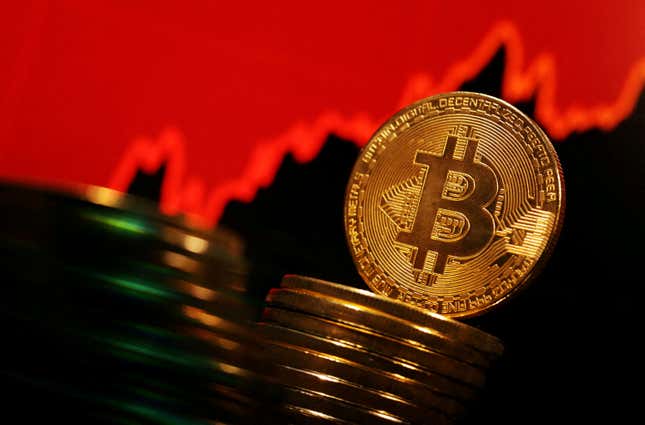
Bitcoin has surged past the $100,000 mark, a dramatic milestone that has spurred renewed optimism within the cryptocurrency market. Investors are turning to Bitcoin and other cryptocurrencies as hedge assets, fueled in part by increased political volatility and speculation surrounding Donald Trump’s potential return to the U.S. presidency. As global economic uncertainty continues, Bitcoin’s rise reflects a growing belief among some market participants that digital currencies can offer a secure alternative to traditional financial systems.

The latest rally in Bitcoin’s price comes after months of oscillating values and investor hesitation. Experts suggest that the rally is being driven by a confluence of factors, not least of which is the renewed interest in political events and their possible impact on global markets. As the 2024 U.S. presidential election looms, some analysts believe that the uncertainty surrounding Trump’s political comeback has heightened demand for decentralized assets like Bitcoin. Crypto enthusiasts view Bitcoin not only as a store of value but as a refuge from potential economic instability that could result from geopolitical shifts or policy changes under a Trump administration.

The speculative fever surrounding Bitcoin’s price surge is palpable, with many traders turning to the asset in anticipation of further gains. This surge is also reflective of broader trends in the cryptocurrency market, which has seen an influx of new investors. While the increase in Bitcoin’s price is drawing attention, the market remains highly volatile, with prices fluctuating rapidly in response to news events and investor sentiment.

Despite its rise, Bitcoin’s journey to $100,000 is far from straightforward. In recent months, Bitcoin has faced challenges ranging from regulatory scrutiny to competition from newer digital currencies. Governments around the world, particularly in the U.S., have been examining ways to regulate cryptocurrencies more effectively, a move that could dampen the enthusiasm surrounding digital currencies. In fact, some analysts argue that Bitcoin’s success is intrinsically tied to the regulatory environment, which remains a source of uncertainty for investors. Even so, many investors are betting that Bitcoin will continue to outperform other financial assets as the world faces growing uncertainty in traditional markets.

As the cryptocurrency market gains traction, investors are keenly aware of the potential for further volatility. While Bitcoin’s rise has caught the attention of traditional finance institutions, it remains a speculative asset that offers both high rewards and significant risks. Analysts suggest that Bitcoin’s price is subject to sudden swings, driven by factors ranging from changes in market sentiment to global economic developments. In the case of the current rally, some traders are capitalizing on the geopolitical risks associated with a possible Trump presidency, betting that such an event could lead to higher demand for Bitcoin and other cryptocurrencies.

The role of institutional investors has also become a point of interest as Bitcoin’s price climbs. Traditionally, cryptocurrencies like Bitcoin were seen as the domain of retail investors, but recent years have seen an increasing number of institutional players entering the market. Hedge funds, pension funds, and even central banks are exploring ways to incorporate Bitcoin and other cryptocurrencies into their portfolios. This shift in institutional behavior has provided further legitimacy to the digital currency market, with some analysts predicting that Bitcoin could become an integral part of the global financial system.

Alongside Bitcoin, other cryptocurrencies have also seen increased activity. Ethereum, for instance, has benefitted from technological advancements and growing use cases in decentralized finance and non-fungible tokens (NFTs). However, Bitcoin remains the dominant player in the cryptocurrency space, and its price movements continue to drive sentiment across the sector. The strong correlation between Bitcoin’s price and broader market trends suggests that the cryptocurrency market is closely tied to investor psychology, with Bitcoin often serving as a bellwether for the wider market.

Another factor contributing to Bitcoin’s price surge is the increasing acceptance of the cryptocurrency by businesses and consumers alike. Several high-profile companies have begun accepting Bitcoin as payment, while others are exploring ways to integrate cryptocurrency into their operations. This growing adoption has helped fuel optimism about Bitcoin’s long-term prospects, despite its volatility in the short term. At the same time, Bitcoin’s reputation as a hedge against inflation and economic instability has resonated with many investors, particularly as inflationary pressures persist in major economies worldwide.

However, Bitcoin’s future is far from certain. Its price is highly susceptible to shifts in market sentiment, and some analysts caution that the asset remains speculative at best. While the cryptocurrency market has expanded rapidly over the last few years, it is still in its early stages, and many of the regulatory and technological challenges facing the industry have yet to be fully addressed. Moreover, competition from central bank digital currencies (CBDCs) and other forms of state-backed money could pose a threat to Bitcoin’s dominance in the digital asset space.

Circle, the issuer of the USD Coin (USDC), has officially confirmed that its stablecoin has met the criteria to qualify as a Value-Referenced Crypto Asset (VRCA) under Canada’s regulatory framework. This approval ensures USDC will remain in compliance with Canadian law and continue its operations in the country beyond the December 31, 2024, deadline.

The Canadian Securities Administrators (CSA) introduced stringent regulations in 2023 aimed at creating a safe and secure environment for digital assets. These rules require all stablecoins operating in the country to meet the VRCA requirements, a set of standards designed to guarantee that crypto assets are fully backed by reserves that are easily redeemable at par value. This regulatory framework is part of Canada’s broader strategy to bring digital currencies in line with existing financial systems, increasing transparency and protecting investors.

Circle’s achievement marks a significant milestone in the integration of stablecoins into national financial systems. USDC is the first stablecoin to meet the VRCA’s strict criteria, a move that positions it as a critical player in Canada’s evolving crypto landscape. As the only stablecoin to have secured this compliance, USDC now has a distinct advantage in the Canadian market, ensuring its ongoing use for payments, remittances, and other financial applications within the country.

The approval also signals a growing acceptance of digital currencies in Canada. The country has long been considered one of the more progressive jurisdictions in terms of cryptocurrency adoption, with regulators working to balance innovation with investor protection. The VRCA classification reflects a recognition of stablecoins’ utility in the broader financial ecosystem, especially for international transactions where volatility is a concern.

Circle’s commitment to regulatory compliance has been a cornerstone of its strategy. The company has worked closely with regulators around the world to ensure that USDC adheres to local laws while maintaining its stability and utility. This proactive approach has helped build trust with both users and governments, a critical factor in the growing acceptance of stablecoins.

Stablecoins like USDC are pegged to fiat currencies such as the U.S. dollar, offering a relatively stable value compared to the broader cryptocurrency market, which can experience significant price fluctuations. The ability to convert USDC easily into Canadian dollars under the new regulatory framework provides Canadian users with a reliable and efficient means of conducting digital transactions.

This regulatory approval by Canada also has broader implications for the global cryptocurrency market. As other nations consider how to regulate stablecoins, the Canadian example could serve as a model for establishing clear, comprehensive guidelines that protect users while fostering innovation. By creating a clear framework for stablecoins, Canada sets a precedent for how other jurisdictions might approach similar regulatory challenges in the coming years.

Circle’s compliance with Canada’s VRCA requirements may open the door for more stablecoin issuers to seek similar approvals in other jurisdictions, ultimately pushing the global regulatory landscape toward greater consistency. For now, USDC’s approval in Canada helps to reinforce its role as a leading stablecoin in the global market, used by a wide range of entities, from financial institutions to decentralized finance (DeFi) applications.

Despite these positive developments, the global regulatory landscape for stablecoins remains fragmented. Different countries have taken varying approaches to stablecoin regulation, with some adopting a more cautious stance and others moving forward with more aggressive regulatory frameworks. As regulators continue to refine their approaches, Circle’s success in meeting Canada’s VRCA standards may be a pivotal moment in shaping the future of stablecoins.

Aldar Properties has announced the acquisition of a Dh2.3 billion commercial tower located within Dubai International Financial Centre (DIFC). This development, which spans 40 floors, is set to be a significant addition to DIFC’s vibrant commercial landscape. Slated for completion by 2028, the project will integrate office and retail spaces designed to attract both businesses and investors looking for prime real estate within one of the region’s leading financial hubs.

The acquisition underscores Aldar’s expanding footprint in the UAE’s property sector, with the developer increasingly diversifying its portfolio across emirates and internationally. Known primarily for its strong presence in Abu Dhabi, Aldar has recently shifted focus to other lucrative markets such as Dubai and Ras Al Khaimah, complementing its projects in global locations including Egypt, London, and Western Europe.

This latest venture comes amidst Aldar’s robust financial performance in 2023. The company recorded a net profit surge of 40%, reaching Dh4.4 billion, supported by a 26% rise in revenue to Dh14.2 billion. This financial momentum is attributed to sustained demand for off-plan properties and strategic forays into new market segments. The company’s development backlog, which doubled to Dh36.8 billion by year-end, provides a steady stream of income visibility for the foreseeable future.

The DIFC tower acquisition aligns with Aldar’s strategy of capitalizing on high-growth urban markets. DIFC, a pivotal financial district housing leading multinational firms, offers the strategic advantage of proximity to global businesses and professionals. The newly acquired project is expected to bolster the area’s profile as a hub for commerce and innovation.

RIYADH, SAUDI ARABIA – Media OutReach Newswire – 4 December 2024 – The prestigious Best Places to Work certification program has revealed its 2024 rankings, recognizing leading organizations in Saudi Arabia that excel in creating outstanding workplaces focused on employee satisfaction, engagement, and well-being. The rankings are divided into three categories based on company size: large, mid-sized, and small. In the Large Companies category (over 1,000 employees), […]

Saudi Aramco, the world’s leading energy firm, has unveiled plans to establish one of the largest carbon capture and storage (CCS) hubs in Jubail. The project is part of the company’s ambitious initiative to tackle carbon emissions and advance global decarbonization efforts. By collaborating with two major industry players, Linde and SLB, Aramco aims to position Saudi Arabia at the forefront of technological solutions addressing climate change. […]

Advertisements

Efforts to mitigate the escalating impact of drought across the globe received a significant boost as the Global Drought Resilience Partnership announced a substantial funding commitment of $12 billion. The initiative aims to address water scarcity and bolster the resilience of vulnerable communities, focusing on sustainable solutions and enhanced international cooperation. The partnership, a coalition of nations, environmental organizations, and private entities, has prioritized creating adaptive strategies […]

Legrand, a global leader in electrical and digital infrastructure solutions, has strengthened its position in the data center market through the acquisition of Power Bus Way, a Toronto-based provider of custom-engineered cable bus systems. This strategic move enhances Legrand’s portfolio, enabling the company to offer more comprehensive solutions to meet the growing demands of data centers, industrial facilities, and commercial properties. The acquisition reflects a growing trend […]

Artificial intelligence computing company Tenstorrent has successfully closed its Series D funding round, raising $693 million at a valuation of $2 billion. The round saw significant participation from leading investors such as Samsung Securities and AFW Partners, further bolstering the company’s position as a key player in the rapidly expanding AI sector. This latest funding brings Tenstorrent’s total raised capital to over $1 billion since its inception. […]

KUALA LUMPUR, MALAYSIA – Media OutReach Newswire – 4 December 2024 – Commerce Dot Com Sdn. Bhd. (CDC) achieved an extraordinary milestone at the Malaysia Public Relations Awards (MPRA) 2024, taking home an unprecedented three gold awards for its outstanding campaigns. This landmark victory underscores CDC’s leadership in corporate communications and its unwavering commitment to excellence, ethics, and innovation. These accolades highlight CDC’s dedication to crafting narratives […]

Grayscale Investments has initiated a move to convert its Solana Trust into an exchange-traded fund (ETF), marking a significant step in expanding its ETF offerings. The trust, which was launched in 2021 as a closed-end fund, currently manages $134 million in assets, focusing exclusively on Solana, a blockchain platform known for its speed and low transaction costs. The conversion filing comes as Grayscale continues to build on […]

Microsoft Edge, once heralded as a robust competitor in the browser market, is showing signs of stagnation amid intense competition. Despite achieving a desktop market share of 12.96%, a new record for the browser, the dominance of Google Chrome remains unchallenged at 62.7%. Mozilla Firefox, with 6.34%, continues to maintain its place in the market as an alternative for privacy-conscious users. While Microsoft has invested heavily in […]

Grayscale Investments has formally applied to launch a Solana-based exchange-traded fund (ETF) on the New York Stock Exchange (NYSE), a move signaling the growing institutional interest in blockchain networks beyond Bitcoin and Ethereum. This filing positions Grayscale among a cohort of financial institutions vying to broaden the accessibility of cryptocurrency investments through regulated markets.

The proposed Solana ETF seeks to enable traditional investors to gain exposure to Solana’s ecosystem without directly owning the cryptocurrency. This initiative aligns with Grayscale’s strategy to expand its suite of single-asset ETFs, having already introduced ETFs for Bitcoin, Ethereum, and other digital assets. The application underscores the maturation of Solana, which is recognized for its high transaction throughput and scalability within the blockchain space.

Grayscale’s filing adheres to NYSE Arca Rule 8.800-E, which governs the listing and trading of digital asset-based securities. This compliance ensures the ETF will maintain stringent custody and trading standards, addressing concerns often raised by regulators about the security of cryptocurrency holdings. Coinbase Custody has been named as the custodian for the fund, leveraging multi-region secure storage of private keys to mitigate risks associated with digital assets.

Solana’s inclusion in an ETF reflects its surging adoption among decentralized finance (DeFi) applications, non-fungible token (NFT) marketplaces, and payment solutions. By bringing Solana into the ETF structure, Grayscale aims to bridge the gap between institutional investors and decentralized blockchain technologies, offering a pathway to diversify portfolios within a regulated framework.

This announcement comes amid a broader wave of applications by asset management firms seeking approval for cryptocurrency ETFs in the United States. Firms such as BlackRock and Fidelity have pursued similar strategies, aiming to address pent-up demand from investors hesitant to navigate the complexities of direct cryptocurrency ownership. The Securities and Exchange Commission (SEC) has recently signaled openness toward such proposals, creating optimism within the crypto industry.

KPay strengthens its position as the leading regional platform for merchants to simplify financial management and streamline business operations. The investment by Apis Growth Markets Fund III and Apis Global Growth Fund III will accelerate KPay’s trajectory to support one million merchants across Asia in the next five years HONG KONG/SINGAPORE – Media OutReach Newswire – 3 December 2024 – KPay Group (KPay), a one-stop financial management […]

IBIT, a prominent player in the cryptocurrency space, has crossed a significant milestone by accumulating more than 500,000 BTC in its reserves. This achievement places IBIT at the forefront of institutional investors, holding one of the largest Bitcoin stashes worldwide.

The growth of IBIT’s Bitcoin holdings signals not only the company’s expanding influence in the digital asset market but also the ongoing shift toward institutional investment in cryptocurrency. While many traditional investors have historically viewed Bitcoin and similar assets with skepticism, IBIT’s increasing accumulation of BTC highlights a changing trend, with crypto assets now becoming a central part of investment portfolios.

The timing of this move is notable, with Bitcoin’s market volatility and institutional adoption on the rise. As Bitcoin’s price has experienced fluctuations, the growing institutional presence in the market has added a layer of stability and legitimacy to the digital currency. IBIT’s actions are reflective of a broader trend where institutional investors are looking beyond Bitcoin’s price swings and viewing the cryptocurrency as a long-term store of value.

IBIT’s strategy aligns with a growing confidence in the potential of Bitcoin, especially as more companies and financial institutions seek exposure to this volatile yet highly profitable asset class. The company has made headlines not only for its significant Bitcoin holdings but also for its consistent commitment to securing digital assets in a safe and compliant manner. In a space rife with regulatory uncertainty, IBIT’s methodical approach to managing its Bitcoin reserves underscores the increasing sophistication of institutional cryptocurrency investing.

The surge in IBIT’s Bitcoin stash is reflective of an overarching trend in the cryptocurrency industry, where institutional players are playing an increasingly prominent role. Traditional hedge funds, family offices, and large corporations have recognized the value of diversifying their assets into Bitcoin, with the aim of reducing risk and boosting returns. The 500,000 BTC mark comes at a time when several other major players in the industry have followed suit, significantly raising their stakes in Bitcoin as an asset class.

Bitcoin’s market dynamics have changed considerably in recent years, with a notable increase in the volume of institutional investment. As these investors continue to accumulate large quantities of BTC, they inadvertently strengthen Bitcoin’s position within the global financial ecosystem. The digital currency is no longer just a speculative investment but is now seen as a legitimate store of value akin to gold.

IBIT has managed to build its position in the Bitcoin market through strategic acquisitions and partnerships with other major cryptocurrency-related firms. Its growing presence has been fueled by its adherence to a disciplined investment strategy, ensuring its Bitcoin holdings are not only large but also securely stored. This approach has won IBIT the trust of investors and stakeholders alike, many of whom view the company’s success as a blueprint for navigating the complexities of digital asset management.

IBIT’s holdings have been particularly significant when considering the broader trends in Bitcoin’s supply. With the cryptocurrency’s total supply capped at 21 million, large-scale holders like IBIT are seen as key players in the future price dynamics of Bitcoin. By owning over 500,000 BTC, IBIT controls a substantial portion of the available supply, which may influence both the market price and the broader narrative surrounding Bitcoin’s role in the global financial system.

The focus on secure and compliant Bitcoin holdings is an essential aspect of IBIT’s strategy. As regulatory bodies across the world continue to refine their approaches to cryptocurrency, IBIT has positioned itself as a leader in adhering to these evolving standards. This has ensured that its Bitcoin assets remain insulated from regulatory pressures that could potentially jeopardize the security or legality of the holdings.

IBIT’s ability to accumulate such a large amount of Bitcoin has garnered significant attention from investors and analysts. Many view the company’s strategy as indicative of the future direction of the digital asset market, where institutional players will continue to play a dominant role in shaping the supply and demand dynamics of Bitcoin. As Bitcoin’s price continues to rise, driven in part by institutional accumulation, IBIT’s strategic position places it at the center of an increasingly influential market.

The company’s success is also intertwined with Bitcoin’s role as a potential hedge against inflation and economic uncertainty. As central banks around the world continue to adopt expansive monetary policies, Bitcoin has gained recognition as an alternative asset that can serve as a store of wealth. This has contributed to the rise of institutional adoption, as large players seek assets that are less vulnerable to the policies and fluctuations of traditional financial systems.

The European data center market is experiencing an unprecedented boom, with artificial intelligence (AI), cloud computing, and the rapid evolution of digital infrastructure fueling the expansion. According to the latest findings in JLL’s EMEA Data Centre Report Q2 2024, demand for data storage and processing capacity has reached new heights, reflecting broader shifts in the global tech landscape. AI has emerged as a dominant driver behind the […]

PHNOM PENH, CAMBODIA – Media OutReach Newswire – 3 December 2024 – Visa, a global leader in digital payments, hosted its first Open Payments Session in the Kingdom, bringing together regulators, subject matter experts, merchants, and financial services representatives to explore best practices and thought leadership shaping the future of payments. The forum focused on the evolving landscape of digital payments, driven by increased smartphone penetration and […]

Swisscom has unveiled Switzerland’s first NVIDIA SuperPOD system, marking a significant step in the country’s digital transformation. The new system will allow businesses to run artificial intelligence (AI) applications in Swisscom’s data centers, providing reliable local data processing and storage. This launch is expected to accelerate the adoption of AI across various industries, offering advanced computational power to enterprises that rely on high-performance systems for AI-driven tasks. […]

Elon Musk’s legal battle against OpenAI, the artificial intelligence company he helped launch, has intensified with the filing of an injunction aimed at halting the company’s transition to a for-profit model. Musk, who played a pivotal role in OpenAI’s early development, is challenging the company’s decision to pivot from its original non-profit status, citing concerns over the ethical implications and potential conflicts of interest arising from this […]

Ethena, a prominent player in the cryptocurrency space, has formed a strategic partnership with the on-chain derivatives protocol Derive, marking a significant development in decentralized finance (DeFi). This collaboration ensures that Ethena’s sENA token holders will secure 5% of the total DRV token supply, positioning Ethena as a key participant in Derive’s expanding ecosystem.

Derive’s innovative derivatives protocol, designed to offer a decentralized solution for futures trading, enhances its offerings by integrating Ethena’s synthetic dollar, USDe. This partnership aims to further stabilize both platforms’ token economies and enhance the trading experiences within decentralized markets. The integration of sENA holders into Derive’s ecosystem highlights a growing trend of DeFi protocols leveraging cross-collaboration to boost liquidity and foster mutual growth.

Ethena’s USDe, a synthetic dollar backed by Ethereum and Bitcoin collateral, is known for its delta-neutral stability model. By utilizing a combination of staked assets and perpetual/futures market spreads, USDe maintains a stable value relative to spot crypto assets. This approach contrasts with traditional stablecoins like USDC or USDT, as it is designed specifically for the crypto-native world, ensuring that it remains resilient against traditional financial risks while offering a scalable solution within DeFi. The recent collaboration underscores Ethena’s vision to provide decentralized financial products that are both sustainable and innovative, giving its users new ways to engage in the DeFi ecosystem.

In addition to its technical components, Ethena also emphasizes the importance of transparency and security in its operations. The protocol’s use of off-chain custody and multisig infrastructure ensures that assets remain secure even as they flow across different DeFi platforms. This commitment to user safety is crucial as the DeFi space continues to mature, and the partnership with Derive reflects Ethena’s continued dedication to enhancing its product offerings.

With the backing of its innovative financial model, Ethena aims to create an environment that supports greater integration between DeFi protocols and their respective user bases. By securing a portion of Derive’s DRV token supply for sENA holders, Ethena is enhancing its utility within the DeFi ecosystem and aligning itself with platforms that share a similar vision of decentralized finance.

This partnership is also poised to create new opportunities for liquidity provision and reward generation for users. As both protocols focus on providing long-term stability through hedging and derivatives trading, Ethena’s integration with Derive could signal further shifts in how decentralized platforms manage risk and reward in the future.

The inclusion of sENA holders in Derive’s DRV token distribution exemplifies the increasing interconnectivity of decentralized finance protocols. It reflects a broader trend where platforms are pooling resources and expanding their services to reach a wider audience, offering more diverse investment strategies and trading opportunities. This trend is likely to accelerate as the DeFi space continues to evolve, with strategic collaborations becoming a core component of long-term growth strategies.

QatarEnergy and Shell have finalized a major deal to supply liquefied natural gas (LNG) to China, further bolstering the energy ties between the two global powerhouses. The long-term sale and purchase agreement (SPA), which will see the delivery of three million tons per annum (MTPA) of LNG, is set to commence in January 2025. This deal, marking a significant step in energy cooperation, reflects the growing demand for natural gas in China and underscores the ongoing shift in the global energy landscape.

The agreement between QatarEnergy, the state-owned energy giant of Qatar, and Shell, one of the largest oil and gas companies worldwide, is expected to contribute to China’s energy security as it continues to diversify its sources of natural gas. China’s reliance on natural gas as a cleaner alternative to coal has steadily increased, positioning the country as one of the world’s top LNG importers. This new deal enhances Qatar’s position as a major global LNG supplier, reinforcing its role in the international energy market.

Qatar’s strategic focus on LNG exports aligns with its long-term vision to solidify its energy footprint globally, with significant emphasis on Asia-Pacific markets. China, as a critical player in global energy demand, is an essential partner for QatarEnergy, which has rapidly expanded its LNG production capacity over the past few years. The agreement between the two companies marks a crucial milestone in Qatar’s energy diplomacy, as it seeks to solidify its market share in the Asian region.

The SPA is not only a testament to the strong commercial partnership between QatarEnergy and Shell but also signals the growing importance of collaboration between national oil and gas companies and major international energy firms. While the details of the contract terms have not been fully disclosed, industry insiders speculate that the agreement includes flexible pricing mechanisms and long-term stability clauses, designed to provide both parties with predictable revenue streams and mitigate price volatility in the global LNG market.

This deal also highlights Shell’s ongoing commitment to expanding its footprint in the global LNG market, a sector that has gained momentum in light of rising energy demand and geopolitical uncertainty. Shell has been actively increasing its LNG trading capacity and has made substantial investments in LNG infrastructure globally, including terminals and shipping. The partnership with QatarEnergy further complements Shell’s strategy to position itself as a key player in LNG, alongside its broader focus on renewable energy and transition to cleaner energy solutions.

For China, the deal is particularly timely as it continues to pivot towards natural gas to fuel its rapid urbanization and industrial expansion. Despite a focus on renewable energy, the country’s growing energy demands have made natural gas an essential component of its energy mix, particularly in regions where access to alternative energy sources remains limited. By securing a steady and reliable supply of LNG from Qatar, China aims to stabilize its energy imports and reduce its dependence on coal, which has long been a significant contributor to the country’s high carbon emissions.

The partnership also plays into broader geopolitical dynamics in the LNG market. Over the last decade, China has increasingly relied on LNG imports from a variety of suppliers, including the United States, Australia, and Russia. However, by expanding its relationship with Qatar, a country with extensive gas reserves, China is also diversifying its sources to ensure greater energy security amid potential future supply disruptions. The strategic alliance with Qatar, therefore, not only meets China’s energy needs but also strengthens its energy ties with the Middle East, an important region in the global geopolitical arena.

As LNG demand continues to rise, particularly in Asia, the supply and demand dynamics of the global LNG market are expected to shift. Asia, as the largest importer of LNG, has seen an uptick in contracts between suppliers and buyers, with long-term agreements becoming more common. This trend, underscored by the QatarEnergy-Shell deal, suggests that market players are seeking greater stability in the face of volatile energy prices, exacerbated by geopolitical tensions and supply chain uncertainties.

The deal further underscores the role of LNG as a critical energy source in the global transition towards cleaner energy alternatives. LNG has gained favor as a relatively cleaner fossil fuel compared to coal and oil, thanks to its lower carbon footprint. As countries like China ramp up their efforts to curb emissions and reduce reliance on more polluting energy sources, natural gas has been positioned as a vital bridge in the energy transition, at least in the near to medium term.

In the broader context of Qatar’s energy strategy, the new deal also aligns with the country’s growing ambitions to dominate the global LNG market. With vast reserves of natural gas, Qatar has invested heavily in expanding its LNG production and infrastructure over the past few years. The country’s North Field Expansion Project, which is expected to increase its LNG production capacity by over 40%, will further cement Qatar’s role as a top supplier of natural gas worldwide. The partnership with Shell, one of the world’s largest LNG marketers, is an essential part of Qatar’s strategy to ensure access to key markets in Asia, Europe, and beyond.


Saudi Aramco, the world’s largest energy company, has secured a significant foothold in the evolving mobility sector through its acquisition of a 10% stake in Horse Powertrain, a global leader in automotive engineering and electrification technologies. This strategic move, announced last week, underscores Aramco’s ambition to diversify its portfolio and strengthen its commitment to sustainable mobility solutions. Horse Powertrain, renowned for its cutting-edge advancements in electric powertrains, […]

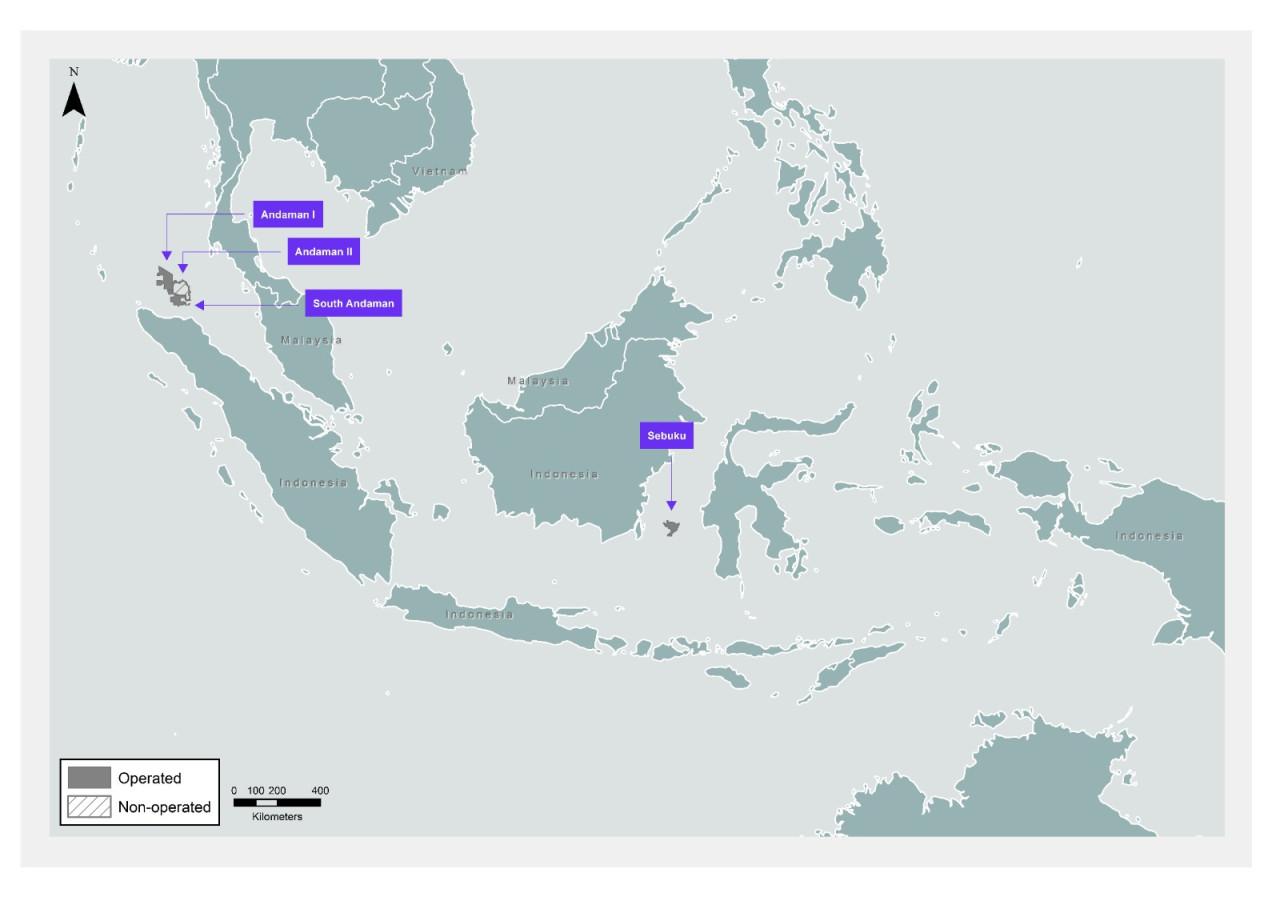
Indonesia has taken a significant step forward in its energy exploration sector by signing a contract with Harbour Energy and Abu Dhabi’s Mubadala Petroleum for the development of the Central Andaman block. The agreement is poised to unlock new prospects in the nation’s oil and gas sector, a move that is expected to enhance energy production and boost foreign investment in Indonesia’s energy resources.

The deal, which was finalized amid growing interest in Southeast Asia’s oil and gas reserves, marks a key milestone in Indonesia’s long-term strategy to increase its energy output and strengthen partnerships with international energy giants. Harbour Energy, a leading UK-based oil and gas company, alongside Mubadala Petroleum, an investment arm of the UAE’s Mubadala Investment Company, will collaborate on exploring and developing the Central Andaman block, located in the western part of Indonesia’s maritime zone. This area is rich in hydrocarbon potential, a crucial factor in meeting both domestic demand and export needs for Indonesia’s energy consumption.

This partnership is seen as a testament to Indonesia’s appeal as a prime investment destination in the energy sector. The agreement follows the country’s efforts to secure more investments in upstream oil and gas projects as part of its broader initiative to meet its energy targets. Indonesia has been working to reverse declining oil production and ensure that the nation’s oil and gas reserves continue to meet growing demand. The Central Andaman block, with its significant untapped reserves, is expected to contribute substantially to these goals.

The signing of the contract also aligns with the Indonesian government’s broader policy of attracting foreign capital into its energy sector. Harbour Energy’s track record in global exploration and Mubadala’s financial strength position both entities as highly strategic partners for the state-owned energy company, PT Pertamina. Pertamina, which will retain a stake in the project, is tasked with overseeing the development and ensuring the sustainability of operations across the block.

The Central Andaman block is located within an area known for its favorable geologic conditions, potentially offering both deepwater oil fields and gas reserves that have remained underexplored until now. The consortium’s exploration activities are expected to employ advanced technologies and methodologies to assess the block’s full potential, including seismic surveys and drilling operations in areas that have previously been difficult to access.

One of the key outcomes expected from this partnership is the improvement of Indonesia’s energy security. By developing its own oil and gas resources, Indonesia aims to reduce its dependence on energy imports, which have long been a vulnerability in its economic framework. Moreover, the exploration of new oil fields can provide an economic boost through job creation, the generation of local revenue, and the attraction of further investment into related sectors such as infrastructure and technology.

In addition to bolstering energy security, the deal also reflects growing geopolitical shifts in the global energy landscape. Southeast Asia has increasingly become a focal point for energy investments as global oil companies look for new frontiers amidst declining oil reserves in traditional oil-producing regions. The Central Andaman block’s untapped reserves add to Indonesia’s strategic importance, not only as an energy producer but also as a key player in the Indo-Pacific energy equation.

However, the path forward is not without challenges. The complex environmental and regulatory landscape of Indonesia’s offshore oil fields poses potential hurdles, including the need to adhere to stringent environmental standards while developing the block’s resources. Harbour Energy and Mubadala’s experience in managing large-scale offshore projects will likely be tested as they navigate these challenges, balancing sustainable practices with the need for efficient resource extraction.

The Indonesian government has indicated that it will continue to prioritize energy projects that contribute to the nation’s long-term economic growth while ensuring environmental sustainability. The Central Andaman block deal is expected to be closely monitored by both domestic and international stakeholders, who view the partnership as a litmus test for Indonesia’s ability to maintain its position as a leading oil and gas producer in Asia.

VISHNU RAJA
RYO YAMADA
HITORI GOTOH
IKUYO KITA