News related to
secure

Banking powerhouse Standard Chartered, in collaboration with global cryptocurrency exchange OKX, has launched an innovative pilot programme in Dubai aimed at reshaping the landscape for institutional investors trading in digital assets. This new initiative, known as the collateral mirroring programme, promises to transform how cryptocurrencies and tokenised money market funds are used as collateral, potentially setting a new standard in the industry.

The programme enables institutions to use their digital assets as collateral for trading purposes without needing to transfer these assets onto an exchange. This method significantly reduces counterparty risk, one of the primary concerns in the crypto world, particularly for large investors. The model allows firms to maintain control over their assets while still participating in the market, addressing long-standing issues surrounding asset security and liquidity.

This venture marks the first time that a major global bank, a regulated crypto platform, and a traditional asset manager have come together to support secure crypto trading for institutional investors. By collaborating, the entities are not only offering a new approach to collateral management but also strengthening the framework for institutional participation in the crypto space.

Dubai, a hub for both traditional and digital finance, serves as the ideal location for this pilot programme. The city has long been at the forefront of adopting innovative financial technologies, positioning itself as a global leader in digital asset regulation. The Dubai Financial Services Authority has consistently supported initiatives that balance innovation with regulatory oversight, providing a clear framework for the crypto industry to grow within secure boundaries.

Institutional investors have traditionally been hesitant to fully engage in cryptocurrency markets due to concerns about volatility, security, and regulatory ambiguity. The new programme addresses these concerns by ensuring that assets are not exposed to the vulnerabilities of traditional exchanges. Instead of transferring assets directly onto an exchange, they remain in the custody of the institutional investors, with their value mirrored for trading purposes. This provides a layer of protection, reducing the risks associated with custodial services and enhancing capital efficiency.

Capital efficiency is another critical factor for institutional investors, who often deal with large volumes of assets. By using cryptocurrencies and tokenised funds as collateral without the need to move them onto exchanges, investors can free up their capital for additional trading opportunities. This is a significant improvement over the current model, where assets typically need to be held in exchange accounts or liquidated to meet collateral requirements.

The programme comes at a time when institutional interest in cryptocurrencies is growing. The global market for digital assets continues to expand, with more traditional financial institutions looking to integrate crypto services into their portfolios. According to industry experts, such initiatives are a necessary step to bridge the gap between the traditional financial system and the emerging world of digital currencies. The collaboration between Standard Chartered and OKX highlights how traditional financial institutions can innovate while still adhering to regulatory standards.

The partnership is also a response to the increasing demand for tokenisation in financial markets. Tokenisation, the process of converting real-world assets into digital tokens, has gained significant traction in recent years. With tokenised assets, transactions become faster, cheaper, and more transparent, making them attractive to institutional investors. This new initiative builds on the growing trend of tokenisation, offering a secure and regulated way for investors to participate in the digital asset market.

OKX, known for its compliance with global regulations, is well-positioned to offer the technological infrastructure needed for such a programme. As one of the largest cryptocurrency exchanges in the world, it provides a secure platform for trading and asset management, making it an ideal partner for institutional investors who demand reliability and transparency.

Standard Chartered’s involvement brings an additional layer of credibility to the initiative. As one of the world’s leading banking institutions, its participation signals a growing acceptance of cryptocurrencies within the mainstream financial system. By partnering with OKX, Standard Chartered is signalling its commitment to staying ahead of the curve in the rapidly evolving world of digital assets.

The collaboration also reflects a broader trend within the financial industry towards digitalisation. More and more, traditional financial institutions are recognising the potential of blockchain and cryptocurrency technologies to enhance financial services. As digital currencies continue to gain acceptance, the lines between traditional and digital finance are becoming increasingly blurred. This programme is a tangible example of how these two worlds can work together to create a more secure, efficient, and transparent financial system.

While this pilot programme represents a major step forward, the broader implications for the global financial system remain to be seen. The success of the programme will likely influence how other financial institutions and regulators approach the integration of digital assets into their operations. Should it prove successful, it could lead to similar initiatives being launched in other financial hubs around the world.

However, challenges remain. The regulatory landscape for digital assets is still evolving, with countries and jurisdictions adopting varying stances on how cryptocurrencies should be treated. This uncertainty could pose challenges for institutions looking to engage in digital asset trading. Nevertheless, Dubai’s proactive regulatory environment provides a model that other financial centres may look to replicate as they develop their own frameworks for crypto regulation.

OpenAI is set to implement mandatory identity verification for developers seeking access to its advanced artificial intelligence models, marking a significant shift in its approach to platform security and user accountability. This move aims to mitigate misuse, enhance safety protocols, and align with broader regulatory expectations as the company prepares for the release of its next-generation AI systems. Developers will be required to submit government-issued identification to […]

SINGAPORE – Media OutReach Newswire – 14 April 2025 – MyRepublic is proud to announce the launch of Card Con, a one-day trading card convention dedicated to celebrating the vibrant and ever-growing world of Trading Card Games (TCGs) and collectibles culture. The event will take place at Suntec Singapore Convention & Exhibition Centre Level 3, Summit 2, on Saturday, 3 May 2025, and is open to collectors, […]

Tesla owners are increasingly parting ways with their electric vehicles, resulting in a surge in used car listings, as well as declining resale values. With the electric vehicle giant facing mounting criticism and ongoing controversies surrounding its CEO, Elon Musk, the trend appears to be gaining momentum. The used car market for Teslas has reached an unprecedented high, with some industry reports revealing a surge in listings, […]

The cryptocurrency market is undergoing notable shifts as key players continue to evolve and capture the attention of investors. BlockDAG, a blockchain alternative, has secured a substantial $213 million, marking a significant milestone in its rise as an emerging contender in the blockchain space. Meanwhile, Ethereum is pushing forward with upgrades aimed at improving scalability and reducing transaction costs, while Shiba Inu is testing key price levels, potentially positioning itself for a strong rally.

BlockDAG, a Distributed Acyclic Graph technology, has been garnering significant interest due to its ability to overcome some of the limitations of traditional blockchain systems. Unlike conventional blockchains, where transactions are linked sequentially, BlockDAG allows for multiple branches to be added in parallel, offering greater scalability and speed. This new approach is seen as a potential game-changer for industries requiring high throughput and low latency.

The recent funding round, which saw BlockDAG secure $213 million without the involvement of traditional venture capital firms, underscores the growing confidence in the technology’s potential. Investors have expressed interest in the efficiency of BlockDAG’s architecture, which promises to provide faster and cheaper transactions than established blockchains. The funding will be pivotal for BlockDAG to accelerate its development and expand its reach.

BlockDAG’s appeal is evident in its potential to scale more efficiently than other blockchain systems. Ethereum, for instance, continues to face scalability challenges despite its status as one of the most widely used blockchain networks. Ethereum has been pushing forward with key upgrades such as Pectra, which aims to significantly enhance the network’s scalability and reduce gas fees. These upgrades are intended to address ongoing concerns regarding transaction speed and high costs, which have often been cited as barriers to broader adoption.

The upgrade is part of Ethereum’s ongoing efforts to make the platform more efficient as it seeks to maintain its dominance in the decentralised finance space. As Ethereum progresses with its upgrades, it remains to be seen whether it will successfully fend off emerging competitors like BlockDAG, which offer distinct technological advantages.

In parallel, Shiba Inu , often referred to as a meme coin, is witnessing heightened interest as it tests a critical resistance level at $0.0000134. A breakthrough above this resistance could pave the way for a potential 20% rally, enticing speculative investors who have supported SHIB’s meteoric rise. SHIB’s rise from a meme coin to a more serious contender in the crypto space highlights the power of community-driven assets, with its strong social media presence and dedicated following.

SHIB’s price movements have attracted attention from analysts who are closely watching the cryptocurrency for signs of sustained growth. The current resistance level is seen as a crucial point for determining whether SHIB can maintain its momentum or face a downturn. If SHIB manages to break through the $0.0000134 level, it would likely attract further investment, particularly from retail traders seeking high-risk, high-reward opportunities.

Ethereum’s position as the second-largest cryptocurrency by market capitalisation also plays a significant role in the broader market’s direction. The advancements Ethereum continues to make with its ongoing upgrades could have a ripple effect across the broader cryptocurrency market. Other blockchain projects and tokens that rely on Ethereum’s network, such as decentralized applications , will likely benefit from improvements in scalability and transaction efficiency.

The continued growth of DeFi, along with the rise of alternative Layer-1 blockchains such as Solana, Avalanche, and now BlockDAG, signals an increasingly competitive landscape for Ethereum. As these platforms push the envelope on speed, cost-effectiveness, and scalability, Ethereum’s position as the go-to blockchain for smart contracts and decentralised applications will be tested in the years ahead.

Developments in the Ethereum network, especially with projects like Pectra, highlight the ongoing arms race among blockchain platforms to deliver superior performance for various use cases. Ethereum’s transition to Ethereum 2.0 is designed to address long-standing issues such as network congestion, with the proof-of-stake consensus mechanism playing a crucial role in making the network more energy-efficient.

Despite the growth of Ethereum and other competitors, the market remains highly volatile, with projects like BlockDAG, which promises high throughput and low transaction fees, providing a compelling alternative to the limitations of traditional blockchain systems. With institutional and retail investor interest intensifying, the race to capture market share in the rapidly growing blockchain space is becoming more competitive than ever.

A new report examining sponsored content across major video platforms has highlighted a persistent pay gap between male and female-identifying influencers, with women earning approximately 32% less than their male counterparts. The findings raise concerns about the growing inequalities within the influencer marketing industry, which has become a cornerstone of modern digital advertising.

The report, which analysed data from influencers across a variety of platforms including YouTube, Instagram, and TikTok, reveals significant pay disparities in terms of sponsored content deals. While influencers of all backgrounds continue to benefit from growing brand partnerships, female-identifying creators are, on average, paid less for similar work. The study underscores how these discrepancies reflect broader trends of gender inequality in both digital spaces and traditional media.

The figures reveal that female influencers receive fewer opportunities for high-paying deals, often being offered lower rates for sponsored posts, product promotions, and brand collaborations. The report’s data points to the fact that male influencers, particularly those in niches such as tech, gaming, and finance, tend to secure more lucrative partnerships than their female peers in comparable sectors. This gendered imbalance, according to experts, is a reflection of traditional gender roles and stereotypes that persist in the marketing and media industries.

In addition to pay disparities, the study found that women face more significant barriers in building long-term brand partnerships. Many brands tend to favour male influencers for high-profile campaigns due to the perception that they have wider appeal or higher engagement rates, despite data suggesting that women often generate stronger, more engaged communities. This phenomenon is particularly noticeable on platforms like Instagram, where beauty and lifestyle influencers are often sidelined in favour of male influencers for more high-budget campaigns.

Experts point out that these disparities are not necessarily due to a lack of talent or audience engagement, but rather stem from systemic biases within the industry. The report suggests that while the influencer marketing sector has flourished in recent years, the business side of the industry remains influenced by traditional, outdated gender norms. Men are still often seen as more “marketable” or “trustworthy” figures, while female influencers are viewed as more niche or limited in scope, despite growing evidence to the contrary.

The report also shines a light on the disproportionate representation of women in lower-paying categories. Female creators are often pigeonholed into specific content genres, such as beauty, fashion, or lifestyle, which generally attract lower sponsorships compared to male-dominated categories like technology or business. As a result, women in these areas are frequently excluded from the larger, more lucrative sponsorship deals that their male counterparts in tech or finance enjoy. This limits their earning potential and opportunities for career advancement.

The study also explored the influence of demographic factors, showing that women of colour, in particular, face even steeper pay gaps, earning up to 40% less than white men in some cases. This intersectional analysis further highlights the compounded nature of discrimination, where race and gender together exacerbate earning disparities in the influencer space. The report calls for more inclusivity and equitable representation in all sectors of the influencer industry to address this issue more effectively.

The findings have sparked a broader conversation within the influencer marketing industry about the need for systemic change. Advocates for equal pay and representation argue that brands and agencies must take a more active role in addressing these inequalities by establishing transparent pay structures and offering equal opportunities for all creators, regardless of gender. This includes not only ensuring equitable pay for sponsored content but also providing women with the same opportunities for visibility and brand collaborations as their male counterparts.

Some industry leaders have already begun to take action, launching initiatives aimed at closing the gender pay gap in influencer marketing. These include offering mentorship programs, providing financial literacy resources, and creating more inclusive content opportunities for female influencers. Additionally, there have been calls for platforms themselves to implement measures that promote fairness and equity, such as algorithmic adjustments to ensure equal exposure for all creators, regardless of gender.

Mubadala Energy, the international energy arm of Abu Dhabi’s Mubadala Investment Company, has entered the US energy sector by acquiring a 24.1% stake in SoTex HoldCo, a portfolio of Kimmeridge Energy Management. The transaction, executed through the issuance of new equity, marks Mubadala’s inaugural investment in the United States. SoTex HoldCo encompasses two key assets: Kimmeridge Texas Gas , an upstream natural gas producer operating in South […]

Advertisements

South Korea has deferred the enforcement of the Credit Information Act on cryptocurrency exchanges until 1 December 2025, providing a grace period during which penalties will not be imposed unless violations involve intent or gross negligence. The Act mandates that crypto exchanges treat user transaction records as sensitive credit information, aligning them with traditional financial institutions in terms of data handling and protection.

This postponement allows exchanges additional time to adapt their systems and processes to comply with the stringent requirements of the Act. The Financial Services Commission has indicated that during this grace period, it will focus on guiding exchanges towards compliance rather than penalising them, unless there is clear evidence of deliberate or grossly negligent misconduct.

The Credit Information Act’s application to the crypto sector is part of South Korea’s broader initiative to regulate digital assets more comprehensively. The Act’s provisions require exchanges to implement robust data protection measures, including the secure storage of user data and the establishment of protocols to prevent data breaches. These measures are intended to enhance user trust and align the crypto industry’s practices with those of the traditional financial sector.

In the interim, the Virtual Asset User Protection Act, which came into effect on 19 July 2024, continues to govern the crypto industry. This Act mandates that exchanges store at least 80% of user deposits in cold storage, separate from their own funds, and entrust users’ cash deposits to licensed local banks. Additionally, exchanges are required to maintain cryptocurrency reserves matching customer deposits and to have insurance or reserve funds to cover potential losses from hacks or liquidity issues.

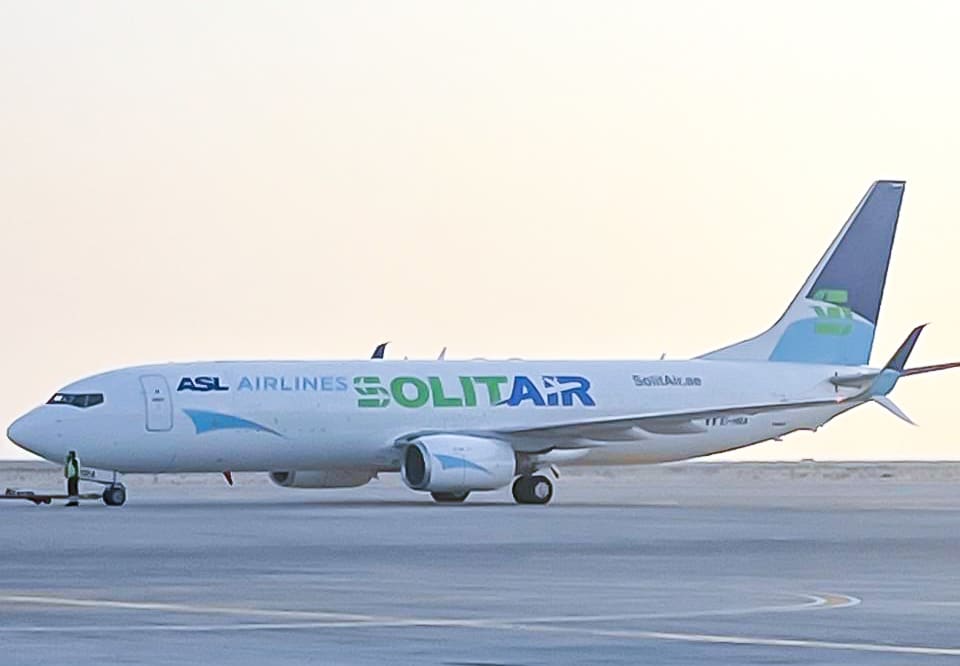
Dubai-based cargo airline SolitAir has secured its Air Operator Certificate from the United Arab Emirates’ General Civil Aviation Authority , marking a significant milestone in its operational expansion. The certification, issued under UAE Civil Aviation Regulations Part V, Chapter 4, authorises SolitAir to operate as a licensed air cargo carrier, following a rigorous evaluation of its operational, safety, and financial standards.

Headquartered at Dubai World Central , SolitAir specialises in middle-mile cargo services, connecting key logistics hubs across the Middle East, South Asia, and Central Asia. The airline’s fleet now comprises three Boeing 737-800 Boeing Converted Freighters —one of which is on a dry lease—and one Boeing 737-400 BCF. This expansion supports operations from its 220,000-square-foot logistics facility at DWC, enhancing its capacity to meet growing regional demand.

The AOC also facilitates SolitAir’s transition from chartered operations to in-house management of its aircraft. Notably, the airline has taken delivery of a 20-year-old Boeing 737-800 BCF, previously operated by carriers including Air India Express and TUI fly Germany. This aircraft, converted to a freighter in 2023, is currently undergoing maintenance in Sofia before entering service under SolitAir’s registry.

SolitAir’s operational strategy includes partnerships with ASL Airlines Ireland, from which it leases two additional Boeing 737-800 BCFs. These aircraft continue to operate under ASL’s ‘5H’ code, reflecting the collaborative nature of SolitAir’s fleet management approach.

The airline has initiated routes to Bangalore, India; Erbil, Iraq; and Riyadh, Saudi Arabia, aligning with its focus on underserved regional markets. Future plans involve expanding services to Africa, the Gulf Cooperation Council countries, the Indian subcontinent, and Central Asian nations, catering to integrators, freight forwarders, express operators, and e-commerce entities.

Abu Dhabi-based Mubadala Energy has announced a strategic partnership with Kimmeridge Energy Management to acquire a significant stake in the Commonwealth LNG project in Cameron, Louisiana. This move marks Mubadala Energy’s inaugural investment in the United States’ liquefied natural gas sector, aligning with its strategy to expand its gas portfolio amid the global energy transition.

Kimmeridge Energy Management, through its subsidiary Kimmeridge Texas Gas, acquired a 90% stake in Commonwealth LNG in June 2024. The project is developing a 9.5 million metric tons per annum LNG export facility on the west bank of the Calcasieu Ship Channel. The acquisition aimed to advance the project towards a final investment decision by the end of the second quarter of 2025.

In August 2023, Commonwealth LNG secured development capital from Kimmeridge, completing the funding required to reach FID. The two companies agreed in principle on a 20-year, 2 mtpa LNG offtake commitment from the facility, along with associated gas supply. This agreement also included terms for Kimmeridge’s participation in providing further equity to support the construction of the facility.

Mubadala Energy’s entry into the partnership brings additional financial strength and international expertise to the Commonwealth LNG project. While specific details of Mubadala’s investment have not been disclosed, the collaboration is expected to enhance the project’s prospects amid a competitive and evolving LNG market.

The Commonwealth LNG project has faced regulatory challenges, particularly concerning the U.S. Department of Energy’s approval process for LNG export licenses. The project has been awaiting an export permit for over a year, with delays attributed to the Biden administration’s pause on LNG export-permit reviews. Kimmeridge’s Managing Partner, Ben Dell, expressed optimism that the pause could be lifted early next year, potentially allowing the project to reach FID in the fourth quarter of 2025.

In anticipation of regulatory approvals, Commonwealth LNG has been proactive in securing partnerships and agreements to bolster the project’s development. In August 2023, the company entered into a collaboration with Baker Hughes for the supply of gas compression technology and equipment, aiming to commence production in early 2027. Additionally, Commonwealth LNG and Kimmeridge Texas Gas committed to natural gas certification under MiQ standards, reflecting a focus on environmental responsibility.

Inks three signings in Q1 2025 to add 600 units under the Oakwood brand, bringing Ascott’s current portfolio in India to ~6,100 units Introduces lyf, The Crest Collection and The Unlimited Collection brands to cater to the evolving needs of next-gen travellers and address the growing demand for authentic Indian heritage and cultural experiences MUMBAI, INDIA / SINGAPORE – Media OutReach Newswire – 10 April 2025 – […]

The much-anticipated auction of ‘REAL’, a memecoin associated with mixed martial arts champion Conor McGregor, concluded without meeting its $1 million minimum bid. Organized by Real World Gaming , the auction aimed to capitalize on McGregor’s global appeal to fund innovative gaming projects. Despite expectations, the initiative did not attract the necessary financial backing.

Real World Gaming, formerly known as Balthazar DAO, rebranded in June 2022 to better align with its mission of integrating blockchain technology into the gaming industry. The organization focuses on developing next-generation wagering games and has been actively involved in the Web3 gaming space. The ‘REAL’ token was envisioned as a bridge between the gaming community and cryptocurrency enthusiasts, offering unique experiences and governance rights within the RWG ecosystem.

The auction’s failure to secure the minimum bid reflects the volatile nature of the cryptocurrency market, particularly concerning celebrity-endorsed tokens. While some memecoins have experienced significant surges, others have struggled to gain traction. The ‘REAL’ token’s underperformance may be attributed to several factors, including market saturation with similar offerings and growing investor skepticism toward celebrity-backed cryptocurrencies.

In contrast, other sectors within the cryptocurrency market have shown remarkable growth. Meme coins and real-world assets have led market gains in 2024. Leading meme coins such as Dogecoin , Shiba Inu , dogwifhat , Pepe , Bonk , and Floki Inu have seen their prices surge by an average of 338% year-to-date. Notably, dogwifhat’s value increased from less than $0.02 at the beginning of 2024 to around $1.80, reaching an all-time high of $4.58 in April. Similarly, real-world assets like Mantra and Ondo have experienced substantial gains, with increases of 1,570% and 380%, respectively.

The Central Bank of the United Arab Emirates has officially granted Tap Payments a Retail Payment Services license, marking a significant advancement for the fintech company in the Middle East and North Africa region. This authorization enables Tap Payments to offer comprehensive payment solutions, including merchant acquiring, payment aggregation services, and domestic fund transfers within the UAE.

Established in 2014, Tap Payments has rapidly expanded its footprint across the MENA region, serving over 100,000 businesses in countries such as Saudi Arabia, Kuwait, Bahrain, Qatar, Oman, Egypt, Jordan, Lebanon, and the UAE. The company’s mission centers on simplifying online payments and fostering financial inclusion through innovative technology.

The acquisition of the UAE license aligns with Tap Payments’ strategic vision to unify and streamline payment processes across the region. This development is particularly timely, as the UAE’s e-commerce market is projected to reach $17 billion by 2025, reflecting a compound annual growth rate of 11%. The surge in digital transactions underscores the growing demand for secure and efficient payment solutions.

In addition to the UAE, Tap Payments has secured regulatory approvals in several other Gulf Cooperation Council countries. In March 2024, the company obtained the Electronic Payment Service Provider License from the Central Bank of Kuwait, adhering to the latest business regulations issued in May 2023. This achievement underscores Tap Payments’ commitment to compliance and innovation in the financial technology sector.

In May 2024, Tap Payments received the Payment Service Provider license from the Qatar Central Bank. This milestone aligns with Qatar’s National Vision 2030, emphasizing the country’s dedication to fostering a robust digital economy. The license enables Tap Payments to offer its full suite of payment solutions to businesses and consumers in Qatar, further solidifying its presence in the region.

Smart Mobility International , a UAE-based distributor of New Energy Vehicles , has entered into a strategic partnership with IM Motors, a Chinese electric vehicle manufacturer co-founded by SAIC Motor, Alibaba Group, and Shanghai Zhangjiang Hi-Tech Park Development. This collaboration aims to introduce IM Motors’ premium electric vehicles to the United Arab Emirates , marking the brand’s inaugural entry into the Gulf Cooperation Council region.

IM Motors, established in 2020, has rapidly gained recognition for its innovative approach to electric mobility. The company’s vehicle lineup includes models such as the IM L7 sedan and the IM LS7 SUV, both of which have garnered attention for their advanced technology and design. In March 2024, IM Motors secured over 8 billion yuan in a Series B equity financing round. This funding, one of the largest investments in Chinese EV brands in recent years, was led by prominent state-backed investors, including Bank of China’s asset management unit, an investment arm of Agricultural Bank of China, and Shanghai government-backed Lingang Group. The capital infusion is earmarked for the development of new smart car models, technological advancements, and overseas expansion plans.

SMI has been proactive in aligning with the UAE’s vision for sustainable transportation. In January 2025, the company announced the opening of a specialized NEV service center in Dubai’s Al Quoz automotive district. This facility is designed to offer comprehensive maintenance services tailored to electric vehicles, including quick service areas, specialized battery care sections, and advanced diagnostic tools. The initiative reflects SMI’s commitment to supporting the UAE’s goal of increasing NEVs to 50% of the total vehicles on the nation’s roads by 2050.

The partnership between SMI and IM Motors is poised to introduce a range of premium electric vehicles to the UAE market. While specific models and timelines have yet to be announced, industry observers anticipate that IM Motors’ flagship vehicles, such as the IM L7 and IM LS7, will be among the first offerings. These models are known for their cutting-edge features, including autonomous driving capabilities, advanced infotainment systems, and impressive driving ranges.

The UAE’s automotive market has witnessed a surge in interest towards electric vehicles, driven by government initiatives promoting sustainable energy and reducing carbon emissions. The introduction of IM Motors’ vehicles is expected to cater to the growing demand for high-performance, environmentally friendly transportation options.

The Open Network Foundation has announced plans to make its self-custodial TON Wallet available to users in the United States during the second quarter of 2025. This development follows a series of strategic initiatives aimed at expanding the global reach of the TON ecosystem, particularly through its integration with the Telegram messaging platform.

The TON Wallet, a self-custodial digital asset management tool, enables users to store, send, and receive Toncoin and other digital assets directly within Telegram. This integration seeks to simplify cryptocurrency transactions for Telegram’s extensive user base, which exceeds 950 million monthly active users. The wallet’s design emphasizes user control, allowing individuals to manage their private keys and assets without reliance on third-party custodians.

The journey toward this U.S. launch has been marked by significant milestones. In November 2023, the TON Foundation initiated the global rollout of the wallet, starting with select countries in Africa. This phased approach aimed to address regional regulatory considerations and ensure a smooth user experience across different markets. Subsequent expansions targeted the Middle East, Europe, and the Asia-Pacific region, with the goal of achieving worldwide availability by the second quarter of 2024.

However, the U.S. market presented unique challenges. Regulatory complexities necessitated a more cautious approach, leading to a delayed introduction of the TON Wallet in the United States. The TON Foundation has been actively engaging with U.S. regulators to ensure compliance with local laws and to facilitate a secure and legally sound launch.

This expansion aligns with a deepening partnership between the TON Foundation and Telegram. In January 2025, the two entities announced an exclusivity agreement, designating TON as the sole blockchain infrastructure for Telegram’s Mini App ecosystem. Central to this collaboration is the adoption of TON Connect, a protocol that links Telegram Mini Apps to blockchain wallets, streamlining user interactions with decentralized applications within the messaging platform.

Telegram has committed to accepting Toncoin as the exclusive cryptocurrency for non-fiat payments on its platform. This includes services such as Telegram Stars, Telegram Premium, Telegram Ads, and Telegram Gateway. Developers and channel owners are set to receive payments and advertisement revenues exclusively in Toncoin, reinforcing the token’s utility within the Telegram ecosystem.

The introduction of the TON Wallet to U.S. users is anticipated to significantly enhance the adoption of Toncoin and related services. By integrating cryptocurrency management directly into Telegram, the TON Foundation aims to lower the barriers to entry for users new to digital assets, offering a familiar and user-friendly interface.

Industry observers note that this move could have broader implications for the cryptocurrency landscape in the United States. The seamless integration of a self-custodial wallet into a widely used messaging app may serve as a model for other platforms seeking to incorporate digital asset functionalities. Moreover, it underscores the growing convergence between social media platforms and blockchain technologies, a trend that is likely to shape the future of digital interactions.

As the second quarter of 2025 approaches, U.S. users can anticipate access to the TON Wallet within their Telegram app settings. The TON Foundation has expressed confidence that this launch will not only expand the user base of Toncoin but also foster greater engagement with decentralized applications and services built on the TON blockchain.

SILQ Group, a newly established commerce platform, has secured $110 million in a funding round led by Sanabil Investments, the venture capital arm of Saudi Arabia’s Public Investment Fund , and Valar Ventures, co-founded by tech entrepreneur Peter Thiel. This investment underscores the growing interest of major financial entities in innovative commerce solutions within the Middle East. Sanabil Investments, a wholly owned subsidiary of the $925 billion […]

On average, Malaysian online sellers have adopted AI in only 26% of their business operations, significantly lower than the SEA average of 37%. Indonesia and Vietnam lead average AI adoption in eCommerce in Southeast Asia, followed by Singapore and Thailand. Lazada’s new playbook provides sellers with best practices, actionable insights and resources to help integrate AI into their operations. KUALA LUMPUR, MALAYSIA – Media OutReach Newswire – […]

SINGAPORE – Media OutReach Newswire – 8 April 2025 – Juspay, a global leader in payment infrastructure for enterprises and banks, has secured $60 million as part of its Series D funding round in a combination of primary and secondary investments. This investment round was led by Kedaara Capital with participation from existing investors Softbank and Accel. Juspay has expanded its global footprint across Asia-Pacific, Latin America, […]

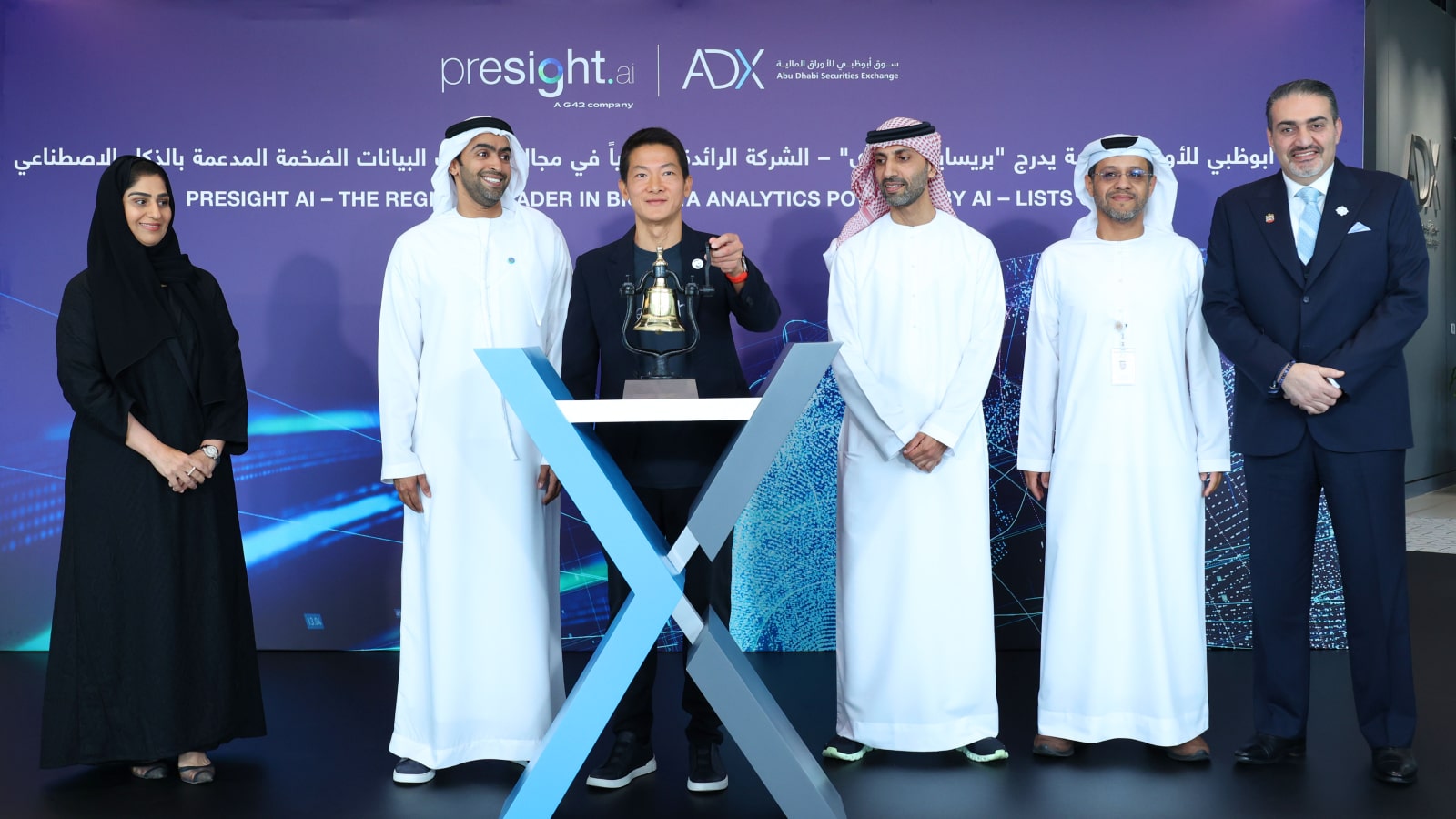
Beacon Red, a subsidiary of the EDGE Group specializing in national security solutions, has entered into a strategic Memorandum of Understanding with Presight AI, a leading provider of big data analytics powered by artificial intelligence. The agreement aims to explore synergies between Presight’s advanced AI and omni-analytics capabilities and Beacon Red’s mission-focused security solutions. The partnership was formalized during the LAAD Defence & Security 2025 exhibition at the Riocentro Exhibition and Convention Center in Rio de Janeiro, Brazil.

The collaboration between Beacon Red and Presight AI is set to leverage the strengths of both entities to develop innovative security solutions. Beacon Red has a track record of tackling complex national security challenges, offering advanced solutions in areas such as cyber defense and secure communications. Presight AI, on the other hand, has established itself as a key player in the AI and big data analytics sector, with partnerships aimed at revolutionizing crisis and disaster management through the integration of advanced data analytics and AI into emergency response systems.

This alliance is expected to focus on integrating Presight’s AI-driven analytics with Beacon Red’s security platforms to enhance situational awareness and decision-making processes in security operations. By combining Presight’s capabilities in processing and analyzing vast amounts of data with Beacon Red’s expertise in security solutions, the partnership aims to deliver comprehensive tools for threat detection and response.

The MoU signifies a commitment to joint research and development efforts, with the goal of creating solutions that address emerging security challenges. Both companies have previously demonstrated a commitment to innovation and collaboration in their respective fields. Presight AI has engaged in partnerships to enhance video analytics capabilities for smart city initiatives, while Beacon Red has been recognized for fostering a high-performance culture and developing cutting-edge security solutions.

The formalization of this partnership at LAAD Defence & Security 2025 underscores the importance of international collaboration in advancing security technologies. The exhibition serves as a platform for defense and security companies to showcase innovations and forge strategic alliances. The Beacon Red and Presight AI partnership exemplifies the trend of cross-sector collaborations aimed at leveraging technological advancements to address complex security issues globally.

As the security landscape continues to evolve with the advent of new technologies and emerging threats, collaborations such as this are poised to play a crucial role in developing solutions that are both effective and adaptable. The integration of AI and big data analytics into security operations offers the potential for more proactive and informed decision-making, ultimately contributing to enhanced security outcomes.

The partnership between Beacon Red and Presight AI reflects a strategic move to harness the power of artificial intelligence in the realm of national security. By combining their respective expertise, the two companies aim to develop solutions that not only address current security challenges but also anticipate and adapt to future threats. This collaboration is indicative of a broader industry trend where technology and security firms are joining forces to create integrated solutions that leverage the latest advancements in AI and data analytics.

While specific details of the joint initiatives have not been disclosed, the partnership is expected to focus on areas where AI can significantly enhance security operations, such as predictive analytics, real-time threat detection, and automated response mechanisms. By integrating AI into security platforms, the collaboration aims to provide security professionals with tools that offer deeper insights and more efficient processes, ultimately leading to more effective security measures.

The collaboration also aligns with broader efforts within the EDGE Group to expand its capabilities in electronic warfare and cyber technologies. The group’s focus on integrating advanced technologies into its portfolio reflects a commitment to staying at the forefront of the defense and security industry. By partnering with technology firms like Presight AI, EDGE entities such as Beacon Red are positioned to offer more sophisticated and comprehensive solutions to their clients.

In the context of global security, partnerships that bridge the gap between technology and defense are becoming increasingly important. The integration of AI into security operations offers the potential to transform how threats are detected and managed, enabling more proactive and adaptive responses. As such, collaborations like the one between Beacon Red and Presight AI are not only beneficial for the companies involved but also for the broader security landscape.

The formalization of this partnership at an international event like LAAD Defence & Security 2025 highlights the global nature of security challenges and the need for cross-border collaborations to address them effectively. By coming together, companies from different regions and sectors can combine their strengths to develop solutions that are more robust and versatile.

The United Arab Emirates has reaffirmed its position as the global leader in Fibre to the Home connectivity, achieving a penetration rate of 99.3%. This marks the eighth consecutive year the nation has topped international rankings, surpassing technological hubs such as Singapore, Hong Kong, China, and South Korea. The FTTH Council’s latest annual report highlights this milestone, underscoring the UAE’s commitment to advancing its digital infrastructure.

The FTTH Council’s analysis encompassed data from 20 countries with FTTH availability exceeding 50%. Singapore secured the second position with a penetration rate of 97.1%, followed by Hong Kong at 95.3%, China at 92.9%, and South Korea at 91.5%. The UAE’s leading status reflects the nation’s strategic emphasis on developing next-generation digital infrastructure to support its economic and technological ambitions.

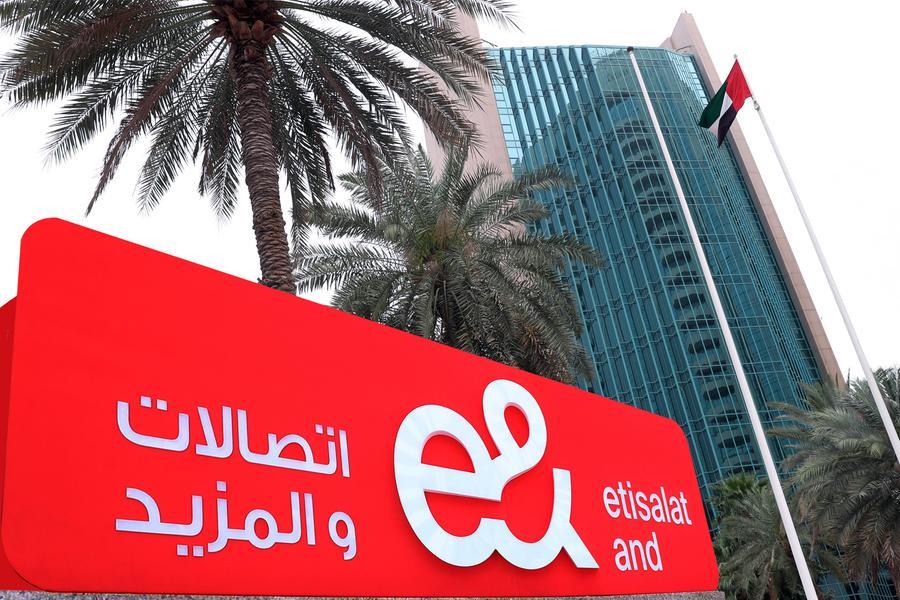
Central to this achievement is e& UAE, formerly known as Etisalat, which has played a pivotal role in enhancing the country’s connectivity landscape. The company has consistently invested in and developed world-class infrastructure for both 5G and fibre networks. Masood M. Sharif Mahmood, CEO of e& UAE, stated that the UAE’s proactive strategies and investments in fibre connectivity are a testament to the nation’s visionary leadership and its confidence to empower people to thrive in the digital age.

The UAE’s focus on fibre connectivity is integral to its broader digital transformation agenda. The nation has continuously invested in innovation and next-generation technologies to expand and enhance its infrastructure. This robust network forms the backbone of a digital ecosystem that supports various advanced technologies, including augmented reality, robotics, and artificial intelligence.

The high FTTH penetration rate offers tangible benefits to both consumers and enterprises. For consumers, it translates to high-speed internet access, facilitating seamless experiences in gaming, streaming, and other bandwidth-intensive applications. Enterprises, on the other hand, can leverage this infrastructure to support advanced use cases, applications, and technologies, thereby driving digital transformation across various sectors.

Beyond performance enhancements, fibre connectivity contributes to energy efficiency and sustainability goals. It is also critical in advancing hyperscalers, 5G Advanced, data centre connectivity, smart cities, and AI-driven initiatives. The UAE’s commitment to fibre connectivity aligns with its vision to become a global hub for innovation and technology.

Dubai’s Roads and Transport Authority has entered into strategic agreements with Uber Technologies, WeRide, and Baidu’s Apollo Go to introduce autonomous taxi services in the emirate. These collaborations aim to integrate self-driving vehicles into Dubai’s transportation network, aligning with the city’s goal of making 25% of all journeys autonomous by 2030. Under the partnership, WeRide will deploy its autonomous vehicles through Uber’s platform in Dubai. WeRide, which […]

e& PPF Telecom Group, a joint venture between Emirates Telecommunications Group Company and Czech-based PPF Group, has finalized the acquisition of Serbia Broadband for €825 million. This transaction, structured on a cash-free, debt-free basis, was financed through external debt secured by e& PPF Telecom.

SBB, established in 2002, is a leading cable television and broadband internet service provider in Serbia, boasting over 700,000 active customers. The acquisition aligns with e&’s strategic ambition to scale up its international presence in Central Eastern Europe, diversify revenue sources with greater exposure to stable currencies, and accelerate growth in e& PPF Telecom.

The deal also involves the carve-out of SBB’s direct-to-home satellite operations, which will be sold to Telekom Srbija. United Group, the previous owner of SBB, will retain its media assets, including news and entertainment channels N1 and Nova S, which will continue to be broadcast by SBB.

Balesh Sharma, CEO of e& PPF Telecom Group, expressed confidence in the acquisition, stating that it would allow the company to complement existing services offered to Yettel customers in Serbia and provide a wider suite of offerings to SBB subscribers. He emphasized that customers would benefit from the synergies brought about by this transaction.

This acquisition is part of e&’s broader strategy to expand its footprint in Central Eastern Europe. In October 2024, e& acquired a 50% stake plus one share in PPF Telecom Group’s assets in the region for €2.15 billion, forming the e& PPF Telecom Group. This joint venture now operates in Serbia, Hungary, Bulgaria, and Slovakia, with a focus on expanding its telecommunications portfolio.

The completion of the SBB acquisition is expected to enhance e& PPF Telecom Group’s operations in Serbia by integrating SBB with its existing mobile operator, Yettel. This integration aims to create a leading converged operator in the Serbian market, offering both fixed-line and mobile services.

United Group’s decision to divest SBB aligns with its strategy to focus on markets where it can provide the full spectrum of mobile and fixed telecommunication services. Victoriya Boklag, CEO of United Group, stated that the divestment would enable the company to realize the greatest potential for growth and value creation.

Gears up to launch Aspire Yield SINGAPORE – Media OutReach Neswire – 3 April 2025 – ASG2 Pte Ltd, a subsidiary of Aspire, a Singapore-headquartered all-in-one finance platform for modern businesses, today announced that it has secured the Capital Markets Services Licence (CMS) from the Monetary Authority of Singapore (MAS). The licence will enable Aspire to better serve businesses in Singapore by widening its offering to include […]

American Bitcoin, a US-based Bitcoin mining company, is poised to make a significant move in the market by exploring options for a public listing or introducing private equity to fuel its expansion. The company, jointly founded by Hut 8 and American Data Centers, has garnered attention due to its ambitious plans to scale its operations and leverage the ongoing surge in cryptocurrency demand. This move is being closely watched by industry experts, investors, and stakeholders as the company aims to position itself as a key player in the rapidly evolving world of cryptocurrency mining.

With the support of the Trump family, American Bitcoin’s market ambitions have taken a prominent position in the crypto sector. The backing from a high-profile family brings additional visibility and credibility to the company’s potential to disrupt the Bitcoin mining space. This strategic partnership is expected to provide American Bitcoin with not only financial resources but also valuable connections and a broader network within both the tech and investment communities.

The cryptocurrency market has experienced a marked increase in interest and investment over the past few years, particularly in Bitcoin mining. As the flagship cryptocurrency continues to dominate market discussions, mining operations that can scale efficiently are being highly sought after by both institutional investors and private equity firms. American Bitcoin’s strategy includes utilising state-of-the-art mining technology and securing access to renewable energy sources to ensure long-term sustainability and cost efficiency in its operations.

As of now, American Bitcoin is weighing whether to pursue an initial public offering or opt for private equity funding. An IPO would provide the company with the potential to raise capital from a wide array of investors, offering shares to the public and solidifying its position in the mainstream market. On the other hand, private equity could provide more flexibility in terms of growth strategy and operational control, as it would involve raising funds from select private investors.

The decision between the two paths is a critical one, as the company must balance the need for substantial capital with its desire to maintain a certain level of autonomy. Industry experts believe that both options could provide valuable opportunities for American Bitcoin to fuel its growth and meet the increasing demand for Bitcoin mining operations. However, the success of either approach will depend heavily on the company’s ability to convince investors of its long-term profitability and strategic vision.

The timing of this potential move also comes at a crucial moment for the cryptocurrency industry. Bitcoin’s market performance, while volatile, continues to demonstrate its resilience as an asset class. Furthermore, the broader acceptance of cryptocurrencies as a legitimate financial instrument by both governments and private institutions has created a favourable environment for companies like American Bitcoin to thrive.

Looking ahead, American Bitcoin’s plans to scale its operations are set against the backdrop of increasing competition in the cryptocurrency mining sector. The company will need to differentiate itself by offering innovative solutions, optimising its operations, and tapping into new market opportunities. The role of its backers, including the Trump family, could prove pivotal in shaping the company’s ability to secure its place in a crowded market.

The Bitcoin mining industry, known for its capital-intensive nature, requires substantial investments in hardware, energy, and infrastructure. As a result, companies within the sector are constantly exploring ways to improve efficiency and reduce costs while maintaining profitability. American Bitcoin’s strategic focus on renewable energy sources and cutting-edge mining technology positions it as a forward-thinking company in an industry that is often criticised for its environmental impact.

The company’s leadership is also keenly aware of the need to build a strong brand identity and attract investors who are aligned with its long-term vision. By positioning itself as an environmentally conscious and technologically advanced company, American Bitcoin hopes to set itself apart from competitors that may not be as focused on sustainability or innovation.

Beyond the financial considerations, American Bitcoin’s public offering or private equity introduction will have broader implications for the cryptocurrency mining industry. If successful, it could signal a new wave of institutional involvement in the sector, attracting both investors and talent eager to capitalise on the growing demand for Bitcoin and other cryptocurrencies. This, in turn, could lead to further advancements in mining technology and operational strategies, ultimately shaping the future of the industry.

The involvement of the Trump family in American Bitcoin’s journey adds a layer of intrigue to the company’s potential growth. With a history of significant influence in both business and political circles, their participation brings an element of prestige and recognition that could help the company navigate the complex regulatory landscape surrounding cryptocurrency mining.

VISHNU RAJA
RYO YAMADA
HITORI GOTOH
IKUYO KITA