News related to
secure

The International Monetary Fund (IMF) has released its comprehensive research assessing the cyber resilience of the ecosystem supporting central bank digital currencies (CBDCs). The study, published at the end of August, addresses the growing need for updated payment systems and highlights both the opportunities and challenges presented by CBDCs. As central banks worldwide explore digital currencies, the IMF’s report stresses the critical importance of cybersecurity. According to […]

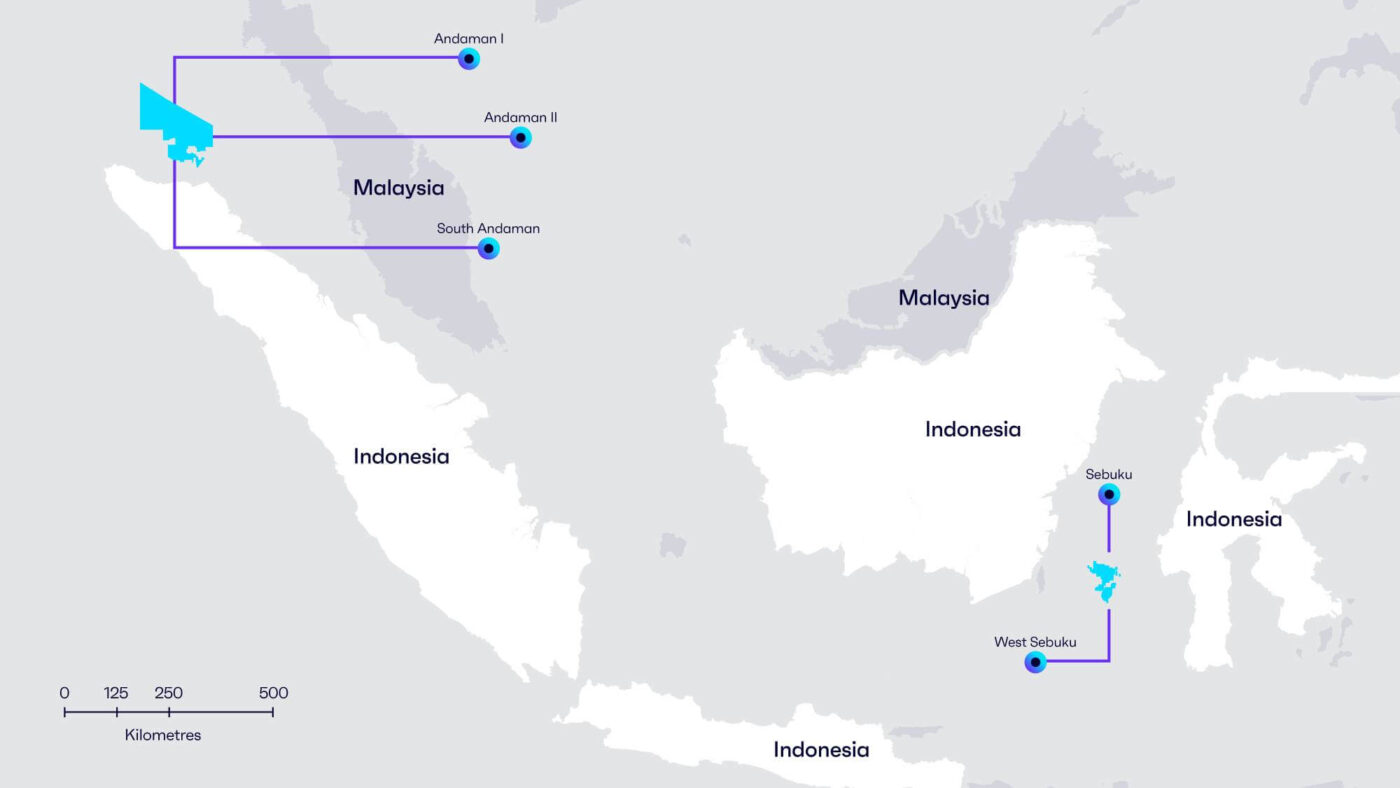
Mubadala Energy has secured a major step forward in its Andaman exploration endeavors by obtaining the Central Andaman block exploration license. This milestone, achieved in collaboration with Harbour Energy, marks a significant development in the company’s expansion within the Southeast Asian energy sector.

The Central Andaman license, granted by MIGAS, Indonesia’s oil and gas regulatory authority, assigns Harbour Energy a 60 percent operated interest while Mubadala Energy holds a 40 percent stake. This acquisition underscores Mubadala’s strategic push into promising new territories and enhances its portfolio in the region.

The Central Andaman block, located in the Andaman Sea, is viewed as a highly prospective area due to its potential for hydrocarbon resources. The license award follows a competitive bidding process and is part of Indonesia’s broader efforts to attract foreign investment into its oil and gas sector. The block’s exploration will be pivotal in evaluating its commercial viability, with significant implications for the regional energy market.

Mubadala Energy’s entry into the Central Andaman block aligns with its broader strategy to diversify its energy assets and increase its footprint in high-growth regions. The company has been actively expanding its operations across various geographies, focusing on regions with substantial untapped potential. The Andaman Sea’s geology and exploration data suggest promising opportunities, making it an attractive investment for Mubadala and its partners.

The collaboration between Mubadala Energy and Harbour Energy is expected to leverage both companies’ expertise and resources. Harbour Energy, known for its operational experience and technical capabilities, will lead the exploration activities, while Mubadala Energy will contribute its financial strength and strategic oversight. This partnership is set to optimize the exploration process and enhance the chances of discovering commercially viable hydrocarbon reserves.

Indonesia’s oil and gas sector has been increasingly open to foreign partnerships as it seeks to boost its exploration and production capabilities. The Central Andaman license is one of several new exploration opportunities being offered to international investors, reflecting Indonesia’s commitment to developing its energy resources and attracting global investment.

This development comes at a time when the global energy market is undergoing significant transformations. As countries and companies pivot towards more sustainable energy sources, traditional oil and gas exploration continues to play a critical role in meeting global energy demands. For Mubadala Energy, the Central Andaman block represents not just an expansion of its portfolio but also a strategic investment in a region with promising prospects for future growth.

The award of the Central Andaman exploration license is a testament to Mubadala Energy’s proactive approach in identifying and capitalizing on new opportunities in the energy sector. The company’s focus on strategic partnerships and investments in emerging markets reflects its broader vision of becoming a leading player in the global energy landscape.

As exploration activities commence, the focus will be on assessing the block’s potential through detailed geological surveys and drilling programs. The results of these activities will be crucial in determining the block’s commercial viability and in shaping future investment decisions. The outcomes will likely have broader implications for Mubadala Energy’s strategic direction and its role in the Southeast Asian energy market.

This license award highlights Indonesia’s ongoing efforts to foster a favorable environment for foreign investment in its oil and gas sector. By attracting reputable international companies like Mubadala Energy and Harbour Energy, Indonesia aims to enhance its exploration and production capabilities while boosting economic growth through increased foreign investment.

Abu Dhabi’s renowned global tech ecosystem, Hub71, has recently integrated 21 startups into its 15th cohort, boosting the total number of supported ventures to 243. This move underscores Hub71’s commitment to fostering technological advancement and innovation within the emirate’s key industry sectors. The new cohort has collectively secured $134.9 million in funding, reflecting Hub71’s pivotal role in enhancing Abu Dhabi’s position as a hub for technology and entrepreneurship.

The latest cohort spans various technology sectors, including artificial intelligence, fintech, and biotechnology, aligning with Abu Dhabi’s strategic focus on diversifying its economy and nurturing emerging technologies. Each of these startups brings unique innovations to the table, aiming to address pressing global challenges and contribute to the emirate’s technological landscape.

Hub71, which operates under the umbrella of Abu Dhabi’s government-backed initiatives, has established itself as a crucial player in the startup ecosystem. It offers a comprehensive suite of support services, including office space, funding opportunities, and strategic mentorship. This support structure is designed to propel startups towards sustainable growth and global competitiveness.

The selection process for Cohort 15 was highly competitive, involving rigorous evaluations to identify ventures with high growth potential and alignment with Abu Dhabi’s economic priorities. This meticulous process ensures that only the most promising startups gain entry into Hub71’s ecosystem, thus enhancing the overall quality and impact of the ventures it supports.

Among the new entrants is a diverse range of companies, from emerging fintech solutions to pioneering biotech firms. These startups not only have substantial funding but also possess innovative solutions that could revolutionize their respective fields. Their participation in Hub71 provides them with invaluable resources and networking opportunities, crucial for scaling their operations and achieving long-term success.

The impact of these startups on Abu Dhabi’s economy and technology sector is significant. Their contributions are expected to drive advancements in key areas such as digital transformation, health tech, and financial services. By integrating these startups into its ecosystem, Hub71 is reinforcing its role as a catalyst for economic development and technological innovation in the region.

This cohort’s impressive funding achievements highlight the growing investor confidence in Abu Dhabi’s tech sector. The substantial capital raised by these startups not only validates their business models but also underscores the region’s attractiveness to global investors. Hub71’s support thus acts as a crucial lever in attracting and retaining high-caliber startups and investors.

Furthermore, the expansion of Hub71’s network with the inclusion of these startups aligns with Abu Dhabi’s broader vision of becoming a leading global tech hub. The emirate’s strategic initiatives, combined with Hub71’s robust support system, create an ecosystem conducive to innovation and entrepreneurial success.

As Hub71 continues to nurture and grow its portfolio of startups, the impact on Abu Dhabi’s technological landscape is likely to be profound. The integration of Cohort 15 into the ecosystem represents not only a significant milestone for Hub71 but also a key step towards achieving Abu Dhabi’s long-term economic and technological objectives.

AD Ports Group has finalized a significant contract with China’s Zhenhua Heavy Industries Co. (ZPMC) valued at $114.44 million for the procurement of cranes. This deal aims to bolster the development of terminal infrastructure across various African ports, enhancing operational capacities and efficiency.

The contract, announced earlier today, encompasses the delivery of advanced crane systems to several key terminal projects in Africa. These new cranes are expected to play a crucial role in increasing cargo handling capabilities, which is essential for supporting the growing maritime trade in the region. The investment is part of AD Ports Group’s broader strategy to expand its footprint and enhance its operational capabilities on a global scale.

ZPMC, a leading manufacturer of port machinery, is recognized for its technological advancements and high-quality equipment. The company’s cranes are widely used in major ports around the world, known for their reliability and efficiency. This latest contract reinforces ZPMC’s position as a significant player in the port equipment industry.

AD Ports Group, which manages and operates multiple port facilities across the Middle East and Africa, has been actively pursuing expansion projects to strengthen its position in the maritime sector. The procurement of these cranes aligns with the company’s objective to support regional economic growth and improve logistics infrastructure.

The terminal projects that will benefit from this contract include several high-profile developments in strategic locations across Africa. These projects are expected to facilitate smoother and faster cargo handling processes, thus improving trade flows and supporting regional economies. By integrating state-of-the-art crane technology, AD Ports Group aims to address the growing demands of international shipping and logistics.

The partnership between AD Ports Group and ZPMC underscores a growing trend of collaboration between global companies to enhance port infrastructure in developing regions. Such agreements are vital for addressing the logistical challenges faced by emerging markets, where increasing trade volumes require modern and efficient equipment.

This deal is also seen as a strategic move by AD Ports Group to leverage the advanced technological solutions offered by ZPMC to maintain competitive advantage in the global maritime industry. By incorporating cutting-edge crane systems into its operations, AD Ports Group is positioning itself to meet the evolving demands of international trade and logistics.

As the maritime sector continues to experience rapid growth, especially in emerging markets, the importance of modern port infrastructure cannot be overstated. Investments like the one announced today are crucial for ensuring that ports can handle increasing cargo volumes and maintain efficient operations.

India and the United Arab Emirates (UAE) signed a significant nuclear cooperation agreement in New Delhi on Monday, marking a crucial step in their growing strategic partnership. The memorandum of understanding (MoU) was signed during a high-profile meeting between Indian Prime Minister Narendra Modi and UAE Crown Prince Sheikh Khaled bin Mohamed bin Zayed Al Nahyan, who was on his first official visit to India as Crown […]

Arlo Secure 5 Subscription Plans Feature New Proprietary AI Technology to Provide Personalised Protection SINGAPORE – Media Outreach Newswire – 12 September 2024 – Arlo Technologies, Inc. (NYSE: ARLO), a leading smart home security brand, today announced Arlo Secure 5, the next generation of smart home security powered by Arlo Intelligence (AI). Arlo’s new proprietary AI technology introduces a suite of industry-first features such as custom detections, […]

Saudi Aramco has solidified its footprint in Asia with a new agreement involving China’s Rongsheng Petrochemical Co. Ltd. and Hengli Group. This strategic partnership is set to bolster Aramco’s position in the global petrochemical market while deepening ties with significant Chinese industrial players. The agreement includes a comprehensive framework for cooperation in the refining and petrochemical sectors. It encompasses both upstream and downstream activities, reinforcing Aramco’s strategy […]

Advertisements

Bapco Energies has completed a landmark transaction by selling a minority stake in its pipeline assets to BlackRock. This deal marks the first significant asset monetization by the Bahraini state oil company, reflecting a strategic shift toward attracting global investment while enhancing operational efficiency. The sale, announced in early September, involves a substantial investment from BlackRock, which has been increasing its footprint in the energy sector. This […]

Finstreet, the digital asset arm of Rorix Holdings, has introduced a regulated digital trading platform at the Abu Dhabi Global Market (ADGM). This move signifies a notable advancement in the Middle East’s financial technology sector, providing a platform that integrates compliance with innovative trading solutions. The new platform aims to address the growing demand for secure and regulated trading environments in the digital asset space. By leveraging […]

SINGAPORE – Media Outreach Newswire – 10 September 2024 – In a strategic move to bolster its global presence, Indonesia-based enterprise performance management software startup Happy5 has announced it is acquiring Singapore-based startup SugarOKR for an undisclosed sum. This acquisition marks a significant milestone in Happy5’s growth strategy, positioning the company for expansion into new international markets, including the United States. The Happy5 team This acquisition of […]

Abu Dhabi-based advanced technologies group G42 is set to establish AI-ready data centers in India with a capacity of up to 2 gigawatts (GW), a move that will double the country’s existing total capacity. The ambitious project is part of a strategic pact between the governments of the UAE and India, which seeks to foster collaboration in artificial intelligence (AI) and related technological advancements, a senior executive confirmed.

Manu Kumar Jain, the CEO of G42 India, emphasized the significance of this initiative, stating that the UAE-based company will play a critical role in executing the key goals outlined in the Memorandum of Understanding (MoU) signed between the two countries in February 2024. Jain, in an interview with a leading business publication, affirmed that G42 is fully committed to ensuring that the vision of the bilateral agreement is realized. The group’s investment in these state-of-the-art data centers, Jain said, reflects its dedication to supporting India’s burgeoning tech infrastructure and AI ecosystem.

This development is expected to be a game-changer for India, where the need for advanced digital infrastructure has surged in response to the growth of AI, cloud computing, and data-driven industries. G42’s data centers, designed to meet AI-specific demands, will substantially boost the country’s digital capacity and enhance its standing as a global player in the AI and tech innovation sectors.

The UAE and India’s collaboration comes at a time when both nations are striving to strengthen ties across key sectors, particularly technology. The MoU aims to encourage the co-development of sovereign AI technologies, which will be crucial for both governments as they look to secure their digital futures. India’s tech market, which has been experiencing exponential growth, is seen as a crucial partner for the UAE’s strategic goals, while the UAE provides critical investment and expertise for India’s infrastructure.

Data centers play a pivotal role in the AI landscape by offering the storage, computational power, and connectivity needed for AI applications. As AI continues to revolutionize industries, from healthcare to financial services, the demand for specialized data centers capable of handling AI workloads has grown. G42’s decision to build AI-ready facilities underscores the company’s recognition of the importance of this infrastructure for fostering AI innovation and ensuring that industries have the resources they need to thrive in the AI-driven future.

G42’s investment in India is expected to not only boost the country’s digital capabilities but also spur job creation and innovation in related fields. Data centers require skilled personnel to manage operations, security, and technical requirements, creating opportunities for tech professionals and engineers. Furthermore, the expansion of AI infrastructure will likely attract more global tech companies and investors to India, further solidifying the country’s position as a global technology hub.

This project also underscores G42’s growing global ambitions. Known for its leadership in AI and cloud computing, G42 has expanded its footprint across multiple sectors, including healthcare, finance, and energy. The company’s experience in handling large-scale AI projects will be instrumental in ensuring the success of this initiative in India. G42’s expertise in building and managing AI infrastructure is expected to accelerate the pace of AI development in the country, bringing both nations closer to achieving their shared objectives under the UAE-India pact.

India’s current data center capacity, while growing, remains limited compared to the demands of an economy increasingly reliant on AI and digital services. The addition of 2 GW in capacity will significantly alleviate the bottleneck faced by industries reliant on data-heavy operations. The project is expected to elevate India’s data infrastructure to a new level of efficiency and reliability, making it an attractive destination for both domestic and international tech enterprises.

The partnership between the UAE and India is also a reflection of the broader geopolitical shifts where countries are increasingly focusing on digital sovereignty. Governments are prioritizing the development of domestic AI capabilities to reduce dependence on external technologies and ensure greater control over their data and technological resources. The UAE’s investment in India aligns with its goal of positioning itself as a global leader in AI, while India’s growing technological capabilities offer mutual benefits for both nations.

AI-ready data centers are a critical component of this digital sovereignty agenda, providing governments and businesses with the infrastructure necessary to develop and deploy homegrown AI solutions. By investing in India’s data center capacity, G42 and the UAE are supporting India’s ambitions to build a robust AI ecosystem that can compete on a global scale. This initiative is seen as a key pillar in India’s broader digital transformation strategy, which aims to boost its AI and cloud computing sectors and drive economic growth through technological innovation.

The project’s scale also highlights the deepening ties between the UAE and India, particularly in the technology and innovation sectors. As both nations continue to collaborate on strategic initiatives, the construction of these data centers is expected to serve as a catalyst for further joint ventures and investments. The MoU signed earlier this year provides a framework for ongoing cooperation, with both countries benefiting from the exchange of expertise, investment, and technological know-how.

The gaming industry is undergoing a seismic shift as Web3 technology propels a new era of decentralized gaming. In a bold move that promises to redefine the future of the gaming world, two of the largest tech giants, traditionally fierce competitors, have now entered the Web3 gaming ecosystem, signaling a convergence of blockchain, cryptos, and gaming. This collaboration, which would have been unthinkable a few years ago, highlights the growing influence of Web3 in mainstream gaming.

Web3 gaming has captured the attention of major players across the tech and gaming industries. Leading the charge are three significant companies—two well-known gaming behemoths and a surprise third contender that has taken the gaming and tech community by surprise. While the first two companies have long been associated with the gaming industry, the third entity is a global tech powerhouse, known for selling hundreds of millions of gaming devices and software, but until now, had not made its stance on Web3 clear.

This transformation comes at a time when companies from various sectors are exploring partnerships with blockchain platforms and Web3 startups. The momentum toward decentralization and the integration of blockchain into everyday applications is reshaping business strategies, especially in industries like gaming where decentralized ownership, play-to-earn models, and enhanced user control are gaining traction.

The partnership between these two tech giants, with a combined annual revenue exceeding $400 billion, marks a historic moment in the gaming industry. This alliance was made possible through blockchain technology, which provides a neutral and decentralized platform for collaboration. The decision to integrate Web3 gaming solutions into their business models has opened new avenues for revenue generation, as well as new experiences for users, creating a dynamic ecosystem where players can own, trade, and monetize in-game assets in unprecedented ways.

Web3’s foundational principles of decentralization, transparency, and ownership align with the demands of today’s gaming community, where players are increasingly seeking greater control over their digital assets and in-game economies. As traditional gaming platforms faced challenges with centralized systems and rigid control over content, Web3 offers a flexible, user-driven alternative that empowers gamers and developers alike.

The gaming industry is no stranger to disruption. From the rise of mobile gaming to the explosion of cloud gaming, each innovation has brought with it new opportunities and challenges. But Web3 gaming represents something far more transformative. By leveraging blockchain technology, developers can create games with integrated token economies, allowing players to earn, trade, and sell digital assets in ways that were previously impossible. This has given rise to the “play-to-earn” model, where players are not just participants in the game but also stakeholders in its economy.

The two tech giants making headlines with their foray into Web3 gaming have long been at the forefront of technological innovation. One is renowned for its gaming consoles, which have sold hundreds of millions of units worldwide, while the other has established itself as a leader in cloud computing, software, and entertainment. Both companies have recognized the potential of Web3 gaming, not just as a technological novelty but as a fundamental shift in how games are developed, distributed, and played.

This partnership also underscores the growing significance of blockchain-based platforms in the gaming industry. As more traditional companies explore the possibilities of Web3, they are increasingly turning to blockchain protocols to facilitate secure, decentralized transactions and to ensure transparency in gaming ecosystems. By embracing blockchain, these companies can provide their users with a level of ownership and control that is unparalleled in traditional gaming environments.

The third player in this Web3 revolution is a tech company that has been quietly but steadily increasing its presence in the gaming sector. Known primarily for its dominance in the tech industry, this company’s decision to dive into Web3 gaming has been a surprise to many, given its previous reluctance to publicly endorse blockchain technology. However, its vast resources and extensive user base make it a formidable force in the space, and its entry into the Web3 gaming market has the potential to accelerate the adoption of blockchain-powered gaming on a global scale.

Web3 gaming is rapidly gaining popularity due to its emphasis on decentralization and player empowerment. Traditional gaming platforms, which often limit players’ ability to control and monetize their in-game assets, are being challenged by Web3 games that enable users to own, trade, and sell their digital items. This paradigm shift is leading to a new wave of innovation in game design and development, as developers create games that offer players a direct stake in the virtual worlds they inhabit.

As Web3 gaming continues to evolve, more and more traditional companies are seeking partnerships with blockchain-based platforms and Web3 startups. These partnerships are critical to the growth of the ecosystem, as they provide the necessary infrastructure and expertise to support large-scale gaming operations on the blockchain. Moreover, they help bridge the gap between traditional gaming companies and the Web3 community, fostering collaboration and innovation across both sectors.

The implications of Web3 gaming extend beyond the gaming industry. As blockchain technology becomes more integrated into gaming platforms, it has the potential to influence other industries as well. For example, the tokenization of digital assets, which is a core feature of Web3 games, could revolutionize industries such as finance, real estate, and entertainment by enabling the secure and transparent transfer of ownership.


Standard Chartered has announced the introduction of digital asset custody services in the United Arab Emirates, marking a significant expansion in its financial offerings. This new service is set to cater to institutional clients and high-net-worth individuals looking to safeguard their digital assets in a region known for its growing interest in cryptocurrency and blockchain technology. The launch comes at a time when the UAE is emerging […]

Solidarity Group, a prominent insurance and investment company in Bahrain, has received approval from its board to acquire two units from Bahrain National Holding (BNH) in a transaction valued at $200 million. This strategic move is set to bolster Solidarity’s market position and diversify its portfolio significantly. The acquisition involves the purchase of BNH’s wholly-owned subsidiaries: Bahrain National Insurance Company (BNIC) and Bahrain National Life Assurance Company […]

Drydocks World, a leading maritime services provider, has secured a significant asset with the acquisition of the largest floating crane in the region. This strategic move aims to bolster the company’s capabilities and position within the maritime sector, reflecting an ongoing trend of consolidation and investment in infrastructure across the industry.

The floating crane, named “Giant Crane,” boasts a lifting capacity of 1,600 tons, surpassing other cranes in the region. Its acquisition represents a notable expansion of Drydocks World’s equipment portfolio, enhancing its ability to handle larger and more complex projects. The crane will primarily serve at the company’s shipyard in Dubai, which is known for its extensive repair and refurbishment operations for various marine vessels, including oil tankers and container ships.

The decision to acquire such a significant piece of equipment aligns with Drydocks World’s broader strategy of investing in cutting-edge technology and infrastructure to meet the increasing demands of the global maritime industry. The floating crane’s advanced capabilities will facilitate more efficient and safe operations, positioning Drydocks World to better compete with international maritime service providers.

This acquisition comes at a time when the maritime sector is experiencing a period of transformation driven by technological advancements and shifting market dynamics. Companies in the industry are investing heavily in infrastructure and technology to improve operational efficiency and meet evolving client needs. For Drydocks World, the floating crane is a crucial asset that will enable the company to handle larger vessels and undertake more ambitious projects.

The crane’s features include a state-of-the-art hydraulic system and advanced stability control mechanisms, which are expected to enhance safety and precision during lifting operations. These attributes are particularly important given the scale and complexity of the maritime projects that Drydocks World undertakes. The crane’s ability to perform heavy lifts and operate in challenging conditions will be a significant asset for the company’s shipyard operations.

Drydocks World’s expansion is also reflective of broader trends within the maritime industry, where there is a growing emphasis on investment in infrastructure and technological upgrades. Companies are increasingly focusing on enhancing their capabilities to stay competitive in a market that is evolving rapidly due to factors such as increased global trade and advancements in ship design and construction.

The acquisition of the floating crane is part of Drydocks World’s broader strategy to strengthen its position in the maritime services sector. This strategy includes not only investing in new equipment but also enhancing existing facilities and capabilities. The company has been actively involved in several high-profile projects, including the construction and repair of large-scale marine vessels and offshore platforms.

Industry analysts have noted that the move by Drydocks World to acquire the floating crane could set a precedent for other maritime service providers in the region. The emphasis on investing in advanced equipment and infrastructure is likely to influence industry standards and practices, driving other companies to consider similar investments in their operations.

Shoplazza has entered a pivotal partnership with Stripe to overhaul its payment processing capabilities, a move set to significantly enhance the efficiency and security of e-commerce transactions. Announced at the Stripe Tour Singapore 2024, the collaboration marks a significant milestone in the evolution of Shoplazza’s payment solutions. This alliance is poised to leverage Stripe’s advanced financial infrastructure to bolster Shoplazza’s existing payment platform. As part of the […]

A rare Bitcoin mining event has recently made headlines as a solo miner successfully processed a block, earning approximately $180,000. The achievement, marked by Block 860749 on September 10, underscores the intense competition and difficulty involved in Bitcoin mining. Block 860749, which was verified and added to the Bitcoin blockchain on the specified date, included 5,935 transactions. The reward for this block amounted to 3.169 Bitcoin, translating […]

Oracle co-founder Larry Ellison revealed plans to bolster cloud security by integrating AI-driven autonomous systems to preempt and neutralize cyberattacks. During Oracle CloudWorld, Ellison highlighted how these systems would revolutionize the industry by preventing data breaches like ransomware and identity theft. This move aligns with Oracle’s multicloud strategy, showcased by its partnership with AWS. Ellison emphasized the critical role of AI in ensuring a seamless, secure cloud […]

China has intensified its efforts to transform its education system as part of a broader national strategy aimed at becoming a global leader in academia by 2035. The latest drive aligns with the nation’s ambition to enhance innovation capacity, cultivate top-tier talent, and modernize its educational infrastructure. President Xi Jinping, speaking at a national education meeting in Beijing, reiterated the importance of strengthening the country’s educational framework as a fundamental aspect of China’s modernization and development strategy.

Since the 18th Congress of the Communist Party of China (CPC), substantial reforms have been implemented to accelerate the modernization of education. These reforms include investments in digitalization initiatives, improving access to quality education, and promoting international cooperation in academic research. The overarching goal is to narrow the disparities between rural and urban areas, and between different social groups, ensuring that education becomes more inclusive and accessible across the country.

The government has focused on fostering virtue and innovation within the education system. President Xi emphasized that a balanced and high-quality compulsory education system is critical for China’s socio-economic development. This includes enhancing cooperation between universities and enterprises, promoting interdisciplinary research, and building a high-caliber teaching workforce. Measures to improve teachers’ welfare and career development have also been prioritized, reflecting the government’s intention to make teaching one of the most respected professions in China.

A key part of this strategy involves expanding China’s international academic exchanges and strengthening partnerships in global scientific research. China seeks to position itself as a leader not only in the quantity of educational opportunities but also in the quality of research and innovation, aiming to cultivate a generation of globally competitive scholars and professionals.

These reforms come at a critical juncture, as China faces challenges such as an aging population and slowing economic growth. A modernized, robust education system is seen as essential to maintaining China’s competitive edge on the global stage, particularly in emerging fields such as artificial intelligence, biotechnology, and green technology.

Standard Chartered Bank has officially launched its cryptocurrency custody services in the UAE, marking a significant step forward for the institution in the digital asset sector. The bank secured a digital asset custody license from the Dubai Financial Services Authority (DFSA), the regulator of the Dubai International Financial Centre (DIFC), allowing it to offer storage and management solutions for cryptocurrencies, starting with Bitcoin (BTC) and Ethereum (ETH).

Drydocks World has secured a groundbreaking agreement with China’s Shanghai Zhenhua Heavy Industries Co. Ltd. (ZPMC) to acquire a state-of-the-art 5,000-ton floating sheerleg crane. The acquisition is set to significantly enhance the company’s capabilities in handling large-scale offshore projects, marking a pivotal milestone for the maritime and offshore energy sectors in the Middle East.

The contract was signed at a ceremony in Dubai, attended by prominent figures from the industry, including Sultan Ahmed bin Sulayem, Group Chairman and CEO of DP World, the parent company of Drydocks World. The new crane is expected to play a vital role in projects that require heavy-lifting capabilities, particularly in the growing market for offshore platforms and vessels.

The sheerleg crane, with a lifting capacity of 5,000 tons and a maximum lifting height of 120 meters, represents a new generation of heavy-lift technology. With its 160-meter-long A-frame and a 600-ton fly jib capable of extending the reach to 180 meters, the crane will enable Drydocks World to handle increasingly complex offshore projects. The versatility of this crane is anticipated to benefit both nearshore and offshore operations, with a particular focus on the construction and installation of offshore platforms, bridges, and marine developments.

This acquisition underlines Drydocks World’s strategic investment in cutting-edge infrastructure, reinforcing its commitment to remain a leader in the global maritime industry. According to Captain Rado Antolovic, CEO of Drydocks World, the crane will not only support the company’s current projects but will also pave the way for more extensive and intricate ventures. Antolovic emphasized that the crane’s ability to handle heavier modules and expedite project timelines would further solidify Drydocks World’s standing as a leading player in the maritime and offshore energy sectors.

ZPMC’s Chairman, You Ruikai, also hailed the partnership, citing the strong ties between ZPMC and DP World as a foundation for future collaborations. Ruikai noted that the sheerleg crane’s advanced safety features and high-capacity ballast systems make it one of the most efficient and environmentally sustainable cranes in the industry. The crane’s integrated control system and automatic ballasting capabilities highlight the emphasis on safety and operational efficiency.

Construction of the crane is expected to take approximately 24 months, with completion scheduled for the second quarter of 2026. Once operational, the crane will serve as a critical asset in Drydocks World’s efforts to meet the increasing demand for offshore infrastructure, such as high-voltage offshore converter platforms and Floating Production Storage and Offloading (FPSO) vessel topsides.

As the offshore industry continues to evolve, the need for advanced lifting solutions has become paramount. Drydocks World has already demonstrated its expertise in executing major offshore projects, including the conversion of vessels such as the Tango FLNG and Excalibur FSU, and the refurbishment of the Firenze FPSO. This latest acquisition will further enhance the company’s portfolio and its ability to undertake large-scale offshore projects.

Sultan Ahmed bin Sulayem commented that this investment is a testament to Drydocks World’s commitment to maintaining its leadership position in the maritime industry. He highlighted that the new crane would boost the company’s operational capacity, allowing it to support projects that contribute to regional economic growth. The crane is also expected to reduce the need for additional support vessels, as it can accommodate up to 50 personnel offshore, thus enhancing efficiency.

With global demand for offshore wind platforms, FPSO vessels, and similar projects on the rise, Drydocks World’s investment in this high-capacity crane positions the company to meet future challenges and opportunities. The acquisition not only strengthens its foothold in the Middle East but also bolsters its standing on the international stage, where the competition for offshore energy projects is intensifying.

Taiwan welcomed the establishment of a trade office by the U.S. state of Indiana as a significant step towards expanding economic collaboration, particularly in the high-tech and semiconductor sectors. Taiwan’s Ministry of Foreign Affairs (MOFA) expressed optimism that this move will further deepen bilateral ties and open new avenues for investment and innovation, positioning both Taiwan and Indiana as key players in critical global supply chains. Taiwan’s […]

Users of the Nix 2.24 package manager have been alerted to a security vulnerability affecting those who installed the software using the Nix installers after August 1st. The flaw, identified as a critical issue in Nix 2.24, has drawn attention, particularly among developers who are reliant on the tool for handling reproducible builds and package management across various Linux distributions. While users operating with the Nix version […]

Hong Kong-based conglomerate CK Hutchison Holdings is poised to raise up to $1.5 billion through a two-tranche dollar bond issuance. The move, intended to solidify the company’s financial base, comes amid strategic planning by the group to capitalize on favorable market conditions. The bond structure is expected to span five and ten years, with several global banks acting as intermediaries. CK Hutchison, with its diversified portfolio in […]

VISHNU RAJA
RYO YAMADA
HITORI GOTOH
IKUYO KITA