Just in:

News related to
secure

Saudi Arabia announced a series of major agreements in its metals and minerals sector, totaling over $9 billion. These deals, unveiled during the World Investment Conference in Riyadh under the Global Supply Chain Resilience Initiative, mark a significant step toward diversifying the kingdom’s economy and reducing its reliance on oil. The agreements aim to boost domestic production capabilities, enhance sustainability, and position Saudi Arabia as a key […]

Arabian Post Staff -Dubai Iraqi Prime Minister Mohammed Shia al-Sudani met with Saudi Arabian Energy Minister Prince Abdulaziz bin Salman and Russian Deputy Prime Minister Alexander Novak in Baghdad to address pressing concerns in global energy markets. The discussions, held on Tuesday, centered on ensuring stability in oil markets, balancing production, and meeting international demand.The high-level talks come at a pivotal moment as fluctuating oil prices and […]

A prominent shopping center in Bahrain has joined forces with Yellow Door Energy to launch a 4.7 MWp solar power plant, marking a significant step in the kingdom’s efforts to achieve net-zero carbon emissions by 2060. The new solar plant, which will supply clean energy to the mall, highlights Bahrain’s growing commitment to sustainable energy practices and its pursuit of a greener future. This collaboration is part […]

By Nantoo Banerjee If bribery is a common practice in business, and often viewed as the normal way of doing business in many countries, including India, there is little too sensational about the US Department of Justice indictment, last week, against India’s US$37-billion infrastructure conglomerate Adani group head Gautam Adani, his nephew Sagar Adani, Adani […]

Singapore Gulf Bank (SG Bank), established by the Whampoa Group family office and licensed in Bahrain in February, is moving forward with plans to raise a minimum of $50 million in an equity round slated to close in early 2025. This fundraising initiative is part of the bank’s broader expansion strategy, which includes acquiring a stablecoin payments company by the first quarter of next year.

As part of its efforts to secure funding, the bank is in advanced talks with a Middle Eastern sovereign wealth fund, along with other investors, to offer less than 10% of its equity in exchange for the significant capital needed for its growth. These discussions are aimed at attracting key institutional investors who can help strengthen the bank’s position in the rapidly growing digital finance market.

This move marks an important step for SG Bank, which, despite being a relatively new player in the region, has attracted attention due to its connection with the Whampoa Group, a well-established entity in the financial and technology sectors. By securing this funding, the bank plans to accelerate its investment into blockchain and stablecoin technology, which has become a focal point of financial innovation globally. Its acquisition strategy, particularly with a stablecoin payments company, indicates its intention to deepen its involvement in the evolving digital currency ecosystem.

The digital currency sector, especially in the Gulf region, has seen significant interest, with several financial institutions exploring ways to integrate cryptocurrencies and blockchain technology into their operations. Stablecoins, which are pegged to traditional currencies like the US dollar, are considered less volatile compared to other cryptocurrencies, making them an attractive option for companies and financial institutions that aim to capitalize on the growing digital payment ecosystem while maintaining price stability.

In addition to this, SG Bank’s planned acquisition will help facilitate cross-border payments and financial transactions, further positioning the bank as a key player in the Middle Eastern and global financial landscapes. The involvement of a sovereign wealth fund in the funding process adds credibility to the bank’s ambitions, as these funds are known for investing in high-growth, high-potential projects that align with long-term regional and global investment goals.

Bahrain, where SG Bank is licensed, has positioned itself as a hub for fintech innovation in the Middle East, particularly in the blockchain and cryptocurrency sectors. The country’s regulatory environment for financial services, particularly in digital currencies, is regarded as one of the most advanced in the region, providing a supportive backdrop for SG Bank’s expansion plans. Bahrain has become a magnet for fintech startups and investors, given its robust financial infrastructure and forward-thinking policies towards digital currencies.

As SG Bank pushes ahead with its plans, it faces a competitive market with other financial institutions in the Gulf region also venturing into the blockchain space. However, the bank’s ability to leverage its connections within the Whampoa Group and its deepening relationships with regional sovereign wealth funds gives it an edge in securing the capital necessary to achieve its goals.

Akamai Technologies has successfully secured a significant portion of Edgio’s intellectual property in a strategic acquisition that includes critical patents and contracts. This move follows Edgio’s Chapter 11 bankruptcy filing, marking a pivotal moment in Akamai’s continued expansion in the content delivery network (CDN) and cloud security sectors. As the tech industry evolves, the deal underscores Akamai’s intent to enhance its service offerings and broaden its competitive […]

By K Raveendran The US chargesheet against the Adani group and the arrest warrant issued against Gautam Adani are the strongest indictment yet of the crony capitalism that has been playing out on the sides under the Narendra Modi government. The new developments shed light on the group’s rapid expansion, often facilitated by connections to […]
Advertisements
By Satyaki Chakraborty The sweeping victory of the Trinamool Congress candidates in the by polls held to the six assembly constituencies in Bengal on November 20, has surpassed even the wildest expectations of the TMC leadership. Out of the six seats, one Madarihat seat was with the BJP while the other five seats were with […]

Saudi Arabia has secured its first-ever credit rating upgrade from Moody’s Investors Service, a significant achievement that reflects the kingdom’s growing economic resilience and fiscal reforms. The credit rating agency raised the country’s rating from “A1” to “Aa3”, with a stable outlook, signaling enhanced investor confidence in the nation’s economic future.

This upgrade marks a turning point for Saudi Arabia, which has been actively pursuing a broad range of reforms under its Vision 2030 strategy. The country has made substantial strides in diversifying its economy away from oil dependence, focusing on non-oil sectors such as tourism, entertainment, and technology. The reforms have attracted attention from international investors and have been instrumental in Saudi Arabia’s efforts to modernize its economy.

The decision to upgrade Saudi Arabia’s rating is largely attributed to the country’s improved fiscal management and its ability to weather global economic challenges, including fluctuations in oil prices. Moody’s noted that the kingdom’s budgetary performance has been significantly strengthened by its efforts to boost non-oil revenues, such as through the implementation of a value-added tax (VAT) and reforms to its labor market and public sector.

Saudi Arabia’s efforts to diversify its revenue base have yielded positive results, according to financial analysts. Non-oil revenues have surged in recent years, providing the kingdom with a more stable financial foundation that is less reliant on volatile oil markets. Additionally, the government has made significant progress in reducing its fiscal deficits, which had been a major concern in previous years.

In a broader context, this upgrade is seen as a key indicator of the kingdom’s ongoing transition from an oil-dependent economy to one with a broader, more diversified economic base. Under Vision 2030, Saudi Arabia has committed to investing heavily in sectors like renewable energy, entertainment, and technology, with major projects such as the futuristic city of Neom and the Red Sea tourism developments receiving international attention. These initiatives are designed to boost foreign investment, create jobs, and reduce the kingdom’s economic vulnerability to oil price volatility.

The improvement in Saudi Arabia’s credit rating also comes at a time when the country has been actively pursuing strategic partnerships with global powers and international corporations. This includes strengthening its ties with the United States, China, and key European nations, as well as attracting international investment in various sectors. Moody’s noted that the kingdom’s international relationships have provided it with valuable opportunities to diversify its economic activities and deepen its global integration.

However, challenges remain as Saudi Arabia continues to navigate its ambitious reform agenda. While the country has made notable progress in certain areas, there are still concerns about the pace of some reforms and the potential for social unrest, particularly in relation to the country’s labor market and the integration of women into the workforce. Furthermore, while non-oil revenues have grown, they still represent a small fraction of the total fiscal intake, and the kingdom remains vulnerable to fluctuations in global commodity prices.

Despite these challenges, the positive shift in Saudi Arabia’s credit rating is viewed as a testament to the strength of its ongoing reforms and the successful implementation of key economic strategies. Investors have responded favorably, with some expecting further upgrades in the future as the kingdom’s economic transformation gains momentum.

The country’s sovereign wealth fund, the Public Investment Fund (PIF), is another key element of Saudi Arabia’s vision for the future. The PIF has been tasked with diversifying the kingdom’s investments beyond oil, and it has already committed to several high-profile projects in renewable energy, technology, and infrastructure development. The fund’s growing portfolio is seen as an essential component in ensuring the long-term stability of the kingdom’s economy.

While the rating upgrade offers an optimistic outlook for Saudi Arabia’s economic future, experts caution that the kingdom must remain vigilant in its efforts to reduce its dependence on oil and address lingering social and political challenges. Continued economic diversification, fiscal discipline, and the management of the nation’s growing public sector will be critical to maintaining the momentum of these reforms.

In light of these developments, it is clear that Saudi Arabia is on a transformative path, one that seeks to reshape its economic landscape and enhance its standing on the global stage. The upgrade from Moody’s is a significant milestone in this journey, and the kingdom’s leaders are now tasked with ensuring that the reforms and initiatives driving this transformation continue to produce tangible results.


The urgency of addressing climate finance dominated discussions at COP29 in Baku, Azerbaijan, as leaders from across the globe convened to tackle the escalating impacts of climate change. With rising temperatures already affecting vulnerable populations disproportionately, the summit has placed a significant focus on achieving an ambitious and actionable global financial framework. Chalermchai Sri-on, Thailand’s Minister of Natural Resources and the Environment, underscored the critical need for […]

Germany’s economy is grappling with a series of compounding challenges that threaten its status as Europe’s economic powerhouse. The country’s industrial base, particularly its automotive sector, is seeing significant job cuts, while rising energy costs and technological stagnation continue to erode its competitive edge. Once a symbol of robust economic strength, Germany is now on the verge of a potential crisis, with experts warning of the looming risk of deindustrialization and a surge in corporate defaults by 2025.

Central to this economic downturn is the energy crisis, which has been exacerbated by skyrocketing gas prices. Germany, heavily reliant on energy-intensive industries such as manufacturing, faces a growing concern as high energy costs have started to undermine industrial productivity. The country’s industrial sector, contributing nearly 20% to its GDP, is particularly vulnerable. Rising gas prices, coupled with the shift away from Russian energy supplies, have created an economic strain that is felt across factories and production lines. As energy costs spiral, businesses are forced to scale back operations, further accelerating the decline of what was once a thriving industrial landscape.

The automotive sector, a cornerstone of the German economy, has been one of the hardest hit. For over six years, Germany’s automotive industry, which employs millions, has been undergoing deep restructuring. Global supply chain disruptions, shifting consumer preferences toward electric vehicles, and fierce competition from both established and emerging markets have led to mass layoffs and the closure of plants. These challenges are compounded by Germany’s slow adoption of new technologies and innovation, which has left it trailing behind rivals in the electric vehicle race. As the country struggles to modernize its industries, the fear of deindustrialization looms large.

Compounding these difficulties, Germany’s economic infrastructure is burdened by what many see as a technological gap. While countries like the United States and China race ahead with innovations in artificial intelligence, automation, and green energy solutions, Germany has been slow to modernize its industrial base. The country’s failure to adapt quickly to technological advancements has hindered its ability to stay competitive on the global stage. This technological lag, combined with a shrinking labor force due to demographic shifts, is intensifying concerns about Germany’s long-term economic health.

Adding to the uncertainty, the Bundesbank has issued a stark warning about the growing risk of corporate defaults by 2025. The central bank’s report highlights the increasing financial strain on German companies, particularly those in the industrial sector. Many businesses are struggling to cope with rising costs, shrinking profit margins, and a challenging global economic environment. While the government has taken steps to address the energy crisis and provide financial relief to struggling sectors, it is unclear whether these measures will be enough to stave off further economic deterioration.

The political landscape in Germany has also been shaken by the economic downturn. Chancellor Olaf Scholz’s government is under mounting pressure to deliver solutions that can halt the economic slide. However, efforts to provide targeted subsidies to businesses, incentivize green energy projects, and streamline bureaucratic processes have not yet resulted in significant economic recovery. Meanwhile, public dissatisfaction is rising, with growing concerns about the future of jobs in industries that are shrinking or facing automation. As Germany’s economy continues to falter, political leaders are scrambling to find viable solutions to avert a deeper crisis.

Economists are divided on the best path forward for Germany. Some argue that the country must prioritize technological innovation and investment in green industries to regain its competitive advantage. Others emphasize the importance of rethinking the country’s energy policy to ensure a more secure and sustainable energy future. Still, others believe that structural reforms in the labor market and regulatory environment are critical to addressing Germany’s economic malaise.

Despite the severity of the situation, Germany is not without its assets. The country’s strong financial sector, high-quality workforce, and reputation for producing world-class engineering and technology still offer a foundation for recovery. However, experts warn that Germany must act swiftly and decisively to avoid a full-blown economic collapse. The risk of deindustrialization, which threatens to hollow out the country’s manufacturing base, remains a critical concern. As companies continue to grapple with high energy costs and rising competition from low-cost markets, Germany’s once-dominant position in global manufacturing is increasingly under threat.

Openreads, a new open-source mobile app, is revolutionizing the way readers track their books. The app, designed for avid readers and book lovers, offers a customizable platform to organize, catalog, and review books from an extensive library. As the popularity of digital platforms continues to rise, Openreads provides a refreshing alternative by giving users complete control over their data while supporting the open-source community. The app’s clean […]

BEIJING, CHINA – Media OutReach Newswire – 22 November 2024 – The 2024 Beijing Changping Forum on Life Science, themed “Explore Life for A Shared Future” was grandly kicked off on November 22. The forum aims to further create an innovative ecosystem that is open, international, and full of market dynamism. It will help build Beijing Zhongguancun Life Science Park into a cutting-edge “Life Science Valley”, accelerate […]

SYDNEY, AUSTRALIA – Media OutReach Newswire – 22 November 2024 – The global cryptocurrency market is growing, with nearly 600 million participants and a market cap of $3.2 trillion, reflecting a 121.1% increase over the past year. However, newcomers face challenges such as complex registration, KYC processes, and the need to understand concepts like wallets, gas fees, and cross-chain transactions, making it difficult for many to fully […]

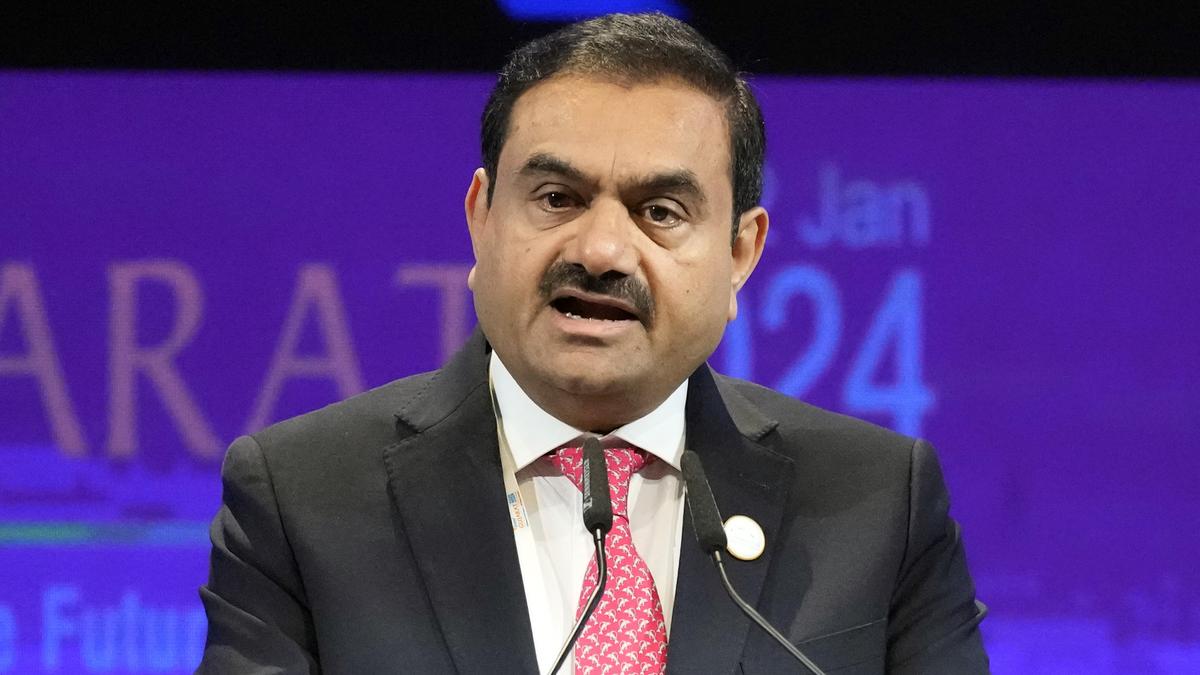
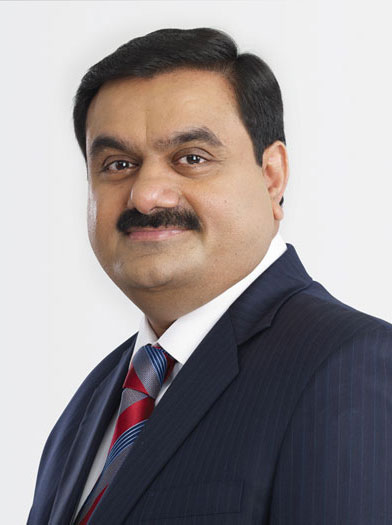
The Adani Group, led by Gautam Adani, has come under global scrutiny following an indictment in the United States targeting its founder on allegations of bribery and money laundering. This legal development has amplified questions about the financial practices of the conglomerate, which is one of Asia’s largest business entities, with diversified interests in ports, energy, and infrastructure. The indictment, unveiled by the US Department of Justice, […]

US authorities are investigating allegations of bribery involving the Adani Group, focusing on whether its founder Gautam Adani or entities linked to the conglomerate engaged in improper practices to secure benefits on energy projects. The probe, led by the US Department of Justice and the Eastern District of New York, aims to determine if payments were made to officials for favorable treatment. The allegations center on the renewable energy sector, including Azure Power Global, a company associated with Adani’s network.

This investigation has reignited discussions around the Quebec-based Caisse de dépôt et placement du Québec’s (CDPQ) dealings with Adani. CDPQ, one of Canada’s largest pension funds, already faced challenges with its $150 million investment in Azure Power, a venture that faltered after governance and compliance issues surfaced. The fund has expressed concern over the deteriorating investment, which once symbolized a push toward renewable energy but has now become a source of embarrassment.

The Adani Group, a key player in India’s energy and infrastructure sectors, has consistently denied wrongdoing. In response to the ongoing US inquiry, the group stated that it was unaware of any such investigation, maintaining its position that the company abides by the highest standards of compliance. The company also faces allegations from the Hindenburg Research report published earlier this year, accusing Adani entities of stock manipulation and accounting fraud, allegations which the conglomerate has strongly denied.

The unfolding situation adds further strain on CDPQ, whose strategic investments in developing economies aimed at boosting sustainable energy initiatives have come under fire. Critics argue that due diligence in such high-stakes markets requires more robust frameworks to mitigate risks tied to governance challenges. Meanwhile, the Adani Group’s broader operations, spanning ports, energy, and agriculture, are being closely scrutinized globally amid calls for greater corporate transparency.

The implications of the US investigation could significantly impact Adani’s international reputation and investor confidence. As regulatory oversight tightens, the group’s ability to attract foreign investment, critical for its expansion plans, may face hurdles. Observers highlight that the outcomes of such probes could set a precedent for multinational operations in emerging markets, emphasizing the need for stringent ethical compliance.

The developments underline the interconnected nature of global finance, where the consequences of allegations against one entity reverberate across continents, affecting public institutions and private stakeholders alike. As CDPQ and Adani grapple with these challenges, the case serves as a cautionary tale about navigating complex, high-growth environments with greater vigilance.

MicroStrategy has successfully completed the issuance of $3 billion in convertible senior notes, marking a significant move just three days after its initial offering. The company, known for its significant Bitcoin holdings, opted for the issuance as part of its strategy to bolster its financial flexibility. The move has attracted widespread attention due to the nature of the deal, which offers investors the opportunity to convert their debt into equity in the future, with a 0% interest rate attached to the notes.

The offering is part of the company’s ongoing efforts to raise capital, primarily to fund its Bitcoin investments. MicroStrategy’s strategy of accumulating Bitcoin over the years has been a key aspect of its business model, and this convertible note issuance is seen as a way to support its ambitious cryptocurrency acquisition goals without incurring immediate interest payments.

The $3 billion raised through this debt offering is a notable increase compared to its previous financing moves. The company had already raised substantial funds through similar offerings in the past, and with Bitcoin’s market fluctuations, the timing of this move is seen as a proactive measure. MicroStrategy’s ability to offer a 0% interest rate has been an enticing factor for investors, signaling confidence in the company’s future performance, even amidst the volatile nature of cryptocurrency markets.

Convertible notes have become a preferred financing option for firms like MicroStrategy, which are heavily involved in the cryptocurrency space. By issuing convertible debt, companies offer investors the potential upside of equity conversion while avoiding the pressure of paying interest, which could strain their balance sheets. The terms of the offering specify that the notes will mature in 2027, giving MicroStrategy ample time to execute its strategy and raise additional capital through its Bitcoin holdings.

The offering comes at a time when cryptocurrency markets are experiencing significant shifts, with Bitcoin prices seeing both upward and downward trends. This volatility makes financing through traditional methods such as equity offerings less appealing for companies like MicroStrategy, which is why convertible debt has become increasingly popular. By issuing these notes, MicroStrategy is able to maintain its focus on acquiring more Bitcoin, which it views as a long-term hedge against inflation and economic instability.

In terms of execution, the completion of the offering so quickly reflects MicroStrategy’s readiness and confidence in its financial strategy. The company was able to swiftly finalize the deal, a testament to its strong investor base and the strategic importance of its Bitcoin holdings. The capital raised from this offering will be used to buy more Bitcoin, aligning with the company’s goal of becoming the world’s largest corporate holder of the cryptocurrency. With this latest round of funding, MicroStrategy’s Bitcoin acquisition plan is set to continue, further solidifying its position in the market.

The notes issued are convertible into common stock at a premium to the current price of MicroStrategy’s shares, offering investors the possibility to benefit from future price appreciation. This structure is a clear indication that MicroStrategy anticipates growth in its stock value, which could eventually lead to profitable conversions of the debt into equity.

The company’s CEO, Michael Saylor, has been a vocal advocate for Bitcoin, emphasizing the cryptocurrency’s role as a store of value. Saylor’s firm stance on Bitcoin as a strategic asset has made MicroStrategy one of the most visible corporate players in the space. The company has continued to accumulate Bitcoin despite the fluctuations in market prices, demonstrating its unwavering commitment to the asset class. As of now, MicroStrategy holds over 150,000 Bitcoin, with the value of these holdings exceeding $4 billion at current prices.

The interest in convertible notes from investors is also reflective of the broader appetite for cryptocurrency exposure. The growing acceptance of Bitcoin and other digital assets in mainstream financial markets has led to an increase in investment vehicles that allow for indirect exposure to the cryptocurrency market. For MicroStrategy, this offering represents a savvy financial maneuver to maintain flexibility while continuing to build its Bitcoin portfolio.

Despite the volatility of Bitcoin and the broader cryptocurrency market, MicroStrategy’s approach to capital raising is attracting attention for its innovation and the company’s unique position in the tech and financial sectors. The move to issue convertible notes also signals that MicroStrategy is positioning itself to ride out any short-term market fluctuations while staying committed to its long-term Bitcoin acquisition strategy.

MicroStrategy’s latest financing effort marks a crucial step in its larger strategy of integrating Bitcoin into its corporate structure. While critics may question the company’s reliance on a volatile asset, MicroStrategy’s leadership remains focused on its vision for the future, with Bitcoin expected to play a central role in its corporate growth. By issuing convertible notes with a zero-interest rate, the company has secured the funds needed to continue its expansion in the cryptocurrency market without taking on additional financial strain.

Federal scrutiny of Apple Pay has intensified as the Consumer Financial Protection Bureau (CFPB) moves to enhance oversight of digital payment platforms. The CFPB is evaluating how Apple Pay aligns with consumer protection laws, citing concerns over competition, data security, and equitable access to digital payment services. The platform, which has become a leader in mobile payments, may face significant changes if the proposed regulations proceed. The […]

SINGAPORE – Media OutReach Newswire – 22 November 2024 – Wine enthusiasts in Singapore can embark on a global wine adventure at Wine Connection’s Wine Tasting Fair 2024. Held on November 23rd and 24th at the Wine Connection Bistro @ Robertson Walk, the two-day event offers a chance to explore over 170 wines from across the globe, including exclusive sneak peeks at the upcoming 2025 New Collection. […]

Their project, SilentGuide, is a pair of smart glasses that transcribes spoken words into subtitles, to help individuals with hearing impairment participate more meaningfully in social conversations SINGAPORE – Media OutReach Newswire – 21 November 2024 – Samsung Electronics Singapore has crowned Team redbluegold from Anglo-Chinese School (Independent) as the grand winner of its Solve for Tomorrow 2024 competition in Singapore. The team, comprising Aiden Lim and […]

Billionaire Gautam Adani, head of the Adani Group, is under investigation in the United States for alleged involvement in a multibillion-dollar bribery scheme. U.S. authorities have indicted the mogul, accusing him of orchestrating fraudulent activities tied to his global business empire. This investigation has already led to the cancellation of a major bond deal, further compounding the challenges for Adani, whose conglomerate had faced mounting scrutiny over financial practices and corporate governance in recent years. The charges are part of an ongoing effort by U.S. regulators to target global corruption networks with cross-border implications.

The controversy surrounding Adani has sparked international concern, with the group’s complex web of operations spanning multiple sectors, including infrastructure, energy, and logistics. In light of the charges, the financial community has reacted swiftly, with investors and stakeholders reassessing the risks involved in partnering with the Adani Group. Additionally, the cancellation of the bond deal highlights the growing caution among international financiers in relation to the conglomerate’s financial stability.

Authorities are examining multiple aspects of the group’s operations, particularly those involving alleged illicit financial transactions. The investigation centers on whether Adani, along with other key figures within his organization, utilized corrupt practices to secure key business deals across the globe. These actions, if proven, would violate both U.S. anti-bribery laws and international standards of corporate conduct.

Bithumb, South Korea’s second-largest cryptocurrency exchange, is set to launch trading for TONCOIN (TON) and METIS (METIS) in Korean won (KRW) on November 21 at 8 p.m. KST. This move is anticipated to attract increased interest from both local and international investors, further positioning the platform as a key player in the region’s digital asset market.

The decision to list these two cryptocurrencies comes at a time of growing adoption and interest in the global crypto space. TONCOIN, a blockchain originally developed by the Telegram team, has gained considerable traction since its inception, while METIS, known for its Ethereum Layer 2 scaling solution, has also secured a loyal following for its efficiency and reduced transaction fees. By adding these coins to its roster, Bithumb hopes to cater to the increasing demand for both established and emerging crypto assets.

TONCOIN’s potential is rooted in its association with Telegram, one of the most popular messaging apps worldwide. The coin has carved out a niche by leveraging Telegram’s massive user base, with users able to use TONCOIN for a variety of decentralized applications (dApps) and services. As Telegram has faced regulatory hurdles in various markets, the coin has emerged as a decentralized alternative, gaining adoption both in the consumer space and by developers building on its blockchain.

On the other hand, METIS has been gaining attention due to its focus on improving the scalability and cost-efficiency of the Ethereum network. As the Ethereum blockchain faces growing network congestion and high gas fees, METIS offers an alternative by enabling faster, cheaper transactions without sacrificing the security that Ethereum provides. This scaling solution has attracted several projects, making METIS a strong contender in the Layer 2 space.

Bithumb’s decision to list both coins follows the growing trend of exchanges expanding their offerings to cater to investor demands for more diverse assets. The exchange, which handles a significant portion of South Korea’s cryptocurrency trading volume, has previously listed various popular coins, including Bitcoin, Ethereum, and Ripple, but the addition of TONCOIN and METIS signals its strategy to embrace more specialized cryptocurrencies that have garnered international interest.

The announcement was met with positive feedback from both the investor community and developers in the crypto space. TONCOIN’s supporters believe that the coin’s listing on Bithumb will help further its acceptance and adoption, particularly in South Korea, a country known for its tech-savvy population and strong interest in digital assets. Meanwhile, METIS proponents see the listing as a validation of their efforts to improve Ethereum’s scalability, a key issue for the network as it continues to expand.

The timing of the listing could also be significant given the evolving regulatory environment surrounding cryptocurrencies. South Korea has historically taken a cautious approach to crypto regulation, balancing innovation with consumer protection. The government has taken steps in recent years to tighten its grip on the sector, but has also indicated its willingness to support blockchain and cryptocurrency development. The introduction of TONCOIN and METIS trading on a major exchange like Bithumb comes at a time when South Korea is looking to position itself as a regional leader in the crypto and blockchain industries.

This development also underscores the ongoing importance of Korean won (KRW) trading pairs in the broader cryptocurrency market. As one of the leading fiat currencies in the crypto world, the South Korean won is often used as a reference point for cryptocurrency pricing in the Asian market. The availability of TONCOIN and METIS for KRW trading provides local investors with an accessible way to participate in the growing blockchain ecosystem, especially for those who may not have exposure to international exchanges or prefer to trade in their local currency.

Despite the positive outlook, some analysts caution that the ongoing volatility of the cryptocurrency market means that the success of these listings will depend heavily on market conditions. The global crypto market has experienced significant fluctuations in recent months, with both Bitcoin and Ethereum facing substantial price corrections. Therefore, while the listing of TONCOIN and METIS could attract short-term interest, the long-term viability of these coins will largely depend on broader market trends and the ongoing development of their respective blockchain ecosystems.

Nevertheless, Bithumb’s strategic move aligns with the growing demand for diverse cryptocurrency options and the need for exchanges to stay ahead of emerging trends in the industry. With more investors seeking alternative assets outside of traditional financial markets, the exchange’s decision to list TONCOIN and METIS could enhance its competitive edge in the dynamic and rapidly evolving crypto market.

Cologix, a leading provider of network-neutral interconnection and hyperscale edge data centers across North America, has announced a $7 billion investment to build an advanced AI-ready data center campus in Central Ohio. This major development marks a significant step toward enhancing the region’s digital infrastructure, catering to the rising demand for high-performance computing needed by artificial intelligence (AI) technologies.

The company plans to establish the expansive campus near Johnstown, Ohio, strategically positioning it within the region’s burgeoning tech ecosystem. The decision to invest in this project comes at a time when the demand for AI services, cloud computing, and data storage is reaching unprecedented levels. According to Cologix, the facility will be designed to meet the growing needs of businesses operating at the forefront of digital transformation, including AI-driven enterprises.

A key element of the investment will be the development of state-of-the-art data center facilities capable of handling vast amounts of computational power. The campus will feature cutting-edge infrastructure, including high-density compute facilities, advanced cooling solutions, and secure power systems to support AI applications. As AI technologies demand more robust and efficient computing resources, the facility is expected to become a vital component of the region’s technological landscape.

Cologix’s decision to choose Central Ohio as the site for its new AI-ready data center campus comes amidst a broader push by the state to foster its tech industry. The Ohio government has been actively working to attract technology investments, with initiatives aimed at developing infrastructure to support the evolving needs of the digital economy. Cologix’s project aligns with these efforts, positioning Ohio as a key player in the nation’s rapidly expanding tech ecosystem.

The new facility will cater to the needs of a wide range of industries, from cloud service providers to content delivery networks and enterprise customers who are increasingly adopting AI solutions. This includes the growing demand for infrastructure that can support machine learning, large-scale data processing, and the development of sophisticated AI models. The move also supports the broader trend of tech companies seeking to establish AI-optimized environments to accelerate their research and development efforts.

The data center campus will be designed with scalability in mind, allowing for rapid expansion as demand for AI infrastructure continues to rise. This forward-thinking approach is particularly important in the context of AI’s rapid evolution, which requires facilities that can accommodate new technological advancements and the increasing computational requirements of AI models. Cologix’s investment is seen as a response to these trends, signaling the company’s commitment to providing cutting-edge infrastructure for AI-driven enterprises.

The Ohio campus is also expected to bring significant economic benefits to the local community. The development of the data center will create thousands of construction jobs in the short term, followed by long-term employment opportunities once the facility is operational. The presence of a major tech infrastructure hub in the region could also spur additional investments in the local economy, particularly in related sectors such as telecommunications, cybersecurity, and AI research.

Cologix has been expanding its presence across North America, with a focus on providing interconnection services that enable seamless communication between networks, cloud platforms, and other digital infrastructure. The company’s data centers are known for their reliability, security, and scalability, making them ideal for hosting AI applications that demand high levels of performance and uptime.

AI is increasingly seen as a transformative force across industries, driving innovations in healthcare, finance, logistics, and beyond. As businesses continue to integrate AI into their operations, the need for specialized data center facilities that can support these technologies will only grow. Cologix’s investment in Ohio reflects this demand, positioning the company as a key player in the development of AI-optimized infrastructure.

The $7 billion investment also reflects Cologix’s commitment to sustainability, with the company emphasizing its plans to incorporate green energy solutions and environmentally friendly practices into the design and operation of the new data center. This commitment to sustainability aligns with broader trends in the tech industry, where companies are under increasing pressure to reduce their environmental impact while maintaining the high levels of performance required by AI applications.

Celebrate the Art of Gifting with Sarah Andelman’s First Large-Scale Installation in Asia Featuring Collaborations with 10 Renowned International Artists Join Us at LANDMARK for a Creative Workshop with Japanese Artist-Duo, Ribbonesia, and Collect Limited-Edition Items from FriendsWithYou, Kasing Lung, Mr.A, Nina Chanel Abney—All In Support of Charity Partners Through Hongkong Land HOME FUND HONG KONG SAR – Media OutReach Newswire – 20 November 2024 – This […]

VISHNU RAJA
RYO YAMADA
HITORI GOTOH
IKUYO KITA
Just in:
Iran claims six-drone operation against US radar in Bahrain // Bahrain broadcasts nationwide safety warnings amid aerial threats // Danone expands consumer insight capabilities to accelerate nutrition innovation through Southeast Asia R&I Application Lab upgrade // Thiruvambady Devaswom hails rejection of report // Regulator demands answers on controversial power deal // Regulator demands answers on controversial power deal // US authorities dismantle North Korean cryptocurrency deception infrastructure // Pink Economy report puts equal rights at the heart of Thailand’s road to Bangkok WorldPride 2030 // ADQ Aviation raises Abu Dhabi Aviation holding to 71.61% // US resumes flights after nationwide air traffic shutdown // JCI Names the 2026 Ten Outstanding Young Persons of the World // Ramayana triggers high tourist traffic to Jatayu rock centre // China’s Taiwan warning tests Washington’s defence commitments // Bankrupt Indian Business Barons Mostly Live Life King-Size // Sun World Ba Den Mountain marks Vietnam Culture Day, welcoming Cambodian visitors over Bon Om Touk // EU levies definitive duties on five steel suppliers // Bora Group 3Q26: Revenue and Net Income Expansion Continues U.S. Manufacturing and Biologics Footprint Complete; Margin Expansion to Follow as Utilization Improves // Hong Kong International Airport Online Shop Winter Festive Offer // Govt offers talks to protesting teachers after CM signal // TORRAS Launches Two New iPhone Duo Cases from Its Popular Ostand Series, Addressing Foldable Phone Users’ Concerns About Difficult Stand Positioning and Scratches //