News related to
secure

SINGAPORE – Media OutReach Newswire – 8 April 2025 – Juspay, a global leader in payment infrastructure for enterprises and banks, has secured $60 million as part of its Series D funding round in a combination of primary and secondary investments. This investment round was led by Kedaara Capital with participation from existing investors Softbank and Accel. Juspay has expanded its global footprint across Asia-Pacific, Latin America, […]

Beacon Red, a subsidiary of the EDGE Group specializing in national security solutions, has entered into a strategic Memorandum of Understanding with Presight AI, a leading provider of big data analytics powered by artificial intelligence. The agreement aims to explore synergies between Presight’s advanced AI and omni-analytics capabilities and Beacon Red’s mission-focused security solutions. The partnership was formalized during the LAAD Defence & Security 2025 exhibition at the Riocentro Exhibition and Convention Center in Rio de Janeiro, Brazil.

The collaboration between Beacon Red and Presight AI is set to leverage the strengths of both entities to develop innovative security solutions. Beacon Red has a track record of tackling complex national security challenges, offering advanced solutions in areas such as cyber defense and secure communications. Presight AI, on the other hand, has established itself as a key player in the AI and big data analytics sector, with partnerships aimed at revolutionizing crisis and disaster management through the integration of advanced data analytics and AI into emergency response systems.

This alliance is expected to focus on integrating Presight’s AI-driven analytics with Beacon Red’s security platforms to enhance situational awareness and decision-making processes in security operations. By combining Presight’s capabilities in processing and analyzing vast amounts of data with Beacon Red’s expertise in security solutions, the partnership aims to deliver comprehensive tools for threat detection and response.

The MoU signifies a commitment to joint research and development efforts, with the goal of creating solutions that address emerging security challenges. Both companies have previously demonstrated a commitment to innovation and collaboration in their respective fields. Presight AI has engaged in partnerships to enhance video analytics capabilities for smart city initiatives, while Beacon Red has been recognized for fostering a high-performance culture and developing cutting-edge security solutions.

The formalization of this partnership at LAAD Defence & Security 2025 underscores the importance of international collaboration in advancing security technologies. The exhibition serves as a platform for defense and security companies to showcase innovations and forge strategic alliances. The Beacon Red and Presight AI partnership exemplifies the trend of cross-sector collaborations aimed at leveraging technological advancements to address complex security issues globally.

As the security landscape continues to evolve with the advent of new technologies and emerging threats, collaborations such as this are poised to play a crucial role in developing solutions that are both effective and adaptable. The integration of AI and big data analytics into security operations offers the potential for more proactive and informed decision-making, ultimately contributing to enhanced security outcomes.

The partnership between Beacon Red and Presight AI reflects a strategic move to harness the power of artificial intelligence in the realm of national security. By combining their respective expertise, the two companies aim to develop solutions that not only address current security challenges but also anticipate and adapt to future threats. This collaboration is indicative of a broader industry trend where technology and security firms are joining forces to create integrated solutions that leverage the latest advancements in AI and data analytics.

While specific details of the joint initiatives have not been disclosed, the partnership is expected to focus on areas where AI can significantly enhance security operations, such as predictive analytics, real-time threat detection, and automated response mechanisms. By integrating AI into security platforms, the collaboration aims to provide security professionals with tools that offer deeper insights and more efficient processes, ultimately leading to more effective security measures.

The collaboration also aligns with broader efforts within the EDGE Group to expand its capabilities in electronic warfare and cyber technologies. The group’s focus on integrating advanced technologies into its portfolio reflects a commitment to staying at the forefront of the defense and security industry. By partnering with technology firms like Presight AI, EDGE entities such as Beacon Red are positioned to offer more sophisticated and comprehensive solutions to their clients.

In the context of global security, partnerships that bridge the gap between technology and defense are becoming increasingly important. The integration of AI into security operations offers the potential to transform how threats are detected and managed, enabling more proactive and adaptive responses. As such, collaborations like the one between Beacon Red and Presight AI are not only beneficial for the companies involved but also for the broader security landscape.

The formalization of this partnership at an international event like LAAD Defence & Security 2025 highlights the global nature of security challenges and the need for cross-border collaborations to address them effectively. By coming together, companies from different regions and sectors can combine their strengths to develop solutions that are more robust and versatile.

The United Arab Emirates has reaffirmed its position as the global leader in Fibre to the Home connectivity, achieving a penetration rate of 99.3%. This marks the eighth consecutive year the nation has topped international rankings, surpassing technological hubs such as Singapore, Hong Kong, China, and South Korea. The FTTH Council’s latest annual report highlights this milestone, underscoring the UAE’s commitment to advancing its digital infrastructure.

The FTTH Council’s analysis encompassed data from 20 countries with FTTH availability exceeding 50%. Singapore secured the second position with a penetration rate of 97.1%, followed by Hong Kong at 95.3%, China at 92.9%, and South Korea at 91.5%. The UAE’s leading status reflects the nation’s strategic emphasis on developing next-generation digital infrastructure to support its economic and technological ambitions.

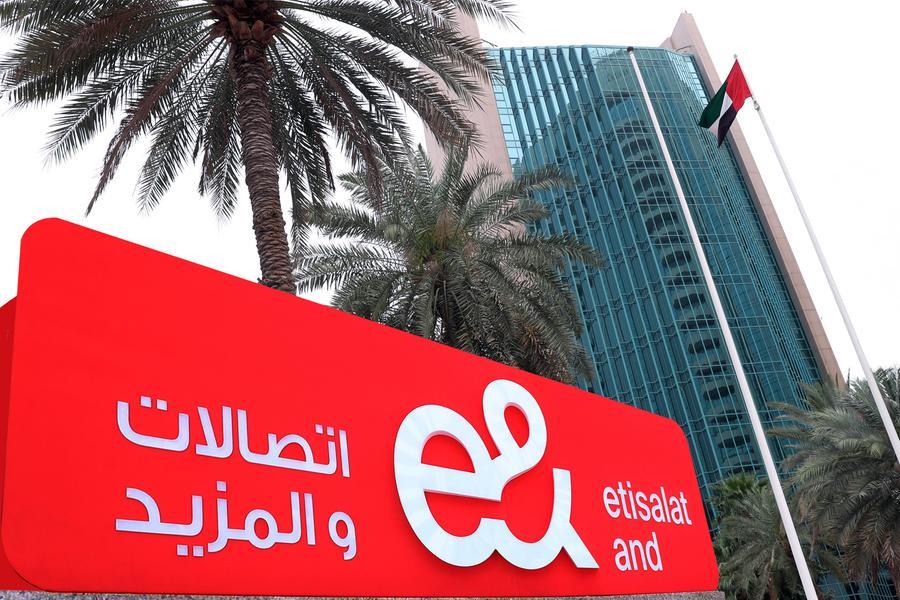
Central to this achievement is e& UAE, formerly known as Etisalat, which has played a pivotal role in enhancing the country’s connectivity landscape. The company has consistently invested in and developed world-class infrastructure for both 5G and fibre networks. Masood M. Sharif Mahmood, CEO of e& UAE, stated that the UAE’s proactive strategies and investments in fibre connectivity are a testament to the nation’s visionary leadership and its confidence to empower people to thrive in the digital age.

The UAE’s focus on fibre connectivity is integral to its broader digital transformation agenda. The nation has continuously invested in innovation and next-generation technologies to expand and enhance its infrastructure. This robust network forms the backbone of a digital ecosystem that supports various advanced technologies, including augmented reality, robotics, and artificial intelligence.

The high FTTH penetration rate offers tangible benefits to both consumers and enterprises. For consumers, it translates to high-speed internet access, facilitating seamless experiences in gaming, streaming, and other bandwidth-intensive applications. Enterprises, on the other hand, can leverage this infrastructure to support advanced use cases, applications, and technologies, thereby driving digital transformation across various sectors.

Beyond performance enhancements, fibre connectivity contributes to energy efficiency and sustainability goals. It is also critical in advancing hyperscalers, 5G Advanced, data centre connectivity, smart cities, and AI-driven initiatives. The UAE’s commitment to fibre connectivity aligns with its vision to become a global hub for innovation and technology.

Dubai’s Roads and Transport Authority has entered into strategic agreements with Uber Technologies, WeRide, and Baidu’s Apollo Go to introduce autonomous taxi services in the emirate. These collaborations aim to integrate self-driving vehicles into Dubai’s transportation network, aligning with the city’s goal of making 25% of all journeys autonomous by 2030. Under the partnership, WeRide will deploy its autonomous vehicles through Uber’s platform in Dubai. WeRide, which […]

e& PPF Telecom Group, a joint venture between Emirates Telecommunications Group Company and Czech-based PPF Group, has finalized the acquisition of Serbia Broadband for €825 million. This transaction, structured on a cash-free, debt-free basis, was financed through external debt secured by e& PPF Telecom.

SBB, established in 2002, is a leading cable television and broadband internet service provider in Serbia, boasting over 700,000 active customers. The acquisition aligns with e&’s strategic ambition to scale up its international presence in Central Eastern Europe, diversify revenue sources with greater exposure to stable currencies, and accelerate growth in e& PPF Telecom.

The deal also involves the carve-out of SBB’s direct-to-home satellite operations, which will be sold to Telekom Srbija. United Group, the previous owner of SBB, will retain its media assets, including news and entertainment channels N1 and Nova S, which will continue to be broadcast by SBB.

Balesh Sharma, CEO of e& PPF Telecom Group, expressed confidence in the acquisition, stating that it would allow the company to complement existing services offered to Yettel customers in Serbia and provide a wider suite of offerings to SBB subscribers. He emphasized that customers would benefit from the synergies brought about by this transaction.

This acquisition is part of e&’s broader strategy to expand its footprint in Central Eastern Europe. In October 2024, e& acquired a 50% stake plus one share in PPF Telecom Group’s assets in the region for €2.15 billion, forming the e& PPF Telecom Group. This joint venture now operates in Serbia, Hungary, Bulgaria, and Slovakia, with a focus on expanding its telecommunications portfolio.

The completion of the SBB acquisition is expected to enhance e& PPF Telecom Group’s operations in Serbia by integrating SBB with its existing mobile operator, Yettel. This integration aims to create a leading converged operator in the Serbian market, offering both fixed-line and mobile services.

United Group’s decision to divest SBB aligns with its strategy to focus on markets where it can provide the full spectrum of mobile and fixed telecommunication services. Victoriya Boklag, CEO of United Group, stated that the divestment would enable the company to realize the greatest potential for growth and value creation.

Gears up to launch Aspire Yield SINGAPORE – Media OutReach Neswire – 3 April 2025 – ASG2 Pte Ltd, a subsidiary of Aspire, a Singapore-headquartered all-in-one finance platform for modern businesses, today announced that it has secured the Capital Markets Services Licence (CMS) from the Monetary Authority of Singapore (MAS). The licence will enable Aspire to better serve businesses in Singapore by widening its offering to include […]

American Bitcoin, a US-based Bitcoin mining company, is poised to make a significant move in the market by exploring options for a public listing or introducing private equity to fuel its expansion. The company, jointly founded by Hut 8 and American Data Centers, has garnered attention due to its ambitious plans to scale its operations and leverage the ongoing surge in cryptocurrency demand. This move is being closely watched by industry experts, investors, and stakeholders as the company aims to position itself as a key player in the rapidly evolving world of cryptocurrency mining.

With the support of the Trump family, American Bitcoin’s market ambitions have taken a prominent position in the crypto sector. The backing from a high-profile family brings additional visibility and credibility to the company’s potential to disrupt the Bitcoin mining space. This strategic partnership is expected to provide American Bitcoin with not only financial resources but also valuable connections and a broader network within both the tech and investment communities.

The cryptocurrency market has experienced a marked increase in interest and investment over the past few years, particularly in Bitcoin mining. As the flagship cryptocurrency continues to dominate market discussions, mining operations that can scale efficiently are being highly sought after by both institutional investors and private equity firms. American Bitcoin’s strategy includes utilising state-of-the-art mining technology and securing access to renewable energy sources to ensure long-term sustainability and cost efficiency in its operations.

As of now, American Bitcoin is weighing whether to pursue an initial public offering or opt for private equity funding. An IPO would provide the company with the potential to raise capital from a wide array of investors, offering shares to the public and solidifying its position in the mainstream market. On the other hand, private equity could provide more flexibility in terms of growth strategy and operational control, as it would involve raising funds from select private investors.

The decision between the two paths is a critical one, as the company must balance the need for substantial capital with its desire to maintain a certain level of autonomy. Industry experts believe that both options could provide valuable opportunities for American Bitcoin to fuel its growth and meet the increasing demand for Bitcoin mining operations. However, the success of either approach will depend heavily on the company’s ability to convince investors of its long-term profitability and strategic vision.

The timing of this potential move also comes at a crucial moment for the cryptocurrency industry. Bitcoin’s market performance, while volatile, continues to demonstrate its resilience as an asset class. Furthermore, the broader acceptance of cryptocurrencies as a legitimate financial instrument by both governments and private institutions has created a favourable environment for companies like American Bitcoin to thrive.

Looking ahead, American Bitcoin’s plans to scale its operations are set against the backdrop of increasing competition in the cryptocurrency mining sector. The company will need to differentiate itself by offering innovative solutions, optimising its operations, and tapping into new market opportunities. The role of its backers, including the Trump family, could prove pivotal in shaping the company’s ability to secure its place in a crowded market.

The Bitcoin mining industry, known for its capital-intensive nature, requires substantial investments in hardware, energy, and infrastructure. As a result, companies within the sector are constantly exploring ways to improve efficiency and reduce costs while maintaining profitability. American Bitcoin’s strategic focus on renewable energy sources and cutting-edge mining technology positions it as a forward-thinking company in an industry that is often criticised for its environmental impact.

The company’s leadership is also keenly aware of the need to build a strong brand identity and attract investors who are aligned with its long-term vision. By positioning itself as an environmentally conscious and technologically advanced company, American Bitcoin hopes to set itself apart from competitors that may not be as focused on sustainability or innovation.

Beyond the financial considerations, American Bitcoin’s public offering or private equity introduction will have broader implications for the cryptocurrency mining industry. If successful, it could signal a new wave of institutional involvement in the sector, attracting both investors and talent eager to capitalise on the growing demand for Bitcoin and other cryptocurrencies. This, in turn, could lead to further advancements in mining technology and operational strategies, ultimately shaping the future of the industry.

The involvement of the Trump family in American Bitcoin’s journey adds a layer of intrigue to the company’s potential growth. With a history of significant influence in both business and political circles, their participation brings an element of prestige and recognition that could help the company navigate the complex regulatory landscape surrounding cryptocurrency mining.


Advertisements

BlackRock, the world’s largest asset manager overseeing approximately $12 trillion, has obtained registration from the UK’s Financial Conduct Authority to function as a crypto asset firm. This authorisation enables BlackRock to offer cryptocurrency services within the United Kingdom.

The FCA’s decision positions BlackRock as the 51st entity on its crypto asset register, joining notable firms such as Coinbase, PayPal, and Revolut. The FCA maintains rigorous standards for registration, having approved only a fraction of applicants. According to the FCA, many submissions have been rejected due to incomplete or substandard components necessary for a thorough assessment.

This development aligns with BlackRock’s strategic expansion into digital assets. In January 2024, the firm introduced the iShares Bitcoin Trust in the United States, which rapidly attracted substantial investor interest. Building on this momentum, BlackRock launched the iShares Bitcoin Exchange-Traded Product on European exchanges in Paris and Amsterdam. The ETP debuted with a promotional fee waiver, reducing its expense ratio to 0.15% until the end of the year, after which it will revert to 0.25%, aligning with competitors like CoinShares. Manuela Sperandeo, BlackRock’s Head of Europe & Middle East iShares Product, remarked that this initiative reflects a tipping point in the industry, combining established retail investor demand with increasing professional engagement.

Market analysts interpret BlackRock’s FCA registration as a significant endorsement of the cryptocurrency sector, potentially encouraging broader institutional adoption. Given BlackRock’s substantial influence in global finance, its entry into the UK crypto market may signal a shift towards mainstream acceptance of digital assets.

BlackRock’s USD Institutional Digital Liquidity Fund , a tokenized money market fund operating on the Ethereum blockchain, has witnessed a significant surge in total value locked , escalating from $615 million to $1.87 billion over a span of three weeks. This substantial growth underscores the increasing institutional interest in blockchain-based financial products.

The BUIDL fund invests in low-risk assets, including U.S. Treasury bills, cash, and repurchase agreements, offering investors a stable yield. The fund’s rapid expansion reflects a broader trend in the tokenization of real-world assets , a market that has recently surpassed $10 billion in TVL. Industry observers attribute this growth to a combination of factors, including enhanced regulatory clarity and the search for secure digital asset investments amid fluctuating cryptocurrency markets.

In addition to its presence on Ethereum, BlackRock has expanded BUIDL’s reach to multiple blockchains, including Avalanche, Aptos, Polygon, Optimism, and Arbitrum. This multi-chain strategy aims to leverage the unique advantages of each platform, such as reduced transaction fees and increased scalability. For instance, the management fee for BUIDL is set at 50 basis points on Ethereum, Arbitrum, and Optimism, while it is lower—only 20 basis points—on Aptos, Avalanche, and Polygon. This fee structure is supported by ecosystem development organizations that have agreed to subsidize the costs to incentivize usage on these platforms.

The tokenization of assets like those in the BUIDL fund offers several benefits, including fractional ownership, increased liquidity, and reduced transaction costs. By converting traditional financial products into digital tokens on a blockchain, investors can access and trade these assets more efficiently. This process also enables instantaneous and transparent settlement, enhancing the overall efficiency of financial markets.

Apple is developing an AI-powered virtual health coach as part of a major revamp of its Health app, aiming to make its products central to personal wellness. The initiative, referred to internally as Project Mulberry, is designed to provide users with personalized health advice through an intelligent, virtual assistant, marking a significant step towards integrating artificial intelligence into everyday health management. The Health app overhaul is poised […]

One Year After Acquiring Banyan Security, SonicWall’s Cloud Secure Edge/ZTNA Remote Access Solutions See Remarkable Growth SINGAPORE – Media OutReach Newswire – 1 April 2025 – SonicWall today marks a significant milestone in its journey redefining advanced cyber security protection with its Zero Trust Network Access (ZTNA) solution known as Cloud Secure Edge (CSE). One year after acquiring Banyan Security, a leading provider of zero-trust security for […]

MemryX Inc., a semiconductor company specializing in edge artificial intelligence solutions, has announced the completion of a $44 million Series B funding round. The investment aims to scale the production of its MX3 AI accelerator and further the development of its next-generation MX4 chip. Founded in 2019 and based in Ann Arbor, Michigan, MemryX has focused on creating energy-efficient AI accelerators designed for edge computing applications. The […]

JOHANNESBURG, SOUTH AFRICA – Media OutReach Newswire – 1 April 2025 – The BFSI Security Summit 2025 is set to take place on May 7, 2025, at the Radisson Blu Gautrain, Sandton, Johannesburg, bringing together leading cybersecurity experts, IT decision-makers, and industry pioneers to tackle the growing cyber risks facing Africa’s banking, financial services, and insurance (BFSI) sector. Cybersecurity remains a top concern for financial institutions in […]

I’m often asked where I invest my own money—by clients, advisers, even industry peers. And in a year like this one, when the world is being reshaped by the policies of President Trump, market volatility, and fast-moving tech cycles, the question feels more urgent than ever. We’ve seen a 10% drop in markets this year. Historically, that’s not unusual—since 1950, there have been over 30 such corrections. […]

A significant move has been made by a prominent Japanese hotel company, as it secured a 15.5% weighting in a crypto-focused exchange-traded fund . This marks an unexpected yet strategic shift towards the digital currency market by a company traditionally rooted in the hospitality sector. The hotel firm’s investment decision signals a broader trend of diversification and innovation within established industries, as more companies explore the potential of cryptocurrencies and blockchain technology.

The ETF, which predominantly focuses on digital assets, has attracted attention due to its potential to bridge the gap between traditional industries and the rapidly expanding cryptocurrency market. The hotel firm’s acquisition is particularly notable given the ongoing volatility in the cryptocurrency space, which often deters conservative investors. However, its decision reflects a calculated risk in pursuit of higher returns and the possibility of capturing the growing interest in decentralized finance systems.

Experts suggest that the firm’s move could serve as a signal to other companies in Japan and beyond, encouraging them to consider digital assets as part of their portfolios. Japan has historically been one of the more crypto-friendly nations, with a progressive regulatory approach that has supported the growth of the digital currency market. The country’s financial authorities have acknowledged the benefits of blockchain technology and the role it could play in shaping the future of global finance.

The hospitality sector, much like many others, has felt the pressure to adapt in the face of technological advancements. The COVID-19 pandemic has forced businesses to reimagine their operations and explore innovative avenues for growth. For the hotel company, investing in a crypto-focused ETF represents a forward-thinking approach to ensuring long-term sustainability in an increasingly digital world.

The decision comes as institutional interest in cryptocurrencies continues to rise, with major financial players such as investment firms and pension funds gradually incorporating digital currencies into their strategies. However, many experts caution that while the allure of crypto assets is undeniable, they remain a high-risk investment due to their volatility and regulatory uncertainty.

Despite these challenges, the hotel firm’s stake in the crypto ETF is seen as part of a broader trend of traditional companies seeking to capitalise on digital currencies. This move is not isolated; several other firms have either publicly stated their intention to invest in blockchain-based projects or have already made similar investments. The diversification of investment portfolios is a strategy being adopted by businesses looking to stay ahead in a fast-evolving financial landscape.

One of the driving factors behind this shift is the growing acceptance of cryptocurrency as a legitimate asset class. Bitcoin and Ethereum, two of the most well-known cryptocurrencies, have gained significant traction among both retail and institutional investors. Their increasing mainstream acceptance is pushing companies to reconsider their positions on digital currencies.

The hotel company’s move also comes at a time when the global financial markets are experiencing increased interest in crypto-related products. ETFs, which allow investors to gain exposure to various assets without directly purchasing them, have become one of the most popular investment vehicles for retail and institutional investors alike. The crypto ETF, in particular, has garnered significant attention for offering a more regulated and transparent way to invest in digital assets compared to direct investment in cryptocurrencies.

While the potential for growth within the crypto market is substantial, analysts continue to advise caution. The fluctuating nature of digital currencies, along with the regulatory uncertainties surrounding them, makes it a challenging environment for both investors and companies alike. Still, for businesses like the hotel firm, the potential rewards may outweigh the risks, especially as blockchain technology continues to demonstrate its utility beyond just financial transactions.

The investment also highlights the evolving role of hospitality companies in the broader tech landscape. As more businesses in traditional industries engage with the digital economy, the line between sectors becomes increasingly blurred. The integration of cryptocurrencies into established business models could pave the way for future innovations that bring added value to customers and stakeholders alike.

The hotel company’s shift into crypto represents a bold step in its ongoing transformation. Although the move might seem unorthodox, it is aligned with a growing trend of corporate diversification. The company’s leadership has expressed confidence in its ability to manage the risks associated with the crypto market, focusing on long-term growth prospects and positioning the company at the forefront of digital innovation.

Audi has initiated the deployment of virtual programmable logic controllers at its Böllinger Höfe facility in Germany, marking a significant advancement in automotive manufacturing. This initiative, part of Audi’s Edge Cloud 4 Production strategy, aims to enhance production efficiency and flexibility. The EC4P platform enables the virtualization of control systems, replacing traditional hardware-based programmable logic controllers with software-driven solutions. This transition allows for centralized management and real-time […]

HONG KONG SAR – Media OutReach Newswire – 31 March 2025 – Huatai Securities Co., Ltd. (the “Company”; stock codes: 601688.SH, 6886.HK, HTSC.L), a leading technology-driven comprehensive securities company in China, released its consolidated financial results for the year ended December 31, 2024, reporting record revenue and profit, alongside substantial progress in its internationalization strategy. Annual Highlights: In 2024, the Company continued to execute on strategic priorities, […]

The California State Assembly has introduced Assembly Bill 1052 , a legislative measure aimed at providing legal protections for individuals engaging with digital assets such as Bitcoin. The bill, spearheaded by Assemblymember Juan Carrillo Valencia, Chair of the Assembly Banking and Finance Committee, seeks to affirm the rights of Californians to self-custody digital assets and to use them as a valid form of payment.

AB-1052 explicitly recognizes the right of individuals and businesses within the state to accept digital financial assets for the sale of goods and services. It deems the use of such assets in private transactions as valid and legal consideration. Furthermore, the bill prohibits public entities from imposing taxes, withholdings, assessments, or other charges solely based on the use of digital assets as a method of payment. This provision aims to prevent discrimination against digital asset transactions by governmental bodies.

In addition to payment considerations, the bill addresses the management of unclaimed digital assets. It stipulates that intangible property held in a digital asset account will escheat to the state three years after certain conditions are met, such as the return of undelivered communication to the owner or the last exercise of ownership interest by the owner. Holders of private keys for such escheated digital assets are required to transfer them to a custodian designated by the Controller, ensuring that these assets are managed appropriately and securely.

AB-1052 also seeks to amend the Political Reform Act of 1974 by prohibiting public officials from issuing, sponsoring, or promoting any digital assets, securities, or commodities. This measure is intended to reduce potential conflicts of interest and political influence over emerging financial technologies. Public officials are further restricted from engaging in transactions or conduct related to digital assets that could create conflicts with their public duties.

Lumen Technologies and Flexential have announced an expansion of their Network-as-a-Service offerings, aiming to provide businesses with more flexible, secure, and agile networking solutions. This collaboration integrates Lumen’s NaaS platform with Flexential’s FlexAnywhere® platform, enabling customers to instantly purchase, utilize, and manage Lumen’s networking services. Dave Ward, Lumen’s Chief Technology and Product Officer, highlighted the significance of this development, stating, “Lumen and Flexential are bringing Network-as-a-Service capabilities […]

India is significantly enhancing the operational capabilities of its special forces by integrating advanced technologies such as nano drones, loitering munitions, and sophisticated communication systems. This strategic initiative aims to bolster covert operations and counter-terrorism efforts, enabling deep penetration into hostile territories with heightened efficiency and precision.

The Indian Army’s Para , the Navy’s Marine Commandos , and the Air Force’s Garud Commando Force are at the forefront of this modernization drive. These elite units are being equipped with state-of-the-art surveillance tools and specialized weaponry designed to meet the demands of contemporary warfare. The incorporation of nano drones facilitates real-time intelligence gathering, allowing operatives to assess situations and execute missions with unprecedented accuracy.

Loitering munitions, often referred to as “kamikaze drones,” have emerged as a pivotal asset in this technological upgrade. These unmanned aerial vehicles can hover over target areas, identify high-value threats, and execute precision strikes, effectively neutralizing adversaries while minimizing collateral damage. The Indian Army has been actively integrating these systems into its arsenal, recognizing their potential to revolutionize battlefield tactics. Indigenous development efforts have led to the creation of loitering munitions tailored to the specific needs of India’s defense forces, reflecting a commitment to self-reliance in military technology.

In addition to aerial advancements, the deployment of midget submarines is being considered to enhance maritime special operations. These compact vessels offer stealth capabilities, enabling covert insertion and extraction of forces in littoral zones. Such assets are particularly valuable for the Navy’s MARCOS unit, which specializes in amphibious warfare and maritime counter-terrorism operations.

The Armed Forces Special Operations Division , established to foster jointness among the three services, plays a crucial role in this modernization effort. Headquartered in Bengaluru, AFSOD serves as a hub for coordinating special operations training and missions, ensuring seamless integration of new technologies across all branches. The division’s formation marks a significant step toward creating a unified command structure akin to those found in other major military powers.

Despite these advancements, the absence of a full-fledged Special Operations Command presents challenges in achieving optimal synergy among the various special forces units. The current structure relies on collaborative efforts facilitated by AFSOD, but experts argue that a dedicated command could further streamline operations and command-and-control mechanisms. Addressing this structural gap remains a subject of ongoing discussion within defense circles.

The push for technological enhancement extends beyond hardware acquisition. Comprehensive training programs are being implemented to ensure that personnel can effectively operate and integrate these advanced systems into their missions. Exercises such as “Poorvi Prahar” have been conducted along the eastern borders, where troops honed their skills with swarm drones, first-person view drones, and loitering munitions. These drills not only test the efficacy of new equipment but also refine tactics and strategies for future engagements.

India’s focus on indigenous development of defense technologies aligns with the broader “Atmanirbhar Bharat” initiative. By investing in domestic research and production capabilities, the country aims to reduce dependency on foreign suppliers and cultivate a robust defense industrial base. Companies like Kadet Defence Systems have been instrumental in this endeavor, delivering loitering aerial munitions designed and manufactured within India.

The integration of artificial intelligence and satellite communications further augments the operational effectiveness of special forces. These technologies enhance situational awareness, enable secure and rapid information exchange, and support decision-making processes in dynamic combat environments. As warfare becomes increasingly network-centric, such capabilities are indispensable for maintaining a strategic edge.

The United Arab Emirates has ascended to the forefront of global cryptocurrency adoption, marked by a 41% year-on-year increase in crypto app downloads, totaling 15 million in 2024. In January 2025 alone, the nation recorded 3.55 million installations of crypto applications, underscoring a robust and growing interest in digital assets. Projections indicate that user penetration will reach 39.1% by the end of 2025, signifying the transition of cryptocurrency from a niche interest to a mainstream financial instrument within the country.

This surge is underpinned by a proactive regulatory environment. The Dubai Financial Services Authority has expanded its list of recognized crypto tokens, while the Abu Dhabi Global Market introduced the world’s first Distributed Ledger Technology Foundations Framework, providing legal structures for blockchain-based organizations. Furthermore, the Central Bank of the UAE approved AE Coin, the nation’s inaugural dirham-pegged stablecoin, facilitating faster and more cost-effective digital transactions.

A study by Atmos, a proprietary trading platform by Taurex, highlights the UAE’s leadership in the crypto space. The research indicates a cryptocurrency ownership rate of 25.3% among the UAE population, coupled with an adoption growth rate of 210%. Despite the presence of only one Bitcoin ATM, the UAE secured the top position in the study’s rankings, reflecting the country’s deep integration of digital assets into its financial ecosystem.

The UAE’s commitment to fostering a crypto-friendly environment is further evidenced by substantial institutional investments. Abu Dhabi’s MGX, a $330 billion investment vehicle backed by Mubadala, recently acquired a $2 billion minority stake in Binance, one of the world’s leading cryptocurrency exchanges. This move aligns with the UAE’s ambition to become a global crypto hub and demonstrates confidence in the transformative potential of blockchain technology.

On a regional scale, the Middle East and North Africa have experienced significant growth in the crypto sector. Between July 2023 and June 2024, the UAE received over $30 billion in cryptocurrency, ranking among the top 40 globally and establishing itself as MENA’s third-largest crypto economy. This influx underscores the UAE’s pivotal role in the regional digital asset landscape.

Abu Dhabi’s sovereign investor, ADQ, has solidified its position in the logistics sector by acquiring a majority stake in Dubai-listed courier firm Aramex. This development follows a voluntary conditional cash offer initiated through its subsidiary, Q Logistics Holding LLC. Q Logistics obtained acceptances representing 40.57% of Aramex’s shares. Prior to this offer, ADQ already held a 22.69% stake in Aramex via the Abu Dhabi Ports Group, in […]

Abu Dhabi’s Mubadala Investment Company and the California State Teachers’ Retirement System have jointly committed $215 million to 3650 Capital, a U.S.-based alternative commercial real estate lender. This infusion aims to bolster 3650 Capital’s lending strategies and support various investment products offering long-term, fixed-rate financing and transitional loans.

Jonathan Roth, Co-Founder and Managing Partner of 3650 Capital, expressed gratitude for the continued support from these institutional investors, emphasizing their role in enabling the firm to pursue diverse capital solutions and maintain consistent growth. He highlighted the importance of these relationships in identifying new opportunities across U.S. markets and projects.

The new capital will be allocated across 3650 Capital’s primary investment strategies. Both Mubadala and CalSTRS will invest in the Stable Cash Flow strategy, which provides long-term, fixed-rate financing, and the Real Estate Credit Solutions strategy, focused on short-term, value-add financing, including transitional loans. Additionally, CalSTRS will allocate funds to the Special Situations Investment Strategy , targeting equity and structured capital solutions for distressed capital structures and loan purchases.

This investment follows a series of significant capital commitments to 3650 Capital. In the third quarter of the previous year, the firm secured nearly $430 million from CalSTRS and Singapore’s Temasek, demonstrating sustained confidence from major institutional investors in 3650 Capital’s expertise and platform. The firm currently manages a loan servicing portfolio valued at approximately $18 billion in commercial real estate loans and securities.

Toby Cobb, Co-Founder and Managing Partner of 3650 Capital, noted that as alternative capital providers assess numerous opportunities in the current market, the firm’s proven business model and experienced team position it uniquely to capitalize on these prospects and deliver substantial returns.

Mubadala’s increased investment aligns with its broader strategy to expand its presence in the U.S. real estate credit markets. The sovereign wealth fund’s website indicates a commitment of up to $4 billion, in collaboration with 3650 REIT and CalSTRS, to provide both short and long-term loans across a broad spectrum of real estate lending opportunities.

CalSTRS, managing the largest educator-only pension fund globally, continues to diversify its investment portfolio through strategic partnerships. Its ongoing collaboration with 3650 Capital reflects a commitment to identifying and supporting opportunities that offer stable returns and contribute to the resilience of its investment strategy.

The U.S. commercial real estate market has witnessed a growing role of alternative lenders like 3650 Capital, especially as traditional banks exhibit caution in the current economic climate. This trend underscores the importance of adaptable and innovative financing solutions to meet the evolving needs of the market.

3650 Capital’s ability to attract substantial investments from prominent institutions highlights its reputation and the confidence investors place in its strategies. The firm’s focus on originating, servicing, and asset-managing loans, coupled with its advisory support to global institutions, positions it as a key player in the commercial real estate lending landscape.

A new survey by Hitachi Vantara has highlighted significant challenges faced by the Banking, Financial Services, and Insurance sector as artificial intelligence adoption accelerates. The study, titled “The Great AI Divide: New Survey Finds Financial Services Leaders Struggle with Data Governance and Infrastructure Demands,” reveals that while 48% of financial leaders prioritise data security in AI implementations, only 36% acknowledge the critical importance of data quality, leading […]

VISHNU RAJA
RYO YAMADA
HITORI GOTOH
IKUYO KITA
Just in:
Google identifies autonomous AI systems conducting vulnerability attacks // JPMorgan restores transactions after banking payments disruption // Iran claims six-drone operation against US radar in Bahrain // Bora Group 3Q26: Revenue and Net Income Expansion Continues U.S. Manufacturing and Biologics Footprint Complete; Margin Expansion to Follow as Utilization Improves // Danone expands consumer insight capabilities to accelerate nutrition innovation through Southeast Asia R&I Application Lab upgrade // Galaxy Resort Presents: “Plácido Domingo & José Carreras: The Legends United Opera Gala” // Ukraine faces $32.6 billion financing gap amid legislative delays // Hong Kong International Airport Online Shop Winter Festive Offer // Dubai airport passenger traffic drops 28.1% amid conflict // JCI Names the 2026 Ten Outstanding Young Persons of the World // Mubadala and Centerbridge secure £1.17bn Canaccord wealth agreement // ADQ Aviation raises Abu Dhabi Aviation holding to 71.61% // Row over Sabarimala toilet disruption // Takaichi exchanges greetings with Chinese minister at Manila summit // Ayara Kamala Reveals a Refreshed Vision for Wellness in Phuket // ASEAN adopts binding pact on regional digital commerce // Bitcoin rebounds after weekend plunge wipes billions from cryptocurrencies // Mexican journalists demand accountability after Acapulco reporter killed // Hong Kong schedules Gulf-Asia investment forum for 2027 // First Abu Dhabi Bank proposes AED15 billion share sale //