News related to
secure

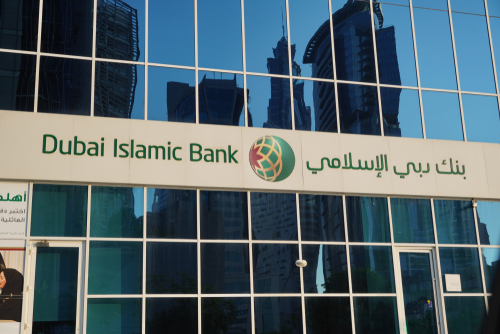
Moro Hub, a subsidiary of Digital DEWA, has formalized a partnership with Dubai Islamic Bank (DIB) aimed at enhancing the bank’s cybersecurity capabilities. The collaboration focuses on the provision of advanced colocation services and a comprehensive cybersecurity suite, ensuring the security and resilience of DIB’s IT infrastructure. This development is expected to boost Dubai Islamic Bank’s efforts to safeguard its operations and data against an evolving threat landscape while expanding its digital footprint.

The Memorandum of Understanding (MoU) signed between Moro Hub and Dubai Islamic Bank underscores the growing need for robust digital infrastructure in the financial sector. As part of the agreement, Moro Hub will provide DIB with secure colocation services in a state-of-the-art data center, alongside a suite of cybersecurity solutions tailored to meet the specific needs of the financial institution. These services aim to mitigate the risk of cyberattacks and ensure the bank’s compliance with regulatory standards, reflecting the increasing pressures on banks globally to adopt enhanced security measures.

Colocation, a service allowing businesses to rent space for their servers and other computing hardware within a third-party data center, offers banks like DIB the advantage of enhanced physical security, disaster recovery, and operational efficiency. Moro Hub’s colocation services will enable Dubai Islamic Bank to host its critical systems in a secure environment, benefiting from the company’s advanced infrastructure, which is designed to meet the stringent security requirements of financial institutions.

This partnership comes at a time when financial institutions in the UAE and around the world are grappling with a surge in sophisticated cyber threats. With the rise of digital banking services and the increased reliance on online platforms, banks have become prime targets for cybercriminals. By leveraging Moro Hub’s expertise in cybersecurity, Dubai Islamic Bank aims to strengthen its defenses against these threats, ensuring the protection of its clients’ sensitive information.

The global banking sector has witnessed a dramatic rise in cybersecurity incidents over the past few years, prompting financial institutions to invest heavily in protective measures. From phishing attacks to sophisticated ransomware campaigns, banks are constantly under siege by attackers seeking to exploit vulnerabilities in their systems. Dubai Islamic Bank’s decision to partner with Moro Hub reflects a proactive approach to dealing with these challenges, as the bank seeks to stay ahead of the curve in an increasingly digitalized world.

Moro Hub, established as part of Dubai’s broader Smart City initiative, has positioned itself as a key player in the region’s digital transformation efforts. The company’s data centers and cybersecurity services are aligned with international standards, making it a trusted partner for businesses seeking to secure their digital operations. For Dubai Islamic Bank, this partnership offers a significant opportunity to enhance the security and efficiency of its IT operations while also reducing the operational costs associated with maintaining in-house data centers.

Cybersecurity is no longer just a technological challenge; it has become a critical component of business strategy for banks and other financial institutions. Regulatory bodies in the UAE and across the globe have tightened their requirements for data protection, mandating that banks adopt stricter security protocols to safeguard customer data and prevent breaches. Failure to comply with these regulations can result in hefty fines and damage to the institution’s reputation. By partnering with Moro Hub, Dubai Islamic Bank aims to ensure full compliance with these regulatory standards while also minimizing the risk of operational disruptions caused by cyberattacks.

Beyond the immediate security benefits, this partnership is also expected to have broader implications for Dubai Islamic Bank’s digital transformation journey. The bank has been steadily expanding its digital services, offering customers a range of online banking options, including mobile banking apps and digital payment platforms. As customer expectations continue to evolve, DIB’s ability to provide seamless and secure digital services will be crucial to maintaining its competitive edge in the market.

The digital banking landscape is undergoing rapid transformation, with customers increasingly favoring online and mobile services over traditional banking methods. This shift has forced banks to rethink their operational strategies, with a focus on enhancing the digital experience for customers while ensuring robust security measures are in place. For Dubai Islamic Bank, the partnership with Moro Hub is a strategic move to ensure that its digital infrastructure is capable of meeting these demands while also safeguarding against the growing threat of cyberattacks.

Financial institutions across the UAE have been accelerating their investments in digital infrastructure in response to changing market conditions and regulatory pressures. With initiatives such as the UAE’s National Cybersecurity Strategy and Dubai’s push towards becoming a global fintech hub, banks are under increasing pressure to enhance their cybersecurity frameworks. Dubai Islamic Bank’s collaboration with Moro Hub is in line with these national priorities, positioning the bank as a leader in digital security within the financial sector.

While the specific financial terms of the MoU were not disclosed, the partnership between Moro Hub and Dubai Islamic Bank represents a significant step forward in the bank’s efforts to strengthen its IT infrastructure. The bank’s leadership has emphasized the importance of cybersecurity as a core component of its business strategy, and this collaboration with Moro Hub is expected to play a key role in achieving those objectives.
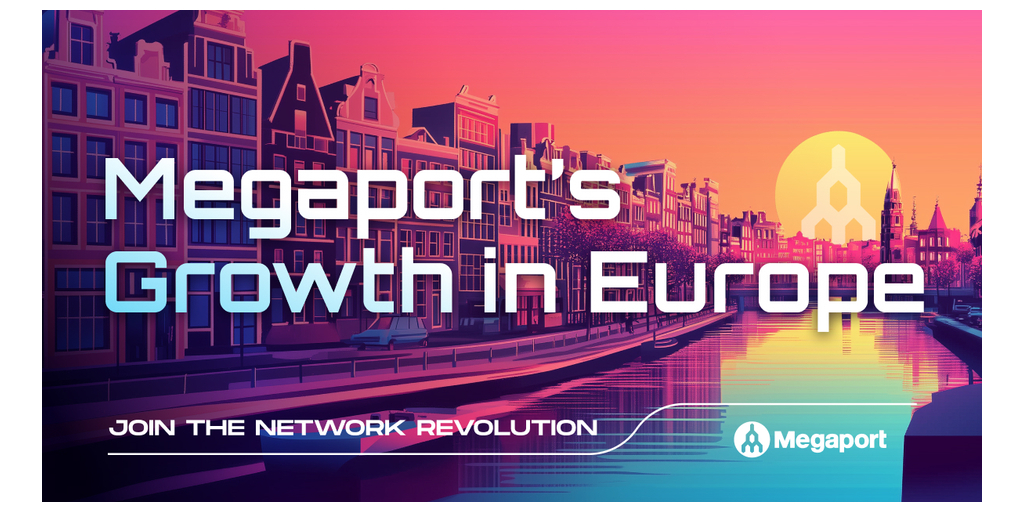

Megaport, a global Network-as-a-Service (NaaS) provider, has announced the strategic expansion of its European operations with the introduction of 14 new data centers across seven countries. This move marks a significant step in strengthening its European presence, aimed at meeting growing demand for flexible, high-speed connectivity to cloud services and data solutions in the region.

The new locations, spread across Germany, France, Spain, Italy, and other European nations, enhance Megaport’s existing network by offering businesses access to a broader array of connectivity options. By partnering with major data center operators like Portus Data Centers in Germany, NorthC Data Centers in the Netherlands, and Sipartech in France, Megaport has increased its capacity to provide faster and more efficient network access.

CEO Michael Reid highlighted the significance of this expansion, noting that extending into these new European markets reflects Megaport’s commitment to driving a network revolution in the region. According to Reid, this strategic growth allows customers to optimize their network infrastructure, modernize their operations, and gain access to Megaport’s extensive ecosystem of cloud providers and partners. This enables businesses to establish network connections within seconds and benefit from advanced cloud service integration.

The partnerships with European data center operators play a pivotal role in this development. Portus Data Centers, which operates a Tier IV facility in Munich, expressed excitement about working with Megaport, emphasizing how this collaboration extends Megaport’s reach in Germany, enabling businesses to access more powerful connectivity solutions. Similarly, NorthC Data Centers, with its new Point of Presence (PoP) in Almere, Netherlands, facilitates enhanced cloud and network services for its clients, pushing digital transformation efforts across the region.

Sipartech, a French provider of high-speed connectivity, has been integral to Megaport’s success in Western Europe. Its dense optical network covers major European capitals, offering last-mile connectivity that bolsters the performance of Megaport’s customers in France and surrounding countries.

This expansion coincides with a wider trend in the European tech landscape, where businesses increasingly rely on agile, scalable networking solutions to manage growing volumes of data and cloud infrastructure. The ability to establish secure, private, and direct connections to leading cloud platforms such as AWS, Google Cloud, and Microsoft Azure has become a priority for companies undergoing digital transformation.

As demand for cloud services grows, particularly in sectors such as finance, healthcare, and e-commerce, the addition of these new data centers will likely have a profound impact on how businesses in Europe manage their IT infrastructure. Vincent Lauriat, Chief Technology Officer at Veolia Water, commented that Megaport’s solutions have improved Veolia’s multicloud strategies, diversifying their data access across multiple centers in Europe and enhancing operational efficiency.

Independent financial organization deVere Group announced it has been awarded the Family Office Licence by the Financial Services Commission (FSC) of Mauritius. A family office handles investment and wealth management and legal matters for a wealthy family, generally one with more than $75 million in investable assets, with the objective being to effectively grow and transfer wealth across generations. The newly secured Family Office Licence allows deVere […]

By Nitya Chakraborty Bangladesh is the diplomatic battleground of two super powers USA and China since the interim Government took over power on August 9 this year following the ouster of the Sheikh Hasina led Awami League regime on August 5 last. In the last five weeks of the new government led by Chief Adviser […]

Siam Commercial Bank (SCB) has made history by becoming the first bank in Thailand to incorporate stablecoins for cross-border payments, a significant advancement in the country’s financial technology landscape. This pioneering move is part of a partnership with the fintech company Lightnet, which aims to enhance the efficiency and speed of international money transfers, particularly in the Southeast Asian region.

SCB’s initiative signals a major shift toward digital currencies in traditional banking, responding to a growing demand for more streamlined and cost-effective payment solutions in an increasingly interconnected world. The integration of stablecoins, which are digital currencies pegged to stable assets like fiat currencies, offers a way to mitigate the volatility typically associated with cryptocurrencies. By leveraging stablecoins, SCB can facilitate faster transactions and reduce fees, making it a compelling option for businesses and consumers engaged in cross-border trade.

This strategic partnership is not merely an isolated development but part of a broader trend among financial institutions worldwide embracing blockchain technology and digital currencies to remain competitive. SCB’s move aligns with the Thai government’s digital economy initiatives, which promote the adoption of innovative technologies to enhance the country’s financial infrastructure. The use of stablecoins is expected to streamline the payment processes significantly, allowing users to transfer funds in real-time, a stark contrast to traditional methods that often take several days to complete.

Lightnet, founded in 2018, has been at the forefront of integrating blockchain technology into the financial services industry. The company utilizes a decentralized network that connects various payment platforms, enabling users to send and receive funds across borders seamlessly. By collaborating with SCB, Lightnet aims to expand its operations in Thailand and enhance the overall efficiency of financial transactions within the region.

As part of this partnership, SCB will leverage Lightnet’s blockchain infrastructure to facilitate transactions in stablecoins, thus providing a secure and efficient method for cross-border payments. This approach not only positions SCB as a leader in fintech innovation within Thailand but also enhances its competitive edge against other banks and financial institutions in the region that are yet to adopt similar technologies.

The implications of this partnership extend beyond mere transactional efficiency. By adopting stablecoins, SCB is responding to the needs of businesses that require faster and more reliable payment methods to meet the demands of global trade. This move may also inspire other financial institutions in Thailand and across Southeast Asia to explore similar partnerships with fintech firms, fostering a more dynamic and competitive banking landscape.

Experts have noted that the adoption of stablecoins in the banking sector can significantly impact the remittance market, particularly in regions like Southeast Asia, where a substantial portion of the population relies on cross-border remittances for their livelihoods. Traditional remittance services often impose high fees and lengthy processing times, making stablecoin-based solutions an attractive alternative for those seeking more affordable and efficient options.

The integration of stablecoins aligns with the broader trend of digital transformation within the banking sector, as more institutions recognize the necessity of evolving to meet changing consumer expectations. The COVID-19 pandemic has accelerated the shift towards digital payments and online banking, prompting banks to adopt new technologies to enhance customer experience and streamline operations.

This development also raises questions about regulatory frameworks surrounding digital currencies in Thailand and the broader Southeast Asian region. As banks like SCB begin to incorporate stablecoins into their operations, regulators will need to establish clear guidelines to ensure the safety and security of these transactions. The Thai government has already indicated its intention to create a conducive environment for fintech innovations, but balancing regulation with the need for innovation will be crucial as the industry evolves.

The implications of SCB’s adoption of stablecoins are profound, potentially reshaping the landscape of cross-border payments in Thailand and beyond. As this initiative gains traction, it may pave the way for increased collaboration between banks and fintech companies, fostering an ecosystem where innovative solutions can thrive.

This partnership could stimulate greater interest in stablecoins among consumers and businesses, driving broader adoption across various sectors. With SCB leading the charge, it is likely that other banks will follow suit, recognizing the benefits of integrating digital currencies into their payment systems.

The World Bank forecasts a 4.1% growth for the United Arab Emirates’ GDP in 2025, supported by diversification efforts and recovery in tourism and trade. This projection comes amidst ongoing economic reforms and investments in infrastructure and technology that aim to bolster the country’s long-term economic resilience. In its latest report, the World Bank emphasizes that the UAE’s economy has shown remarkable adaptability, bouncing back from the […]

Abu Dhabi Securities Exchange (ADX) has announced a strategic partnership with ADIB Securities to launch a digital onboarding platform aimed at enhancing customer experience and streamlining investment processes. This collaboration marks a significant step towards digital transformation in the financial services sector, reflecting the broader trend of modernization across markets in the region. The new platform, set to be operational in the coming months, will leverage cutting-edge […]

Advertisements

Alex Svanevik, CEO of Nansen, a leading multi-chain analytics platform, has revealed that his application for permanent residency in Singapore has been denied, despite his significant contributions to the local economy, which include raising over $88 million in capital and creating more than 25 jobs. This decision underscores the challenges faced by entrepreneurs in navigating Singapore’s increasingly stringent immigration policies, a situation that is causing frustration among many in the startup community.

Singapore has long been regarded as a prime destination for tech entrepreneurs and startups, particularly in the cryptocurrency sector. The city-state’s favorable regulatory environment and robust financial ecosystem have attracted numerous international companies. However, Svanevik’s experience signals a growing unease about the government’s immigration stance, especially as it pertains to the tech industry. His wife’s successful permanent residency application adds to the complexity of their situation, as it raises questions about the criteria being applied to applicants in similar circumstances.

Svanevik’s application rejection has not only raised eyebrows but also reignited debates regarding Singapore’s immigration policies, particularly for tech startups. The government has made various efforts to cultivate a conducive environment for businesses, including the introduction of the Tech.Pass program, which targets experienced tech entrepreneurs. Yet, as Svanevik’s case illustrates, many in the sector still find themselves grappling with restrictive residency criteria.

The competition for talent among global cities remains fierce, with many tech entrepreneurs looking beyond Singapore for alternatives. Dubai, Hong Kong, and Japan have emerged as viable options for those seeking residency in countries with favorable business climates. In Dubai, entrepreneurs are required to establish a project with a valuation of at least $135,000 to qualify for residency. Hong Kong offers a pathway for those who can demonstrate that their business contributes to the local economy or if they can invest a minimum of $3.8 million. Japan mandates that applicants earn an annual income of at least $134,000 to obtain residency.

This growing trend of looking elsewhere is evident among other startups and entrepreneurs in Singapore, who are also expressing concerns about the limitations of the current immigration framework. As the global economy continues to evolve, these entrepreneurs are assessing their options, weighing the benefits of relocating against the stability and resources available in Singapore.

The situation has drawn attention not only from the local tech community but also from policymakers and immigration experts. They emphasize the importance of revisiting and potentially reforming immigration policies to better align with the needs of the startup ecosystem. As the demand for skilled workers in the tech sector intensifies, a more flexible immigration framework may be necessary to maintain Singapore’s status as a hub for innovation.

The ripple effects of this scrutiny on immigration policies extend beyond individual cases like Svanevik’s. The discourse around Singapore’s immigration policies has implications for its overall competitiveness in the global market. If prospective entrepreneurs perceive the residency process as overly cumbersome or inconsistent, they may choose to invest their resources and talents in alternative markets that offer more welcoming immigration policies.

As Singapore grapples with balancing economic growth and immigration, the government is tasked with addressing the concerns of its business community. Ensuring that immigration processes are transparent, equitable, and conducive to entrepreneurship will be vital in retaining and attracting top talent. The need for an adaptable immigration framework is becoming increasingly urgent, especially as competition intensifies among global cities vying for the best and brightest.

In light of these challenges, entrepreneurs like Svanevik continue to advocate for change. Their experiences serve as case studies for a broader dialogue about how immigration policies can evolve to meet the demands of a dynamic tech landscape. The focus on improving residency processes for startups could ultimately position Singapore as a more favorable destination for global talent, helping to sustain its growth and innovation trajectory.

The push for reform also resonates with the experiences of other expatriates and startups operating in Singapore. Many have encountered hurdles when attempting to secure residency, despite their contributions to the economy. These experiences often lead to frustration and uncertainty, making it imperative for the government to revisit its approach to immigration.

HONG KONG SAR – Media OutReach Newswire – 16 October 2024 – Response to the Policy Address 2024/25 by KK Chiu, International Director, Chief Executive, Greater China of Cushman & Wakefield: Farewell to subdivided units and optimize the living environment We are pleased to see that the government’s taking proactive measures in housing supply and land policy to address the housing problem. The introduction of a rental […]

Google has announced a pivotal partnership with Kairos Power to utilize small modular reactors (SMRs) to support its artificial intelligence (AI) operations. This marks a strategic move as the tech giant navigates the energy-intensive demands of AI. The decision to invest in nuclear energy comes as the company looks for more sustainable and reliable sources to power its vast data center operations. The announcement underscores the company’s […]

Dubai Islamic Bank (DIB) has successfully issued a $500 million Additional Tier 1 (AT1) sukuk, marking a significant milestone for the lender in the capital markets. The sukuk carries a profit rate of 5.25%, reflecting strong demand and investor confidence amid a challenging economic climate. This issuance comes as part of DIB’s strategy to bolster its capital base and enhance its financial stability.

The sukuk was priced within the bank’s existing curve, demonstrating its robust standing in the market. This issuance is particularly noteworthy given the broader context of the global financial environment, where rising interest rates have led to cautious investor sentiment. The strong demand for DIB’s sukuk highlights the bank’s solid credit profile and the appeal of Sharia-compliant financial instruments.

According to industry experts, the success of this sukuk reflects DIB’s commitment to maintaining a diversified funding base while supporting its growth strategy. The bank’s Chief Financial Officer emphasized the importance of such instruments in ensuring liquidity and financial strength. With this issuance, DIB aims to reinforce its position as a leader in Islamic banking and enhance its capital structure in alignment with regulatory requirements.

Investor appetite for AT1 sukuk has been robust, driven by the attractive profit rates compared to traditional bonds. Analysts indicate that the increasing interest in Sharia-compliant financial products among global investors has contributed to this trend. DIB’s sukuk issuance has not only attracted local investors but has also garnered significant interest from international institutions, showcasing the bank’s global reach.

Market participants have noted that the issuance comes at a time when several regional banks are exploring similar funding avenues to meet capital adequacy ratios mandated by regulators. DIB’s proactive approach in tapping into the sukuk market is seen as a strategic move to ensure compliance while capitalizing on favorable market conditions. The bank’s successful placement of the sukuk also reflects the strength of its franchise and the effectiveness of its outreach efforts to a diverse investor base.

The AT1 sukuk structure allows banks to raise capital in a manner that is compliant with Islamic law while offering investors a higher yield compared to conventional debt instruments. This structure has gained traction among financial institutions as it provides a means to enhance capital ratios without diluting existing shareholders’ equity. With the issuance, DIB has not only secured necessary capital but has also positioned itself favorably in the competitive landscape of Islamic finance.

DIB’s management expressed optimism about the future, highlighting the potential for further sukuk issuances in response to market demand. This issuance aligns with the bank’s overall growth strategy, which focuses on expanding its footprint in the Islamic finance sector while addressing the needs of its diverse customer base. The successful placement of the AT1 sukuk also underscores the importance of maintaining a strong balance sheet, especially in a period characterized by economic uncertainty.

Investor sentiment towards DIB remains positive, as evidenced by the strong subscription levels during the sukuk offering. The issuance was oversubscribed, reflecting a healthy appetite for Islamic financial instruments. This enthusiasm among investors is indicative of the broader trend within the region, where Islamic banks are increasingly recognized for their resilience and ability to navigate complex financial landscapes.

The issuance comes as the UAE continues to position itself as a global hub for Islamic finance. The government’s commitment to enhancing the Islamic financial ecosystem through regulatory frameworks and supportive policies has fostered an environment conducive to growth. DIB’s strategic initiatives align with this national agenda, reinforcing its role as a key player in promoting the Islamic finance industry.

As the global economy continues to evolve, DIB’s proactive stance in the sukuk market exemplifies its commitment to adapting to changing market dynamics. The successful issuance of the AT1 sukuk not only enhances the bank’s capital base but also reinforces its position as a preferred choice for investors seeking Sharia-compliant financial products. With a solid reputation and a strong track record, DIB is poised to continue its growth trajectory in the Islamic banking sector.

Telegram has announced plans to establish an office in Kazakhstan as part of efforts to comply with the country’s regulatory framework. The decision comes following an agreement between the Kazakh government and the messaging app to streamline content regulation and address the challenges posed by illegal and unauthorized channels. This move marks a significant step in the platform’s attempt to align itself with local laws while maintaining its global presence.

Kazakhstan, like many other nations, has been tightening control over digital platforms, pushing for increased cooperation with technology firms to regulate the spread of harmful content. Authorities in Kazakhstan have raised concerns over the use of messaging platforms like Telegram for illegal activities, including the distribution of extremist materials, drug trafficking, and unauthorized protests. In response, Telegram has agreed to assist the government in swiftly removing such content and blocking unauthorized channels that violate local laws.

As part of this effort, Telegram will establish a physical presence in the country, a development welcomed by the Kazakh government, which seeks to increase oversight of online activities within its borders. By working closely with the government, Telegram aims to ensure that it adheres to Kazakhstan’s regulatory requirements while providing a secure platform for its users.

Kazakh officials view this partnership as a critical tool for maintaining public safety and curbing the misuse of digital platforms for illegal activities. Digital transformation is a key focus for Kazakhstan, and controlling harmful content is essential to ensuring that technological advances benefit society without compromising national security. Telegram’s willingness to engage with the government is seen as a positive step towards building a safer online environment.

The Kazakh government has previously faced challenges in managing online content, particularly on platforms like Telegram that prioritize privacy and encryption. While these features are vital for safeguarding personal communications, they have also made it difficult for authorities to monitor illegal activities. By establishing a local office, Telegram is expected to enhance its response to the government’s concerns and provide a more effective mechanism for dealing with illegal content.

Telegram has a reputation for maintaining a strong commitment to user privacy and freedom of speech, which has often led to tensions with governments attempting to impose stricter regulations. However, the company has demonstrated flexibility in adapting to local laws in various countries where it operates. Its decision to open an office in Kazakhstan follows similar moves in other regions where governments have demanded more accountability from tech firms.

In Kazakhstan, the focus will likely remain on curbing extremist content and illegal activities while balancing the need for user privacy. Telegram’s encryption services have attracted millions of users worldwide, and any measures introduced in Kazakhstan will need to respect the platform’s core principles of secure communication.

The Kazakh government’s collaboration with Telegram comes amid broader efforts to modernize its digital landscape. As part of its digitalization strategy, the country has been promoting the development of online services and communication platforms, aiming to boost economic growth through technological innovation. Ensuring that these platforms operate within a clear regulatory framework is seen as crucial for the success of this strategy.

Telegram’s willingness to cooperate with Kazakhstan’s regulatory bodies is likely influenced by its desire to maintain access to the growing user base in the country. Central Asia has become an important market for tech companies, and securing compliance with local regulations is essential for maintaining long-term growth in the region. As part of this process, the Kazakh government has signaled that it will continue to engage with global tech firms, encouraging them to contribute to the country’s digital transformation while adhering to local laws.

The partnership between Telegram and the Kazakh government may also serve as a model for other nations in the region, where concerns over online safety and content regulation are rising. Governments across Central Asia have been exploring ways to manage the impact of social media and messaging platforms, which have increasingly become central to public discourse. By working with Telegram, Kazakhstan may set a precedent for regulatory cooperation that other countries could follow.

At the same time, Telegram’s decision to open an office in Kazakhstan could raise questions about how the company balances regulatory compliance with its commitment to user privacy and free expression. Critics of increased government regulation often argue that such measures could infringe on civil liberties and limit open communication. As Telegram navigates these challenges, it will need to carefully manage its relationship with the government while continuing to protect the privacy of its users.

Telegram founder Pavel Durov has long emphasized the importance of privacy and security in digital communications, and the platform’s encryption services remain a key feature. However, as the company expands its global operations, it is also facing increasing pressure to cooperate with governments to prevent misuse of the platform. Kazakhstan’s regulatory demands reflect broader global trends, where governments are seeking more control over online content while balancing the need for secure communication tools.

By Nantoo Banerjee It is heartening to note that global lenders are increasingly coming forward to strongly support India’s ongoing clean and green energy expansion programmes. India, the world’s third largest energy consumer after China and the United States, has set a target to reduce the carbon intensity of the nation’s economy by less than […]

A new report from Bitpanda indicates a growing interest in cryptocurrency investments among Italians, with nearly 9% of the population engaging in digital currencies. The trend is particularly pronounced among younger demographics, where investment rates reach 16% among Millennials and 13% among Generation Z. This increase reflects a broader shift towards digital assets as traditional investment methods face challenges in a rapidly changing economic landscape.

The Bitpanda report highlights that Italians are increasingly turning to cryptocurrencies as an alternative investment strategy, motivated by factors such as potential high returns and the appeal of decentralized finance. Younger generations, in particular, have embraced this trend, leveraging technology and social media to explore and understand digital currencies. Their familiarity with online platforms positions them uniquely to navigate the complexities of cryptocurrency markets.

The rise of virtual currencies in Italy is mirrored by broader trends across Europe, where more individuals are considering cryptocurrencies as part of their financial portfolios. Factors contributing to this trend include the impact of the COVID-19 pandemic on financial behaviors, economic uncertainty, and a desire for diversification in investment strategies. As the financial landscape evolves, cryptocurrencies are gaining traction not only as speculative assets but also as a legitimate means of wealth preservation.

Italy’s regulatory framework for cryptocurrencies remains under development, which presents both challenges and opportunities for investors. While the government is working towards establishing clearer guidelines to protect consumers and regulate the market, the current lack of comprehensive regulation allows for greater experimentation and engagement from individual investors. However, this also raises concerns about the risks associated with investing in a volatile market.

Key players in Italy’s cryptocurrency landscape include exchanges, fintech companies, and advocacy groups pushing for a more supportive regulatory environment. These organizations play a crucial role in educating potential investors and promoting best practices for safe trading. Additionally, the rise of decentralized finance (DeFi) platforms has opened new avenues for investment and has contributed to the increasing interest among Italians.

The enthusiasm for cryptocurrencies is not confined to Italy. Across Europe, many countries report similar patterns, with youth populations particularly eager to explore digital currencies. Reports suggest that this demographic sees cryptocurrencies as an innovative tool for financial empowerment, diverging from traditional banking systems and investing norms. Educational initiatives and community-building efforts are essential in fostering informed investment practices and mitigating risks associated with cryptocurrency investments.

Challenges remain, particularly concerning security and the volatility of digital currencies. Investors face the risk of scams, hacks, and rapid market fluctuations, which can lead to significant financial losses. As interest in cryptocurrencies grows, so does the need for robust educational resources and protective measures to safeguard investors. Awareness campaigns focusing on risk management and secure trading practices are vital to ensure that individuals can engage with cryptocurrency markets responsibly.

Social media plays a significant role in shaping perceptions of cryptocurrencies among young investors. Platforms such as Twitter, Reddit, and TikTok have become hotbeds for cryptocurrency discussions, where trends can rapidly shift based on influencer endorsements and viral content. This phenomenon underscores the need for critical evaluation of the information being shared online, as not all sources offer sound investment advice.

The Italian government’s approach to cryptocurrency regulation is evolving, with ongoing discussions about how to balance innovation with consumer protection. As European Union regulators work to establish a cohesive regulatory framework for digital assets, Italy will likely continue to refine its own policies to align with broader EU standards. This alignment could enhance investor confidence and promote a safer trading environment.

Investments in cryptocurrency are also reshaping financial literacy initiatives in Italy. Educational institutions and organizations are beginning to incorporate digital finance into their curricula, reflecting the need for future generations to understand and engage with the evolving financial landscape. As more individuals express interest in cryptocurrencies, there is a growing recognition that education will play a critical role in fostering informed investors.

The cryptocurrency market opened the week on a buoyant note, with Bitcoin soaring above $64,000, reflecting a robust demand from investors. This bullish sentiment extends beyond Bitcoin, with several major cryptocurrencies experiencing notable gains. In particular, memecoins captured significant attention over the weekend, driving trading volumes and investor interest.

Bitcoin’s recent ascent is attributed to various factors, including a wave of institutional investments and ongoing enthusiasm around cryptocurrency adoption. Many analysts highlight the role of exchange-traded funds (ETFs) in boosting market confidence, as institutional players increasingly seek exposure to digital assets. Bitcoin’s price spike comes amid a broader narrative of technological advancements within the blockchain ecosystem, which continues to capture the imagination of retail and institutional investors alike.

Ethereum, the second-largest cryptocurrency by market capitalization, also benefited from Bitcoin’s rally, rising over 5% in value. The upward momentum is attributed to several developments, including the upcoming Ethereum upgrade, which aims to improve network scalability and reduce gas fees. As Ethereum transitions to a proof-of-stake model, many analysts anticipate further institutional interest, given the platform’s essential role in decentralized finance (DeFi) and non-fungible tokens (NFTs).

Meanwhile, the excitement surrounding memecoins—typically inspired by internet memes and social media trends—has significantly influenced market dynamics. Tokens like Dogecoin and Shiba Inu witnessed substantial trading volumes as retail investors flocked to these assets, drawn by their perceived potential for high returns. Social media platforms played a pivotal role in amplifying this trend, with influencers and dedicated communities rallying support for these tokens. The continued engagement of these communities indicates a shift in trading patterns, where retail sentiment increasingly shapes market movements.

China’s latest stimulus announcements, while generating initial optimism, fell short of expectations, impacting broader market sentiments. The country’s efforts to stabilize its economy amid challenges posed by global supply chain disruptions and regulatory crackdowns have elicited mixed reactions from traders. Despite the lackluster stimulus measures, market participants remain hopeful, buoyed by Bitcoin’s upward trajectory and the resilience demonstrated by major cryptocurrencies.

Investors are closely monitoring regulatory developments in various jurisdictions as they navigate the evolving landscape of digital assets. The introduction of clearer regulations in regions such as Europe and the United States has fostered a more secure environment for institutional investments. However, uncertainty remains, particularly in regions where regulatory frameworks are still taking shape.

The recent performance of cryptocurrencies is also influenced by macroeconomic factors, including inflation concerns and shifts in monetary policy. Central banks’ responses to inflationary pressures may significantly impact investor sentiment, with many viewing cryptocurrencies as a hedge against traditional market volatility. As Bitcoin approaches all-time highs, discussions around its role as a digital store of value continue to gain traction among institutional investors.

Emerging trends within the cryptocurrency space, such as the growing popularity of decentralized finance applications, are further contributing to Bitcoin’s appeal. DeFi platforms have gained substantial traction, offering innovative financial services outside traditional banking systems. This trend aligns with a broader movement towards financial inclusivity, where individuals seek alternatives to conventional finance.

As Bitcoin maintains its upward momentum, analysts are keenly observing key price levels that may serve as psychological barriers. The $70,000 mark has become a focal point, with investors speculating on whether Bitcoin can sustain its rally and surpass this threshold. Historical price action suggests that breaking through significant resistance levels often leads to further price discovery, a phenomenon that many traders are keen to capitalize on.

Market sentiment remains a crucial driver of cryptocurrency prices, with investor behavior often influenced by social media trends and news cycles. The ability of key influencers to sway market dynamics underscores the importance of community engagement within the cryptocurrency ecosystem. This trend has been particularly evident with memecoins, where social media platforms act as catalysts for rapid price fluctuations.

The interplay between technological advancements and regulatory developments will continue to shape the cryptocurrency landscape as investors seek to navigate the complexities of digital assets. Institutions are increasingly recognizing the importance of blockchain technology, leading to heightened investment in research and development. This recognition of the underlying technology’s potential may spur further innovation and drive the next wave of adoption across various industries.

A businessman and a casino employee have been charged with defrauding a company out of 12 million pesos in Quezon City. Lavish Mohan Paryani, the businessman, and Reigna Reyes, who works as a cashier at a local casino, are accused of falsifying documents and manipulating financial transactions to execute the scheme. The charges stem from a complaint filed by the firm, which alleged that the duo used deceitful practices to secure funds under false pretenses.

According to the complaint, Paryani and Reyes colluded to create fraudulent invoices and documents to mislead the firm into releasing payments. The operation reportedly lasted several months, during which they managed to divert substantial funds to their accounts. Investigators revealed that the two individuals orchestrated the scheme by exploiting their positions, with Paryani allegedly using his business connections to facilitate the deception while Reyes provided the necessary operational support from within the casino.

The investigation into the fraudulent activities began when the firm noticed discrepancies in its financial records. A routine audit revealed that several invoices were associated with services that were never rendered. Alarmed by the findings, the company’s management initiated a deeper investigation, which eventually led to the identification of Paryani and Reyes as the key suspects in the fraud.

Law enforcement agencies swiftly responded to the investigation, gathering evidence that included transaction records, witness testimonies, and surveillance footage from the casino. The evidence presented showed that Reyes had processed several transactions without following proper protocols, raising red flags that prompted further scrutiny.

Both Paryani and Reyes were taken into custody after warrants were issued for their arrest. They are facing charges of fraud, forgery, and conspiracy to commit fraud. The authorities are also looking into whether more individuals were involved in the scheme, as the investigation continues to unfold.

In the aftermath of the charges, Paryani’s business operations are under scrutiny, with the potential for further investigations into his dealings. Regulatory bodies are examining the casino’s internal controls to determine if there were lapses in oversight that allowed such fraudulent activities to occur. The case has drawn attention not only for the substantial amount of money involved but also for the implications it has on the casino industry’s integrity.

Industry experts have noted that fraud in casinos can have far-reaching consequences, affecting not only the businesses involved but also the overall reputation of the sector. The Quezon City case serves as a stark reminder of the importance of implementing rigorous financial controls and conducting regular audits to prevent fraudulent activities. As the investigation progresses, stakeholders are keenly observing the responses from both the authorities and the casino management.

Legal experts suggest that the outcome of this case could set a precedent for how similar cases are handled in the future. The penalties for such fraudulent activities can be severe, potentially leading to lengthy prison sentences for those found guilty. Moreover, the case raises critical questions about corporate governance and the measures that can be taken to safeguard against fraud in various industries.

As this situation develops, the local business community is on alert, closely monitoring how the legal proceedings will unfold. Both Paryani and Reyes are expected to appear in court, where their defense will be presented. Their legal representatives have stated that they intend to contest the charges, asserting that the evidence against them is circumstantial and that they have been wrongly accused.

DP World is moving forward with a $1.3 billion investment in its London Gateway port, reaffirming its commitment to one of the United Kingdom’s most significant infrastructure projects. This announcement from the British government comes after concerns emerged that the UAE-based logistics giant had put the project on hold following public criticism of its subsidiary, P&O Ferries. The government’s confirmation of the investment marks a significant win for the UK as it continues to court global investors, particularly ahead of a key business conference in the coming days.

Last week, speculation surfaced that DP World had paused the expansion in response to comments made by two ministers, who condemned the handling of layoffs at P&O Ferries. The subsidiary had attracted widespread criticism in 2022 when it abruptly fired 800 workers and replaced them with cheaper agency labor. The backlash sparked intense scrutiny of the company, with government officials calling the layoffs “shameful” and questioning DP World’s role in overseeing such practices. However, the firm’s decision to proceed with the London Gateway investment suggests that the tensions have not derailed its long-term infrastructure ambitions in the UK.

DP World, which operates ports, terminals, and logistics hubs worldwide, sees London Gateway as a key part of its global strategy. The expansion is expected to boost the capacity of the UK’s busiest deep-sea container port, enhancing its ability to handle larger vessels and more cargo. London Gateway, strategically located on the Thames Estuary, serves as a major logistics hub connecting Britain to global trade routes. The additional investment will fund the construction of a fourth berth at the port, along with supporting infrastructure to improve efficiency and sustainability.

The port’s expansion is not only a significant development for the UK’s maritime sector but also a reflection of DP World’s growing footprint in Europe. Since acquiring P&O Ferries and establishing a presence in the UK, the company has been a major player in the nation’s logistics network. Its London Gateway terminal already handles millions of containers annually, and the latest investment will further increase capacity, helping to meet growing demand for international trade.

The timing of DP World’s decision to move forward is critical. The UK government has been keen to secure high-profile investments as it seeks to rebuild investor confidence following a series of economic challenges. A number of global companies had expressed concerns about the country’s post-Brexit trade environment, and the British government is eager to demonstrate that the UK remains an attractive destination for foreign capital. The upcoming Global Investment Summit, where international investors are expected to gather, will likely be framed around the message that Britain is open for business. DP World’s continued commitment to the London Gateway project is expected to serve as a highlight of that narrative.

However, while the project’s progress is a positive signal, the controversy surrounding P&O Ferries has not entirely dissipated. The government’s reaction to the layoff scandal has been under scrutiny, with some critics accusing officials of not doing enough to hold DP World accountable for its subsidiary’s actions. There were calls for the government to review DP World’s involvement in UK ports, particularly given the outcry over P&O Ferries’ labor practices. The company’s decision to move forward with the London Gateway investment, despite the tensions, suggests a pragmatic approach by both sides, focusing on economic interests rather than dwelling on past conflicts.

The expansion of the port also aligns with broader trends in the shipping and logistics industry. Global supply chains have faced unprecedented disruptions in recent years, from the COVID-19 pandemic to geopolitical tensions and environmental concerns. As a result, ports and logistics companies worldwide are looking to increase capacity and resilience. London Gateway’s expansion is a clear example of this trend, with DP World investing heavily to future-proof its operations in the UK.

The project is also expected to create hundreds of new jobs, both during construction and in the long term. As a major employer in the region, DP World has committed to working with local communities and the British government to ensure that the benefits of the investment are widely felt. This is particularly important in the context of the ongoing debates over labor rights and corporate responsibility, which have been central to the P&O Ferries controversy.

From a financial perspective, the $1.3 billion investment is a testament to DP World’s confidence in the UK market. Despite the challenges of Brexit and economic uncertainty, the company clearly views the country as a vital hub for its global operations. The expansion of London Gateway is expected to further strengthen the UK’s position as a leading player in international trade, with the port set to handle even greater volumes of cargo in the coming years.

Miniverse by Energea emphasizes ultimate portability and functionality for today’s charging needs. SINGAPORE – Media OutReach Newswire – 14 October 2024 – Energea, a Singapore-based company specializing in innovative power solutions and lifestyle tech products, proudly announces its Innovative Tech Kit: Miniverse. This compact and versatile mini kit is designed to meet the needs of digital natives on the go, offering practical and stylish options for charging […]

Dubai’s reputation as a global hub for blockchain innovation solidified further as industry leaders from across the globe gathered for the Future Blockchain Summit 2024. The summit, which runs from October 13 to 16 at Dubai Harbour, features cutting-edge discussions and presentations from experts in blockchain, crypto, NFTs, Web 3.0, and more, signaling a key moment in the advancement of the digital economy.

The Future Blockchain Summit, now in its sixth edition, has evolved into a premier platform for fostering collaborations between governments, enterprises, and startups. It continues to align with Dubai’s ambitious blockchain and digital transformation goals. The event promises to showcase transformative technologies that could redefine financial services, supply chains, healthcare, and governance.

Key highlights of the 2024 edition include insights from a diverse array of speakers, including thought leaders from both the public and private sectors. Major players in the blockchain space, such as Ethereum co-founder Vitalik Buterin and representatives from global blockchain firms, are expected to provide critical analysis on the evolution of decentralized systems, and the road ahead for mainstream blockchain adoption.

Dubai’s focus on blockchain technology is part of a broader strategic vision that began with the Dubai Blockchain Strategy and the Emirates Blockchain Strategy. This framework aims to digitize key government services using blockchain by 2025. The event’s organizers have highlighted the importance of this convergence, noting how governments and enterprises worldwide are increasingly exploring the potential of blockchain to drive efficiency, transparency, and trust in digital transactions.

This year’s summit emphasizes the practical applications of blockchain and its ability to disrupt industries beyond cryptocurrency. With the integration of NFTs, the Metaverse, and Web 3.0 technologies into the mainstream, blockchain is being recognized for its broader implications. During the summit, new solutions and case studies will be shared, shedding light on how blockchain can facilitate digital ownership, secure identity management, and more transparent business operations.

Beyond the focus on blockchain applications, the summit is expected to stimulate dialogue on regulation and sustainability. Policymakers and regulators are anticipated to discuss the creation of balanced frameworks that encourage innovation while ensuring the safety of participants in the digital space. Dubai, in particular, has been a key player in fostering a progressive regulatory environment that has attracted blockchain firms from around the globe.

Among the prominent names attending the event are representatives from DMCC (Dubai Multi Commodities Centre), a key participant in the event. DMCC has been instrumental in supporting blockchain enterprises through its crypto center and blockchain-related initiatives, further solidifying Dubai’s status as a hub for blockchain businesses. DMCC’s representatives will present their insights at the summit, discussing how the organization supports blockchain development within its award-winning free zone community.

The summit also offers opportunities for startups, with several exhibitions and networking events designed to connect emerging firms with potential investors. Several blockchain startups are expected to showcase their innovations, with a particular focus on solving industry-specific challenges through decentralized technologies.

This year, Dubai aims to further its vision as a “Smart City” by emphasizing the integration of blockchain into smart infrastructure projects. These initiatives aim to streamline everything from real estate transactions to cross-border payments. The event underscores how blockchain can enhance operational efficiency, promote transparency in government processes, and provide secure, tamper-proof records.

Notable discussions on the agenda include the future of decentralized finance (DeFi), which is gaining traction as a legitimate alternative to traditional banking. DeFi uses blockchain to eliminate intermediaries in financial transactions, potentially lowering costs and improving access to banking services in underserved markets. Additionally, the summit will explore the impact of blockchain on sustainable practices, particularly in the energy sector.

Dubai’s strategic importance in the global blockchain community is reflected in its hosting of this key event. As the blockchain industry continues to expand, the city is positioning itself as a leader in shaping the future of digital assets and decentralized technologies. The Future Blockchain Summit 2024 is expected to serve as a catalyst for further growth and collaboration within the blockchain ecosystem, helping to propel the technology toward mainstream adoption across industries.

HONG KONG SAR – Media OutReach Newswire – 10 October 2024 – Southco Asia Ltd., a subsidiary of Southco Inc., a leading global provider of engineered access solutions such as locks, latches, captive fasteners, electronic access solutions, and hinges/positioning technology, has extended its line of multi-point latching systems to include a new solution designed for insulated doors up to four inches (100mm) thick. Southco’s new M4 Modular […]

IIT Madras has inaugurated the Centre for Cybersecurity, Trust, and Reliability (CyStar), marking a significant step towards advancing India’s cybersecurity capabilities. The newly established CyStar is expected to play a pivotal role in fortifying the nation’s cyber defenses amid growing threats across various industries, including finance, healthcare, and critical infrastructure. The Center’s focus is both broad and ambitious, covering sectors from artificial intelligence to post-quantum cryptography, while aiming to create an ecosystem of innovation and collaboration.

Speaking at the launch, IIT Madras Director Prof. V. Kamakoti emphasized the increasing prevalence of cyberattacks, which are not limited to financial motives but often target key infrastructure sectors. To counter this evolving threat landscape, CyStar will focus on developing proactive defense mechanisms to safeguard the country’s digital assets. The initiative is part of the institution’s broader strategy to contribute to the global cybersecurity ecosystem, incorporating interdisciplinary research and technological advancement to meet today’s complex security demands.

CyStar has been structured with a vision to drive innovation through fundamental and applied research, fostering collaboration between academia, industry, and government. The Center will partner with prominent organizations, including the Ministry of Electronics and Information Technology, the Ministry of Education, Kaspersky, IDBI Bank, LG India, and numerous other local and international players. These partnerships aim to tackle a range of cybersecurity issues, from data privacy to the protection of critical infrastructure.

At the heart of CyStar’s mission is the desire to address cybersecurity challenges in India’s diverse social and business environments. The Center’s multi-disciplinary team will focus on developing cutting-edge solutions, including security frameworks for artificial intelligence, blockchain technology, and quantum computing. The ultimate goal is to secure vital sectors of the economy, especially those that rely heavily on digital infrastructure.

CyStar’s key coordinators, including Prof. Shweta Agrawal and Prof. Chester Rebeiro, outlined the Center’s approach, which spans fundamental research to practical applications. Agrawal stressed the importance of a collaborative environment that brings together experts from varied fields to tackle the complex problem of cybersecurity. Rebeiro added that the Center’s outreach programs and industry-academia relationships would help foster innovation and secure India’s critical industries.

By integrating cybersecurity advancements into real-world applications, the Center also aims to contribute to startup ecosystems, helping to cultivate new companies that focus on cybersecurity solutions. This aligns with India’s broader ambition to become a global leader in technology-driven innovation. Furthermore, the center will explore advanced cybersecurity applications in sectors such as healthcare, electronics, and automotive, industries that are highly dependent on secure and reliable digital systems.

In the keynote address, internationally renowned cybersecurity experts, including Prof. Shafi Goldwasser of MIT and Prof. Christian Scheideler of Paderborn University, emphasized the importance of innovative research to counter emerging cyber threats. They noted that as technology evolves, particularly in areas such as AI and quantum computing, cyber threats will become more sophisticated, requiring a comprehensive and forward-thinking approach. CyStar’s work, they suggested, is poised to meet these challenges head-on by developing next-generation solutions for AI security, quantum encryption, and IoT security.

Q-CTRL, an Australian company specializing in quantum infrastructure software, has successfully raised $113 million in its Series B funding round, marking a significant achievement in the quantum technology sector. This round, which includes an additional $59 million from notable investors, underscores growing confidence in Q-CTRL’s innovations and the broader field of quantum technology. The latest funding boost follows Q-CTRL’s previous financial successes, including $27.4 million from its […]

Stepping away from the Tokyo Game Show, the vibrant energy and sheer enthusiasm displayed by fans and industry professionals alike leave an indelible mark. This year’s event reaffirmed Japan’s pivotal role in the global gaming landscape, a contrast sharply highlighted by the decline of the Electronic Entertainment Expo, or E3, which once reigned supreme as the industry’s marquee event. The question of why E3 faltered while the Tokyo Game Show has continued to thrive is as complex as the industry itself, reflecting broader shifts in consumer behavior, market dynamics, and cultural perspectives.

The Tokyo Game Show, held annually since 1996, has consistently showcased not just the latest in gaming technology but also the rich tapestry of Japanese culture that underpins much of its success. Each year, the event draws millions, transforming the Makuhari Messe convention center into a hub of innovation, creativity, and community. Visitors engage with upcoming titles, experience immersive environments, and participate in panels that often feature prominent figures from the industry. This interaction cultivates a sense of belonging and excitement that resonates deeply within the gaming community.

E3, on the other hand, has struggled to maintain its relevance. Once a symbol of the industry’s collective ambition, E3 has faced challenges that have eroded its foundation. The pandemic was a significant turning point, forcing E3 to adapt rapidly to an online format that did not resonate with audiences in the same way as the in-person experiences. The lack of a tangible connection among gamers, developers, and publishers undermined the excitement that had been the hallmark of previous expos. Following the pandemic, the annual event found itself increasingly sidelined as key players like Sony and Microsoft opted out of participation, choosing instead to focus on their own digital showcases. The absence of these major players revealed a fragmented landscape, leaving E3 struggling to maintain its status.

Tokyo Game Show has navigated these waters differently. The emphasis on community engagement, alongside the showcasing of local talent and innovations, has solidified its status as a beloved event. The dedication to embracing both traditional and modern gaming practices reflects the depth of Japan’s gaming culture. From retro titles to cutting-edge virtual reality experiences, the show captures the essence of an industry that continually evolves. This inclusivity is key; where E3’s appeal seemed to diminish, Tokyo Game Show’s commitment to showcasing a broad spectrum of gaming experiences attracts a diverse audience, celebrating not just high-budget productions but also independent developers and niche genres.

Japan’s unique cultural identity plays a pivotal role in the enduring success of the Tokyo Game Show. The event is not merely a commercial showcase; it embodies a cultural phenomenon. Traditional Japanese storytelling, art, and design principles intertwine with modern gaming narratives, creating an experience that resonates with both local and international audiences. This cultural fusion is particularly evident in the art direction of many Japanese games, often characterized by vibrant visuals and intricate storytelling, which draw from deep-seated cultural motifs. The Tokyo Game Show serves as a platform to highlight these elements, emphasizing the importance of cultural context in gaming.

The pandemic served as a catalyst for innovation within the Tokyo Game Show framework. While E3 struggled with its identity, the Japanese expo adopted hybrid formats that allowed for both physical and digital participation, thereby expanding its reach. This flexibility not only attracted a larger global audience but also empowered local developers who might not have had the opportunity to showcase their work on an international stage. The decision to incorporate online elements enhanced accessibility, ensuring that fans worldwide could partake in the excitement, regardless of geographic constraints.

The enthusiasm exhibited by fans during the Tokyo Game Show is also reflective of a renewed interest in gaming as a form of cultural expression. As the world grappled with isolation during the pandemic, video games emerged as a vital source of connection and escapism. The communal nature of gaming, often highlighted during events like Tokyo Game Show, fosters relationships that transcend borders. The growing acceptance of gaming as a legitimate form of entertainment and artistic expression has only strengthened the allure of the Tokyo Game Show. This year’s event saw fans eagerly lining up to engage with developers and explore the latest innovations, showcasing a robust passion that serves as a stark contrast to the dwindling excitement surrounding E3.

The Tokyo Game Show’s commitment to inclusion is another aspect that sets it apart. While E3 has faced criticism for its lack of representation and inclusivity, the Tokyo Game Show actively embraces diversity. Efforts to spotlight underrepresented voices in gaming, both in front of and behind the scenes, reflect a broader societal push for equity. This focus on diversity not only enriches the gaming landscape but also resonates with an audience increasingly demanding representation in their entertainment. By providing a platform for diverse narratives and creators, the Tokyo Game Show remains relevant in a rapidly changing industry.

Another factor contributing to the resilience of the Tokyo Game Show is its adaptability to changing trends within the gaming world. The event has consistently evolved to reflect emerging technologies and consumer preferences, whether through the incorporation of mobile gaming, virtual reality, or online streaming. This adaptability has kept the event fresh and engaging, ensuring it captures the attention of both industry insiders and casual gamers alike. Unlike E3, which has struggled to pivot in the face of evolving expectations, the Tokyo Game Show’s ability to embrace change has been a critical factor in its sustained success.

As the gaming industry continues to expand, the Tokyo Game Show is poised to maintain its position at the forefront of innovation and community engagement. The event’s ability to adapt to shifting landscapes, coupled with its celebration of Japan’s rich cultural heritage, ensures it remains a vital component of the global gaming conversation. As we reflect on the divergent paths of these two events, it becomes clear that the Tokyo Game Show’s commitment to authenticity, inclusivity, and community engagement will secure its place in the hearts of gamers for years to come.

Bitname has introduced a groundbreaking naming service aimed at enhancing user experience within the Bitcoin ecosystem. This new system offers a solution to the complexities associated with Bitcoin addresses, making it easier for users to engage in transactions. Navigating Bitcoin transactions can be cumbersome due to the lengthy alphanumeric strings that serve as addresses. These complex addresses pose a barrier to entry, particularly for newcomers to the […]

VISHNU RAJA
RYO YAMADA
HITORI GOTOH
IKUYO KITA
Just in:
US authorities dismantle North Korean cryptocurrency deception infrastructure // Nvidia appoints Colette Kress interim chief after Huang departure // October Food Price Shock Has Far Reaching Consequences // Rooftop solar planning gaps behind power shortages // IEA forecasts fourth-quarter oil surplus as Gulf shipments rebound // Saudi fund assets forecast to cross $400 billion // Messi affair SIT finds all-round violations // Hackers falsify NVIDIA GPU readings to mask cryptomining // Crescent Enterprises venture arm funds Oyster Therapeutics development // TORRAS Launches Two New iPhone Duo Cases from Its Popular Ostand Series, Addressing Foldable Phone Users’ Concerns About Difficult Stand Positioning and Scratches // The Honey Trap Is The Headline, The Chip Pipeline Is The Story // China Reconciled To U.S. Curbs On Chips Exports, Woos South Korea For Supply // Salik posts Dhs1.045bn profit despite lower toll traffic // Inpex reaffirms Gulf oil strategy despite shipping constraints // Microsoft restores services gradually but gives no recovery deadline // L’OCCITANE Celebrates 50 Years Of Provençal Craftsmanship With Holiday 2026 Collection // Fujairah highway pile-up leaves 14 dead and 30 injured // Yicura BioMed Advances Dual Capital and Industrial Strategy: Completes First Closing of Series B Financing Led by Gobi Partners // Sun World Ba Den Mountain marks Vietnam Culture Day, welcoming Cambodian visitors over Bon Om Touk // UAE crews sustain coastal oil removal as beaches reopen //