News related to
secure

Cognite, an industrial software firm backed by Saudi Aramco, has inaugurated an artificial intelligence services center in Bengaluru, Karnataka. The company is actively pursuing partnerships with leading Indian conglomerates to enhance industrial operations through advanced AI solutions. The newly established center has already secured collaborations with a prominent cement manufacturer and a major automotive company, though specific details remain undisclosed. Håkon Bjerke, Cognite’s Chief Strategy Officer, emphasized […]

World’s Lightest Ballistic Plate HPS-4 – Award Winning Design at IDEX Innovation Trail, Revolutionary Material Leads New Era in Security Sector HONG KONG SAR – Media OutReach Newswire – 20 March 2025 – GEAR Industries Limited — a Hong Kong-based company specializing in tailored defence solutions. With a strong focus on leveraging proprietary materials, GEAR is at the forefront of innovation, dedicated to raising security and safety […]

Binance led global cryptocurrency exchange app downloads in February, achieving 4.83 million installs. OKX followed with 2.47 million downloads, while Bitget secured 1.57 million.

Binance’s dominance reflects its extensive user base and robust infrastructure. The platform offers a wide range of services catering to both novice and experienced traders, featuring a user-friendly interface and comprehensive security measures. This combination has contributed to its global popularity.

OKX has made significant strides, attracting a large number of traders with its advanced trading features and competitive fee structure. The platform’s commitment to providing a seamless trading experience has solidified its strong position in the industry.

Bitget has emerged as a formidable player, gaining traction due to its focus on copy trading and social trading features. These allow users to replicate the trades of successful traders, appealing to those looking to leverage the expertise of others.

The dominance of Binance, OKX, and Bitget in February’s download rankings reflects the growing demand for reliable and user-friendly cryptocurrency exchange platforms. As the cryptocurrency market continues to evolve, these platforms are well-positioned to capitalize on the increasing interest in digital assets. Their ability to adapt to market trends and provide innovative solutions will be crucial in maintaining their leadership positions.

Other notable platforms in the top ten include Coinbase with 1.38 million downloads, Bybit with 1.31 million, Crypto.com with 884,000, KuCoin with 609,000, MEXC with 543,000, Kraken with 343,000, and Gate with 320,000.

These figures highlight the competitive nature of the cryptocurrency exchange market, with platforms continually striving to enhance their offerings to attract and retain users.

In related developments, HTX reported a substantial surge in trading volume in February, accompanied by an 8.15% month-over-month rise in app logins, indicating heightened user engagement. The platform also secured a top-three position in EUR-stablecoin trading volume and was recognized by Forbes as one of the “Top 25 World’s Most Trustworthy Crypto Exchanges of 2025.”

The cryptocurrency exchange landscape is continually evolving, with platforms investing in user experience, security, and innovative features to differentiate themselves in a crowded market. As user preferences shift and new technologies emerge, exchanges that can adapt and meet the changing demands are likely to maintain or improve their standings in future download rankings.

The data underscores the importance of mobile accessibility in the cryptocurrency market, as users increasingly prefer managing their digital assets on-the-go. Exchanges that offer intuitive and secure mobile applications are better positioned to attract a broader user base.

The emphasis on features like copy trading and social trading, as seen with Bitget, indicates a trend towards community engagement and educational resources within trading platforms. These features not only empower novice traders but also foster a sense of community among users.

As regulatory landscapes shift and user expectations evolve, cryptocurrency exchanges face the ongoing challenge of balancing innovation with compliance and security. Platforms that can navigate these complexities while delivering value to their users are likely to see continued growth in both downloads and active user engagement.

HONG KONG SAR – Media OutReach Newswire – 19 March 2025 – Jamf (NASDAQ: JAMF) the standard in managing and securing Apple at work, announced it has been included as a Representative Vendor in the 2025 Gartner® Market Guide for Endpoint Management Tools. As the report points out: “Using a unified endpoint management (UEM) tool remains the best approach to managing the entire employee device fleet. However, […]

Siemens, Europe’s largest industrial technology company, has partnered with Minima, a pioneer in decentralized blockchain technology, to integrate blockchain capabilities into its devices across the automotive, robotics, energy, and healthcare sectors. This collaboration aims to bolster data integrity and security in the rapidly evolving landscape of connected industrial systems. The partnership is facilitated through Siemens Cre8Ventures, an initiative dedicated to accelerating industrial transformation by collaborating with startups […]

Arabian Post Staff -Dubai President Donald Trump hosted Sheikh Tahnoon bin Zayed Al Nahyan, the United Arab Emirates’ National Security Adviser and Deputy Ruler of Abu Dhabi, at the White House on Tuesday evening. The meeting underscored the enduring ties between the two nations and focused on enhancing cooperation in technology and investment sectors. In a statement following the dinner, President Trump highlighted the significance of the […]

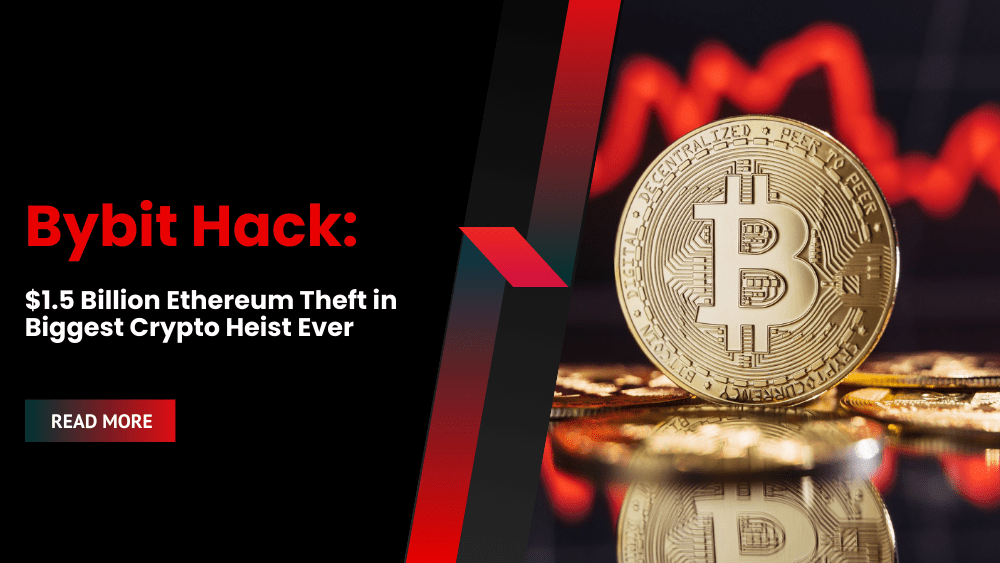
On 21 February 2025, Bybit, one of the world’s leading cryptocurrency exchanges, suffered a monumental security breach resulting in the theft of approximately 400,000 Ether tokens, valued at $1.5 billion. This incident has been identified as the largest cryptocurrency heist to date, surpassing previous records and sending shockwaves throughout the digital asset community.

The breach occurred during a routine transfer from Bybit’s cold wallet to a warm wallet—a standard procedure intended to ensure liquidity for daily operations. Attackers exploited this process by intercepting the transfer, redirecting the substantial sum to unknown addresses. Initial investigations have traced the hack to the Lazarus Group, a cybercrime organization associated with North Korea, notorious for orchestrating similar high-profile cyberattacks in the past.

In the immediate aftermath, Bybit’s market share plummeted from nearly 20% to a mere 5% by 2 March 2025, as users and traders sought more secure platforms. Binance emerged as a primary beneficiary during this period, with its market dominance soaring to 62% as traders migrated their assets. Other major exchanges, such as OKX and Coinbase, also experienced minor increases in market share, reflecting a broader redistribution of trading activity.

Bybit’s swift crisis response played a crucial role in stabilizing the situation. Unlike many exchanges that suspend withdrawals during security breaches, Bybit maintained operational status, allowing users to access their funds. This decision, coupled with consistent updates, helped maintain confidence and prevent mass withdrawals. The exchange also secured emergency funding from firms including Galaxy Digital, FalconX, and Wintermute, replenishing its reserves within 72 hours. By 9 March 2025, Bybit’s market share had rebounded to 9.04%. However, the exchange still faces significant reputational damage and lingering trust issues, raising doubts about its ability to fully regain its pre-hack position.

The incident has sparked discussions about the inherent vulnerabilities within the cryptocurrency ecosystem. While technological defenses continue to advance, this breach underscores that human error remains a critical weak point. INSEAD’s Ben Charoenwong emphasized that human failings, rather than technical glitches, are often the most significant factors in such incidents. He highlighted that a barrier to effective security is the reluctance to acknowledge ownership and responsibility for vulnerable systems.

The Bybit hack serves as a stark reminder of the importance of robust security protocols and the need for continuous vigilance in the rapidly evolving digital asset landscape. As the industry grapples with the implications of this unprecedented breach, stakeholders are urged to reassess their security measures, prioritize transparency, and foster a culture of accountability to safeguard against future threats.

Advertisements

Strategy, formerly known as MicroStrategy, has unveiled plans to issue up to $21 billion in preferred stock to fund additional Bitcoin acquisitions. This move underscores the company’s ongoing commitment to integrating cryptocurrency into its corporate strategy.

The firm, led by Executive Chairman Michael Saylor, has become a prominent institutional investor in Bitcoin. As of February 5, 2025, Strategy reported holding approximately 499,096 bitcoins, valued at over $41 billion. This substantial accumulation reflects the company’s aggressive approach to cryptocurrency investment.

To finance these acquisitions, Strategy has been leveraging various financial instruments. In February 2025, the company announced a $584 million offering of 8% perpetual convertible preferred stock, designated under the ticker symbol “STRK” on the Nasdaq Global Select Market. The net proceeds from this offering were earmarked for further Bitcoin purchases and general corporate purposes.

The latest proposal to issue up to $21 billion in preferred stock represents a significant escalation in Strategy’s capital-raising efforts. This initiative is part of the company’s broader strategy to secure $42 billion over the next few years through various securities offerings, including fixed-income instruments and common stock sales, all aimed at bolstering its Bitcoin reserves.

However, this aggressive capital-raising approach has raised concerns among investors and analysts. The potential issuance of such a substantial amount of preferred stock could lead to significant dilution of existing shareholders’ equity. Moreover, the high yield associated with the preferred stock, approaching 9.5%, reflects the increased financial risk and the company’s lack of ongoing earnings from its traditional software business.

Strategy’s heavy reliance on Bitcoin has also been a point of contention. While the company’s stock price has experienced substantial growth since pivoting to a Bitcoin-centric strategy, it has not always kept pace with Bitcoin’s performance. This discrepancy has led to questions about the sustainability of Strategy’s approach, especially given the inherent volatility of the cryptocurrency market.

Despite these challenges, Strategy continues to advocate for Bitcoin’s role as a transformative asset. The company’s leadership remains steadfast in its belief that integrating Bitcoin into its corporate treasury strategy will yield long-term benefits, both for the company and its shareholders.

South Korea’s Financial Supervisory Service has mandated that cryptocurrency exchanges contribute a 0.6% annual regulatory fee based on their operating revenues, amounting to a total of 7.9 billion won . This measure aims to bolster oversight within the rapidly expanding digital asset sector.

The fee structure, exceeding the initially anticipated 0.4%, requires quarterly payments due by the end of March, May, July, and October each year. The distribution of these fees among major exchanges is as follows:

– Dunamu, the operator of Upbit, is liable for 6.7 billion won .

– Bithumb faces a fee of 900 million won .

– Coinone is assessed at 150 million won .

– Gopax is charged 21.35 million won .

Korbit is exempt from this fee due to its operating revenue falling below the 3 billion won threshold set by the FSS.

The imposition of these fees underscores the South Korean government’s commitment to enhancing regulatory oversight in the cryptocurrency industry. By aligning digital asset platforms with traditional financial institutions under regulatory scrutiny, the FSS aims to ensure a more secure and transparent trading environment for investors.

This development follows the enactment of the Virtual Asset User Protection Act, which subjects virtual asset service providers to supervisory fees. The act stipulates that businesses with annual revenues exceeding 3 billion won are obligated to contribute to the FSS’s regulatory activities. These contributions are calculated using a rate of 2.686818 per 10,000 won of operating revenue from the previous fiscal year.

For instance, based on this rate, Upbit’s contribution is approximately 272 million won , while Coinone and Gopax are expected to contribute roughly 6.03 million won and 830,000 won , respectively. Korbit, with an operating revenue of approximately 1.7 billion won last year, is excluded from this fee due to not meeting the revenue threshold.

The supervisory fees are intended to fund the FSS’s regulatory activities, including inspections and oversight, ensuring that VASPs operate within the guidelines set forth by the Virtual Asset User Protection Act. This move brings virtual asset operators under the FSS’s inspection scope, aligning them with traditional financial institutions.

However, this new requirement poses significant challenges for many virtual asset exchanges. Most, except for Upbit and Bithumb, continue to suffer operating losses. Despite these losses, exchanges like Coinone and Gopax will still have to pay the supervisory share, adding financial pressure to their strained operations.

In addition to the supervisory fees, the Virtual Asset User Protection Act introduces various requirements for VASPs, including a mandate to hold at least 80% of users’ assets in cold storage. These funds must be segregated from company funds and invested in “risk-free” assets to generate a yield. Furthermore, crypto exchanges are required to reevaluate cryptocurrencies listed for trading, such as verifying their circulation and reviewing white papers.

The introduction of these supervisory fees and regulations reflects South Korea’s proactive approach to regulating the cryptocurrency industry. By implementing stringent oversight measures, the government aims to protect investors and maintain the integrity of the financial system in the face of rapid technological advancements and the growing popularity of digital assets.

The financial burden imposed by these fees may prompt smaller exchanges to reassess their operational strategies or consider mergers to remain viable. It also underscores the importance for cryptocurrency exchanges to maintain transparent and robust financial practices to comply with regulatory standards.

Dubai’s Crown Prince, Sheikh Hamdan bin Mohammed bin Rashid Al Maktoum, has enacted Executive Council Resolution No. of 2025, enabling free zone companies to extend their operations into mainland Dubai. This legislative move aligns with the Dubai Economic Agenda D33, which aspires to double the city’s economy by 2033 and solidify its status among the world’s top three economic cities. Under the new resolution, companies licensed by […]

Investcorp, a global alternative investment firm, has acquired a majority stake in Miebach Logistik Holding GmbH, a leading German supply chain and logistics consultancy. The transaction, announced on 17 March 2025, will see Miebach’s existing equity partners retain a significant minority share. Financial details of the deal have not been disclosed, and completion is anticipated in the second quarter of 2025, pending regulatory approvals. Established in 1973 […]

Revenue Growth Supported by Multiple Pillars Steadily Enhancing Shareholder Returns HONG KONG SAR – Media OutReach Neswire – 17 March 2025 – The world’s largest telecommunications infrastructure service provider China Tower Corporation Limited (“China Tower” or the “Company”) (Stock Code: 0788.HK) is pleased to announce its annual results for the year ended 31 December 2024. Performance Highlights RMB Million 2024 2023 Change Operating revenue 97,772 94,009 4.0% […]

CME Group, the world’s largest futures exchange, has introduced Solana futures contracts, providing institutional investors with an additional tool for trading the popular cryptocurrency. This move marks a significant step in the expansion of derivatives markets, particularly as digital assets like SOL continue to rise in prominence within the blockchain ecosystem.

The introduction of Solana futures comes at a time when demand for cryptocurrency-related products among institutional players is growing. By expanding beyond traditional spot trading and options, CME Group is responding to a clear market trend: the increasing appetite for advanced financial instruments in the digital asset space. With the launch of these futures contracts, CME Group further solidifies its position as a leader in cryptocurrency derivatives trading, following its successful rollouts of Bitcoin and Ethereum futures.

For institutional investors, Solana futures provide a method of hedging risk and gaining exposure to the cryptocurrency market without having to directly own or manage the underlying asset. Futures contracts are particularly useful for large-scale traders, offering opportunities to speculate on price movements and manage the volatility associated with crypto assets. The addition of SOL futures further diversifies the range of cryptocurrency products available on the CME Group’s platform, complementing its existing offerings.

SOL, the native cryptocurrency of the Solana blockchain, has seen impressive growth in recent months. It continues to strengthen its position as a leading layer 1 network, noted for its fast transaction speeds and low costs, which have made it a popular choice for developers. As the blockchain ecosystem continues to evolve, Solana’s robust performance in areas like decentralized finance , NFTs, and gaming has contributed to a growing number of use cases, driving interest among both retail and institutional investors.

The rise of Solana can be traced to its unique combination of scalability and decentralization, offering an alternative to slower and more expensive platforms like Ethereum. In particular, Solana’s ability to process thousands of transactions per second at a fraction of the cost of its competitors has made it an attractive option for developers seeking high-performance blockchain solutions. This technical advantage is reflected in the increasing adoption of the Solana network, further contributing to its growing market capitalization and network activity.

As the launch of Solana futures unfolds, the attention is on how the product will be received by institutional traders, many of whom have previously shown a preference for more established cryptocurrencies like Bitcoin and Ethereum. However, the entry of new institutional investors into the Solana market could be a game-changer. The volatility that characterises Solana’s price movements may appeal to institutional traders looking for more active trading opportunities and higher-risk, higher-reward positions. Moreover, the futures contracts offer a way to gain exposure to Solana’s price without being directly affected by the underlying volatility in the same way as spot holders.

In addition to its core functionality as a trading tool, the launch of Solana futures is also indicative of broader trends within the cryptocurrency market. The growing institutional interest in digital assets has led to a surge in derivative products, enabling sophisticated trading strategies that were once unavailable in the traditional financial markets. The success of Bitcoin and Ethereum futures, which have attracted billions in liquidity, serves as a precedent for the growing acceptance of cryptocurrencies in institutional investment portfolios.

The move to introduce Solana futures aligns with CME Group’s broader strategy of offering diverse cryptocurrency-related products to meet the needs of institutional investors. By expanding its product offering to include Solana, CME Group not only attracts more traders to its platform but also increases the legitimacy of the cryptocurrency market within traditional financial systems. This development is likely to encourage further innovation and investment in the sector.

Beyond Solana’s technical advantages, the timing of its futures contract launch also positions CME Group strategically within the broader cryptocurrency landscape. As the digital asset market continues to mature, institutional adoption is poised to grow, with more regulatory clarity and financial infrastructure emerging. As one of the first exchanges to offer a futures contract for Solana, CME Group places itself at the forefront of this market evolution.

Despite Solana’s recent successes, challenges remain for the network. The blockchain’s rapid growth has been accompanied by concerns over network stability, with occasional outages raising questions about the scalability and reliability of its technology. While these issues have not significantly hindered Solana’s progress to date, any technical difficulties could potentially affect investor confidence in the network. However, as Solana continues to innovate and improve its infrastructure, its position in the crypto space looks increasingly secure.

The introduction of Solana futures is expected to bring increased liquidity to the market, further boosting its visibility and legitimacy in the eyes of institutional investors. For CME Group, the move represents a strategic push to offer products that cater to the growing demand for cryptocurrency-based trading instruments, and it reflects the evolving nature of digital asset markets.

OKX, a prominent cryptocurrency exchange, has temporarily suspended its decentralized exchange aggregator service following the detection of a coordinated attempt by the North Korean hacking collective, Lazarus Group, to exploit its decentralized finance offerings. This proactive measure aims to bolster security and prevent further misuse of the platform.

The exchange announced that, after consulting with regulators, it decided to pause its DEX aggregator services to implement additional security upgrades. This suspension allows OKX to address incomplete tagging on blockchain explorers and enhance its systems to prevent malicious activities. The company emphasized its commitment to transparency and is collaborating with blockchain explorers to ensure accurate labeling of transactions, thereby preventing the misidentification of its aggregator as the point of trade.

In response to the detected threats, OKX has already rolled out several security enhancements. These include a hacker address detection system for its Web3 DEX aggregator and a real-time tracking mechanism to monitor and block malicious addresses within its centralized exchange. These measures are part of OKX’s ongoing efforts to stay ahead of cyber threats and protect its users.

Despite the suspension of the DEX aggregator, OKX’s wallet services remain operational. However, the creation of new wallets has been temporarily paused in select markets during this period of heightened security measures. The exchange has not provided a specific timeline for the resumption of its DEX aggregator services, indicating that the suspension will remain in effect until the necessary security upgrades are fully implemented.

The decision to suspend the DEX aggregator comes amid reports of European Union financial watchdogs investigating OKX’s Web3 services and wallet offerings for their alleged role in laundering funds from a significant hack targeting another cryptocurrency exchange, Bybit. According to Bybit CEO Ben Zhou, approximately $100 million from the $1.5 billion hack had been laundered through OKX’s Web3 platform, with a portion of the funds now untraceable.

OKX has refuted these allegations, stating that such reports are misleading. The exchange asserts that upon learning of the Bybit hack, it took immediate action by freezing associated funds from moving into its centralized exchange and developing new hack detection features. OKX maintains that its Web3 DEX aggregator is not a custodian of customer assets but rather serves to provide access to liquidity across multiple protocols, offering users an efficient peer-to-peer trading experience.

The Lazarus Group, believed to be linked to the North Korean government, has been implicated in several high-profile cyberattacks targeting financial institutions and cryptocurrency platforms. Their involvement in the attempted exploitation of OKX’s DeFi services underscores the persistent threats facing the cryptocurrency industry.

In light of these events, OKX has reiterated its commitment to combating financial crime and enhancing the security of its platforms. The exchange has implemented measures such as prohibited markets’ IP blocking and a real-time black address detection and blocking system. OKX CEO Star Xu emphasized the company’s dedication to building industry control standards in collaboration with global partners to ensure a secure and transparent trading environment.

MoirAI Cloud, a Florida-based AI infrastructure startup, has secured $1 million in pre-seed funding to enhance energy efficiency in AI-driven data centres. The company’s innovative approach leverages AI to optimise power consumption and significantly reduce energy waste, with the potential to cut energy usage by up to 95%. The investment comes at a time when the global data centre market is under increasing pressure to adopt more […]

HONG KONG SAR – Media OutReach Newswire – 17 March 2025 – Mr Albert Wong, CEO of Hong Kong Science and Technology Parks Corporation (HKSTP), led a delegation on a highly successful European Innovation Mixer tour in March, engaging with over 1,000 students and innovation and technology (I&T) talents, encouraging them to pursue opportunities in Hong Kong. The delegation also secured over 1,000 business collaboration opportunities, further […]

Brazil’s financial landscape is poised for a potential transformation as the National Congress deliberates a bill proposing the legalization of salary payments in Bitcoin and other digital assets. Introduced by Luiz Philippe de Orleans e Bragança, a former federal deputy from São Paulo, the legislation seeks to grant Brazilian workers the option to receive up to 50% of their wages and benefits in cryptocurrencies, with the remainder paid in the national currency, the Brazilian real.

The proposed bill establishes a legal framework for employees and employers who mutually agree to utilize digital assets for compensation. Importantly, it does not mandate the acceptance of Bitcoin but provides a voluntary avenue for those interested in integrating cryptocurrencies into their remuneration packages. Employees retain the right to discontinue this payment method at any time, ensuring flexibility and autonomy in their financial decisions.

To maintain the stability and practicality of the national currency, the bill stipulates that at least 50% of salaries must be disbursed in Brazilian reals. This provision ensures that while embracing innovative payment methods, the traditional monetary system remains integral to daily transactions. The legislation specifically excludes freelancers, foreigners, and self-employed individuals, as their payment arrangements fall under the purview of the Central Bank of Brazil.

For the bill to become law, it must first secure approval from the plenary session of the House of Representatives through a majority vote. Subsequently, it will proceed to the Federal Senate for final consideration. If enacted, this legislation could position Brazil at the forefront of cryptocurrency adoption, potentially influencing other nations to explore similar integrations of digital assets into their financial systems.

Proponents of the bill argue that legalizing Bitcoin salary payments could enhance Brazil’s appeal as a global hub for digital assets, attracting foreign investment and fostering technological innovation. Luiz Philippe de Orleans e Bragança emphasized that such measures could empower employees with greater autonomy over their earnings and align the country with emerging financial technologies.

However, the proposal has sparked a spectrum of reactions. Supporters highlight the potential benefits of embracing cryptocurrencies, including increased financial inclusion and the democratization of financial services. They argue that offering salaries in digital assets could provide workers with more control over their wealth and facilitate participation in the global digital economy.

Conversely, critics express concerns regarding the volatility of cryptocurrencies like Bitcoin, which could expose employees to financial risks. The fluctuating value of digital assets may lead to unpredictable income levels, complicating personal financial planning and budgeting. Additionally, there are apprehensions about the adequacy of existing regulatory frameworks to address potential challenges associated with widespread cryptocurrency adoption.

To address these concerns, the bill includes provisions aimed at safeguarding employees’ interests. Employers opting to offer cryptocurrency payments are required to provide detailed payment statements and ensure that workers receive financial education on market volatility and transaction security. This educational component is designed to equip employees with the necessary knowledge to navigate the complexities of digital asset markets responsibly.

Brazil’s current stance on cryptocurrencies is relatively progressive. In December 2022, the country established a licensing regime for virtual asset service providers, aiming to legalize crypto as a payment method. Prior to this, while cryptocurrencies were not banned, they were discouraged due to operational risks. The Central Bank of Brazil had issued statements cautioning against the use of cryptocurrencies, citing concerns over financial stability and consumer protection.

The introduction of this bill reflects a broader trend of increasing interest in integrating cryptocurrencies into mainstream financial practices. Several countries have been exploring the potential of digital assets, with varying degrees of regulatory acceptance. Brazil’s move to consider Bitcoin salary payments signifies a notable step towards embracing the evolving digital economy.

As the bill undergoes legislative scrutiny, its potential implications for Brazil’s economy, workforce, and financial system remain subjects of keen observation. The outcome will likely influence not only the future of cryptocurrency adoption in Brazil but also serve as a reference point for other nations contemplating similar initiatives.

In the interim, stakeholders, including employers, employees, financial institutions, and regulators, are encouraged to engage in comprehensive dialogues to assess the benefits and risks associated with cryptocurrency-based salary payments. Such discussions are crucial to ensure that any transition towards digital asset integration is conducted with prudence, safeguarding the interests of all parties involved.


SINGAPORE – Media OutReach Newswire – 17 March 2025 – FBS, a leading global broker, has been recognized for excellence, winning three major titles at the FXDailyInfo Forex Brokers Award 2025: Best Value Forex Broker 2025 Best Forex Trading Support 2025 Best Global Affiliate Programs 2025 These accolades highlight FBS’s commitment to delivering top-tier trading conditions, outstanding client support, and highly rewarding partnership opportunities. FBS Secures Three […]

Du, a leading telecom and digital services provider in the United Arab Emirates, has entered into a strategic collaboration with Microsoft to enhance cybersecurity services across the nation. Announced during the Mobile World Congress in Barcelona from March 3 to 6, 2025, this partnership aims to integrate Microsoft Azure’s advanced security technologies and artificial intelligence capabilities with du Tech’s managed services, offering a comprehensive security solution tailored […]

Thailand’s Most Trusted Developer Capitalizes On Surging Pattaya And Tourist Destination Demand PATTAYA, THAILAND – Media OutReach Newswire – 17 March 2025 – Sansiri Public Company Limited, Thailand’s leading developer with a 40-year track record widely regarded as Thailand’s most trusted fully integrated real estate developer among both Thai and international clients, announces surpassing all records with the successful real-time global online booking launch of ‘PTY Residence […]

Accelerating Deeptech SINGAPORE – Media OutReach – 3 October 2023 – X-PITCH is delighted to introduce 2023 TOP100 startups. Chosen from a pool of over 3,000 startups around the world, this year’s selection showcases a diverse and vibrant ecosystem of entrepreneurial talent. X-PITCH 2023 is driven by a shared commitment to accelerate deeptech innovation across four vital domains: Healthcare, Advanced Manufacturing, Sustainability, and Digital Economy. The statistics […]

RIYADH, SAUDI ARABIA – Media OutReach Newswire – 16 March 2025 – Sahm Capital is excited to announce its official membership in the Arab Federation of Capital Markets (AFCM), further solidifying its commitment to the growth and development of the Arab capital markets. Founded in 1978, AFCM aims to enhance the efficiency and transparency of capital markets across the Arab region, including the GCC, Levant, and Arab […]

Abu Dhabi-based investment firm MGX has made a landmark $2 billion investment in Binance, the world’s largest cryptocurrency exchange. This transaction represents Binance’s first institutional investment and is one of the most significant in the cryptocurrency industry’s history.

The investment was executed using stablecoins, a category of cryptocurrencies designed to maintain a stable value by pegging to traditional fiat currencies. While the specific stablecoin utilized in this transaction was not disclosed, such a substantial investment underscores the growing acceptance and integration of digital assets within mainstream financial systems.

MGX, chaired by Sheikh Tahnoon bin Zayed al-Nahyan, has traditionally focused on artificial intelligence and technological infrastructure. This move into the cryptocurrency sector signifies a strategic expansion of MGX’s investment portfolio, aligning with the United Arab Emirates’ ambition to position itself as a global hub for digital assets and blockchain technology.

Ahmed Yahia, CEO of MGX, emphasized the firm’s commitment to advancing the potential of blockchain technology in digital finance. He stated, “Our investment in Binance reflects our belief in the transformative potential of blockchain and our commitment to supporting the evolution of the digital finance ecosystem.”

Binance, established in 2017, has rapidly ascended to become the leading cryptocurrency exchange globally, boasting a daily trading volume exceeding $20 billion. The company maintains a significant operational presence in Abu Dhabi, employing approximately 1,000 individuals in the region. This investment not only strengthens Binance’s ties with the UAE but also highlights the strategic importance of the Middle East in the global cryptocurrency landscape.

Richard Teng, CEO of Binance, previously served as the head of the Abu Dhabi Financial Services Regulatory Authority. His leadership has been instrumental in navigating the complex regulatory environment and fostering relationships within the region. Teng expressed enthusiasm about the partnership with MGX, stating, “This investment marks a pivotal moment for Binance as we continue to build bridges between traditional finance and the digital asset industry.”

The UAE’s proactive approach to embracing digital assets is further exemplified by the introduction of AE Coin, a stablecoin backed by the UAE dirham. This initiative aims to facilitate seamless transactions within the digital economy and reinforce the country’s position as a pioneer in blockchain adoption.

MGX’s investment in Binance is anticipated to catalyze advancements in artificial intelligence, blockchain integration, and regulatory compliance within the cryptocurrency industry. By leveraging MGX’s expertise in AI and technology infrastructure, Binance aims to enhance its platform’s capabilities, offering more robust and secure services to its global user base.

This development arrives at a time when the cryptocurrency industry is witnessing increased institutional interest and regulatory scrutiny. Binance has faced challenges in the past, including a $4.3 billion fine in 2023 for failing to prevent money laundering activities. However, under Teng’s leadership, the company has made significant strides in enhancing its compliance measures and rebuilding its reputation within the global financial community.

The strategic partnership between MGX and Binance is expected to pave the way for further institutional investments in the digital asset space. As traditional financial institutions increasingly recognize the potential of blockchain technology, collaborations like this are likely to become more prevalent, driving innovation and adoption across the industry.

Gold prices have soared past the $3,000 per ounce mark for the first time, reflecting investors’ flight to safety amid escalating global economic uncertainties. The precious metal reached an unprecedented high of $3,004.86 during midday trading on Friday before settling slightly below this milestone later in the session. Several factors have converged to drive this historic surge. Chief among them is the intensifying trade conflict initiated by […]

VISHNU RAJA
RYO YAMADA
HITORI GOTOH
IKUYO KITA