News related to
secure

SINGAPORE – Media OutReach Newswire – 12 February 2025 – X0PA AI, a leading innovator in AI-powered talent acquisition, today announced the launch of its groundbreaking Agentic AI Suite, featuring advanced AI-driven agents designed to transform the hiring landscape. The initial release introduces two powerful AI agents, Alex and Kate, marking a significant milestone in recruitment automation and intelligence. Meet the Agents: Alex – An AI-powered screening […]

As Hong Kong witnesses a burgeoning interest in health insurance, Singapore grapples with the challenges of rising medical costs and financial risk management. Budget Priorities: Respondents in both regions allocate significant portions of their budgets to Family, Finance, and Health. Notably, there is a strong intent to increase health budgets in 2025, particularly among the middle-income segment, with 31% in Singapore and 26% in Hong Kong planning […]

Electrical safety is the most important element of occupational health and safety when working in production, during electrical repairs and on construction sites. The enterprise, especially those related to the electrical industry, must pay attention to the protection of personnel from electrical hazards. In the UAE, the availability of insulating gloves, safety shoes and clothing are prescribed by local safety standards. This will prevent electrocution, burns and […]

A consortium led by Elon Musk has made a $97.4 billion offer to acquire OpenAI, the artificial intelligence company known for developing ChatGPT. The bid, aimed at returning OpenAI to its original nonprofit status, was swiftly declined by CEO Sam Altman, who humorously suggested purchasing Twitter instead for $9.74 billion. This development intensifies the ongoing dispute between Musk and Altman, who co-founded OpenAI in 2015. Musk departed […]

The Middle East confronts a significant and widening disparity between its climate adaptation funding requirements and actual expenditures. According to the Brookings Institution, the region’s national adaptation plans and nationally determined contributions estimate a need for $8.2 billion annually until 2030. However, modelled adaptation costs are projected at $17.1 billion per year, highlighting a substantial and growing financial gap. Amar Bhattacharya, a senior fellow at the Brookings […]

Abu Dhabi-based Ittihad International Investment LLC has secured a $450 million sustainability-linked revolving credit facility with a consortium of local banks. The facility was arranged by Emirates NBD, Commercial Bank of Dubai, and First Abu Dhabi Bank, serving as mandated lead arrangers and bookrunners, as well as sustainability joint coordinators. Additionally, Abu Dhabi Commercial Bank, Abu Dhabi Islamic Bank, and Emirates Islamic acted as joint arrangers. The […]

Nirmata, a San Jose-based IT startup specializing in cloud-native security policy automation and governance solutions, has announced a $4 million pre-Series A funding round led by Z5 Capital. Additional participants include Uncorrelated Ventures, Samsung Next, Benhamou Global Ventures , and angel investors Saqib Syed and BV Jagadeesh. This investment aims to accelerate the development of Kyverno, Nirmata’s open-source Kubernetes native policy management tool. Kyverno, designed to streamline […]

Advertisements

Lior Div, the Chief Executive Officer of cybersecurity firm Cybereason Inc., has filed a lawsuit against former U.S. Treasury Secretary Steven Mnuchin and the SoftBank Vision Fund, alleging that their financial maneuvers have jeopardized the company’s financial stability. The legal action centers on claims that the investment strategies employed by Mnuchin’s Liberty Strategic Capital and the SoftBank Vision Fund have placed Cybereason at risk of insolvency.

In 2021, Cybereason secured a $275 million investment led by Liberty Strategic Capital, Mnuchin’s private equity firm. This funding round was intended to bolster the company’s position in the cybersecurity market, with plans to expand its workforce and pursue acquisitions in the Extended Detection and Response and cloud security sectors. The investment was seen as a strategic move to enhance Cybereason’s capabilities in combating sophisticated cyber threats.

However, the lawsuit contends that the terms of the investment and subsequent financial decisions have adversely affected Cybereason’s financial health. Specific details of the alleged detrimental actions have not been disclosed publicly, but the legal filing suggests that the strategies implemented by Mnuchin and the SoftBank Vision Fund have led to significant financial strain on the company.

Cybereason, founded in 2012 by Lior Div, Yonatan Striem-Amit, and Yossi Naar, has been recognized for its innovative approach to cybersecurity, particularly in delivering proactive threat detection and response solutions. The company has previously attracted substantial investments, including a $59 million Series C funding round led by SoftBank in 2015, which facilitated its expansion into the Japanese market.

The involvement of high-profile investors such as Mnuchin and the SoftBank Vision Fund was initially perceived as a vote of confidence in Cybereason’s technology and market potential. Mnuchin, upon leading the 2021 investment, expressed enthusiasm about partnering with Cybereason to defend critical information networks against the growing danger of cyberattacks.

The current legal dispute raises questions about the dynamics between startup companies and their investors, particularly concerning the influence of investment terms on a company’s operational autonomy and financial well-being. The outcome of this lawsuit could have broader implications for the venture capital landscape, especially in the technology sector, where substantial investments are often accompanied by strategic control exerted by investors.

Salience Labs, a company specialising in photonic solutions for AI data centre connectivity, has secured $30 million in Series A funding. This investment aims to advance the development of their optical switches, designed to enhance large-scale AI infrastructure.

The funding round was led by Cambridge Innovation Capital and Oxford Science Enterprises, with participation from Oxford Investment Consultants, former Dialog Semiconductor CEO Jalal Bagherli, Silicon Catalyst, the Goh Family Office in Singapore, and Arm-backed Deeptech Labs.

Salience Labs, founded in 2021 as a spin-out from the University of Oxford and the University of Münster, is developing an ultra high-speed multi-chip processor that integrates a photonics chip with standard electronics. This technology is scalable, capable of stacking up to 64 vectors into a beam of light, delivering massively parallel processing performance within a given power envelope.

The company’s proprietary amplitude-based approach to photonics results in dense computing chips operating at tens of gigahertz. This, combined with massively parallel performance, aims to enable exascale computing in a wide array of AI processes and applications.

Salience Labs employs a multi-chip design, with the photonic processing mapping directly on top of the Static Random Access Memory . This novel ‘on-memory compute’ architecture is inherently faster and can be adapted to the application-specific requirements of different market verticals, making it suitable for AI use-cases in communications, robotics, vision systems, healthcare, and other data workloads.

The technology has been designed from first principles for volume manufacture and is currently being fabricated with production-level foundries using standard CMOS processes.

Ian Lane, Partner at Cambridge Innovation Capital, stated that Salience Labs brings together deep domain expertise in photonics, electronics, and CMOS manufacture. He noted that their unique approach to photonics delivers an exceedingly dense computing chip without having to scale the photonics chip to large sizes.

Alexis Zervoglos, Partner at Oxford Science Enterprises, commented that Salience Labs offers a pioneering yet pragmatic solution to the widening gap between AI processing demand and semiconductor industry supply. By leveraging photonics in a novel way, the company is set to make unprecedented advances in computing, transforming existing AI applications and opening up new addressable horizons.

Jalal Bagherli, investor and former CEO of Dialog Semiconductor, remarked that the team at Salience Labs is world-class, combining commercial and technical acumen with a disruptive market vision. He highlighted their unique ‘on-memory compute’ architecture as ground-breaking, with the potential for breakthrough performance and power capability beyond what the established CMOS roadmap offers.

Vaysh Kewada, CEO and co-founder of Salience Labs, emphasized the increasing demand for faster chips to grow AI capability, noting that the semiconductor industry cannot keep pace with this demand. She explained that their proprietary ‘on-memory compute’ architecture combines the ultra-fast speed of photonics, the flexibility of electronics, and the manufacturability of CMOS, ushering in a new era of processing where supercompute AI becomes ubiquitous.

Salience Labs is headquartered in Oxford, UK, and funded by a portfolio of investors including Cambridge Innovation Capital, Oxford Science Enterprises, Oxford Investment Consultants, Silicon Catalyst, Deeptech Labs, and leaders from the global semiconductor industry, including former Dialog Semiconductor CEO Jalal Bagherli and the Goh Family Office in Singapore.

The company’s mission is to build photonic switches for AI infrastructure, solving fundamental networking bottlenecks and enabling high bandwidth, low latency connectivity for improved AI model performance. Their optical circuit switch keeps the payload fully optical while directing data to where it needs to go, eliminating the need for expensive transceivers.

Salience Labs’ photonic switch enables all-optical, multi-hop large cluster connectivity, addressing the flexibility and control required in next-generation AI infrastructure. The switch allows for resizing and provisioning networks quickly and on the fly, with fast reconfiguration, novel flow routing, and synchronization technologies.

The company’s technology is the result of over 10 years of research into silicon photonics. Salience Labs’ switch is built for AI and focuses on compatibility, reliability, and manufacturability. The team comprises experts in photonics, electronics, embedded software, and machine learning, working together to shape the future of optical networking.

Salience Labs’ board and advisors include industry leaders such as Daniel Armbrust, Chairman; Dr. Bill Jeffrey, Board Member; Jack Edmondson, Board Member; Jalal Bagherli, Investor and Advisor; and Prof. Wolfram Pernice, Co-Founder and Advisor.


Private equity firm Turn/River Capital has announced an agreement to acquire SolarWinds, a leading provider of IT management and observability software, in an all-cash transaction valued at $4.4 billion. The deal prices SolarWinds shares at $18.50 each, representing a 35% premium over the company’s average closing price over the past 90 days. The acquisition has received unanimous approval from SolarWinds’ board of directors and is anticipated to close in the second quarter of 2025, pending regulatory approvals and customary closing conditions. Upon completion, SolarWinds will transition to a privately held company, with its stock delisted from the New York Stock Exchange.

Sudhakar Ramakrishna, SolarWinds’ president and CEO, expressed optimism about the partnership, stating, “We have built a great track record of helping customers accelerate business transformations through simple, powerful, secure solutions designed for hybrid and multi-cloud environments. We now look forward to partnering with Turn/River to deliver operational resilience solutions for our customers on our SolarWinds Platform.” He emphasized that the transaction reflects the dedication of SolarWinds’ employees to customer success and expressed confidence that Turn/River’s expertise will drive further innovation and value for customers and stakeholders.

Dominic Ang, founder and managing partner of Turn/River Capital, highlighted SolarWinds’ position in the industry, noting, “SolarWinds is a global leader in software that helps businesses securely manage and optimize their IT systems, networks, and infrastructure. Their commitment to customer success and their proven track record of innovation have made them an ideal partner for us. We are excited to leverage our team’s expertise in software operations and growth to accelerate SolarWinds’ development and further its mission.”

This acquisition comes as SolarWinds continues to expand its portfolio of observability, monitoring, and service desk solutions. The company has been focusing on delivering simple, powerful, and secure solutions tailored for hybrid and multi-cloud environments, aiming to assist customers in accelerating their business transformations.

In 2020, SolarWinds faced a significant challenge when its Orion network monitoring platform was compromised in a targeted supply chain attack. Malicious code was injected into Orion between March and June 2020, allowing hackers, believed to be associated with Russian intelligence agency APT29, to breach systems at several U.S. government departments, including Defense, State, Treasury, Homeland Security, and Commerce, as well as private sector organizations. In response, the U.S. Cybersecurity and Infrastructure Security Agency directed all federal civilian agencies to shut down SolarWinds Orion products until all compromised accounts and identified persistent threats were eliminated.

Despite this setback, SolarWinds has worked to rebuild its reputation and strengthen its security measures. The partnership with Turn/River Capital is expected to provide the company with the resources and support needed to continue its growth trajectory and enhance its offerings in the IT management and observability space.

Turn/River Capital, based in San Francisco, specializes in software investments and has a history of partnering with technology companies to drive growth and operational efficiency. The firm focuses on providing flexible capital and operational expertise to help software companies scale and achieve their strategic objectives.

The acquisition of SolarWinds aligns with Turn/River’s strategy of investing in established software companies with strong market positions and potential for accelerated growth. By leveraging its operational expertise and resources, Turn/River aims to support SolarWinds in delivering enhanced solutions to its global customer base.

Valve Corporation has announced a ban on all in-game advertisements and sponsorships during The International 2024, its premier Dota 2 tournament. This decision, disclosed just a week before the event in Copenhagen, Denmark, aims to eliminate distractions and maintain focus on the gameplay and participants. Historically, Valve integrated features within Dota 2 to honor teams and players. However, these elements have increasingly been utilized for advertising purposes. […]

By Nitya Chakraborty The victory of the BJP in the Delhi assembly elections defeating the ruling Aam Aadmi Party (AAP) convincingly is certainly a jolt to the opposition INDIA bloc, but it does not mean the end of AAP, or the final tolls for the INDIA bloc, as some commentators in the national media and […]


Mutuum Finance, a decentralized lending protocol, is garnering significant attention in the decentralized finance sector. The platform’s presale phase has seen substantial participation from prominent investors, driven by projections of a 1300% increase in token value by its official launch.

The platform offers a dual-market approach: Peer-to-Contract and Peer-to-Peer . In the P2C market, transactions are automated through smart contracts, providing a secure method for users to supply or borrow assets. This market accepts only tokens that meet stringent safety and risk criteria, such as stablecoins like USDT or established assets like ETH, ensuring a safer environment for users aiming to minimize risk while earning or accessing funds. Conversely, the P2P market enables direct user-to-user transactions, allowing the exchange of a broader range of tokens, including newer or higher-risk assets like memecoins and recently launched cryptocurrencies. While these tokens carry higher risks, they also offer opportunities for users seeking potential higher returns. Both markets are powered by smart contracts, ensuring transactions remain secure, decentralized, and efficient across the platform.

The presale is structured across multiple stages, with the initial phase pricing MUTM tokens at $0.01. Early investors have the opportunity to secure tokens at this entry point, with the price set to increase in subsequent stages, culminating in a launch price of $0.06. This structure offers early participants a potential 1100% return by the time of the platform’s official launch. For instance, an investment of $1,200 at this stage could potentially grow to $13,200 at launch.

Analysts predict further price growth post-launch, driven by the platform’s live beta release and increasing community interest. Anticipated listings on top-tier centralized exchanges could further enhance the token’s value, with projections suggesting an additional 1100% increase or more.

To engage and reward its community, Mutuum Finance has announced a $100,000 giveaway. The prize pool will be divided among 10 winners, each receiving $10,000 worth of MUTM tokens. Participants are required to follow Mutuum Finance on social media platforms and actively engage with the community. Detailed instructions for participation are available on the official website.

Saudi Arabia’s Capital Market Authority has released draft amendments to its Investment Funds Regulations, seeking public feedback until 5 November 2024. The proposed changes aim to enhance investor protection, particularly for retail clients engaging with private and foreign investment funds.

A key proposal mandates that fund managers secure equal or greater cash subscriptions from qualified and institutional clients before offering private fund units to retail investors. Similarly, foreign fund securities cannot be privately offered to retail clients unless matching cash subscriptions are obtained from qualified and institutional clients within the Kingdom. This initiative addresses concerns that private and foreign funds, which operate under fewer regulatory constraints than public funds, may pose higher risks to retail investors.

In 2021, the CMA permitted retail clients to invest up to SAR 200,000 in private and foreign funds without specifying their subscription percentage. The current draft amendments aim to set specific percentages for retail client subscriptions to mitigate risk exposure and enhance protection. The CMA emphasizes that these proposals will strengthen investor protection by addressing the risks associated with private and foreign funds.

The CMA encourages stakeholders, market participants, and the public to share their insights on these proposed amendments. Comments can be submitted via the Unified Electronic Platform for Public Consultation or through the CMA’s official email channels. All feedback will be carefully reviewed before finalizing the regulatory amendments.

These proposed amendments are part of the CMA’s ongoing commitment to enhance investor protection by refining the requirements for offering private and foreign investment funds to retail investors. The CMA aims to increase market transparency, enhance investor protection, and boost market participation.

As Saudi Arabia continues to diversify its economy and expand its financial markets, these measures will contribute to a safer and more appealing environment for both local and international investors.

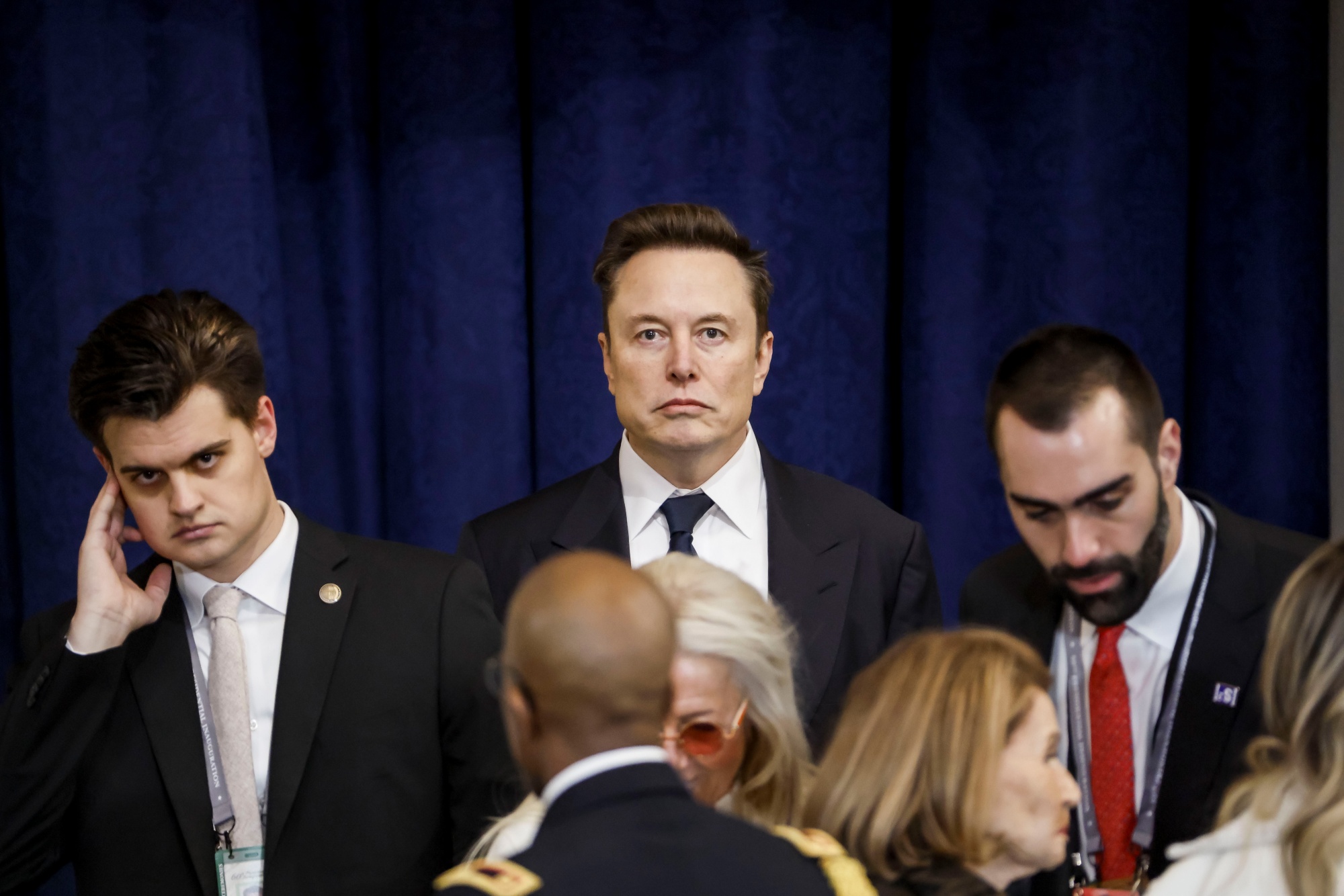
A 19-year-old member of Elon Musk’s Department of Government Efficiency , Edward Coristine, was previously terminated from an internship at Path Network, a cybersecurity firm, for allegedly leaking proprietary information to a competitor. In a June 2022 communication, a Path Network executive stated that Coristine had been dismissed due to the unauthorized disclosure of internal data, emphasizing the company’s zero-tolerance policy towards such breaches. Following his departure […]

18-29 year olds significantly more optimistic and feel more financially prepared to confront the year compared to 40-49 year olds. SINGAPORE – Media OutReach Newswire – 6 February 2025 – AIA Singapore today announced findings from the seventh edition of the AIA Live Better Study, which reflects the evolution of a society where more than 4 in 5 (83%) of Singapore residents plan to actively manage their […]

Multiple Institutions Give AIM a “Buy” Rating HONG KONG SAR – Media OutReach Newswire – 5 February 2025 – AIM Vaccine Co., Ltd. (06660.HK), a leading PRC vaccine company, announced today that its independently developed mRNA RSV (respiratory syncytial virus) vaccine has recently been submitted for clinical trials to the U.S. Food and Drug Administration (FDA). The vaccine has demonstrated significantly higher humoral and cellular immunity compared […]

The UAE and France have formalised a strategic collaboration to build a cutting-edge AI-powered data centre in the Gulf region. The development of this 1-gigawatt facility marks a significant step in strengthening technological ties between the two countries, focusing on enhancing artificial intelligence infrastructure and driving the digital transformation in both regions. This agreement highlights the growing trend of international partnerships in the realm of AI, as […]

The Central Bank of the United Arab Emirates has formalised a Memorandum of Understanding with the Economic Security Centre of Dubai, aiming to enhance collaboration and information exchange in the fight against financial crime. This strategic partnership underscores the UAE’s commitment to maintaining a secure and transparent financial environment.

The MoU focuses on strengthening cooperation between the CBUAE and the Economic Security Centre of Dubai in areas of mutual interest, particularly in the exchange of information and expertise related to financial crime prevention. By fostering closer ties, both institutions aim to bolster the UAE’s defences against illicit financial activities, ensuring the integrity and stability of the nation’s financial system.

This agreement aligns with the UAE’s broader strategy to combat financial crime and uphold the highest standards of economic security. The collaboration between the CBUAE and the Economic Security Centre of Dubai is expected to lead to more effective monitoring and enforcement mechanisms, thereby enhancing the country’s reputation as a safe and attractive destination for global investors.

In recent years, the UAE has intensified its efforts to strengthen its financial regulatory framework. The signing of this MoU represents a significant step forward in these endeavours, reflecting the nation’s proactive approach to addressing emerging challenges in the global financial landscape.

The partnership will facilitate the sharing of critical information and best practices between the two entities, enabling them to respond more effectively to threats such as money laundering, terrorist financing, and other forms of financial crime. This collaborative approach is anticipated to result in more robust preventive measures and a more resilient financial system.

The CBUAE has been at the forefront of implementing initiatives to enhance financial stability and integrity. This latest agreement with the Economic Security Centre of Dubai complements these efforts, reinforcing the central bank’s role in safeguarding the nation’s economic interests.

The Economic Security Centre of Dubai, established to protect the emirate’s economic interests, plays a crucial role in preventing activities that could harm the economy. Through this MoU, the Centre aims to leverage its expertise in economic security to support the CBUAE’s mission of maintaining a stable and secure financial environment.

This collaboration is also expected to contribute to the UAE’s compliance with international standards and best practices in financial regulation. By aligning their efforts, the CBUAE and the Economic Security Centre of Dubai aim to enhance the effectiveness of their financial crime prevention strategies, thereby strengthening the UAE’s position in the global financial community.

The MoU outlines a framework for ongoing cooperation, including regular meetings, joint training sessions, and the development of coordinated policies and procedures. This structured approach is designed to ensure that both institutions can work together seamlessly to address current and future challenges in the financial sector.

The signing ceremony was attended by senior officials from both organisations, who expressed their commitment to the objectives of the MoU. They emphasised the importance of collaboration in achieving shared goals and highlighted the potential benefits of the partnership for the UAE’s economy.

This agreement is part of a series of initiatives undertaken by the UAE to enhance its financial regulatory framework and strengthen its defences against financial crime. By fostering closer cooperation between key institutions, the nation aims to build a more secure and resilient financial system that can support sustainable economic growth.

The CBUAE and the Economic Security Centre of Dubai have a history of working together on various initiatives aimed at enhancing economic security. This MoU builds upon that foundation, formalising their partnership and setting the stage for more comprehensive collaboration in the future.

OpenAI CEO Sam Altman is scheduled to visit the United Arab Emirates this week for discussions with the Abu Dhabi-based investment group MGX. The meeting will focus on securing funding for OpenAI’s ongoing projects, particularly its model development and the expansive Stargate infrastructure initiative, which is central to the company’s long-term strategy.

The meeting in Abu Dhabi comes as OpenAI embarks on a $40bn fundraising effort to support its next phase of growth. This funding is crucial as OpenAI looks to expand its capabilities, especially in light of intensifying competition from Chinese alternatives in the artificial intelligence space.

OpenAI, known for its development of the popular language model ChatGPT, is seeking to raise a significant sum to push forward with its plans to enhance AI models and infrastructure. The Stargate project is particularly important, as it aims to revolutionise OpenAI’s computational resources and data handling capabilities, laying the groundwork for more advanced AI systems. Altman’s visit to the UAE comes at a pivotal moment for OpenAI, as it strives to maintain its competitive edge in a rapidly evolving AI landscape.

The company is facing increasing pressure from cheaper Chinese alternatives, particularly DeepSeek, which has emerged as a formidable challenger in the AI market. DeepSeek’s ability to provide cost-effective solutions has gained attention, potentially disrupting the US-dominated sector. This new wave of competition has forced US companies, including OpenAI, to rethink their strategies and accelerate the development of more advanced and resource-intensive AI models.

Altman’s trip to Abu Dhabi is part of a broader effort by OpenAI to secure partnerships and financial backing from international investors. MGX, known for its significant influence in the Middle East’s investment landscape, is a key player in the UAE’s ambitious push to position itself as a global leader in technology and innovation. OpenAI’s appeal to MGX is underscored by the potential for lucrative returns in the burgeoning AI sector, which continues to attract attention from global investors looking to capitalise on the future of artificial intelligence.

As OpenAI seeks to cement its position as a leader in AI development, the company is also navigating the challenges that come with maintaining a competitive edge. The emergence of DeepSeek, backed by strong financial support and growing technical capabilities, has added a new dimension to the AI race. The Chinese company’s ability to offer AI solutions at a lower cost has made it an attractive alternative for businesses looking to deploy AI at scale, putting pressure on US companies to innovate more rapidly and efficiently.

Altman’s discussions with MGX are expected to focus not only on securing the necessary funds for Stargate and model development but also on building strategic partnerships that could help OpenAI fend off the growing competition from China. The UAE has become an increasingly important player in the global tech ecosystem, with its investments in AI, fintech, and other cutting-edge technologies positioning it as a hub for innovation in the region.

The timing of Altman’s visit to the UAE highlights the importance of securing international investment to sustain OpenAI’s aggressive growth strategy. The UAE’s commitment to fostering technological innovation and supporting global AI leaders aligns with OpenAI’s goals, making it a natural partner in the quest for funding and resources.

In recent months, OpenAI has made significant strides in its model development, releasing new versions of its language models and expanding the scope of its offerings. The company’s plans to scale its operations and invest heavily in infrastructure are essential for staying ahead of rivals like DeepSeek, whose rapid advancements have put additional pressure on the US tech sector to invest more heavily in AI research and development.

The competition between OpenAI and DeepSeek is not just a matter of technological advancement but also of financial strength. OpenAI’s ability to raise $40bn would provide a significant boost to its efforts to outpace competitors, especially as global demand for AI-powered solutions continues to grow. However, the challenge of securing funding in a highly competitive market underscores the stakes for both companies as they vie for dominance in the AI space.

For Altman and OpenAI, the upcoming meetings in Abu Dhabi are a critical opportunity to secure the backing needed to sustain their leadership position. With the stakes higher than ever, OpenAI is focusing on securing long-term partnerships and investments that will allow it to continue pushing the boundaries of AI technology. The collaboration with MGX could play a pivotal role in shaping the future of OpenAI and its efforts to remain at the forefront of artificial intelligence development.

A marked rise in the number of AI specialists in the UAE signals the nation’s growing commitment to becoming a global leader in artificial intelligence. According to a recent report by BCG Global, the country has seen a 40% increase in AI experts since 2022, underscoring the rapid transformation in the local tech ecosystem. This surge comes as the UAE continues to prioritise technological innovation as a key driver of its economic diversification strategy.

This surge in AI talent reflects the UAE’s ambition to develop a robust digital economy and foster new industries, creating opportunities not just for local talent, but also for international professionals looking to leverage the UAE’s forward-thinking approach to technology. The UAE government’s focus on AI, highlighted by initiatives such as the UAE Artificial Intelligence Strategy 2031, has made the country a major hub for AI investment and innovation.

The UAE’s push to lead the Middle East in AI innovation stems from the wider global trend of accelerating technological advancement, with governments and private companies racing to harness the potential of AI. Within the UAE’s strategic vision, AI has become integral to a range of sectors, from healthcare and finance to logistics and education. The significant increase in AI talent coincides with the country’s broader plans to invest heavily in technology and digital transformation, ensuring that the necessary human capital is available to drive future innovations.

Key to this growth is the country’s commitment to creating an ecosystem that supports both local and global talent. Major initiatives, such as the launch of the AI Lab and the establishment of the Mohammad Bin Zayed University of Artificial Intelligence, have provided resources and educational opportunities designed to attract and nurture talent. As AI technology continues to evolve, the UAE’s investment in cultivating a skilled workforce has played a crucial role in positioning the nation as a competitive player on the global stage.

In addition to a focus on talent development, the UAE’s thriving private sector has also contributed to this growth. Tech giants, including IBM, Microsoft, and Google, have established significant operations in the country, offering both employment opportunities and collaborative platforms to foster the development of AI technologies. These companies, in partnership with local organisations, have accelerated the pace of innovation, allowing the UAE to make substantial strides in areas like machine learning, data analytics, and robotics.

The rapid expansion of AI expertise in the UAE also reflects broader trends within the region, as neighbouring countries look to emulate the UAE’s success. The UAE’s proactive stance on AI has set an example for other Gulf Cooperation Council nations, which are also exploring ways to integrate AI into their own national strategies. Bahrain, Saudi Arabia, and Qatar have made moves towards enhancing their technological capabilities, yet the UAE remains the most advanced in terms of both AI talent and technological infrastructure.

The increase in AI specialists in the UAE is not without its challenges. While the demand for talent is high, there remains a shortage of professionals with the necessary advanced skills. This gap has led to fierce competition for qualified AI experts, with companies and institutions offering increasingly attractive salaries and benefits to recruit the best talent from across the world. For example, AI professionals with expertise in areas like natural language processing, robotics, and autonomous systems are particularly sought after, with firms willing to pay premium wages to secure such expertise.

To mitigate this, the UAE has implemented several initiatives aimed at upskilling its existing workforce. The government’s emphasis on education and training, through initiatives like the National Programme for Artificial Intelligence, has helped to bridge the skills gap. Moreover, collaboration with international educational institutions has also played a vital role in ensuring that the nation is preparing its future generations for the digital economy.

Experts point out that while the country’s investments in AI talent are impressive, further efforts are needed to maintain the momentum. As AI becomes increasingly integrated into more sectors, it will be essential for the UAE to continue fostering a culture of innovation and collaboration between the public and private sectors. The government’s vision of positioning the UAE as an AI-driven economy is dependent on a continual supply of skilled professionals capable of both advancing the technology and applying it to real-world challenges.

Global Partners and Distributors Recognized for Outstanding Contributions to Cybersecurity SINGAPORE – Media OutReach Newswire – 6 February 2025 – SonicWall proudly honored its exceptional partners and distributors at the annual SonicWall Partner Awards, celebrating their unwavering commitment to safeguarding customers in a dynamic and increasingly complex threat landscape. This prestigious award acknowledges partner organizations worldwide that have demonstrated remarkable dedication to delivering innovative cybersecurity solutions. “While […]

SINGAPORE – Media OutReach Newswire – 6 February 2025 – 24/7 FITNESS, one of Hong Kong’s most renowned fitness brands, has officially debuted in Singapore with the opening of its flagship club on Orchard Road. This expansion follows the acquisition of local fitness chain GymmBoxx, marking 24/7 FITNESS’s commitment to providing accessible, world-class fitness solutions to Singaporeans. With plans to open 40 locations over the next three […]

The surge in gold prices has sparked a corresponding rise in gold-backed cryptocurrencies, which have gained significant traction in the wake of global economic uncertainties and a prolonged trade war. The value of gold has climbed nearly 10% this year, reaching new heights as investors look for stable assets amidst volatile market conditions, while most major cryptocurrencies have struggled to maintain positive momentum.

Gold-backed digital currencies, which are pegged to the price of gold, have become increasingly popular as both a hedge against inflation and a secure store of value. These cryptocurrencies provide investors with the benefits of blockchain technology, offering fast, secure transactions and lower fees, while still being tied to the tangible value of gold. As the price of gold breaks records, these digital assets have seen a sharp rise in value, attracting attention from institutional investors who are traditionally more risk-averse and have historically favoured physical gold for their portfolios.

The economic backdrop fueling this surge is primarily the ongoing trade tensions between major global economies. With trade disputes, particularly between the United States and China, showing no signs of abating, the global economy faces mounting pressure. These trade conflicts have led to fears of inflation and slower growth, pushing investors to seek refuge in traditional safe-haven assets like gold. As a result, the demand for gold-backed cryptocurrencies has risen, with investors increasingly willing to embrace digital assets that offer stability amid uncertain times.

Gold-backed cryptocurrencies differ from typical cryptocurrencies such as Bitcoin and Ethereum, which are not directly tied to any physical asset. Instead, the value of gold-backed tokens is directly correlated to the price of gold, which has proven to be a reliable store of value for centuries. This connection appeals to investors who seek the benefits of cryptocurrency without the volatility associated with unbacked tokens.

Several platforms have emerged in recent years offering gold-backed digital currencies, and their growth is being driven by the increasing adoption of blockchain technology across multiple sectors. These platforms typically work by holding physical gold reserves in vaults and issuing tokens that represent ownership of a specific amount of gold. Investors can trade these tokens on various exchanges, and they can also redeem them for physical gold if desired. This hybrid approach offers a unique combination of traditional financial instruments and the advantages of digital currencies.

Notably, the surge in gold prices has been driven by several factors, including concerns over inflation, geopolitical tensions, and the economic fallout from the ongoing trade war. As central banks continue to print money to stimulate economies, the fear of inflation has grown, leading to greater demand for gold as a hedge. In times of economic instability, gold has historically served as a safe-haven asset, with its value often rising when other markets falter. With the US dollar weakening and bond yields remaining low, gold’s appeal as an investment has only increased.

Meanwhile, the trade war, which has disrupted global supply chains and created uncertainty in the markets, has further compounded these concerns. Both the US and China have imposed tariffs on each other’s goods, resulting in higher prices for consumers and reduced global trade. This ongoing uncertainty has prompted many investors to turn to assets like gold-backed cryptocurrencies, which offer the potential for stability in an unpredictable economic environment.

One of the key advantages of gold-backed cryptocurrencies is their ability to provide exposure to the price of gold without the need for physical ownership or storage. Traditional gold investors often face challenges related to the high costs of securing and storing physical gold. By contrast, digital currencies offer a more accessible and efficient way to invest in gold. As more investors seek to diversify their portfolios, gold-backed tokens provide an attractive option for those looking to capitalise on the price of gold while avoiding some of the logistical issues associated with owning physical gold.

Despite the growth of gold-backed cryptocurrencies, challenges remain. The volatility of the broader cryptocurrency market can still affect the price of gold-backed tokens, and there are concerns around regulation and the potential for government crackdowns on digital currencies. While some countries have embraced blockchain technology and cryptocurrency as part of their financial systems, others remain cautious or outright hostile to the sector. This regulatory uncertainty could pose a risk to the long-term growth of gold-backed cryptocurrencies, as potential investors weigh the risks of government intervention and the stability of the market.

VISHNU RAJA
RYO YAMADA
HITORI GOTOH
IKUYO KITA