News related to
secure

Vietnam’s government has initiated the development of a legal framework for digital assets and currencies, aiming to bolster economic growth to at least 8% by 2025. Prime Minister Pham Minh Chinh has directed the Ministry of Finance and the State Bank of Vietnam to draft the necessary regulations, with a proposal expected to be submitted this month. This initiative is part of Directive No. 05, which outlines measures to stimulate the nation’s economic expansion.

The absence of a formal legal framework for digital assets has left Vietnamese investors vulnerable to potential scams and financial losses. Currently, cryptocurrency transactions occur without specific regulatory oversight, increasing the risk for participants. The government’s move to establish clear regulations seeks to protect users and enhance trust in blockchain technology and related applications.

Nguyễn Duy Hưng, Chairman of Saigon Securities Incorporation, highlighted Vietnam’s significant position in the global digital asset market, noting that the country ranks among the top four in terms of transaction volume. He emphasized the necessity of a transparent legal framework to ensure that both developers and investors are protected, thereby fostering a secure environment for market participants and deterring fraudulent activities.

The urgency for regulation has been underscored by incidents such as a recent $100 million cryptocurrency fraud, which exploited the regulatory vacuum. Lawyer Phạm Ba Đô, Director of SJKLAW Law Firm, pointed out that the lack of comprehensive legal guidelines has created fertile ground for such fraudulent schemes. He advocates for the prompt establishment of clear definitions and regulations concerning virtual currencies and assets, recognizing their potential for trade and payment in specific contexts while clarifying their status as legal means of payment.

Vietnam’s strategic move to regulate digital assets aligns with its broader economic ambitions. The country has revised its GDP growth target for 2025 to at least 8%, up from the previous range of 6.5% to 7.0%. This adjustment reflects the government’s commitment to rapid economic development. The National Assembly has approved significant infrastructure projects, including the construction of the country’s first nuclear power plants and a rail link connecting northern Vietnam’s major seaport to China. These initiatives are expected to enhance the nation’s industrial capabilities and trade connectivity.

The manufacturing sector continues to be a cornerstone of Vietnam’s economy, with value added projected to reach $108.7 billion by 2025, growing at a compound annual growth rate of 3.33% from 2025 to 2029. The country’s strategic location, coupled with labor costs approximately 50% lower than China’s, makes it an attractive destination for international businesses seeking relocation. Government tax incentives and participation in trade agreements like the Comprehensive and Progressive Agreement for Trans-Pacific Partnership and the EU-Vietnam Free Trade Agreement further enhance Vietnam’s appeal as a manufacturing hub.

However, achieving the ambitious 8% GDP growth target is not without challenges. The Asian Development Bank forecasts Vietnam’s GDP growth at 6.2% for 2025, while the World Bank projects a slightly higher rate of 6.6%. These figures, though optimistic, fall short of the government’s target, indicating the need for effective policy implementation and favorable external conditions to realize the desired growth.

The development of a legal framework for digital assets is expected to attract foreign investment and stimulate innovation within the financial sector. By providing legal clarity, Vietnam aims to position itself as a regional leader in the digital economy, capitalizing on the growing global interest in cryptocurrencies and blockchain technology.

Saudi Arabia has unveiled an ambitious plan to attract investments totaling approximately 375 billion Saudi riyals into its mining sector by 2035, as part of its Vision 2030 initiative aimed at reducing dependence on oil revenues. Khalid Al-Mudaifer, the Deputy Minister of Industry and Mineral Resources for Mining Affairs, announced this strategic objective during the BMO Global Metals, Mining, and Critical Minerals Conference held in Miami from February 23 to 26, 2025.

The Kingdom has already secured investments amounting to 75 billion riyals in mining projects since the implementation of a landmark law designed to attract investors. Al-Mudaifer highlighted that these efforts have significantly boosted the sector’s growth, with the number of mining companies operating in Saudi Arabia increasing from six in 2020 to 133 by the end of 2023.

As part of its Vision 2030 economic diversification strategy, Saudi Arabia aims to position mining as a key pillar of its economy. The Kingdom’s mineral wealth is now valued at 9.3 trillion riyals, up from previous estimates of 5 trillion riyals, reflecting intensified exploration efforts and a growing global demand for critical minerals. Annual exploration spending has risen by 32%, outpacing the global average.

In line with these developments, Saudi Arabia has been actively engaging in international partnerships to bolster its mining sector. Notably, the Kingdom signed nine investment agreements totaling over $9.32 billion in the metals and mining sector with companies including India’s Vedanta and China’s Zijin Group during the World Investment Conference in Riyadh. These deals aim to support Saudi Arabia’s Vision 2030 plan to diversify the economy and attract significant foreign investment.

Saudi Aramco, the world’s largest oil company, plans to expand its investments in lithium production, aiming to become a mining hub and diversify from oil. In collaboration with the state-owned mining firm Ma’aden, Aramco targets commercial lithium production by 2027 to meet increasing demand driven by electric vehicles. This strategic shift aligns with the Kingdom’s efforts to establish a lithium refining and export industry, leveraging its energy competitiveness and infrastructure.

MoneyHash, a leading payment orchestration platform operating in the Middle East and Africa , has been honoured as one of the UAE’s Future 100 companies, acknowledging its significant contributions to fintech innovation in the region. This accolade underscores the company’s commitment to addressing the complex payment infrastructure challenges faced by businesses across the MEA region.

Founded by Egyptian entrepreneurs, MoneyHash offers a unified application programming interface that simplifies the integration of various payment methods and providers. This solution streamlines the checkout experience for businesses, reducing operational costs and enhancing scalability across different markets. The platform’s ability to navigate the fragmented payment landscape in emerging markets has positioned it as a crucial player in the regional fintech ecosystem.

In January 2025, MoneyHash secured $5.2 million in pre-Series A funding, led by Flourish Ventures, a global fintech investor known for backing industry leaders such as Chime and FlutterWave. New investors, including Saudi Arabia’s Vision Ventures, Arab Bank’s venture capital arm, and Emurgo Kepple Ventures, also participated in the round. Notably, Jason Gardner, founder and former CEO of Marqeta, made his first investment in the MEA region through this funding round. This financial boost followed a $4.5 million seed round in early 2024, reflecting the company’s rapid growth and the increasing confidence of investors in its business model.

The payment landscape in emerging markets is often characterized by high failure rates and operational challenges. Each market presents a unique set of payment providers, methods, and regulations, leading to increased operational costs and revenue leakage for businesses. MoneyHash addresses these issues by offering a unified platform that integrates various payment solutions, thereby reducing complexity and improving efficiency. According to Nader Abdelrazik, co-founder and CEO of MoneyHash, failure rates in these markets are three times the global average, with fraud rates and cart abandonment over 20% higher than in developed markets. By leveraging their extensive experience in the MEA region, MoneyHash aims to transform payments from a cost and risk center into a growth enabler for businesses.

The UAE’s Future 100 initiative aims to support the top 100 emerging companies that play a vital role in the competitiveness of the country’s future economy sectors. The program has secured 25 new partnerships, spanning strategic, media, and community collaborations, to support these emerging companies. The inaugural list of Future 100 companies was unveiled on December 2, highlighting businesses that are expected to drive innovation and economic growth in the UAE.

MoneyHash’s recognition as a Future 100 company not only highlights its innovative approach to payment solutions but also emphasizes the growing importance of fintech in the region’s economic development. As businesses in the MEA region continue to seek efficient and scalable payment solutions, platforms like MoneyHash are poised to play a pivotal role in shaping the future of commerce.

The company’s recent funding and accolades reflect a broader trend of increased investment in fintech solutions that address the unique challenges of emerging markets. By simplifying payment processes and reducing operational hurdles, MoneyHash empowers businesses to focus on growth and customer engagement, thereby contributing to the overall economic development of the region.

Saudi Arabia has successfully issued its first sovereign green bond, raising €1.5 billion and marking a significant step in the Kingdom’s commitment to sustainable financing. The issuance attracted substantial investor interest, with bids totaling €7.25 billion, indicating strong confidence in Saudi Arabia’s environmental initiatives. The green bond is part of a dual-tranche euro-denominated issuance, which also included a 12-year conventional bond. The green tranche has a 7-year […]

Bitlayer, a prominent player in the Bitcoin Layer 2 ecosystem, has announced strategic collaborations with five major blockchain networks: Base, Starknet, Arbitrum, Sonic, and Plume Network. This initiative aims to integrate Bitlayer’s BitVM technology, thereby unlocking approximately $1.9 trillion in Bitcoin liquidity and expanding its utility within decentralized finance ecosystems.

The integration of BitVM, a trust-minimized Bitcoin bridge developed by Bitlayer, is central to these partnerships. This technology facilitates secure and programmable interactions between Bitcoin and various blockchain platforms, enabling users to leverage their Bitcoin holdings across multiple DeFi applications.

Base, an Ethereum Layer 2 solution developed by Coinbase, is among the networks collaborating with Bitlayer. Through this partnership, Bitcoin holders can utilize their assets within Base’s ecosystem, bridging the gap between Bitcoin and Ethereum-compatible decentralized applications. This integration is expected to enhance Bitcoin’s liquidity within the Base network, offering users access to a broader range of financial services.

Starknet, a permissionless decentralized ZK-rollup, is also integrating with Bitlayer’s BitVM Bridge. This collaboration aims to provide Bitcoin users with seamless access to Starknet’s ecosystem, enabling instant transactions with minimal fees in a trust-minimized environment secured by STARK proofs. The integration is anticipated to create a Bitcoin DeFi hub, allowing users to fully exploit the potential of their Bitcoin holdings.

Arbitrum, known for its robust and highly liquid DeFi ecosystem, is another key partner in this initiative. By integrating with Bitlayer’s BitVM Bridge, Arbitrum users will be able to bridge assets to and from Bitcoin under a trust-minimized framework. This development positions Arbitrum as a pioneer in bringing genuine DeFi solutions to the Bitcoin space, further enhancing the interoperability between Bitcoin and Ethereum-compatible networks.

The Plume Network, recognized as the first full-stack Layer 1 Real World Asset chain and ecosystem purpose-built for RWAFi, is also collaborating with Bitlayer. Through the BitVM Bridge, Plume Network aims to achieve optimal liquidity for diverse use cases within the Bitcoin ecosystem. This partnership is expected to advance RWAs as a cornerstone for bringing institutional-grade products to the blockchain space, thereby broadening the scope of Bitcoin’s utility.

Sonic, the first SVM to launch on Solana, is integrating with Bitlayer’s BitVM Bridge to transform how users interact with games and applications. This collaboration is set to enhance the gaming and decentralized application landscape by incorporating Bitcoin’s liquidity and security features, offering users a more enriched experience.

Collectively, these integrations are poised to unlock Bitcoin’s substantial liquidity across multiple blockchain ecosystems. Users on Base, Starknet, Arbitrum, Sonic, and Plume Network will gain access to a variety of DeFi opportunities, including yield farming, liquidity pools, staking, lending, and borrowing, all while benefiting from Bitcoin’s renowned security and decentralization.

National Central Cooling Company PJSC , a leading district cooling provider in the United Arab Emirates, has successfully issued a $700 million five-year green sukuk. This strategic move underscores the company’s commitment to sustainable financing and positions it prominently within the rapidly expanding green finance sector. The sukuk, structured under Regulation S, carries a fixed profit rate of 5.29% per annum, with payments scheduled semi-annually. Initially marketed […]

Abu Dhabi National Oil Company has formalised a 15-year sales and purchase agreement with Japan’s Osaka Gas, committing to supply up to 0.8 million tonnes per annum of liquefied natural gas from its Ruwais LNG project. This definitive contract transitions a prior heads-of-agreement into a binding commitment, marking the inaugural long-term LNG supply arrangement between the two corporations. The Ruwais LNG facility, currently under development in Al […]

Advertisements

Saudi Arabia’s leading low-cost airline, Flynas, has secured a Murabaha financing agreement worth SAR 495 million with Bank Aljazira to fund the acquisition of three Airbus A320neo aircraft. This strategic move aligns with Flynas’s ambitious expansion plans, aiming to enhance its operational capacity and competitiveness within the regional aviation sector.

The financing deal underscores Flynas’s commitment to modernizing its fleet and expanding its network coverage. The addition of the A320neo aircraft is expected to improve operational efficiency and support the airline’s goal of adding over 100 aircraft by the end of 2030, as part of a total order of 280 aircraft. This expansion is anticipated to contribute significantly to the growth of the Saudi aviation sector, aligning with the Kingdom’s Vision 2030 objectives.

Bank Aljazira’s involvement in this financing arrangement highlights the bank’s role in supporting the aviation industry’s growth in Saudi Arabia. The Sharia-compliant Murabaha financing structure reflects the bank’s commitment to providing tailored financial solutions that meet the specific needs of its clients while adhering to Islamic banking principles.

In July 2022, Flynas became the first airline to sign a purchase and leaseback agreement with AviLease, a subsidiary of the Public Investment Fund , for 12 Airbus A320neo aircraft. This collaboration marked a significant milestone in Flynas’s expansion strategy and demonstrated the airline’s proactive approach to fleet modernization.

The recent financing agreement with Bank Aljazira is a continuation of Flynas’s efforts to strengthen its fleet and expand its operations. The acquisition of the new A320neo aircraft is expected to enhance Flynas’s competitiveness in the regional aviation market and support the airline’s long-term growth objectives.

Flynas’s expansion plans are also expected to have a positive impact on the Saudi aviation sector as a whole. The airline’s growth is anticipated to increase connectivity within the Kingdom and beyond, supporting tourism and economic development in line with Vision 2030.

The financing agreement with Bank Aljazira demonstrates the bank’s commitment to supporting key sectors in Saudi Arabia, including aviation. By providing Sharia-compliant financing solutions, Bank Aljazira is playing a crucial role in facilitating the growth of the aviation industry and supporting the Kingdom’s economic diversification efforts.

The addition of the new Airbus A320neo aircraft to Flynas’s fleet is expected to enhance the airline’s operational efficiency and support its expansion into new markets. The A320neo is known for its fuel efficiency and advanced technology, making it a valuable asset for airlines seeking to optimize their operations and reduce environmental impact.

A significant gathering of influential figures from the cryptocurrency and technology sectors will take place at the White House next week, marking a pivotal moment in the ongoing discussions around the future of digital currencies and artificial intelligence. U.S. President Donald Trump will join key stakeholders, including the nation’s Crypto and AI Czar, David Sacks, alongside prominent founders, CEOs, and investors.

The meeting comes as the U.S. government intensifies its efforts to define a clearer regulatory framework for cryptocurrency markets and artificial intelligence technologies. This roundtable aims to address critical issues surrounding the regulation of digital assets, the role of emerging technologies in the economy, and how the U.S. can maintain its competitive edge on the global stage.

David Sacks, appointed as the Crypto and AI Czar, will play a central role in leading the conversation. Known for his leadership in both the cryptocurrency and technology spaces, Sacks brings a wealth of experience from his work with major tech companies and his active involvement in crypto ventures. His insights into the intersection of digital assets and artificial intelligence are expected to shape the discourse during the session, where attendees will discuss the potential impact of AI on financial markets and the wider economy.

The roundtable also comes amid growing concerns over the security and integrity of cryptocurrency markets. Following the surge in digital currency trading, alongside the increasing adoption of blockchain technologies, the sector has faced a wave of scrutiny. Critics have raised questions about the potential for illicit activities, market manipulation, and investor protection. The White House meeting aims to establish a clear regulatory stance on these issues, with particular focus on ensuring the safe integration of crypto technologies within the broader financial ecosystem.

At the same time, artificial intelligence continues to raise both opportunities and concerns within the tech world. While AI presents significant benefits in fields ranging from healthcare to autonomous vehicles, its application within the cryptocurrency industry has sparked debates. Many believe that AI-driven systems could transform the way digital currencies are mined, traded, and secured, but they also fear that AI could be used to exploit market vulnerabilities. The White House gathering is set to delve into the risks and rewards of incorporating AI in crypto markets, seeking to strike a balance between innovation and regulatory oversight.

The presence of top industry leaders at the roundtable signals the growing recognition of the importance of dialogue between government and the private sector in addressing these complex challenges. With major players from Silicon Valley and the broader cryptocurrency industry involved, the meeting will offer a platform for high-level discussions aimed at aligning policy with the evolving landscape of digital finance.

President Trump’s participation underscores his administration’s commitment to engaging directly with the tech and crypto sectors to shape policies that will impact both domestic and international markets. The outcome of the discussions could have far-reaching consequences, setting the stage for future policy decisions that might influence everything from tax laws and securities regulations to international trade agreements.

As the U.S. seeks to position itself as a leader in both cryptocurrency and artificial intelligence, the White House is taking a proactive stance in shaping the regulatory environment. The administration’s focus on these emerging technologies reflects a broader global trend, as governments worldwide grapple with the implications of digital transformation. In Europe, regulators have already taken steps to impose stricter regulations on cryptocurrencies, while Asian markets continue to innovate in the blockchain and AI space. The outcome of the White House roundtable could help to inform similar policy frameworks across the globe.

In a landmark decision, over 140 nations have committed to mobilising $200 billion annually by 2030 to safeguard global biodiversity. This agreement, finalised at the United Nations COP16 summit in Rome, aims to halt and reverse environmental degradation worldwide. The pact outlines a financial roadmap to support conservation efforts, particularly in developing countries. Key provisions include raising $20 billion annually by 2025, escalating to $30 billion by […]

GRVT, a pioneering hybrid cryptocurrency exchange, has announced a strategic partnership with CoinRoutes, a leading cryptocurrency order execution management system . This collaboration aims to provide institutional traders with seamless access to advanced on-chain trading strategies, addressing the growing demand for secure and efficient decentralized finance solutions.

In January 2025, mainstream decentralized exchanges experienced a significant surge in trading volumes, reaching a record $454.1 billion—a 40% increase from December 2024’s $323.89 billion. This uptick underscores the escalating interest from institutional investors in decentralized trading platforms. GRVT’s unique hybrid model, which combines the security of self-custody with the speed of centralized exchanges, positions it as a compelling option for institutions seeking compliant and high-performance trading venues.

Through this integration, institutional clients can now access GRVT directly via CoinRoutes’ interface, unlocking a suite of sophisticated trading tools. These include smart order routing and execution algorithms designed to optimize trades across multiple liquidity pools, real-time market data dashboards for informed decision-making, and proprietary transaction cost analysis to assess and enhance execution quality. Additionally, the platform supports automated spread and multi-product trading, enabling complex strategies across various assets and trading pairs, as well as cross-exchange arbitrage and token farming opportunities.

To further incentivize institutional participation, GRVT and CoinRoutes are introducing a two-phase program. The initial phase offers exclusive signup bonuses for new institutional users onboarding through CoinRoutes. The subsequent phase provides volume-based incentives and rebates, encouraging high-frequency and large-scale trading activities.

By Nitya Chakraborty Democratic rights activist Jagdeep S. Chhokar in his recent piece in the news portal The Wire mentions of his four conclusions on the state of Indian polity in the present stage after the BJP sweep in Delhi assembly polls. His four concluding points are- first, the BJP is almost achieving an opposition-free […]

High-net-worth individuals in the UAE and across the Gulf Cooperation Council are confronting a narrowing window of opportunity to secure permanent U.S. residency. This development follows U.S. President Donald Trump’s announcement of a new “Gold Card” visa program, set to replace the existing EB-5 Immigrant Investor Program. The proposed “Gold Card” visa requires a $5 million investment, significantly higher than the current EB-5 program’s minimum of $1 […]

The Gulf region’s strategic importance in global supply chains is increasing as the US seeks to secure critical minerals vital for technology and clean energy. With an eye on reducing dependence on China, the US is now pivoting towards the Gulf, an area rich in natural resources and energy infrastructure, to diversify its supply of rare earth elements and minerals. Recent geopolitical shifts have made it clear […]

Uber, in partnership with Dubai’s Roads and Transport Authority , has unveiled ‘Uber School,’ a transportation service tailored for students aged eight and above. This initiative aims to provide families with a cost-effective and secure solution for daily school commutes. Operating between 6 AM and 6 PM, Uber School aligns with standard school hours and accommodates extracurricular activities. Parents can anticipate savings of up to 35% on […]

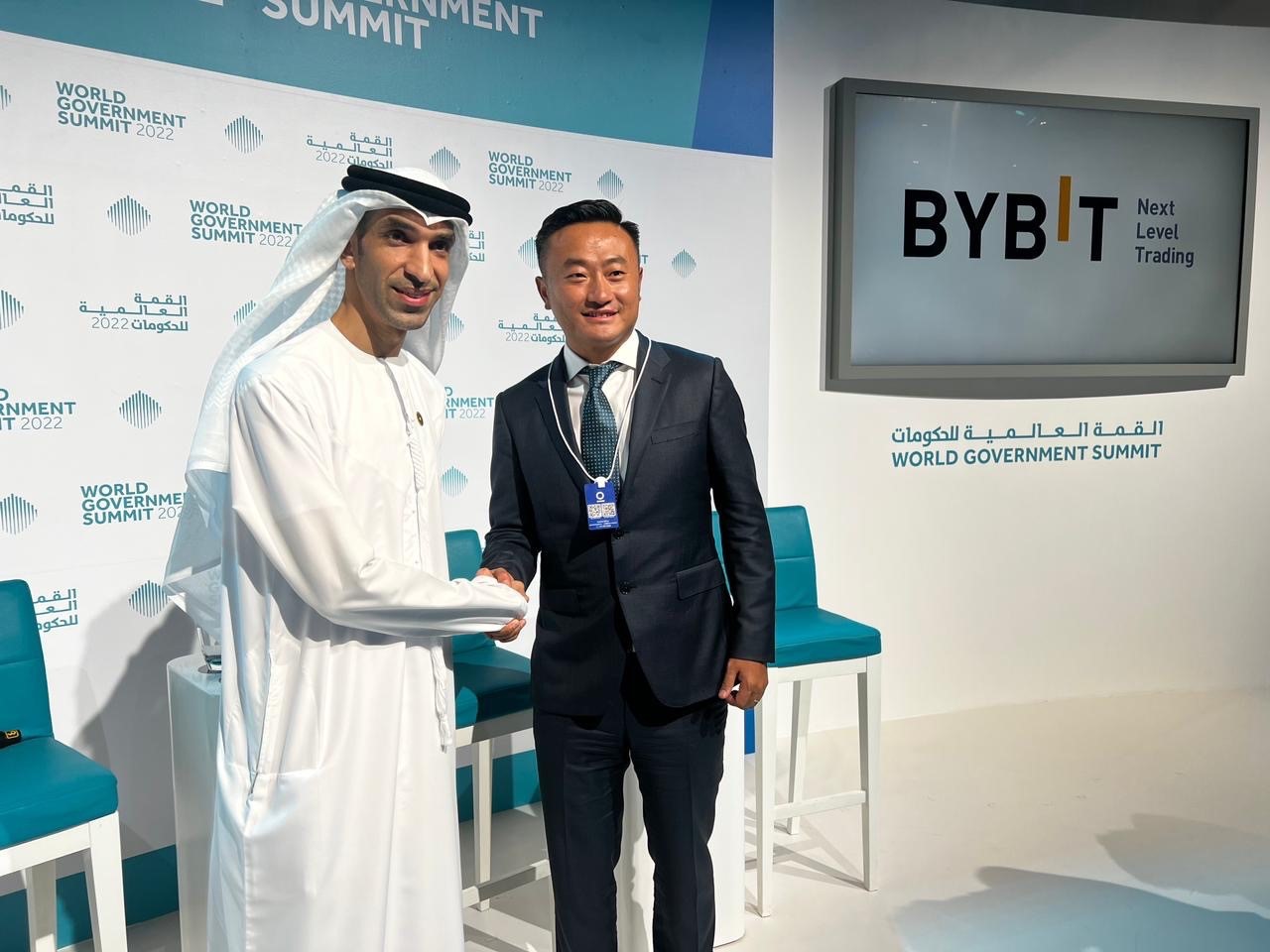
Cryptocurrency exchange Bybit has secured in-principle approval from the United Arab Emirates’ Securities and Commodities Authority to establish a virtual asset platform within the country. This significant regulatory milestone positions Bybit closer to obtaining a full operational license, enabling the firm to offer a comprehensive range of digital asset services to both retail and institutional clients in the UAE.

The approval, dated 18 February 2025, arrives at a pivotal moment for Bybit. On 21 February, the exchange experienced a substantial security breach, resulting in the loss of approximately $1.4 billion in digital assets. The incident, among the largest in cryptocurrency history, occurred during a transfer between Bybit’s cold and hot wallets. Despite this setback, the SCA’s in-principle approval underscores confidence in Bybit’s commitment to regulatory compliance and operational resilience.

Ben Zhou, co-founder and CEO of Bybit, expressed gratitude for the SCA’s decision, stating, “We are honored to have received the in-principle approval from the SCA. This approval marks a crucial step in our journey to providing secure and transparent crypto trading solutions.” Zhou emphasized Bybit’s dedication to collaborating with regulators to foster a compliant and innovative digital asset ecosystem for investors in the UAE.

The UAE has been proactive in positioning itself as a global hub for cryptocurrency and blockchain innovation. Bybit’s regulatory progress aligns with the nation’s forward-thinking stance on digital assets, aiming to create a secure and compliant environment for trading activities. The SCA’s approval of Bybit is indicative of the UAE’s commitment to attracting reputable crypto platforms and fostering a robust digital economy.

In addition to its advancements in the UAE, Bybit is actively expanding its regulatory footprint worldwide. The exchange has secured approvals in several key markets, including India, Georgia, Kazakhstan, and Turkey. Notably, on 25 February 2025, Bybit announced its re-entry into the Indian market after successfully registering with the Financial Intelligence Unit . This move followed a temporary suspension due to compliance issues, during which Bybit paid a $1 million penalty for operating without proper registration. The exchange has since aligned with Indian regulatory standards, resuming full services for existing users and gradually onboarding new clients.

However, Bybit’s global expansion has not been without challenges. In late 2024, the exchange temporarily adjusted its operations within the European Economic Area to comply with the region’s Markets in Crypto-Assets regulations. This decision reflects Bybit’s commitment to adhering to varying regulatory landscapes and ensuring compliance across jurisdictions.

The recent security breach has also prompted scrutiny from regulatory bodies. In Japan, the Financial Services Agency has urged major app stores to delist Bybit and other unregistered crypto exchanges, citing concerns over unlicensed operations and potential risks to investors. This development highlights the importance of robust security measures and regulatory compliance as Bybit continues its global expansion.

In response to the security incident, Bybit has taken steps to mitigate the impact on its users. The exchange has replaced the stolen Ether to ensure that customer funds remain unaffected. This action demonstrates Bybit’s commitment to maintaining user trust and upholding the integrity of its platform.

The cryptocurrency market has been closely monitoring Bybit’s developments, especially in light of the recent security breach. Market analysts suggest that while the in-principle approval from the SCA is a positive development, Bybit’s ability to enhance its security infrastructure and navigate complex regulatory environments will be critical to its sustained growth and reputation.

In a significant advancement for the United Arab Emirates’ financial sector, Hubpay, a cross-border payments platform, has partnered with Aquanow, a leading digital asset infrastructure provider, to launch the nation’s first fully regulated cryptocurrency payment gateway tailored for businesses and small to medium-sized enterprises . This collaboration enables companies across various sectors—including real estate, manufacturing, and general trading—to securely accept cryptocurrency payments alongside traditional fiat transactions.

The introduction of this regulated crypto payment facility comes in the wake of the UAE Central Bank’s Payment Token Services Regulation , which was enacted on 6 July 2024. The PTSR establishes a comprehensive framework for digital payment services in the UAE, particularly those involving cryptocurrency ‘payment tokens’ or ‘stablecoins’. Under this regulation, entities offering payment token services must obtain appropriate licensing or registration from the Central Bank to operate within the country.

Aquanow, recognized for its comprehensive trading and payment solutions in the digital asset space, has been awarded a Virtual Asset Service Provider license by Dubai’s Virtual Assets Regulatory Authority . This license authorizes Aquanow to offer broker-dealer services, management and investment services, and lending and borrowing services related to virtual assets within the Emirate. The partnership with Hubpay leverages Aquanow’s licensed infrastructure to facilitate seamless and secure cryptocurrency transactions for businesses operating in the UAE.

The UAE has been proactive in positioning itself as a global hub for the cryptocurrency industry. Government-owned licensing firm KIKLABB in Mina Rashid, Dubai, now accepts cryptocurrency payments—including Bitcoin , Ethereum , and Tether —for various trade licenses and visas. Additionally, the Dubai Financial Services Authority has announced plans to develop a comprehensive crypto-regulatory framework, further solidifying the nation’s commitment to embracing digital assets.

SINGAPORE – Media OutReach Newswire – 27 February 2025 – As Southeast Asia emerges as a hub for conversational commerce, Crescendo Lab is redefining customer engagement with AI-powered solutions. With the conversational AI market projected to exceed $18 billion by 2026 and messaging adoption surpassing 90% in Asia, seamless communication is now essential for businesses. Expanding into Singapore, Crescendo Lab integrates AI-powered tools with WhatsApp, empowering local […]

Finnish mobile game developer Seven Stars has successfully completed a seed funding round, co-led by Spintop Ventures and Behold Ventures, with Sisu Game Ventures joining as a new investor. The investment aims to bolster the company’s mission to redefine the mobile gaming landscape. Established in 2022, Seven Stars is led by CEO Alex Le Bell, with key figures including CTO Olli Aurola and Creative Director Markus Tuppurainen. […]

The 14th Blockchain Forum is scheduled to convene in Moscow on April 23-24, 2025, bringing together over 15,000 participants from more than 100 countries. This significant event aims to explore advancements in Web3, cryptocurrencies, and mining, positioning the CIS market as a pivotal player in the global cryptocurrency landscape.

The forum will feature insights from over 100 esteemed speakers, including founders and top executives of leading companies in the blockchain sector. Attendees can anticipate engaging in behind-the-scenes discussions and networking with professionals across various industries. The event will also host more than 150 exhibitors, showcasing the latest innovations and services in the blockchain and cryptocurrency domains.

Key topics on the agenda encompass blockchain infrastructure development, the potential of decentralization through Web3, the future of digital property via NFTs, investment strategies in cryptocurrencies, and the evolving landscape of mining. These discussions aim to provide participants with a comprehensive understanding of current trends and future directions in the blockchain industry.

The Blockchain Forum is organized by a subsidiary of the international Blockchain Life Forum, which has a history of hosting significant crypto events worldwide. This marks the forum’s return to Russia since 2022, aiming to reestablish its status as a premier international crypto enterprise. The event is set to take place at the MTS Live Hall, located at Enthusiasts Highway, Building 5, Structure 2, Moscow.

Participants are encouraged to secure their tickets promptly, as early bird pricing is currently available. The forum offers unparalleled opportunities for networking, learning, and collaboration among global leaders in the blockchain and cryptocurrency sectors.

The Real Estate Regulatory Agency at Dubai Land Department has announced the formation and registration of 127 new owners’ committees across the emirate. This initiative aims to enhance governance and sustainability in jointly owned properties, empowering property owners to actively participate in community management.

RERA received a substantial number of applications for these committees, approving them based on established criteria. This surge in interest indicates a growing enthusiasm among property owners to engage in the oversight of their communities. Registration remains open to all eligible applicants, both individuals and companies, though each committee is limited to nine members, underscoring the importance of early application to secure a role in decision-making processes.

These owners’ committees are instrumental in improving the quality of life within their communities. They are tasked with reviewing budgets, setting maintenance priorities, and overseeing shared services, thereby ensuring efficient management of jointly owned properties. Property management companies will collaborate with the newly formed committees to elect a chairperson and vice-chairperson, assign responsibilities, and initiate the execution of designated tasks.

RERA will supervise the workflow, coordinating between management companies and owners’ committees, and monitoring developments to ensure smooth and effective operations. The agency emphasizes its commitment to maintaining direct communication with all property owners, inviting them to join the owners’ committees. Applications from individuals will be reviewed and approved directly.

In Karnataka, the Real Estate Regulatory Authority has also been active in promoting transparency and accountability in the real estate sector. The Karnataka RERA has issued several circulars and notices aimed at enhancing compliance and protecting the interests of property buyers and owners. These include invitations for eligible candidates to apply for various positions within the authority, notifications regarding National Lok-Adalat sessions, and directives for the submission of annual audit reports as per Section 4 of the RERA Act, 2016. Additionally, the authority has published a list of promoters pending for recovery as arrears of land revenue who have not complied with its orders. These efforts reflect Karnataka RERA’s dedication to enforcing regulations and ensuring that stakeholders adhere to the legal requirements governing the real estate industry.

The establishment of owners’ committees in Dubai and the regulatory measures in Karnataka signify a broader trend towards enhanced governance in the real estate sector. By fostering active participation from property owners and enforcing stringent compliance measures, these initiatives aim to create sustainable and well-managed communities, ultimately leading to increased resident satisfaction and investment security.

Property owners interested in joining the owners’ committees in Dubai must meet specific criteria, including residing in the property, holding a valid UAE ID, providing a certificate of good conduct issued by Dubai Police, and settling all outstanding service fees. The Real Estate Regulatory Agency has clarified that registration is open until 31 January 2025, with priority given to the first nine registrants. Members will be approved by RERA, and the committee members for each group will be announced in February.

In Karnataka, real estate agents and developers are encouraged to register with RERA to gain credibility and trust among buyers. The registration process involves submitting the necessary documents, such as proof of identity, address, and educational qualifications, along with the prescribed fees. Upon approval, registrants receive a unique registration number from Karnataka RERA, signifying their compliance with the state’s real estate regulations.

By Aditi Jha The tragic death of Prakriti Lamsal, a Nepali B.Tech student at Kalinga Institute of Industrial Technology (KIIT), a private engineering college in Bhubaneswar, Odisha, in February 2025, exposed serious problems of institutional incompetence and poor management. Prakriti’s death was followed by protests by Nepali students who claimed that the university administration had […]


Cryptocurrency exchange Bybit has reinstated its full suite of services in India following successful registration with the country’s Financial Intelligence Unit . As of 25 February 2025, existing users can once again open new trades and access all products, with new user onboarding set to commence gradually.

This development comes after Bybit faced regulatory challenges earlier this year. On 31 January 2025, the FIU-IND imposed a fine of ₹9.27 crore on Bybit for operating without the necessary authorization under the Prevention of Money Laundering Act . In response, Bybit suspended its services in the country to address compliance concerns and worked diligently to align its operations with local regulations.

Bybit’s return to the Indian market is significant, considering the country’s growing interest in cryptocurrency trading. With over 60 million users worldwide, Bybit’s reinstatement offers Indian traders renewed access to a global platform, potentially enhancing the local crypto trading landscape.

However, Bybit’s resurgence in India is not without challenges. On 21 February 2025, the exchange experienced a significant security breach, with over $1.4 billion in Ether-related tokens stolen. The North Korean-affiliated Lazarus Group has been identified as the perpetrator of this heist, marking it as one of the largest recorded crypto thefts to date. Despite this setback, Bybit’s swift action to restore services underscores its commitment to security and compliance.

The broader cryptocurrency market has been experiencing fluctuations. Bitcoin is currently trading at $88,774, reflecting a decrease of 3.41% from the previous close. Ethereum stands at $2,487.72, down 0.64%, while Binance Coin has seen a rise of 2.53%, now priced at $624.42. These movements indicate a dynamic market environment, influenced by various global events and regulatory developments.

Bybit’s proactive measures to comply with Indian regulations and its prompt response to security incidents highlight the exchange’s dedication to providing a secure and compliant trading environment. As the cryptocurrency landscape continues to evolve, such efforts are crucial in fostering trust and reliability among users and regulators alike.

In the context of India’s regulatory framework, Bybit’s successful registration with the FIU-IND sets a precedent for other cryptocurrency exchanges aiming to operate in the region. It emphasizes the importance of adhering to local laws and regulations to ensure uninterrupted services and maintain user trust.

Saudi Arabia and Abu Dhabi are intensifying their efforts to transform their energy sectors, aiming to significantly increase renewable energy capacities by 2030 and 2035, respectively. These initiatives are central to their broader strategies for economic diversification and environmental sustainability. Saudi Arabia’s Vision 2030 outlines a target for renewables to constitute 50% of the nation’s energy mix by 2030, equating to approximately 130 gigawatts of renewable capacity. […]

VISHNU RAJA
RYO YAMADA
HITORI GOTOH
IKUYO KITA