News related to
secure

Cryptocurrency exchange Bybit has made a significant move in the digital asset market by acquiring approximately 36,893 Ether in an over-the-counter transaction valued at $100 million USDT. This strategic purchase, conducted at a rate of $2,711 per ETH, was facilitated through prominent financial services firms Galaxy Digital and FalconX.

This acquisition comes on the heels of a substantial security breach that Bybit experienced on February 21, 2025, where approximately 401,347 ETH, equivalent to $1.12 billion, were illicitly transferred from the exchange’s cold wallet. The hack, attributed to the North Korean Lazarus Group, significantly impacted market confidence and led to a notable decline in Ethereum’s price, which dropped from $2,850 to $2,750 within an hour of the incident.

In response to the breach, Bybit’s CEO, Ben Zhou, addressed the situation in a public forum, assuring users of the exchange’s financial resilience. He stated that the company’s assets exceed the stolen amount, with a cold wallet reserve of nearly $3 billion in USDT. This reassurance aimed to bolster user confidence amidst the turmoil.

The decision to purchase a substantial amount of ETH is part of Bybit’s strategy to replenish its reserves and stabilize its operations following the hack. The transaction was executed through OTC channels to minimize market disruption and secure a fixed purchase price. This approach reflects a growing trend among cryptocurrency exchanges to manage large transactions discreetly, thereby reducing potential volatility in the open market.

Market analysts have observed that such significant acquisitions can influence investor sentiment positively. Following Bybit’s announcement, Ethereum’s price experienced a modest uptick, rising by over 2.3% in the past 24 hours, while the broader CoinDesk 20 Index saw a 0.76% increase during the same period. This price movement suggests a restoration of confidence among investors, despite the recent security concerns.

The broader implications of Bybit’s actions highlight the challenges cryptocurrency exchanges face in ensuring security and maintaining user trust. The swift response to the breach, coupled with transparent communication and decisive financial maneuvers, underscores the importance of robust security protocols and contingency planning in the rapidly evolving digital asset landscape.

As the situation develops, stakeholders within the cryptocurrency ecosystem will be monitoring Bybit’s continued efforts to enhance security measures and restore full operational integrity. The incident serves as a critical reminder of the vulnerabilities inherent in digital asset management and the necessity for continuous advancements in cybersecurity practices.

In the wake of these events, Ethereum’s market performance remains a focal point for investors. The recent price fluctuations underscore the asset’s sensitivity to exchange-related incidents and broader market dynamics. As of now, Ethereum is trading at $2,769.35, reflecting a change of $89.60 from the previous close. The intraday high reached $2,792.69, with a low of $2,679.35, indicating ongoing volatility in the market.


The Xposure International Film Awards 2025, held during the 9th International Photography Festival in Sharjah, United Arab Emirates, have recognised outstanding achievements in global filmmaking. This year’s event saw a significant increase in participation, with 834 submissions from filmmakers worldwide, surpassing the previous year’s entries.

Organised by the Sharjah Government Media Bureau , the awards ceremony honoured winners across four categories: Short Film, Animation, Cinematic Arts, and Documentary Feature. The event underscored the festival’s commitment to celebrating diverse and innovative storytelling in the visual arts.

In the Short Film category, Iranian filmmaker Payam Mahmoudi Kurdistani received the top accolade for “Nietzschean Suicide,” a film that captivated audiences with its profound narrative. Italian director Andrea Devicenzi was recognised as the runner-up for “Crossing The North,” an impactful portrayal of personal journey and resilience.

The Animation category highlighted dynamic visual storytelling, awarding first place to Spain’s Andres Aguilar for “The Strange Case Of The Human Cannonball.” Turkish animator Mustafa Keskin secured the runner-up position with “Ari-6427,” showcasing creativity and technical prowess.

Iranian filmmaker Mehrshad Karkhani triumphed in the Cinematic Arts category with “Bruise-Lips Tulip,” a film noted for its artistic depth and compelling visuals. Finnish filmmakers Markku Hakala and Mari Kaki earned the runner-up spot for “Giants Kettle,” a work that impressed with its unique perspective and storytelling.

The Documentary Feature category honoured Belgian directors Jurgen Buedts and Sahim Omar Kalifa for “Iraq’s Invisible Beauty,” a documentary that offers a poignant exploration of unseen narratives. Portuguese filmmaker Diogo Andrade was named runner-up for “Sikat Subar – A Hidden Colourful Feather,” a documentary that sheds light on overlooked cultural stories.

Beyond the competitive categories, the festival paid tribute to ten luminaries whose contributions have significantly impacted the filmmaking industry. Honourees included Academy Award winners and changemakers such as Brent Homann, Franklin Leonard, Glenn Gainor, Jerome Pink, Maitha Alawadi, Martin Desmond Roe, Pippa Erlich, Roger Horrocks, Siraj Jhaveri, and Travon Free. Each was presented with tokens of appreciation for their invaluable efforts in advancing the art of cinema.

Protective measures against email fraud remain widely insufficient among leading Asia Pacific companies. Australia’s high adoption rate of proper email authentication (71%) among its top companies sets the standard for the Asia Pacific region Around 50% of leading Singapore and India’s businesses have implemented the recommended level of email authentication Concerningly, less than 20% of the largest organisations in Japan, South Korea, China and Thailand are actively […]

Bengaluru-based digital payments firm Cashfree Payments has raised $53 million in a Series C funding round led by South Korean gaming giant Krafton, with participation from existing investor Apis Partners. This investment aims to accelerate Cashfree’s product development, market expansion, and global growth initiatives. Established in 2015, Cashfree Payments has become a significant player in India’s digital payments landscape, processing $80 billion annually for over 800,000 businesses. […]

Portland-based startup AheadComputing has secured $21.5 million in seed funding to develop advanced CPU technology utilizing the open-source RISC-V architecture. Founded by former Intel executives, the company aims to address performance challenges in artificial intelligence applications, particularly those related to bandwidth and data processing limitations. Leading the company is CEO Debbie Marr, who, along with other senior executives, departed Intel last year to establish AheadComputing. Marr emphasized […]

Gomboc AI, a New York-based startup specializing in deterministic artificial intelligence for cloud security, has raised $13 million in seed funding to advance its mission of automating cloud security remediation. The latest $8 million investment was led by Ballistic Ventures, with continued support from Glilot Capital Partners and Hetz Ventures, who had previously co-led the company’s initial $5 million seed round. Founded in 2022 by CEO Ian […]

Emirates SkyCargo has been awarded the ‘International Airline of the Year’ title at the STAT Times International Awards for Excellence in Air Cargo for the second consecutive year. This accolade, determined by votes from STAT Times’ global readership, underscores the airline’s significant influence in global logistics.

The award ceremony took place in Nairobi during the Air Cargo Africa 2025 event. Badr Abbas, Divisional Senior Vice President of Emirates SkyCargo, accepted the award on behalf of the company. In his remarks, Abbas highlighted the airline’s dedication to innovation and customer service, stating, “Emirates SkyCargo is the benchmark for excellence in the global logistics industry, serving as a trusted partner that seamlessly connects the world.”

Emirates SkyCargo, the freight division of Emirates, has been instrumental in connecting businesses across over 145 destinations on six continents for nearly four decades. Utilizing a combination of passenger aircraft and dedicated freighters, the airline offers a diverse range of specialized products supported by advanced infrastructure, ensuring efficient and reliable cargo movement.

Advertisements

SINGAPORE – Media OutReach Newswire – 21 February 2025 – OPPO, the world’s leading smart device brand, announced that the OPPO Find N5 will be available for purchase starting February 28, 2025, priced at S$2499 for the 16GB + 512GB configuration. The device will initially launch in Singapore, Malaysia, and Hong Kong China, with more markets set to follow shortly. OPPO Find N5 in Cosmic Black and […]

Cryptocurrency exchange Bybit is currently grappling with an outflow exceeding $1.46 billion in mETH and stETH tokens, with a portion being converted to ETH on decentralized exchanges. Blockchain analyst ZachXBT identified these suspicious transactions, suggesting a potential security breach, though official confirmation from Bybit remains pending.

The outflow involves substantial transfers of mETH and stETH tokens from Bybit’s wallets to external addresses. Notably, approximately $200 million worth of stETH has already been liquidated. The destination addresses for these funds have been flagged, and exchanges are advised to monitor and potentially blacklist them to prevent further unauthorized activities.

Bybit has previously encountered security challenges. In the first half of 2024, the exchange reported detecting nearly $1 billion in abnormal withdrawal requests, successfully preventing over $79 million in fraudulent activities through enhanced AI-driven security measures. These incidents underscore the persistent threats faced by cryptocurrency platforms and the necessity for robust security protocols.

The current situation has raised concerns within the crypto community, emphasizing the importance of vigilance and proactive measures to safeguard digital assets. Users are advised to monitor their accounts closely and consider transferring funds to secure wallets until more information is available.

Societe Generale-FORGE , a subsidiary of the French banking group Societe Generale, has launched its Euro-backed stablecoin, EUR CoinVertible , on the Stellar blockchain network. This development positions EURCV as one of the first Euro-denominated stablecoins fully compliant with the European Union’s Markets in Crypto-Assets regulations.

The integration of EURCV into the Stellar network aims to enhance the efficiency of cross-border transactions and financial applications. Stellar’s blockchain infrastructure is recognized for its scalability, speed, and cost-effectiveness, making it a strategic choice for SG-FORGE’s digital asset expansion. This move is part of SG-FORGE’s broader multichain strategy, which includes plans to deploy EURCV on other blockchain platforms such as Solana and the XRP Ledger.

Denelle Dixon, CEO of the Stellar Development Foundation, highlighted the significance of this collaboration, stating that the launch of EURCV on Stellar represents a substantial advancement in digital payments. By combining Stellar’s robust blockchain technology with a trusted MiCA-compliant stablecoin, users are provided with a more efficient means to store and transfer value across borders, facilitating the adoption of this new form of money by individuals and businesses.

SG-FORGE’s commitment to regulatory compliance is evident in its adherence to the MiCA framework, which is designed to provide a clear and harmonized regulatory environment for crypto-assets within the European Union. By ensuring that EURCV meets these stringent regulatory standards, SG-FORGE offers users enhanced security and transparency in their digital transactions.

The decision to utilize the Stellar network was influenced by several technical advantages. Stellar’s architecture supports thousands of operations per second, ensuring that EURCV can handle high transaction volumes efficiently. Transactions on Stellar are typically completed within seconds, a critical feature for real-time financial applications. Additionally, the low transaction costs on the Stellar network make it ideal for micropayments and cross-border transfers, further enhancing the utility of EURCV in various financial contexts.

Guillaume Chatain, Chief Revenue Officer at SG-FORGE, emphasized the alignment between Stellar’s approach and SG-FORGE’s mission to promote broader adoption of stablecoins within the financial system. The collaboration with Stellar is expected to facilitate seamless integration of EURCV into a diverse network of financial institutions, asset managers, and traditional finance entities already connected to the Stellar ecosystem.

This expansion of EURCV onto the Stellar network is anticipated to open new avenues for users and businesses to access a secure, transparent, and scalable digital Euro stablecoin. The combination of MiCA regulatory assurance with Stellar’s robust blockchain infrastructure marks a significant milestone in the evolution of digital assets in Europe.

SG-FORGE’s strategic move comes at a time when the European Union is intensifying its regulatory oversight of crypto-assets. The MiCA regulations, which came into effect in January 2025, require stablecoin issuers to comply with specific standards to operate within the EU. This regulatory environment aims to protect investors and ensure the stability of the financial system, prompting issuers like SG-FORGE to align their offerings with these new requirements.

The launch of EURCV on Stellar is expected to have a positive impact on the adoption of digital assets among institutional investors. By providing a MiCA-compliant stablecoin, SG-FORGE addresses the growing demand for regulated digital assets that can be seamlessly integrated into traditional financial systems. This development is poised to enhance the credibility and acceptance of digital currencies in mainstream financial markets.

In addition to its regulatory compliance and technical advantages, EURCV’s deployment on Stellar is set to benefit from the network’s existing features, including its built-in decentralized exchange. This functionality allows for decentralized transactions between end-users on various cryptocurrencies, facilitating the integration of EURCV into a wide range of financial applications and services.

As SG-FORGE continues to advance its multichain strategy, the successful integration of EURCV on the Stellar network serves as a model for future deployments. The company’s proactive approach to regulatory compliance and technological innovation underscores its commitment to providing secure and efficient digital asset solutions in the evolving financial landscape.

The collaboration between SG-FORGE and Stellar exemplifies the potential of combining traditional financial expertise with cutting-edge blockchain technology. As digital assets become increasingly integral to the global financial system, initiatives like the EURCV stablecoin on Stellar are paving the way for more inclusive and efficient financial services.

Cryptocurrency exchange Kraken has announced plans to delist five stablecoins for users in the European Economic Area to align with the European Union’s Markets in Crypto-Assets regulations. The affected stablecoins are Tether , PayPal USD , Tether EURt , TrueUSD , and TerraUSD Classic . The delisting process will occur in phases, culminating in the full removal of these assets by 31 March 2025.

The MiCA regulations, which came into full effect on 30 December 2024, establish a comprehensive legal framework for crypto-assets within the EU. These regulations introduce stringent requirements for stablecoin issuers, including the necessity for asset-backed reserves and adherence to operational standards. Algorithmic stablecoins, such as TerraUSD Classic, are explicitly prohibited under MiCA due to their lack of traditional asset backing.

Kraken’s decision to delist these stablecoins reflects its commitment to regulatory compliance within the EEA. The exchange has outlined a phased approach to minimize disruption for its users. Spot trading for the affected assets will cease on 24 March 2025, at 12:00 PM UTC, with all open orders being closed at that time. Users holding these stablecoins are advised to convert or withdraw their assets before 31 March 2025, after which any remaining balances will be automatically converted into a compliant equivalent stablecoin.

This move by Kraken is part of a broader trend among cryptocurrency exchanges adjusting their offerings to meet the new regulatory standards set by MiCA. Other major platforms, such as Crypto.com and Coinbase, have also taken steps to delist non-compliant stablecoins within the EU market. These actions underscore the significant impact MiCA is having on the operational strategies of crypto service providers in the region.

The delisting of Tether’s USDT is particularly noteworthy, given its status as one of the most widely used stablecoins globally. Tether has faced scrutiny over its reserve practices and transparency, and its decision not to comply with MiCA’s stringent requirements has led to its removal from several European platforms. In contrast, competitors like Circle’s USD Coin have chosen to align with the new regulations, potentially positioning themselves more favorably within the EU market.

The implementation of MiCA aims to enhance consumer protection and market integrity within the European crypto-asset space. By enforcing strict compliance standards, the EU seeks to create a more secure and transparent environment for both investors and service providers. However, these regulations also present challenges for existing crypto businesses, particularly those operating with models that do not meet the new compliance criteria.

Kava, a prominent player in decentralized finance , has unveiled the world’s largest decentralized artificial intelligence model, powered by DeepSeek R1. This significant development was announced at Consensus Hong Kong on February 20, 2025, marking a pivotal moment in the convergence of AI and blockchain technologies. The integration of DeepSeek R1 into Kava’s platform aims to democratize access to advanced AI capabilities within the Web3 ecosystem. By […]

Nissan Motor Co. experienced an 11% surge in its share price on Friday following reports that a prominent Japanese consortium is formulating plans to attract investment from Tesla Inc. This development comes on the heels of Nissan’s unsuccessful merger discussions with Honda Motor Co., highlighting the automaker’s ongoing efforts to stabilize its financial standing. The initiative is spearheaded by Hiro Mizuno, a former Tesla board member, with […]

The United States government is escalating its demands for Ukraine to grant substantial mineral rights to American companies, a move that has led to heightened tensions between President Donald Trump and Ukrainian President Volodymyr Zelenskyy. The proposed agreement seeks to provide the U.S. with access to Ukraine’s vast reserves of critical minerals, valued at approximately $500 billion, in exchange for continued military and financial support amid Ukraine’s […]

Lambda, a prominent AI infrastructure provider, has raised $480 million in a Series D funding round, elevating its total equity capital to $863 million. The investment aims to accelerate the expansion of Lambda’s Cloud platform, Model Inference API, and Chat AI Assistant. The funding round was co-led by Andra Capital and SGW, with participation from notable investors including Andrej Karpathy, ARK Invest, Fincadia Advisors, G Squared, In-Q-Tel […]

Canonical has officially announced that Ubuntu 25.04, codenamed ‘Plucky Puffin’, is scheduled for release on 17 April 2025. This upcoming version aims to build upon the foundations of its predecessors, introducing a series of enhancements in performance, security, and user experience. One of the most anticipated features in ‘Plucky Puffin’ is the integration of GNOME 48, the latest iteration of the GNOME desktop environment. This version is […]

QuadReal Property Group and T5 Data Centers have announced an expansion of their joint data center platform, increasing its valuation to $8 billion. This strategic move aims to address the surging demand for cloud and AI infrastructure by developing an additional 5 gigawatts of data center capacity across the United States. Established in 2019, the partnership between QuadReal and T5 has successfully developed state-of-the-art data center facilities […]

As Australia approaches its federal election, scheduled on or before 17 May 2025, a significant demographic of cryptocurrency investors is emerging as a potential deciding factor in the political landscape. A YouGov survey, commissioned by Australian crypto exchange Swyftx, indicates that approximately 2 million Australians could form a pro-crypto voting bloc, potentially swaying the election’s outcome. The survey, conducted with 2,031 Australian voters between 3 and 10 […]

MANSA, a fintech company specializing in cross-border payment solutions, has secured $10 million in funding to address liquidity challenges in global transactions. The funding round was led by Tether, the issuer of the stablecoin USDT, with participation from Polymorphic Capital, Octerra Capital, Faculty Group, and Trive Digital.

The investment comprises a $3 million pre-seed round and an additional $7 million in liquidity funding from institutional investors, including corporate backers and quantitative funds. MANSA plans to utilize these funds to expand its operations into Latin America and Southeast Asia, regions that often face liquidity constraints in cross-border payments.

Co-founded by CEO Mouloukou Sanoh and Nkiru Uwaje, MANSA aims to revolutionize global payments by integrating blockchain technology to facilitate real-time, on-chain transactions. This approach seeks to make cross-border payments faster, more efficient, and cost-effective, thereby eliminating the limitations of traditional financial systems.

“Securing $10 million in pre-seed and liquidity funding marks a significant milestone in our mission to transform the way money moves,” said Sanoh. “By bringing payments on-chain and leveraging efficient liquidity solutions, we are addressing critical challenges in cross-border transactions—making payments faster, cheaper, and more reliable worldwide.”

Paolo Ardoino, CEO of Tether, expressed support for MANSA’s objectives, stating, “MANSA’s vision for addressing liquidity challenges in cross-border payments aligns with our mission to create a more efficient and inclusive financial system. By leveraging USDT for real-time settlements and instant payouts, MANSA is solving critical pain points for payment companies operating in emerging markets.”

Since its launch in August 2024, MANSA’s stablecoin-based payment solution has processed over $27 million in transaction volume on-chain, with nearly $11 million in January 2025 alone. This growth underscores the increasing demand for efficient and reliable cross-border payment solutions.

The company’s expansion into Latin America and Southeast Asia is poised to provide businesses and individuals in these regions with access to faster and more affordable payment options. By scaling its liquidity infrastructure and developing strategic partnerships with financial institutions and payment providers, MANSA aims to bridge existing gaps in the global payment landscape.

In addition to its technological advancements, MANSA is committed to financial inclusion and innovation. The company’s solutions are designed to address global liquidity shortages, offering a more accessible way for businesses and individuals to transact across borders. This approach is particularly beneficial in emerging markets, where traditional financial systems often fall short in meeting the needs of the population.

The use of stablecoins in cross-border transactions offers several advantages, including reduced settlement delays and lower transaction costs. By transacting on-chain, businesses can conduct seamless cross-border payments without the inefficiencies associated with traditional financial systems. This method also provides a viable alternative for import-heavy economies facing shortages of fiat currencies, enabling businesses to access digital dollars at scale and bypass local currency restrictions and capital controls.

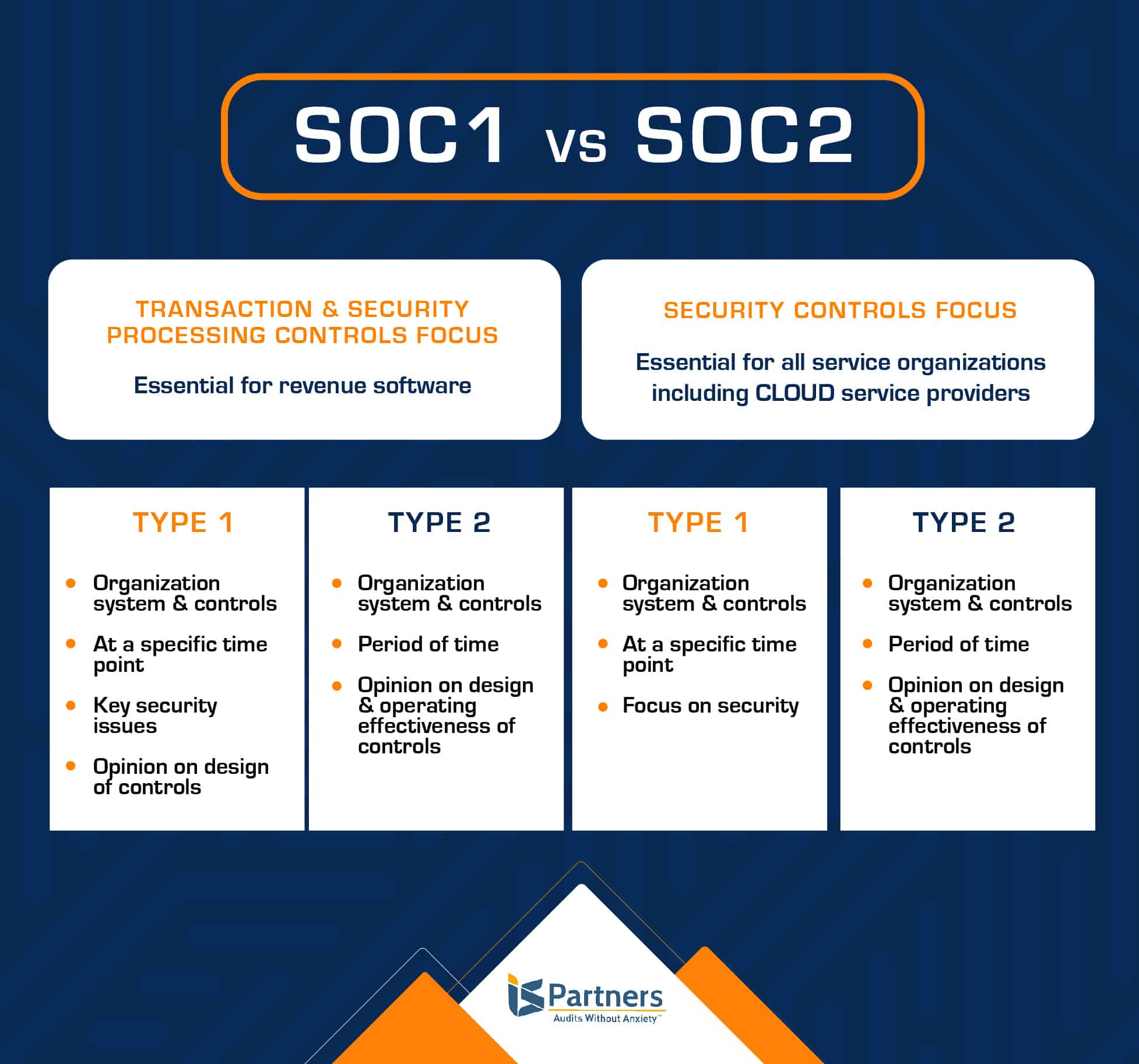
Cactus Custody, a prominent provider of institutional digital asset custody solutions, has achieved the SOC 1 Type 1 certification following an independent audit conducted by Deloitte. This accomplishment underscores the company’s dedication to maintaining high operational control standards and delivering secure, compliant custody services.

The comprehensive audit by Deloitte evaluated various aspects of Cactus Custody’s operations, including client account onboarding, fiat and cryptocurrency transactions, and internal system processes. The assessment confirmed the robustness of the company’s financial processing capabilities, encompassing settlement procedures, reconciliation, account management, fee processing, asset valuation, reporting, and the secure management of cryptographic keys throughout their lifecycle across diverse custody storage methods.

Wendy Jiang, General Manager of Cactus Custody, emphasized the significance of this certification: “Achieving SOC 1 Type 1 certification underscores our commitment to robust governance, precise financial management, and secure custody. We prioritize the security of our clients’ assets and maintain strict internal controls to deliver top-tier service. Moving forward, we will promote compliance and transparency, striving to set higher benchmarks in the evolving crypto asset space to enhance trust and satisfaction among our clients.”

The SOC 1 Type 1 certification serves as a benchmark for evaluating the effectiveness of an organization’s internal controls over financial reporting. By obtaining this certification, Cactus Custody demonstrates its capability to safeguard client assets and ensure the accuracy of financial information, thereby reinforcing trust with its clientele.

In addition to the SOC 1 Type 1 certification, Cactus Custody has previously attained the SOC 2 Type 1 certification, also audited by Deloitte. The company is actively working towards achieving the SOC 1 Type 2 report within the current year. These ongoing efforts reflect Cactus Custody’s dedication to enhancing digital asset custody standards, promoting industry compliance, and providing transparent, secure custodial services through regular, independent audits.

Cactus Custody is recognized as a trusted institutional digital asset custodian, holding ISO certifications and a license in Hong Kong . The company has also received a temporary exemption from the Monetary Authority of Singapore . Adhering to strict capital reserve requirements and Anti-Money Laundering and Counter-Terrorism Financing regulations, Cactus Custody is committed to the principle of “Security First, Integrity Always,” aiming to simplify crypto asset management for its clients with professionalism and confidence.

The attainment of the SOC 1 Type 1 certification is a significant milestone for Cactus Custody, reflecting its unwavering commitment to operational excellence, financial accuracy, and the security of digital assets. As the digital asset landscape continues to evolve, such certifications play a crucial role in establishing and maintaining client trust, ensuring that service providers like Cactus Custody meet and exceed industry standards for security and compliance.

President Donald Trump is actively promoting U.S. liquefied natural gas exports to Asian nations, aiming to strengthen economic ties and reduce their dependence on Middle Eastern and Russian energy sources. In a strategic move, Trump and Japanese Prime Minister Shigeru Ishiba have discussed Japan’s potential involvement in an Alaskan LNG project, highlighting the benefits of a direct energy route that bypasses traditional, and often volatile, sea lanes.

The administration’s focus is not solely on Japan. Other Asian countries, including South Korea and Taiwan, are also considering increased imports of U.S. LNG. This initiative is designed to enhance energy security across the region and diminish the influence of China and Russia. Trump’s energy advisor, Doug Burgum, emphasized the strategic advantages of these partnerships, noting that they offer a more stable and secure energy supply chain for U.S. allies in Asia.

In line with this strategy, Sentinel Midstream is advancing its deepwater oil export project, Texas GulfLink. Located approximately 30.5 miles off the coast of Freeport, Texas, the facility aims to fully load supertankers with up to 2 million barrels of oil per day. This capability is currently unique to the Louisiana Offshore Oil Port. Sentinel’s CEO, Jeff Ballard, expressed optimism about the project’s progress, citing the administration’s expedited approval processes as a significant factor in moving forward.

Despite initial market fluctuations following discussions between Trump and Russian President Vladimir Putin regarding the Ukraine conflict, energy markets remain cautious. The anticipated peace has not materialized, and experts suggest that if a resolution were imminent, a more substantial decline in oil and gas prices would be evident. This uncertainty underscores the importance of diversifying energy sources and reducing reliance on regions prone to geopolitical tensions.

Taiwan’s National Security Council head, Joseph Wu, highlighted the robust support from the U.S., noting that Taiwan is exploring increased purchases of American LNG. This move aims to balance trade and address criticisms from Trump regarding trade imbalances and the semiconductor industry’s dynamics. Wu emphasized Taiwan’s transparency in international business and expressed interest in future Alaskan LNG productions due to their quality and logistical advantages.

Denmark’s Prime Minister, Mette Frederiksen, shared insights into a recent intense conversation with President Trump concerning his renewed interest in acquiring Greenland. This discussion has added complexity to U.S.-Denmark relations, especially in the context of global security challenges posed by nations like Russia, Iran, and North Korea. Frederiksen underscored the necessity for Europe to bolster its defense investments and the importance of U.S.-Europe cooperation in addressing these global threats.

Cheniere Energy, a leading U.S. LNG exporter, plans to expand its capacity under the current administration. CEO Jack Fusco announced intentions to pursue new regulatory permits, aligning with Trump’s agenda to boost the U.S. energy sector. This expansion is poised to meet the growing demand from Asian markets seeking reliable and diversified energy sources.

The administration has also established a council dedicated to achieving “energy dominance,” focusing on increasing natural gas exports and offshore drilling. This initiative aims to capitalize on the U.S.’s abundant energy resources, providing allies with alternative energy options and reducing global dependence on adversarial nations.

The significance of U.S. LNG in global energy dynamics is multifaceted. It not only offers economic benefits but also plays a crucial role in the global energy transition. By providing a stable and cleaner energy source, U.S. LNG supports efforts to reduce carbon emissions and offers countries an opportunity to diversify their energy portfolios.

The European Central Bank has unveiled a comprehensive strategy to incorporate distributed ledger technology into its central bank settlement processes. This initiative aims to modernise Europe’s financial infrastructure by enhancing efficiency and security in transaction settlements.

In the initial phase, the ECB plans to develop a platform that links DLT-based transactions with its existing TARGET Services. TARGET is the Eurosystem’s real-time gross settlement system, facilitating the seamless flow of cash, securities, and collateral across Europe. By creating an interoperability link between DLT platforms and TARGET Services, the ECB seeks to enable the settlement of DLT-recorded transactions in central bank money. This approach ensures that innovative DLT systems can integrate smoothly with established financial infrastructures, maintaining stability while embracing technological advancements.

The subsequent phase involves exploring a more integrated, long-term solution for settling DLT-based transactions directly in central bank money. This comprehensive approach will consider the potential for international operations, including foreign exchange settlements. By delving into these possibilities, the ECB aims to position itself at the forefront of financial innovation, ensuring that Europe’s payment systems remain competitive and resilient in a rapidly evolving global landscape.

Piero Cipollone, a member of the ECB’s Executive Board, emphasised the significance of this development, stating, “This is an important contribution to enhancing European financial market efficiency through innovation.” His remarks underscore the ECB’s commitment to leveraging cutting-edge technologies to bolster the efficiency and security of Europe’s financial markets.

The ECB’s decision to expand its DLT initiatives follows a series of exploratory projects and consultations. In December 2024, the Eurosystem invited market participants to engage in trials examining the potential use of DLT for wholesale central bank money settlement. These trials, conducted between May and November 2024, provided valuable insights into how DLT platforms could interact with existing financial infrastructures. The positive outcomes of these experiments have informed the ECB’s current strategy, highlighting the practical viability of integrating DLT into central bank operations.

The ECB’s approach aligns with broader global trends, as central banks worldwide explore the potential of digital currencies and blockchain technologies. The Bank of England, for instance, has been investigating the development of a wholesale central bank digital currency aimed at facilitating large transactions between banks. Such initiatives reflect a growing recognition of the transformative potential of DLT and digital currencies in enhancing the efficiency and security of financial systems.

However, the ECB’s plans are not without challenges. The integration of DLT into existing financial infrastructures requires careful consideration of technical, regulatory, and security aspects. Ensuring interoperability between traditional systems and innovative DLT platforms is paramount to prevent fragmentation and maintain the integrity of the financial ecosystem. Additionally, the ECB must navigate potential concerns related to data privacy, cybersecurity, and the legal frameworks governing digital transactions.

The ECB has not yet announced a specific timeline for the implementation of the interoperability link with TARGET Services. A detailed schedule will be provided in due course, reflecting the ECB’s commitment to a meticulous and consultative approach. This cautious progression ensures that all stakeholders, including financial institutions, regulators, and the broader public, are adequately prepared for the forthcoming changes.

In parallel with its DLT initiatives, the ECB continues to advance its work on the digital euro. This project aims to provide a secure and efficient digital payment instrument, complementing cash and existing electronic payment methods. The digital euro is envisioned to enhance the accessibility and inclusivity of digital payments, ensuring that all segments of society can benefit from the digitalisation of the economy. The ECB’s efforts in this domain are part of a broader strategy to future-proof Europe’s financial system, ensuring it remains robust and competitive in the face of technological advancements and shifting consumer preferences.

Berjaya Food Bhd, the operator of Starbucks outlets in Malaysia, has reported a net loss of RM35.33 million for the second quarter ending December 31, 2024. This marks the company’s fifth consecutive quarter in the red, with revenue declining by one-third to RM123.1 million compared to RM182.55 million in the same period last year. The ongoing boycotts of U.S. fast-food brands, sparked by geopolitical tensions in the Middle East, have significantly impacted consumer sentiment and sales.

The boycotts, initiated in response to the conflict in Gaza, have targeted several American franchises, including Starbucks, McDonald’s, and KFC. In Malaysia, these campaigns have led to temporary closures of numerous outlets. KFC Malaysia, for instance, has shuttered over 100 restaurants, particularly in Muslim-majority regions such as Kelantan, Kedah, and Terengganu. Similarly, McDonald’s and Pizza Hut have experienced closures and a notable decline in patronage.

Berjaya Food’s financial struggles are further underscored by a 46.4% drop in revenue for the first half of FY2025, amounting to RM247.3 million, down from RM461.09 million in the previous year. The company attributes these losses primarily to the “current sentiment in relation to the conflict in the Middle East,” which has adversely affected consumer behavior and sales.

In an effort to mitigate the financial downturn, Berjaya Food has temporarily closed 50 Starbucks outlets during the three months ending September 30, 2024, representing 12% of its total network. Despite these measures, the company remains “cautiously optimistic” about a gradual improvement in financial performance in 2025, acknowledging the challenging macroeconomic environment.

The impact of the boycotts extends beyond Berjaya Food. Americana Restaurants, which operates KFC and Pizza Hut in the Middle East, reported a 40% drop in profits, despite expanding its number of outlets. This trend highlights the broader financial repercussions for Western brands operating in regions where consumer boycotts have gained momentum.

The boycotts have been largely driven by social media campaigns and movements such as the Boycott, Divestment, and Sanctions initiative, which seeks to apply economic pressure in response to geopolitical conflicts. These campaigns have rapidly mobilized consumers, leading to significant financial losses for multinational corporations perceived to be linked to contentious geopolitical actions.

In response to the sustained boycotts, Berjaya Food is exploring diversification strategies to reduce its reliance on the domestic market. In August 2024, the company secured franchising rights to operate the Starbucks brand in Nordic countries, aiming to offset losses incurred in Malaysia. Additionally, Berjaya Food has entered into agreements to expand its licensed Paris Baguette outlets in Southeast Asia, seeking to tap into new markets and revenue streams.

Etihad Airways has reported a record net profit of $476 million for 2024, marking a significant milestone in the airline’s financial performance. This achievement reflects a more than threefold increase from the $143 million profit recorded in 2023. The surge is attributed to a 32% rise in passenger numbers, with the airline serving 18.5 million travelers over the year. Total revenues reached nearly $6.9 billion, up from […]

VISHNU RAJA
RYO YAMADA
HITORI GOTOH
IKUYO KITA