News related to
work

Siemens, Europe’s largest industrial technology company, has partnered with Minima, a pioneer in decentralized blockchain technology, to integrate blockchain capabilities into its devices across the automotive, robotics, energy, and healthcare sectors. This collaboration aims to bolster data integrity and security in the rapidly evolving landscape of connected industrial systems. The partnership is facilitated through Siemens Cre8Ventures, an initiative dedicated to accelerating industrial transformation by collaborating with startups […]

HONG KONG SAR – Media OutReach Newswire – 19 March 2025 – Hong Kong Life has been the title sponsor of the “MacPherson Festival x Candy Lo Timeline II Concert 2025,” presented by the talented singer Candy Lo. After three years, Candy Lo will once again share her musical journey with fans, showcasing a new interpretation of timeline in her music and spirit, reflecting her vibrant musical […]

The consulting industry in the Gulf Cooperation Council is projected to reach a valuation exceeding $8 billion this year, marking a 12% growth compared to the previous year. This expansion, while robust, indicates a slight deceleration from the 13% growth observed in 2024, reflecting a trend of tightening public expenditure across the region. Saudi Arabia, the largest economy within the GCC, has been a significant contributor to […]

Abu Dhabi’s renewable energy company, Masdar, is nearing a $200 million agreement to acquire a 49.9% stake in a 450-megawatt solar portfolio managed by Spanish utility Endesa. This strategic move aims to bolster Masdar’s presence in Spain, aligning with its ambition to achieve 100 gigawatts of global renewable energy capacity by 2030. A Masdar spokesperson commented on the company’s expansion goals, stating that they are actively exploring […]

Wizz Air Abu Dhabi has announced the inauguration of a direct flight service connecting Abu Dhabi to Beirut, commencing on June 4, 2025. This development is seen as a strategic move to capitalize on Lebanon’s burgeoning tourism sector following a prolonged period of conflict.

The ultra-low-cost carrier will operate three weekly flights to the Lebanese capital, with fares starting at 359 AED. This initiative underscores the airline’s commitment to expanding its network in the Middle East, aiming to cater to both the visiting friends and relatives segment and leisure travelers. The introduction of this route is anticipated to enhance connectivity between the UAE and Lebanon, facilitating increased tourism and business exchanges.

The decision to launch this route aligns with Lebanon’s efforts to rejuvenate its tourism industry, which has been severely impacted by the 14-month conflict between Israel and Hezbollah. The ceasefire agreement, effective since November 27, 2024, has ushered in a period of relative stability, prompting optimism among stakeholders in the tourism sector. However, challenges persist, particularly in regions near the southern border, where access to certain tourism projects remains restricted due to security concerns.

The World Bank estimates that Lebanon requires approximately $11 billion for reconstruction and recovery following the extensive damages incurred during the conflict. Despite these challenges, there is a palpable sense of hope as displaced residents begin to return, and businesses, including those in the tourism sector, initiate rebuilding efforts. The resumption of international flights, such as Wizz Air Abu Dhabi’s new route, is expected to play a pivotal role in this recovery process by boosting tourist arrivals and stimulating economic activity.

Johan Eidhagen, Managing Director of Wizz Air Abu Dhabi, expressed enthusiasm about the new route, stating that it reflects the airline’s strategy to expand its network and offer affordable travel options to emerging destinations. He emphasized the potential of Beirut as a vibrant city with rich cultural heritage, making it an attractive destination for travelers from the UAE and beyond.

The Lebanese government has also been proactive in its efforts to revitalize the tourism industry. Initiatives include infrastructure development, promotional campaigns targeting international markets, and collaborations with airlines to enhance accessibility. The introduction of Wizz Air Abu Dhabi’s flights is expected to complement these efforts by providing a cost-effective travel option, thereby attracting a broader demographic of tourists.

However, the path to full recovery is fraught with challenges. The lingering effects of the conflict, coupled with economic constraints, necessitate concerted efforts from both the public and private sectors. Ensuring the safety and security of tourists, rebuilding damaged infrastructure, and restoring confidence among international travelers are critical components of this recovery strategy. The collaboration between airlines like Wizz Air Abu Dhabi and Lebanese authorities signifies a positive step towards achieving these objectives.

Raydium, a leading decentralized exchange and automated market maker on the Solana blockchain, has announced the launch of LaunchLab, a new token launchpad platform. This development positions Raydium in direct competition with Pump.fun, a prominent memecoin launchpad that has significantly influenced Raydium’s revenue streams.

LaunchLab is designed to emulate and enhance the functionalities of Pump.fun, offering token creators a platform to introduce new tokens with various bonding curves—linear, exponential, and logarithmic—that align token prices with market demand. Additionally, LaunchLab allows third-party user interfaces to set their own fees, providing greater flexibility for developers and users alike.

The introduction of LaunchLab comes on the heels of reports that Pump.fun is developing its own AMM, signaling a shift away from its reliance on Raydium’s infrastructure. This move by Pump.fun could potentially divert liquidity and trading volume from Raydium, prompting the DEX to innovate and retain its market position.

Pump.fun has been a significant contributor to Raydium’s revenue, with memecoins launched on Pump.fun accounting for approximately 41% of Raydium’s swap fee revenue over the past 30 days. The platform’s model involves depositing liquidity into Raydium’s trading pools once a token reaches a market capitalization of $69,000, thereby integrating with Raydium’s AMM.

The potential migration of tokens from Pump.fun to its own AMM has raised concerns about a possible decline in Raydium’s revenue. In February, Raydium’s native token, RAY, experienced a 25% decline, reflecting investor apprehension about future revenue streams. Despite this downturn, Raydium maintains a robust financial position, with approximately $168 million on its balance sheet, enabling it to invest in new initiatives like LaunchLab.

Raydium’s core contributor, known pseudonymously as Infra, stated that the development of LaunchLab began several months ago but was initially shelved to avoid direct competition with other platforms. However, the evolving landscape, particularly Pump.fun’s move towards establishing its own AMM, necessitated Raydium’s proactive response. Infra emphasized that LaunchLab is not intended to replace Pump.fun but to serve as an alternative for teams seeking to leverage Raydium’s AMM v4 for pool migrations.

The memecoin market has experienced fluctuations, with a notable decline in investor interest. Pump.fun’s graduation rate—the percentage of tokens successfully transitioning from incubation to full tradability on a Solana DEX—has fallen below 1% since mid-February. This decline reflects growing caution among investors regarding high-risk memecoin investments.

Despite these challenges, Raydium’s RAY token has shown resilience. Following the announcement of LaunchLab, RAY surged approximately 28%, rising from $1.60 to $2.00. This uptick indicates renewed investor confidence in Raydium’s strategic direction and its ability to adapt to market dynamics.

The launch of LaunchLab signifies a pivotal moment in the Solana ecosystem, potentially intensifying competition among token launchpads. As both Raydium and Pump.fun vie for prominence, the Solana community may witness accelerated innovation, offering users diverse options for token creation and trading. This competitive landscape could lead to more robust and user-centric platforms, benefiting the broader cryptocurrency market.

However, challenges persist. The declining interest in memecoins poses a risk to platforms heavily reliant on such tokens for revenue. Raydium’s strategic move to launch LaunchLab may mitigate potential revenue losses from Pump.fun’s shift towards its own AMM, but the platform must continue to innovate and adapt to maintain its market share.

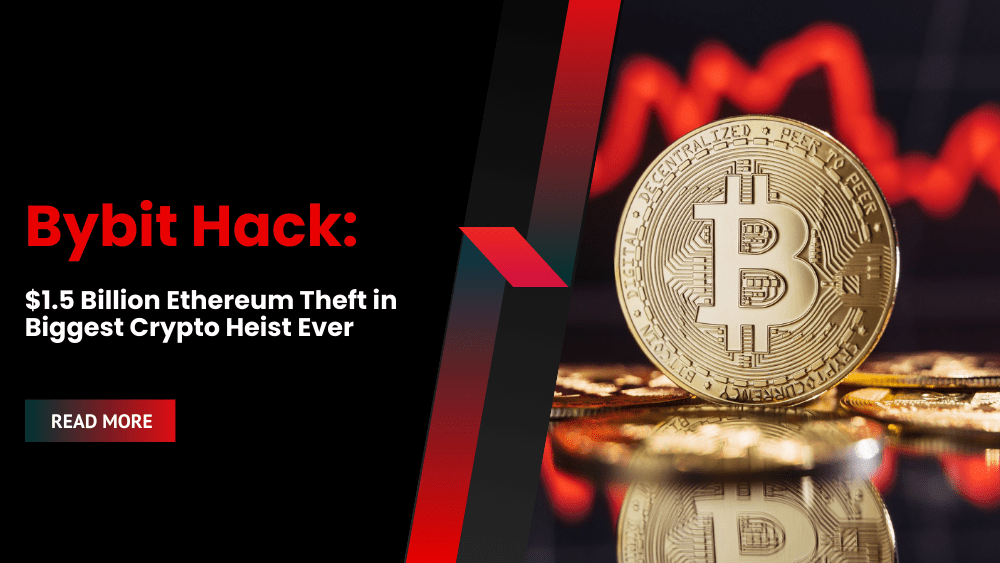
On 21 February 2025, Bybit, one of the world’s leading cryptocurrency exchanges, suffered a monumental security breach resulting in the theft of approximately 400,000 Ether tokens, valued at $1.5 billion. This incident has been identified as the largest cryptocurrency heist to date, surpassing previous records and sending shockwaves throughout the digital asset community.

The breach occurred during a routine transfer from Bybit’s cold wallet to a warm wallet—a standard procedure intended to ensure liquidity for daily operations. Attackers exploited this process by intercepting the transfer, redirecting the substantial sum to unknown addresses. Initial investigations have traced the hack to the Lazarus Group, a cybercrime organization associated with North Korea, notorious for orchestrating similar high-profile cyberattacks in the past.

In the immediate aftermath, Bybit’s market share plummeted from nearly 20% to a mere 5% by 2 March 2025, as users and traders sought more secure platforms. Binance emerged as a primary beneficiary during this period, with its market dominance soaring to 62% as traders migrated their assets. Other major exchanges, such as OKX and Coinbase, also experienced minor increases in market share, reflecting a broader redistribution of trading activity.

Bybit’s swift crisis response played a crucial role in stabilizing the situation. Unlike many exchanges that suspend withdrawals during security breaches, Bybit maintained operational status, allowing users to access their funds. This decision, coupled with consistent updates, helped maintain confidence and prevent mass withdrawals. The exchange also secured emergency funding from firms including Galaxy Digital, FalconX, and Wintermute, replenishing its reserves within 72 hours. By 9 March 2025, Bybit’s market share had rebounded to 9.04%. However, the exchange still faces significant reputational damage and lingering trust issues, raising doubts about its ability to fully regain its pre-hack position.

The incident has sparked discussions about the inherent vulnerabilities within the cryptocurrency ecosystem. While technological defenses continue to advance, this breach underscores that human error remains a critical weak point. INSEAD’s Ben Charoenwong emphasized that human failings, rather than technical glitches, are often the most significant factors in such incidents. He highlighted that a barrier to effective security is the reluctance to acknowledge ownership and responsibility for vulnerable systems.

The Bybit hack serves as a stark reminder of the importance of robust security protocols and the need for continuous vigilance in the rapidly evolving digital asset landscape. As the industry grapples with the implications of this unprecedented breach, stakeholders are urged to reassess their security measures, prioritize transparency, and foster a culture of accountability to safeguard against future threats.

Advertisements
By Nitya Chakraborty Indrajit Gupta, the dedicated Communist leader of India in the last century and an outstanding Parliamentarian dominated the country’s trade union movement and the Left movement for the last sixty years of the 20th century. He belonged to that generation of leaders from undivided Bengal whose sense of patriotism and deep anguish […]

Recent regulatory changes enhance credibility for corporate trustees but add to complexity and costs New eMPF Platform to reshape Hong Kong’s pension system and bring wave of change for pension trustees HONG KONG SAR – Media OutReach Newswire – 18 March 2025 – Access to Chinese Mainland clients, Asia’s growing private wealth sector and improving industry credibility are underpinning a positive outlook for Hong Kong’s trust industry, […]

Global investors have executed a historic shift in their portfolios, markedly reducing exposure to U.S. equities while increasing allocations to European stocks. This movement reflects growing apprehensions about the U.S. economic outlook and a more optimistic view of Europe’s financial prospects.

A Bank of America survey revealed that fund managers decreased their U.S. equity holdings by 40 percentage points, transitioning from a 17% overweight position in February to a net underweight of 23% in March. This represents the most substantial reduction on record, surpassing adjustments observed during previous economic downturns. The survey, which included 171 participants managing $477 billion in assets, underscores a significant reevaluation of investment strategies in response to emerging global economic challenges.

Several factors have contributed to this shift. Investors express heightened concerns over stagflation—a combination of stagnant economic growth and high inflation—and the potential repercussions of escalating trade tensions. The perception of diminishing U.S. economic exceptionalism has further fueled these apprehensions, leading to a reassessment of asset allocations.

In contrast, European equities have experienced increased investor interest. Allocations to Eurozone stocks surged by 27 percentage points, reaching the highest level since mid-2021. Approximately 39% of global investors now hold overweight positions in European equities, reflecting a growing confidence in the region’s economic resilience and potential for growth.

This reallocation is also evident among UK investors, who have increased their exposure to domestic stocks while reducing U.S. equity holdings. This trend suggests a broader reevaluation of investment strategies, with a renewed focus on local markets perceived as more stable or promising under current global economic conditions.

The technology sector, once a stalwart of U.S. market growth, has seen a notable decline in investor sentiment. Conversely, sectors such as utilities and banking have gained favor, indicating a strategic pivot towards more traditionally stable industries amid economic uncertainty.

Despite these shifts, some hedge funds have begun cautiously reinvesting in U.S. equities following significant sell-offs. This activity suggests that certain investors perceive potential value in the U.S. market, although this perspective is not yet widespread.

The broader implications of this investment reallocation are multifaceted. For the U.S., reduced equity allocations could signal waning confidence in its economic trajectory, potentially leading to decreased capital inflows and subdued market performance. Conversely, Europe’s attractiveness to investors may bolster its markets, providing a counterbalance to global economic headwinds.

This strategic pivot underscores the dynamic nature of global investment landscapes, where economic indicators, geopolitical developments, and market sentiments continually influence capital distribution. Investors’ current preference for European equities over U.S. stocks reflects a nuanced assessment of risk and opportunity in an evolving economic environment.

Strategy, formerly known as MicroStrategy, has unveiled plans to issue up to $21 billion in preferred stock to fund additional Bitcoin acquisitions. This move underscores the company’s ongoing commitment to integrating cryptocurrency into its corporate strategy.

The firm, led by Executive Chairman Michael Saylor, has become a prominent institutional investor in Bitcoin. As of February 5, 2025, Strategy reported holding approximately 499,096 bitcoins, valued at over $41 billion. This substantial accumulation reflects the company’s aggressive approach to cryptocurrency investment.

To finance these acquisitions, Strategy has been leveraging various financial instruments. In February 2025, the company announced a $584 million offering of 8% perpetual convertible preferred stock, designated under the ticker symbol “STRK” on the Nasdaq Global Select Market. The net proceeds from this offering were earmarked for further Bitcoin purchases and general corporate purposes.

The latest proposal to issue up to $21 billion in preferred stock represents a significant escalation in Strategy’s capital-raising efforts. This initiative is part of the company’s broader strategy to secure $42 billion over the next few years through various securities offerings, including fixed-income instruments and common stock sales, all aimed at bolstering its Bitcoin reserves.

However, this aggressive capital-raising approach has raised concerns among investors and analysts. The potential issuance of such a substantial amount of preferred stock could lead to significant dilution of existing shareholders’ equity. Moreover, the high yield associated with the preferred stock, approaching 9.5%, reflects the increased financial risk and the company’s lack of ongoing earnings from its traditional software business.

Strategy’s heavy reliance on Bitcoin has also been a point of contention. While the company’s stock price has experienced substantial growth since pivoting to a Bitcoin-centric strategy, it has not always kept pace with Bitcoin’s performance. This discrepancy has led to questions about the sustainability of Strategy’s approach, especially given the inherent volatility of the cryptocurrency market.

Despite these challenges, Strategy continues to advocate for Bitcoin’s role as a transformative asset. The company’s leadership remains steadfast in its belief that integrating Bitcoin into its corporate treasury strategy will yield long-term benefits, both for the company and its shareholders.

By Deeksha Dwivedi The recent arrest of Mahmoud Khalil in the United States, an active member of Columbia University’s protests against the ongoing genocide in Gaza, takes me back to 2016 when student political leaders Umar Khalid, Kanhaiya Kumar and Anirban Bhattacharya were arrested by the Delhi Police on charges of sedition. A controversy had […]

HO CHI MINH CITY, VIETNAM – Media OutReach Newswire – 18 March 2025 – As Vietnam’s digital economy continues to expand rapidly, brands are increasingly shifting their marketing efforts toward AI-driven video content and influencer collaborations to stay competitive. In response to this growing demand, KIT Global, a digital marketing solutions provider based in Asia Pacific, Europe, and Latin America, equips Vietnam businesses with the latest digital […]

The GNU Image Manipulation Program has officially released version 3.0, marking a significant milestone in the evolution of this open-source image editor. After seven years of rigorous development, GIMP 3.0 introduces a host of enhancements aimed at both amateur and professional users. One of the most anticipated features in this release is the introduction of non-destructive editing for commonly used filters. This advancement allows users to modify […]

Zed, the modern code editor developed by Zed Industries, has introduced native Git integration starting from version 0.177, aiming to streamline version control processes for developers. This integration allows users to perform essential Git operations—such as committing, pushing, pulling, and staging changes—directly within the editor. The Git Panel provides a comprehensive overview of the working directory and staging area, enabling efficient management of code changes. Designed with […]

South Korea’s Financial Supervisory Service has mandated that cryptocurrency exchanges contribute a 0.6% annual regulatory fee based on their operating revenues, amounting to a total of 7.9 billion won . This measure aims to bolster oversight within the rapidly expanding digital asset sector.

The fee structure, exceeding the initially anticipated 0.4%, requires quarterly payments due by the end of March, May, July, and October each year. The distribution of these fees among major exchanges is as follows:

– Dunamu, the operator of Upbit, is liable for 6.7 billion won .

– Bithumb faces a fee of 900 million won .

– Coinone is assessed at 150 million won .

– Gopax is charged 21.35 million won .

Korbit is exempt from this fee due to its operating revenue falling below the 3 billion won threshold set by the FSS.

The imposition of these fees underscores the South Korean government’s commitment to enhancing regulatory oversight in the cryptocurrency industry. By aligning digital asset platforms with traditional financial institutions under regulatory scrutiny, the FSS aims to ensure a more secure and transparent trading environment for investors.

This development follows the enactment of the Virtual Asset User Protection Act, which subjects virtual asset service providers to supervisory fees. The act stipulates that businesses with annual revenues exceeding 3 billion won are obligated to contribute to the FSS’s regulatory activities. These contributions are calculated using a rate of 2.686818 per 10,000 won of operating revenue from the previous fiscal year.

For instance, based on this rate, Upbit’s contribution is approximately 272 million won , while Coinone and Gopax are expected to contribute roughly 6.03 million won and 830,000 won , respectively. Korbit, with an operating revenue of approximately 1.7 billion won last year, is excluded from this fee due to not meeting the revenue threshold.

The supervisory fees are intended to fund the FSS’s regulatory activities, including inspections and oversight, ensuring that VASPs operate within the guidelines set forth by the Virtual Asset User Protection Act. This move brings virtual asset operators under the FSS’s inspection scope, aligning them with traditional financial institutions.

However, this new requirement poses significant challenges for many virtual asset exchanges. Most, except for Upbit and Bithumb, continue to suffer operating losses. Despite these losses, exchanges like Coinone and Gopax will still have to pay the supervisory share, adding financial pressure to their strained operations.

In addition to the supervisory fees, the Virtual Asset User Protection Act introduces various requirements for VASPs, including a mandate to hold at least 80% of users’ assets in cold storage. These funds must be segregated from company funds and invested in “risk-free” assets to generate a yield. Furthermore, crypto exchanges are required to reevaluate cryptocurrencies listed for trading, such as verifying their circulation and reviewing white papers.

The introduction of these supervisory fees and regulations reflects South Korea’s proactive approach to regulating the cryptocurrency industry. By implementing stringent oversight measures, the government aims to protect investors and maintain the integrity of the financial system in the face of rapid technological advancements and the growing popularity of digital assets.

The financial burden imposed by these fees may prompt smaller exchanges to reassess their operational strategies or consider mergers to remain viable. It also underscores the importance for cryptocurrency exchanges to maintain transparent and robust financial practices to comply with regulatory standards.


Abu Dhabi’s Department of Municipalities and Transport has introduced the Value Housing Programme, a strategic initiative designed to diversify the emirate’s real estate market and elevate living standards for both individuals and families. This programme underscores the emirate’s commitment to fostering inclusive and sustainable communities, aligning with the broader objectives of the UAE Year of Community. The programme’s phased implementation aims to address the increasing demand for […]

Abu Dhabi-based investment firm MGX has made a landmark $2 billion investment in Binance, the world’s largest cryptocurrency exchange. This move marks MGX’s inaugural foray into the cryptocurrency and blockchain sectors, securing a minority stake in Binance. The transaction was conducted entirely in stablecoins, underscoring the growing institutional acceptance of digital assets.

MGX, chaired by Sheikh Tahnoon bin Zayed al-Nahyan, has historically focused on artificial intelligence and advanced technologies. Its previous investments include partnerships with BlackRock and Microsoft for a $30 billion AI fund. By investing in Binance, MGX aims to integrate AI, blockchain technology, and finance, reflecting a broader strategy to support the transformative impact of blockchain on society.

Binance, founded in 2017 by Changpeng Zhao, has rapidly ascended to become a dominant player in the cryptocurrency market. However, its journey has been fraught with regulatory challenges. In 2023, the exchange faced a $4.3 billion fine for failing to prevent money laundering, prompting efforts to rebuild its reputation and strengthen compliance measures.

The UAE’s ambition to position itself as a global hub for digital assets is evident. The country has introduced the AE Coin, a stablecoin backed by the UAE dirham, and has been proactive in establishing favorable regulations to attract international crypto companies. Binance’s substantial presence in the UAE, with approximately 1,000 employees, aligns with this national vision.

Industry experts believe that MGX’s investment could serve as a catalyst for clearer regulatory frameworks in the cryptocurrency space. A significant investment from a government-backed entity like MGX adds a layer of legitimacy to the cryptocurrency industry. It signals growing institutional acceptance and can attract more traditional investors.

Revenue Growth Supported by Multiple Pillars Steadily Enhancing Shareholder Returns HONG KONG SAR – Media OutReach Neswire – 17 March 2025 – The world’s largest telecommunications infrastructure service provider China Tower Corporation Limited (“China Tower” or the “Company”) (Stock Code: 0788.HK) is pleased to announce its annual results for the year ended 31 December 2024. Performance Highlights RMB Million 2024 2023 Change Operating revenue 97,772 94,009 4.0% […]

The integration of artificial intelligence into hybrid cloud environments is increasingly reliant on open-source tools, offering businesses flexibility, scalability, and cost-effectiveness. These tools facilitate seamless AI deployment across diverse infrastructures, blending on-premises systems with public and private clouds. Red Hat’s OpenShift AI exemplifies this trend, providing a flexible, scalable platform built on open-source technologies. It enables enterprises to create and deploy AI-enabled applications at scale across hybrid […]

The Federal Bureau of Investigation and the Cybersecurity and Infrastructure Security Agency have issued an urgent advisory concerning the Medusa ransomware, which has compromised over 300 organizations across critical infrastructure sectors. This cyber threat employs sophisticated tactics, including double and triple extortion schemes, posing significant risks to various industries. Medusa ransomware operates as a ransomware-as-a-service model, allowing cybercriminals to lease its infrastructure for malicious activities. Initially identified […]

Oracle Red Bull Racing is intensifying its collaboration with Oracle Corporation to integrate advanced cloud computing and artificial intelligence technologies into its operations for the 2025 Formula One season. This strategic move aims to bolster the team’s performance both on and off the track, reflecting a commitment to leveraging cutting-edge technology in the highly competitive world of motorsport. The team has adopted Oracle Cloud Infrastructure Compute A2 […]

Satoshi Nakamoto, the pseudonymous creator of Bitcoin, remains one of the most intriguing figures in modern finance. In his latest book, *The Mysterious Mr. Nakamoto*, author Benjamin Wallace embarks on a fifteen-year quest to uncover the identity behind this digital currency pioneer.

Nakamoto introduced Bitcoin in 2008 through a white paper detailing a peer-to-peer electronic cash system. This innovation laid the foundation for a decentralized financial network, free from traditional banking intermediaries. Despite Bitcoin’s global impact, Nakamoto vanished in 2011, leaving behind a fortune in unspent bitcoins and an enduring mystery surrounding his identity.

Wallace’s investigation delves into the cypherpunk movement of the 1990s, a collective advocating for privacy-enhancing technologies and cryptographic solutions. This community’s ideals significantly influenced Bitcoin’s development, aiming to create a currency independent of governmental control. Through meticulous research, Wallace examines potential candidates who could be Nakamoto, analyzing their backgrounds, writing styles, and contributions to cryptography.

One prominent figure explored is Hal Finney, a renowned cryptographer and the first person, aside from Nakamoto, to run the Bitcoin software. Finney’s involvement in early Bitcoin development and his correspondence with Nakamoto position him as a plausible candidate. However, Finney consistently denied being Nakamoto until his death in 2014.

Another individual scrutinized is Nick Szabo, a computer scientist known for his concept of “Bit Gold,” a precursor to Bitcoin. Linguistic analyses have highlighted similarities between Szabo’s writings and Nakamoto’s white paper, yet Szabo has repeatedly refuted claims of being Bitcoin’s creator.

The book also addresses the controversial claims of Australian computer scientist Craig Wright, who has publicly asserted that he is Satoshi Nakamoto. Despite presenting purported evidence, Wright’s claims have been met with skepticism, and he has not provided cryptographic proof accepted by the broader community.

Wallace’s narrative not only investigates these individuals but also reflects on the broader implications of Nakamoto’s anonymity. Bitcoin’s decentralized nature is intrinsically linked to the absence of a central authority, embodied by its creator’s pseudonymity. This deliberate concealment has fueled speculation and intrigue, contributing to Bitcoin’s mythos and cultural significance.

The author employs forensic techniques, including textual analysis and code examination, to trace Nakamoto’s digital footprints. Despite these efforts, the true identity remains elusive, underscoring the challenges inherent in unmasking a figure who meticulously crafted his anonymity.

Wallace’s exploration extends beyond the search for Nakamoto, offering insights into the evolution of digital currencies and their impact on global finance. The book contextualizes Bitcoin’s rise within economic events such as the 2008 financial crisis, highlighting the demand for alternative financial systems.

HONG KONG SAR – Media OutReach Newswire – 18 March 2025 – The William SD Louey Educational Foundation is proud to announce a collaboration with Suicide Prevention Services (SPS) aimed at tackling the mental health challenges faced by young men aged 15–25 in Hong Kong. The initiative features five key opinion leaders (‘KOLs’) and comes at a critical time when youth mental health issues are on the […]

VISHNU RAJA
RYO YAMADA
HITORI GOTOH
IKUYO KITA
Just in:
UK air traffic outage inflicted £33m financial losses // Burying Head In “India Made Poverty Reduction” Data Is Dangerous // Govt opposes Arlekar’s PSC action // Middle East governments assess Iran war after US vote // Oil and chip shares retreat after Democratic victories // Cloudflare unveils Zero Wire vulnerability intelligence service // ADIA and partners establish $1.4 billion aviation venture // Vance attributes Republican midterm defeats to Iran conflict // CR Longdation Aethereal Cybersecurity × Global Cybersecurity Alliance (GCSA) Join Hands to Establish the “AI and Cybersecurity Research Centre” // Fast Just Got Fastest: STING Energy Boost™ Celebrates Kimi Antonelli’s Formula 1® World Championship and the Fan Energy Behind It // Utilities pursue ₹1,992 cr in unpaid bills // xCube Access Welcomes Entrust Capital Limited  Expanding Access to Professional Portfolio Management // APT29-linked campaign exploits outdated Apple and Android software // After Reaching 7 Million Users in the Philippines, Skyro Launches Transparent Cash Loans in Malaysia // SC to examine students’ exam plea today // Asia Left Behind: Ten international companies have yet to report delivering on their cage-free egg pledges across the region // Ta’ziz finalises $1.39bn funding for Ruwais industrial facilities // As AI Reshapes Education, Singapore Convenes Global Dialogue on the Future of Early Childhood Education // AI trust gap reveals distinct retail priorities: Divergent paths to consumer growth in Hong Kong and the GBA // Hong Kong mandates crypto transaction disclosures to tax authorities //