News related to
world’s

Google has moved decisively to narrow the gap between smartphones and personal computers, unveiling an Android desktop interface that brings taskbars, resizable windows and advanced window management to the world’s most widely used mobile operating system. The changes, rolling out across tablets, foldables and external-display setups, position Android to compete more directly with Windows and macOS while reframing how everyday computing tasks can be performed across devices. […]

Airport health authorities across parts of Asia have stepped up screening measures following confirmed Nipah virus infections in southern India, as governments move to limit the risk of cross-border transmission of one of the world’s deadliest zoonotic diseases. Thermal scanning, health declarations and targeted advisories for travellers arriving from affected regions have been expanded at several international gateways, according to aviation and public health officials.

Health officials say the steps reflect heightened vigilance rather than evidence of international spread. Nipah virus, which circulates naturally in fruit bats of the Pteropus genus, does not transmit easily between people but can cause severe respiratory illness and fatal encephalitis when outbreaks occur. The case fatality rate recorded in past outbreaks has ranged between 40 per cent and 75 per cent, making it a pathogen of particular concern for health systems with dense populations and high travel volumes.

Kerala has confirmed a small cluster of infections, triggering contact tracing, isolation of close contacts and temporary restrictions in affected localities. State authorities have emphasised that the outbreak remains contained, with surveillance expanded in hospitals and laboratories instructed to prioritise testing of patients with compatible symptoms. Central health agencies have issued advisories to states to strengthen infection-control protocols, especially in intensive care units.

Against this backdrop, several Asian countries have updated airport health protocols. Major hubs in Southeast Asia have reinstated temperature screening for passengers arriving from Kerala and neighbouring regions, while airlines have circulated guidance to cabin crew on recognising symptoms and handling suspected cases in flight. Travellers reporting fever, headache, cough or altered consciousness are being referred for secondary screening and medical evaluation on arrival.

Public health experts note that such measures are designed to buy time rather than eliminate risk entirely. Nipah virus has an incubation period that can extend beyond a week, meaning asymptomatic travellers may not be detected at borders. However, early identification of symptomatic cases can reduce exposure in crowded terminals and allow faster clinical intervention.

Regional travel checks widen amid Nipah concerns, health specialists say, reflecting lessons learned from previous outbreaks. Since Nipah was first identified in Malaysia in 1998 during an outbreak linked to pig farming, sporadic episodes have been recorded in Bangladesh and India, often associated with consumption of raw date palm sap contaminated by bats or close contact with infected patients. Bangladesh has reported more frequent outbreaks, with evidence of limited human-to-human transmission in hospital and household settings.

There is currently no approved vaccine or specific antiviral treatment for Nipah virus. Clinical management focuses on supportive care, including respiratory support and treatment of complications. Experimental therapies and vaccine candidates are under development, but none has reached late-stage approval. This places a premium on early detection, isolation and rigorous infection control.

Airports are a critical interface in that strategy. Aviation authorities say screening has been calibrated to avoid unnecessary disruption to travel while maintaining public confidence. Airlines operating routes to India have not reported cancellations, though some passengers have faced longer processing times at arrival halls.

Economic analysts point out that even limited health alerts can affect tourism-dependent economies if risk communication is mishandled. Governments have sought to strike a careful balance, emphasising that there is no general travel ban and that routine travel remains safe. Health ministries across the region have coordinated messaging through existing disease surveillance networks to ensure consistent guidance.

Within India, the outbreak has renewed scrutiny of zoonotic spillover risks linked to deforestation, urban expansion and climate variability. Ecologists note that changes in bat habitats can increase contact with human settlements, raising the likelihood of viral transmission. Public health planners argue that long-term prevention will require stronger integration of animal, human and environmental health policies under a “One Health” approach.

ByteDance is accelerating its expansion into enterprise cloud services as artificial intelligence reshapes demand across China’s technology sector, positioning the social media and content platform owner as a more serious challenger to long-established players in the domestic cloud market. The company has stepped up investment in AI infrastructure, enterprise tools and developer services, signalling ambitions that go well beyond its consumer-facing applications. The move comes as businesses […]

Nairobi has been chosen to host the first Gulfood360 Africa in May 2027, marking a significant expansion of the global food and beverage platform into a continent whose food economy is valued at about $567 billion. The decision, announced on the sidelines of Gulfood 2026 in Dubai, formalises Kenya as the official African host and positions the East African hub at the centre of a strategy to […]

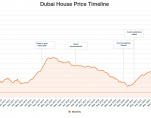
Dubai’s real estate market has been on a historic bull run. For the past five years, it has been a story of soaring property prices in Dubai, record-breaking foreign investment, and skyrocketing rental rates. However, a new market driver is set to define the Dubai property market 2026–2028: a massive influx of new housing supply largely from off-plan properties, many of which haven’t reached completion yet. Understanding […]

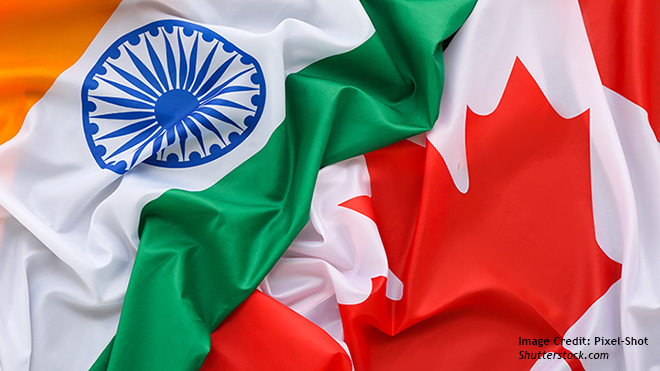
Ottawa and New Delhi are preparing for a high-level visit in March by Canadian Prime Minister Mark Carney, with negotiations entering an advanced stage on a cluster of agreements covering uranium supply, clean energy cooperation, critical minerals and artificial intelligence. Officials familiar with the talks say the visit is being positioned as a reset in economic engagement after a period of diplomatic strain, with both sides keen to lock in commercially binding deals that reflect shifting global supply chains and technology priorities.

The centrepiece of the expected package is an expansion of civil nuclear cooperation, anchored in long-term uranium supply contracts. Canada is among the world’s largest producers of uranium, while India has been seeking diversified and reliable fuel sources to support its nuclear power programme, which is projected to grow sharply over the next decade. Negotiators have been working to streamline regulatory clearances and pricing mechanisms to give utilities and suppliers greater certainty, while ensuring safeguards and compliance obligations are met.

Energy cooperation is set to extend beyond nuclear. Talks have included collaboration on clean hydrogen, carbon capture and storage, and grid-scale renewable integration. Canadian firms bring experience in cold-climate energy systems, advanced storage and emissions management, while India offers scale, manufacturing depth and ambitious deployment targets. Officials describe the approach as moving from memoranda of understanding towards projects with defined investment timelines and joint development structures.

Critical minerals form another pillar of the discussions. Canada’s reserves of lithium, nickel, cobalt and rare earths are increasingly viewed as strategic assets as governments seek alternatives to concentrated supply routes. India, pushing to build domestic battery and electronics manufacturing capacity, has been exploring offtake agreements, joint exploration and downstream processing partnerships. The proposed framework is designed to align mineral extraction with environmental and community standards, while enabling long-term supply security for manufacturers.

Artificial intelligence cooperation has emerged as a newer, fast-moving track. Policymakers on both sides have been weighing arrangements that combine Canada’s research ecosystem and talent pipeline with India’s large-scale data capabilities and application-driven innovation. Areas under discussion include healthcare diagnostics, climate modelling, financial services and public-sector digital infrastructure. Officials have emphasised the need for guardrails on data governance, intellectual property and ethical use, reflecting growing global scrutiny of AI deployment.

Trade officials say the March visit, if confirmed as planned, would also provide political momentum to broader commercial ties. Bilateral trade has grown steadily over the past decade but remains below potential, particularly in high-value manufacturing and services. Business groups in both countries have been urging clearer pathways for investment approvals, mobility of skilled professionals and dispute resolution mechanisms to reduce friction for companies operating across jurisdictions.

Arabian Post Staff -Dubai Dubai has unveiled a landmark expansion of its international financial hub, launching a $27 billion development designed to scale the city’s role in global finance as demand from overseas firms pushes existing capacity to its limits. The project, known as the DIFC Zabeel District, will extend the Dubai International Financial Centre across a substantial new area and is slated to reshape the emirate’s […]

Advertisements

Soybean and corn futures edged higher in global trade as a softer US dollar improved export competitiveness and intensifying heat across Argentina raised questions over yield prospects, even as ample worldwide supplies continued to cap gains and keep prices well below the highs seen during 2022. Soybeans led the advance, with prices supported by currency moves that made US shipments more attractive to overseas buyers and by […]

By K Raveendran Gold pushing decisively past the $5,000-a-troy-ounce threshold at the same moment the US dollar slides to a four-month low is not just a dramatic coincidence of charts. It marks a psychological rupture in global markets, challenging assumptions that have underpinned portfolio construction and macroeconomic thinking for decades. What once belonged to the […]

The article When Gold Breaks Five Thousand And Dollar Blinks appeared first on Latest India news, analysis and reports on Newspack by India Press Agency).

Bitcoin slipped below a widely watched technical support zone as BlackRock moved to expand its digital-asset line-up with a filing for a premium income exchange-traded fund linked to the world’s largest cryptocurrency, underscoring how product innovation is accelerating even as prices wobble. Market charts showed Bitcoin breaking beneath the lower boundary of an inverted flag formation, a pattern traders often read as a pause before a continuation […]

Arabian Post Staff -Dubai Abu Dhabi–based energy investor XRG is deepening its engagement in one of the world’s largest liquefied natural gas export facilities, moving to acquire an additional equity interest in the Rio Grande LNG project in Texas, industry participants confirmed. The move extends XRG’s ownership beyond its earlier holding and marks a significant step in executing its global gas strategy, signalling confidence in long-term demand […]

Negotiators from India and the European Union have moved into the final stretch of talks on a long-pending free trade agreement that both sides now describe as a strategic necessity, as uncertainty over United States trade policy reshapes global supply chains and export strategies. Officials involved in the discussions say most market-access chapters are broadly settled, with remaining work focused on sensitive tariff lines, regulatory safeguards and timelines for implementation.

The proposed pact, under negotiation for more than a decade with several pauses, has regained momentum over the past two years as Brussels and New Delhi seek to reduce exposure to external shocks. For the European Union, diversifying trade ties beyond the US and China has become an explicit policy goal. For India, securing preferential access to one of the world’s largest consumer markets offers a counterweight to potential tariff pressures elsewhere.

Trade specialists say the structure of the deal reflects this shared urgency. India is expected to secure phased tariff reductions on a wide range of labour-intensive exports, including textiles, apparel, leather goods, footwear, gems and jewellery, and certain engineering products. These sectors employ millions and are among the most exposed to changes in external demand. Ajay Srivastava, a former trade official, has said that improved access to the EU market would help exporters partly offset the impact of higher duties or restrictive measures imposed by the US on selected product categories.

European manufacturers, in turn, are seeking lower tariffs and clearer rules for automobiles, high-end machinery, wines and spirits, medical devices and chemicals. Current import duties on some of these products remain among the highest faced by EU exporters in major economies. Brussels has also pressed for stronger commitments on intellectual property protection, government procurement and regulatory transparency, areas that have historically slowed progress.

People familiar with the talks say negotiators have narrowed differences on goods tariffs by agreeing to longer transition periods for politically sensitive items, allowing domestic industries time to adjust. Agriculture remains a delicate chapter, with India resisting broad concessions on dairy and certain farm products, while offering limited quotas and safeguards to protect small producers. The EU has signalled flexibility, recognising the social and political weight of agriculture in India’s economy.

Beyond goods, services and investment provisions are central to the pact’s commercial value. India is pushing for easier movement of professionals in information technology, engineering and healthcare, alongside mutual recognition of qualifications. European counterparts are cautious, balancing labour-market concerns with industry demands for skilled talent. Investment protection rules are also under discussion, with both sides aiming to avoid disputes that have characterised earlier bilateral treaties.

Geopolitics has added another layer to the negotiations. Heightened trade frictions involving the US have reinforced the case for dependable partners and rules-based commerce. European policymakers increasingly view India as a key pillar in their Indo-Pacific strategy, while New Delhi sees the EU as a stable market that complements its manufacturing and export ambitions. The alignment is evident in parallel talks on a separate investment protection agreement and a framework for cooperation on sustainable development.

Environmental and labour standards have emerged as important, though contentious, elements. The EU has sought binding commitments linked to climate goals and workers’ rights, consistent with its newer trade agreements. India has pushed back against provisions it views as intrusive or misaligned with domestic development priorities, arguing for cooperation rather than enforcement-driven clauses. Compromise language is being explored to bridge these positions without derailing the broader deal.

Economists note that the scale of potential gains is significant, though uneven across sectors. The EU is already one of India’s largest trading partners, with bilateral goods trade running into tens of billions of euros annually. A comprehensive agreement could lift trade volumes further by lowering costs, improving predictability and encouraging investment flows. Export-oriented clusters in states with strong manufacturing bases are expected to be among the main beneficiaries.

Industry groups on both sides have stepped up engagement, urging negotiators to maintain momentum. Indian exporters highlight the risk of losing market share to competitors that already enjoy preferential access to the EU. European businesses argue that delayed agreement leaves them at a disadvantage in a fast-growing market with rising consumer demand and infrastructure spending.


Matein Khalid Zohran Mamdani’s election as Mayor of New York City is the worst nightmare for the Big Apple’s commercial landlords, the reason why the shares of SL Green and Vornado have been sandbagged on the NYSE. The last thing a soft Manhattan office market with a plunge in inbound foreign tourism and spike in the 10-year US Treasury yield needed was a 35 year old self […]

Abu Dhabi National Oil Company has become the first Emirati brand to secure a spot among the world’s 100 most valuable brands, highlighting its expanding global footprint and brand strength. The Brand Finance annual league table shows ADNOC’s brand value climbed 11 per cent year-on-year to US$21.13 billion for 2026, marking growth of more than 350 per cent since 2017 and placing it ahead of a number […]

Revolut has shelved plans to buy a United States bank and is instead pursuing a fresh regulatory pathway as it recalibrates its long-delayed push into the world’s largest retail finance market. The London-based digital banking group has begun laying the groundwork for an application to the Office of the Comptroller of the Currency for a national banking licence, according to people familiar with the company’s strategy, marking […]

Curl, one of the world’s most widely used data transfer tools, has shut down its bug bounty programme after an overwhelming influx of low-quality vulnerability reports generated with the help of artificial intelligence began to swamp its small security team. Daniel Stenberg, the creator and lead maintainer of curl, said the volume of submissions claiming security flaws had grown to a level that could no longer be […]

Coinbase chief executive Brian Armstrong has argued that the growing divide in global wealth stems from structural barriers in capital formation and ownership, positioning blockchain-based tokenisation as a way to broaden access to assets traditionally controlled by a narrow segment of society. Tokenised finance framed as a path to wider ownership has become a recurring theme in Armstrong’s public remarks, investor communications and policy-facing discussions, where he […]

By Nantoo Banerjee India’s transport sector, combining road, rail, air and water, is ready for a significant job boom, with the logistics industry alone projected to grow at a 10.7 percent compound annual growth rate (CAGR) through the current year. The national budget for 2026-27, which is scheduled to be placed in Parliament on February […]

The article Union Budget Should Focus On Transport Sector As India’s Most Potential Growth Engine appeared first on Latest India news, analysis and reports on Newspack by India Press Agency).

Strong international validation for India’s ambitions in semiconductors and artificial intelligence has emerged during Union minister Ashwini Vaishnaw’s visit to Veldhoven, the Netherlands, where he held discussions centred on advanced manufacturing technologies and long-term collaboration. Vaishnaw described the engagement as a major opportunity to understand cutting-edge systems and align partnerships that could accelerate India’s high-technology ecosystem.

The visit to Veldhoven, home to the world’s most sophisticated chipmaking equipment capabilities, comes at a time when New Delhi is pushing to anchor itself more firmly in global semiconductor supply chains while building domestic capacity. Vaishnaw indicated that interlocutors acknowledged India’s policy direction and scale as compelling factors for deeper cooperation across semiconductors and artificial intelligence, two areas that are increasingly intertwined in next-generation computing and industrial automation.

Discussions during the trip focused on lithography technologies, supply-chain resilience and skills development, according to people familiar with the engagements. India’s pitch rests on a combination of policy incentives, a large engineering workforce and expanding demand from electronics, automotive and data-driven sectors. Officials accompanying the minister underlined that partners in Europe see India as a credible long-term manufacturing and innovation base rather than merely a consumption market.

The Netherlands occupies a critical position in the global chip industry because of its dominance in extreme ultraviolet lithography, a technology essential for producing advanced semiconductors. India’s engagement with Dutch stakeholders is therefore viewed as strategically important, particularly as countries and companies diversify supply chains amid geopolitical and commercial pressures. Vaishnaw’s meetings sought to map pathways for collaboration spanning equipment ecosystems, materials, precision engineering and research linkages.

Artificial intelligence featured prominently in the conversations, reflecting the convergence between advanced chips and AI workloads. Executives and policymakers discussed how specialised processors, high-performance computing and data infrastructure underpin AI deployment across sectors such as healthcare, mobility, energy management and public services. Indian officials emphasised the country’s growing base of AI startups, public digital platforms and applied research, arguing that closer alignment with global technology leaders would strengthen both sides.

The endorsement referenced by Vaishnaw also reflects broader international assessments of India’s semiconductor strategy, which combines fiscal incentives with infrastructure support and regulatory facilitation. Several fabrication and assembly projects have been announced across different states, while partnerships with global firms aim to address gaps in design, packaging and testing. Industry analysts note that execution risks remain, including timelines, talent depth in specialised manufacturing and integration into mature supply networks, yet acknowledge that momentum has improved.

From the Dutch perspective, collaboration with India offers access to a fast-growing market and diversification beyond traditional hubs. European technology firms have been recalibrating their engagement with Asia, balancing commercial interests with strategic considerations. India’s emphasis on trusted partnerships and standards-based cooperation resonates in this context, particularly in areas linked to critical technologies.

Vaishnaw’s visit also included interactions with research institutions and industry representatives to understand best practices in precision manufacturing and workforce training. Officials highlighted the importance of skilling programmes that align academic curricula with industry needs, a factor seen as decisive for sustaining semiconductor operations. India has been expanding such initiatives, including specialised training for chip design and manufacturing processes.

The talks in Veldhoven are part of a broader diplomatic and industrial outreach aimed at positioning India within high-value segments of global technology chains. Previous engagements with partners in East Asia and North America have similarly stressed co-development, supply assurance and innovation partnerships rather than transactional sourcing. The Netherlands visit adds a European dimension to that strategy.

Jewellery manufacturers, designers and traders from across three continents are set to converge in Sharjah as the Jewels of Emirates Show 2026 opens on 28 January at the Expo Centre Sharjah, positioning the emirate as a key meeting point for the regional and global jewellery trade at the start of the year. Organisers say the four-day exhibition will feature about 180 exhibitors representing the Middle East, Asia […]

Matein Khalid Marriott (MAR) is the world’s preeminent hospitality business with 1.7 million hotel rooms located in 9800 properties in 140 countries. Sadly, its shares were a Cinderella last year, underperforming the S&P 500 index with only a 14% return due to the decline in inbound foreign travel to the US triggered by Trump’s tariff threats, immigration crackdown and restrictive visa rules. Hopefully, Marriott will prove a […]

DP World has announced the Dubai Food District, a major expansion and rebranding of the Al Aweer Central Fruit and Vegetable Market, signalling an ambitious push to strengthen Dubai’s role in global food trade and logistics. The project, outlined in a company statement issued on Thursday, is positioned as a comprehensive wholesale and distribution hub that broadens the market’s scope well beyond its traditional focus on fresh […]

Global internet traffic surged to unprecedented levels during 2025, underlining how live sport, high-definition streaming and expanding artificial intelligence workloads are reshaping the world’s digital infrastructure. Network operators and exchange operators recorded sharp spikes during major live events, with a Champions League match night in December emerging as one of the heaviest traffic moments ever observed on public internet exchanges. Data collated from large internet exchange platforms […]

Dubai authorities have unveiled a detailed model of the Emaar Properties Station on the future Blue Line of the Dubai Metro, setting out plans for what is expected to become the world’s tallest metro station when it opens in 2029. Rising 74 metres above ground, the structure is designed to serve as both a transport hub and a prominent architectural landmark along the expanding rail network. The […]

VISHNU RAJA
RYO YAMADA
HITORI GOTOH
IKUYO KITA