News related to
world’s

Arabian Post Staff -Dubai Abu Dhabi National Oil Company has finalised a $2 billion green financing facility backed by the Korea Trade Insurance Corporation, strengthening its funding base for lower-carbon projects as it seeks to align hydrocarbon operations with long-term energy transition goals. The facility, structured under ADNOC’s Sustainable Finance Framework, is earmarked for eligible investments across the company’s upstream, downstream and chemicals businesses, including emissions-reduction technologies, […]

Sony has agreed to acquire an 80 per cent stake in Peanuts Holdings for $457 million, securing control of one of the world’s most recognisable entertainment brands and deepening its push into character-driven film, television, music and consumer products. The transaction sees Sony buy out the stake held by Canada-based WildBrain, while the family of Peanuts creator Charles M Schulz retains the remaining 20 per cent.

The deal hands Sony majority ownership of the Peanuts intellectual property, which includes Charlie Brown, Snoopy and the wider cast that has defined the franchise since its debut in newspapers in 1950. Peanuts Holdings oversees global licensing, publishing and brand management, and its assets include more than 17,000 comic strips as well as extensive animation and merchandising rights.

Executives involved in the transaction said the agreement reflects a shared focus on preserving the spirit of the characters while positioning the brand for new audiences across platforms. Sony has built a broad entertainment ecosystem spanning film studios, music labels, games and consumer electronics, giving it multiple avenues to deploy the Peanuts characters without fragmenting creative control.

Sony deepens its grip on Peanuts

Sony’s leadership described the acquisition as a strategic step rather than a short-term content play. The company already distributes Peanuts animation through Sony Pictures Television and has worked closely with the Schulz family for years on brand stewardship. By consolidating ownership, Sony gains the ability to align long-term creative planning with distribution and merchandising strategies.

The Peanuts franchise continues to generate significant revenue through licensing deals covering toys, apparel, publishing and themed experiences. Industry analysts estimate that global character merchandising remains one of the most resilient segments of the entertainment economy, supported by multigenerational appeal and predictable demand. Peanuts, with its minimalist humour and emotional resonance, is often cited as one of the few properties that can cross age groups and cultures with limited localisation.

WildBrain’s exit reflects a strategic refocus on its own core animation and family content operations. The company had acquired its Peanuts stake through earlier transactions linked to rights management and production, and has since monetised the asset while maintaining creative partnerships. Executives at WildBrain said the sale strengthens its balance sheet and allows greater investment in owned brands and production pipelines.

For the Schulz family, retaining a 20 per cent stake preserves direct influence over creative decisions and brand values. Family representatives have repeatedly stressed the importance of protecting the philosophical tone of the strip, which blends humour with themes of loneliness, perseverance and childhood reflection. Their continued involvement is expected to reassure long-time fans wary of over-commercialisation.

Sony’s broader strategy has increasingly emphasised intellectual property with long shelf lives rather than single-release blockbusters. The company has expanded its catalogue through acquisitions and partnerships that allow stories and characters to move fluidly between cinema, streaming, music, games and live events. Peanuts fits that model, offering episodic storytelling, short-form content and strong visual branding.

The entertainment group also sees opportunities to integrate Peanuts more deeply into its music and gaming divisions. Snoopy and Charlie Brown have already appeared in music collaborations, seasonal broadcasts and digital content, and Sony’s ownership of major music labels and gaming platforms provides scope for cross-promotional projects without reliance on third-party licensing negotiations.

Market observers note that the valuation implies confidence in stable, long-term cash flows rather than explosive growth. Character-driven brands such as Peanuts tend to perform consistently across economic cycles, supported by evergreen demand for family-friendly content and nostalgia-driven consumption. This predictability contrasts with the volatility seen in theatrical box office revenues and subscription-based streaming models.

The acquisition also comes as global media companies reassess how to manage legacy brands in an era dominated by short-form video and algorithm-driven discovery. Sony has indicated it will invest in formats that respect the franchise’s roots while experimenting with new distribution channels, including digital shorts and educational programming.


By Dr. Gyan Pathak Two decades old Mahatma Gandhi National Rural Employment Guarantee Act (MGNREGA) 2005 is finally replaced by Viksit Bharat – Guarantee For Rozgar and Ajeevika Mission (Gramin) (VB-G RAM G) Bill 2025 on the last day of the Winter Session of the Parliament on December 19. Lok Sabha passed the Bill in […]

The article Narendra Modi Govt Brings To An End Two Decade Old Rural Job Scheme MGNREGA appeared first on Latest India news, analysis and reports on Newspack by India Press Agency).

A federal appeals court in the United States has breathed new life into a class-action lawsuit accusing Apple of running the App Store as an unlawful monopoly, a ruling that sharpens pressure on one of the world’s most valuable companies and adds momentum to antitrust scrutiny facing Big Tech across several jurisdictions. The Ninth U. S. Circuit Court of Appeals overturned a lower court decision that had […]

By Nitya Chakraborty Something incredible is happening in Beijing as also in other cities of China in the last five days. The cinema halls showing the American animation film “Zootopia 2” produced by the famous Disney studio are full and the Chinese cine lovers who have not yet seen the film are going mad online […]

The article How A Disney Studio Animation Film “Zootopia 2” Is Boosting China-US Trade Agenda? appeared first on Latest India news, analysis and reports on Newspack by India Press Agency).

The United Arab Emirates has consolidated its standing in 2025 as one of the world’s fastest-growing economies, underpinned by a surge in non-oil activity, sustained investment inflows and a regulatory framework designed to attract capital and talent. Data released through the year point to broad-based expansion across trade, manufacturing, logistics, tourism, finance and technology, reinforcing a shift away from hydrocarbons as the primary engine of growth.

Non-oil foreign trade climbed 24.5 per cent in the first half of 2025 to AED1.7 trillion, a pace that far exceeds the prevailing global trade growth rate. The increase reflects rising re-exports, stronger demand from Asia, Europe and Africa, and the UAE’s role as a commercial bridge linking major markets. Officials have highlighted gains in machinery, electronics, precious metals, food products and pharmaceuticals, supported by expanded port capacity, faster customs procedures and new trade agreements.

Investment indicators have moved in tandem with trade. The UN Conference on Trade and Development’s World Investment Report 2025 ranked the UAE 10th globally for inbound foreign direct investment in 2024, with inflows of AED167.6 billion. That placing keeps the country among the world’s most attractive destinations for capital, alongside much larger economies, and underscores confidence in the policy environment, infrastructure and legal protections available to investors.

Economic planners attribute the momentum to a combination of structural reforms and targeted incentives. Liberalised ownership rules, long-term residency options for professionals and entrepreneurs, and streamlined licensing have lowered barriers for international firms. Specialised free zones continue to draw companies in logistics, clean energy, advanced manufacturing, fintech and digital services, while onshore jurisdictions have simplified company formation and compliance.

Non-oil GDP growth has been supported by strong domestic demand and an expanding population of skilled workers. Tourism has posted record levels of hotel occupancy and visitor spending, aided by expanded air connectivity and major events that have kept demand resilient across seasons. Retail and hospitality have benefited from rising consumer confidence, while real estate transactions have remained active across residential, commercial and industrial segments.

Manufacturing has emerged as a key contributor, with investments flowing into metals, food processing, pharmaceuticals and building materials. The push to localise supply chains and boost exports has been reinforced by incentives for advanced manufacturing and the adoption of automation and artificial intelligence. Renewable energy and clean technology projects have also attracted capital, aligning economic growth with climate commitments.

The financial sector has played a central role in channelling investment. Banks have reported healthy credit growth to businesses, while capital markets have seen new listings and debt issuance that broaden funding options. Asset managers and private equity firms have expanded regional operations, using the UAE as a base for Middle East, Africa and South Asia strategies. Regulatory clarity in digital assets and fintech has further widened the investor base.

Trade policy has complemented domestic reforms. Comprehensive economic partnership agreements have reduced tariffs and opened access to fast-growing markets, supporting exporters and logistics providers. Improved customs digitisation has shortened clearance times, enhancing the country’s competitiveness as a trans-shipment hub. The scale of non-oil trade growth indicates that these measures are translating into higher volumes rather than merely price effects.

Arabian Post Staff -Dubai Hotel occupancy across the UAE climbed to 79.3 per cent during the first ten months of 2025, underlining the sector’s sustained momentum as visitor flows, air connectivity and investment continue to reinforce the country’s position as a global tourism hub. The figure marks an increase from 78 per cent a year earlier and places the UAE among the strongest performers both regionally and […]

Advertisements

Matein Khalid 2025 was the year I was convinced that silver would outperform gold in a classic late cycle acceleration trade that is a recurrent theme in full throttle precious metal bull markets. This means, silver has a tendency to lag gold’s ascent until an inflection point at which prices breakout and then accelerate sharply on the upside. This inflection point was $36 an ounce in spot […]

Nikken Sekkei has unveiled an architectural vision for Trump Tower Dubai that signals a renewed push to blend global branding with locally grounded urban design, positioning the project as a high-profile addition to the city’s luxury real-estate landscape. The proposal introduces a vertically articulated tower intended to integrate hospitality, branded residences and curated public spaces, reflecting Dubai’s continued appeal to international developers and design houses. The Japanese […]

Tether, the issuer of the world’s largest stablecoin, has taken a formal step towards acquiring Juventus Football Club, signalling a deeper push by a major crypto firm into mainstream European sport. Paolo Ardoino, Tether’s chief executive, has confirmed that the company has submitted a proposal to buy the Turin-based club, opening a new chapter in speculation over the future ownership of one of football’s most recognisable names. […]

Foxconn will invest $173 million to build a consumer electronics manufacturing facility in Louisville, Kentucky, creating 180 jobs and marking another step in the contract manufacturer’s effort to expand its United States footprint as companies seek to rebalance global supply chains.

The facility, scheduled to begin operations in the third quarter of 2026, will focus on injection moulding, tooling and the production of key components used in consumer electronics. Company executives said the plant would support domestic manufacturing demand and align with a broader push by technology firms and policymakers to strengthen industrial capacity within the US.

State and local officials confirmed that the project has received approvals tied to job creation and capital investment benchmarks. Kentucky’s economic development authorities described the investment as part of a strategy to attract advanced manufacturing and reduce exposure to overseas supply disruptions that became evident during the pandemic and amid geopolitical frictions affecting global trade.

Foxconn, formally known as Hon Hai Precision Industry, is the world’s largest electronics contract manufacturer and a critical supplier to several major technology brands. While the company is best known for its vast manufacturing operations in China, it has been diversifying production across regions including Southeast Asia, Latin America and North America. The Kentucky plant adds to that network but on a scale that contrasts with earlier, more ambitious US plans.

The new facility is expected to employ engineers, technicians and production workers, with roles centred on high-precision manufacturing rather than large-scale assembly. Injection moulding and tooling are considered foundational processes in electronics production, supplying parts used across a range of devices. Industry analysts note that locating these processes closer to end markets can shorten lead times and reduce logistics costs, even if final assembly remains globally distributed.

Foxconn executives have framed the project as a “Made in America” initiative designed to support customers seeking domestic sourcing options. Several technology companies have been under pressure from governments and consumers to demonstrate resilience and transparency in their supply chains, particularly for components linked to critical infrastructure or sensitive technologies.

The Kentucky investment comes against the backdrop of Foxconn’s mixed history in the US. The company’s high-profile Wisconsin project announced in 2017 promised tens of thousands of jobs and billions in investment but was later scaled back significantly, leading to criticism from local communities and policymakers. That experience has made state governments more cautious, with incentives increasingly tied to verifiable outcomes rather than headline commitments.

In Kentucky, officials emphasised that the Foxconn deal is structured around realistic employment numbers and phased investment. The projected 180 jobs are modest by the standards of traditional manufacturing plants, but they reflect the capital-intensive and automated nature of modern electronics production. Wages are expected to be above the regional manufacturing average, according to preliminary workforce plans shared with state authorities.

For Foxconn, the move aligns with a broader recalibration of its global strategy. Rising labour costs in China, trade restrictions affecting technology exports, and growing scrutiny of cross-border dependencies have pushed manufacturers to adopt a “China plus one” or even “plus many” approach. The US has also introduced incentives aimed at encouraging domestic manufacturing, particularly in semiconductors and advanced electronics, although Foxconn’s Kentucky plant does not fall directly under federal chip subsidy programmes.

Supply chain experts say the investment reflects a pragmatic approach rather than a wholesale shift. Building a specialised plant focused on components allows Foxconn to serve US customers without replicating the scale of its Asian campuses. It also limits financial exposure while testing the economics of domestic production in a high-cost environment.

Local economic impact assessments suggest the project will have secondary benefits for suppliers, logistics firms and technical training providers in the Louisville area. Community colleges and workforce agencies have begun discussions with the company on skills development, particularly in precision tooling and materials processing.

Middle Eastern crude markets have shown clear signs of weakening as traders and refiners grapple with mounting concerns that regional supply is exceeding demand, adding pressure to an already fragile global oil balance. Pricing indicators closely watched by physical traders point to softer buying interest from Asia, where refiners face ample alternative supplies and uncertain consumption growth. One of the most telling signals has been the narrowing […]

Washington’s state dinner honouring Saudi Arabia’s crown prince offered a carefully curated guest list that blended politics, finance and technology. Alongside executives such as Apple chief Tim Cook and Citigroup head Jane Fraser sat Lubna Olayan, placed next to Elon Musk, a seating choice that quietly reflected her standing as one of the most connected figures linking Wall Street and the Gulf. The gathering drew attention to […]

By Nantoo Banerjee It is difficult to explain why the government took nearly 17 years to decide on launching a bill in Parliament to allow private participation in India’s nuclear power generation programme. The proposed Sustainable Harnessing and Advancement of Nuclear Energy for Transforming India (SHANTI) Bill to amend the civil liability law to shield […]

The article ‘SHANTI’ Act Alone May Not Fully Protect Nuclear Plants Against Liabilities appeared first on Latest India news, analysis and reports on Newspack by India Press Agency).

Dubai-based Binghatti has completed what it describes as the most expensive residential penthouse transaction ever recorded in the Middle East, selling a single ultra-luxury home for AED550 million at its Bugatti Residences development in Business Bay, underlining the depth of demand for trophy assets in the emirate’s high-end property market.

The sale centres on a 47,200-square-foot penthouse within Bugatti Residences by Binghatti, the world’s first residential project branded by the French luxury marque. The developer said the transaction reflects sustained appetite from global ultra-high-net-worth buyers seeking rare, branded homes in prime Dubai locations, even as other global luxury markets face slower momentum.

Dubai lands a record luxury penthouse deal has become the shorthand among brokers for the transaction, which eclipses earlier benchmark sales in the region and places Dubai among a small group of global cities capable of sustaining nine-figure residential deals. Industry executives say the scale of the sale reinforces the city’s shift from being a regional wealth hub to a global destination for capital preservation and lifestyle-driven investment.

Bugatti Residences, located along the Dubai Water Canal in Business Bay, has been positioned as a statement project blending automotive-inspired design with high-end residential living. The penthouse includes multiple private terraces, bespoke interiors, and exclusive amenities tailored to the Bugatti brand ethos, according to details released by the developer. Residents are offered services and facilities that mirror ultra-luxury hospitality standards rather than conventional apartment living.

Property consultants tracking prime residential markets say such sales are no longer isolated events in Dubai. Over the past few years, the city has recorded a rising number of transactions above AED100 million, driven by buyers from Europe, Asia, and the Middle East, as well as family offices and entrepreneurs relocating operations or assets to the UAE. The combination of regulatory clarity, long-term residency pathways, and the absence of personal income tax continues to weigh heavily in purchasing decisions.

Binghatti has emerged as a prominent player in this segment by pairing architecture-led developments with globally recognised brands. The Bugatti partnership followed earlier branded collaborations and marked a strategic shift towards ultra-premium projects aimed at a narrow but financially powerful buyer base. Executives close to the company say the strategy is designed to differentiate its portfolio in a market that has become increasingly competitive at the luxury end.

Business Bay itself has evolved from a primarily commercial district into a mixed-use zone attracting high-end residential investment. Proximity to Downtown Dubai, waterfront views, and improved infrastructure have supported pricing growth, with branded residences commanding a significant premium over non-branded counterparts. Analysts note that buyers at this level are less sensitive to price cycles and more focused on exclusivity, security, and global status.

The penthouse sale also reflects a broader trend of branded residences outperforming traditional luxury housing in Dubai. International fashion houses, automotive brands, and hospitality groups have increasingly licensed their names and design philosophies to residential projects, tapping into buyer loyalty and global recognition. Developers argue that branding provides assurance on quality and long-term value, while buyers view such homes as collectible assets rather than purely functional residences.

Market data compiled by leading consultancies shows that Dubai has consistently ranked among the world’s most active markets for luxury home sales above $10 million, often rivaling London, New York, and Hong Kong in transaction volumes. While macroeconomic uncertainty persists globally, the UAE’s positioning as a politically stable, business-friendly jurisdiction has insulated its top-tier property segment from sharper corrections seen elsewhere.

For Binghatti, the transaction serves both as a financial milestone and a branding exercise. Selling a single residence at AED550 million places the developer in a rare category and strengthens its negotiating position for future collaborations and land acquisitions. Company officials have signalled that demand for Bugatti Residences remains strong, with several units already allocated to international buyers seeking full-floor or customised layouts.

Arabian Post Staff -Dubai Middle Eastern crude markets are showing growing signs of strain as supply from the region appears set to exceed demand, reinforcing a broader softening trend in global oil fundamentals that has pressured benchmark futures and physical differentials. One of the clearest indicators has been the steady erosion in the premium of Abu Dhabi’s Murban crude over Brent. That spread, closely tracked by traders […]

Alphabet Inc is positioned to record a sizeable paper profit after a major insider share transaction at SpaceX valued the aerospace company at about $800 billion, a level that could significantly uplift the book value of Alphabet’s long-held stake in the Elon Musk-led venture. The valuation, anchored by a tender offer pricing shares at roughly $421 each, more than doubles earlier benchmarks and underscores the growing financial […]

On December 11, at W Dubai – The Palm, Entrepreneur Middle East hosted the Leadership Awards 2025 — one of the region’s key business events recognizing outstanding entrepreneurs and industry leaders whose work is shaping the economic and technological landscape of the Middle East. In the Fintech Leader of the Year category, the award was presented to Alexander Lozben, founder of INTERHASH and one of the notable […]

Danish pharmaceutical company Novo Nordisk has launched its blockbuster diabetes and weight-related therapy Ozempic in India, making the semaglutide-based injectable available across the country with a starting cost of about ₹2,200 per week for the lowest 0.25 mg dose. The move positions Ozempic as a key element in the fast-evolving metabolic health market, where type 2 diabetes and obesity rates are among the highest globally.

Available in pre-filled pens with 0.25 mg, 0.5 mg and 1 mg strengths, the therapy has been approved in India as an adjunct to diet and exercise for adults with uncontrolled type 2 diabetes. Novo Nordisk has set the monthly cost for the 0.25 mg dose at approximately ₹8,800, with incremental pricing for the higher strengths. The company says Ozempic delivers benefits beyond glycaemic control, including cardiovascular and kidney risk reduction, and supports weight management through appetite suppression.

India’s diabetes burden is among the world’s largest, with more than 100 million adults affected, according to World Health Organization estimates. Additionally, hundreds of millions live with overweight or obesity, factors that increase the risk of metabolic complications. The introduction of a globally validated therapy such as Ozempic provides clinicians with another option in managing these interconnected health challenges.

Industry analysts note that the launch comes as the country becomes a major battleground for GLP-1 receptor agonist drugs — a class that includes semaglutide and competitors such as Eli Lilly’s tirzepatide, marketed locally as Mounjaro. These therapies mimic gut hormones to regulate blood glucose and appetite, and have become focal points in efforts to curb both diabetes and excess weight.

Novo Nordisk’s roll-out follows the entry of Wegovy, its higher-dose semaglutide formulation specifically approved for chronic weight management, which debuted in India earlier in the year. Wegovy’s pricing adjustments have sparked a noticeable uptick in uptake, highlighting how cost influences adoption of these premium therapies. Ozempic’s pricing at a relatively lower weekly rate aims to broaden its accessibility, though some clinicians stress that affordability will remain a concern for patients without comprehensive insurance coverage.

The timing of the launch intersects with ongoing intellectual property developments. While the core semaglutide patent has expired in India, a secondary patent covering specific formulations remains valid until early 2026, limiting domestic generic competition. Indian courts have recently allowed local firms such as Sun Pharmaceutical Industries and Dr. Reddy’s Laboratories to manufacture semaglutide for export to countries where Novo Nordisk holds no patent but have barred domestic sales of these versions until the formulation patent lapses, shaping competitive dynamics in the near term.

Novo Nordisk India’s managing director, Vikrant Shrotriya, has acknowledged that the weekly pricing is positioned to balance accessibility with the company’s investment in supply infrastructure. He said the goal is to expand reach beyond major urban centres to tier-1 and tier-2 cities and dedicated diabetes clinics, where consistent access to modern therapies has traditionally lagged. Clinicians emphasise that appropriate patient education and specialist referrals will be crucial in ensuring safe and effective use, given that semaglutide therapies require monitoring for gastrointestinal and metabolic effects as part of comprehensive care.

The launch also intersects with broader digital health initiatives. Local health-tech firms are partnering with international drugmakers to offer patient support programmes that provide coaching and adherence tools for individuals on GLP-1 therapies. These services aim to bolster outcomes by integrating medication with lifestyle guidance, reflecting a holistic approach to long-term metabolic health management.

Abu Dhabi has hosted the CGIAR System Council meeting for the first time in the Arabian Gulf region, marking a significant moment for global agricultural governance and underscoring the UAE’s ambition to position itself as a convening hub for food systems innovation, climate resilience and sustainable development.

The gathering brought together representatives of governments, multilateral organisations, donors and research leaders who collectively oversee CGIAR, the world’s largest public agricultural research partnership. The System Council sets strategic direction, approves funding allocations and assesses the impact of research programmes that influence food security for hundreds of millions of people, particularly in climate-vulnerable regions.

Hosting the council in the UAE reflects a broader shift in global agricultural research towards regions facing acute water stress, rising temperatures and land degradation. Officials involved in the meeting emphasised that solutions for future food systems must be designed and tested in environments that mirror the challenges many countries already face, including arid climates and fragile ecosystems. The Gulf, long associated with food import dependence, is increasingly presented as a laboratory for innovation in desert agriculture, controlled-environment farming and climate-smart technologies.

CGIAR’s research portfolio spans crop improvement, climate adaptation, nutrition, water management and biodiversity conservation. Its network includes 15 research centres operating across Africa, Asia, Latin America and parts of the Middle East. Discussions in Abu Dhabi focused on aligning research priorities with accelerating climate risks, tightening development budgets and the need to demonstrate measurable outcomes for smallholder farmers and vulnerable communities.

Senior figures attending the meeting highlighted the urgency of scaling innovations that improve productivity while reducing environmental footprints. Heat-tolerant crop varieties, drought-resilient seeds, precision irrigation systems and data-driven advisory services were cited as areas where scientific advances are already delivering tangible benefits. Council members also reviewed progress on integrating gender equity and nutrition outcomes into agricultural research, recognising that yield gains alone do not guarantee food security.

The UAE’s role as host was framed around its investments in agri-tech, food security strategies and international development partnerships. Over the past decade, the country has expanded funding for agricultural research, supported pilot projects in arid farming and strengthened ties with international institutions working on climate adaptation. Officials involved in organising the meeting said the decision to host the council aligned with national priorities on sustainable food production and knowledge-based economic diversification.

Beyond symbolism, the location influenced the agenda. Sessions examined how lessons from desert agriculture can be adapted for other water-scarce regions, including parts of Africa and Central Asia. Controlled-environment agriculture, including greenhouse and vertical farming, featured prominently as participants assessed their potential to complement open-field farming rather than replace it. Energy use, affordability and scalability in lower-income settings were central to these debates.

Financing emerged as a critical issue. CGIAR operates in an environment of competing global crises, where humanitarian needs, climate finance and development assistance all draw from limited public funds. Council members discussed strategies to broaden the donor base, attract blended finance and strengthen partnerships with the private sector without compromising CGIAR’s public-good mandate. Transparency, accountability and rigorous impact evaluation were repeatedly emphasised as essential to maintaining donor confidence.

The meeting also addressed governance reforms within CGIAR, which has undergone structural changes aimed at improving coordination across its research centres. Council members reviewed progress on streamlining programmes, reducing duplication and enhancing collaboration with national research systems. Strengthening ties with regional institutions in the Middle East and North Africa was identified as an opportunity to expand the reach of research outputs while respecting local contexts.

Google has unveiled its most affordable artificial intelligence subscription in India, aiming to challenge OpenAI’s popular ChatGPT Go service and expand the reach of its AI ecosystem. The new Google AI Plus plan is priced at ₹399 per month, with a special introductory offer of ₹199 for the first six months for new subscribers, a strategy clearly designed to attract price-sensitive users in one of the world’s fastest-growing digital markets.

The launch places Google directly in competition with OpenAI’s ChatGPT Go subscription, which has gained traction by offering enhanced features at a similar price point and, in some cases, bundled free access through promotions. Both plans now sit at roughly the same monthly cost, but key differences in features and ecosystem integration could shape consumer choice.

Google’s AI Plus plan gives subscribers expanded access to Gemini 3 Pro, the company’s most capable AI model yet, enabling advanced natural language understanding, coding assistance, creative tasks and complex research queries. It also includes Nano Banana Pro, Google’s latest image-generation and editing model, and enables video generation through tools such as Flow and Veo 3.1—features that aim to broaden appeal among creators and professionals alike.

Beyond generative capabilities, the plan bundles 200GB of cloud storage shared across Gmail, Google Drive and Photos, and allows users to share privileges with up to five family members, a benefit absent in many direct AI chatbot subscriptions. The integration of AI tools into everyday applications like Gmail and Docs is also a distinguishing factor for Google, tying advanced AI functionality directly into widely used productivity platforms.

Market analysts say the move reflects tech giants’ broader strategy to embed AI deeper into consumer ecosystems. By offering storage and productivity enhancements alongside generative AI, Google appears to be positioning AI as an everyday utility rather than a standalone service, contrasting with ChatGPT Go’s focus on conversational and research use cases.

OpenAI’s ChatGPT Go has been offered free for a year in various markets, including India under promotional deals, increasing its adoption among students, freelancers and casual users. Google’s decision to counter with a low-entry price signals recognition of the importance of competitive pricing in winning market share in regions where cost is a significant adoption factor.

Industry observers note that India has become a key battleground for generative AI services. The country’s large English-speaking population, burgeoning digital user base, and rapid uptake of smartphones have made it one of the most contested markets for AI subscriptions globally. This push comes amid substantial investment flows from global tech firms into the Indian AI and cloud sectors, including commitments from Microsoft and Amazon to expand infrastructure and services locally, underscoring broader confidence in the region’s long-term growth potential.

Despite aggressive pricing, some experts caution that affordability alone may not secure dominance. “Value for users increasingly depends on how AI integrates with everyday workflows,” said an independent technology analyst, pointing to the added utility of cloud storage and productivity enhancements in Google’s offer. “These extras could tip the balance for professionals and households in choosing one platform over another.” This assessment reflects growing sentiment that seamless application integration, rather than raw AI prowess alone, will be a key differentiator in consumer choices.

The launch also comes against a backdrop of regulatory and competitive developments in the AI landscape. Governments worldwide, including a policy proposal in India to impose royalties on AI firms that train on copyrighted local content, are scrutinising how large models are developed and monetised. Such regulatory pressure could shape how global AI companies price and deliver services in key markets.

Google’s broader AI strategy continues to evolve, with investments in advanced models and partnerships aimed at pushing generative AI beyond chat interfaces into practical, everyday tools. The company has also recently bolstered its AI collaborations, such as integrating advanced coding tools and developer platforms, and its executives have signalled an intensified focus on next-generation models and applications capable of supporting complex tasks.

A claim circulating across social media that the Walt Disney Company intends to invest about $1 billion in OpenAI drew industry attention today as analysts assessed whether one of the world’s most influential entertainment groups is preparing a substantial push into generative artificial intelligence. The suggestion, shared widely online, has not been confirmed by Disney or OpenAI, yet it prompted heightened scrutiny because the company has been […]

Dubai’s skyline is poised for a new addition as Dar Global, a London-listed luxury real estate developer, has appointed Edrafor Emirates LLC to carry out enabling and foundational works for the Trump International Hotel & Tower project along Sheikh Zayed Road, marking a significant early stage in the development of what is set to be one of the city’s most ambitious luxury properties. The contract covers the […]

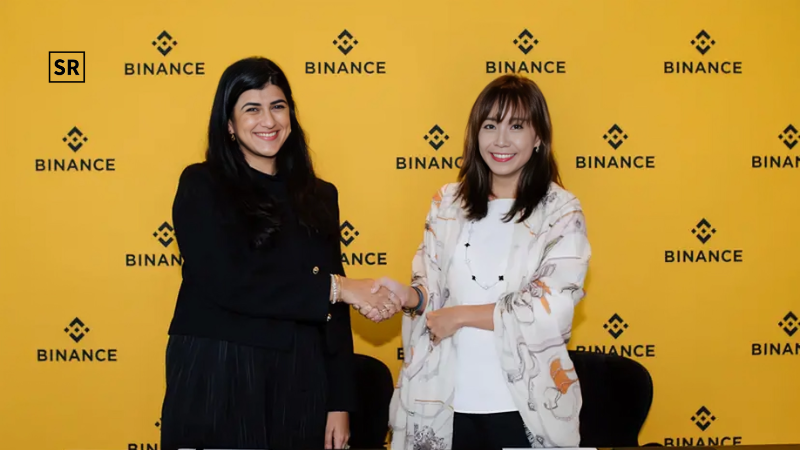
Botim Money and Binance have moved to broaden digital asset access for users across the UAE after signing a memorandum of understanding during Binance Blockchain Week in Dubai, signalling a push to integrate regulated crypto services into one of the region’s most widely used digital platforms. The agreement reflects a growing alignment between established fintech operators and global exchanges seeking to deepen their presence in a market that has positioned itself as a leader in digital-asset regulation and innovation.

Botim Money, the financial services arm of the UAE-based communications platform Botim, aims to use the partnership to explore compliant pathways for users to buy, sell and manage crypto assets from within its ecosystem. The platform, owned by Astra Tech, has expanded from a calling and messaging service into a broader super-app model, adding payments, remittance and e-commerce tools. Executives have argued that embedding secure crypto access is a natural progression as users increasingly seek unified financial services in trusted digital environments. The collaboration with Binance, one of the world’s largest crypto exchanges by trading volume, is expected to focus first on regulatory frameworks, technical integration and user-protection standards.

The signing of the agreement at Binance Blockchain Week placed the partnership in the spotlight as global industry participants gathered in Dubai. Officials from Binance highlighted that the UAE’s licensing landscape and digital economy strategy have created conditions where exchanges can build long-term infrastructure. Richard Teng, who heads Binance globally, has repeatedly emphasised that the Gulf region’s regulatory clarity has allowed the company to stabilise operations after addressing compliance concerns elsewhere. The MoU with Botim Money follows earlier moves by Binance to secure approvals through Dubai’s Virtual Assets Regulatory Authority, enabling it to develop a locally compliant exchange environment.

Senior figures at Botim Money pointed to the super-app’s large user base as a strategic advantage. With millions of active customers across the Middle East and South Asia, Botim has become a central payments and communications tool for expatriate workers. Astra Tech’s leadership said the partnership could help bridge the gap between conventional financial users and digital-asset platforms, allowing remittance senders, online shoppers and small businesses to access crypto payments or investment tools without transitioning to unfamiliar applications. Industry analysts noted that such integrations could accelerate mainstream adoption, provided that strong risk controls are embedded from the outset.

Dubai’s position as a global blockchain hub formed a central backdrop to the announcement. The emirate has attracted exchanges, tokenisation projects and Web3 developers with its tiered licensing system and emphasis on consumer safeguards. Officials have pitched Dubai as a base for companies seeking regulatory stability after volatility in global crypto markets. Binance Blockchain Week itself drew developers, institutional investors, compliance specialists and start-ups exploring tokenised assets, AI-driven trading tools and cross-border payment systems. The Botim Money–Binance collaboration stood out among the event’s business announcements for its potential to link a mass-market communications app with a globally recognised exchange.

The partnership arrives at a time when the UAE continues to refine rules governing custodial services, stablecoins and digital-asset marketing. Market participants say these developments have strengthened confidence among fintech companies looking to integrate virtual assets without jeopardising compliance obligations. Botim Money’s leadership has indicated that any crypto services made available through the platform would adhere to regulatory requirements on customer verification, anti-money laundering controls and risk disclosures. Binance has similarly stressed that its growth strategy in the UAE is tied to full regulatory alignment, following heightened scrutiny by authorities in Europe and North America earlier this year.

Observers viewed the agreement as part of a broader trend in which everyday digital platforms embed financial products to enhance user engagement. For Binance, the arrangement offers an opportunity to reach a large demographic that predominately uses mobile channels for financial activities. For Botim Money, it presents a pathway to diversify revenue streams and retain users within a single app environment, especially as competition intensifies among regional fintech operators seeking to offer remittances, payment processing, microfinance and merchant tools.

VISHNU RAJA
RYO YAMADA
HITORI GOTOH
IKUYO KITA
Just in:
UAE forecasts heavy showers across northern regions midweek // California electorate defeats proposed levy on billionaire wealth // Messi secures consecutive MLS Golden Boots with 26 goals // North Korean hackers widen drone and software attacks // ADNOC Gas quarterly profit doubles to $1.34 billion // Allianz Insurance Singapore Encourages Homeowners to Strengthen Their Home Protection as Residential Fires Continue to Rise // Google school AI search policy draws Senate challenge // GCC defence ministers discuss military coordination amid Iran conflict // COP31 leaders demand accelerated action as warming intensifies // North Korean hackers channel Binance funds through fake tokens // Flydubai Dammam cancellations persist as Etihad extends suspensions // France identifies Iranian Guards as supermarket hacking suspects // Prudential announces title sponsorship of “Prudential Hong Kong Winter Wonderland in Tsim Sha Tsui”, lighting up Victoria Harbour this winter // FAB takes full ownership of Bahrain fund administrator Yasira // Toyota Land Cruiser 2025 and 2026. What Each Trim Costs in the UAE // Abu Dhabi unveils restored Porsche from royal motorcade // New Two Way Trade Momentum Highlighted at China-Africa Cooperation Forum in Yiwu // FinCEN identifies $8 billion in suspect overseas payments // Japan’s Nikkei advances as buyers return after sell-off // The MICHELIN Guide Thailand Celebrates Its Landmark 10th Edition with Record Numbers of Entries and MICHELIN-Starred Dining Venues //