News related to
world’s

Derek Gee, a 27-year-old cyclist from Ottawa, is gearing up to take the helm of the Israel-Premier Tech team at the upcoming Giro d’Italia. This marks his second appearance in the prestigious race, having made a significant impact in the previous edition. His leadership role signals a growing recognition of his talents and potential in the professional cycling world. Gee’s career trajectory has been closely followed by […]

Infinity Power, a prominent renewable energy developer partly owned by Masdar, is evaluating the possibility of launching an initial public offering (IPO) on the Abu Dhabi Securities Exchange (ADX) within the next two to three years. The company’s chairman, Mohamed Jameel Al Ramahi, revealed this potential move in an interview, signaling Infinity Power’s ambition to expand its influence in the global clean energy sector. Infinity Power is […]

Crude oil markets across the Middle East have become increasingly constrained as the United Arab Emirates (UAE) takes steps to limit its oil exports, while international sanctions continue to affect flows from Iran. These combined actions have contributed to a tightening of global oil supplies, pushing prices higher for key Middle Eastern grades.

The UAE, one of the world’s top oil producers, has recently implemented measures to limit its output, joining other OPEC+ members in their efforts to stabilize oil markets amid fluctuating demand and economic uncertainty. This move is part of a broader strategy by the UAE to control production levels more closely, ensuring that the global supply remains in balance with the demand.

Meanwhile, the ongoing sanctions on Iran have added another layer of complexity to the Middle Eastern oil landscape. Despite some efforts to revive the nuclear deal, Tehran continues to face restrictions that prevent it from fully participating in the global oil trade. As a result, Iran’s oil exports have been significantly curtailed, with the country struggling to bypass restrictions designed to limit its oil revenues. This has further squeezed the market and contributed to higher prices for several crude grades.

The tightening of the market has had a noticeable impact on prices. For example, the price of Dubai crude, a key benchmark for Middle Eastern oil, has seen a substantial increase, reflecting the reduced availability of supply. The price uptick is particularly significant for countries in Asia, where Middle Eastern crude is a primary source of oil. The sharp rise in prices has prompted concerns among buyers about the sustainability of the situation, especially as global energy demand continues to grow.

Oil prices in the Middle East have also been influenced by broader geopolitical and economic trends. As countries like China and India recover from the pandemic and resume higher levels of industrial activity, their demand for crude oil has surged. This demand has been further amplified by supply restrictions in other regions, notably from Russia and Venezuela, where political and economic challenges have hampered production. These dynamics have intensified the pressure on Middle Eastern producers to ensure they can meet the global demand while managing the ongoing challenges posed by sanctions and production cuts.

The UAE’s decision to limit its oil exports aligns with broader efforts within the Organization of the Petroleum Exporting Countries (OPEC+) to curb production in response to shifting market conditions. OPEC+ has long been at the forefront of managing global oil output to prevent significant price fluctuations that could destabilize the market. However, the ongoing cuts, which have been in place for much of 2024, are a delicate balancing act. If production levels are reduced too much, they risk pushing prices too high, which could spark inflationary pressures around the world.

This delicate balance is evident in the price movements of several key crude grades. Brent crude, the global benchmark, has risen steadily, driven by supply concerns from key oil-producing regions, including the Middle East. Similarly, West Texas Intermediate (WTI) has seen price increases, partly due to concerns about the tight supply from OPEC+ nations.

Sanctions on Iran continue to play a significant role in these price shifts. Despite some efforts by Tehran to circumvent sanctions by selling oil on the black market, international restrictions remain in place, making it difficult for the country to regain its former market share. Iran’s oil exports, which once accounted for a substantial portion of global supply, have dropped significantly since the US re-imposed sanctions after exiting the nuclear deal. While there have been sporadic efforts to negotiate a return to the deal, these have so far yielded little in terms of significant policy changes or sanctions relief.

For the oil markets, these combined challenges—UAE production cuts and Iranian sanctions—represent a dual pressure point that is expected to persist throughout 2024. Experts warn that the global oil market will continue to face volatility as geopolitical uncertainties, economic growth trajectories, and supply disruptions intertwine.

While the UAE’s actions are likely to continue to drive the market dynamics in the short term, the long-term outlook for the region’s oil supply remains uncertain. The UAE, along with other key players like Saudi Arabia, will need to carefully navigate the challenges of balancing global demand with domestic energy strategies. In particular, the UAE’s push to manage its oil output more closely may have significant implications for global oil prices, especially if other members of OPEC+ follow suit.

SINGAPORE – Media OutReach Newswire – 18 December 2024 – Money20/20, the world’s leading fintech show, and the place where money does business has together with Acrew Capital launched “ALL IN ON AI: Financial Services Adoption Index 2024 showcasing that 167 out of 221 top financial services companies globally have initiated AI initiatives since January 2023. Source: Money 20/20 Money20/20 and Acrew Capital’s analysis of publicly announced […]

The Trump Organization is set to expand its presence in the Gulf with the development of Trump Towers in both Abu Dhabi and Dubai. These luxury projects, slated for construction in partnership with Dar Global, are expected to bring unparalleled opulence to the region, with one of the towers located in Downtown Dubai. According to Eric Trump, son of the US president-elect, the Abu Dhabi development is […]

A European Member of Parliament has called for the establishment of a “Strategic Bitcoin Reserve” within the European Union, aiming to position the region as a leader in the global cryptocurrency market. The proposal, made during a speech in the European Parliament, advocates for the EU to take a more active role in the adoption and regulation of Bitcoin, highlighting the potential economic and geopolitical benefits.

The lawmaker’s speech focused on the role of Bitcoin as a reserve asset, similar to gold, with the potential to safeguard Europe’s financial stability amid global economic uncertainty. By creating a reserve, the European Union could enhance its financial sovereignty and reduce reliance on traditional financial systems, particularly in the face of growing interest in digital currencies worldwide. The proposal is seen as a direct challenge to conventional financial policies and aligns with the growing push for central bank digital currencies (CBDCs) across the globe.

Bitcoin, often referred to as “digital gold,” has garnered increasing attention from institutional investors and governments alike, with countries such as El Salvador adopting it as legal tender. The European MP emphasized that Bitcoin’s decentralized nature makes it an ideal asset for hedging against inflation and economic volatility, particularly given the global financial system’s reliance on central banks and fiat currencies. He suggested that the EU, with its strong economic foundation, should embrace Bitcoin as a way to secure its future financial interests.

The call for a Strategic Bitcoin Reserve also touches on broader geopolitical implications. As the United States and China continue to assert dominance in the global economic landscape, the MP pointed out that Europe risks losing its competitive edge by failing to integrate digital assets like Bitcoin into its strategic financial planning. By creating a reserve, the EU could not only protect its financial interests but also position itself as a global leader in the blockchain and cryptocurrency industries.

However, the proposal is not without its critics. Some members of the European Parliament have expressed concerns about the volatility of Bitcoin, which could pose significant risks if the EU were to invest heavily in the cryptocurrency. Bitcoin’s price fluctuations have been well-documented, with the asset experiencing dramatic rises and falls over the years. Critics argue that placing too much faith in Bitcoin could expose the EU to unnecessary financial instability, particularly given the unpredictable nature of the cryptocurrency market.

The EU’s regulatory stance on Bitcoin and cryptocurrencies remains a subject of debate. While some countries, such as Germany, have embraced the use of Bitcoin and other digital assets, others remain wary, with concerns about security, money laundering, and financial crime. The European Central Bank (ECB) has consistently warned about the risks associated with cryptocurrencies, particularly in relation to their use as an alternative to traditional financial systems.

Despite these concerns, the growing interest in Bitcoin as a hedge against inflation has spurred a wave of interest among policymakers. Several EU member states are exploring ways to integrate blockchain technology and cryptocurrencies into their financial systems. For example, France has launched its own regulatory framework for cryptocurrency exchanges, and Estonia has been a pioneer in blockchain adoption for government services. The MP’s proposal for a Strategic Bitcoin Reserve is likely to ignite further debate on how the EU should position itself in the evolving digital economy.

Another important aspect of the proposal is the potential for the EU to influence the global regulatory landscape for cryptocurrencies. As one of the world’s largest economic blocs, the EU has the power to shape global financial regulations. By taking a proactive approach to Bitcoin, the EU could set standards for the cryptocurrency industry, ensuring greater stability and transparency in the market. This could provide a model for other countries and regions to follow, creating a more structured environment for digital asset adoption.

The concept of a Strategic Bitcoin Reserve also ties into the EU’s broader goals of enhancing its digital infrastructure and fostering innovation. The European Commission has been actively promoting the development of digital technologies, including blockchain, as part of its Digital Strategy for 2030. By integrating Bitcoin into its long-term financial strategy, the EU could further its ambitions of becoming a global hub for digital innovation.

Despite the controversy surrounding Bitcoin’s volatility, advocates for the Strategic Bitcoin Reserve argue that it represents a forward-thinking approach to financial stability. By diversifying its reserves and incorporating digital assets into its portfolio, the EU could mitigate the risks associated with relying solely on traditional currencies and assets like gold. This approach could offer a more resilient foundation for the EU’s economy in an increasingly uncertain global financial environment.

The UAE property market has experienced a significant surge in demand as a growing number of Europeans relocate to Dubai, seeking a dynamic lifestyle and favorable business environment. According to Ali Sajwani, Managing Director of Damac Properties, a leading real estate developer in the region, the shift has been fueled by a combination of factors that make Dubai an increasingly attractive destination for expatriates. These factors include […]

Advertisements

Abu Dhabi-based energy group XRG has entered into a strategic partnership with BP to establish a joint venture aimed at developing a state-of-the-art natural gas platform. The move marks a significant step in the region’s ongoing efforts to expand its energy infrastructure while aligning with global trends towards cleaner energy solutions. This collaboration highlights both companies’ shared commitment to innovating within the natural gas sector, one of […]

By Nantoo Banerjee China’s sudden change of mind to uphold peace and tranquility with India at the Line of Actual Control (LAC) and work for early resolution of outstanding issues should not be read beyond these words as framed at the joint declaration at the end of the 30th meeting of the Working Mechanism for […]

SINGAPORE – Media OutReach Newswire – 12 December 2024 – BLKDOT PTE. LTD. is thrilled to announce the first-ever Singapore tour of MIMIRICHI’s Paper World, an interactive theatrical performance that promises a delightful blend of laughter, creativity, and fun for audiences of all ages. From December 19th to 22nd, 2024, theatre-goers can experience this unique performance that combines pantomime, physical comedy, and improvisation to create an unforgettable […]

Modon Real Estate has set a groundbreaking milestone in the UAE’s real estate sector by becoming the first developer in the region to commit to using low-carbon steel in its construction projects. This achievement comes as a result of a strategic partnership with EMSTEEL Group, the UAE’s largest steel and building materials manufacturer. The two companies signed a Memorandum of Understanding (MoU), solidifying their commitment to advancing sustainability and reducing carbon emissions in the country’s construction industry.

The alliance between Modon and EMSTEEL is a significant step forward in the UAE’s efforts to become a global leader in sustainable development. The use of low-carbon steel in construction, a vital component in reducing environmental impact, aligns with the UAE’s broader goals for environmental responsibility, particularly its National Climate Change Plan and the UAE Green Agenda 2030. The partnership is expected to enhance the nation’s sustainability credentials while transforming the local construction industry.

Low-carbon steel is produced with fewer greenhouse gas emissions compared to traditional steel, which is a significant contributor to carbon pollution globally. By incorporating this material, Modon is setting a new benchmark for the region’s real estate sector, making substantial progress toward creating more environmentally friendly urban environments. The collaboration between Modon and EMSTEEL is expected to pave the way for other developers in the UAE to adopt similar sustainable practices.

EMSTEEL, known for its cutting-edge manufacturing technologies and leadership in the steel industry, has long been committed to sustainability. The company’s partnership with Modon marks a new chapter in its efforts to support green building initiatives across the UAE. The company has pioneered various innovations in steel production, and its involvement in the low-carbon steel initiative aligns with the growing global trend of reducing carbon emissions in industrial processes.

The introduction of low-carbon steel into construction is part of a broader shift in the construction industry toward more sustainable materials. With the global construction sector accounting for a large portion of the world’s carbon emissions, the push for greener alternatives is gaining momentum. Low-carbon steel offers a solution to this issue, as it has the potential to reduce the carbon footprint of buildings and infrastructure projects significantly.

The impact of this collaboration goes beyond just environmental benefits. Modon and EMSTEEL’s MoU reflects a growing recognition of the importance of sustainable construction practices not only in the UAE but also in the Middle East region. As the demand for green buildings and sustainable infrastructure grows, the partnership is expected to attract significant attention from developers and industry leaders looking to align with the global trend toward sustainability.

This partnership could also have economic implications, as the construction industry is a major contributor to the UAE’s economy. By adopting low-carbon steel and other sustainable practices, developers can differentiate themselves in an increasingly competitive market. Sustainability is becoming a key factor for buyers, investors, and tenants who prioritize environmental responsibility in their purchasing and leasing decisions.

Modon, which is known for its focus on building vibrant and sustainable communities, has been at the forefront of implementing eco-friendly initiatives in its developments. This partnership with EMSTEEL is a natural extension of the company’s long-standing commitment to sustainability. Modon’s focus on creating green, energy-efficient communities aligns with the UAE’s vision of reducing its carbon footprint and ensuring a sustainable future for future generations.

The UAE has made significant strides in sustainability over the years, with initiatives such as the Dubai Clean Energy Strategy and Abu Dhabi’s Masdar City driving the push for cleaner, greener practices in the construction sector. The country’s ambitious goals for reducing carbon emissions are reflected in the growing number of partnerships and initiatives like the one between Modon and EMSTEEL, which aim to reduce the carbon intensity of construction materials and processes.

The construction sector is now entering a new era, where sustainable practices are no longer optional but are becoming a requirement. As part of this transformation, the use of low-carbon steel is gaining traction as a viable solution to reduce the environmental impact of building materials. With the support of companies like EMSTEEL, Modon is paving the way for a future where sustainable development is integrated into every aspect of urban planning and construction.

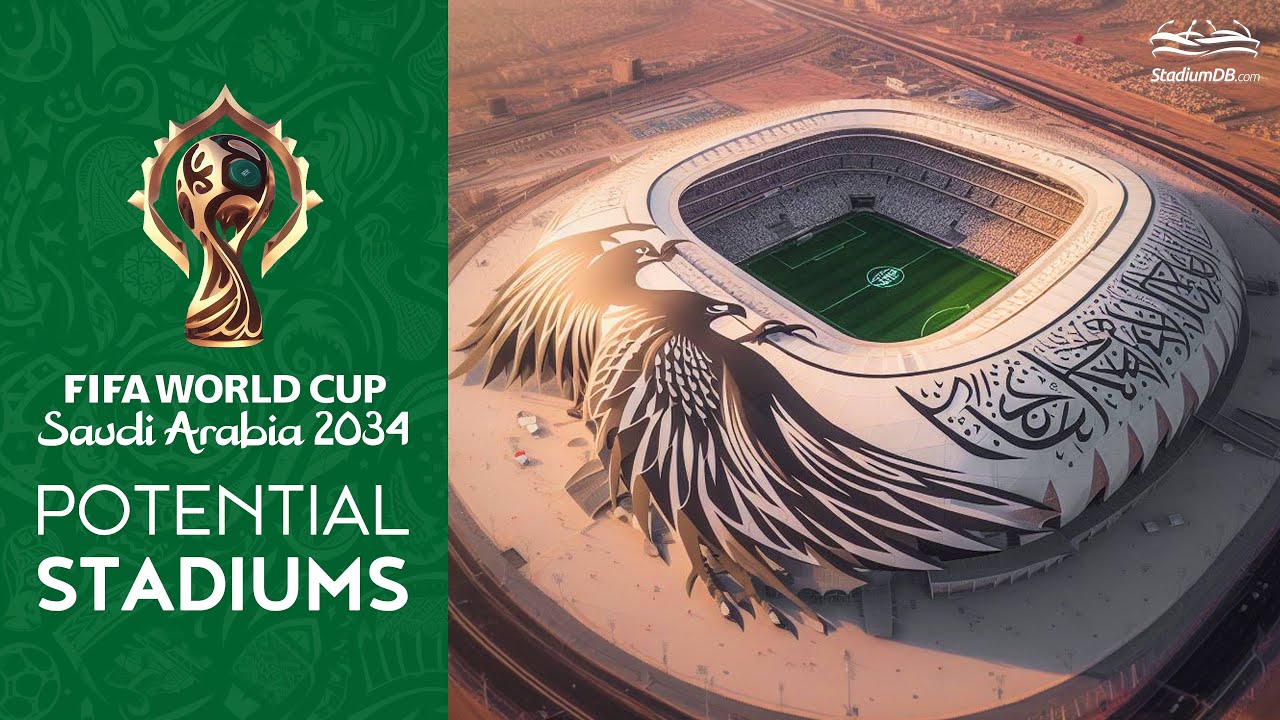
FIFA confirmed Saudi Arabia as the host of the 2034 Men’s World Cup on Wednesday, marking a historic moment for both the nation and the Middle East. The announcement was largely a formality, as Saudi Arabia was the sole bidder for the prestigious tournament, securing the rights without facing competition from other countries.

This victory positions Saudi Arabia as the second nation in the Middle East to host the World Cup, following Qatar’s successful bid for the 2022 tournament. FIFA’s decision to award Saudi Arabia the 2034 event underscores the growing influence of the region in global sports and aligns with the country’s ongoing push to diversify its economy and enhance its global stature.

The announcement follows the deadline for World Cup host bids, which closed without any other nations stepping forward. While other countries had considered bidding, Saudi Arabia’s extensive investment in sports infrastructure, coupled with its broader ambitions under the Vision 2030 initiative, positioned it as the dominant candidate. The country’s growing role in global sports has been evident in recent years with high-profile events such as the LIV Golf series and the Saudi Pro League attracting international attention.

The choice to award Saudi Arabia the 2034 World Cup aligns with FIFA’s ongoing efforts to globalize the tournament and increase its presence in new markets. This marks a continuation of FIFA’s strategy to bring the World Cup to regions that have historically been underrepresented in major international sporting events. For Saudi Arabia, hosting the World Cup is part of its broader ambitions to reshape its international image and establish itself as a leading destination for tourism, sports, and entertainment.

Saudi Arabia’s Vision 2030, spearheaded by Crown Prince Mohammed bin Salman, is a national development plan that aims to reduce the kingdom’s dependence on oil revenues by investing in non-oil sectors like tourism, entertainment, and sports. The 2034 World Cup fits into this larger strategy, with the event expected to boost the country’s economy, infrastructure, and international appeal. The announcement of the World Cup was celebrated within the country, reflecting national pride and ambition.

The infrastructure required for the World Cup is expected to drive further modernization efforts. Saudi Arabia has already embarked on major construction projects in recent years, including the building of new sports venues, hotels, and entertainment complexes. The country has also been investing heavily in upgrading its transportation networks, with the aim of creating a seamless experience for international visitors. The legacy of the tournament will likely include lasting improvements to Saudi Arabia’s tourism infrastructure, further positioning it as a destination for international visitors.

Although the lack of competition for the 2034 World Cup bid may raise questions about the transparency of the process, FIFA’s decision was met with enthusiasm from both supporters and critics of Saudi Arabia’s role in global sports. Some observers argue that the country’s growing presence in major international events raises important questions about the intersection of politics, sports, and human rights. However, others believe that hosting the World Cup presents an opportunity for Saudi Arabia to foster greater engagement with the global community.

The Middle East, as a region, has seen a rapid transformation in its sports culture over the last decade. The successful hosting of the 2022 World Cup in Qatar was a landmark event, showcasing the region’s ability to manage and execute a major international sports competition. Qatar’s ability to navigate the logistical challenges of hosting the World Cup has set a precedent for Saudi Arabia, which is expected to follow a similar path in preparation for 2034.

Saudi Arabia’s growing investment in football, particularly through its domestic league, has drawn attention from the international football community. The country’s efforts to attract top talent to the Saudi Pro League, including high-profile signings like Cristiano Ronaldo, have increased the league’s visibility. This influx of international stars has raised the profile of Saudi football and contributed to the country’s ambitions of becoming a leading force in the global football landscape.

The 2034 World Cup also presents a significant opportunity for FIFA to expand the tournament’s global reach. With the event taking place in the Middle East for the second time in just over a decade, FIFA aims to strengthen its presence in a region with rapidly growing football interest and infrastructure development. The decision is likely to further cement football’s place as the world’s most popular sport, especially in a region where the sport has seen an explosion in popularity and investment.

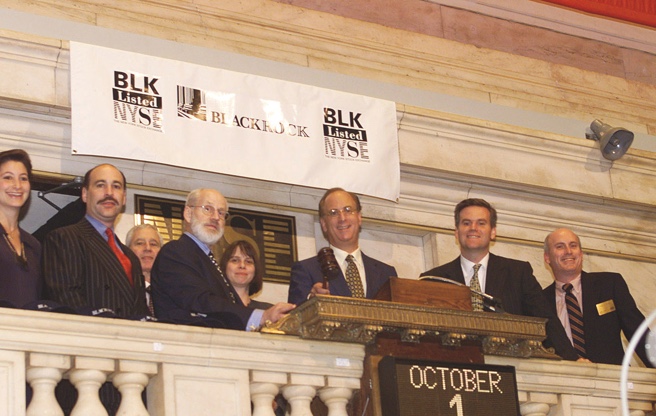
BlackRock, one of the world’s largest asset management firms, has expressed a strong interest in taking cornerstone investment roles in upcoming initial public offerings (IPOs) across the Middle East. The company’s move signals growing confidence in the region’s capital markets and a deepening commitment to its investment strategies in emerging markets.

Over the past few years, the Middle East has seen a substantial uptick in IPO activity, particularly in Saudi Arabia and the United Arab Emirates. Following the historic listing of Saudi Aramco in 2019, which set a new benchmark for the global IPO market, more companies in the region are exploring public offerings. With the backing of major sovereign wealth funds and private investors, these IPOs are seen as an attractive investment opportunity for global firms like BlackRock. The asset manager has previously been involved in such offerings, but now seeks a more pronounced stake by becoming cornerstone investors—those who commit to buying a significant portion of shares before the IPO is publicly launched.

A cornerstone investment carries considerable weight. It not only provides financial support to the issuing company but also bolsters the IPO’s credibility, often leading to greater investor confidence and successful market debuts. This dynamic is particularly critical in the Middle East, where many companies are looking to leverage their IPOs as a way to fund expansion and diversification. BlackRock’s potential involvement signals the growing maturity of the regional market, which has shifted from a reliance on local and regional investors to attracting global players.

The Middle East, particularly the Gulf Cooperation Council (GCC) countries, has become a major hub for investment in infrastructure, technology, and finance. Countries like Saudi Arabia, the UAE, and Qatar have been at the forefront of this transformation. Saudi Arabia’s Vision 2030 plan, which aims to diversify the kingdom’s economy away from oil dependency, has created an environment ripe for privatizations and IPOs in industries ranging from entertainment to healthcare and technology. Similarly, the UAE continues to open up its financial markets with initiatives like the Dubai Financial Market’s efforts to attract more international listings.

In parallel, BlackRock’s increased interest aligns with its broader strategic focus on emerging markets. The firm, which manages trillions of dollars in assets globally, has been expanding its footprint in the Middle East as part of its efforts to tap into the region’s growing wealth and investment opportunities. As the region’s financial ecosystem matures, global investors are keen to get a slice of what could be the next big opportunity.

For BlackRock, entering the IPO scene in the Middle East is not just about expanding its market share but also diversifying its portfolio with high-growth potential investments. The firm has made substantial efforts to ensure its involvement in emerging markets, viewing the Middle East as a key component of its global strategy. The region’s infrastructure development, economic reforms, and push towards diversification make it an attractive place for long-term investments. A cornerstone investment in an IPO could thus offer BlackRock the dual benefit of aligning with local growth ambitions while also capitalizing on new investment opportunities.

Saudi Arabia’s recent IPOs of major companies like the National Energy Services Company and Saudi Telecom have been highly anticipated. Both offerings demonstrated the kingdom’s ability to attract international investors, despite fluctuating oil prices and global economic uncertainty. BlackRock’s potential involvement in such high-profile deals would likely bring credibility to the process, further positioning the country as a growing investment hub. Moreover, it could drive further interest from other institutional investors looking to enter the Middle Eastern market.

The UAE’s stock exchange, the Dubai Financial Market (DFM), and the Abu Dhabi Securities Exchange (ADX) are also key players in the region. As the country looks to increase privatizations and diversify its economy, large-scale IPOs are expected in sectors such as real estate, energy, and technology. BlackRock’s interest in taking up cornerstone stakes reflects its belief in the resilience and expansion potential of the UAE’s market, particularly as it strengthens its status as a regional financial center.

The involvement of global asset managers in Middle Eastern IPOs not only signals the growing internationalization of the region’s capital markets but also highlights the increasing confidence in its long-term economic stability. While geopolitical risks and the ongoing volatility of global oil prices remain factors that could impact these markets, the resilience shown by the Middle East in navigating past crises and diversifying its economy makes it an attractive destination for investors.

Investors from the West have been particularly drawn to the region’s rapidly expanding consumer market and digital transformation initiatives. BlackRock’s strategy of anchoring cornerstone investments in this landscape reflects its commitment to these evolving markets. As companies continue to seek funds through public offerings, the expertise and financial muscle of major players like BlackRock are likely to influence the direction of the region’s IPOs.

Emirates Biotech, a prominent player in the UAE’s growing biotechnology sector, has announced plans to construct what is poised to become the world’s largest production facility for polylactic acid (PLA). The plant, set to break ground in the coming months, aims to revolutionize the global bioplastic industry by providing a sustainable alternative to petroleum-based plastics, which have long been associated with environmental damage. With a sharp focus […]

Abu Dhabi-based CYVN has finalized an agreement to acquire McLaren’s automotive division, marking a significant shift for the renowned British car manufacturer. The deal, valued at an estimated £1.2 billion, aims to secure McLaren’s future in the high-performance sports car sector, while ensuring its long-term growth and innovation. This agreement also signals the latest chapter in McLaren’s ongoing restructuring efforts, which have been crucial in navigating the challenges of global economic uncertainty and the shifting dynamics of the automotive market.

CYVN, a prominent investment group from the UAE with interests in luxury and high-tech industries, has been actively seeking strategic acquisitions to expand its portfolio in the automotive sector. The buyout of McLaren’s automotive business, which produces some of the world’s most coveted hypercars, aligns with CYVN’s goal to further solidify its presence in the global luxury market. McLaren’s automotive arm, known for its innovative designs and engineering prowess, will now be under the strategic guidance of CYVN’s management, which is expected to inject fresh capital and technological expertise.

The deal comes after a period of financial restructuring for McLaren, which has faced mounting debt and a need for investment to sustain its position in a competitive market. Over the past few years, McLaren has been exploring various avenues to maintain its financial health while continuing to produce high-performance cars that blend cutting-edge technology with luxury. The acquisition deal is expected to provide McLaren with the necessary funds to stabilize its operations and drive forward its plans for innovation, particularly in electric vehicle development and other eco-friendly technologies.

The automotive industry is undergoing a major transformation, with manufacturers pivoting towards sustainability, electrification, and advanced technologies. This shift has been a focal point for McLaren in recent years, with the brand aiming to integrate hybrid and electric powertrains into its lineup. The acquisition by CYVN is seen as an opportunity to accelerate these ambitions, as the investment group has already expressed interest in expanding McLaren’s electric vehicle capabilities.

For CYVN, the purchase represents a strategic move to gain a foothold in the ultra-luxury car market, which has shown resilience despite global economic fluctuations. The growing demand for high-end, bespoke vehicles, particularly among the wealthy elite in emerging markets, has created a favorable environment for investment in this sector. McLaren, with its strong brand heritage and established presence in key markets, presents an ideal acquisition target for CYVN to further enhance its standing in the global luxury goods and automotive industries.

This acquisition also positions McLaren to tap into new markets, particularly in Asia and the Middle East, where demand for luxury cars has been increasing. The UAE, a key hub for high-end automobiles, is expected to play a central role in McLaren’s continued expansion. The deal could potentially lead to new manufacturing facilities or partnerships within these regions, further strengthening McLaren’s market presence.

The automotive sector, particularly the luxury segment, has witnessed a surge in consolidation and strategic partnerships in recent years. Industry experts suggest that the combination of CYVN’s financial backing and McLaren’s engineering expertise could create a powerful synergy capable of rivaling the industry’s largest players. As competition intensifies, especially with the push towards sustainable technologies, automakers must remain agile, investing in innovation while maintaining profitability. McLaren, with its deep engineering heritage and now bolstered by CYVN’s resources, is positioned to play a significant role in the next generation of high-performance vehicles.

Although the deal was welcomed by many industry observers, it also raises questions about McLaren’s future identity. The brand, once fully independent, now faces the challenge of aligning its operations and vision with the broader strategic goals of its new owner. The transition may involve shifts in McLaren’s production processes, management structure, and product offerings. However, the emphasis on maintaining McLaren’s engineering excellence and brand prestige is expected to remain a top priority for CYVN.

McLaren’s existing leadership, including CEO Michael Fleischmann, is expected to retain their positions, although the influence of CYVN’s management will likely be felt across key areas of the business. The company has reiterated its commitment to preserving the iconic status of its automotive division, ensuring that future models will continue to offer the exceptional performance and design that McLaren fans have come to expect.

The United States government has approved the export of cutting-edge artificial intelligence (AI) chips to the United Arab Emirates (UAE) under a deal involving Microsoft and the Emirati technology firm G42. This decision comes after a prolonged review, and the deal underscores growing interest in enhancing the UAE’s AI capabilities. Microsoft has invested heavily in G42, forming a partnership to push forward the development of AI technologies in the UAE, but the approval has sparked debates over security risks and potential misuse of the technology.

Microsoft’s $1.5 billion investment in G42 this year not only includes a minority stake but also a strategic partnership that integrates Microsoft’s cloud services with G42’s AI applications. This collaboration is expected to enhance the UAE’s role as a leading player in AI development, especially in areas such as healthcare, government services, and autonomous systems.

However, the deal has faced scrutiny from U.S. lawmakers, who expressed concerns over G42’s potential links to China. The fears center on the possibility of U.S. technology being leveraged by adversarial nations, particularly given G42’s connections to powerful players in the Middle East. U.S. officials have raised alarms about the company’s ties to the Chinese government and its military, fearing that advanced AI systems could inadvertently benefit Beijing or other entities of strategic concern to the U.S.

To mitigate these concerns, the U.S. government imposed strict conditions on the export. Among the most notable restrictions, personnel from countries subject to U.S. arms embargoes, including China, are prohibited from accessing the Microsoft-operated facility in the UAE. Additionally, the deal specifically blocks individuals linked to the Chinese government or organizations based in China from using the technology. These safeguards are designed to ensure that sensitive U.S. technology is not misappropriated by entities that could pose a threat to national security.

Despite these precautions, the deal has ignited a broader conversation about the global race to develop and deploy AI technologies. U.S. officials have repeatedly warned that AI advancements, particularly in fields like military applications and weapons technology, could have significant national security implications. In light of this, the Biden administration has taken steps to bolster oversight of AI development, with mandatory disclosures required from developers of large-scale AI systems regarding the potential security risks of their technologies.

G42, which is partially owned by Abu Dhabi’s sovereign wealth fund and chaired by Sheikh Tahnoon bin Zayed Al Nahyan, has tried to reassure critics by emphasizing its compliance with international standards on AI and its commitment to transparency. However, the company’s efforts have not fully alleviated concerns, with many observers questioning whether the restrictions will be sufficient to prevent sensitive technology from falling into the wrong hands.

The partnership with Microsoft is seen as a major boost for the UAE’s ambitions to position itself at the forefront of AI research and development. The country has long sought to diversify its economy beyond oil, and AI is seen as a key pillar of this transformation. Yet, as this deal shows, the international implications of such partnerships are complex and multifaceted. While the UAE stands to benefit from access to some of the world’s most advanced AI technologies, the potential security risks associated with the transfer of such capabilities remain a point of contention.

Khaldoon Al Mubarak’s leadership of Mubadala Investment Company has positioned the UAE-based sovereign wealth fund as a key global player in transforming the way sovereign funds engage with markets and investments. Al Mubarak, who is not a member of the ruling royal family, stands out in the Gulf as an influential figure overseeing one of the world’s largest and most diversified wealth funds. Under Al Mubarak’s guidance, […]

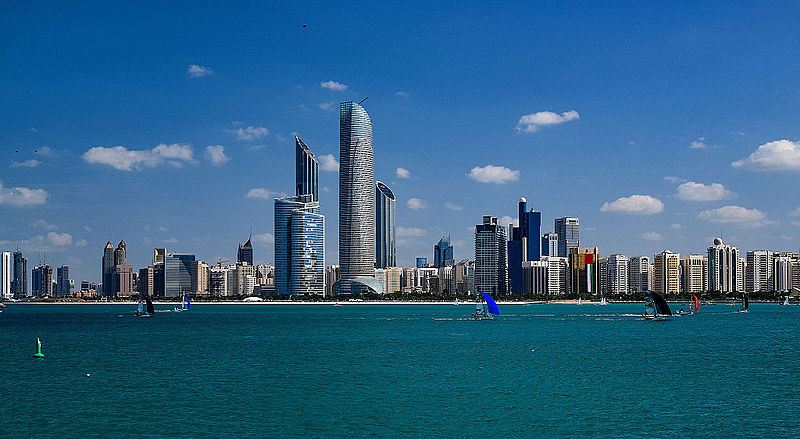
Abu Dhabi is steadily positioning itself as a global financial hub, attracting an increasing number of international bankers, investors, and financial institutions. The capital of the United Arab Emirates (UAE) has long been known for its oil wealth, but in recent years, its economic diversification strategies have begun to bear fruit, transforming it into a key player in the world’s financial markets. This shift is no longer just a future possibility; it is happening now, with rising interest from top-tier banking executives seeking to leverage the city’s infrastructure, favorable regulatory environment, and strategic position at the crossroads of Europe, Asia, and Africa.

As part of its ambition to become a leader in global finance, Abu Dhabi has made significant strides in enhancing its financial services ecosystem. Financial institutions, including major international banks, are increasingly opening branches and expanding operations in the city, attracted by its strategic location and investor-friendly policies. The UAE capital has also established itself as a center for private equity, wealth management, and Islamic finance, sectors where it continues to see consistent growth.

The financial sector in Abu Dhabi has grown rapidly, not just due to its historical advantages but because of deliberate policy decisions made by the government. For example, the Abu Dhabi Global Market (ADGM), a financial free zone established in 2015, has been pivotal in attracting foreign investment. ADGM offers a robust regulatory framework, tax exemptions, and a business-friendly environment that allows for greater ease of doing business compared to other regions in the Middle East.

Another factor drawing attention is Abu Dhabi’s growing role as a leading center for sustainable finance. The UAE has positioned itself as a key player in the global push towards greener investments, with Abu Dhabi at the forefront of green bonds and other sustainable financial products. In addition to the nation’s investment in renewable energy projects like the massive solar farm at Mohammed bin Rashid Al Maktoum Solar Park, the UAE has been a significant proponent of integrating environmental, social, and governance (ESG) criteria into investment strategies.

Abu Dhabi’s rise as a financial powerhouse is not only benefiting the city’s banks but also drawing the attention of global investment funds, particularly those looking to invest in markets with high growth potential. Financial giants from New York to London are setting up operations to tap into the rapidly growing wealth in the Gulf region, with Abu Dhabi being a prime location. The city’s appeal is also reinforced by its relatively low tax environment, particularly for foreign businesses, and the increased liberalization of the banking sector. This has helped make Abu Dhabi a go-to destination for global funds seeking to access emerging markets with fewer barriers.

The UAE government has long supported policies that encourage the diversification of the economy beyond oil, and banking and finance have become pivotal to this transformation. The establishment of the Financial Services Regulatory Authority (FSRA) has played an essential role in strengthening the regulatory framework, providing international businesses with confidence in operating within the emirate’s borders. This system offers a well-defined legal framework, based on international best practices, which ensures transparency and stability in the financial sector.

Abu Dhabi is seeking to capitalize on the global demand for fintech, especially with the increased adoption of digital financial services. Many leading global fintech companies have established a presence in the emirate, while government-backed initiatives continue to promote innovation in the sector. The growth of digital banking, blockchain technologies, and cryptocurrency is becoming more pronounced, positioning the city as an attractive destination for tech-driven financial services. The authorities in Abu Dhabi are keen to foster an ecosystem conducive to fintech startups, leveraging the city’s burgeoning tech infrastructure and access to venture capital funding.

In addition to financial services, Abu Dhabi’s ambitions are evident in its wealth management strategies. With a high concentration of wealthy individuals and families, Abu Dhabi has seen a surge in the demand for sophisticated wealth management services. The city’s wealth managers, private banks, and family offices are increasingly seeking to provide tailored services that cater to the unique needs of their clients. As such, Abu Dhabi is establishing itself as a key player in the high-net-worth individual (HNWI) market, attracting wealthy clients from the Gulf region and beyond.

International investors, particularly from Europe and Asia, are closely monitoring the developments in Abu Dhabi as they seek to capitalize on the economic growth that the emirate is experiencing. Many analysts view the city as one of the best places to invest in the Middle East, noting its ability to offer competitive returns and stability, especially in comparison to other regional markets that have seen geopolitical instability in recent years. Moreover, the city’s efforts to embrace innovation, sustainability, and diversification are making it an increasingly attractive destination for both traditional investors and those seeking to invest in cutting-edge sectors like green technologies and digital finance.

Starting a business in Dubai, one of the world’s most dynamic business hubs, can be an exciting but complex journey. With its strategic location, tax benefits, and a diverse economy, Dubai offers unparalleled opportunities for entrepreneurs. However, navigating legal requirements, licenses, and market intricacies demands expertise. That’s where professional Business Setup Consultants in Dubai come into play. Why Dubai is a Preferred Business Destination Dubai has established […]

The new Long Bar at Raffles at Galaxy Macau, 8½ Otto e Mezzo BOMBANA, Feng Wei Ju, and The Macallan Whisky Bar & Lounge have been recognized as best in class by a raft of industry-leading awards MACAU SAR – Media OutReach Newswire – 6 December 2024 – Galaxy Macau™, the world-class luxury integrated resorts (referred to as “Galaxy Macau”), is proud to announce that its dining […]

Mubadala Investment Company has entered into an agreement to acquire a minority stake in Zelis, a prominent US-based health technology firm. This deal, valued at approximately $1.7 billion, is poised to enhance the UAE-based investment firm’s health sector portfolio. The strategic move aligns with Mubadala’s long-term goal of expanding its footprint in high-growth markets, especially within health tech, and signals its continued interest in driving international expansion, […]

Arabian Post Staff -Dubai The UAE has cemented itself as a hub for high-net-worth individuals (HNWIs), with an influx of the world’s ultra-wealthy seeking refuge in its stable economic and political climate. Analysts highlight a surge in wealthy expatriates relocating to the region, driven by factors such as geopolitical instability, tax incentives, and a thriving real estate market. A UBS executive predicts that investments in the Middle […]

Bitcoin has crossed a major milestone, emerging as the world’s 10th largest asset by market capitalization. This significant shift places the cryptocurrency ahead of both the Australian dollar and the Swiss franc, marking a new chapter in the ongoing evolution of digital assets. The latest surge in Bitcoin’s value showcases its growing influence within the global financial landscape.

The cryptocurrency has made headlines with a substantial increase in its market cap, which now exceeds $500 billion. This has been driven by a combination of factors, including a stronger adoption rate among institutional investors and a renewed interest from retail investors. As the digital currency continues to gain traction, its market value surpasses that of traditional currencies, positioning Bitcoin among the top 10 global assets.

The rise of Bitcoin comes at a time when financial markets are grappling with the volatility of traditional assets and currencies. The Australian dollar and Swiss franc, long seen as safe-haven currencies, are now being overshadowed by the growing dominance of Bitcoin in the financial markets. Bitcoin’s ability to secure its place among the top assets has further solidified its reputation as a digital store of value and an alternative investment class.

What makes this development even more striking is Bitcoin’s ability to challenge conventional asset classes, particularly in the context of growing concerns over inflation and economic instability. Investors are increasingly looking for assets that are decentralized and immune to government manipulation, making Bitcoin an attractive option.

A key contributor to Bitcoin’s rise is the influx of institutional investors, including hedge funds and publicly traded companies, that have begun adding Bitcoin to their portfolios. Large financial institutions like BlackRock, Fidelity, and MicroStrategy have embraced Bitcoin as a legitimate asset, fueling its upward trajectory. These investors view Bitcoin as a hedge against inflation, as it is perceived as being less susceptible to the monetary policies that affect traditional currencies.

At the same time, Bitcoin’s growing acceptance among retail investors has been a significant driver of its value. As more individuals recognize the potential of Bitcoin as both an investment vehicle and a medium of exchange, the demand for the cryptocurrency continues to soar. This has led to a steady increase in Bitcoin’s price and, consequently, its market capitalization.

The rising popularity of decentralized finance (DeFi) platforms has also contributed to Bitcoin’s ascension. DeFi applications, which are built on blockchain technology, are providing users with more ways to earn, borrow, and lend digital assets. As Bitcoin plays a central role in the DeFi ecosystem, its value is becoming increasingly linked to the success of these platforms.

Despite the volatility that has often been associated with cryptocurrencies, Bitcoin’s market dominance is a testament to its resilience. Unlike traditional financial markets, where volatility can be exacerbated by central bank interventions and geopolitical tensions, Bitcoin operates within a decentralized network that is free from government control. This has made Bitcoin a particularly attractive option during times of global uncertainty.

The broader crypto ecosystem, however, remains highly competitive. Ethereum, which ranks second in market capitalization, continues to challenge Bitcoin for dominance in the digital asset space. Despite this, Bitcoin has maintained its position as the leader in terms of market cap, even as other cryptocurrencies such as Binance Coin and Cardano grow in value.

Experts also note that Bitcoin’s status as a store of value is likely to continue strengthening as more people move away from traditional investment vehicles. The ongoing development of Bitcoin-related financial products, such as exchange-traded funds (ETFs) and futures contracts, is helping to integrate the cryptocurrency into mainstream financial markets. This trend suggests that Bitcoin’s role in the global financial system will only expand further in the coming years.

While the current rally in Bitcoin’s market value has garnered attention, analysts remain cautious about the sustainability of its growth. Bitcoin’s price has historically been prone to volatility, with sudden fluctuations often causing uncertainty in the market. Despite this, the long-term outlook for Bitcoin remains optimistic, as its underlying blockchain technology continues to garner support from both institutional and retail investors.

As Bitcoin continues to gain ground, questions remain about its role in the broader economy. While many view it as a hedge against inflation and a store of value, others are concerned about its environmental impact, given the energy consumption associated with mining operations. Moreover, regulatory scrutiny of cryptocurrencies is intensifying in several countries, with governments and financial regulators grappling with how to treat digital assets.

Bitcoin’s rise in market capitalization also highlights the increasing integration of cryptocurrencies into the global financial system. As more financial institutions adopt Bitcoin and other digital assets, it is likely that cryptocurrencies will continue to play an influential role in shaping the future of global finance. The potential for Bitcoin to be used as a widely accepted form of payment, along with its increasing recognition as an asset class, positions it as a key player in the evolution of the financial sector.


The Dubai Marathon is set to take place on January 12, 2025, offering a chance for elite athletes, casual runners, and families to take part in one of the region’s premier sporting events. Organized annually in the UAE’s largest city, the marathon continues to attract competitors from all over the world, further establishing its reputation as a leading global race.

For 2025, participants will have the opportunity to select from three race distances: the full marathon at 42 kilometers, a 10-kilometer race, and a family-friendly 4-kilometer fun run. This range of distances ensures that runners of all experience levels can join in the festivities, making it an inclusive event for serious athletes as well as those seeking to enjoy a casual day of exercise with loved ones.

The Dubai Marathon has consistently drawn some of the world’s top marathoners, with elite runners frequently setting personal records on its fast, flat course. The race has been known for its excellent weather conditions in January, providing the perfect environment for long-distance running. Past editions have seen the fastest marathon times ever recorded in the region, with both men’s and women’s race winners setting impressive marks that often place them among the world’s best for the year.

In addition to the competitive aspect, the event is also celebrated as a festival of fitness, with spectators lining the course to cheer on participants. The 4 km family fun run, in particular, offers an accessible way for the local community to engage in the event. It is expected to attract families, schools, and casual runners, fostering a spirit of health and well-being among the population.

The 10-kilometer race, a middle distance, offers participants the chance to push their limits without the full commitment of a marathon. It has been a popular choice in past years, with a balanced challenge for seasoned runners looking to test their speed while still enjoying the atmosphere of a major marathon event.

The marathon’s reputation for world-class organization also contributes to its continued success. The event will offer participants a seamless experience, including state-of-the-art timing systems, hydration stations along the route, and on-site medical support to ensure runners’ safety. With the increasing popularity of marathons across the globe, the Dubai Marathon has successfully positioned itself as one of the premier races, drawing significant international attention.

Race organizers have also been focused on enhancing the experience for international visitors. Dubai’s status as a global tourism hub allows the event to attract not only participants but also tourists who wish to explore the city while participating in the race. The UAE’s infrastructure and amenities ensure that marathoners and their families can enjoy a comfortable stay while attending the event.

Corporate sponsorships have further contributed to the event’s growth, with major global and regional brands signing on to support the marathon in various capacities. These partnerships provide the necessary funding and logistical support that allow the event to continue evolving, offering prize money, high-end race equipment, and various promotional opportunities to attract more participants.

The marathon also serves as an important platform for promoting fitness and healthy living in the UAE. With rising awareness of the health benefits of exercise, the Dubai Marathon plays a key role in encouraging both residents and visitors to adopt healthier lifestyles. Running events, particularly marathons, have been shown to have a positive impact on physical and mental well-being, and the Dubai Marathon is no exception. Many participants use the event as a personal goal, whether for fitness improvement, weight loss, or to challenge themselves against other runners.

Alongside the marathon’s athletic and wellness significance, the event plays a key role in charitable efforts. Proceeds from various race-related activities, including registration fees and charity drives, have benefited several local and international causes. This philanthropic aspect adds an additional layer of purpose to the event, allowing participants to contribute to causes they care about while pursuing their athletic goals.

Marathons in major cities around the world are often regarded as much more than athletic events; they are social occasions that bring together people from diverse backgrounds. The Dubai Marathon is no different, with participants from various countries and cultures coming together for the common purpose of running. This element of cultural exchange adds to the event’s charm, making it a unique occasion not only for the athletes but for spectators and volunteers as well.

VISHNU RAJA
RYO YAMADA
HITORI GOTOH
IKUYO KITA